


If you live in an older home, you may worry about lead paint. That worry often shows up right when you want to repaint. You might be asking, can you paint over lead paint and still keep your home safe.
In this guide, I will walk you through what lead paint is and why it matters. You will learn when painting over it can work, and when it is a bad idea.
You will also see what products to use, plus simple steps to prep, coat, and clean up. Along the way, you will get clear dos and don’ts, and signs it is time to call a lead-safe pro.
What Lead Paint is and Why it Matters?
Lead paint is paint that contains lead, a toxic metal. It becomes most dangerous when it breaks down into chips and dust. That dust can get into your body when you breathe it in or swallow it, even in tiny amounts.
Lead paint is often found on:
- Window trim and sills
- Doors and door frames
- Baseboards
- Stair rails
- Cabinets and built-ins
- Exterior siding and trim
Painting work can be risky because sanding, scraping, or grinding old paint can create lead dust. That dust can spread through your home and settle on floors, toys, and furniture. Kids and pregnant people face a higher risk from lead exposure, so it is important to be extra careful.
Should You Paint Over Lead Paint or Not?
You can paint over lead paint using encapsulation, which means sealing the old paint under a thick, strong coating so it cannot chip or create dust.
This can be a safe option only when the old paint is in good shape, and the surface is not a heavy-wear area.
- Encapsulation may work if the paint is solid (not peeling or chalky), the surface is low-friction (nothing rubs or slides on it), the area is dry (no leaks or dampness), and the job can be done with no sanding or scraping.
- Do not paint over it if the paint is peeling, chipping, cracking a lot, or chalky, if moisture is present, or if prep would require sanding or scraping.
- Avoid encapsulation on wear zones like floors and stairs, sliding windows, doors, and door frames that rub, drawers and cabinets that scrape, and handrails in heavy-use areas.
If any of the “do not” points fit your situation, it is safer to stop and choose another method or call a lead-safe pro.
What Paint Can You Use Over Lead Paint?
When you are covering lead paint, regular wall paint, and standard primer are not made to seal in lead risks. A lead encapsulant is the safer choice because it is built to form a stronger barrier.
| Encapsulant Type | What It Is | Where It Often Works Best |
|---|---|---|
| Polymer-based coatings | Thick coatings that form a flexible barrier | Many painted walls and trim in low-friction areas |
| Epoxy or polyurethane systems | Tough coatings that can hold up better in some spots | Areas that need a harder finish (but still not high-rub zones) |
| Cement-like coatings | Thick coatings are used more for masonry-type surfaces in some cases | Masonry-style surfaces where a heavier coating makes sense |
After you pick the right product, always follow the label for where it can be used, how thick it must go on, and how long it needs to dry before the next step.
Can Latex or Oil Paint Be Used?
Yes, latex or oil paint can often be used, but usually only as a topcoat after the encapsulant fully cures, and only if the product label says it is allowed.
Think of it like this: the encapsulant is the safety barrier that seals in the lead paint, while the topcoat is the finish color and the extra wear layer that helps protect the surface.
Step by Step: How to Paint Over Lead Paint Safely
Before you start, make sure the area is safe, sealed off, and ready so you do not spread lead dust while you work.
Step 1: Test the Surface for Lead Before You Touch It
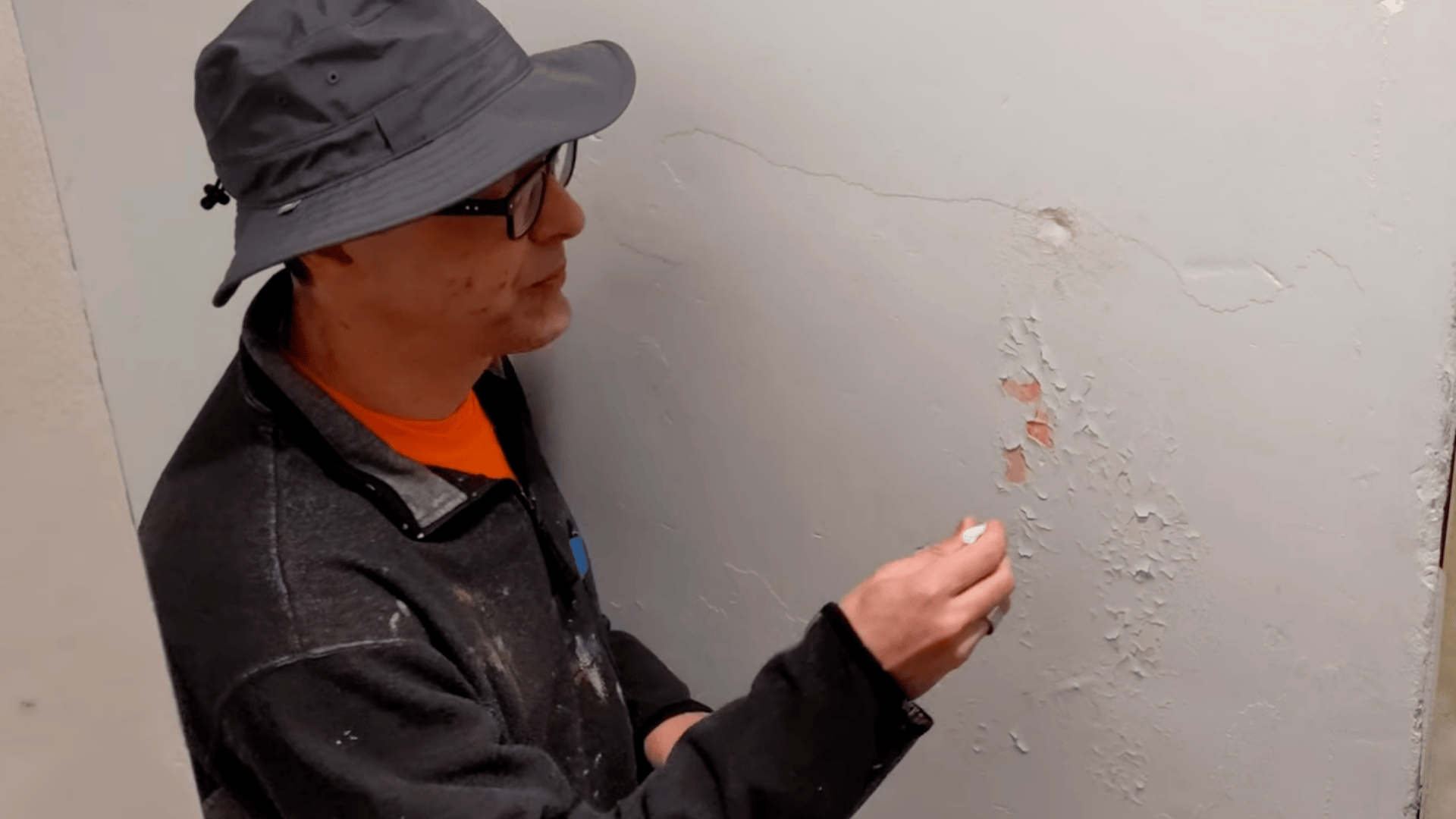
Use a lead test stick (like the 3M LeadCheck style shown). Follow the kit directions, then check the color change. If it turns pink or red, treat it as a positive lead result.
Step 2: Set up Containment and Prep for Lead-Safe Work
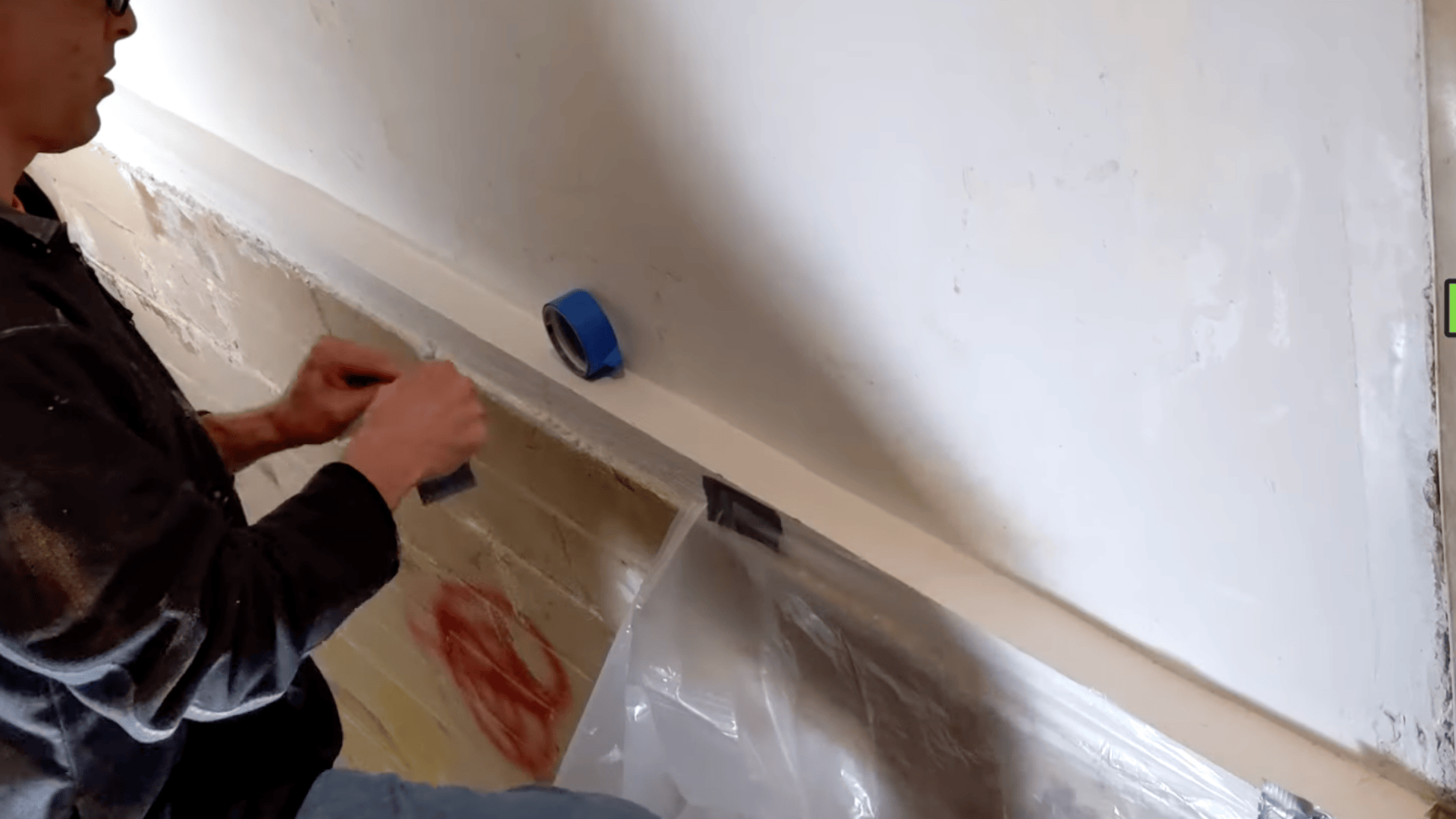
Lay plastic in the work zone before scraping. Keep the work area separated so chips and dust do not spread. Wear a proper respirator before starting.
Step 3: Wet the Area, Then Clean with Tsp (no Dry Dust)
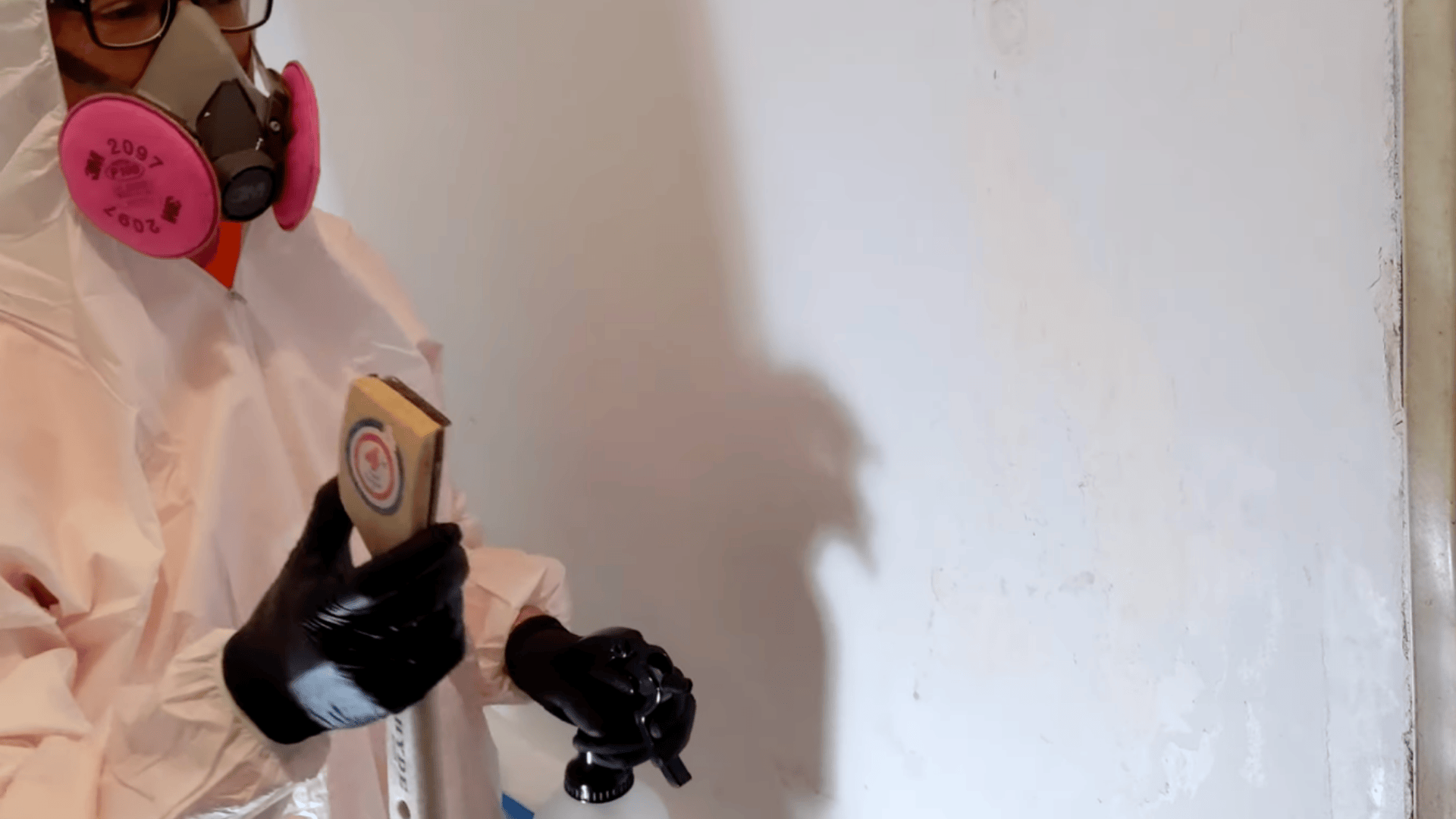
Lightly mist the surface with water to help keep dust down. Then spray or wipe on TSP cleaner and spread it across the area (the video shows a mop pad used for this). Let the surface dry after cleaning.
Step 4: Mix and Apply the Sealant the Right Way
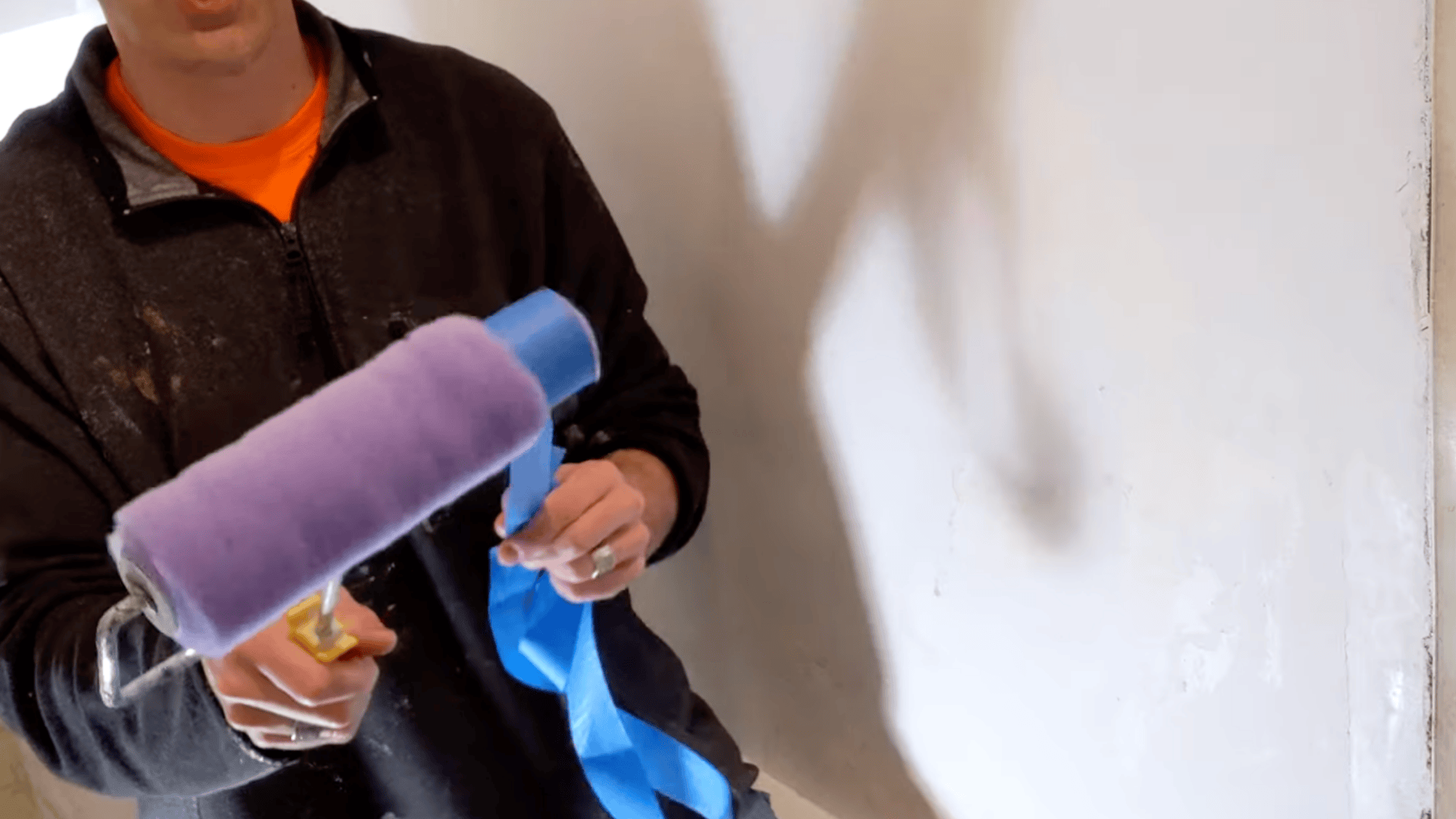
Mix the EcoBond Lead Defender thoroughly until it is like heavy cream. Prep tools like the video shows (tape a roller to remove fuzz, slightly dampen the brush).
Then apply with a quality roller (half-inch to three-quarter-inch nap) and brush for edges. Add a second coat after about 4 hours if needed, based on temperature and humidity.
Step 5: Let It Cure, Then Re-Test and Recoat if Needed
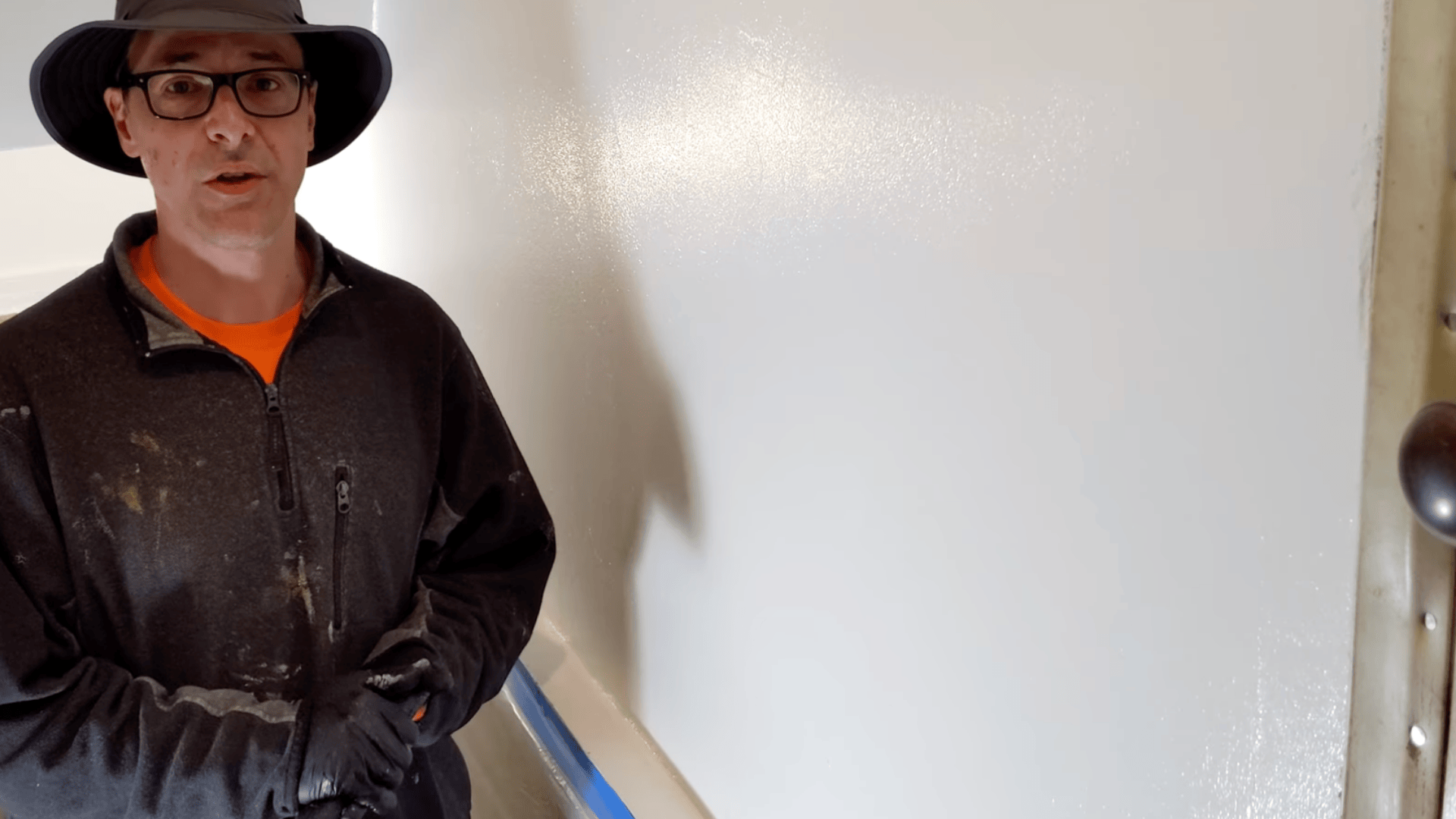
After the coating dries and cures (the video rechecks after two days), retest with a lead test stick. If the stick stays yellow, the test is negative.
If your product allows it, add a topcoat or recoat after the listed dry time for extra protection.
Watch this video for a detailed overview from YouTube:
Dos and Don’ts for Painting Over Lead Paint
Use these quick dos and don’ts to stay safer and avoid mistakes while painting over lead paint.
| Dos | Don’ts |
|---|---|
| Confirm lead paint when possible | Sand or scrape lead paint |
| Keep the area sealed off | Paint over peeling or crumbling paint |
| Use a true encapsulant product | Encapsulate floors, stairs, or rubbing surfaces |
| Keep kids and pets away | Treat the standard primer as a lead barrier |
| Clean with wet methods only | Skip cleanup steps |
| Follow cure and dry times | Rush dry or recoat times |
If you stick to the “dos” and avoid the “don’ts,” you lower the risk and help the coating hold up longer.
When to Hire a Lead-Safe Pro
A lead-safe pro is the safer choice if paint is peeling, the job involves rubbing areas (windows, doors, stairs), the project is large, kids or pregnant people live there, or it is a rental or paid work.
When hiring, ask about lead-safe certification, dust control, cleanup steps, and waste handling.
Other Options Besides Painting Over Lead Paint
If encapsulation is not a good fit, there are safer options that can reduce lead risk without relying on a coating to hold up in a tough spot.
- Enclosure: Cover the surface with a new barrier, like drywall over a wall, paneling over old trim (in some cases), or another cover layer that blocks access to the old paint.
- Replacement: Replace parts that fail often, like old windows, worn doors and frames, or damaged trim.
- Removal and abatement: This creates the highest dust risk, so it should be handled by trained pros using strict controls.
Choosing the right option depends on the paint condition, how much the surface is rubbed, and how safely the work can be contained.
Final Thoughts
Before you start painting, it helps to slow down and plan for safety. In this post, I covered when it makes sense to seal lead paint in place, and when you should stop and choose another option.
You also learned why sanding and scraping are risky, what an encapsulant does, and how to prep, coat, and clean up with care.
If you are still asking, can you paint over lead paint, the key is simple: only do it when the old paint is solid, and the surface is not a high-wear spot. If things look damaged, I’d bring in a lead-safe pro.
For more help, check out the other posts on my site.