


Staring at a leftover can in your garage and thinking about using it inside? If you’re asking, “can I use exterior paint inside my home”?
I’ve had that same thought when trying to save time and money on a project. The short answer is yes, but it’s not always the smartest move.
I’ll walk you through the real differences between interior and exterior paint, when it might make sense to use it indoors, and the risks you need to consider first.
You’ll also learn about fumes, durability, cost, and safer alternatives. By the end, you’ll know exactly what works for your space and what’s better left outside.
Can You Use Exterior Paint Indoors?
Yes, you can use exterior paint indoors, but you need to be cautious. Exterior paint is designed to handle rain, sunlight, and temperature changes, which makes it tougher than most interior paints.
In certain situations, such as damp basements, garages, or utility rooms, it may be acceptable because of its added durability and mildew resistance.
However, it’s usually not recommended for main living areas. Exterior paint often contains higher levels of VOCs and stronger chemicals that release heavy fumes indoors.
It also takes longer to dry and cure properly. For bedrooms, living rooms, and other comfort-focused spaces, interior paint is generally the safer and more practical choice.
Benefits and Drawbacks of Using Exterior Paint Indoors
Before deciding, it helps to clearly compare the advantages and disadvantages of using exterior paint inside your home.
| Benefits | Drawbacks |
|---|---|
| Extra durability for wear and tear | Strong fumes and higher VOC levels |
| Good scratch resistance in busy areas | The off-gassing period may affect air quality |
| Strong moisture resistance for bathrooms, basements, and laundry rooms | Longer drying and curing time |
| UV protection for rooms with heavy sunlight | Higher cost per gallon |
| Performs well in utility or non-living spaces | Thicker texture, less refined interior finish |
Understanding both sides helps you decide if the added durability is worth the trade-offs for your specific indoor space.
What’s the Difference Between Exterior and Interior Paint?
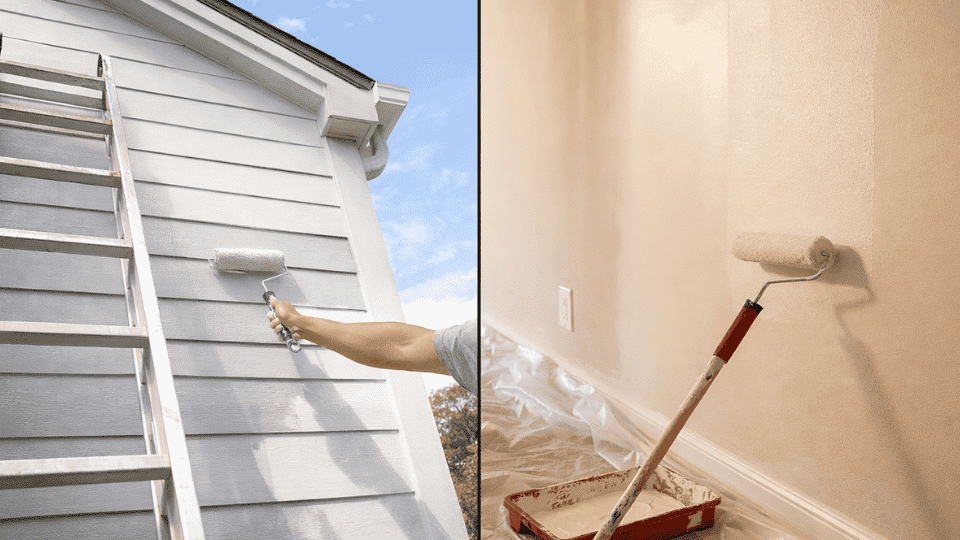
Exterior and interior paints are formulated for completely different environments, affecting their ingredients, durability, finish, and overall performance inside your home.
1. Formula and Ingredients
Exterior paint contains higher levels of VOCs and stronger chemical additives because it must survive sun exposure, rain, humidity, and temperature swings. It often includes mildew-resistant agents to prevent mold growth in damp outdoor conditions.
Flexible resins are added so the paint can expand and contract without cracking. Interior paint, however, focuses on lower odor, smoother application, and safer air quality for enclosed living spaces.
2. Durability Differences
Exterior paint is engineered to handle harsh weather, UV rays, and constant environmental stress. It resists fading, cracking, and moisture damage outdoors. Interior paint, while still durable, is formulated differently.
It’s built to withstand scrubbing, everyday scuffs, and household cleaning rather than extreme climate exposure. For indoor walls that need frequent washing, interior paint often performs better over time.
3. Finish and Texture
Exterior paint is typically thicker and heavier because it needs to form a protective barrier against the weather. This thicker consistency can leave a slightly rougher texture indoors.
Interior paint is smoother and designed to create clean, even finishes across drywall. Sheen also behaves differently indoors; exterior paint may not produce the same refined look or consistent light reflection as interior formulas.
Is Exterior Paint Safe to Use Indoors?
Exterior paint is formulated for outdoor conditions, so it may contain chemicals that are not ideal for indoor spaces.
The fumes from exterior paint can be much stronger than those from interior paint, posing health risks if the area is not properly ventilated.
These paints often contain higher levels of volatile organic compounds (VOCs), which can irritate your eyes, throat, and lungs.
Additionally, exterior paint generally requires longer drying times, which could be inconvenient indoors. While exterior paint offers durability and moisture resistance, it’s important to consider the safety risks.
If you choose to use it indoors, make sure to work in a well-ventilated area, use proper protective gear, and allow extra drying time for best results.
Better Alternatives to Exterior Paint for Indoor Use
If durability or moisture resistance is your concern, several interior paint options perform better indoors, with fewer strong fumes or safety risks.
| Option | Why It’s Better Indoors | Best For |
|---|---|---|
| High-Durability Interior Paint | Designed for scrubbing and daily wear | Hallways, kids’ rooms, living areas |
| Bathroom & Kitchen-Specific Paint | Mold- and moisture-resistant formula | Bathrooms, kitchens, laundry rooms |
| Low-VOC or Zero-VOC Paint | Safer indoor air quality with minimal fumes | Bedrooms, nurseries, enclosed spaces |
These alternatives provide strength and safety, making them smarter choices for comfortable, long-term indoor living.
When Does It Make Sense to Use Exterior Paint Indoors?
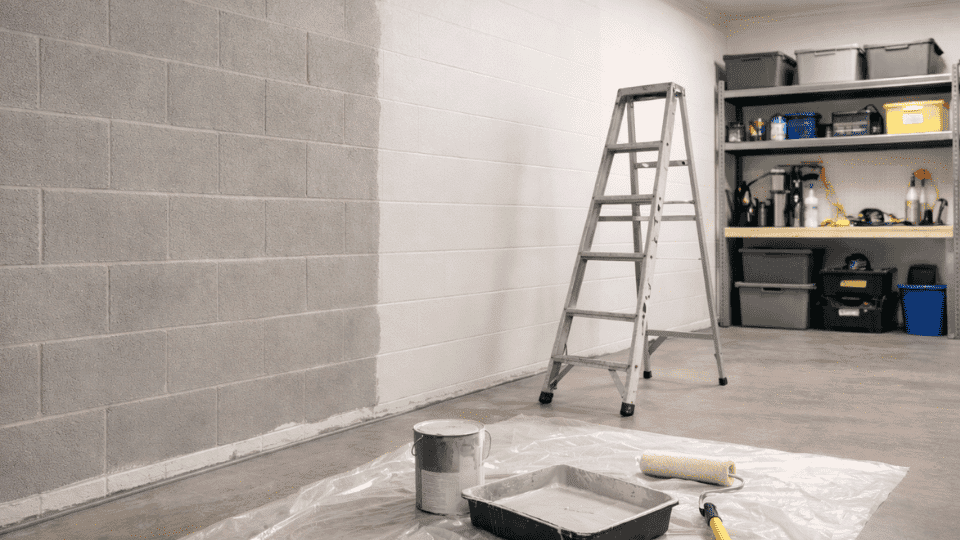
In some limited situations, exterior paint can make practical sense indoors, especially in spaces where durability matters more than comfort.
- Garages
- Utility rooms
- Workshops
- Concrete basement walls
These areas often face moisture, temperature changes, and heavy wear. In such cases, exterior paint’s toughness and mildew resistance can be useful. Still, proper ventilation and safety precautions are essential before using it inside.
Cost Comparison: Exterior vs. Interior Paint Indoors
Understanding the cost difference helps you decide which paint type fits your budget and project needs.
| Paint Type | Average Price per Gallon | Coverage | Typical Use |
|---|---|---|---|
| Interior Paint | $25 – $60 | 350–400 sq ft | Walls, ceilings, and indoor trim |
| Exterior Paint | $40 – $80 | 300–400 sq ft | Outdoor siding, fences, exterior trim |
Exterior paint usually costs more because it contains additives designed to resist weather, moisture, and UV exposure outdoors.
For indoor projects, interior paint is usually more affordable and designed specifically for indoor air quality and surface durability.
Conclusion
Now you have a clear understanding of when exterior paint can work indoors and when it’s better to avoid it.
I’ve covered durability, moisture resistance, fumes, drying time, cost, and safer alternatives designed specifically for indoor spaces.
While exterior paint may seem convenient, it isn’t always the healthiest or most practical choice for your home. You deserve a finish that looks good, performs well, and keeps your indoor air safe.
Before you open that leftover can, take a moment to think about ventilation, room use, and long-term comfort. If you’ve tried using exterior paint indoors, share what happened.
Your experience could help someone else make a smarter decision.