


Got leftover interior paint, and thinking if you can use interior paint outside to finish that fence or shed project? Many homeowners face this exact situation when trying to save money or use up extra paint sitting in garages.
I’ve seen countless DIY projects fail because people didn’t understand the crucial differences between interior and exterior paint formulations.
You might think paint is paint, but the truth about what works outdoors versus indoors is more important.
Making the right choice now saves you time, money, and the frustration of redoing failed paint jobs later. Let me break down everything about using interior paint outdoors and what actually works best.
Can You Use Interior Paint Outside?
Interior paint is not made for outdoor conditions and will fail quickly when exposed to weather and sunlight.
You can technically apply interior paint outside, but it won’t last more than a few months before problems appear.
Interior paint lacks the additives and resins that protect against UV rays, temperature changes, moisture, and mildew growth outdoors.
Exterior paint contains special binders that create flexible films that expand and contract with temperature changes without cracking badly.
Interior formulations focus on easy cleaning and low odor rather than weather resistance or long-term outdoor durability.
Using interior paint outside means you’ll face peeling, fading, cracking, and mold within months of application, requiring costly repainting.
What Happens When You Use Interior Paint Outdoors?
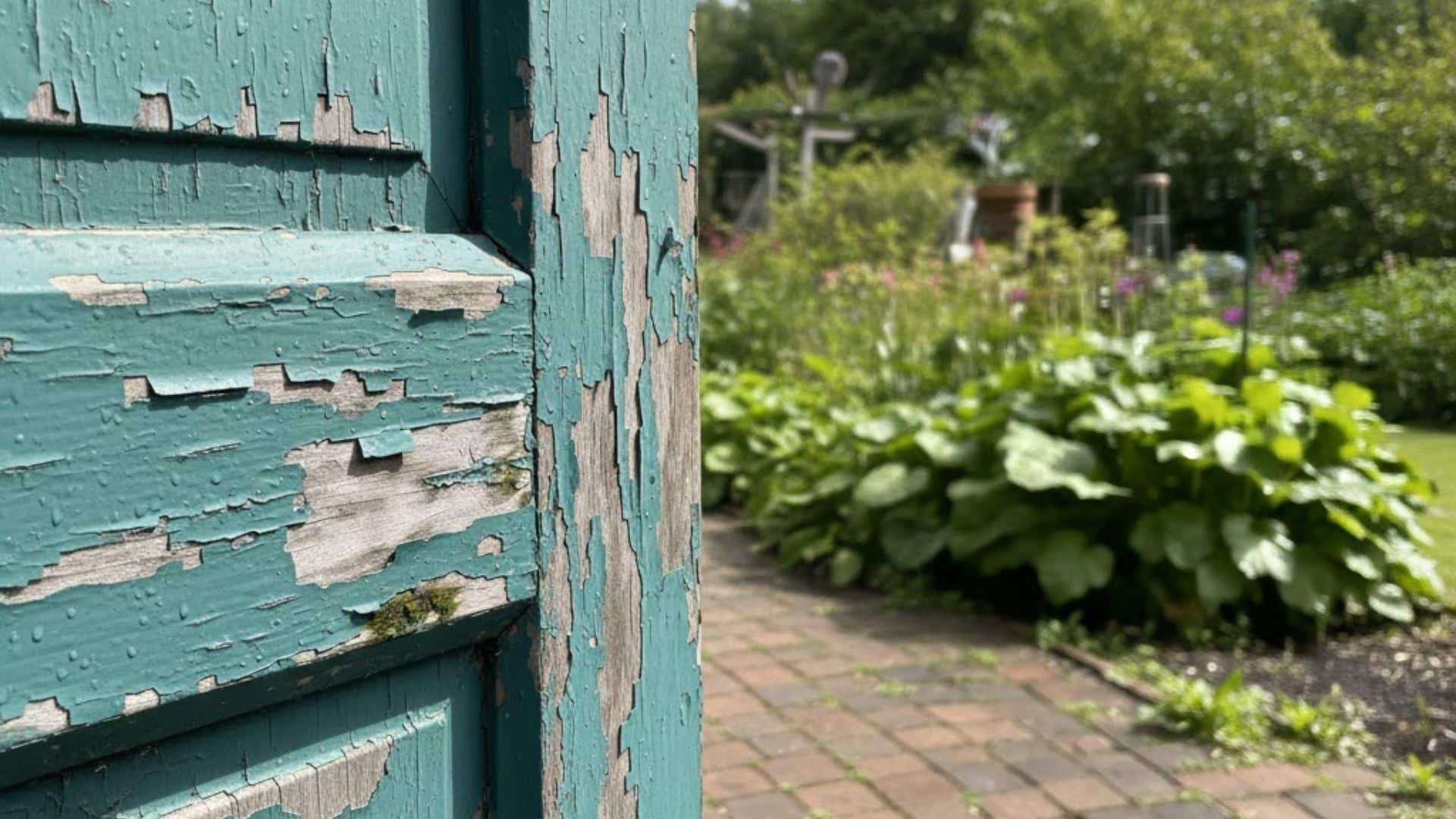
Using interior paint outdoors creates multiple problems that damage your surfaces and cost you money in repairs. Here’s what goes wrong when you use interior paint outside:
1. It Fades Quickly in Sunlight
UV rays from direct sunlight break down pigments in interior paint that aren’t designed for outdoor exposure. Your paint loses its color and vibrancy within just weeks or months, making surfaces look washed out.
Interior formulations lack UV-blocking additives that protect exterior paints from sun damage and color degradation over time. Bright colors fade fastest, turning pale and chalky as the sun destroys the pigment molecules.
2. It Peels and Cracks Easily
Interior paint lacks the flexible binders needed to handle outdoor temperature changes that cause surfaces to expand constantly. Peeling, flaking, and blistering occur fast, especially on wood or metal surfaces exposed to heat and cold cycles.
The rigid film cracks when temperatures swing because it can’t stretch and move with the surface underneath properly. You’ll notice paint bubbling and peeling away from the edges within the first few months.
3. It Can Grow Mold and Mildew
Interior paint doesn’t include strong mildewcides or fungicides that prevent biological growth in outdoor environments with moisture present. Moisture exposure leads to mold and mildew growth, especially in humid areas or shaded spots that stay damp.
Black, green, or gray spots appear on painted surfaces as mold colonies establish and spread across everything. The organic materials in interior paint actually feed mold growth rather than resisting it.
4. It Damages the Surface Underneath
Poor adhesion and lack of weatherproofing allow interior paint to trap moisture against wood, drywall, or masonry surfaces. Trapped water seeps behind the paint film and causes rot, decay, warping, or crumbling of the underlying material.
Wood surfaces develop soft spots and structural weakness as moisture penetrates and breaks down the fibers continuously. The damage often goes unnoticed until the paint peels away, revealing serious deterioration that requires expensive repairs.
5. It Wastes Time and Money
Repairs and repainting with proper exterior paint cost significantly more than simply using the right paint from the start. You’ll spend money removing failed interior paint, repairing damaged surfaces, and buying exterior paint to do jobs correctly.
The labor involved in scraping, sanding, and prepping surfaces again wastes valuable time you could spend elsewhere. Using cheap interior paint outside turns into an expensive mistake that costs double or triple the initial savings.
Why are Interior and Exterior Paints Different?
Interior and exterior paints are formulated with different ingredients to meet the specific challenges of their environments. Here’s how interior and exterior paints differ in composition and purpose:
| Feature | Interior Paint | Exterior Paint |
|---|---|---|
| Resin and Binder | Uses rigid resins for smooth, even finishes on indoor walls and ceilings. | Uses flexible resins that expand and contract with temperature changes without cracking. |
| Additives and Protection | Focuses on washability, stain resistance, and rich color saturation for indoor beauty. | Includes UV blockers, mildewcides, and fungicides to protect against weather and biological growth. |
| VOC and Safety | Contains lower VOC levels to maintain safe indoor air quality for people. | Can handle higher VOC levels since outdoor ventilation disperses fumes quickly and safely. |
Understanding these differences helps you choose the right paint for each project and avoid costly mistakes. Using the wrong type of paint leads to poor performance, early failure, and expensive repairs down the road.
Where You MIGHT Get Away with Using Interior Paint Outside?
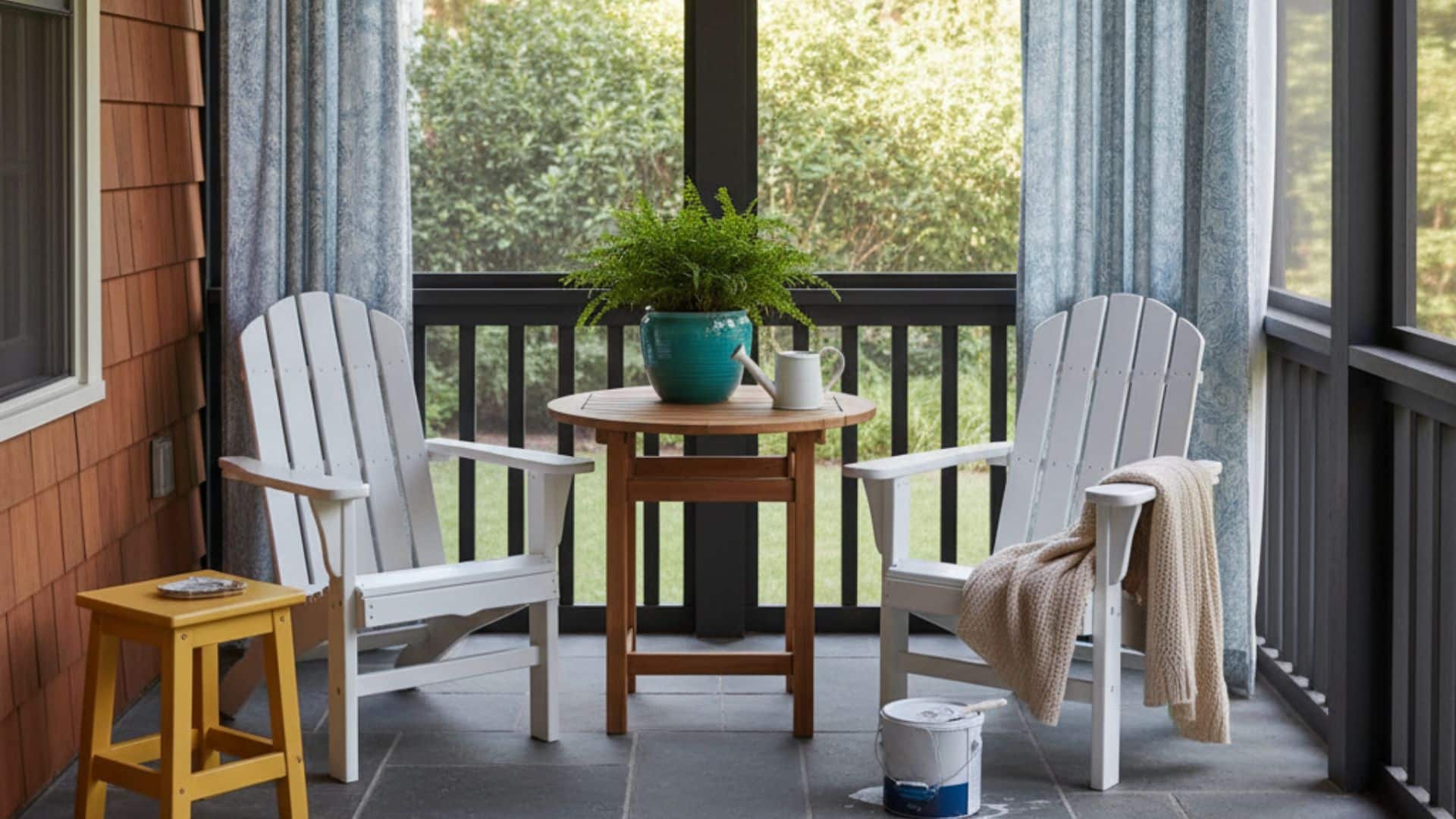
You can sometimes use interior paint outside in very specific situations where weather exposure is minimal or temporary.
Covered or sheltered spaces, such as screened porches, enclosed patios, or areas under deep roof overhangs, may work temporarily if protected.
These spots shield paint from direct rain, harsh sunlight, and extreme temperature swings that cause the most damage.
Small decorative projects or seasonal crafts can also use interior paint safely since they’re not permanent outdoor fixtures.
Items like wooden signs, holiday decorations, or garden accents that you bring inside during bad weather work fine.
However, even in these protected situations, expect interior paint to perform poorly compared to proper exterior paint formulations.
What to Do If You’ve Used Interior Paint Outside?
If you have already painted outdoor surfaces with interior paint, don’t panic because you have several options to fix it. Here’s what you can do to address the problem:
- Check for early damage like peeling, fading, cracking, or mold growth on your painted surfaces as soon as possible.
- Seal it with a clear outdoor sealant or varnish to extend the paint’s life slightly and add some protection.
- Clean affected areas gently with mild soap and water to remove dirt, mold, or mildew before applying any protective coats.
- Plan to repaint with proper exterior paint by sanding, priming, and applying quality outdoor paint for long-lasting, durable results.
Acting quickly can help minimize damage and buy you some time before a full repaint becomes absolutely necessary. However, understand that these fixes are temporary, and proper exterior paint remains the only permanent solution for outdoor surfaces.
The Right Way to Paint Exterior Surfaces
Painting exterior surfaces correctly ensures your work lasts for years without peeling, fading, or requiring constant touch-ups. Follow these essential steps for professional, long-lasting results:
- Step 1: Remove all dirt, grease, mildew, and old flaking paint from the surface using a pressure washer or scrub brush.
- Step 2: Apply an exterior primer suited for your surface material to ensure better paint adhesion and long-term durability.
- Step 3: Choose high-quality exterior paint designed for your surface type: wood, metal, masonry, vinyl, or composite.
- Step 4: Apply at least two coats of exterior paint, allowing proper drying time between coats as recommended on the label.
- Step 5: Inspect your painted surfaces yearly for cracks, peeling, or wear, then touch up problem areas immediately to prevent damage.
Taking time to follow these steps properly means your exterior paint job will look beautiful for years. Proper preparation and quality materials make all the difference between paint that lasts and paint that fails quickly.
Wrapping It Up
The big question about if you can use interior paint outside has a clear answer: technically, yes, but never for lasting results. You now understand why interior paint fails outdoors, what problems it causes, and how to fix mistakes properly.
I’ve learned through experience that choosing the right paint from the start always beats dealing with failures later. Remember that cutting corners with the wrong paint types always costs more when you factor in repairs and repainting later.
Invest in proper exterior paint from the start, prep your surfaces correctly, and maintain them regularly for beautiful results. Your home deserves paint that actually survives weather instead of peeling away after a few months of exposure.
Share your painting experiences or questions in the comments below!