


Thinking about using flat paint on walls but feeling unsure after hearing mixed opinions? I understand that completely.
When I first started comparing paint finishes, I was surprised at how strongly people felt about this one. Some comments made it sound like a mistake.
Others made it seem like the only smart choice. It’s hard to know what’s true. You don’t need to rely on random advice or guesswork.
I’ll walk you through why some people dislike this finish, what others appreciate about it, and how to decide if it fits your home. By the end, you’ll feel clear and confident about your choice.
What is Flat Paint on Walls?
Flat paint on walls is a finish with almost no shine or light reflection. When you look at it from different angles, you won’t see glare or gloss. Instead, it creates a soft, smooth appearance that feels calm and subtle.
Because it absorbs light rather than reflecting it, flat paint helps hide small dents, drywall seams, and patch marks. That’s one reason many homeowners choose it for older walls that are not perfectly smooth.
You’ll often see flat paint used in bedrooms, formal spaces, and on ceilings. The trade-off is durability. It marks more easily and does not handle scrubbing well, which makes room choice especially important.
Why Do Some People Dislike Flat Paint on Walls?
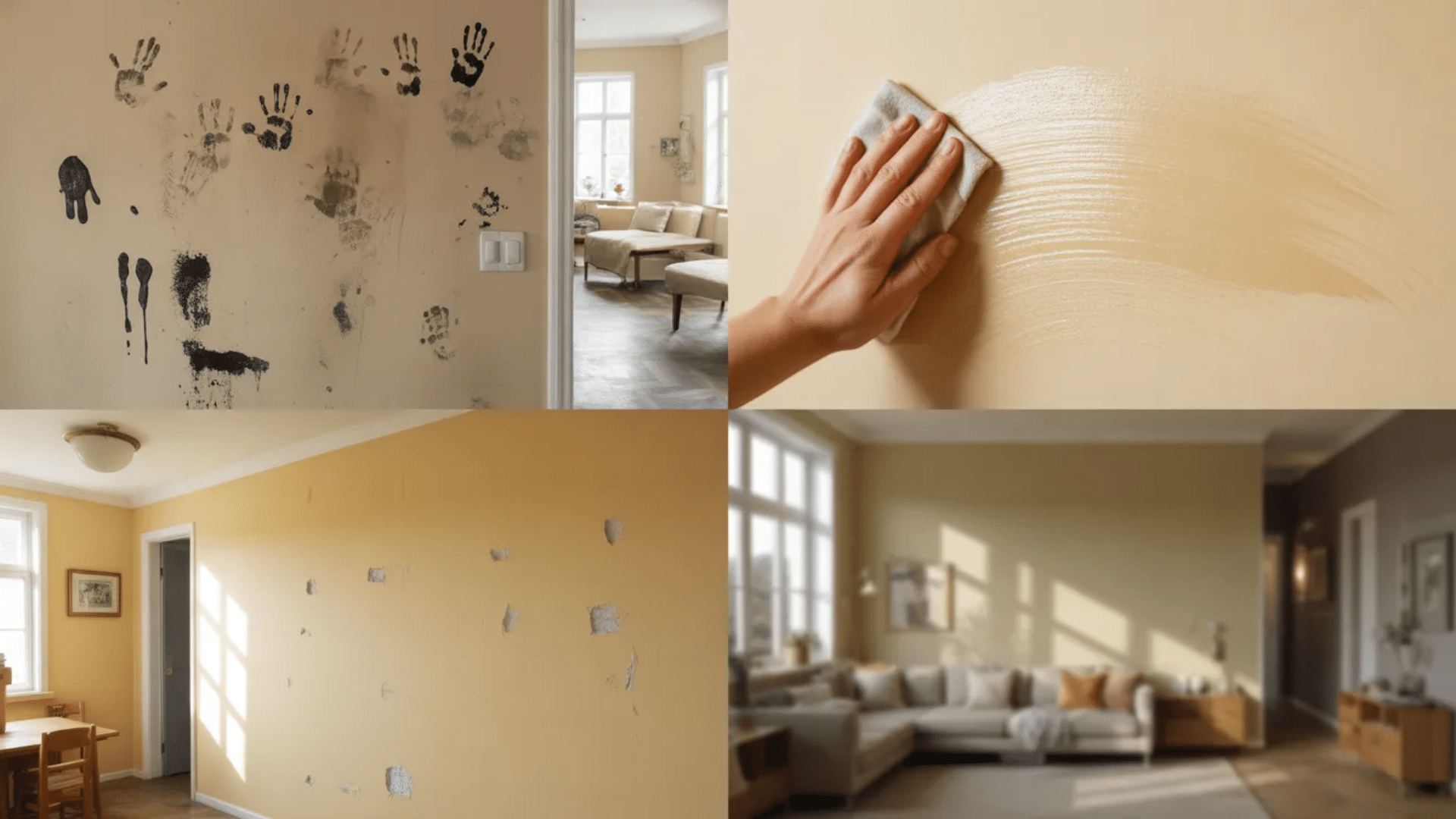
From what I’ve seen and heard, this finish has several drawbacks that make people cautious about using it in their homes. Here are the most common complaints I keep hearing:
1. Difficult to Clean
Flat paint on walls is known for being hard to clean once marks appear. When you wipe a smudge, the surface can develop burnish, meaning the area turns slightly shiny. This happens because scrubbing changes the texture of the paint.
Some stains simply refuse to come off without damaging the finish. After repeated cleaning, you may notice uneven patches that reflect light differently. Over time, these shiny spots can make the wall look worn, even if the color still looks fine.
2. Poor Durability in Busy Homes
In high-traffic areas, flat paint on walls often struggles to hold up. Furniture bumps can leave visible scuffs that are difficult to remove. Hallways collect fingerprints quickly, especially around light switches and corners.
In homes with kids or pets, everyday contact adds up fast. Paw prints, sticky hands, and backpacks brushing against walls create marks that stay. Because flat paint lacks protective sheen, it does not resist wear well. This can lead to frequent touch-ups or full repainting sooner than expected.
3. Moisture Sensitivity
Flat paint does not handle moisture well, which limits where it should be used. In kitchens and bathrooms, steam and splashes can leave water marks that are hard to clean. Since the surface is porous, it may absorb moisture rather than repel it.
Over time, this can cause staining or uneven patches. In humid climates, the finish may also show signs of wear faster. For areas exposed to regular humidity, higher-sheen options usually perform better and last longer.
4. Shorter Lifespan
Compared to other finishes, flat paint on walls often has a shorter lifespan in active spaces. Because it marks easily and cannot be scrubbed aggressively, repainting becomes necessary more often. Touch-ups can also be tricky.
Even if you use the same paint, the repaired area may appear slightly different under light, creating a flashing effect. This uneven look can draw attention rather than blend in. As a result, some homeowners choose to repaint entire walls rather than spot-fix small areas.
Common Complaints Homeowners Share About Flat Paint
In a Reddit thread on r/HomeMaintenance, user yearningmedulla asked if roller streaks on a flat-painted dining room wall meant the job was poorly done. Many commenters shared similar experiences.
Several explained that flat paint can show roller marks if the roller runs too dry and stressed the importance of keeping a “wet edge.”
Others said the issue likely came from imperfect drywall rather than bad painting. A few users noted that dark colors and strong side lighting make flaws more visible.
Overall, most agreed the finish looked acceptable under normal lighting and that minor imperfections are common with flat paint on walls.
Why Some Homeowners Still Choose Flat Paint on Walls
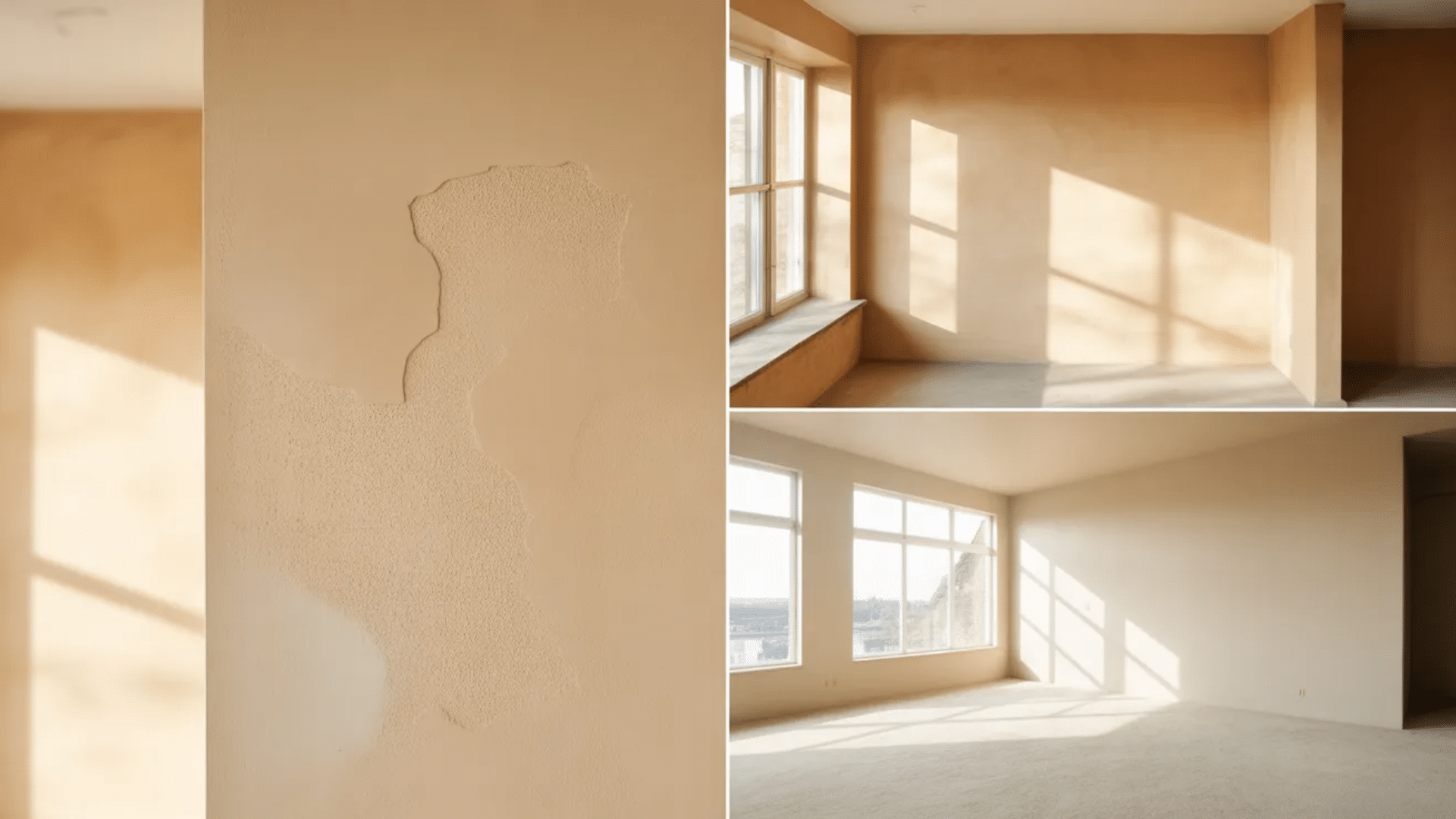
Even after hearing all the complaints, many homeowners still choose this finish for certain rooms due to practical reasons. Here’s why:
1. Excellent at Hiding Imperfections
One of the biggest reasons people choose flat paint on walls is its ability to hide surface flaws. Because it has almost no sheen, it does not reflect light. That means dents, uneven drywall seams, and small patch jobs are less noticeable.
In older homes where walls may not be perfectly smooth, flat paint can create a more uniform appearance. Instead of highlighting bumps and texture, it softens them. This makes it a practical option when wall perfection is not realistic.
2. Ideal for Ceilings
Flat paint is often the top choice for ceilings. Since ceilings catch light from multiple angles, any sheen can create unwanted glare. Flat finishes absorb light rather than reflecting it, which keeps the surface looking consistent.
This also helps hide roller marks and minor overhead drywall imperfections. Because ceilings are rarely touched, durability is not a major concern. Using flat paint gives you a clean, even look without worrying about scrubbing or frequent cleaning.
3. Soft, Modern Look
Flat paint creates a smooth, muted finish that many homeowners describe as calm and modern. The lack of shine gives walls a subtle depth without drawing attention to surface texture.
In low-traffic spaces like adult bedrooms or formal dining rooms, this soft look works especially well. It allows the color to stand out without glare. If you prefer a quiet, understated feel in a room, flat paint on walls can help achieve that effect without appearing glossy or harsh.
When Flat Paint on Walls Makes Sense
Flat paint works best in specific spaces where appearance matters more than durability or frequent cleaning.
- Adult bedrooms benefit from flat paint because walls are rarely touched, and the soft finish creates a calm, restful feel.
- Formal dining rooms also work well since traffic is limited and lighting often enhances the muted, elegant look.
- Low-traffic areas, such as guest rooms or home offices, allow flat paint to shine without constant scuff marks.
- Ceilings are ideal because flat paint absorbs light, reduces glare, and hides minor drywall imperfections overhead.
Choosing a flat in the right spaces helps you enjoy its smooth finish without dealing with daily wear issues.
When You Should Avoid Flat Paint
Flat paint is not ideal for busy or high-contact areas in your home.
Hallways often collect fingerprints, scuffs, and marks from bags or furniture brushing against the walls.
In kids’ rooms, sticky hands and accidental messes can quickly become permanent stains. Living rooms also see regular activity, making it harder to keep flat walls looking fresh.
Kitchens and bathrooms present an even bigger challenge because moisture, steam, and splashes can leave visible water spots.
Since flat paint is difficult to clean without causing shiny patches, these spaces usually benefit from a more durable finish that handles everyday wear more effectively.
Is Flat Paint Worth It for Your Home?
After helping homeowners think through different paint finishes, I’ve noticed that flat paint works best when the expectations are clear from the start. It’s not automatically good or bad. It simply needs to match how the room will be used.
I often remind clients that flat paint is appealing because it’s usually one of the more affordable finishes per gallon. If you’re painting large areas like bedrooms or ceilings, that price difference can add up quickly.
But I also ask people to think beyond the initial cost. In busier parts of the home, walls tend to get touched, bumped, and cleaned more often. When that happens, flat paint may require touch-ups or repainting sooner than some other finishes.
I remember talking with a homeowner who loved the soft, smooth look of flat paint in their dining room. The space wasn’t used daily, so the finish stayed looking fresh much longer than they expected. In quieter rooms like that, flat paint can really shine.
What usually helps is stepping back and asking one simple question: How much wear will these walls see every day?
If the space is calm and low-traffic, flat paint can give you a beautiful, subtle finish that lasts. If the room is busy or frequently cleaned, a more durable finish may save you effort over time.
When the finish matches the way a room is actually used, flat paint often turns out to be a smart and satisfying choice.
Wrapping It Up
Now you’ve seen both sides of flat paint on walls. You understand why cleaning can be frustrating in busy areas and why moisture can shorten its lifespan.
You also know why many homeowners still choose it for ceilings and quiet rooms where durability is less important.
I’ve found that the key is matching the finish to how you actually live, not just how you want the room to look. When you place flat paint in the right setting, it can give you a soft, smooth finish that feels calm and modern.
Before you buy, think about traffic, lighting, and cleaning needs. If you’re unsure, tell me which room you’re painting, and I’ll help you decide.