


A plaster fireplace can change the whole feel of your living room. I’ve seen how a smooth, clean surround instantly makes a space look more modern and calm. But before you commit, you probably want to know more than just how it looks.
You might be wondering how it compares to stucco, how much it costs, and whether it can handle heat safely. This guide covers the key differences between plaster and stucco, typical pricing, safety details, and long-term maintenance tips.
You’ll also see modern, minimalist design ideas to help you decide what best fits your home. By the end, you’ll know if plaster is the right choice for your fireplace project.
Understanding Plaster Fireplaces
Plaster fireplaces are made from a mixture of lime, cement, sand, and sometimes gypsum, depending on the type of plaster used. Lime-based plaster is especially popular because it’s breathable, durable, and develops a soft, natural finish over time.
The application process involves layering plaster over a prepared surface, often cement board or masonry. Each layer is carefully smoothed or textured by hand, which gives the fireplace its custom look. Skilled application is key to preventing cracks and ensuring a clean result.
Plaster works beautifully in modern homes because it creates a seamless, built-in appearance. Common finishes include ultra-smooth surfaces, light texture, limewash for subtle movement, and polished Venetian plaster for added depth and richness.
Plaster Fireplaces vs Stucco: What’s the Difference?
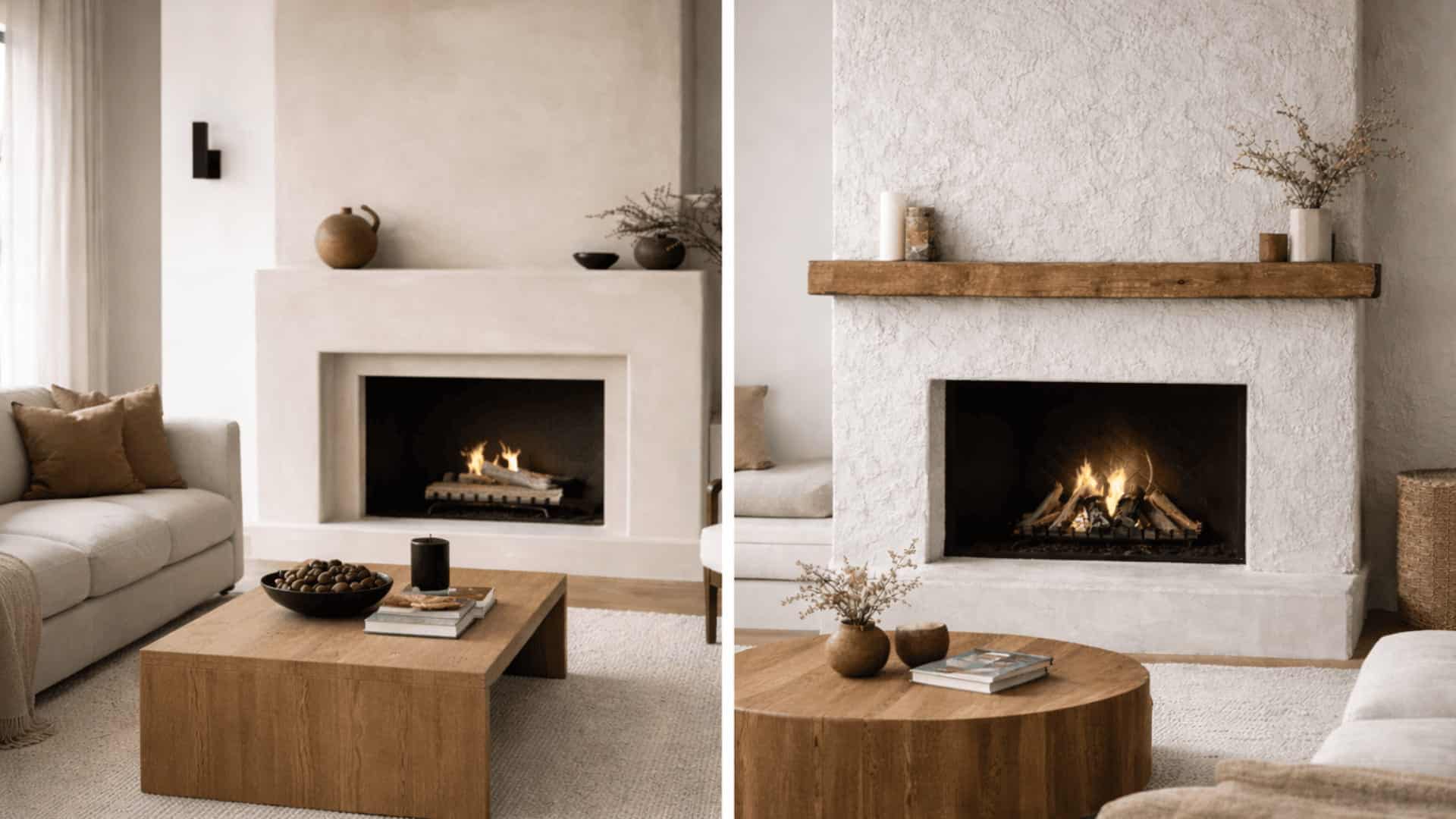
Plaster and stucco may look similar at first glance, but they differ in composition, texture, durability, cost, and ideal use. Understanding these differences helps you choose the right finish for your fireplace project.
1. Material Composition
Plaster typically contains lime, sand, and sometimes gypsum or cement. Lime-based plaster is breathable and ideal for interior applications, especially fireplaces where a refined finish matters.
Stucco is usually made from cement, sand, lime, and water. It’s designed for durability and is commonly used on exterior walls. While stucco can be used indoors, it’s generally better suited for outdoor environments because of its heavier composition and weather resistance.
2. Appearance and Texture
Plaster offers a smooth, seamless finish that works beautifully in modern interiors. It can be polished to a sleek surface or lightly textured for subtle movement. The overall look feels clean and integrated into the wall.
Stucco has a rougher, more textured appearance. It often features visible grit and a heavier pattern. While this works well for Mediterranean or rustic styles, it doesn’t create the same minimalist look that plaster fireplaces provide.
3. Durability and Maintenance
Plaster fireplaces are durable when properly installed, but they can develop hairline cracks if applied incorrectly. Lime-based plaster remains breathable, which helps reduce moisture issues indoors. Small cracks are usually repairable with professional touch-ups.
Stucco is thicker and more impact-resistant, especially outdoors. However, repairing indoor stucco can be more noticeable due to its texture. For long-term indoor performance, plaster typically offers better aesthetic longevity with proper installation.
4. Cost Comparison
Plaster installation usually costs more because it requires skilled labor and careful hand application. Pricing depends on finish type, with Venetian or specialty finishes increasing the total cost.
Stucco tends to be slightly less expensive per square foot, particularly for larger surface areas. However, detailed indoor stucco work may still require professional labor. Maintenance costs for plaster are typically lower indoors, especially when properly sealed and maintained.
5. Best Use Cases
Plaster is better for a seamless, modern, built-in look in indoor fireplaces. It works especially well in minimalist, organic, and contemporary homes where clean lines matter.
Stucco is better suited for exterior fireplaces or homes with rustic, Mediterranean, or textured design styles. If weather resistance is the main priority, stucco performs more reliably outdoors than traditional interior plaster finishes.
Plaster gives you a sleek, modern look but needs more upkeep. Stucco handles heat better and lasts longer, especially for wood-burning or outdoor fireplaces.
Pros and Cons of Plaster Fireplaces
Before choosing plaster fireplaces for your home, it helps to see both the benefits and drawbacks clearly. This quick comparison makes your decision easier and more practical.
| Pros | Cons |
|---|---|
| Seamless, smooth appearance | Can crack if poorly installed |
| Customizable finish and texture | Higher labor cost |
| Clean, modern look | Requires skilled application |
| Ideal for indoor use | Repairs may need a professional |
Understanding these advantages and limitations helps you decide if plaster fireplaces truly fit your budget, style, and long-term expectations.
Why Plaster Fireplaces are Popular in Modern Homes
Plaster fireplaces have become a favorite in modern homes because they offer a clean, simple look that feels calm and intentional.
The smooth surface creates a seamless, built-in appearance that blends naturally into the wall instead of looking bulky or separate. This minimalist appeal works especially well in open-concept spaces where visual clutter needs to stay low.
Another reason they’re popular is their flexibility with color. Plaster finishes adapt beautifully to soft whites, warm beiges, greige tones, and earthy shades. That neutral adaptability makes styling easier over time.
If your home leans toward modern, organic, contemporary, or even transitional styles, plaster fireplaces provide a balanced backdrop that feels current without looking trendy or overdone.
Modern Plaster Fireplace Design Ideas
If you’re looking for ideas you can actually picture in your home, this section will help. I’ll walk you through popular plaster fireplace styles, where they work best, and why they’re popular for love them.
1. Smooth Minimal Plaster Fireplace
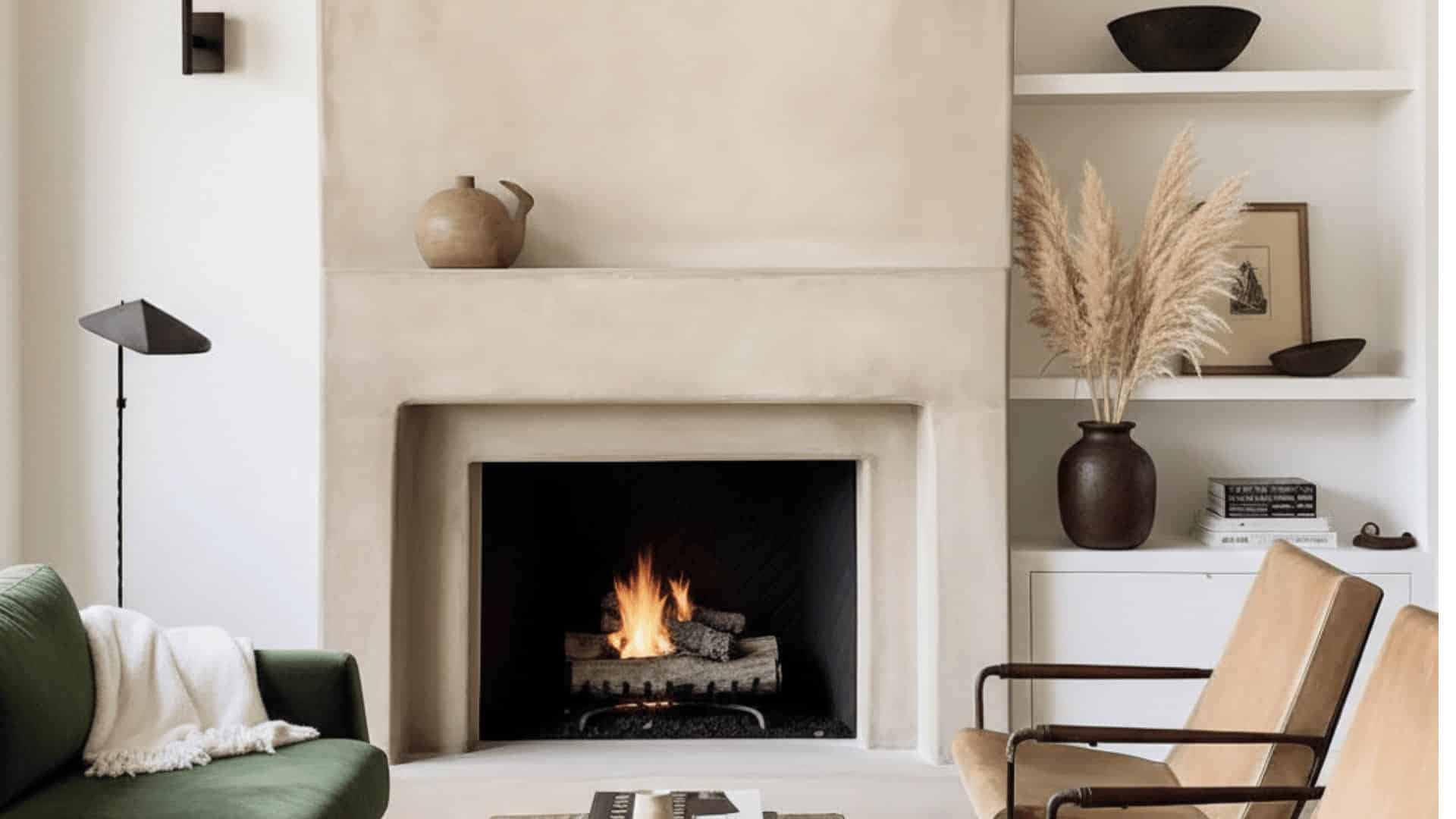
A smooth, minimal plaster fireplace has clean lines and a flat, seamless surface. It often runs from floor to ceiling with no heavy trim or detail.
This style shines in minimalist settings, modern Scandinavian spaces, or simple, open-concept spaces. People pick this because choose it because it appears calm and uncluttered.
It also pairs easily with wood floors, neutral walls, and simple furniture without competing for attention. Pair it with a floating wooden mantel, or leave it without a mantel for maximum impact.
2. Venetian Plaster Concrete Look
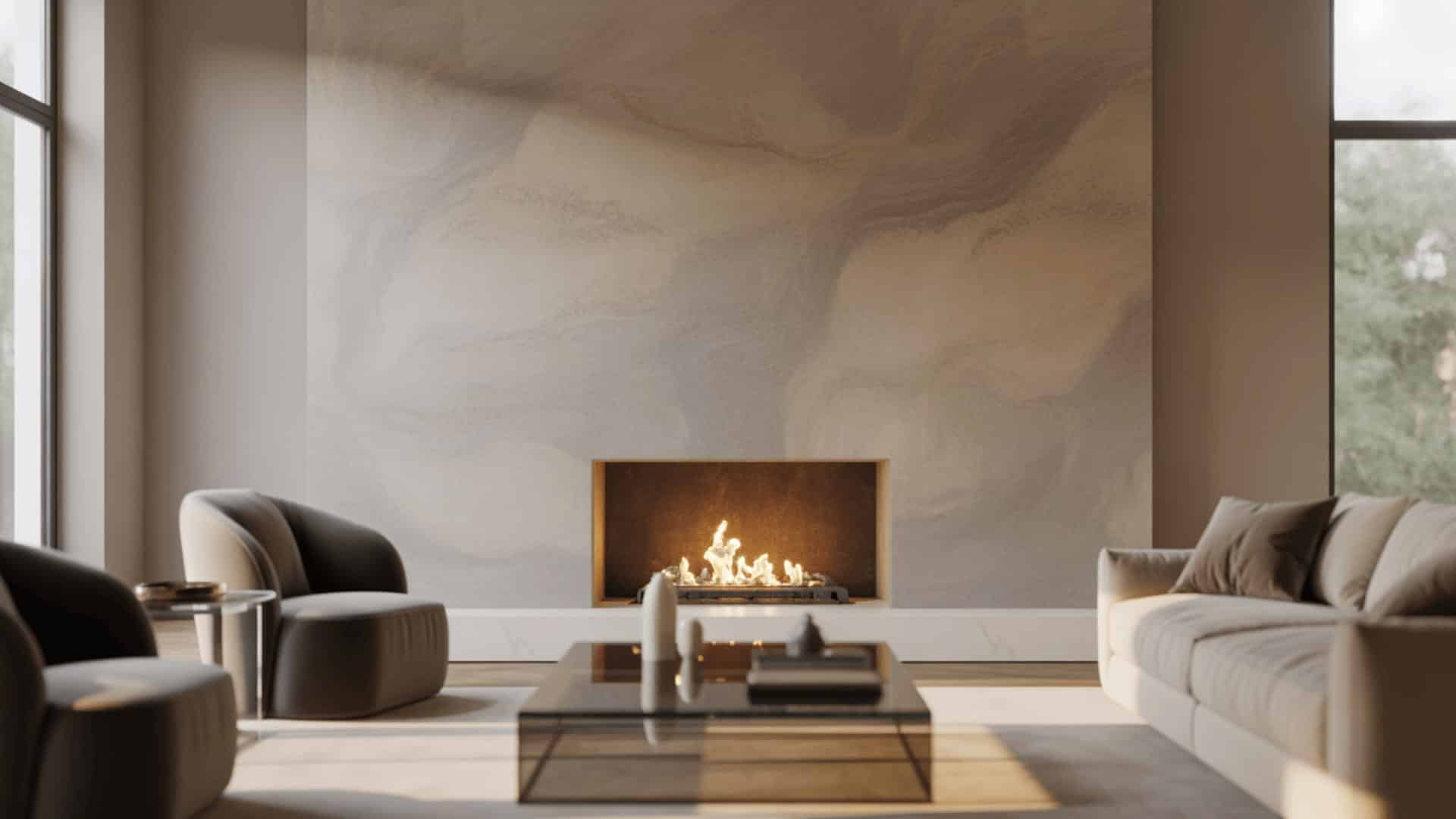
This finish mimics the look of soft concrete with subtle depth and movement. Venetian plaster is layered and polished to create a smooth surface with slight variation in tone.
It fits well in modern, industrial, or contemporary homes. Many opt for this when choosing this look because it creates a current and refined look without using real concrete.
It adds character while still keeping the space clean and controlled. Choose gray or taupe tones for the most authentic concrete effect, and make sure your installer polishes the final layer for that signature smooth sheen.
3. Curved or Arched Fireplace
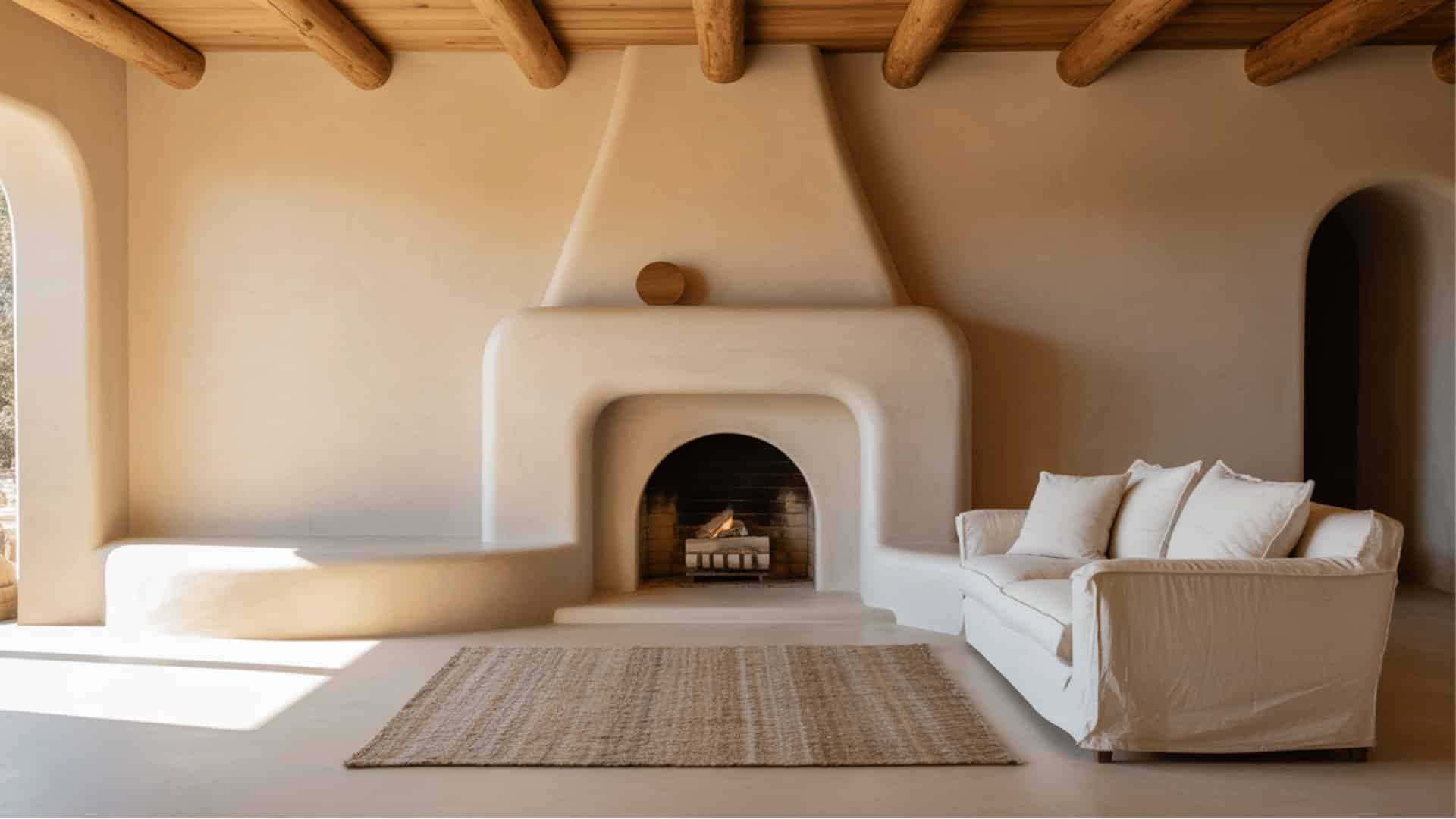
A curved or arched plaster fireplace instantly softens the room. Instead of sharp corners, you get rounded edges and gentle lines. This style works beautifully in Mediterranean, organic, or modern homes that lean toward natural shapes.
Plaster makes curves easier to achieve compared to stone or tile. This appeals to those who love this option because it brings an inviting feel and adds subtle architectural interest.
Work with your installer to create soft curves rather than tight arches; gentler shapes feel more modern and less traditional
4. Fluted Plaster Fireplace Trend
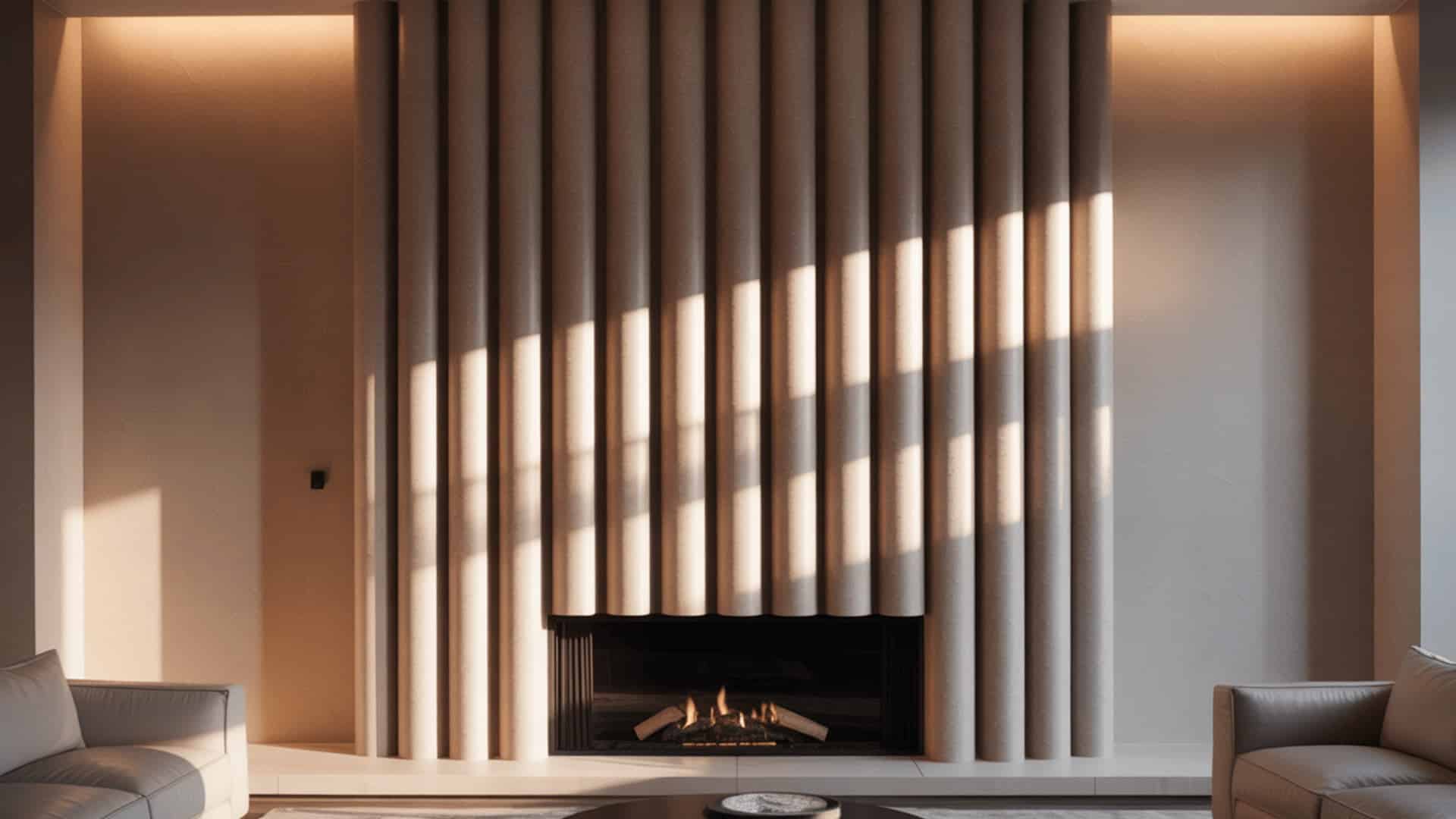
Fluted plaster fireplaces feature vertical grooves carved into the surface. These lines create shadow and depth while keeping the overall design simple.
This trend complements contemporary rooms in modern and transitional spaces that need texture without heavy detail. Many people choose fluted plaster because it appears custom and high-end.
It adds movement to the wall without overpowering the room. Fluting typically runs 2–4 inches wide and extends from floor to ceiling for the strongest effect.
5. Textured Matte Finish
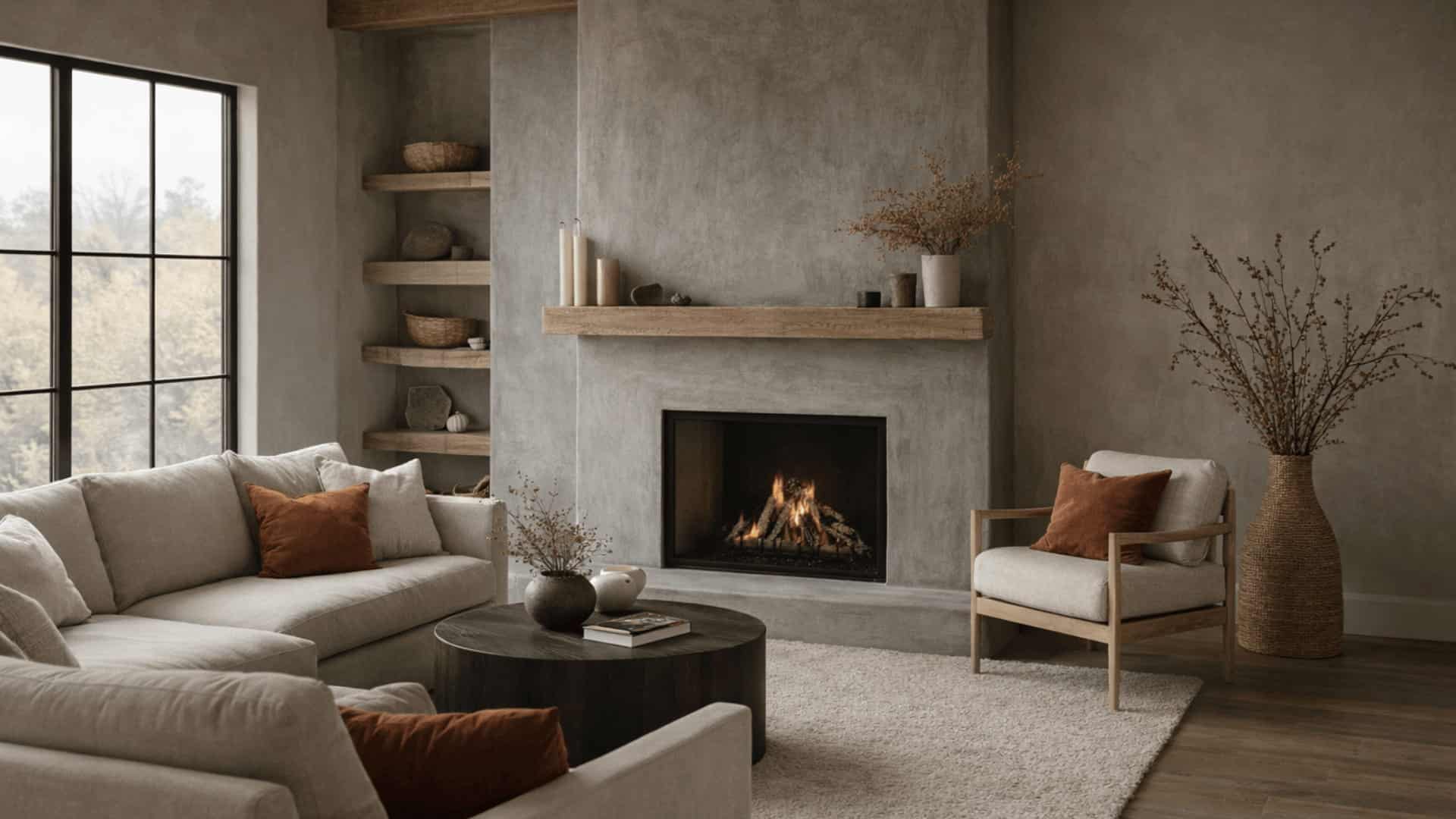
A textured matte plaster fireplace has a soft, hand-applied feel. The surface may show slight trowel marks or gentle variation.
This style fits rustic, farmhouse, or relaxed modern interiors. It’s popular because it is often chosen for its warm, natural feel compared to glossy finishes. The matte surface also hides small imperfections better than polished options, making it practical for busy homes.
Ask your installer to leave slight trowel marks visible rather than sanding them completely smooth; this adds authentic handcrafted character without looking messy
6. Dark or Black Plaster Fireplace
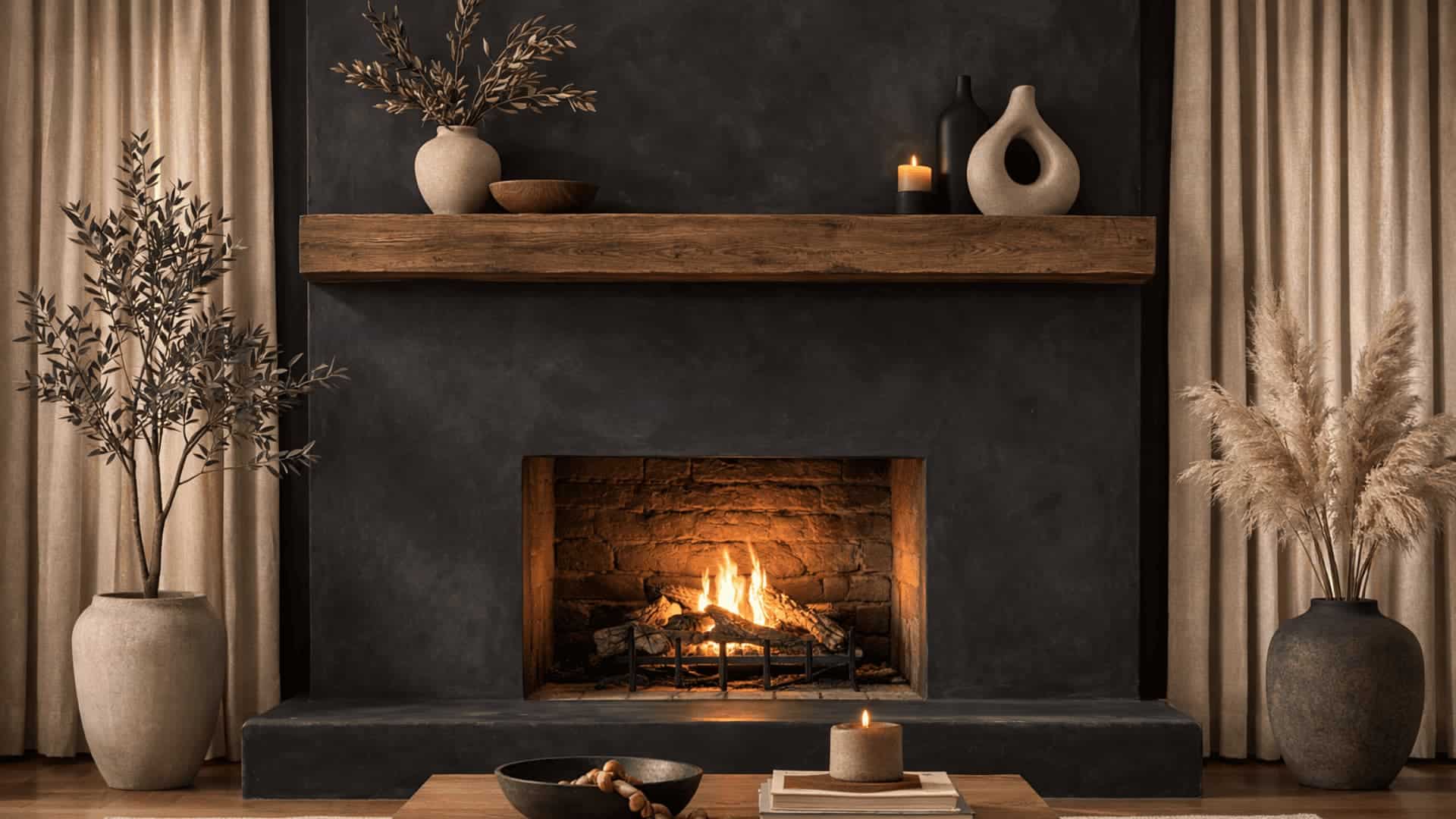
A dark or black plaster fireplace makes a bold focal point. The deep tone highlights the shape of the surround and frames the fire beautifully. This look suits modern, moody, or high contrast rooms.
Many people choose dark plaster to anchor a bright space. It adds depth, making light walls, wood accents, and metal details stand out more clearly.
Balance the dark surround with lighter furniture and walls to prevent the room from feeling too heavy or closed in.
How Much Does a Plaster Fireplace Cost?
From what I’ve seen working with plaster fireplace projects, the price can vary quite a bit. It really comes down to the size of the fireplace, the design, and the type of finish you want.
For a basic project where someone is simply adding a plaster surround to an existing firebox, I usually see costs in the $500 to $1,500 range. That typically covers the materials and some straightforward labor without any major structural work.
Once you start building a custom hearth or adjusting the fireplace structure, the price usually climbs. In my experience, most of those projects fall in the $2,000 to $5,000 range, especially if the homeowner wants specialty finishes like limewash, textured plaster, or Venetian plaster. Those finishes take more time and skill, which adds to the labor cost.
The price can go even higher when a design includes curves, detailed edges, or built-in shelving around the fireplace. I’ve noticed that labor often becomes the biggest part of the budget. Plaster work has to be done carefully to avoid cracking and to create that smooth, seamless look people love.
One thing I always suggest is getting a few quotes from experienced plaster installers before starting. I’ve learned that small details, like prep work, framing adjustments, or finish coats, can change the final price more than most people expect. Planning for those details early helps keep the budget realistic.
Is Plaster Safe and Heat Resistant?
Yes, plaster is safe for fireplace surrounds when installed correctly. It’s non-combustible, so it won’t catch fire or release toxic fumes when exposed to heat.
That said, plaster has moderate heat resistance. It handles the warmth from gas and electric fireplaces just fine. But with wood-burning fireplaces that generate intense, direct heat, you need to be more careful.
The main issue isn’t the plaster itself burning. It’s cracking. When the substrate beneath (such as drywall or cement board) expands and contracts due to heat, the plaster can develop hairline cracks over time.
To avoid this, ensure there’s adequate clearance between the plaster and the firebox. Most codes require at least 6 inches of space. Using cement board as your base also helps since it handles heat better than standard drywall.
Common Plaster Fireplace Problems and How to Fix Them
Plaster fireplaces look great, but can develop issues if not installed or maintained properly. Here’s what to watch for, how to prevent problems, and how to keep your fireplace in good shape.
| Issue/Task | How to Handle It |
|---|---|
| Hairline Cracks | Use cement board base; apply thin coats; keep 6-inch clearance from firebox |
| Soot Stains | Seal after install; wipe soot immediately with a damp cloth |
| Poor Substrate Prep | Install corner beads; tape seams; prime surface before plastering |
| Moisture Issues | Seal properly; avoid outdoor use without protection; fix leaks fast |
| Cleaning | Wipe with a soft, damp cloth and mild soap weekly or as needed |
| Sealing | Apply breathable sealer every 2–3 years; let dry 24 hours |
| Crack Repair | Fill with plaster compound; smooth, sand, and touch up the sealer immediately |
| Annual Inspection | Check for cracks, stains, and moisture yearly; reseal as needed |
Regular maintenance and quick fixes keep your plaster fireplace looking clean and prevent minor issues from becoming costly repairs down the road.
Wrapping Up
I’ve walked you through everything from plaster versus stucco to costs, safety, and design styles. Now you know that a plaster fireplace fits naturally in with gas or electric setups, costs around $10–$15 per square foot, and requires proper sealing to avoid cracks and stains.
The smooth finish gives you a clean, modern look, but it requires more upkeep than textured stucco. If you’re ready to commit, start with good substrate prep and seal it right after installation.
That’ll save you headaches down the line. Planning a plaster fireplace project? Tell me your biggest question in the comments, and I’ll help you figure it out.