

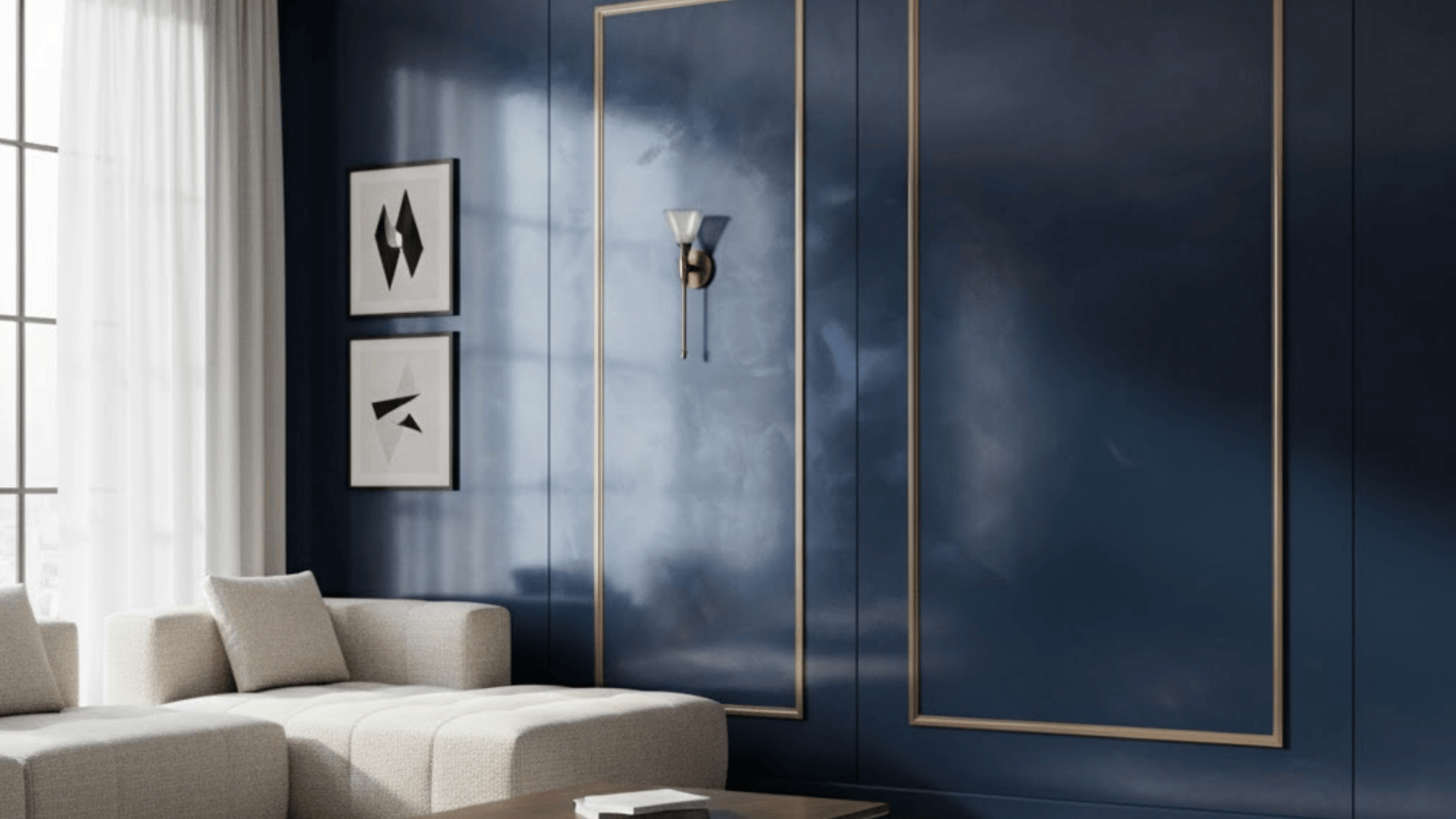


Choosing paint colors is the fun part, but picking the right finish is where things actually get tricky. I’ve learned that paint finish changes how your walls look, how much light they reflect, and even how easy they are to clean.
Some finishes hide bumps and cracks. Others make walls shine like glass.
In this blog, I’ll walk you through the different types of paint finishes, from flat to high-gloss, and explain what makes each one unique.
You’ll also find tips on which finishes work best in each room of your home, plus a few tricks to help you achieve the perfect look and feel for your space.
Why Paint Finish Matters?
Most people focus on color, but paint finish can make or break a room’s look. The finish controls light reflection, texture, and overall feel; two walls painted the same color can look completely different just because of sheen.
A higher sheen (like satin or gloss) makes a space feel brighter and more polished, while a lower sheen (like matte or eggshell) creates a softer, cozier vibe.
Finish also affects durability and cleaning; glossier paints resist stains and moisture better, while flatter finishes hide imperfections.
In short:
- Flat hides flaws, but is harder to clean.
- Glossy, easy to clean, but it shows every flaw.
- Mid-range finishes (eggshell, satin) offer the best balance of looks and performance for most rooms.
So before you pick your favorite color, think about how shiny or soft you want your walls to look, and how much cleaning you’re willing to do.
Explained: Paint Sheen Levels
Paint sheen works on a scale. Think of it like a sliding bar from no shine at all to a mirror-like reflection. The more sheen a paint has, the shinier it looks and the tougher it usually is. Here’s how the levels break down:
| Finish Type | Gloss Level | Description |
|---|---|---|
| Flat / Matte | 0–10% gloss | No shine; absorbs light and hides wall flaws. Least durable and hardest to clean. |
| Eggshell | 10–25% gloss | Soft, warm sheen with slight depth. More durable than flat and easy to wipe. |
| Satin | 25–40% gloss | Smooth, subtle glow. Moisture-resistant and ideal for high-traffic areas. |
| Semi-Gloss | 40–70% gloss | Shiny, durable, and washable. Highlights imperfections if not applied well. |
| High-Gloss | 70–90% gloss | Very reflective and dramatic. Tough, easy to clean, but shows all flaws. |
Types of Paint Finishes
1. Flat or Matte Finish
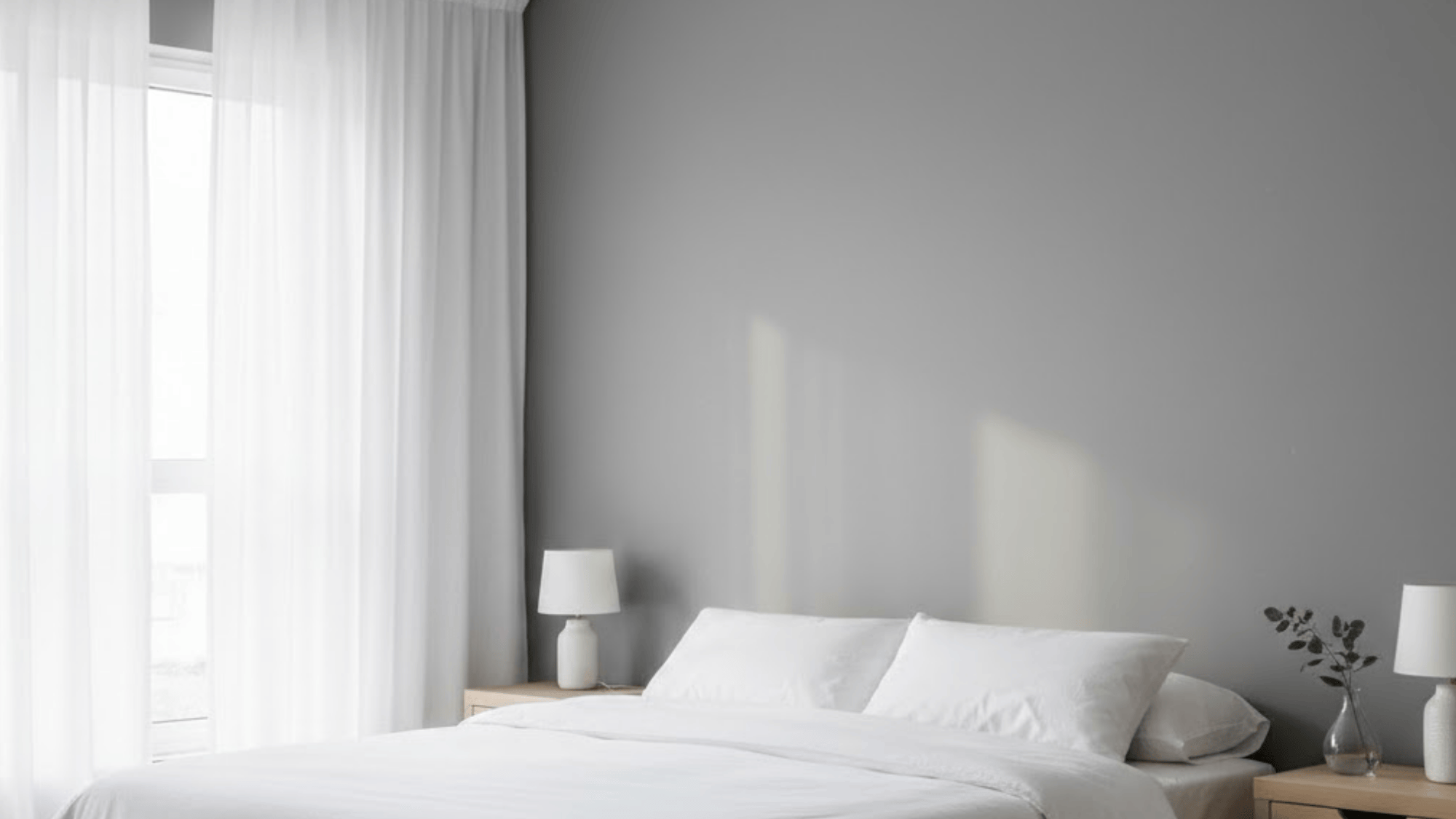
Flat paint creates a smooth, non-reflective surface. It soaks up light instead of bouncing it around the room. This quality makes it perfect for hiding wall problems.
Got some dings from moving furniture? Texture from old repairs? Flat paint covers them up better than any other finish.
The downside is durability. Flat paint marks easily and doesn’t handle scrubbing well. Try to wash a scuff mark off, and you might end up with a shiny spot or with some paint removed. Touch-ups are simple, though. Just brush on a bit more paint, and it blends right in.
Where It Works:
- Bedroom ceilings and walls
- Formal dining rooms
- Home offices with low activity
- Any ceiling in the house
Quick Tip: Keep flat paint away from bathrooms, kitchens, and other areas where moisture tends to accumulate. It doesn’t resist water well and can develop mildew.
2. Eggshell Finish
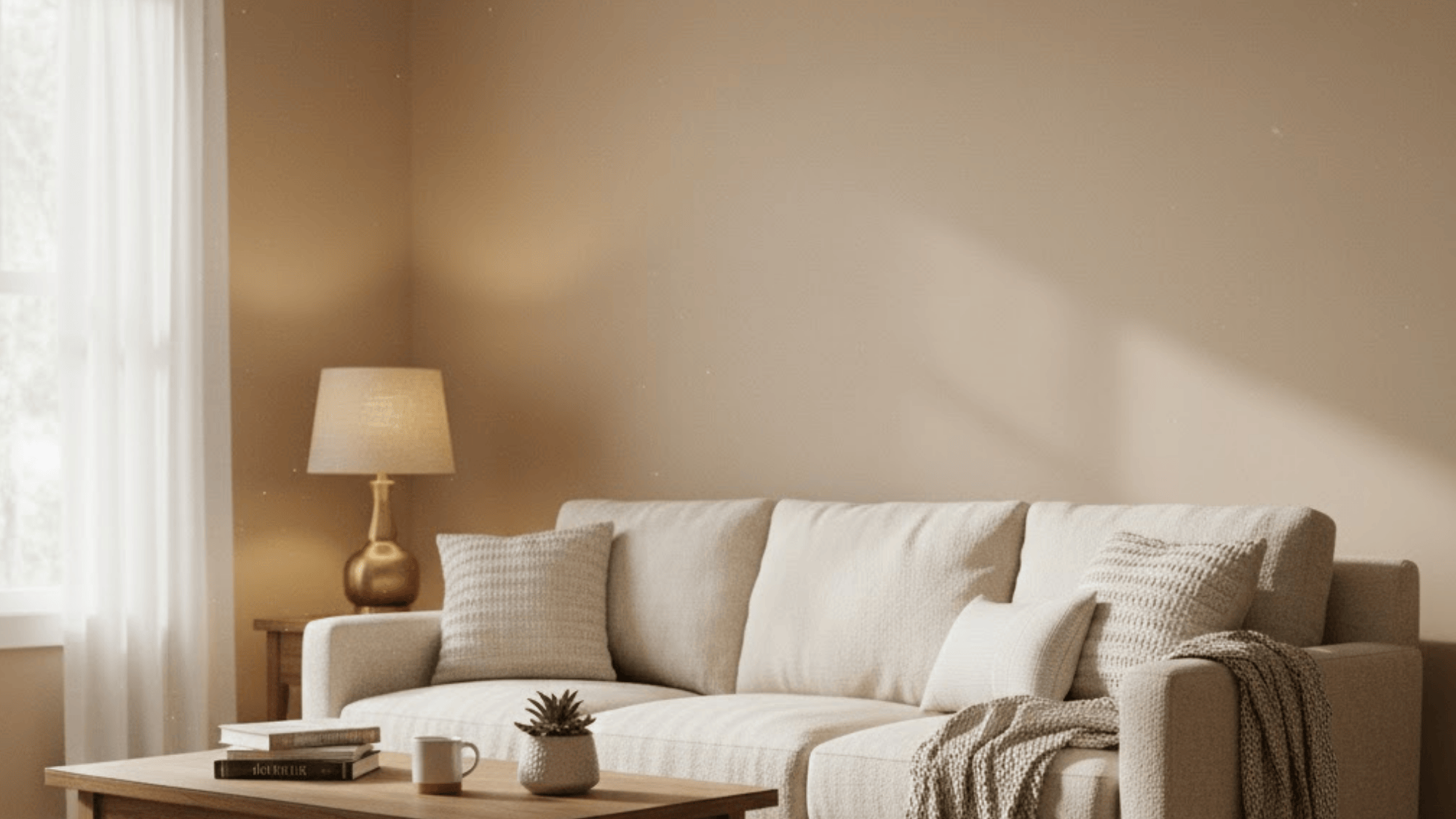
Eggshell sits right in the middle, more durable than flat but not as shiny as satin. The finish has just enough reflection to add character to walls without making them look glossy.
Many people find it the most natural-looking option for main living spaces.
This finish cleans more easily than flat paint. You can gently wipe down marks without damaging the surface. It works well in spaces where people spend time but aren’t constantly bumping into walls or leaving handprints.
Where It Works:
- Family rooms and living areas
- Adult bedrooms
- Hallways with moderate foot traffic
- Dining rooms
Quick Tip: Eggshell works great in rooms with lots of natural light. The subtle sheen adds warmth without creating glare.
3. Satin Finish
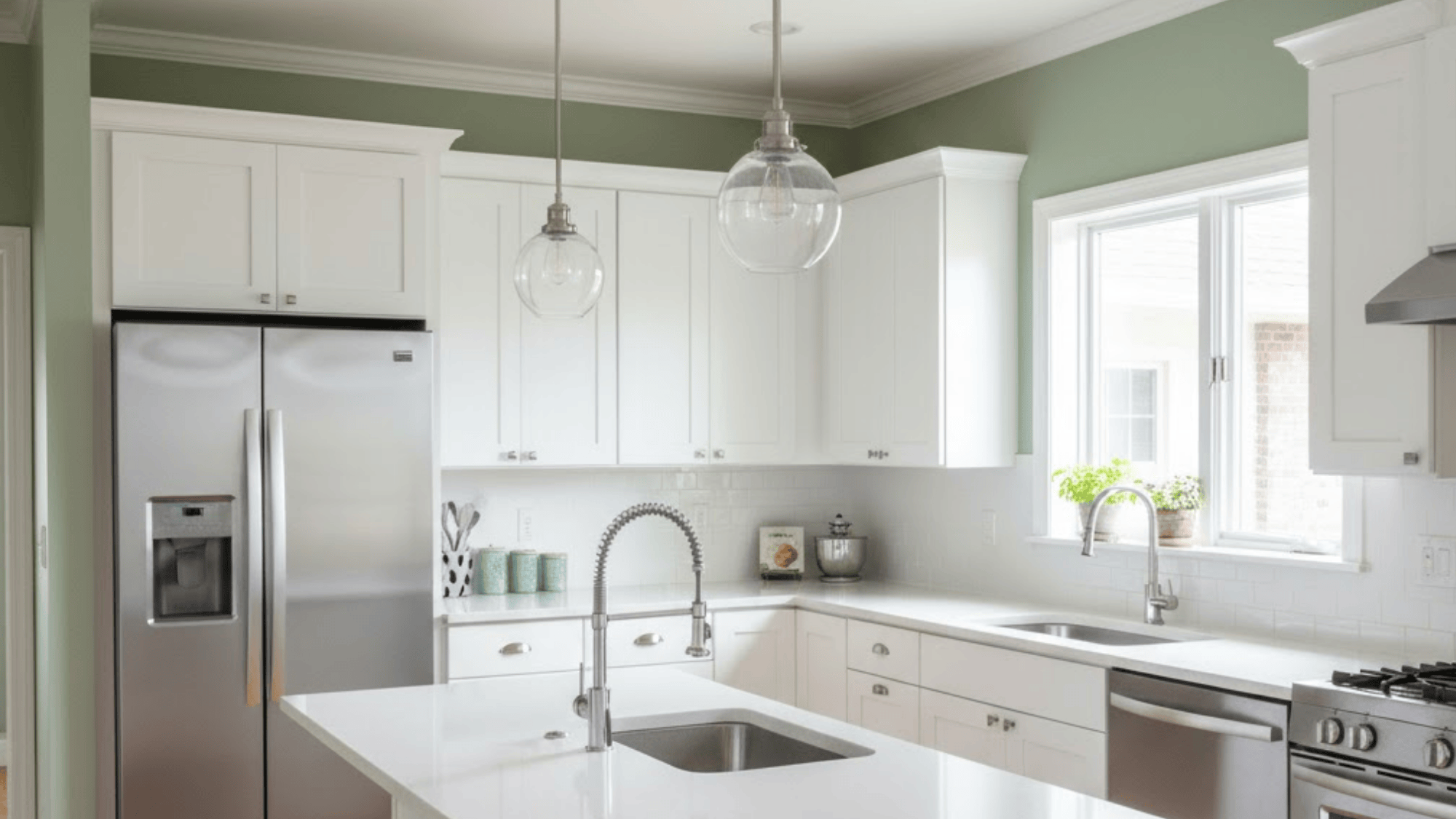
Satin paint gives walls a soft, pearl-like appearance. The finish reflects enough light to add dimension and make colors look richer. Rooms painted with satin feel a bit more polished than those with eggshell.
Cleaning is straightforward with satin. Most marks wipe off with a damp sponge. The finish resists moisture well, making it suitable for humid areas. Many people choose satin for trim and doors because it holds up to regular use.
Where It Works:
- Kitchen walls
- Bathrooms (walls, not ceilings)
- Playrooms and kids’ bedrooms
- Laundry rooms
- Trim and baseboards
Quick Tip: Use good-quality brushes when applying satin paint. Cheap brushes can leave streaks that show up in the sheen.
4. Semi-Gloss Finish
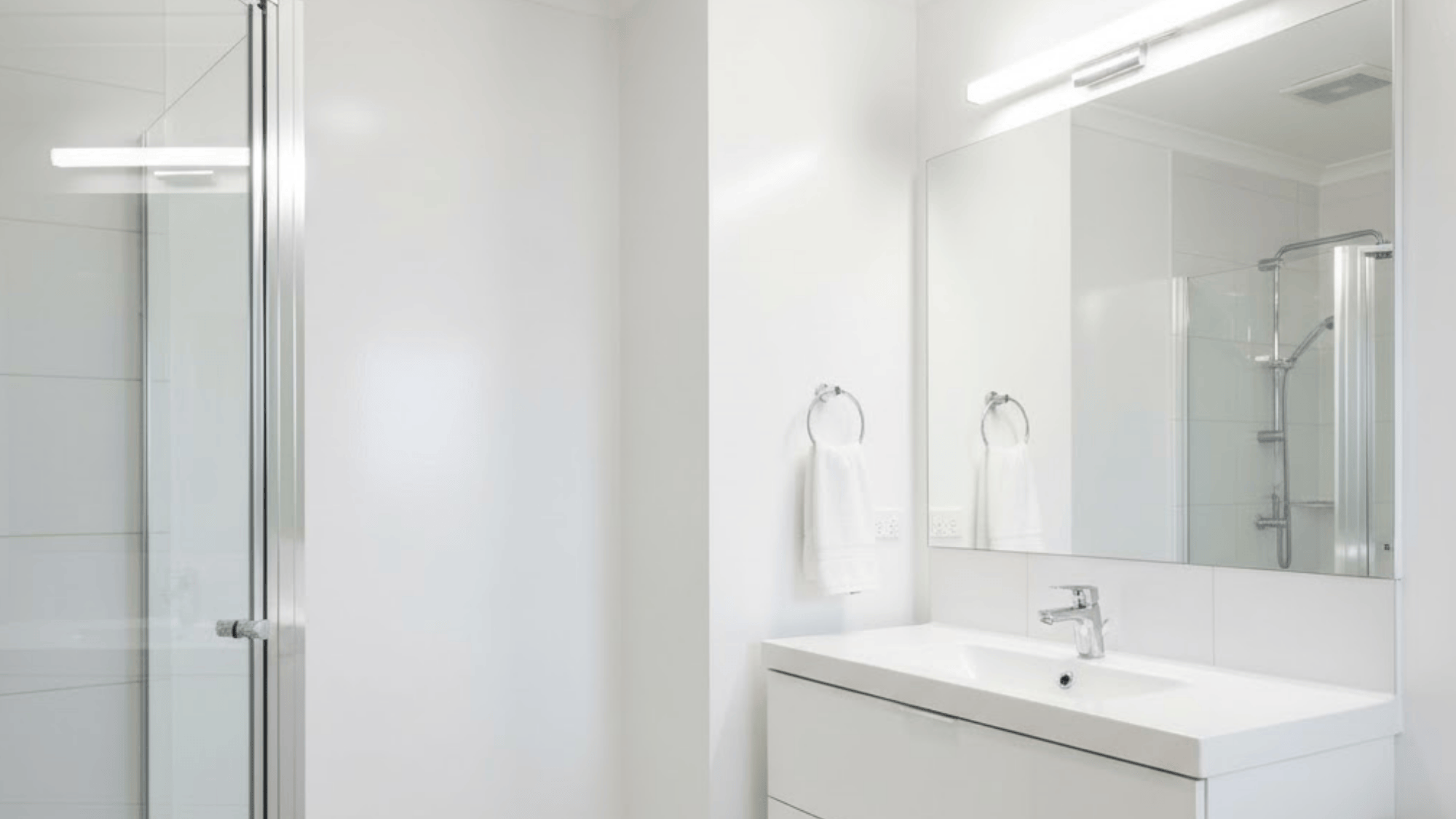
Semi-gloss paint is shiny and reflective. Light bounces off these surfaces clearly, making colors look bright and vivid. The high shine means water and grease slide right off, which is why this finish dominates kitchens and bathrooms.
This finish is tough. It stands up to repeated cleaning, humidity, and daily wear. Doors painted with semi-gloss can withstand years of opening and closing, and the occasional bump, without showing damage.
The main challenge with semi-gloss is that it highlights imperfections. Any bumps, dents, or uneven areas are clearly visible in the reflection. Wall prep matters a lot with this finish.
Where It Works:
- Bathroom walls and ceilings
- Kitchen cabinets
- Interior doors
- Window trim and sills
- Banisters and railings
Quick Tip: Sand and prime surfaces well before applying semi-gloss. The extra prep time pays off with a smoother final look.
5. High-Gloss Finish
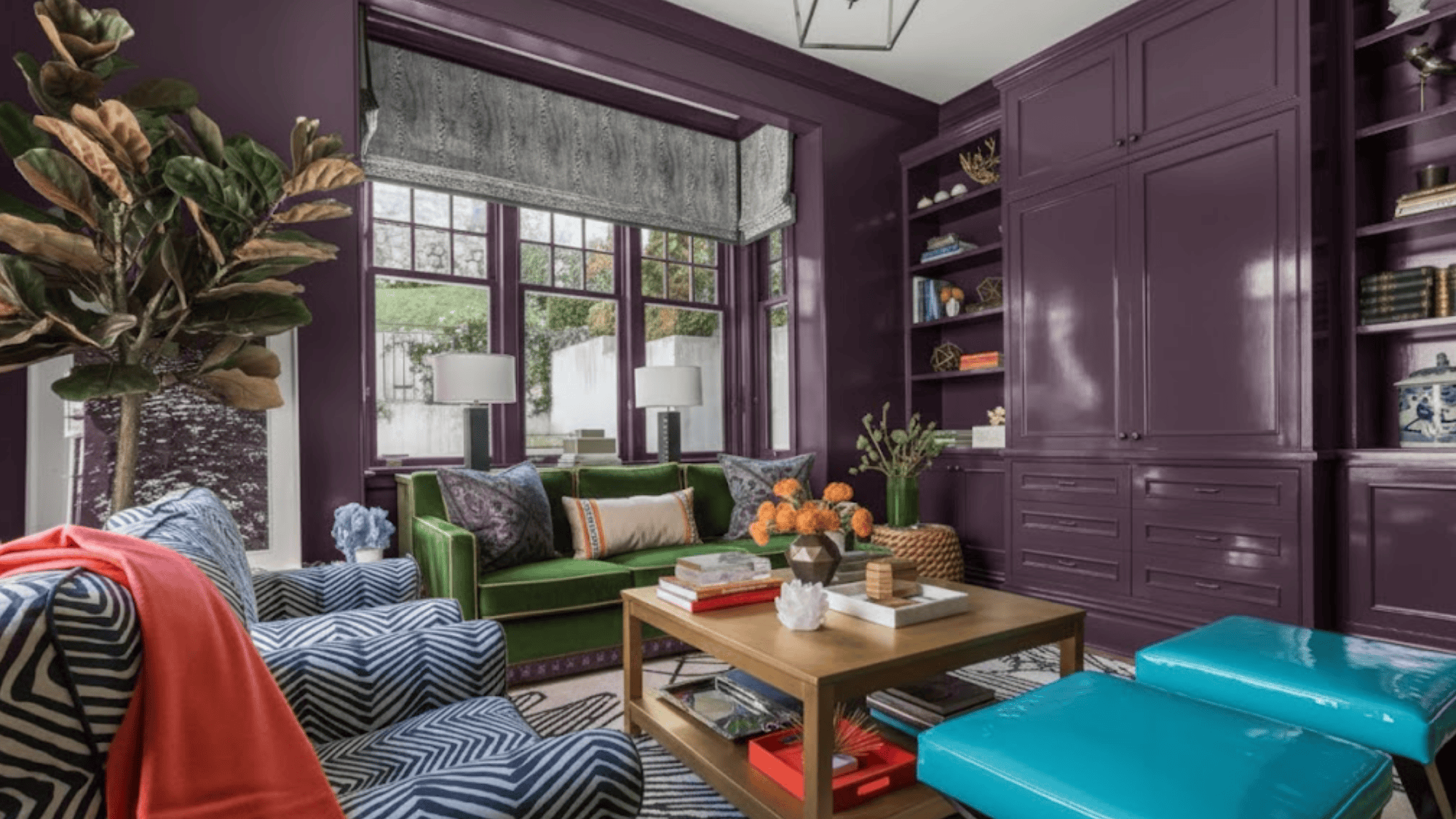
High-gloss paint creates an almost mirror-like surface. The shine is dramatic and eye-catching. This finish makes colors look incredibly rich and deep. It’s also the most durable paint you can buy; scratches and stains wipe away easily.
Most people use high-gloss sparingly. A little goes a long way. Too much shine can make a room feel cold or overwhelming. But used on the right surfaces, it creates beautiful contrast and visual interest.
Because high-gloss shows every flaw, surface preparation is critical. Any dent, scratch, or uneven patch will stand out. Some professionals even skim-coat walls before applying high-gloss to ensure perfect smoothness.
Where It Works:
- Furniture pieces (dressers, side tables)
- Kitchen and bathroom cabinets
- Crown molding and decorative trim
- Front doors (exterior and interior)
- Statement accent pieces
Quick Tip: High-gloss works best on surfaces that are already smooth. Use it to make beautiful things shine, not to cover up problems.
6. Pearl or Silk Finish
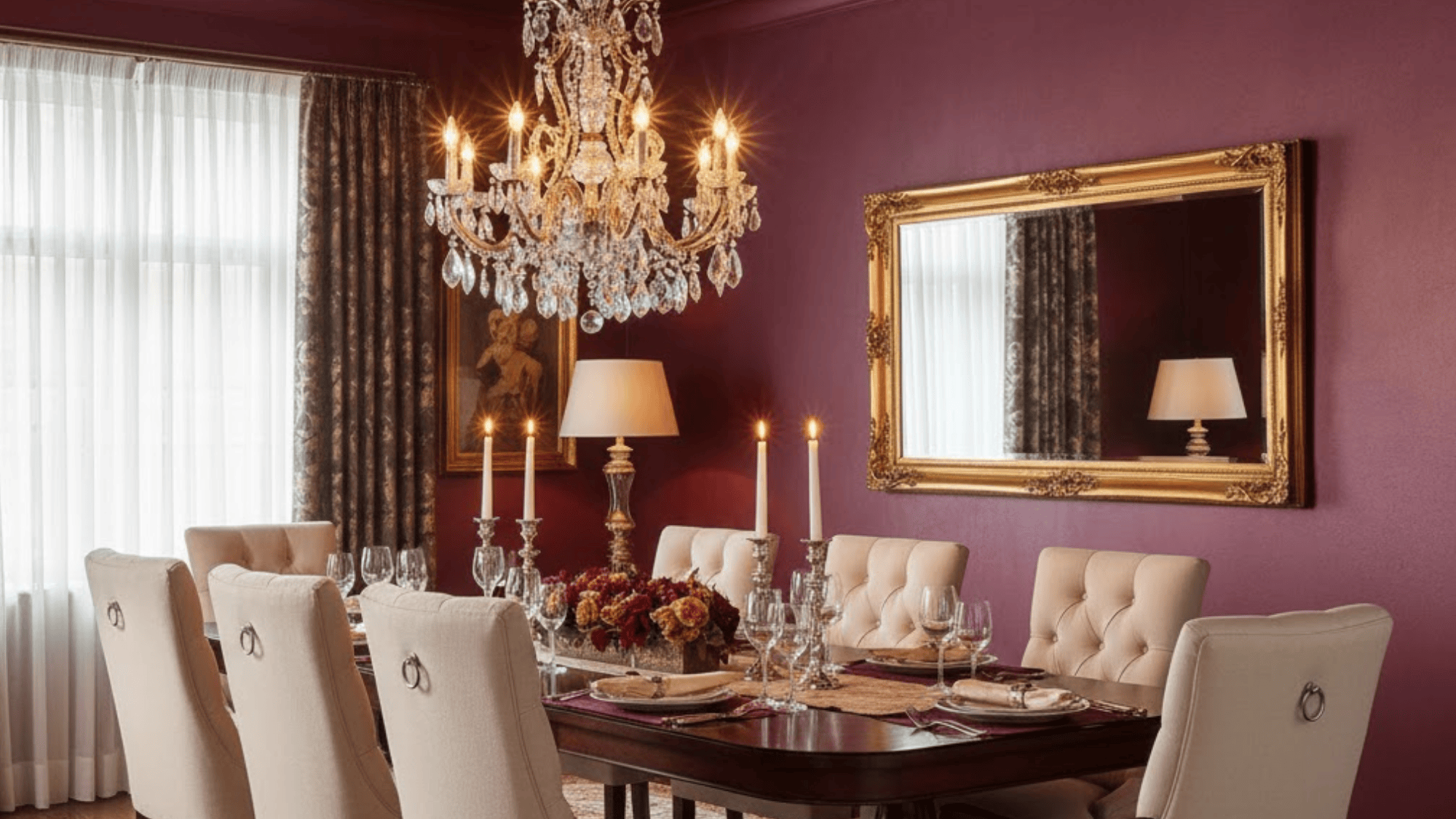
Pearl finish sits between satin and semi-gloss on the sheen scale. It has a refined, elegant look with a soft luminous quality that catches light beautifully.
The sheen is noticeable but not overwhelming, giving walls a subtle glow rather than an obvious shine. Pearl finish adds sophistication to spaces without the high shine of semi-gloss.
Many designers choose this finish for rooms where they want something special but not too bold. The smooth surface cleans well and holds up to regular use.
Where It Works:
- Formal living rooms
- Dining rooms
- Master bedroom accent walls
- Entryways
Quick Tip: Pearl finish looks especially good with deeper, richer colors. The sheen brings out their depth.
7. Low-Lustre or Velvet Finish
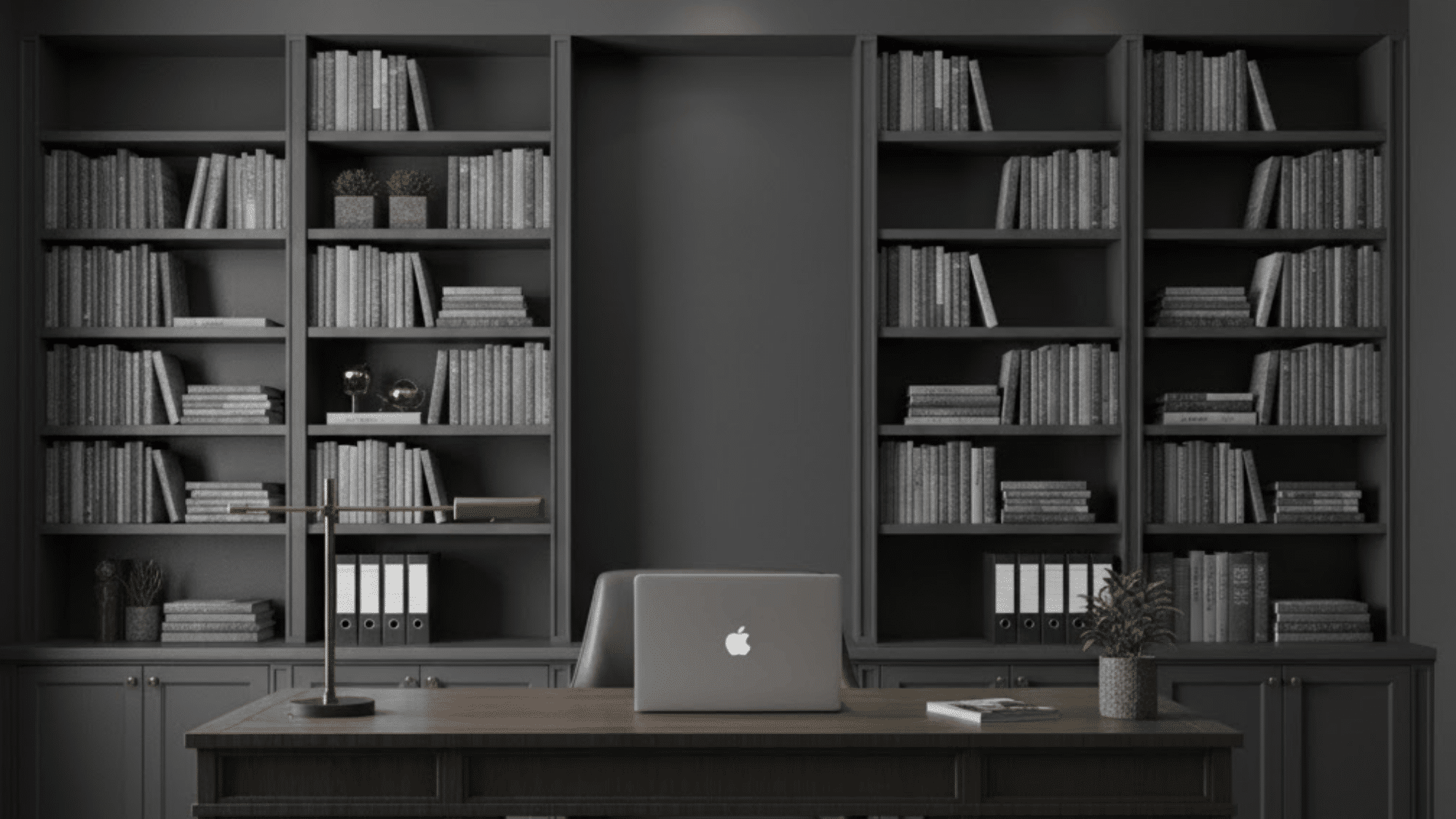
The velvet finish has a gentle, smooth appearance with minimal glare. The look is softer than satin but more substantial than eggshell, creating a comfortable middle ground.
This finish does a good job covering minor wall imperfections while still being cleanable enough for everyday living. The name comes from the surface’s soft, velvet-like texture—smooth to the eye but not shiny.
The velvet finish provides just enough durability to withstand daily wear and tear without the reflective quality that can make walls look busy.
The matte-like quality reduces eye strain from light bouncing off walls, making rooms feel calmer and more comfortable for extended periods.
Where It Works:
- Home offices
- Hallways with warm lighting
- Bedrooms where you want more durability than a flat
- Dens and studies
Quick Tip: Velvet finish works well in rooms with lots of artificial lighting because it doesn’t create harsh reflections.
8. Textured Finish
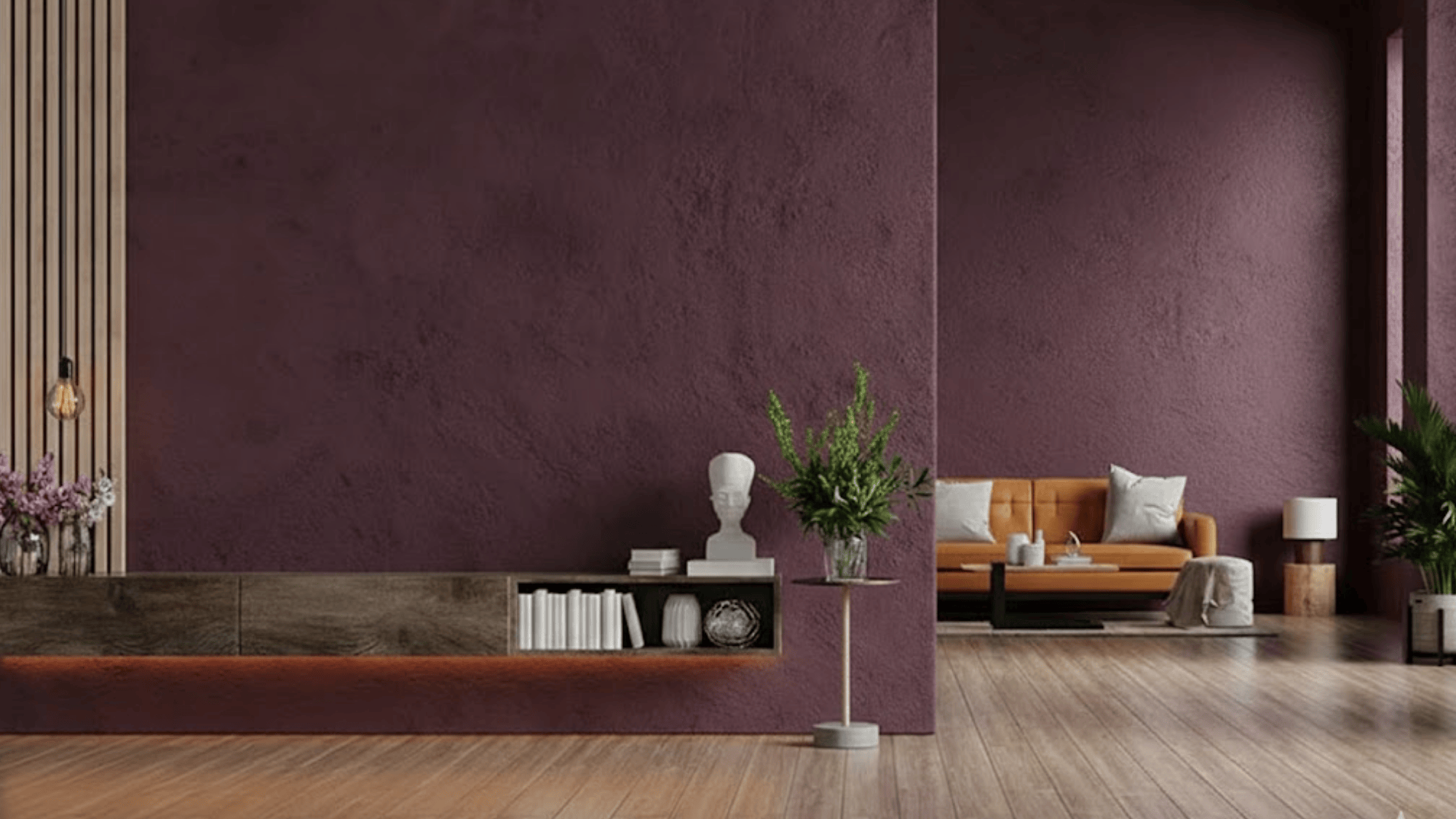
Textured finishes focus on adding depth and pattern rather than shine. These paints create three-dimensional effects on walls that you can see and often feel.
Some contain sand or other materials, while others form raised patterns as they dry. The sheen level varies depending on the specific product you choose. Textured paints serve both decorative and practical purposes.
They can hide serious wall damage, such as cracks or uneven surfaces, that would show through regular paint. Some people use them to add character to plain walls or create focal points in a room.
Where It Works:
- Accent walls
- Spaces with architectural interest
- Rooms with wall damage that’s hard to repair
- Creative or artistic interiors
Quick Tip: Test textured paints on poster board first. The pattern is permanent once it dries on your wall.
Choosing the Right Paint Finish for Each Room
Different rooms need different finishes based on how you use the space. Here’s a simple guide:
| Room / Area | Recommended Finish | Why It Works |
|---|---|---|
| Bedrooms | Flat or Eggshell | Low-traffic, low-moisture areas need softer finishes for a calm atmosphere and to hide minor wall imperfections. |
| Living Rooms & Family Rooms | Eggshell or Satin | These spaces see moderate use. The slight sheen adds warmth and wipes clean easily. Satin is best if kids or pets are around. |
| Kitchens | Satin (walls), Semi-Gloss (cabinets) | Handles grease, moisture, and splatters well. Satin cleans easily, while semi-gloss provides extra protection near sinks and stoves. |
| Bathrooms | Semi-Gloss | Highly moisture-resistant, prevents mildew, and wipes clean after splashes or messes. Ideal for humid spaces. |
| Hallways & Stairs | Satin or Eggshell | Durable enough for frequent contact and scuffs. Slight sheen helps surfaces resist marks from movement or furniture. |
| Trim, Doors & Baseboards | Semi-Gloss or High-Gloss | Easy to clean and wear-resistant. The shine contrasts nicely with matte walls and keeps the trim looking crisp. |
| Ceilings | Flat | Hides imperfections, prevents glare, and provides a smooth, soft finish for low-contact areas. |
Tips for Getting the Right Paint Finish
Painters have learned tricks over the years of working with different finishes. Here are some of the top recommendations:
- Mix Finishes for Contrast: Matte walls with glossy trim create visual interest. The difference in sheen makes architectural details stand out. This combo is common in older homes with lots of molding and woodwork.
- Test Before Committing: Buy sample pots and paint large swatches on your walls. Look at them in morning light, afternoon light, and with your lamps on at night. Sheen looks different depending on the light source.
- Remember the Cleaning Trade-off: Higher sheen means easier cleaning but more visible flaws. Lower sheen hides problems but marks easily. Choose based on your priorities for each room.
- Prep Matters More with Shinier Paints: Flat paint forgives rough prep work. Gloss paint does not. Sand, fill holes, and prime properly when using satin or higher finishes.
- Consider Your Lighting: Rooms with lots of windows can handle flatter finishes. Dark rooms benefit from satin or semi-gloss to reflect available light and brighten the space.
Conclusion
After painting a few rooms myself, I realized how much the finish can change everything. A flat finish gives a soft, calm look, while a glossy one makes the space bright and easy to clean.
Most of my rooms now have eggshell or satin; they strike the right balance between beauty and durability. The key is to think about how you use each room before choosing the finish.
A little planning can make your walls look great for years. If you’re getting ready to paint, take a minute to test a few finishes first; you’ll thank yourself later!
Ready to start your project? Grab some paint samples and see which finish feels right for your home.