


Ever had a contractor quote you a backyard remodel cost that made your jaw drop? I’m guessing that’s exactly why you’re here reading this, and I bet you’re someone who wants to understand every dollar before committing to a project.
From the outside, backyard remodels look straightforward, but I’ve watched too many homeowners dive in without understanding the real cost, only to hit surprise expenses halfway through that derail everything. The total depends on your yard’s size, the features you want, the materials you choose, and local labor rates.
But don’t worry, your backyard fairy is here, and I’ll help you by breaking down the actual cost factors of a backyard remodel so you can budget smartly from day one and avoid costly surprises.
Understanding the Basics of Backyard Remodel Costs
Before you pull out your wallet, let me walk you through what actually goes into a backyard remodel. I’m talking about the real work that needs to be done, not just the pretty finished product you see in magazines.
Most projects start with demolition and removal, getting rid of what’s already there. That old concrete patio? It needs to go. The patchy grass won’t grow, right? Time to rip it out.
You might need to haul away an old shed, clear out years of accumulated debris, or remove tree stumps.
Then comes the fun part: installing new features like patios, gardens, outdoor kitchens, or fire pits. Each of these tasks carries its own price tag, and they add up faster than you’d think.
Key Factors that Drive Your Backyard Remodel Cost
It’s hard to price out backyard remodels, especially when certain factors consistently push budgets higher. Understanding these variables helps you estimate costs more accurately:
- Yard size: A 500-square-foot space costs significantly less than a 2,500-square-foot area across all tasks
- Site accessibility: Tight spaces that block equipment access drive labor costs up quickly
- Disposal requirements: Hauling concrete, dirt, and debris to dumps adds fees that vary by location
- Regional labor rates: Urban contractors charge more per hour than rural professionals
- Project complexity: Custom designs and intricate patterns require more skilled labor hours
- Material quality: Natural stone runs higher than concrete pavers, and premium plants cost more than basic varieties
Knowing these cost drivers lets you make informed choices about where to spend and where to save on your project.
Backyard Removal and Cleanup Costs
Understanding the financial commitment of each demolition and preparation task helps you budget accurately and avoid surprises during your backyard transformation:
1. Lawn and Debris Removal Costs
Removing existing grass typically costs $1.14 – $1.78 per sq ft, with dense root systems pushing prices higher. Budget $500 to $1,500 for a typical 500-square-foot yard.
Professional debris removal averages $200–$500 per truckload for a ¼-acre yard, while heavily overgrown areas can reach $800–$1,600 or more, depending on load size.
2. Concrete and Shed Demolition Costs
Breaking up concrete costs $2 to $6 per square foot, depending on thickness and reinforcement. Expect $585 to $2,790 for a 1,000-square-foot patio removal.
Shed removal costs range from $600 to $2,000, depending on size and material. Concrete pads beneath sheds add $200 to $500 to the cost of complete demolition.
3. General Yard Cleanup Costs
Cleaning a quarter-acre lot costs $200 – $600 and includes weeding, trash removal, and debris hauling. Heavily wooded lots with thick leaf buildup require more hours than open lawns.
Regularly maintained yards typically stay near $215, while neglected properties can reach $465, depending on vegetation density and accessibility challenges.
Installation and Feature Addition Costs
Beyond demolition and cleanup, I think your backyard remodel requires smart investments in new features, plants, and structures to create a functional outdoor oasis:
1. Landscaping and Planting Costs
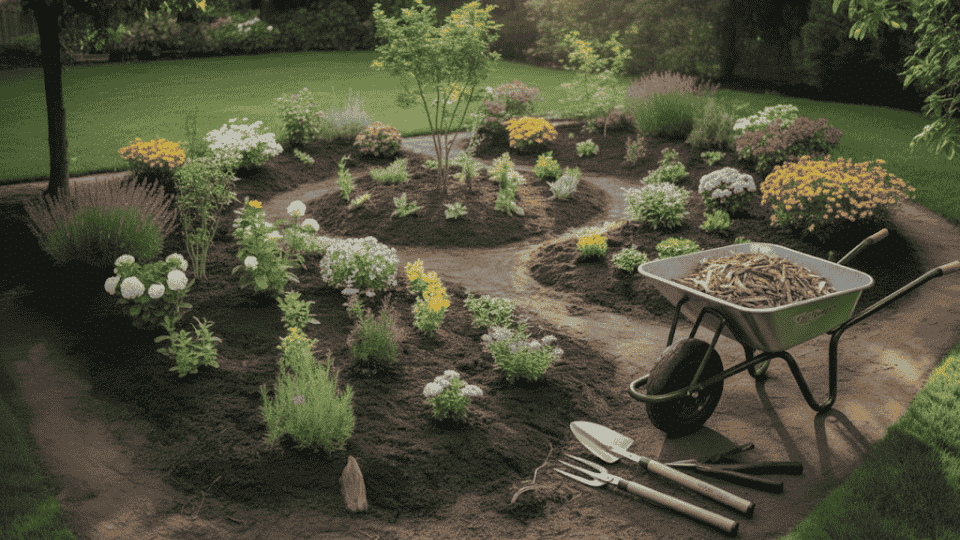
Installing plants and greenery forms the foundation of most backyard remodels. Here’s what you can expect to spend on professional landscaping services:
- Small annuals: $5 each for seasonal flowers and ground cover plants
- Mature trees: $50+ depending on species, size, and root ball dimensions
- Professional labor: $50 to $150 per hour for experienced landscapers
- Cost per square foot: $4.50–$17 for typical landscaping work
- Full installation: $3,300–$13,200 average for complete yard landscaping
Getting detailed quotes that separate plant costs from labor helps you identify where to save money by strategically purchasing materials yourself.
2. Hardscaping Installation Costs
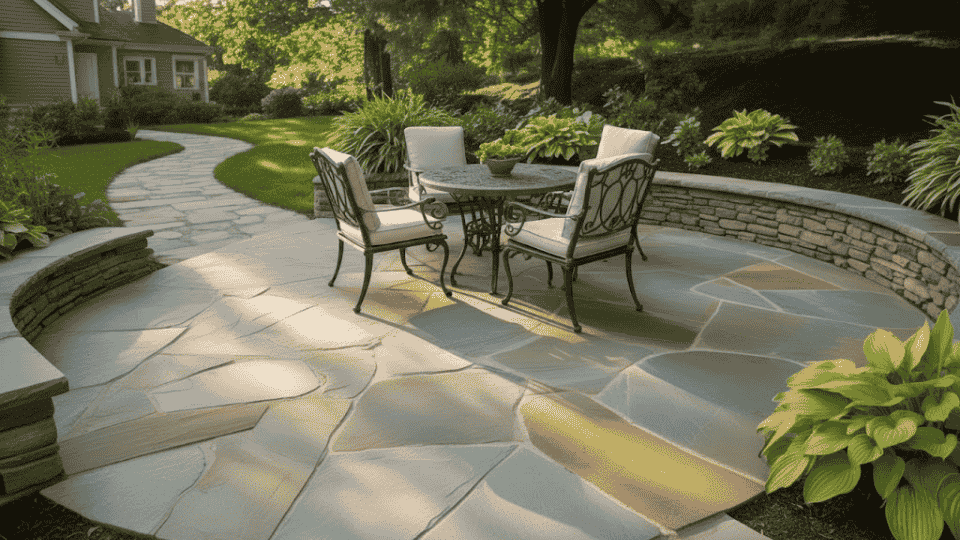
Patios, walkways, and retaining walls create structure and functionality in your outdoor space. Understanding hardscaping costs helps you plan features that fit your budget:
- Material and installation: $10 to $30 per square foot combined
- Concrete pavers: Lower end of price range, budget-friendly option
- Natural flagstone: Higher costs due to material premium and installation complexity
- Professional labor: $50 to $75 per hour, added to material expenses
- Design complexity: Simple rectangular layouts cost less than custom curves and patterns
Simple concrete paver patios remain budget-friendly, while custom flagstone designs with curves and intricate patterns command premium prices for both materials and skilled labor.
3. Outdoor Structures
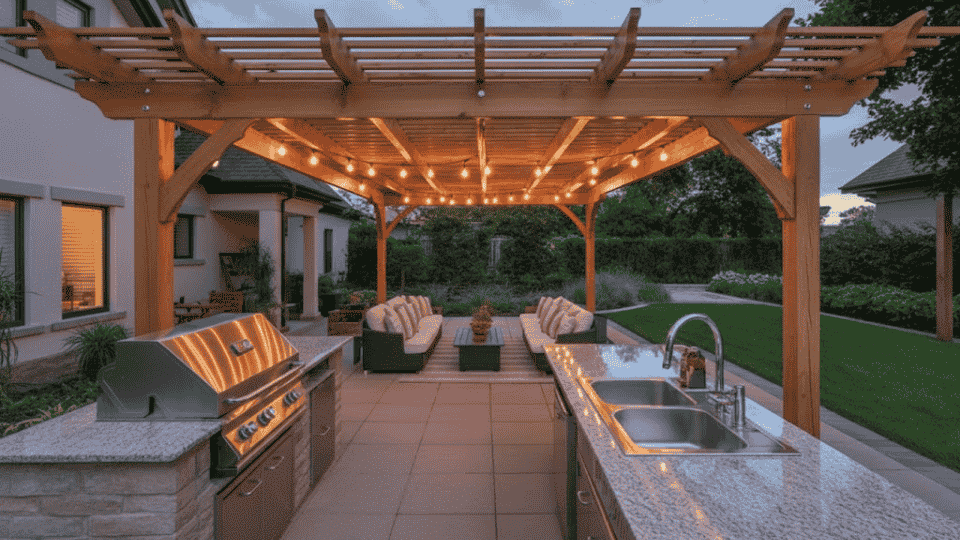
Adding permanent structures such as pergolas, gazebos, and outdoor kitchens creates defined spaces for entertaining and relaxing. These investments vary widely based on size and features:
- Basic pergola or gazebo: $2,000 to $5,000 for standard designs
- Outdoor kitchens: $7,000–$35,000+ depending on appliances and finishes
- Built-in grills: Add $1,500–$5,000 to your outdoor kitchen budget
- Countertops and sinks: Increase costs based on the material quality chosen
- Premium finishes: Custom structures with high-end appliances and integrated utilities represent the largest investments
Custom outdoor structures with premium finishes, integrated utilities, and high-end appliances represent the largest single investment in most backyard remodel projects after the initial demolition.
4. Irrigation and Drainage Systems
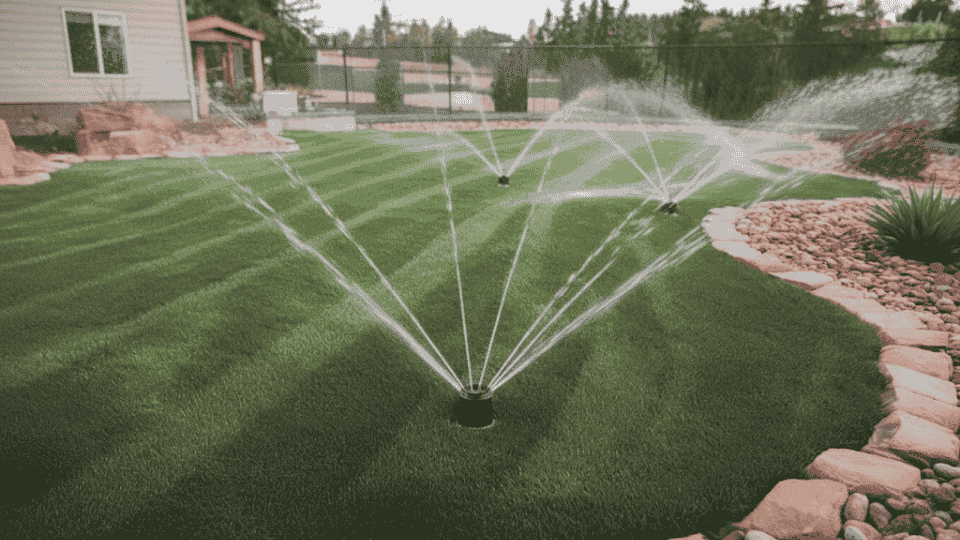
Proper water management protects your landscaping investment and prevents costly damage. Installing irrigation and drainage systems ensures your backyard stays healthy and functional year-round:
- Sprinkler system installation: $1,800–$3,500 for average-sized yards
- Drip irrigation: $300–$1,200 for targeted watering in garden beds
- French drain installation: $2,000–$6,000, depending on length and depth
- Drainage solutions: Vary based on yard slope and water pooling severity
- Smart controllers: Add $100–$300 but save on water bills long-term
Investing in proper drainage prevents foundation damage, standing water, and plant loss, making it worth the upfront cost for long-term yard health and maintenance savings.
These additional investments complete your backyard remodel and create a space you’ll use and appreciate for years to come. Prioritize features based on your lifestyle and budget constraints.
Ways to Save on Your Backyard Remodel
Cutting costs doesn’t mean sacrificing quality; it means being smart about where you spend. I have found several reliable ways to keep your backyard remodel cost reasonable without ending up with a space you’re unhappy with. Here are some money-saving strategies:
- Get three quotes minimum: Contractor prices vary wildly for the same work, so comparison shopping pays off
- Buy materials yourself: Purchasing pavers, plants, or lumber directly cuts out contractor markups of 20-40%
- Rent equipment: A concrete saw or sod cutter rental for a day costs less than hiring someone
- Handle your own cleanup: Clearing debris and pulling weeds yourself eliminates hundreds of dollars in labor charges
- Time your project right: Contractors offer better rates during their slow season, typically late fall and winter
- Start small: Complete your remodel in phases over multiple years to spread out the financial burden
- Do demo work yourself: Breaking up small concrete areas or removing an old shed saves significant labor costs
Remember that DIY work trades your time for money. If you’re spending three weekends on a task a pro could finish in a day, calculate what your time is worth before deciding.
Planning Your Backyard Remodel Budget
Creating a realistic budget starts with understanding typical cost ranges for your yard size. I’ve broken down average expenses to help you plan accordingly and anticipate what different project scales require:
| Yard Size | Budget Range | Typical Inclusions |
| Small (500-1,000 sq ft) | $3,000 – $10,000 | Basic cleanup, simple patio, minimal planting |
| Medium (1,000-2,500 sq ft) | $10,000 – $50,000 | Multiple features, moderate hardscaping, and landscaping |
| Large (2,500+ sq ft) | $50,000 – $100,000 | Complex designs, pools, outdoor kitchens, extensive work |
| Extra Large (5,000+ sq ft) | $70,000-$150,000+ | Full estate landscaping, multiple structures, luxury amenities |
| Premium Estate (1+ acre) | $150,000-$300,000+ | Complete outdoor living spaces, high-end materials, custom everything |
Add-ons such as swimming pools ($32,000–$60,000), fire pits ($300–$2,500), going fancier to $ 5,000, or deck installation ($1,000 – $11,500+) fall outside these base ranges. I always recommend padding your budget by 10-15% for unexpected issues; something always comes up during construction.
Disclaimer: These prices are estimates and may vary by location, season, and market conditions. Always check with local contractors and suppliers for accurate, up-to-date pricing specific to your area before starting your project.
Common Mistakes to Avoid
Knowing what not to do saves you as much money as knowing what to do. I’ve watched homeowners make these mistakes repeatedly, and they’re completely preventable with a little forethought. Here’s what you can’t do:
- Skipping permits: Fines exceed permit costs, and you’ll eventually need them anyway for legal compliance
- Choosing the cheapest bid: Lowest quotes often mean cut corners or surprise fees appearing later
- Ignoring drainage: Poor drainage causes flooding and foundation damage, costing thousands to repair
- Overbuilding: Installing unused features wastes money better spent on daily-use amenities you’ll actually enjoy
- No written contract: Verbal agreements inevitably lead to disputes over scope, timeline, and payment
- Forgetting utilities: Hitting buried gas or electric lines during excavation creates expensive, dangerous situations
Always verify that contractors are licensed and insured. Checking references takes thirty minutes but prevents months of headaches.
Wrapping Up
The backyard remodel cost you’ll pay depends entirely on your choices, but now you’ve got realistic numbers to control your spending instead of guessing blindly.
I’ve provided the actual pricing for removal, installation, and features so you can build a budget that works for your situation.
Start by measuring your yard and separating must-haves from nice-to-haves. Get at least three contractor quotes, ask every question that pops into your head, and never rush decisions under pressure.
Phasing your remodel over time spreads costs and lets you adjust as you learn what works. Your backyard should bring daily joy, not financial regret from overspending or cheap shortcuts.