


Struggling to choose the right material for your patio or deck furniture that actually lasts? Finding the best wood for outdoor furniture makes all the difference between pieces that survive and ones that rot quickly.
I spent years testing different woods before finding which ones truly hold up outside. The right choice saves you money, reduces maintenance headaches, and keeps your space looking great.
Different woods handle rain, sun, and temperature changes in entirely different ways based on their properties. Some resist insects naturally, while others need constant protection to survive outdoors.
Understanding your options helps you pick wood that matches your climate, budget, and preferences. Let’s see the best wood for outdoor use.
Quick Look at the Best Woods for Outdoor Furniture
Outdoor furniture is specifically built for use in spaces outside your home, like patios and decks. These pieces differ from indoor furniture in how they’re constructed and what materials are used.
| Wood Type | Durability Level | Natural Rot & Insect Resistance | Maintenance Level | Best Climate |
|---|---|---|---|---|
| Teak | Very High | Excellent (natural oils) | Low | All climates, heavy rain, coastal |
| Cedar | Medium–High | Very Good | Medium | Mild to moderate climates |
| Cypress | Medium–High | Very Good | Medium | Humid or wet regions |
| Redwood | High | Very Good | Low–Medium | Dry to moderate climates |
| Mahogany | High | Very Good | Medium | Moderate to humid climates |
| Ipe | Extremely High | Excellent | Low | Harsh sun, heavy rain |
| Shorea | High | Very Good | Medium | Tropical, humid areas |
| Robinia (Black Locust) | Very High | Excellent | Low–Medium | Cold winters, wet climates |
| Eucalyptus | Medium | Good | Medium | Moderate climates |
| Acacia | Medium | Good | Medium | Mild climates |
| Pressure-Treated Pine | Low–Medium | Good (treated) | High | Dry climates, covered spaces |
This quick view helps you spot the balance between longevity, upkeep, and budget. Now let’s break each wood down in detail so you can see how it performs in real outdoor conditions.
Top Wood Species for Outdoor Furniture
I tested several wood types before finding what actually works well for outdoor furniture. Each species performs differently based on your climate and how you maintain it. Here are the best wood options for outdoor use:
1. Teak
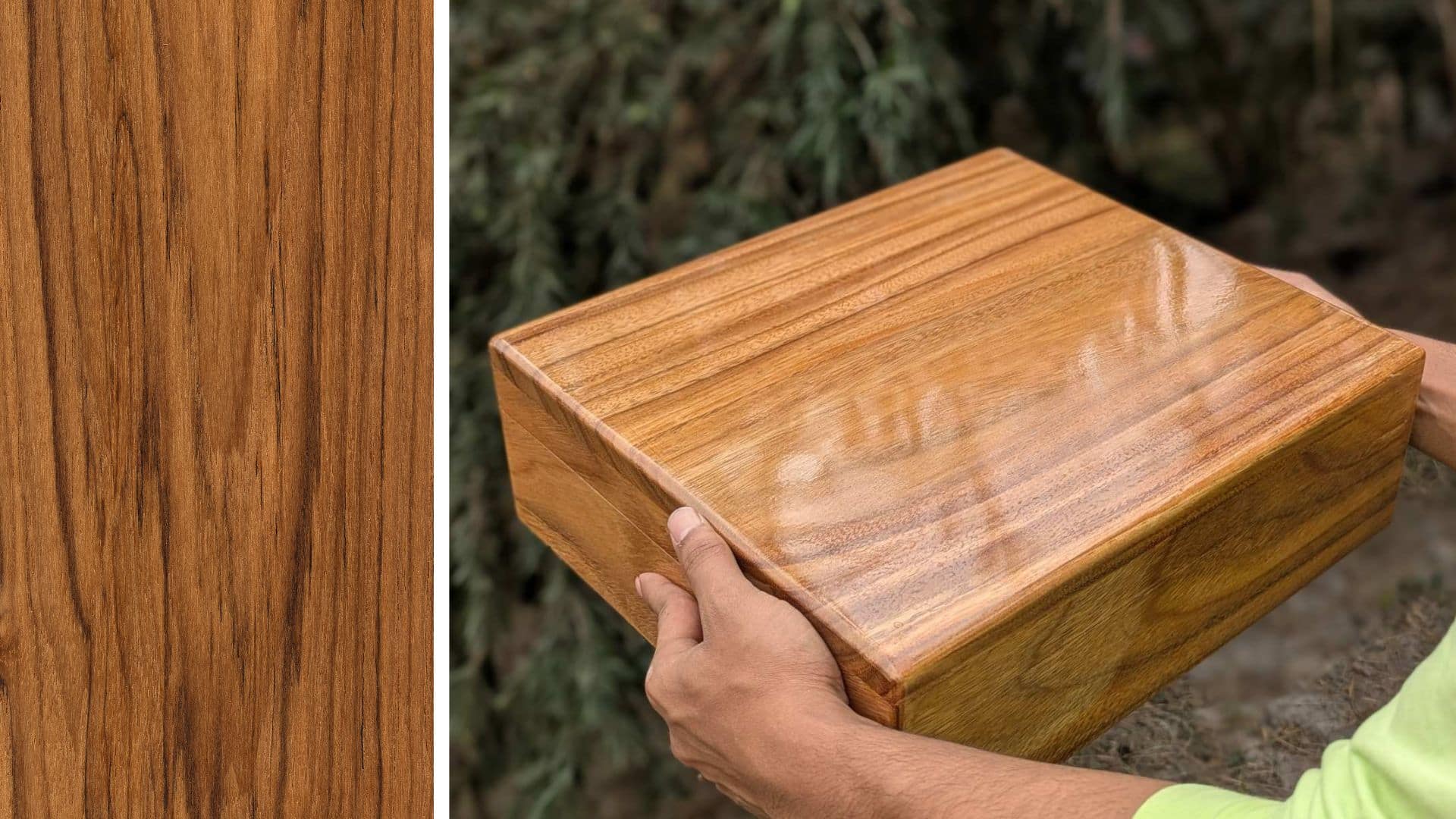
This wood stands out for its incredible durability and natural resistance to water, insects, and decay. Natural oils in teak protect it from harsh elements without any extra treatment needed.
The rich golden-brown color looks pretty when new, but gradually ages into a beautiful silvery-gray patina. This conversion happens naturally over several years of outdoor exposure. The main downside is the price since teak costs significantly more than most other options.
Best for: Premium furniture needing to withstand heavy weather exposure and last for decades.
2. Cedar
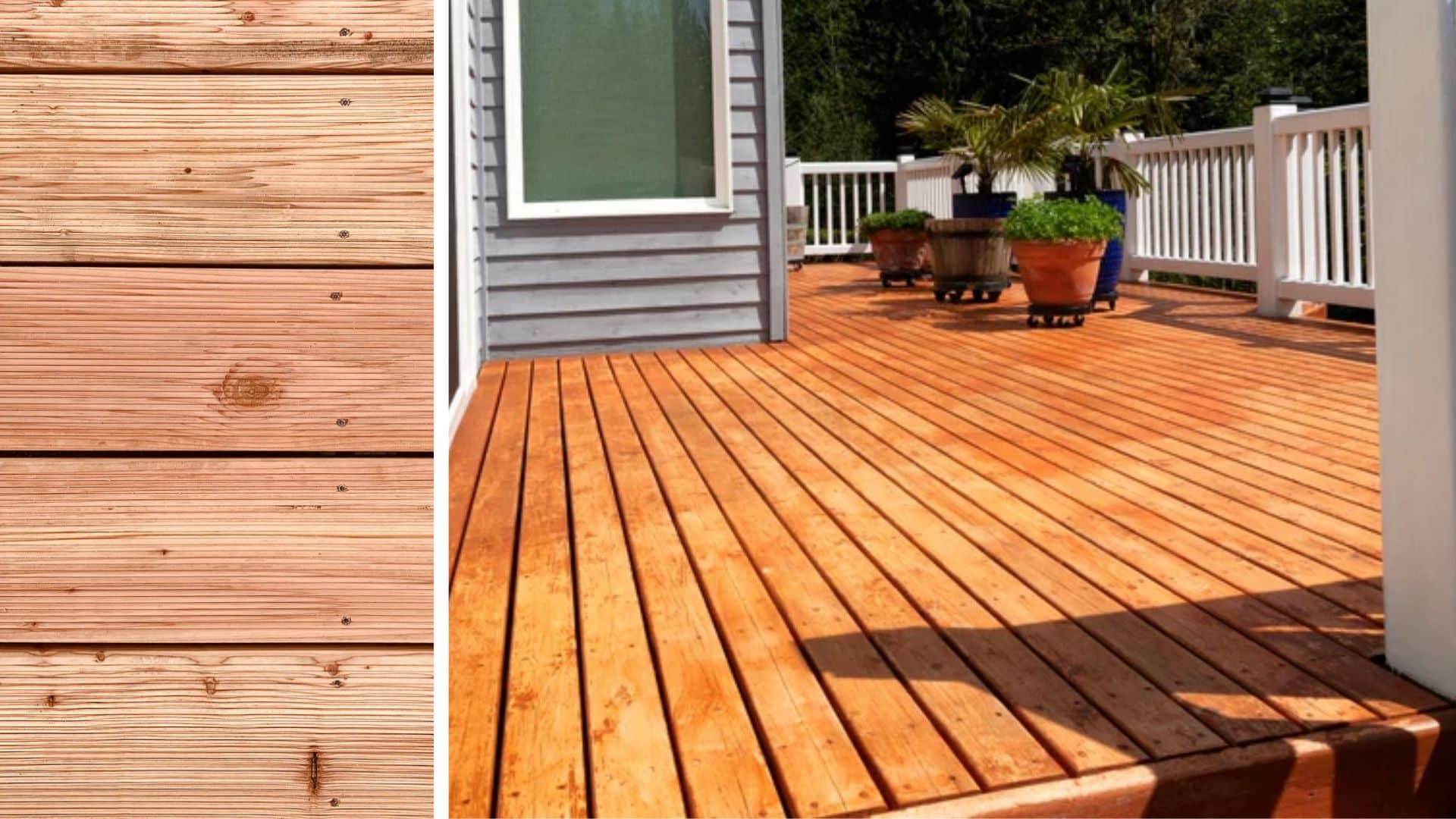
Cedar naturally fights off rot, decay, and insects without chemical treatments or special coatings. It’s surprisingly lightweight compared to hardwoods while still being plenty durable for outdoor conditions. The warm reddish-brown color comes with a distinct, pleasant aroma that many people love.
Cedar maintains its beauty well, but it can warp or crack if you skip regular maintenance. Proper sealing and occasional care keep it looking great for many years.
Best for: Casual furniture like chairs, tables, and benches in covered or protected areas.
3. Cypress
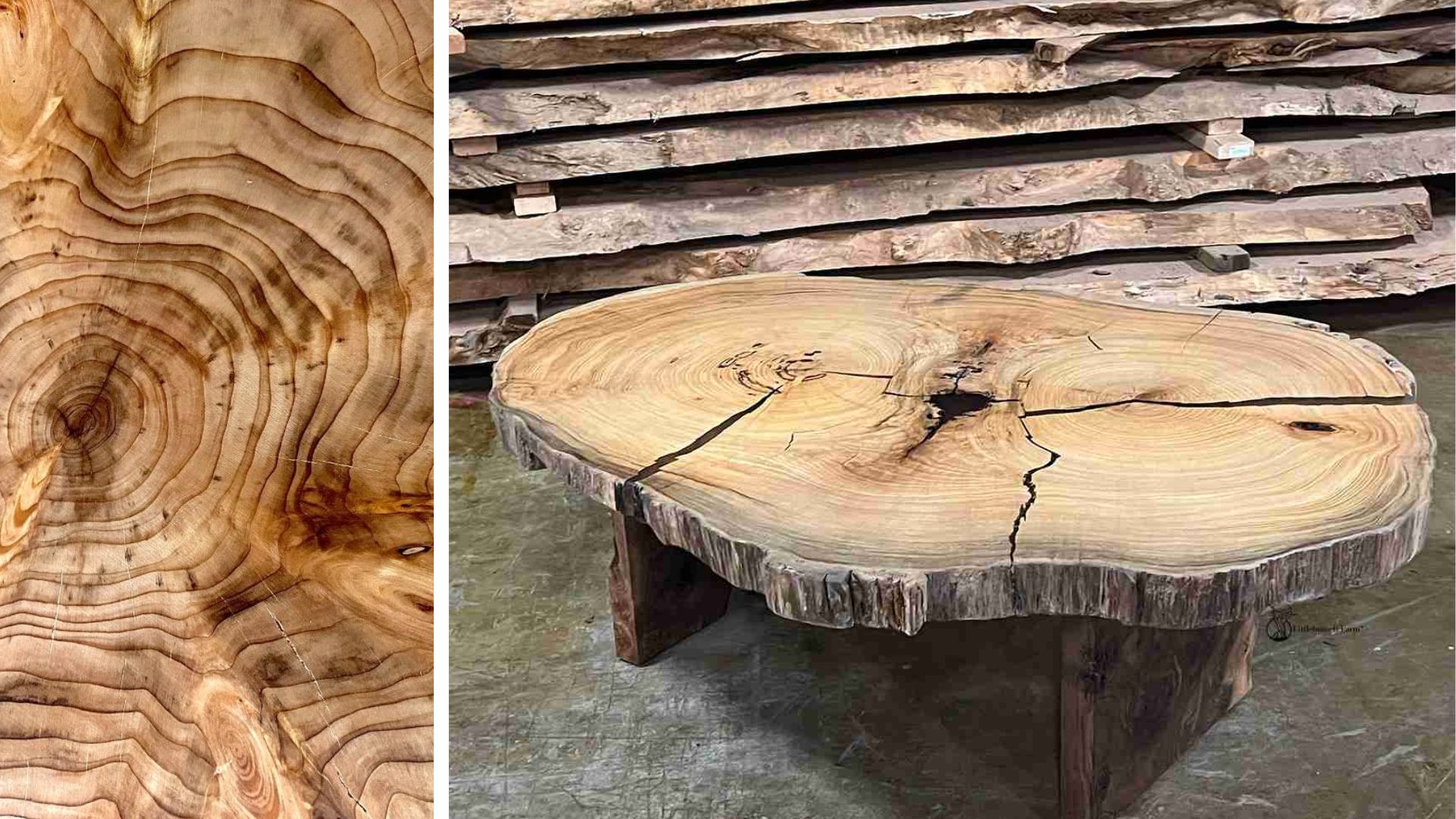
High oil content in cypress makes it naturally resistant to rot and decay over time. This wood performs exceptionally well in areas with lots of moisture and humidity throughout the year.
The light to medium brown color has a slight yellowish tint that gives it character. Cypress is softer than many hardwoods, so it dents and scratches more easily with heavy use. Handle it with reasonable care, and it serves you well for years.
Best for: Furniture in humid or wet climates where moisture resistance is essential.
4. Redwood
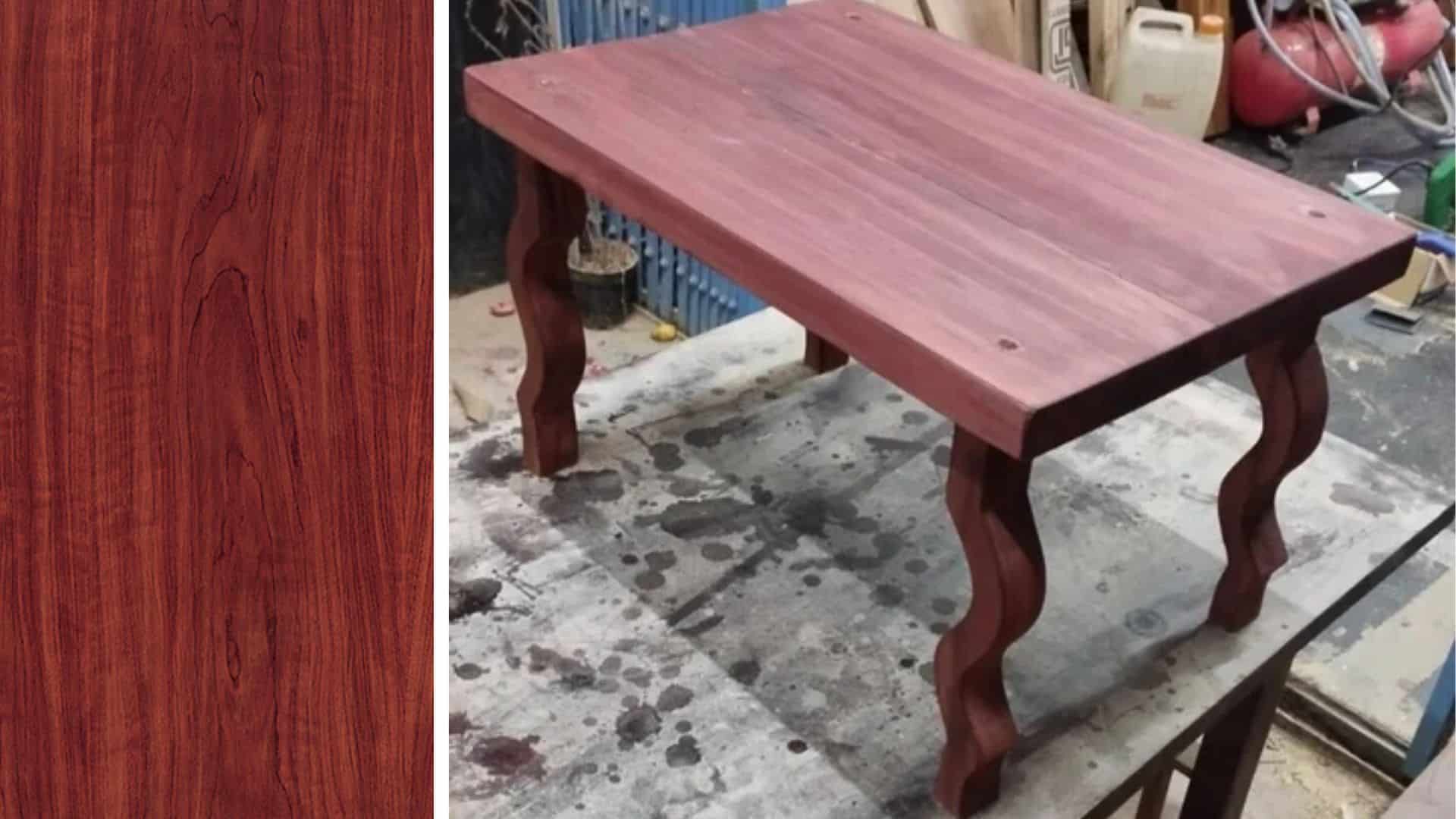
Redwood offers excellent durability along with natural resistance to both water damage and insect problems. The deep reddish-brown color with attractive grain patterns makes gorgeous furniture pieces that draw attention.
This wood holds up beautifully in outdoor conditions year after year with minimal maintenance required. The cost runs high, and finding sustainably sourced redwood can be challenging in many areas. When you can get it responsibly, redwood delivers outstanding results.
Best for: High-end furniture and structures where appearance matters as much as durability and longevity.
5. Mahogany
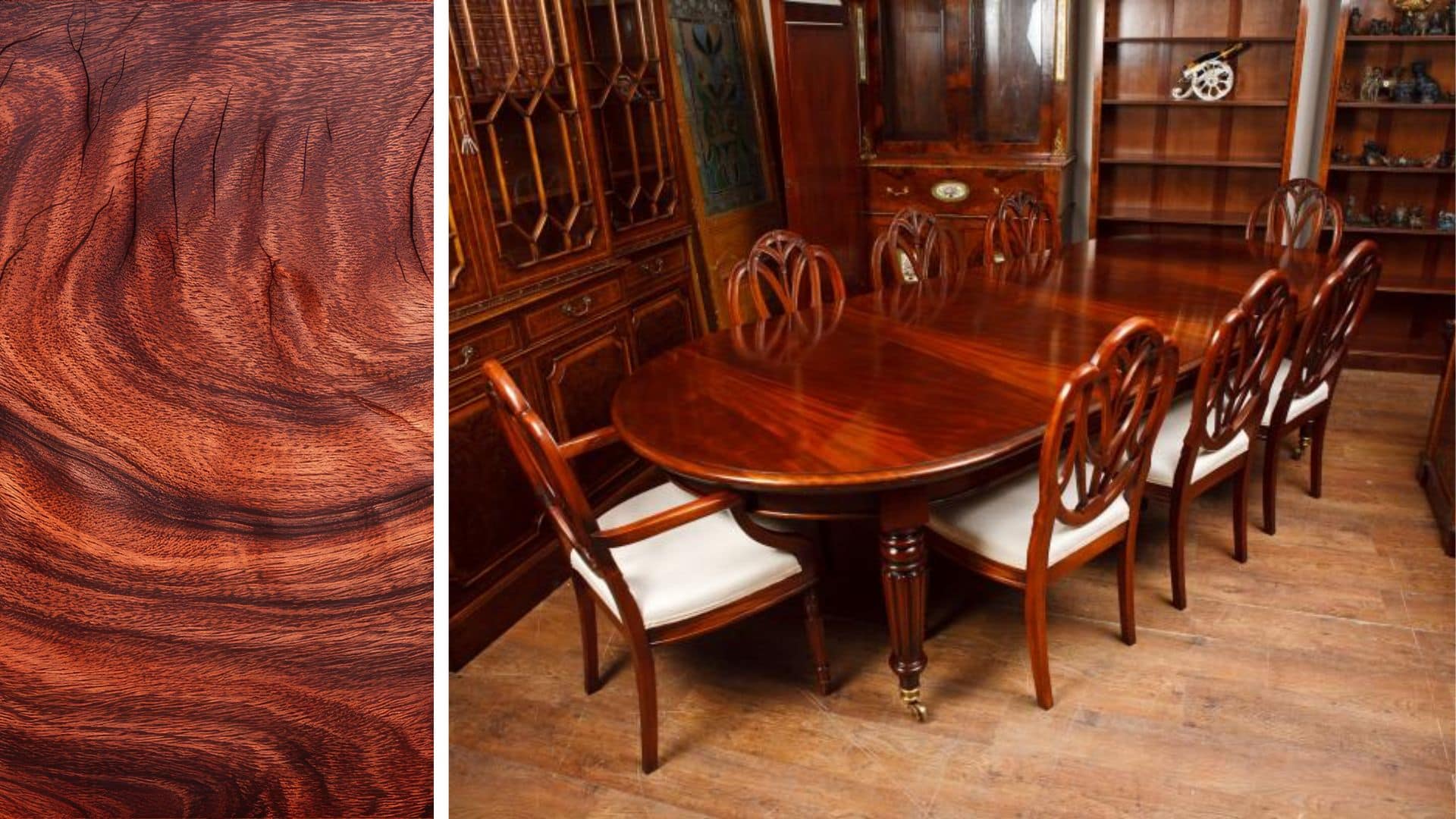
Mahogany resists water and decay exceptionally well while providing beautiful color and smooth grain patterns. The rich, reddish-brown color actually deepens and becomes more attractive as years pass outdoors.
This wood combines gorgeous looks with solid performance that justifies its luxury status completely. Like other premium woods, mahogany comes with a hefty price tag attached. Sustainable sourcing can also be difficult, so always check where your mahogany originates.
Best for: Luxury furniture pieces where beauty and refinement are top priorities for your space.
6. Ipe
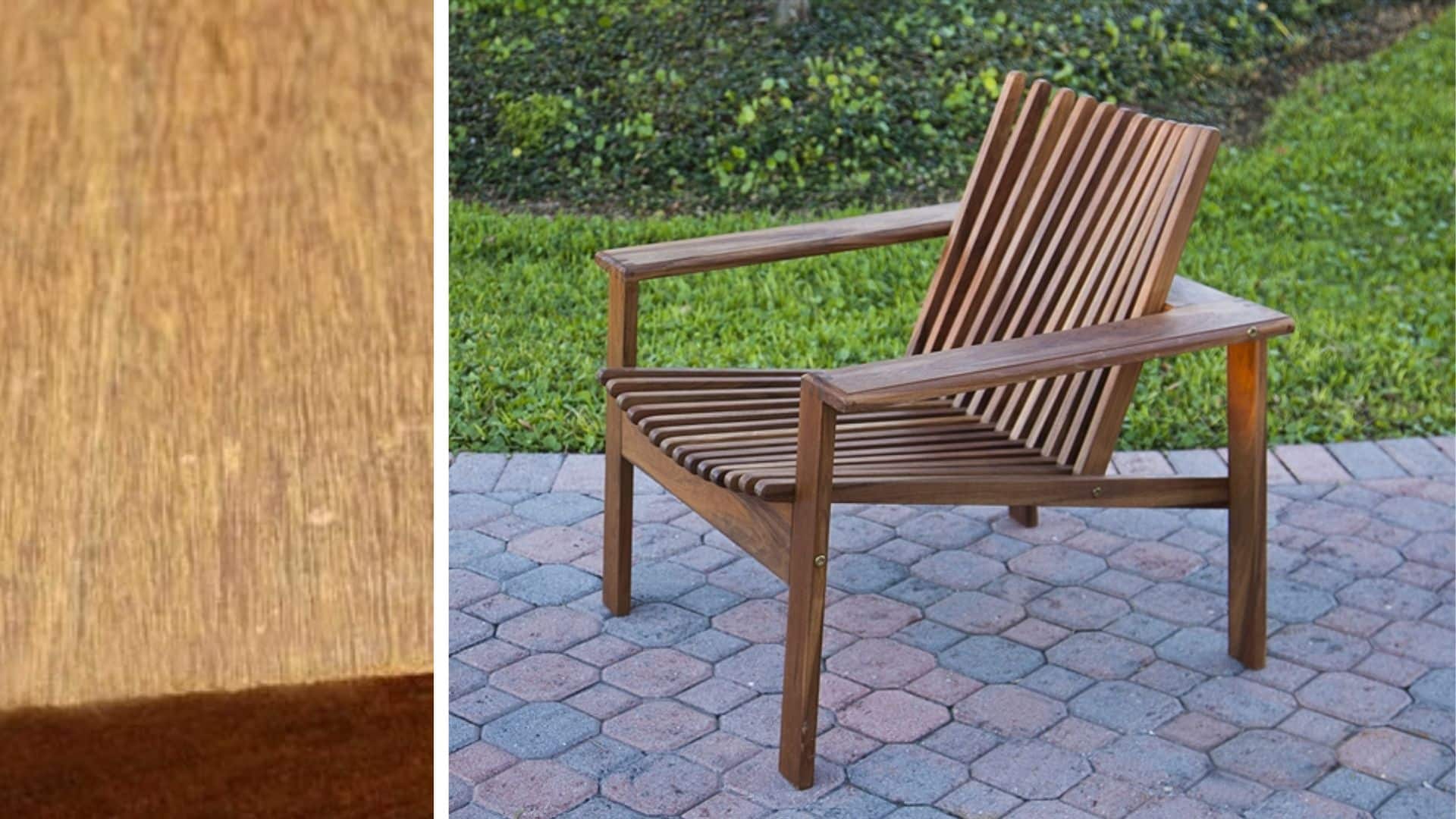
Ipe ranks as one of the most durable woods available for any outdoor application imaginable. Its extreme density and hardness make it incredibly resistant to rot, insects, and harsh weather. The dark brown color with fine grain creates a urbane, sleek look that ages gracefully.
Working with ipe requires special tools because of how dense and hard it is. This difficulty, plus limited availability, makes ipe one of the pricier wood choices around.
Best for: Heavy-duty furniture like decks, benches, and tables facing constant weather exposure and use.
7. Shorea (Philippine Mahogany)
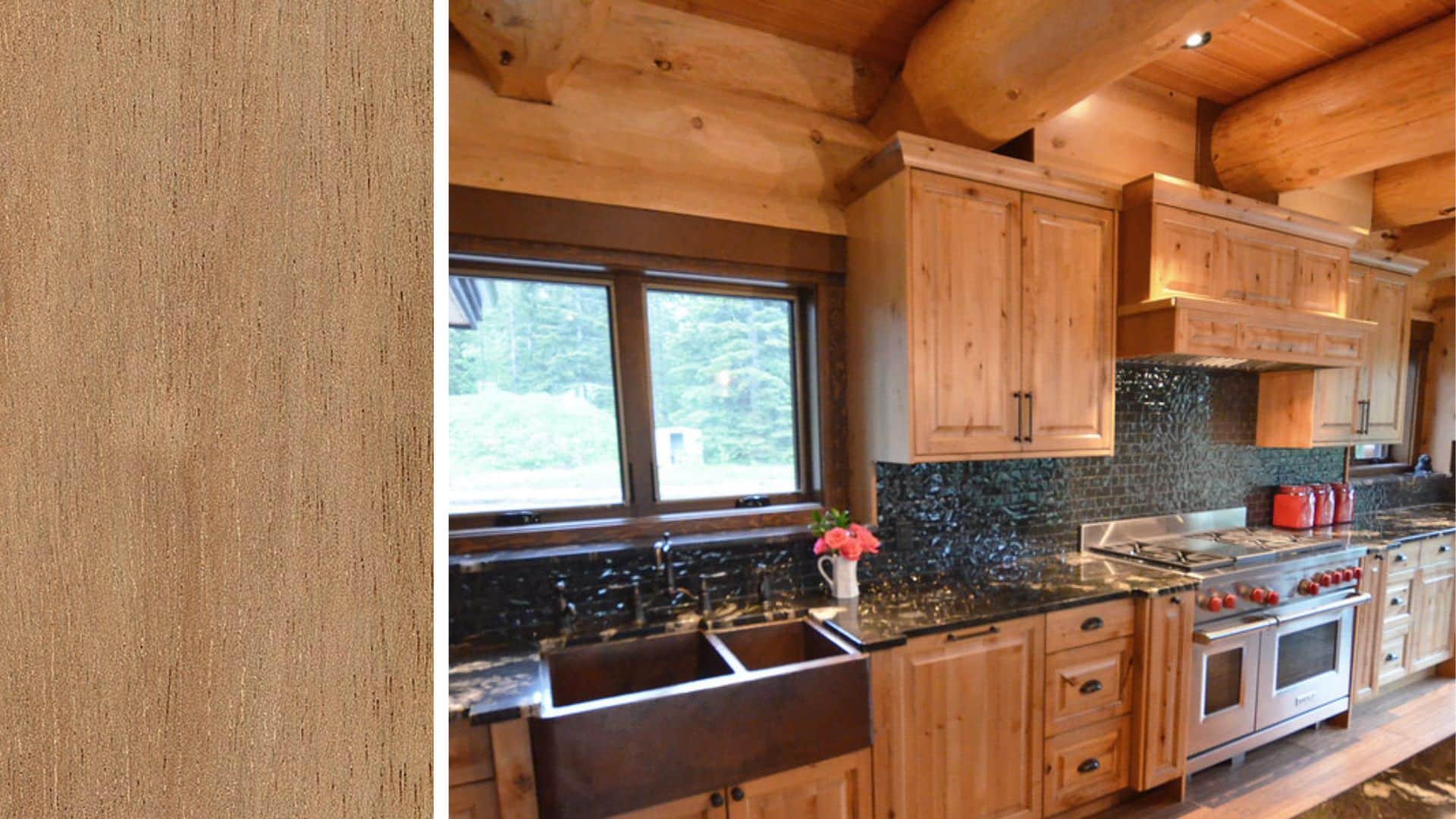
Shorea is a dense hardwood that naturally resists rot, decay, and insect damage effectively. Many people use it as a more affordable alternative to teak with similar strength.
The color ranges from light reddish-brown to darker shades with fine grain. It ages beautifully into a silvery-gray patina but needs more maintenance than premium woods.
Best for: Outdoor tables, chairs, lounge furniture, decks, and various exterior structures needing durability.
8. Robinia (Black Locust)
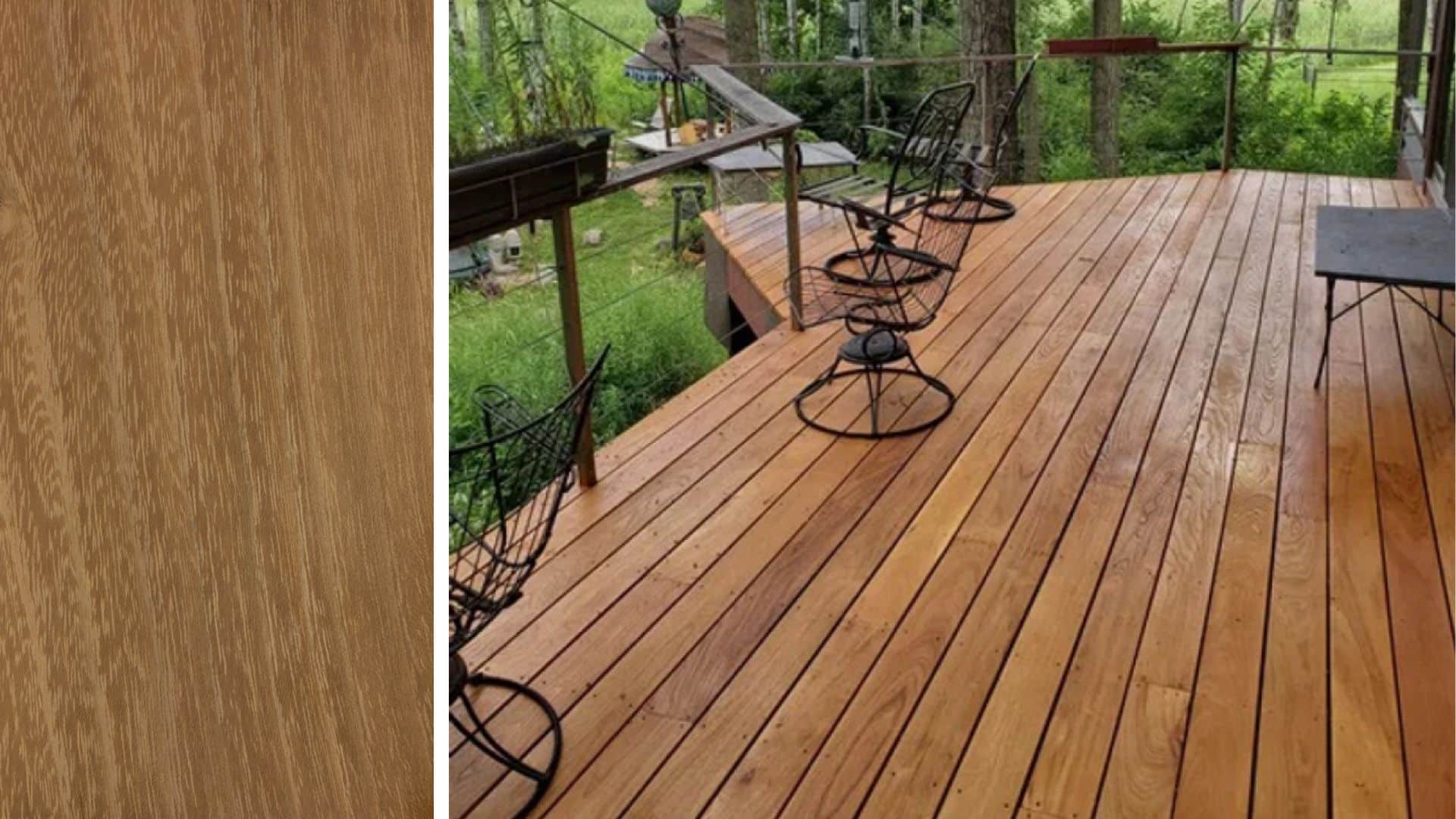
Robinia ranks among the hardest and most durable hardwoods available for outdoor use today. It naturally fights off rot, decay, and insect damage without chemical treatments needed.
The light to medium brown color sometimes has greenish hues with coarse texture. Its extreme density makes it harder to work with, requiring specialized cutting tools.
Best for: Outdoor furniture, garden structures like pergolas, and decking that faces harsh weather conditions.
Lesser-Known Outdoor Wood Options
Most people don’t know about these wood types, but I’ve had great experiences using them for outdoor projects. They deliver solid performance at prices far below what premium species cost you. Here are budget-friendly wood options worth considering:
9. Eucalyptus
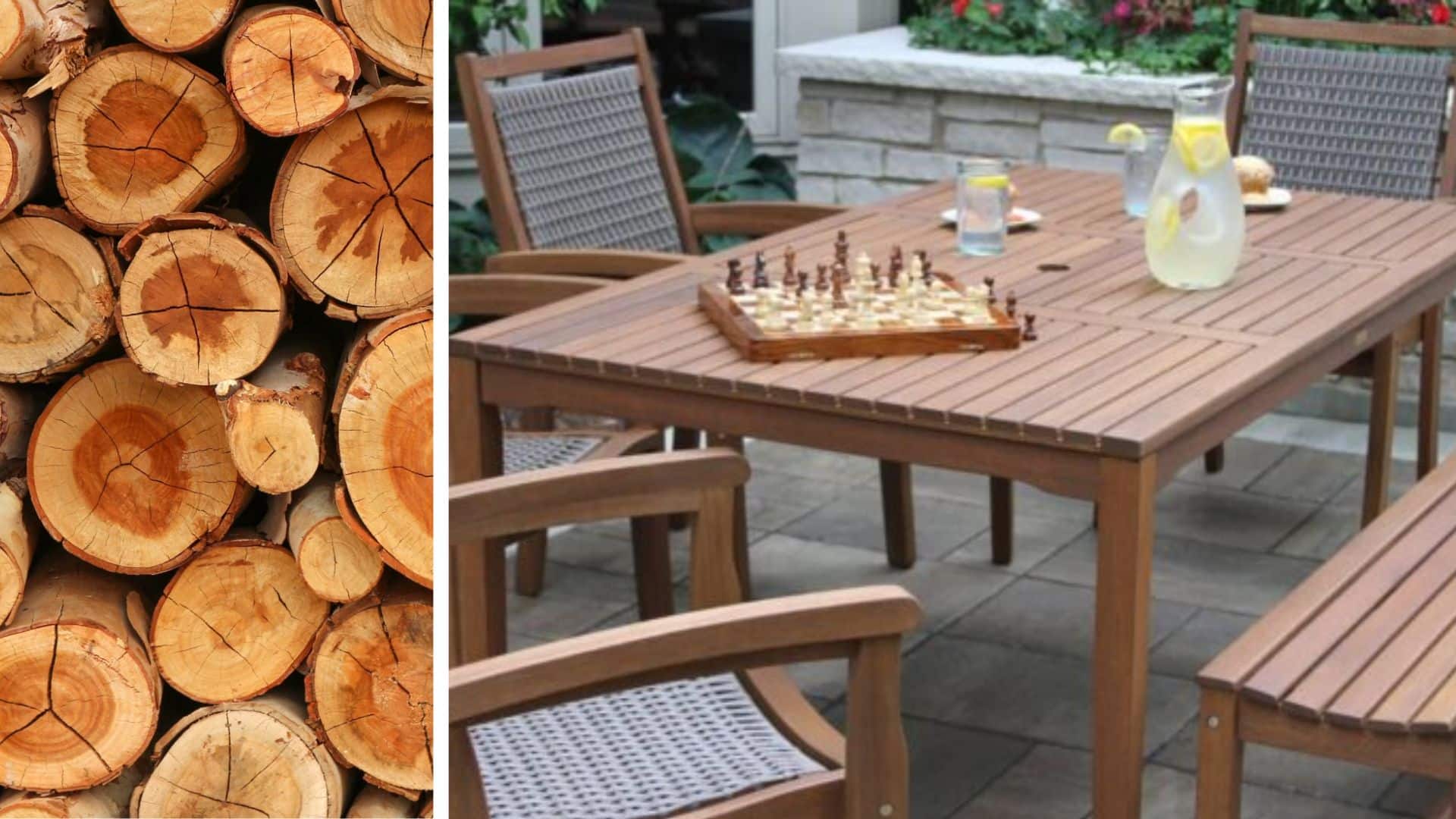
Eucalyptus offers affordable pricing along with good natural resistance to weathering and insect problems. The wood has a pleasant appearance and holds up reasonably well with basic maintenance.
While not as durable as premium hardwoods, it provides excellent value for the money. Regular sealing helps extend its life and keeps it looking attractive longer.
Best for: Casual furniture pieces like bistro sets, folding chairs, and small outdoor tables.
10. Acacia
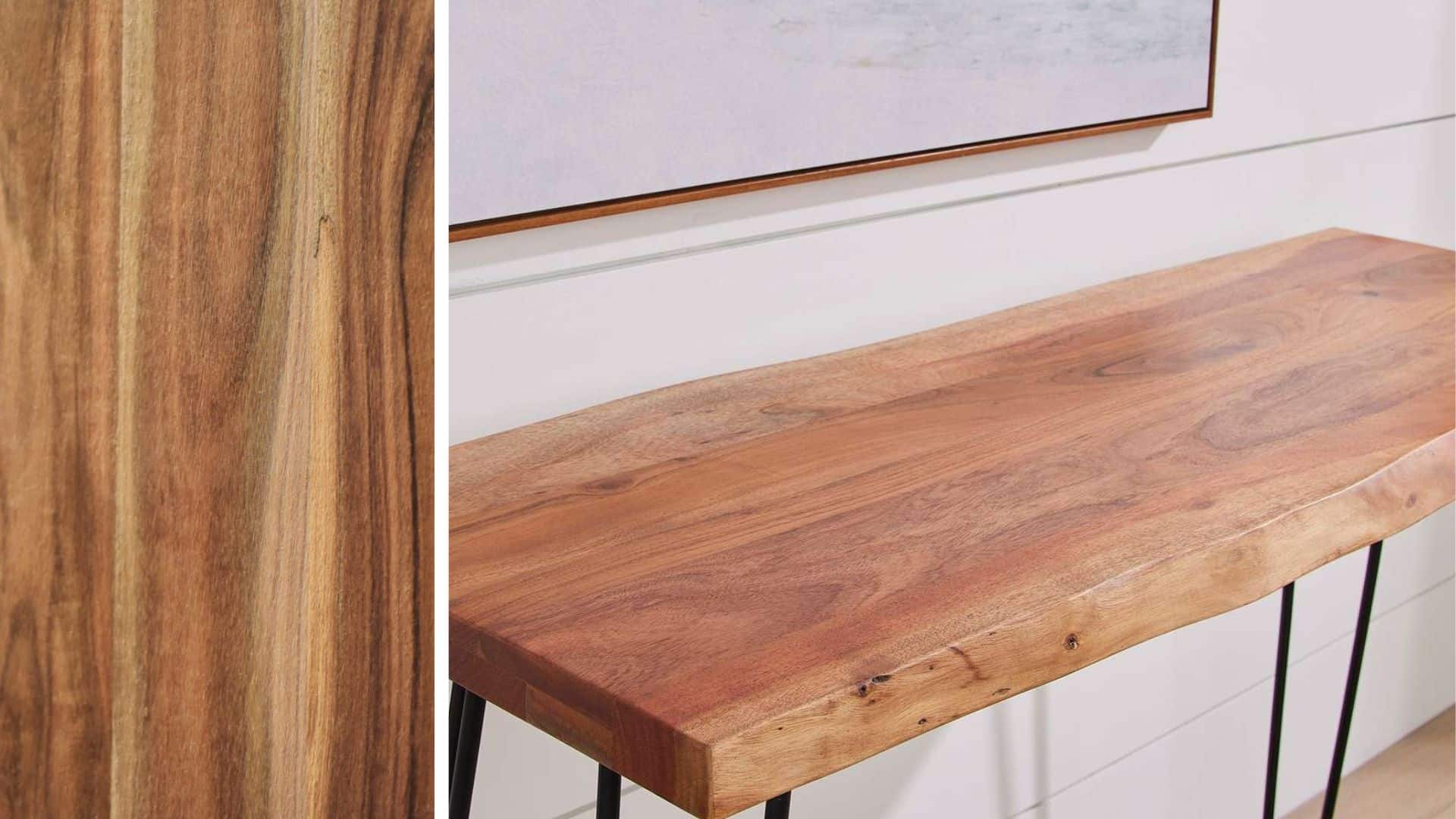
Acacia combines durability with affordability, making it popular for budget-conscious outdoor furniture buyers. The beautiful golden-brown hue adds warmth and natural charm to any outdoor space immediately.
Acacia requires some maintenance to prevent cracking and fading over extended outdoor exposure. With proper care, it serves as an excellent alternative to expensive hardwoods.
Best for: Mid-range outdoor furniture, including dining sets, benches, and decorative garden pieces.
11. Pine (Pressure-Treated)
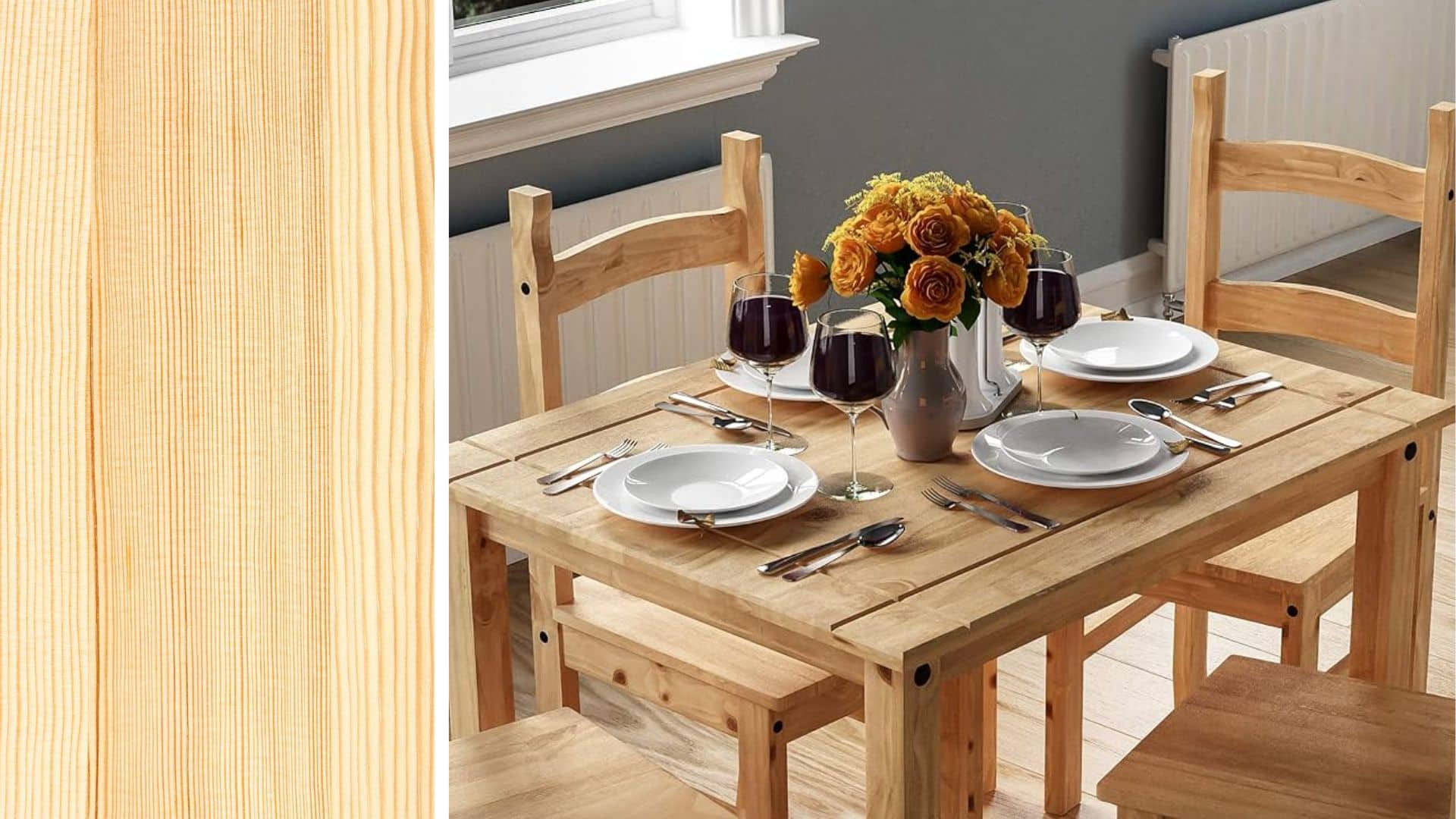
Pressure-treated pine offers an affordable, lightweight option for outdoor furniture on tight budgets. Chemical treatment helps it resist rot and insect damage that untreated pine cannot handle.
The light color and softer texture make it easy to work with for projects. Regular staining or sealing protects it and significantly extends its outdoor lifespan.
Best for: Budget-conscious buyers needing basic outdoor furniture like simple benches, planters, and casual seating.
Factors that Matter when Picking Outdoor Furniture Wood
Picking the right wood for your outdoor furniture requires thinking about several important factors first. Each consideration affects how long your furniture lasts and how well it performs in your space. Here are the main factors to keep in mind:
- Climate: Your local weather conditions determine which wood types will perform best and last longest outdoors.
- Durability: Some woods naturally resist rot, insects, and decay better than others when exposed to outdoor elements constantly.
- Appearance: Different wood species change color and develop unique characteristics as they age over the years outside.
- Cost: Higher-priced woods often last longer, so balance your initial budget against long-term replacement costs carefully.
These factors work together to help you find the perfect wood for your specific situation. Taking time to evaluate each one ensures you make a smart investment in outdoor furniture.
How to Maintain Outdoor Wood Furniture?
Proper maintenance dramatically extends the life of your outdoor wood furniture and keeps it looking beautiful for years. Here’s how to care for your outdoor wood furniture:
- Regular Cleaning: Use mild soap and water to clean furniture regularly and remove built-up dirt and grime.
- Sealing and Oiling: Apply sealant or oil to protect wood from moisture damage, harmful UV rays, and accumulated dirt.
- Storage Tips: Store furniture indoors or under protective covers during extreme weather conditions to prolong its lifespan.
- Repairing Damage: Sand down rough spots and apply a fresh finish to restore wood furniture and keep it looking new.
I follow these maintenance steps religiously, and my outdoor furniture still looks great after five years. Taking just a little time for regular care saves you money on replacements down the road.
Wrapping Up
Choosing the best wood for outdoor furniture depends on balancing durability, appearance, maintenance needs, and your budget. You now know which woods naturally resist weather damage and which ones need extra care regularly.
Premium options like teak and ipe cost more but last decades with minimal maintenance required. Budget-friendly choices like eucalyptus and pressure-treated pine work well when you maintain them consistently.
Your climate plays a huge role in determining which wood performs best in your specific area. Regular cleaning, sealing, and proper storage during harsh weather extend any wood’s lifespan significantly.
The perfect wood exists for every budget once you understand each type’s strengths. Which wood caught your attention? Share your choice below!