

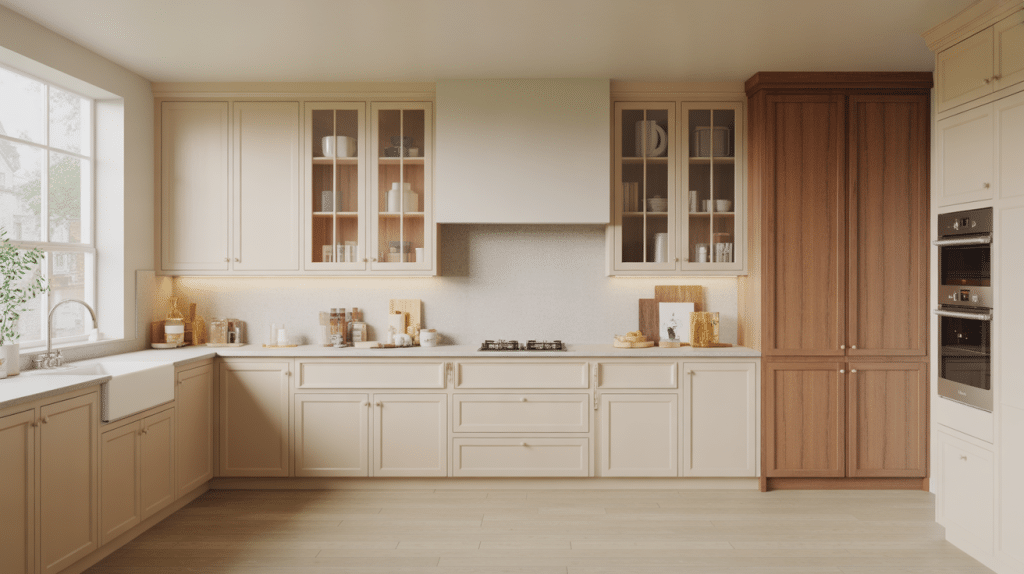

If you’ve been staring at kitchen photos and wondering why every cabinet starts to look the same, you’re not alone. Understanding the different types of cabinets is what helps you finally see the differences clearly.
Once you know what separates shaker, slab, inset, overlay, and frameless styles, everything stops feeling overwhelming. I’m going to walk you through the main cabinet styles, construction types, and practical differences that actually matter in daily life.
You’ll learn how each option affects storage, maintenance, budget, and overall design. By the end, you won’t just recognize cabinet names, you’ll understand which ones truly fit your kitchen, your habits, and your long-term plans.
Why Understanding Different Cabinet Types Matters?
Choosing cabinets for your kitchen can feel overwhelming with so many options available. Knowing the different cabinet styles helps you make informed decisions that match your space, budget, and lifestyle.
Each cabinet type offers unique benefits in terms of functionality, appearance, and cost. When you understand these differences, you can pick options that work best for your needs rather than feeling confused by too many choices.
This knowledge helps you create a kitchen that looks good and functions well for years to come. You’ll spend your money wisely and end up with a space you truly love.
Kitchen Cabinet Styles and Types
Kitchen cabinet doors come in many styles, and I’ve seen how the right one can change your whole space. Once you understand the options, it gets easier to match your taste and budget. The most common cabinet door styles include:
1. Shaker Cabinets
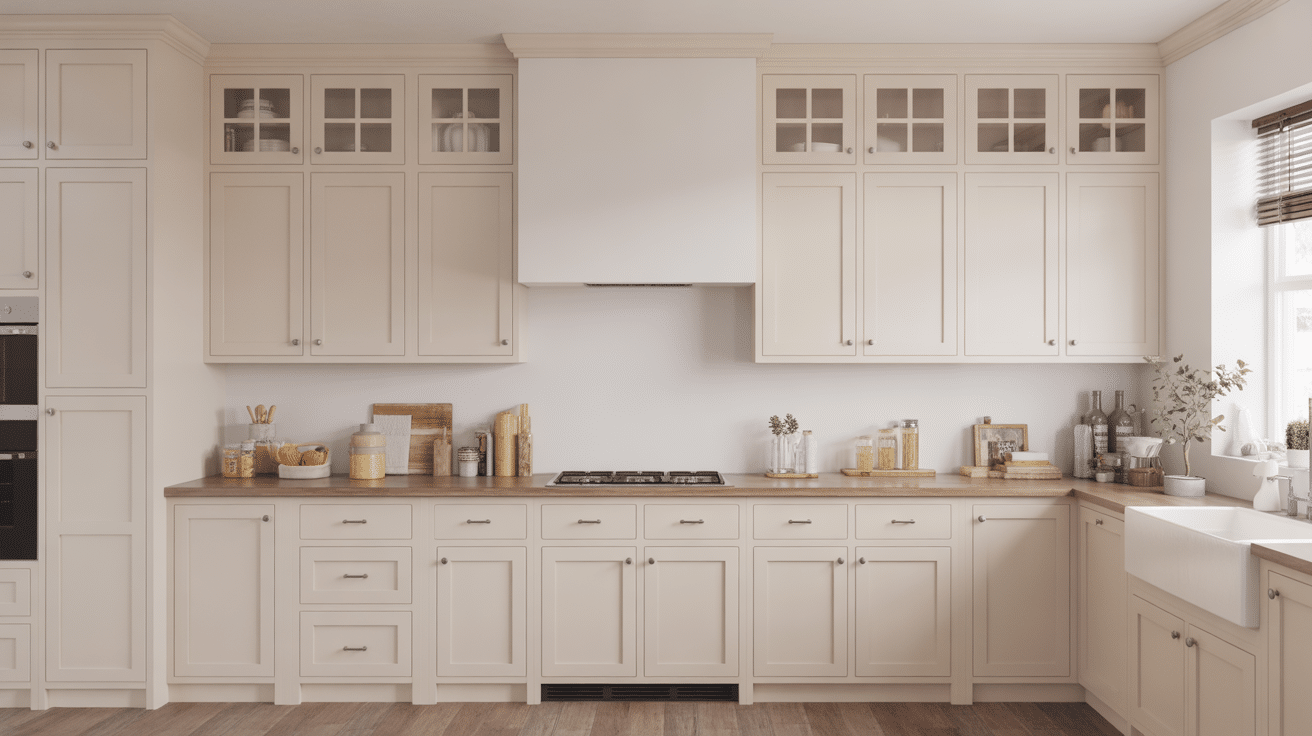
Shaker cabinets feature a flat center panel surrounded by a clean, simple frame. Their timeless design adapts effortlessly to modern, farmhouse, and transitional kitchens.
They pair well with virtually any hardware or color palette, making them one of the most widely chosen styles for homeowners who want flexibility without sacrificing character.
2. Slab / Flat-Front Cabinets
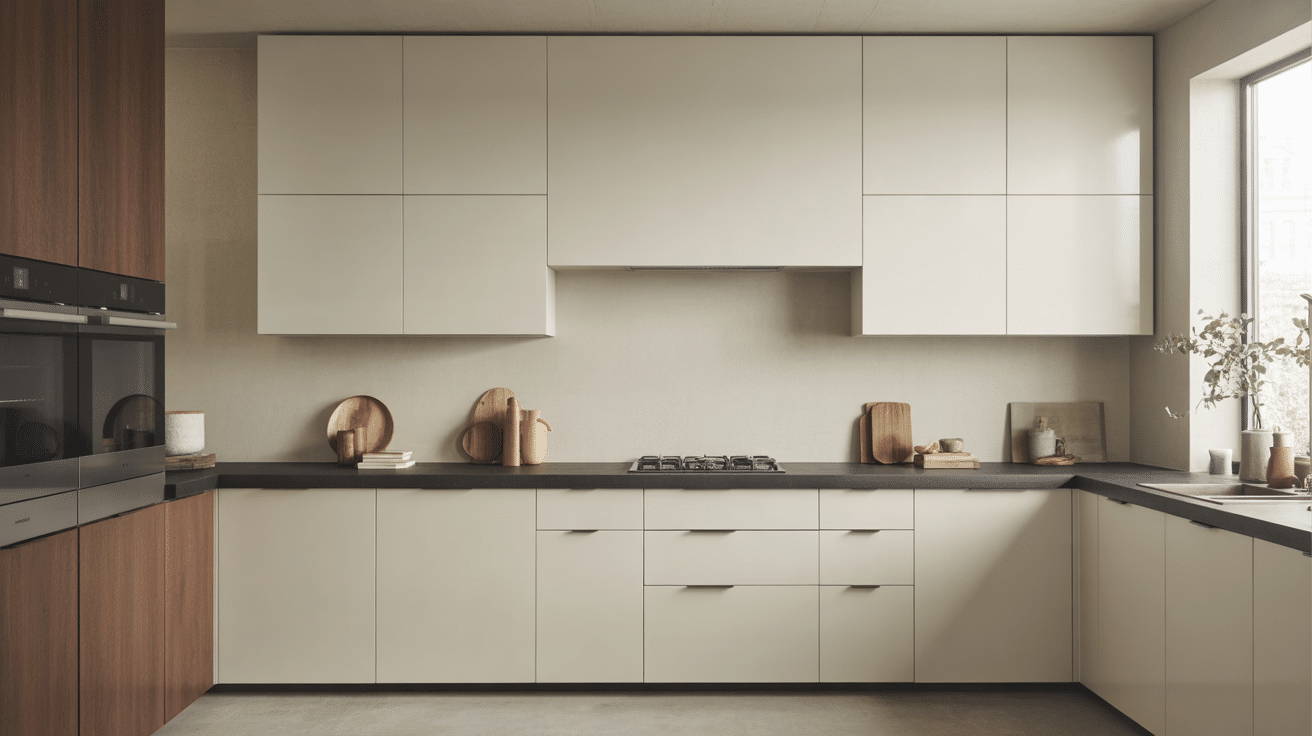
Slab cabinets have a completely smooth, flat front with no panels or raised details. I like how simple and clean they look, especially in modern kitchens with bold colors or glossy finishes.
I’ve noticed they’re also easy to wipe down since there are no grooves to trap dust. If you want a clutter-free feel with simple hardware or hidden handles, this style works really well.
3. Raised Panel Cabinets
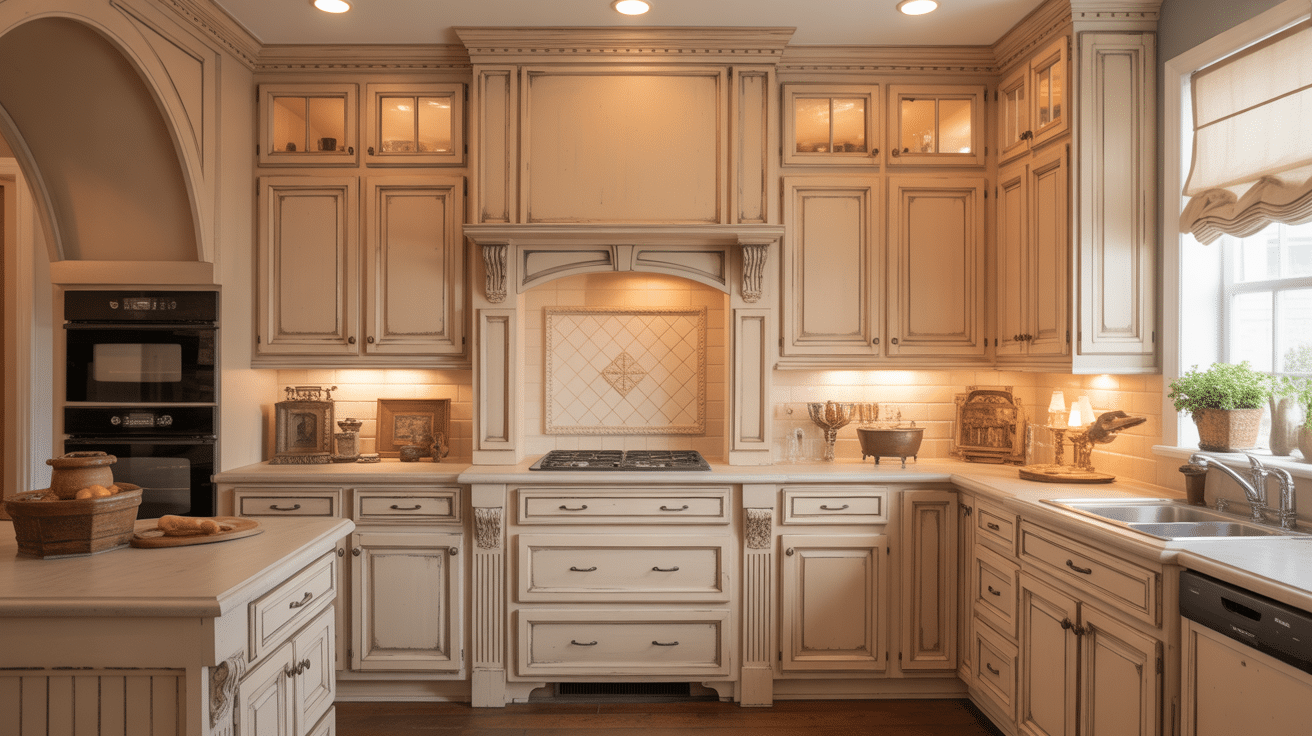
Raised panel cabinets feature a center panel that projects outward, adding dimension and a polished, traditional feel. The added depth creates visual interest that suits formal or classic kitchens.
They pair naturally with warm wood tones and detailed hardware, giving spaces a sense of craftsmanship that feels both established and inviting.
4. Beadboard Cabinets
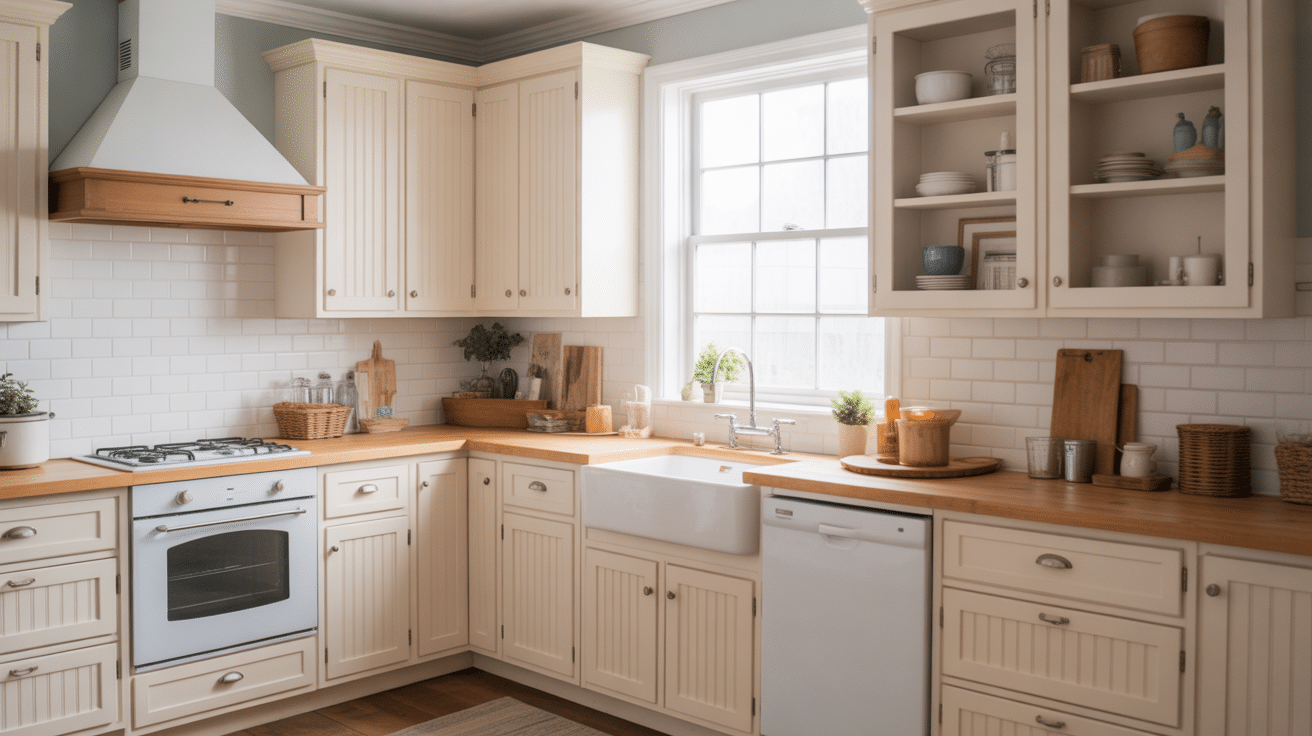
Beadboard doors are defined by their vertical groove pattern, which adds gentle texture and a relaxed, cottage-like charm. They work especially well in farmhouse, coastal, and beach-inspired kitchens.
Unlike flat doors, beadboard brings warmth through detail rather than ornamentation, making it a welcoming choice for casual, lived-in kitchen spaces.
5. Glass-Front Cabinets
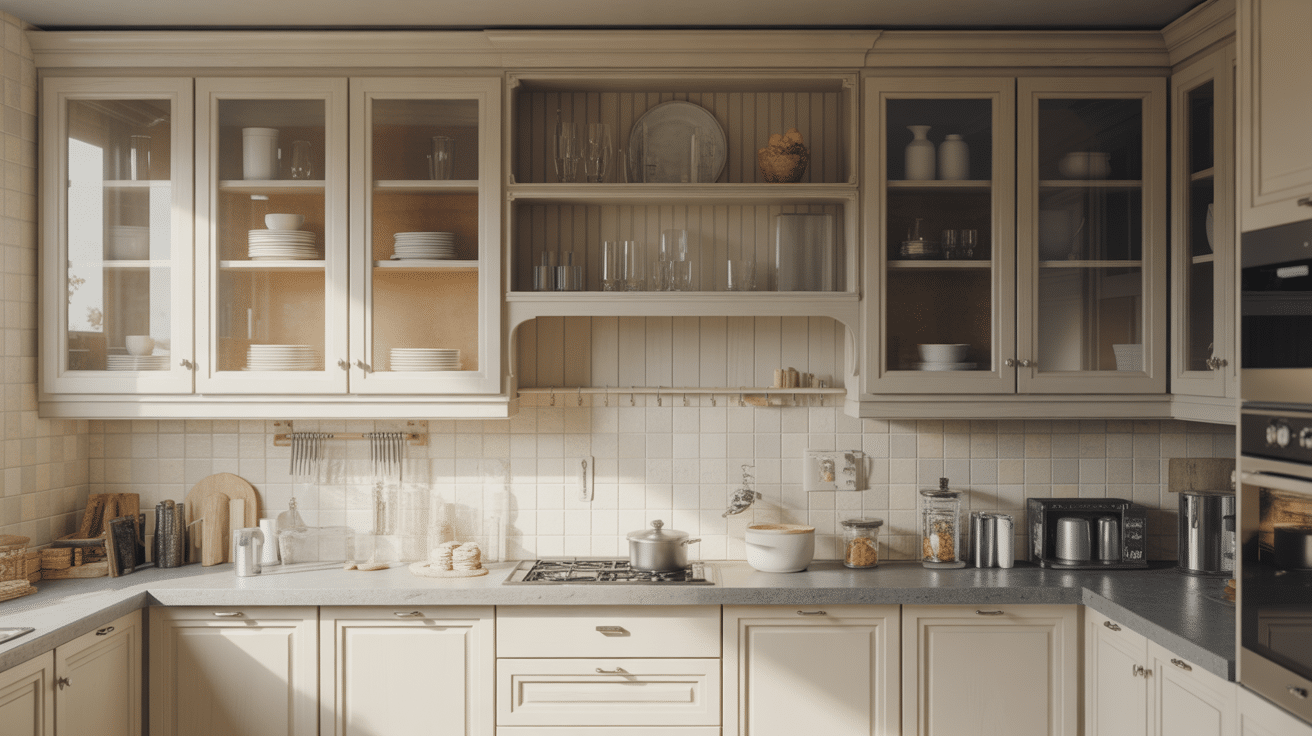
Glass-front cabinets swap a solid panel for clear, frosted, or decorative glass, allowing you to display dishware and décor while visually expanding the room.
They work particularly well in smaller kitchens where creating a sense of openness matters. Paired with interior lighting, they add depth and a curated, intentional feel.
6. Louvered Cabinets
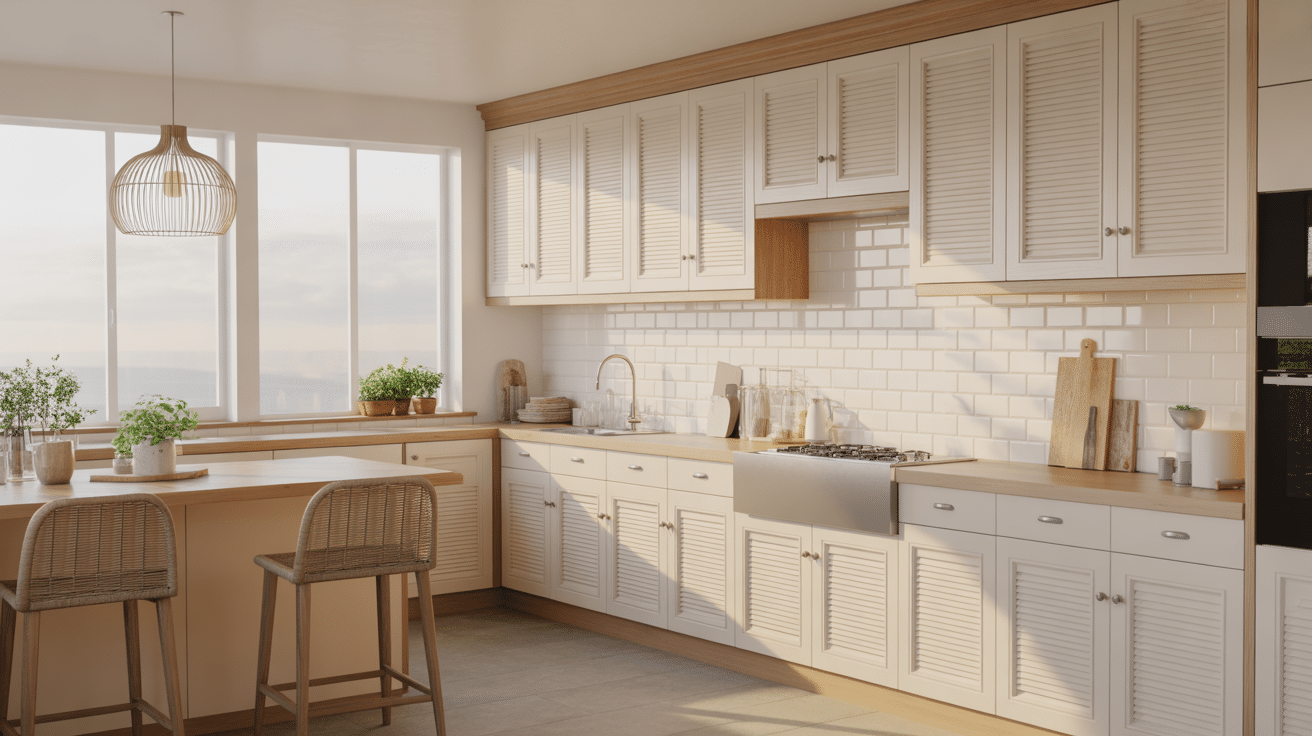
Louvered cabinets use horizontal slats that create a breezy, textured look unique among cabinet styles. Originally popular in tropical climates, they suit coastal and island-themed kitchens where airflow and relaxed visuals matter.
The slatted design introduces rhythm and shadow to cabinet doors, offering a distinctive alternative to flat or paneled options.
7. Distressed / Rustic Cabinets
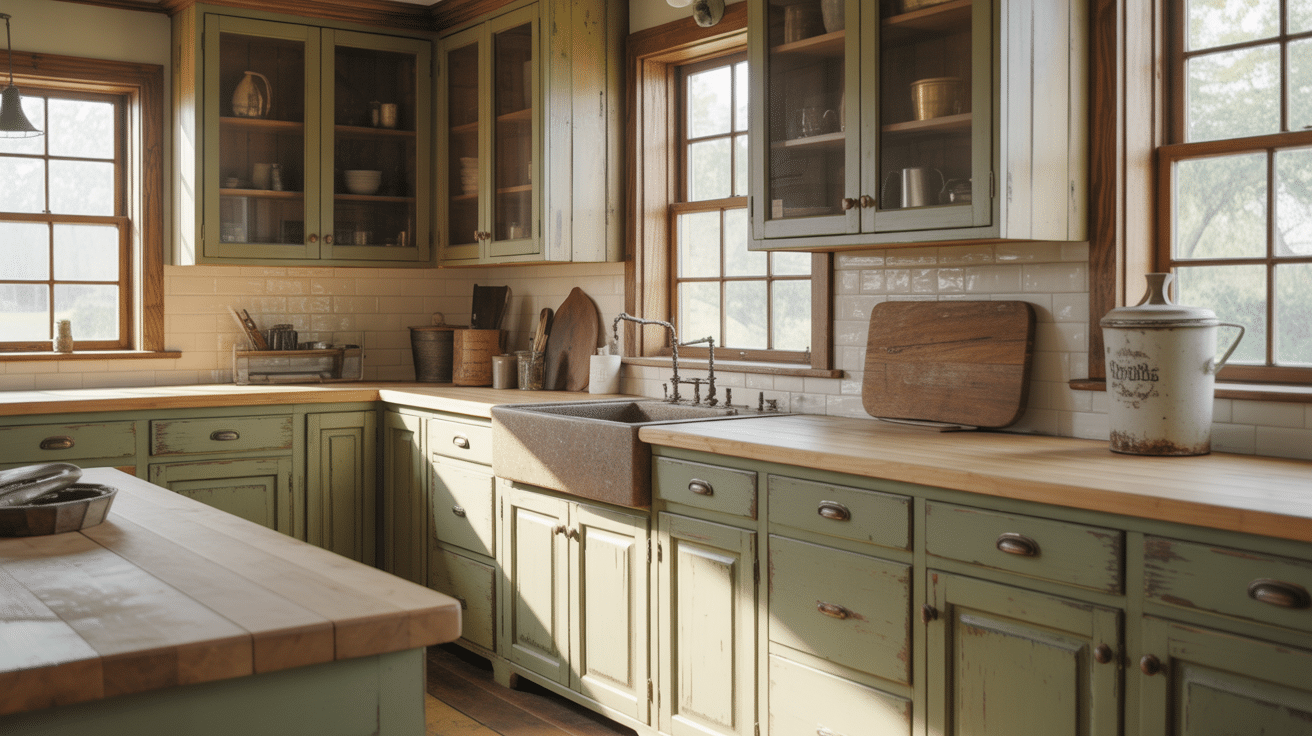
Distressed cabinets are intentionally aged using sanding, chipping, or layered staining techniques to achieve a worn, characterful finish. They thrive in rustic, farmhouse, or cabin-inspired spaces where imperfection is part of the appeal.
Paired with natural stone or reclaimed wood elements, they bring genuine warmth that new, flawless finishes simply cannot replicate.
8. Craftsman / Mission-Style Cabinets
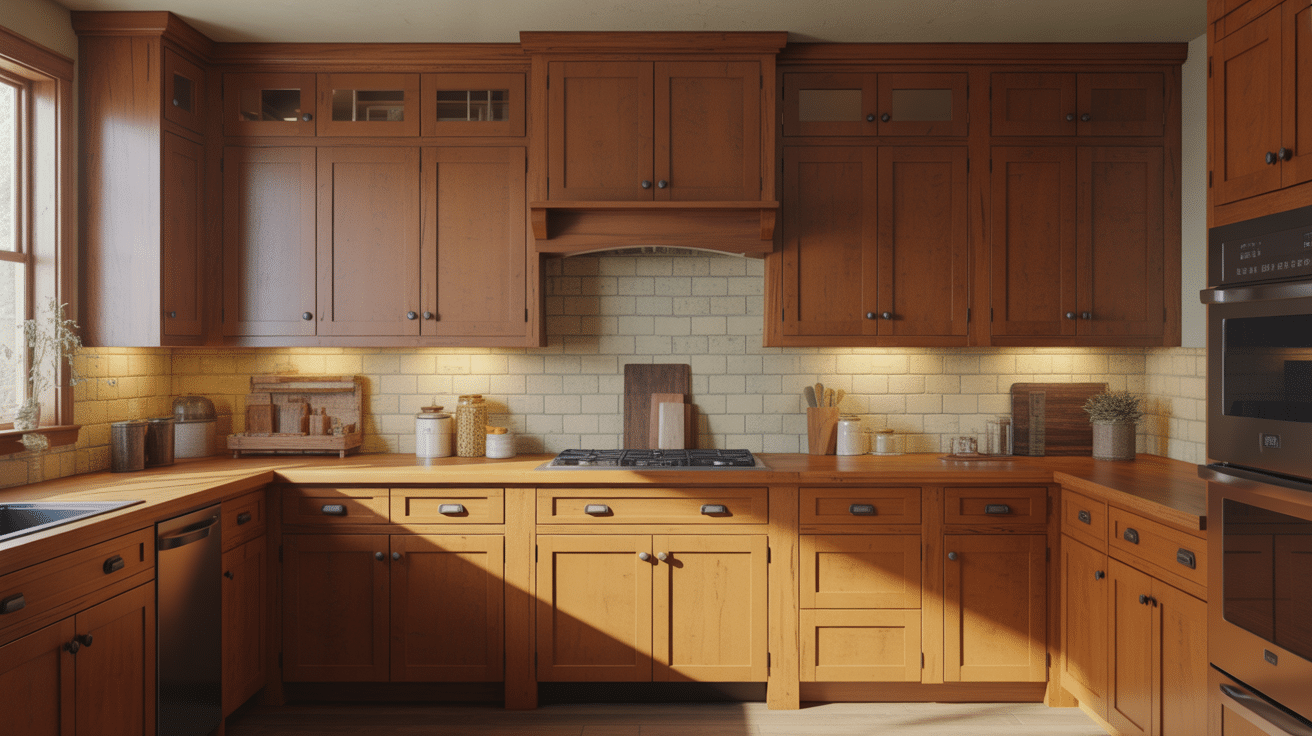
Craftsman cabinets prioritize honest construction, visible wood grain, and clean horizontal and vertical lines without unnecessary decoration. Rooted in the Arts and Crafts movement, they suit older homes and classic interiors.
Their sturdy, handcrafted quality speaks to people who appreciate natural materials and straightforward design over ornate or trend-driven choices.
9. Inset Cabinets
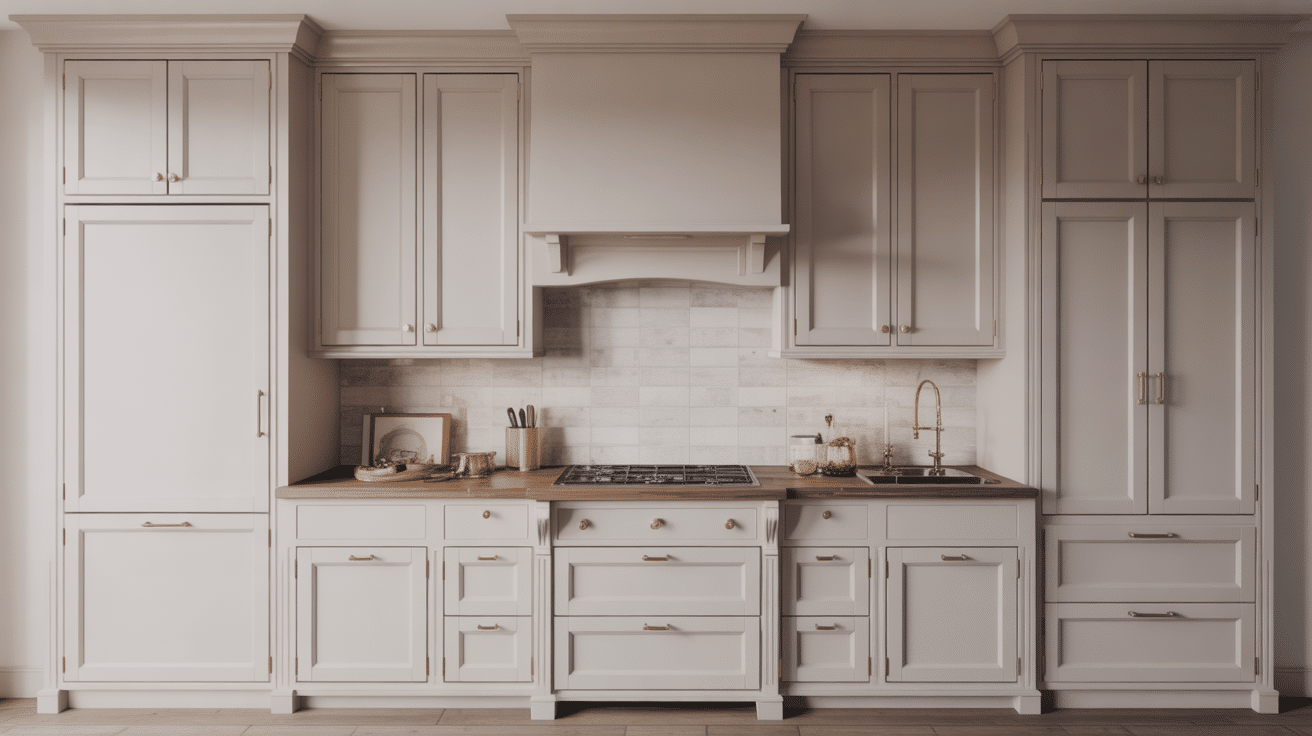
Inset cabinets are set flush within the face frame rather than overlapping it, creating a precise, built-in appearance. The tight tolerances required make them a hallmark of custom cabinetry and high-end kitchens.
They suit traditional and classic spaces where clean alignment and fine craftsmanship are priorities over maximizing interior cabinet storage.
10. Full Overlay Cabinets
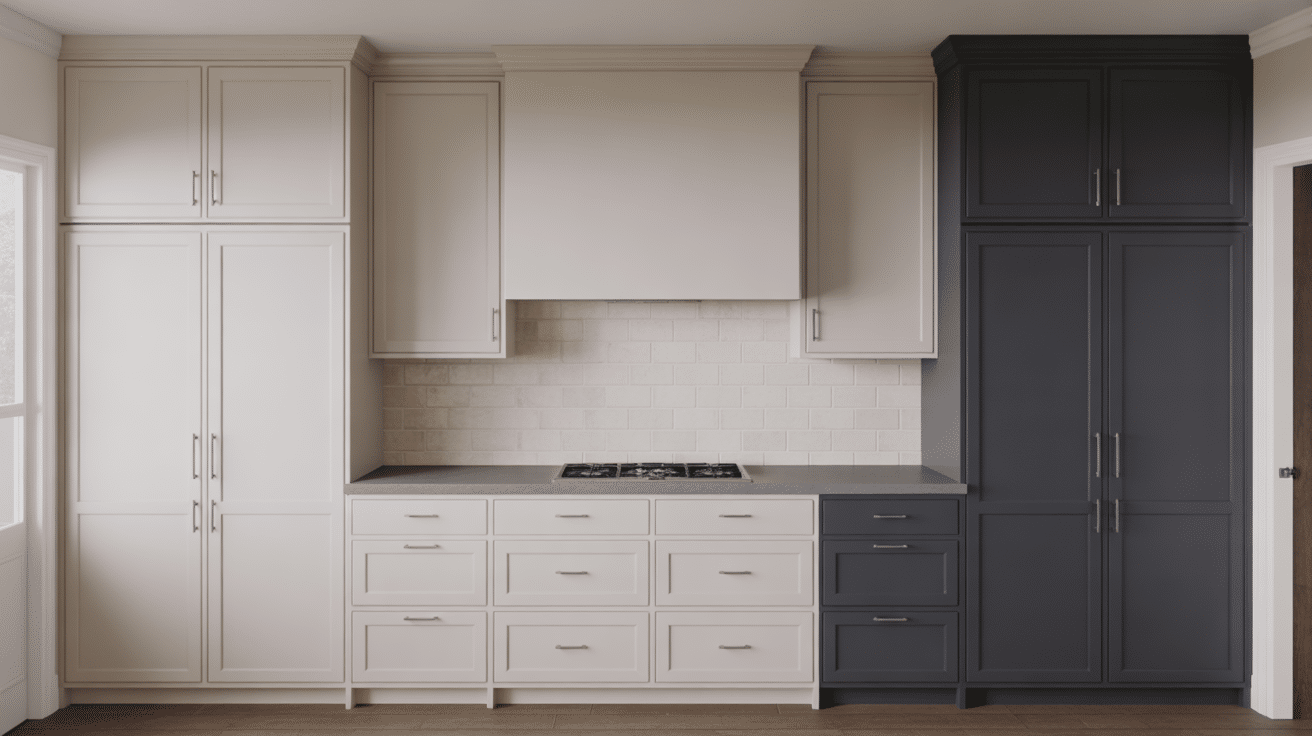
Full overlay cabinets cover nearly the entire face frame with their doors, leaving minimal frame visible between them. The result is a seamless, continuous surface that feels contemporary without being overly minimal.
They offer slightly more interior access than partial overlay styles and work well in both transitional and modern kitchen designs.
11. Partial Overlay Cabinets
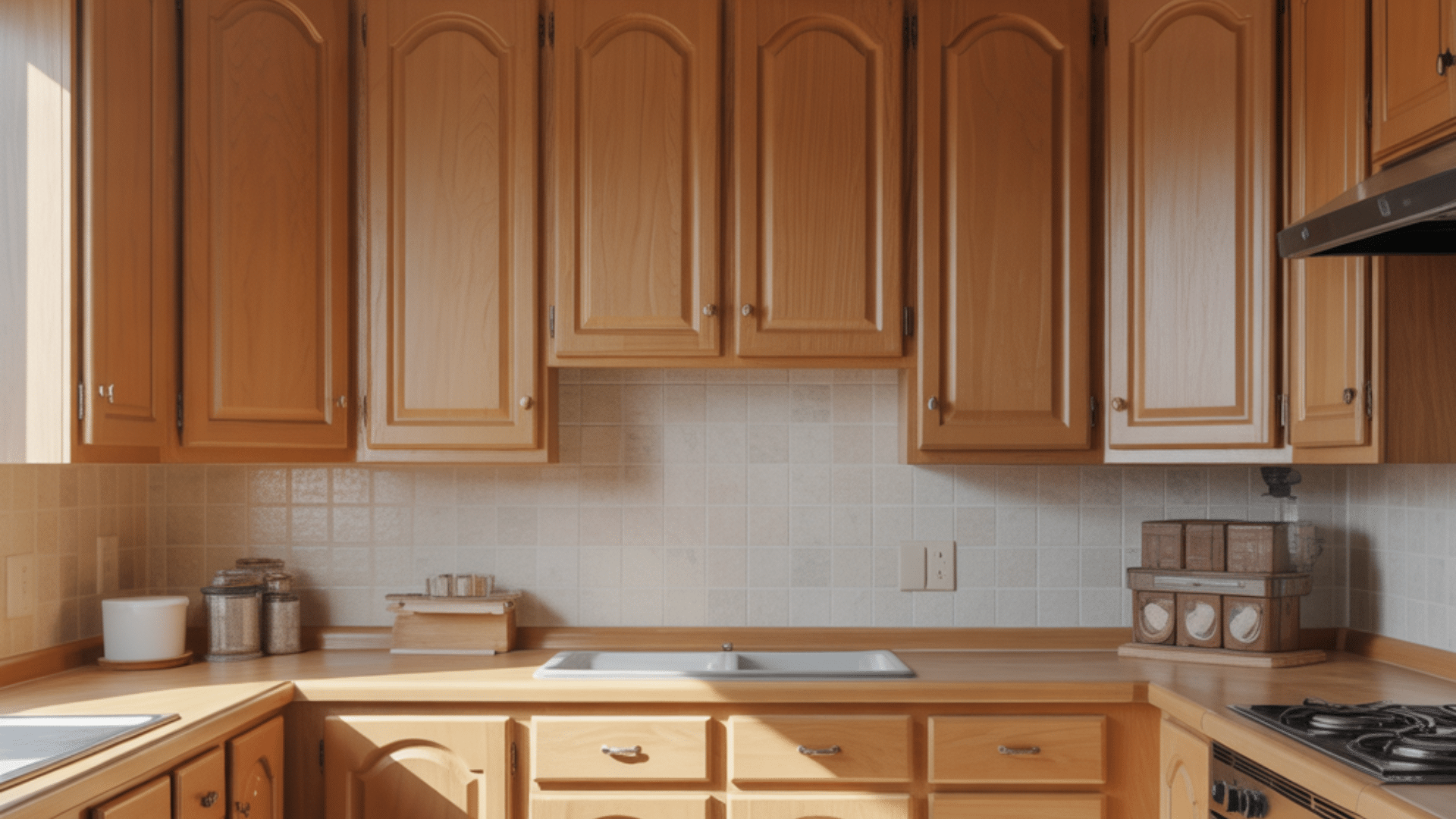
Partial overlay cabinets leave a visible border of the face frame around each door, a look common in older homes and more budget-conscious builds.
While less seamless than a full overlay, they remain fully functional and carry a simple, traditional quality. They make practical sense for kitchen updates that prioritize cost efficiency over a high-end finish.
12. Frameless (European-Style) Cabinets
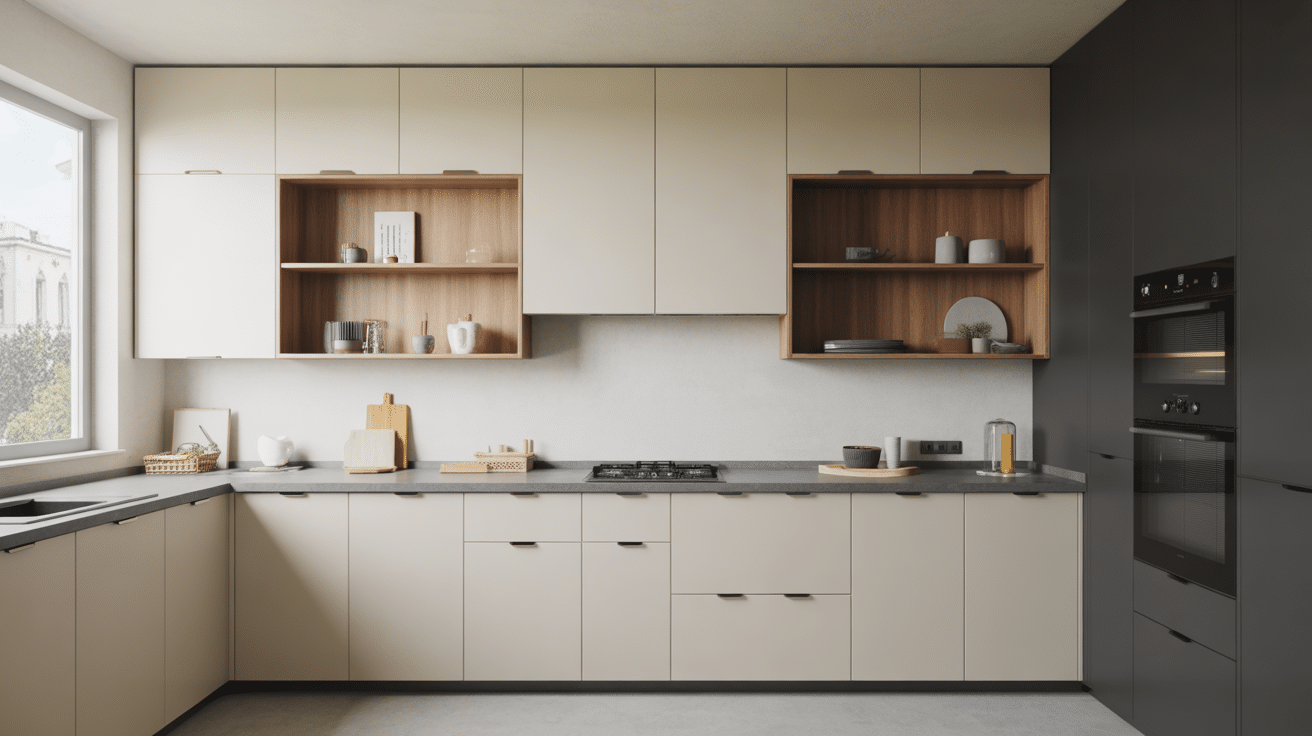
Frameless cabinets remove the front frame and attach the doors straight to the cabinet box. The cabinet box is usually thicker and built for strength since it holds everything together. I like how solid and simple it feels.
This is my personal favorite for modern kitchens. You get more usable space inside, and the outside looks smooth and clean across the whole wall.
13. High-Gloss Cabinets
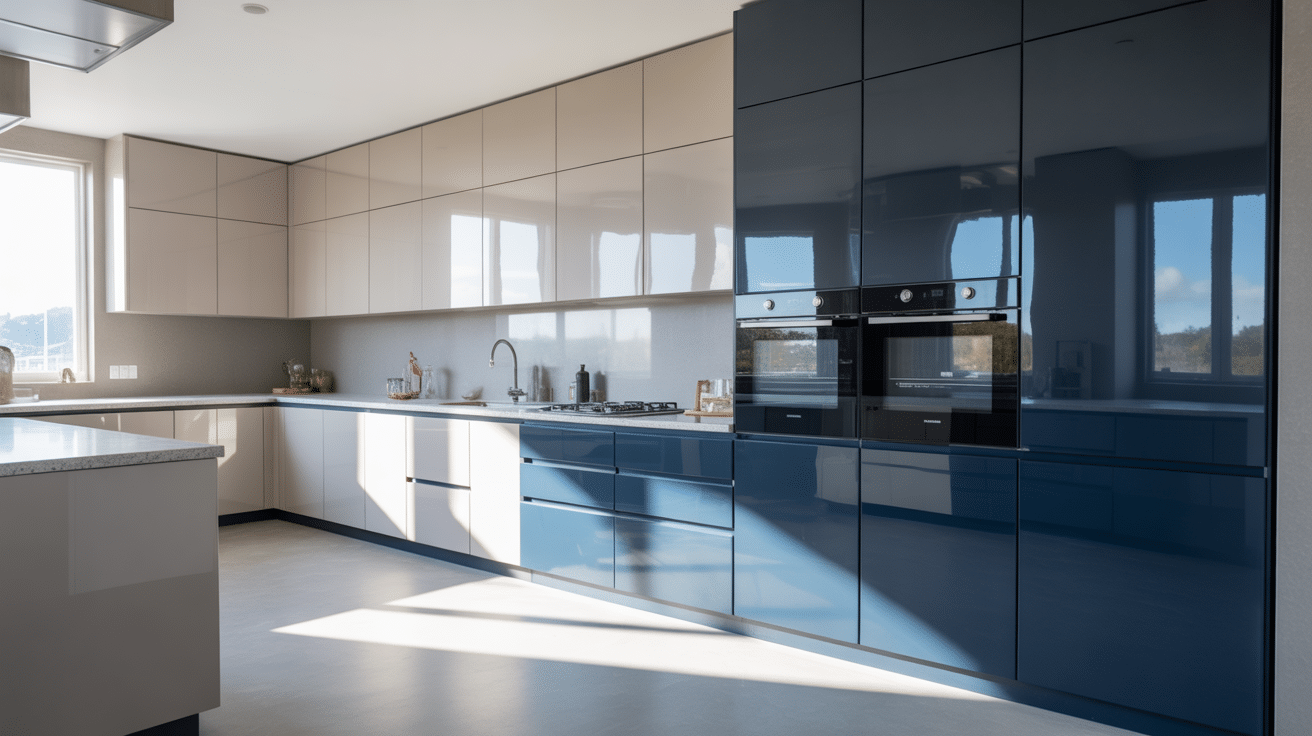
High-gloss cabinets use lacquer or acrylic finishes to create a reflective, light-amplifying surface. Particularly effective in smaller kitchens, the sheen bounces light around the room to make it feel larger and brighter.
They clean easily and pair well with bold or neutral tones, making them a strong choice for modern, polished interiors.
14. Plywood / Veneer-Front Cabinets
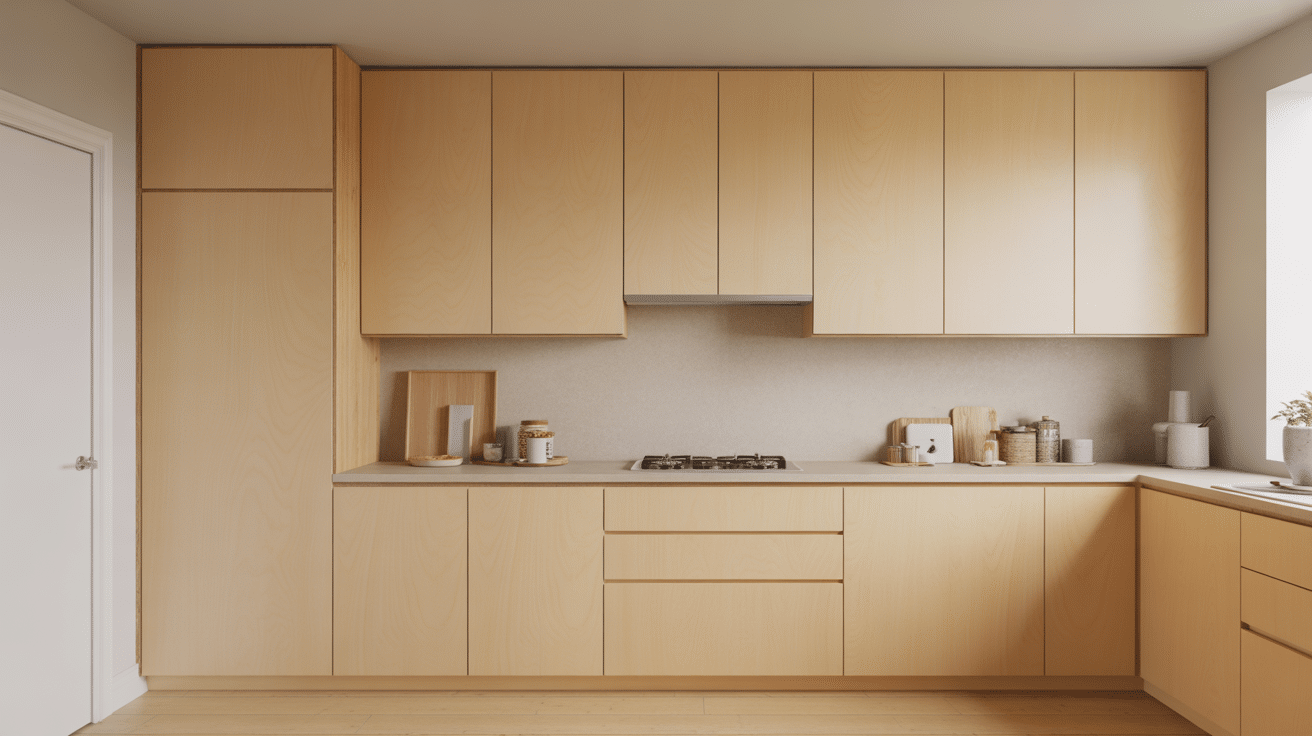
Veneer-front cabinets showcase natural wood grain in a controlled, consistent way, offering warmth without heavy detailing. They suit Scandinavian, Japandi, and nature-inspired kitchen styles where simplicity and organic texture are central.
The result feels calm and refined, appealing to those who want a connection to natural materials within a quietly contemporary design.
15. Thermofoil Cabinets
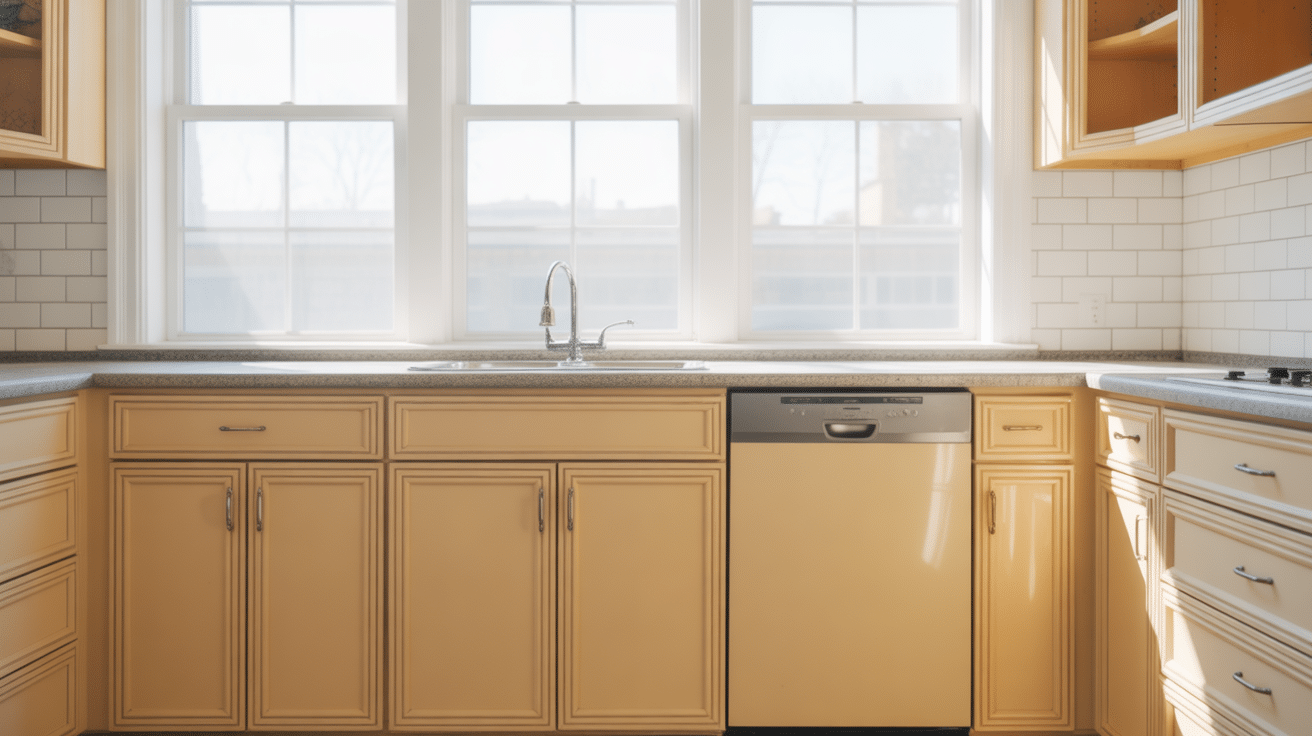
Thermofoil cabinets apply a vinyl coating over MDF to produce a smooth, consistent finish that resists moisture and cleans effortlessly.
They deliver a modern look at an accessible price point, making them a practical choice for budget-conscious renovations.
If any of the above kitchen cabinet style suits you, check out this DIY kitchen cabinet to start working on your own cabinet. Getting the proper guidance according to your skill level will definitely help you in boosting your confidence.
Different Types of Cabinets by Construction
Before you even think about door styles, I always suggest you understand the basic cabinet structure first. Once you know these four cabinet types, everything else makes more sense. So here are the four main cabinet types you will find in almost every kitchen plan:
| Cabinet Type | Key Dimensions | Primary Use |
|---|---|---|
| Wall (Upper) Cabinets | ~12 inches deep; hung above counters with standard backsplash clearance | Dishes, glasses, and lighter everyday items |
| Base Cabinets | ~34½ inches tall (without countertop); ~24 inches deep | Supports counters, sinks, and cooktops; stores pots, pans, and heavier items |
| Tall Cabinets / Pantries | Full floor-to-ceiling height | Pantry storage, oven towers, and large or bulky items |
| Specialty Units | Varies by unit type | Corner units, lazy Susans, pull-out spice racks, trash units, appliance garages, hutches, and wine or bottle racks |
Knowing these four cabinet categories upfront makes it far easier to read floor plans, compare product catalogs, and plan a layout that works for how you actually use your kitchen.
How to Choose the Right Cabinet Style
Choosing the right cabinet style can feel overwhelming at first. I’ve found it gets much simpler when you focus on a few key factors that truly matter in daily life. Here’s what you should pay attention to before you decide:
- Match your cabinet style with your home’s overall design: shaker suits farmhouse spaces, slab fits modern builds perfectly.
- Set a realistic budget early: inset and custom cabinets cost far more than stock or thermofoil options ever will.
- Factor in daily maintenance: high-gloss shows fingerprints fast, while wood grain and distressed finishes hide everyday wear much better.
- Balance trends with personal taste: shaker and flat-front styles hold up over time without feeling dated too quickly.
The right cabinet style sits at the intersection of what looks good, fits your budget, and holds up to how you actually live.
Final Thoughts
Now you’ve seen how cabinet styles, construction types, and layout categories all work together to shape your kitchen. When you understand the different types of cabinets, choosing becomes clearer and less stressful.
You can match door style to your home’s design, balance cost with durability, and pick construction that supports how you cook and store items every day. I’ve found that once you narrow your choices to two or three solid options, the decision feels manageable.
Take a moment to think about your space, your routine, and your budget. Then revisit the styles that stood out to you. Share your top pick in the comments and tell me what direction you’re leaning toward.