
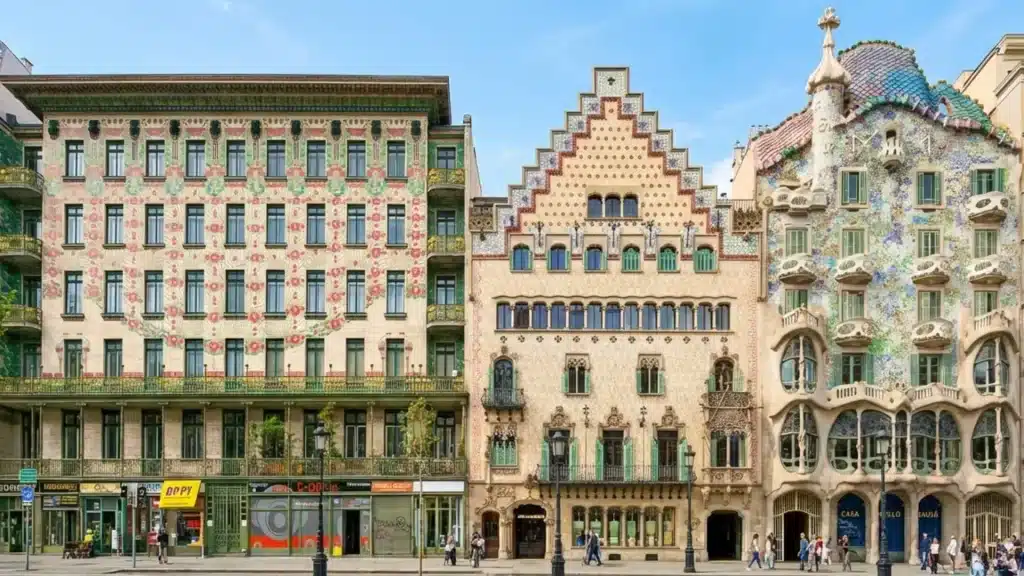

I’ll never forget the first time I stumbled upon an Art Nouveau building in Brussels. The flowing curves, the vine-like ironwork, the way every detail seemed to dance, it was like the building was alive.
That moment sparked my fascination with Art Nouveau architecture, and I’ve been finding these magical structures ever since.
If you’ve ever wondered about those whimsical buildings with curved lines and nature-inspired decorations, you’re in the right place.
I’ll walk you through everything you need to know about Art Nouveau, from its revolutionary characteristics to the most perfect examples you can visit today. Let’s look into this beautiful world together!
Understanding Art Nouveau
Art Nouveau was a design movement that flourished roughly between 1890 and 1910. The name means “New Art,” reflecting the desire of architects and designers to move away from older historical styles and create something modern, expressive, and original.
It developed during a period of rapid industrial growth. As cities became more mechanical and standardized, designers aimed to reintroduce beauty through flowing lines, natural forms, and visible craftsmanship.
Unlike Art Deco, which highlights bold geometry and machine-inspired design, Art Nouveau architecture emphasizes organic curves, floral motifs, and a strong sense of artistic unity throughout the entire structure.
Key Characteristics That Define Art Nouveau Style
Art Nouveau stands out for its flowing beauty, natural inspiration, and artistic details that change ordinary buildings into expressive works of art.
- Nature-Inspired Forms: Vines, flowers, leaves, insect motifs, and flowing plant shapes are woven into both structure and decoration.
- Whiplash Curves: Long, sweeping, asymmetrical lines create a sense of movement and rhythmic flow.
- Organic Asymmetry: Layouts and façades avoid rigid symmetry, embracing fluid, natural composition.
- Innovative Materials: Iron, glass, and ceramic tiles add flexibility, lightness, and decorative richness.
- Ornate Craftsmanship: Mosaics, stained glass, sculpted faces, and intricate handcrafted details enrich surfaces.
- Gesamtkunstwerk Vision: Architecture, interiors, and furnishings unite into one cohesive artistic expression.
These defining features make art nouveau instantly recognizable, blending structure and decoration into a cohesive celebration of nature and creativity.
Art Nouveau Architecture Around the World
This movement spread across Europe and beyond, leaving beautiful buildings that still inspire travelers, architects, and design lovers today.
1. Hotel Tassel: Brussels, Belgium
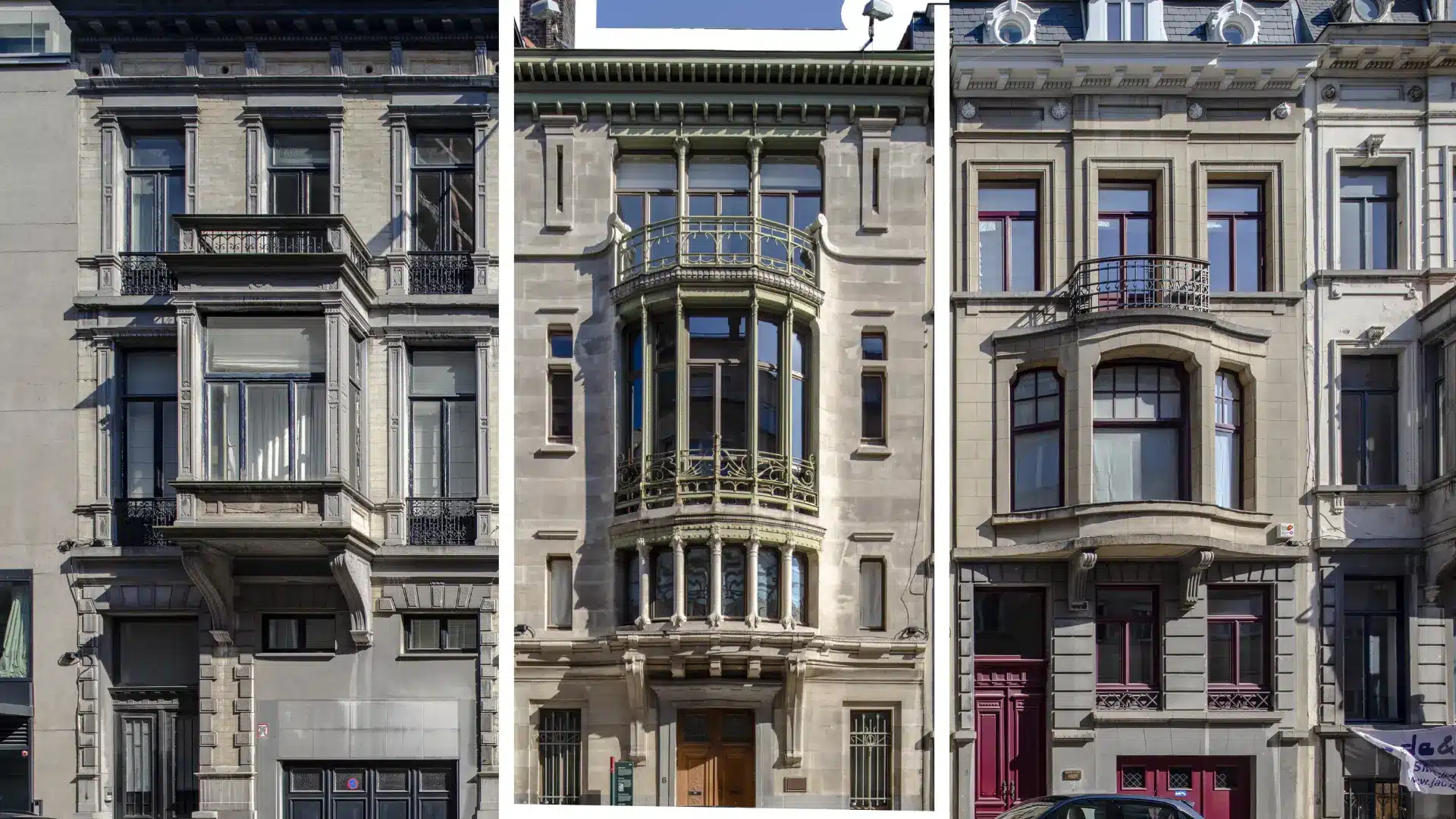
A project byVictor Horta, this townhouse is widely considered the first true masterpiece of the movement. Its open interior plan replaces traditional rooms with flowing spaces connected by light-filled corridors and decorative iron details.
The famous staircase features whiplash railings and mosaic floors that blend structure, ornament, and nature-inspired design into one unified artistic experience.
2. Castel Beranger: Paris, France
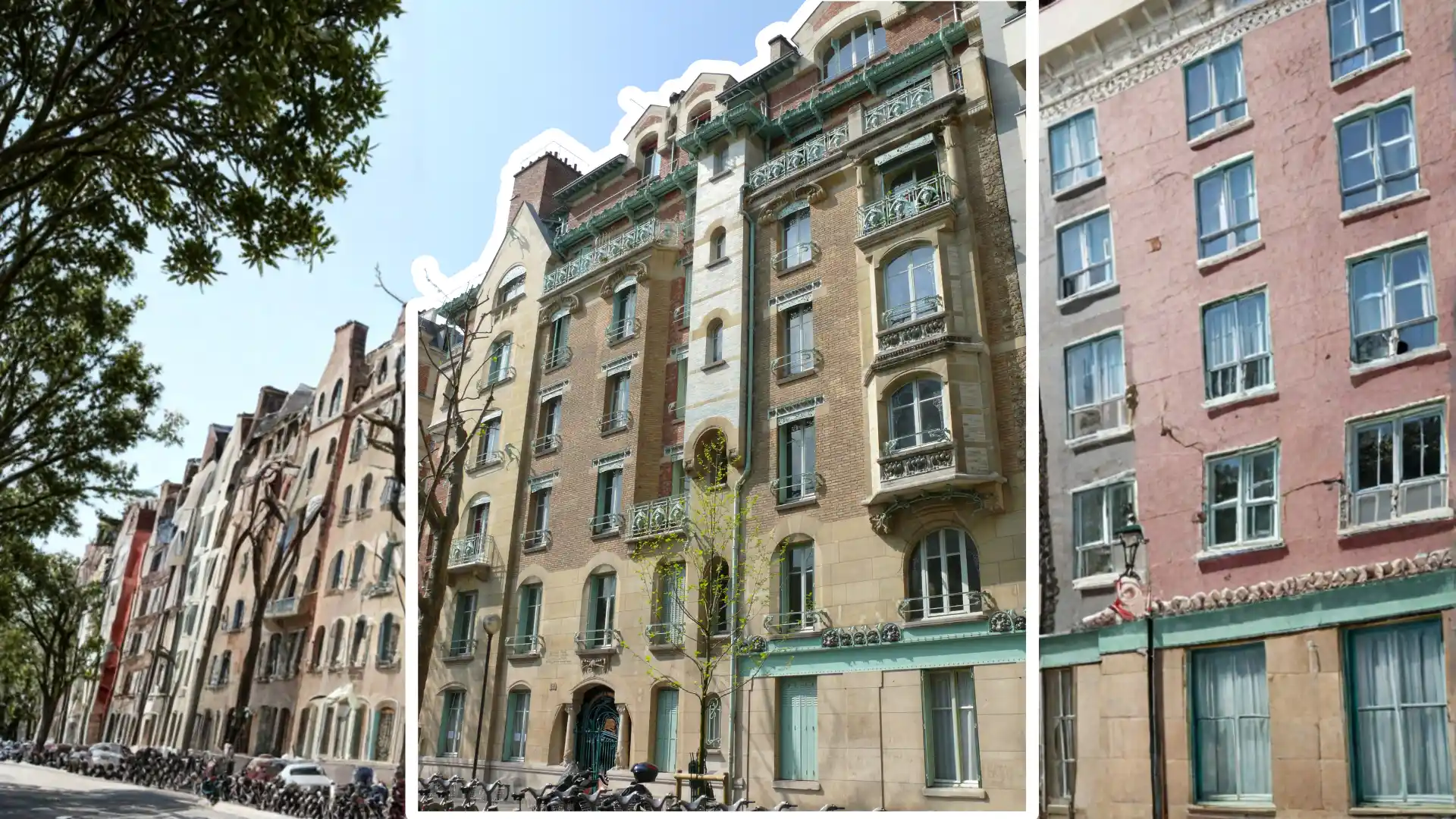
Developed by Hector Guimard, this apartment building introduced bold new visuals to the streets of Paris. Its façade combines stone, brick, and ironwork in dramatic curves that break away from strict classical symmetry.
Organic balconies, sculpted doorways, and intricate decorative details make the building feel expressive, modern, and visually alive throughout every floor.
3. Paris Metro Entrances: Paris, France
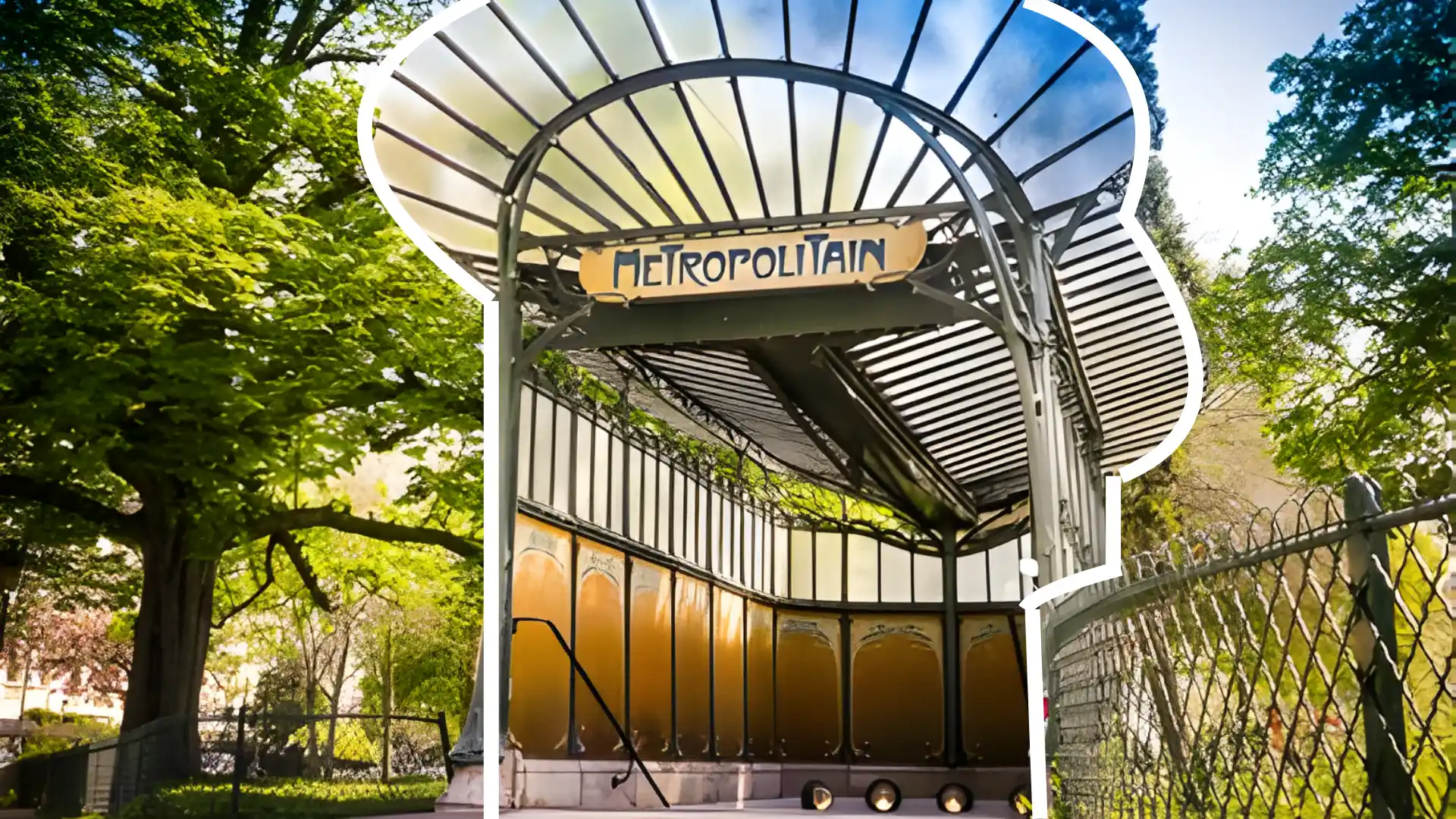
Also created by Hector Guimard, these entrances changed everyday subway access into sculptural examples of public art. Their green cast-iron frames curve upward like plant stems, forming protective canopies over stairways below.
Beautiful lettering, glass panels, and flowing lines make these entrances some of the most recognizable public designs in Paris today.
4. Casa Batlló: Barcelona, Spain
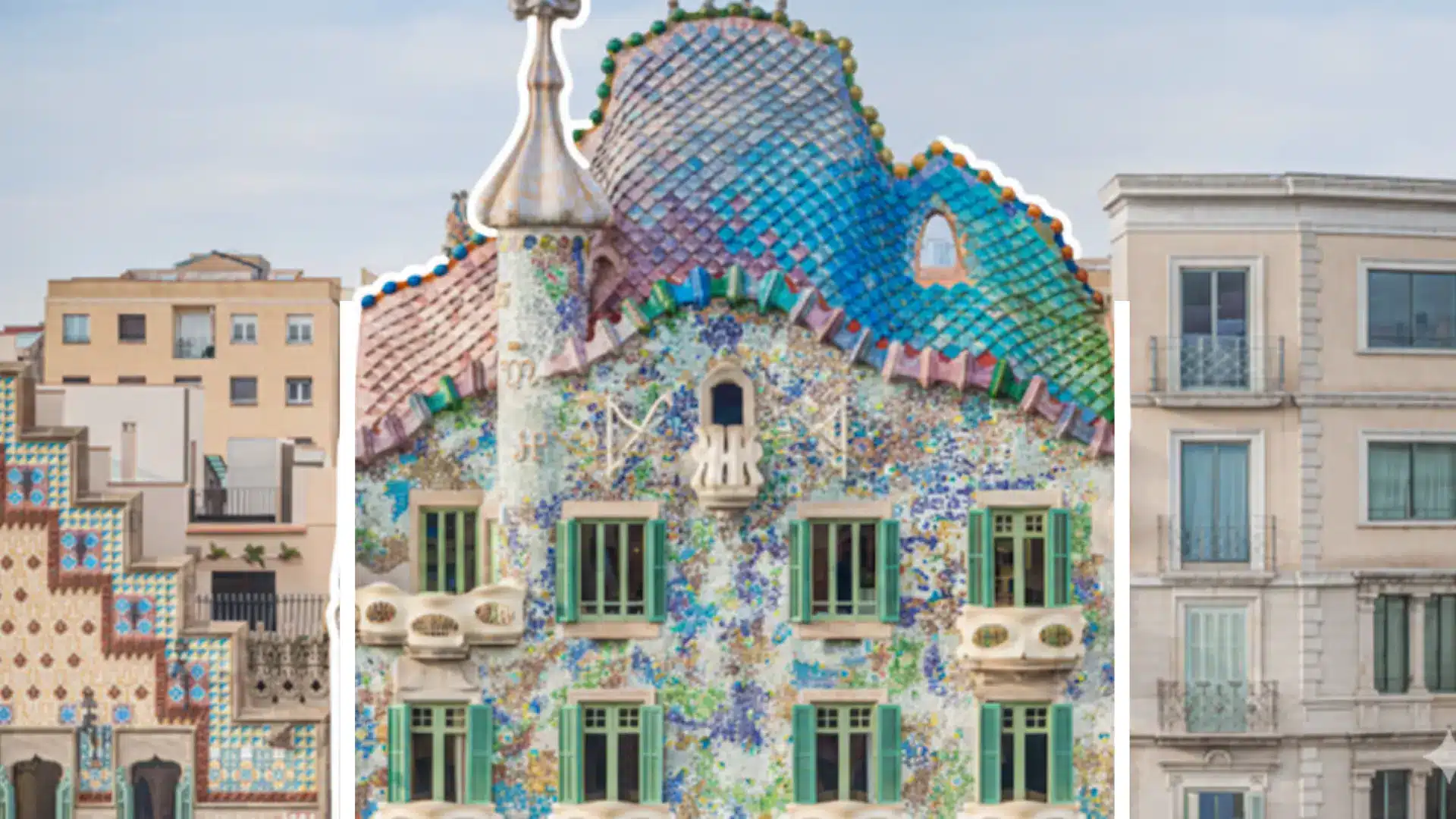
The work of Antoni Gaudí, this house changed the style into a bold, imaginative masterpiece. Its façade ripples like water, featuring balconies shaped like masks and columns resembling bones.
Inside, curved walls, stained glass, and marine-inspired details create a luminous, dreamlike space filled with color, movement, and artistic energy throughout.
5. Casa Milà (La Pedrera): Barcelona, Spain
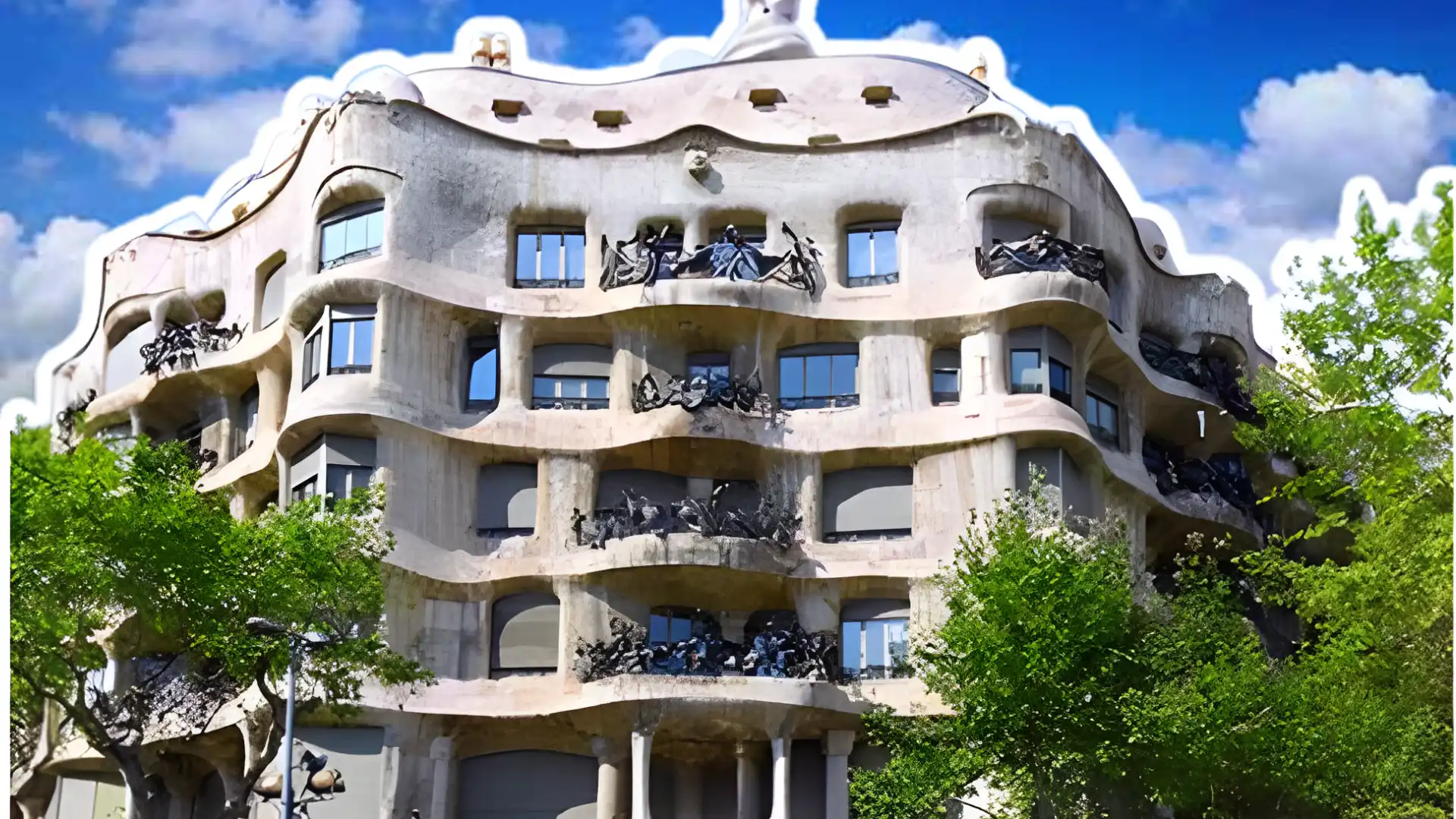
Another extraordinary work by Antoni Gaudí, this building raises the movement into bold sculptural territory. The flowing stone façade undulates like ocean waves, completely avoiding straight lines and rigid angles.
Above, surreal chimneys and ventilation towers stand like abstract guardians against Barcelona’s skyline, creating a dramatic, unforgettable silhouette visible from blocks away.
6. Palau de la Musica Catalana: Barcelona, Spain
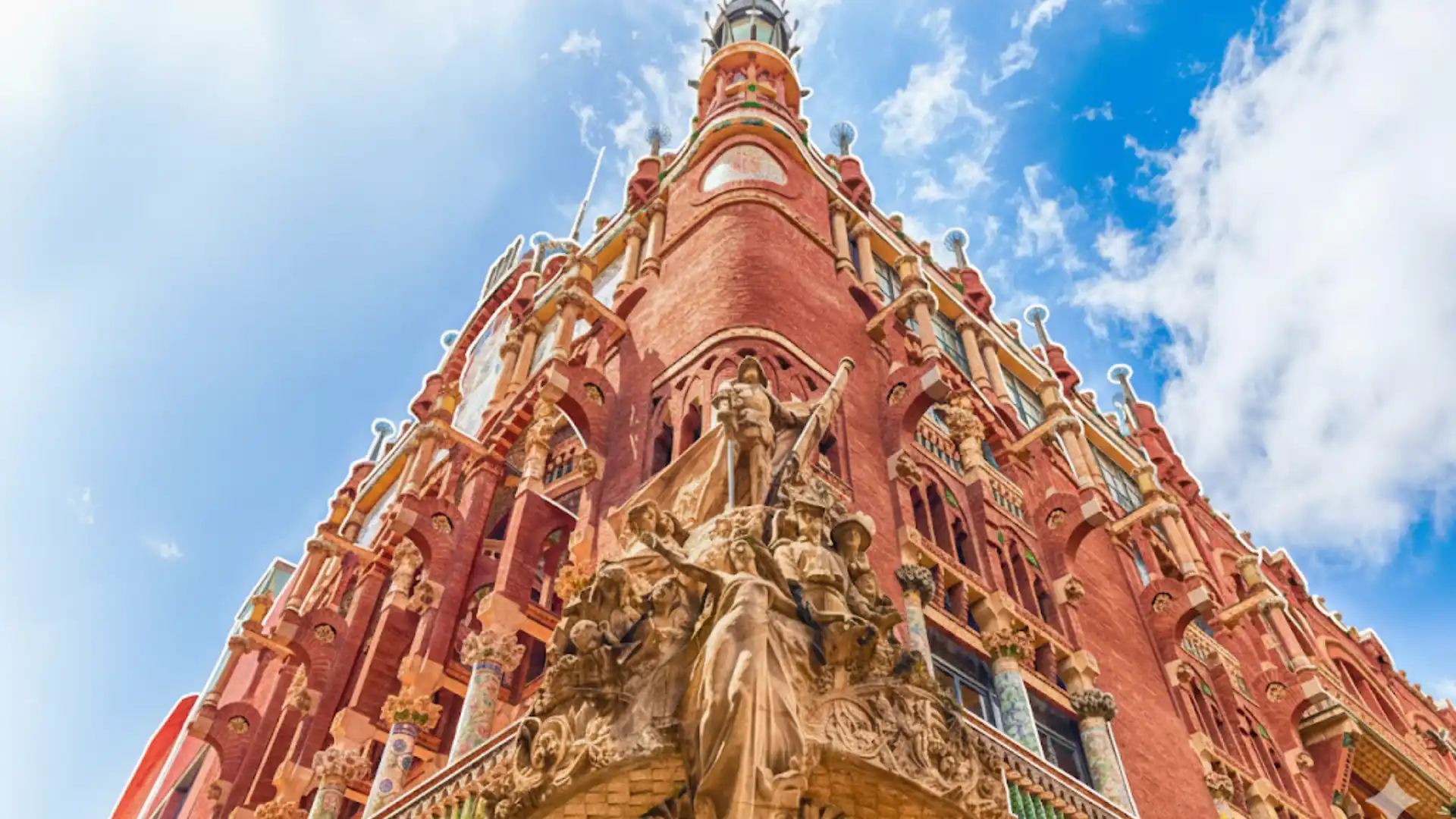
Crafted by Lluís Domènech i Montaner, this concert hall celebrates the style through its use of light and decoration. Its exterior blends mosaics, arches, and sculptural elements inspired by music and Catalan culture.
Inside, a stained-glass skylight floods the hall with color, creating a vibrant and uplifting performance space loved by musicians worldwide.
7. Secession Building: Vienna, Austria
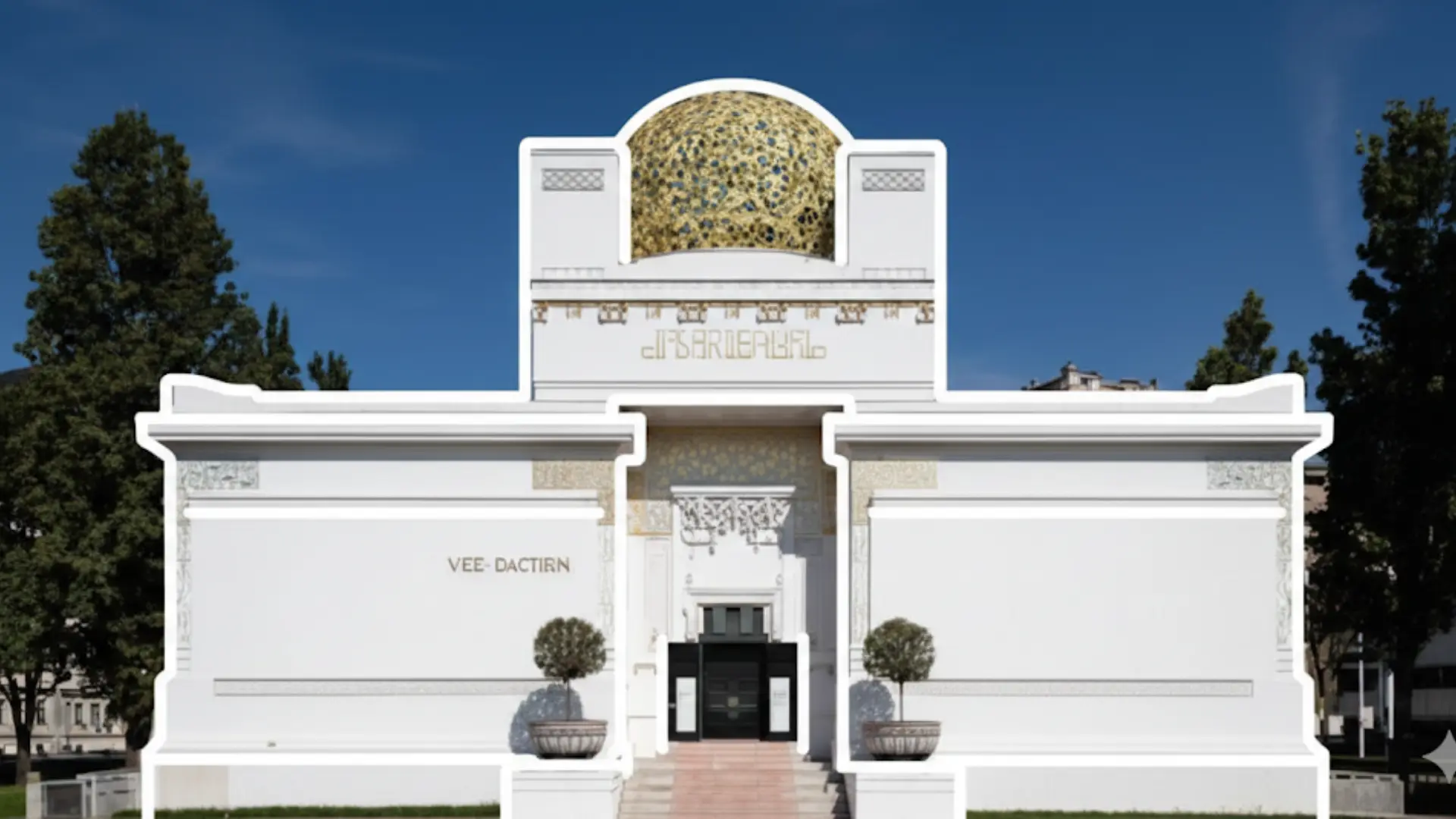
Planned by Joseph Maria Olbrich, this landmark represents Austria’s distinctive interpretation of the movement. Its clean white cubic form contrasts strikingly with the ornate golden dome woven from laurel leaves.
The overall design symbolizes artistic freedom, progressive ideals, and a confident departure from traditional academic conventions that dominated European cities at the time.
8. Majolikahaus: Vienna, Austria
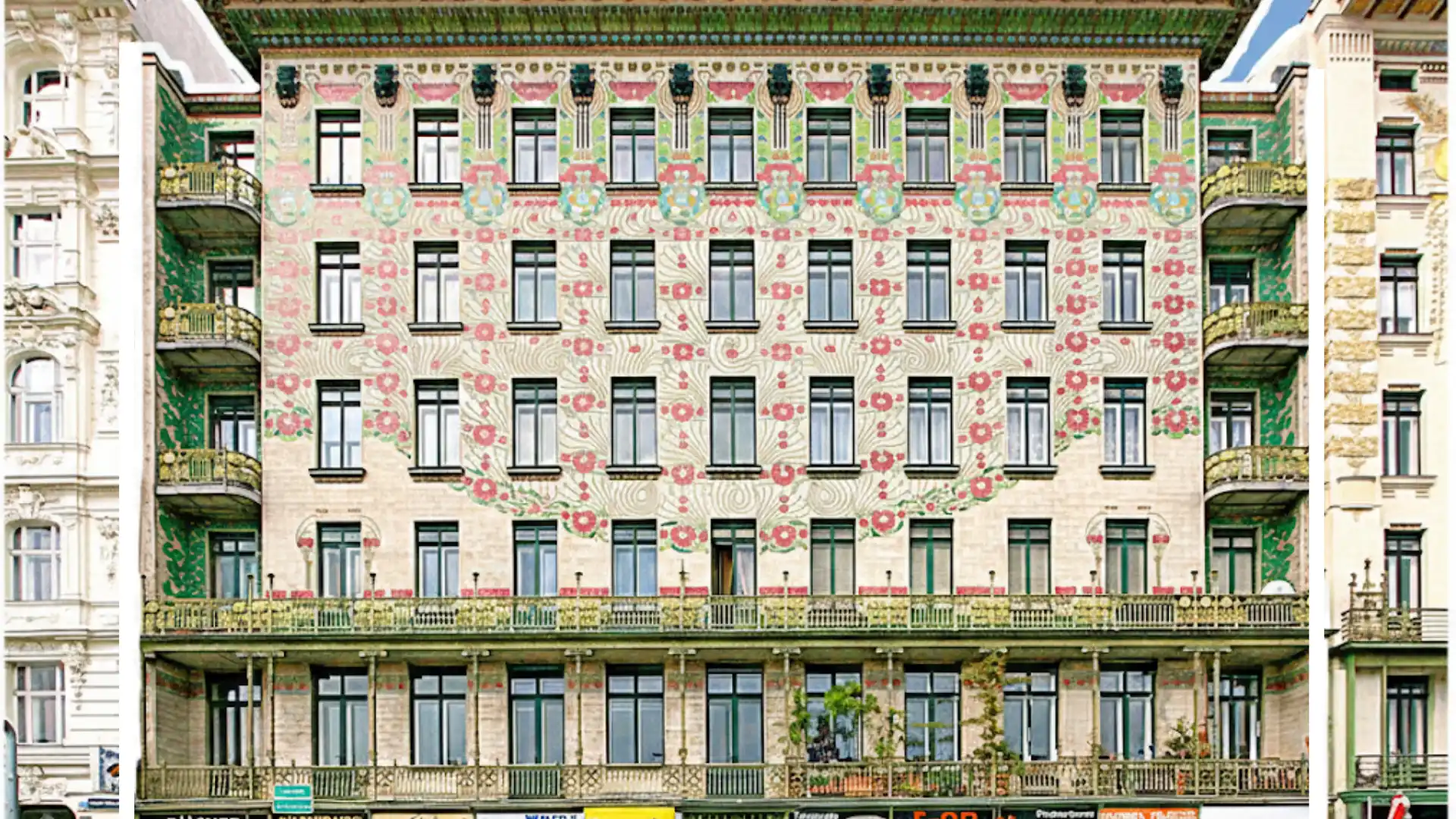
A project by Otto Wagner, this apartment building highlights the style through vibrant surface decoration. Its façade is clad in ceramic tiles painted with bold floral patterns and flowing stems.
By combining modern construction methods with refined ornamentation, the design beautifully balances practicality, innovation, and artistic polish across every level of the structure.
9. Hotel Solvay: Brussels, Belgium
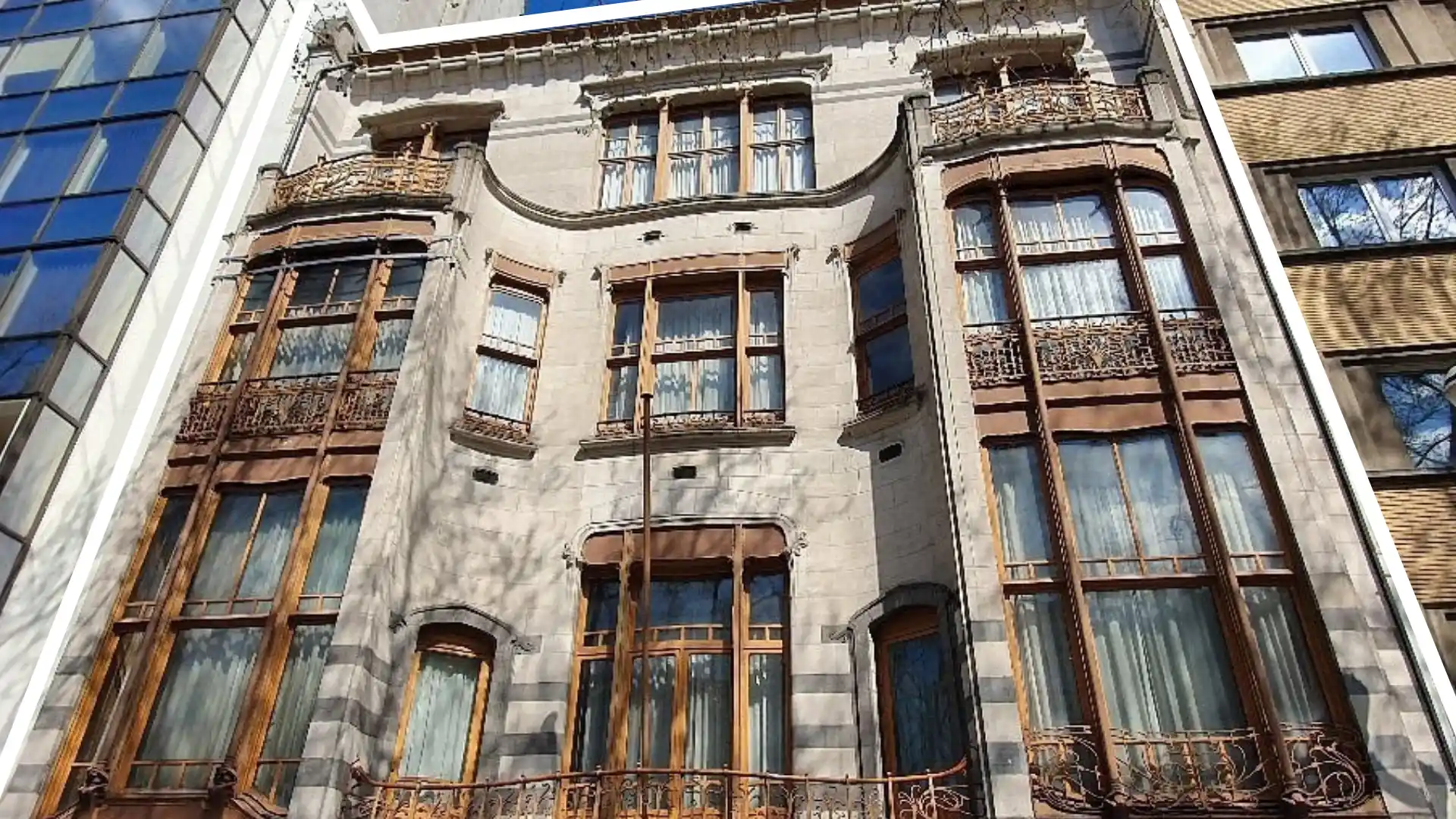
Another masterpiece by Victor Horta, this mansion showcases the refined and luxurious expression of the movement. Every interior detail, from sweeping staircases to carefully crafted light fixtures, was custom-designed to maintain balance.
Rich materials, curved woodwork, and iron accents create a beautiful, unified, and immersive artistic environment throughout the entire residence.
10. Old England Building: Brussels, Belgium
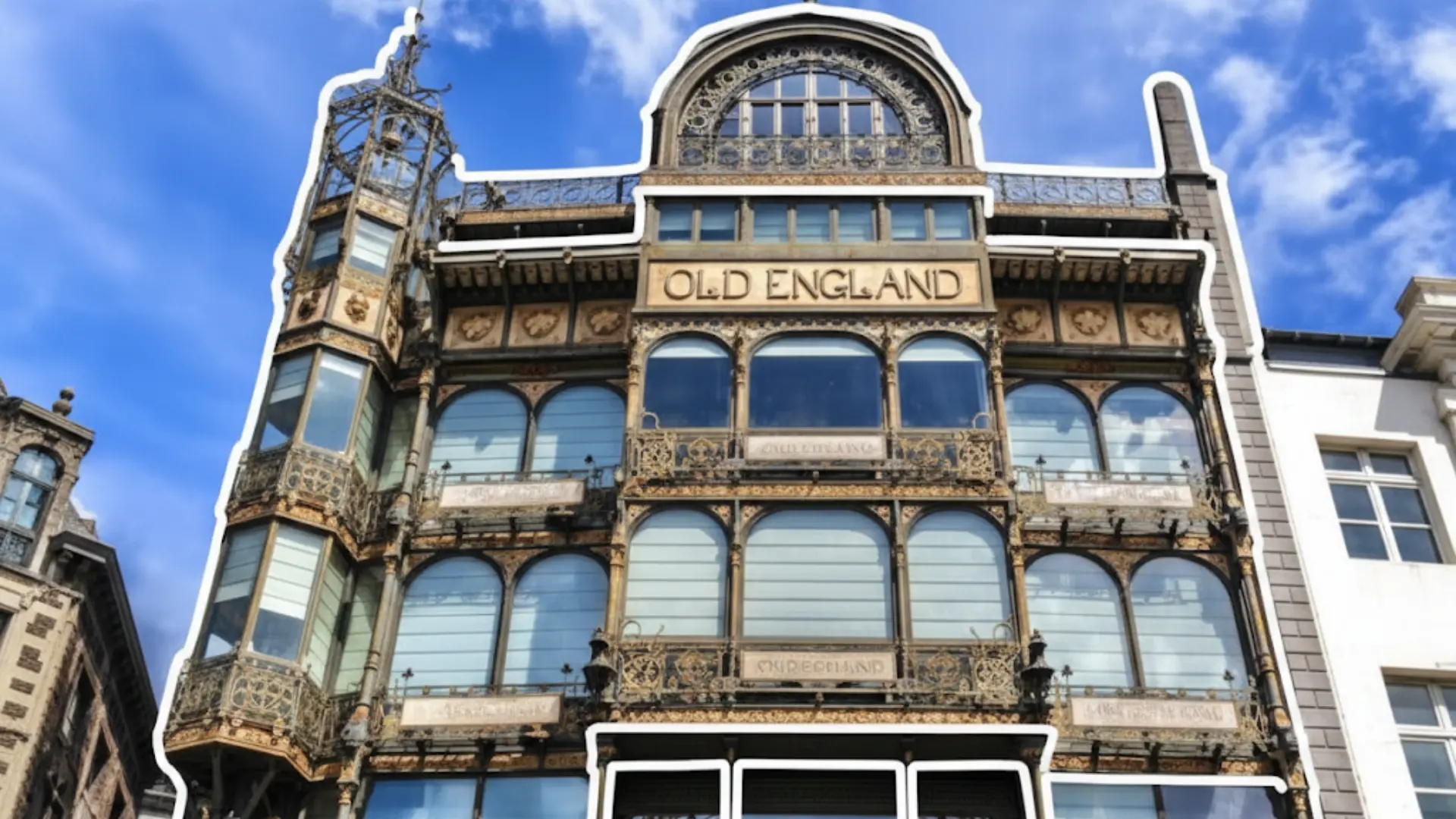
Built by Paul Saintenoy, this building expresses industrial grace within the style. Its exposed iron framework supports expansive glass panels, allowing generous natural light to flood the interior.
Ornate balconies and finely crafted metal details soften the structural grid, blending engineering strength with graceful artistic refinement and visual warmth.
11. Wainwright Building: St. Louis, USA
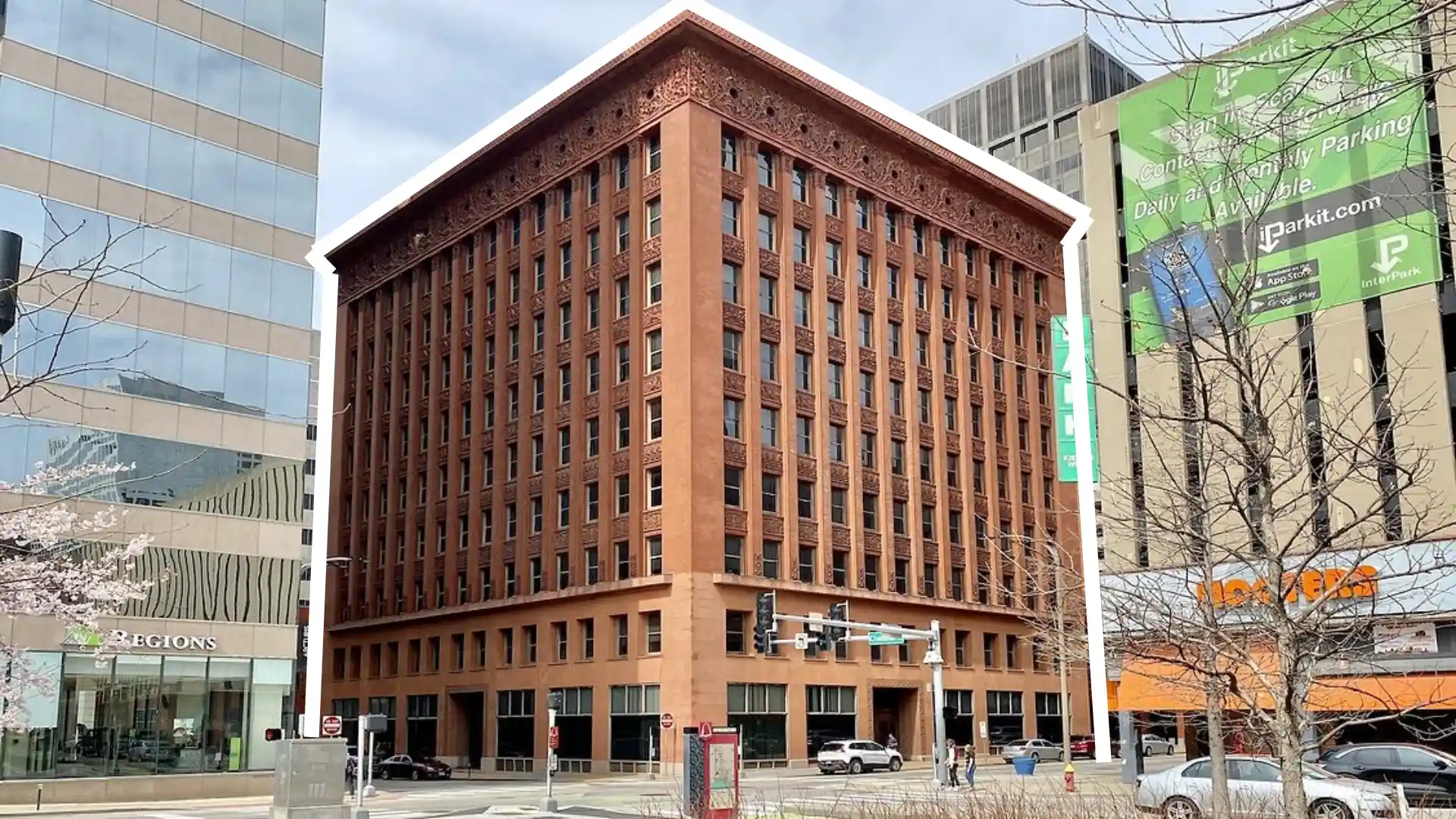
Designed by Louis Sullivan, this pioneering skyscraper combines early modern verticality with refined ornamentation. Strong vertical lines highlight its impressive height, while intricate terracotta patterns soften the façade’s rigidity.
The structure proves that artistic detailing could coexist with innovative steel-frame construction technology and modern engineering ambition in American cities.
12. Glasgow School of Art: Glasgow, Scotland
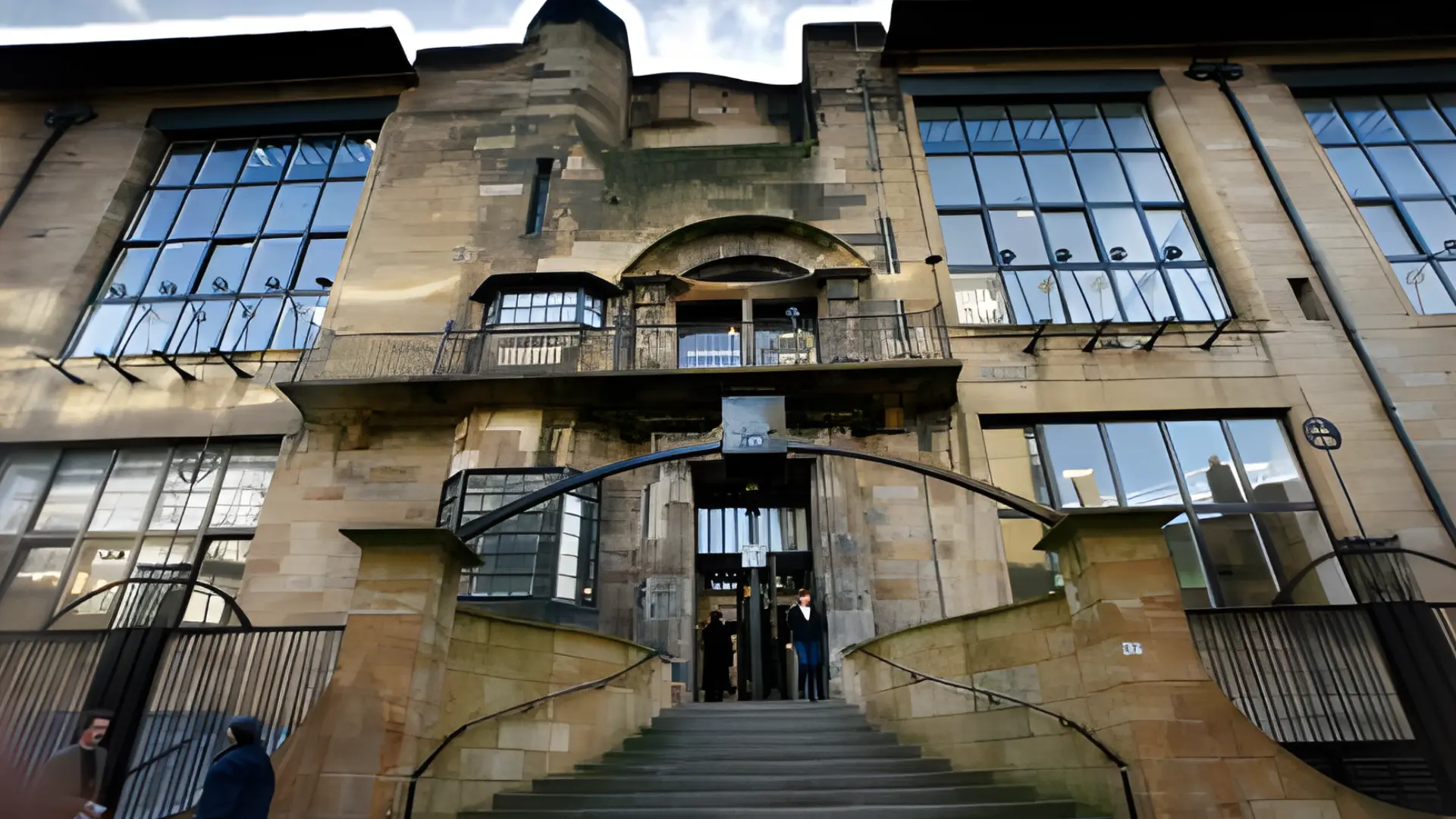
Built by Charles Rennie Mackintosh, this school thoughtfully merges structural clarity with bold decorative experimentation. Strong vertical masses balance refined ironwork and subtle curved detailing across the façade.
Inside, carefully designed studios feature custom furniture and intentional lighting, reflecting a cohesive artistic vision that unites function, craftsmanship, and creative expression.
13. Casa Amatller: Barcelona, Spain
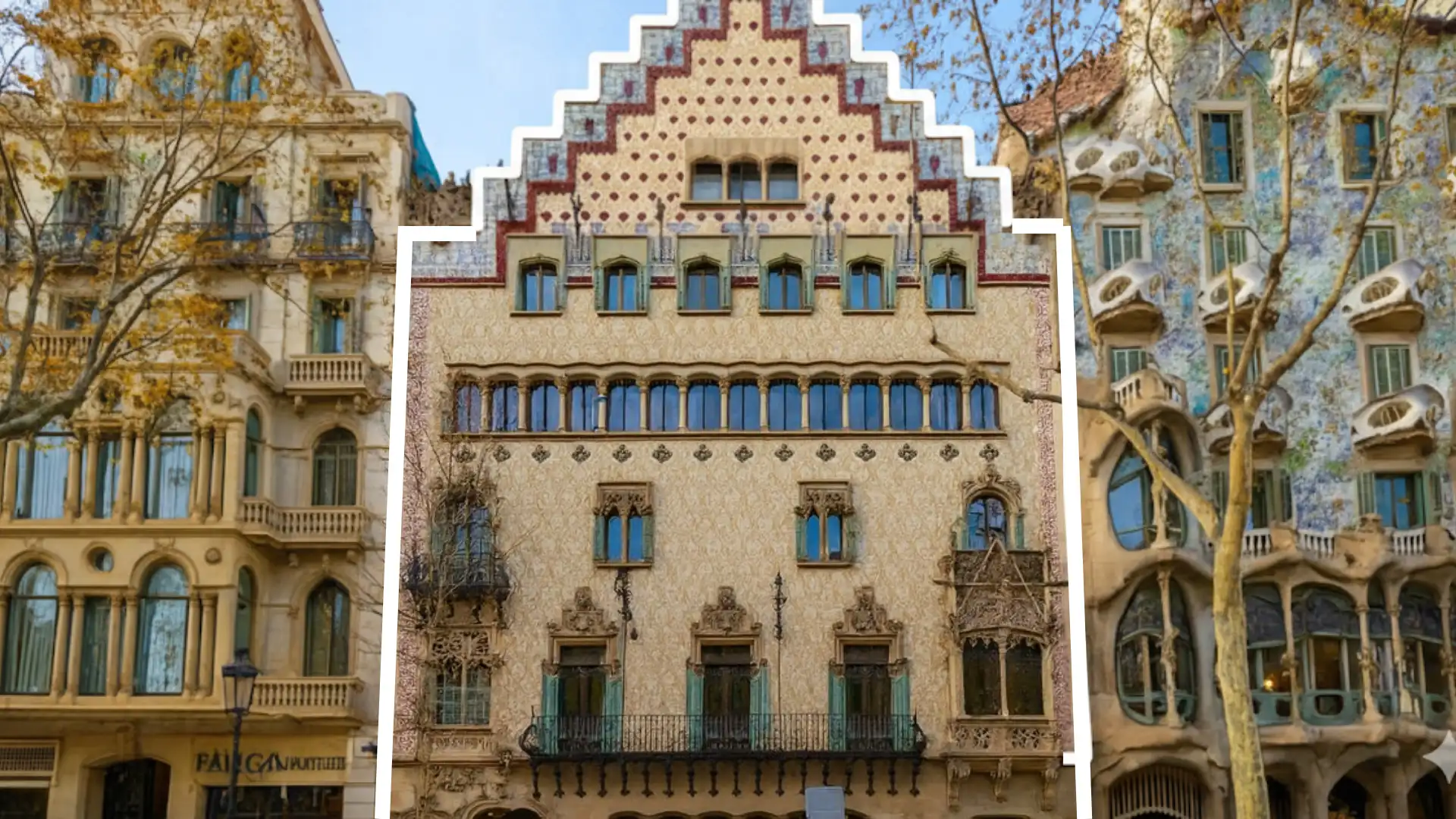
The work of Josep Puig i Cadafalch, this building gracefully blends Gothic Revival influences with expressive decoration. Its stepped façade and richly ornamented balconies create a bold and memorable street presence.
Intricate carvings, patterned ceramic tiles, and symbolic motifs celebrate fine craftsmanship while telling a vivid story across the entire front face.
14. Villa Majorelle; Nancy, France
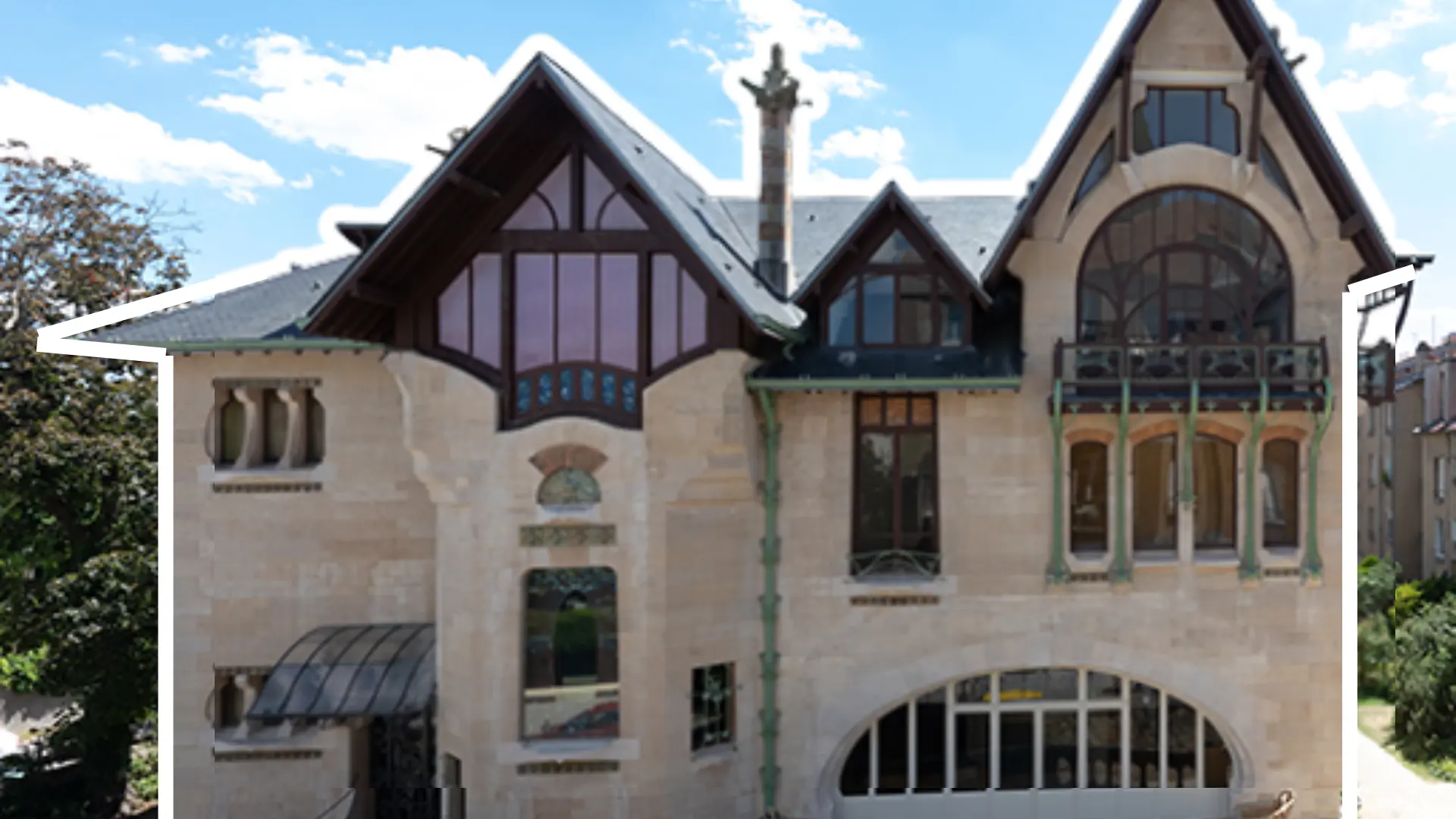
Architected by Henri Sauvage, this villa reflects a refined French interpretation of the movement. Graceful iron balconies curve outward like blooming stems, reinforcing the botanical inspiration throughout the exterior.
Inside, flowing wooden details and softly colored stained glass create a warm, intimate atmosphere that feels unified, artistic, and inviting to visitors.
15. Casa Campanini: Milan, Italy
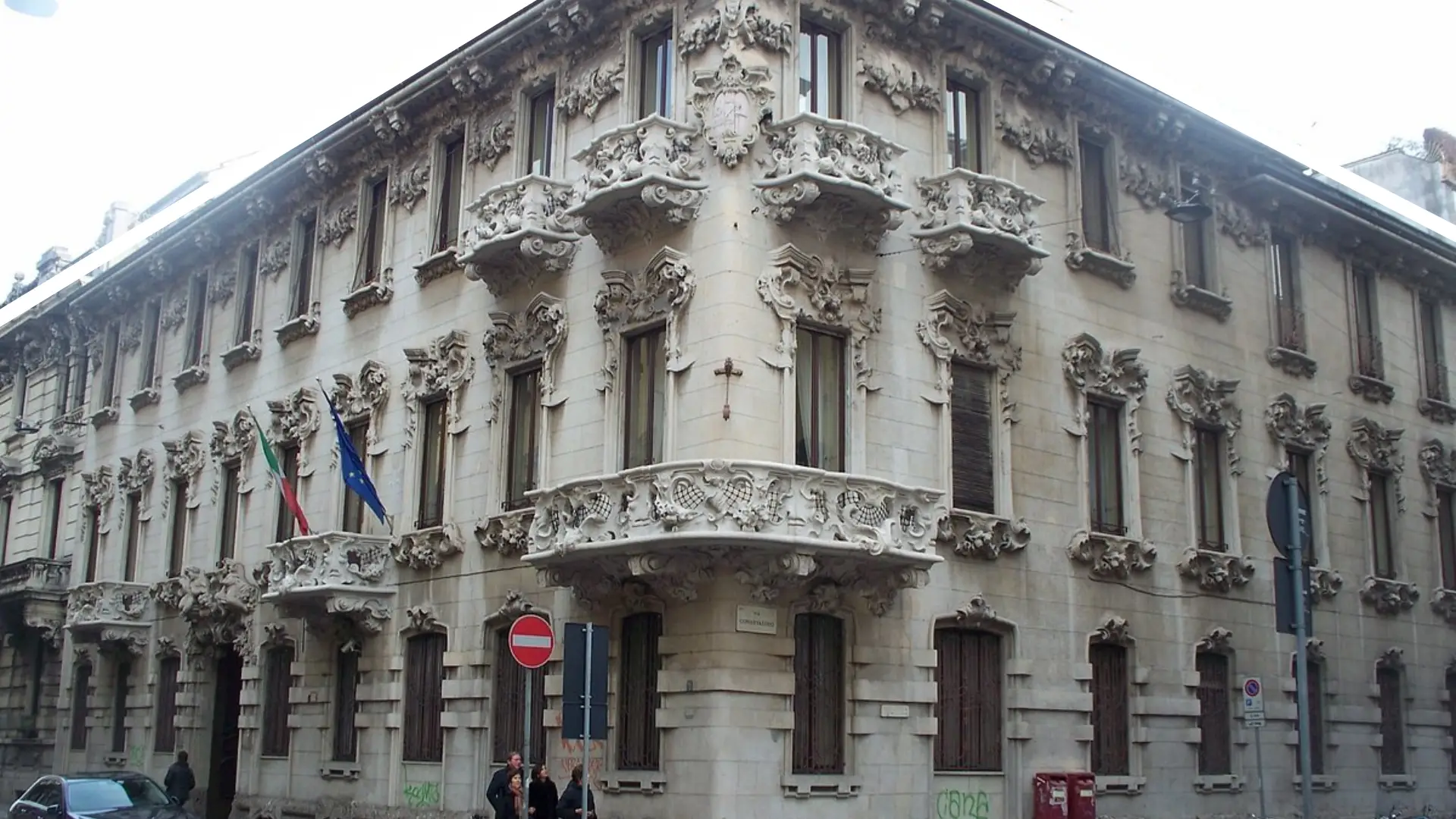
A project by Alfredo Campanini, this Milanese landmark displays sculptural beauty. The grand entrance is framed by dramatic carved female figures that command attention.
Flowing iron gates, intricate relief panels, and richly layered detailing combine to create a façade that feels theatrical, expressive, and truly unforgettable for anyone passing by.
These buildings show how the movement spread across Europe and even the United States, with each city adding its own creative touch.
Interior Design in Art Nouveau Buildings
When I look at these structures, I always notice that the beauty doesn’t stop at the front door. The interiors were just as important as the exterior.
In fact, many architects believed a building should feel like a single, cohesive work of art, from the walls to the smallest door handle.
Custom Furniture and Stained Glass
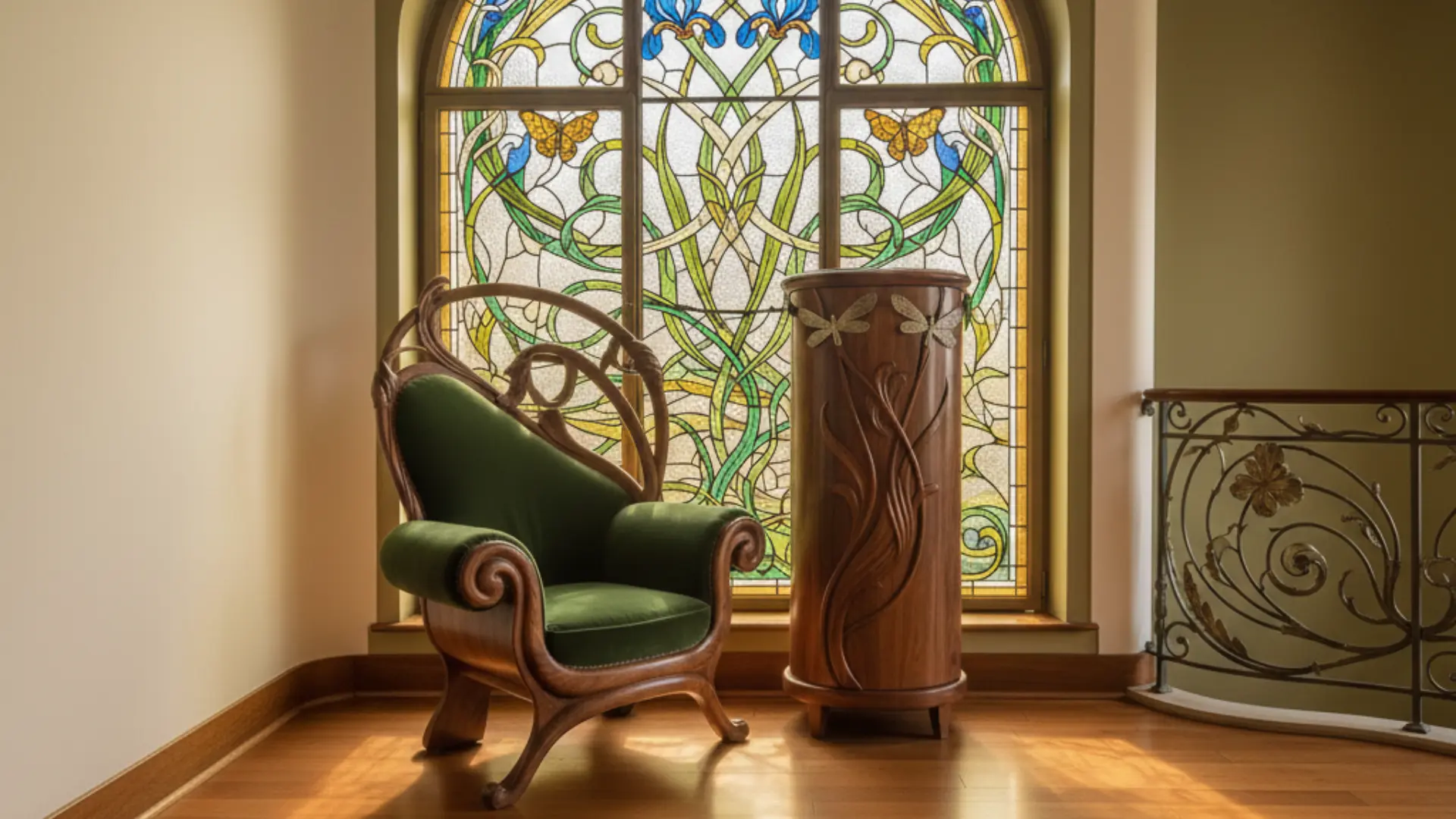
Furniture was never random or mass-produced in these buildings. Designers created custom pieces that matched the flowing lines and natural themes.
Architects like Victor Horta designed chairs and cabinets with curved wood and floral carvings. Stained glass windows filtered colorful light, often featuring vines, flowers, or insects, making interiors feel warm, artistic, and alive.
Curved Staircases and Organic Railings
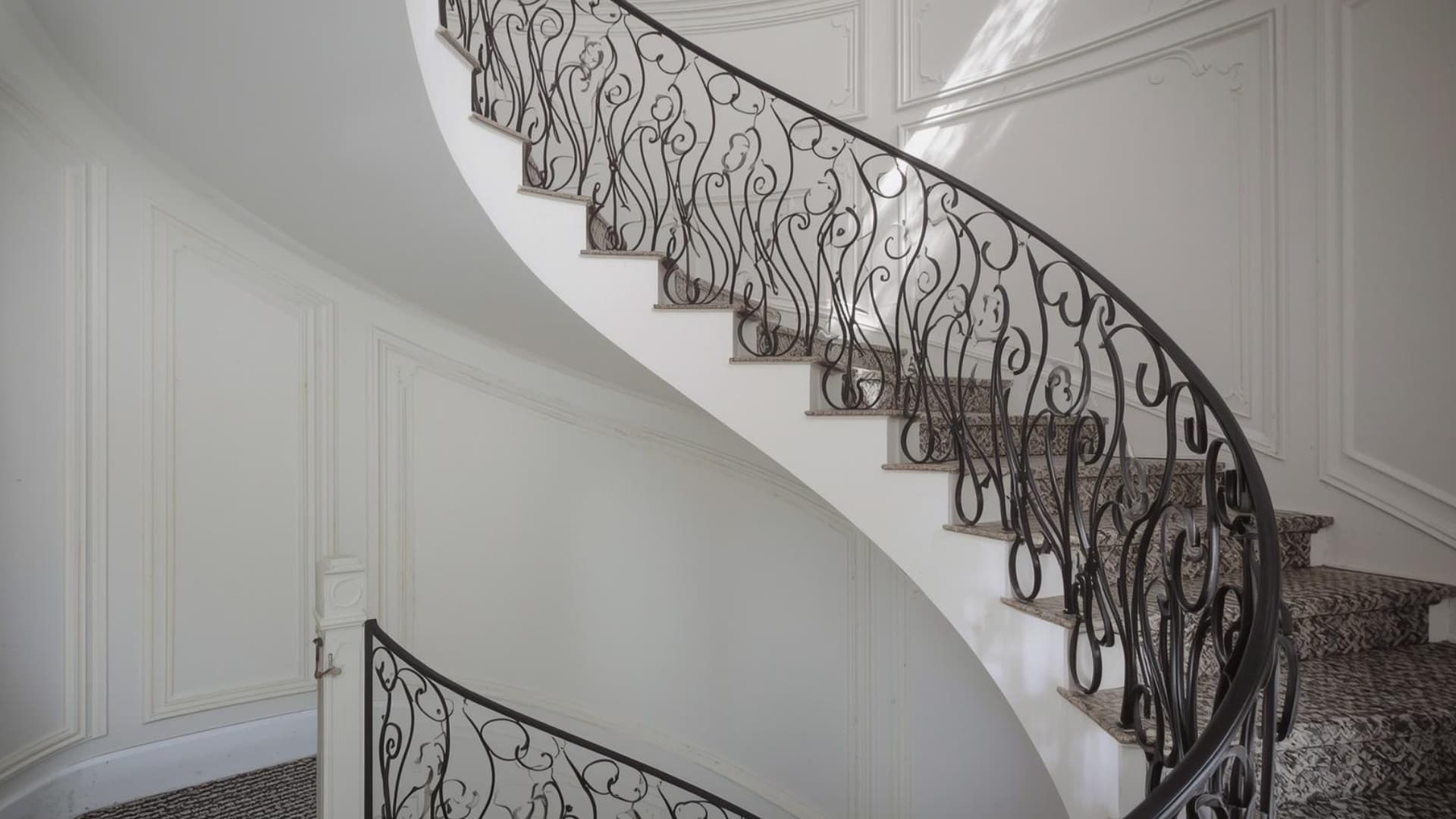
Staircases became sculptural centerpieces inside Art Nouveau homes. Instead of straight lines, they curved gently upward as plant stems.
In homes such as Hôtel Tassel, iron railings twist into beautiful, whiplash shapes. The craftsmanship is subtle yet strong, turning a simple staircase into a dramatic artistic feature within the home’s design.
Wallpaper and Lighting Design
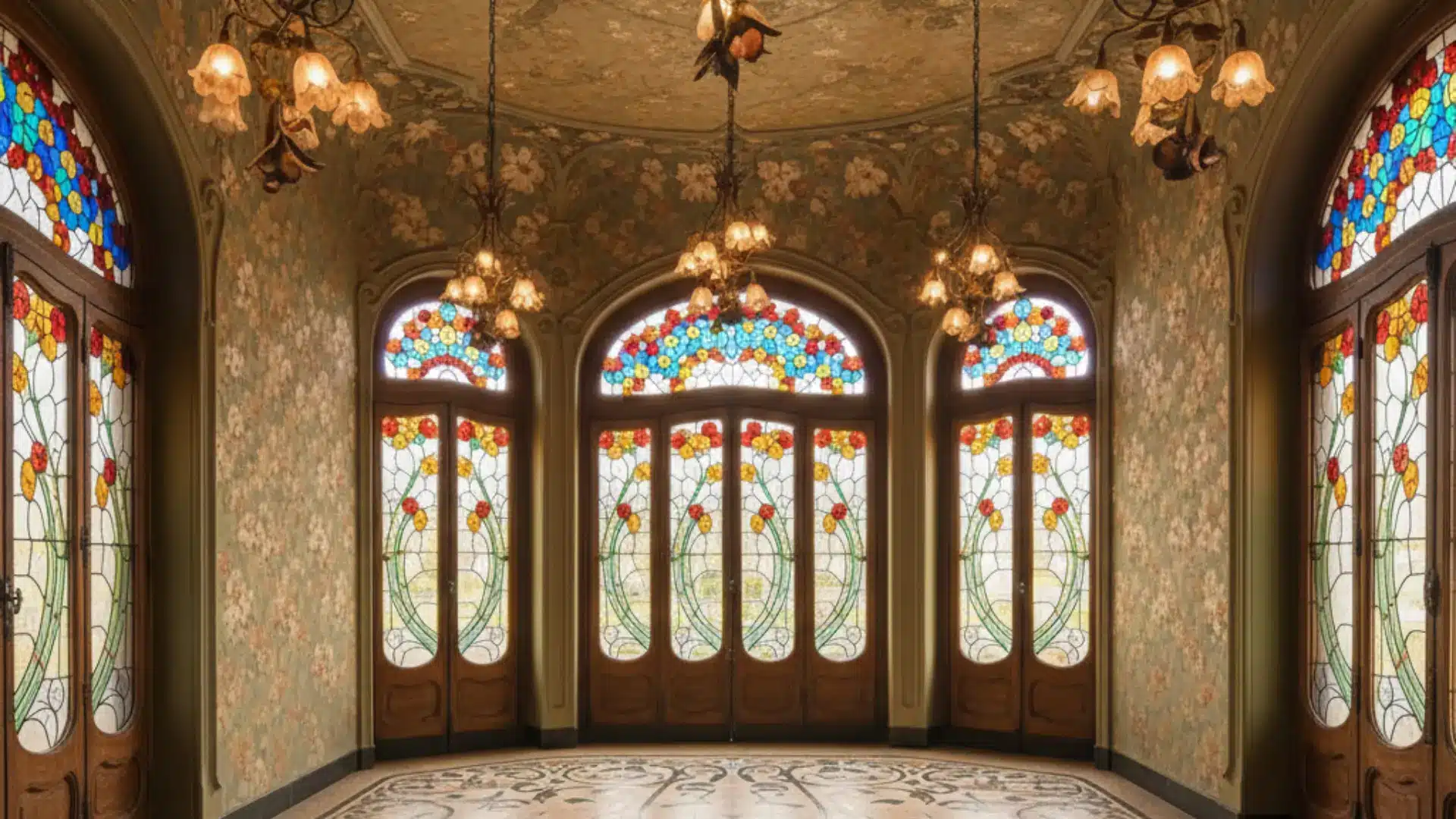
Architects carefully selected wallpaper, tiles, and lighting to match the entire design. Floral and organic patterns echoed the curves found in doors and windows.
Designers like Antoni Gaudí used decorative glass and creative light fixtures shaped like flowers. Every surface worked in harmony, creating a unified environment of structure and decoration.
Immersive Artistic Atmosphere
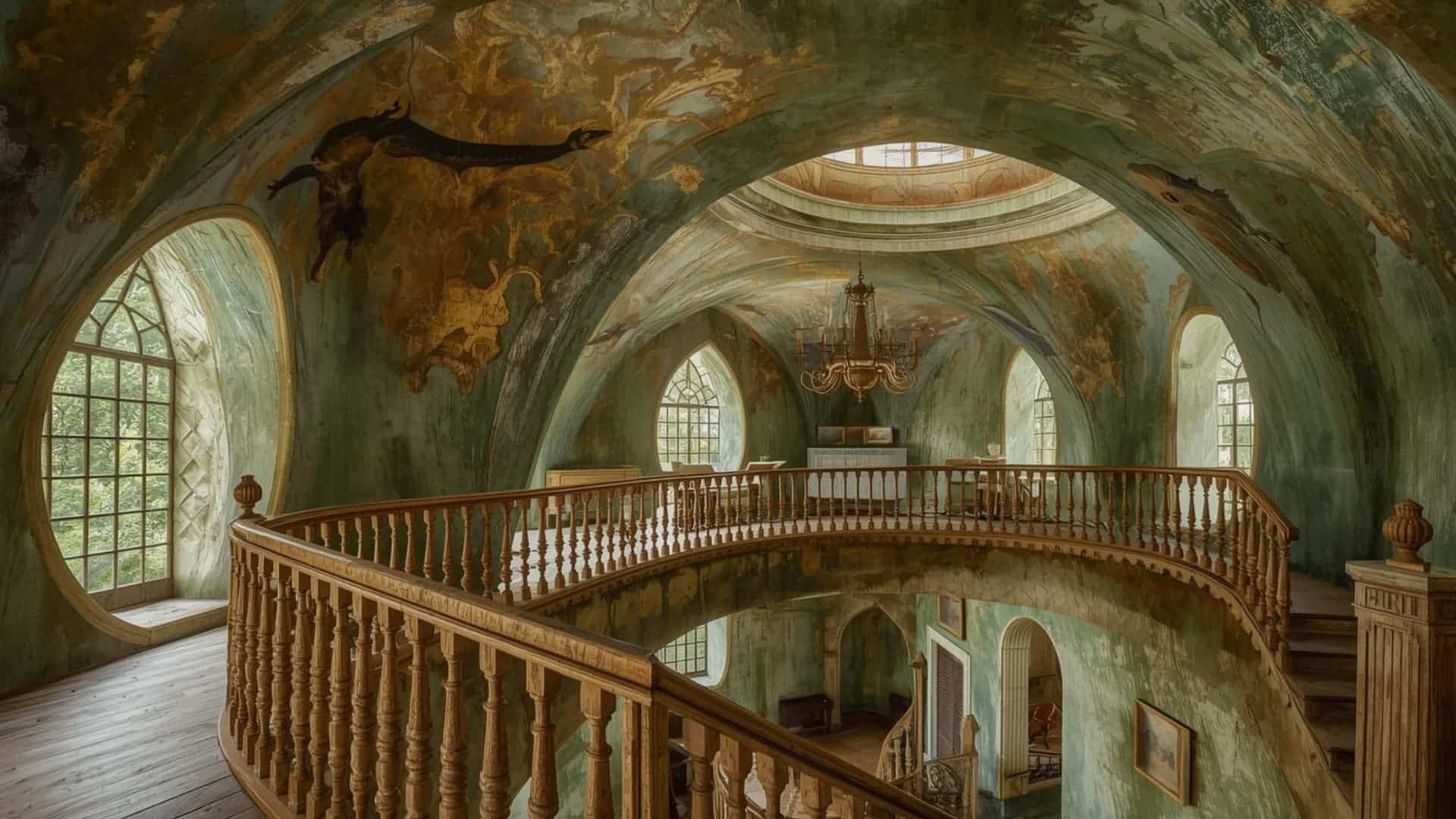
These interiors felt immersive and complete. Walls, ceilings, and railings flowed together without harsh angles.
Natural colors like green, gold, and brown enhanced the organic mood. This “total work of art” approach ensured every detail belonged. The result was a peaceful yet expressive space that still feels magical and inspiring today.
Why Art Nouveau Still Inspires Designers Today
I truly believe this style still inspires designers because it feels classic and deeply human. Its organic curves and plant-like forms connect buildings to nature in a way that feels calming and intentional.
Today, many architects are returning to nature-based and sustainable design, and Art Nouveau already embraced that philosophy over a century ago.
I also see its influence in boutique hotels and creative renovations, where designers want spaces to feel artistic and immersive rather than plain or industrial.
On social media, these flowing balconies and floral details instantly stand out. To me, Art Nouveau proves that thoughtful craftsmanship and natural beauty will always remain relevant.
Art Nouveau vs. Art Deco: What’s the Difference?
Many people confuse these two styles, but their design philosophies, shapes, and historical contexts are actually very different.
| Feature | Art Nouveau | Art Deco |
|---|---|---|
| Time Period | 1890–1910 | 1920s–1930s |
| Design Inspiration | Nature, plants, flowers, insects | Machines, industry, technology |
| Line Style | Flowing, curved “whiplash” lines | Sharp, straight, geometric lines |
| Overall Look | Soft, organic, decorative | Bold, sleek, symmetrical |
| Materials | Iron, glass, ceramic tiles | Chrome, steel, glass, marble |
| Ornamentation | Floral motifs and handcrafted details | Sunbursts, zigzags, streamlined patterns |
| Famous Architect | Antoni Gaudí | William Van Alen |
| Iconic Example | Casa Batlló | Chrysler Building |
Understanding these differences helps you quickly recognize whether a building celebrates natural curves or modern geometric precision.
Final Thoughts
After finding the world of Art Nouveau architecture together, I hope you feel inspired to seek out these incredible buildings yourself.
What started as a revolutionary movement over a century ago left us with some of the most beautiful structures ever created.
These buildings remind us that beauty matters, that nature can inspire our urban spaces, and that true artistry knows no boundaries.
Next time you travel to Brussels, Paris, Barcelona, or any European city, keep your eyes open; you might just find your own Art Nouveau treasure.
And when you do, drop a comment and share your favorite find, I’d love to hear which hidden gem captured your heart!