

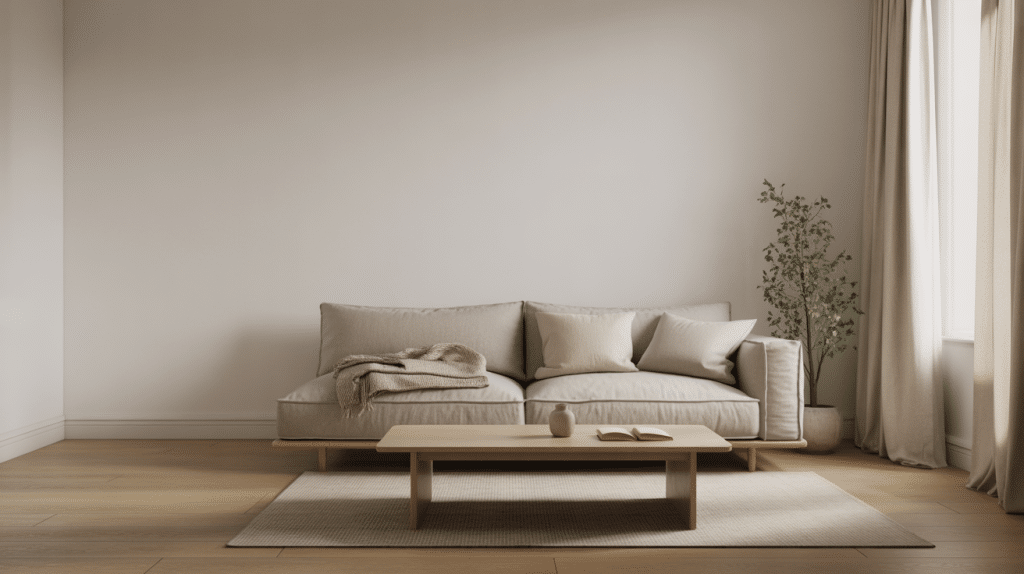

I still remember the first time I noticed how calm a space could feel without much effort. It made me slow down and really look at what was around me.
You may have felt the same way when walking into a home that just feels easy to live in. That feeling often comes from Scandinavian minimalism, even if you did not know the name for it yet.
Many people feel stuck with clutter, busy rooms, and spaces that take work to manage every day. This approach matters because it focuses on keeping what helps and removing what gets in the way.
Ahead, you will see how design choices, habits, and layout work together to support daily life and keep things clear.
What Scandinavian Minimalism Means And Where It Started
Scandinavian minimalism is a way of shaping homes and daily life around clarity, comfort, and real use. It brings together simple forms, practical layouts, and a focus on ease.
The aim is not to remove everything from a space. The aim is to keep what works well and let go of what creates stress or blocks movement.
Homes built around this idea feel open, calm, and functional. Each item has a clear purpose, which helps reduce visual strain and daily effort.
This approach was developed in Nordic countries, where long winters and limited daylight shaped how people lived indoors. Homes needed to feel bright, easy to care for, and supportive during many hours inside.
Over time, this led to interiors that rely on light colors, open plans, and materials that feel comfortable during daily routines. The result is a steady, balanced style that supports normal life without excess.
Core Characteristics of Scandinavian Minimalism
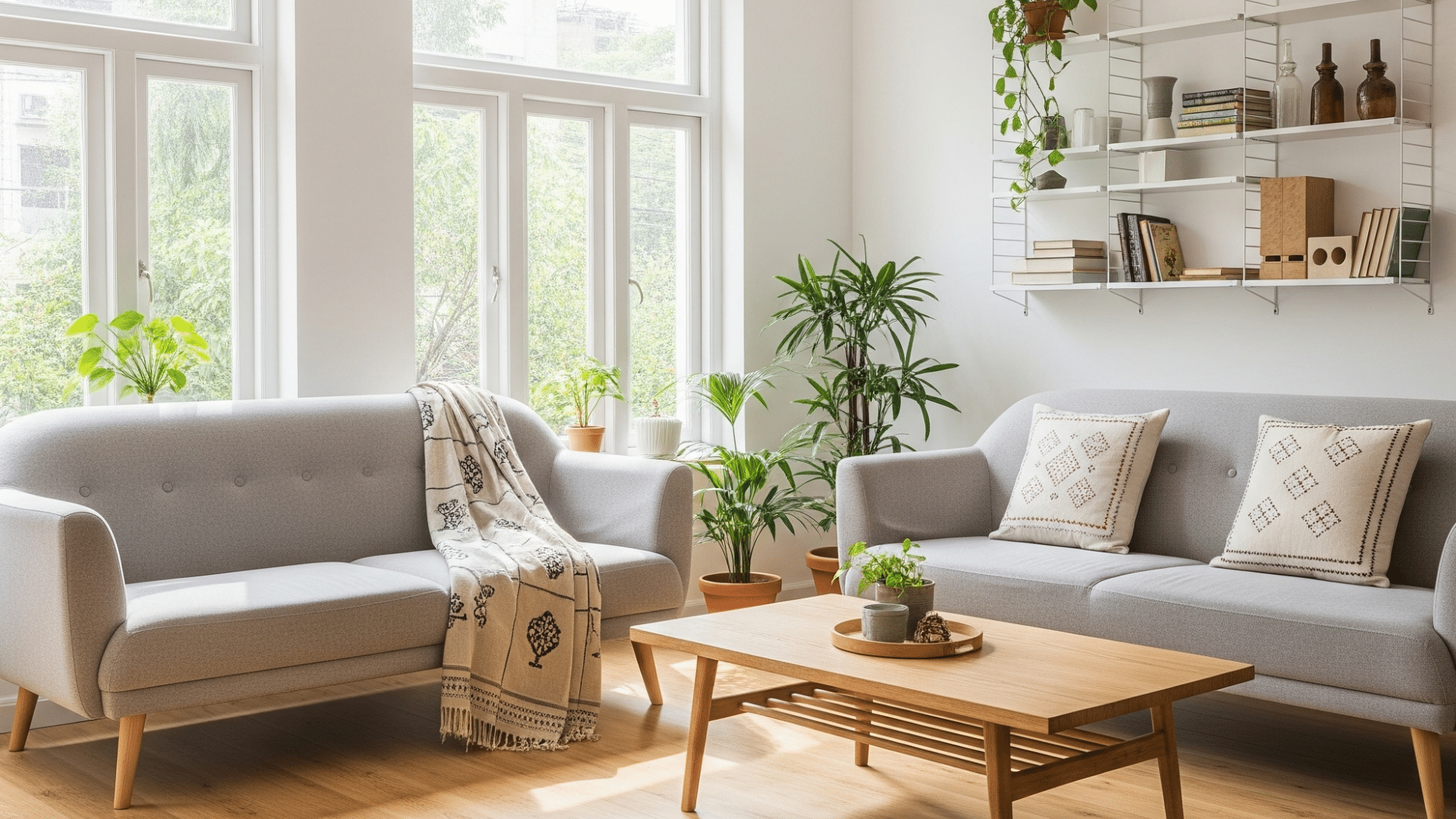
Every Scandinavian minimalist space follows the same foundation, whether it’s a studio apartment or a full house. These principles work together to create rooms that feel calm, functional, and warm, not empty.
- Function First: Every piece solves a real problem. Built-in storage, dual-purpose furniture, and zero decorative clutter.
- Light Matters: Natural light + layered warmth. Large windows, white walls, candles, and soft lamps everywhere.
- Calm Palette: Neutrals with whispers of color. White, gray, beige base with muted blues, greens, or blush.
- Natural Materials: Wood, wool, linen, and leather. Raw textures that age well and feel warm to the touch.
- Clear Space: Less visual noise, more breathing room. Empty surfaces and open flow so rooms feel larger.
- Quality Over Quantity: Fewer pieces, built to last. One solid oak table beats five cheap ones.
Master these six elements and the rest falls into place naturally. Now let’s see how to spot true Scandinavian minimalism in real spaces.
What Scandinavian Minimalism is Not
This style is misunderstood, so limits explain what Scandinavian minimalism avoids and how it differs from strict or empty spaces.
Not Cold or Bare
Scandinavian minimalism does not aim to remove warmth from a home. Comfort is treated as necessary, not optional. Soft lighting, supportive seating, and practical layouts help rooms stay welcoming during daily use.
Textiles such as rugs, throws, and curtains are used with restraint to prevent clutter while still adding softness.
Spaces are arranged for rest, conversation, and routine activities, which keeps rooms usable rather than stiff or uninviting. This balance supports comfort without filling surfaces or reducing open movement.
Not Extreme Reduction
Scandinavian minimalism avoids the strict removal of belongings simply to meet a number or rule. Items remain when they support daily routines, comfort, or shared activities.
Storage is used to organize necessities, not hide excess. Personal objects, books, and tools are kept when they serve a clear role.
The goal is steady balance, where spaces stay manageable without forcing constant decisions or creating pressure to live with too little. This approach allows flexibility as needs change over time.
Scandinavian Minimalism in Interior Spaces
Scandinavian minimalism works in any room when you follow the same foundation, then adjust for how you actually use the space.
1. Living Room
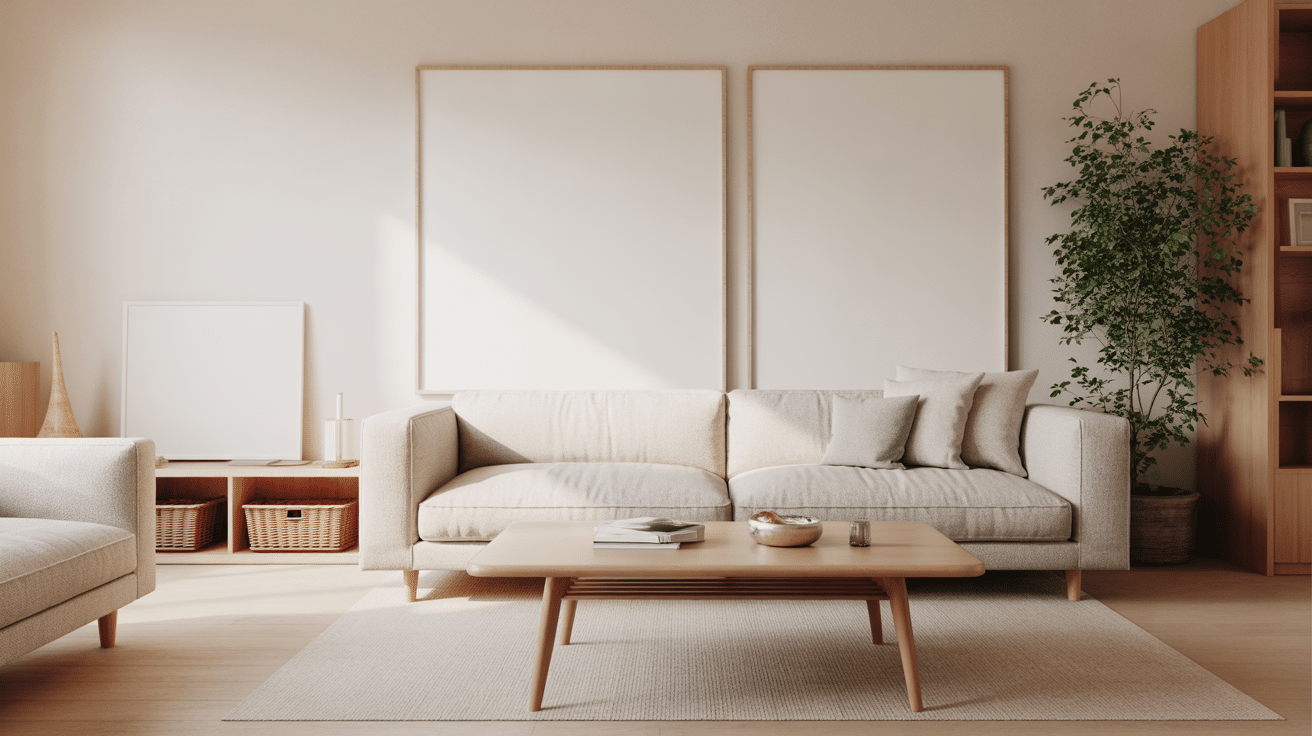
The living room shown reflects Scandinavian minimalism through balance and restraint. Seating is simple and grounded, with clean shapes that feel comfortable without taking over the room.
A light wood table sits low and centered, allowing movement to stay open. Storage remains subtle, often built in or placed low, so walls stay visually calm.
Soft fabrics and neutral tones reduce visual strain while still supporting everyday use. Natural light and clear spacing help the room feel steady, making it suitable for rest, conversation, or quiet time without frequent adjustment.
2. Bedroom
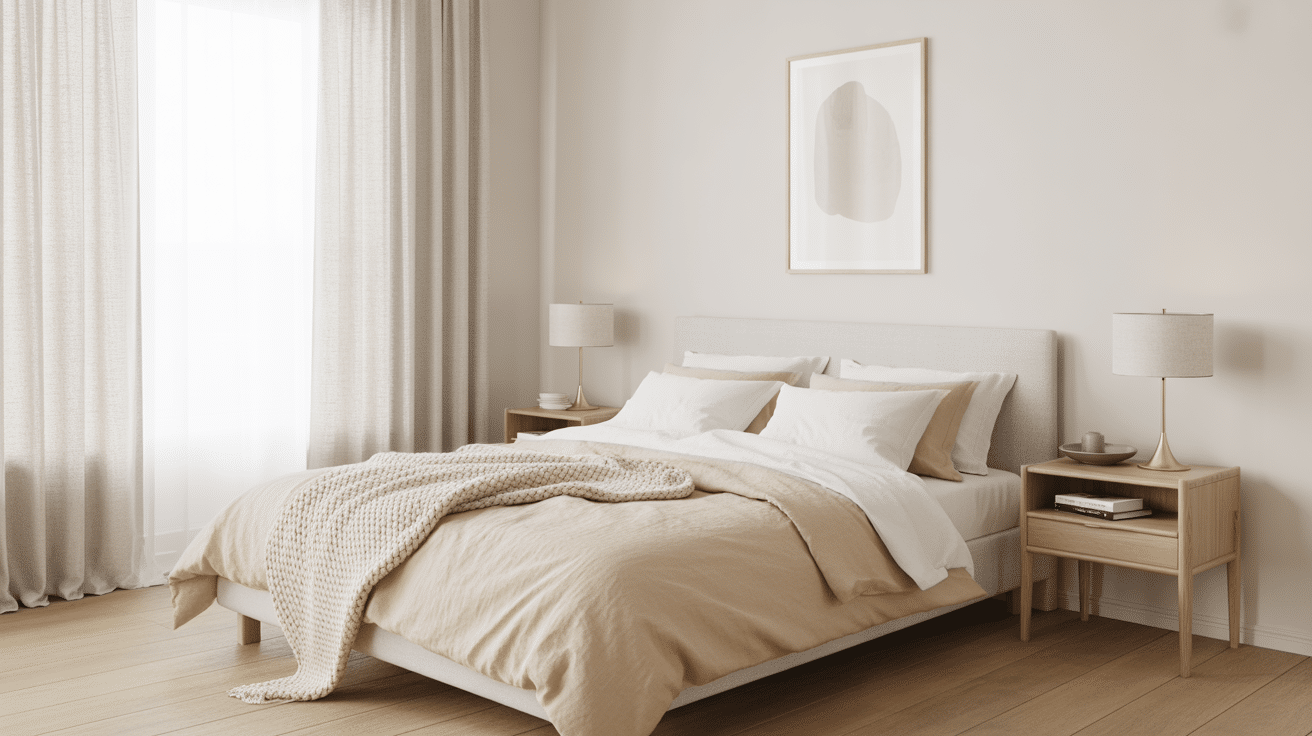
This bedroom uses Scandinavian minimalism to support rest and routine. The bed frame is simple and raised slightly, allowing storage underneath without crowding the room.
Light bedding and soft textures add comfort while keeping the space easy to maintain. Wall decor is limited, which helps the room feel open and quiet.
Furniture remains minimal and purposeful, with bedside tables holding only daily items. Natural light and muted tones reduce distraction, creating a setting that supports sleep and calm mornings without excess objects competing for attention.
3. Kitchen
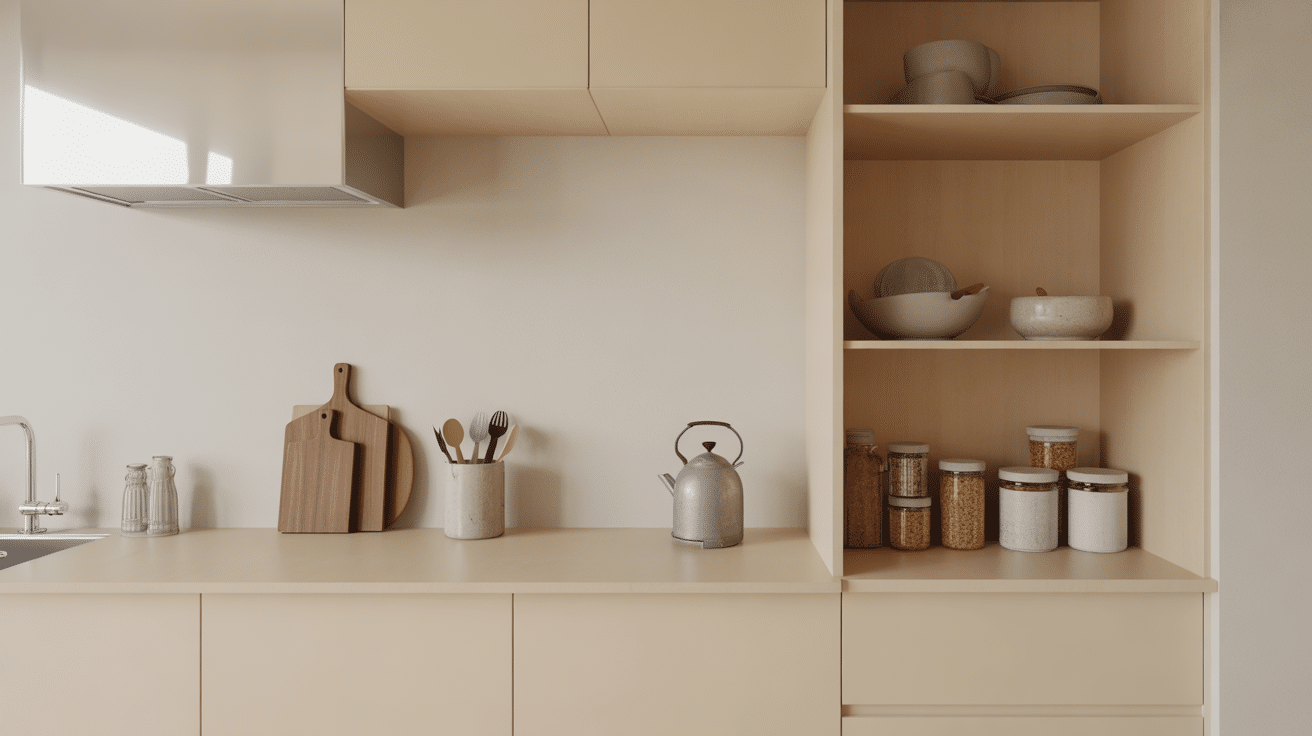
The kitchen image shows how Scandinavian minimalism prioritizes function and order. Countertops remain mostly clear, allowing daily tasks to feel easier.
Open shelving is limited and used for items that are both useful and consistent in appearance. Containers match in tone and size, which helps reduce visual noise.
Light cabinetry and smooth surfaces reflect light and support easy cleaning. Materials feel practical and familiar, making the space ready for frequent use without feeling crowded or difficult to reset after meals.
4. Bathroom
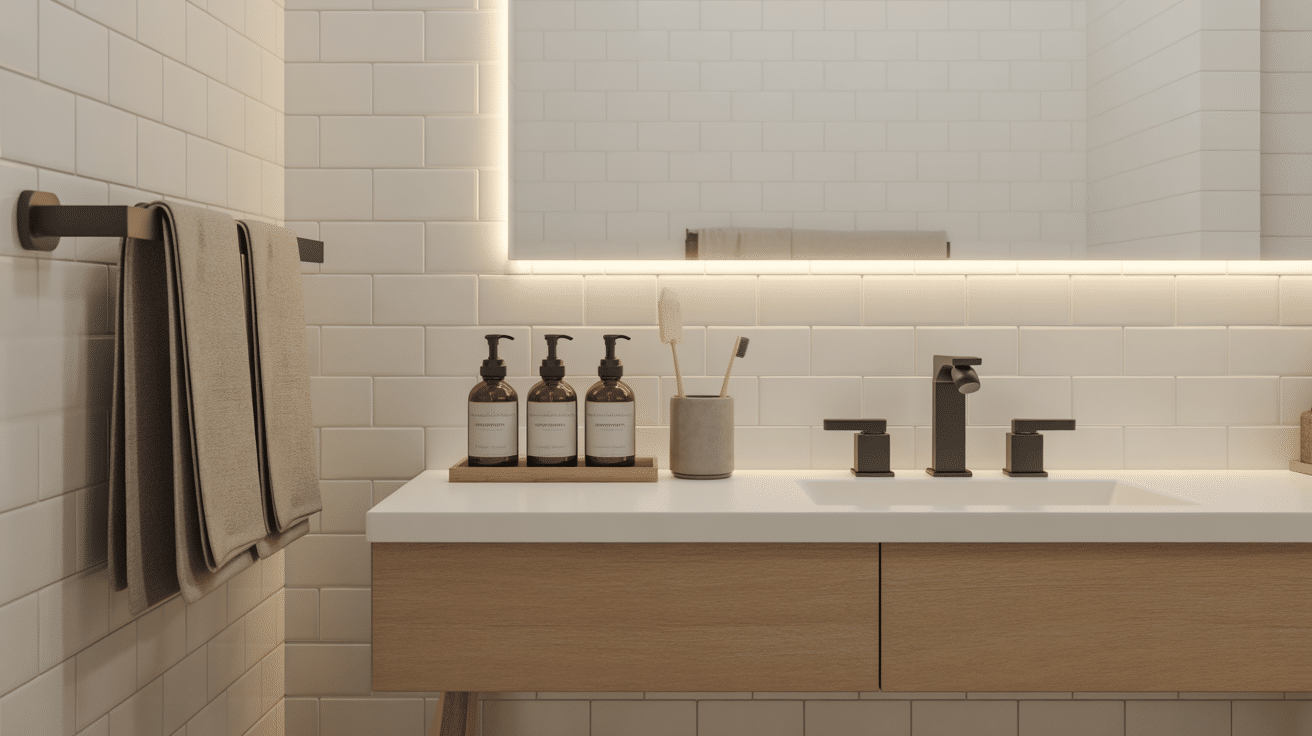
This bathroom reflects Scandinavian minimalism through clarity and structure. Only daily items remain visible, grouped neatly to avoid scattered surfaces.
Storage is built in and understated, keeping the focus on ease of use rather than display. Light tile and wood tones support brightness while remaining simple to maintain.
Fixtures are clean, in shape, and easy to wipe down. Towels and accessories are limited, which reduces clutter and makes the space feel calm. The result is a bathroom that supports routine without extra sorting or effort.
5. Entryway
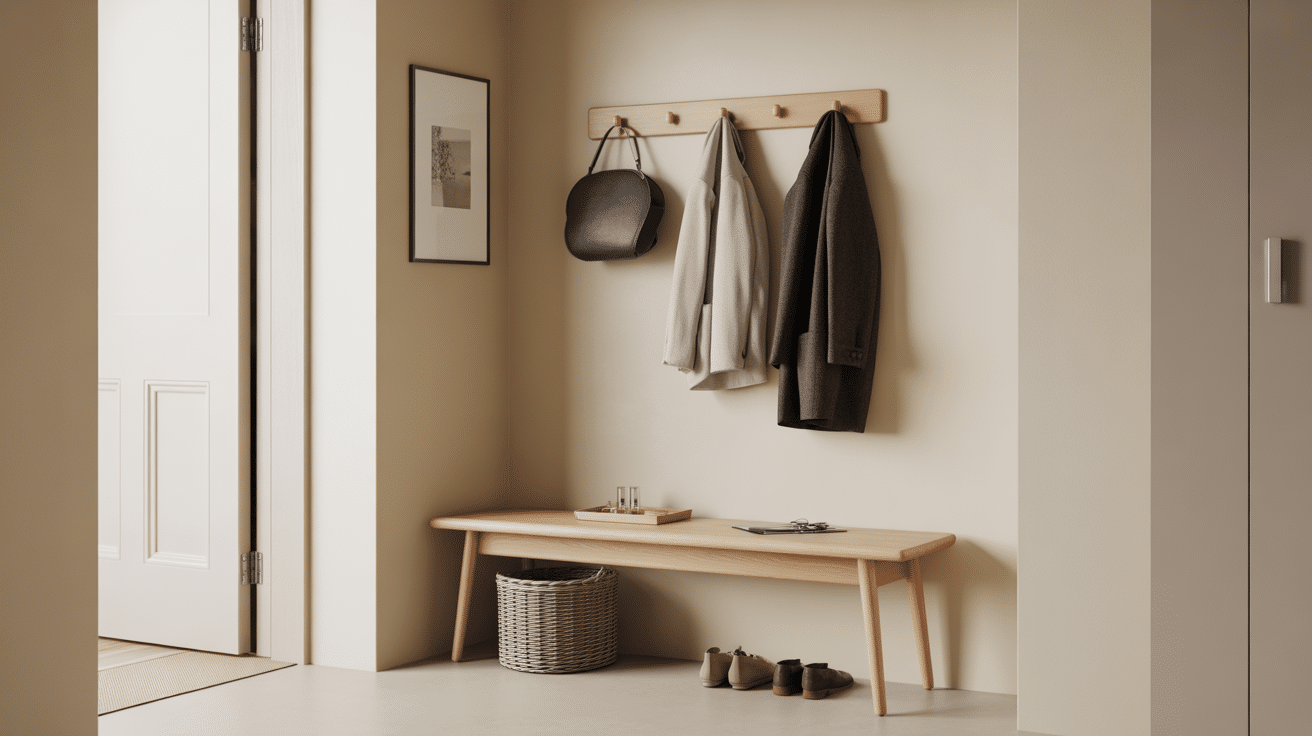
The entryway image shows how Scandinavian minimalism supports smooth transitions in and out of the home. A simple bench provides seating without blocking movement.
Hooks are placed at an easy height and spaced evenly, keeping coats organized and accessible. Shoes are stored neatly below, preventing buildup on the floor.
The layout leaves space open, which helps the area feel calm even during busy mornings. Each item has a clear place, reducing the chance of clutter forming near the door.
6. Small Spaces and Apartments
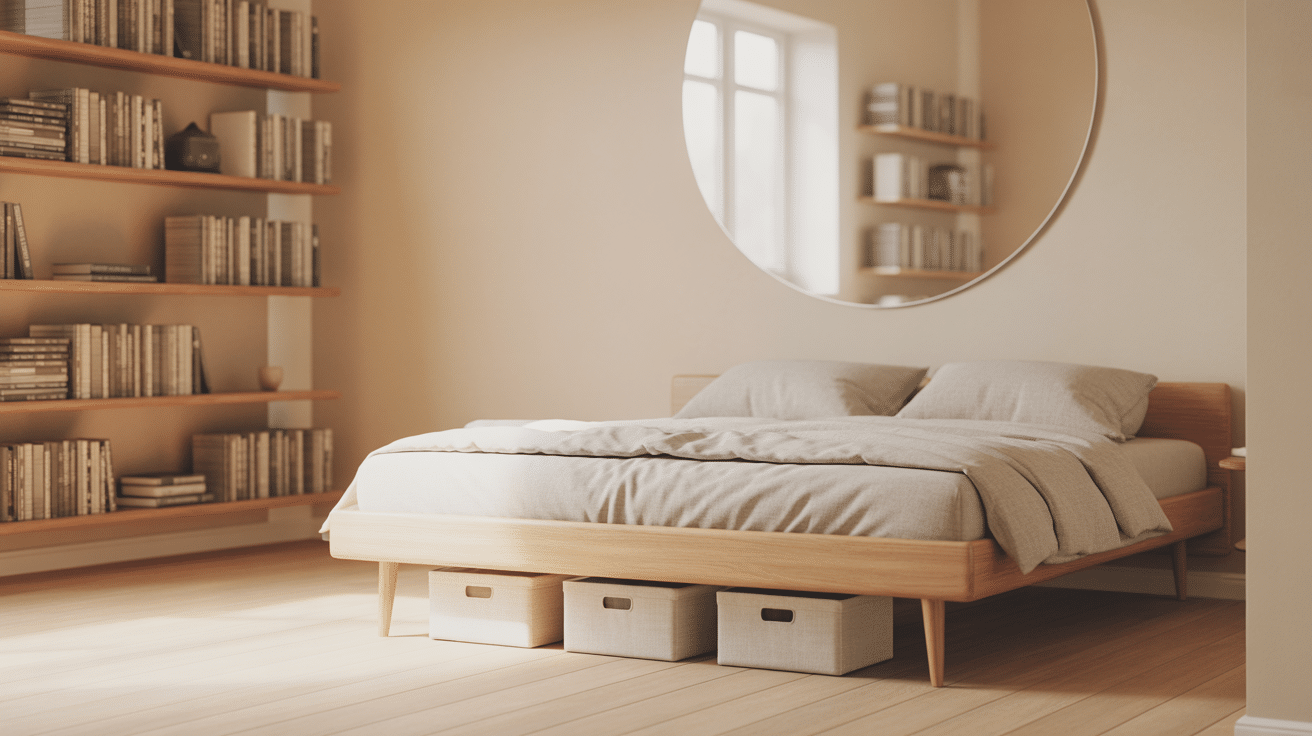
This small apartment shows how Scandinavian minimalism supports limited square footage without feeling crowded.
The bed frame is raised, which allows storage boxes to fit underneath while keeping the floor open. Shelving stays light and wall-mounted, freeing up walking space and reducing bulky furniture.
A round mirror reflects natural light, helping the room feel brighter and more open. Furniture uses light wood tones and simple shapes, which keep the space visually calm.
Each item has a clear role, allowing the room to support sleep, storage, and daily routines without competing for attention or adding visual strain.
Scandinavian Minimalism as A Way of Living
This approach shapes daily choices, habits, and routines, helping spaces stay clear and useful without constant effort or repeated resets.
1. Buying Fewer Items
In Scandinavian minimalism, buying fewer items reduces long-term clutter and decision stress. Each purchase is considered carefully before money changes hands.
Items are chosen for durability, comfort, and daily use rather than short-term appeal. If something cannot serve a clear role, it is usually skipped. This habit lowers waste and limits storage needs over time.
By slowing purchases, homes stay easier to manage, and belongings remain familiar and useful instead of overwhelming or forgotten.
2. Everyday Habits
Daily habits play a strong role in keeping spaces clear. Small resets, such as returning items to their place each evening, prevent buildup before it starts.
Tasks are spread out instead of being saved for long cleaning sessions. Surfaces stay open because fewer items need attention. These routines do not require strict schedules or long checklists.
They work because they fit into normal life and reduce effort instead of adding more rules or pressure.
3. Clothing Choices
Clothing choices follow the same thinking as home design. Wardrobes focus on pieces that work across seasons and daily routines.
Items are comfortable, easy to care for, and simple to combine. Fewer pieces mean faster mornings and less storage strain.
Clothing is kept only when it fits current needs, not future guesses. This approach keeps closets clear and reduces the urge to buy replacements too often.
Scandinavian Minimalism Compared to Similar Styles
Many styles look similar at first glance, but their goals, comfort level, and daily use differ in clear ways.
| Style | Main Focus | Materials | Overall Feel |
|---|---|---|---|
| Scandinavian Minimalism | Comfort with simplicity | Wood, wool, cotton, stone | Calm and lived in |
| Standard Minimalism | Reduction and restraint | Metal, concrete, plain finishes | Strict and spare |
| Japandi | Order and balance | Wood, ceramics, natural fibers | Quiet and controlled |
| Wabi Sabi | Acceptance of wear | Aged wood, clay, raw finishes | Soft and imperfect |
Understanding these differences helps you choose a style that supports daily life, comfort, and long-term use without confusion.
Why Many People Choose This Style
Many people choose Scandinavian minimalism because it supports real daily life without adding pressure or extra work. The focus on fewer, useful items makes homes easier to clean, organize, and maintain over time.
Clear spaces help reduce distraction, which can support focus, rest, and smoother routines. This approach also limits impulse buying, which lowers waste and saves money long term.
Because the style relies on simple forms and practical materials, it adapts well to changing needs, family sizes, and living spaces. It works in apartments, houses, and shared homes without heavy adjustments.
Over time, this steady structure creates spaces that feel manageable, supportive, and calm, even during busy or demanding periods of life.
Wrapping Up
Scandinavian minimalism supports everyday living through clear spaces, useful items, and steady routines. The focus stays on comfort, real use, and balance rather than strict rules or empty rooms.
I find this approach helpful because it works with normal life instead of adding more pressure. One simple change, like clearing a surface or slowing purchases, can make a real difference over time.
If you are thinking about small steps that could help your home feel easier to manage, this style offers a solid place to start.
How could Scandinavian minimalism fit into your space right now? Keep finding related ideas and check out other blogs on the website to build a setup that truly supports you.