


When you’re considering furniture for your business, it’s essential to know what makes contract-grade furniture a smarter investment.
Designed for commercial environments, contract-grade pieces are built to endure heavy use, ensuring long-lasting durability and safety.
But what is contract-grade furniture, and why should you choose it for your space? In this blog, I’ll walk you through everything you need to know, from the key features to customization options and how to maintain it.
You’ll also find insights from business owners who have made the switch from residential to contract-grade furniture and how it positively impacted their operations.
By the end, you’ll understand how this furniture can improve your space, save costs, and elevate your business
What is Contract-Grade Furniture?
Contract-grade furniture is designed specifically for commercial environments like hotels, offices, and restaurants. It’s built to handle heavy, daily use and meets strict safety and durability standards.
Unlike residential furniture, which is designed for lighter, less frequent use, contract-grade furniture is built with stronger materials, such as steel and solid hardwood, often featuring reinforced joints and fire-resistant fabrics. This makes it more durable and longer-lasting in high-traffic areas.
Business owners who have used both types note that while residential furniture may be cheaper initially, contract-grade options offer superior longevity and performance.
Ultimately, contract-grade furniture is a more cost-effective investment for businesses that need furniture to withstand constant wear and tear.
Key Features of Contract-Grade Furniture
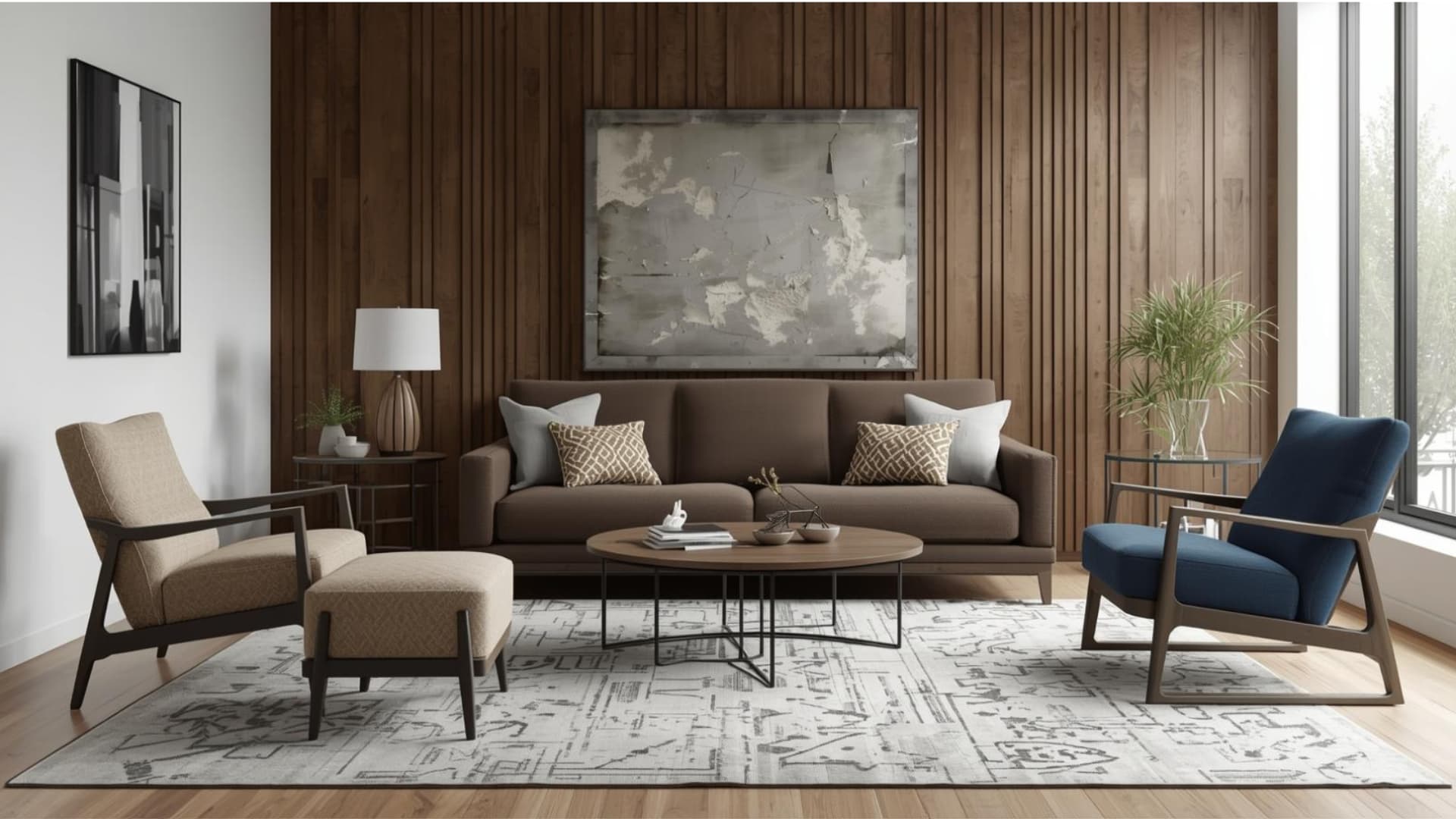
Contract-grade furniture is designed for heavy, continuous use in commercial spaces, ensuring durability, safety, and functionality.
When I choose contract-grade furniture, I know I’m investing in pieces built to withstand the demands of high-traffic areas. It provides you with long-lasting performance and peace of mind, knowing it’s up to the task
- Durability: Built to endure high traffic with strong materials like steel, hardwood, and fire-resistant fabrics.
- Strict Testing: Undergoes rigorous testing of structural integrity, stability, and weight capacity to ensure long-lasting performance.
- Safety Standards: Meets safety requirements, including fire resistance and low-emission certifications (e.g., GREENGUARD).
- Specialized Materials: Made with high-density foam, sturdy metal gauges, and stain-resistant upholstery for prolonged use.
- Customization: Offers flexibility for design, sizes, and brand-specific colors to suit commercial spaces.
Customization allows businesses to align the furniture with their unique branding and space requirements.
Customization and Design Considerations
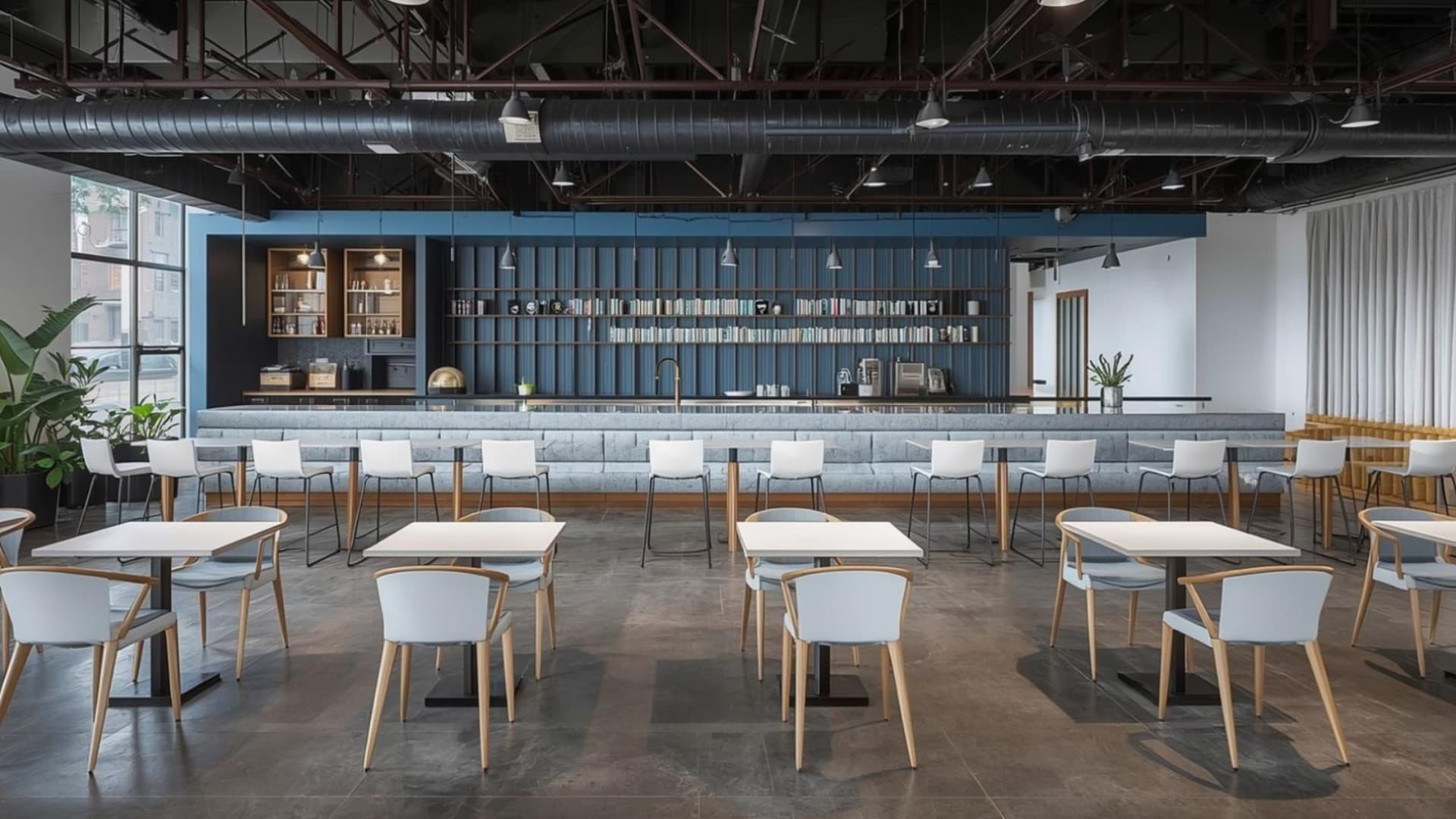
Many businesses choose to customize their contract-grade furniture to align with their brand identity and functional needs.
For example, a restaurant owner may select custom seating with their brand’s colors and logo to create a cohesive look that reinforces their brand message.
Customizing furniture for office spaces can also improve the environment by selecting ergonomic chairs that promote employee well-being while maintaining a professional look.
Additionally, customization improves both functionality and pleasing. A café owner explains how custom seating not only matched their branding but also helped maximize seating arrangements, improving customer flow and comfort.
Custom options allow businesses to make the most of their space while presenting a polished and professional image.
Contract-Grade vs. Non-Contract-Grade Furniture: A Deeper Comparison
Switching from residential to contract-grade furniture can greatly impact your business’s operations. When I made the switch, I noticed the difference right away.
Here’s a breakdown of the key differences that can make a real impact on your space.
| Aspect | Contract-Grade Furniture | Residential Furniture |
|---|---|---|
| Durability | Built for high traffic and heavy use, lasts longer | Designed for lighter, less frequent use, wears out quicker |
| Materials | Made with reinforced materials like steel and hardwood | Lighter materials, often not reinforced for heavy use |
| Cost | Higher upfront cost, but cost-effective in the long term | Lower upfront cost, but more frequent replacements needed |
| Maintenance | Requires less maintenance, easier to clean and repair | Higher maintenance due to wear and tear over time |
| Usage | Ideal for commercial spaces like offices, hotels, and restaurants | Best suited for home use, not built for daily, heavy-duty use |
Investing in contract-grade furniture can improve your business by improving efficiency, reducing costs, and ensuring long-term durability.
Why People Choose Contract-Grade Furniture for Their Business
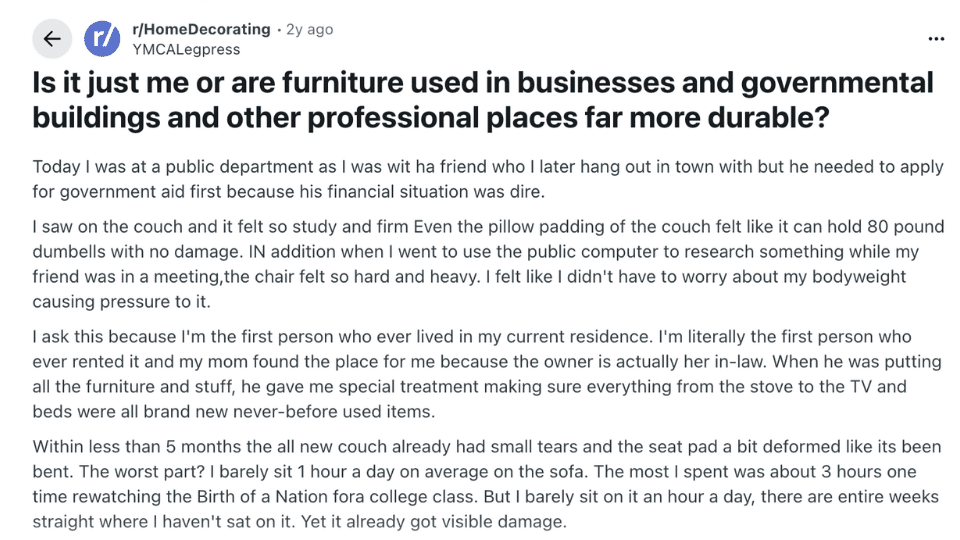
Many business owners start with residential-grade furniture to cut costs, but it can’t handle daily commercial wear and tear.
After switching to contract-grade furniture, businesses see immediate improvements. Ergonomic chairs work for long hours, and solid desks with steel frames stand up to heavy use.
A Reddit discussion confirms this: “Commercial grade furniture is absolutely made to be more durable and last for a long time and a few million customers, sits, etc. You can get lucky and find items at the thrift stores or you can search your local FB marketplace. Brands to keep an eye out for: Steelcase, Herman Miller, OFS, AMQ, KI. There’s many more out there but those are some of the bigger brands.”
Ultimately, contract-grade furniture saves money long-term by reducing replacements and repairs.
How to Choose Contract-Grade Furniture for Your Business
When I select contract-grade furniture for my business, there are key factors I always consider to ensure it meets both functional and stylish needs.
- Assess Your Space Needs: Consider the size, layout, and functionality of your space to ensure the furniture fits well. The right furniture improves your space while accommodating specific commercial activities and traffic.
- Prioritize Durability: Choose pieces made from strong, long-lasting materials like steel, hardwood, and fire-resistant fabrics. Durability ensures the furniture can withstand heavy daily use in commercial environments without needing frequent replacements.
- Evaluate Comfort and Functionality: Focus on ergonomic designs that improve comfort while supporting the demands of the space, like offices or restaurants. Comfort improves the experience for employees or customers, enhancing overall satisfaction.
- Consider appearance Alignment: Match furniture with your business’s branding and design, ensuring it complements your style and creates a cohesive look. Aesthetics help convey your brand’s message and set the tone for customers and staff alike.
- Check for Customization Options: Ensure the furniture offers customization for specific sizes, colors, and finishes that align with your brand’s identity. Customization allows flexibility, helping you create a unique, branded environment tailored to your business.
These considerations help me make an informed decision, while also enhancing the overall experience for both my employees and customers.
Maintenance Tips for Contract-Grade Furniture
Contract-grade furniture is designed for durability, but proper care is essential to extend its lifespan and keep it looking new. Here’s how to maintain your contract-grade furniture effectively:
- Regular Cleaning: Clean furniture regularly with appropriate cleaners for materials like leather, fabric, and metal to prevent dirt buildup and surface damage.
- Avoid Harsh Chemicals: Use non-abrasive cleaners and avoid harsh chemicals that can damage upholstery or finishes and compromise material integrity.
- Inspect for Damage: Periodically check for loose screws, stains, or wear in high-traffic areas and address issues promptly to prevent further deterioration.
- Upholstery Care: Use upholstery protectors on fabric and leather furniture, and reapply as needed to maintain appearance and reduce staining.
- Polish Wooden Surfaces: Occasionally polish wooden surfaces to maintain the finish, prevent drying or cracking, and keep the wood smooth and moisture-resistant.
- Rotate Seating: Rotate cushions or seating areas regularly to ensure even wear, prolong furniture life, and maintain consistent comfort for users.
I’ve learned that consistent maintenance makes a huge difference in how long contract-grade furniture lasts and performs. Taking just a few minutes each week for basic care saves money and keeps spaces looking professional for years.
Evaluating the Cost and Long-Term Value of Contract-Grade Furniture
When considering contract-grade furniture, it’s important to weigh the upfront cost against the long-term benefits and savings.
| Factor | Contract-Grade Furniture | Residential Furniture |
|---|---|---|
| Initial Cost | Higher upfront cost due to durable materials and construction | Lower initial cost, but may need more frequent replacements |
| Durability | Long-lasting, built to endure heavy daily use | May wear out quickly in high-traffic areas, requiring replacements sooner |
| Maintenance | Low maintenance costs due to durable materials | Higher maintenance costs from repairs and replacements |
| Longevity | Furniture can last many years with proper care | Shorter lifespan, often requiring early replacement |
| Cost Efficiency Over Time | More cost-effective in the long run due to fewer replacements | More expensive over time due to frequent replacements and repairs |
Investing in contract-grade furniture may seem expensive initially, but the long-term savings and durability make it a smart financial choice.
Final Thoughts
To wrap things up, we’ve found why contract-grade furniture is a must-have for businesses looking to improve their space with durable, functional, and customizable options.
You’ve learned about its longevity, cost-effectiveness, and the importance of maintaining it for long-term use.
If you’re thinking about upgrading your restaurant, office, or hospitality space, contract-grade furniture provides the value and performance you need. I hope this blog has helped you understand why it’s a smart investment.
Now, I’d love to hear from you! What are your thoughts on contract-grade furniture? Feel free to share your experiences or ask any questions, and let’s get your business on the right track with the best furniture for your needs.