

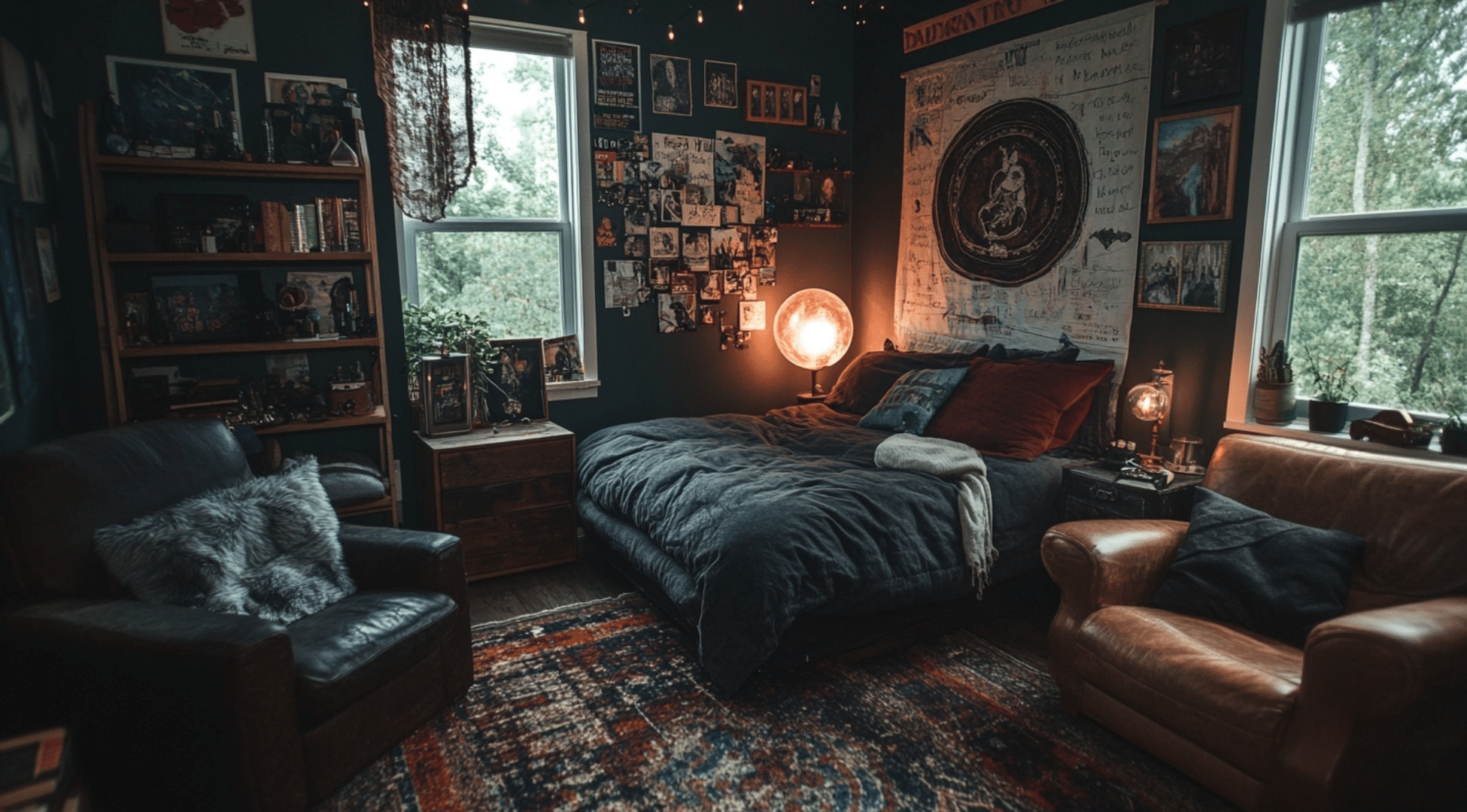
Your room should feel like you, not a copy of some perfect setup online. If you’re into music, mood, and a space that’s a little rough around the edges, grunge rooms might be just your thing. Today, I’ll walk you through how to set up a grunge-style room that feels personal, cozy, and real. You’ll get easy tips, decor ideas, and what to avoid so you don’t overdo it. If you want your room to match your vibe without trying too hard, this is for you. No pressure. No fancy stuff. Just a cool space that makes you feel good to be in. What is a Grunge Room? A grunge room is a cozy, laid-back space inspired by 1990s music and culture. It mixes old, worn-out furniture, dark colors, and band posters. The style feels raw and real, not neat or polished. Think flannel blankets, scratched wood, dim lighting, and secondhand items. Grunge decor comes from a love of music, comfort, and not caring about trends. It often includes thrifted finds, rough textures, and personal touches like drawings or quotes on the wall. The goal is to feel relaxed, not perfect. You don’t need fancy stuff; just what makes you feel at home. Grunge rooms are great for anyone who likes a quiet, creative space that feels honest, moody, and full of personality without trying too hard. Must-Have Elements of Grunge Rooms If you want to bring the grunge vibe into your space, here are the key things that really shape the look and feel of a true grunge room. These details help create a space that’s raw, relaxed, and full of character: Colors: Grunge rooms use deep, moody shades to set the tone. Think black, gray, burgundy, forest green, and faded denim. These colors create a quiet, cozy feeling and make the room feel grounded. Textures and Materials: Grunge style is all about rough, broken-in textures. You’ll often see worn leather, old wood, and dark fabrics. Metal adds a strong, raw touch. Bedding is soft and layered with blankets, flannel sheets, or oversized throws. These materials make the room feel lived-in without looking too neat or clean. Lighting and Ambiance: Lighting in a grunge room is soft and low. Harsh lights are out. Instead, use dim lamps, string lights, lava lamps, or salt lamps to build a calm, moody feeling. The goal is a space that feels personal and quiet. Warm lights make everything look more relaxed and let your room feel like a safe hideaway. Wall Decor Essentials: The walls in a grunge room usually tell a story. You’ll often see band posters, collages, handwritten notes, or dark, expressive art. Layers and clutter are okay. Tapestries or old fabric can cover a wall or window. The decor shows off your music taste, mood, and what matters to you. How to Make Your Room Look Grunge To make your room look grunge, start with dark, moody colors like black, gray, deep green, or faded red. These tones set the mood and make the space feel calm and grounded. Use thrifted or secondhand furniture; scratches, chips, and worn-out surfaces add to the style. Add cozy, worn fabrics like flannel blankets, ripped denim, or old curtains. Keep the lighting soft. Use string lights, lava lamps, or dim bedside lamps to give your room a warm, relaxed glow. Your bed doesn’t need to look perfect, so you can layer it with mismatched blankets and pillows for a lived-in feel. Decorate your walls with band posters, magazine pages, or personal art. Don’t try to match everything. Mix materials like metal, wood, and faded fabric. Add your own touch with records, music gear, or sketchbooks. The goal is comfort and honesty. Keep it raw, moody, and real; that’s the grunge way. Types of Grunge Styles Grunge comes in different styles, not just one look. Below are some of the most popular types you can use to shape your room based on your taste and mood: 1. Classic 90s Grunge This style takes you back to the heart of the grunge movement. It’s moody, rough, and full of personality. Expect flannel shirts tossed over chairs, old band posters, secondhand furniture, and worn-out textures. The room looks natural, not planned. It’s loud, raw, and perfectly messy—just like the music that started it all. 2. Soft Grunge Soft grunge mixes dark and gentle tones. You’ll find pale pinks, faded purples, and soft lights paired with dark clothing or decor. Beds are full of cozy blankets, and walls may hold dreamy photos or notes. It’s for people who love the feeling of grunge but also want a little sweetness in the space. 3. Punk Grunge Punk grunge is louder and more in-your-face. It uses bold designs, dark colors, sharp lines, and edgy items like safety pins or graffiti art. There might be music posters, painted words on walls, and signs of protest or rebellion. It’s honest, loud, and doesn’t care about rules or trends. 4. Gothic Grunge Gothic grunge leans into the darker side. You’ll see black walls, old candles, and thick fabrics like velvet. Decorations may include crosses, dark artwork, or symbols. It’s quiet, strong, and moody. This style brings a mix of mystery and comfort, perfect for those who like deep colors and quiet spaces. 5. Indie/Modern Grunge This version keeps things simple but is still true to grunge. The furniture might be plain, but there are touches of grunge like posters, art prints, or layered bedding. Colors are neutral, and the space feels clean yet personal. It’s a lighter, more grown-up take that still gives you that rough-around-the-edges feel. Grunge Room Ideas to Try Today Want to bring the grunge vibe into your space fast? Try these simple room setups and decor ideas. They’re easy to pull off and give your room that raw, real, and relaxed feel: 1. Poster-Covered Wall Corner Turn a wall or small corner into a visual mess of memories. Layer band posters, magazine clippings, and printed photos straight onto the wall. Add string lights above and stack vinyl records or books in old milk crates below. It should look full, not perfect, like a space that’s been built over time. 2. Bed-On-the-Floor Look Keep your bed simple and low to the ground. Just place your mattress on the floor with a plaid blanket, mismatched pillows, and maybe a hoodie tossed across it. Use a crate, box, or stack of books as a side table. Soft fairy lights above bring warmth without taking away the mood. 3. Graffiti and Marker Wall Set aside one wall or a section of it for your thoughts. Use chalk paint or washable markers to add song lyrics, doodles, names, or random notes. Ask your friends to add their marks too. It makes your space feel personal, loud, and always changing, just like grunge itself. 4. Dark-Curtain Cocoon Hang thick, dark curtains around your bed or across the windows to make the room feel calm and hidden. Use black, deep green, or burgundy. They block light, quiet the space, and give it a cave-like feeling that’s perfect for sleeping, listening to music, or just tuning out the world. 5. Thrifted Furniture Clash Mix furniture that looks old, used, and totally unplanned. A metal stool, a beat-up desk, a soft chair with a tear in it; it all works. Don’t match anything on purpose. The goal is to show your personality through the things you’ve collected, not through perfect store-bought sets. Where to Shop for Grunge Room Decor You don’t need to spend much or stick to brand-new items to get the grunge look. The best pieces often come from simple, affordable places like these: Amazon: Great for starter kits, band posters, flannel blankets, and LED lights. Etsy: Find handmade prints, vintage items, and one-of-a-kind decor pieces. Thrift Stores & Flea Markets: Perfect for used furniture, old lamps, records, and cozy flannels. Pinterest Boards: Use for ideas and to plan your room’s look. Mix different finds, keep it low-key, and focus on comfort. That’s the heart of real grunge style. Common Mistakes to Avoid Grunge rooms should feel personal and relaxed—not chaotic or uncomfortable. But it’s easy to go too far or lose the vibe by making a few simple mistakes. Here’s what to watch out for: Overcrowding the space: Too much stuff can make the room feel messy in a bad way. Leave some breathing room. Using mismatched lighting (e.g., daylight bulbs): Bright white light kills the mood. Stick to warm or dim lights. Mixing too many styles with no focus: A little contrast is good, but too many clashing styles can feel confusing. Forgetting comfort for the sake of “aesthetic”: Grunge is meant to be cozy. Don’t skip soft bedding or good seating. Ignoring storage needs: You still need places to put things. A messy floor isn’t always cool. Buying everything new: Grunge works best with secondhand or old pieces. It shouldn’t look like a showroom. Going too dark without balance: Dark colors are great, but use soft textures or light accents to avoid a dull space. Keeping these tips in mind will help your room feel real, balanced, and easy to enjoy every day. Conclusion I hope this helped you see that grunge rooms aren’t hard to pull off; they’re just about making your space feel more like you. If your room doesn’t feel right yet, that’s okay. Start with one small thing, like changing your lights or putting up posters you love. You don’t need to follow any rules, just trust your taste. This is your space, your vibe. If this gave you some fresh ideas, check out other blogs on the website! I’ve got more simple blogs to help you make your room feel even more like home. Go take a look, you might find your next favorite idea!
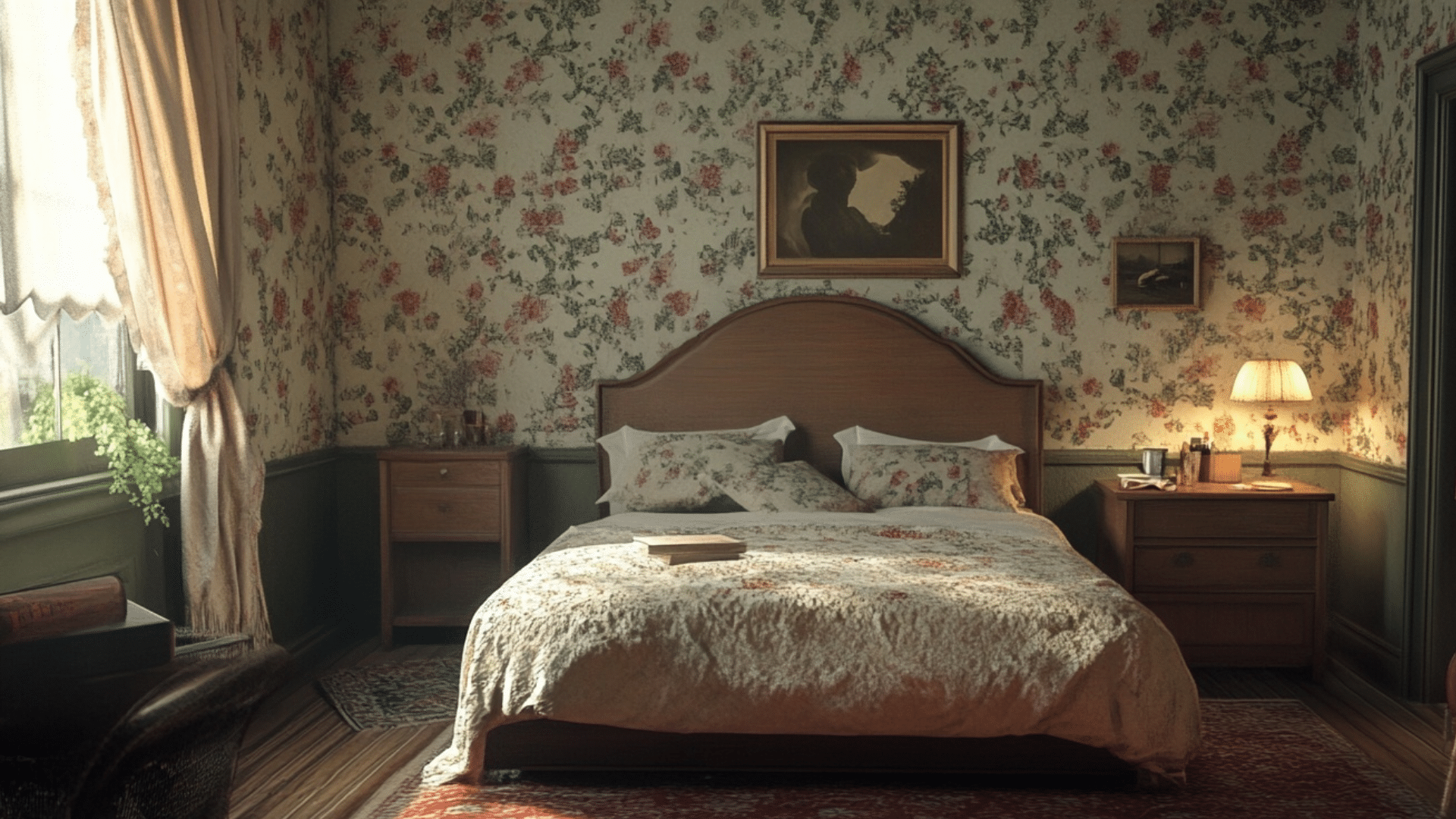
Looking to give your space more personality? A vintage room aesthetic can help you do just that. It brings old-style character into your room using colors, furniture, and decor from past decades. I’ll let you know how to create the look step-by-step. I’ll show you how to pick your style, choose colors, and add small details that make a big difference. I will also give you ideas for different types of vintage rooms and what to avoid. If you’re ready to style your room in a way that feels personal, warm, and full of interest, you’re in the right place. Let’s make your space reflect your style, without making it complicated. What is the Vintage Room Aesthetic? A vintage room aesthetic means your space looks like it came from the past, using real pieces or styles from around the 1920s to the 1990s. It’s not just about old things; it’s about making your room feel like it belongs to that time. Here’s how the terms compare: Vintage: Real pieces or styles from 20–100 years ago. Retro: New stuff made to look like it’s from the past. Antique: Over 100 years old; more classic and rare. Each decade had its own room style. The 1920s were fancy with gold details and velvet. The 1950s were bright and fun with pastel kitchens and checkered floors. In the 1970s, rooms had earthy colors, wood walls, and bold shapes. The 1990s brought casual style with beanbags, posters, and loud prints. Key Design Elements That Define Vintage Style Vintage rooms have a special look, and it’s all in the details. Furniturepieces often feature curved headboards, clawfoot tables, or spindle legs, giving the room an old-fashioned feel. Fabrics like lace, velvet, and toile add softness and texture, whether on pillows, curtains, or bedding. The color palette usually includes muted shades such as dusty pink, sage green, mustard yellow, and warm browns. These colors bring a calm, cozy feeling. Patterns like florals, damask, and stripes are often used in wallpaper, blankets, or upholstery. Finally, hardware matters too; look for brass knobs, iron frames, and carved wooden details. Together, these elements help create a space that feels classic, warm, and full of character. How to Style a Vintage Room To style a vintage room, first pick your time period. Each decade has its own feel, like the bold patterns of the 60s, the soft look of the 40s, or the edgy vibe of the 90s. This helps guide every choice you make. Next, choose a color palette that fits that time. Soft pastels work for the 50s, warm browns and oranges for the 70s, and darker tones like black and red for the 90s. Start with key furniture like a bed, dresser, or vanity. Look for shapes and materials that match your chosen era: curved wood, chrome legs, or velvet fabric. Then, add wall art and textiles. Posters, framed photos, patterned curtains, or vintage bedspreads add texture and character. Last, layer in lighting and small items like lamps, mirrors, and clocks. These little pieces help your room feel complete and true to the style you’re going for. Vintage Aesthetic Room Ideas Vintage styles can look and feel very different depending on the vibe you choose. Some rooms feel soft and dreamy, others bold and fun. Some lean into an antique vibe, while others mix old with new. Here are a few vintage room ideas to help guide your look: 1. Soft & Romantic Vintage Rooms Use light colors like cream, blush, and pale blue. Add floral curtains, lace pillows, and vintage lamps with warm light. Think ruffled bedding, soft textures, and curved furniture. This style works great if you want a calm and gentle space that feels cozy and warm. 2. Bold & Retro-Inspired Rooms Go for bright 70s colors like orange, mustard yellow, and teal. Use geometric wallpaper, funky rugs, and bold prints. Add statement lamps or plastic chairs with curved lines. This style is playful and loud, great for people who like fun, eye-catching spaces. 3. Rustic & Antique-Filled Spaces Use old wood furniture with chipped paint or metal frames. Wrought iron beds, brass handles, and oil lamps fit this look. Stick with darker colors like olive green, tan, and rust. This feels old-fashioned, simple, and full of character. 4. Vintage Dorm or Small Room Setups Focus on saving space with smart choices. Use a mix of vintage posters, string lights, and collage kits to decorate the walls. Go for cozy bedding and a small thrifted nightstand. Add storage under the bed to keep things tidy and still stylish. 5. Vintage with Modern Mix old pieces with simple, clean ones. Pair a sleek desk with a vintage chair or a plain bed with an old wooden chest. Use neutral colors as your base and add just a few older accents. This style gives you the best of both worlds – fresh and classic. Pick Your Vintage Style, Colors, and Details Choosing your vintage style starts with picking a decade you connect with. Each one has its own feel, like the soft tones of the 1940s or the bold patterns of the 1970s. Once you know your era, picking colors gets easier. Go with shades that match the time – pastels for the 50s, earth tones for the 70s, or darker shades for a 90s vibe. Next, focus on small details. Look for furniture with the right shapes, like curved wood or thin metal legs. Add fabrics like lace, velvet, or cotton for texture. Even simple things like a lamp, mirror, or pillow can pull the look together. These little choices help your room feel real, warm, and full of character. What to Avoid When Creating a Vintage Look Creating a vintage room is all about balance. It’s easy to go overboard or mix things that don’t work well together. Here are a few things to watch out for when planning your space: Don’t overcrowd the room: Too many vintage items can make the space feel messy or cramped. Avoid mixing too many periods: Stick to one or two decades to keep the look clear and focused. Skip plastic or overly modern materials: They clash with vintage textures like wood, metal, and fabric. Don’t forget comfort: Vintage doesn’t have to mean stiff; make sure the room still feels cozy. Avoid fake “old” items that look cheap: Thrifted or well-made pieces feel more real and add better style. Don’t ignore lighting: Harsh or cold lights can ruin the warm feel vintage rooms are known for. Staying mindful of these small details can help your room feel put together and true to the vintage style you’re going for. Less is often more when it comes to creating a space that feels calm, clear, and easy to enjoy. Conclusion I’ve found that the vintage room aesthetic is all about making a space feel warm, personal, and full of character. Now you know how to choose your style, pick colors that fit, and add details that bring your favorite era to life. Even small changes, like swapping a lamp or adding vintage textiles, can completely shift the feel of a room. Keep comfort front and center, and avoid overcrowding so the space stays inviting. Start with one or two key pieces, then build gradually until it feels just right. For more simple, practical ways to style your home, check out my other blogs and get inspired to make every space truly yours.
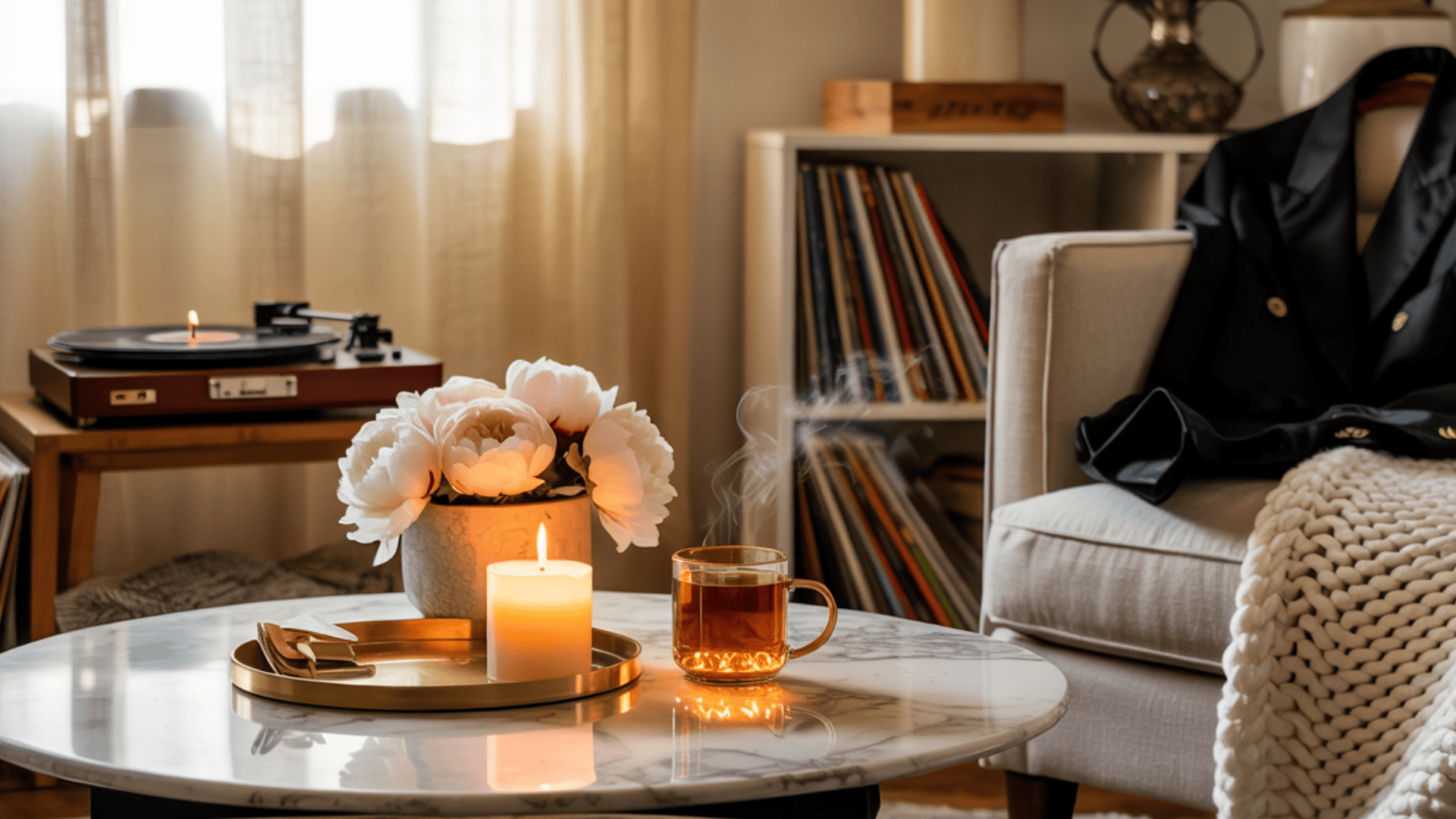
Ever looked at someone’s cozy home, stylish outfit, or peaceful morning routine and thought, “That’s so bougie”? I used to think the bougie lifestyle meant spending a lot or trying too hard, but I’ve learned it’s really about choosing comfort, quality, and intention in your daily life. If you’ve ever wanted to enjoy little luxuries without feeling fake or going broke, you’re in the right place. In this guide, I’ll walk you through what the bougie lifestyle means, how it shows up day to day, and how you can make it your own even on a budget. The bougie lifestyle is about choosing comfort, quality, and intention in everyday life. It focuses on small luxuries, thoughtful habits, and creating a calm, well-put-together lifestyle without needing to spend excessively. What is the Bougie Lifestyle? From observing lifestyle trends, home design choices, and daily routines, I’ve seen how the idea of “bougie” has shifted from luxury-focused to intentional everyday living. Bougie Lifestyle at a Glance Focus: Comfort, quality, and intention Core Idea: Small daily luxuries over expensive living Style: Clean, calm, and curated Budget Friendly: Yes, with smart choices Popular Areas: Home, fashion, routines The bougie lifestyle is all about living with class, style, and comfort. It comes from the French word bourgeois, which once referred to the European middle class, but today, “bougie” refers to people who enjoy the finer things in life, like gourmet meals, stylish homes, or designer coffee. Some use it proudly, others jokingly, but it generally paints a picture of someone who mixes comfort with class. The word “boujee” is often used alongside “bougie,” but they have subtle differences. “Bougie” can suggest someone who’s trying to appear fancy, while “boujee,” which comes from Black culture, often means someone who is confidently stylish with true taste. Still, most people use them interchangeably, depending on the vibe they want to give off. Key Traits of a Bougie Lifestyle Living bougie means choosing quality, beauty, and intention in everything you do. It’s a lifestyle built on taste, not just spending. People who live bougie don’t go for the cheapest or most popular option; they look for things that are well-made and thoughtful. If it’s clothes, food, or home items, they care about how something is made and how it makes them feel. A big part of this lifestyle is how things look, feel, and flow. Bougie living often includes candles that smell amazing, handmade mugs, curated playlists, or fresh flowers in the kitchen. It’s about creating small, beautiful moments every day. But it’s not just about nice things. Bougie people also set personal standards for how they live. They value self-care, stay organized, expect respect in relationships, and aim to grow emotionally and mentally. In short, they treat their life like it’s worth the extra effort because to them, it is. Bougie Living: Everyday Habits and Choices Living bougie isn’t about luxury alone; it’s about choosing comfort, beauty, and intention in your everyday decisions. Here’s how it shows up in real life: Polished, Effortless Style: Bougie fashion focuses on clean lines, good fit, and quality basics like tailored jackets, soft knits, and minimal accessories that are not trendy. Calm and Curated Interiors: A bougie home feels peaceful and looks refined, similar to luxury home decor ideas that focus on comfort and simplicity. Think cozy textures, soft lighting, neutral colors, and a mix of modern and vintage accents. Tasteful Dining Choices: From Sunday brunch to charcuterie boards, bougie eating means enjoying food that’s fresh, well-presented, and sometimes a little fancy, without being over-the-top. Slow, Intentional Travel: Bougie travelers prefer quiet getaways, boutique hotels, and scenic spots over crowded tourist traps. It’s about experiences, not just destinations. Smart and Sleek Tech: If it’s a good sound system or minimalist phone setup, tech choices are clean, useful, and enhance your daily comfort without being flashy. These habits help make everyday life feel more relaxed, refined, and true to your personal taste. Can You Be Bougie on a Budget? You can live bougie without breaking the bank. It’s about choosing quality, not chasing price tags. Here’s how to make it work at any budget level. Start small with simple upgrades, like lighting a candle during dinner, using a fabric napkin, or pouring drinks into real glassware. Add plants, soft lighting, or a playlist to set the vibe. It’s the mood that makes it bougie, not the cost. Bougie is about intention, not impressing others. Spend smart by focusing on what adds comfort or joy to your life. You don’t need to show off. A clean space, neat outfit, and small daily luxuries say more than flashy labels. Shop smart with Amazon basics that look high-end, visit thrift stores for unique decor, and check out designer dupes for style at a lower cost. Look for neutral tones, classic shapes, and textures like linen, leather, or gold finishes. Bougie living on a budget is possible; it just takes a little creativity, care, and confidence in your taste. Bougie Lifestyle: Criticism, Stereotypes, and Embracing Your Style Not everyone sees “bougie” in a positive light. Still, it’s possible to shape the lifestyle in a way that feels right to you. Breaking the “Fake” Label: Bougie is often seen as pretending to be rich. But many people live bougie by focusing on quality, not cost, choosing experiences and products that bring them joy. Bougie and Gender Bias: Women are more likely to be labeled “bougie” in a negative way, especially for caring about style or luxury. It’s time to shift that narrative toward empowerment, not judgment. Bougie as Self-Expression: Bougie style is personal and often overlaps with the quiet luxury aesthetic, focusing on refined, subtle choices. From candles to clothes, it’s about creating a life that reflects who you are, not what others expect. Minimalism vs. Bougie: Some think minimalists and bougie types clash, but they can overlap. Both value intention, calm spaces, and thoughtful living, just with different design sense. Dealing With Judgment: You might hear comments like “extra” or “doing too much.” But living well isn’t a crime. Let others have opinions, you know what makes you feel good. In the end, being bougie is about owning your choices with confidence and kindness. It’s your life, live it in a way that feels true, not trendy. How to Start Living Bougie Today? You don’t need a full makeover to begin. A few thoughtful changes can help you step into the bougie lifestyle right away. Start with clean basics like a structured blazer, gold hoops, and a neutral-toned candle. Add soft lighting, a simple scent, and a mindset that says, “I deserve ease and comfort.” Think slow mornings with tea or matcha, a tidy space, skincare with intention, and quiet evenings. Add small joys like fresh flowers or playlists to turn routine into ritual. Follow creators who blend grace with everyday life. Look for brands with a focus on quality. Try new spots, art museums, wine tastings, or weekend getaways that feel special. Starting your bougie life doesn’t mean changing who you are; it just means showing up for yourself with care, style, and confidence. Conclusion Living the bougie lifestyle isn’t about spending big; it’s about choosing comfort, beauty, and standards that feel right for you. I’ve found that even the smallest upgrades can change how I move through the day, and now you can do the same. If you’re starting with a candle, a playlist, or a mindful routine, you don’t need a lot to live well; you just need to care. Remember, being bougie is about how you feel, not how you look to others. If you want more ideas to keep building your vibe, check out my other blogs for tips on style, space, and living intentionally. Frequently Asked Questions What does a bougie lifestyle mean? The bougie lifestyle means living with comfort, quality, and intention. It focuses on small luxuries and thoughtful everyday choices. Can you live a bougie lifestyle on a budget? Yes, you can live bougie on a budget by focusing on small upgrades like better lighting, clean spaces, and simple daily routines. Is bougie the same as luxury living? No, bougie living focuses on intention and comfort, while luxury living usually involves expensive items and high-end experiences. What are bougie habits? Bougie habits include keeping a clean space, enjoying slow routines, using quality basics, and creating calm environments. Is being bougie a bad thing? No, being bougie simply means valuing comfort, quality, and personal standards in your lifestyle.
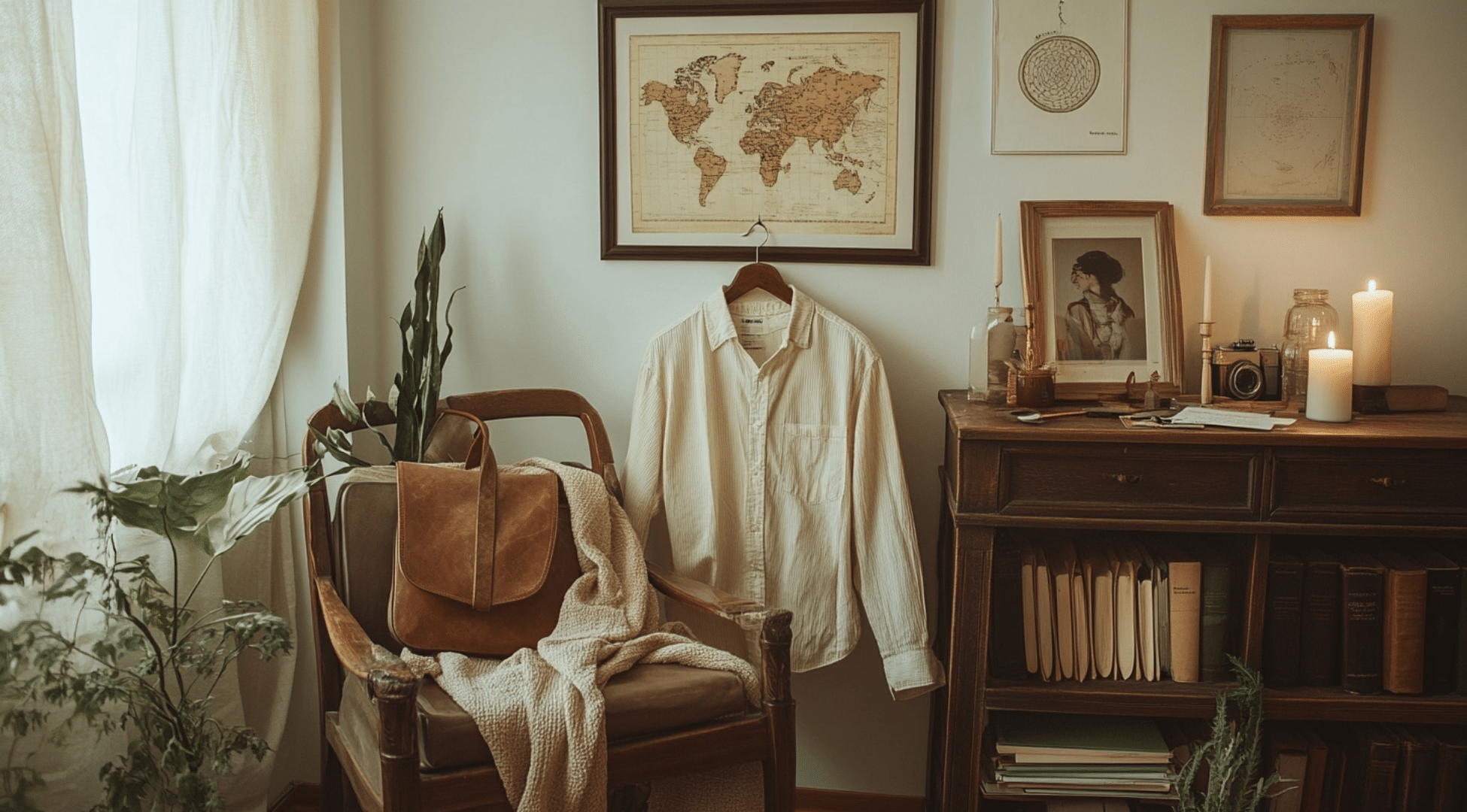
Ever liked the feel of old books, quiet mornings, and soft clothes? Then the light academia aesthetic might be what you’re looking for. I will help you understand what the style is, how it looks, and how to use it in your life. You’ll learn about colors, clothes, room ideas, and daily habits that match this calm and thoughtful way of living. If you’re searchingfor a style that feels warm, smart, and simple, let me give you clear and useful ideas to live the lifestyle, much like the charm seen in the Gilmore Girls style. Let’s look at how to bring the light academia aesthetic into your space, your style, and your day. Light academia is an aesthetic centered on learning, vintage style, and quiet daily routines. It uses soft neutral colors, classic clothing, books, and calm spaces to create a thoughtful and peaceful lifestyle. From what I’ve seen, small changes like adding books, soft lighting, and neutral colors can quickly shift a space into this calm style. What is Light Academia Aesthetic? Light academia is a soft, study-inspired aesthetic focused on literature, art, and slow living, built around neutral tones and classic design. It started online, mostly from young people who love books, art, and simple classic looks. You’ll often see light colors, old buildings, and quiet study scenes in photos linked to this style. The mood in light academia is warm and thoughtful. It’s about enjoying small things – like writing in a journal, reading in the sun, or walking through a quiet library. There’s a soft feeling of hope, deep thinking, and close friendships. Compared to dark academia, which feels heavier and more serious, light academia feels more peaceful and calm, which you can study further in dark academia vs light academia. Feature Light Academia Dark Academia Mood Soft, calm, hopeful Deep, serious, dramatic Colors Cream, beige, soft tones Black, dark brown, deep green Lighting Natural light, bright spaces Low light, moody interiors Style Focus Comfort and learning Intensity and mystery Light academia still enjoys nature, but with more focus on books and an old-school feel. It blends a love for learning with comfort and quiet beauty. Light Academia Color Palette and Mood Colors play a big role in light academia. They help build the calm and thoughtful mood the style is known for. Each shade adds its own quiet feeling to the look and space. Here’s how each color adds to the mood: White: White brings a clean and open feeling. It reminds you of fresh paper or light coming through a window. It gives the space room to breathe and helps you feel clear and focused. Beige: Beige feels soft and warm, like an old book page or a cozy sweater. It gives comfort without being too loud. It works well in clothes, rooms, and even notebooks. Taupe: Taupe is a mix of gray and brown that feels steady and calm. It’s the color of old stone or worn leather. It makes things feel rooted and timeless. Gold: Gold, when soft and dull (not shiny), adds warmth and depth. It feels gentle and rich, like an old frame or soft candlelight. It brings a quiet glow without being bright. Soft Brown: Soft brown is deep and earthy. It reminds you of wood, coffee, or warm autumn leaves. It adds warmth and comfort to the space or outfit. It feels safe, steady, and classic. Common light academia colors include: Cream (#F5F0E8) Warm Beige (#D4C5A9) Taupe (#B8AFA6) Soft Brown (#A1866F) Muted Gold (#C2A45C) The palette feels natural, like an old library or a sunny afternoon with a book. There are no loud or bright colors here. Everything feels still, soft, and steady. It’s about choosing calm over chaos. These shades support a love for quiet moments, old things, and soft thoughts, while also connecting with styles like green academia style. Light Academia Fashion Guide Light academia fashion is calm, thoughtful, and easy to wear. It pulls from classic school styles but adds comfort. The goal isn’t to stand out, it’s to feel at ease. Here’s how to build the look: Core Clothing Items The light academia style is all about looking calm, smart, and put-together without trying too hard. It’s soft, simple, and has a classic feel. Think clean lines, cozy layers, and classic shapes. Each piece should feel easy but thoughtful; something you can wear often and in different ways. Here are the key pieces: Skirts Choose pleated or A-line skirts that fall at or below the knee. Soft shades like brown, gray, or beige work best. They bring a school-style touch and pair easily with sweaters, shirts, or cardigans for a gentle, polished look. Cardigans Loose, knit cardigans in muted colors are a big part of this style. They add a cozy feeling without being too heavy. Buttoned or open, they layer well over turtlenecks or simple tops and make the outfit feel calm and lived-in. Turtlenecks These are great for cooler days. Look for ones in solid, neutral tones like cream, tan, or gray. They feel smart without being stiff and work well under jackets, blazers, or cardigans. Their soft fold also adds texture and comfort. Loafers Loafers are simple, slip-on shoes with a classic feel. Brown or black leather styles work best. They go well with both trousers and skirts, and give a quiet, old-college touch that fits perfectly with the mood of light academia. These key pieces help you stay comfortable while still looking put-together. They bring a quiet beauty and are easy to mix and match. Seasonal Styling The core style stays the same, but the materials and shades can shift with the seasons. Small changes make the style work in both warm and cold weather: Fall Use warm shades like camel, cream, soft gold, and brown. Pick thicker fabrics like wool, corduroy, and chunky knits. Add scarves, long socks, and coats to layer up. This makes the look feel cozy, grounded, and right for cooler air. Spring Choose lighter tones like ivory, blush, and soft beige. Stick with light cotton, linen, or soft knits. Ditch heavy layers and try cardigans, vests, or lightweight blazers. This keeps the style gentle and breezy while still holding onto that calm look. Adjusting by season keeps your outfits fresh while staying true to the mood. Just swap textures and shades, and the look stays simple and thoughtful. Accessories That Fit the Look Small items help tie the whole outfit together. These extras aren’t loud, but they add quiet detail that makes the look feel complete. Glasses Round or square eyeglasses with thin wire or dark frames fit the academic feel. Even if they’re just for style, they help create that quiet, bookish mood. Try classic shapes with no bold colors for the best match. Brooches These are tiny pins that go on coats, blazers, or cardigans. Choose ones with a vintage or old-school feel, like flowers, initials, or simple designs. They add a quiet detail that looks like it belongs in a library or study hall. Leather Satchels Use soft brown or tan leather bags that can hold books, notebooks, or a journal. They feel retro and are useful too. Their worn-in look fits the mood and gives your outfit a grounded, thoughtful style. Headbands Soft, cloth headbands help keep hair in place while adding to the look. Go for muted colors, knit textures, or small patterns. They should feel simple, not flashy. These little touches help make the style your own. These accessories aren’t just for looks; they help build the mood. Each one adds a soft detail without taking over the outfit. Light Academia for Men and Nonbinary Styles This style is open and flexible. Anyone can wear it and make it fit their own comfort and shape. Here’s how it works for men and nonbinary styles: Shirts and Trousers Go for button-up shirts in light, neutral colors like cream, gray, or pale blue. Pair them with classic trousers in soft fabrics. High-waisted or straight-leg pants work well. These pieces keep things smart and relaxed without feeling too formal. Accessories Add simple extras like leather belts, watches with plain faces, or clear-framed glasses. These small touches help tie the look together. Avoid bold or flashy pieces. Stick with soft colors and classic styles that match the calm feeling of the outfit. Color Variations Stick to the same soft color range as the rest of the style. Beige, soft gray, brown, and cream all work well. You can add bits of muted green or faded blue. These changes let you stay true to the style while making it feel like you. This fashion works across gender and shape. It focuses on comfort, stillness, and a quiet kind of smartness. Just keep the pieces soft, the colors light, and the mood calm. Decorating Spaces in the Light Academia Style Light academia decor is cozy, quiet, and full of character. The goal is to make a space feel thoughtful and warm, like an old study or a small reading room. Key Decor Elements A few key pieces can help shape the look and feel of a light academia room. These items add warmth, age, and a love for learning. Bookshelves Tall or short, wooden bookshelves are the heart of the space. Fill them with books of all kinds: old, new, hardcover, and worn. Let some stand and others lie flat. You can also add candles, framed photos, or small clocks between the books. Maps Old maps or simple printed ones add a smart, classic touch. Hang them in wooden frames or tape them up gently on the wall. They give the space a study feel and remind you of learning and quiet thought. Vintage Furniture Use older wooden desks, small tables, or soft reading chairs. The furniture doesn’t have to match. Pieces with a bit of wear or age help the space feel lived-in and calm. Stick with wood or soft cloth in neutral tones. Antique Prints Art prints, letters, or drawings from the past add a thoughtful mood. Choose simple frames in brown or black. These small touches bring in history and quiet beauty without being too bold or bright. These decor choices help create a room that feels soft, smart, and peaceful. It’s all about comfort, quiet, and a love for slow moments. Study Nooks Even small spaces can carry the light academic style, especially when inspired by light academia bedroom ideas. Use warm table lamps or string lights to create a soft, cozy glow. Add blankets and pillows in calm colors like beige, gray, or soft brown. A small desk near a window works well as a study spot; keep it neat with just a few books, a candle, or a plant. Use wall shelves or simple boxes to store things without clutter. The goal is to keep the space quiet, useful, and full of comfort without adding too much. Sustainability in the Style Light academia supports slow living, which matches well with making better choices for the planet. The style often uses thrifted clothes, secondhand books, and vintage items. Many outfits are built from classic pieces, like cardigans, trousers, and loafers, that stay useful for a long time. Neutral colors and simple shapes help you mix and match without needing to buy too much. Instead of chasing trends, this look supports careful shopping and reuse. Using natural fabrics like cotton, wool, and linen fits the style’s soft, grounded mood and is often better for the environment. Choosing fewer, better items supports the idea of living with less, but picking things that last and feel more personal. Light Academia Essentials To build this style in your daily life, start with: Neutral clothing like cardigans, skirts, and trousers Wooden furniture or vintage pieces Books, journals, and notebooks Soft lighting, like table lamps or candles Simple decor like maps, frames, and plants These items help you build the look step by step without overcomplicating it. Living the Light Academia Lifestyle Light academia goes beyond just clothes or decor. It’s a calm, thoughtful way to live. It values reading, learning, quiet moments, and enjoying life at a slower pace. It’s about spending time with a good book, writing in a journal, or taking long walks with music in your ears. This style loves classic stories and deep thoughts. Favorite books often include Pride and Prejudice, Dead Poets Society, and The Secret History. These works are full of thinking, friendship, and love for words, often influenced by dark academia history. Music is soft, calm, and a little old-fashioned – think classical piano, lo-fi, or soft indie sounds. Movie choices often focus on school life, reading, and quiet feelings. This lifestyle asks you to slow down, learn for fun, and enjoy quiet moments, similar to a chill aesthetic room approach. It helps you stay thoughtful and grounded in a fast world. It’s not about being perfect; it’s about finding peace in small, simple things. Conclusion The light academia aesthetic is about finding calm, comfort, and meaning in small things. I hope you found something in this post that speaks to you and fits your life. You’ve now got ideas for clothes, room decor, and daily habits that fit this soft, smart style. Think about what parts you liked most and try them in your own way. Keep it simple, make it yours, and don’t rush. One small change, like a cozy corner or a soft cardigan, can set the tone. Want more ideas like this? Take a look at my other blogs for more easy reads and style tips! Frequently Asked Questions What is the light academia aesthetic? Light academia is a soft, study-focused aesthetic built around books, neutral colors, and calm, thoughtful living. What colors are used in light academia? Common colors include cream, beige, taupe, soft brown, and muted gold tones. How do you dress light academia? Wear classic pieces like cardigans, skirts, trousers, and loafers in soft neutral colors. Light academia vs dark academia: what is the difference? Light academia is calm and bright, while dark academia is moody and more dramatic in tone and color. How do I make my room light academia? Use books, wooden furniture, soft lighting, and neutral colors to create a calm and study-inspired space.