

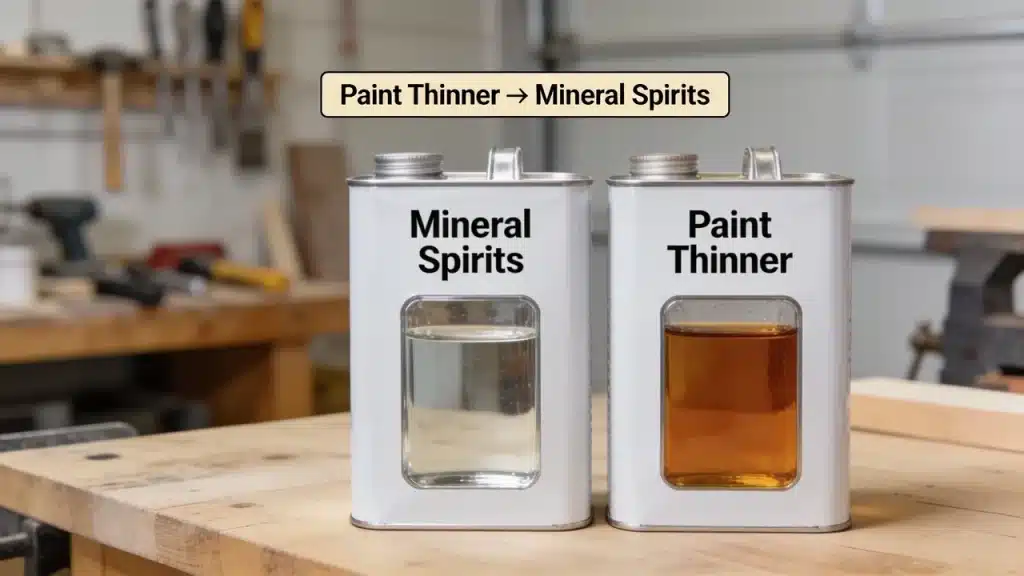


Mineral spirits are a refined petroleum distillate. Paint thinner is a broad term for several types of solvents. The two differ in odor, cost, and evaporation.
| Factor | Mineral Spirits | Paint Thinner |
| Type | Specific refined petroleum distillate | Broad category; may contain mineral spirits, naphtha, or other solvents |
| Odor | Lower; odorless versions available | Varies; some release stronger fumes |
| Evaporation & Finish | Slower evaporation; better control for smooth finishes | Faster in some formulas; less consistent |
| Cleaning Power | Moderate | Stronger in some formulas |
| Cost | Usually higher | Usually lower |
Paint thinner and mineral spirits appear on shelf labels and project instructions as if they mean the same thing, but the two products behave differently in use.
Product labels rarely describe the differences that show up during actual use. Solvent choice affects more than cleanup.
The wrong product changes paint flow, drying behavior, and the final finish.
After years of working with paint finishes on interior projects, the difference in odor, drying speed, and finish quality becomes apparent from the first coat.
How Mineral Spirits and Paint Thinner Compare
The differences between mineral spirits and paint thinner show up in composition, odor, drying time, solvent strength, and cost.
1. Composition and Refinement
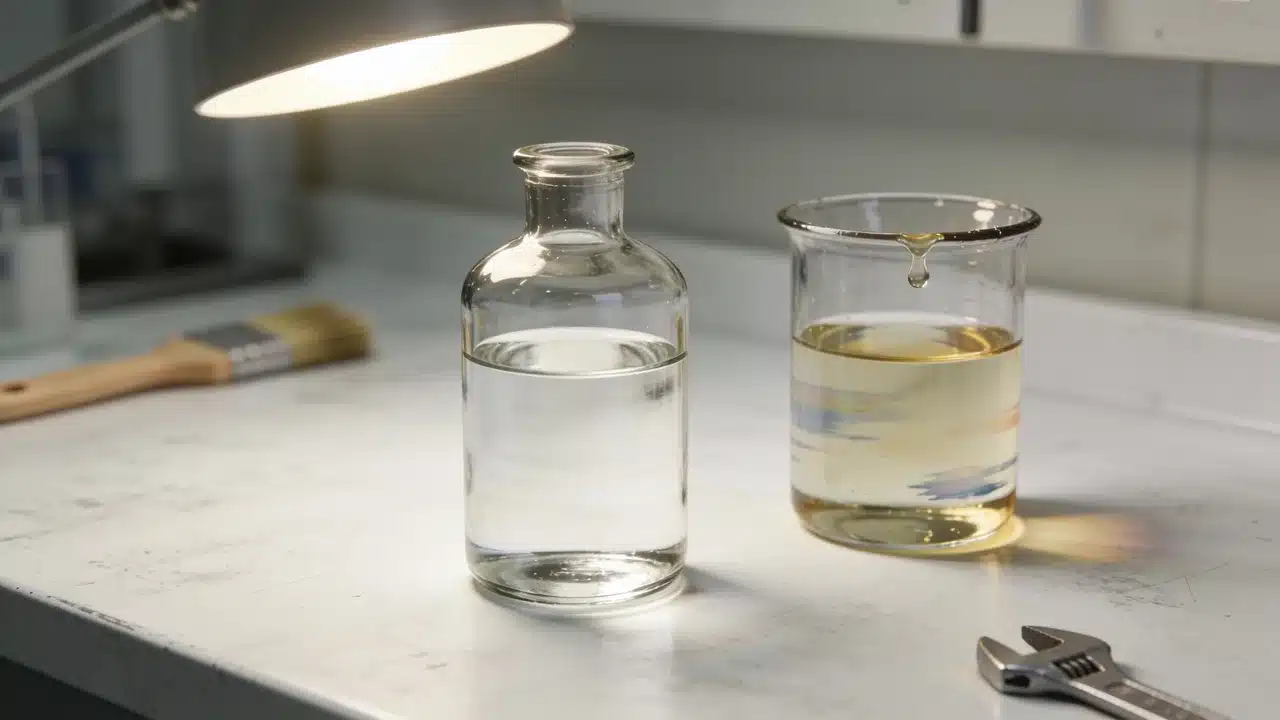
Mineral Spirits: A consistent refined petroleum distillate. The refining process removes most aromatic hydrocarbons, producing predictable performance across batches.
Paint Thinner: Formulations vary because manufacturers combine different solvents based on cost. Two products with the same label can behave differently on the same job.
2. Odor and Indoor Use
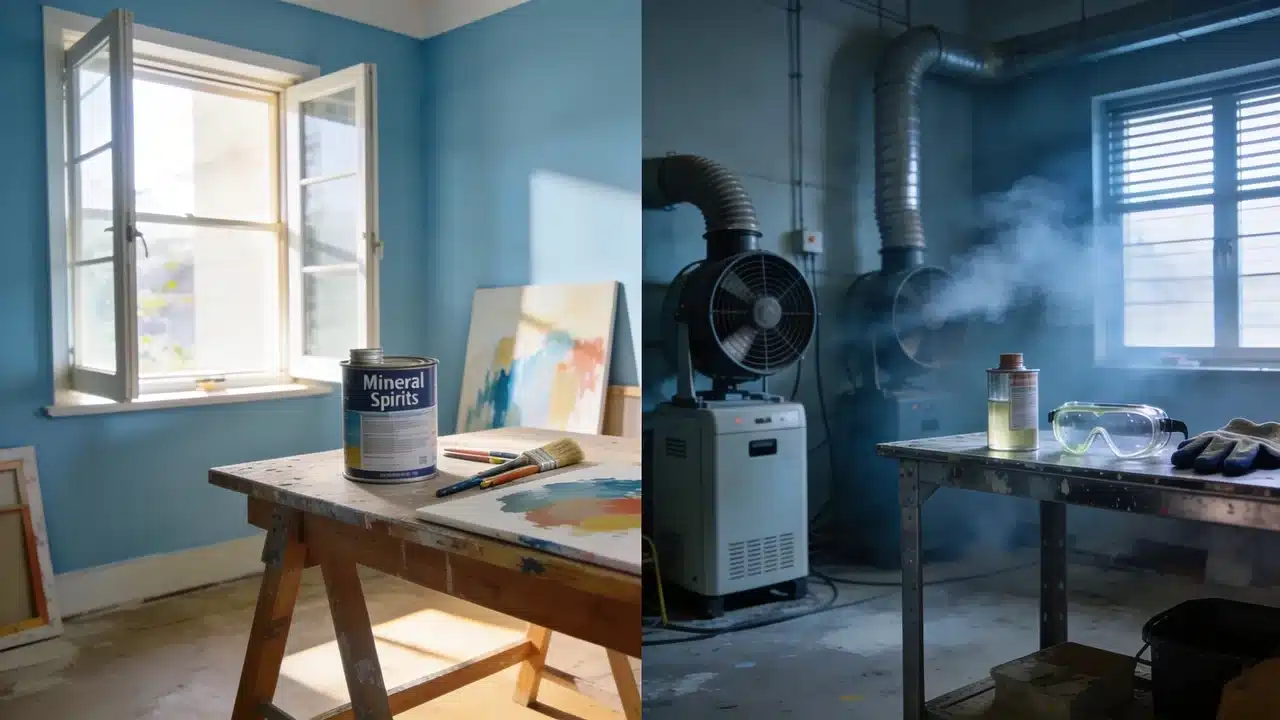
Mineral Spirits: Generally produce a milder odor. Odorless versions undergo additional processing to remove the strongest-smelling compounds, making them practical for enclosed spaces.
Paint Thinner: Some formulas release stronger fumes. Both products require adequate ventilation regardless of which is used.
3. Drying Time and Evaporation
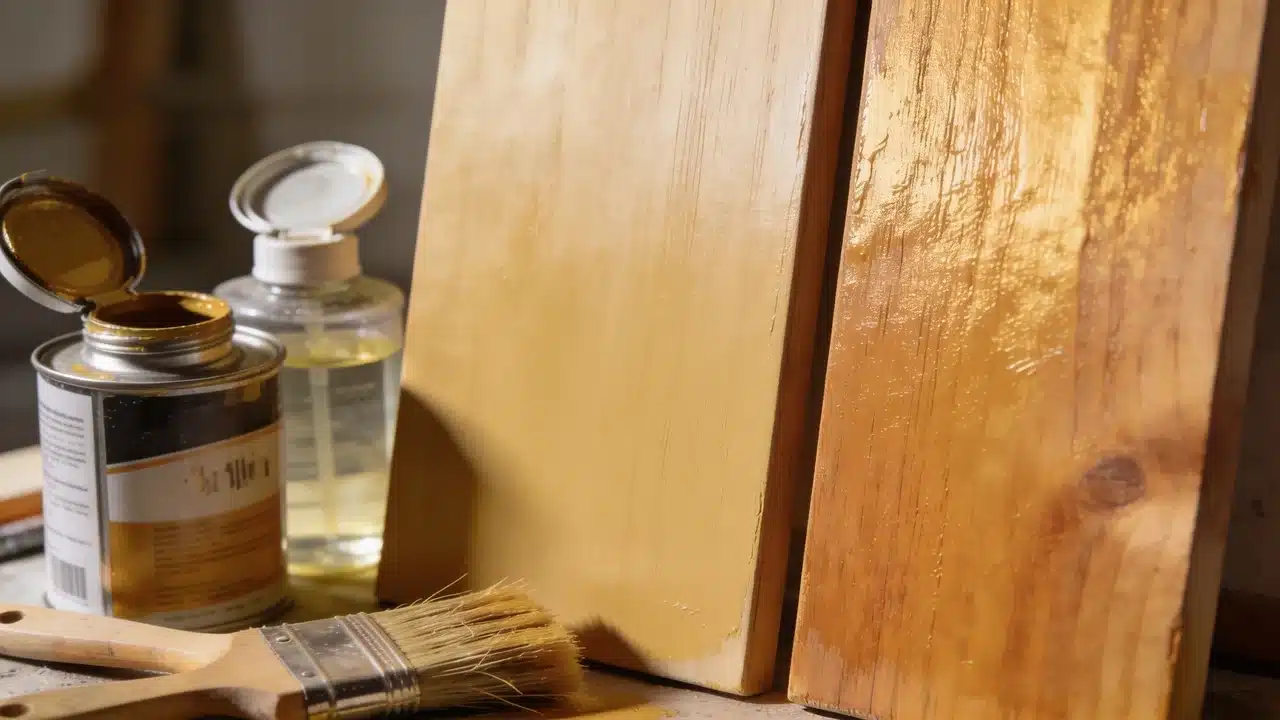
Mineral Spirits: Evaporates more slowly, giving paint more time to level before drying. This reduces visible brush marks on furniture and detailed trim.
Paint Thinner: Some formulas evaporate faster, which speeds up drying time on larger surface areas. Drying speed is less consistent across products.
4. Solvent Strength
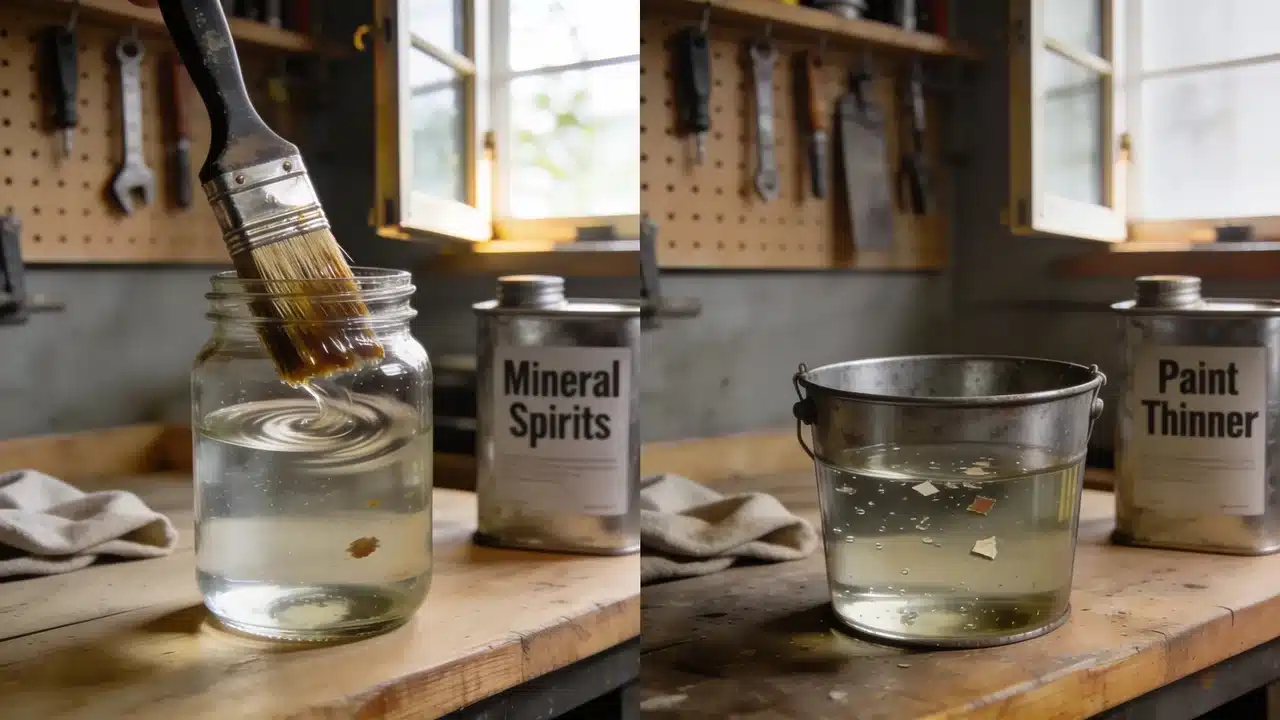
Mineral Spirits: Provides moderate solvency, covering most standard paint and cleanup tasks. The moderate strength also makes it safer for use on wood surfaces and with quality brushes.
Paint Thinner: May have stronger cleaning ability depending on the specific solvents it contains. Strength varies by formula and brand.
5. Cost Comparison
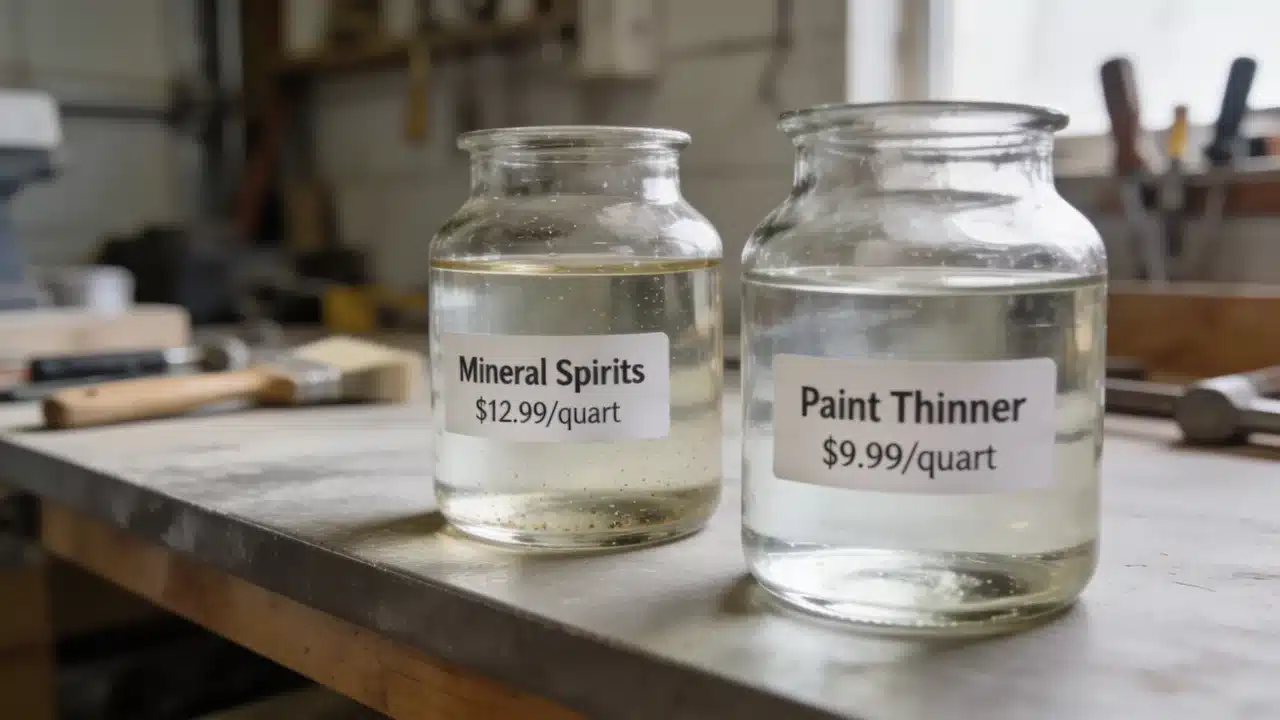
Mineral spirits typically cost more because of the additional refining required in production.
| Factor | Mineral Spirits | Paint Thinner |
| Price per quart | ~$8–10 | ~$6–9 |
| Price per gallon | ~$18–20 | ~$14–15 |
| Reason | More refined processing | Less refined formulas |
| Best Value | Finish quality and control | Budget-focused projects |
What are Mineral Spirits Used for?
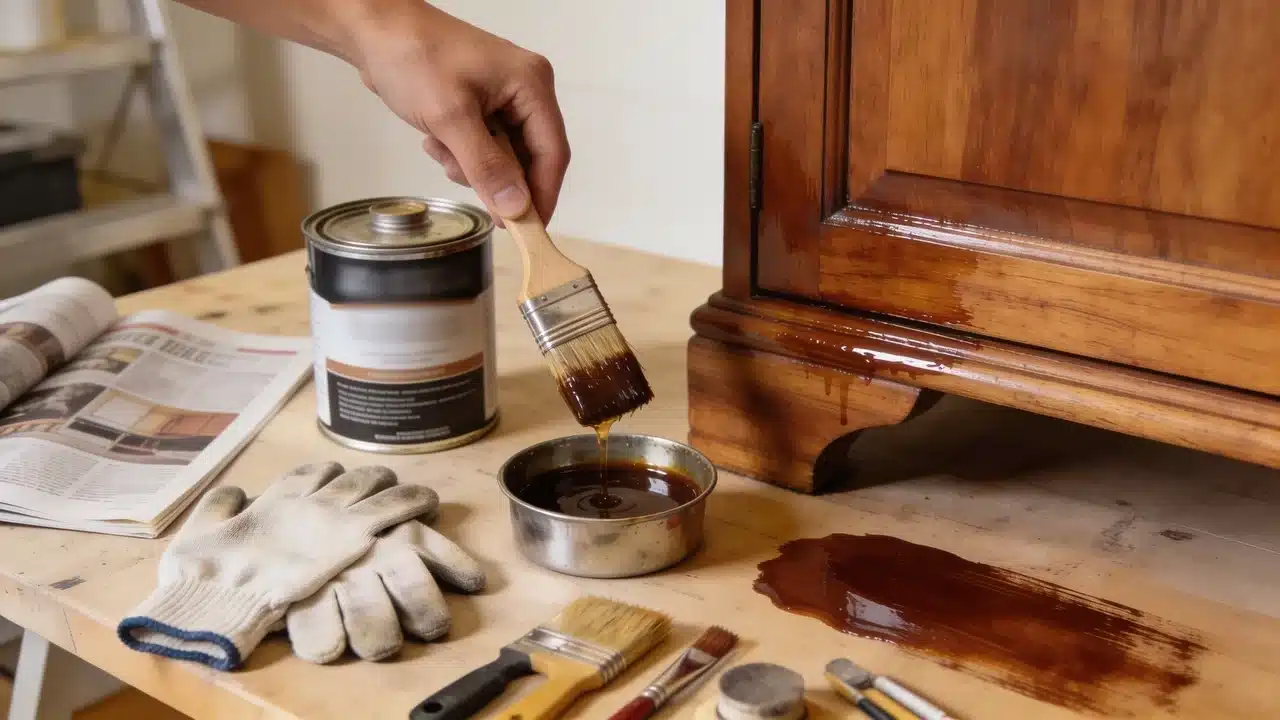
This product is best suited for tasks where low odor and better finish control are priorities.
- Thinning Oil-Based Paints: Mineral spirits improve flow for simple painting projects and give paint more time to level before drying.
- Cleaning Paint Brushes and Tools: For oil-based paint, mineral spirits clean effectively without being aggressive on the bristles. That gentler action preserves brush shape through repeated use.
- Preparing Surfaces Before Painting: Grease, wax residue, and oily film all affect how well a finish bonds. Wiping down with mineral spirits before painting removes those deposits.
- Furniture and Detailed Woodwork: A stronger product can damage the surfaces of fine wood furniture. Mineral spirits provide the solvent action needed for cleaning and prep work without that risk.
What are Paint Thinners Used for?
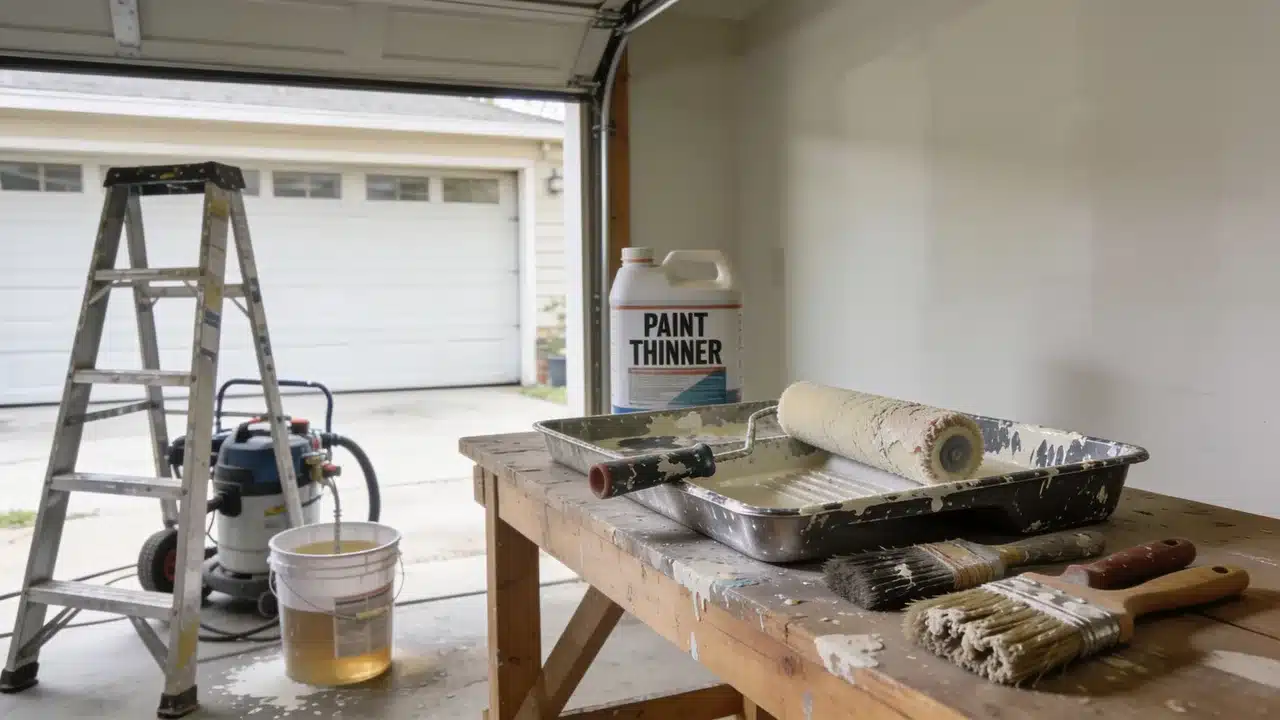
Paint thinner is suited for tasks where stronger solvent action or lower cost is the priority.
- Thinning Oil-Based Coatings: Paint thinner adjusts consistency for easier application when a product label specifies a particular solvent thinner.
- Cleaning Heavily Used Equipment: Brushes, rollers, and trays with thick dried deposits respond better to paint thinner than to mineral spirits. The stronger solvent action handles heavy buildup.
- Stronger Solvent-Based Cleanup: Some formulas include solvents beyond mineral spirits that dissolve residue a standard product cannot. Check the product label for the specific solvent content before use.
- Large Outdoor Painting Projects: The lower cost per volume makes paint thinner practical for frequent cleanup on exterior jobs. Ventilation is still required.
Mineral Spirits vs Paint Thinner: Which One is Better?
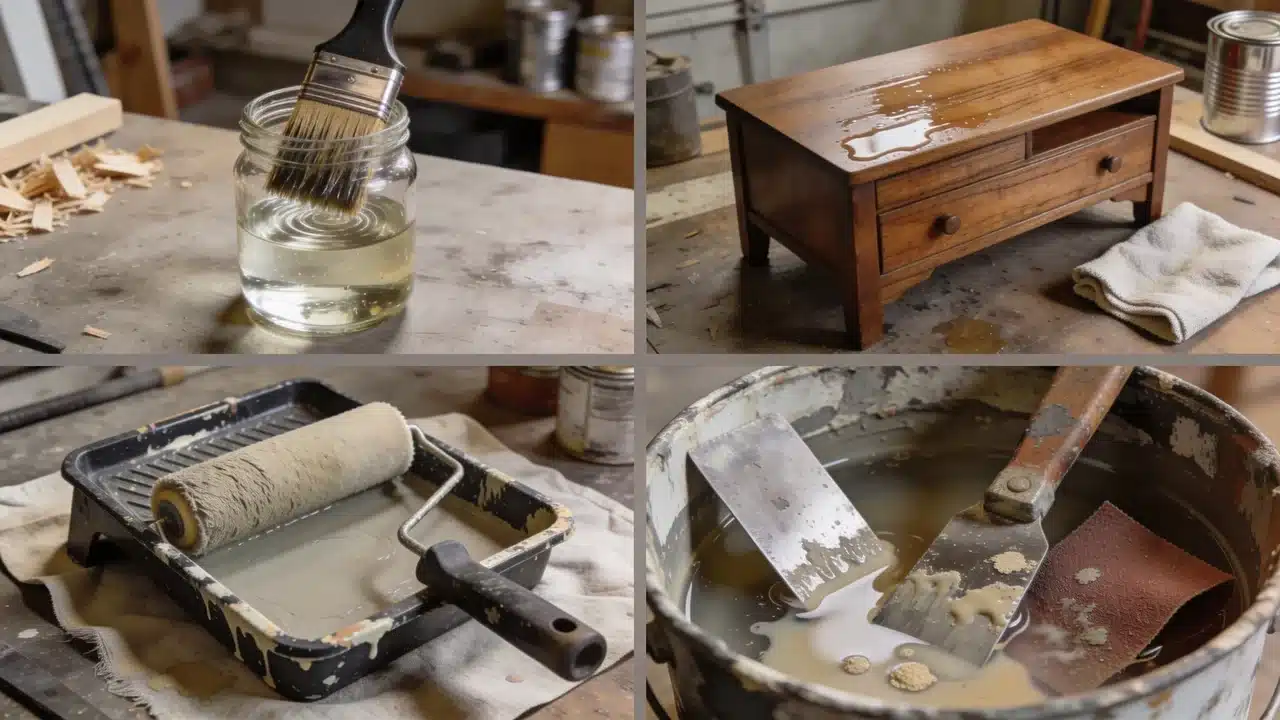
The right choice depends on the surface type, project scale, and the degree of finish control the job requires.
Cleaning Paint Brushes: The lower-odor option is the better choice for cleaning oil-based paint brushes. They remove paint effectively without being harsh, which protects bristle quality over repeated use.
Furniture Painting: It works better for furniture when finish quality is a priority. Slower evaporation gives the paint more time to level on the surface, reducing visible brush marks.
Outdoor Painting: Paint thinner works for larger exterior cleanup jobs where cost matters. Confirm product compatibility before using it as a thinner on the job.
Removing Dried Paint: Both products work on wet or fresh oil-based paint. Fully dried and cured paint requires a dedicated paint remover or mechanical removal; solvents alone will not break the bond.
Which One Should You Choose
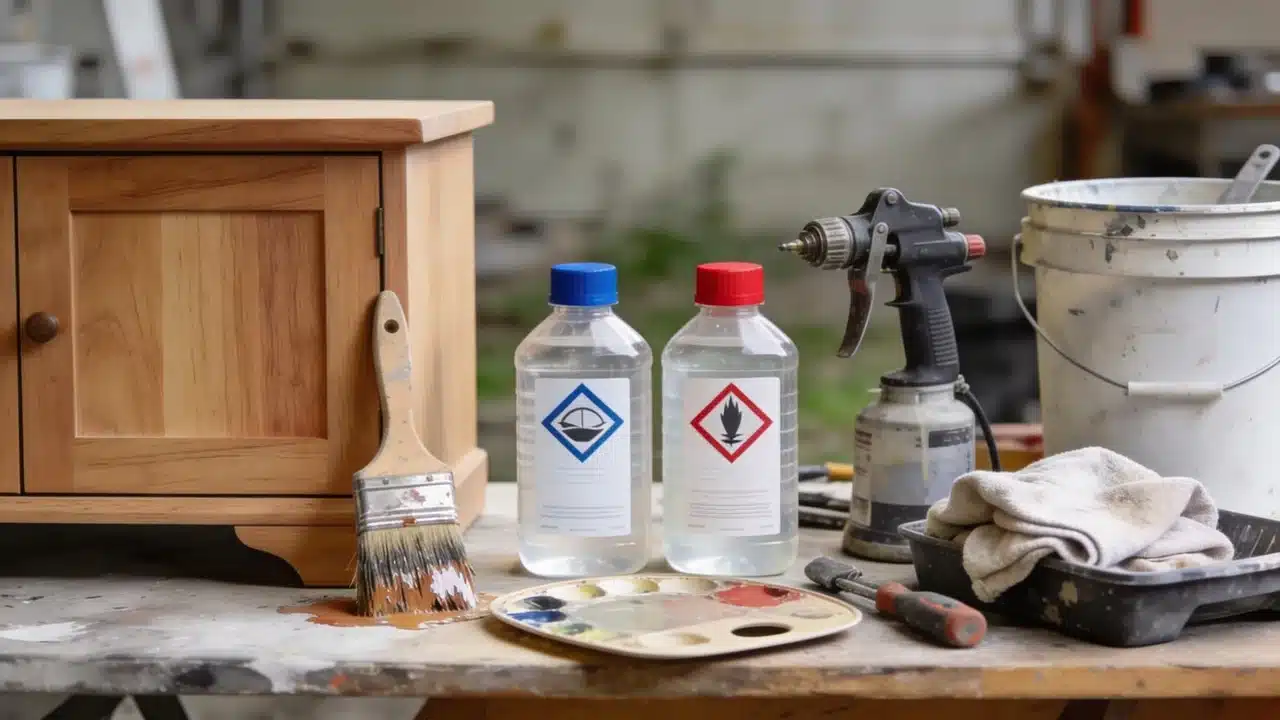
Use this table to match the right product to the project need.
| Project Need | Better Option |
| Smooth furniture finish | Mineral Spirits |
| Indoor painting | Mineral Spirits |
| Cleaning quality brushes | Mineral Spirits |
| Lower-cost cleanup | Paint Thinner |
| Stronger solvent action | Check product label |
| Large outdoor projects | Depends on project needs |
Mineral Spirits and Paint Thinner Safety Tips
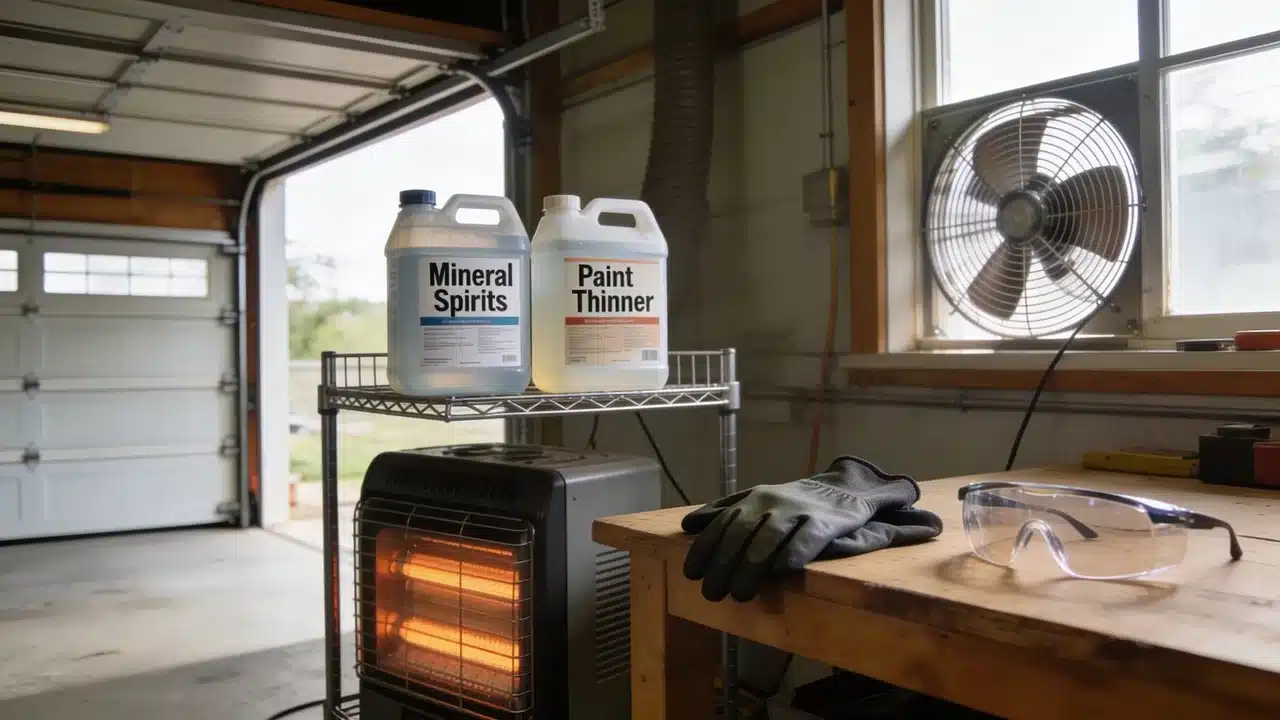
Both products are flammable solvents that require consistent, careful handling on every project.
- Work in a well-ventilated area to reduce exposure to fumes from either product.
- Wear gloves and eye protection when handling solvents during application or cleanup.
- Keep both products away from heat sources, open flames, and ignition sources.
- Store in tightly sealed original containers away from living areas and direct sunlight.
- Never pour used solvent down household drains. Follow local disposal regulations.
What Not to Do When Using Paint Solvents
Using mineral spirits or paint thinner with water-based latex paint is a common error. These solvents do not work with latex, which requires water for thinning and cleanup.
Adding too much solvent at once reduces paint durability and affects adhesion to the surface. Not all products labeled paint thinner share the same formula or strength.
Two cans with the same label can behave differently on the same job.
Applying mineral spirits to a fully cured finish also falls short. Cured paint needs a dedicated remover, not a cleaning solvent.
Frequently Asked Questions
Is Odorless Mineral Spirits Safer than Paint Thinner?
Odorless mineral spirits produce fewer noticeable fumes, but they are still solvents requiring ventilation, protective gear, and careful handling.
Can Paint Thinner Damage Wood Surfaces?
Some stronger paint thinner formulas may affect wood finishes. Always test on a hidden area before applying to finished surfaces.
Does Mineral Spirits Leave Residue after Use?
Mineral spirits usually evaporate cleanly, but residue can remain if the surface contains dissolved oils or impurities from the solvent.
Can Mineral Spirits Be Used on Latex Paint?
No, mineral spirits are not suitable for latex paint. Water-based paints require water for thinning and cleanup instead.
How Long Does Mineral Spirits Take to Dry?
Drying time varies with conditions, but mineral spirits typically evaporate more slowly than many paint thinners, allowing smoother paint leveling.
Final Thought
The decision between paint thinner and mineral spirits comes down to refinement, odor, and the project’s requirements.
For interior finish work where odor and brush control matter, mineral spirits perform more reliably. Paint thinner is the practical choice for large-scale exterior cleanup where cost per volume outweighs the need for finish precision.
The formula listed on the label determines what a product actually does, regardless of how it is shelved or priced. Both products are thin oil-based paints, but their formulas differ enough to change the final result.
Test on a small surface before committing to a larger area. Share questions or project experiences in the comments below.