

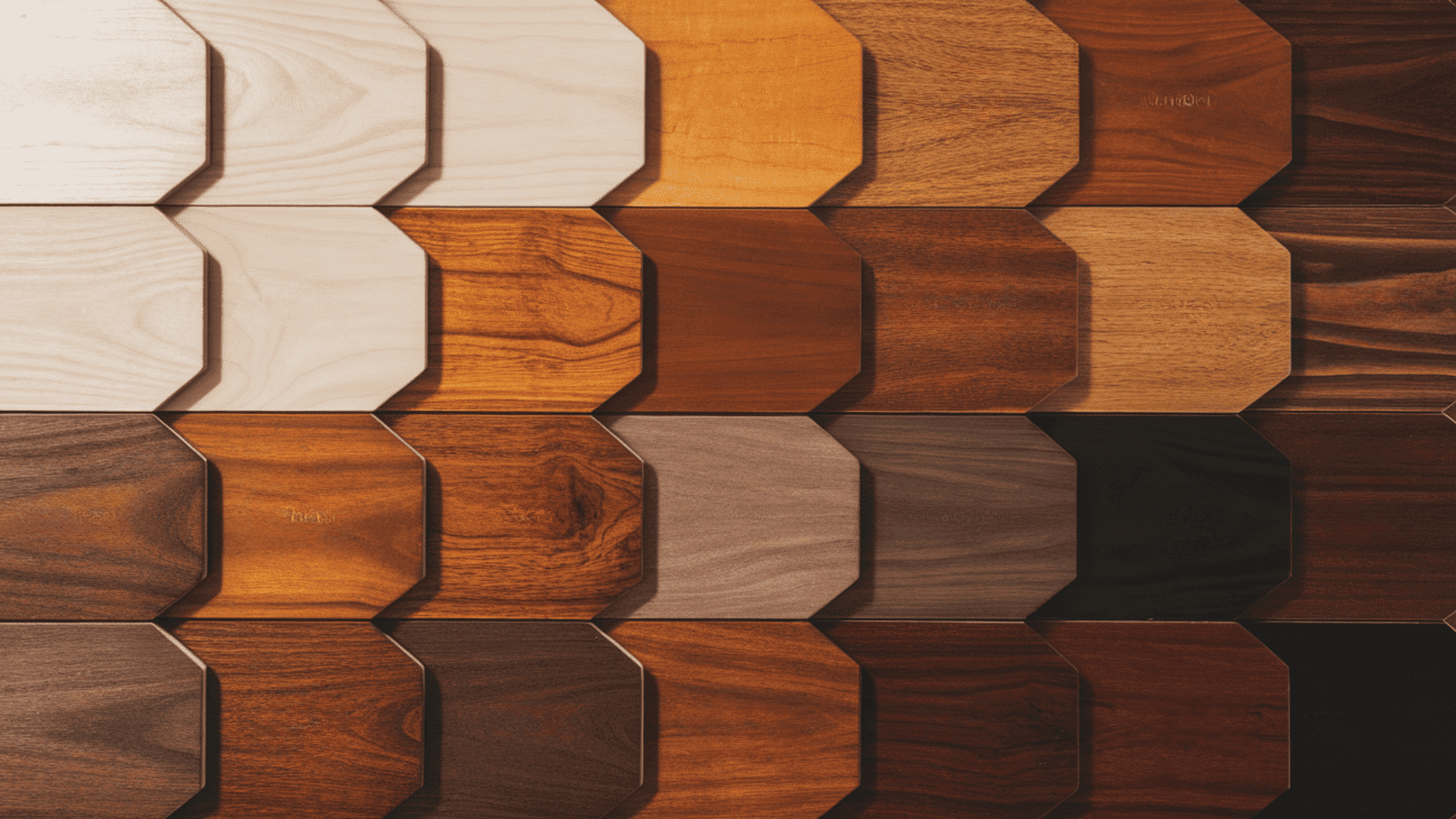


I remember staring at a stack of maple boards, trying to guess how each stain would actually look once it dried, especially when mixing different wood tones that go together.
If you’ve been in that spot, you know the mix of curiosity and doubt that comes with choosing colors.
A maple stain color chart sounds helpful, but the real challenge is knowing what those shades mean for your space. I want to make this easier for you by breaking things down in a clear, calm way that fits real projects.
You’ll see what matters, what to expect, and how to pick shades with confidence using the maple stain color chart. So let’s move to the first step.
Maple Stain Color Chart (Quick Overview)
You can use this chart to compare common stain groups on maple. It helps you choose a shade before picking a brand or testing samples.
| Color Family | Common Maple Stain Examples |
|---|---|
| Light and Natural | Natural, Fruitwood, Golden Maple |
| Honey and Amber | Golden Oak, Warm Maple, Light Brown |
| Medium Browns | Provincial, Special Walnut, Chestnut |
| Dark and Espresso | Coffee Brown, Dark Walnut, Espresso Maple |
| Gray and Greige | Classic Gray, Weathered Gray |
| White and Washed | Pickled Oak, Country White |
This simple chart keeps stain choices clear, so you can move forward with testing and planning your maple project confidently.
Maple Stain Color Families Explained
This section helps you compare colors fromcommon stain makers. Similar to how choices differ in walnut vs cherry wood, you can select products that match the look you want on maple before testing samples at home.
1. Light and Natural Maple Stains
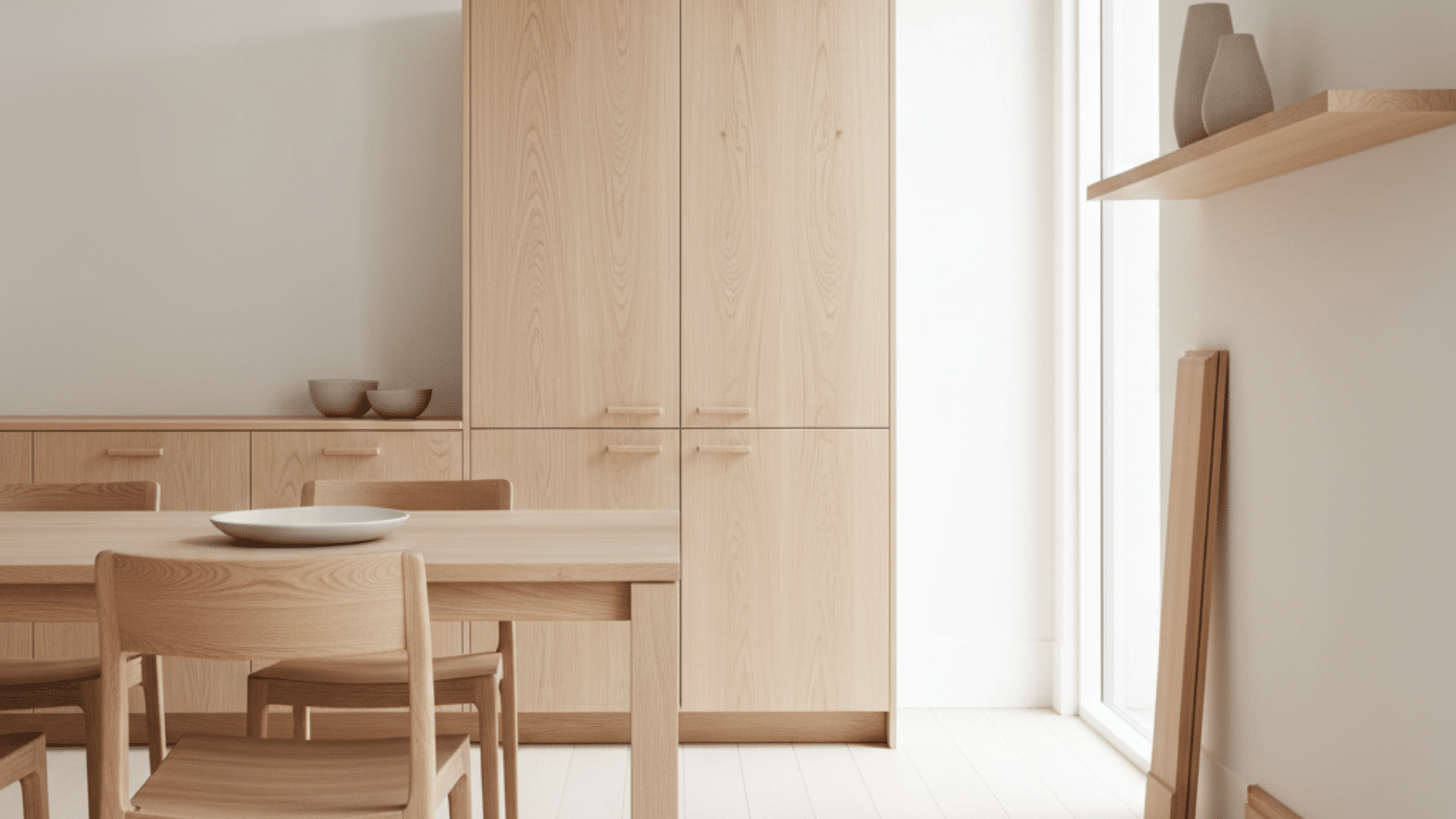
Light and natural stains keep maple close to its original state, which helps you see grain lines clearly across the surface.
These colors work well when you want a calm look that does not draw attention away from nearby items or details in your room.
They also reduce the chance of strong color shifts under different lights, giving you steady results during daily use.
This group works for floors, cabinets, tables, and trim, where you prefer simple upkeep and easy matching with other wood pieces at home each day, safely.
2. Honey and Amber Maple Stains
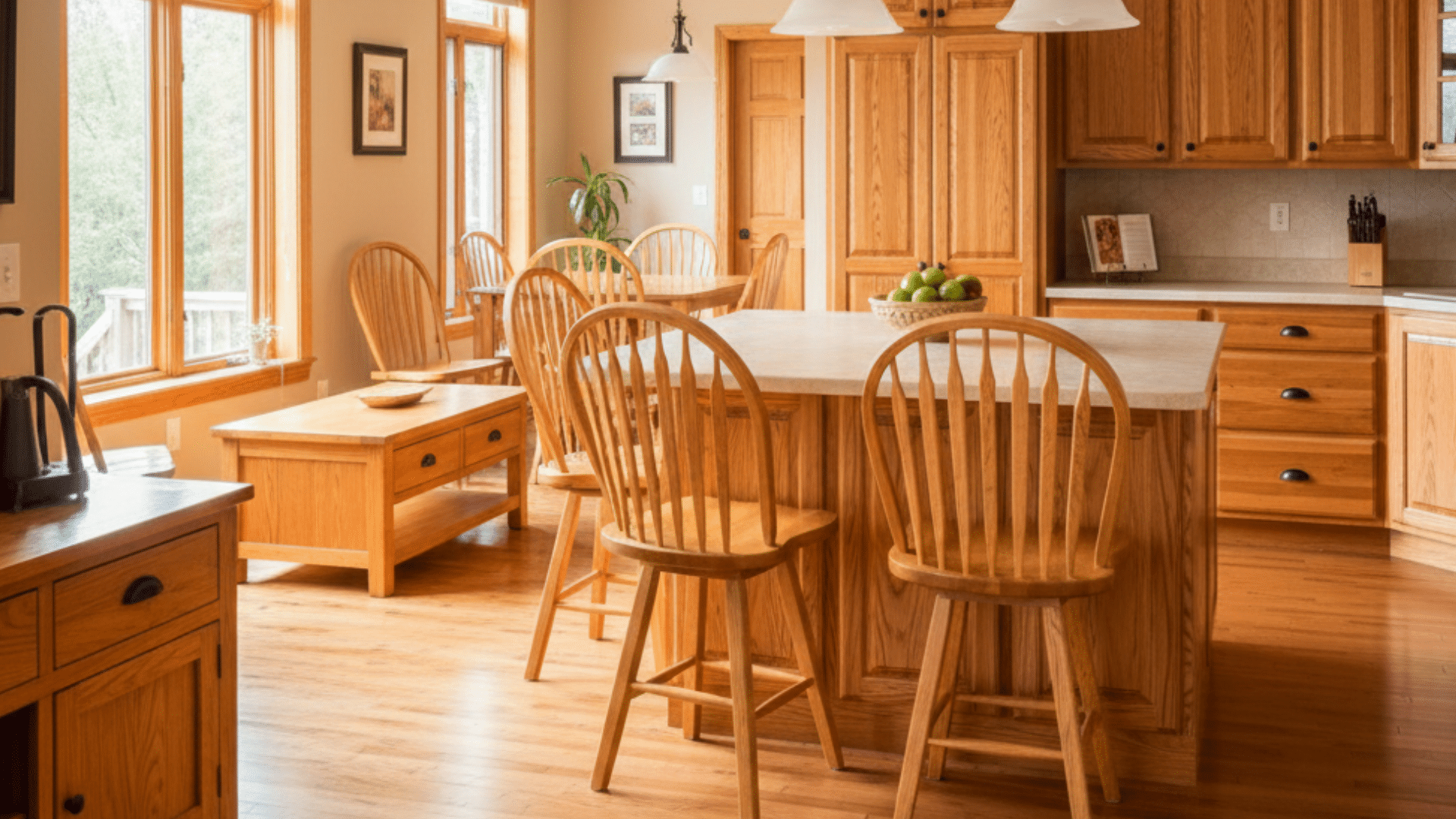
Honey and amber stains give maple a warm feel that highlights grain lines without making the surface too dark or heavy for most rooms.
These colors work for kitchens, hallways, and living areas where you want a steady, welcoming look that supports daily use without drawing strong focus.
They help reduce the sharp contrast between maple pieces and nearby wood, which is useful when you need smooth matching across older and newer sections.
This group also keeps upkeep simple while allowing small marks to stay less noticeable during routine cleaning each day.
3. Medium Brown Maple Stains
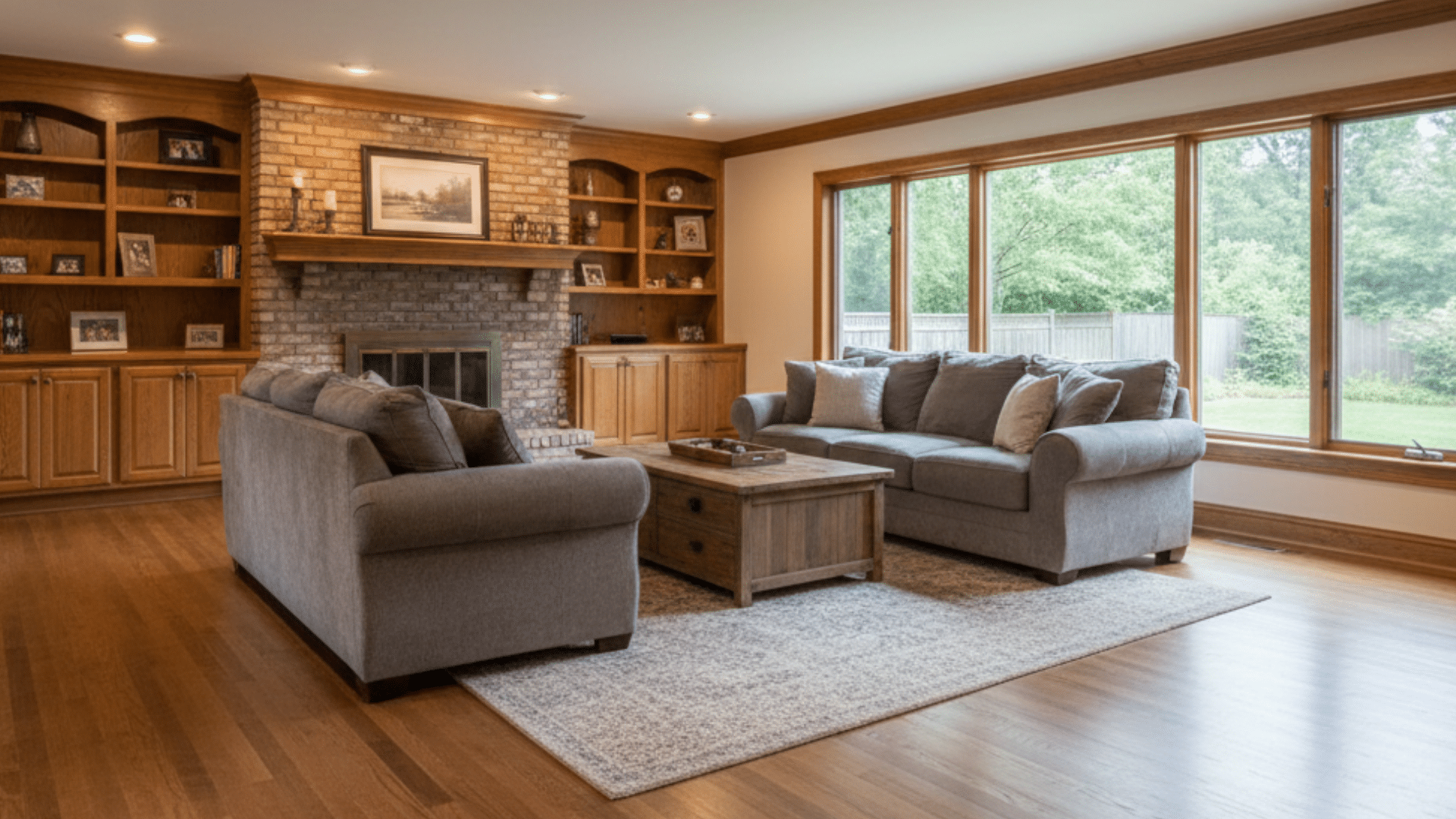
Medium brown stains bring steady color to maple and help reduce sharp contrast across the board, which makes surfaces look even under many lights.
This group works well for floors in busy sections of your home because it hides minor marks that appear after shoes, chairs, or daily tasks move across it.
These colors pair nicely with kitchens, family rooms, and trim where you want a steady color that stays reliable through different seasons and lighting changes.
This group keeps upkeep simple and supports long use without quick fading or unevenness.
4. Dark Brown and Espresso Maple Stains
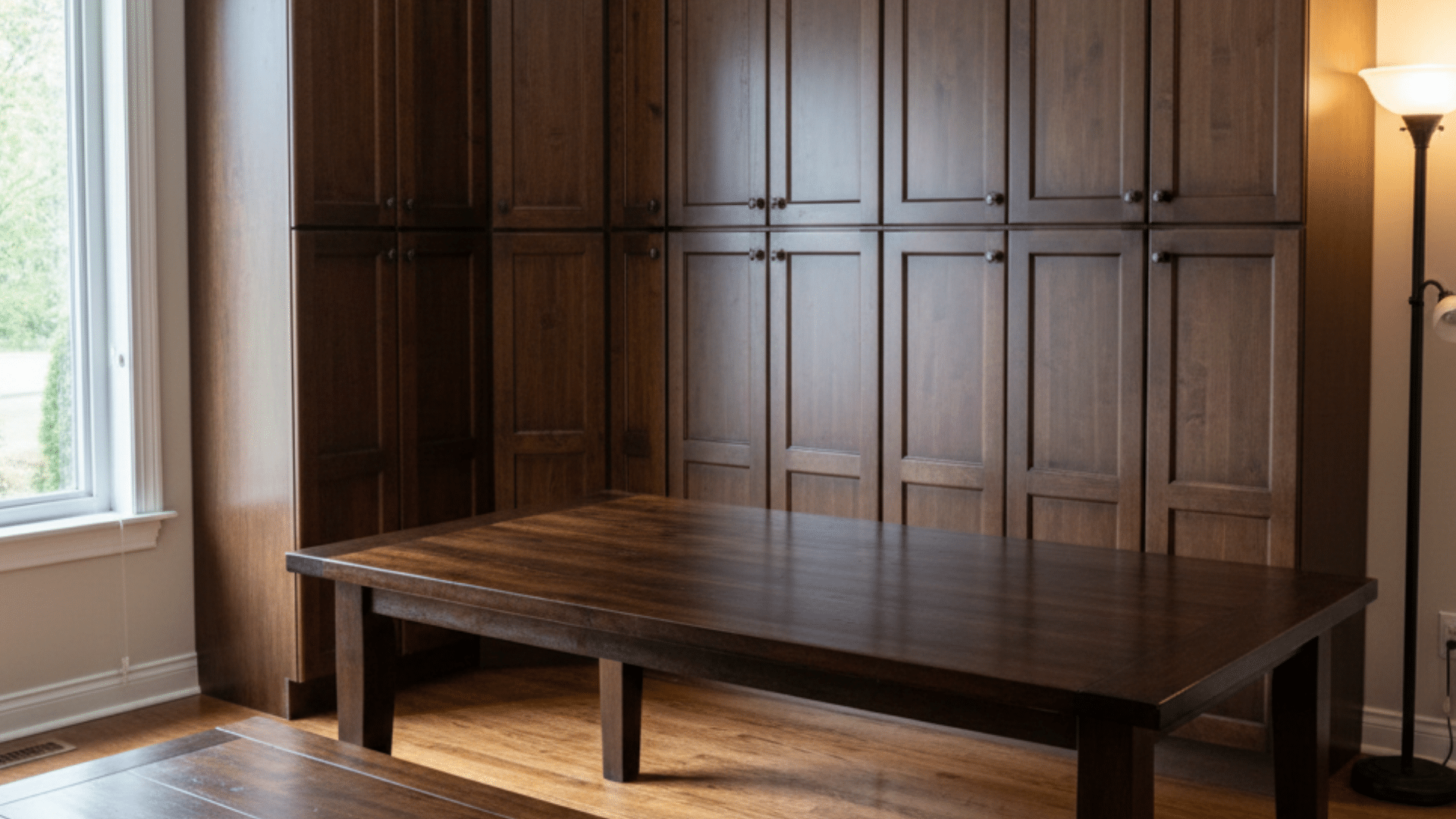
Dark brown and espresso stains bring strong color to maple, helping you get deep results that stand out while still showing some grain.
These colors work for large rooms, taller cabinets, and wide tables because they add depth and keep the surface steady under many lighting setups.
This group is helpful when you want a solid base that hides small marks from chairs, shoes, and daily use across busy areas of your home.
These colors support long use and remain steady through shifting light across different times of day.
5. Gray and Greige Maple Stains
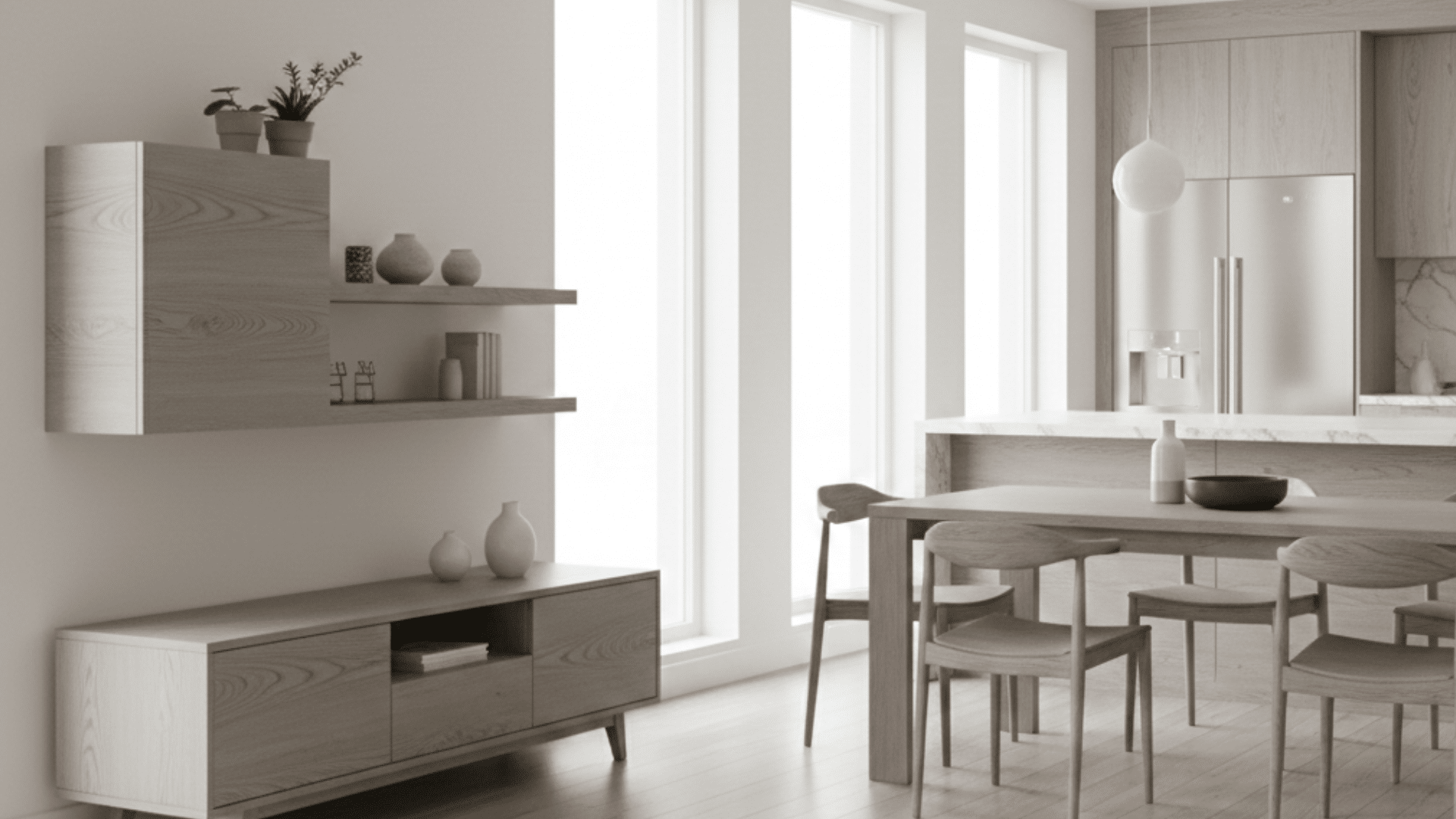
Gray and greige stains give maple a soft, calm look that reduces yellow notes and helps you keep a steady surface across many conditions.
These colors work for modern rooms, open kitchens, and smaller areas because they lower the strong contrast and support even color across the wood.
This group is useful when you want a quiet base that supports other items in the room without drawing too much focus toward the grain. These colors handle daily light changes well and help you keep surfaces steady through busy routines.
6. White, Pickled, and Bleached Maple Stains
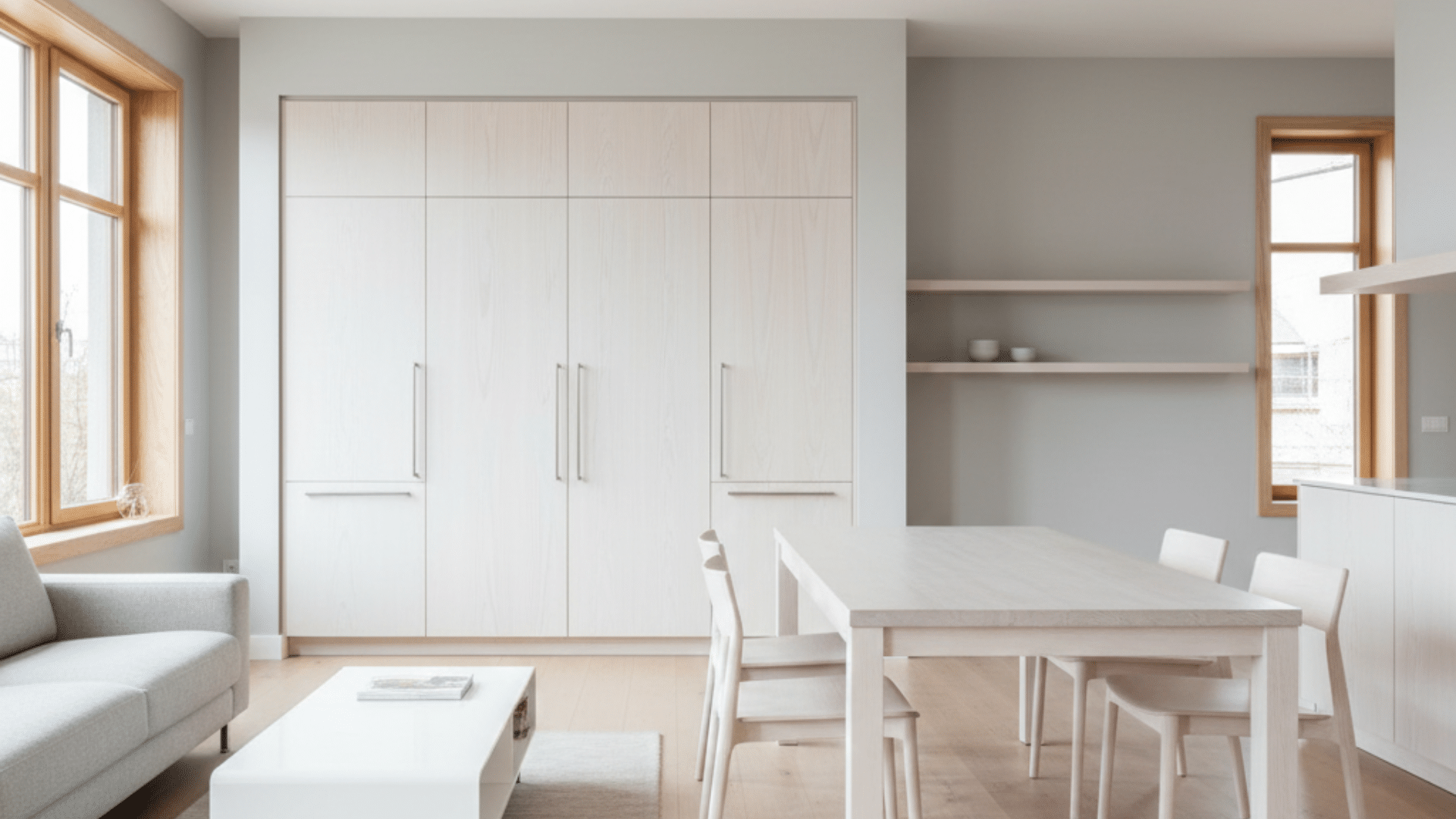
White, pickled, and bleached stains give maple a bright feel that reduces yellow notes and keeps the surface clear under many lighting setups.
These colors work for small rooms, sunny spaces, and modern layouts because they open the area and help grain lines stay soft across the wood.
This group helps you create a quiet base that supports other room items, letting light move across surfaces without strong color shifts. These colors handle daily changes well and give you steady results across cabinets, tables, trim, and other maple pieces.
Maple Stain Colors by Brand
This section helps you compare colors from common stain makers, so you can select products that match the look you want on maple before testing samples at home.
Minwax Maple Stain Colors
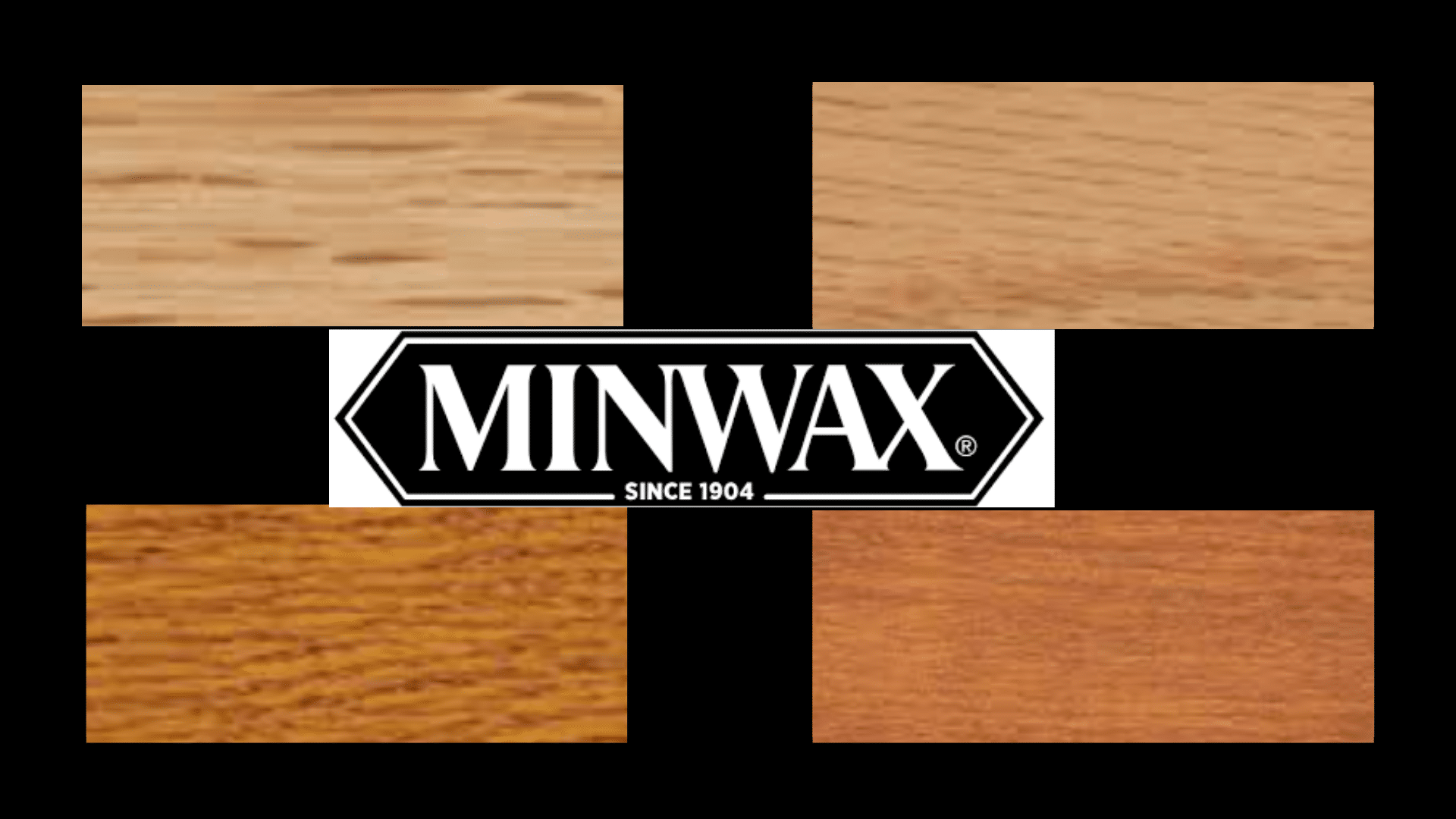
Minwax offers steady colors that work well on maple when you need simple matching and clear results under many lighting setups.
Their range covers light, medium, dark, gray, and pale white shades, giving you enough room to find a tone that suits your room or project. These colors work for cabinets, floors, trim, and small items.
Minwax shades also handle regular cleaning well, which helps your maple stay steady during long use. These options support everyday tasks and keep surfaces looking smooth without much upkeep from you.
- Light Picks: Natural, Golden Oak
- Medium Picks: Provincial, Special Walnut
- Dark Picks: Dark Walnut
- Gray and White Picks: Classic Gray, Pickled Oak
Sherwin-Williams Maple Stain Colors
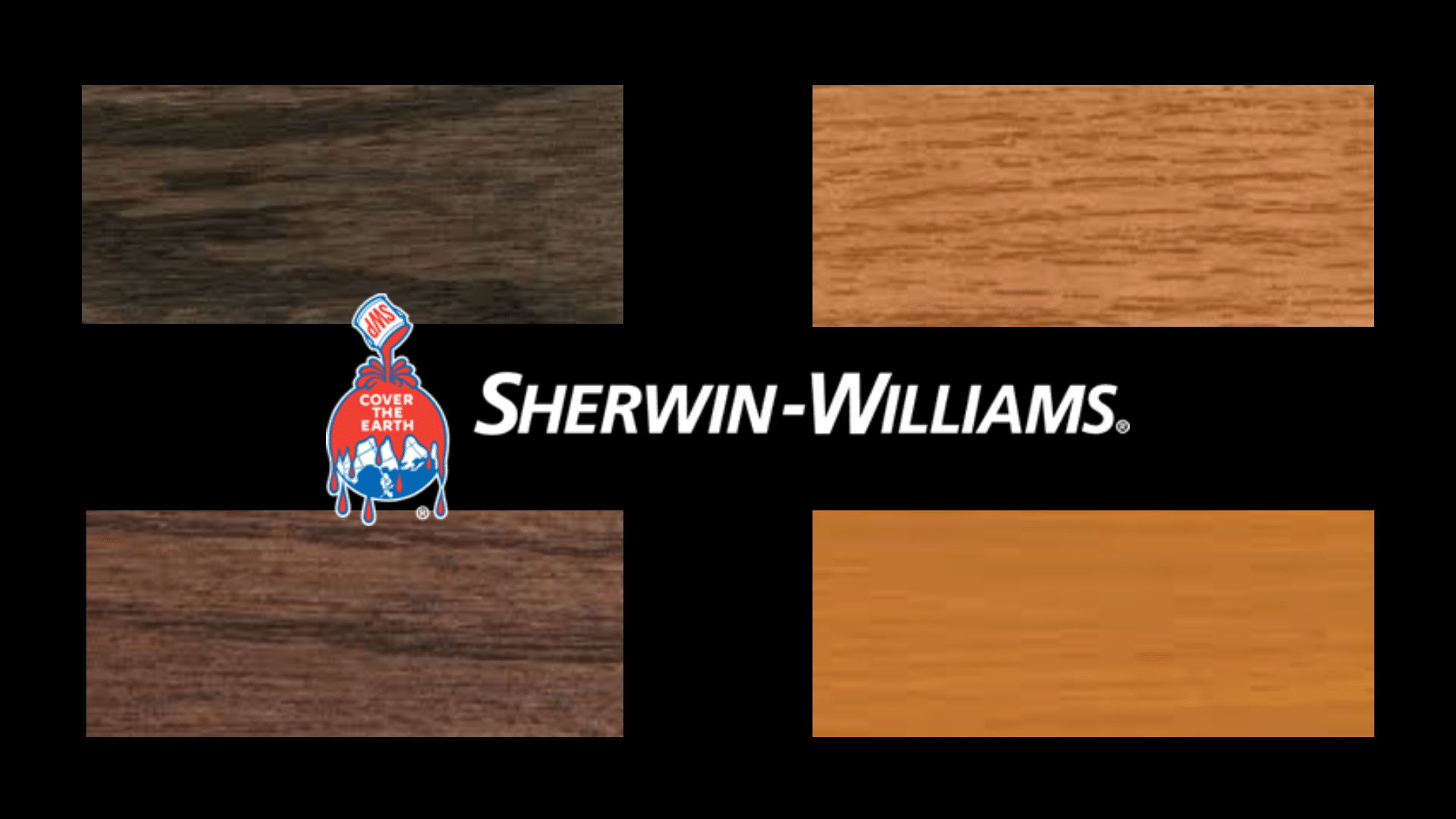
Sherwin-Williams provides colors that hold steady on maple and give you clear results across many parts of your home. Their tones work well for cabinets, trim, and tables because they sit evenly on maple with good control over strong shifts in color.
These options stay reliable under indoor light and help you reach a calm look across your surfaces.
This brand is also handy when you want maple shades that match nearby wood or older items, giving you options that stay steady during daily use and regular cleaning routines.
- Warm Browns: Chestnut, Warm Hickory tones
- Gray Tones: Weathered Gray, Rustic Gray
Duraseal Maple Stain Colors
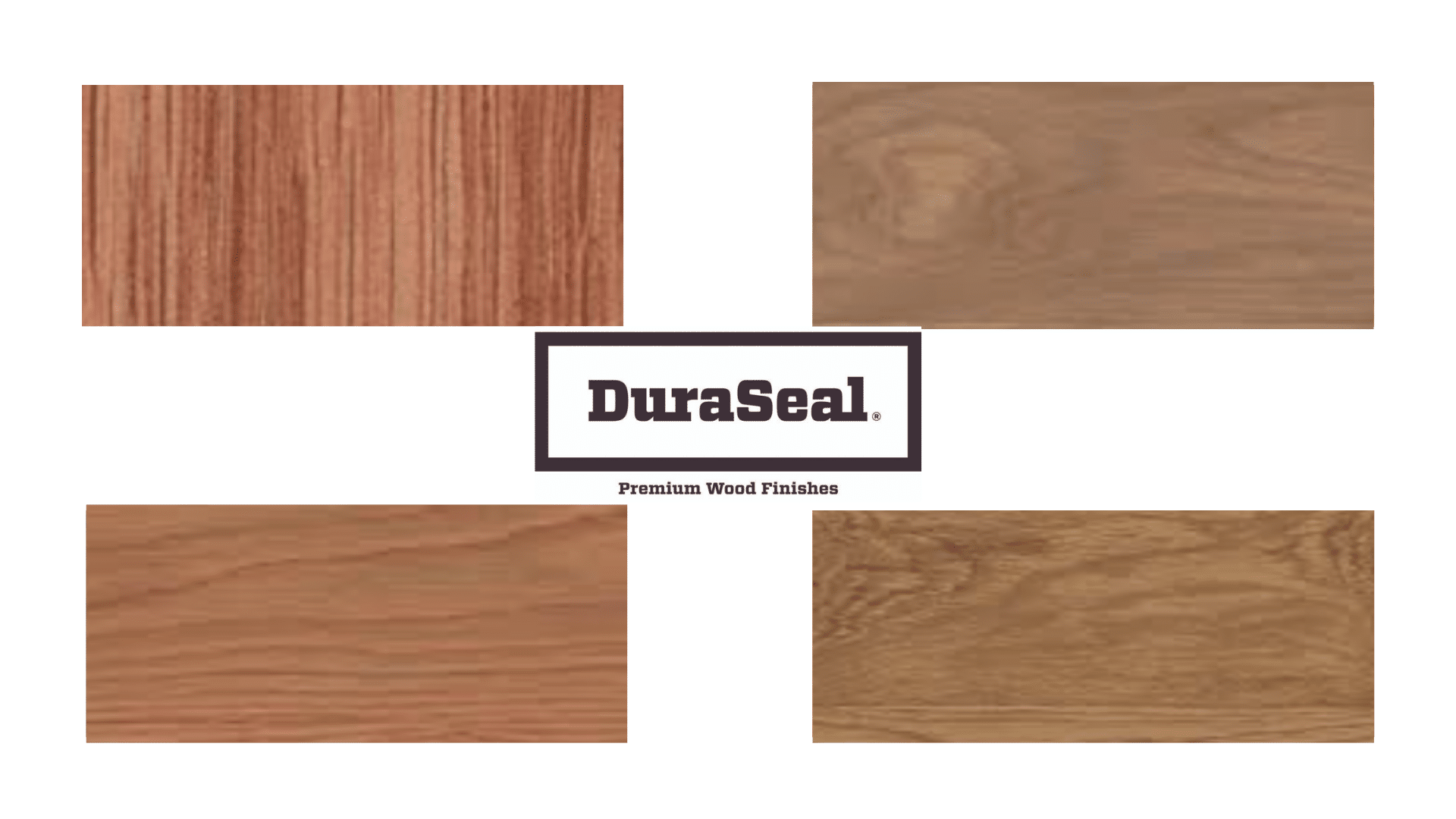
Duraseal colors handle high-traffic floors well, which makes them useful for maple in busy areas of your home.
These tones stay steady under constant foot movement and regular cleaning, giving you long, steady results without sudden changes in shade.
Duraseal options also help hide small marks that appear over time, which is helpful for homes with kids, pets, or heavy daily use.
These colors give maple a clear, dependable look that supports strong use while keeping surfaces smooth across many lighting setups during regular routines at home.
- Floor Browns: Chestnut, Coffee Brown
- Floor Grays: Classic Gray, Country White
How Maple Wood Takes Stain
Maple has a tight grain that absorbs stain in uneven ways, which can change the final color across the surface.
Some areas take in more stain than others, giving results that shift from light to dark if the wood is not prepared correctly. This happens on both hard and soft maple, and it can show up on floors, cabinets, and smaller projects.
To control this, you often need a base coat that helps the stain spread evenly. When maple is prepared the right way, the color settles smoothly and stays steady under normal indoor light.
How to Choose the Right Maple Stain Color
Use these steps to pick a stain that fits your room, supports daily use, and keeps your maple pieces steady under different lights.
Match Your Style: Choose a color that fits the room’s mood you want, such as light for calm spaces or deeper tones for strong, grounded surfaces.
Match Room Size and Light: Small or dim rooms work better with lighter colors, while brighter or larger rooms can handle deeper tones without making the space feel tight.
Match Existing Finishes: Check nearby floors, counters, and trim so your maple stain does not clash. Pick a tone that sits well beside other wood or surface colors.
Pick Based on Project Type: Floors need colors that hide marks, cabinets need tones that suit counters, and tables need shades that stay steady under daily handling.
Best Finishes and Topcoats for Maple
A good finish protects maple, steadies the color, and helps the surface handle daily use without sudden changes in tone or texture.
Oil vs. Water Finishes
Oil finishes add warm notes over time and create a strong surface that holds up well with regular use. Water finishes stay clear, dry faster, and keep the original color closer to what you see during staining.
Both options work on maple, but the right choice depends on how much warmth you want and how quickly you need to complete your project. Water finishes also reduce odor during use, which can help when working indoors on cabinets, trim, or smaller items.
Choosing the Right Sheen
Sheen affects how much light shows across your maple surface. Matte keeps reflections low and works well for rooms where you want a calm feel. Satin gives a small amount of shine that suits cabinets, tables, and trim without drawing too much focus.
Gloss shows more reflections and highlights small marks, so it fits spaces that stay clean with gentle use. Picking the right sheen helps your maple stay steady under daily light and regular cleaning across busy areas in your home.
Reducing Yellowing Over Time
Maple can shift toward deeper tones if the finish reacts with light over long periods. Water finishes help keep color steady because they avoid warm notes that appear as time passes.
Using a product with light protection can also slow color changes, especially near windows or bright areas. Keeping the surface clean and avoiding harsh products helps the finish stay smooth.
With the right steps, your maple can hold its color for many years without quick shifts that make upkeep difficult.
How to Test Maple Stain Colors
Use these steps to check color changes on maple, control uneven spots, and see how each stain reacts under different lighting in your room.
- Prepare Sample Boards: Sand maple to the same grit as your project and use scrap pieces whenever possible for accurate color results.
- Use Conditioner: Apply a base coat that helps stain spread evenly and lowers the chance of dark patches across the surface.
- Apply and Label Stains: Brush or wipe on each stain the same way you plan to treat the final piece, then label every sample clearly.
- Check Lighting: View samples in morning, afternoon, and evening light to see how each shade shifts across the maple surface.
- Avoid Mistakes: Do not judge color while the stain is wet, skip uneven sanding, or rely on charts alone without real sample testing.
Frequently Asked Questions
Why does maple stain look blotchy?
Maple has a tight, uneven grain that can absorb stain in patches. Some areas take more color while others stay lighter. Sanding evenly, using a wood conditioner, and testing samples first can help reduce blotching and create a smoother final look.
Can maple be stained to look like walnut?
Yes, maple can be stained darker to look closer to walnut, but it will not match walnut perfectly. Maple has a different grain pattern and density. Use dark brown or espresso stains, test first, and expect a cleaner, less grain-heavy result.
Is gel stain better for maple?
Gel stain can work well on maple because it sits more on the surface instead of soaking deeply into the wood. This helps reduce blotchy areas. It is especially useful for cabinets, furniture, and vertical surfaces where even color control matters.
Should maple be sanded before staining?
Yes, maple should be sanded before staining. Even sanding helps the stain absorb more evenly and prevents rough spots from showing through. Use consistent grit across the whole surface, and remove all dust before applying conditioner, stain, or finish.
Can you stain maple without conditioner?
You can stain maple without conditioner, but the result may look uneven or blotchy. Conditioner helps control absorption and gives you a more balanced color. It is especially helpful with darker stains, large surfaces, cabinets, and visible furniture pieces.
What stain hides maple grain best?
Darker stains, gel stains, and painted-style stains hide maple grain better than light or natural stains. Espresso, dark walnut, and deep brown shades reduce visible grain variation. However, maple grain may still show slightly depending on sanding, stain type, and finish.
Does maple darken after staining?
Yes, maple can appear darker after stain and topcoat are applied. Oil-based finishes may add warmth and deepen the color over time. Water-based finishes usually keep the stained color closer to the original sample, with less yellowing or darkening.
Can stained maple be refinished later?
Yes, stained maple can usually be refinished later if the wood is thick enough to sand safely. Old finish and stain must be removed evenly before applying a new color. Veneered maple needs extra care because sanding too much can damage the surface.
Conclusion
I hope this helped you feel more sure about choosing colors for your maple projects. You now know how different stain groups behave, how brands compare, and how simple steps can guide you toward results that stay steady in daily use.
The goal is to give you a clear footing as you work through each choice. If you want a quick reference, the maple stain color chart is a steady guide you can return to as you plan your project.
I’d love to hear what you try next, so share your thoughts or check out the other guides for more ideas. Let’s keep building your skills one step at a time.