

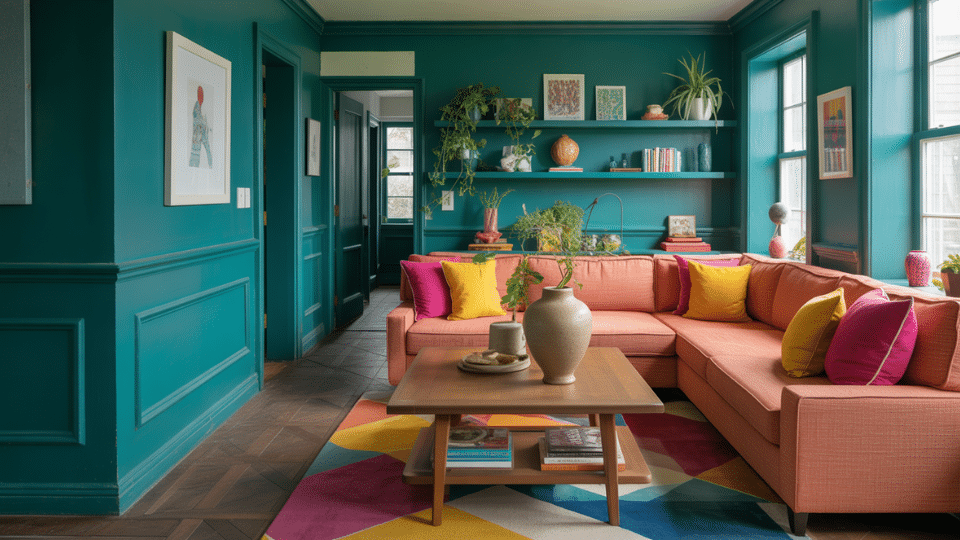


Pinterest makes it look simple: paint the walls and the trim the exact same color, and boom, instant “designer home.”
But I’ve learned this trend can go two ways. In the right room, it looks clean, modern, and calm. In the wrong room, it can flatten beautiful details and make the space feel cheap or heavy.
In this post, I’ll help you decide if this look fits your home. We’ll go over the quick one-sentence test, the rooms where it works best, and the times it fails hard.
I’ll also break down the best sheen combos, plus real execution tips that prevent repainting regrets.
Starting View on the Matter
Painting walls and trim the same color works brilliantly in modern, architecturally simple spaces. It fails spectacularly in traditional homes with detailed trim profiles.
The one-sentence test that’ll save you time? If your trim has intricate molding, raised panels, or dentil details, basically anything you’d point out to a guest, don’t paint it the same color as your walls.
That trim exists to be noticed.
This approach shines when your home has plain, flat trim and you want a clean, minimalist aesthetic. It’s perfect for contemporary spaces where architecture plays a supporting role to furniture and art.
But if you’re living in a Craftsman bungalow or Victorian with original millwork, painting everything one color is like putting a paper bag over a sculpture.
The rest of this post will show you exactly when to embrace this trend and when to run from it.
When Painting Walls and Trim the Same Color Works
Painting your walls and trim the same color works when your home has clean lines, tight spaces, or you want a calm backdrop that lets furniture shine.
1. Modern Homes with Simple Architecture
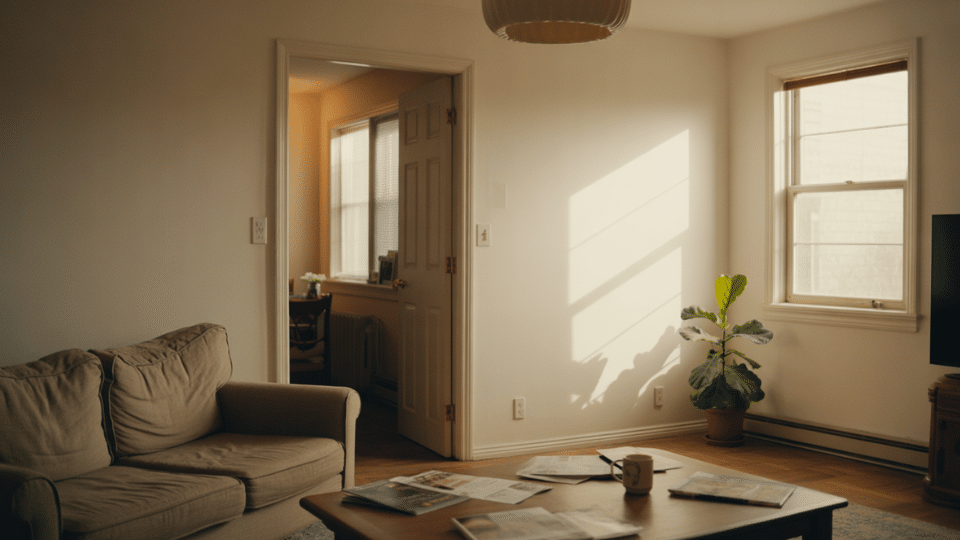
This painting style works best in newer homes built after the 1990s with simple, flat trim. These houses were designed for this look, so you’re just making them better instead of fighting their style.
The smooth color makes everything flow nicely. But here’s the truth: this doesn’t work well when you try it on older, traditional houses with fancy details.
- Older homes with decorative trim need color contrast to look their best
- Flat, simple trim pieces work perfectly with matching wall colors
- New-style houses are built ready for this single-color approach
2. Small Rooms with Lots of Trim
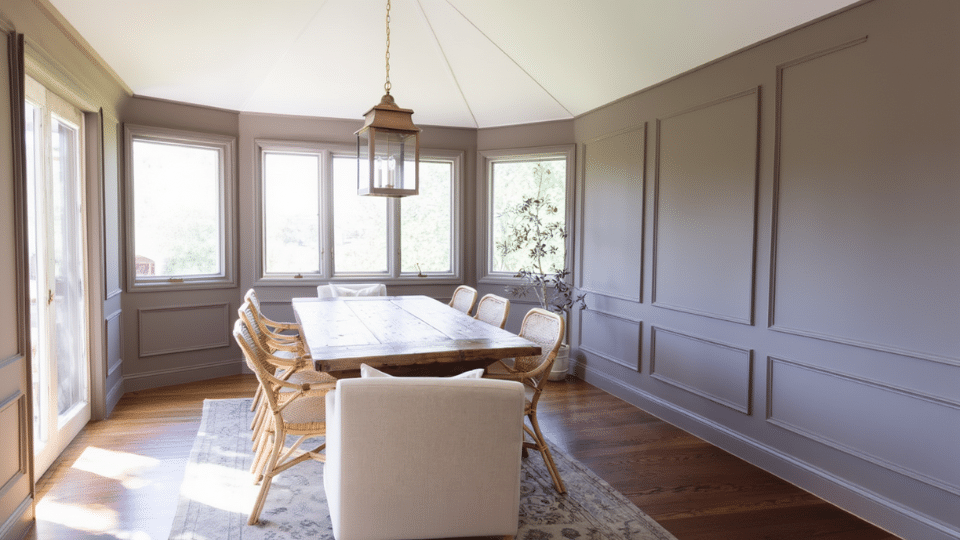
Bathrooms and entryways packed with doors, windows, and trim benefit from using one color. Your eyes don’t jump around, counting all the different white pieces anymore.
It won’t make the room bigger, but it definitely makes it feel less messy. All those trim pieces stop fighting each other for your attention.
- Less visual mess when the trim doesn’t stand out separately
- Cramped spaces feel calmer without different colors breaking things up
- Multiple doors and windows blend instead of competing
3. When You Want Backgrounds to Disappear
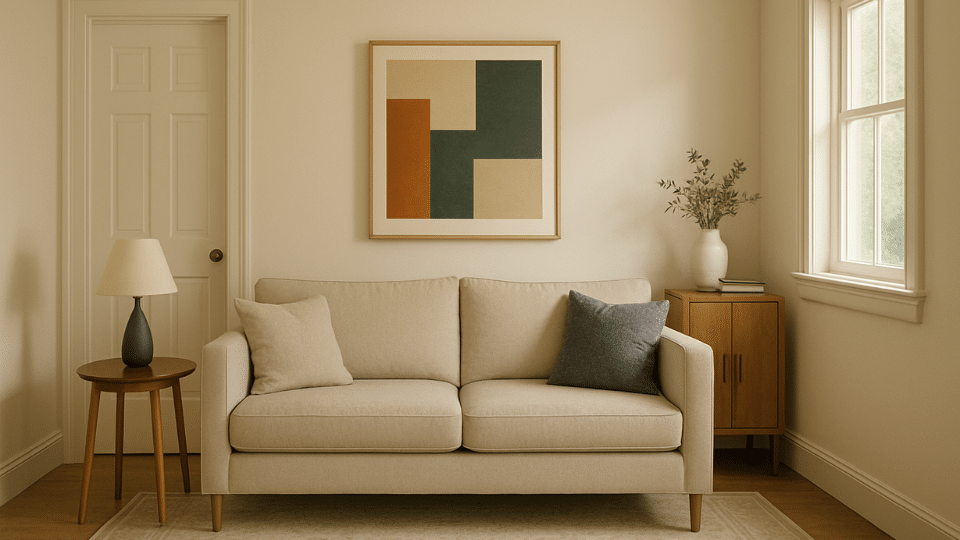
If you have cool furniture, bold artwork, or eye-catching decorations, matching the wall and trim color creates a perfect backdrop. Your architecture steps back and lets your stuff shine.
But stick with light neutrals like white, soft gray, or beige. Dark colors like navy, dark green, or charcoal make rooms feel heavy and gloomy, not classy.
- Your furniture and art get more attention without the trim competing
- Light neutral colors are essential; dark ones feel oppressive
- The room becomes a simple canvas for displaying your belongings
When the Same Paint on Walls and Trim Fails Hard
Using the same paint on walls and trim fails when your home has detailed architecture, imperfect trim, or low light, because flaws stand out and rooms feel heavier.
1. Historic or Period Homes
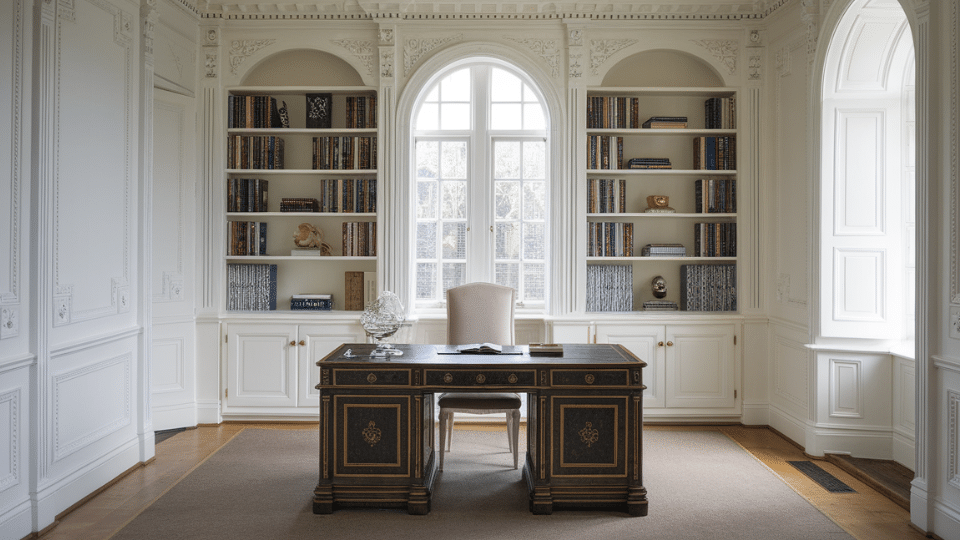
Craftsman, Victorian, and Colonial houses have special architectural styles where the trim is meant to stand out. Crown molding, thick baseboards, and detailed trim add value to your home.
Painting everything one color looks like a cheap, quick fix, not a real update. White or cream trim against colored walls respects the original design and makes your house look more expensive.
- Fancy trim details actually increase your home’s value
- Contrasting trim keeps the classy look these houses should have
- One color makes it look cheap instead of well-designed
2. The Damaged Trim Trap
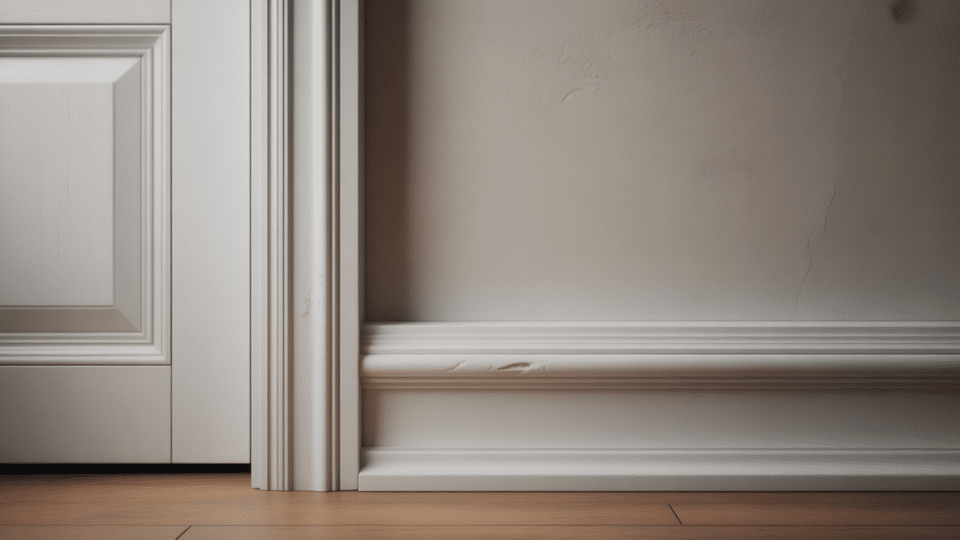
Here’s a myth you need to forget: matching colors don’t hide damage, they show it off. Different colored trim gives your eyes something else to look at, so flaws blend in.
Same color plus different shine levels make every dent, gap, and rough spot super obvious. If your trim is damaged, fix it first or use contrasting colors that naturally hide imperfections.
- Color differences help minor damage fade into the background
- Different shine levels actually highlight surface problems
- Contrasting colors naturally forgive what matching colors expose
3. Dark Colors in Already-Dark Rooms
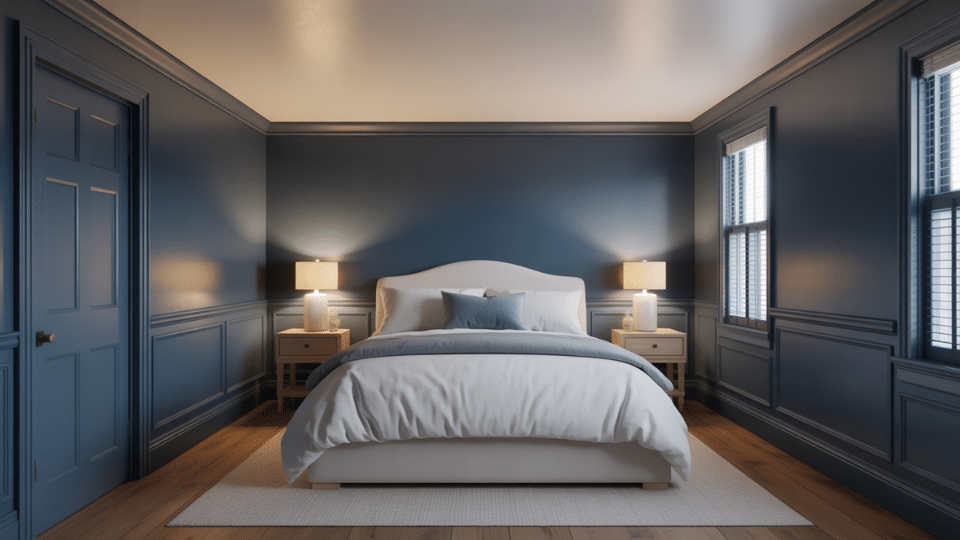
Rooms facing north with dark walls and dark trim feel like caves, not cozy spaces. Dark single-color schemes only work in rooms flooded with sunlight.
In dim rooms, dark colors soak up what little light you have, making ceilings seem lower and walls feel closer. Use white or cream trim in dark spaces to bounce light around and keep the room from feeling crushing.
- Lots of natural light is required for dark colors to work
- Rooms with little light need bright trim to feel open
- Dark colors everywhere create a suffocating feeling without enough brightness
Should Walls and Trim Have the Same Sheen?
You have two sheen approaches. Here’s the honest comparison: most people should use different sheens, but decide for yourself based on your situation.
| Factor | Same Sheen (Flat/Eggshell Everywhere) | Different Sheens (Satin Walls + Semi-Gloss Trim) |
|---|---|---|
| Look | Seamless, editorial, gallery-like | Subtle definition, still monochrome |
| Best For | New construction, minimal traffic | Real homes with kids, pets, and normal wear |
| Maintenance | Harder to clean, touch-ups visible | Semi-gloss wipes clean, forgiving |
| Durability | Shows every imperfection and scuff | Hides minor flaws, more resilient |
| My Pick | Only if obsessed with perfection | Recommended for 90% of people |
Use proper primer on each surface; drywall and wood absorb differently. Test both the wall and the trim in your actual room before committing to gallons.
Execution Tips that Actually Matter
These execution details separate successful monochrome rooms from expensive regrets. Follow these rules before you buy a single gallon:
- Test both surfaces by painting large patches on walls and trim, then live with them for 2-3 days to observe color changes in morning and evening light, not just store fluorescents.
- Go lighter than expected; a room in one color appears darker and more overwhelming than sample chips or test squares.
- Don’t forget the doors; paint them the same color as the trim to avoid breaking the effect.
- Skip choosing warm whites or off-whites with careful attention to undertones, as purple undertones in greige can dominate your space.
These aren’t optional nice-to-knows. Skipping any of these four steps is how people end up repainting within six months. Learn from their mistakes.
What the Public Has to Say About Walls and Trim Paint
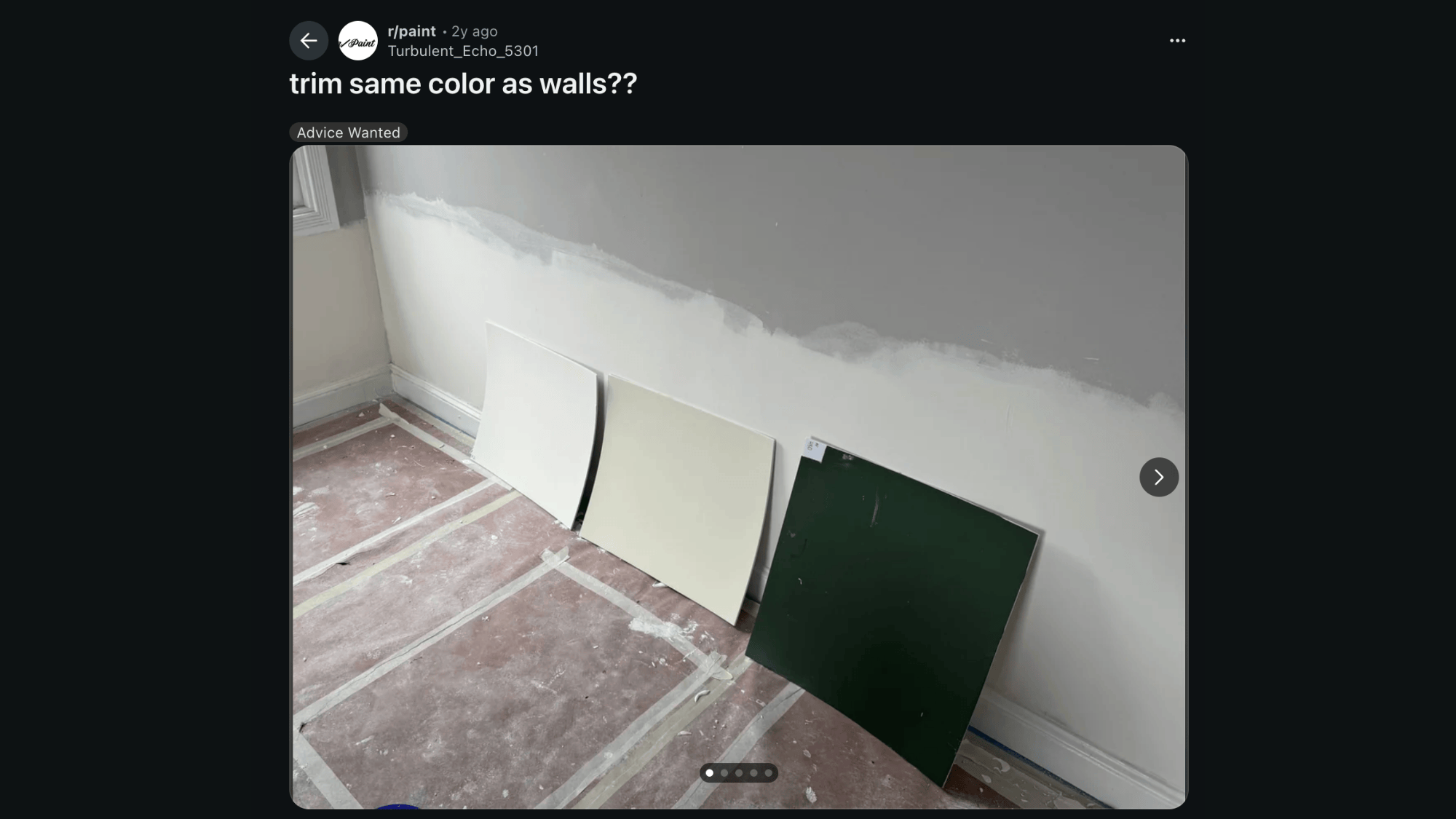
Many users in the Reddit thread “trim same color as walls??” pushed back against the designer-driven trend of monochrome rooms.
Painters called it overused, warning it only works in specific spaces like studies with built-ins, while full-home “color drenching” can look sterile or even cheap.
Others emphasized style mismatch, noting the OP’s Craftsman/Victorian leanings clash with minimalist color-matching. A few defended it but stressed the differences and careful color selection.
Personally, I think Reddit’s skepticism is justified. Monochrome trim works, but only when architecture supports it. For most homes, contrast delivers more character and fewer regrets.
The 60-Second Decision Framework
Not sure if this look is right for your space? Use this quick checklist:
Paint Walls and Trim the Same Color If:
☐ Your home was built after 1990 with simple, flat trim profiles
☐ You’re going for minimalist, Scandinavian, or modern aesthetics
☐ The room is small with multiple doors, windows, and visual clutter
☐ Your trim is plain contractor-grade boards with no decorative details
Absolutely Don’t Do It If:
☐ You have Victorian, Craftsman, Colonial, or any historic trim profiles
☐ Your trim is damaged, dinged up, or low-quality (same color highlights flaws)
☐ The room already feels dark with low ceilings
☐ You’re using bold or saturated colors like navy or charcoal
Final Thoughts
Painting walls and trim the same color isn’t good or bad on its own. It all comes down to your home, your light, and how much character your trim already has.
I’ve seen this look feel calm and expensive in simple, modern spaces. I’ve also seen it erase charm in homes that deserved contrast.
Trends come and go, but good design lasts longer than a Pinterest save. Take your time, test first, and be honest about your space.
Not sure what direction fits your space? The other paint guides on this site walk through color, trim, and finish choices in plain terms.