


I remember standing in a paint aisle trying to figure out why some walls looked calm while others felt too shiny.
If you’ve had the same moment of confusion, you’re not alone in trying to understand what makes one finish feel right.
A big part of that choice comes down to knowing what eggshell paint is and how it behaves in real rooms. It can be tricky to choose a finish when each one looks similar on the shelf but acts very differently on your walls.
I’ll help you feel clear and confident about the differences so you can pick the finish that fits your home. So let’s take a closer look at how each option works and where it fits.
Understanding Eggshell Paint
Eggshell paint is a wall finish with a soft, low shine that sits between a flat surface and a satin surface.
It gives your walls a smooth, calm look without strong light reflection. When applied, the finish has a gentle glow that helps hide small marks or uneven spots, making it a common choice for everyday rooms.
On the sheen scale, it falls in the middle: Flat → Matte → Eggshell → Satin → Semi-Gloss → Gloss.
This helps you see how much light bounce to expect before choosing it for a room.
Eggshell works well when you want a finish that looks clean, wipes easily, and keeps the surface from looking too bright or dull.
Differences Among Eggshell, Satin, and Semi-Gloss
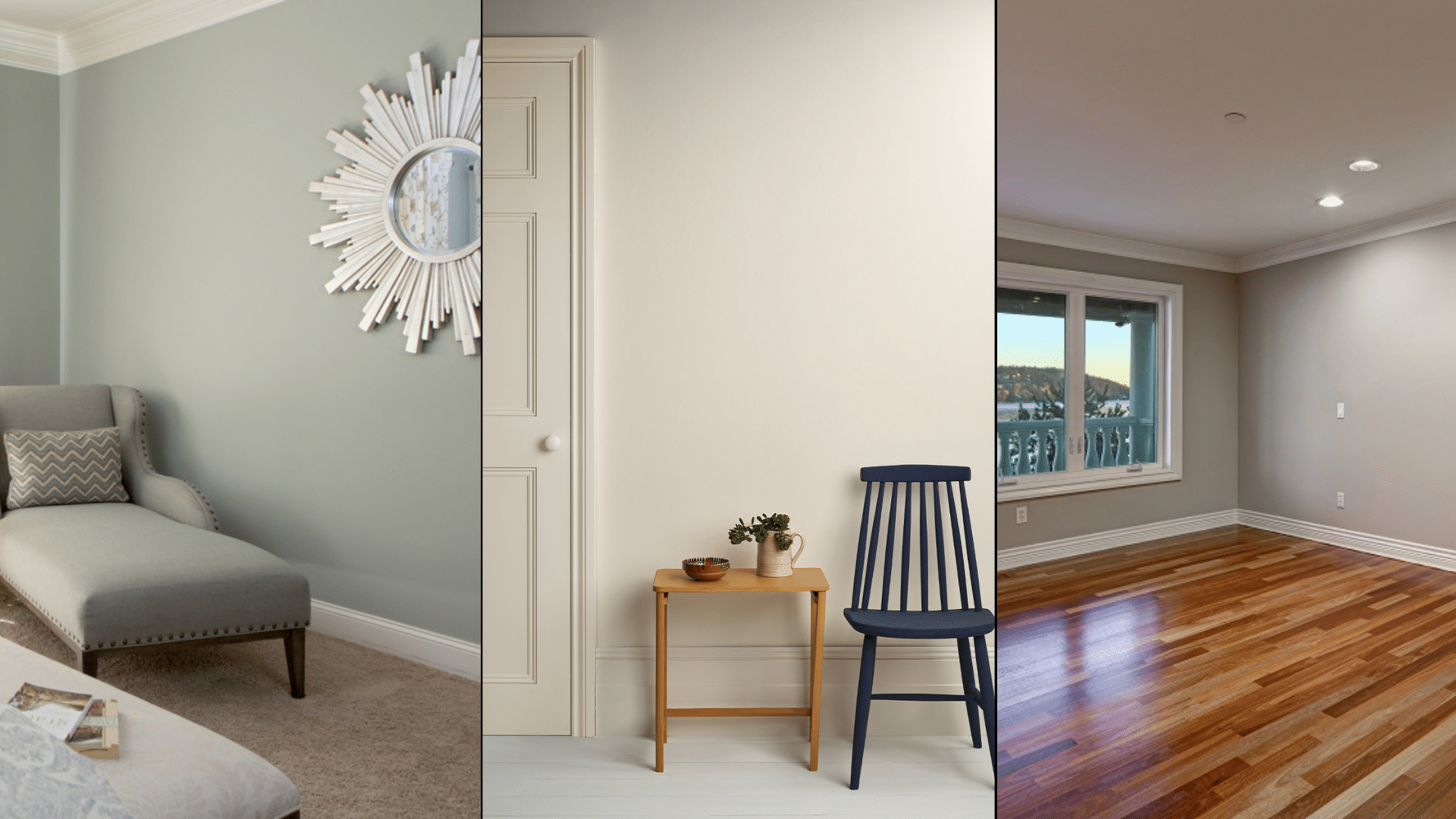
Use this table to compare the three finishes quickly so you can pick the right one for your walls, trim, or busy areas.
| Feature | Eggshell | Satin | Semi-Gloss |
|---|---|---|---|
| Shine Level | Low glow | Medium shine | Bright shine |
| Durability | Moderate | Strong | Very strong |
| Cleanability | Wipes clean | Scrubs clean | Scrubs clean with ease |
| Best Walls | Living and sleeping areas | Kitchens and busy paths | Rare for full walls |
| Best Trim | Possible but rare | Good choice | Ideal choice |
| Moisture Use | Dry rooms only | Mild moisture | Good for moisture |
| Wall Texture | Softens marks | Shows more detail | Shows most detail |
| Best Use | Calm wall areas | High-use rooms | Trim, doors, cabinets |
| Touch-Ups | Can show changes | Blends better | Hard to blend |
Eggshell works well for simple wall areas. Satin fits spots that need more cleaning. Semi-gloss is the strongest option for trim and high-use surfaces.
How to Choose the Right Sheen for Your Walls
Use these quick guidelines to match each finish to the room’s needs, cleaning level, and the look you want for your walls.
When Eggshell Works Best
Eggshell fits low- and mid-traffic rooms where you want a soft, calm surface that hides small marks. It works well in living rooms, bedrooms, and hallways because it balances gentle shine with easy wiping.
If you want walls that look smooth without bright reflection, this finish gives you that effect. It handles daily touch and light cleaning, making it a steady choice for many homes. It also helps soften uneven spots on older walls.
When Satin is the Better Choice
Satin is the right option when a room needs stronger cleaning and steady use. It holds up better in kitchens, playrooms, and paths where hands, bags, or toys often touch the walls.
The surface is firm enough to scrub without dulling, which makes upkeep quick. Satin shows more detail on the wall, so it looks best on smooth surfaces. If your home has busy areas that need a tougher finish, satin gives you that support.
When Semi-Gloss Makes Sense
Semi-gloss is best for trim, doors, cabinets, and rooms with moisture. Its firm surface stands up to frequent cleaning, making it a smart choice for kitchens and bathrooms.
It also gives trim a clean, sharp look that holds up through years of touching, wiping, and opening. Because it reflects more light, it highlights surface details, so it works best on smoother areas. Choose semi-gloss when you want strong wear and easy, regular cleaning.
Pros and Cons of Eggshell Paint
This section helps you understand how eggshell performs in daily use so you can decide if it fits your walls and room needs.
Pros
Eggshell offers a gentle surface that works in many rooms and gives you easy upkeep without a strong shine or complicated cleaning steps.
- Soft, low shine
- Helps soften small wall marks
- Wipes clean with mild effort
- Works in living rooms, bedrooms, and halls
Cons
Eggshell has limits in damp rooms and may show changes when you try to fix small spots after the paint fully dries.
- Not suited for bathrooms or wet areas
- Harder to match during touch-ups
- Less strong than satin in busy rooms
How Eggshell Looks on Different Surfaces
Eggshell can be used on several areas in the home, but each surface needs the right prep, cleaning habits, and strength level.
Walls
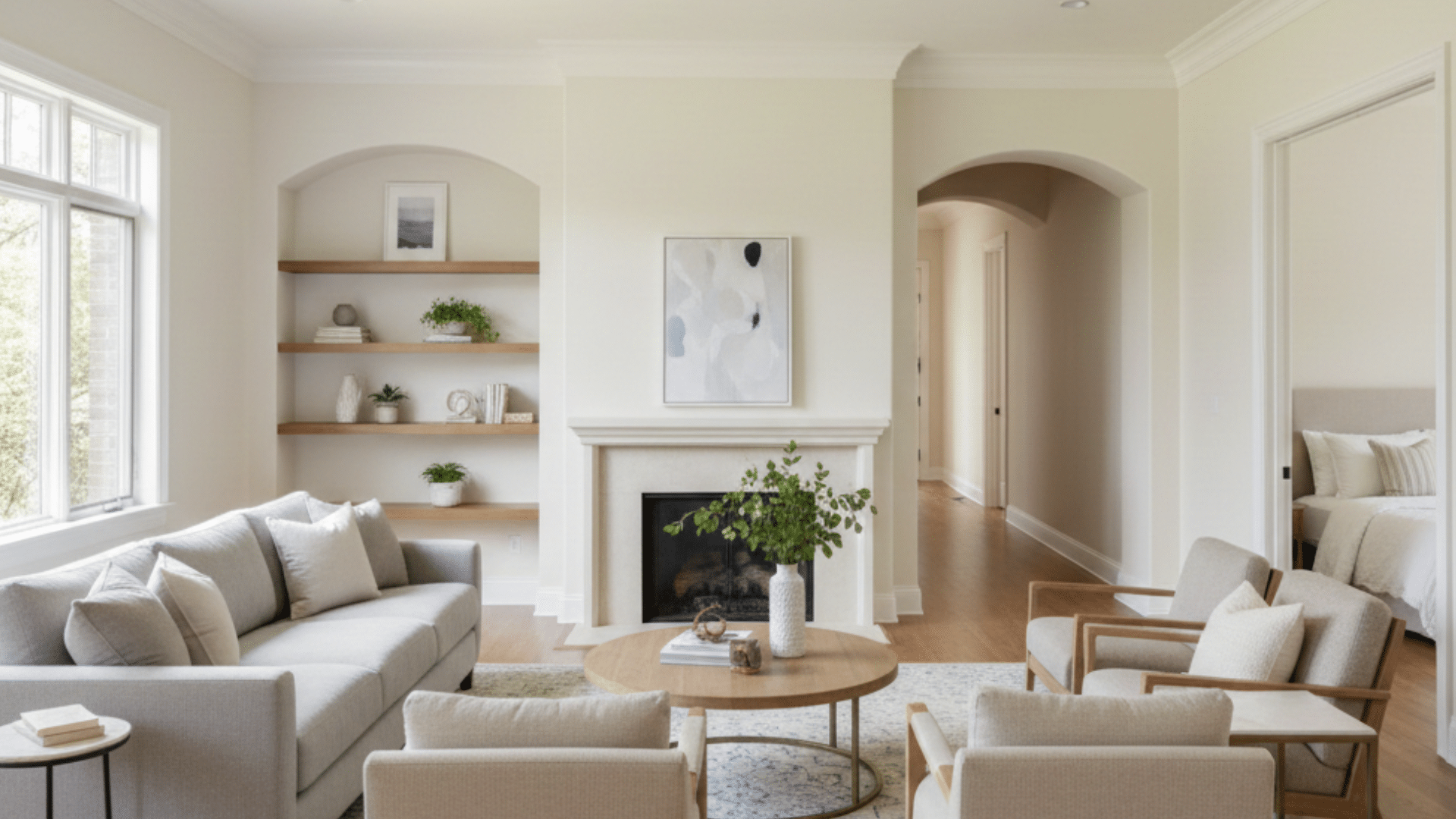
Eggshell is a common pick for walls because it creates a smooth surface that works in many rooms. The low glow keeps the wall from looking flat while still hiding small marks.
It fits living rooms, bedrooms, and hallways because these spaces need simple upkeep without harsh scrubbing. If you want walls that look clean and handle light daily use, eggshell gives you that balance. It also helps older walls look more even.
Wood Trim
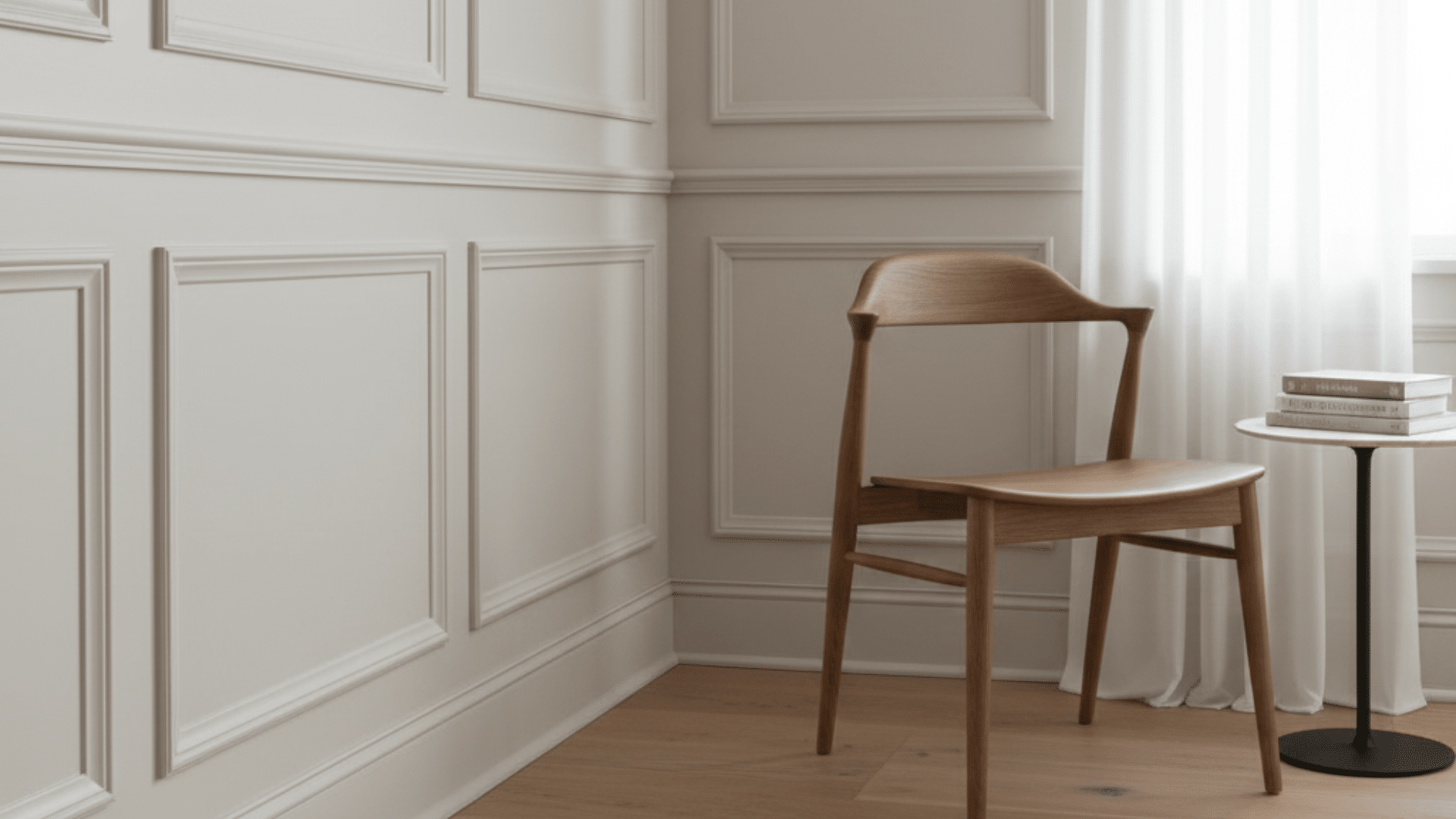
Eggshell can be used on trim when you want a softer look, but it is not the strongest option. Trim takes steady contact from hands, furniture, and daily activity, so a tougher finish often works better.
Satin holds up longer on trim because it handles scrubbing and minor bumps without dulling. Still, eggshell can work on trim in calm rooms where contact is low. A smooth base and careful prep improve the final result.
Furniture
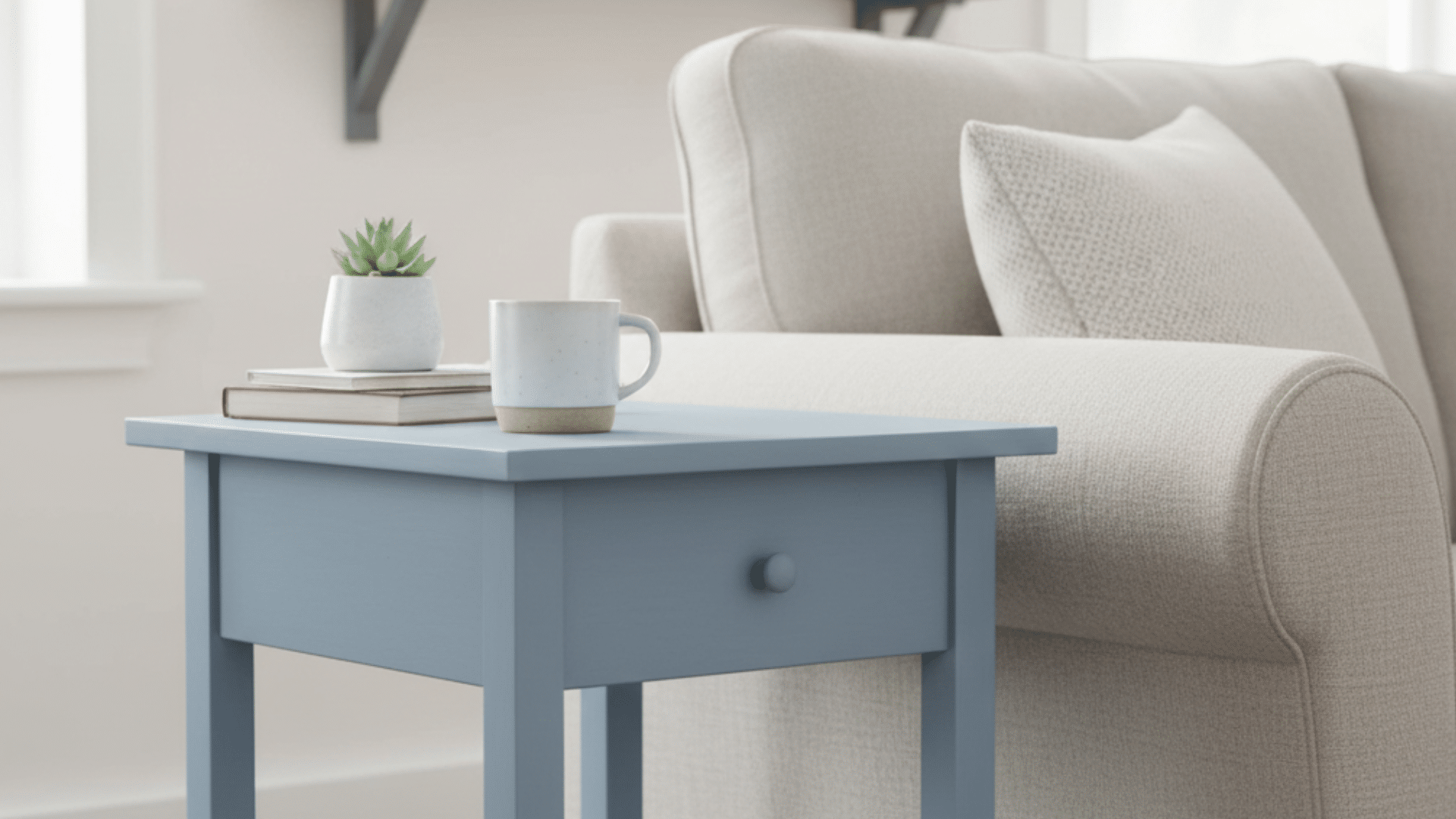
Eggshell can be used on simple furniture projects that do not need heavy cleaning. It gives small pieces a soft surface without harsh shine, making it useful for light-use items like side tables, shelves, or decor pieces.
It is not ideal for pieces that face steady touching, food spills, or frequent wiping. Many DIY users choose it when they want a simple finish that hides small marks and is easy to refresh with a new coat later.
How Long Does Eggshell Paint Last
Eggshell holds up well, as long as the space does not deal with heavy moisture or constant cleaning.
The finish stays steady in living rooms, bedrooms, and hallways because these areas mostly need light wiping and routine care.
Over time, eggshell keeps its soft glow and stays smooth as long as the wall surface is prepped well before painting. It can handle small bumps or marks, but steady scrubbing may dull the finish.
Touch-ups may show slight shifts in sheen, especially on older walls, so careful blending is important. With basic upkeep and calm room conditions, eggshell stays reliable for many years and continues to give the walls a clean, easy look.
Lighting and the Look of Eggshell Paint
Light plays a big part in how eggshells appear on your walls, so these points help you understand what to expect in each room.
Natural Light
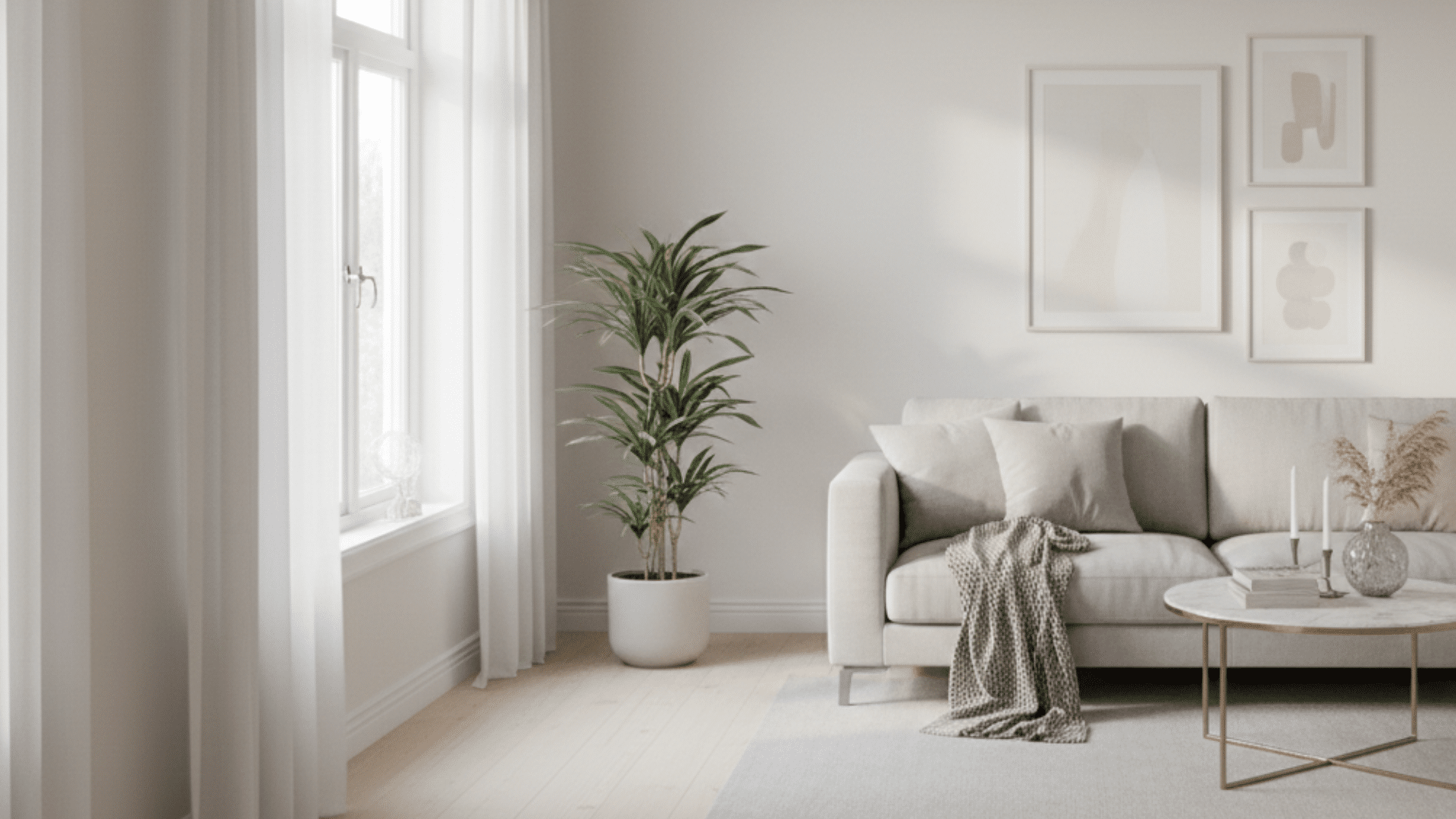
Natural light gives eggshell a soft, smooth glow that feels calm and steady throughout the day. Sunlight spreads across the surface without creating sharp reflections, which helps the wall look even from different angles.
This makes eggshell a good choice for rooms with windows where you want gentle light without harsh shine. It also helps soften small marks or uneven areas that might stand out under stronger lighting.
Overhead Lighting
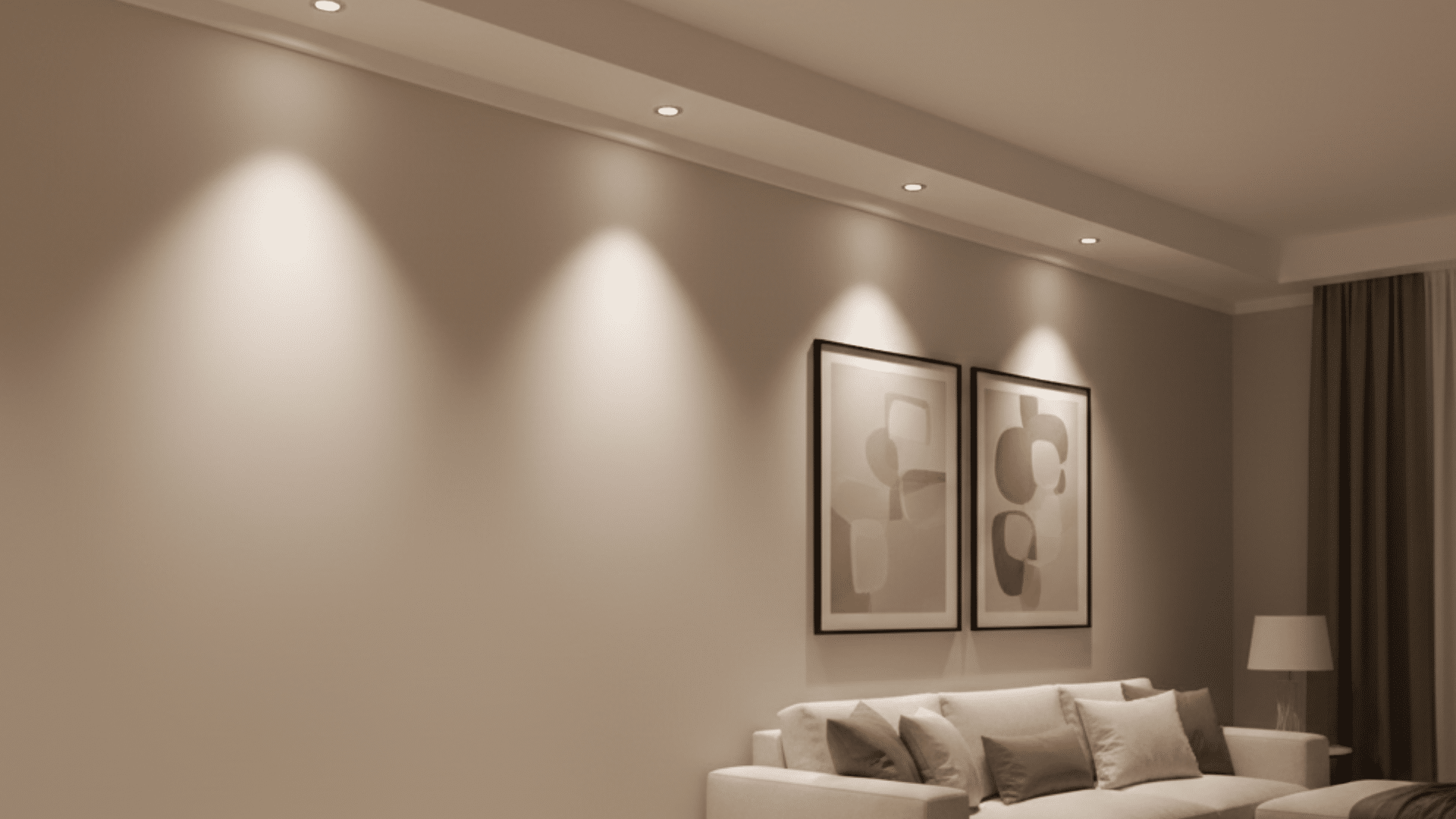
Overhead lighting makes the sheen on eggshell slightly more noticeable, especially with stronger bulbs or direct fixtures. The finish will show a mild bounce that highlights smoother areas of the wall, though it still stays far less bright than satin or semi-gloss.
This effect works well in rooms where you want a clean look without a strong shine. If the ceiling lights sit close to the wall, the glow may appear a little stronger than in natural light.
How to Apply Eggshell Paint
To get a smooth eggshell finish, start by cleaning the wall so dust, marks, and loose material don’t affect the surface.
Patch any holes, sand rough spots, and place tape around trim and edges for clean lines. Use a medium-nap roller and stir the paint well before pouring it into the tray.
Roll in a steady pattern without pressing too hard, then let the first coat dry before adding the next. When the paint is set, check the wall in good light to be sure the coverage looks even and consistent.
Common Mistakes to Avoid
These points help you prevent issues that can affect the look, strength, and long-term performance of an eggshell finish on your walls.
- Using eggshells in damp rooms where moisture collects
- Skipping patching and sanding before painting
- Using low-quality rollers that leave lines
- Adding a second coat before the first coat dries
- Painting over dirty or greasy spots without cleaning
- Forgetting to check the wall in bright light for thin areas
- Using heavy pressure with the roller causes an uneven sheen
- Touching up large areas instead of small, controlled spots
Conclusion
I hope you now feel more comfortable sorting through sheen levels and choosing a finish that fits your space.
Knowing how each option behaves makes the whole process easier, and it helps you avoid the guesswork that usually slows things down. The eggshell finish can be a helpful guide if you want calm walls without a bright shine.
As you work through your room plans, keep the strengths of each finish in mind so you can match the right surface to the right space.
If you’d like more support with home projects or material choices, I’d be glad to help. Take a moment to look through other blogs on the website for more simple, clear tips.