

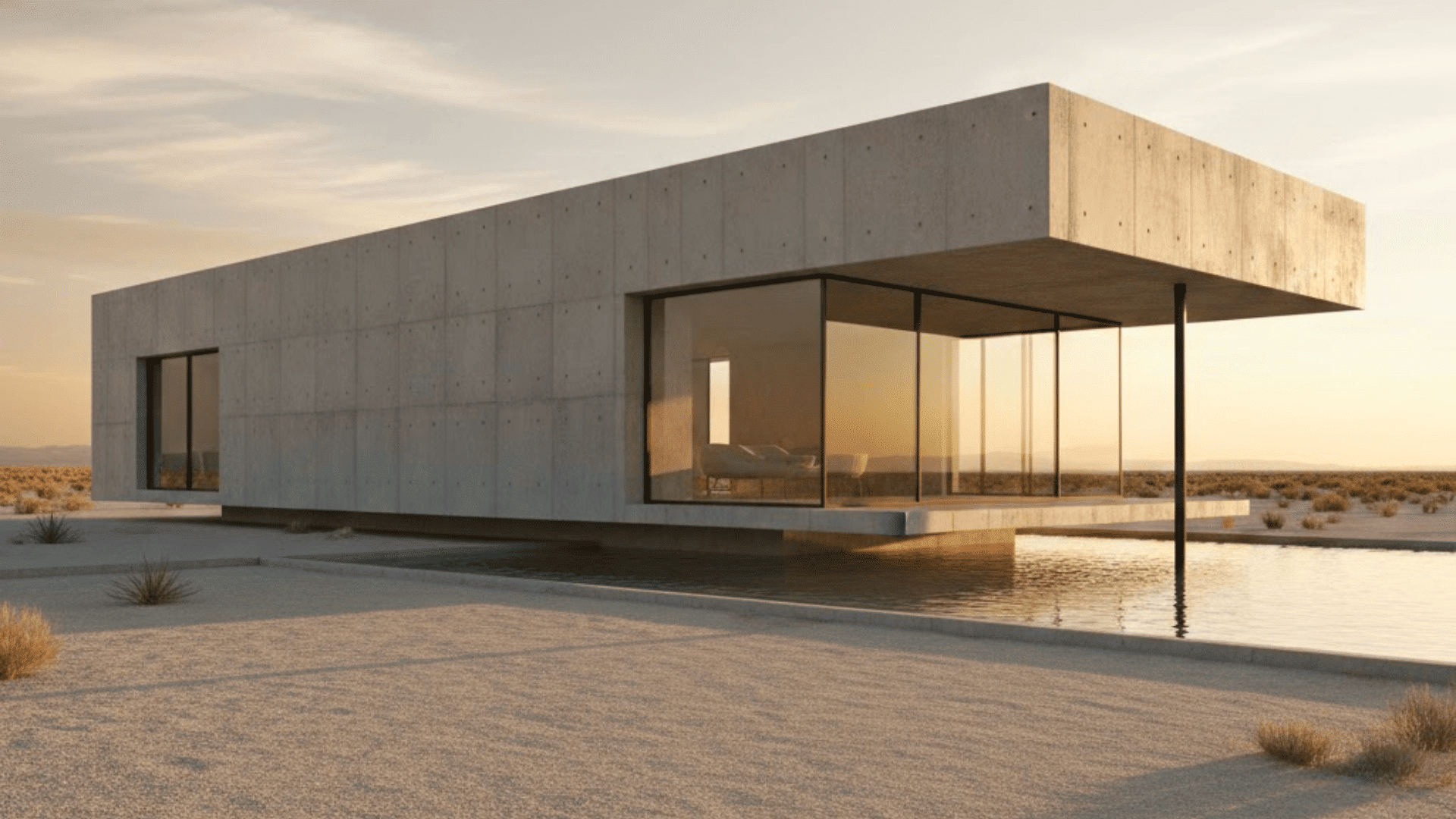


If you’ve ever wished your home felt calmer and easier to be in, minimalist architecture might be exactly what you’re looking for. This style focuses on clean lines, simple shapes, and open spaces that help you breathe a little easier.
In this blog, I’ll walk you through what minimalist architecture means. You’ll see how it works in real homes, learn about well-known buildings, and get a feel for the key features that define the style.
You’ll also find insights on why people enjoy minimalist spaces and what to keep in mind if you’re planning to use these ideas yourself.
By the end, you’ll have a clearer sense of how light, space, and thoughtful design can shape the way a place feels.
What Makes Minimalist Architecture Special?
Minimalist homes today still follow classic principles but often include warm touches to make them feel cozy and livable. The focus stays on space, comfort, and clean design.
Common Elements in Modern Minimalist Homes:
- Neutral colors with soft, earthy tones
- Light wood, stone, or concrete surfaces
- Smooth built-in storage to avoid clutter
- Large windows facing nature
- Open layouts that allow easy movement
- Simple, bold shapes used again and again
All of these features work together, and each element supports the whole design. Here’s a quick breakdown:
| Element | Purpose |
|---|---|
| Natural light | Makes the space feel larger and brighter |
| Empty space | Highlights the building’s structure and form |
| Neutral colors | Creates calm visual balance |
| Simple materials | Adds texture without crowding the room |
Together, these choices create a peaceful environment that feels open, grounded, and easy to enjoy every day.
Famous Minimalist Architecture Around the World
Minimalist architecture appears all over the world. These well-known examples show how simple forms, clean lines, and natural light can create spaces that feel peaceful, thoughtful, and visually strong.
1. Barcelona Pavilion: Spain
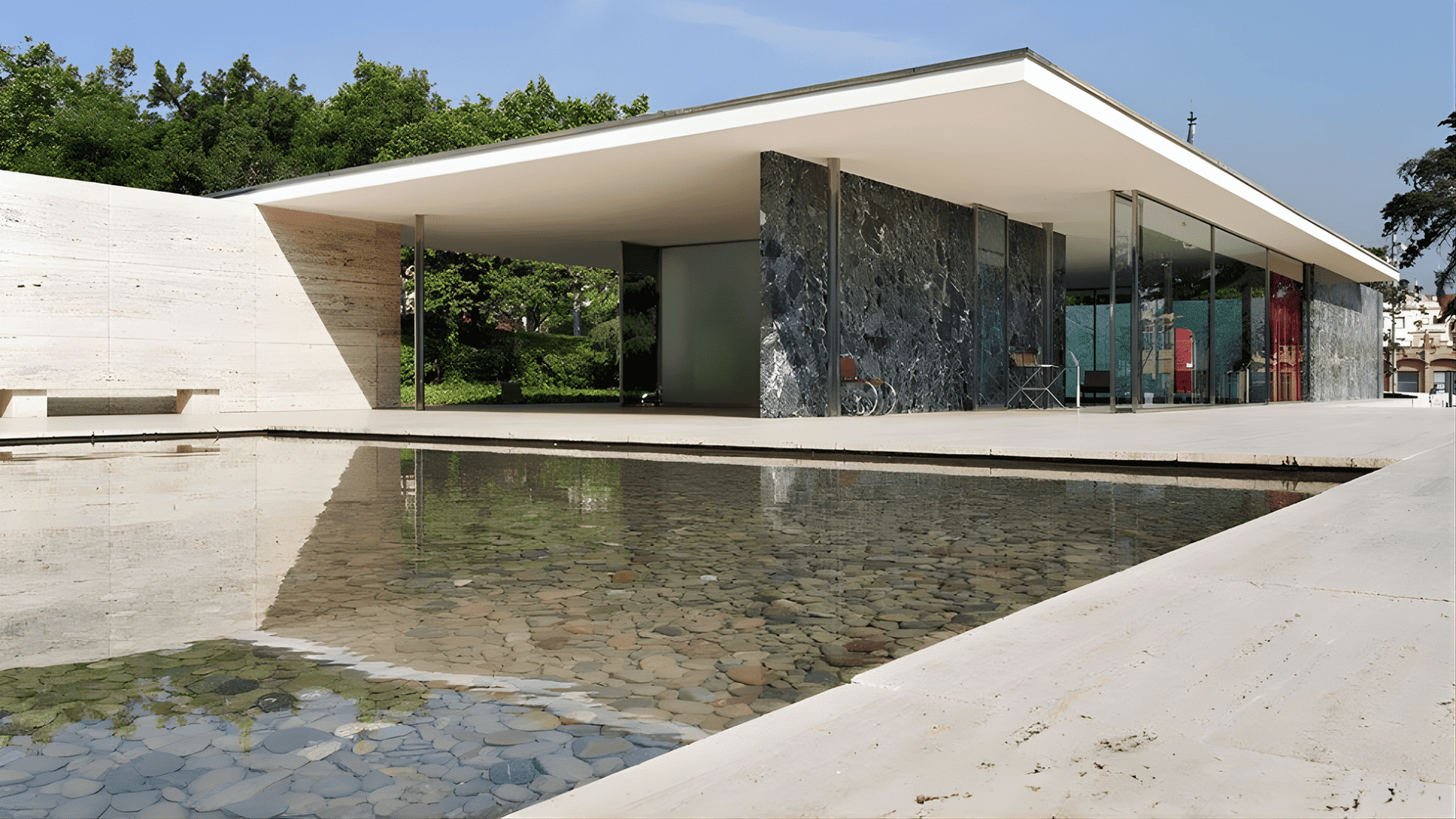
The Barcelona Pavilion uses marble, glass, and steel to create smooth surfaces and clean lines. Its open layout makes the whole structure feel calm and balanced, almost like a sculpture. The building highlights how light and materials can create beauty without extra details.
Tip: Focus on one or two strong materials to keep the design feeling clean.
2. Farnsworth House: United States
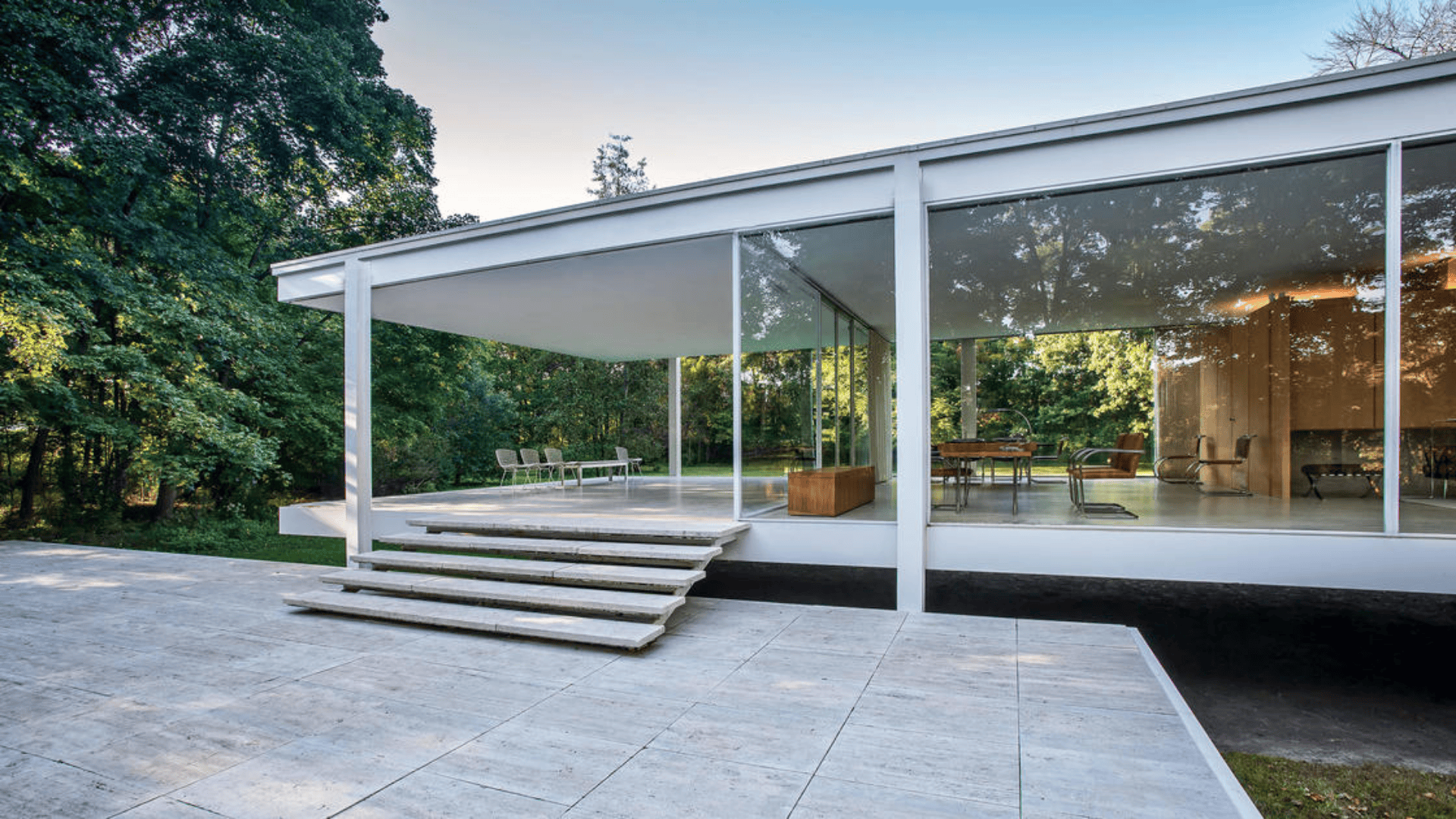
This famous glass house blends with nature through wide windows and an open interior. Sunlight moves through the space all day, creating a soft, peaceful mood. The simple structure shows how minimalism can make even a small home feel open and full of life.
Tip: Use large windows to bring nature into the design.
3. Glass House: United States
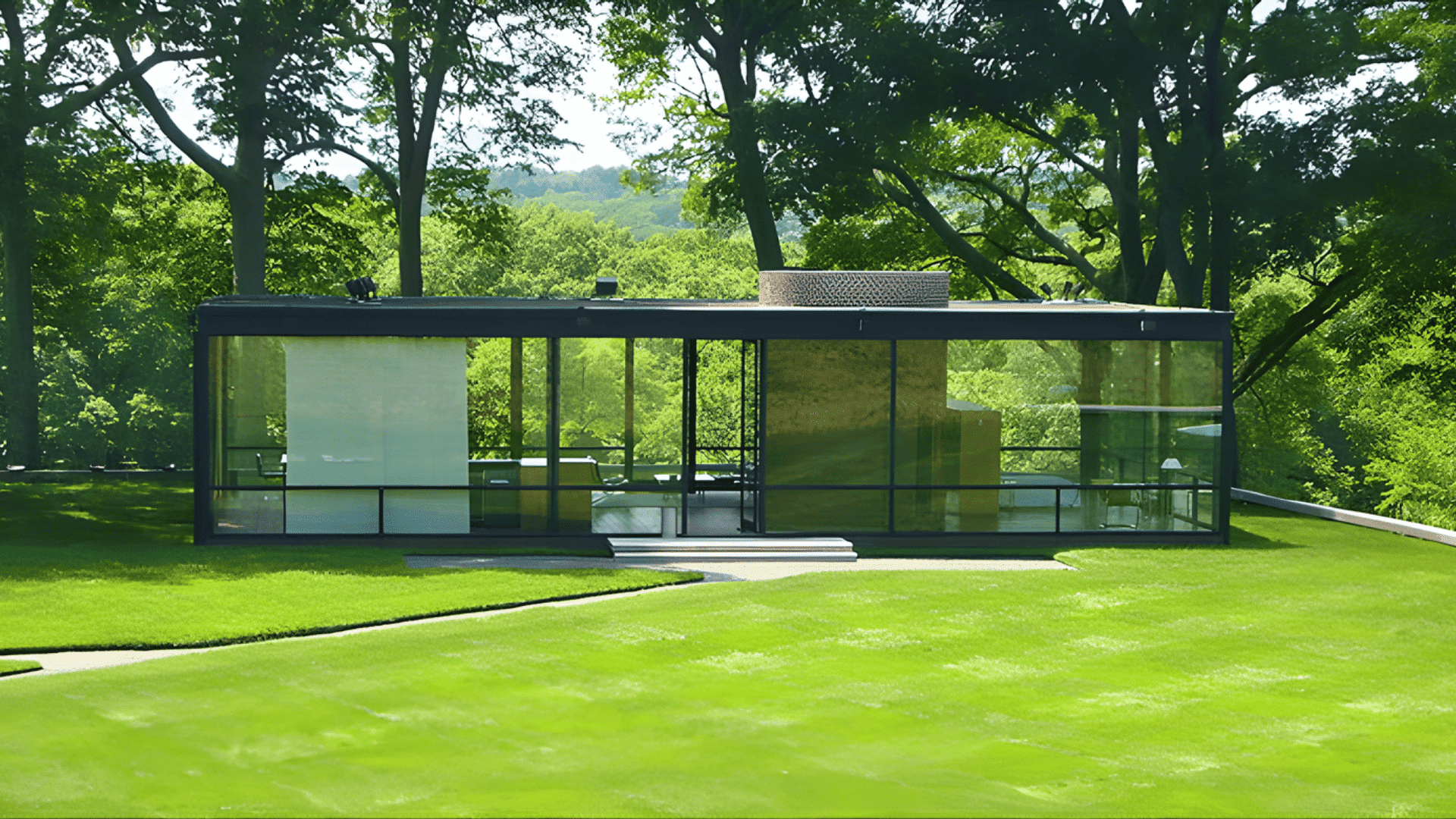
Philip Johnson’s Glass House has floor-to-ceiling windows on every side, turning the outdoors into part of the room. With almost no walls, the home feels open, bright, and connected to the landscape. Its simplicity makes the view the main feature.
Tip: Let the surroundings become part of the experience.
4. Wall-Less House: Japan
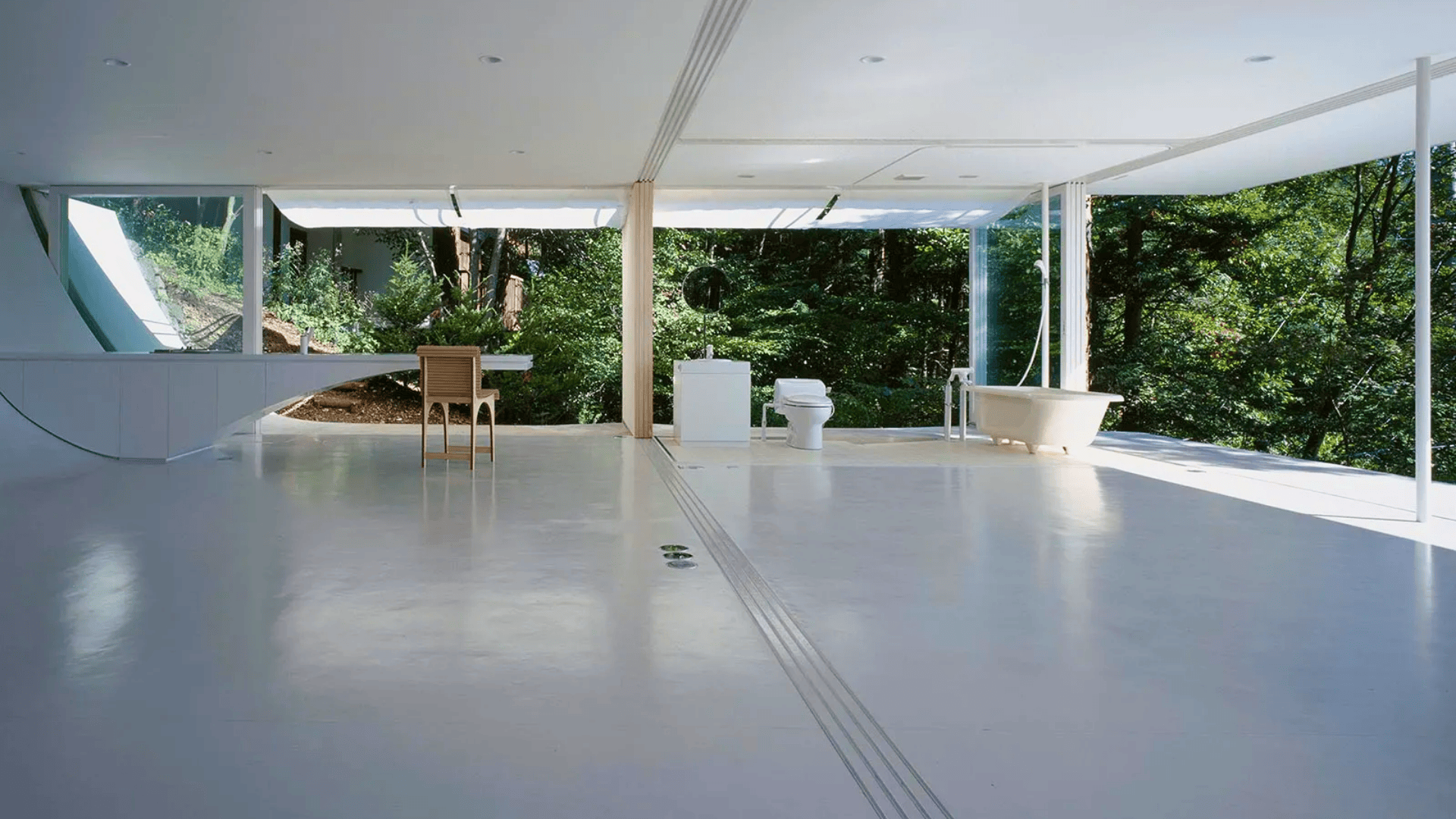
Designed by Shigeru Ban, this home has no fixed internal walls. Movable panels change the layout based on the moment’s needs. The open plan brings plenty of air and natural light, showing how minimalism supports flexibility and comfort.
Tip: Keep spaces adaptable for different daily activities.
5. Therme Vals: Switzerland
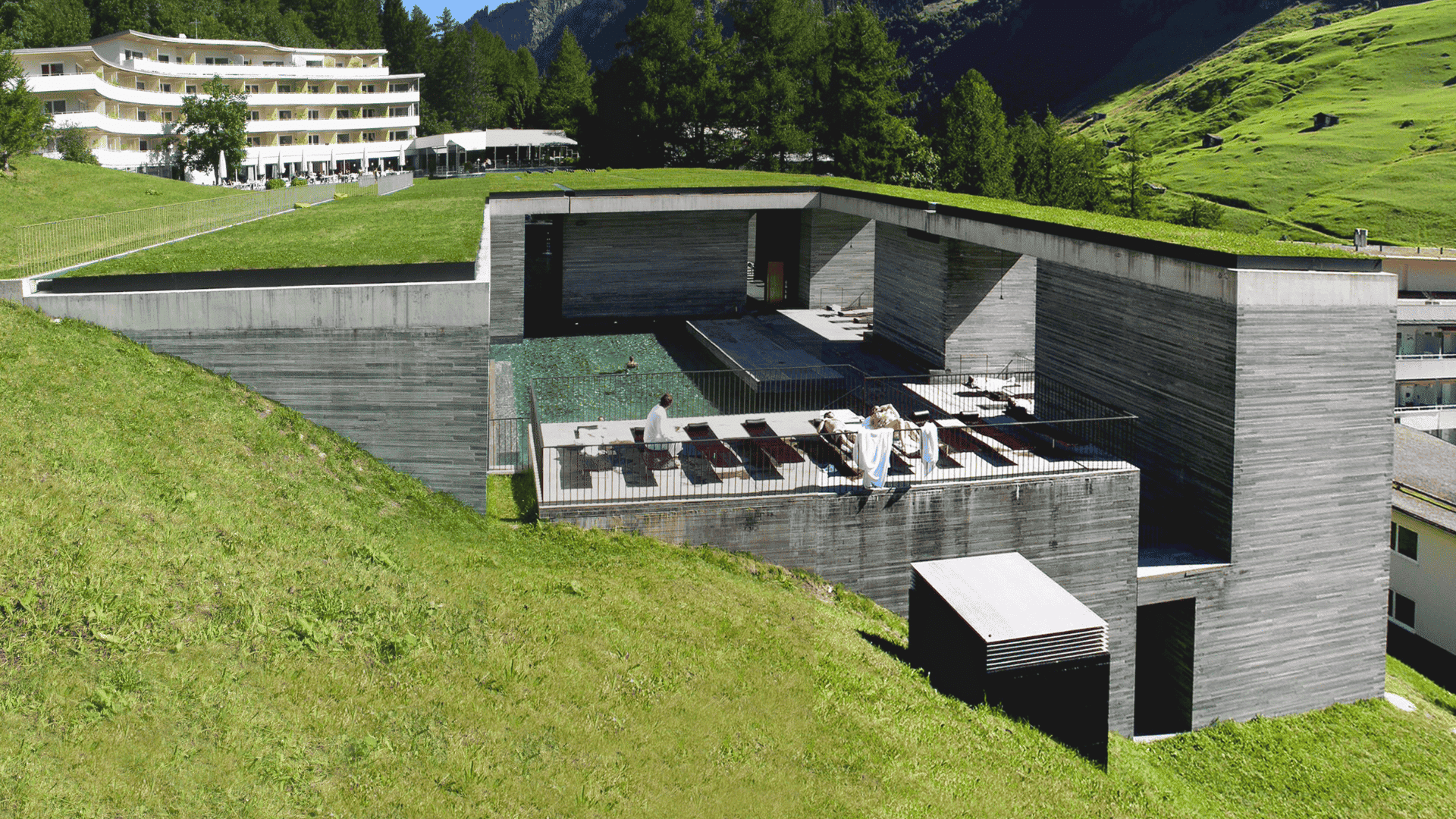
This peaceful spa, created by Peter Zumthor, uses thousands of stone slabs to build calm, cave-like rooms. Soft lighting highlights the natural textures and creates a relaxing mood. It proves that minimalism can feel warm, soothing, and deeply inviting.
Tip: Use natural textures to add warmth without clutter.
6. Off-Grid Chapel: Algarve
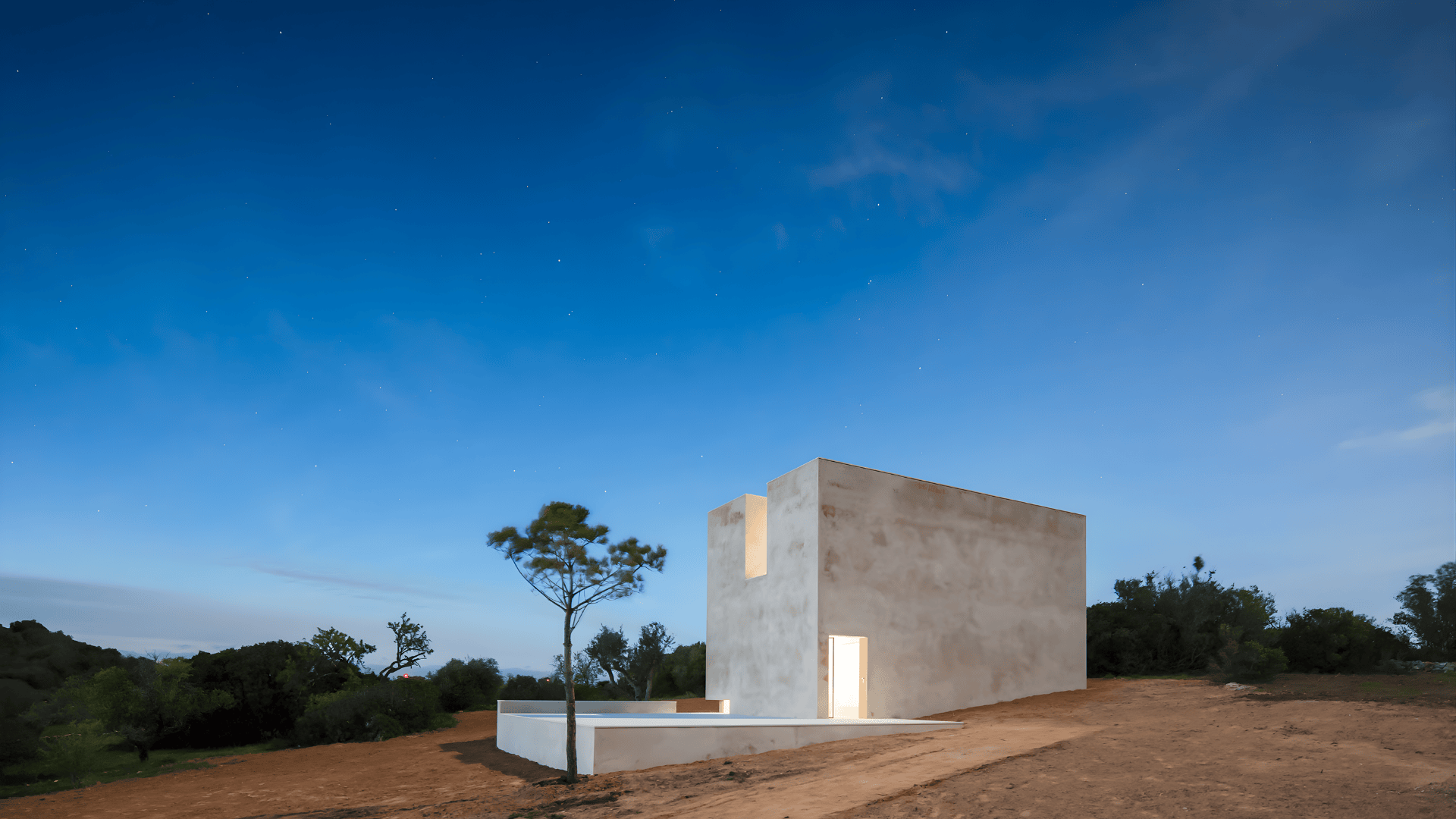
This simple chapel sits quietly in nature with clean lines and a soft, open design. The structure blends with the landscape, showing how minimalism can support peaceful moments of reflection. Its gentle shapes and light create a calming experience.
Tip: Keep shapes simple to make the surroundings stand out.
7. Casatome House: Mexico
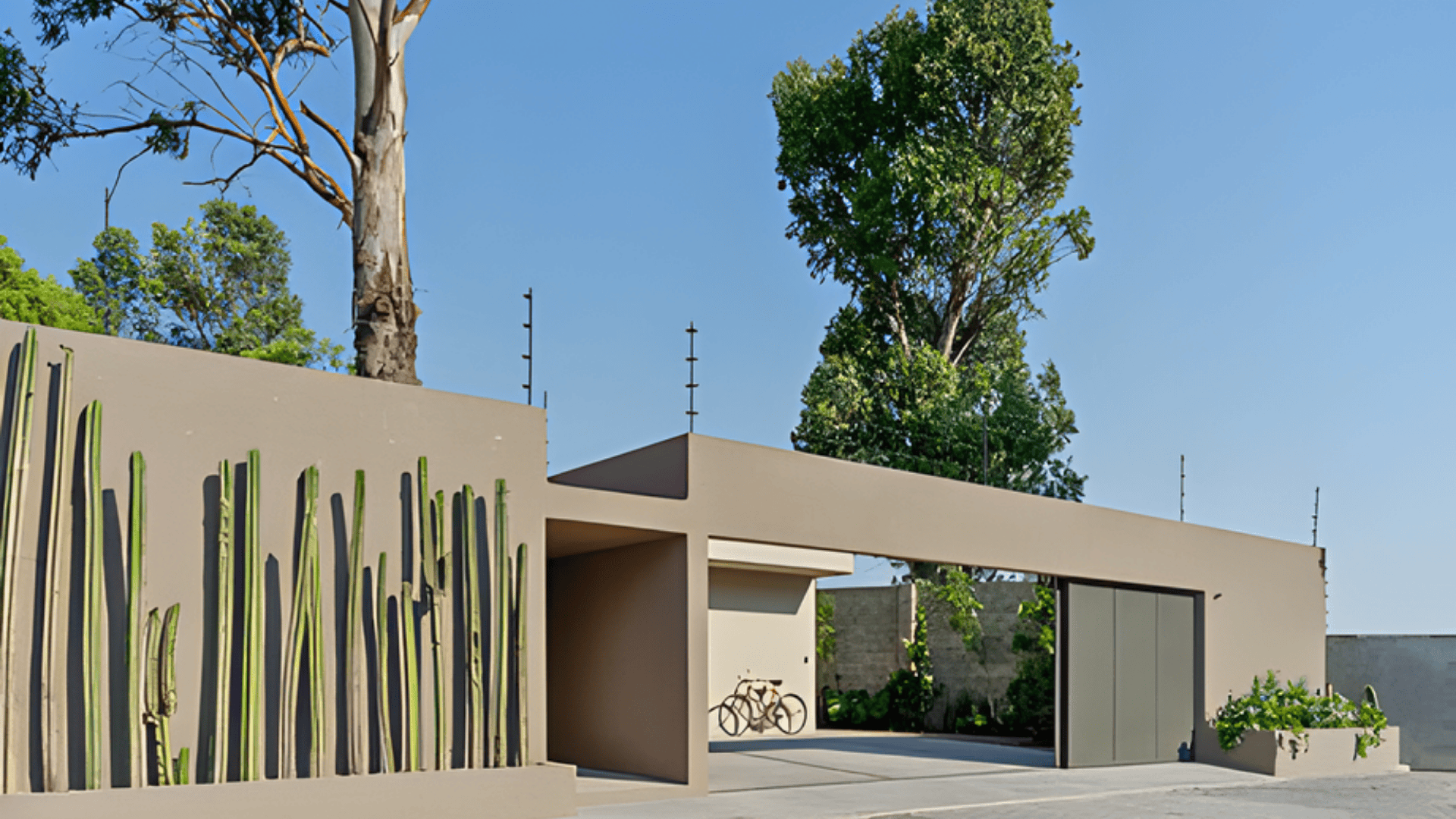
Casatome House blends indoor and outdoor spaces through wide openings and clean surfaces. Sunlight and fresh air move freely through the home, creating a relaxed feeling. Its minimal design turns nature into a key part of daily life.
Tip: Create easy pathways between indoor and outdoor areas.
8. Mermaid Beach Residence: Australia
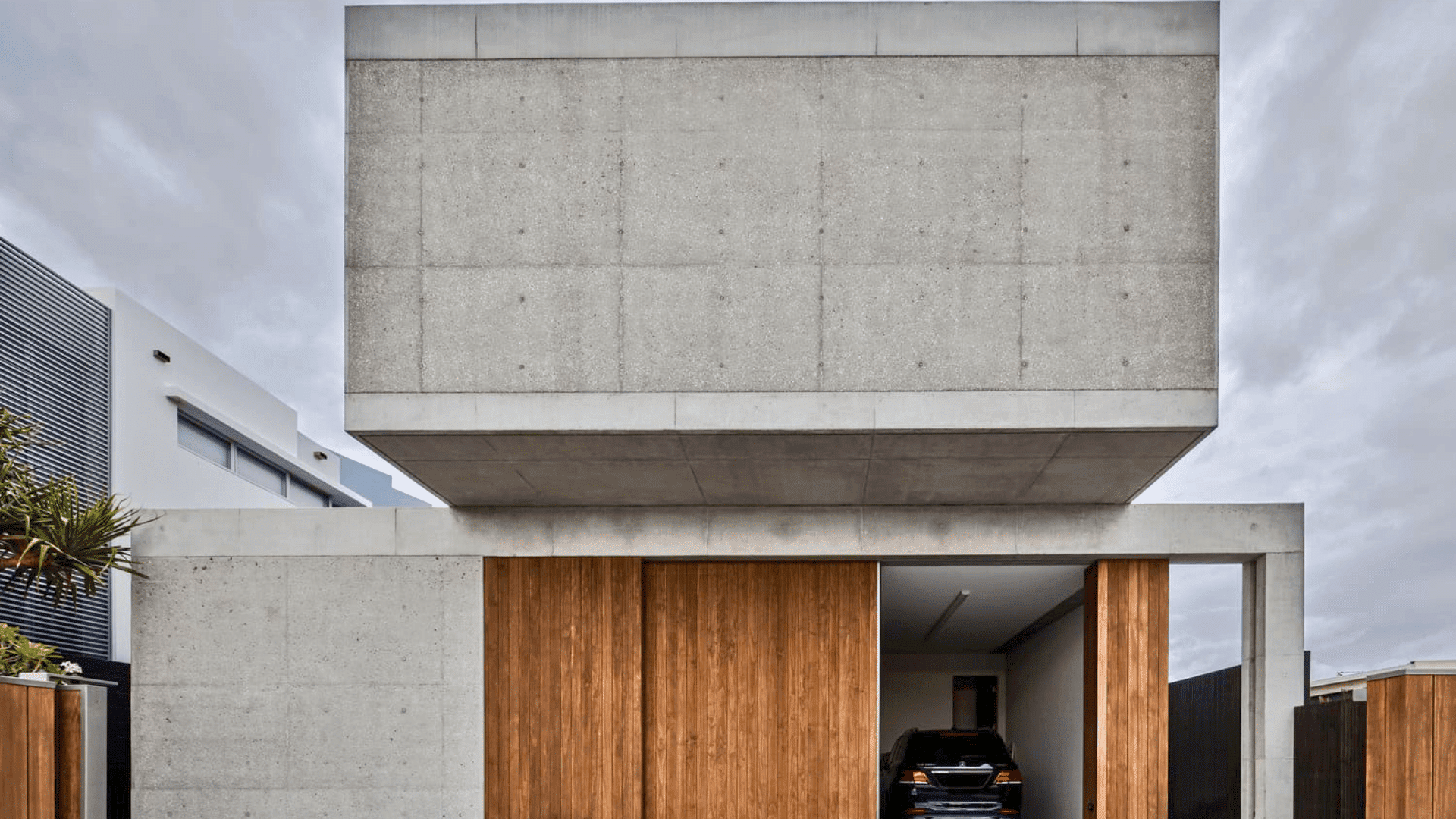
This coastal home uses soft colors, wood, and open layouts to match the beach setting. The simple design feels breezy and calm, letting natural light fill every corner. It shows how minimalism can pair beautifully with coastal landscapes.
Tip: Choose gentle colors to support a peaceful mood.
Minimalist Architecture vs. Contemporary Architecture
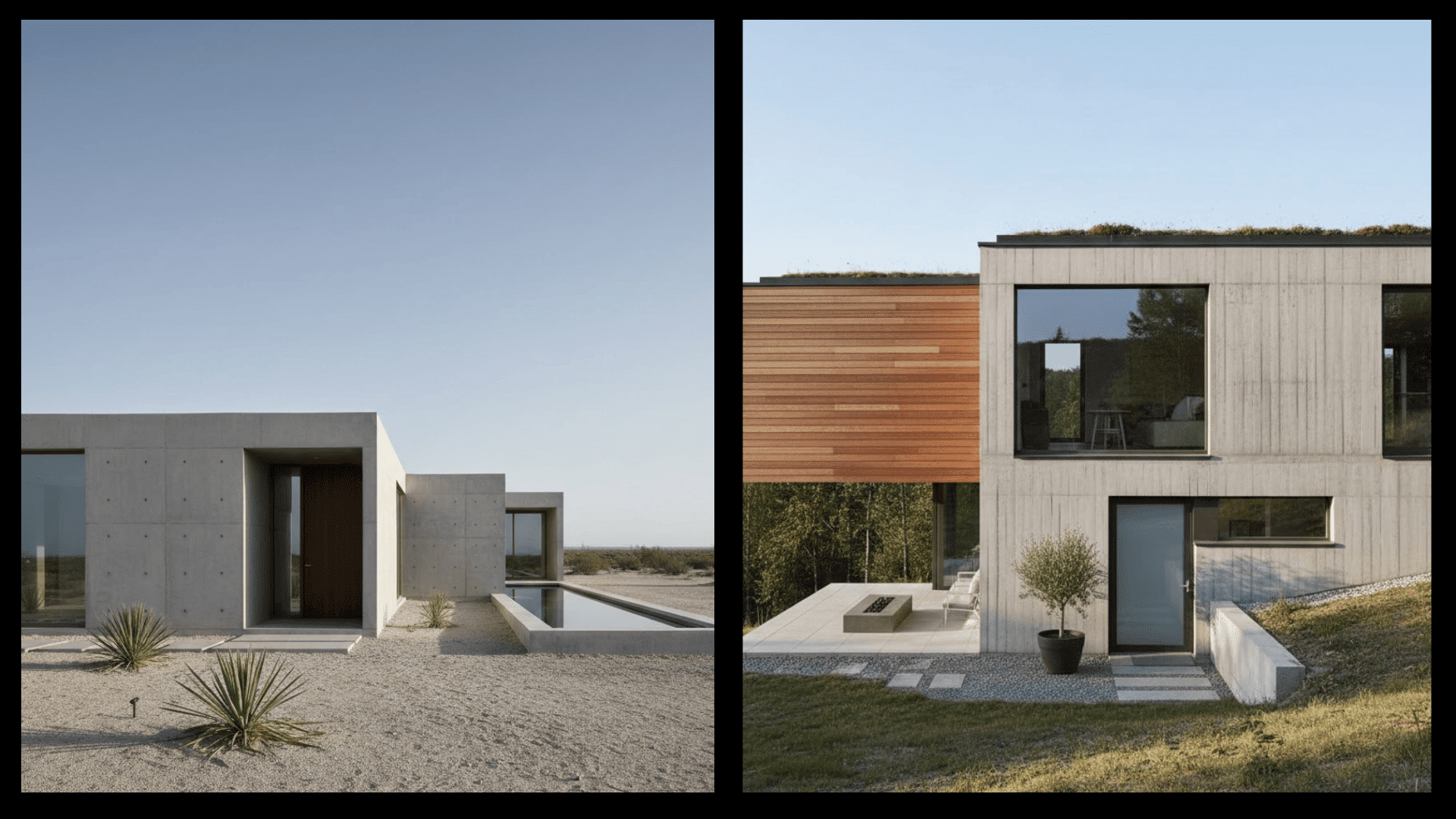
Many people mix up these two styles because both use clean lines. But they are different in clear ways and follow different design goals.
To see the differences more clearly, here is a simple side-by-side comparison:
| Minimalist Architecture | Contemporary Architecture |
|---|---|
| Focuses on simplicity and essential forms | Changes with trends and new ideas |
| Uses a small, limited set of materials | Uses bold shapes and advanced technology |
| Calm, neutral colors | Can include playful, bright, or surprising elements |
| Very little decoration | Often, experiments with unique and eye-catching features |
Minimalism stays consistent over time, while contemporary architecture shifts based on what feels new, fresh, and creative in each era.
Where Minimalist Architecture Comes From?
Minimalist architecture did not start from one place or one person. It slowly grew from a mix of design ideas that all loved simple shapes, natural light, and calm spaces.
- Japanese Zen Design: Japanese architecture values simplicity, quiet, and a close connection to nature. Sliding doors, open layouts, and soft, filtered light helped shape the calm feeling of modern minimalism. Empty space is treated as something meaningful, not something that must be filled.
- Scandinavian Design: Scandinavian homes use clean lines, bright rooms, and simple materials like wood and stone. They focus on comfort, warmth, and everyday function. This balance of simplicity and coziness fits perfectly with the goals of minimalist architecture.
- Bauhaus and De Stijl Movements: These early 20th-century movements promoted simple geometric shapes and the idea that “form follows function.” Designers were encouraged to remove anything that did not have a clear purpose and let the structure and layout do the talking.
Together, these influences shaped the minimalist buildings seen today, spaces that feel clear, balanced, and thoughtfully designed with only what truly matters.
Benefits and Criticisms of Minimalist Architecture
Minimalist architecture has clear benefits, but it also comes with a few challenges. The table below gives a simple, easy-to-scan view of both sides.
| Benefits of Minimalist Spaces | Concerns About Minimalist Spaces |
|---|---|
| Calm, clutter-free environments | Some people feel the rooms look too empty |
| Better focus and relaxation | Limited storage can be hard in daily life |
| Easy-to-clean surfaces | High-quality, simple finishes may cost more |
| More natural light | Homes can feel cold without softer touches |
| Strong connection with nature | — |
| Clear, balanced layouts | — |
| Materials that feel timeless | — |
Because of both the benefits and concerns, many designers add warm lighting, textures, plants, and soft details so minimalist spaces stay simple but still feel welcoming.
The Future of Minimalist Architecture
Minimalist architecture continues to grow as new lifestyles and technologies shape the way people live.
Today’s designs often move toward warm minimalism, blending simple forms with natural textures for comfort. There is a stronger push forsustainable design, with materials and methods that support long-term environmental health.
Many homes now feature open layouts that bring nature indoors, creating brighter and more peaceful spaces. Modern tools also make it easier to build minimalist cabins, retreats, and off-grid homes.
As cities get busier, architects focus on creating places that feel calm, clear, and restful.
Wrapping Up
Minimalist architecture can be a quiet reset for your eyes and your mind. Instead of rooms packed with stuff, you get space, light, and a few strong details that actually mean something to you.
It’s less about following a trend and more about supporting how you live every day.
You now have a better sense of what makes this style work, from simple shapes and natural light to real projects around the world.
If you decide to use some of these ideas at home, you can start small and move at your own pace.
If this helped you think differently about your space, I’d love for you to check out my other blogs for ideas, tips, and gentle inspiration.