
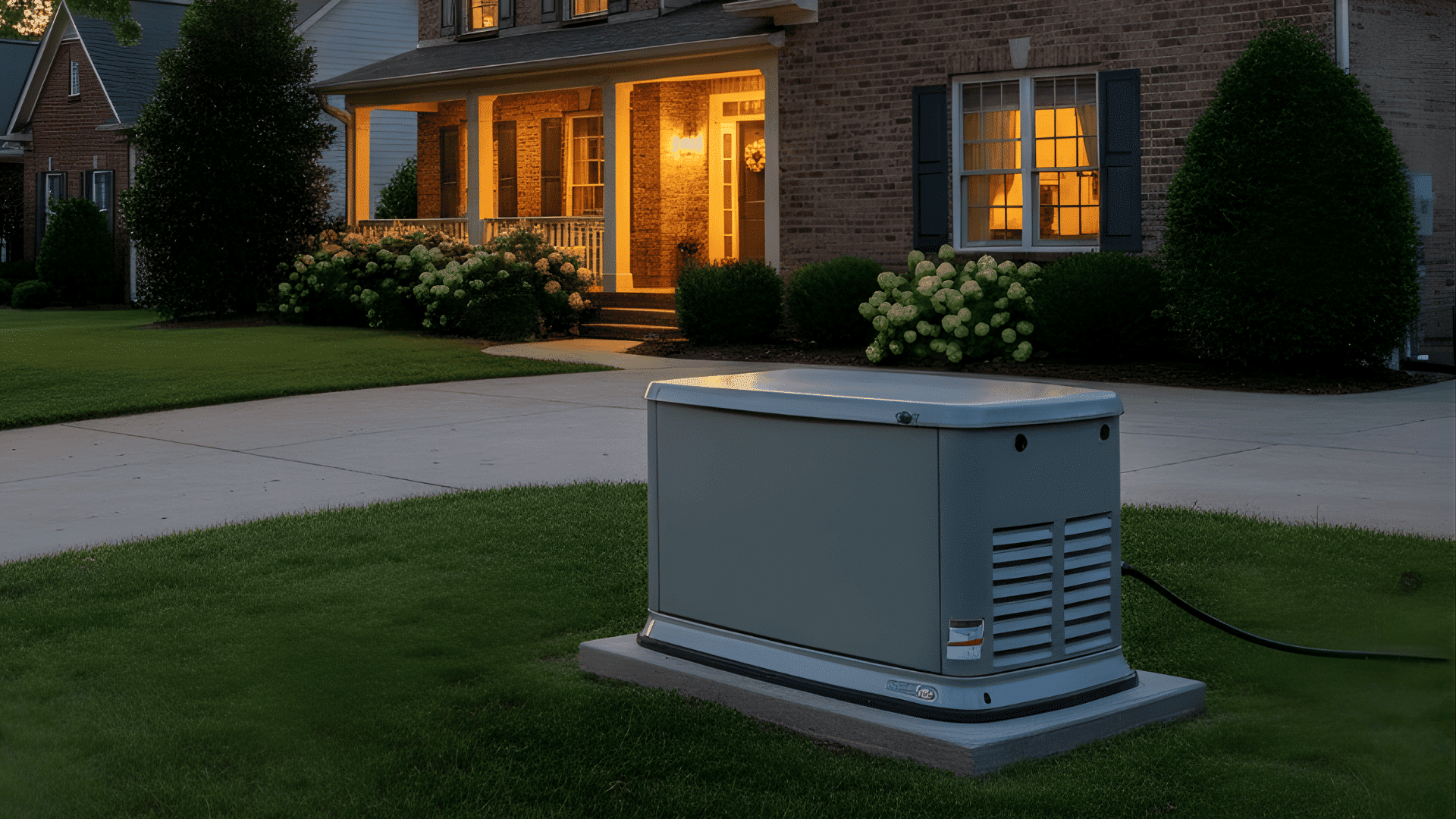


Power outages are a headache. The lights go out, the fridge is full, and you start wondering what size generator to run a house so things can keep moving. It feels like a big decision, but it does not have to be confusing.
In this guide, I will walk through the basics together in simple steps. You will learn how to pick your backup plan, understand the main types of generators, and add up the watts you actually need.
You will also see which appliances matter most, what can go wrong with sizing, and how to stay safe. By the end, you’ll be much clearer about what makes sense for your home.
Start With Your Backup Plan: Basics, Comfort, or Whole Home
Before checking watt numbers, decide how much of your home you want to keep running during an outage. This quick chart makes the choice easier:
| Backup level | What It Helps You Do | Common Things You Can Run |
|---|---|---|
| Essentials only | Keep food safe, stay connected, and have basic lighting | Refrigerator and or freezer, a few lights, Wi Fi router, phone charging, garage door opener, medical devices (if needed) |
| Comfort backup | Add a few daily-use items so home life feels steadier | Microwave or coffee maker, a few more rooms of lights, TV or computer, sump pump or well pump, furnace blower (for homes with gas heat) |
| Whole home backup | Cover most of the home during longer outages | Most circuits in the panel are for bigger loads like HVAC, pumps, and more outlets, and automatic switching with a transfer switch |
Once you know your backup level, sizing a generator becomes much simpler because you can focus only on the loads that match your plan.
The Three Main Types of Generators
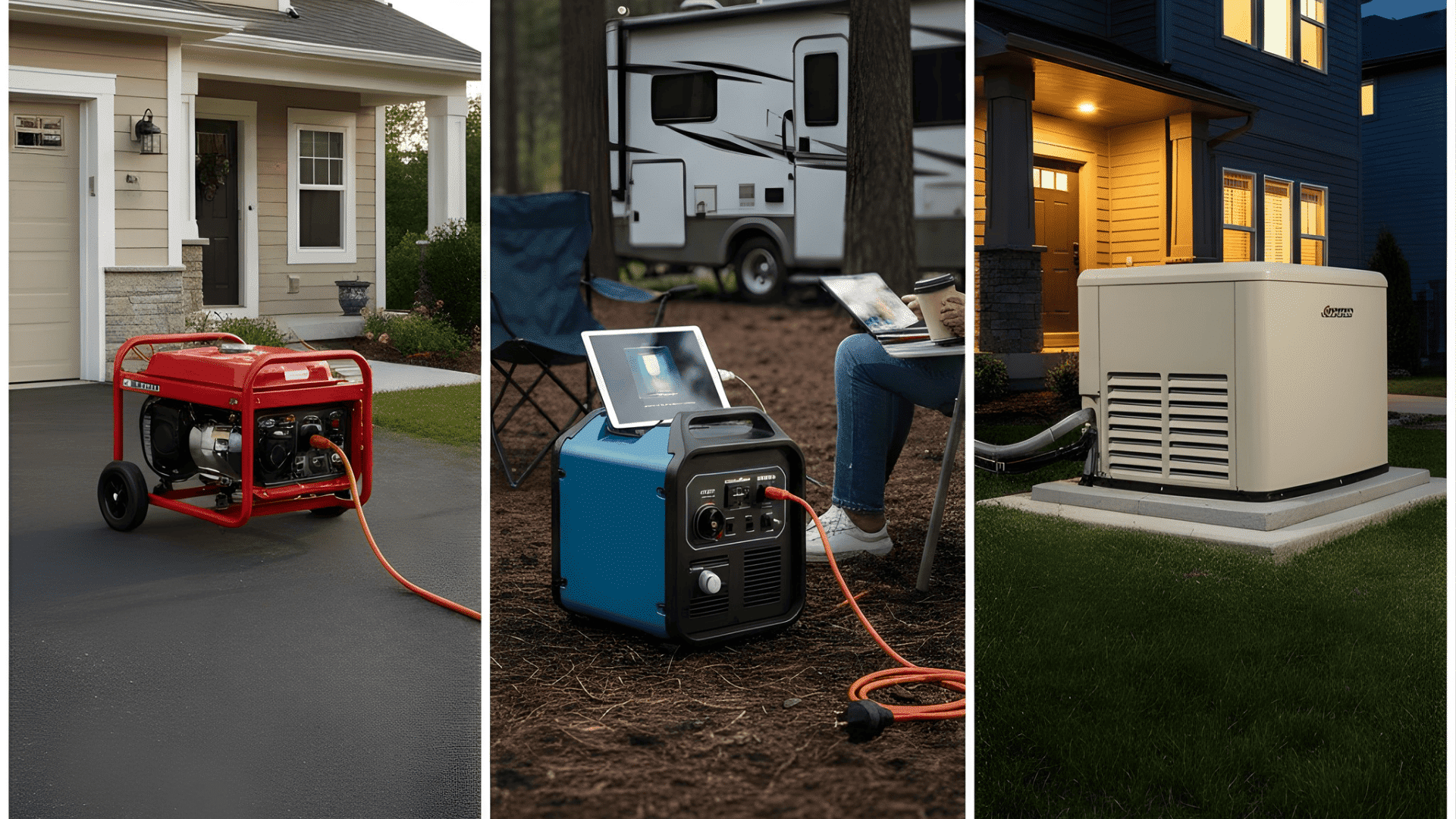
Different generator types work better for different homes and outage plans. Even if two models have the same watt rating, they can feel very different to use. These three options cover most needs, from basic backup to almost normal life during a power cut.
1. Portable Generators
Portable generators are rolled out, started by hand, and refueled as needed. They work well for short outages and basic loads like lights, the fridge, and Wi-Fi.
Cost factors: you pay for the generator, heavy-duty cords, a safe home inlet (if you use one), and fuel cans. Upfront cost is low, but you do more work during an outage.
2. Inverter Generators
Inverter generators are a quieter kind of portable unit, often used for laptops, routers, TVs, and small appliances. They give steady power and are easier on electronics.
Cost factors: you pay for the inverter unit, cords or inlet, maybe a kit to link two units, and fuel. They usually cost more than basic portables but are quieter and smoother.
3. Standby Generators
Standby generators sit outside the home and turn on by themselves when the power fails. They can handle bigger loads, including many circuits and HVAC in some setups.
Cost factors: you pay for the generator, transfer switch, installation labor, gas or propane line work, pad, and permits. You also pay for fuel and service, but daily use is very easy.
How to Calculate What Size Generator to Run a House
This simple method helps you size a generator the same way many buying guides and electricians do.
Follow these short steps to get a clear number if you are wondering what size generator for house loads you really need.
Step 1: List what you want to run at the same time: Make two lists so your plan stays realistic.
- Must run: fridge, freezer, Wi Fi, some lights, medical device (if needed)
- Nice to run: microwave, TV, dishwasher, extra lights, window AC. You can rotate loads when needed, such as using the microwave briefly, then turning it off.
Step 2: Find running watts and starting watts: Running watts are for normal use. Starting watts are the short surges needed to start motors. These matter most for items like fridges, freezers, sump pumps, well pumps, AC units, and some tools.
Step 3: Add up your total running watts: Only include the items you will use at the same time. Leave out anything you plan to rotate.
Step 4: Add the biggest surge, then add a safety buffer: Find the item with the highest starting watts and add that to your running total. After that, add a buffer of about 20% to 25% so the generator is not working at its limit.
The Appliances that Usually Decide Your Generator Size
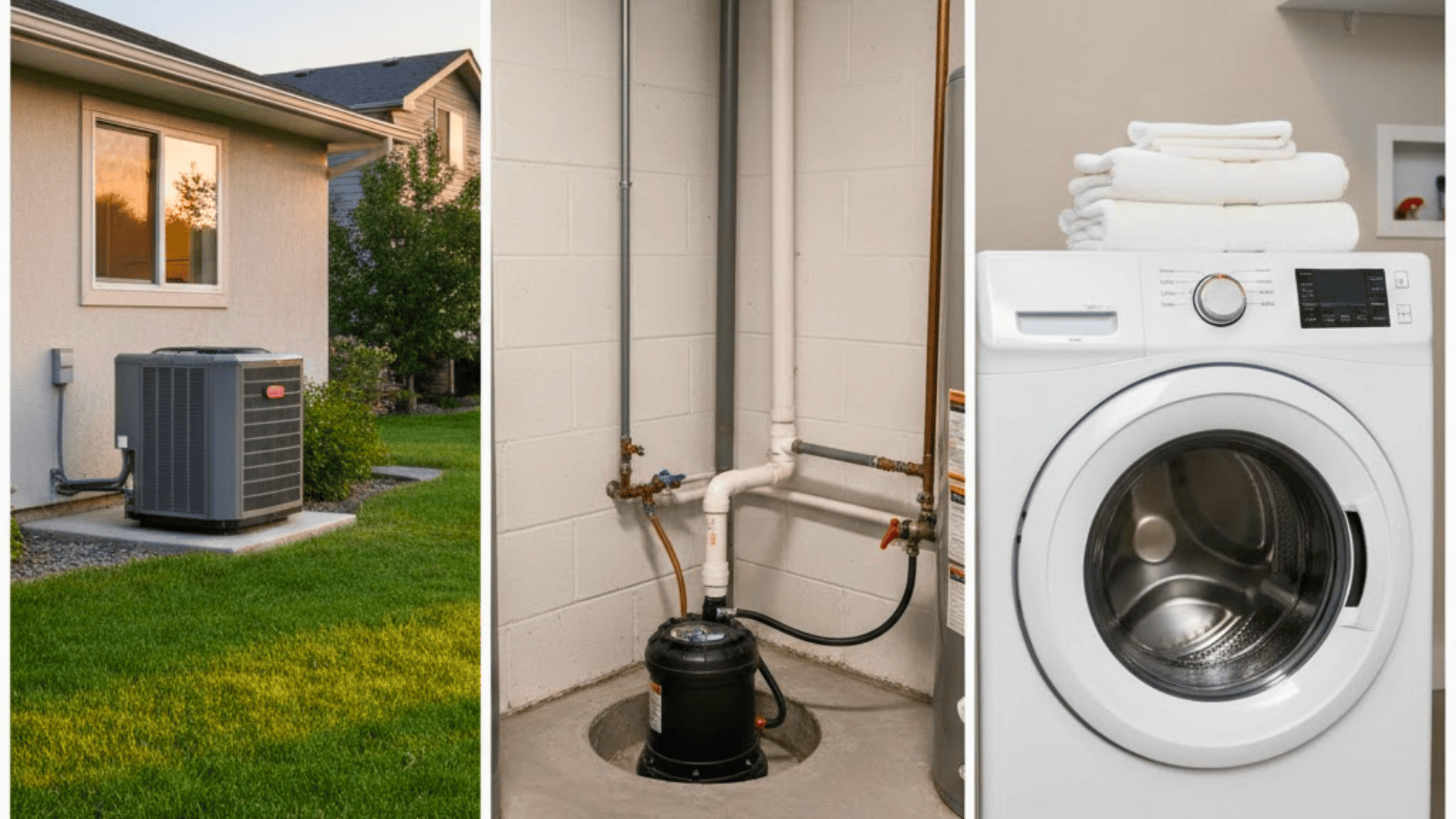
Some appliances barely change your generator needs. Others can raise the size a lot, especially when they have motors or heating elements.
Here are the items that affect generator size the most:
- Central AC units: need a strong surge to start and steady power to run
- Well pumps and sump pumps: motor loads that may use 240V and cycle on and off
- Electric water heaters, stoves, and dryers: large heating loads that can overwhelm small generators
- Furnace blowers in gas heat systems: needed to push warm air through the home
These loads shape your final generator size more than simple items like lights or phone chargers.
Decide early which of these you want to keep running during an outage, then size the generator around them.
Generator Size Guidelines by Use Case
Before picking a generator, it helps to match your backup goal with a size range that fits what you plan to run.
This chart gives a clear starting point if you want to know what size generator do I need for my house in real.
| Use case/household type | Typical generator size | Usually covers | What can push it higher |
|---|---|---|---|
| Essentials only | About 5,000–8,000 watts | Fridge or freezer, lights in a few rooms, router, phone charging, TV, or a laptop | Adding a sump pump, adding a well pump, using a microwave often |
| Comfort backup | About 8,000–12,000 watts (more if pumps or AC run) | Essentials plus more lights and outlets, microwave in short bursts, one pump (depending on surge) | Large well pump, bigger window AC, running many kitchen items at once |
| Whole home backup | About 15–25 kW for many homes (more for larger homes) | Most circuits, central AC in many setups, several big loads running together | Multiple AC units, many large appliances, a higher number of 240V loads |
Square footage alone is not enough. Two homes of the same size can need very different generator sizes based on HVAC, pumps, and the appliances you plan to use.
Important Generator Safety Tips
Before you even think about starting or sizing a generator, take a minute to walk through these safety basics.
- Carbon monoxide: Never run a generator indoors or in a garage, and keep it well away from doors and windows. Use carbon monoxide alarms inside the home.
- Electrical: Never plug a generator into a wall outlet. Use a transfer switch or interlock fitted by a qualified electrician to avoid backfeeding.
- Operation: Let the unit cool before refueling, use outdoor-rated cords, keep it dry, and stay within its rated load.
With these rules in mind, the rest of your generator planning becomes safer and much easier to manage.
Generator Sizing Errors to Avoid
Many people end up with the wrong generator because of a few common sizing errors. Keeping these points in mind makes your choice much more reliable.
- Choosing a generator based only on square footage: appliance loads matter far more than home size.
- Ignoring starting watts for motors: items like fridges, pumps, and AC units need a surge to start.
- Running central AC with other big appliances: this can overload smaller generators very quickly.
- Using the generator at full load with no buffer: always leave extra room so the unit can handle spikes.
- Overlooking 240V loads: some pumps and HVAC systems need more power than standard outlets.
- Thinking gas heat uses no electricity: the furnace blower still needs power to move warm air.
Avoiding these mistakes helps you pick a generator that handles your real needs without strain or surprises.
Bottom Line
Choosing what size generator to run a house becomes much easier once you break the process into simple steps.
You looked at your backup plan, checked the types of generators, and learned how running watts and starting watts shape your final choice.
You also saw how certain appliances can change the size you need and why safety rules matter every time you use a generator.
Now you have a clear path to find a generator that fits your home and daily needs without guessing. If you want more help with home guides and easy tips, feel free to check out my other posts on the site.