

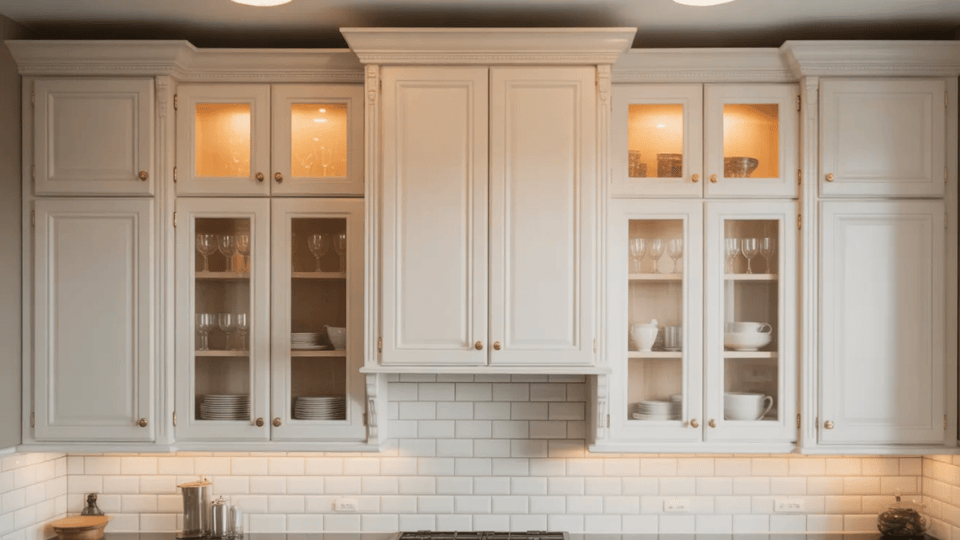

When I first started working with kitchen layouts, one question kept coming up: how deep are kitchen cabinets?
It may seem like a small detail, but cabinet depth plays a big role in how a kitchen looks, feels, and functions every day. Along with picking out popular kitchen cabinet colors, choosing the right depth can make your space more organized, comfortable, and easy to use.
Here, I’ll break it all down in a simple way. I’ll cover the standard depths for base, wall, and pantry cabinets, along with options for smaller kitchens and custom setups.
By the end, you’ll have a clear idea of what works best and how to plan your kitchen space more efficiently.
The Importance of Cabinet Depth in Kitchen Design
Cabinet depth might seem like a small detail, but it actually makes a big difference in your kitchen.
The depth of your cabinets decides how much stuff you can store, from plates and pots to pantry items, so picking the right size helps keep things organized.
It also affects how much space you have to move around, which is important if your kitchen is small or busy. Cabinets that are too deep or too shallow can make it hard to reach things or fit appliances like dishwashers and ovens properly.
Even simple tasks, like cooking or cleaning, feel easier when your cabinets are the right size. Paying attention to depth can make your kitchen more comfortable, efficient, and just nicer to use every day.
Factors That Affect Cabinet Depth
Choosing the right cabinet depth isn’t just about numbers; it depends on a few important factors that can change how your kitchen feels and works. Here are the main things to consider:
- Appliance Alignment: Standard appliances like dishwashers and ranges are 24 inches deep to sit flush with base cabinets for a seamless look.
- Countertop Overhang: Factor in the extra 1–2 inches of countertop extension beyond the cabinet box when measuring your total floor space.
- Layout & Flow: Whether you have a galley or U-shaped kitchen, ensure cabinet depth leaves enough room for comfortable, unobstructed walkways.
- Storage Requirements: Choose deeper cabinets for bulky cookware and shallower units for small kitchens or frequently used items.
- Proportional Height: For ceilings 9 feet or higher, consider 42-inch wall cabinets or stacked units to maintain visual balance and maximize vertical storage.
- Ergonomics & Accessibility: Adjust toe kicks for taller users, or follow ADA guidelines (34-inch max counter height) to ensure the space is accessible for everyone.
Considering these factors helps make your kitchen more comfortable, organized, and easy to use every day.
How Deep are Kitchen Cabinets?
Getting the right depth for your kitchen cabinets is important. It affects how much you can store, how easy it is to reach things, and how comfortable your kitchen feels.
1. Base Cabinets
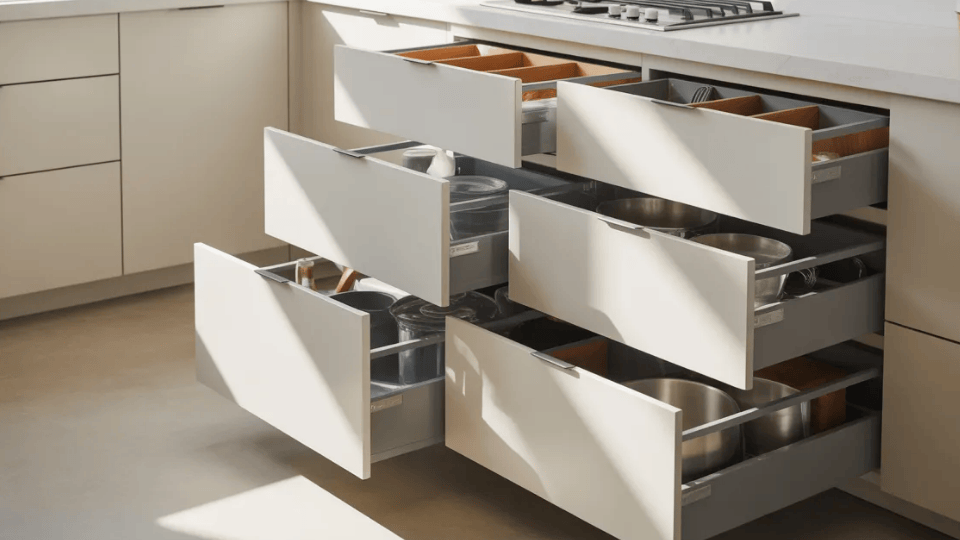
Base cabinets serve as the vital foundation of your kitchen’s workspace and storage. The industry standard depth is 24 inches for the cabinet box, which typically extends to 25–26 inches once the countertop is installed.
If you are refinishing your current bases to save on costs, choosing a durable formula from reputable paint brands will help them stand up to daily wear and tear
This specific depth is designed to maximize storage for heavy pots, pans, and appliances while ensuring the average person can still reach the back of the shelf comfortably.
In tighter layouts, you might opt for shallower 18-inch boxes to maintain a 42–48 inch walkway, ensuring the kitchen remains easy to navigate during busy meal prep.
2. Wall (Upper) Cabinets
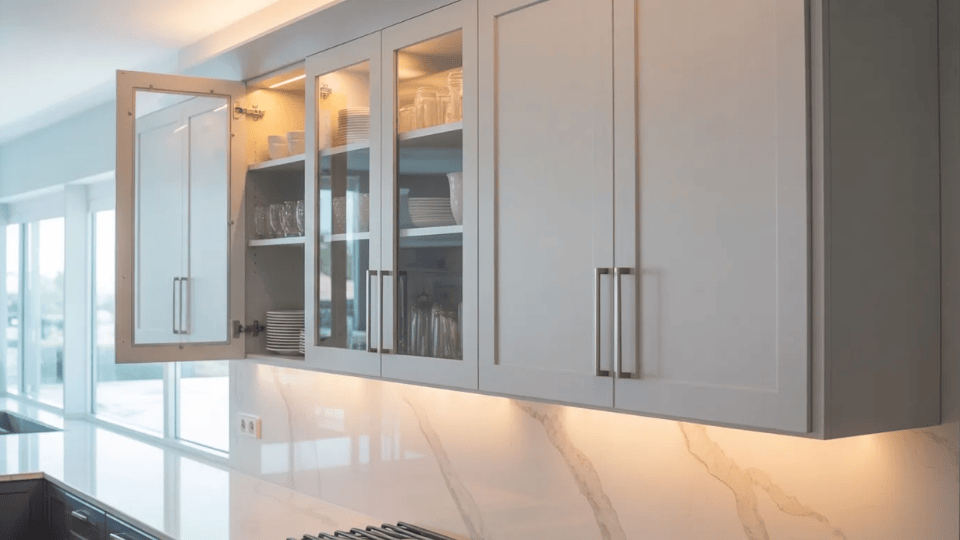
Upper cabinets are designed to provide essential storage for glassware and plates without obstructing your view or workspace.
The standard depth is 12 inches, which sits perfectly at eye level and prevents you from bumping your head while cooking. While deeper 15–24 inch units are often used specifically above refrigerators or microwaves to create a flush look, sticking to the 12-inch standard preserves an airy, open feel.
For the best ergonomics, these should be mounted roughly 18 inches above the countertop to allow plenty of room for small appliances.
3. Tall and Pantry Cabinets
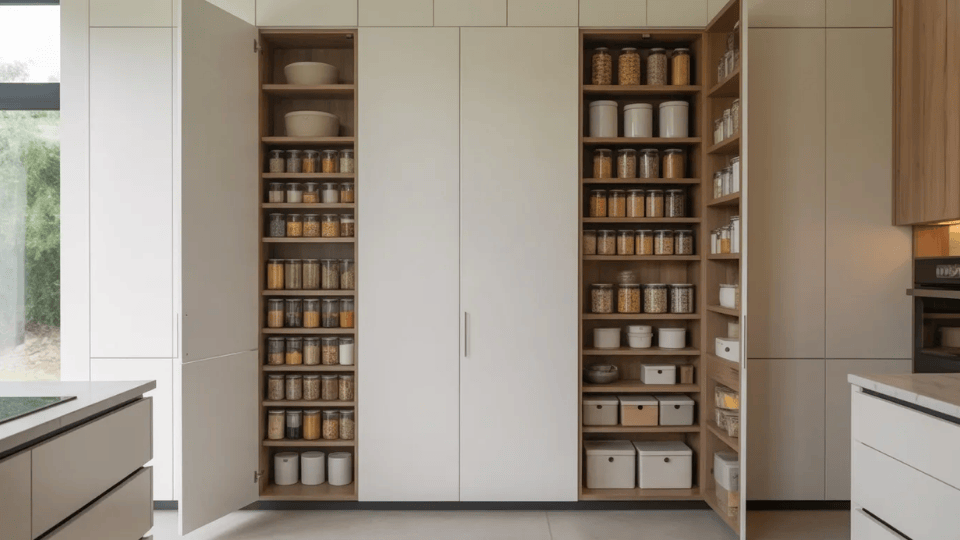
Tall pantry cabinets offer incredible storage flexibility, typically ranging from 12 to 24 inches in depth.
Choosing the right size depends entirely on your organizational style; a shallower 12-inch pantry is excellent for visibility, preventing cans and jars from getting “lost” in the back.
Conversely, a 24-inch deep pantry maximizes vertical space for bulkier items but truly requires pull-out drawers or rotating organizers to remain functional.
Planning this depth carefully ensures your pantry stays organized rather than becoming a cluttered, dark corner where food items are forgotten.
4. Kitchen Island Cabinet Depth
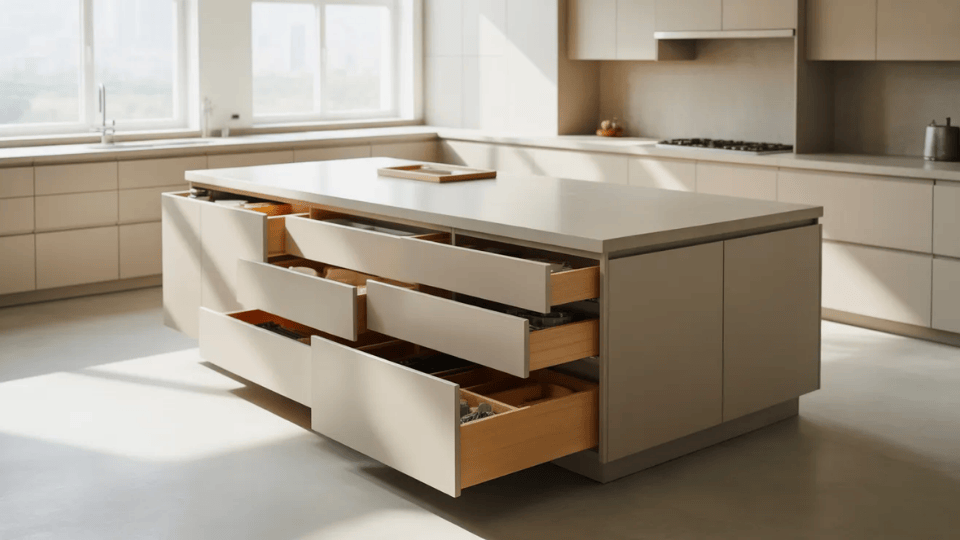
A kitchen island is a multi-functional centerpiece, and its depth should reflect its primary purpose.
While many islands use standard 24-inch base cabinets, the total depth often reaches 30 to 40 inches to accommodate breakfast bar seating or double-sided storage. If you plan to include seating, remember to include a 12–15 inch overhang for legroom.
For smaller kitchens, keeping the depth closer to 30 inches ensures you maintain the necessary 36–42 inches of clearance around the perimeter, allowing for smooth traffic flow and safe appliance door opening.
US vs. European Cabinet Depth Standards
If you are buying cabinets through an international supplier or renovating a home with existing European cabinetry, the depth numbers will look slightly different.
<class=”table-wrapper”>
| Cabinet Type | US Standard | European (EU/UK) Standard |
|---|---|---|
| Base Cabinets | 24 inches (61 cm) | 56–60 cm (~22–23.6 inches) |
| Wall Cabinets | 12 inches (30.5 cm) | 30–37 cm (~12–14.5 inches) |
| Tall / Pantry | 12 or 24 inches | 56–60 cm for full-depth units |
European base cabinets run slightly shallower, which is why their standard 60 cm countertop is narrower than a US countertop.
The practical difference for appliance fit is minimal once door fronts are installed, but it matters if you are trying to mix US-sourced appliances with European-spec cabinetry.
ADA-Compliant Cabinet Depths
ADA (Americans with Disabilities Act) guidelines set specific requirements for accessible kitchens.
These are worth knowing whether you are designing for a family member with limited mobility, planning to age in place, or building to code in a multi-family or commercial setting.
- Counter height: Maximum 34 inches (vs. the standard 36 inches)
- Knee clearance: At least 27 inches of vertical clearance beneath accessible work surfaces
- Base cabinet depth: Still typically 24 inches, but paired with lower countertops
- Walkway clearance: Minimum 60 inches of turning radius in wheelchair-accessible kitchens
If you are remodeling with accessibility in mind, talk to a certified aging-in-place specialist or an NKBA-certified designer. These adjustments are most cost-effective when planned from the start, not retrofitted later.
Kitchen Cabinet Sizes for Small Kitchens
Choosing the right cabinet sizes is key in a small kitchen. The table below shows common dimensions that help save space while keeping your kitchen functional and easy to use.
| Cabinet Type | Standard Depth | Small Kitchen Depth | Height Range | Best Use Case |
|---|---|---|---|---|
| Base Cabinets | 24 inches | 18–21 inches | 34–36 inches | Cooking, sink, storage for pots and pans |
| Wall Cabinets | 12 inches | 9–12 inches | 12–42 inches | Storing dishes, cups, and light items |
| Tall/Pantry | 12–24 inches | 12–18 inches | 84–96 inches | Food storage, bulk items, vertical storage |
| Corner Cabinets | 24 inches | 18–24 inches | 34–36 inches | Maximizing corner space efficiently |
| Pull-Out Cabinets | 12–24 inches | 9–18 inches | 34–36 inches | Easy access storage in tight spaces |
This helps you quickly compare options and choose cabinet sizes that make your small kitchen feel more open while still giving you enough storage.
In truly tight kitchens, think galley layouts under 8 feet wide, I often recommend going to 18-inch base cabinets on one side and keeping the opposite wall at standard 24 inches.
You preserve most of your storage while gaining 6 inches of walkway clearance, which makes a real difference when two people are trying to cook at the same time.
Stock, Semi-Custom, and Custom Cabinets: How Depth Options Differ
The type of cabinet you buy directly affects how much flexibility you have with depth.
Stock cabinets come in fixed standard sizes, typically 24-inch base and 12-inch wall. They are the most affordable option and work well for most kitchens with straightforward layouts.
Semi-custom cabinets offer more width and height options and often allow some depth modification, making them a practical middle ground for kitchens with unusual dimensions or specific appliance needs.
Custom cabinets can be built to any depth, from 12 to 30 inches or beyond, which is particularly useful for kitchen islands, ADA-accessible layouts, or homes with angled walls or non-standard alcoves.
When I worked with a client who had a shallow kitchen wall, roughly 20 inches from the back wall to where a doorframe started, stock 24-inch base cabinets were simply not an option.
A semi-custom 20-inch run solved the problem cleanly. It is worth knowing what category your cabinetry falls into before you start comparing prices.
Tips Before Choosing Cabinet Depth
Before you decide on cabinet depth, consider a few key points. These can make sure your kitchen is functional, comfortable, and fits your daily needs:
- Precise Measurements: Measure your kitchen carefully to ensure cabinet depth allows for comfortable movement and a proper fit.
- Appliance Alignment: Match cabinet dimensions with your fridge, oven, and dishwasher for a seamless, functional look.
- User-Centric Design: Choose deeper cabinets for bulky tools or shallower ones to keep a small kitchen feeling open.
- Customization: If standard sizes don’t fit, use custom cabinets to optimize your specific layout and storage needs.
- Hardware Planning: Confirm interior clearances for pull-outs and organizers before finalizing cabinet depth.
- Site Assessment: Identify plumbing and electrical constraints early through a professional walkthrough to avoid costly mid-renovation changes
By keeping these tips in mind, you’ll pick the right cabinet depth that makes your kitchen comfortable, efficient, and easy to enjoy every day.
Final Thoughts
After going through all the details, it’s clear that how deep kitchen cabinets are is about more than just following standard sizes.
While common measurements work well for most kitchens, the best choice always depends on how you use your space and what makes your daily routine easier.
I’ve seen how small adjustments in layout and sizing can completely change how a kitchen feels and functions. Taking the time to plan these details can help you create a space that is both practical and visually balanced.
If you’re planning your kitchen or looking to improve your current setup, if you found this helpful, don’t forget to share it with others, and drop a comment with your thoughts or questions!
Frequently Asked Questions
Does cabinet depth affect countertop depth?
Yes. Countertop depth comes from cabinet depth plus overhang. A 24-inch base cabinet with a 1–1.5 inch overhang creates a 25–26-inch countertop surface.
What depth should cabinets be if I am tall or short?
Cabinet depth usually stays standard. Adjust countertop height instead. Shorter users may prefer slightly shallower cabinets around 20–21 inches for easier reach and better comfort.
Are deeper base cabinets always better for storage?
No. Depth beyond 24 inches can reduce usability. Items at the back become harder to reach, so pull-out shelves or drawers make standard-depth cabinets more efficient.
How much space should be between upper and lower cabinets?
Keep about 18 inches between the countertop and the upper cabinets. This allows space for small appliances. A range of 15–20 inches works, depending on kitchen size and layout.
Do cabinet depths differ for bathrooms versus kitchens?
Yes. Bathroom cabinets are usually about 21 inches deep, compared to 24 inches in kitchens, since bathrooms need less storage space and do not hold large appliances.