

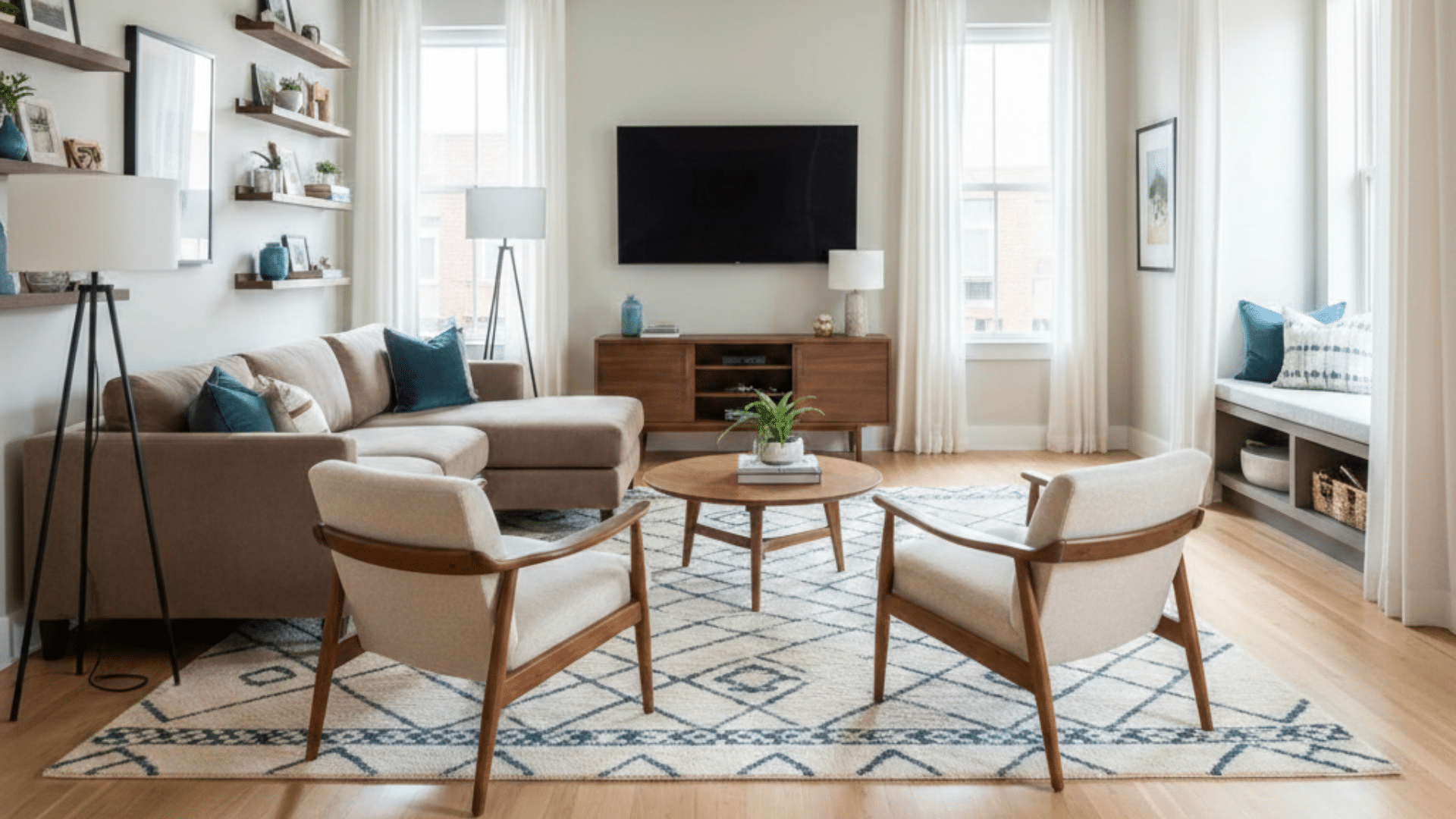


Arranging living room furniture can be a real headache. If you’re dealing with a narrow, long room, an awkward L-shape, or just furniture that doesn’t fit, most of us have been stuck in the process.
You try moving things around, only to realize nothing feels quite right. But guess what? You don’t need to be an interior designer to make it work.
In this, I’ll walk you through practical, real-life solutions for tricky living room layouts, from minimalist principles in Japanese design living rooms to maximizing every square inch of a family hub.
And the best part? You’ll get advice from real people who faced the same challenges you’re dealing with. So if you’re struggling to find the right layout, keep reading.
Measure and Understand Your Space: The First Big Step
Before you start rearranging your living room, it’s crucial to measure your space and understand its layout.
Begin by taking accurate measurements of the room, length, width, and height, and note doors, windows, and features such as fireplaces. This gives you a clear picture of the available space you’re working with.
One thing most people miss when measuring: door swing clearances. A door that opens into the room can quietly kill your best layout option, and it’s easy to forget until you’ve moved everything and discovered the armchair blocks it. Write down every door swing direction before you plan anything.
Also, consider traffic flow: Think about how people will move through the room. Ensure there’s enough space between furniture for easy passage, especially if you have a busy household.
Finally, take into account how you use the room, whether it’s for lounging, TV watching, or entertaining, to guide your decisions on where to place each piece of furniture for maximum function and comfort.
Living Room Furniture Placement for Small Apartments
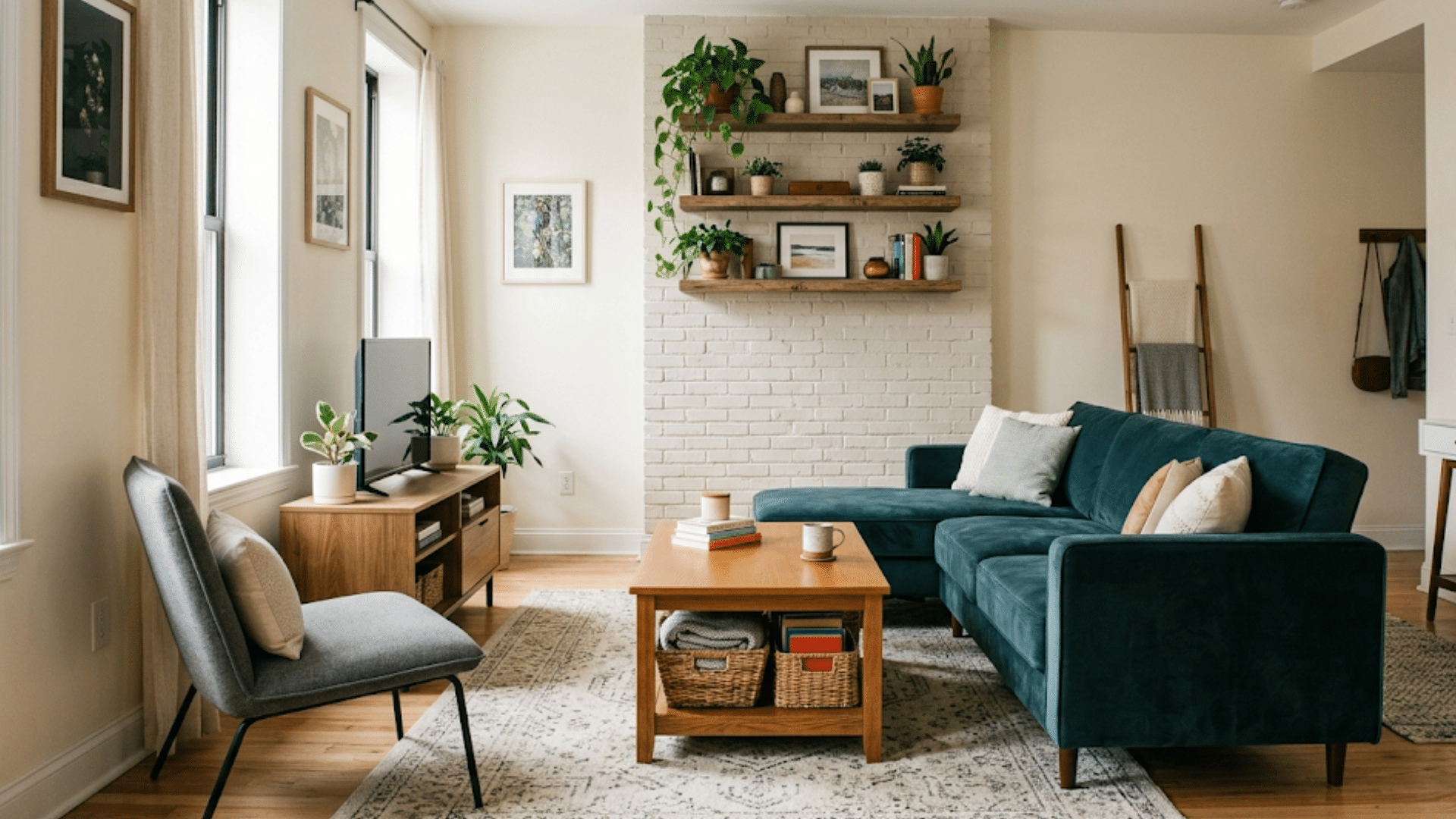
When working with limited space in small apartments, the goal is to maximize every inch without sacrificing comfort or style.
- Use Multi-Functional Furniture: Opt for furniture pieces that serve dual purposes, like a sofa that doubles as a bed or a coffee table with storage.
- Choose Slim-Profile Seating: Select seating that doesn’t overpower the room and allows for easy movement.
- Add Floating Shelves: Install shelves that provide storage without taking up floor space, keeping the room open and functional.
These smart strategies will help you create a functional living area in your small apartment, maximizing space and comfort.
How to Arrange Living Room Furniture for Maximum Comfort and Flow
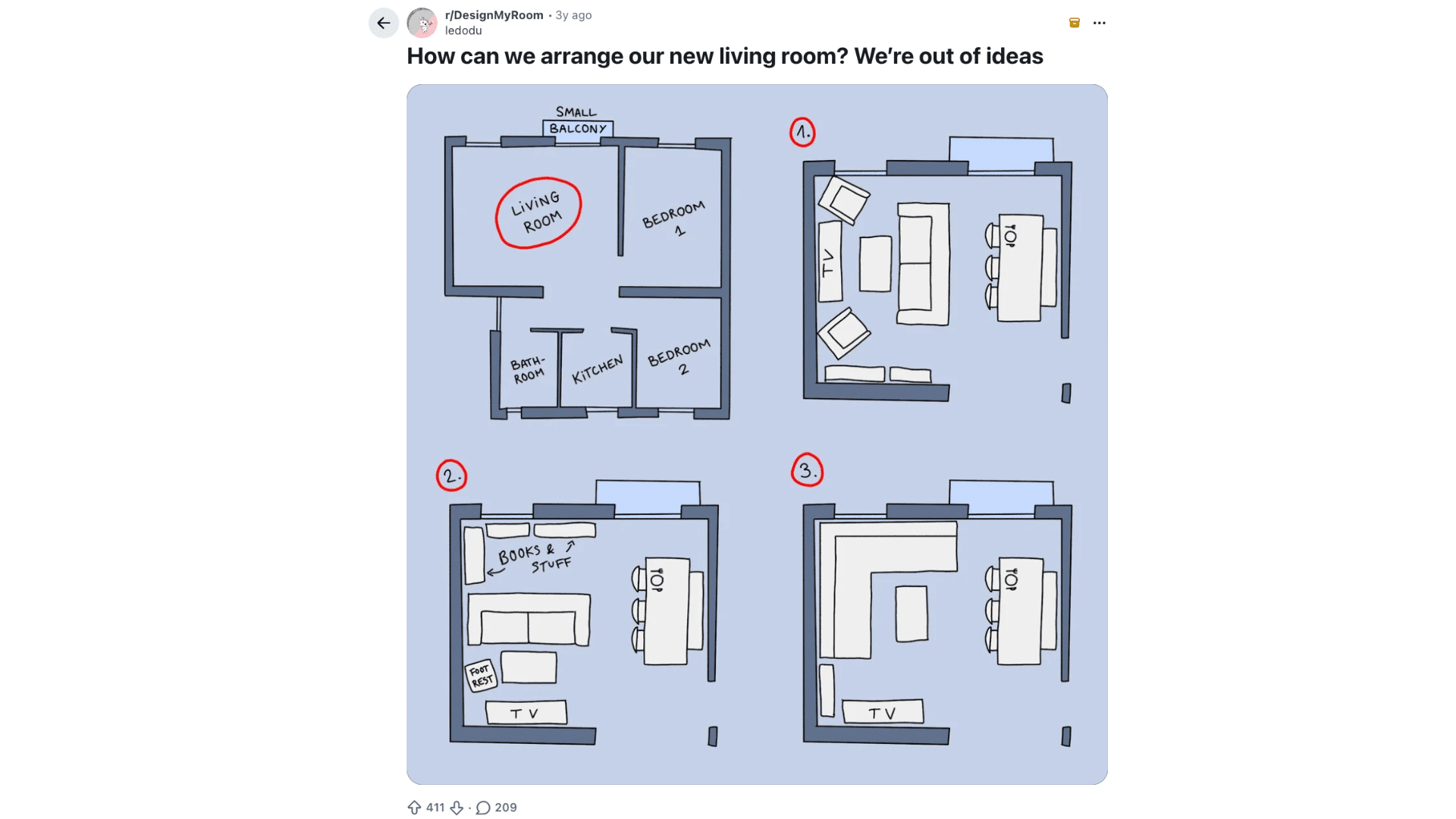
In a Reddit thread, users shared their struggles and solutions for arranging living room furniture.
Key suggestions included optimizing space with multi-functional pieces like compact L-shaped sofas and moving the TV for better viewing angles.
Others recommended adjusting furniture placement to improve traffic flow and create conversation zones. Many emphasized using furniture that suits the room’s size and layout.
As someone who’s rearranged living rooms for both style and functionality, I agree that maximizing space without overcrowding is key.
The thread provides practical tips for tackling common layout challenges, focusing on furniture selection, layout balance, and thoughtful placement for better flow and comfort.
The pattern I see most consistently in these conversations: people keep adding chairs when what the room actually needs is fewer, larger pieces oriented toward a single focal point. Less furniture, better positioned, almost always wins.
Creating the Perfect Layout: Key Furniture Rules That Actually Work
Now that you’ve measured and thought about how you use the room, let’s get into some of the key rules that will upgrade your space. These are the tried-and-true strategies that work across most rooms.
1. Don’t Push Furniture Against the Walls
It might seem like pushing your sofa and chairs up against the walls will make a room feel bigger, but it actually does the opposite. Furniture pushed against the walls creates distance, and the room can feel disconnected and empty.
Instead, pull the furniture away from the walls (even a few inches) to create a more inviting space; a technique often used to achieve a balanced, natural modern living room.
This layout encourages cozy conversation zones, helps the room feel more balanced, and adds more flow.
Pro Tip: If you have a large room, float your sofa toward the center. It helps break up open space and creates natural gathering spots.
2. Create Conversation Areas
Whether it’s for family time, casual conversations, or entertaining, having conversation zones is key. The best way to do this is by arranging sofas and chairs facing one another (not necessarily straight on). That way, people can talk comfortably without straining their necks.
If your room is big, create multiple conversation areas by breaking up the furniture into smaller groupings. You can use area rugs to define these sections, which gives each zone its own unique feel.
3. Consider Traffic Flow
Think of your room as a walkway for people to move freely. Don’t clutter the space with too much furniture in high-traffic areas. Keep clear paths between furniture, like from the sofa to the TV or from the entry to the rest of the house.
If your space is tight, make sure people can move without steppingover furniture. This is especially important if you have children or pets who might be darting through the room!
4. Use the Right-Sized Rugs
When arranging furniture, rugs matter more than you think. A rug that’s too small can make the room feel disjointed.
Instead, choose a rug large enough for the front legs of your furniture to sit on. If the rug is too small, it will look like it was an afterthought.
5. Don’t Forget Lighting
Proper lighting is essential for making the space feel cozy and functional. Combine overhead lighting, floor lamps, and table lamps at different heights to balance the room.
Layering light helps with both practicality and ambiance. Consider how much natural light your room gets, and use it to your advantage when positioning furniture. If your living room gets too much sun, consider adding sheer curtains to soften the light.
TV glare and window placement: If your room has large windows, position the TV perpendicular to them, not opposite. A screen facing a window fights the light all day. This is one of those details that sounds minor until you’re squinting through a reflection every evening.
Solving Common Layout Problems: Real-Life Solutions
Many living rooms face common layout issues that can make arranging furniture a challenge. Here are practical, real-life solutions:
- Narrow, Long Rooms: Narrow, elongated rooms often feel disconnected. Try positioning the sofa perpendicular to the long walls to create a more balanced look.
- Awkward Layouts: Rooms with odd corners or bay windows can feel hard to arrange. Use multi-functional furniture and zone the space to make the most of each section.
- Fireplace vs. TV Debate: Choosing between a TV and a fireplace as the focal point can be tricky. You can face seating toward the fireplace or position the TV above it, depending on your preferences.
- Family Room Layouts: For rooms with kids or pets, prioritize traffic flow and ensure there’s enough space for play zones. Use storage ottomans to reduce clutter.
- Empty Spaces in Big Rooms: Large rooms with empty areas can feel underutilized. Break the room into distinct zones using rugs or furniture arrangements that separate the space into functional areas.
By applying these simple fixes, you’ll be able to tackle common layout problems and make your living room work for you.
Furniture Ideas for Every Room
Find out practical and stylish furniture solutions for different room types. If you have a small space, a family room, or a large living area, these ideas will help maximize functionality and style.
1. Small Living Rooms
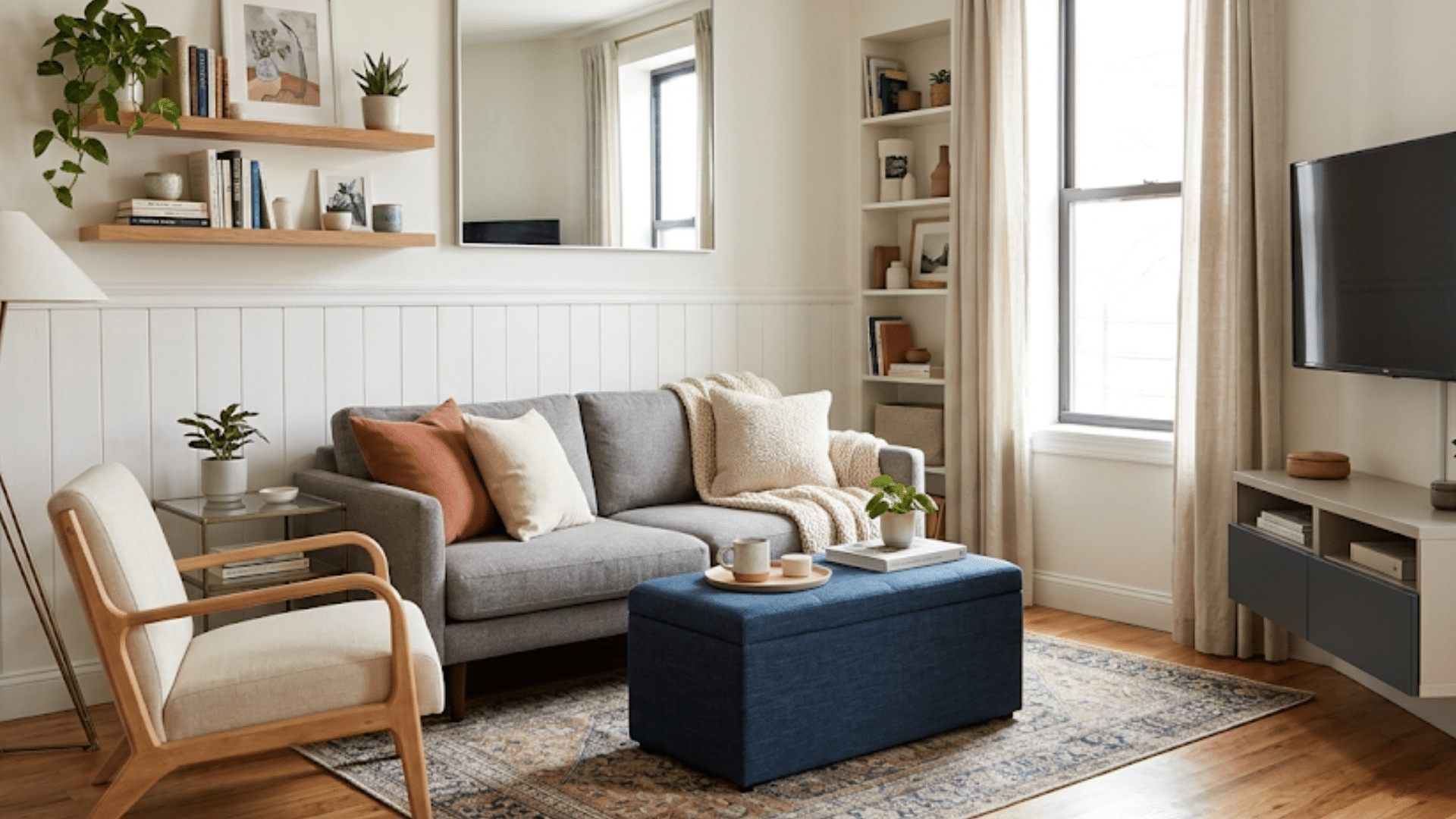
For New York apartments with narrow living rooms, consider using a compact sofa with storage underneath to save space and reduce clutter. Here’s how to do it:
- Multi-functional furniture: Choose storage ottomans or folding chairs that double as tables or extra seating.
- Slim-profile seating: Opt for sleek sofas and chairs that leave space for movement.
- Avoid bulky pieces: Keep furniture minimal to avoid overcrowding.
- Use floating shelves:Floating shelves provide extra storage without taking up floor space.
- Declutter with purpose: Keep surfaces clean and organized to make the room feel open and tidy.
These simple ideas will keep your small living room both spacious and practical.
2. Family Rooms and Play Areas
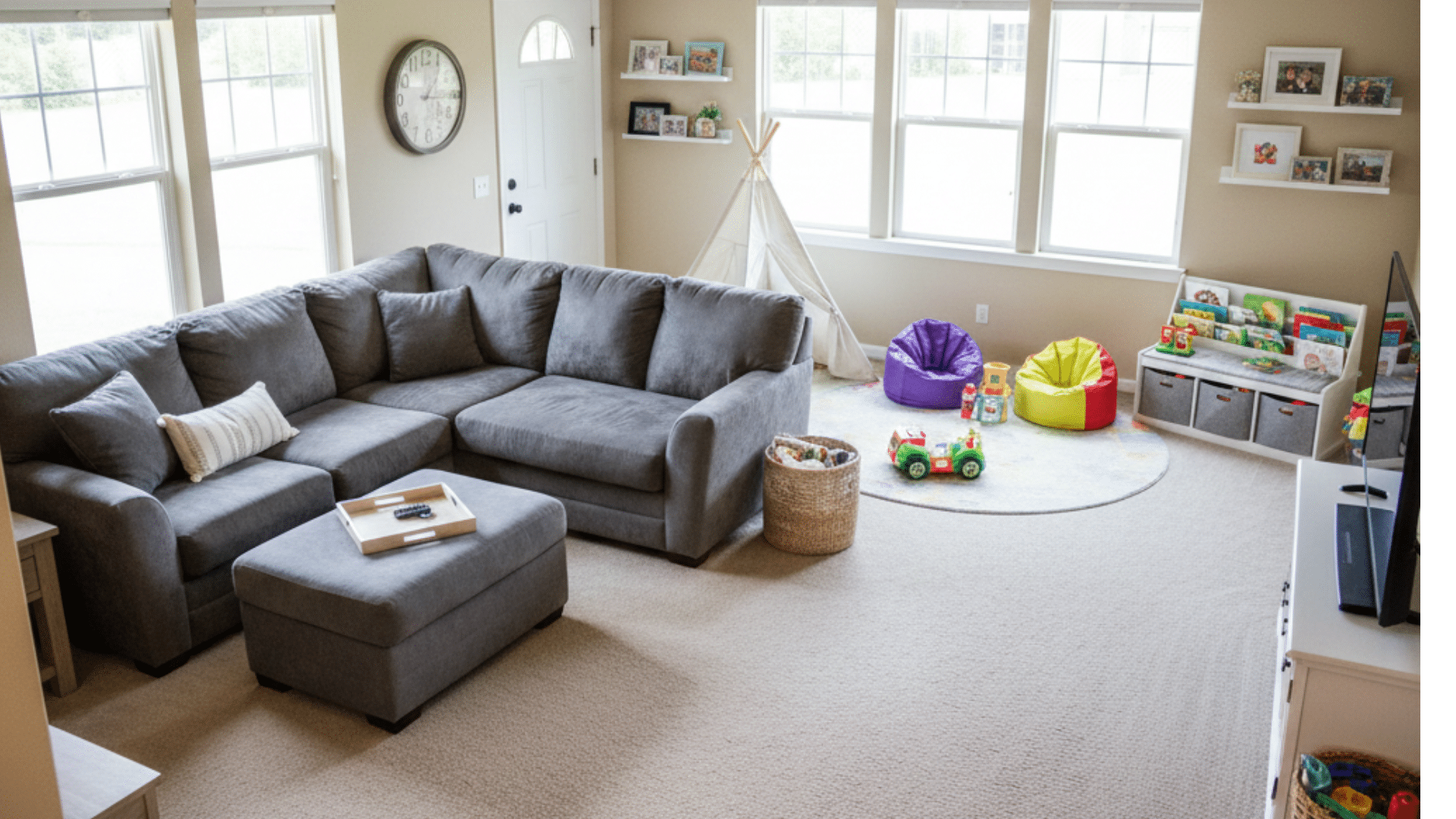
When arranging a family room, it’s important to balance comfort, functionality, and play space. Here’s how:
- Sofa placement: Position your sofa away from high-traffic areas to keep it functional and comfortable.
- Durable fabrics: Use leather or microfiber furniture to stand up to wear and tear, especially with kids or pets.
- Multi-purpose furniture: Add storage benches or ottomans to reduce clutter and maintain organization.
- Create zones: Designate areas for play and relaxation, such as a safe space for kids and a cozy corner for adults to unwind.
- Space for movement: Ensure there’s enough open space for active play and circulation around the furniture.
By dividing the room into zones, you’ll make it more functional for both kids and adults.
3. Big Rooms with Empty Spaces
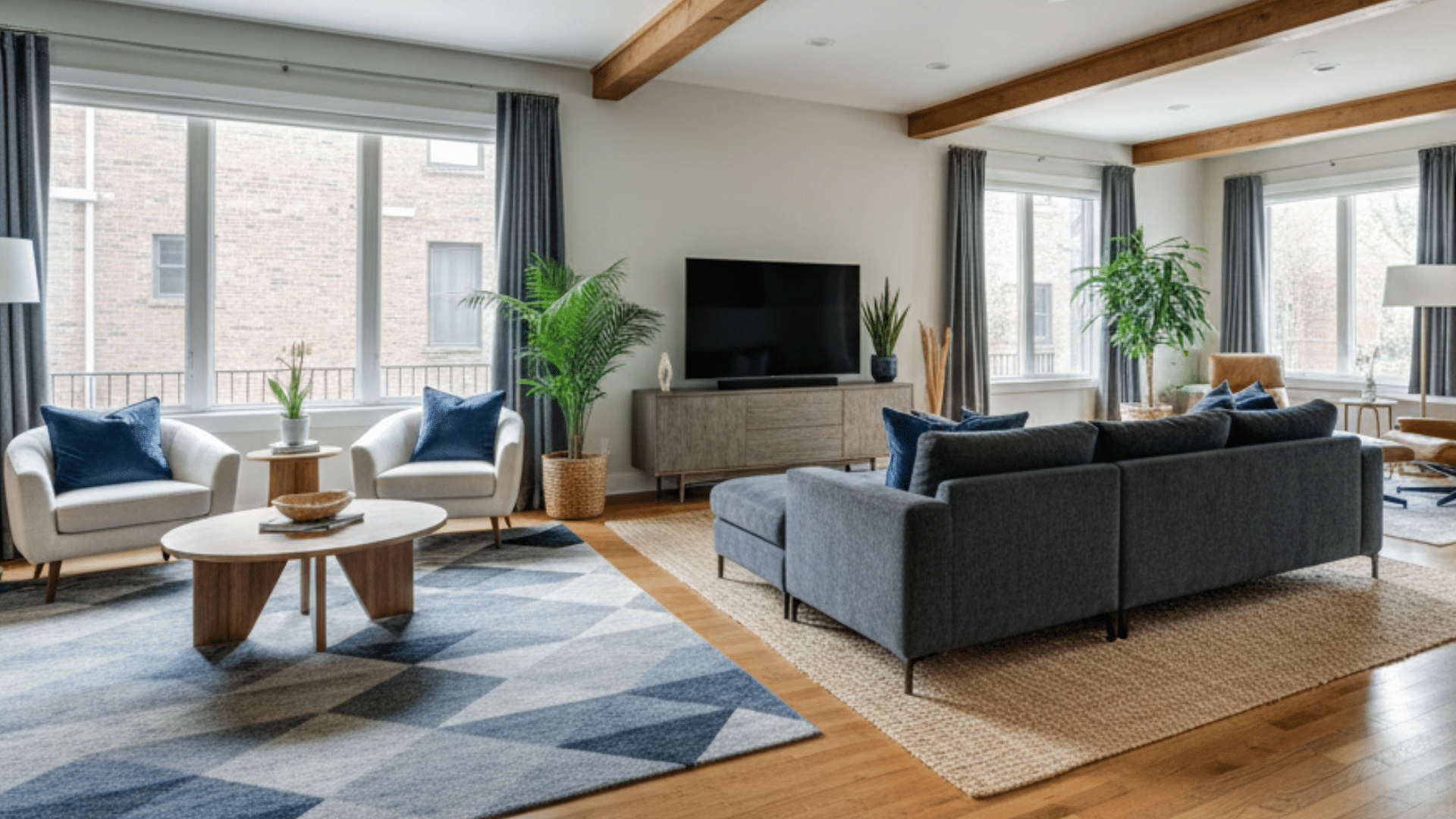
In larger rooms, it’s essential to break up the space to prevent it from feeling too open or underutilized. Here are some tips:
- Divide the space into zones: Create distinct areas for conversation, entertainment, or reading.
- Use area rugs: Rugs help to visually separate spaces, giving the room a sense of purpose and warmth.
- Furniture arrangement: Group chairs and small tables together to create cozy conversation corners.
- TV placement: Position your TV or entertainment center on the opposite side to balance the room.
- Low-profile furniture: Use benches or side tables to complement larger pieces and prevent overwhelming the room.
These steps will keep your room functional and visually appealing.
Avoiding Common Mistakes: Simple Fixes for Your Layout
After two decades of working with furniture and the people who live with it, these same mistakes repeat across every budget and every room size. The good news is that every one of them is free to fix.
| Mistake | The Problem | Quick Fix |
|---|---|---|
| Too Much Furniture in One Area | Trying to fill every corner or wall space makes the room feel cluttered and hard to navigate | Keep some empty space around your furniture to create flow and let the room breathe |
| Pushing Everything Against the Wall | Makes the room feel distant and disconnected from the seating area | Pull your furniture away from the walls to create a more inviting, intimate layout |
| Not Using Area Rugs Properly | Small rugs look out of place and make the room feel disconnected and disjointed | Ensure your rug is big enough to fit under all furniture, or at least the front legs of each piece |
I’ve found that fixing even one of these mistakes transforms how a room feels immediately. Small adjustments in furniture placement create a more comfortable, functional space without buying anything new.
When to Seek Professional Help
If your living room layout still feels off after trying different arrangements, it might be time to consider professional help.
Interior designers bring expertise and an eye for detail that can help solve layout problems you might have missed. They can suggest furniture placements that maximize both functionality and aesthetic appeal, particularly for tricky spaces.
If you’re unsure about making significant changes or feel stuck, online consultations and floor planning services are excellent alternatives. These services provide detailed design plans, giving you a clearer picture of what will work best for your space without the guesswork.
Professionals can also recommend furniture, lighting, and decor that enhance the room’s functionality, making your space work perfectly for your needs.
Free tools before paid help: Try a free floor-planning tool like RoomSketcher or Planner 5D first. Enter your room dimensions and drag scaled furniture outlines around the floor plan.
It won’t replace a designer’s eye, but it will show you immediately whether your planned layout has the clearances it needs, and it takes about 20 minutes.
Wrap Up
Rearranging your living room doesn’t have to be overwhelming. By following these simple steps and considering your space’s unique needs, you can create a layout that balances both function and style.
If you’re working with a narrow room, awkward corners, or simply need more storage, there are plenty of ways to upgrade your space. Don’t be afraid to experiment with different arrangements and live with them for a few days.
Remember, it’s about what works for you and your family, not perfection. So, if you’re wondering how to arrange living room furniture to maximize comfort and flow, you now have the tools to do it.
Enjoy the process and share your progress in the comments. You’ve got this!
Frequently Asked Questions
How can I arrange furniture in a small living room without overcrowding?
In a small living room, focus on multi-functional furniture, such as storage ottomans, and use slim-profile seating to save space. Avoid bulky pieces, and consider using floating shelves to add storage without taking up floor space.
What should I do if my living room has an awkward layout?
For awkward spaces, try using multi-functional furniture and create defined zones. You can use area rugs to divide the space and ensure there’s enough open space for easy movement.
What are some quick fixes for a living room layout?
A simple solution includes pulling furniture away from the walls to create a more inviting layout, ensuring proper rug sizes to anchor the space, and avoiding too much furniture in one area to keep the room feeling open.