

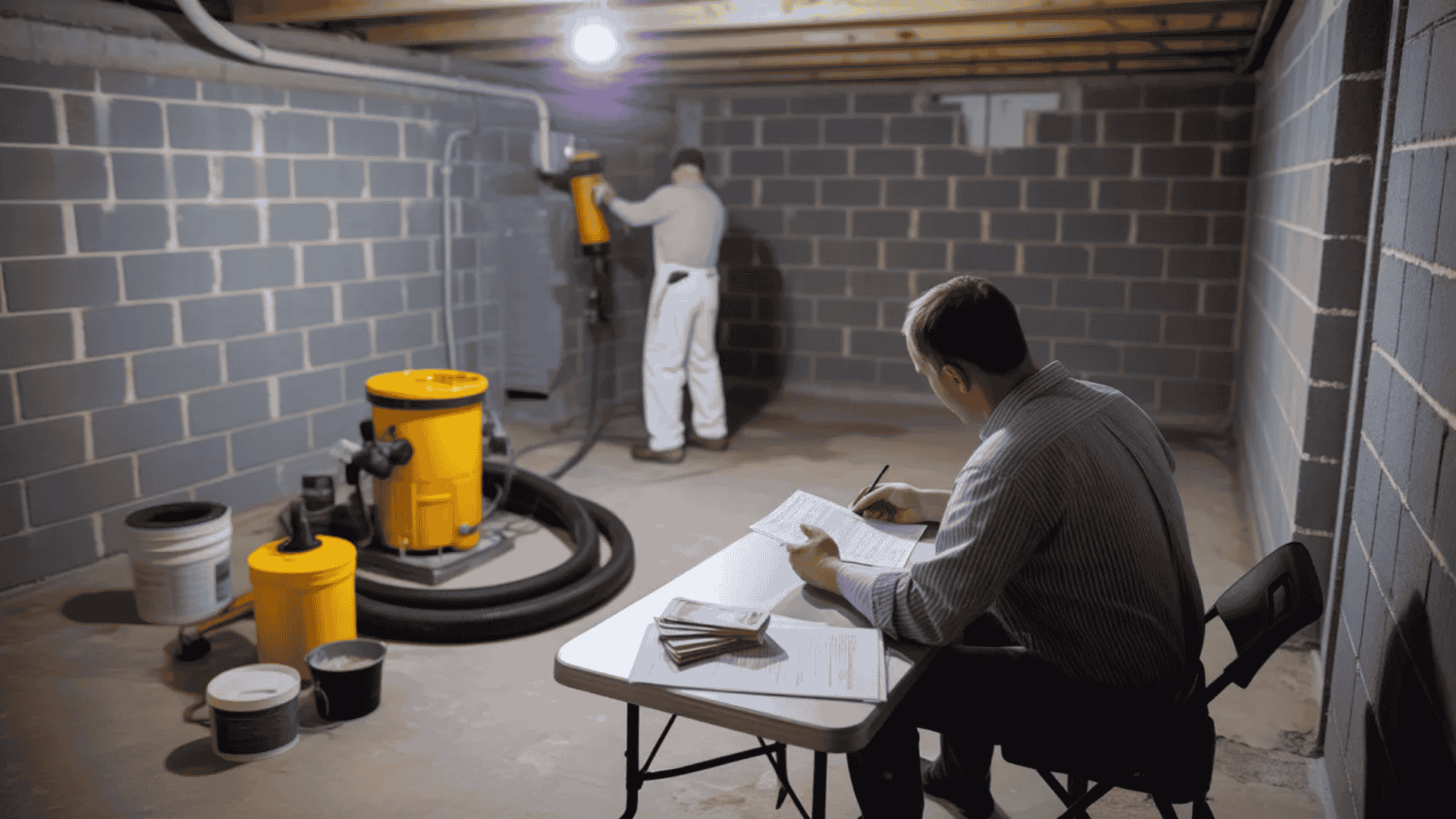


Basement water damage can cost you tens of thousands in repairs if you ignore it for too long. I’ve seen how stressful it feels when water starts creeping in, and you’re not sure what to do next.
That slow seepage, damp walls, and musty smell aren’t small issues. They’re early signs of deeper structural problems that only get worse with time.
Understanding basement waterproofing cost early helps you avoid expensive surprises later.
I put this together to cut through contractor confusion and give you a clear breakdown of what really matters. You’ll see real costs, practical options, and simple ways to save money, so you can protect your home without second-guessing every step.
What Is Basement Waterproofing?
Basement waterproofing runs $500 to $30,000 for most US homes. That range is real, and it’s wide for a reason: sealing a hairline crack in a dry basement is a completely different job from excavating around a failing foundation in a house that’s been flooding for five years.
The method you need determines the basement waterproofing cost almost entirely, and most homeowners don’t figure that out until after they’ve already called someone.
Basement waterproofing is the process of applying techniques and materials to stop water from entering through the foundation or basement walls. It protects structural integrity, prevents mold growth, and keeps a basement usable.
The four main approaches are interior waterproofing, exterior waterproofing, sump pump installation, and sealants or coatings. Each one targets moisture at a different point of entry and carries a different price tag.
| Cost Note: Figures in this article are estimates based on national averages. Actual costs vary significantly by region, contractor, materials, and project scope. Always get at least three quotes before committing to any project above $1,000. |
Average Basement Waterproofing Budget
Understanding your waterproofing options starts with knowing what each method typically costs. Here is a clear breakdown of pricing across the major approaches.
| Method | Low-End | Mid-Range | High-End | Avg. Labor | Avg. Materials |
|---|---|---|---|---|---|
| Interior Waterproofing | $500 | $3,500 | $10,000 | $1,500–$3,000 | $500–$2,000 |
| Exterior Waterproofing | $3,000 | $12,000 | $30,000+ | $5,000–$15,000 | $2,000–$8,000 |
| Sump Pump Installation | $600 | $1,200 | $4,000 | $300–$700 | $150–$600 |
| Drainage Systems | $2,000 | $6,000 | $15,000 | $1,500–$5,000 | $500–$3,000 |
| Sealants & Coatings | $100 | $500 | $2,500 | $200–$800 | $50–$300 |
Armed with these figures, you can now match your waterproofing needs to a realistic budget, making smarter decisions that protect both your basement and your wallet in the long term.
Disclaimer: Costs may vary depending on your region, dispensary, brand, and local market conditions.
Factors Affecting Basement Waterproofing Cost
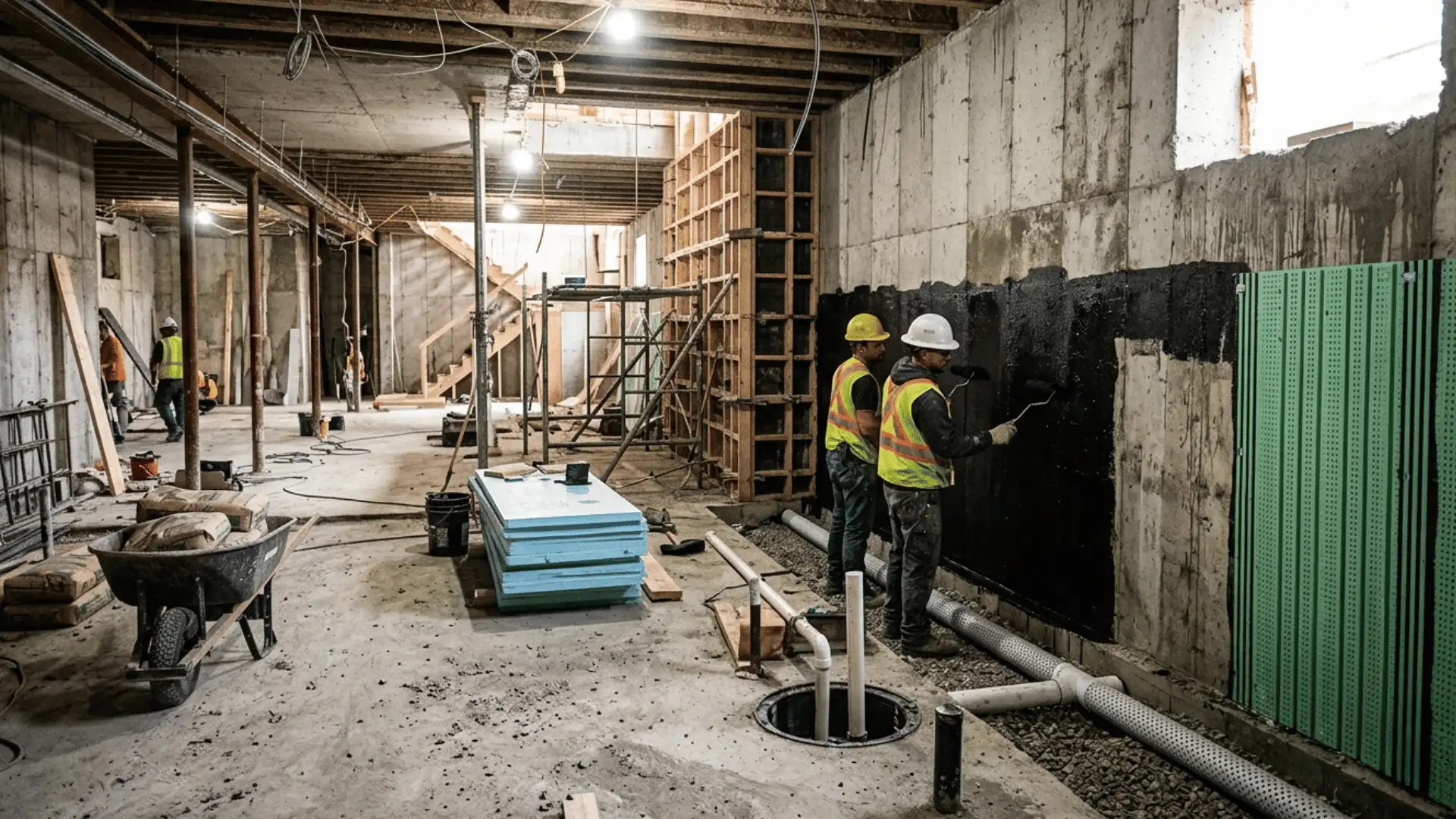
Several key variables determine how much you’ll spend on basement waterproofing: understanding each factor helps you anticipate costs and plan your budget with confidence.
1. Size and Condition of Your Basement
Square footage directly drives waterproofing costs; larger basements require more materials, labor, and time. A standard 1,000 sq. ft. basement costs significantly less than a 2,500 sq. ft. space.
Structural issues like cracks, deteriorating walls, or an aging foundation add complexity, pushing costs higher as contractors must address damage before applying any waterproofing solution.
2. Waterproofing Method
Your chosen method is one of the biggest cost variables in any waterproofing project. Simple sealants are budget-friendly, while interior drainage systems fall in the mid-range.
Exterior waterproofing requiring excavation and heavy labor sits at the premium end. Matching the right method to your specific moisture problem prevents overspending on solutions your basement may not actually need.
3. Location and Accessibility
Geographic location significantly influences both labor rates and material costs, with urban areas typically commanding higher prices than rural regions.
Additionally, basements that are difficult to access due to narrow entry points, finished interiors, or limited workspace increase labor hours and complexity, thereby directly raising the overall project cost regardless of the selected waterproofing method.
4. Extent of Water Damage
Minor seepage or early-stage moisture issues are far less expensive to address than long-standing water damage. Severe problems such as flooded basements, crumbling walls, or extensive mold growth require remediation before waterproofing even begins.
The worse the existing damage, the more contractors must repair first, compounding both material and labor costs well beyond standard waterproofing estimates.
5. Additional Factors
Beyond the obvious, several hidden variables quietly shape your final bill. The foundation type, whether poured concrete, block, or stone, affects how waterproofing products are applied.
A steep lot slope may complicate the installation of exterior drainage. Existing drainage systems in poor condition often need upgrading. Permit requirements, soil type, and regional climate can also add unexpected costs to your project.
DIY vs. Professional Basement Waterproofing Costs
Before picking an approach, it’s important to weigh your options carefully: here’s a clean comparison of DIY versus professional waterproofing across every key factor.
| Factor | DIY Waterproofing | Professional Waterproofing |
|---|---|---|
| Common Methods | Sealants, coatings, and basic drainage | Full drainage systems, exterior waterproofing, and sump pumps |
| Time Required | 1–3 days | 1–5 days |
| Skill Level | Low to moderate | Licensed & experienced |
| Quality of Results | Moderate | High |
| Long-Term Effectiveness | 1–5 years | 10–25+ years |
| Warranty | None | 5–25 years |
| Risk of Errors | High | Low |
| Best For | Minor seepage, small cracks | Severe damage, full protection |
Each option serves a different need and budget level: choose DIY for quick surface fixes, or invest in professional services for lasting, whole-home protection.
Is Basement Waterproofing Worth the Cost?
A professional waterproofing system typically costs $3,000–$10,000. Foundation repairs from prolonged water damage routinely run $20,000–$100,000.
That math is straightforward, but it’s the middle-range repairs that catch most homeowners off guard.
| Risk Without Waterproofing | Estimated Repair Cost |
| Mold remediation | $500–$6,000 |
| Foundation crack repair | $2,000–$7,500 |
| Structural wall repair | $5,000–$15,000 |
| Full foundation replacement | $20,000–$100,000 |
Beyond the avoided repair costs, waterproofing a basement adds 5–10% to resale value and removes one of the most common buyer negotiation points at closing.
A dry basement also converts from a liability into usable square footage, and if you’re thinking about finishing that space, understanding what a full basement remodel costs helps you plan the sequence correctly.
Waterproofing always comes first, before any finishing work begins. Most standard homeowner policies don’t cover gradual water intrusion or foundation failure, so the financial exposure of doing nothing is entirely yours to carry.
The upfront cost is fixed and predictable. The cost of deferring it compounds every season.
Where Basement Waterproofing Budgets Go Wrong?
These are the line items that reliably surprise homeowners who got a quote and thought they understood the number.
- Pre-Waterproofing Repairs: Many quotes assume a structurally sound basement. Issues like cracked mortar, bowing walls, or bad drain tile become extra costs (change orders) if discovered later.
- Sump Pump Installation Costs: Breaking concrete for a sump pit can add $300–$800, often not included. Extras like a battery backup and long discharge lines further increase the total.
- Interior Drainage Limitations: Interior systems handle water inside only, not pressure outside. Poor yard slope or gutter placement keeps them running constantly. Regrading, downspout extensions, and drains improve performance. Pair with a backyard remodel to reduce overall costs.
- Missing Permit Costs: Many quotes exclude permit fees, which can add $200–$800. Always confirm whether permits are included to avoid misleading low estimates.
How to Save Money on Basement Waterproofing
Waterproofing doesn’t have to drain your savings: these practical strategies can help you cut costs without cutting corners on quality or long-term protection.
- Get Multiple Estimates: Always collect at least 3 quotes from licensed contractors. Comparing bids reveals price differences and helps you identify the fairest market rate for your specific project.
- Negotiate With Contractors: Don’t hesitate to negotiate, ask about price matching, scope adjustments, or discounts for prompt payment, as many contractors have flexibility built into their initial quotes.
- Time It Strategically: Schedule waterproofing during off-peak seasons, such as late fall or winter, when contractors are less busy and more willing to offer meaningful seasonal discounts.
- Bundle Services: If your home needs additional work, drainage upgrades, foundation repairs, or crawl space encapsulation, bundling multiple services with one contractor often unlocks significant package pricing.
- Financing Options: Many waterproofing companies offer payment plans or financing programs. Additionally, check for home improvement loans or government assistance programs that may help offset upfront costs.
Smart planning and a few well-timed conversations can make a real difference in your final bill: every dollar saved on waterproofing is a dollar better invested in your home’s long-term value.
What Happens If You Don’t Waterproof Your Basement?
Skipping basement waterproofing may seem like a cost-saving decision today, but the long-term financial consequences far outweigh the initial investment.
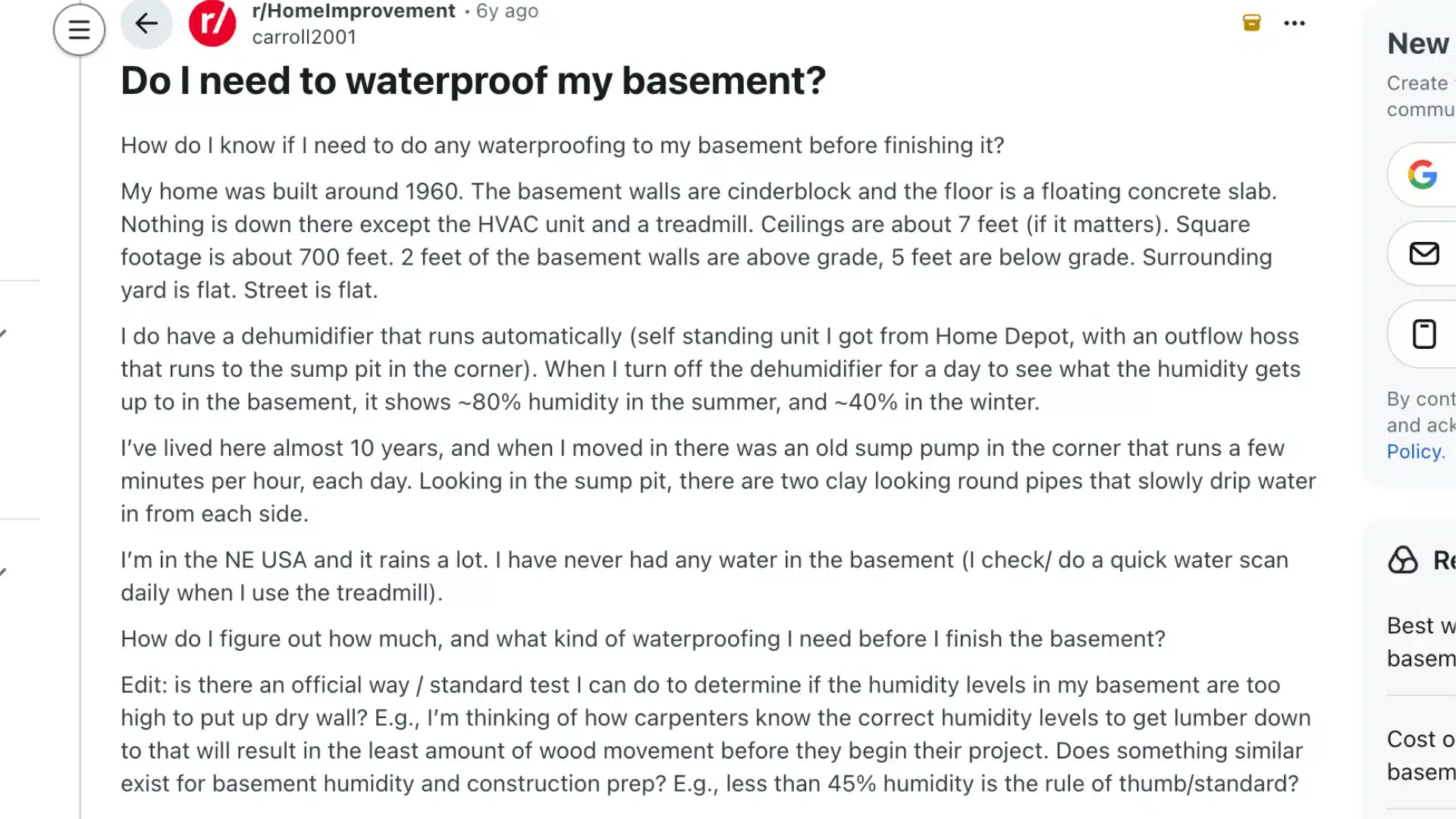
As many homeowners have openly shared in a Reddit discussion, the most common regret isn’t spending money on waterproofing, but waiting too long to do it.
Persistent moisture seeping into your foundation gradually weakens structural integrity, leading to costly foundation repairs averaging $5,000–$50,000 . Standing water and humidity create ideal conditions for toxic mold growth, threatening family health and requiring expensive professional remediation.
Over time, wood rot, deteriorating drywall, and damaged flooring compound repair bills significantly. Unaddressed water damage also reduces property value and becomes a serious obstacle during home sales. Insurance rarely covers gradual water damage, leaving homeowners fully exposed financially.
Cost-Effective Alternatives for Basement Waterproofing
When basement moisture becomes a concern, exploring cost-effective measures can provide temporary relief while you plan for a permanent fix.
The following table outlines practical, budget-friendly alternatives to full waterproofing systems:
| Solution | Estimated Cost | What It Does | Limitation |
|---|---|---|---|
| Dehumidifiers | $200 – $500 | Reduces indoor humidity levels effectively | Doesn’t address the root cause of water intrusion |
| Exterior Drainage Improvement | $50 – $150 | Regrading the yard, cleaning gutters & extending downspouts redirects water away from the foundation | Requires regular maintenance to remain effective |
| Interior Sealants & Waterproof Paints | $50 – $300 | Creates a quick surface barrier against minor seepage | Only handles minor moisture; not a permanent solution |
| Full Waterproofing System | $5,000 – $15,000 | Permanently resolves water intrusion at the source | Requires professional installation and budgeting |
While these alternatives can reduce moisture and buy valuable time, they are, at best, temporary measures.
For homes with serious water intrusion, investing in professional waterproofing sooner rather than later remains the smarter and more cost-effective long-term decision.
Final Thought
Protecting your basement is ultimately protecting your entire home’s future, and understanding basement waterproofing cost decisions comes down to one thing: timing.
The longer you wait, the more expensive the damage becomes. From costs and methods to risks and alternatives, every key factor has been covered here because informed homeowners always make better investments.
No interior upgrade matters if your foundation is quietly failing beneath it. Get three contractor quotes today, compare your financing options, and take that first confident step toward a dry, stable, and valuable home.
Do share your thoughts in the comments below. I’m always here to help you build smarter.
Frequently Asked Questions
How much does basement waterproofing cost on average?
Most projects range from $3,000 to $10,000 for standard systems. Basic sealants cost less, while full exterior work with excavation can reach $10,000 to $30,000, depending on scope and conditions.
How much does exterior basement waterproofing cost?
Exterior work typically costs $3,000 to $30,000. Full excavation around a home often falls between $10,000 and $20,000, with labor being the largest expense due to the difficulty of digging around foundations.
What is the cost of waterproofing basement walls from the inside?
Interior wall systems cost $2,000 to $8,000, depending on size and setup. Simpler sealant applications range from $300 to $1,500 for standard basements without major drainage work involved.
What is the cost of waterproofing basement walls from the outside?
Exterior wall work ranges from $1,500 to $5,000 for small sections. Full perimeter excavation and waterproofing typically costs $8,000 to $30,000, depending on wall length and excavation depth.
What is the basement waterproofing cost per linear foot?
Interior drainage systems usually cost $50 to $100 per linear foot. Exterior systems with excavation range from $100 to $300 per foot, depending on soil conditions and accessibility around the home.
What is the average cost for a 1,500 sq. ft. basement?
Interior drainage for this size typically runs $8,000 to $16,000. Adding a sump pump increases cost slightly, while full exterior waterproofing can range from $15,000 to $30,000.
What is the interior vs. exterior waterproofing cost?
Interior systems cost $3,000 to $10,000 and manage water inside. Exterior solutions cost $10,000 to $30,000 and stop water at the source, making them more suitable for severe moisture problems.
Does homeowners’ insurance cover waterproofing costs?
Insurance usually does not cover waterproofing or gradual water damage. Sudden incidents like burst pipes may qualify, but long-term moisture issues and foundation problems are typically excluded from coverage.