


Ever felt confused when your locksmith starts explaining what needs fixing on your door lock today? Understanding the parts of a door lock helps you make smarter decisions about repairs, replacements, and home security.
I know locks look complicated with all those tiny pieces working together inside that metal casing. Breaking down each component makes it easy to see how everything connects and functions as one system.
Knowing the parts of a door lock saves you money because you can identify problems yourself before calling for help.
You’ll feel more confident talking with locksmiths and choosing the right locks for your home or business. Let me walk you through each part so you never feel lost again.
Main Parts of a Door Lock Explained
I know door locks seem complicated, but they’re actually made up of just a few key components working together. Understanding these basic parts helps you know how your locks function and when they might need repair.
Here are the main parts you’ll find in most standard door locks:
1. Key
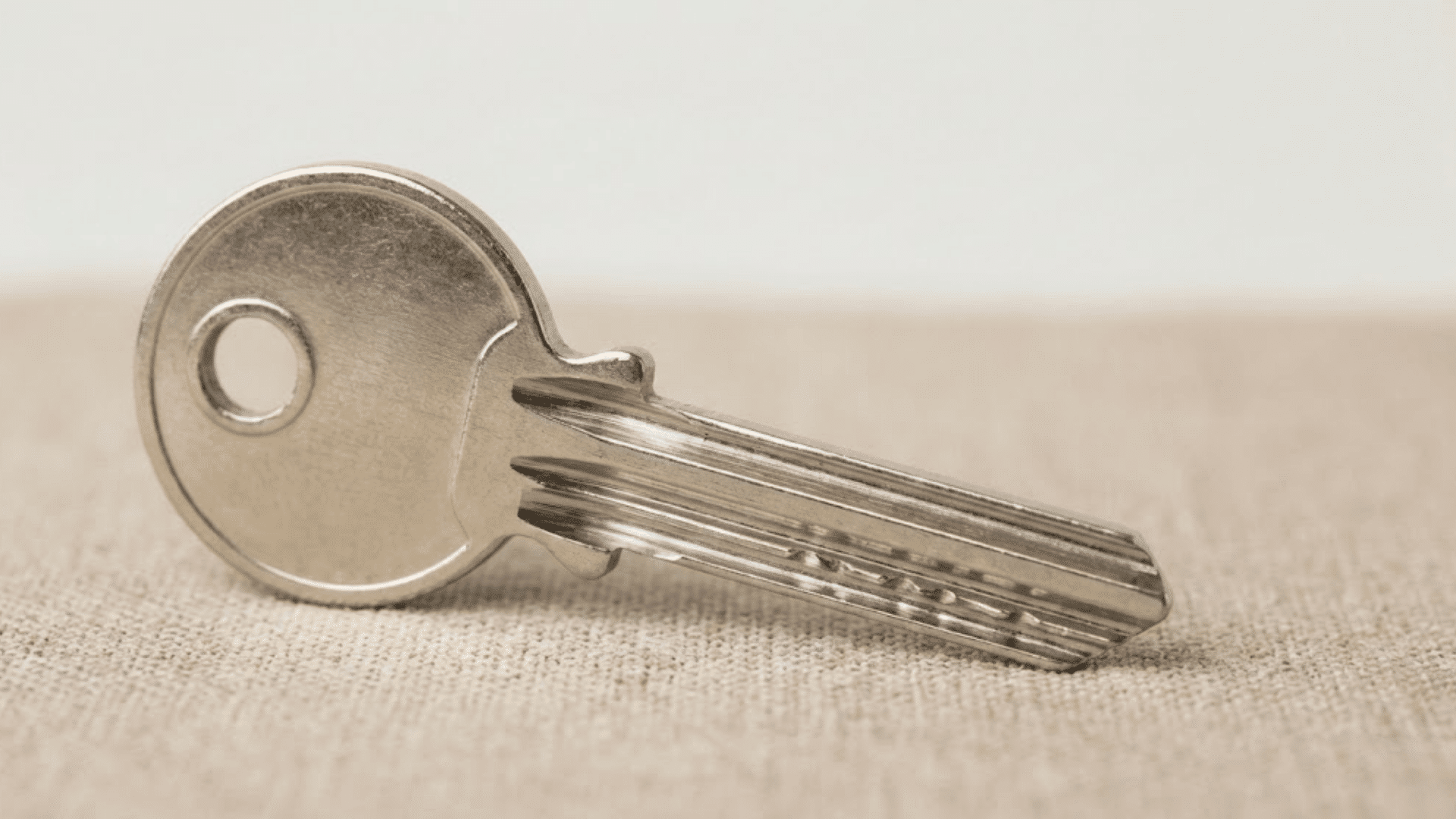
The key is the tool you use to unlock and lock your door by inserting it into the keyhole. Each key has a unique pattern of cuts and grooves along its blade that match the lock’s internal pins.
When you insert the correct key, those cuts align the pins at exactly the right height inside. This alignment allows the lock cylinder to turn freely and release the locking mechanism that holds your door.
2. Lock Cylinder (Core)
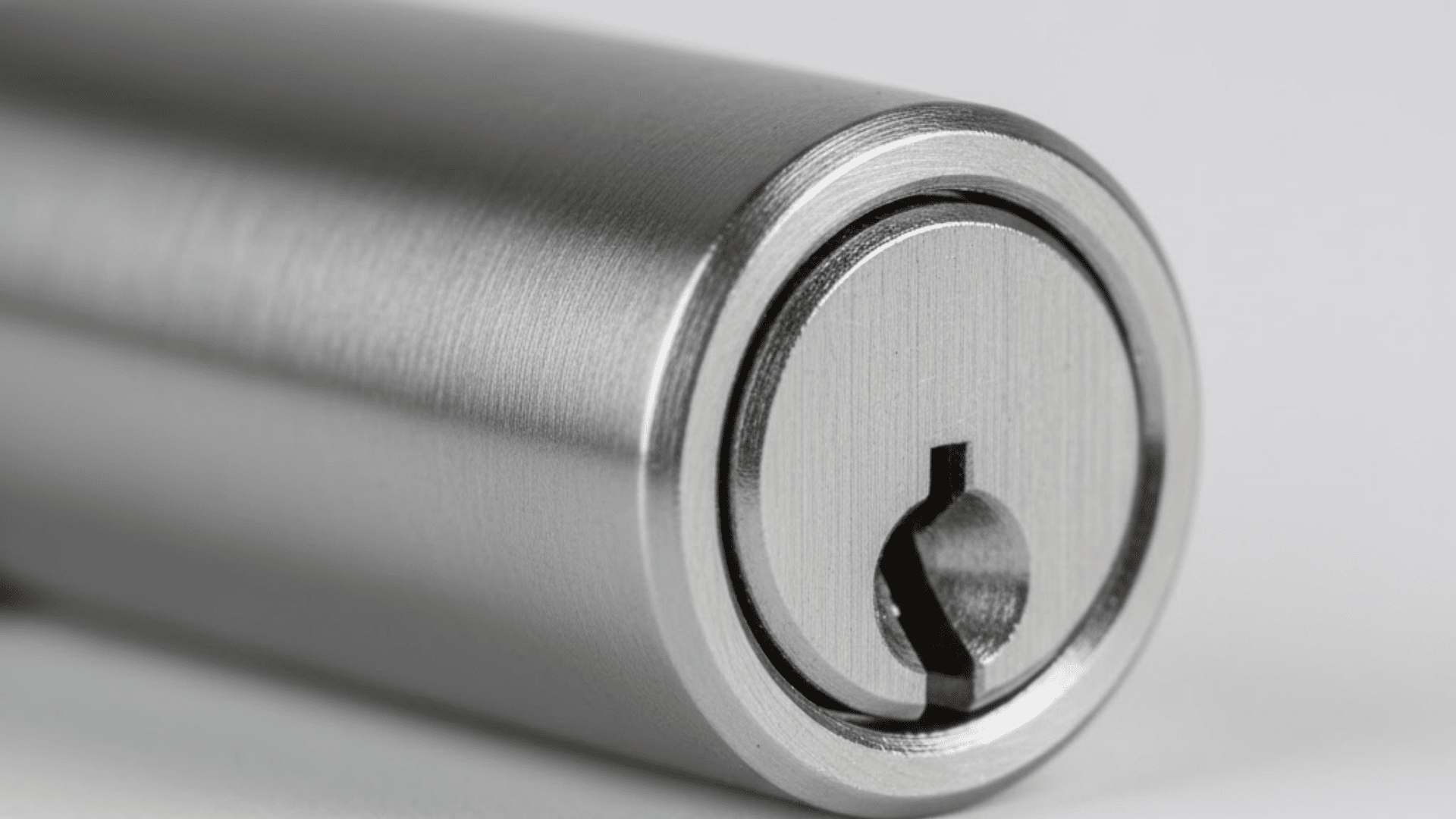
The lock cylinder, also called the core, is the round part inside your lock where you insert the key. This cylinder contains all the moving parts, like pins and springs, that make the locking mechanism work properly.
It’s one of the most important parts because it determines if your door opens or stays locked securely. The cylinder rotates when the correct key is inserted, which triggers the bolt to move in or out.
3. Pins (Driver Pins and Key Pins)
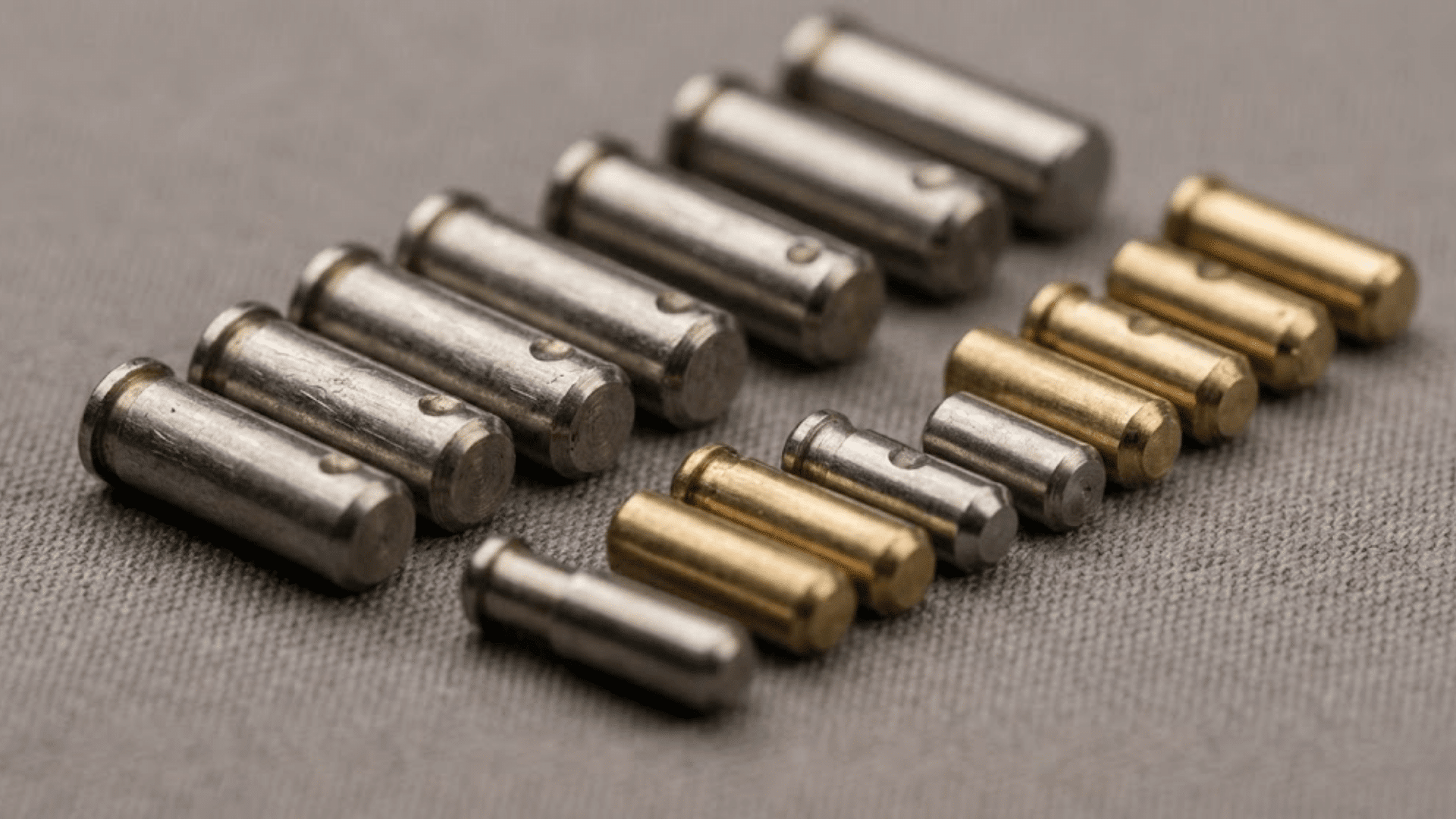
Lock pins are small metal pieces inside the cylinder that come in two types: driver pins and key pins. These pins sit in vertical shafts and rest on top of each other in pairs throughout the cylinder.
When the wrong key is used, the pins remain misaligned and block the cylinder from turning at all. The correct key pushes each pin pair to the exact height where they meet at the shear line.
4. Plug
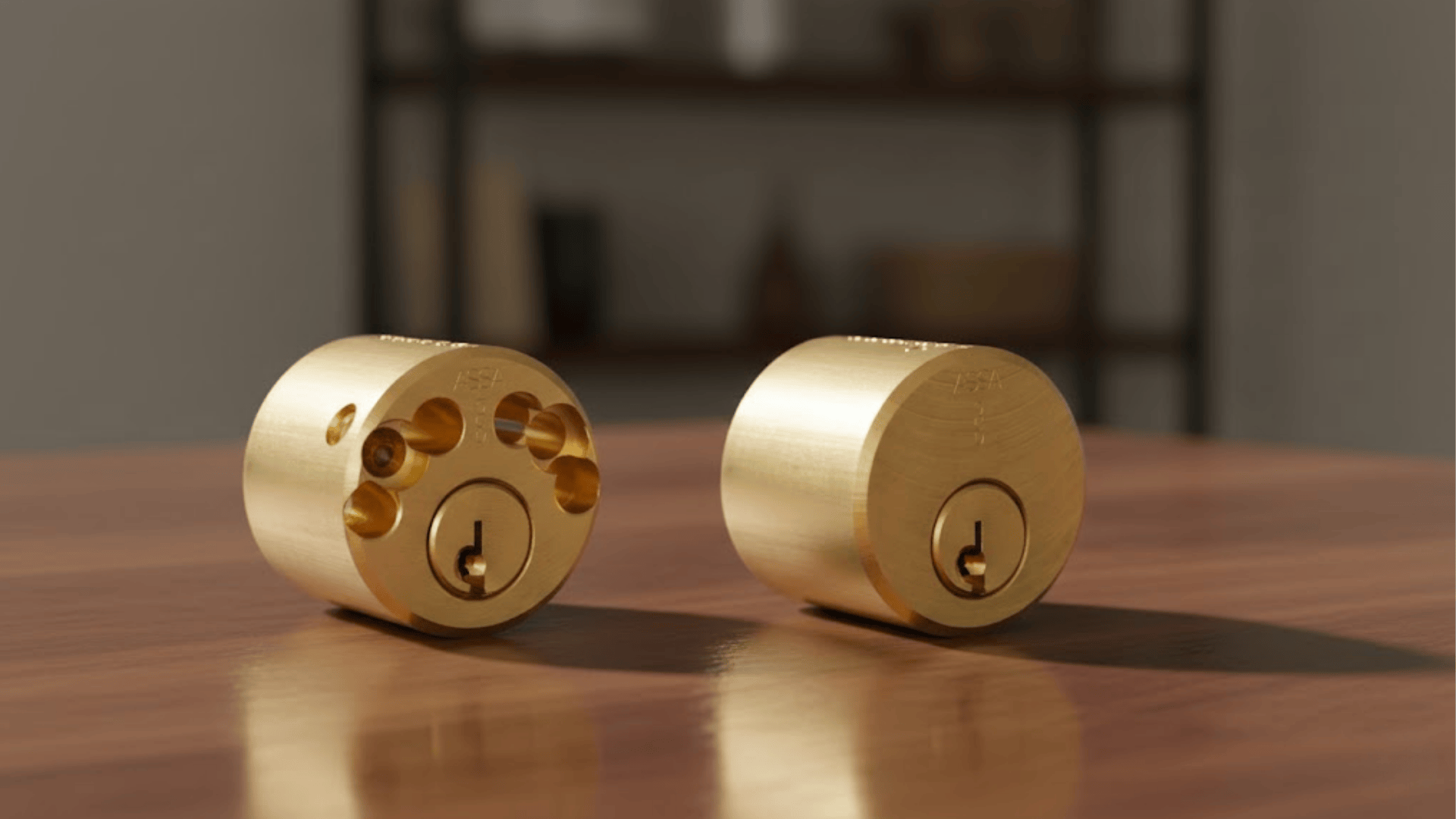
The plug is the inner rotating part of the cylinder that holds the key pins and turns when unlocked. It sits inside the cylinder housing and can only rotate when all pins align correctly at the shear line.
When you insert the correct key, it lifts the key pins to the perfect height inside the plug. This alignment frees the plug to rotate smoothly, which moves the bolt mechanism and unlocks your door.
5. Housing (Shell)
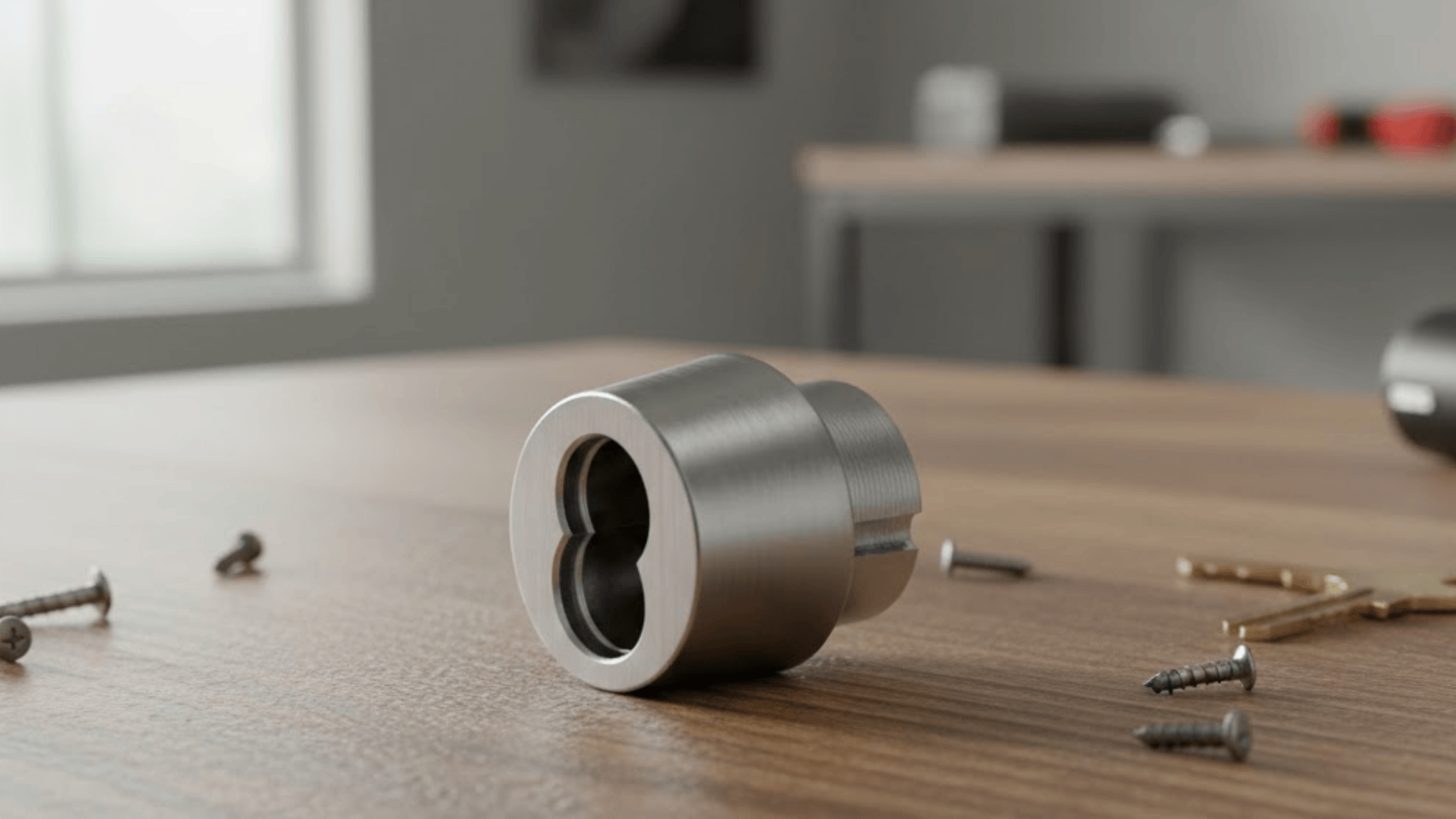
The housing, or shell, is the outer casing that holds all the internal lock components together in one piece. It keeps the cylinder, pins, springs, and other parts protected from damage and appropriately aligned for smooth operation.
Strong housing material like solid brass or steel resists drilling, prying, and other forced entry attempts that damage locks. Quality housing ensures all internal parts stay in perfect alignment for years of reliable lock performance.
Door Lock Parts You See on the Door
I’m sure you’ve noticed the lock parts on your door that you interact with constantly throughout the day. These visible exterior and interior components connect to the hidden mechanisms working inside your door and lock body.
Here’s what you’ll see on the surface:
6. Door Knob or Lever Handle
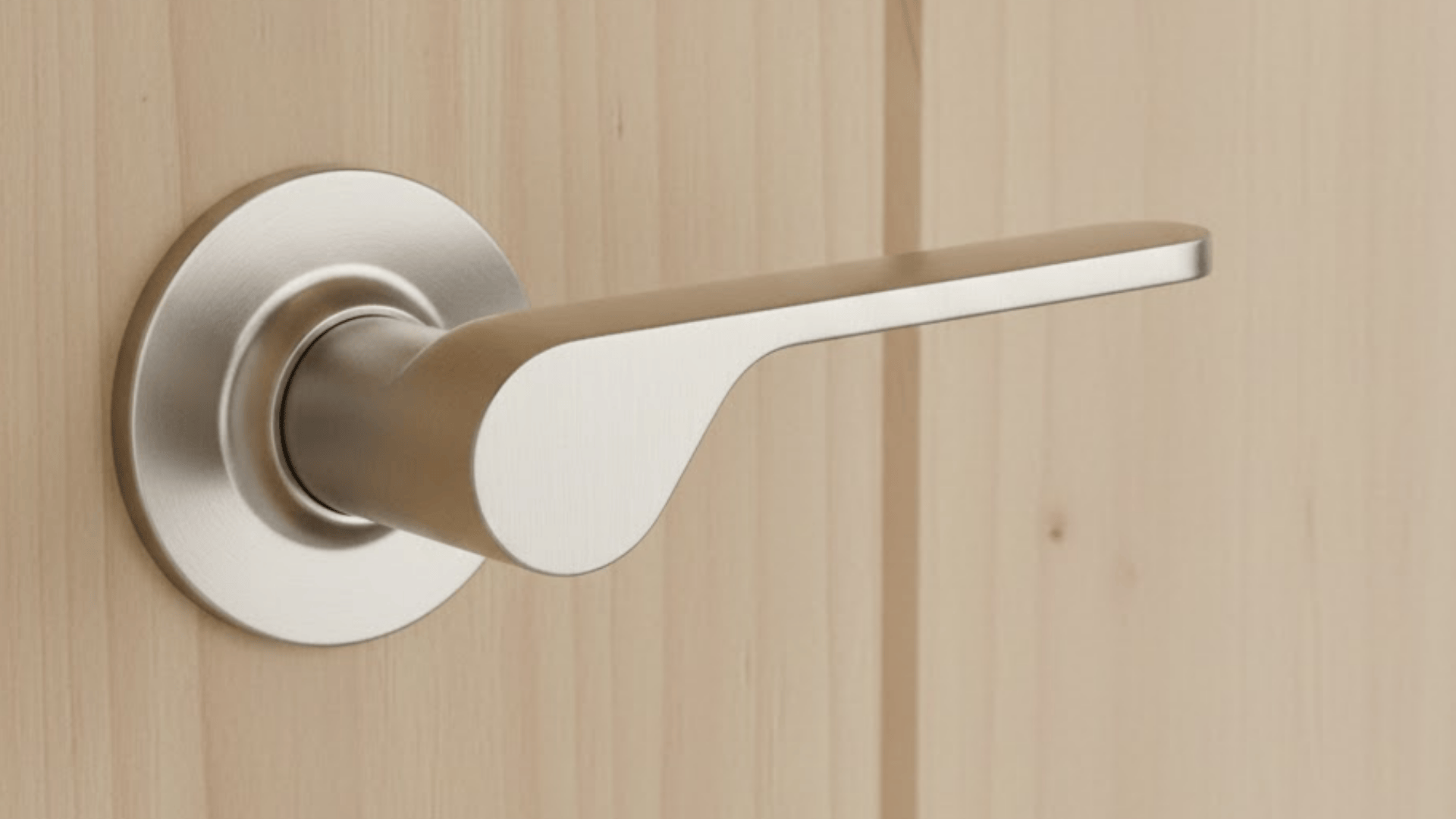
Door knobs are round handles you twist to open doors, while levers are flat handles you push down instead. Knobs require you to grip and turn them with your hand, which can be harder for some people.
Levers are easier to operate because you just push down with your hand, elbow, or even forearm. Both knobs and levers connect to a spindle that runs through the door and activates the latch mechanism. When you turn or push them, the spindle rotates and retracts the latch so the door opens.
7. Rosette or Escutcheon Plate
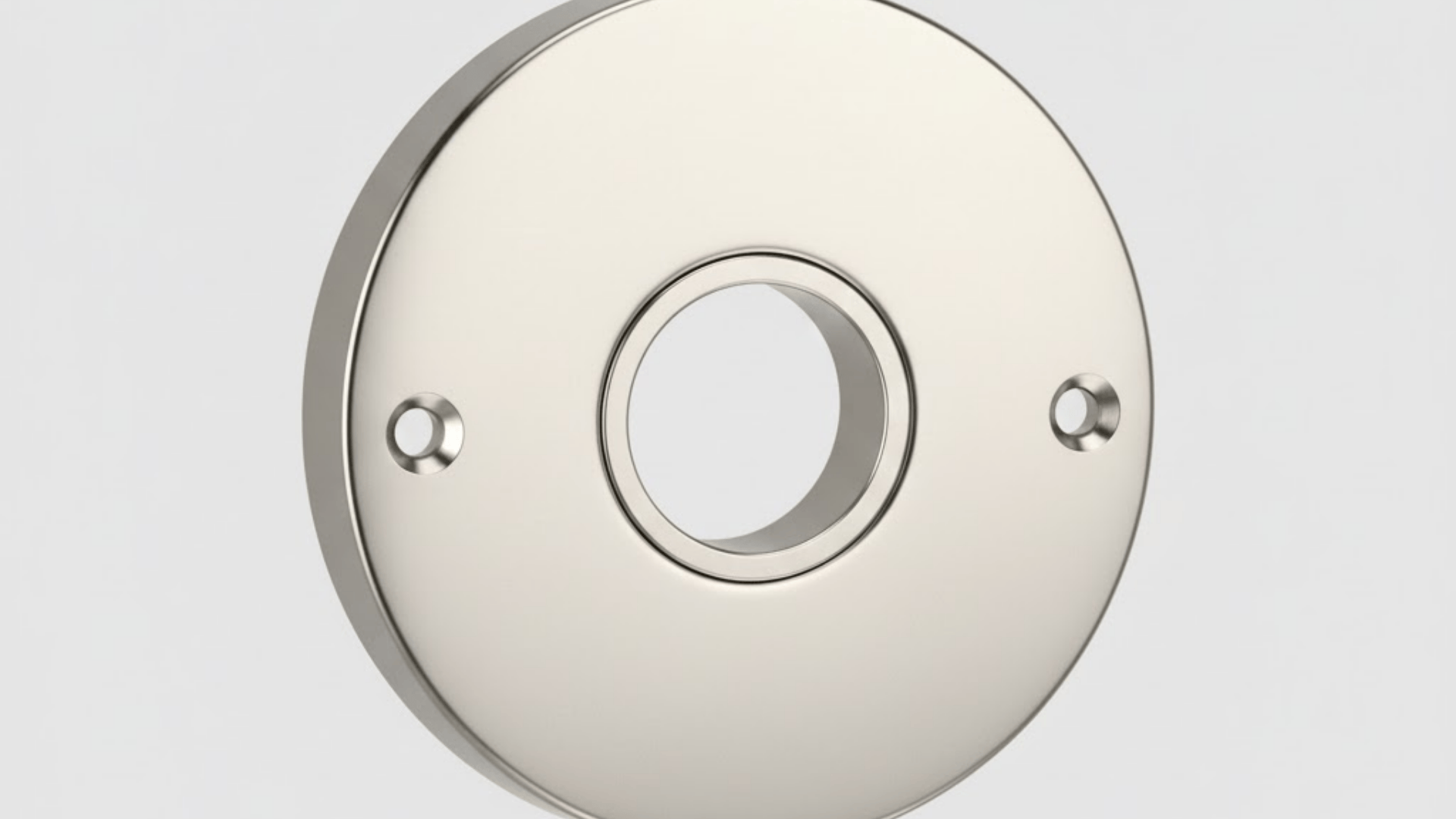
The rosette or escutcheon plate is the decorative metal piece that sits around the doorknob or keyhole. It covers the rough hole cut into your door where the lock hardware is installed and mounted securely. This plate provides extra stability by distributing the pressure when you turn the knob or insert keys.
It also makes your door look finished and professional instead of showing exposed holes or raw edges. Quality plates are made from strong metal that won’t bend, crack, or break with regular daily use.
8. Thumb Turn
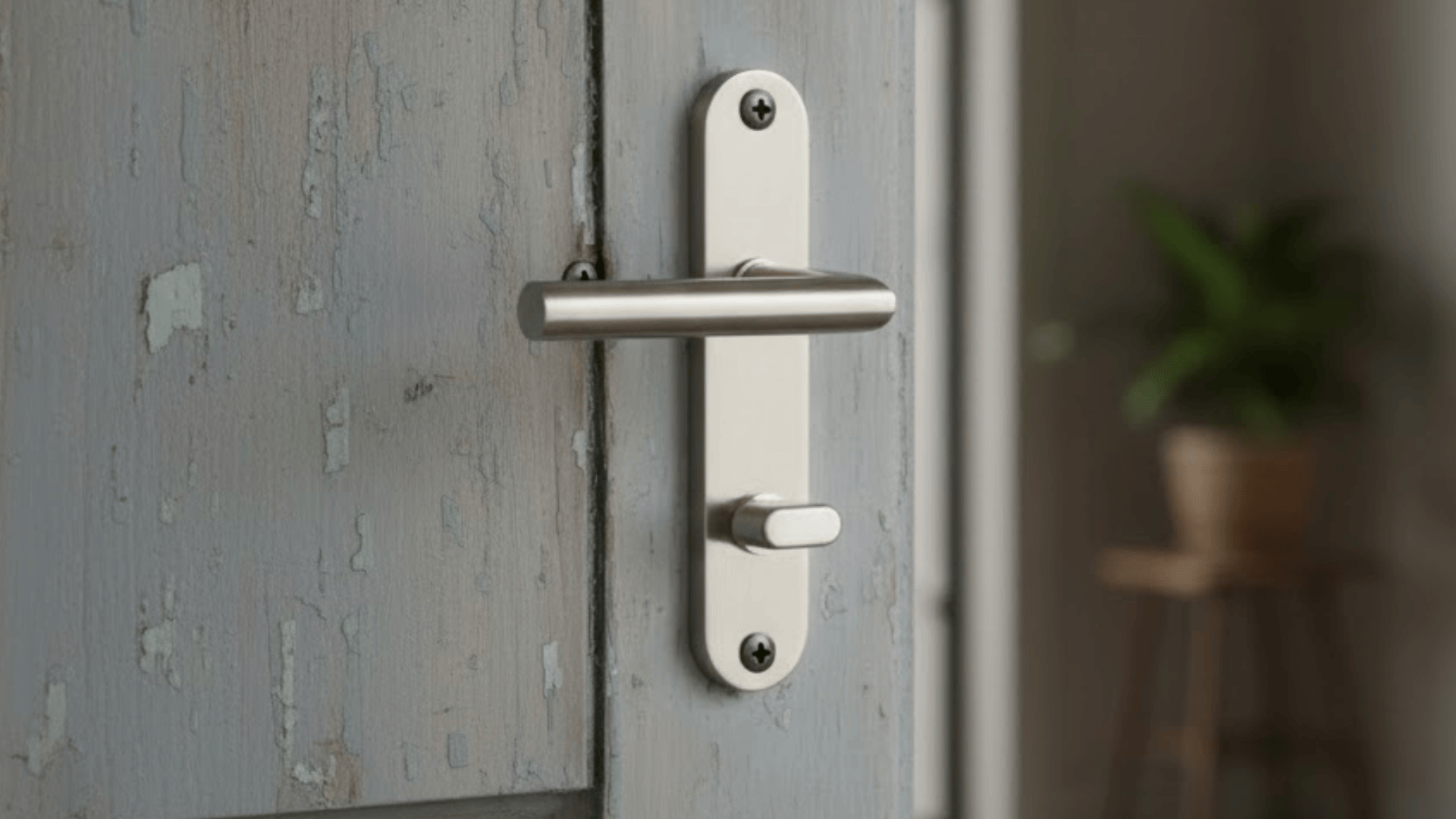
The thumb turn is a small rotating knob found on the interior side of deadbolts and some door locks. You twist this knob with your thumb or fingers to lock or unlock the door from inside. It’s used instead of requiring a key on the interior side, making it faster to lock up.
Thumb turns are especially useful in emergencies when you need to exit quickly without fumbling for keys. They provide convenient one-handed operation while keeping the exterior side secure with a keyed cylinder that requires authorization.
Internal Parts of a Lock That Make It Work
These internal mechanisms work behind the scenes every single time you lock or unlock your door throughout the day. Here’s what’s working inside:
9. Latch
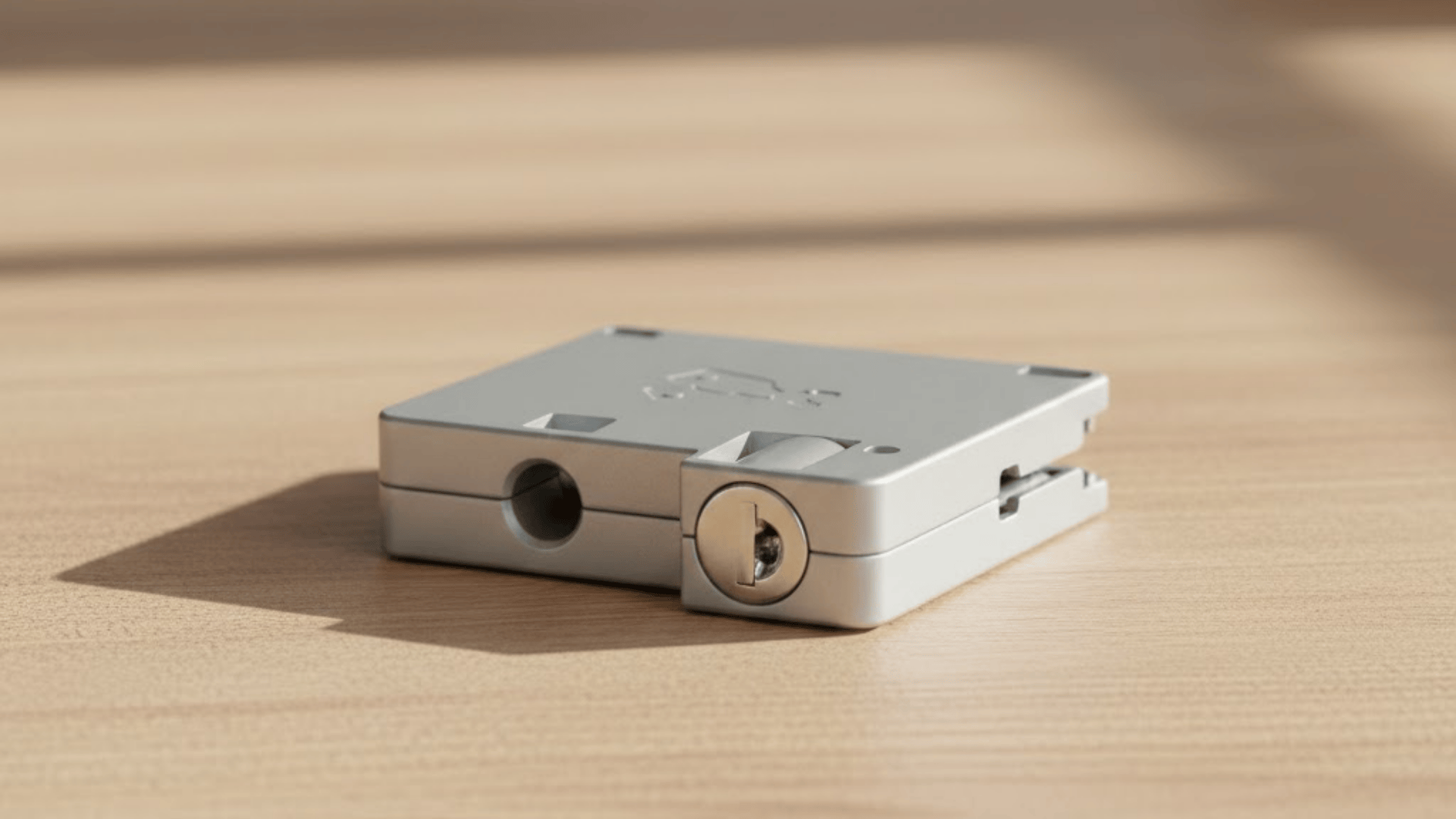
The latch is the metal piece that extends from the door into the strike plate on the frame to keep your door closed. A spring latch retracts automatically when you turn the handle and springs back out when you release it.
A dead latch doesn’t retract on its own and stays in place until you manually move it with the lock. Spring latches are convenient for everyday use but provide less security than dead latches.
10. Deadbolt
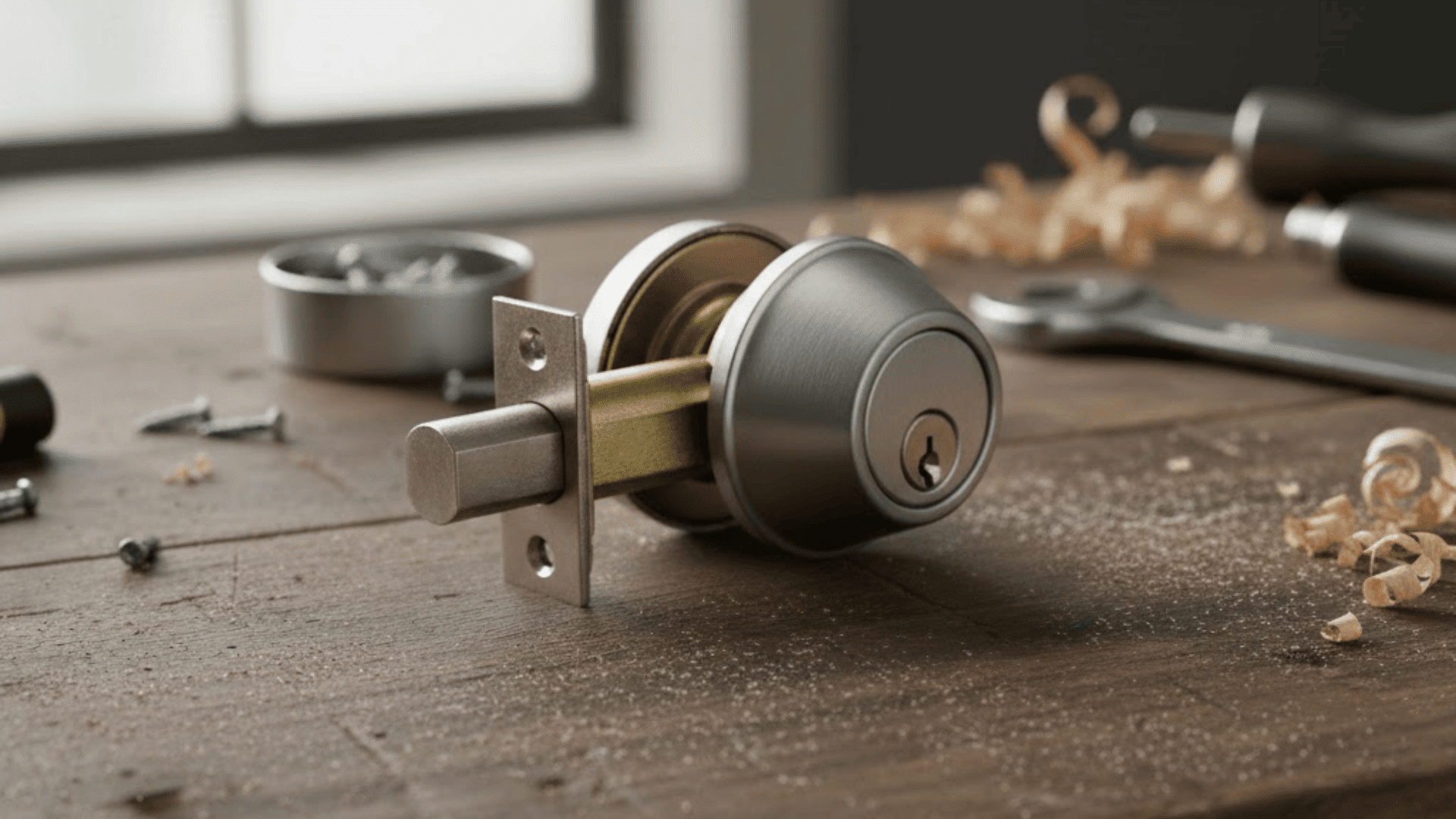
A deadbolt is a solid metal bar that slides deep into the door frame for maximum security and protection. Unlike spring latches that retract easily, deadbolts must be manually locked and unlocked with a key or thumb turn.
The bolt extends at least one inch into the frame, making it extremely difficult to force open the door. Deadbolts add extra security because they can’t be pushed back by sliding a credit card or a thin tool.
11. Spindle
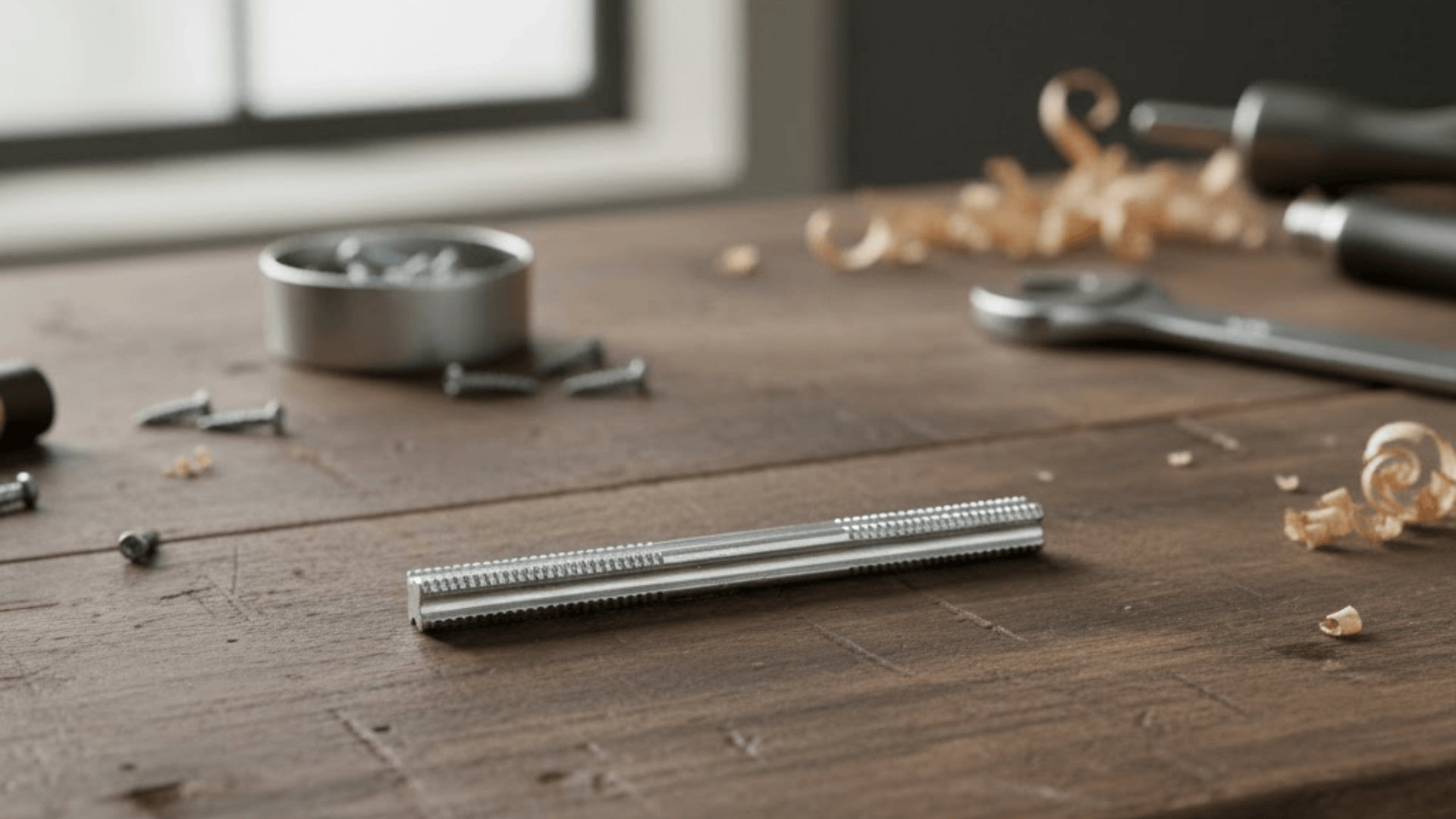
The spindle is a metal rod that runs through the door and connects the interior and exterior handles together. When you turn either handle, the spindle rotates and activates the latch mechanism inside the door lock.
This rotation causes the latch to retract into the door so it can open without any resistance. The spindle must be the correct length to fit your door’s thickness, or it won’t work properly.
12. Strike Plate
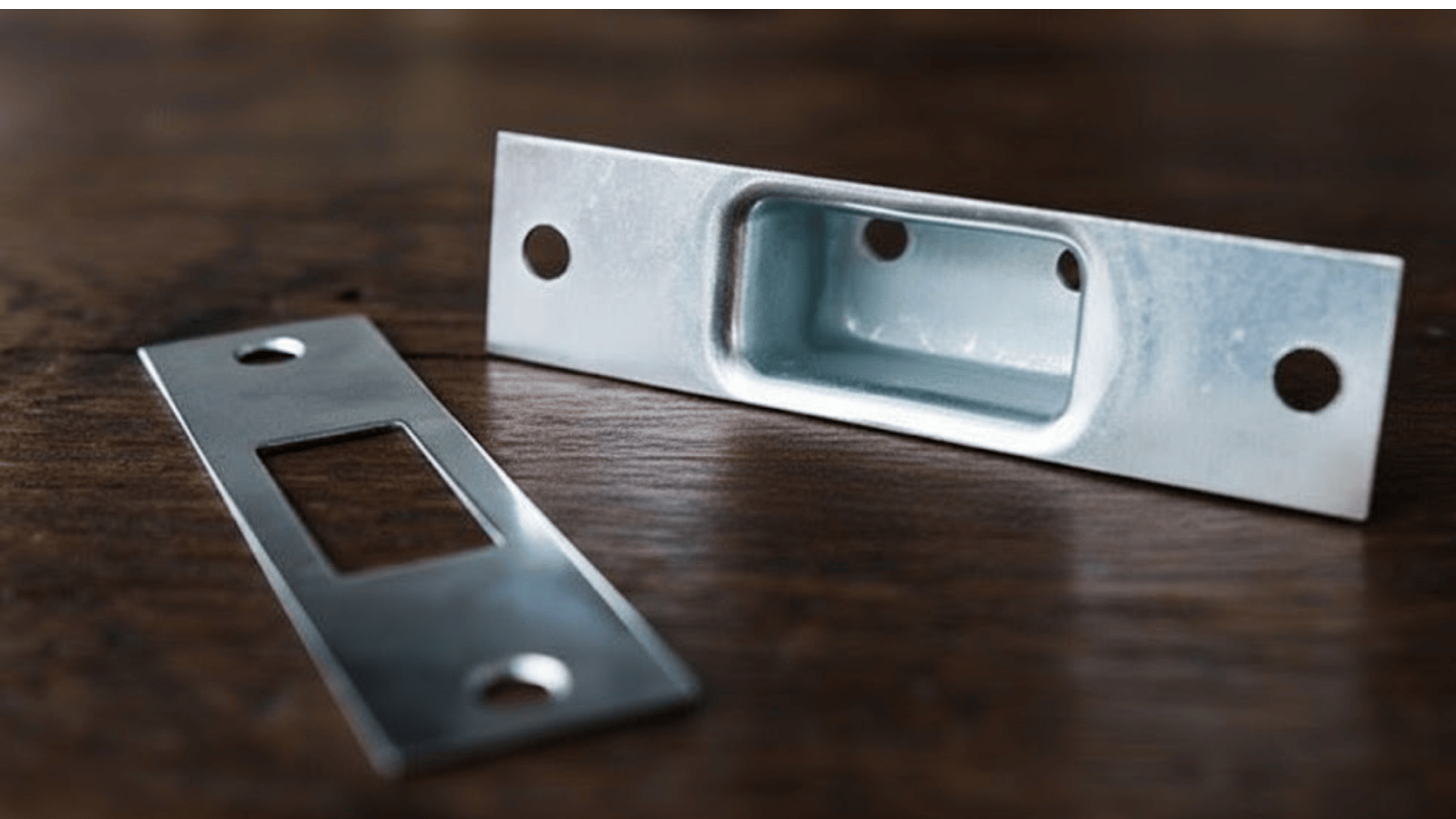
The strike plate is the metal piece screwed into the door frame that receives the latch or deadbolt. It has a hole or opening where the bolt slides in when the door closes and locks securely.
Proper alignment between the strike plate and lock is crucial, or your door won’t close or lock correctly. A reinforced strike plate with long screws that reach the wall studs dramatically increases your door’s security.
Parts of a Door Lock by Lock Type
Different lock types have unique components beyond the basic parts all locks share. Here’s how lock parts vary by design:
| Lock Type | Main Components | Unique Features |
|---|---|---|
| Deadbolt Lock | Key cylinder, bolt, thumb turn (single-cylinder) or second key cylinder (double-cylinder), strike plate, housing | A single-cylinder lock has a thumb turn inside; a double-cylinder lock requires a key on both sides for higher security. |
| Knob Lock | Round knob, spring latch, lock cylinder, spindle, interior push-button lock, rosette plates | Push-button allows locking without a key; spring latch retracts automatically when the knob turns. |
| Lever Handle Lock | Lever handle, spring latch, lock cylinder, spindle, mounting plates, and interior lock mechanism | Lever design requires less grip strength; the same internal parts, but a different handle shape. |
| Smart Door Lock | Motor, circuit board, battery compartment, keypad/touchscreen, deadbolt, cylinder (backup), strike plate, WiFi/Bluetooth module | Motor moves bolt electronically; circuit board processes codes; batteries power everything; traditional parts provide backup. |
I recommend choosing your lock type based on what you actually need, like deadbolts for exterior doors, knob and lever locks for interiors, and smart locks when you want keyless convenience.
Common Door Lock Problems Caused by Faulty Parts
I’ve noticed that most lock problems trace back to just one or two worn or damaged parts. Here are the most common issues and what’s actually causing them:
- Worn-Out Lock Cylinder: Keys become harder to insert or won’t turn smoothly when the cylinder pins wear down over time.
- Misaligned Strike Plate: Your door won’t close properly, or the latch won’t catch when the strike plate shifts out of alignment.
- Broken Latch or Deadbolt: The door won’t stay closed, or feels loose when the latch spring breaks or the bolt gets stuck.
- Loose Door Knob or Lever: The handle wiggles or spins freely without retracting the latch when internal screws loosen or the spindle breaks.
Catching these problems early saves you money and prevents getting locked out of your home unexpectedly. Most of these issues can be fixed quickly by tightening screws, realigning parts, or replacing the specific damaged component.
When to Repair vs. Replace Door Lock Parts?
Deciding whether to repair or replace your lock parts depends on the extent of damage and your security needs.
Minor issues like loose screws, misaligned strike plates, or worn keys can usually be fixed quickly and inexpensively. You can often repair these problems yourself with basic tools and a little patience to save money.
However, broken cylinders, cracked housing, or severely damaged internal mechanisms typically require complete lock replacement for proper security.
If your lock has been tampered with, forced, or shows signs of break-in attempts, replace it immediately. Old locks that stick constantly or require excessive force should also be replaced rather than repaired repeatedly.
Safety always comes first, so when in doubt about your lock’s integrity, choose replacement over temporary repairs.
Wrapping Up
Your doors are the first line of defense for your property, so keeping locks in good shape matters. Remember that quality parts last longer and provide better security than cheap alternatives that break down quickly.
Regular maintenance, like cleaning cylinders and tightening screws, prevents the most common lock problems you might face later.
Minor fixes today prevent expensive emergency locksmith calls when something breaks at the worst possible time tomorrow.
Which lock part surprised you the most? Share your thoughts or questions in the comments below!