

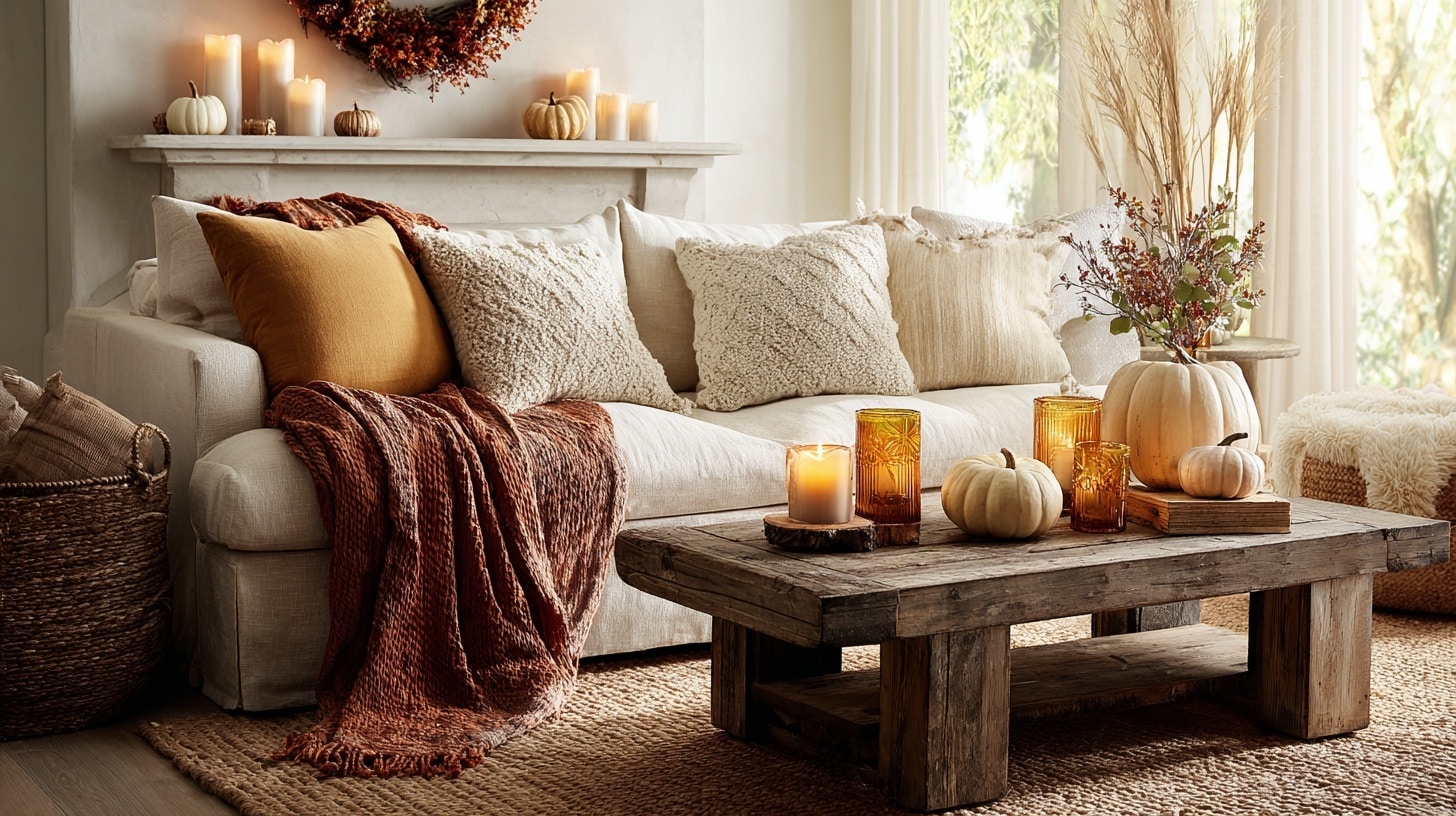
As the days get cooler, I find myself wanting to slow down and make my home feel warmer. You might feel the same way, especially if your living room feels a little plain right now. Bringing in warm autumn living room decor is the perfect way to add comfort, color, and personality to your space. With a few changes, from fresh pillow covers to handmade accents and simple furniture shifts, you can turn your living room into a place you’ll love spending time in this season. Choosing Your Autumn Color Palette Picking the right colors is the first step in creating a warm seasonal feel. Autumn palettes often draw from nature, making your space feel cozy and inviting. Soft neutrals like beige, cream, taupe, and muted gold bring a calm, airy feel. Richer shades such as rust, mustard, deep green, and burgundy add depth and visual warmth. You can also mix modern tones with rustic hues for balance, pair sleek, darker accents with natural textures and earthy shades. This combination makes your living room feel fresh yet seasonal, giving it a grounded style that works all autumn long. Warm Autumn Living Room Decor Ideas Change your living room into a seasonal retreat with these innovative touches. Each idea blends warmth, comfort, and visual interest to match your autumn color palette. Here are some decor ideas to bring the season indoors: 1. Layer Textured Throw Blankets Use chunky knits, soft fleece, or woven cotton to create depth and warmth on sofas and chairs. Drape blankets casually for a relaxed look, or fold them neatly for a tidier feel. Mix solid colors with subtle patterns to complement your autumn palette, and keep extras nearby in a basket for easy access during chilly evenings. 2. Mix Rust and Mustard Throw Pillows Swap out summer pillows for covers in rich rust and mustard tones. Combine solids with geometric or leaf-inspired prints for variety. Layer different sizes and shapes to create a fuller, more inviting arrangement. This mix of warm hues instantly adds seasonal beauty and makes your seating area feel ready for crisp autumn days. 3. Use Dried Wheat in a Ceramic Vase Dried wheat adds height, texture, and a harvest-season touch to your decor. Place a bundle in a neutral ceramic vase for a simple, classic centerpiece. It works well on mantels, shelves, or coffee tables and pairs beautifully with other natural elements like pinecones, branches, or dried eucalyptus for a cohesive autumn display. 4. Add a Vintage Wooden Coffee Table A worn or reclaimed wood coffee table adds warmth and character to your living room. Its natural texture balances modern elements while providing a sturdy surface for seasonal displays. Style it with a woven tray, candles, and small autumn accents for a welcoming centerpiece that feels connected to the season. 5. Hang Seasonal Canvas Wall Art Replace wall art with autumn-themed pieces that showcase seasonal colors and nature scenes. Choose warm landscapes, leaf patterns, or abstract designs in rust, gold, and deep green. Canvas prints are easy to swap and store, letting you refresh your space without committing to permanent decor changes each season. 6. Place Knit or Woven Pumpkins on Shelves Fabric pumpkins add softness and texture to your seasonal styling. Arrange them in groups of three for balance, mixing sizes and colors for depth. They’re lightweight, reusable, and easy to place on shelves, mantels, or coffee tables without overwhelming the space, keeping your autumn decor cozy yet uncluttered. 7. Arrange Candles in Amber Glass Holders Amber glass softens candlelight, casting a warm glow across your room. Use pillar, taper, or tea lights in matching holders for a cohesive look. Group them on trays, mantels, or side tables to create an inviting atmosphere that pairs well with other natural autumn textures like wood and dried foliage. 8. Layer a Jute Rug with a Soft Area Rug Start with a durable jute rug for texture, then layer a softer area rug on top for warmth. Choose seasonal colors or subtle patterns that tie into your decor. This approach adds visual interest, defines seating areas, and makes the space feel cozier underfoot during cooler months. 9. Display a Bowl of Pinecones Fill a wooden or ceramic bowl with pinecones for a simple seasonal accent. They add natural texture, a rustic feel, and subtle earthy tones. You can leave them plain or lightly dust them with cinnamon for fragrance. Place the bowl on your coffee table, entryway console, or dining table for an easy autumn touch. 10. Incorporate Brass or Copper Accents Metallic touches in brass or copper bring warmth and richness to your living room. Use them in lamp bases, vases, trays, or decorative bowls. These finishes reflect light beautifully and pair well with both rustic wood and soft textiles, making them versatile pieces for autumn decorating. 11. Add a Cozy Reading Corner with a Floor Lamp Create a relaxing nook by placing a comfortable chair next to a floor lamp with a warm bulb. Add a small side table for tea or books and a blanket for extra comfort. This setup invites you to slow down and enjoy quiet moments during the cooler months. 12. Use Plaid Throws Over Armchairs Drape plaid throws in autumn colors over armchairs for an instant seasonal update. Plaid patterns add visual texture and tie together other fall accents in the room. They’re practical for chilly days and easy to swap out when the season changes, making them both functional and decorative. 13. Create a Seasonal Mantel Display Decorate your mantel with layered items like candles, small pumpkins, framed prints, and greenery. Vary the heights and textures for visual balance. Use a consistent color palette so the display feels coordinated and ties into the rest of your living room decor. 14. Hang a Fall Wreath Indoors Wreaths aren’t just for the front door; hang one above your mantel, on an interior wall, or over a mirror. Choose one with leaves, berries, or dried flowers in warm tones to complement your seasonal palette. It’s an easy way to bring a focal point into your living room. 15. Display Fall-Themed Coffee Table Books Stack a few hardcover books with autumn themes or colors on your coffee table. They can feature seasonal recipes, photography, or design inspiration. Top the stack with a small decorative item like a candle or ceramic pumpkin for a layered look that feels intentional and cozy. DIY Autumn Decor Projects Making your own autumn decor is a fun way to add a seasonal touch to your home. Here are some easy DIY projects to try this fall: Knit Pumpkin Garland: Step-by-Step Create a simple knit pumpkin garland to bring warmth and seasonal beauty to your living room without spending much. Here’s a step-by-step guide to help you make your own from start to finish. Step 1: Choose soft yarn in autumn colors and gather knitting needles, stuffing, and scissors. Step 2: Knit small rectangular pieces, fold them, and sew the sides to create pumpkin shapes. Step 3: Fill each pumpkin with stuffing until it’s plump, then secure the top and bottom tightly. Step 4: Wrap yarn around the sides to form pumpkin ridges, tying firmly to keep the shape. Step 5: Thread pumpkins onto twine or ribbon, spacing them evenly for a balanced garland layout. Step 6: Hang the garland across your mantel, shelves, or doorway for a cozy autumn touch. DIY Fall Wall Art: Printable or Painted Create custom fall wall art to add personality and seasonal style without spending much. Here’s how to make your own autumn-inspired pieces: Step 1: Choose a printable design or plan a hand-painted creation in a fall-inspired theme. Step 2: Select seasonal colors like rust, mustard, and deep green to match your living room palette. Step 3: Print your design on quality paper or paint on fabric or canvas for durability. Step 4: Frame your artwork or stretch painted fabric over a wooden frame for a rustic look. Step 5: Swap the art into existing frames for an easy seasonal update without buying new decor. Budget-Friendly Centerpieces: Grocery Store Flowers + Thrifted Vases You don’t need to spend much to create a beautiful fall centerpiece. Here’s how to use grocery store flowers and thrifted vases for a stylish, budget-friendly look: Step 1: Choose a thrifted vase in a shape and size that suits your living room table. Step 2: Buy seasonal flowers like mums, sunflowers, or marigolds from your local grocery store. Step 3: Add greenery or dried elements such as wheat, eucalyptus, or preserved leaves for texture. Step 4: Arrange the flowers loosely for a relaxed, natural style that feels inviting and comfortable. Step 5: Place the finished centerpiece on your coffee table or mantel as a warm seasonal focal point. Furniture & Layout Tips Simple layout changes can make your living room feel more welcoming and functional during the autumn season. Rearrange seating to encourage conversation and create a cozy flow for gatherings. Pull chairs closer, angle sofas, and keep pathways clear. Combine vintage and modern pieces for balance, pair a rustic coffee table with a sleek sofa, or use contemporary lighting. Style mantels or shelves with layered items of varying heights, such as candles, framed prints, and seasonal greenery, to add visual interest Shopping & Budget Guide Decorating for autumn doesn’t have to strain your budget. You can find affordable options under $50 at retailers like Target and Amazon, including throw blankets, pillow covers, and small decorative accents. For mid-range pieces, browse Wayfair and Etsy for unique wall art, seasonal wreaths, and quality table decor. If you want items that last year after year, consider investing in handmade furniture or artisan rugs. These higher-quality pieces become long-term staples, allowing you to refresh your space seasonally without starting from scratch, while still enjoying the warmth and comfort of a thoughtfully decorated living room. Conclusion For me, bringing a living room to life with warm autumn decor is all about thoughtful touches that feel personal and truly inviting. From picking colors that make the space feel cozy to adding seasonal textures that bring in warmth, I’ve found that even the smallest changes can turn a living room into a place you love spending time in every day. I hope these ideas spark some inspiration for you to start adding updates that reflect both your style and the beauty of the season. If you’re looking for more seasonal inspiration, I’ve shared plenty of home styling tips you can use to make every corner of your home feel just as cozy and welcoming.
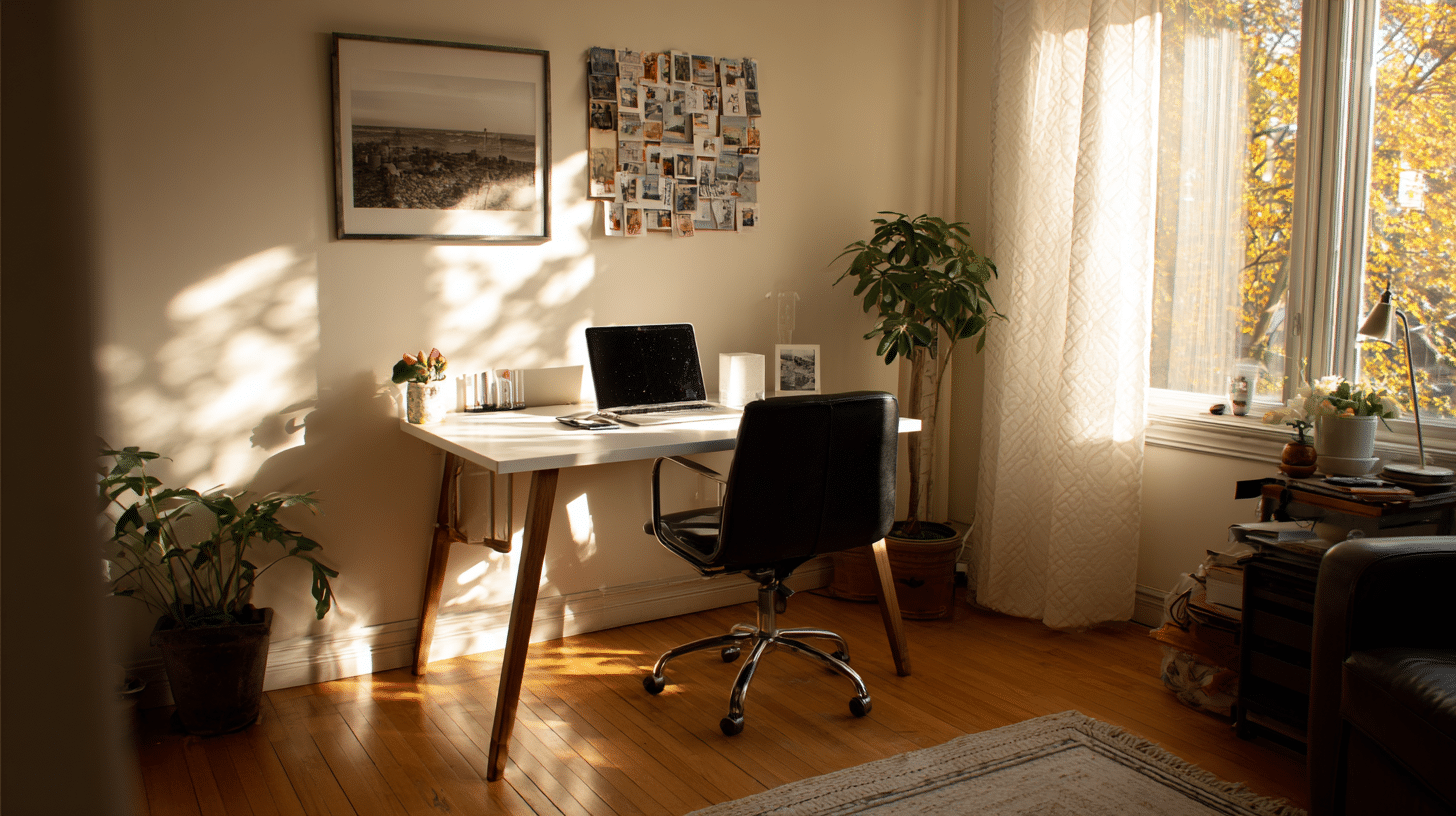
Remember when working from home meant setting up camp at your kitchen table with your laptop balanced precariously next to your morning coffee? Yeah, I’ve been there too! After spending way too many days hunched over in uncomfortable chairs, I realized something had to change. Creating a cozy home office that actually makes you want to work doesn’t have to break the bank or require a complete renovation. If you’ve got a whole spare room or just a tiny corner, there are so many ways to make your workspace both productive and cozy. Let me share some ideas that’ll change your work-from-home experience! Finding Your Perfect Work-From-Home Style Working from home is now common, but not everyone has a dedicated office that feels inspiring or productive. Even if you’re using a whole room or a small corner, creating a functional and cozy office doesn’t have to be expensive or complicated. The key is balancing comfort and productivity with good lighting, supportive seating, and smart storage. Budget-friendly touches like fresh paint, thrifted decor, and plants can make a big difference. Most importantly, design your space around your work habits, if you need silence or background noise, video call-ready lighting, or a quiet spot for deep focus, so it truly supports how you work every day. Cozy Home Office Ideas That You Need to Try No matter your space or style, these home office ideas combine comfort and productivity to help you work smarter and enjoy every minute of it: 1. Reading Nook Office Blend productivity and comfort by transitioning part of your workspace into a cozy reading haven. Position your desk near a plush armchair or a built-in window seat, surrounded by floor-to-ceiling bookshelves filled with your favorite titles. Add a soft throw, a small side table for coffee, and warm lighting for those late-night reading or brainstorming sessions. This setup creates a serene, library-like feel where work feels less like a chore. Average cost: $3,000–$5,000 2. Nature-Inspired Retreat Let the outdoors fuel your creativity. Set your desk close to large windows or glass doors to soak in natural light and greenery. Incorporate indoor potted plants of varying sizes, like fiddle leaf figs, succulents, and hanging pothos for a calming touch. Choose furniture in natural wood finishes, complemented by woven baskets and linen textures. Finish with framed botanical prints or scenic landscape art to make every workday feel refreshing. Average cost: $2,500–$4,000 3. Small Nook Office Turn underused spaces into highly functional mini-offices. Convert a closet, alcove, or under-stair corner into a workspace with a sleek floating desk and compact shelving for storage. Add good task lighting and a comfortable chair, and paint the space in light, airy colors to make it feel bigger. It’s the perfect choice for small homes or apartments where every square foot counts, offering efficiency without sacrificing style. Average cost: $700–$2,000 4. Feminine Chic Office Create a classic yet inviting home office with a soft and warm touch. Think pastel pinks, lavenders, or creams for the walls, paired with gold or rose-gold hardware and light fixtures. Add plush velvet chairs, delicate floral wall art, and a cozy throw blanket draped over the seating. A scented candle and a vase of fresh flowers complete the romantic, inspiring atmosphere ideal for work that thrives on beauty and detail. Average cost: $1,500–$3,500 5. Rustic Farmhouse Bring the class of the countryside into your workspace with a farmhouse-inspired design. Use a vintage wooden desk with a distressed finish, pair it with a comfy upholstered chair, and add open shelves made from reclaimed wood. Accents like woven baskets, plaid textiles, and antique brass lamps add to upgrade the rustic feel. Soft, earthy tones and natural textures make the room both cozy and grounded, perfect for focused, distraction-free work. Average cost: $1,500–$4,000 6. Boho Sanctuary Infuse your office with the free-spirited, layered charm of bohemian style. Start with a neutral base, then layer patterned rugs, textured throws, and cushions in rich, earthy hues. Use rattan or bamboo furniture, hang macramé wall art, and bring in plenty of plants for a lush, inviting feel. The relaxed, eclectic atmosphere promotes creativity and makes work feel like a personal retreat rather than a routine. Average cost: $1,800–$3,500 7. Industrial Loft Think raw, urban energy. Picture a home office with a wall of exposed brick or realistic brick-style wallpaper that instantly sets a gritty, city feel. A sturdy metal desk with matte black or brushed steel finishes becomes the focal point, paired with vintage filing cabinets or open shelving. Edison bulb pendant lights dangle overhead, casting a warm, amber glow that feels both modern and dreamy. Add a faded, richly patterned vintage rug to soften the space and ground the look. This style thrives in open-plan layouts or spaces with high ceilings. Average cost: $2,000–$4,000 8. Classic Men’s Club Channel classic feel with dark, masculine touch. Imagine sinking into a buttery leather club chair while surrounded by warm wood paneling or dark-stained bookshelves. A Persian-style rug in rich burgundy or navy anchors the room, while brass desk lamps and vintage accessories add a subtle touch of class. The color palette leans toward deep browns, greens, and reds, creating a cozy, enclosed feel perfect for focus. Ideal for a study or a library-turned-office. Average cost: $4,000–$6,000 9. Cottagecore Corner Bring the countryside indoors with a bright, airy home office that feels like it belongs in a charming cottage. Start with a crisp white desk, perhaps distressed for a vintage touch, paired with pastel-colored accessories like soft blush pen holders or mint green desk trays. Floral curtains frame the window, letting in natural light, while vintage finds such as a ceramic teapot or lace-trimmed tablecloth bring a touch of dreaminess. Layer in cozy touches like a knitted throw and a small potted plant to make the space inviting. Average cost: $1,500–$2,500 10. Modern Minimalist For those who crave clarity and simplicity, the modern minimalist office delivers. The design focuses on clean lines, functional furniture, and a neutral color palette of whites, grays, and soft taupes. An ergonomic chair blends seamlessly with a streamlined desk, often with hidden cable management to keep the workspace tidy. Storage is discreet, think floating shelves or closed cabinets, so surfaces remain clutter-free. Lighting is simple and purposeful, often with a sleek desk lamp or subtle LED strip lighting. Average cost: $2,000–$4,000 11. Cozy Shared Office Perfect for couples, siblings, or roommates who work side-by-side, this setup blends functionality with comfort. Twin desks are arranged with intentional dividers, open shelving, tall plants, or privacy panels to give each person their own space. The chairs are plush yet supportive, motivating long working hours without strain. Soft rugs, warm lighting, and coordinated storage help maintain harmony in the shared space. Small personal touches on each side, like framed photos or favorite stationery, add personality without clashing. Average cost: $2,500–$5,000 12. Maximalist Gallery This is where creativity thrives, walls bursting with personality. Start with a base of bold, colorful rugs and patterned cushions, then cover your walls with an eclectic mix of framed art prints, quirky knick-knacks, and travel souvenirs. Shelves hold stacks of design books, plants spill over their pots, and lighting ranges from statement floor lamps to fairy lights. The goal is to create a space that sparks inspiration every time you walk in, with every inch telling a story. Average cost: $2,000–$4,000 13. Fireplace Office If it’s a rustic stone hearth or a sleek modern electric fireplace, adding this feature instantly changes your office into a warm and inviting retreat. The soft flicker of flames creates a comforting backdrop for focused work or late-night reading, while the gentle heat makes even winter mornings feel inviting. Pair it with a plush armchair, a warm throw, and a stack of your favorite books for the ultimate cozy workspace. Average cost: $1,200–$3,000 14. Convert a Spare Room Give new purpose to an underused guest room or storage space by turning it into a dedicated home office. A fresh coat of paint can set the tone, choose airy neutrals for lightness, or rich hues for a cocooning effect. Add ergonomic furniture for comfort, new flooring for style, and layered lighting for both practicality and mood. With a door to close, you’ll have a quiet, private place to focus, away from the hustle of the home. Average cost: $3,000–$4,000 15. Scandinavian Retreat Inspired by Nordic design, this workspace accepts light and simplicity. Pale wood desks and shelving keep the room feeling airy, while minimalist décor reduces visual clutter. Add a sheepskin throw draped over your chair for warmth, plus tidy storage baskets to maintain order. Natural light plays a key role here; pair it with soft, warm-toned lamps for cozy evenings. The result is a space that’s both calm and welcoming. Average cost: $1,500–$3,000 16. Vintage Glam Channel old Hollywood class in your home office with a velvet chair that feels like a statement piece, a mirrored desk that shows light beautifully, and a gold-toned lamp for a touch of glamour. Layer in a cozy throw and perhaps a crystal paperweight or art deco clock to complete the 1920s-inspired look. This style blends function with a luxurious atmosphere, perfect for making work feel like an indulgence. Average cost: $2,000–$4,000 17. Built-In Shelving Custom shelving transitions your office into a masterclass in organization and style. Floor-to-ceiling units can house books, files, decorative objects, and even built-in lighting for an upgraded look. Incorporating your desk into the shelving design maximizes space while keeping everything you need within arm’s reach. This is ideal for those who want a sleek, polished environment that promotes productivity without sacrificing the environment. Average cost: $3,000–$6,000 18. Pop of Color If you thrive on visual energy, a bold home office design can help keep creativity flowing. Start with a statement accent wall in a bright shade like cobalt blue, mustard yellow, or coral. Layer in a colorful area rug, bright desk accessories, and playful art prints to spark joy every time you sit down to work. Balanced with neutral furniture, this style stays lively without feeling overwhelming. Average cost: $1,500–$2,500 19. Under-Desk Glow Imagine a subtle wash of light that gently frames your workspace, making late-night tasks feel warm and inviting rather than harsh. Warm LED strip lighting tucked under your desk or shelves not only adds a cozy ambiance but also helps illuminate the area without the glare of overhead lights. This is a low-cost, high-impact upgrade that can make even a small office feel polished. Average cost: $100–$500 20. Tech-Friendly Office Designed for productivity and comfort, this setup combines a height-adjustable sit-stand desk with an ultra-wide monitor for multitasking ease. Smart cable management keeps cords out of sight, while ergonomic accessories like a supportive chair and wireless peripherals minimize strain. Perfect for those who spend long hours at their desk and want a clean, modern workspace that builds focus. Average cost: $1,500–$3,000 21. Artisan Workspace This office celebrates craftsmanship and personality. Think hand-thrown pottery as pen holders, woven baskets for storage, and a handcrafted wooden desk that feels like a piece of art in itself. Add layered textiles, perhaps a chunky wool throw or a patterned rug, to create a tactile, warm space that’s as inspiring as it is functional. Average cost: $1,800–$3,500 22. Corner Window Desk Placing your desk beside a corner window changes work hours into a refreshing experience. Natural light boosts mood and productivity, while the view outside provides mental breaks throughout the day. Include a built-in or freestanding window seat nearby so you can sip coffee, read, or brainstorm away from your screen while still staying in your creative zone. Average cost: $2,000–$3,500 23. Flexible Guest Office This multifunctional room serves as both a fully functional home office and a welcoming guest space. A sleek desk setup ensures you have a productive work zone, while a stylish sofa bed or daybed allows the room to instantly transition for visitors. Ideal for smaller homes, this design prioritizes versatility without sacrificing comfort or style. Average cost: $2,000–$4,000 24. Monochrome Magic For a serene and visually cohesive workspace, layering different tones of a single color family, beige, gray, or soft green are popular choice. Think light walls, mid-tone furniture, and darker accent décor to add depth without overwhelming the senses. The uniform palette creates a soothing backdrop that helps reduce visual clutter and promote focus. Average cost: $1,800–$3,000 25. Cozy Tech Gaming Office Change your workspace into a high-performance gaming and work hub. Start with an ergonomic gaming chair designed to support long hours of sitting, ensuring your posture stays healthy during both work and play. Add customizable RGB lighting to set the mood, if you’re in a competitive match or tackling deadlines. Blackout curtains help block out distractions and control lighting, while acoustic panels reduce echo and improve sound quality for streaming, calls, or immersive gaming. Average cost: $2,000–$4,000 Creating the Office You’ve Always Wanted Your workspace can have a big impact on your productivity and mood. Here’s how to design an office that inspires you every day: Prioritize comfort: Ergonomic furniture is key for long work hours. Choose a chair that supports your back well and a desk at the right height to prevent strain. Comfort boosts focus and reduces fatigue, so don’t skimp here. Invest in good lighting: Natural light can uplift your mood and reduce eye strain, so position your desk near windows if possible. For darker hours, add adjustable task lamps to give you control over brightness and prevent glare on screens or documents. Organize smartly: Use storage options like shelves, drawers, or baskets to keep your desk clutter-free. An organized workspace reduces distractions and helps you find what you need quickly, improving efficiency. Personalize your space: Add items that inspire and motivate you, such as favorite artwork, plants, or meaningful knick-knacks. Personal touches make the space welcoming and help you feel connected to your work. Set a realistic budget: You don’t need to buy everything at once. Start with the essentials and gradually add pieces as you go. This approach prevents overwhelm and allows you to find quality items that fit your style without overspending. With the right setup, you’ll have a space that not only looks great but also supports your work and creativity for the long run. Wrapping It Up I’ll be honest, upgrading to a cozy home office doesn’t happen overnight, and it definitely doesn’t need to look picture-perfect. I’ve learned that the best workspace is one that actually fits how you work and makes you feel good about spending time there. Start with one or two changes that’ll make the biggest impact for you. Maybe it’s finally getting that comfortable chair you’ve been putting off, or just adding some plants to brighten up your space. Trust me, even small changes can make a huge difference in how you feel about your workday. The goal is to create a space that supports your productivity while making you genuinely happy to be there. Which of these ideas are you most excited to try in your own space?
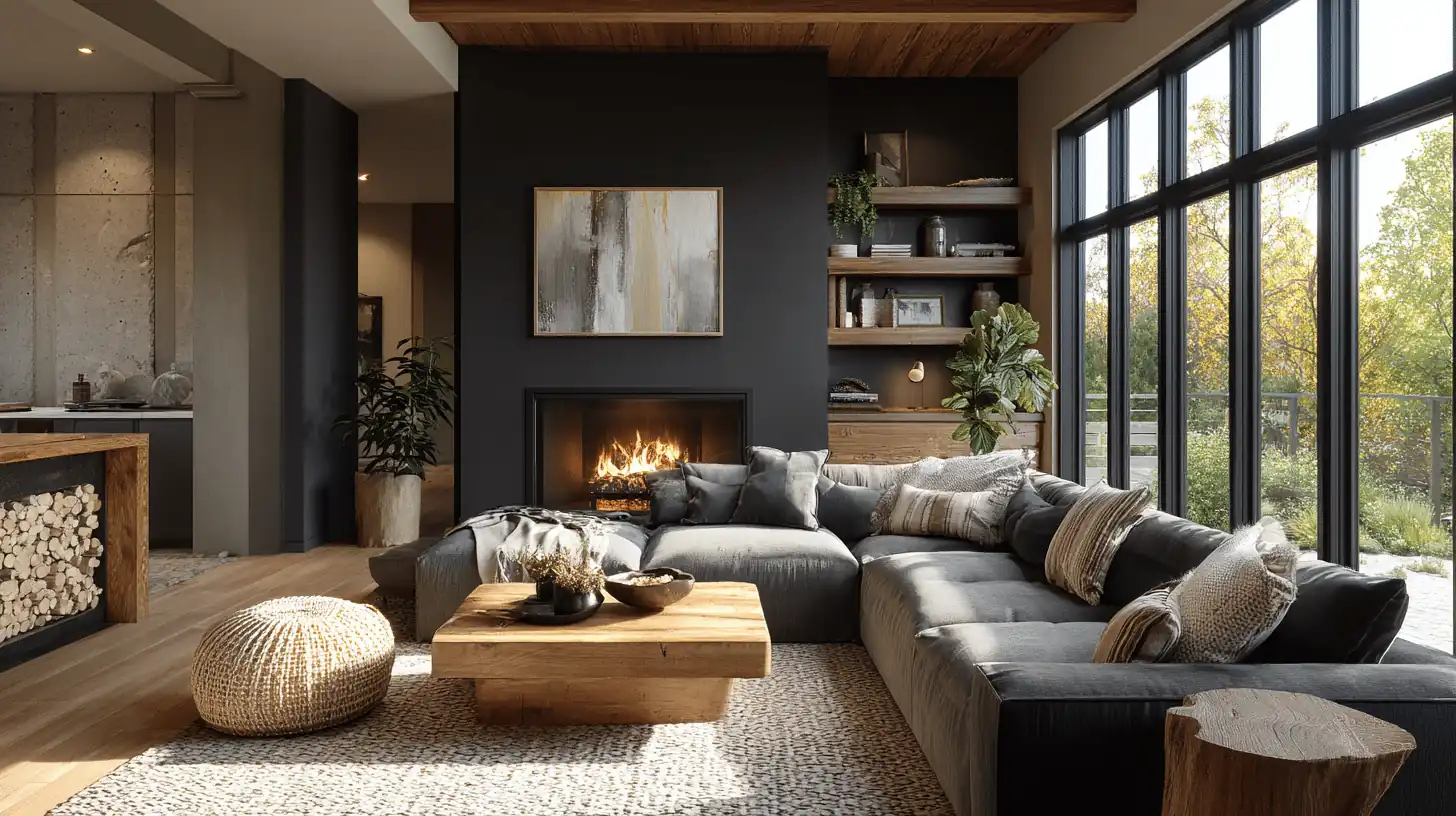
I always thought living rooms had to be either sleek and minimalist or warm but messy, until I found out about the earthy, natural, organic modern living room style, and it was a total game-changer! This design approach strikes a perfect balance between clean minimalism and warm, natural comfort, much like these cozy warm living room ideas that focus on comfort and softness. If you’re tired of spaces that look great but don’t actually feel good to live in, you’re going to love these ideas. Organic modern is all about bringing nature indoors while keeping things beautifully simple and uncluttered. Ready to create a living room that’s both Instagram-worthy and genuinely cozy? Let’s get into it! Modern organic style combines clean modern design with natural materials like wood, linen, stone, and plants. It uses warm neutral colors, soft textures, and simple layouts to create a calm, comfortable, and nature-inspired living space. What Exactly is Organic Modern? Organic modern style is a design approach that blends modern minimalism with natural materials, warm textures, and earthy tones to create a calm and livable space. It’s about creating rooms that feel classic but never cold or sterile. Think curved furniture instead of sharp angles, linen and wool instead of synthetic fabrics, and warm wood tones paired with creamy neutrals. The “organic” part comes from using materials and shapes inspired by nature; everything feels soft, flowing, and naturally imperfect in the most beautiful way. Element Details Style Type Modern + Natural Key Materials Wood, linen, stone, wool Color Palette Warm white, beige, taupe, earthy tones Furniture Style Curved, low-profile, soft edges Key Feature Natural textures + minimal clutter From my experience working with home styling ideas, I’ve seen how small changes in materials and layout can completely change how a space feels. Especially when blending influences like Mediterranean living room styles that also highlight warmth and natural textures. Earthy Natural Organic Modern Living Room Ideas Here are several stylish and approachable ways to bring the modern organic living room look into your space, no matter your budget: 1. Warm Neutral Palette Begin your design with a soothing base of whites, beiges, taupes, and soft grays. These colors create a calm and tranquil atmosphere, serving as the perfect backdrop that allows your natural and organic elements to truly stand out. The warmth of this palette invites relaxation and makes the room feel welcoming without overwhelming the senses. Popular organic modern paint colors include: Sherwin-Williams Accessible Beige SW 7036 (#D1C7B8) Benjamin Moore White Dove OC-17 (#F0EFEA) Sherwin-Williams Agreeable Gray SW 7029 (#D1CBC1) 2. Layered Natural Textures Add richness and comfort by mixing various natural materials such as cotton, linen, wool, jute, and woven fabrics. Use these textures across rugs, pillows, throws, and upholstery to give your living room depth and tactile interest. Layering these fabrics not only provides coziness but also reinforces the organic, earthy feeling, making the space feel grounded and approachable. 3. Plush, Curved Furniture Choose furniture pieces with soft, rounded edges and low profiles to highlight comfort and an inviting atmosphere. Think plush sofas that hug you, curved accent chairs that promote lounging, and ottomans with gentle shapes for relaxed seating. These pieces create a fluid, harmonious look that contrasts with the rigid lines of more traditional furniture, providing a sense of ease. 4. Earthy Wooden Accents Incorporate reclaimed wood elements like coffee tables, floating shelves, or accent walls to add warmth and a sense of history to your living room while understanding mixing wood tones. The natural grain and imperfections in wood bring character and purity, making your space feel cozy and connected to nature. Using reclaimed wood is also an eco-friendly choice that upgrades the organic theme. 5. Statement Greenery Bring life and brightness into the room with carefully chosen greenery. Large potted trees, leafy plants, or simple vases filled with branches create a focal point that connects your interior to the outdoors. Whether real or high-quality faux, plants add freshness, improve air quality, and contribute to a nature-inspired ambiance. 6. Organic-Inspired Lighting Select lighting fixtures made from natural materials like woven rattan, wood, or sculptural forms that mimic organic shapes. Pendant lights with textured shades or lamps with wooden bases cast a warm, soft glow that uplifts the cozy feel of your space. These lighting choices not only provide functional illumination but also serve as beautiful, nature-inspired decor pieces. 7. Minimalist Layout Maintain an open, uncluttered floor plan to promote good airflow and create a peaceful environment. Avoid overcrowding with furniture; instead, arrange pieces thoughtfully to balance practicality with comfort. A minimalist approach helps keep the focus on natural materials and textures while ensuring your living room remains a calm, restful retreat. 8. Stone or Marble Features Incorporate stone or marble elements like a polished marble fireplace surround, a travertine coffee table, or decorative stone accents throughout the room. These features introduce a sense of understated luxury while maintaining a grounded, earthy feel. The natural veining and texture of stone and marble add visual interest and timeless class, perfectly balancing the organic warmth of other materials. 9. Art with Nature Motifs Upgrade your living space by showcasing artwork inspired by the natural world. Botanical prints, abstract pieces that mimic organic shapes, or serene landscape paintings bring the outdoors inside, creating a seamless flow between your interior and nature. These artworks add personality and depth while reinforcing the calming, earthy theme of your room. 10. Modern Decor Mixed with Vintage Finds Create a unique, classic look by mixing sleek modern furnishings with carefully curated vintage pieces. Pair clean-lined sofas or minimalist shelving with antique vases, heritage textiles, or weathered wooden objects to add warmth and character. This mix of old and new layers visual richness and ensures your living room feels both fresh and deeply personal. 11. Earth-Toned Statement Rug Anchor your living room with a bold rug in warm earth tones like rust, olive, caramel, or deep ochre. This statement piece grounds the space while complementing the organic color palette, adding softness underfoot, and tying together different design elements. A rug with subtle patterns or natural textures can also introduce additional warmth and visual complexity. 12. Fireplace Focal Point If your space allows, incorporate a fireplace clad in natural stone, ceramic tiles, or sleek concrete finishes. A fireplace instantly creates a cozy and inviting atmosphere, perfect for year-round comfort. Whether modern and minimalist or rustic and textured, this feature becomes a natural gathering spot and a visual anchor that adds warmth and ambiance. 13. Airy and Light-Filled Feel Maximize natural light by dressing large windows with sheer curtains or light, flowing fabrics that soften incoming sunlight without blocking it. This approach boosts the connection between your indoor space and the outdoors, making the room feel bright, open, and welcoming. Light-filled rooms improve mood and highlight the natural materials and colors in your design. 14. Japandi Inspiration Japandi style is a harmonious fusion of Japanese minimalism and Scandinavian functionality, similar to ideas seen in Japanese-style living room ideas. It emphasizes clean, simple lines, uncluttered spaces, and natural materials like light woods. Surfaces are kept smooth and serene, creating a calm, balanced environment. This combination prioritizes a peaceful and effortless look, offering a soothing, organic retreat that feels both warm and refined. 15. Eco-Friendly, Sustainable Furniture Choose furniture crafted from sustainable and eco-conscious materials like bamboo, reclaimed wood, cork, or recycled composites. These pieces not only reduce environmental impact but also bring a raw, natural texture to your living space. Their organic imperfections and warm hues contribute to an earthy feeling that feels genuine and responsible, perfectly aligned with nature-focused interiors. 16. Tactile Wall Treatments Add depth and subtle warmth to your walls with tactile finishes such as lime wash, plaster, or textured wallpapers in neutral tones. These treatments create a softly layered backdrop that complements the organic feel of the room. Unlike flat paint, textured walls invite visual interest, fostering a cozy yet gentle atmosphere. 17. Mixed Material Coffee Table Incorporate a coffee table that artfully combines materials like wood, stone, and metal in natural, flowing shapes. This mix shows the diversity found in nature, adding dimension and character to your space. Whether it’s a live-edge wooden top paired with a stone base or metal legs with a textured surface, these tables become focal points that celebrate organic design. 18. Handcrafted Ceramics & Woven Baskets Scatter handcrafted pottery and woven baskets throughout your living area to introduce artisanal elements and real texture. Ceramics with subtle imperfections and earthy glazes add warmth and uniqueness, while natural fiber baskets provide practical storage and decorative interest. Together, they create a tactile, lived-in feel that upgrades the organic feel. 19. Low, Cozy Sectional or L-Shaped Seating Opt for a low-profile sectional sofa or an L-shaped seating arrangement in calming earth tones like warm beige, muted greens, or soft browns. These pieces encourage relaxation and intimate conversation by fostering a welcoming, grounded environment. Their comfortable shapes and natural hues mix seamlessly with organic materials, making the living space inviting and cozy. 20. Earthy Accent Pops Add bursts of color inspired by nature, such as ochre, terra cotta, sage green, or deep forest hues, through pillows, throws, or decorative accessories. These earthy accents provide visual interest and warmth without overpowering the room’s calm foundation. 21. Sculptural Decor Pieces Incorporate decor items with flowing, organic shapes, think hand-carved wooden sculptures, abstract ceramic vases, or woven wall hangings that mimic natural forms. These pieces add artistic drama and visual interest without overpowering the space. Their asymmetry and natural curves bring a subtle energy that echoes nature’s imperfect beauty, making your living room feel thoughtfully curated and inspired. 22. Decorative Stones, Driftwood & Natural Accents Introduce pure natural elements like polished geodes, weathered driftwood, or delicate seashells to your displays. These objects carry a tactile, earthy quality that connects your indoor space with the outdoors. Placing them on shelves, coffee tables, or mantelpieces adds texture and a sense of groundedness, while also showcasing curiosity and storytelling in your decor. 23. Books and Magazines in Minimal Displays Showcase your favorite books and magazines in clean, minimalist ways, arranging them in open wooden shelves or simple woven baskets. This approach keeps your reading material accessible but visually neat, supporting a curated yet lived-in ambiance. It combines function with style, inviting relaxation and intellectual engagement without cluttering your organic feel. 24. Inviting Textured Throws and Boucle Accents Add layers of comfort by draping plush, tactile textiles like boucle blankets or soft sheepskin throws over sofas and chairs. These materials invite touch and warmth, upgrading the cozy feel of the room. Their nubby textures contrast beautifully against smooth surfaces, creating a welcoming and richly sensory environment that promotes lounging and relaxation. 25. Neutral Style with Touches of Black or Brass Create balance and class by pairing your soft, earthy neutrals with carefully placed darker accents or metallic highlights in black or brass. These elements ground the space, adding depth and polish without disrupting the natural color scheme. Whether it’s a black picture frame, brass lamp, or drawer handle, these changes can upgrade the room’s surroundings while maintaining organic warmth. 26. Open Storage & Built-ins Choose light wood floating credenzas, custom-built shelves, or open cabinetry to keep storage functional yet visually light. These built-ins upgrade the airy feel of your living room and prevent clutter buildup. By combining storage with display space, they maintain the room’s clean lines and natural feel while providing practical organization for everyday items and decor. 27. Nature-Inspired Scent & Sound Upgrade the mood with sensory elements that bring the outdoors in, light candles, or use diffusers with earthy scents like cedarwood, sage, or sandalwood. Complement these aromas with soft background music featuring natural sounds such as gentle rain, rustling leaves, or birdsong. Together, these elements deepen the calming experience of your organic modern living room. Organic Modern Living Room Essentials To create this look easily, focus on these core items: Linen or cotton sofa in neutral tones Wooden coffee table or reclaimed wood accents Jute or wool rug Large indoor plants or an olive tree Soft lighting, like rattan or fabric lamps Textured throws and pillows These pieces help build the style without overcomplicating your space. Creating Your Own Organic Modern Oasis If you’re ready to bring the organic modern style into your living room, here are a few easy ways to get started and make it your own: Start with what you already have: You likely own furniture or decor that fits well with the organic modern feel, like a wooden coffee table, linen curtains, or some beloved houseplants. Add elements slowly: This style thrives on layering natural textures and materials over time. You don’t need to buy everything at once. Begin with a few essentials: a soft throw, a couple of plants, or a natural-fiber rug, and notice how they change your space. Focus on how it feels: Organic modern isn’t just about appearances; it’s about creating an environment you want to live in. Pick items that invite touch and comfort, crafting a calming retreat from the hectic outside world. Accept imperfection: What makes this style unique is its natural, imperfect charm. Whether it’s an offbeat ceramic vase or the distinctive grain of wood, these quirks add character. Personalize your space: While inspiration is helpful, the best organic modern room shows your personality and lifestyle. By taking it step-by-step and focusing on comfort, you can create a space that feels warm, stylish, and truly yours. Final Thoughts I’ve found that an earthy, natural, organic modern living room combines clean design with nature’s warmth, creating a space that’s both stylish and comfortable. Now you know how the right colors, textures, and furniture choices can make your room feel welcoming and calm. Think about which ideas work best for your home and add them little by little. Even something simple, like a textured throw or a bit of greenery, can completely change the mood. Focus on what makes you feel relaxed and connected to your space. If you liked these tips, check out my other blogs for more ways to create a home you truly enjoy spending time in. Frequently Asked Questions What is modern organic style? Modern organic style mixes clean modern design with natural materials, warm textures, and neutral colors to create a calm and comfortable space. What colors are used in organic modern decor? Common colors include warm white, beige, taupe, soft gray, and earthy tones like sage green and terracotta. What furniture works in an organic modern living room? Low-profile, curved furniture made from wood, linen, or natural fabrics works best for comfort and flow. How do I make my living room feel organic? Use natural materials, keep the layout simple, add plants, and layer soft textures like rugs and throws. What plants work best in organic modern spaces? Olive trees, fiddle leaf figs, snake plants, and eucalyptus are great options for a natural look.
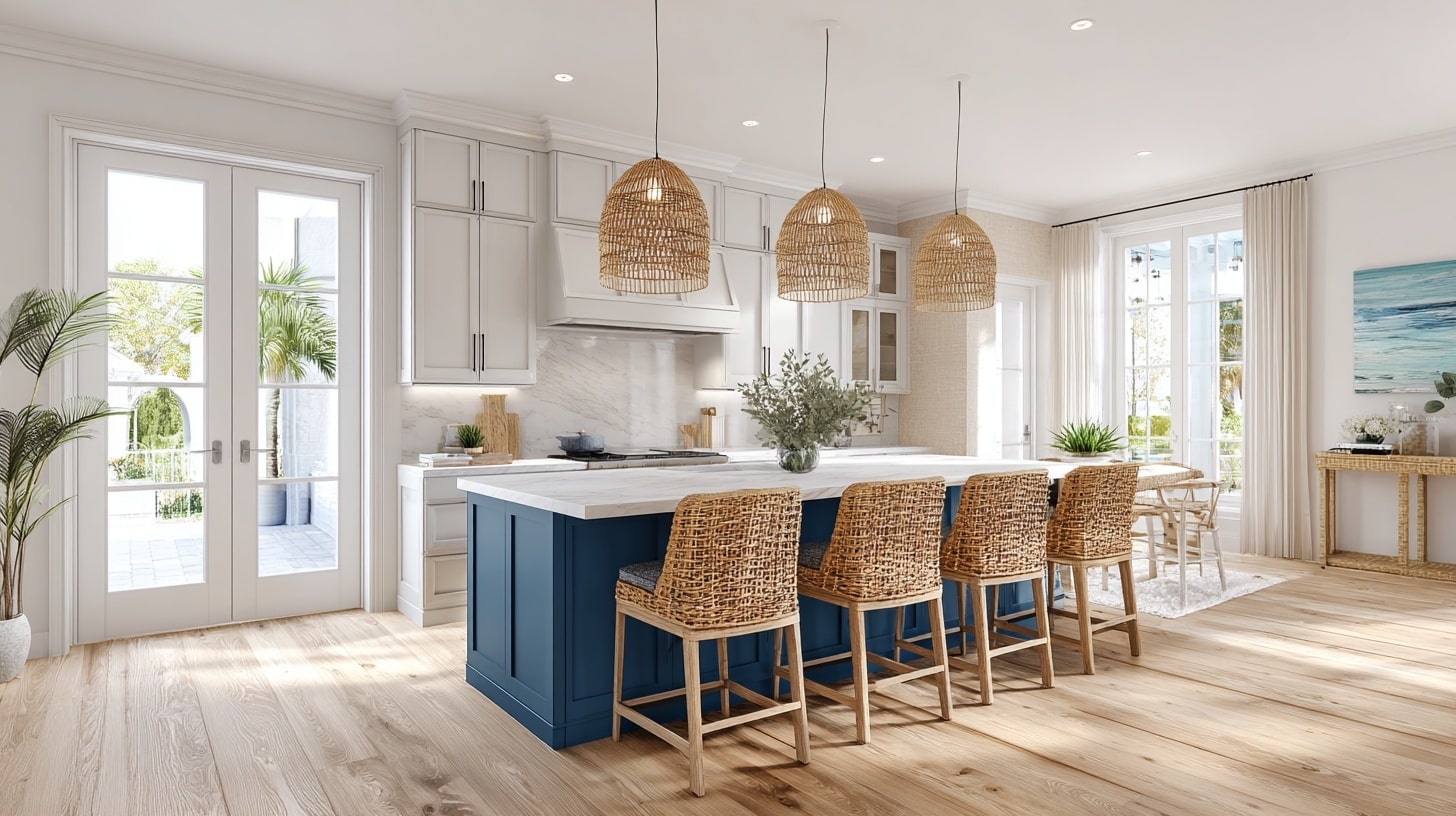
If you want your kitchen to feel bright, fresh, and inviting, a modern coastal design can make it happen. Soft colors, clean lines, and natural textures work together to create an open, relaxed atmosphere that’s easy to enjoy every day. I’ll share layout ideas, color palettes, and storage solutions that bring both style and function to your space. You’ll also get budget-friendly update tips, so you can achieve the look even if your kitchen is large or small. I’ll include examples that range from minimal to more decorative, so you can find a style that feels right for you. By the end, you’ll have the inspiration to design a modern coastal kitchen that truly feels like home. Defining Features of a Modern Coastal Kitchen A modern coastal kitchen blends airy, light tones with textures inspired by the sea. Common colors include white, cream, sandy beige, soft ocean blues, and coral for subtle contrast. Natural materials like rattan, weathered wood, bamboo, and seagrass add warmth and depth. Cabinet styles often feature Shaker doors for a clean, classic look, flat-panel fronts for a sleek finish, or a mix of wood tones to balance modern lines with relaxed, beach-inspired beauty. Coastal Kitchen Remodel Prep Before starting a coastal kitchen remodel, it’s important to plan your design, budget, and materials carefully. Here are the key steps to help you get prepared: Measuring Your Space: Take detailed measurements of walls, windows, doorways, and ceiling height. Note appliance sizes and clearance needs. Picking a Color Palette: Match tones to your light and room size. Lighter shades open small spaces; deeper hues define larger kitchens. Setting a Budget: Divide costs into cabinetry, lighting, flooring, and accessories. This keeps priorities clear and spending in check. Gathering Inspiration: Use Instagram or showroom visits. Create a mood board featuring your favorite colors, textures, and layouts. Modern vs. Traditional Coastal Kitchens Modern coastal kitchens focus on light tones and clean lines, while traditional styles lean toward darker woods and detailed finishes. Here’s how they compare so you can decide which approach suits your home best: Feature Modern Coastal Style Traditional Coastal Style Wood Tones and Finishes Light oak, whitewashed, or bleached wood Darker-stained woods like mahogany or cherry Lines and Shapes Sleek, simple cabinet and furniture lines More curves, decorative trims, and raised panels Decorative Elements Minimal hardware, subtle coastal accents Nautical themes, shell motifs, rope details Both styles capture a relaxed beach feel, but modern designs feel cleaner while traditional versions emphasize warmth and decorative detail. Coastal Kitchen Layout Ideas The right layout can make your coastal kitchen both beautiful and functional. Here are some layout ideas to help you maximize space and capture that breezy feel: Small Spaces: Galley and Apartment Kitchens In smaller kitchens, every inch matters. Use tall cabinets or open shelving to maximize vertical space. Light-colored walls and cabinets reflect natural light, making the room feel larger. Slim furniture and compact appliances free up pathways, while clutter-free counters keep the space airy. Large Open-Concept Kitchens: Flow and Zones Open layouts need structure to feel inviting yet organized. Use rugs, lighting, and furniture placement to define areas for cooking, dining, and relaxing without blocking sightlines. Stick to a cohesive palette and add natural textures for warmth. Place appliances for convenience without breaking the visual flow. Kitchens with Islands: Storage and Seating Integration A well-proportioned island offers storage and extra seating without crowding the layout. Include drawers and cabinets underneath. Add barstools for casual meals, and install proper lighting so the island works as both a prep station and a focal point. Coastal Kitchens Ideas Find fresh coastal kitchen ideas, from compact layouts to luxury designs, that blend beauty, practicality, and classic seaside beauty for any space: Modern Coastal Kitchen Ideas Coastal kitchens can range from light and airy to rich and textured. Here are some inspiring ideas to help you create the perfect seaside-inspired space: 1. White Shaker Cabinets with Blue Island White shaker cabinets bring a crisp, classic foundation, while a deep blue island creates a standout focal point. The island defines the cooking zone and adds personality without overpowering the room. Pair with brushed nickel or brass hardware for warmth. A light quartz countertop boosts brightness and durability. Adding woven bar stools ties the palette to natural textures, reinforcing the relaxed coastal feel while keeping the look functional. 2. Minimalist Open Shelving with Woven Baskets Open shelving keeps a kitchen visually light while offering easy access to everyday essentials. Woven baskets add hidden storage for smaller items and introduce a touch of natural texture. Display dishes in soft whites or blues to maintain a coastal palette. This approach works in both small and large kitchens, balancing style and practicality while avoiding the heaviness of full upper cabinets. Keep displays uncluttered for a calm, airy vibe. 3. Brass Hardware with Light Quartz Countertops Brass hardware brings warmth and subtle shine, offering contrast against white or pale cabinets. Light quartz countertops keep the space feeling open while providing a durable, low-maintenance surface. This pairing works with a variety of cabinet styles, from Shaker to flat-panel designs. The warm metallic tone complements wood and woven elements, adding a polished touch without overpowering the coastal design’s easygoing atmosphere. 4. Rattan Pendant Lights over Kitchen Island Rattan pendant lights add natural texture while softly diffusing light over a kitchen island. Their warm tone complements light cabinetry and ties into other organic materials used in the space. Hang two or three evenly for balance and symmetry. This lighting choice suits both casual and high-end kitchens, delivering a relaxed, beach-inspired accent that doubles as a functional design feature. 5. Textured White Tile Backsplash with Driftwood Shelves A textured white tile backsplash adds dimension while keeping the space bright. Paired with driftwood shelves, it introduces a subtle, weathered element to the design. The shelves offer display space for coastal-inspired decor or everyday dishes. This combination works seamlessly with Shaker cabinets and stone countertops, balancing practicality and style while reinforcing the theme through both texture and color. Small Space Coastal Kitchens Even in a small space, a coastal kitchen can feel open and inviting. Here are some ideas to bring that fresh, beachy vibe to a compact kitchen: 6. Foldable Bar Table with Coastal Accents A foldable bar table saves space in compact kitchens, serving as both a prep area and a dining spot. Choose a light wood or white finish to match the palette. Add woven placemats or small nautical accessories for a subtle personality. When folded away, it opens floor space for easier movement, making it ideal for apartment living or tight layouts where flexibility matters most. 7. Slim Open Shelves with Glassware Display Slim open shelves take up minimal visual space, making them perfect for small kitchens. Use them to display glassware that reflects light and maintains an airy look. Stick to clear or light-colored pieces for consistency. This setup keeps essentials within reach while adding a decorative touch. Pair with light wall colors to maintain brightness and prevent the shelves from feeling heavy in the space. 8. Light Vinyl Flooring with Jute Rug Light vinyl flooring brightens the kitchen while offering durability and easy maintenance. Add a jute rug to bring natural texture underfoot. The contrast of smooth vinyl and coarse jute creates visual depth without overwhelming the space. This pairing works well in high-traffic kitchens, offering comfort, style, and practicality. Keep tones neutral so the rug blends with the overall design instead of competing with it. 9. Built-In Bench Seating with Ocean-Inspired Cushions A built-in bench, as suggested in Layout Ideas, provides seating while hiding extra storage. This solution works well for breakfast nooks or dining corners in smaller kitchens. Choose cushions in ocean-inspired shades to bring in subtle color. The compact footprint helps maximize space efficiency, while the added storage keeps the area tidy and clutter-free, all without compromising the coastal theme. 10. Compact Galley Kitchen with Pale Blue Cabinets Pale blue cabinets bring a fresh feel to a galley kitchen, keeping the space calm and welcoming. Glossy finishes improve the sense of openness by reflecting available light. Minimal hardware avoids visual bulk, while open shelving, as mentioned in Layout Ideas, maintains flow and adds storage. A light-toned countertop ties the layout together, creating a balanced look despite the narrow footprint. Luxury Coastal Kitchen Designs Luxury coastal kitchens combine high-end finishes with a relaxed seaside feel. Here are some design ideas to create a space that’s both beautiful and coastal: 11. Waterfall Marble Island with Gold Fixtures A waterfall marble island delivers a striking centerpiece, with the stone surface extending down the sides for visual continuity. It pairs beautifully with gold fixtures, which add warmth and contrast against light cabinetry. This combination works best in spacious kitchens where the island can shine without crowding. Use it for prep, casual dining, and serving while keeping other elements understated to highlight the island’s presence. 12. Wide-Plank White Oak Flooring Wide-plank white oak flooring adds warmth and a refined touch to coastal kitchens. Its pale tone pairs well with soft blues and white cabinetry. The wider boards help the space feel more expansive, making them ideal for large layouts. Oak’s durability ensures long-term use, and it can be refinished when needed. Complement it with textured rugs for comfort while maintaining an open, cohesive look. 13. Oversized Shell Chandelier over Island An oversized shell chandelier makes a memorable statement above the kitchen island. Its layered texture filters light gently, creating a warm, inviting glow. This feature works best in rooms with higher ceilings, so it can be appreciated fully. Keep nearby decor simple to allow the chandelier to take center stage. It’s an easy way to introduce a natural focal point without overpowering the design. 14. Glass-Front Cabinets with Backlighting Glass-front cabinets turn dishware into display pieces, while backlighting adds depth and warmth. This feature is ideal for showcasing curated collections in larger kitchens. Pair with light cabinetry for a clean, cohesive feel. The glow from behind the glass not only highlights the items but also contributes to the room’s ambient lighting, blending practicality and beauty without taking up additional space. 15. Large Picture Windows with Ocean View Large picture windows maximize natural light and connect the kitchen to its surroundings. If a coastal view is available, this feature improves it without extra decor. Keep frames simple to maintain focus on the scenery. This approach suits open layouts where sunlight can flow freely, creating a seamless transition between indoors and outdoors while reinforcing the relaxed, coastal environment. 16. Statement Range Hood in Polished Brass A polished brass range hood serves as a striking focal point, reflecting light and warmth into the space. Its metallic finish pairs well with light cabinetry and natural textures. Best suited for larger kitchens, it works beautifully when paired with subtle backsplash materials so the hood remains the star. This upgrade combines functionality with a bold visual statement. Budget-Friendly Coastal Kitchen Ideas You can capture the charm of a coastal kitchen without overspending. Here are some budget-friendly ideas to bring a breezy, beach-inspired look to your space: 17. Painted Cabinet Makeover in Soft Aqua Soft aqua paint on cabinets instantly brings a fresh, coastal feel without a full renovation. Opt for a durable finish that resists stains and chips. This update pairs well with simple hardware and light countertops for a cohesive look. It’s a budget-friendly way to refresh the space while staying true to the color palette outlined in the Defining Features section. 18. Peel-and-Stick Coastal Backsplash Tiles Peel-and-stick backsplash tiles offer a fast, affordable way to update a kitchen’s style. Choose patterns or shades inspired by the sea and sand for a coastal touch. They’re easy to install and remove, making them perfect for renters or those wanting a temporary change. Pair with light cabinetry and natural accents for a complete look without major remodeling costs. 19. Seashell-Embedded Resin Countertop A seashell-embedded resin countertop adds a one-of-a-kind coastal touch while keeping the surface smooth and practical. The embedded shells create subtle visual interest without overpowering the rest of the design. This feature pairs well with light cabinetry and soft blue accents, reinforcing the beach-inspired theme. Its durable finish resists stains and scratches, making it a functional statement piece that ties the kitchen’s style to the sea. Common Mistakes to Avoid Avoid these frequent design errors to keep your coastal kitchen functional, visually balanced, and true to the style’s relaxed atmosphere: Overusing Nautical Decor: Too many themed items can make the space feel cluttered and gimmicky instead of natural and inviting. Neglecting Practical Layout: Style should never compromise the work triangle or storage needs in your kitchen. Choosing Hard-to-Maintain Materials: Avoid surfaces that stain, scratch, or warp easily in a high-moisture kitchen environment. Ignoring Lighting Needs: Insufficient or poorly placed lighting can make the kitchen feel smaller and less functional. Mixing Too Many Wood Tones: Inconsistent finishes can disrupt the cohesive coastal look and make the space feel disjointed. By avoiding these mistakes, you’ll create a coastal kitchen that feels cohesive, functional, and long-lasting, without losing the relaxed character that defines the style. Conclusion For me, a modern coastal kitchen is all about blending beauty with comfort, using colors, textures, and layouts that bring in a breezy, open feel. Now you’ve got plenty of options, layouts, palettes, and materials that can work in any space, plus smart storage ideas and budget-friendly upgrades I’ve found useful. If you’re reworking a small galley kitchen or planning a spacious open concept, these ideas can help you create a kitchen that fits your lifestyle perfectly. I like to start with the layout, choose the palette, and then layer in coastal-inspired accents. If you want even more ideas that match your style, take a look at other blogs on the website; you might find your next favorite project!
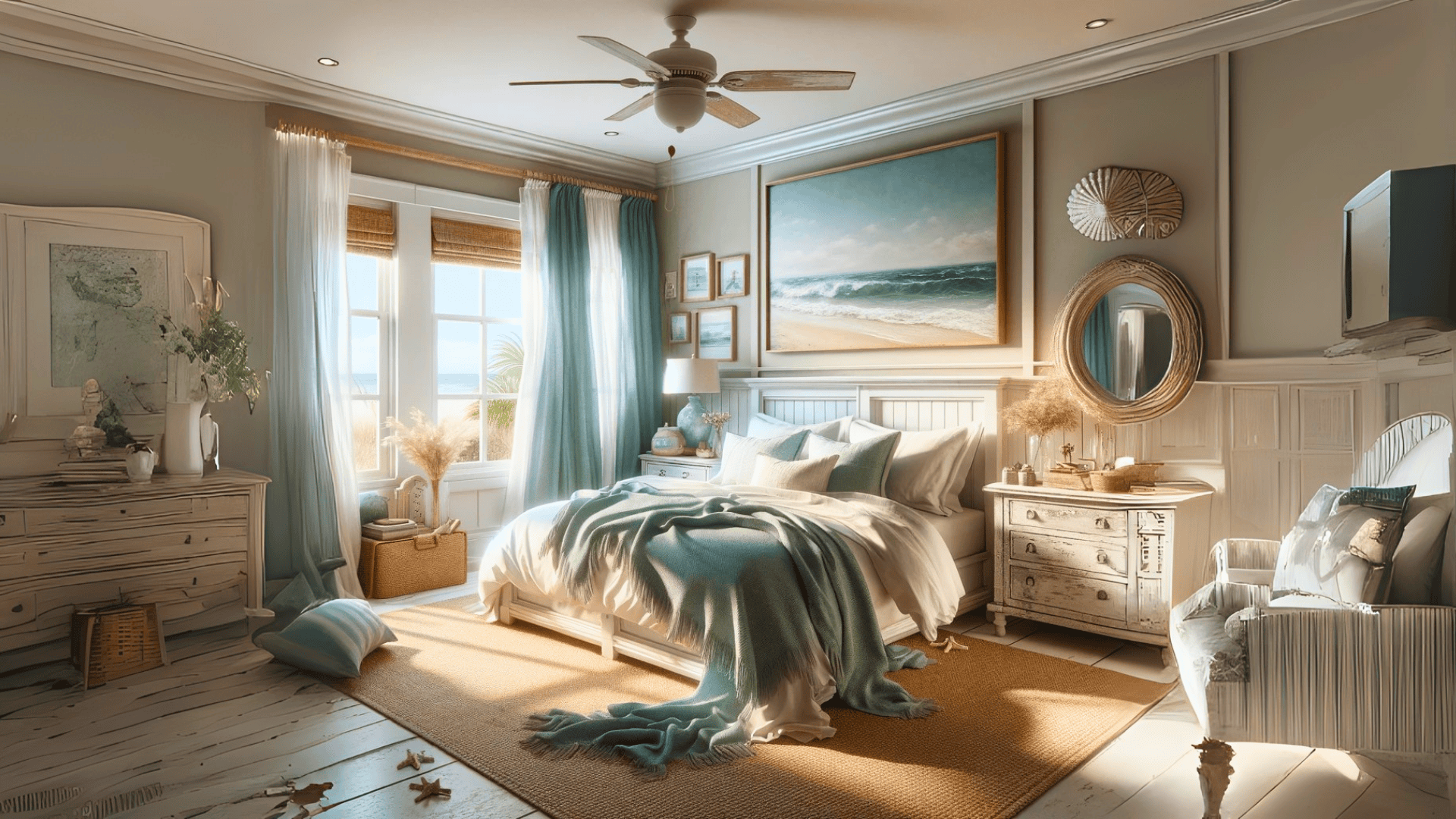
I love how a cozy coastal bedroom can make you feel like you’re on vacation without leaving home. The soft colors, relaxed textures, and airy feel create a space where you can slow down and breathe. You don’t need to live near the water to enjoy that peaceful mood. With a few thoughtful choices, your bedroom can bring the calm and comfort of the shore right to you. I’ll share simple ways to bring coastal style into your space. You’ll find ideas for colors, furniture, and finishing touches that work in any size room. By the end, you’ll have everything you need to create a bedroom that feels light, fresh, and easy to relax in. Key Elements of a Cozy Coastal Bedroom A coastal bedroom feels light, airy, and naturally comfortable. Think of sun-bleached wood, soft ocean breezes, and sandy beaches when planning your space. Here’s what gives this style its inviting and breezy touch: Colors & Palettes The best coastal bedrooms use a palette inspired by the shore. Soft whites remind you of sea foam and clouds. Ocean blues bring in the calming water element. Sandy beiges add warmth like driftwood in the sun. These colors work together to create a space that feels both fresh and cozy. Materials Natural materials are key to getting the coastal look right. Jute rugs add texture underfoot. Wicker and rattan furniture bring in organic shapes. Linen and cotton bedding keep things breathable and relaxed. Wood that looks weathered by salt air completes the seaside feeling. Lighting & Ambience Coastal bedrooms need soft, warm lighting that mimics golden hour at the beach. Natural light should flow freely through windows. Evening lighting should feel gentle and inviting. Coastal Bedroom Color & Material Foundations A cozy coastal bedroom starts with the right colors and textures. This foundation sets the tone for every other design choice you make. Here are the foundations that create a light, airy, and relaxing seaside-inspired space: 1. Soft White Walls with Sandy Beige Accents White walls create an airy foundation for your coastal bedroom. They reflect natural light and make small spaces feel bigger. Add a touch of sandy beige through throw pillows, curtains, or a cozy reading chair. This combination feels clean without being cold. 2. Ocean-Inspired Blue Feature Wall One blue accent wall can transform your entire bedroom. Choose soft powder blue for a gentle look. Go with a deeper navy for more drama while staying calm. Paint the wall behind your headboard to create a natural focal point. 3. Natural Fiber Rugs (Jute, Sisal, Seagrass) Natural fiber rugs bring warmth and texture to coastal bedrooms. Jute rugs feel soft underfoot. Sisal adds subtle pattern and durability. Seagrass brings in beautiful natural color variations. These rugs work well with both light and dark flooring. 4. Light, Weathered Wood Furniture Furniture that looks sun-bleached and weathered captures the coastal spirit perfectly. Look for pieces with visible wood grain and natural imperfections. Light oak, pine, and whitewashed finishes work beautifully. This furniture style makes new pieces feel like treasured finds. 5. Linen & Cotton Bedding in Layered Neutrals Natural fiber bedding is essential for coastal comfort. Linen sheets get softer with each wash. Cotton feels crisp and breathable. Layer different shades of white, cream, and soft blue. Mix textures with smooth sheets and textured throws. Furniture Choices for Coastal Comfort Choosing the right furniture is key to creating a comfortable coastal bedroom. Here are pieces that bring both function and a relaxed, beach-inspired feel: 6. Whitewashed or Rattan Headboard Your headboard sets the tone for the entire room. Whitewashed wood headboards feel classic. Rattan headboards add natural texture and visual interest. Both options create a relaxed focal point without overwhelming the space. 7. Woven or Cane Nightstands Nightstands with woven details bring coastal charm to your bedside. Cane panels add lightness to wooden frames. Wicker nightstands feel casual and beachy. Choose pieces with drawers to keep essentials organized and out of sight. 8. Storage Bench at the Foot of the Bed A storage bench serves double duty in coastal bedrooms. Use it for extra seating when getting dressed. Store blankets, pillows, or seasonal clothes inside. Look for benches with natural wood or woven details. 9. Lightweight Wicker Chair or Hanging Chair Create a cozy reading nook with wicker seating. A lightweight wicker chair can be moved around as needed. Hanging chairs add a playful touch that feels very beachy. Add a soft cushion for extra comfort. 10. Slim, Open-Shelved Dressers Keep storage light and airy with open shelving details. Slim dressers work well in smaller bedrooms. Open shelves let you display coastal decor and keep everyday items handy. Choose pieces that don’t block natural light flow. Coastal Lighting & Ambience Lighting plays a big role in capturing the coastal feel. Here are ideas to create the right ambience for a bright, breezy, and inviting bedroom: 11. Rope or Driftwood Chandelier Make a statement with natural materials overhead. Rope chandeliers add nautical vibes without feeling too themed. Driftwood fixtures bring in organic shapes and weathered textures. These pieces work as functional art in your bedroom. 12. Woven Pendant Lights Pendant lights with woven shades create beautiful filtered light. Hang them beside the bed instead of table lamps. Use them over a reading chair for focused lighting. Natural fibers soften harsh overhead lighting. 13. Seashell or Glass Table Lamps Table lamps with coastal elements add personality to your space. Glass bases in sea blue or clear crystal catch and reflect light. Seashell details should feel subtle, not overwhelming. Choose lamps that feel collected rather than purchased as a set. 14. Soft White or Warm Edison Bulbs The right light bulbs make all the difference in coastal bedrooms. Soft white bulbs create gentle, relaxing light. Warm Edison bulbs add cozy ambiance in the evening. Avoid harsh, cool white bulbs that feel too clinical. Wall Art & Decorative Details The right wall art and decorative accents can tie your coastal bedroom together. Here are ideas to add personality while keeping the space calm and inviting: 15. Framed Coastal Photography Photography brings the outside in without being too literal. Black and white seascapes feel classy and sophisticated. Muted color photos of beaches or boats add gentle interest. Group photos in simple white or natural wood frames. 16. Nautical-Inspired Mirrors (Round, Rope-Trimmed) Mirrors make bedrooms feel larger and brighter. Round mirrors feel more organic than square ones. Rope-trimmed frames add coastal texture without being too obvious. Hang mirrors to reflect natural light from windows. 17. Floating Shelves with Driftwood or Coral Accents Simple floating shelves provide display space for coastal collections. Add pieces of driftwood for natural sculpture. Small pieces of coral or seaglass create subtle color. Keep displays minimal and let each piece breathe. 18. Shiplap or Beadboard Accent Wall Architectural details add coastal character to plain walls. Shiplap creates clean horizontal lines that feel very beachy. Beadboard adds subtle texture and vintage charm. Paint these walls in soft white or pale blue. Textiles & Layering for Coziness Soft textiles and thoughtful layering add comfort to a coastal bedroom. Here’s how to choose and combine them for a cozy, inviting feel: 19. Layered Throws in Soft Blues and Whites Throws add instant coziness to coastal bedrooms. Layer different textures and shades. Chunky knit throws feel cozy. Light cotton throws work for warmer weather. Drape throws casually over chairs or the foot of the bed. 20. Mix of Patterned & Solid Cushions Cushions let you add pattern and color easily. Mix thin stripes with solid colors. Add one geometric pattern for visual interest. Keep the color palette consistent. Variety of sizes and textures for a collected look. 21. Lightweight Gauzy Curtains Window treatments should feel breezy and light. Sheer white curtains filter harsh sunlight. Lightweight linen curtains add texture while maintaining privacy. Hang curtains high and wide to make windows look larger. 22. Quilted Bedding for Seasonal Warmth Layer different weights of bedding for year-round comfort. Light quilts work for summer nights. Heavier quilted covers add warmth in cooler months. Choose quilts in coastal colors and simple patterns. Personal Touches & Styling Tips Adding personal touches is what makes a coastal bedroom truly yours. Here are styling tips to bring in meaningful details while keeping the relaxed seaside vibe: 23. Decor Bowls with Collected Shells or Stones Display natural treasures in simple wooden bowls. Beach glass catches light beautifully. Smooth stones add organic shapes. Small shells bring in ocean memories. Group collections in odd numbers for the most pleasing look. 24. Plants for a Lively, Fresh Feel Living plants add life to coastal bedrooms. Snake plants tolerate low light and need little water. Small palms bring tropical vibes. Succulents work well on sunny windowsills. Choose plants that match your care abilities and light conditions. 25. Candles in Ocean-Inspired Scents Scent completes the coastal bedroom experience. Ocean breeze and sea salt candles bring beachy vibes. Fresh linen scents feel clean and airy. Vanilla adds warmth without being too sweet. Use candles safely and never leave them unattended. 26. Minimal Clutter & Open Surfaces Coastal bedrooms need to feel calm and uncluttered. Keep surfaces mostly clear. Store personal items in drawers or baskets. Let a few special pieces shine rather than crowding everything together. Edit your decor regularly to maintain the peaceful feeling. Style Variations to Try Coastal style isn’t one-size-fits-all; there are plenty of variations to suit your taste. Here are a few approaches you can try in your bedroom design: 27. Coastal Farmhouse Blend Combine coastal calm with farmhouse warmth. White shiplap walls provide the perfect backdrop. Add rustic wood furniture with coastal blue textiles. Mason jar lighting fits both styles perfectly. This blend feels especially cozy and lived-in. 28. Modern Minimal Coastal Keep coastal elements simple and streamlined. Choose furniture with clean lines. Limit colors to white, blue, and natural wood. Focus on quality over quantity in your decor choices. This approach works well in smaller spaces. 29. Boho Coastal Mix Add relaxed bohemian elements to coastal style. Layer more textures and patterns. Include colorful woven textiles. Mix natural materials with brass or copper accents. This style feels more collected and worldly. Must-Have Furniture & Decor Start with key pieces that define coastal style. A good headboard sets the foundation for your room. Natural fiber rugs ground the space and add warmth. Quality bedding in coastal colors makes the biggest daily impact. Lighting fixtures with natural materials become focal points. Storage pieces should feel light and airy. Build your coastal bedroom gradually. Focus on pieces you truly love rather than buying everything at once. Here’s a list of must-have furniture and decor to create that relaxed, seaside-inspired atmosphere: Headboard: Opt for rattan, whitewashed wood, or cane designs. Rugs: Choose jute, sisal, or seagrass for warmth and texture. Bedding: Stick to light blues, whites, and sandy neutrals. Lighting: Use woven, rope, or driftwood accents for a natural touch. Storage: Keep lines clean and finishes light to maintain an airy feel. Budget-Friendly Coastal Decor Tips You don’t need to spend a fortune to create a coastal style. Thrift stores often have great wicker and wooden pieces. Look for furniture you can paint or update with new hardware. DIY projects work perfectly for coastal decor. Wrap mirrors with rope for instant nautical charm. Collect driftwood from beach walks for free natural sculpture. Swap out textiles seasonally instead of buying all new furniture. New pillows and throws can completely change a room’s feeling. Here are some budget-friendly tips to bring seaside feels to your bedroom without overspending: Budget Tip How to Apply It Thrift Store Finds Search for wicker chairs, wood dressers, or vintage frames. DIY Rope Accents Add rope trim to mirrors or lamp bases. Driftwood Decor Use as wall art, shelf accents, or table centerpieces. Seasonal Textiles Rotate pillows, throws, and curtains for a fresh look. Coastal Bedroom Maintenance Tips Keeping your coastal bedroom fresh is easy with the right upkeep. Here are some simple maintenance tips to follow: Protect natural fabrics from humidity by ensuring your bedroom has consistent airflow and good ventilation. Rotate decor pieces every few months to prevent fading from direct sunlight. Clean wicker furniture regularly to avoid dust buildup and keep it looking fresh. Store seasonal items in sealed, dry containers so they stay in good condition. Replace candles when their scent fades and refresh plant displays often. Change small details like pillows, blankets, or wall art to give the room a fresh look. With these habits, your coastal bedroom will stay bright, comfortable, and true to its relaxing seaside style for years to come. Final Thoughts I think a cozy coastal bedroom is all about creating a space where you can slow down and enjoy quiet moments. It’s not just about how it looks; it’s about how it makes you feel the second you walk in. I like to start small; maybe with fresh bedding, a natural fiber rug, or softer, warmer lighting. Over time, these little changes add up, turning the room into a place that reflects you and the way you like to unwind. I hope these ideas give you practical ways to bring that calm, coastal mood into your own home. If you’d like more simple, doable tips for your space, take a look at other posts on the website and you might find your next refresh idea.
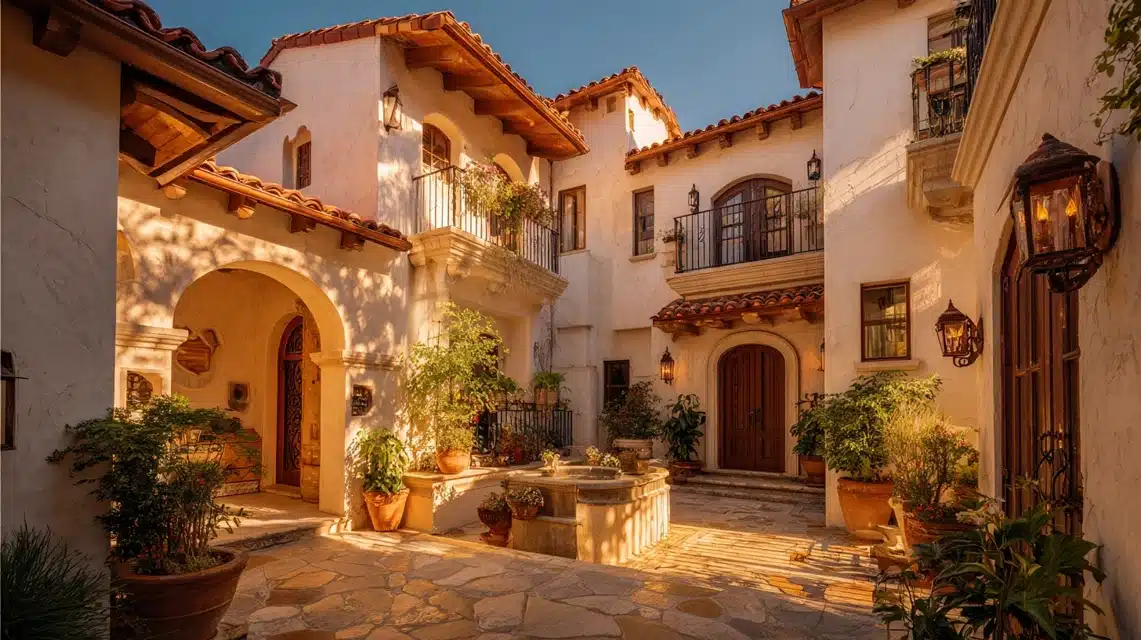
A Spanish Mediterranean house has always caught my eye for how it mixes classic beauty with everyday comfort, creating a style that feels warm and welcoming all year. This design draws from Spain’s rich history, the Moorish influence of North Africa, and the relaxed class of coastal Mediterranean living. I love the mix of stucco exteriors, terracotta roofs, arched doorways, and sunlit courtyards; it’s a style that’s as functional as it is beautiful. I’ll walk you through its history, key features, design tips, and regional variations that give it so much character. By the end, you’ll know how to bring the essence of Spanish Mediterranean style into your own home. What Makes a Spanish Mediterranean House Unique A Spanish Mediterranean house blends influences from Spain, North Africa’s Moorish designs, and coastal Mediterranean architecture. Originating in the early 20th century in the United States, this style draws from centuries-old traditions that thrived in warm climates. Its key elements include stucco exteriors, terracotta roofs, arched doorways, and inviting courtyards. Over time, the style evolved, adapting to regional needs while keeping its romantic, sun-warmed character. Today, it offers a mix of historical beauty and practical comfort, fitting for both traditional and modern homes. Key Architectural Features Spanish Mediterranean homes have a distinct beauty that comes from their signature details. Here are the key architectural features that define this classic style: Exterior Elements Spanish Mediterranean exteriors use stucco or plaster walls, terracotta roofs, arched doorways, and open courtyards. These features help manage heat, create shade, and encourage airflow. The style’s warm, earthy materials blend beautifully with natural surroundings, making the exterior both functional and visually appealing for sunny climates. Interior Elements Inside, you’ll often see patterned tile floors, exposed wooden beams, wrought iron railings, and open floor plans. These features create airy, light-filled spaces that feel connected to the outdoors. Interiors are designed for comfort, with natural materials and textures adding warmth while maintaining the style’s authentic, handcrafted character. Outdoor Living & Landscaping Outdoor spaces highlight Mediterranean plants, winding stone paths, and water features like fountains or small pools. These areas are extensions of the home, designed for relaxation and entertaining. Landscaping choices often reflect the climate, using drought-tolerant plants and shaded seating areas for year-round enjoyment without excessive maintenance. Spanish vs. Mediterranean and Spanish Revival While these styles share some similarities, each has its own history, influences, and defining elements. Here’s how Spanish, Mediterranean, and Spanish Revival compare: Feature Spanish Mediterranean Mediterranean Spanish Revival Origins Spain + Moorish + coastal influence Italy, Greece, and Spain blend Early 20th-century U.S. revival Materials Stucco, terracotta, wrought iron Stucco, tile, stone Stucco, red tile and iron accents Roof Style Low-pitched terracotta tiles Gable or hipped tile roofs Low-pitched red tile roofs Layout Courtyards, arches, open-air living Symmetrical, airy, outdoor focus Arches, courtyards, and ornate details Regional Use Warmer U.S. climates Coastal and temperate regions Southwestern, California, Florida Design Focus Comfort + visual warmth Stylish + indoor-outdoor balance Romanticized Spanish tradition While related, each style offers unique design strengths. Knowing the differences helps you choose the one that fits your vision. Modern Spanish Mediterranean Homes This design merges historic warmth with updated functionality, featuring open layouts, cleaner lines, and modern amenities while preserving authentic architectural character and beauty. Modern Spanish Style Homes Modern Spanish-style homes move beyond traditional Mediterranean elements, embracing simplified shapes, minimal ornamentation, and updated color schemes. They often feature flat or low-pitched roofs, expansive windows, and neutral palettes accented with natural textures. Interiors maintain airy layouts while incorporating contemporary finishes like polished concrete, streamlined cabinetry, and modern lighting. The result is a fresh yet classic design that appeals to homeowners seeking the comfort of Spanish heritage with a clean, modern edge. Blending Mediterranean & Modern Spanish Elements Blending these styles means keeping signature Mediterranean touches, like arches, terracotta, and ironwork, while updating spaces with sleek materials and minimalist furnishings. For example, a traditional courtyard may feature modern glass doors for better light flow, or classic tile patterns paired with neutral, modern furniture. This approach offers the warmth and cultural depth of Mediterranean architecture with the convenience and efficiency of modern design, giving homeowners the best of both worlds without sacrificing identity. Room-by-Room Styling Ideas Styling a Spanish Mediterranean home works best when each room reflects the overall warmth and character of the style. Here are ideas for every space: Living Room Living rooms shine with a bold fireplace as the focal point, exposed ceiling beams, and warm, earthy color palettes. Incorporate textured plaster walls, wrought iron lighting, and patterned rugs to enhance the traditional feel. For budget-friendly updates, add rustic furniture and vintage-inspired decor, while professional renovations can include custom masonry or handcrafted beam installations for greater authenticity. Kitchen Spanish Mediterranean kitchens often feature colorful tile backsplashes, open shelving, and rustic wood cabinetry. Add a farmhouse sink or wrought iron pendant lights for more character. Budget-friendly upgrades can include peel-and-stick tiles, refinished cabinets, or simple open shelving. Professional options may involve custom tilework, imported stone countertops, and handcrafted cabinetry that captures the rich, classic feel of the style. Bathroom Bathrooms embrace arched shower entries, patterned floor tiles, and striking statement mirrors. Incorporate warm lighting and textured walls for a soft, inviting feel. Budget-conscious updates might use patterned vinyl flooring and framed mirrors, while professional renovations could involve installing real cement tiles, custom glasswork for shower enclosures, and artisan lighting to create a true Spanish-inspired spa experience. Bedroom Bedrooms highlight wrought iron bed frames, layered textiles, and textured area rugs for warmth and depth. Soft, neutral walls paired with wood furniture maintain the inviting atmosphere. Affordable upgrades can include swapping bedding for rich fabrics and adding patterned rugs, while professional work may involve custom ironwork, reclaimed wood floors, or built-in wardrobes with Spanish-style detailing. Cost and Value Insights for Spanish Mediterranean Homes Understanding the financial side of owning a Spanish Mediterranean home helps you budget effectively and make informed decisions. Average build and renovation costs vary greatly by region, with labor, materials, and local market demand playing key roles. Beyond standard expenses, you’ll want to account for hidden costs such as custom craftsmanship, maintenance of specialty materials, and energy efficiency upgrades. When done right, these homes often hold strong resale value and can deliver an impressive return on investment for homeowners. Regional and Global Style Variations This style adapts beautifully to different climates, with each region adding its own architectural and cultural influences. US regions (Florida, California, Texas, Southwest): Florida emphasizes airy layouts for humid climates, California uses indoor-outdoor living, Texas favors rustic touches, and the Southwest incorporates desert-friendly elements. Mediterranean Basin influences (Spain, Italy, Greece): Spain adds Moorish details, Italy leans on Tuscan warmth, and Greece offers bright, coastal colors with whitewashed exteriors for sun protection. Building or Renovating a Spanish Mediterranean Home If you’re building or renovating a Spanish Mediterranean home, planning with its signature style in mind will help keep the design cohesive. Here are some tips to guide you: Choosing Authentic Materials Use stucco or plaster for exterior walls, terracotta for roofing, and wrought iron for accents. Select hardwood beams and natural stone to reinforce authenticity. Avoid synthetic substitutes that compromise the home’s character. Sourcing locally when possible reduces costs and ensures climate compatibility. Choosing the right materials from the start will preserve both the beauty and long-term durability of your Spanish Mediterranean home. Renovation Tips for Older Homes Restoring an older Spanish Mediterranean home requires balancing historical authenticity with necessary structural updates and modern functional improvements. Here are some renovation tips to help you do it right: Prioritize structural integrity before tackling cosmetic changes. Repair roofing, masonry, and foundations to avoid hidden damage later. Restore original tile, woodwork, and iron details to keep authenticity intact. Blend modern amenities subtly so they don’t overpower the design. Hire a contractor experienced in historical architecture for the best results. Climate Considerations for Different Regions Adapt your design choices to local weather patterns. In humid areas, choose moisture-resistant stucco and proper ventilation. In hot, dry regions, opt for thicker walls and shaded courtyards to keep interiors cool. Coastal homes may need salt-resistant finishes for durability. Matching materials and layouts to your environment ensures both comfort and longevity while reducing maintenance needs over time. This approach preserves the home’s functionality across seasons. Maintenance Checklist for Long-Term Preservation Inspect and clean terracotta roofs regularly, sealing cracks before water damage occurs. Wash and reseal stucco exteriors every few years. Maintain ironwork with rust-preventative coatings and repaint when needed. Regrouting tile floors and walls to protect against wear. Keep wood beams free of pests and moisture damage. Consistent upkeep preserves the home’s structural integrity, reduces costly repairs, and helps maintain its original beauty for decades. Final Thoughts For me, a Spanish Mediterranean house is more than just a pretty exterior; it’s a lifestyle rooted in comfort, tradition, and classic design. I love how its features, from warm rustic interiors to sun-filled courtyards, create spaces that are both beautiful and easy to live in. With the right materials, smart renovations, and a few well-chosen styling touches, you can bring this look into your own home, no matter where you live. If you’re looking for more ideas, I’ve shared plenty of blogs on home styles, renovation tips, and design inspiration to help you create a space that matches your taste and your budget!
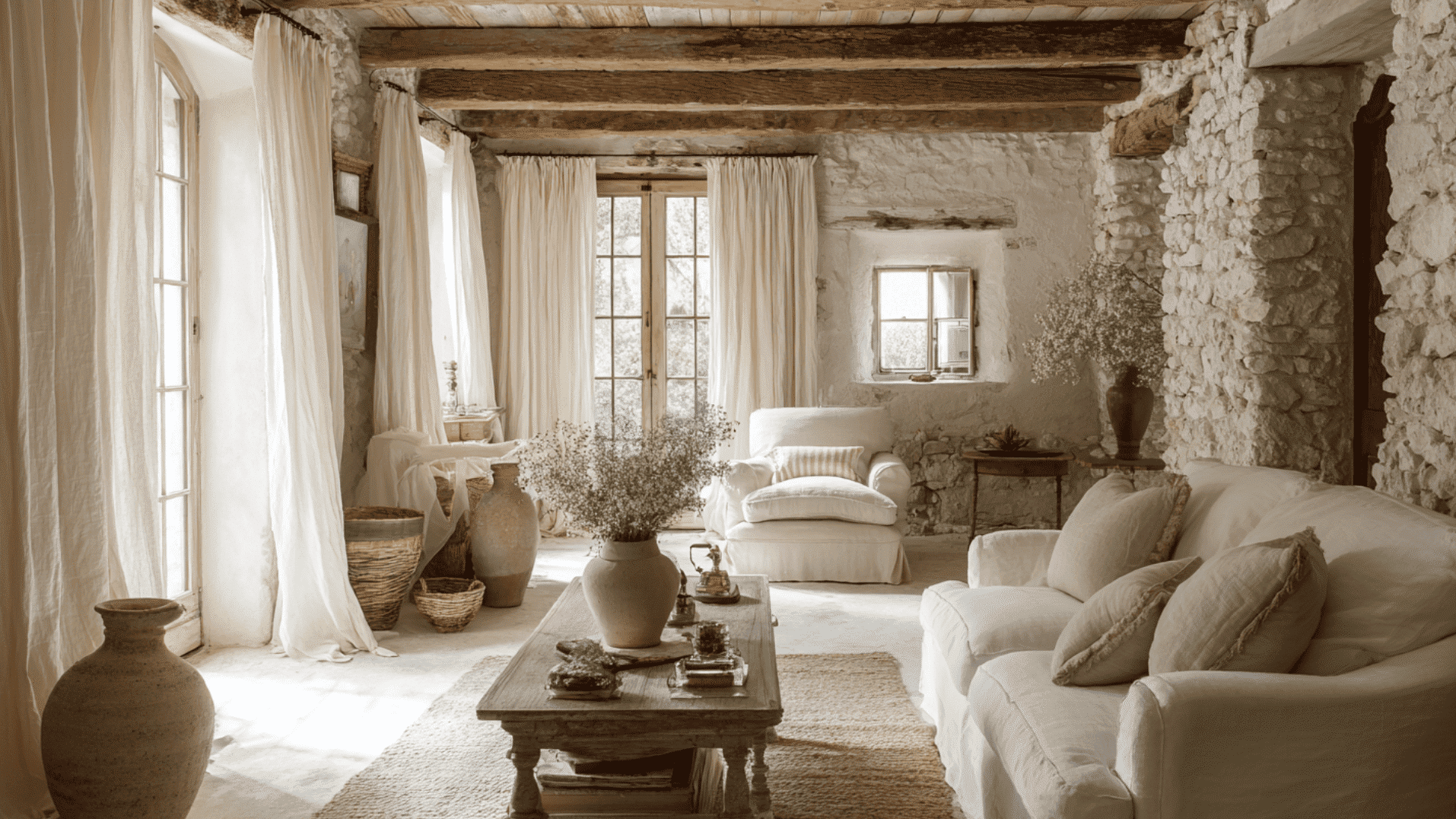
Have you ever thought about what makes a home feel like a warm French countryside retreat? French cottage style captures the magic of rural France right in your living space. I’ll show you how soft colors, vintage treasures, and natural materials create this classy look. You can change any room into a cozy haven with simple, genuine hints. French cottage design celebrates the beauty of lived-in spaces that tell great stories. Each carefully chosen piece adds character and warmth that creates lasting memories. The style combines classiness with comfort in the most effortless way possible. Get ready to fall in love with the countryside vibe that feels like home. Understanding French Cottage Style French cottage style comes from the cozy countryside homes of rural France. These adorable houses were built centuries ago by farmers and villagers. The style focuses on comfort, warmth, and natural materials like stone and wood. French cottage differs from French country style and farmhouse styles in subtle ways. A French cottage feels more intimate and weathered. French country tends to be more graceful with fancier details. American farmhouse style is simpler and less ornate than French versions. Think of a French cottage as the most relaxed cousin in the family. It welcomes imperfections and worn edges. Faded paint and vintage textures are welcome here. This style tells stories through every chipped surface and weathered beam. Key Elements of French Cottage Design French cottage design blends coziness, character, and classic beauty. Here are the key elements that bring this inviting and romantic style to life in any home: Color Palettes: Soft creams, dusty blues, and sage greens create the gentle, faded beauty of old countryside homes. Materials & Textures: Natural linen, cotton, reclaimed wood, wrought iron, and stone bring texture and rustic character. Furniture Choices: Antique and distressed pieces with scratches and worn edges tell stories of many family gatherings. Decorative Accents: Iron chandeliers, vintage shutters, and layered quilts add romantic appeal and inviting comfort to every room. These elements mix together to create rooms that feel both lavish and lived-in. The magic happens when old meets comfortable in perfect balance. French Cottage Style Ideas I’ve gathered some lovely ideas that capture the heart of French cottage style. These simple touches, inspired by classic French country interior design, range from weathered wood beams to dried lavender, each adding a countryside visual to your home. Here are some ideas to take your next inspiration from: 1. Linen Curtains Linen curtains give a soft, airy feel while still offering privacy. They look beautiful in light shades like cream or beige. You can hang them from simple rods for a casual style or from wrought iron rods for a touch of detail. Linen works in all seasons, keeping spaces cool in summer and cozy in winter, adding comfort and graceful appeal. 2. Vintage Crockery Vintage crockery adds joy and a sense of history. Displaying mismatched plates, bowls, and teapots creates a welcoming and lived-in look. You can arrange them on open shelving or inside glass-front cabinets for an appealing display. Look for pieces at flea markets or thrift stores for affordable finds. This simple detail adds both style and personality to a French cottage setting. 3. Wrought Iron Details Wrought iron details bring a classy and slightly romantic feel. They look lovely in light fixtures, curtain rods, or as part of furniture frames. You can start small with hooks or wall sconces and gradually add more. The dark metal pairs well with soft colors and rustic textures. It adds contrast while mixing effortlessly into both vintage and updated cottage styles. 4. Soft Neutral Palette A soft neutral palette makes a home feel calm, bright, and welcoming. Think shades of white, cream, beige, and pale gray. You can use these colors on walls and add interest through textured accessories. Neutrals create an open and fresh feeling, allowing unique furniture or decor pieces to stand out. This simple color approach is flexible and easy to maintain. 5. Farmhouse Table A farmhouse table is sturdy, practical, and full of character. Its generous surface offers space for everyday activities or decorative displays. You can choose a vintage piece or a new one with a distressed finish for pleasure. Pairing it with wooden chairs or benches improves the casual and inviting look. It’s a classic element that fits perfectly into the French cottage style. 6. Layered Textures Layered textures create a warm and inviting feel. Combining linen, wool, rattan, and stone adds depth and interest without relying on bold patterns. You can layer cushions, throws, rugs, and baskets to create balance. Mixing textures brings visual richness, especially in soft color schemes. This approach adds comfort, personality, and a lived-in appeal that feels effortless and welcoming. 7. Floral Upholstery Floral upholstery adds gentle patterns and a hint of romance. It works well on seating, cushions, or headboards, giving a soft decorative touch. You can choose muted tones for a subtle look or brighter patterns for more energy. Pair floral fabrics with solid-colored accessories to keep the style balanced. This detail adds joy and a lighthearted grace to the overall design. 8. Stone Fireplace A stone fireplace creates a strong focal point and a sense of warmth. Its natural texture brings depth and classy appeal. You can build one from scratch or update an existing fireplace with stone veneer. Pairing it with a simple mantel highlights the stonework’s character. Whether used for a fire or as a decorative element, it adds a lasting cottage appearance. 9. Dried Lavender Dried lavender adds fragrance and gentle color. Its soft purple tones look beautiful in vases, wreaths, or tied bundles. You can place it in spots where its calming scent can be appreciated daily. Lavender pairs well with rustic wood and neutral backdrops. It’s easy to find, long-lasting, and offers an affordable way to bring a touch of the countryside indoors. 10. Antique Mirrors Antique mirrors bring grace and a sense of history. Their worn frames, gilded edges, or unique shapes make them standout pieces. You can hang them alone or in a collection for added effect. Their reflective surfaces improve light, making areas feel brighter and more open. Sourced from flea markets or antique shops, they add character and genuineness to any setting. 11. Vintage Armoire A vintage armoire is a statement piece with practical storage. Its detailed woodwork and aged finish add character and classiness. You can keep it in its natural state or repaint it for a refreshed look. It’s perfect for holding linens, accessories, or decorative collections. This piece adds both function and beauty, embodying the heart of the French cottage style. Room-by-Room Styling Each room in a French cottage tells its own cozy story through carefully chosen elements. I’ll walk you through how to style five key areas with original cottage feel: Living Room: Create cozy seating with worn velvet chairs, style your fireplace with natural stones, and layer warm lighting through chandeliers and table lamps. Kitchen: Add rustic farmhouse tables for prep space, install open shelving to display vintage dishes, and incorporate copper pots as both function and decoration. Bedroom: Choose romantic canopy beds with flowing curtains, dress them in soft linen bedding, and place antique wooden dressers for storage. Bathroom: Install a clawfoot tub as the stunning centerpiece, add stone vessel sinks for natural texture, and hang light floral curtains for privacy. These styling choices work together to create an original French cottage atmosphere throughout your home. Each room flows naturally into the next with consistent materials and gentle, welcoming touches. Final Thoughts When I started bringing French cottage style into my home, I learned that small changes can make a big difference in how a space feels. Mixing vintage finds with natural materials turned my ordinary rooms into cozy, inviting retreats. For me, French cottage style is about choosing character over perfection. With the right touches, you can create your own slice of French countryside class. I suggest starting with one room and letting the look grow naturally throughout your home. Every piece has told its own story while honoring tradition. I’d love to see your take on this style. Share your favorite French cottage inspiration in the comments!
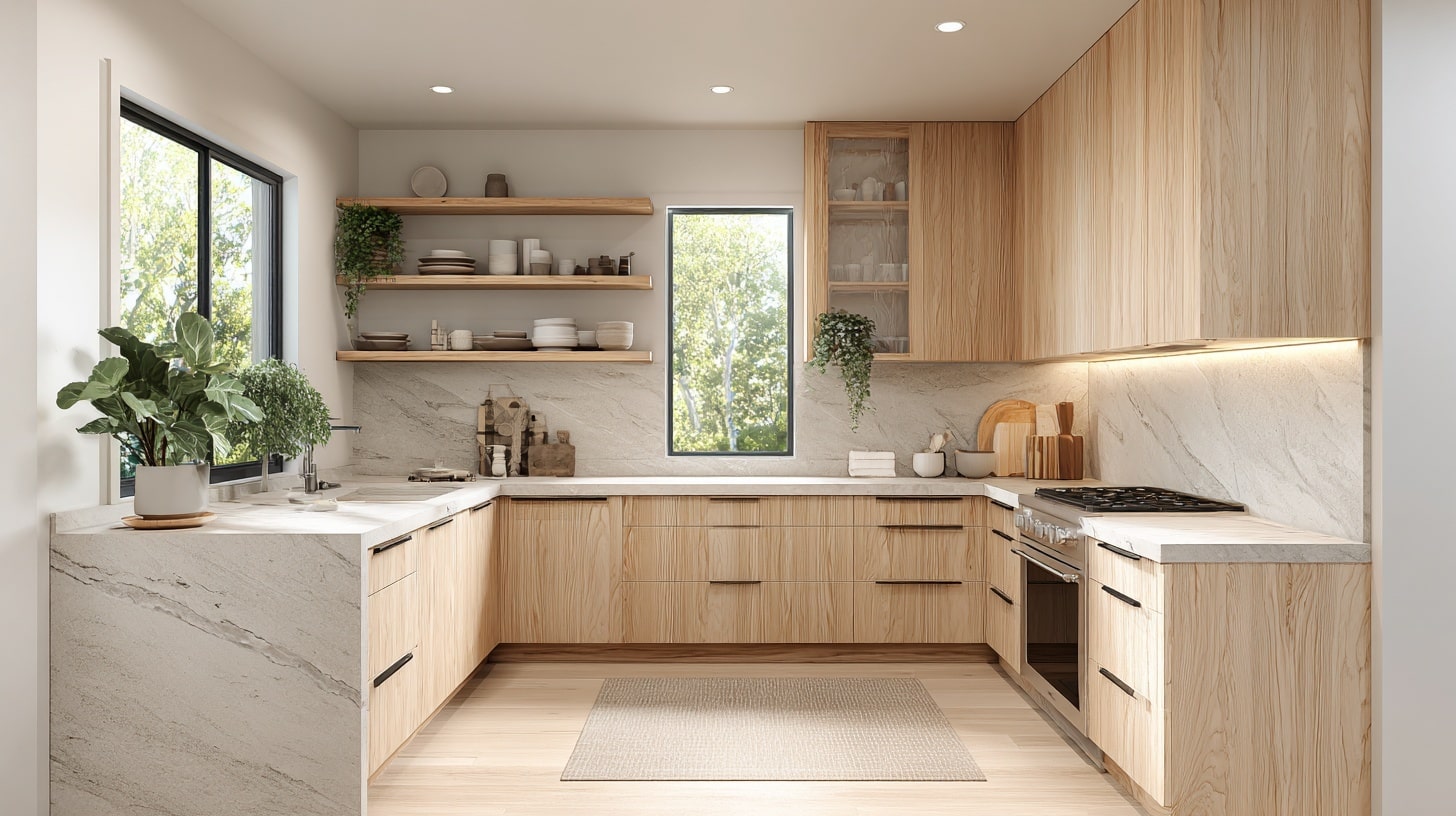
In my Japandi kitchen, I’ve found that the calm of Japanese minimalism blends perfectly with the comfort of Scandinavian design. You get a space that feels clear, warm, and functional. Maybe you want more than just a cooking space; you’re looking for a room that supports your everyday life, free from clutter and stress. I focus on clean lines, natural textures, and thoughtful details that make every task easier for you. Together, we can create a kitchen that not only works beautifully but also feels great to be in every day. Keep reading to see how. Understanding Japandi Kitchen Design Japandi kitchen design combines the uncluttered simplicity of Japanese interiors with the warmth and practicality of Scandinavian style. It focuses on clean lines, purposeful layouts, and a balanced atmosphere that feels calm yet inviting. Natural materials such as wood, stone, and linen dominate, paired with a muted color palette for a grounded look, a principle also seen in modern organic living room design. While Wabi Sabi embraces imperfection and rustic textures, Japandi leans more toward refinement and smooth finishes. Compared to pure Scandinavian style, Japandi uses deeper tones and a stronger connection to nature, resulting in a space that feels both functional and soothing without unnecessary decoration. Japandi Kitchen Ideas for Every Space Japandi kitchens blend Japanese minimalism with a Scandinavian feel, creating spaces that are simple, functional, and inviting. Here are ideas to make this style work in any space: Compact Spaces: Small Kitchens, Galley Layouts, Space-Saving Designs Small-scale Japandi kitchens use smart storage, minimal furniture, and warm, natural textures to create a balanced, open feel without wasting valuable square footage. Here are Japandi-inspired ideas for compact spaces, from galley kitchens to smart space-saving designs: 1. Floating Shelves with Closed Storage Below Combine floating shelves for display with closed cabinets underneath to keep surfaces tidy. Use light wood for shelves and matching tones for cabinets. Place only a few everyday items on the open shelves to maintain a clear, airy look. Add discreet lighting under the shelving to brighten the workspace. This setup works well in narrow kitchens, giving easy access to essentials while maintaining Japandi’s clean lines and clutter-free appeal. 2. Pull-Out Pantry for Dry Goods A slim, vertical pull-out pantry that fits between cabinets to store spices, grains, and condiments. Keeps supplies organized, easily accessible, and hidden from view when not in use, perfect for both small and large kitchens aiming for clean lines. 3. Light Wood Cabinets with White Walls Pair pale wood cabinets with crisp white walls to brighten and visually expand the space. Add a light-colored backsplash in a simple rectangular tile to reflect light. Limit accessories to a few practical items, such as a cutting board or ceramic dish, to avoid overcrowding. This combination not only fits Japandi’s calm aesthetic but also makes a small kitchen feel more open and inviting. 4. Multi-Use Counter with Hidden Storage Install a slim peninsula or table that doubles as prep space and dining area. Build storage drawers or cabinets into the base for extra function. Use a durable surface such as quartz in a soft, neutral shade. Keep stools tucked underneath to maintain flow. This multi-functional feature works well for small spaces, offering both practicality and style in line with Japandi’s focus on efficient, purposeful design. 5. Minimal Color with Natural Accents Limit your palette to white, beige, and one wood tone, adding interest through texture instead of multiple colors. Incorporate a bamboo utensil holder, linen runner, or ceramic pitcher for warmth. This restrained approach helps make a compact kitchen feel more open and peaceful while staying true to Japandi principles. Keep counters clear except for essential items used daily to reinforce the style’s simple, uncluttered look. Family Kitchens: Islands, Breakfast Bars, Integrated Dining Japandi style works beautifully in family kitchens, combining functionality with a welcoming feel. Here are ideas for islands, breakfast bars, and integrated dining areas that suit busy households: 6. Large Island with Seating and Storage Install an island that offers both prep space and seating for casual meals. Use warm wood for the base and a durable surface like quartz or porcelain on top. Integrate deep drawers and cabinets into the island to store cookware and utensils. This feature becomes the central gathering spot in a family Japandi kitchen, promoting togetherness while keeping the area organized and aligned with the style’s clean, functional principles. 7. Built-In Bench Dining Area Create a built-in bench along a wall or beneath a window, paired with a simple wooden table. Include hidden storage beneath the bench for seldom-used items. Use neutral-colored cushions in washable fabrics to keep the look comfortable but minimal. This setup saves space, accommodates more seating, and improves the kitchen’s multi-use functionality while maintaining Japandi’s balance between utility and visual simplicity. 8. Open Shelving with Coordinated Dinnerware Use open shelves for neatly arranged dishes, bowls, and cups in neutral tones. Keep the selection minimal and consistent for a cohesive look. Pair shelves with enclosed cabinets for bulk storage. This arrangement allows daily items to be within easy reach while displaying the natural textures and shapes of your tableware. The result is a warm yet uncluttered space that suits a family kitchen’s practical needs. 9. Wide Walkways for Easy Movement Design the kitchen layout to include at least 42 inches between counters and islands or peninsulas. This ensures enough space for multiple people to cook and move around comfortably. Combine functional storage with smooth, flush cabinet fronts to keep the visual flow uninterrupted. This approach prioritizes both comfort and safety while staying in line with Japandi’s streamlined, user-friendly design. 10. Zoned Lighting for Cooking and Dining Install task lighting over prep areas, softer ambient lighting for the main space, and accent lights over the dining area. Use warm bulbs to maintain a welcoming feel. This layered approach not only improves function but also creates a comfortable atmosphere that works for both cooking and family meals. The lighting design becomes an important feature in maintaining Japandi’s blend of practicality and warmth. Luxury Designs, High-End Materials, Custom Features, Architectural Details Luxury Japandi kitchens use premium finishes, custom storage, and thoughtful design elements to elevate both function and comfort. Here are ideas to inspire you: 11. Waterfall Edge Stone Island Choose a large island with a waterfall edge in quartzite, porcelain, or soapstone. Match the surface with a complementary wood base for balance. Incorporate built-in storage for cookware and hidden outlets for convenience. This feature serves as both a functional prep area and a visual centerpiece, showcasing Japandi’s commitment to quality materials and clean, uninterrupted lines in a luxury setting. 12. Full-Height Cabinet Walls Install cabinets that reach the ceiling to maximize storage and create a streamlined appearance. Use high-quality wood veneers with soft-close hardware for a refined finish. Include a mix of closed storage for larger items and vertical pull-outs for pantry goods. This design not only keeps the kitchen organized but also highlights Japandi’s preference for order and understated style through clean, continuous surfaces. 13. Low-Profile Range Hood Choose a sleek, barely visible range hood that blends into the cabinetry or wall. Maintains the uncluttered Japandi look while providing effective ventilation. Ideal for open-plan kitchens where minimal visual disruption is key. 14. Custom Wood Vent Hood Replace a standard metal hood with a custom-built wood design that complements the cabinetry. Choose a natural finish or lightly stained tone to match the surrounding woodwork. This adds a focal point without disrupting Japandi’s understated look, blending functionality with natural beauty in a way that feels intentional and harmonious within the kitchen’s design. 15. Large Format Tile or Slab Backsplash Use a single slab of stone or large-format tile for the backsplash to reduce grout lines and visual clutter. Choose a material that complements your counters and cabinetry. This creates a smooth, cohesive backdrop that improves the kitchen’s clean lines and highlights the natural beauty of the chosen surface, aligning with Japandi’s emphasis on simplicity and refined material choices. 16. Double Island Layout for Cooking and Entertaining Add two islands, one for prep work and one for dining or serving. Use matching surfaces for a unified look and keep finishes consistent throughout. This arrangement separates cooking and social zones, making the kitchen more functional for gatherings. In larger luxury kitchens, the dual island approach supports Japandi’s focus on purposeful design while enhancing flow, storage, and usability for both everyday meals and special occasions. 17. Concealed Coffee or Tea Station Build a cabinet with pocket doors to hide a coffee or tea setup when not in use. Inside, install outlets, shelving, and storage for mugs, beans, or tea leaves. This keeps the countertop clear while still providing a dedicated beverage area. The concealed station aligns with Japandi’s focus on calm, uncluttered surfaces and functional storage that supports daily routines without adding visual distractions. 18. Floor-to-Ceiling Windows for Natural Light Install large windows or glass sliding doors to bring in maximum daylight. Use slim frames in black or natural wood to complement the kitchen’s palette. This improves connection to the outdoors, a key part of the Japandi style, while making the space feel open and welcoming. Pair with sheer linen curtains if privacy is needed without blocking the light or disrupting the clean lines. 19. Built-In Banquette with Storage Drawers Create a dining nook with a built-in bench that includes pull-out drawers beneath the seat. Use wood finishes that match your cabinetry and cushions in neutral shades. This feature saves space, adds seating, and provides hidden storage for table linens or small appliances, making it a practical and stylish element in a Japandi-inspired kitchen. 20. Hidden Walk-In Pantry Design a flush-panel door that blends with the surrounding cabinetry to conceal a pantry. Inside, add open shelving and drawers for easy organization. Keeping the pantry hidden maintains the kitchen’s minimal look while offering ample storage for dry goods, serving pieces, and small appliances. This feature is ideal for those who want a function without visual clutter in a high-end Japandi space. 21. Statement Pendant Lighting Over the Island Choose simple yet sculptural pendant lights in natural materials like paper, ceramic, or wood. Hang them low enough to create a cozy atmosphere but high enough for clear sightlines. The lighting should complement the kitchen’s finishes without overpowering them, adding subtle personality while staying true to Japandi’s balance of function and understated design. 22. Low, Wide Drawers Instead of Base Cabinets Replace traditional lower cabinets with deep drawers for pots, pans, and dishes. These drawers are easier to access and keep items organized. Opt for wood fronts with integrated pulls for a smooth, uninterrupted surface. This setup improves functionality while maintaining Japandi’s emphasis on streamlined storage and clean, horizontal lines in the kitchen. 23. Open Island Shelf for Everyday Items Include an open shelf on one side of the island for frequently used pieces like cutting boards, bowls, or cookbooks. Use a wood finish that matches or complements the cabinetry. This keeps essentials within reach while preventing cluttered countertops, reinforcing Japandi’s philosophy of blending practical features with a tidy, harmonious environment. 24. Matching Wood Flooring and Cabinets Select a wood tone for both flooring and cabinetry to create visual unity. Vary the grain direction or finish slightly for depth without breaking the flow. This approach builds a cohesive look that feels grounded, highlighting Japandi’s appreciation for natural materials and consistent design language across the kitchen space. 25. Integrated Herb Planter in Countertop Incorporate a small built-in planter into the countertop near a window or prep area. Plant herbs like basil, mint, or chives for fresh cooking ingredients. Use a stainless insert for easy watering and drainage. This adds a natural element to the kitchen without clutter, keeping greenery purposeful and aligned with Japandi’s connection to nature. 26. Wall-Mounted Rail for Tools Install a slim metal or wood rail above the backsplash to hold cooking tools, cutting boards, or small baskets. Keep the selection minimal and functional to avoid crowding. This adds convenience while keeping counters clear, fitting perfectly with Japandi’s preference for organized, efficient spaces that don’t sacrifice visual calm. 27. Low Profile Range Hood Choose a streamlined range hood that blends into the cabinetry or wall color. This keeps the visual focus on materials and layout rather than bulky appliances. A low-profile hood offers all the necessary ventilation while supporting Japandi’s understated design approach, where utility and subtlety work together. 28. Sliding Glass Partitions to Separate Spaces Install sliding glass panels framed in wood or black metal to divide the kitchen from dining or living areas when needed. These partitions maintain light flow while giving flexibility for cooking smells or noise. They fit well in Japandi spaces where open layouts are common, but adaptable separation is still valued. 29. Accent Wall in Natural Stone Cover one kitchen wall in a slab of natural stone that complements the counters or backsplash. Keep other finishes subdued to let the texture stand out. This creates visual interest without straying from Japandi’s minimal aesthetic, ensuring the stone’s role feels intentional and balanced. 30. Hidden Under-Island Storage Drawers Add shallow drawers to the sides of the island that are flush with the paneling. Use them for small tools, linens, or serving pieces. This discreet storage maximizes space without altering the island’s clean appearance, aligning with Japandi’s focus on functional, seamless design solutions. 31. Coordinated Open and Closed Cabinet Mix Combine a few open shelves with mostly closed cabinets to display select pieces while hiding bulk storage. Keep the open sections neatly arranged and consistent in color or texture. This approach balances visual interest with the practicality needed in a working kitchen, maintaining Japandi’s calm, orderly vibe. 32. Built-In Wine or Beverage Fridge Integrate a small fridge for wine, beer, or sparkling water into the cabinetry. Choose a door finish that matches the surrounding panels for a cohesive look. This feature adds convenience for entertaining without disrupting Japandi’s streamlined, unified kitchen appearance. 33. Minimal Corner Solutions for Storage Use corner drawers or rotating pull-out trays instead of leaving space unused. Keep hardware discreet and finishes matching the rest of the cabinetry. This ensures every inch of the kitchen works efficiently while preserving Japandi’s emphasis on clean, uninterrupted lines and practical design. Shopping Lists by Budget Choose Japandi kitchen features based on budget: starter for basics, mid-range for upgrades, high-end for premium finishes, each creating a balanced, functional, and welcoming space. Here are ideas by budget level: Starter: Laminate or butcher block counters, basic under-cabinet lights, matte black pulls, stainless fixtures. Mid-Range: Quartz counters, slab backsplash, pull-out storage, soft-close drawers, brushed brass or stainless fixtures. High-End: Premium wood cabinets, quartzite or porcelain slab, panel-ready appliances, custom storage, artisan lighting, and handmade tile accents. Step-By-Step Japandi Kitchen Makeover Guide Updating your kitchen into a Japandi-inspired space is easier when you follow a clear plan. Here’s a step-by-step guide to help you through the makeover process: Step 1: Plan Your Project Start by deciding if you’ll refresh or fully remodel the space. Set a realistic budget that covers materials, labor, and unexpected costs. Take precise measurements of the kitchen and note existing features worth keeping. Create a visual board of colors, textures, and layouts that match Japandi principles. This stage ensures you have a clear vision and organized direction before making any purchases or beginning construction work. Step 2: Design the Layout and Style Choose a calm, neutral color palette with one wood tone, one light shade, and one dark accent. Select natural materials like wood, stone, and textured fabrics. Plan the layout for smooth movement and easy access to storage. Integrate hidden cabinets and drawers to keep surfaces clear. Include space for key appliances while maintaining balance and proportion in the design so the kitchen feels open and uncluttered. Step 3: Build and Install Key Features Begin construction or updates according to the finalized plan. Install cabinets with flat fronts and integrated handles for a clean look. Add countertops in quartz, porcelain, or natural stone for durability and style. Position lighting in layers, task lights for work areas, ambient lights for general brightness, and accent fixtures for focal points. This stage brings the functional and visual structure of your Japandi kitchen together. Step 4: Add Finishing Details Select hardware and fixtures in matte black, brushed brass, or stainless steel. Use minimal, practical accessories such as ceramic jars, wooden trays, or linen towels. Introduce a few plants to bring a natural touch without adding clutter. Review the entire space, removing unnecessary items and adjusting placements for balance. This final step ensures the kitchen looks cohesive, feels calm, and works efficiently for everyday cooking and dining. Maintenance Tips for Natural Materials Simple care routines for key kitchen materials to help them last longer, stay functional, and keep their natural look without damage. Here are some maintenance tips to keep them in top shape: Wood & Bamboo Clean surfaces with a pH-neutral solution and a soft cloth to avoid scratching. Oil or wax quarterly to protect against drying and wear. Prevent standing water by wiping spills immediately. This keeps wood and bamboo in good condition, preserving both strength and appearance for years of use in your Japandi kitchen. Stone (Quartzite, Soapstone) Seal stone surfaces as recommended by the manufacturer to prevent staining. Wipe spills promptly to reduce the risk of marks or etching. Avoid acidic cleaners such as vinegar or lemon juice, which can damage the surface. Regular care will maintain the stone’s texture and help it remain both practical and attractive in daily kitchen use. Quartz & Porcelain Clean quartz and porcelain with mild soap and a soft cloth to avoid surface wear. Avoid placing extremely hot cookware directly on these materials, as sudden temperature changes can cause cracks. Stay away from harsh chemicals, which may discolor or weaken the finish. Consistent gentle cleaning helps maintain their durability and smooth appearance over time. Tile & Grout Seal grout lines to prevent moisture absorption and staining. Use a soft brush for cleaning, avoiding abrasive pads that could scratch the tile. Skip oil-based sealers on epoxy grout to ensure proper surface integrity. This routine keeps both tile and grout in good condition, reducing the need for major maintenance or early replacement. Metals Wipe metal surfaces with a microfiber cloth to avoid scratches and maintain shine. Use a non-acid polish for deeper cleaning when needed. Avoid bleach and steel wool, which can corrode or scratch the finish. With gentle, regular care, metal fixtures and hardware will keep their functionality and appearance in your Japandi kitchen. Textiles Wash kitchen textiles in cold water to prevent shrinking or fabric damage. Line dry instead of using high heat to extend their lifespan. Avoid heavy fabric softeners on towels, as they reduce absorbency. By following these simple steps, you can keep linens, towels, and other soft materials fresh, clean, and ready for everyday kitchen use. Common Mistakes to Avoid Avoid these frequent errors to keep your Japandi kitchen balanced, practical, and true to its design principles without losing daily functionality: Overusing colors or finishes. Too many open shelves. Skipping task lighting. Using glossy, cold surfaces. Underestimating storage needs. Over-decorating with non-functional items. Steering clear of these mistakes will help you achieve a Japandi kitchen that feels cohesive, practical, and warm, while still reflecting your personal taste. Conclusion For me, a Japandi kitchen is the perfect balance of calm design and everyday function, a space that not only works well but also feels good to spend time in. You’ve seen how clean lines, natural materials, and thoughtful layouts can help you create a kitchen that truly supports your daily life. I hope you take these ideas and start making changes that fit your home and style. Even one small update can have a big impact. If you’d like more inspiration, check out my other kitchen design blogs for layouts, storage solutions, and styling tips to guide your next step. Check out related posts and start planning your perfect Japandi kitchen today!
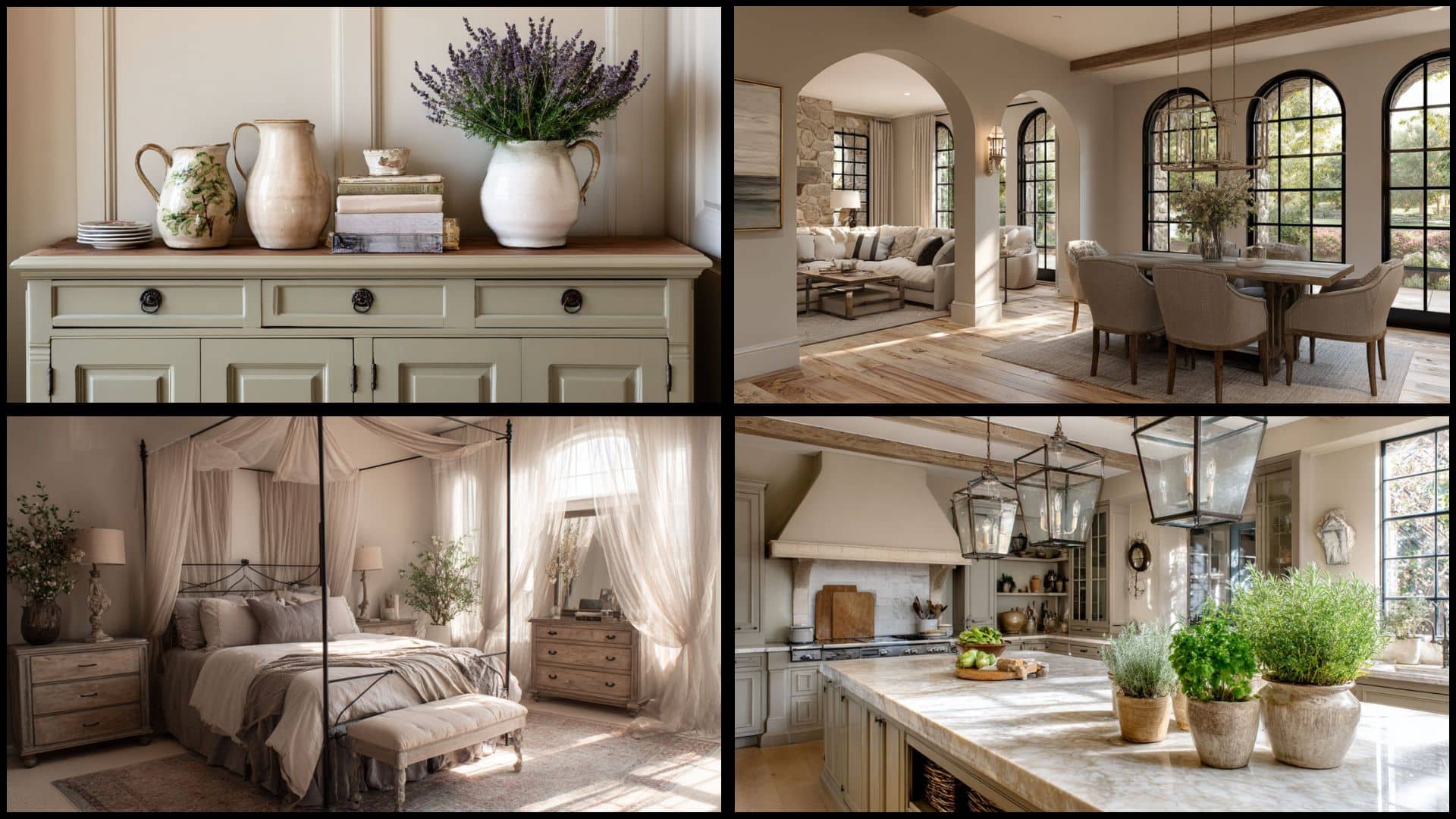
If you’re ready to bring the touch of French countryside living into your modern home, modern French country decor might be exactly what you’re looking for. I love how it blends rustic character with contemporary comfort; it’s a style that works beautifully for busy families like yours and mine. I’ll walk you through how to create spaces that feel both refined and wonderfully welcoming every day. I’ll share the key elements that make this look so classic and why it’s loved by homeowners all over the world. It’s all about mixing vintage treasures with updated functionality that fits real life. Let’s start turning your home into your own version of the French countryside dream. What Makes Modern French Country Decor So Appealing Modern French country decor has captured hearts because it mixes grace with comfortable, everyday living perfectly. People love how this style makes any home feel warm and welcoming without being too fancy. The mix of vintage and updated functionality appeals to families who want beauty and practicality. You can see why this style works so well in today’s busy world. It adopts imperfections and celebrates lived-in spaces that tell stories through weathered wood and soft fabrics. The neutral color palettes create calm, peaceful environments that help people relax after stressful days. Social media has made this style even more popular by showcasing gorgeous French country homes everywhere. Key Design Elements of Modern French Country Modern French country style combines the best of rustic appeal with contemporary culture for today’s homes. Here are four essential elements that make this style work so beautifully: Furniture: Antique armoires and weathered farmhouse tables paired with sleek modern sofas and contemporary lighting create a perfect balance. Fabrics & Patterns: Classic toile prints, soft florals, natural linen textures, and classy gingham checks bring genuine pleasure. Color Palettes: Soft creams, gentle grays, sage greens, and warm beige inspired by the French countryside landscape. Materials: Reclaimed wood, natural stone, wrought iron accents, and organic cotton fabrics provide genuine rustic appeal. These elements work together like ingredients in a perfect recipe to create spaces that feel both urbane and welcoming. When you mix these key components thoughtfully, your home converts into a modern French country retreat. Modern French Country Decor Ideas You’ll Love I’ve gathered some beautiful design elements that will convert your home into a French countryside retreat. Here are the ideas that bring genuine French appeal to your home: 1. Arched Doorways or Windows Curved archways bring a graceful French structure into your modern home with their graceful, flowing lines. You can create arches by adding curved molding to existing rectangular openings for an affordable update. Real stone or plaster arches look most accurate but require professional installation. These structural details instantly elevate any space and create beautiful transitions between rooms while adding that signature European appeal. 2. Marble-Topped Kitchen Island A marble surface brings luxury and functionality to your kitchen while serving as a lovely centerpiece. Choose classic white Carrara marble or warmer beige tones that complement your color scheme perfectly. The natural veining in marble creates beautiful patterns that make each island unique and special. Pair it with a rustic wooden base or painted cabinets for the perfect mixture of luxury and casual French country style. 3. French-Style Canopy Bed This romantic bed frame creates a dreamy focal point with flowing curtains and lavish posts. Choose wrought iron for rustic appeal or painted wood for a softer, more feminine look. Hang sheer linen curtains that can be tied back during the day for privacy at night. The canopy adds height and drama to bedrooms while creating an intimate, cozy sleeping space that feels like a luxury retreat. 4. Chalk-Painted Sideboards Chalk paint gives furniture a beautiful matte finish with subtle texture that looks originally aged. You can change any old sideboard or buffet with colors like soft gray, cream, or sage green. The paint creates a slightly weathered look that’s perfect for French country style without being too distressed. Distress edges lightly with sandpaper for added character and genuineness that tells a story. 5. Built-In Niche Shelving Recessed shelving carved into walls creates perfect display spaces for books, pottery, and decorative objects. You can build these niches between wall studs or create faux versions with trim work. Paint the interior a contrasting color to make displayed items pop and draw attention. These structural details add depth and interest to plain walls while providing practical storage that doesn’t take up floor space. 6. Herringbone Wood Floors This classic zigzag pattern adds refinement and movement to any room with its lasting geometric design. Choose wide-plank oak or pine in natural or whitewashed finishes for genuine French country appeal. The pattern works beautifully in entryways, kitchens, and living areas where you want visual interest underfoot. Professional installation ensures the pattern aligns perfectly, but luxury vinyl options make this look more affordable and DIY-friendly. 7. Oversized Lantern Lighting Large lantern-style fixtures bring dramatic lighting that feels both rustic and graceful in any space. Choose black iron or aged brass finishes that complement your other metal accents throughout the home. These statement lights work perfectly over kitchen islands, in entryways, or dining rooms where you need both style and function. The oversized scale makes rooms feel more grand while providing plenty of warm, ambient lighting for daily activities. 8. Stone Accent Walls Natural stone adds texture and earthy appeal that brings the French countryside indoors with original materials. You can use real fieldstone, limestone, or affordable stone veneer that’s easier to install yourself. Focus on one feature wall behind a fireplace, bed, or dining area for maximum impact without overwhelming the space. The natural variations in stone create beautiful patterns and colors that complement soft French country furnishings perfectly. 9. Freestanding Clawfoot Bathtub This vintage-style tub becomes a gorgeous bathroom centerpiece that offers luxurious soaking and classiness. Choose classic white porcelain with brass or chrome feet that match your other bathroom fixtures. Position it near a window for natural light or in the center of the room for drama. The curved lines and elevated design create a spa-like atmosphere that alters ordinary bathrooms into relaxing retreats. 10. Layered Table Settings Multiple plates, glasses, and linens create lavish tablescapes that look effortlessly refined and welcoming. Start with charger plates, add dinner and salad plates, then layer cloth napkins with different textures. Mix vintage and new pieces for an original, collected look that tells a story. Use natural materials like linen, wood, and ceramic in soft colors that complement your French country color palette beautifully. 11. Indoor Olive or Fig Trees These Mediterranean plants bring life and natural beauty indoors while connecting to French countryside traditions. Choose large specimens in rustic terra cotta or wooden planters that complement your decor style. Place them near bright windows where they’ll receive plenty of natural light for healthy growth. The silvery olive leaves or broad fig foliage add organic shapes and colors that soften hard structural lines throughout your home. 12. Antique Trunks as Coffee Tables Vintage storage trunks serve double duty as coffee tables and hidden storage for blankets and books. Look for weathered leather, painted wood, or metal trunks with original patina and character marks. They add history and personality while providing practical storage in living rooms or bedrooms. Top them with trays, books, and flowers to create beautiful vignettes that change with seasons and personal style preferences. 13. Gallery Wall of Vintage Oil Paintings A collection of antique paintings creates a refined focal point that adds refinement and personal character. Mix different sizes and subjects like landscapes, portraits, and still lifes in ornate gold frames. Arrange them salon-style with closer spacing for dramatic impact or more spread out for casual appeal. Thrift stores, estate sales, and antique shops offer affordable options that look genuine and tell interesting stories. Modern French Country Style by Room Each room in your home can showcase French country in interior design through carefully chosen elements that create a trance. I’ll walk you through how to style four key spaces with lasting hints: Living Room: Vintage sofas and rustic coffee tables make your space feel cozy and welcoming for family time and relaxing evenings. Bedroom: Soft linen bedding with pretty headboards turns your bedroom into a peaceful retreat that feels calm and romantic. Kitchen & Dining: Open shelves and farmhouse tables create warm spaces where families love to gather for meals and conversation. Bathroom: Antique mirrors and beautiful tiles make your bathroom feel like a spa where you can relax and unwind. These room-by-room elements help you create a cohesive French country look throughout your entire home. Start with one space and gradually add hints to other rooms for flow and style. Avoid These Decorating Blunders Even the best decorating intentions can go wrong without proper guidance and planning from experienced designers. Here are the common pitfalls that can ruin your French country look: Overloading on rustic without balance means too much weathered wood and distressed furniture creates chaos instead of delight and grace. Mixing too many patterns, such as florals, stripes, and checks, can overwhelm rooms and destroy the peaceful French country aesthetic. Ignoring modern functionality occurs when focusing only on vintage pieces without considering daily needs, making spaces impractical for families. Using harsh lighting kills the warm, cozy atmosphere that makes French country decor so appealing and inviting to guests. Avoiding these mistakes helps you create original French country spaces that actually work for everyday life. Remember that balance and restraint are key to achieving that effortless classiness you’re aiming for. Final Words Now you’ve got everything you need to create your own modern French country paradise at home. I’ve shared the key elements, room ideas, and design tips that make this style so effortlessly appealing. For me, French country decor is proof that beauty and comfort can live side by side every single day. With vintage pieces, natural materials, and thoughtful details, your home can start telling its own unique story. The best part is, you don’t have to do it all at once: start small, and let your personal style guide each choice you make. I’d love to know what your favorite modern French country decor inspiration is in the comments!