

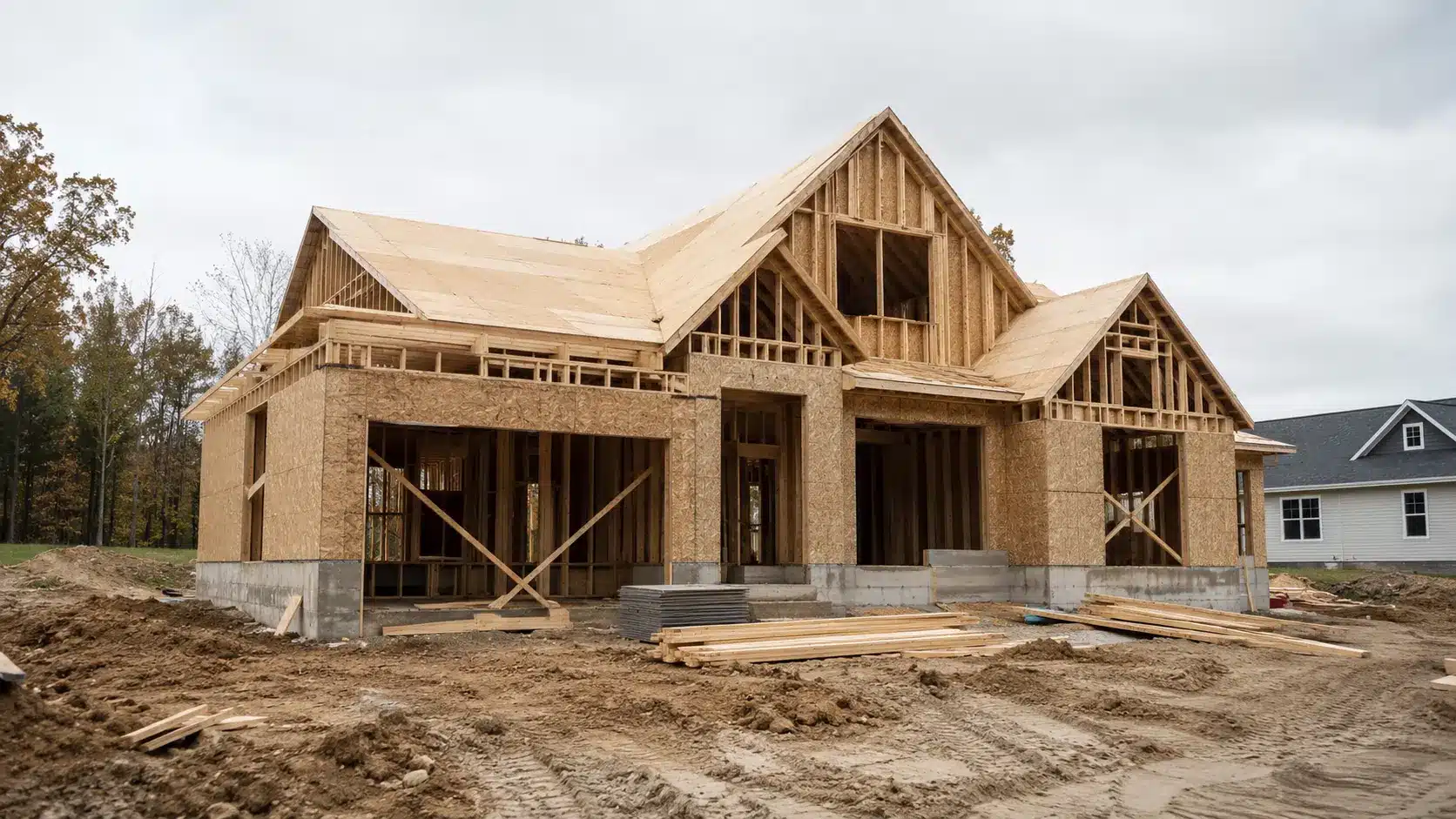


I have sat across from enough homeowners in pre-construction meetings to know that the first real question is always: “So how long is this actually going to take?”
Most of them had already Googled it. They had seen “7 to 14 months” somewhere and were not sure what that meant for their specific situation, their lot, their design, their builder.
That range is real, but it does not tell the full story. How long it takes to build a house depends on what you are counting, what type of home you are building, and how many avoidable delays get in the way.
By the end of this, you will know the realistic timeline for each build type, what happens in each phase, why two similar homes can take very different amounts of time, and what you can actually do to keep things moving.
From Planning to Keys: What the Timeline Really Covers
Building a house takes longer than most people expect, and the number that trips people up is almost always the same one: “7 to 14 months.” That range is real, but it depends entirely on what you are counting, what type of home you are building, and how many avoidable delays get in the way.
By the end of this, you will know the realistic timeline for each build type, what happens in each phase, and what you can actually do to keep things moving.
Most homeowners assume the clock starts when construction begins. It doesn’t. Design, financing, land checks, and permits can take one to four months on their own, and that time counts. Skip it in your planning, and you will miss your target date before a single piece of lumber is ordered.
According to the U.S. Census Bureau’s Survey of Construction, the average single-family home in 2024 took about 9.1 months from permit authorization to completion, with the active construction period averaging 7.6 months. That is the national average. Whether your build lands at 7 months or 14 months depends on the factors below.
| Stage | Typical Duration |
| Design and planning | 1 to 3 months |
| Financing and land prep | 2 to 6 weeks |
| Permitting | 2 to 8 weeks |
| Site work and foundation | 2 to 6 weeks |
| Framing | 1 to 2 months |
| Mechanical, electrical, and plumbing rough-ins | 1 to 2 months |
| Insulation and drywall | 2 to 4 weeks |
| Interior and exterior finishes | 1 to 3 months |
| Final inspection and punch list | 1 to 4 weeks |
These phases overlap more in production builds and stack sequentially in custom builds. Local permitting speed and trade availability can significantly compress or stretch any of them. Once you know which build type you are dealing with, those phase durations start to make more sense.
How Long Does It Take to Build a House by Type
A production home and a custom home do not follow the same schedule, even when the square footage is identical. The difference is how many decisions are already made before work begins.
| Type of Home | Typical Timeline | Why It Takes This Long |
| Production home | 4 to 7 months | Plans, materials, and processes are already set. |
| Semi-custom home | 8 to 12 months | The base plan is fixed, but finish selections and modifications add time. |
| Custom home | 10 to 18+ months | Design, engineering, permits, selections, and special materials all require more review. |
| Owner-built home | 12 to 16+ months | The homeowner manages more decisions, trade coordination, and scheduling directly. |
| Modular home | 3 to 6 months after permits | Sections are built off-site while foundation work happens simultaneously. |
A production home moves faster because the plans are already approved, the materials are pre-ordered in bulk, and the builder runs multiple homes on the same schedule.
A custom home requires more back-and-forth on design, longer permitting review, and more specialized trades, all of which add time before and during construction. If you are weighing these options, understanding production vs custom home tradeoffs can save you months of recalibrated expectations.
The Main Phases of Building a House and How Long Each Takes
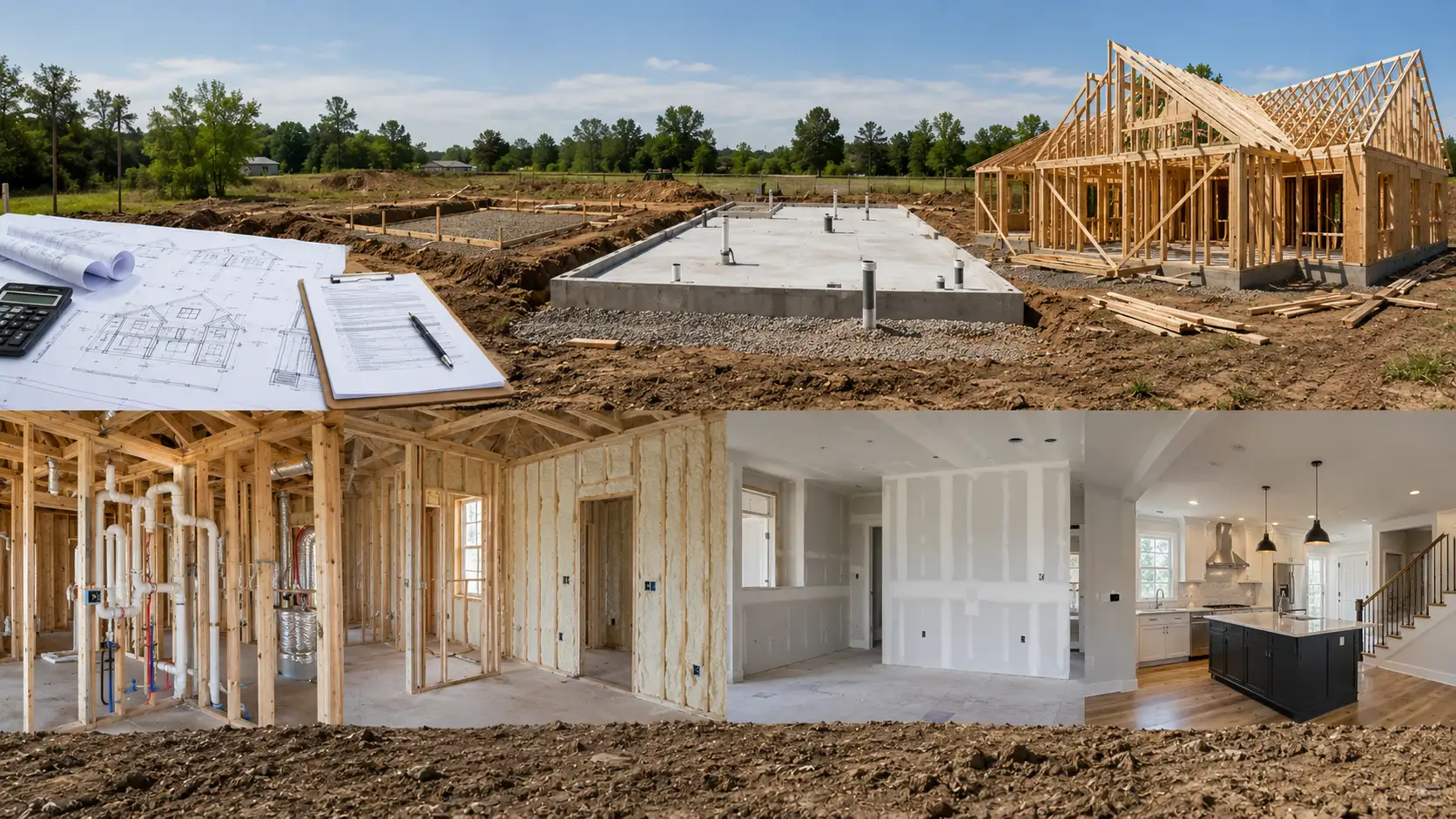
Each phase of construction has its own pace and its own set of things that can slow it down. Knowing what happens in each one helps set realistic expectations and makes it easier to ask the right questions when talking to a builder.
Phase 1. Planning, Design, and Permits: 1 to 4 Months
This phase starts with final floor plans, financing, and lot checks. The builder confirms the site is ready, then submits permits to the local building department for zoning and code review.
Timelines vary by location. Some offices approve permits in two to three weeks, while others may take two to three months for complex homes or busy markets.
Phase 2. Site Preparation and Foundation: 2 to 6 Weeks
The lot is cleared, graded, and prepared for construction. Crews mark the home’s footprint, dig footings, set forms, and pour concrete.
The foundation then needs time to cure before framing begins. The weather can affect this stage. Wet soil, poor drainage, freezing temperatures, or delayed concrete inspections can stretch this phase beyond the usual range.
Phase 3. Framing: 1 to 2 Months
Framing gives the home its visible shape. Crews build the floors, walls, roof structure, and sheathing. Trusses are delivered and set, and windows or exterior doors may be installed.
This stage often feels fast from the outside, but weather, lumber shortages, roof work, or delayed truss delivery can slow progress.
Phase 4. Plumbing, Electrical, and HVAC Rough-Ins: 1 to 2 Months
This phase adds the hidden systems inside the walls. Plumbers install pipes, electricians run wiring, and HVAC crews place ducts, vents, and equipment lines.
Each trade usually needs inspection before insulation, and drywall can begin. Scheduling gaps, failed inspections, or rework can hold up the next phase because the walls cannot close too early.
Phase 5. Insulation and Drywall: 2 to 4 Weeks
After rough-in inspections pass, insulation is installed in walls and ceilings. Drywall comes next, followed by taping, mudding, sanding, and surface prep for paint.
This stage depends on drying time, so cold weather, high humidity, or poor ventilation can slow it down. Supply issues or finish quality fixes can also add extra days.
Phase 6. Interior and Exterior Finishes: 1 to 3 Months
This phase brings together the visible details: flooring, cabinets, countertops, tile, fixtures, paint, trim, siding, and exterior work. It often takes the longest in custom homes because many items require lead time.
Cabinets, specialty tile, lighting, and non-standard fixtures can take weeks to arrive, so late selections can quickly push the schedule.
Phase 7. Final Inspection and Move-In: 1 to 4 Weeks
Once the finishes are complete, the builder schedules the final inspection with the local building department. If the home passes, a certificate of occupancy is issued.
At the same time, the punch list is completed, covering small fixes or touch-ups. Failed inspection items, unresolved punch-list work, or inspector scheduling delays can delay move-in.
With each phase laid out, the full timeline becomes easier to understand. A build does not slow down for one reason only. The next step is looking at why two homes in the same area can still finish months apart.
Why Two Similar Homes Can Have Different Build Timelines
Two homes can look similar on paper, but take very different amounts of time to finish. The difference usually comes from the type of build, the site, the plan details, and how many choices are already settled before work begins.
- Production vs custom build: A production home usually moves faster because the builder already has tested plans, set materials, and a repeatable schedule. A custom home takes longer because design, pricing, engineering, and selections need more review.
- Lot condition: A flat, ready-to-build lot is faster to prepare. A sloped lot, a wooded lot, poor soil, drainage issues, or a hard-to-reach utility connection can add time before the foundation begins.
- Plan complexity: A simple rectangular home is easier to frame and finish. A home with a basement, complex roofline, large windows, multiple roof sections, or special ceiling details needs more labor and coordination.
- Finish level: Standard cabinets, flooring, fixtures, and tile are easier to source. Custom cabinets, imported tile, specialty lighting, or non-standard finishes can stretch the schedule.
- Builder process: A builder with strong scheduling, clear selection deadlines, and reliable trade partners can keep the job moving. A builder without a clear process may leave gaps between phases.
- Homeowner readiness: Fast builds usually have early decisions. Slow builds often involve late selections, uncertain budgets, or changes after construction starts.
The main point is simple: square footage gives only part of the answer. The smoother builds usually have a clear plan, a ready lot, standard materials, and fewer late changes.
What Causes Delays in Home Construction and Why They Stack
A delay does not always stay small during a home build. One late approval, missing material, or failed inspection can block the next trade from starting. That is why a one-week issue can turn into a longer schedule slip.
| Delay | What It Can Block | Possible Time Added | Why It Affects the Schedule |
| Permit backlog | Groundbreaking | 2 to 10 weeks | Work cannot begin until the local office approves the plans. |
| Failed inspection | Next phase | 1 to 3 weeks | The builder must fix the issue, schedule another inspection, and wait for approval. |
| Late windows or trusses | Dry-in and framing progress | 1 to 6 weeks | Crews may be ready, but they cannot move forward without key materials. |
| Weather issue | Foundation, roofing, grading | 1 to 4 weeks | Rain, mud, snow, freezing temperatures, or heat can slow outdoor work. |
| Late owner decisions | Material ordering | 1 to 6 weeks | Slow choices on flooring, cabinets, lighting, tile, or counters can delay orders. |
| Change order | Drawings, pricing, materials, trades | 2 to 8 weeks | Changes after work starts can affect plans, permits, pricing, and trade schedules. |
The real issue is not only the delay itself. It is what the delay blocks next. Once one crew misses its scheduled window, the builder may need to wait for that crew to become available again.
Smart Ways to Keep Your Build Timeline on Track
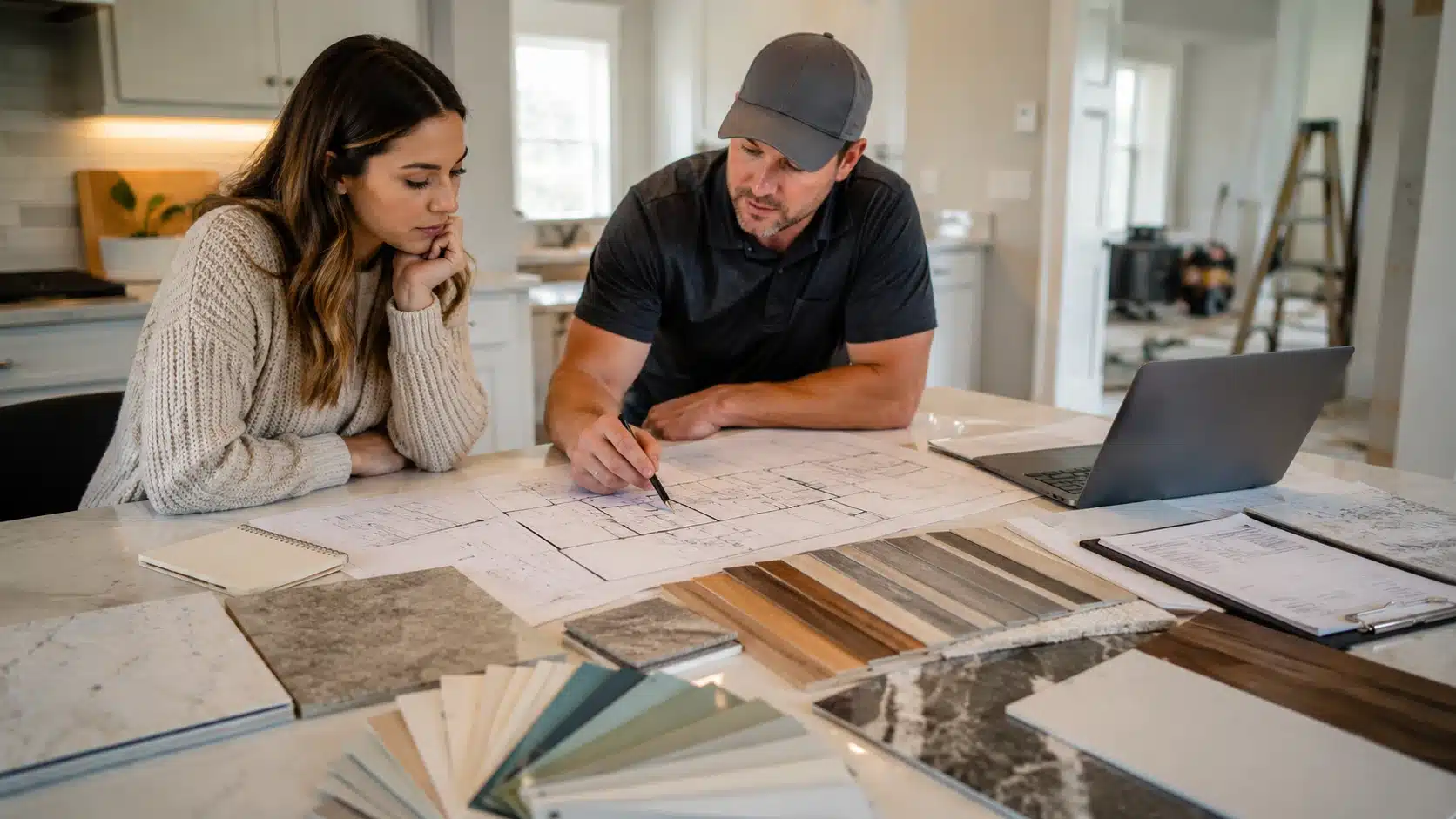
The best way to keep a home build moving is to make key decisions before they become urgent. Most delays are not caused by weather or bad luck. They are caused by plans, permits, materials, or selections that were not ready when the builder needed them.
- Before work starts on site: Finalize the floor plan, confirm soil and drainage conditions, verify utility access, and secure financing before the design is complete. Ask your builder when permits will be submitted and review the full phase-by-phase schedule before signing anything.
- During the design phase: Choose flooring, cabinets, tile, counters, fixtures, and paint early. Ask which materials have long lead times, choose widely available products where possible, and get all selection deadlines in writing.
- During construction: Respond to builder questions within 24 to 48 hours so work does not pause. Avoid change orders after framing begins, visit the site regularly enough to catch issues early, and keep written records of every approval.
- Hire a builder with a clear process: Pick someone who can explain how they track timelines, handle permit delays, manage late materials, and show the time and cost impact of change orders upfront. For larger builds, knowing where whole-house budgets go wrong gives you a better baseline for what to protect.
- Add a realistic time buffer: Plan 2 to 3 extra weeks for a production home and 4 to 6 extra weeks for a custom home. Avoid scheduling movers or ending a lease based only on the best-case date.
| Pro Tip: Get your flooring, cabinet, and fixture selections finalized before the framing inspection. Builders typically need these ordered 8 to 12 weeks ahead of the finish phase. Missing that window is the single most common reason a build that’s on schedule suddenly isn’t. |
Frequently Asked Questions
Can I live in the house before the final inspection?
No. In most jurisdictions, you cannot move in until the home passes final inspection and receives a certificate of occupancy. Some builders allow limited walkthroughs, but full occupancy requires local approval. Moving in early can also affect your homeowner’s insurance coverage.
Should I sell my current home before construction starts?
Waiting is usually safer unless you have a flexible place to stay. Construction dates shift for permits, weather, inspections, and materials. Most homeowners either plan temporary housing or add extra time before committing to a final move date.
How long does it take to build a house with a basement?
Expect to add 2 to 4 weeks to the foundation phase. Basements require deeper excavation, additional waterproofing steps, and a separate inspection sequence. In areas with high water tables or rocky soil, that window can stretch further.
How often should I check on the build during construction?
A weekly site visit is enough for most homeowners. You do not need to manage the job daily, but regular visits catch questions early. Ask your builder how often visits are allowed and who should be present when you come.
Do modular homes take less time to build?
Yes, often significantly. Sections are manufactured off-site while foundation work runs simultaneously. Total time still depends on permits, delivery, utility hookups, and local inspections, but modular builds regularly finish in 3 to 6 months after permits are issued.
What should I ask a builder before signing a contract?
Ask for a phase-by-phase schedule, permit expectations, long-lead material risks, selection deadlines, and change order rules. A builder who cannot answer those questions specifically is a risk to your timeline before work even starts.
How long does it take to build a tiny house?
A professionally built tiny house on a permanent foundation typically takes 3 to 6 months. A trailer-mounted tiny house can be completed faster, sometimes in 8 to 16 weeks, depending on the builder’s backlog and the complexity of your layout. You can see a full cost breakdown for tiny house construction to understand how the timeline affects total spend.
Ending Note
Most US homeowners should plan for 7 to 14 months from planning to move-in. Production homes can close that gap considerably, often finishing in 4 to 7 months when selections are locked in early.
Custom and owner-built homes regularly push past 12 months because every decision point adds time.
The builds that stay closest to schedule have one thing in common: decisions made well ahead of when they are needed, not the day the builder calls asking for them.
Before you sign a contract, ask your builder for a phase-by-phase schedule with specific permit and selection deadlines. That one document will tell you more about how long your build will take than any range you find online.