

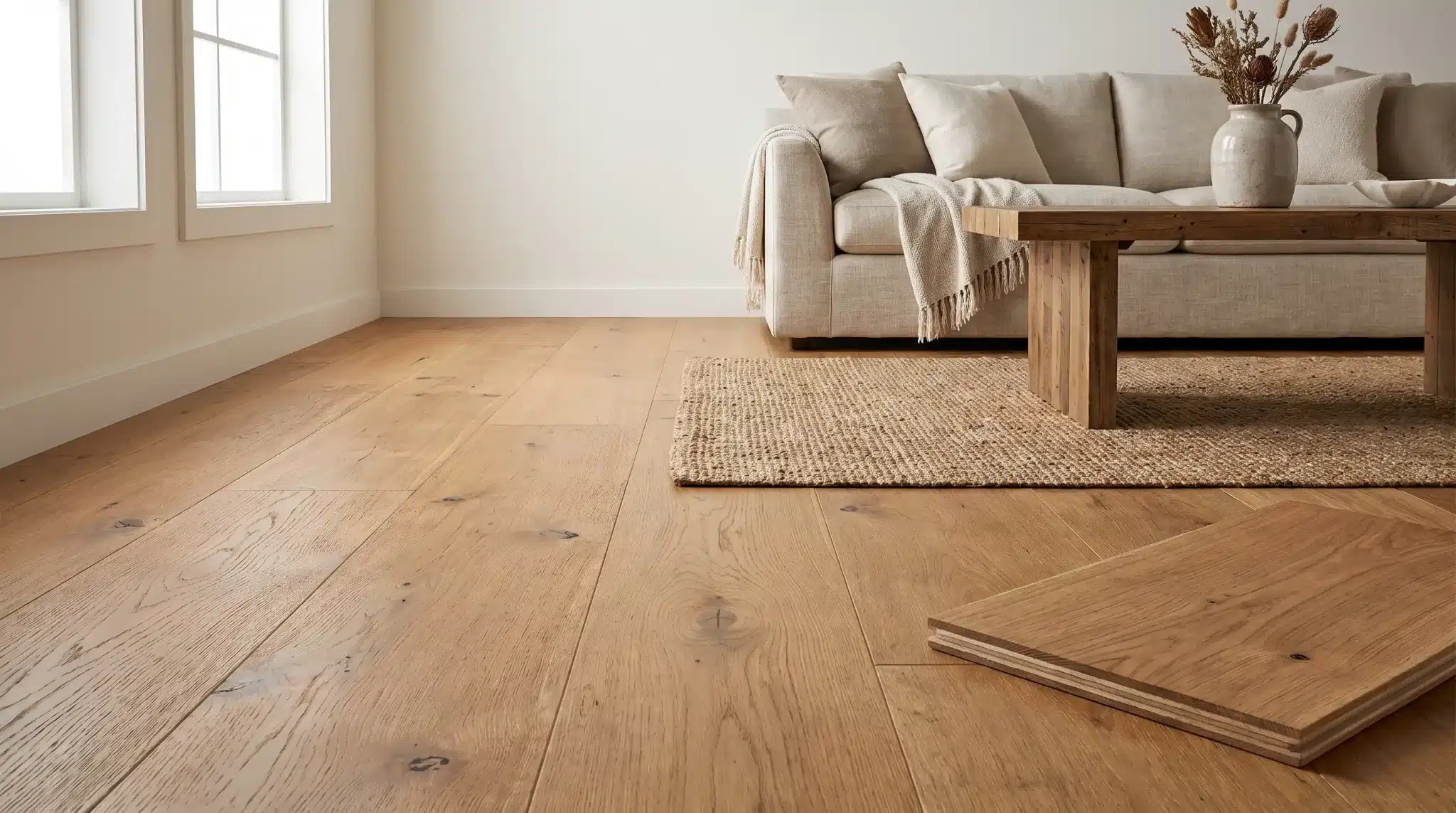


| Engineered hardwood is a real wood flooring product made with a thin layer of natural hardwood on top and multiple layers of plywood or composite wood underneath. This layered construction gives it the authentic appearance of solid hardwood while making it more stable against moisture, humidity changes, and temperature fluctuations. |
I was checking out plank samples at a flooring showroom a few weeks back. One plank looked just like solid hardwood from the top. Then I turned it on its side.
The top layer was real wood. But underneath sat several thin layers, glued and pressed together in a cross pattern. After twenty years of working with wood, that was new to me.
I asked myself why anyone would build a floor this way instead of cutting one solid piece. Digging into it gave me an answer that made sense.
Solid hardwood moves. Humidity and temperature swings make it expand and contract more than most homeowners expect. Engineered hardwood handles those shifts far better.
Here, I will walk you through what engineered hardwood is, how it gets made, where it works best, and what to check before you bring it into your own home.
What Is Engineered Hardwood?
Engineered hardwood is a real wood flooring product. It has a thin layer of genuine hardwood on top and multiple layers of plywood or high-density fiberboard underneath.
The top layer is what you see and walk on. It comes from real wood species like oak, maple, walnut, or hickory. This layer gives the floor the same grain patterns and natural look as solid hardwood.
The core layers sit below the surface. They are built from sheets of wood placed in opposite directions. This cross-grain structure keeps the floor stable when temperatures and humidity levels shift.
Solid hardwood is one piece of wood from top to bottom. Engineered hardwood uses a layered construction to address one of solid wood’s biggest weaknesses: moisture-induced movement.
| Feature | Engineered Hardwood |
|---|---|
| Material | Real hardwood veneer over a layered core |
| Construction | Multiple cross-grain wood layers bonded together |
| Top Layer | Natural wood wear layer |
| Main Benefit | Greater resistance to expansion and contraction |
| Best Locations | Living rooms, kitchens, basements, concrete slabs, and radiant heat areas |
| Appearance | Looks like traditional hardwood flooring |
| Refinishing | Depends on the thickness of the hardwood wear layer |
How Is Engineered Hardwood Made?
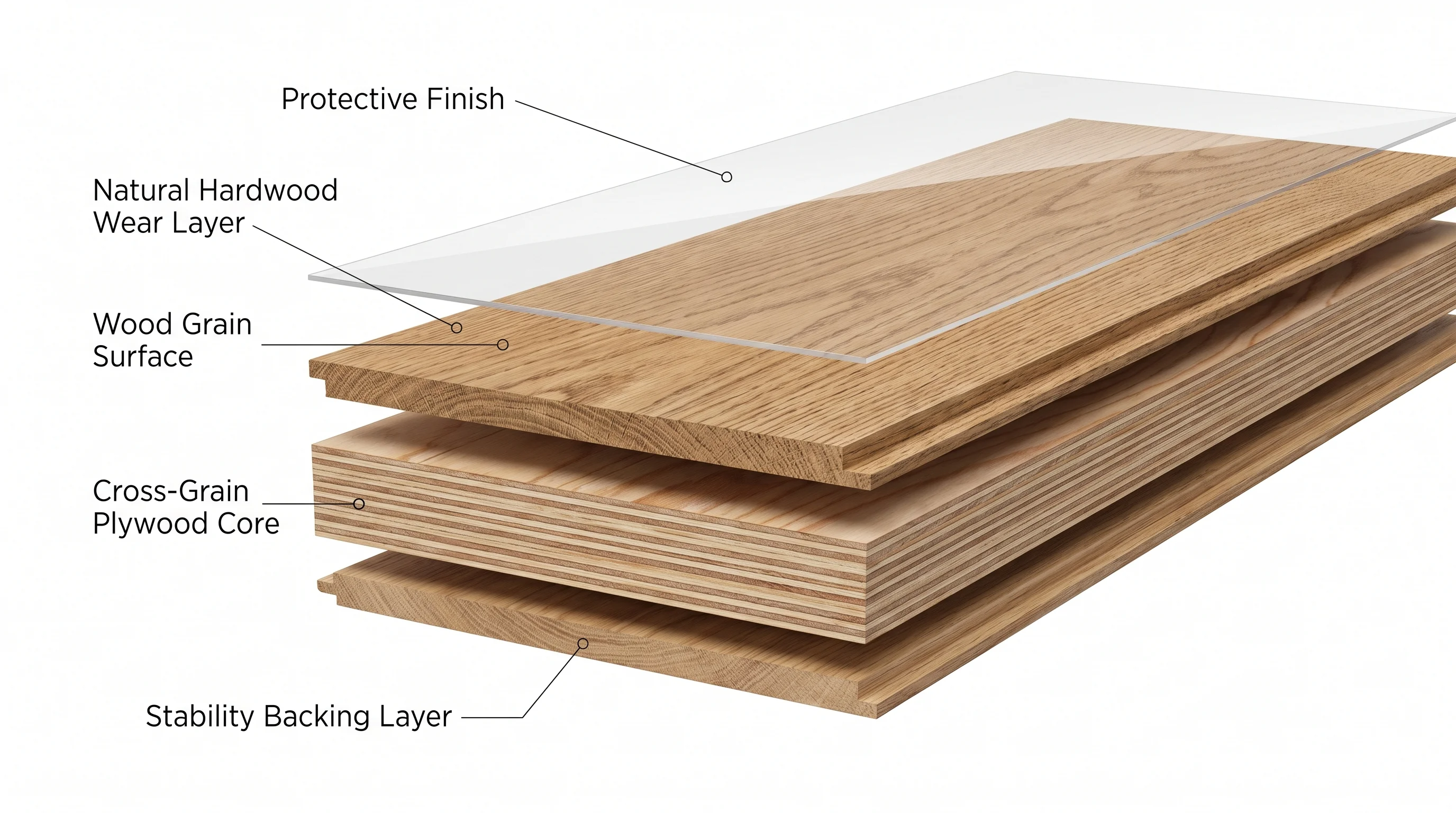
Engineered hardwood comes together in layers. Each layer has its own job. Once you see how they stack up, the reasons behind the floor’s performance start to make sense.
1. The Hardwood Wear Layer
The top layer is a thin slice of real wood. Common species include:
- Oak
- Maple
- Walnut
- Hickory
This layer shapes everything you see. Grain, color, and texture all come from this slice of natural wood.
It also decides how many times you can refinish the floor:
- Thicker veneers allow multiple sanding cycles over the years
- Thinner veneers may only handle a light recoat
2. Core Layers Build Stability
Below the wear layer sits the core. It is built from several sheets of wood or plywood.
Each sheet runs its grain in a different direction than the one above it. This cross-grain construction resists the natural push and pull that comes with moisture changes.
Solid hardwood shifts with the seasons. It expands in humid months and contracts in dry ones. The engineered core cuts that movement by a wide margin.
3. Factory Finish Protects the Surface
Most engineered hardwood floors arrive already finished. Manufacturers apply the coating before the floor ever leaves the factory, usually one of two types:
- Aluminum oxide coatings
- UV-cured finishes
These factory finishes tend to outlast what most contractors can apply on-site. They stand up better against scratches, scuffs, and daily wear.
In my experience, the wear layer thickness is the first thing worth checking. Pair a thick wear layer with a strong factory finish, and you get a floor built to last.
How Engineered Hardwood Differs From Solid Wood?
Both types use real wood on the surface. But their construction changes where you can install them and how long they last.
| Feature | Engineered Hardwood | Solid Hardwood |
|---|---|---|
| Construction | Hardwood veneer over a layered core | Single piece of wood |
| Moisture Stability | More stable | More affected by humidity |
| Installation Areas | Above, on, and some below-grade | Mostly above-grade |
| Installation Methods | Nail, glue, or float | Usually nail or staple |
| Refinishing | Depends on wear layer thickness | Multiple refinishing cycles |
| Cost | Often more affordable | Usually higher |
Here’s what these differences mean in practice:
- Moisture resistance: The layered core lets engineered hardwood handle humidity swings without warping as much as solid wood.
- Installation flexibility: You can install engineered hardwood below-grade, something solid hardwood cannot handle well.
- Lifespan: Solid hardwood often outlasts engineered wood since you can sand and refinish it more times.
- Cost: Engineered hardwood usually costs less upfront, making it a budget-friendly pick for many homes.
Both types use real wood on the surface, but their construction changes where you can install them, how they perform over time, and the overall look they create in a room.
Beyond choosing between engineered and solid wood, factors like wood tone also affect the final appearance.
Light hardwood flooring, for example, can help make smaller rooms feel more open and pair well with a variety of interior styles.
Where Can You Install Engineered Hardwood?
Engineered hardwood works in more rooms than solid hardwood. Its stable core allows installation in spots where solid wood would be a poor fit.
1. Living Rooms and Bedrooms
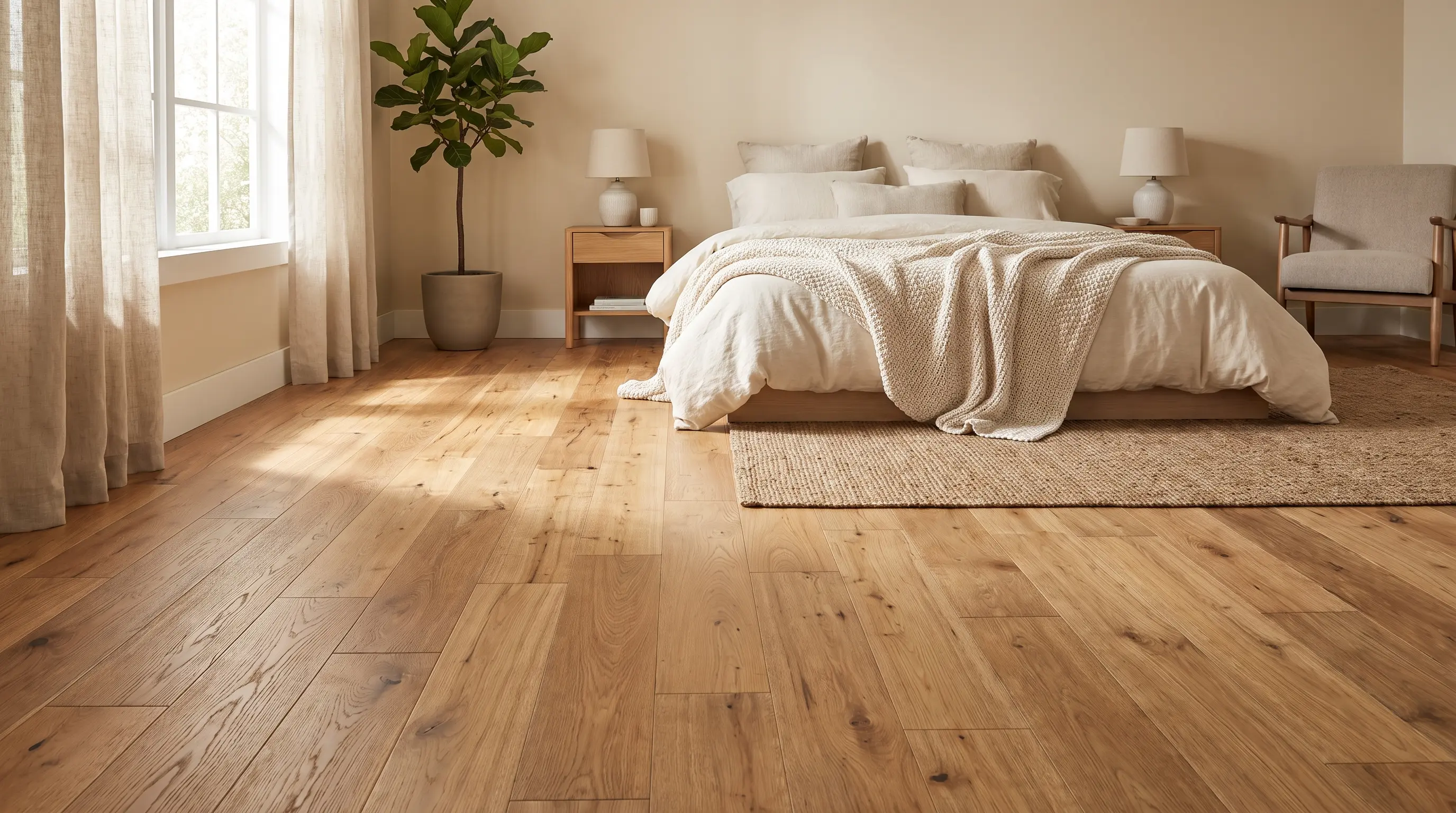
Living rooms and bedrooms are the easiest places to install engineered hardwood. Foot traffic is moderate, and moisture levels stay low in these areas.
The wide range of wood species and plank sizes gives you real design flexibility. You can find an option that fits nearly any room style or color scheme.
2. Kitchens and Dining Areas
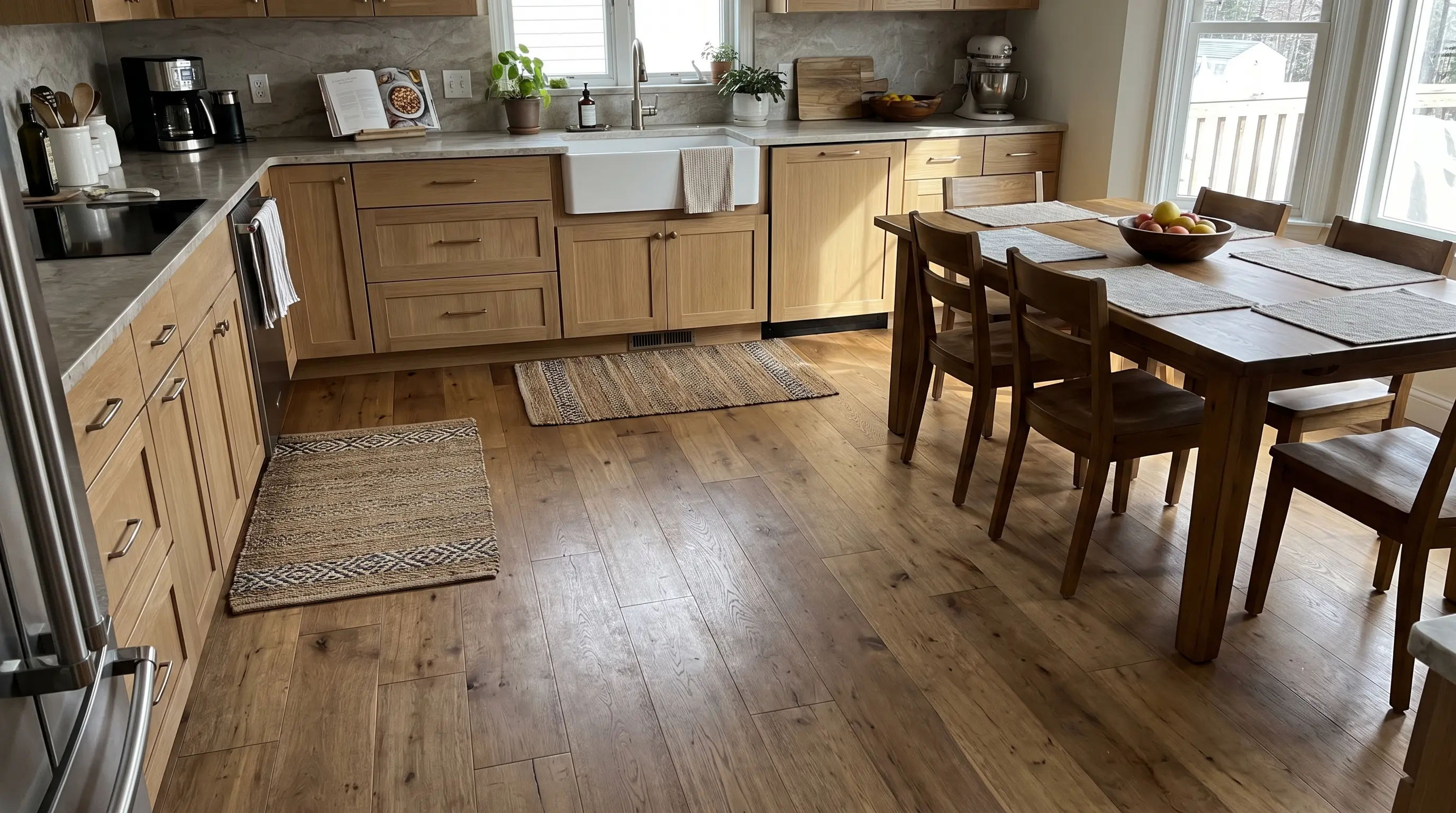
Kitchens pose a greater moisture risk than other rooms. Engineered hardwood can work in a kitchen with the right care habits.
Wipe up spills as soon as they happen. Do not let water sit on the surface. A mat in front of the sink helps protect the floor in that high-use zone.
The floor handles normal kitchen activity well when maintained properly. Standing water is the problem to prevent.
3. Basements and Concrete Floors
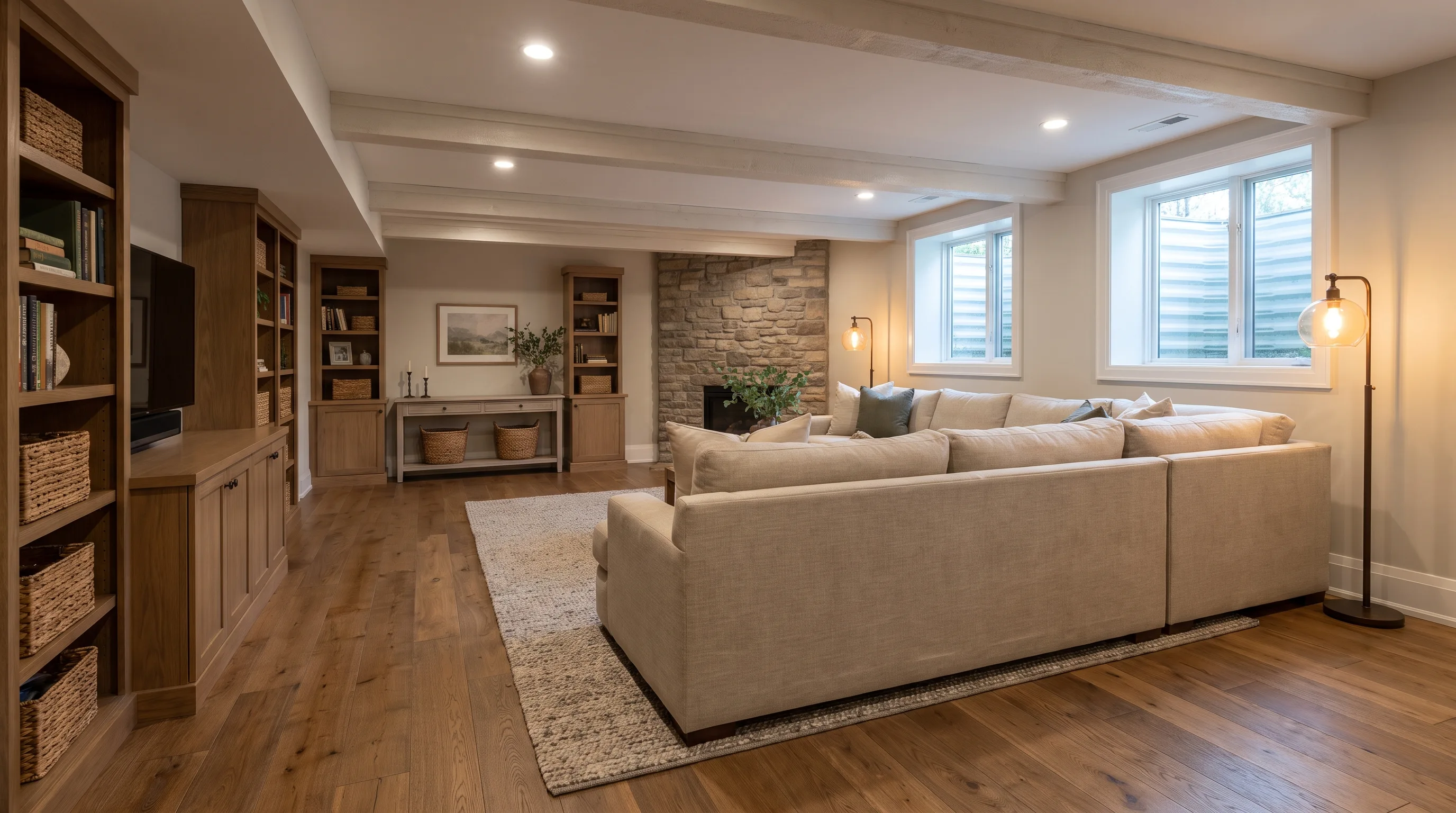
This is one of the biggest advantages engineered hardwood has over solid wood. You can install it directly over a concrete slab.
Basements tend to hold more moisture than upper floors. Solid hardwood is not a good fit in that environment. Engineered hardwood tolerates those conditions with proper subfloor preparation.
Test the concrete for moisture before installing. A moisture barrier may be needed depending on the results.
4. Over Radiant Heating Systems
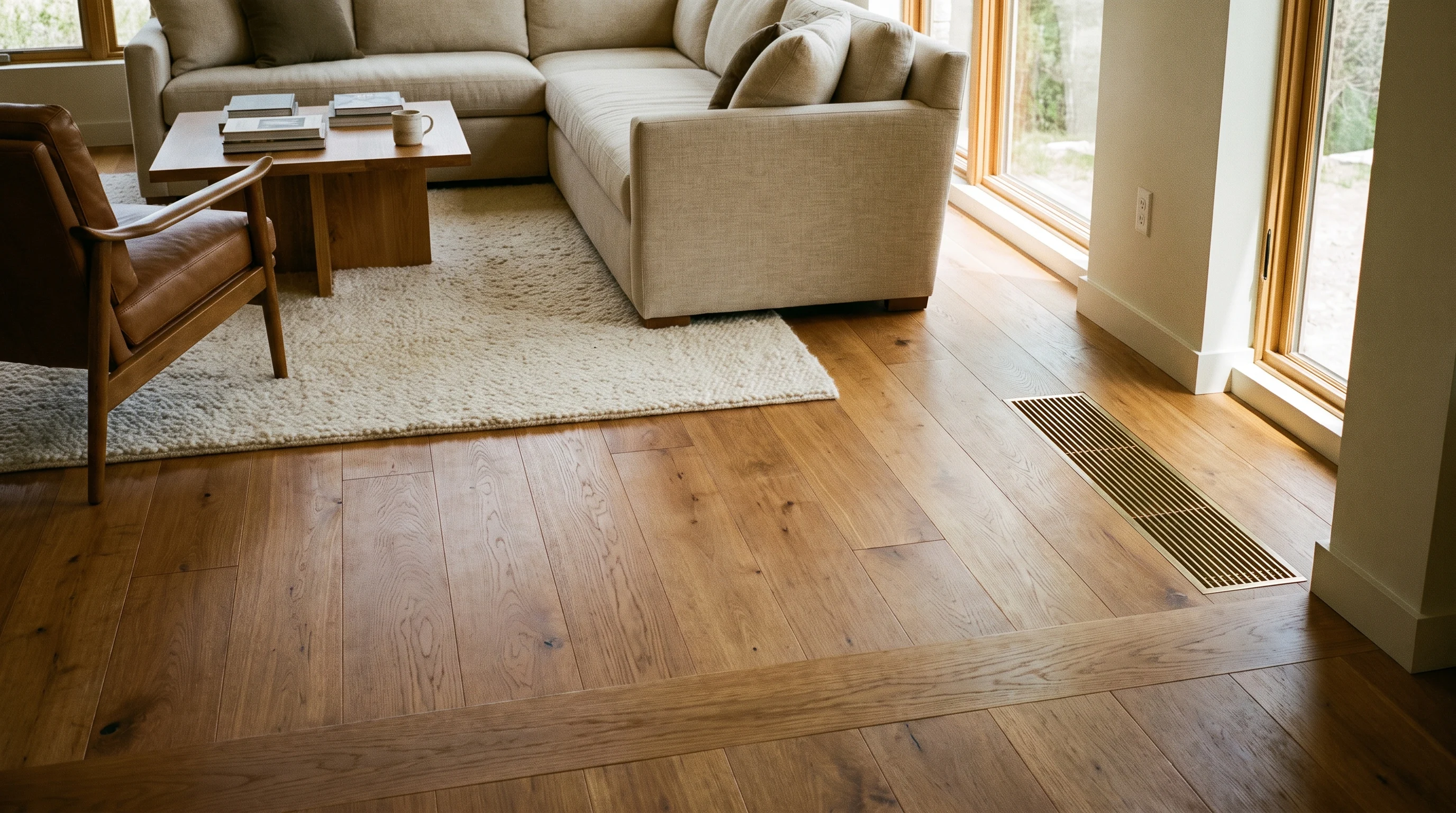
Radiant heating systems warm floors from below. That steady heat can dry out and damage solid wood over time.
Engineered hardwood is more stable under those conditions. Check the manufacturer’s specifications before installing over radiant heat. Not every product is rated for use with it.
How Much Does Engineered Hardwood Cost?
Materials alone run $3 to $16 per square foot. The quality tier you choose is the biggest driver of that range.
| Quality Tier | Material Cost Per Sq Ft | What You Get |
|---|---|---|
| Budget | $2–$4 | Common species like oak or hickory, with a thinner wear layer, suit guest rooms or rentals |
| Mid-Range | $4–$7 | Thicker wear layer, wider species, and width options can often be refinished once |
| High-End | $7–$16+ | Exotic species, thick veneer, premium factory finish, best for high-traffic rooms |
Factors Affecting the Cost
The price of engineered hardwood varies based on several factors. Understanding what drives cost helps you compare products more fairly.
| Cost Factor | Why It Changes Price |
|---|---|
| Wood Species | Rare or exotic woods cost more than common species |
| Wear Layer Thickness | More material adds to durability and price |
| Core Construction | Multi-ply plywood cores add stability and cost |
| Plank Width | Wider planks typically cost more |
| Finish Quality | Premium coatings increase protection and price |
| Installation Method | Labor costs vary by method |
The total project cost depends on room size, subfloor preparation needed, and whether you hire a professional installer. Getting quotes from multiple flooring contractors gives you a realistic picture of what to expect.
The same applies when comparing flooring options like laminate, where factors such as how much it costs to install laminate flooring and the laminate flooring labor cost per square foot can influence the total project expense.
How to Choose Quality Engineered Hardwood?
Choosing well means looking past the surface finish and the showroom display. Here is what to pay attention to.
1. Check the Wear Layer Thickness
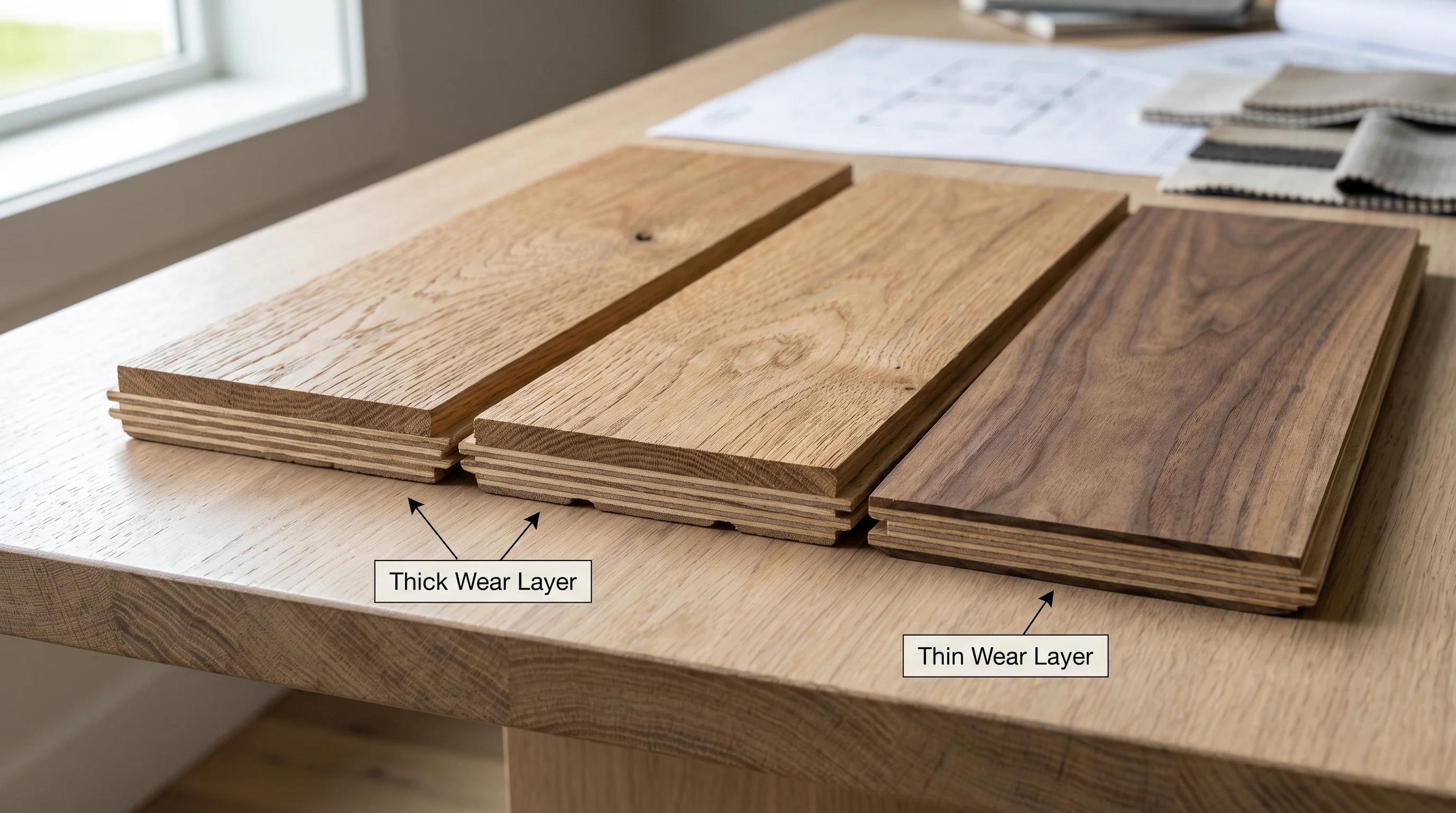
The wear layer is the most important factor when comparing products. It determines both the floor’s longevity and its refinishing potential.
Floors with a wear layer under 2mm are on the thinner end. They suit lower-traffic areas where refinishing is less of a concern. Floors with 4mm or more give you a longer lifespan and more refinishing options over time.
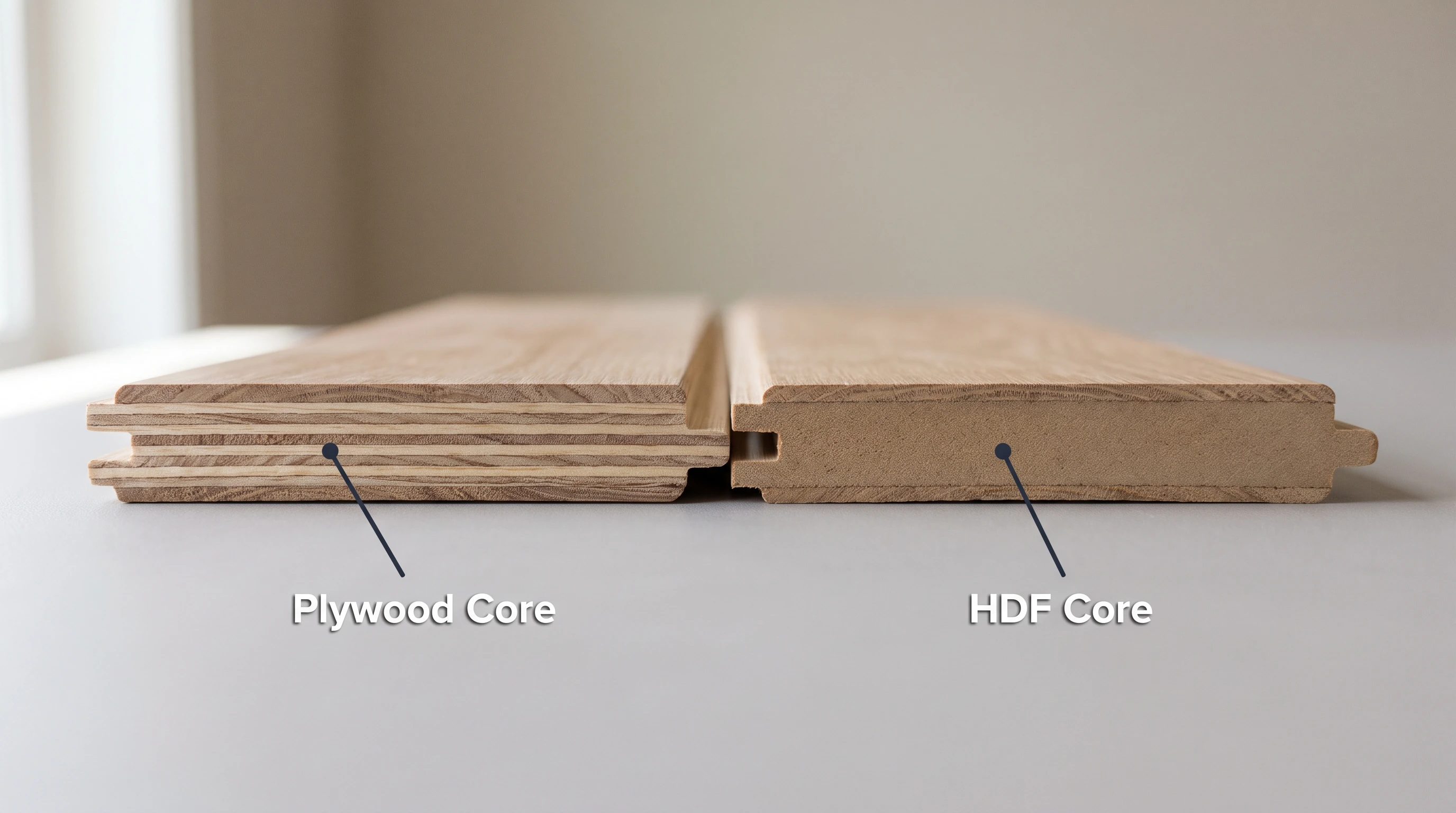
2. Look at the Core Construction
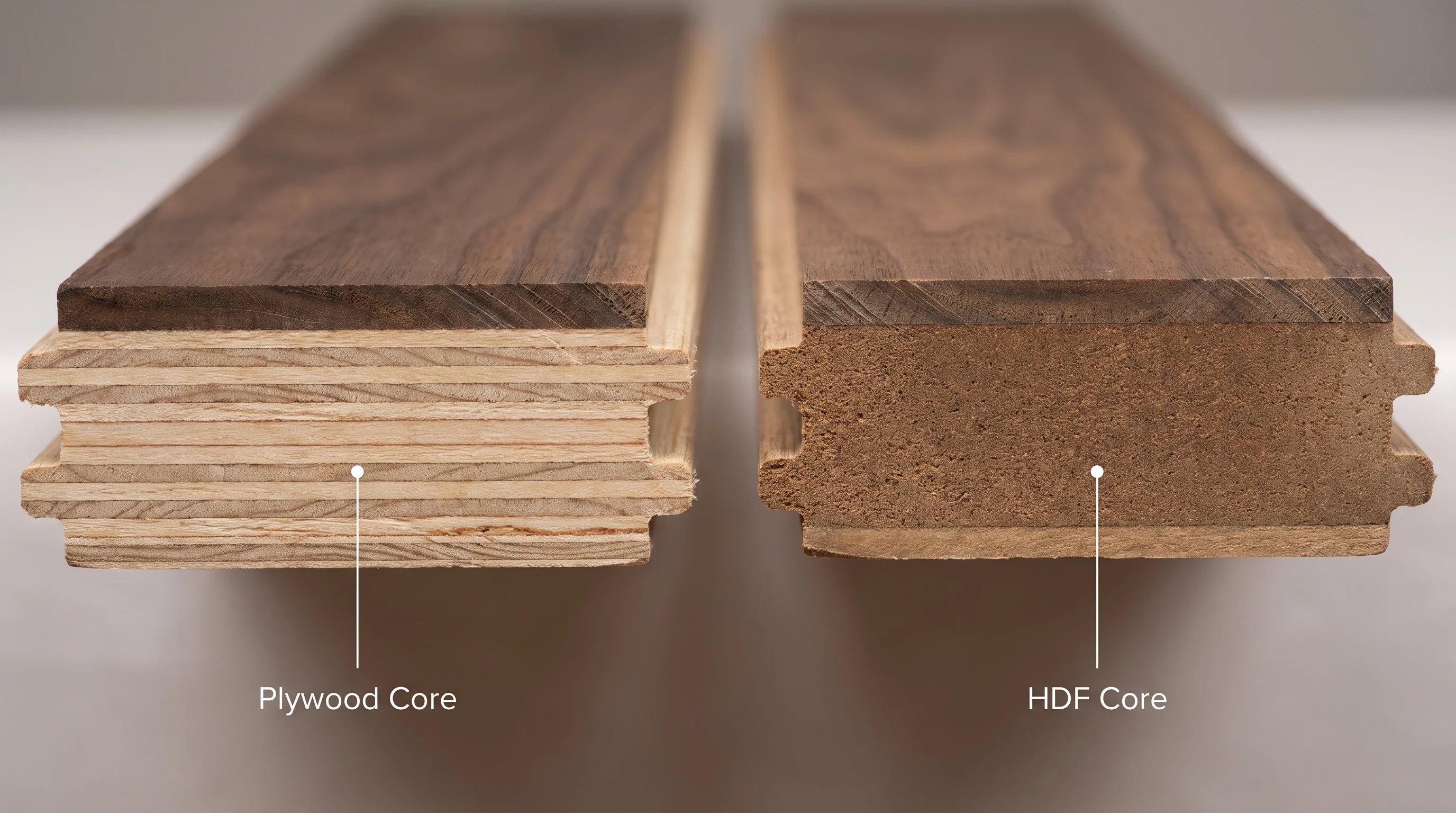
A multi-ply plywood core is generally more stable than a high-density fiberboard core. Plywood holds fasteners better and performs well in areas with some moisture variation.
Ask the retailer or manufacturer what the core is made from. The answer tells you a great deal about how the floor will behave long-term.
3. Consider the Room Conditions
Think about where the floor is going before you buy. A basement needs different specifications than a second-floor bedroom.
Moisture levels, foot traffic, and sun exposure all affect which product is the right fit. A floor that works well in one room may not be suitable for another.
4. Match the Finish With Your Lifestyle
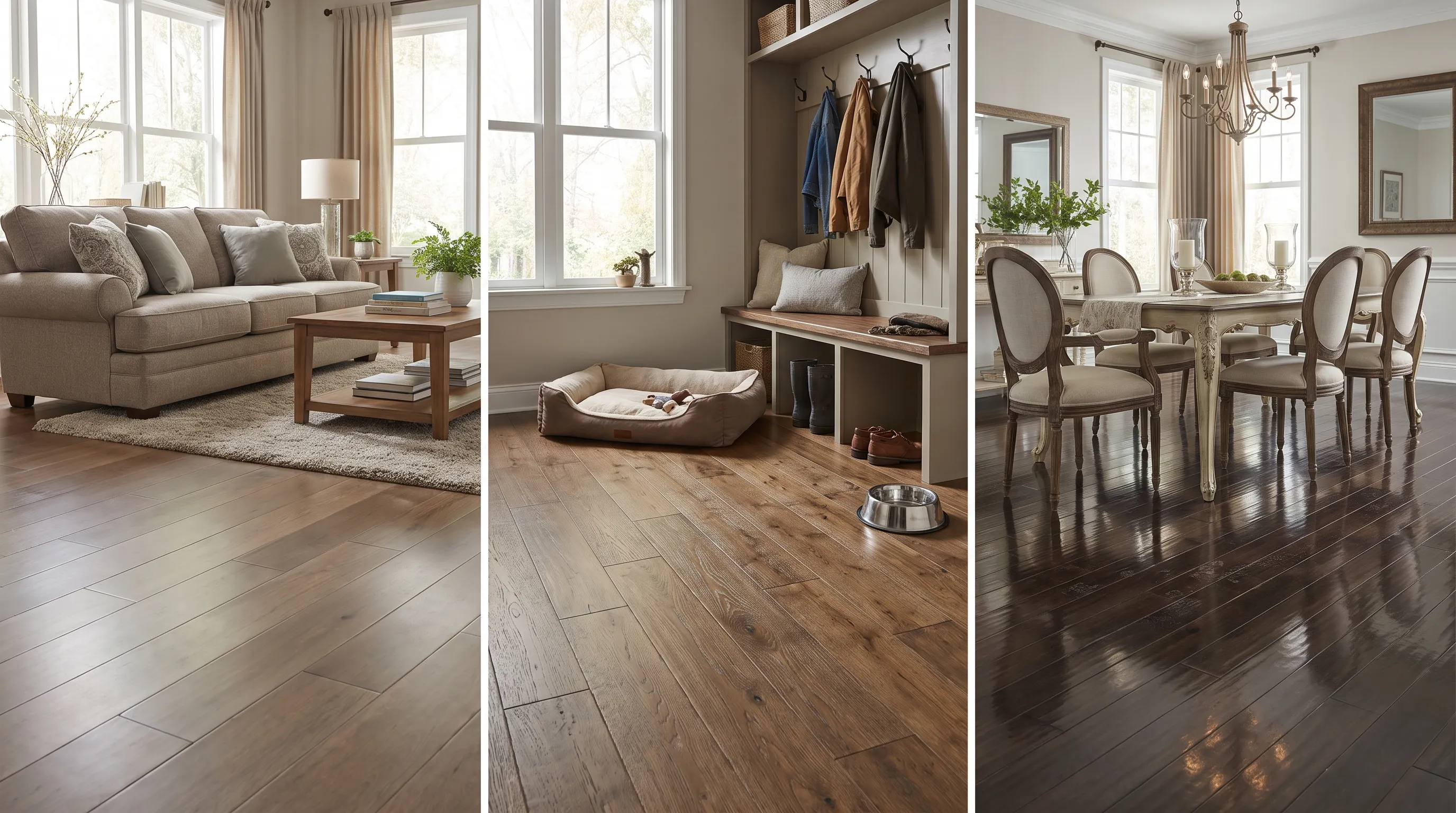
Matte finishes hide everyday scratches better than glossy ones. Wire-brushed or hand-scraped surfaces are forgiving in homes with children and pets.
High-gloss finishes show fingerprints and light scratches more easily. They work well in low-traffic spaces where appearance is the main priority.
Frequently Asked Questions
What Is the Best Cleaner to Use on Engineered Hardwood Floors?
The best cleaner for engineered hardwood floors is a pH-neutral hardwood floor cleaner designed for finished wood surfaces. Avoid harsh chemicals and steam cleaners, as they can damage the protective finish.
Can You Mop an Engineered Floor?
Yes, you can mop engineered hardwood floors, but use a damp microfiber mop rather than a wet one. Excess water seeps into the seams and affects the wood layers. Dry the floor quickly after cleaning.
How Long Does Engineered Hardwood Last?
High-quality engineered hardwood can last 20 to 50 years or more with proper maintenance. The wear layer thickness, finish quality, installation method, and foot traffic all play a role.
Is Engineered Hardwood Real Wood?
Yes, engineered hardwood has a real hardwood top layer bonded over a stable multi-layer core. The visible surface is genuine wood, which gives it the same natural grain and appearance as traditional hardwood flooring.
Can Engineered Hardwood Be Refinished?
Engineered hardwood can be refinished if it has a thick enough hardwood wear layer. Floors with thinner veneers may only support light refinishing or recoating rather than complete sanding.
Final Thought
Engineered hardwood is a real wood floor. Its layered construction makes it more stable than solid hardwood. Rooms with changing humidity, concrete subfloors, or radiant heat are where it proves its value.
The key to choosing the right product is looking past the surface. Wear layer thickness, core construction, and finish quality all affect how the floor holds up over the years.
The answer comes down to your room conditions and your long-term plans. It gives you the look of traditional hardwood with better stability across more locations in your home.
Take time to compare products before buying. The floor you choose will be part of your home for a long time.