

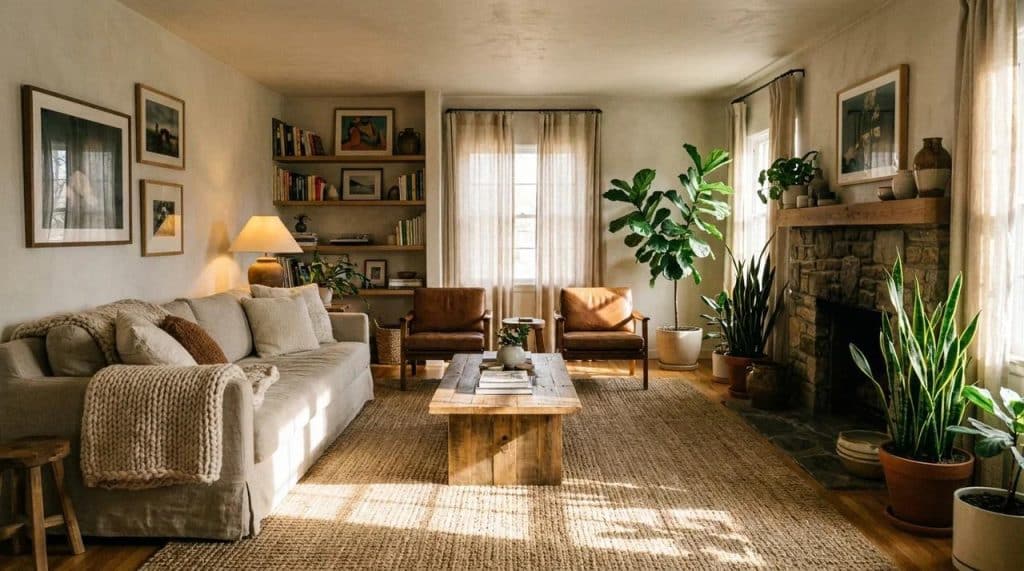


A room can still feel incomplete even after adding quality furniture and decor. The missing piece is often not the items themselves but how everything works together.
A well-decorated space comes from the right balance of layout, colors, lighting, textures, and personal details. Small updates like moving furniture, adding soft fabrics, improving lighting, or changing wall art can make a noticeable difference.
Creating a comfortable home does not always require a large budget or major changes. These practical decorating tips will help you make thoughtful updates that improve the look and feel of your space.
21 Simple Ways to Improve Your Home Decor
Small changes can have a big impact on how a room looks and feels.
These decorating ideas focus on furniture placement, colors, lighting, textures, and personal touches to help create a more balanced and comfortable home.
1. Define How You Want the Room to Feel
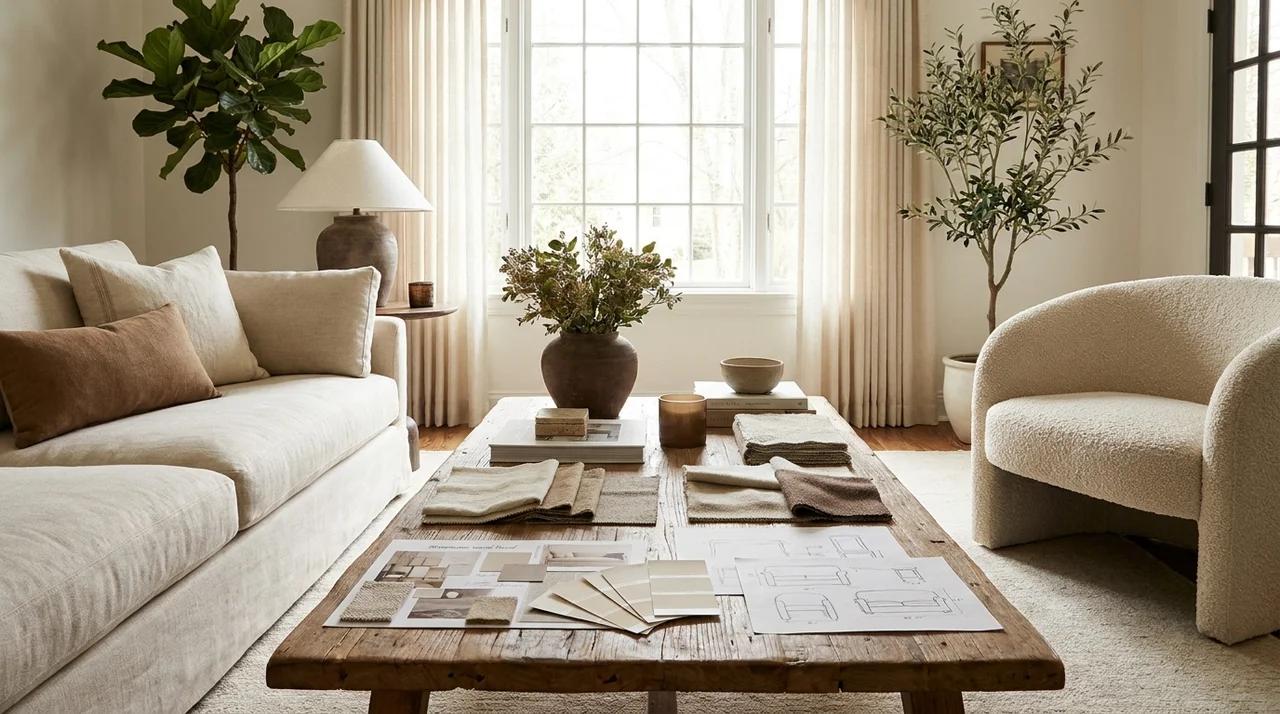
Before selecting furniture, colors, or decorative pieces, think about the mood you want the room to create.
Every space serves a different purpose, so the design should match how you want to feel when you spend time there.
A bedroom may need calming colors and soft textures, while a living room can feel warm and welcoming.
Defining the atmosphere first helps you make better decorating decisions and prevents random purchases that do not work well together.
2. Create a Decorating Plan Before Shopping
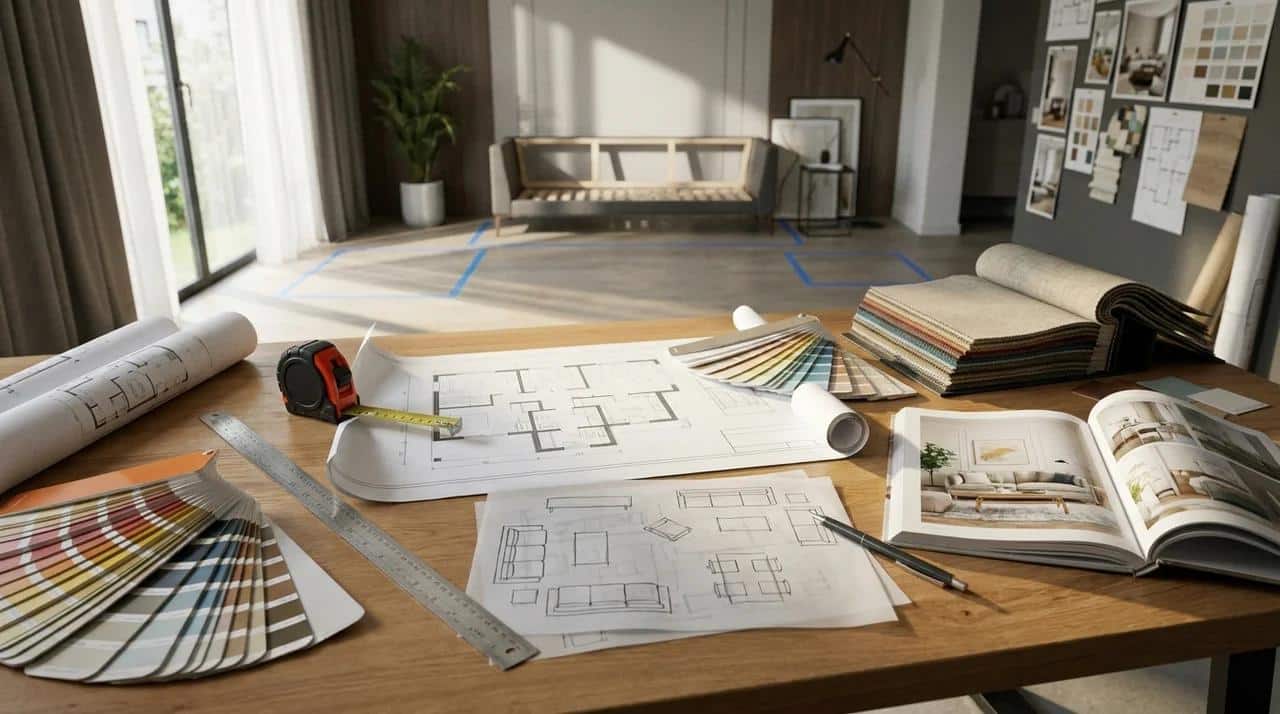
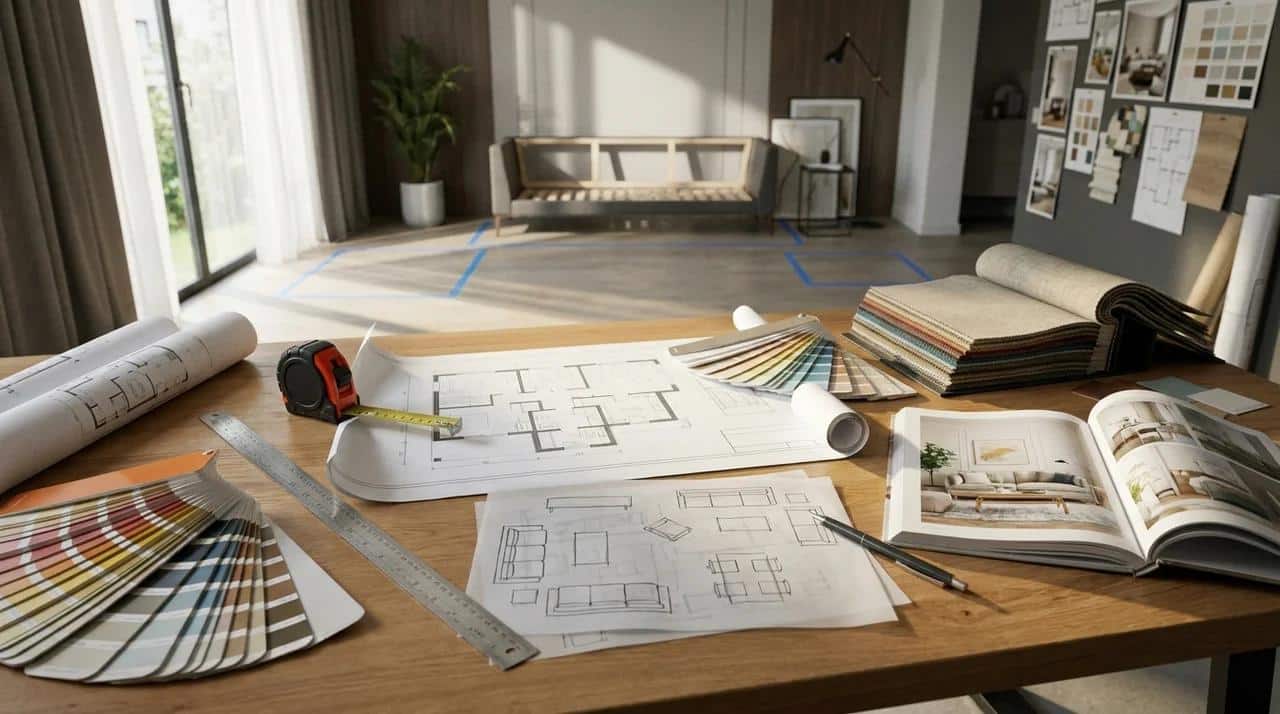
A decorating plan helps you avoid mistakes and create a more balanced interior. Start by measuring your room, noting existing furniture, and deciding which pieces you want to keep or replace.
Consider your budget, preferred colors, and how you use the space daily. Planning your layout before shopping makes it easier to choose furniture and accessories that fit properly.
It also prevents overcrowding and ensures every item serves a purpose in the room.
3. Choose a Color Palette That Connects the Room
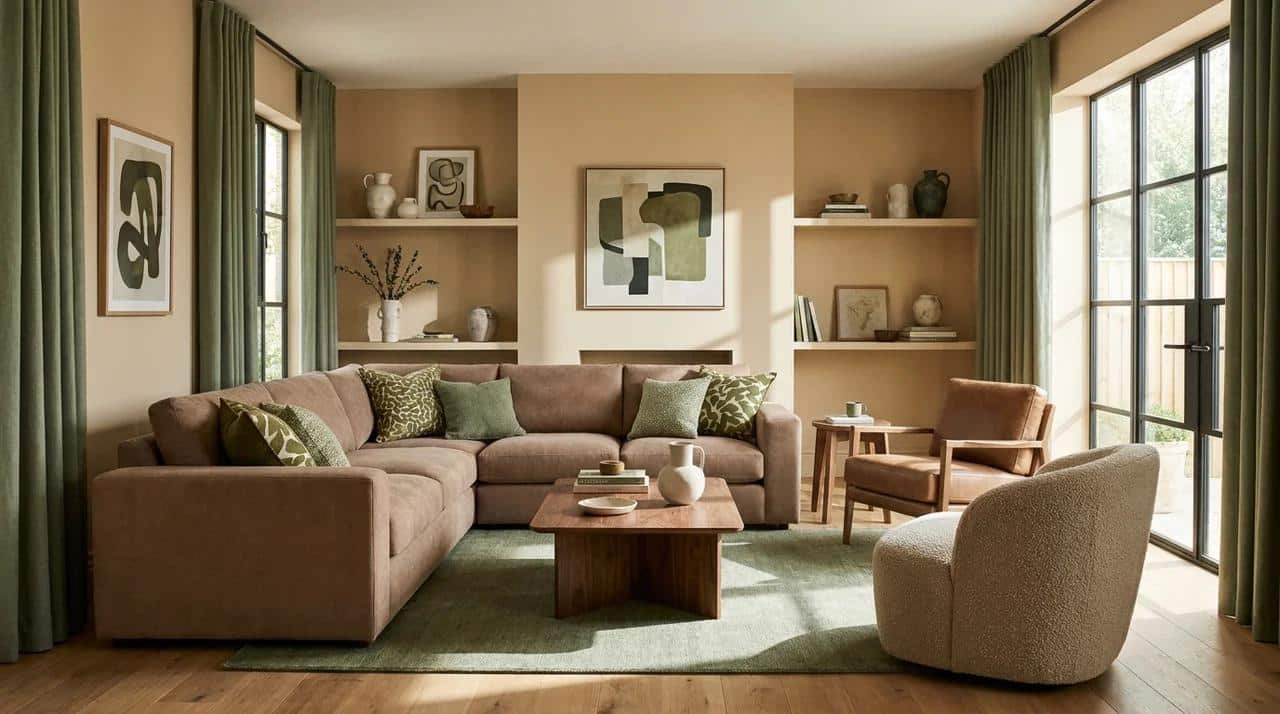
A coordinated color palette can make a room feel more organized and visually comfortable. Instead of choosing colors separately for walls, furniture, and accessories, select a few shades that work together.
Use a main color as the foundation, supporting colors for larger pieces, and accent shades through smaller decorations.
Repeating similar tones in cushions, artwork, rugs, or curtains creates a connected look and makes the interior feel thoughtfully designed rather than randomly decorated.
Before choosing colors or finishes, it is helpful to know the expected cost to paint the interior of a house.
4. Create One Main Focal Point
A focal point gives a room direction and creates a natural place for the eye to rest. Without one, a space can feel scattered because every element competes for attention.
Choose a feature that stands out, such as a large artwork piece, a fireplace, a statement furniture item, an accent wall, or a decorative mirror.
Arrange the rest of the room around this feature so it supports the overall design. A strong focal point can make simple interiors feel more intentional.
5. Arrange Furniture Based on Room Function
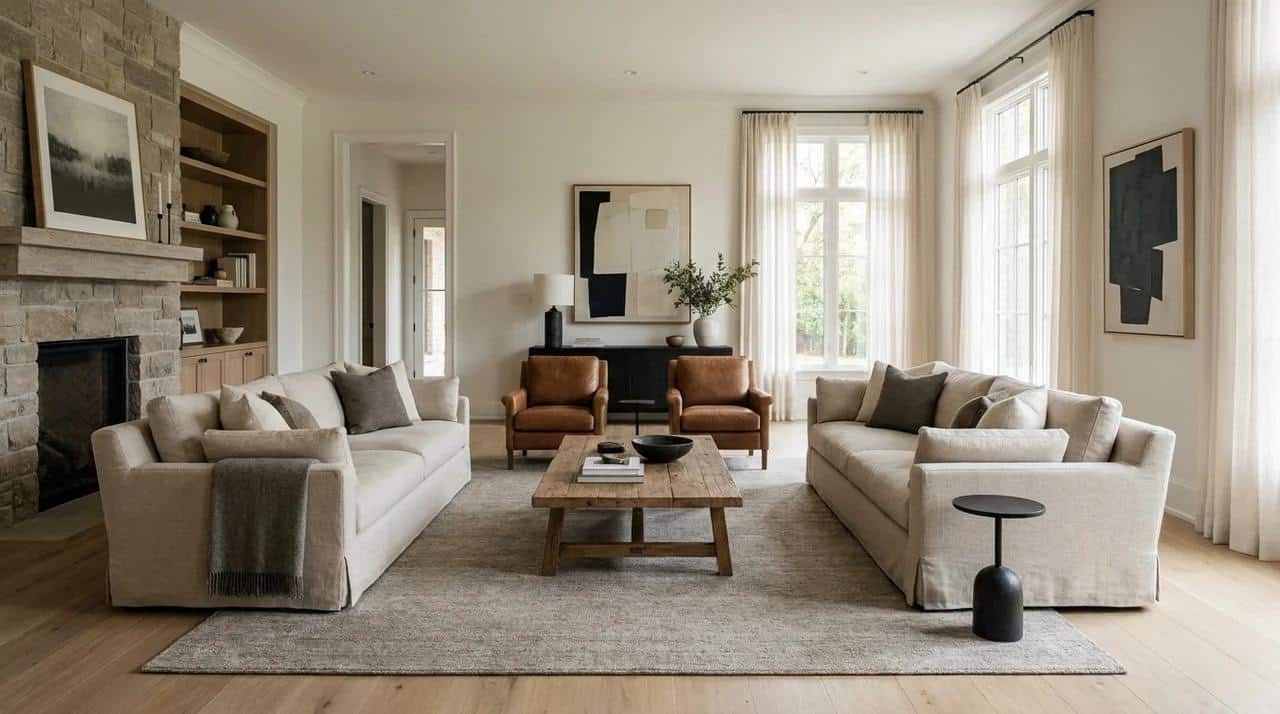
Furniture placement plays an important role in how comfortable and practical a room feels. Instead of arranging pieces only based on appearance, consider how people move and use the space.
Create seating areas that encourage conversation, keep pathways open, and avoid blocking doors or windows. In smaller rooms, thoughtful placement can make the area feel larger and easier to use.
A well-planned furniture layout improves both the look and everyday function of your home.
6. Choose Furniture That Fits the Room Scale
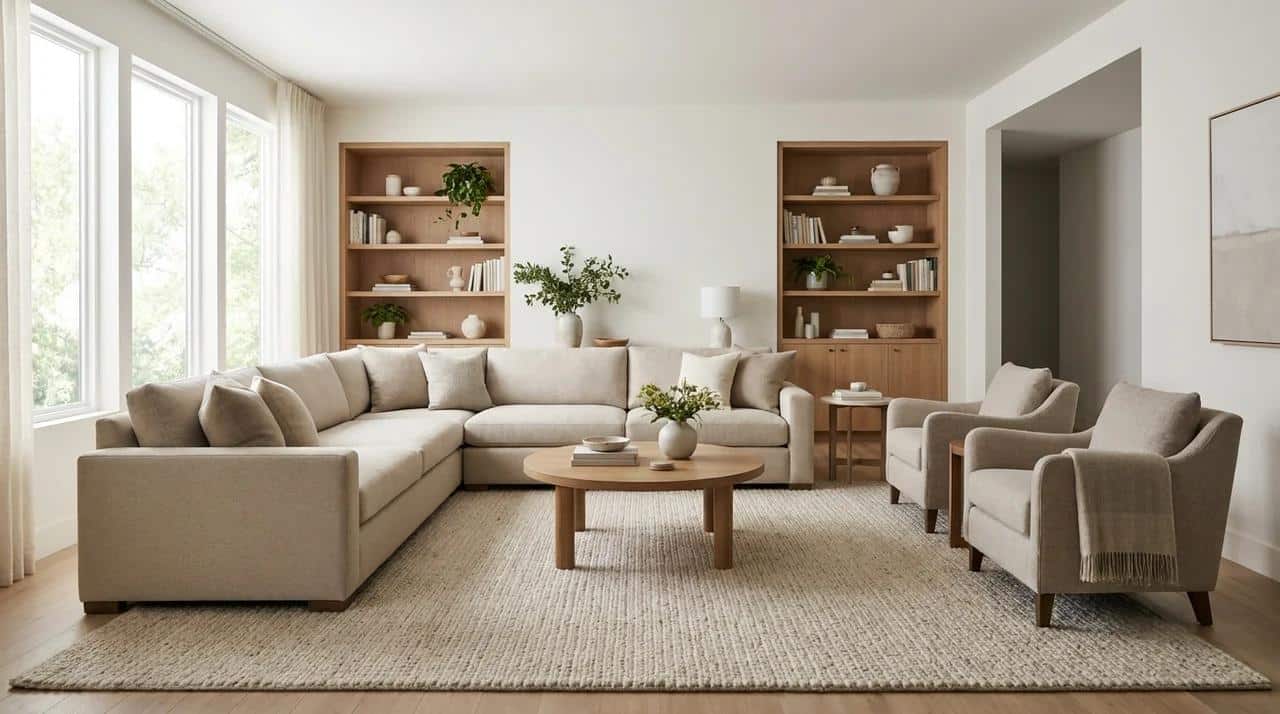
Selecting furniture that matches your room’s size is crucial for a balanced and comfortable space. Oversized sofas or tables can overwhelm small rooms, while tiny pieces in large spaces can feel lost.
Consider the dimensions of the room and the proportion of each item relative to others. Balancing larger furniture with smaller accents or accessories ensures harmony.
The material of your furniture also affects the overall look and feel of a room.
Choosing the right wood type for your furniture can influence the durability, style, and character of each piece, especially when selecting long-lasting furniture.
7. Add Texture to Make Rooms Feel Complete
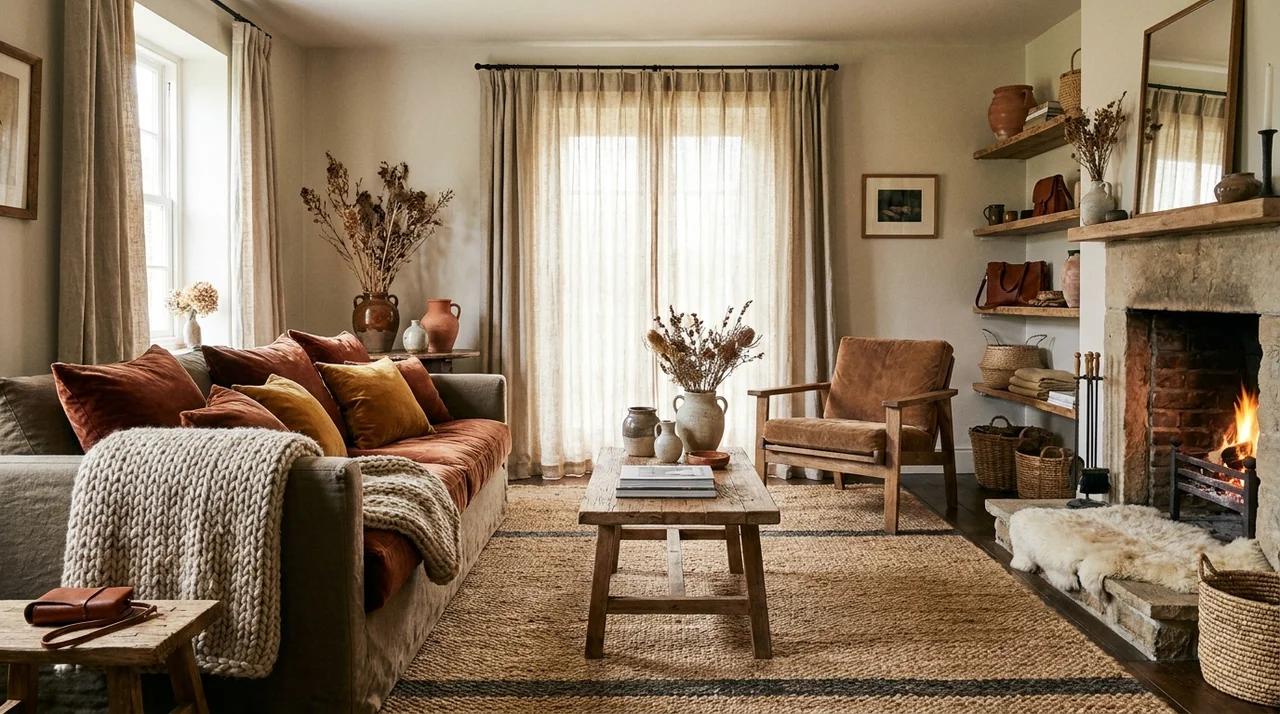 Layering different textures gives depth and warmth to any space. Mixing materials like wood, metal, glass, fabric, and stone creates visual interest and prevents rooms from looking flat.
Incorporate soft textiles such as cushions, rugs, and throws alongside harder surfaces like furniture or flooring.
Even small decorative objects with unique textures, like woven baskets or ceramic vases, can elevate the feel of a room.
8. Use Multiple Lighting Sources
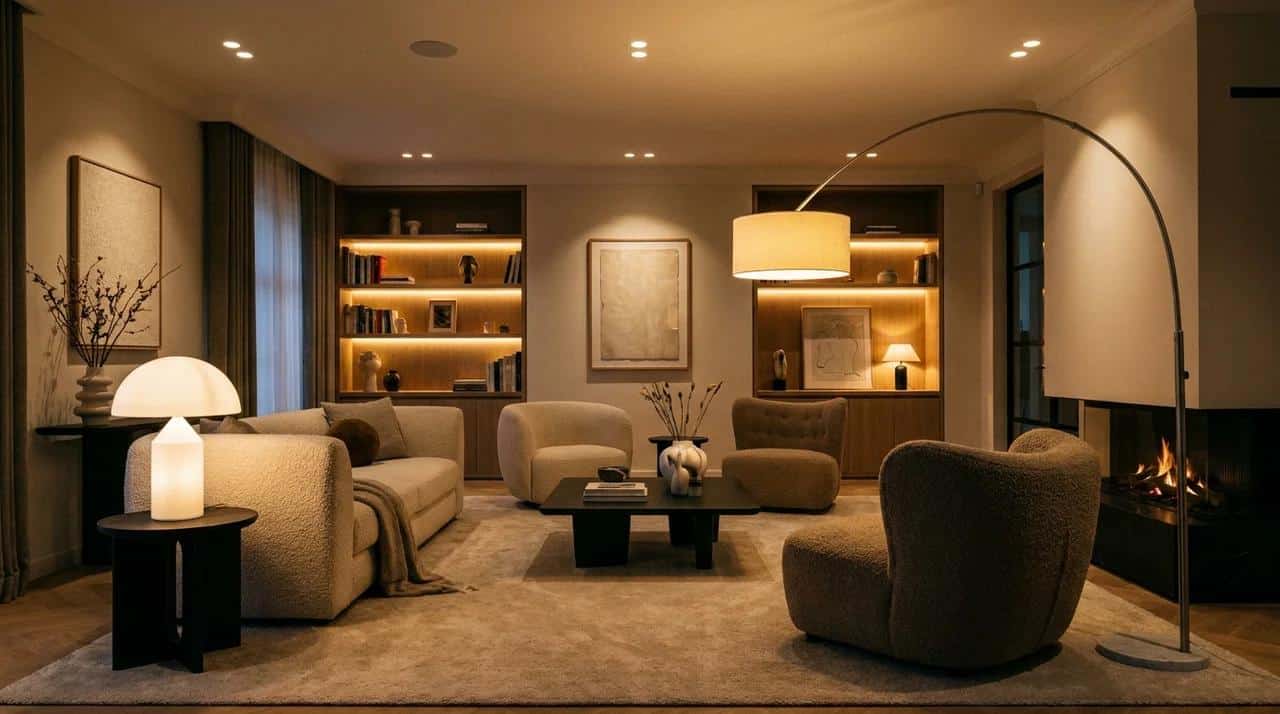
Lighting is one of the most powerful decorating tools. Combining ambient, task, and accent lighting creates a balanced and inviting environment.
Ambient light provides overall illumination, task lighting focuses on specific activities like reading or cooking, and accent lighting highlights artwork, architectural features, or decorative objects.
Layering different sources prevents harsh shadows and adds warmth. Using multiple lighting options also makes rooms more flexible, allowing the mood to be adjusted depending on the time of day or activity.
9. Maximize Natural Light
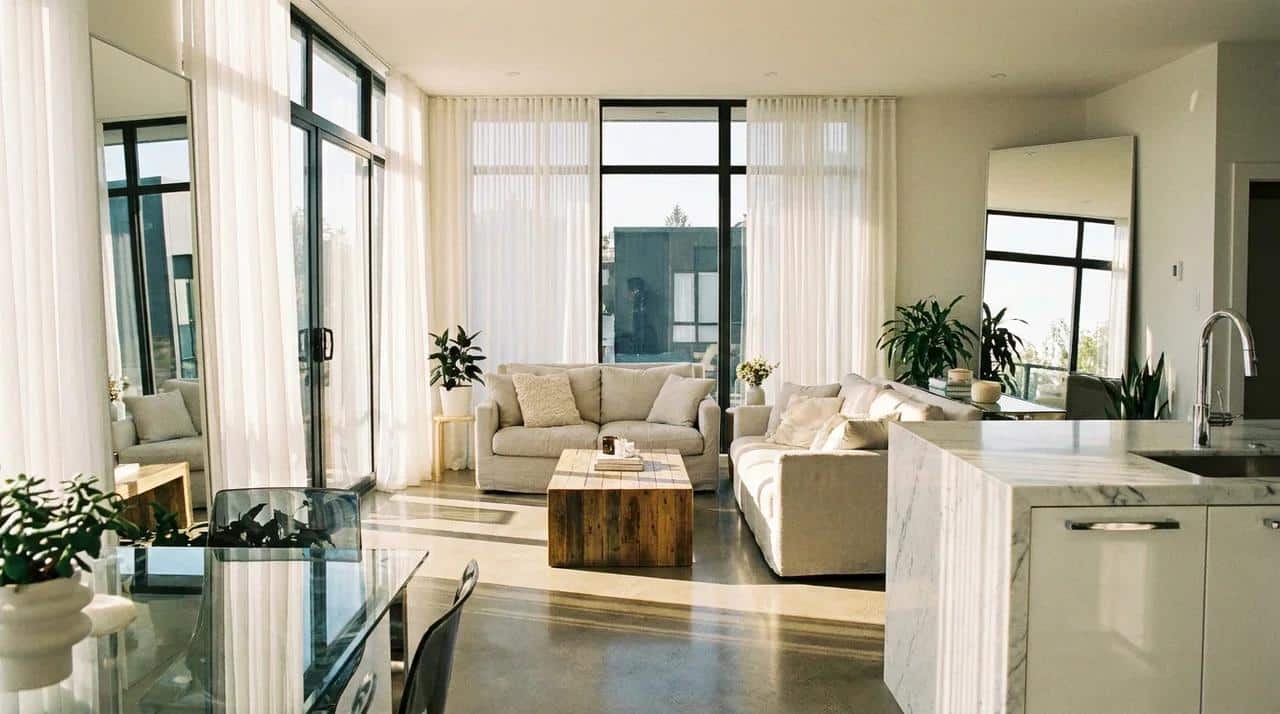
Natural light brightens spaces, enhances colors, and makes rooms feel larger. To maximize it, keep windows clear of heavy drapes or obstructions and use sheer curtains to diffuse sunlight.
Position mirrors to reflect light into darker corners or across the room, and choose furniture with reflective surfaces to enhance brightness.
Light wall colors also help distribute sunlight. Proper use of natural light reduces the need for artificial lighting during the day while making interiors feel more open, airy, and welcoming.
10. Add Mirrors to Improve Space and Light
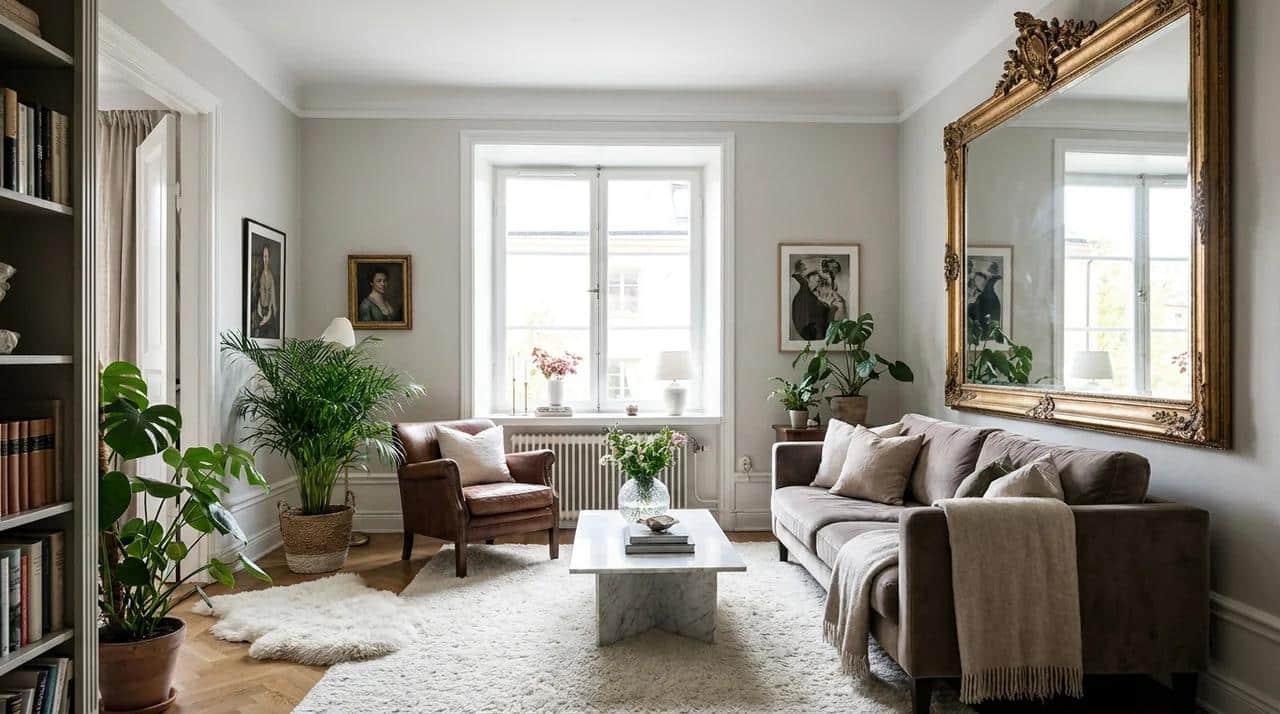
Mirrors are a simple yet effective way to enhance both space and light. Placing a mirror opposite a window can reflect natural light, making rooms feel brighter and more open.
Decorative mirrors above furniture or in small spaces add depth and create the illusion of additional square footage. Choosing frames and shapes that match your decor ensures they feel integrated.
Mirrors are especially helpful in hallways, bathrooms, and compact rooms where visual expansion is needed without structural changes.
11. Bring Greenery into Your Interior
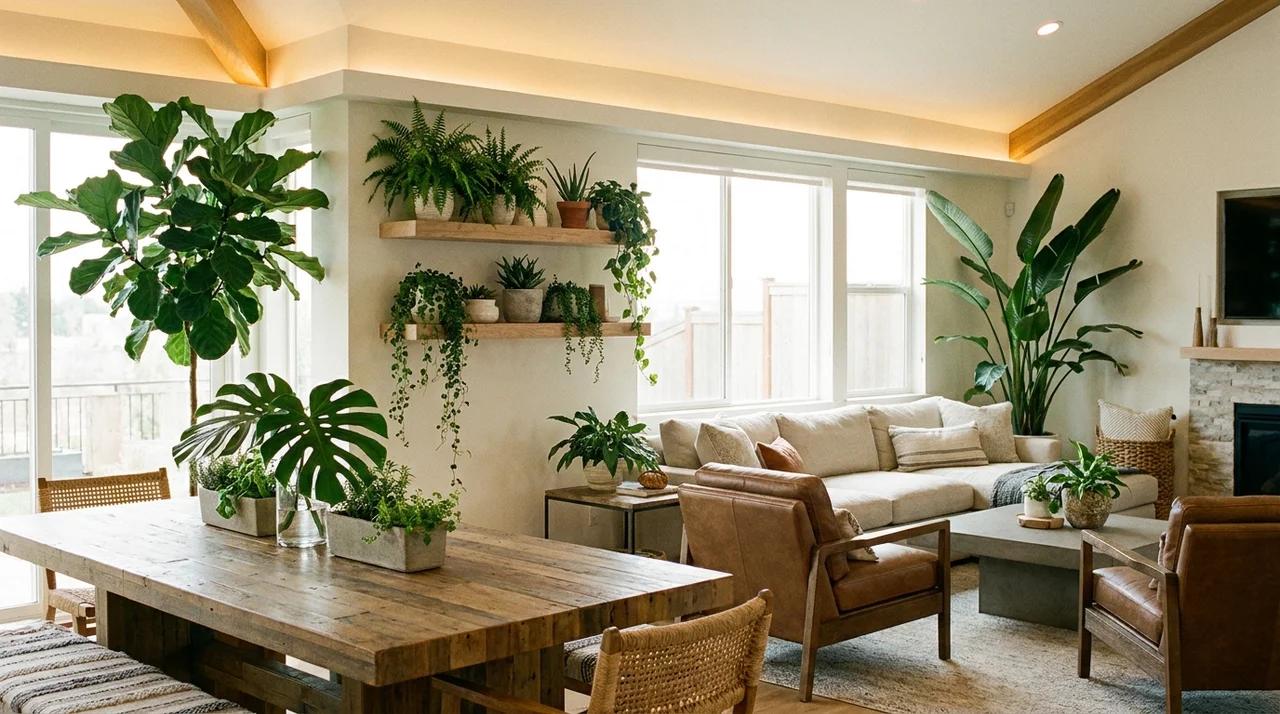
Adding plants and natural elements instantly breathes life into a room. Indoor greenery adds color, texture, and freshness while improving mood and air quality.
Place tall plants in empty corners, small potted plants on shelves or tables, and hanging plants in rooms with limited floor space.
Combining plants of different heights and leaf shapes creates visual interest, while integrating them with furniture and decor ensures the space feels cohesive and inviting.
12. Style Shelves with Balance
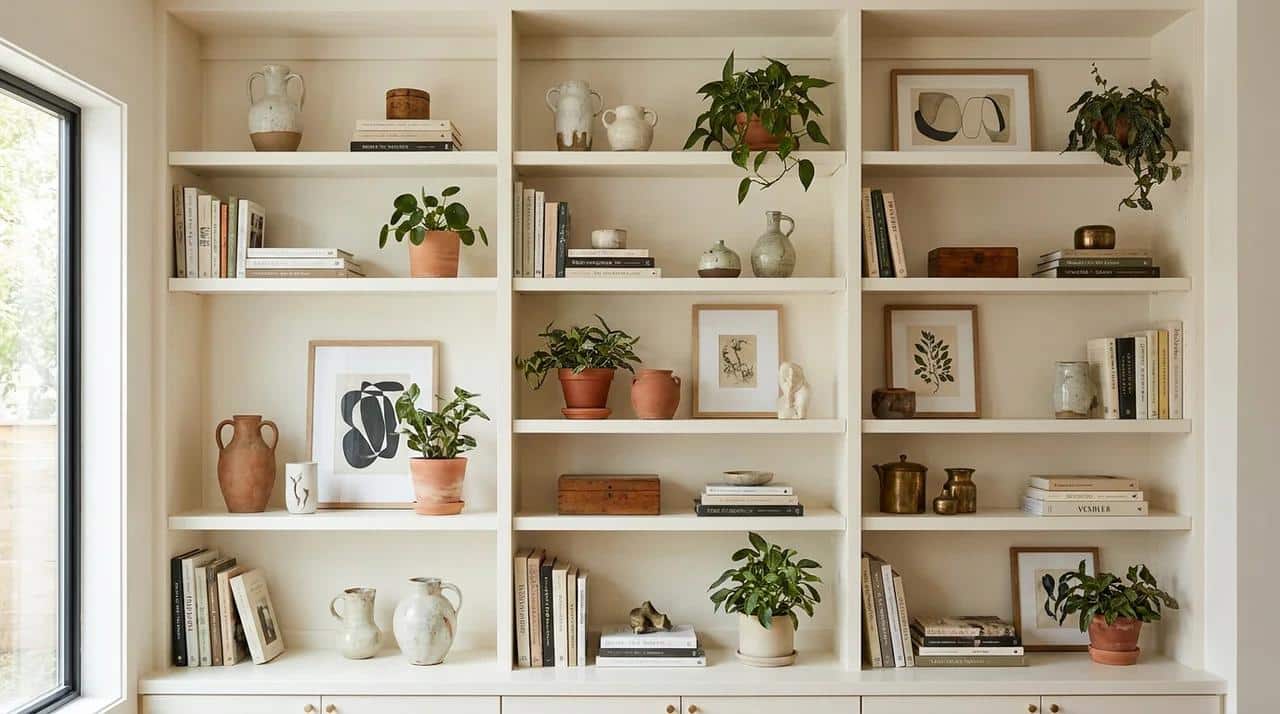
Well-styled shelves can transform a room’s look and add personality. Mix books with decorative items such as vases, sculptures, and small plants to create variety.
Arrange objects in odd-numbered groupings for a natural feel, and vary heights and textures to maintain interest. Leave some empty space to avoid visual clutter.
Thoughtful shelf styling combines organization with artistry, making shelves both functional and visually appealing within your interior decorating plan.
13. Decorate Walls without Overcrowding
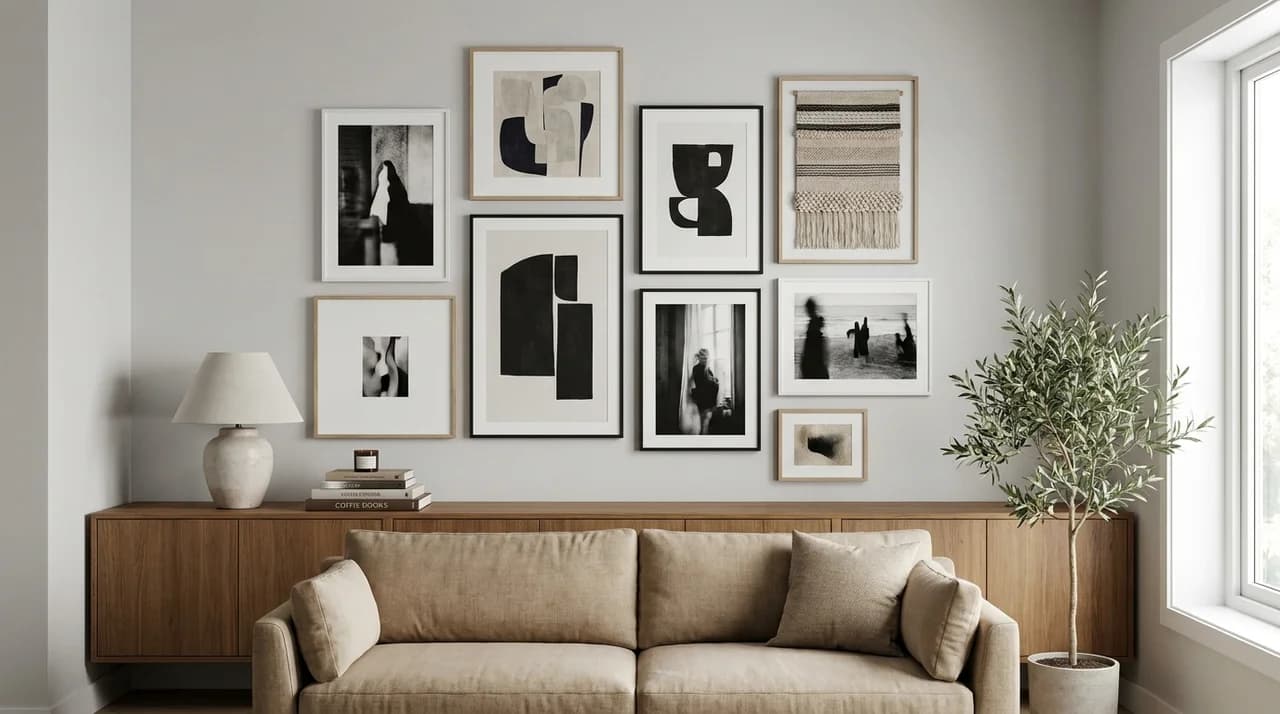
Walls offer a canvas for personality, but overdecorating can make spaces feel chaotic. Choose artwork, mirrors, or shelves that complement the room’s scale and color palette.
For gallery walls, plan spacing carefully and mix frame sizes and orientations for balance. Leave portions of the wall empty to allow breathing space.
Even a single statement piece can serve as a focal point when paired with complementary furniture and accessories. Minimal but intentional wall decor elevates the interior without overpowering the room.
14. Choose Artwork That Matches Your Space
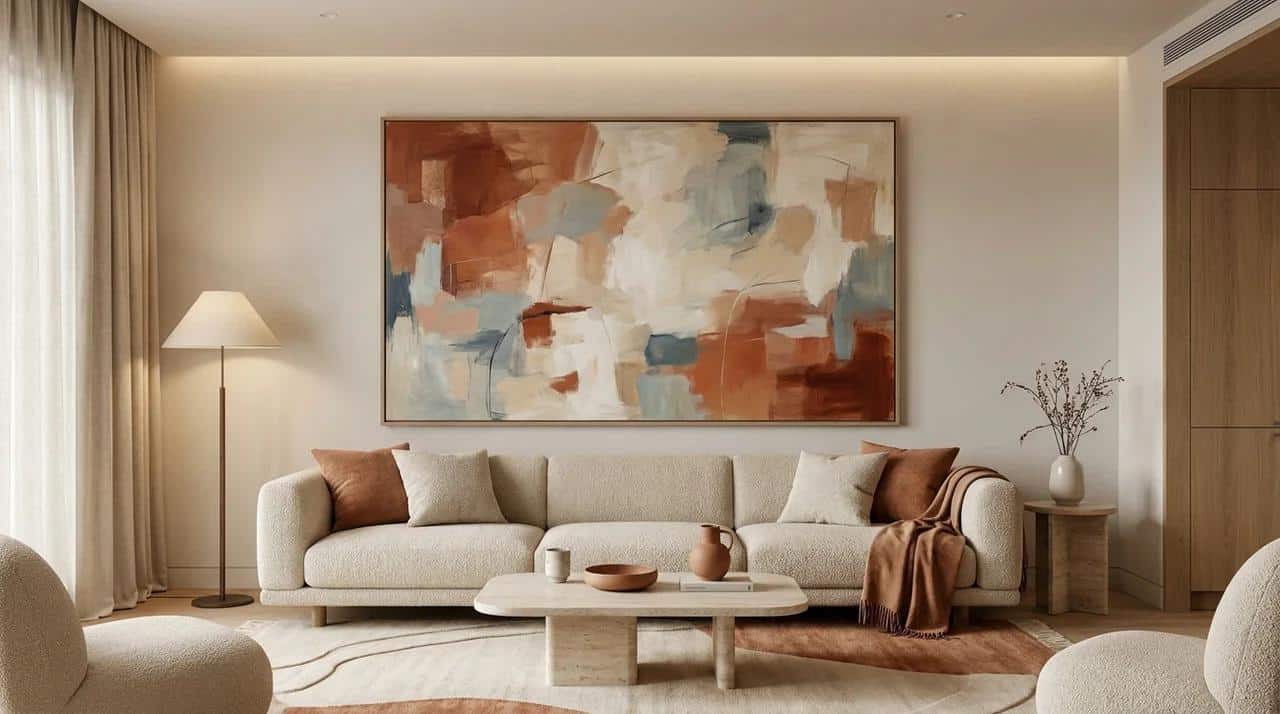
Artwork significantly influences a room’s character. Select pieces that harmonize with the color scheme, scale, and overall style of your space.
Oversized artwork can anchor a room, while smaller pieces may work best in groupings or gallery walls. Incorporate personal or meaningful pieces to add authenticity.
Position artwork at eye level to maintain balance, and ensure surrounding decor complements rather than competes with it.
15. Use Rugs to Define Areas
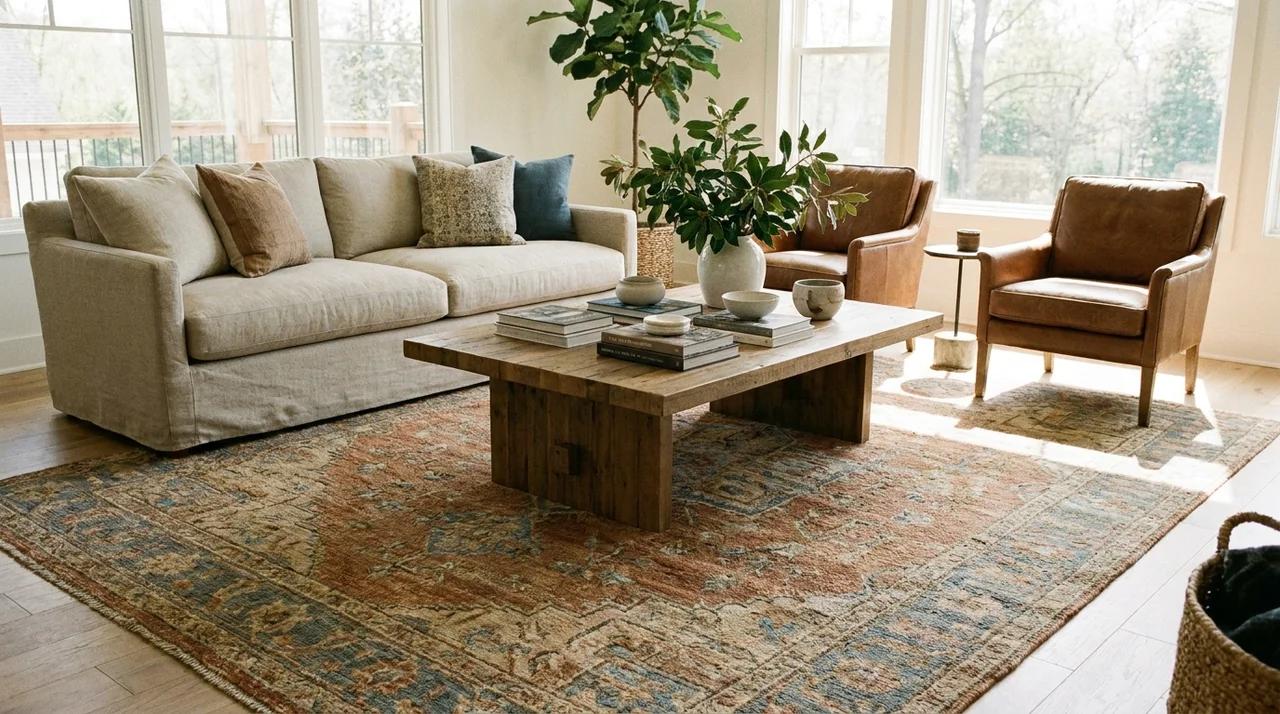
Rugs are versatile tools for both function and style. They anchor furniture, define zones in open-plan spaces, and add warmth and texture.
In living areas, ensure the rug is large enough for at least the front legs of furniture to rest on it. Layering smaller rugs or using runners in hallways can add visual interest.
Choose materials, patterns, and colors that complement the overall design. A thoughtfully placed rug can visually unify a room, provide comfort underfoot, and make the interior feel polished and intentional.
16. Layer Curtains and Soft Furnishings
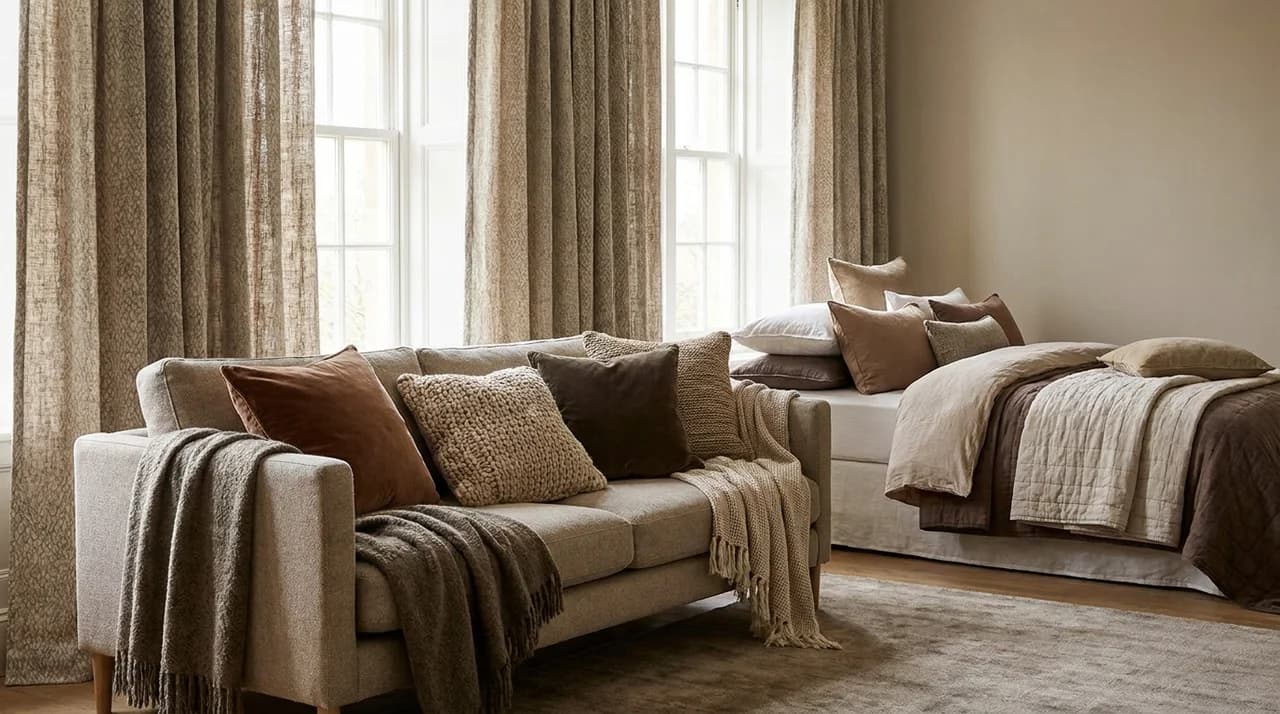
Layering fabrics and soft furnishings adds depth, comfort, and a finished look to any room.
Use curtains with texture or pattern to frame windows and add height, while coordinating with cushions, throws, and bedding for visual harmony.
Mixing fabrics like linen, velvet, or knitted materials creates tactile interest. Rotating pillows and throws seasonally can refresh the space without major changes.
Thoughtful layering balances aesthetics and functionality, making interiors feel cozier, welcoming, and carefully styled while reflecting your personal decorating taste.
17. Mix Old and New Decor Pieces
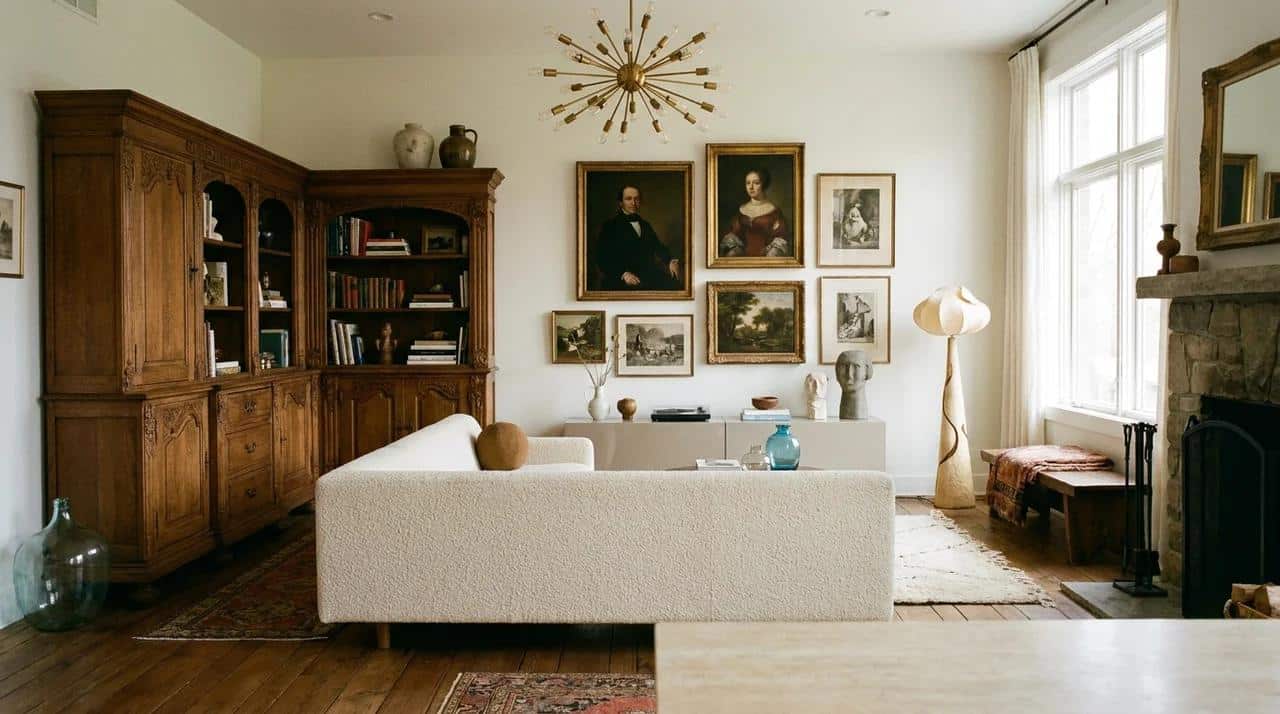
Combining vintage and contemporary items brings character and personality to a room. Pair modern furniture with antique accents, such as a reclaimed wooden table or a vintage mirror.
Mixing materials and styles prevents interiors from looking flat or overly matched. Carefully selected old and new pieces can complement one another, creating a cohesive yet dynamic look.
This approach makes a home feel curated and personal while allowing you to incorporate meaningful or heirloom items alongside stylish modern decor.
18. Add Personal Items to Make the Space Yours
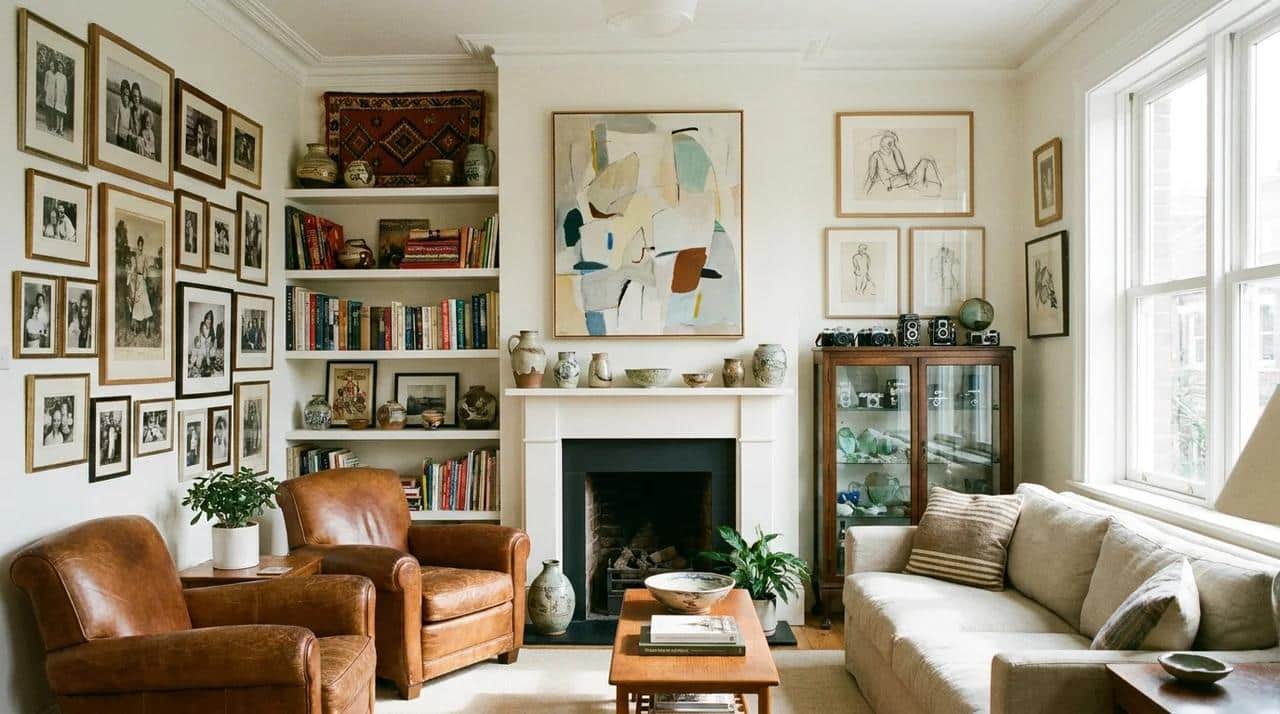
Personal items give your home a sense of identity. Display meaningful objects such as framed photographs, travel souvenirs, handmade crafts, or personal collections.
Integrate them with existing decor to maintain balance and avoid clutter. Including personal items ensures your home feels authentic, inviting, and reflective of your lifestyle.
Even small touches like a decorative bowl or a favorite sculpture can add personality. Thoughtfully curated personal pieces elevate your interior decorating while making the space uniquely yours.
19. Keep Decorative Surfaces Organized
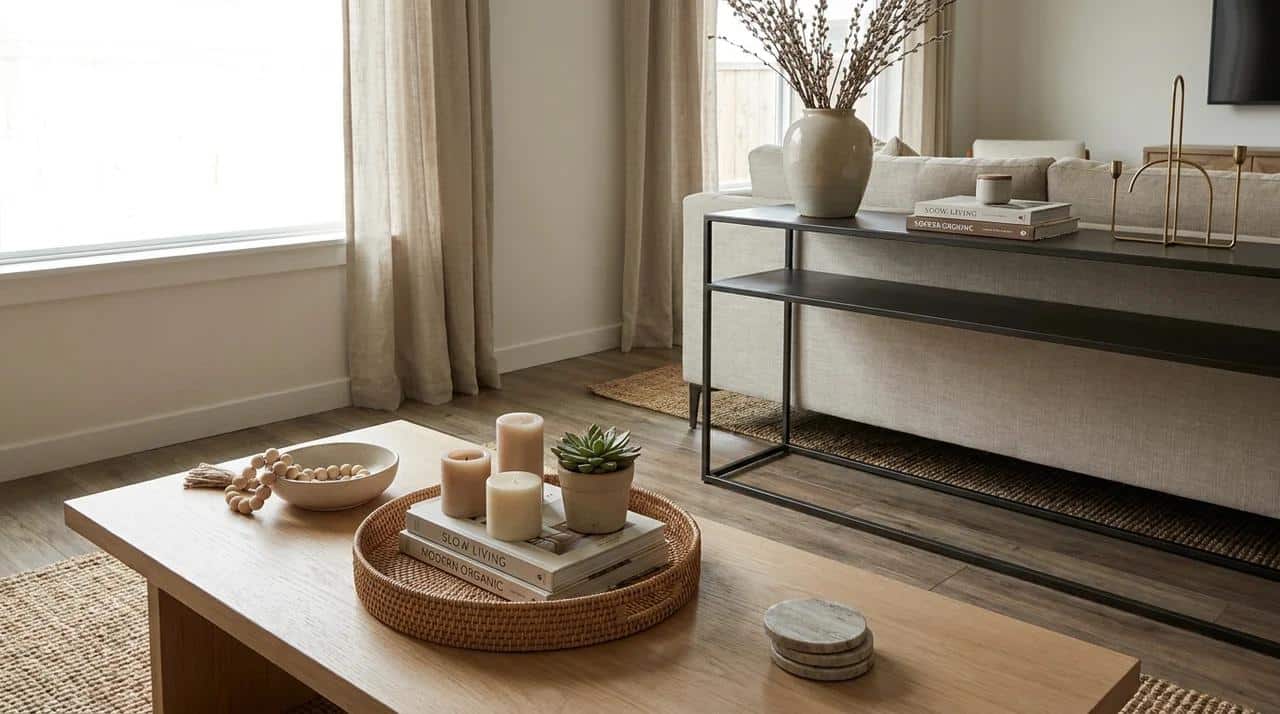
Cluttered surfaces can make even a stylish room feel chaotic. Use trays, boxes, or baskets to group smaller items together. Limit the number of decorative objects on tables, shelves, or consoles to maintain balance.
Rotate accessories occasionally to keep spaces fresh and interesting. Prioritize items that are both visually appealing and functional.
Organized surfaces contribute to a clean, intentional look, allowing key decorative elements to stand out. This strategy enhances the overall harmony and professionalism of your interior decorating.
20. Use Vertical Space Effectively
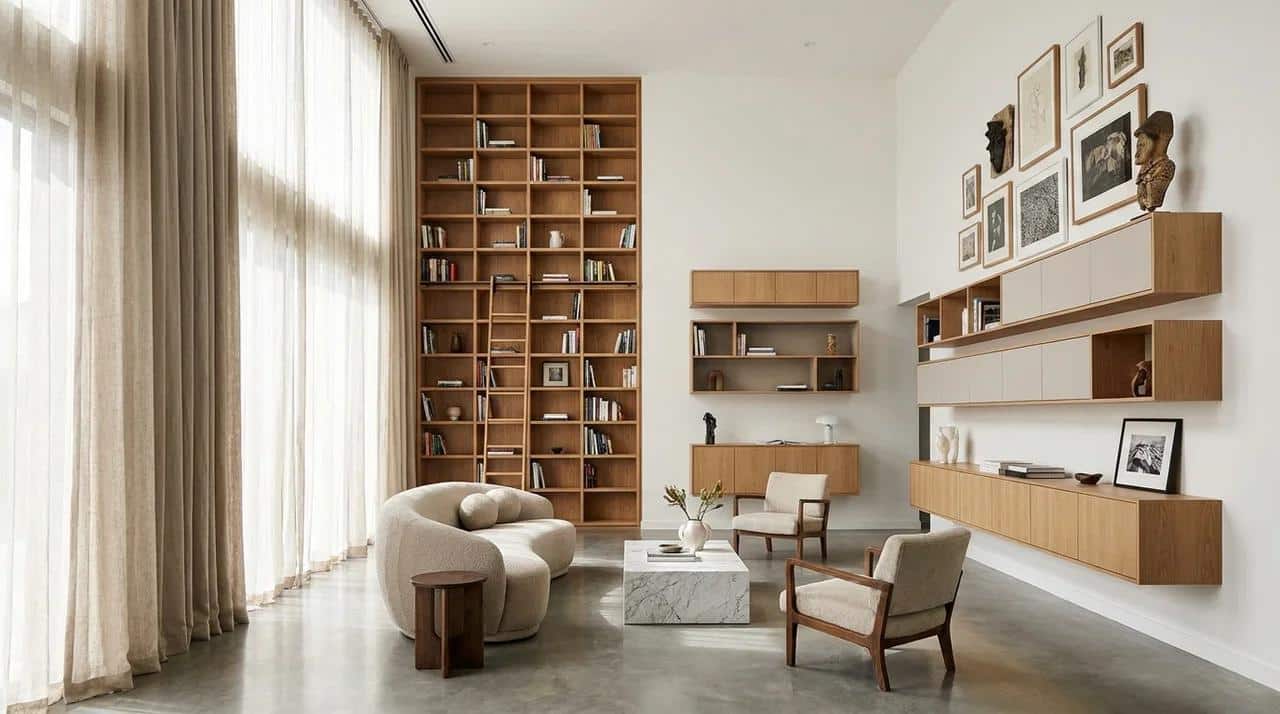
Vertical space is often underutilized, but it can make rooms feel taller and more organized. Install tall shelves, wall-mounted storage, or artwork to draw the eye upward.
Floor-to-ceiling curtains create the illusion of height, while tall plants add both vertical interest and greenery. Using vertical space is especially valuable in smaller rooms where floor area is limited.
By decorating upward, you maximize functionality, improve storage, and create a visually balanced interior that feels open, dynamic, and thoughtfully designed.
21. Add Seasonal Updates with Small Changes
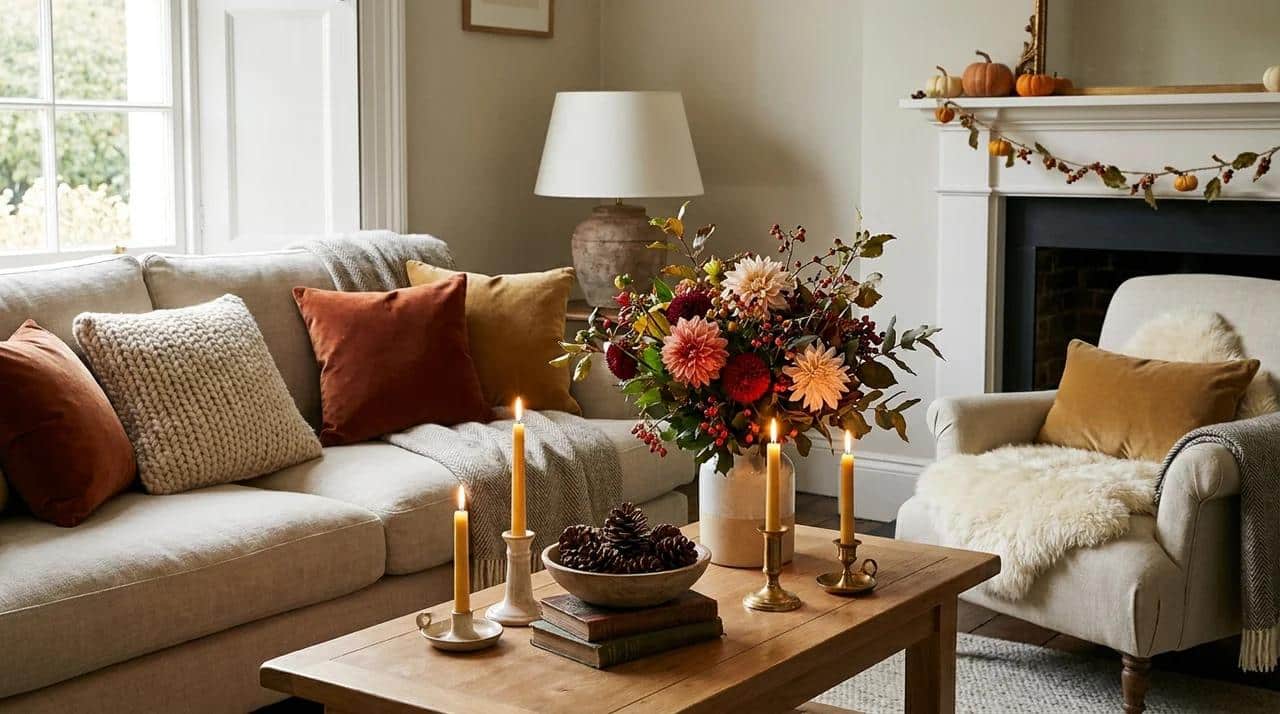
Refreshing a room for different seasons can keep your interior lively without major renovations. Swap cushion covers, throws, or curtains to reflect seasonal colors.
Add fresh flowers, candles, or small decorative accents for a timely feel. These simple adjustments can create a sense of change and novelty while maintaining your core design.
Seasonal updates are a cost-effective way to make a home feel dynamic and welcoming, allowing each space to reflect the time of year and keep your interior decorating fresh.
Common Decorating Mistakes to Avoid
Over time, I have noticed that many decorating mistakes come from making choices too quickly. A little planning can help a room feel more balanced and comfortable.
Buying furniture without measuring is one of the most common issues. A piece that looks perfect in a store may feel too large at home, so checking dimensions first makes a big difference.
I have also found that rooms feel more inviting when they mix textures instead of matching everything. Combining wood, fabric, metal, and different finishes adds depth and personality.
Lighting is another detail that can change a space. Adding lamps and using natural light helps create a warmer feel than relying only on overhead lights.
Trends can inspire ideas, but personal style matters more. Leaving some open space and choosing pieces that fit your lifestyle keeps a home comfortable and timeless.
Create a Home That Feels Like You
A well-decorated home is not about adding more things. It comes from making thoughtful choices with your space, furniture, colors, lighting, and decor.
Small changes can make a room feel completely different. Moving a sofa, updating a lamp, adding texture, or choosing artwork that fits the space can improve the overall look without major changes.
You do not have to redesign your entire home at once. Start with one room or one corner, make changes that suit your needs, and build from there.
The best interiors are the ones that feel comfortable, personal, and easy to live in every day.
Frequently Asked Questions
How Often Should I Update My Home Decor?
Small decor changes can be made seasonally, while larger updates depend on your preferences. Refreshing textiles, accessories, and layouts keeps your space feeling fresh.
What are the Basic Rules of Interior Decorating?
Focus on balanced layouts, suitable colors, layered textures, proper lighting, and a focal point to create a comfortable and well-designed space.
HowCan I Decorate My Home Without Spending a Lot of Money?
Refresh your home by rearranging furniture, updating soft furnishings, adding plants, improving lighting, and using existing decor in new ways.
What Should I Decorate First in a Room?
Start with the room layout and larger furniture pieces, then add colors, lighting, rugs, artwork, and accessories to complete the look.
How Do I Make My Home Look Professionally Decorated?
Use a cohesive color scheme, mix textures, improve lighting, choose the right furniture size, and keep the space balanced without adding too much clutter.