

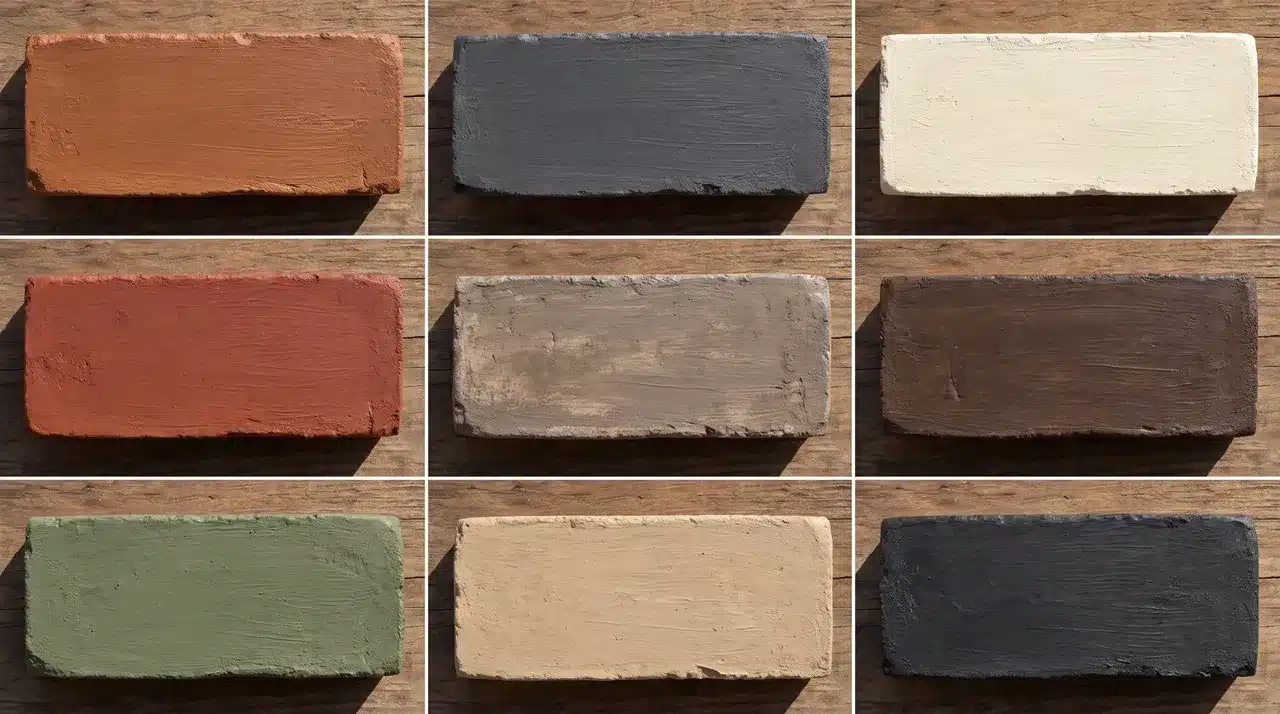


Brick either makes a home look put-together or makes it look tired. There’s rarely an in-between. Faded, chipped, or oddly colored brick stands out fast, especially next to a new roof or door.
The fix doesn’t have to mean tearing anything down. Brick stain colors change the brick’s color while keeping its real texture and grain intact.
Nothing gets hidden under a flat coat. Your final result depends on a few things.
Your brick’s original color matters, along with its porosity, your mortar, your lighting, and how opaque you go.
What is Brick Stain and How Does It Change Brick Color?
Brick stain is a mineral-based or acrylic colorant that absorbs into the porous surface of masonry. Because it penetrates the brick, the natural texture and variation stay visible after application.
Unlike paint, which creates a surface coating that hides brick texture and will eventually peel, stain bonds with the masonry, keeping the natural variation visible.
The brick changes color but retains its surface character throughout. Because the colorant bonds to the masonry surface, peeling is less likely than with a paint coating.
11 Brick Stain Colors for Exterior Brick
The right shade should complement the architecture of the home. Different styles work better with certain shades, finishes, and color depths.
1. Crisp White
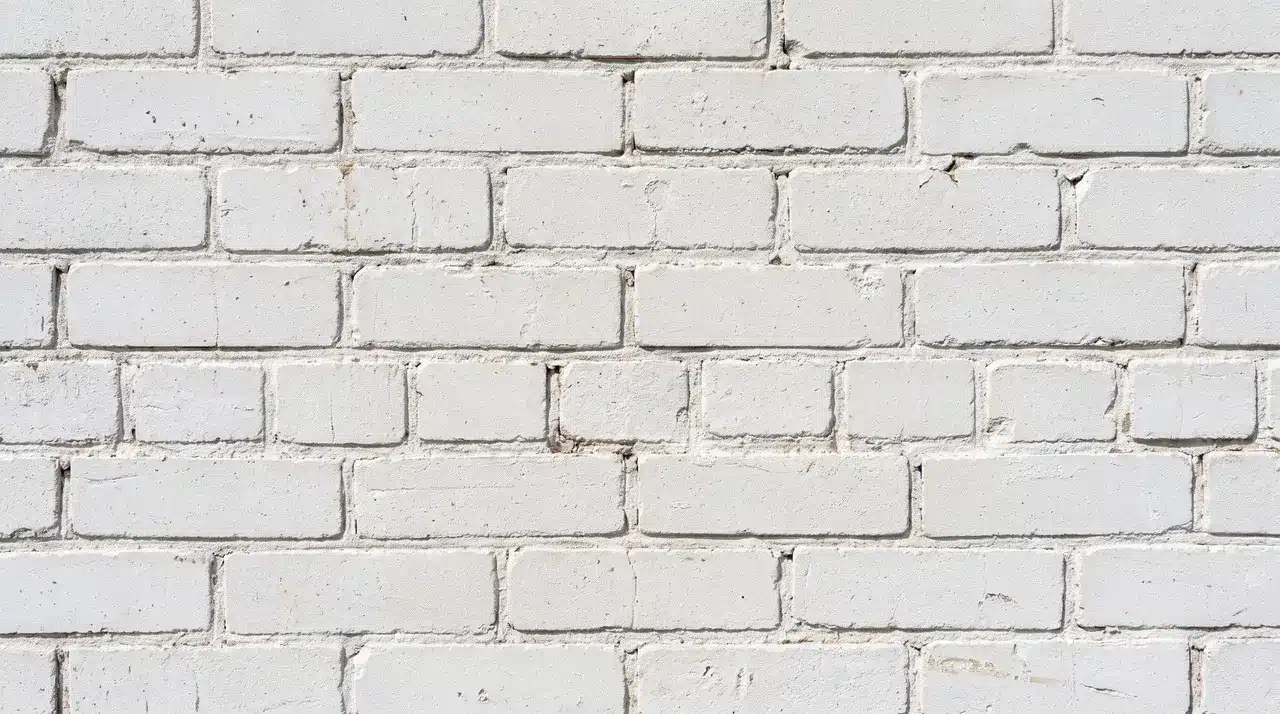
White stain gives dark or heavily red brick a bright, clean lift. It brightens the brick without hiding its natural texture. This has more depth than an opaque white coating.
Crisp white pairs well with black windows, dark roofs, and natural wood doors. Red, pink, or brown undertones may still show through, though. A test patch shows exactly how much comes through before you commit.
2. Warm Off-White
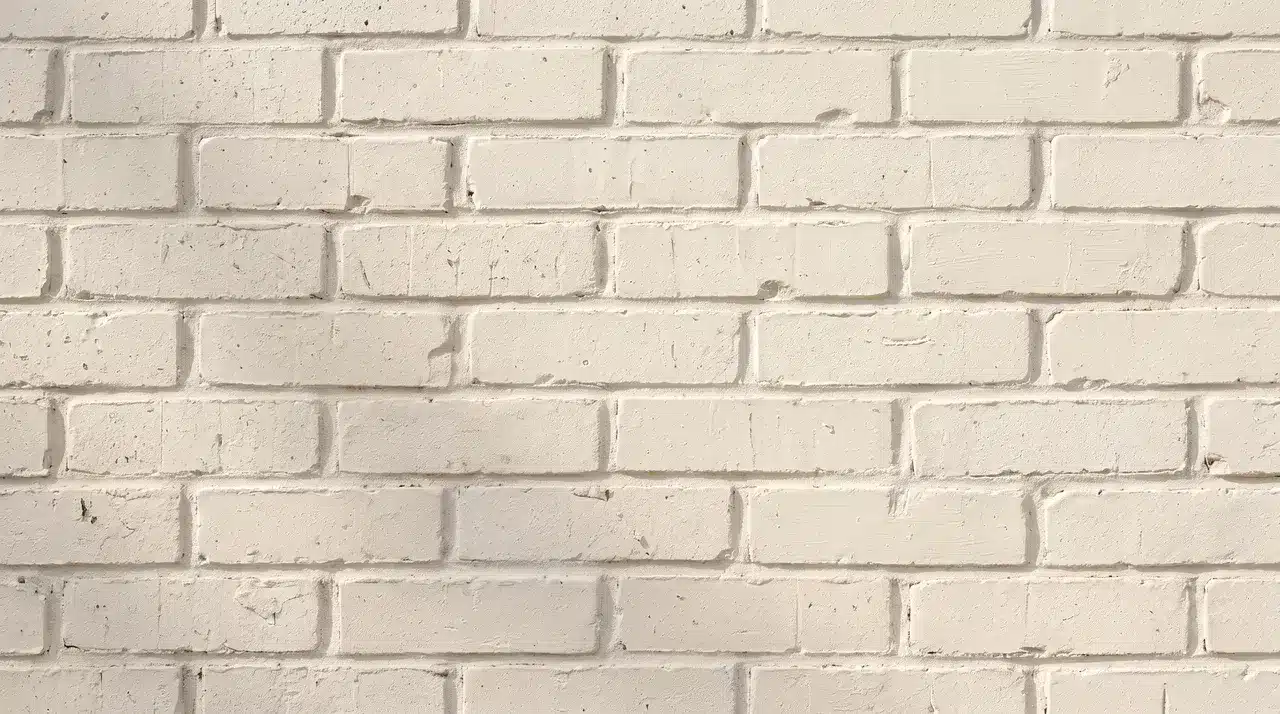
Off-white softens a home’s look without the stark feel of bright white. This shade creates a softer result than a true white stain.
It complements cream mortar and warm roofing nicely. Warm off-white suits traditional, cottage, and farmhouse exteriors especially well.
It keeps a home from looking too stark or clinical. Many homeowners choose it for a gentle, welcoming update.
3. Light Gray
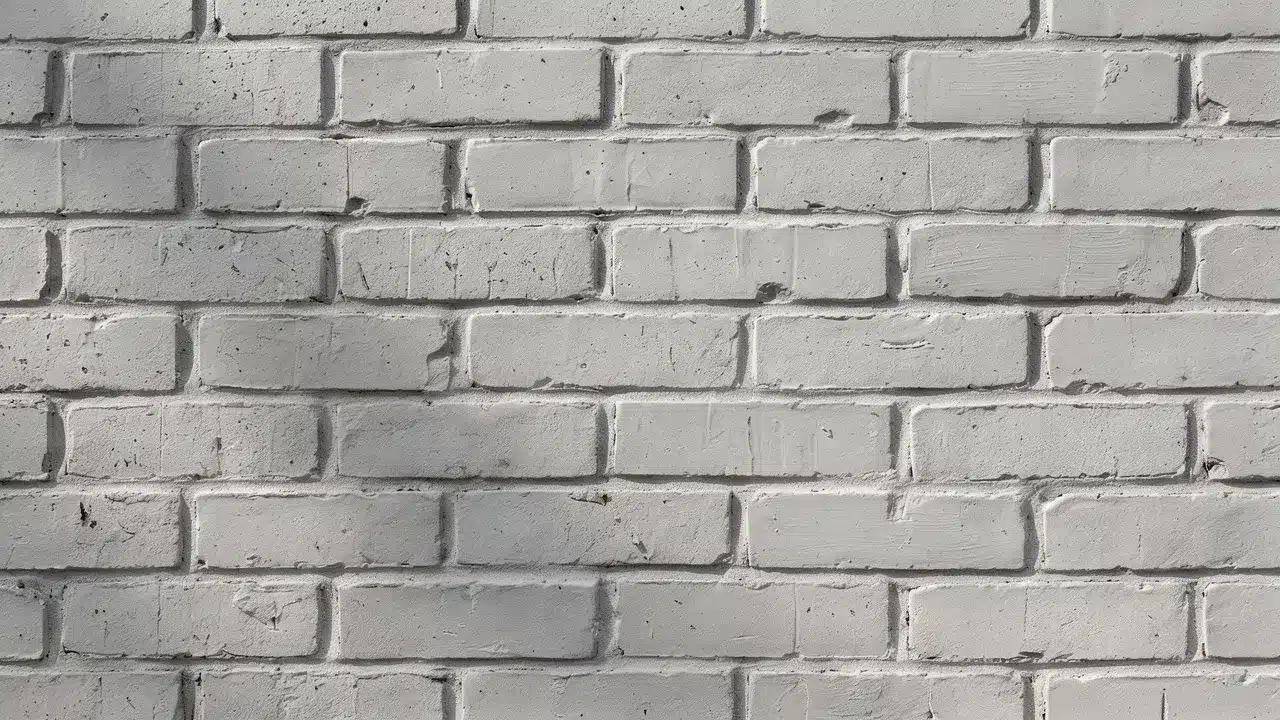
Light gray calms down brick with strong orange or red tones. It reduces the intensity of warm, orange-heavy brick colors.
This shade creates a clean, neutral background for your whole exterior. Light gray pairs well with white, navy, charcoal, or black accents.
Keep in mind it can look cooler on north-facing walls. Check a sample against your actual wall before committing to the full project.
4. Warm Gray
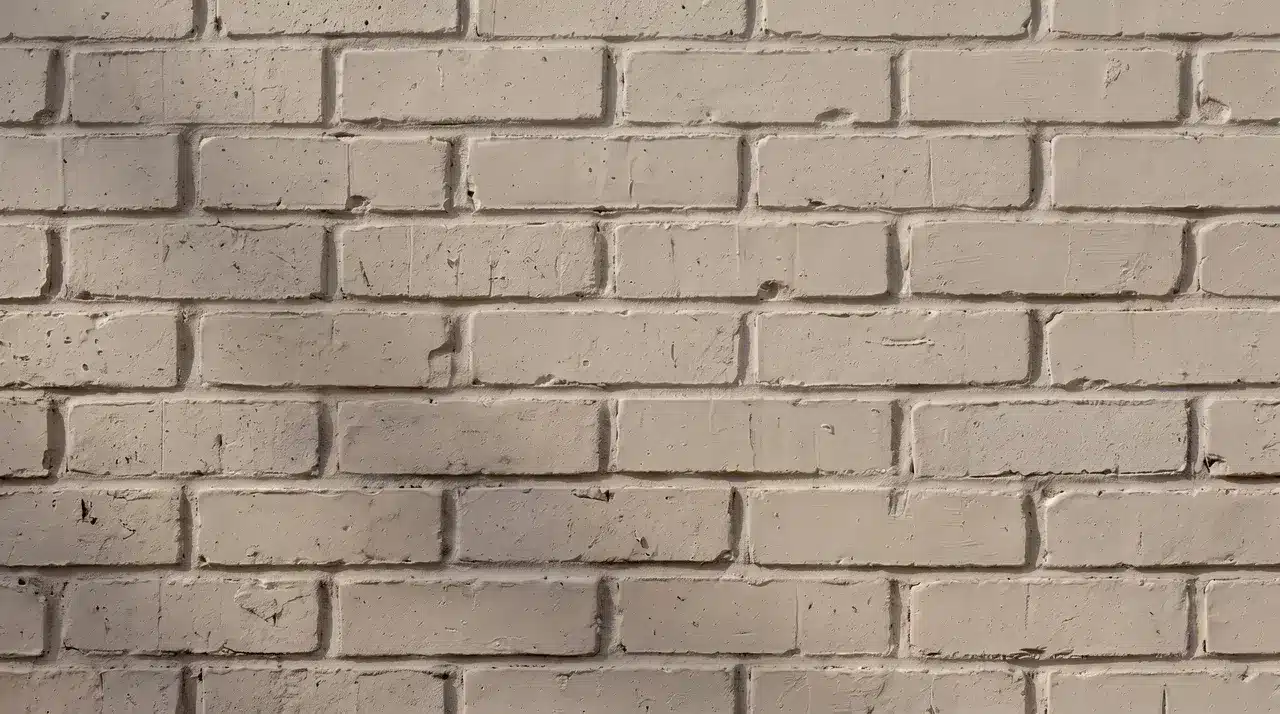
Warm gray offers a softer alternative to a blue-based gray stain. It works well with beige mortar and warm roof shingles.
This shade suits ranch, Craftsman, and transitional homes especially well. Warm gray also helps connect gray siding with brown exterior materials.
It avoids the cold, flat look that cooler grays sometimes create. Homeowners often pick this shade when they want a balanced, neutral finish.
5. Charcoal Gray
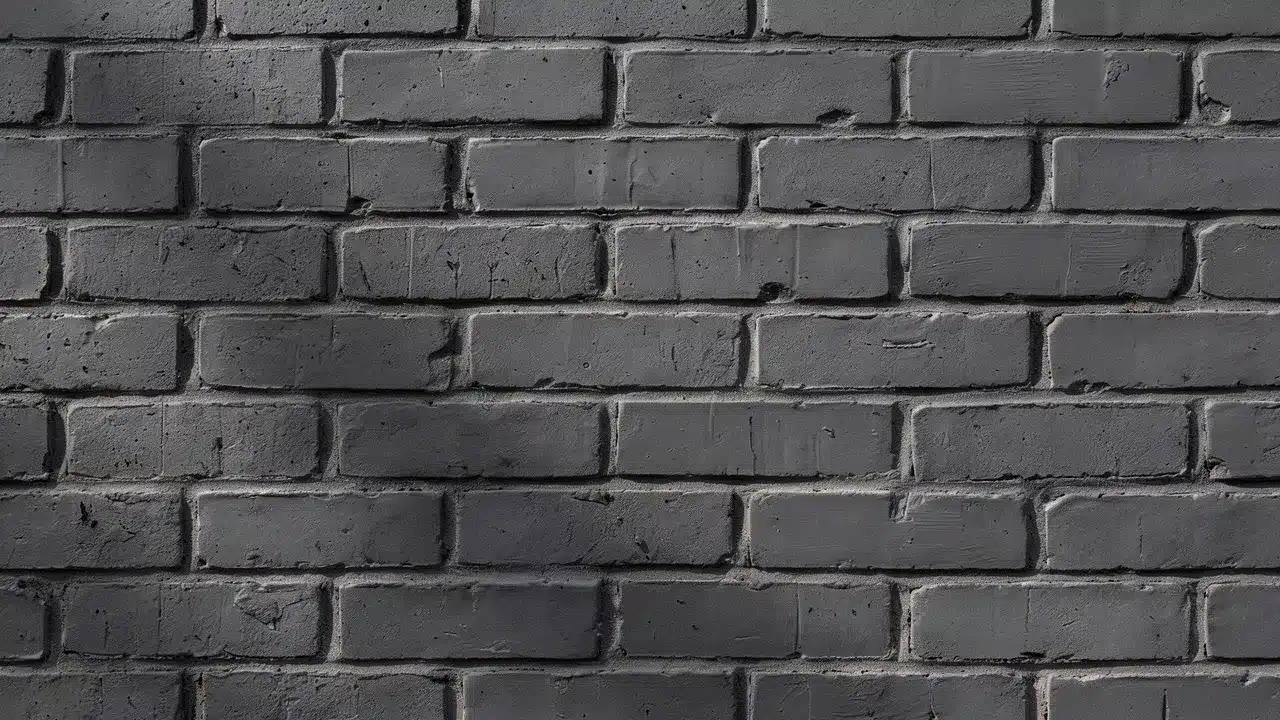
Charcoal gray gives brick a bold, grounded look. It makes natural texture appear less busy to the eye. This shade works well with cedar, cream trim, and matte-black fixtures.
Charcoal gray suits modern homes that want strong visual contrast. Dark colors absorb more heat, so testing first matters here. Always check a sample in full sun before staining the entire wall.
6. Greige
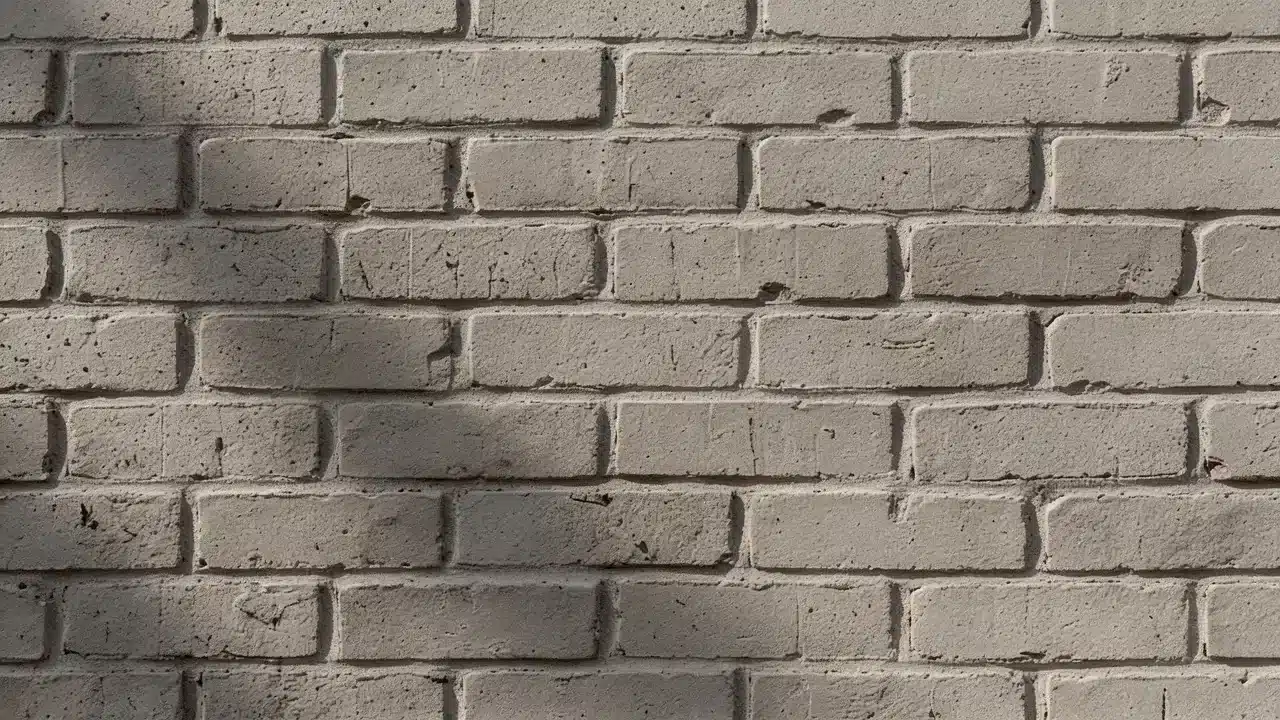
Greige blends the coolness of gray with the warmth of beige. It coordinates well with stone, stucco, and natural wood finishes.
This shade softens red brick without looking cold. Greige suits homes with a mix of warm and cool materials.
Its flexible undertones make greige a reliable option because it rarely clashes with existing materials.
7. Taupe
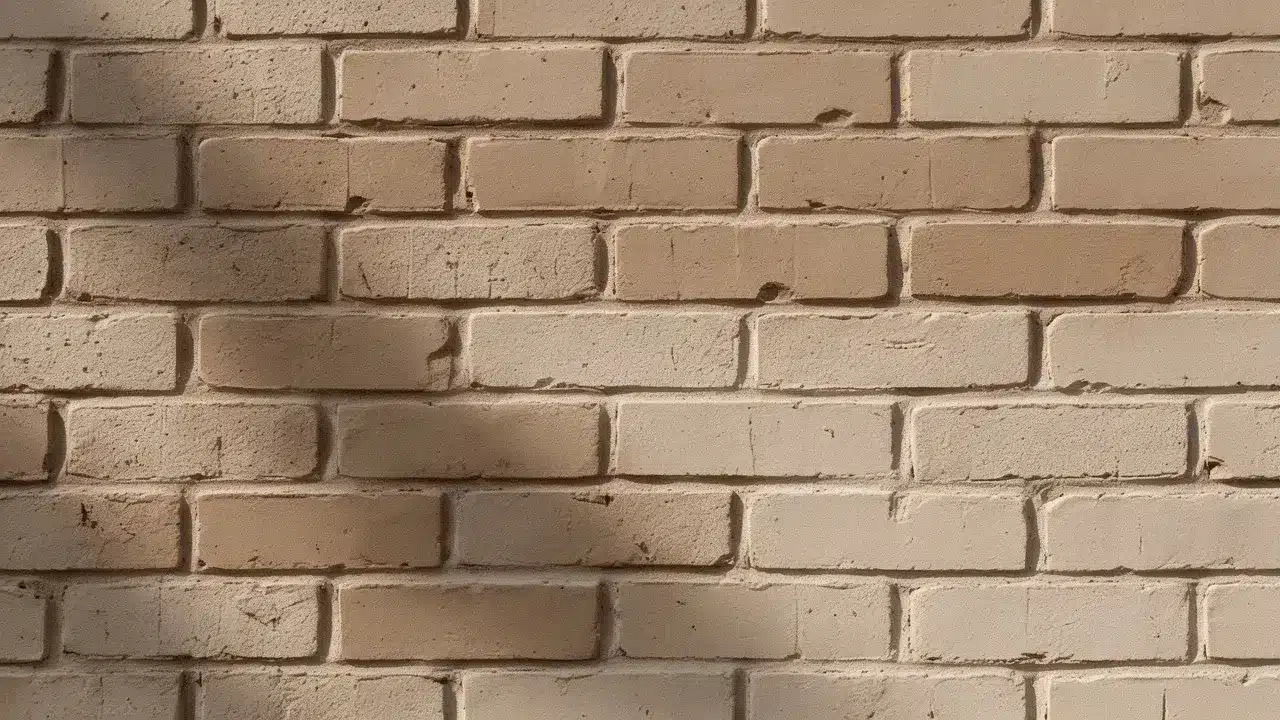
Taupe creates a quiet, earthy finish with less contrast than darker shades. It complements bronze windows and brown roofing nicely.
Taupe pairs well with cream, olive, and muted black accents. This shade offers a softer look than charcoal or bright white.
It suits traditional homes that want a subtle, understated update. Taupe rarely overwhelms other exterior colors already in place.
8. Medium Brown
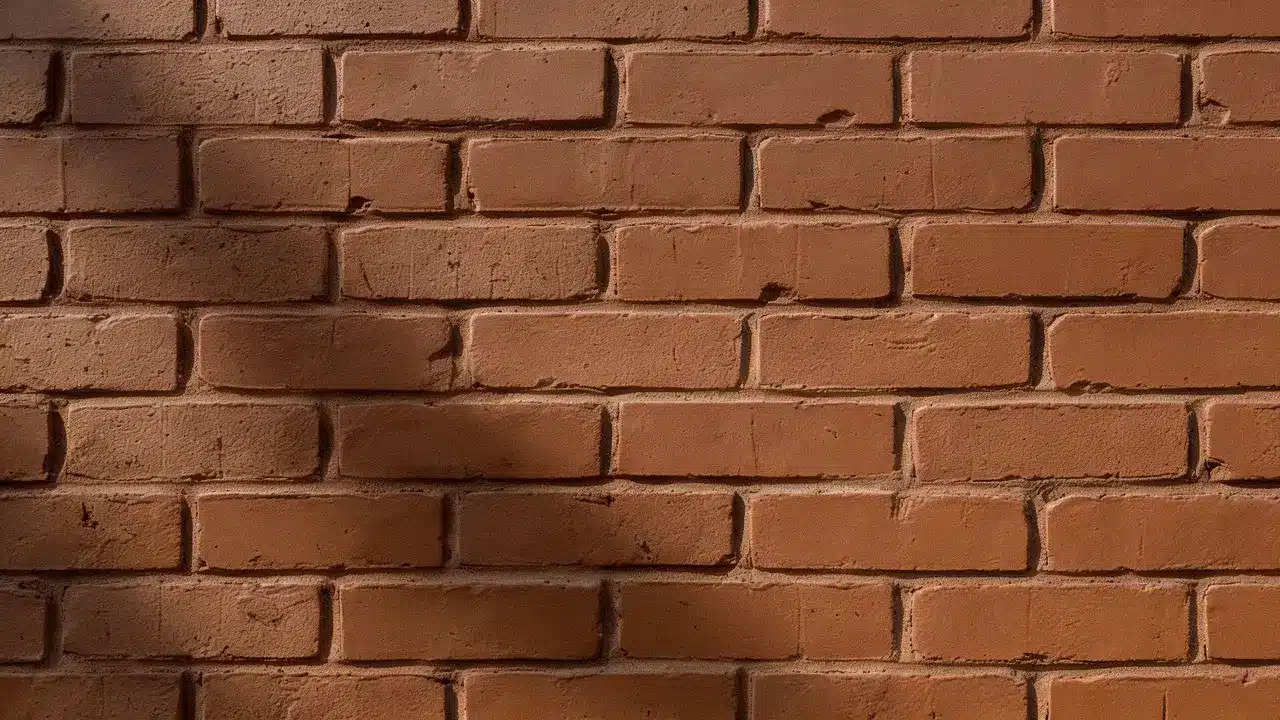
Medium brown restores an earthy look to faded or discolored masonry. It suits traditional, rustic, and Craftsman-style exteriors especially well.
This shade pairs nicely with beige trim and dark brown doors. Medium brown can unify brick with mismatched red and orange tones.
It works particularly well on older homes with weathered, uneven brick. This makes it a reliable pick for restoring a tired exterior.
9. Refreshed Red
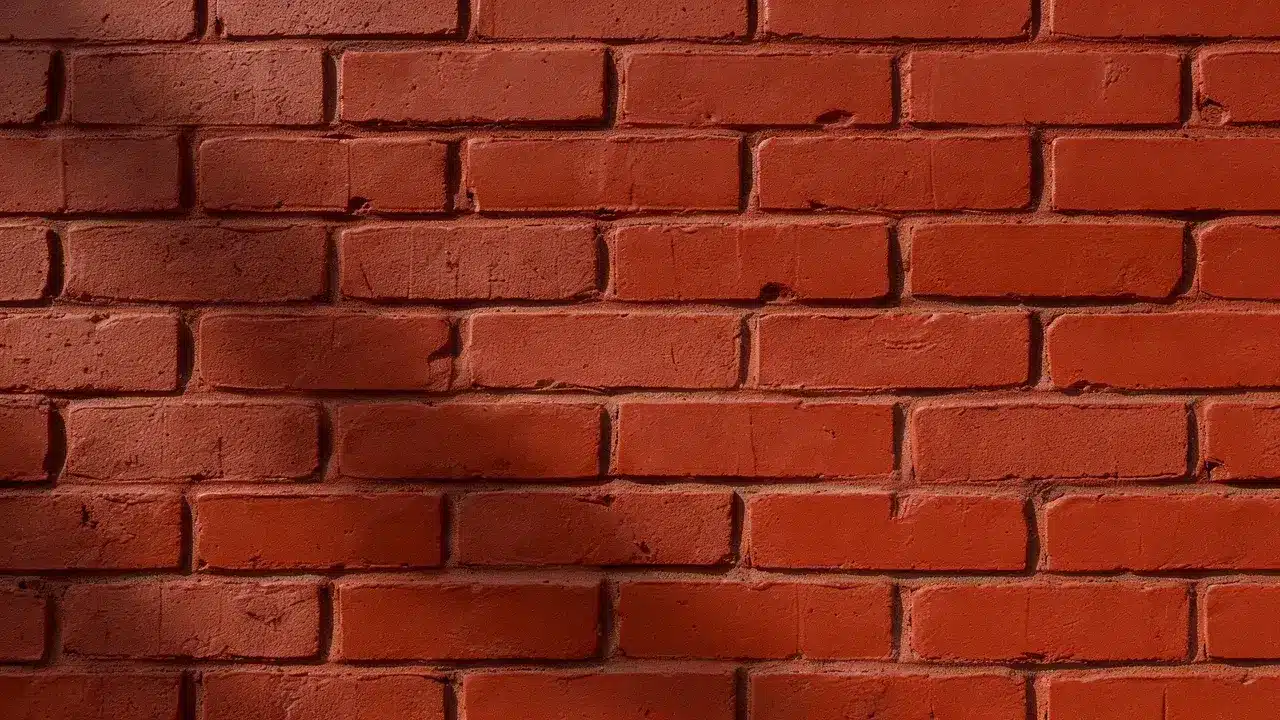
Refreshed red brings depth back to washed-out or repaired brick. It restores richness to brick that has faded over time. This shade keeps a home’s traditional character fully intact.
Refreshed red also helps new bricks blend into older masonry. It pairs well with black, sage, cream, and warm white accents. This shade is often chosen to fix patchy repair work.
10. Muted Sage Green
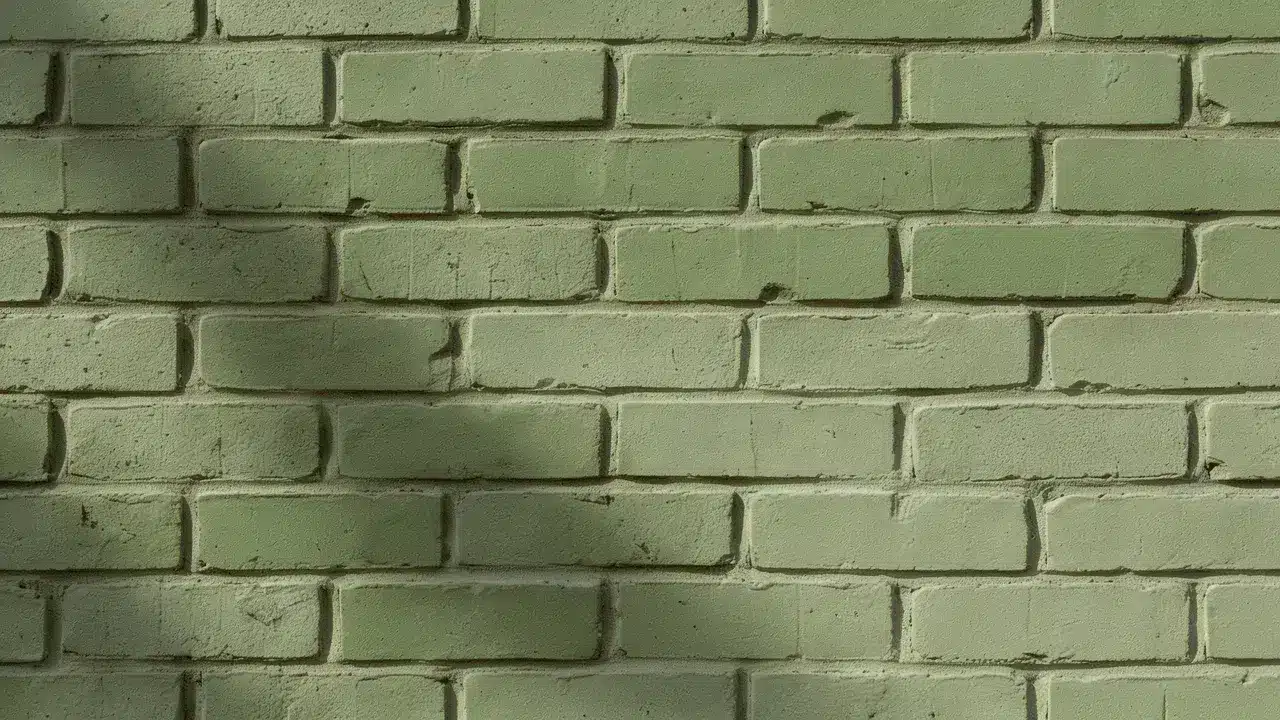
Sage green gives brick a soft, gray-green cast. It introduces a subtle, muted tone without looking bold or unusual. This shade complements landscaping and natural wood details nicely.
Test sage green against the roof and mortar first. It may look different across light and dark brick sections. A small test patch helps confirm the color reads consistently.
11. Soft Black
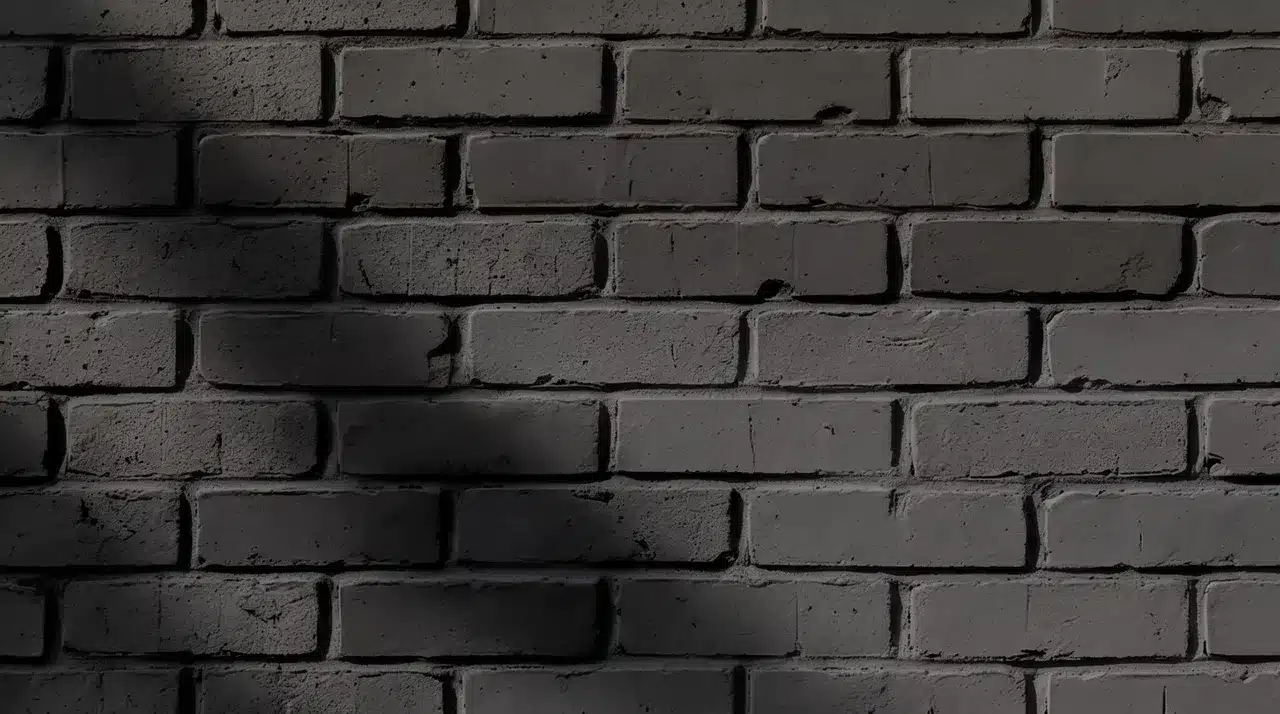
Soft black creates a bold, modern exterior update. It produces a contemporary, architectural look without feeling harsh. Soft black shows more natural variation than an opaque black paint.
This shade pairs well with warm wood and off-white trim. It works best in homes with plenty of natural light. Strongly contrasting trim also helps this shade stand out.
How to Choose the Right Brick Stain Color
Start with your roof, since it’s the hardest material to change. Brown roofs pair well with brown, greige, or off-white stains. Black roofs pair with white or charcoal.
Mixed shingles call for a neutral like greige. Mortar color also shapes your brick stain color, light mortar brightens it, while dark mortar adds contrast.
Factor in fixed exterior materials you can’t easily change, like stonework, siding, window frames, gutters, and walkways. Your home’s exterior style points toward certain color families.
Colonial homes often suit refreshed red, while contemporary homes suit soft black. Sunlight changes everything. Direct sun can wash out light colors, and shade can flatten warm tones.
North-facing walls often look cooler than south-facing ones. Before you decide, test two or three stain concentrations directly on your exterior brick. Texture and lighting both affect the final color.
Brick Stain Color Pairing Ideas
Picking a brick stain color is only half the job. The right trim, door, and roof pairing ties the whole exterior together. Use this table for quick pairing ideas once you have a shade in mind.
| Brick Stain | Trim | Front Door | Roof |
|---|---|---|---|
| Warm White | Soft black | Natural oak | Charcoal |
| Light Gray | Crisp white | Navy | Black |
| Charcoal | Cream | Cedar | Black |
| Greige | Warm white | Dark bronze | Brown |
| Taupe | Ivory | Olive green | Weathered brown |
| Refreshed Red | Cream | Black | Dark gray |
| Medium Brown | Beige | Deep green | Brown |
| Sage | Off-white | Walnut | Charcoal |
These pairings are a starting point, not a fixed rule. Your own lighting, landscaping, and personal taste still matter. Test your chosen brick stain color next to real trim and door samples before you commit.
DIY Brick Staining vs. Hiring a Professional
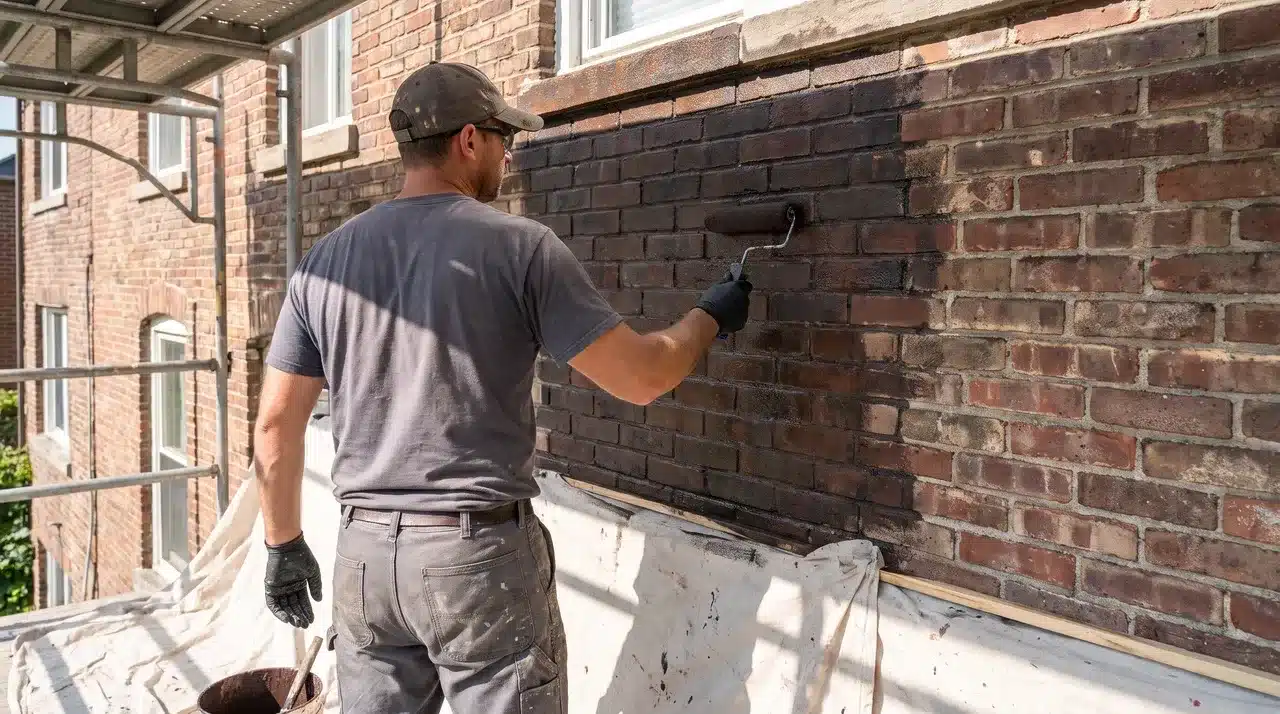
DIY works well on small, easy-to-reach projects with bare brick in good condition. It also suits projects that require a single uniform color, as long as you test samples first.
That’s the idea behind painting brick stain. Hire a professional instead if your house has multiple stories or if the brick needs repairs or deep cleaning.
A pro also helps when you want several blended colors or when replacement bricks need to match older ones. The same goes for surfaces that may already have a sealer or coating.
Signs of water intrusion or masonry failure call for expert eyes right away. When a project feels risky, hire a pro.
How to Test Brick Stain Colors Correctly
- Clean a section of brick and mortar that represents the whole wall
- Choose a spot with some natural color variation
- Test at least three nearby shades
- Apply the coats or dilution level you plan to use on the full project
- Let every sample dry completely
- Check the colors in the morning, afternoon, and evening light
- Step back and view the samples from the street, not just up close
- Confirm the color on both a sunny day and a cloudy one
Physical testing matters because brick texture, porosity, and original color all change how a stain looks once it dries. Mineral Stains recommends testing samples directly on your own surface for this same reason.
Conclusion
The best brick stain color depends on your brick, mortar, roof, and fixed materials. Natural light plays a role too. Start with physical samples.
Test a few colors and dilution levels before you commit. Before you begin, confirm your brick is clean, porous, unsealed, and structurally sound.
Once you’ve picked a favorite, compare your test patches from the street, not just up close. That is the view your neighbors and guests will actually see. Take your time with the final choice, since the right brick stain color should complement your home for years to come.
Frequently Asked Questions
What Is the Best Stain to Use on Brick?
There’s no single best stain. Water-based and mineral-based options both work well, as long as the product matches your brick’s porosity and exposure to outdoor weather.
Is Staining Brick a Good Idea?
Yes, in most cases. Staining refreshes faded or mismatched brick while keeping its natural texture. It usually costs less than a full brick replacement, too.
What Colors Does Brick Stain Come in?
Brick stain comes in many colors, including white, gray, charcoal, brown, greige, and taupe. Sage, refreshed red, and custom color blends are also common today.
What are the Most Popular Brick Colors?
White, gray, and charcoal rank among the most popular brick stain colors right now. They pair well with many rooflines, trim colors, and door choices.
What are the Popular Brick Colors in 2026?
In 2026, white, black, charcoal, and classic red remain popular brick stain colors. Blonde, tan, and warm earthy tones round out this year’s top picks.