

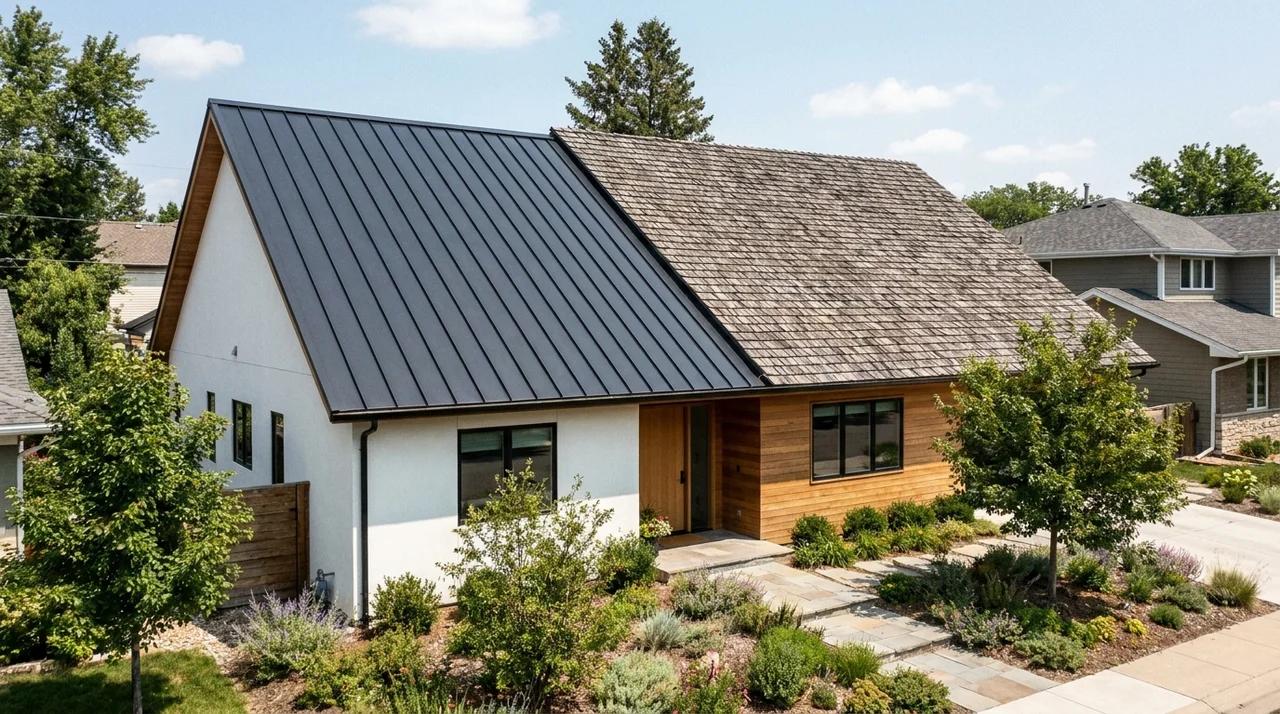


| Quick Answer: Metal roofs win on lifespan (40-70 years vs. 15-30) and cost less per year despite a higher upfront price, since shingles need to be replaced 2-3 times over that span. Shingles remain smarter for tight budgets or short-term homeownership. |
A roof replacement is a major decision, and the material you choose can affect your costs for decades.
Choosing the wrong option may lead to frequent repairs, higher energy bills, or the need for another replacement sooner than planned.
When comparing a metal roof vs. shingles, price is not the only factor that matters. Both roofing options are common, but they differ in lifespan, performance, maintenance, and long-term value.
This comparison examines the key areas homeowners should consider, including cost, durability, weather performance, maintenance, energy efficiency, and resale value.
Knowing how each option works can make the decision easier.
Metal Roof vs Shingles: How They Compare
Before getting into the finer details, it helps to see how metal roofing and asphalt shingles stack up side by side.
| Factor | Metal Roof | Asphalt Shingles |
|---|---|---|
| Average lifespan | 40 to 70 years | 15 to 30 years |
| Upfront cost | Higher | Lower |
| Weight | Lighter per square foot | Heavier |
| Weather resistance | Strong against wind, snow, and fire | Moderate, varies by grade |
| Maintenance | Low, occasional inspection | Moderate, more frequent repairs |
| Energy efficiency | Reflects heat, can lower cooling costs | Absorbs more heat |
| Installation | Requires specialized labor | Widely available, faster install |
| Curb appeal/style options | Modern to traditional looks | Wide range of colors and textures |
| Repair ease | Trickier to patch, panel replacement | Simple spot repairs |
| Resale value impact | Often higher due to longevity | Standard, expected by most buyers |
What is a Metal Roof?
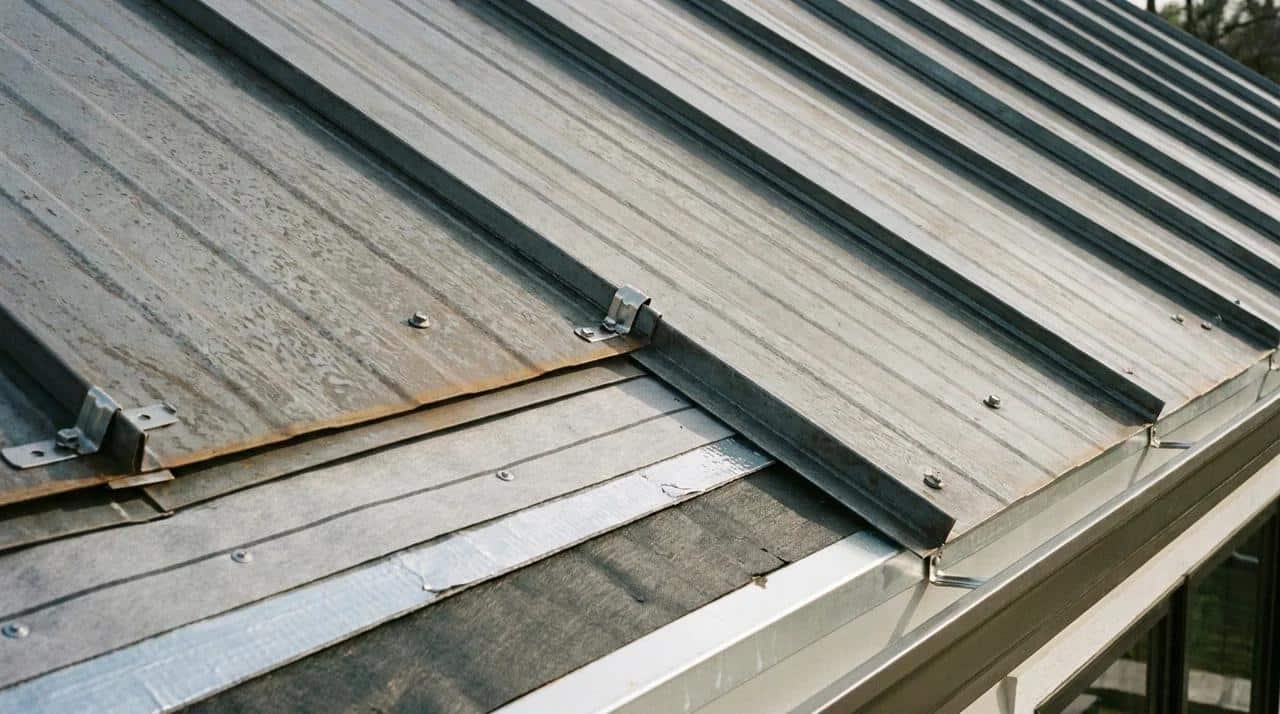
A metal roof is a roofing system consisting of metal panels or shingles attached to the roof structure.
Common materials include steel, aluminum, zinc, and copper. Each option has its own benefits in terms of its price, weight, durability, and rust resistance.
Metal roofing is available in different styles. Standing seam panels have raised vertical seams that connect the panels, while metal shingles are designed to create a more traditional roof appearance.
Metal roofing is a popular choice because it can last for decades, withstand harsh weather, and require less routine maintenance than some other roofing materials.
However, the installation process plays a major role in performance. Proper fastening, suitable underlayment, and room for metal expansion help prevent issues and ensure the roof performs well over time.
What are Asphalt Shingles?
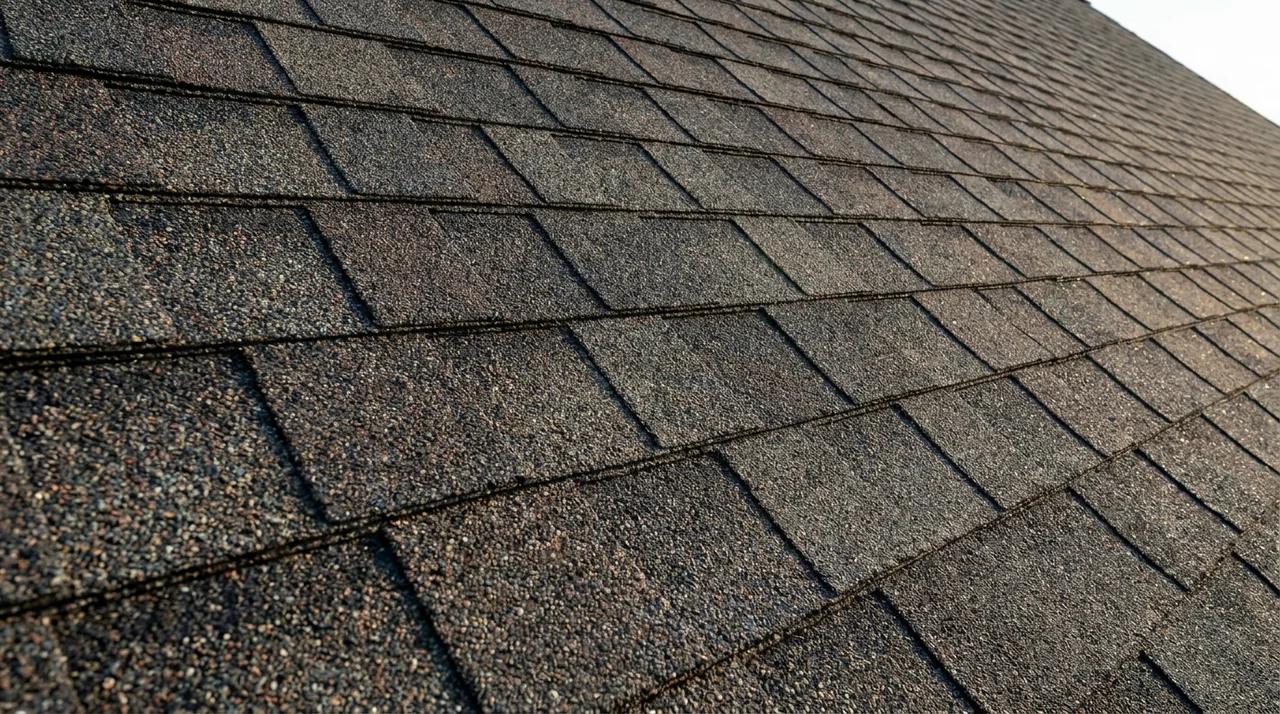
Asphalt shingles are one of the most common roofing choices for homes in the United States.
They are made with a fiberglass or organic base, covered with asphalt, and finished with mineral granules that help protect the roof from sunlight and changing weather conditions.
There are three main types of asphalt shingles. Three-tab shingles are the simplest and usually the most affordable. Architectural shingles are thicker, more durable, and have a layered look.
Luxury shingles are designed to resemble higher-end materials like slate or wood shakes.
Shingles are a popular roofing choice because they are cost-effective, easy to install, widely available, and simple to repair when damage occurs.
However, not all shingles perform the same. Higher-quality architectural shingles generally last longer and handle wind better than basic three-tab options, making them a stronger choice for many homes.
Metal Roof vs Shingles Cost Comparison
The final roofing cost depends on more than just the material. Factors such as roof size, slope, labor rates, and material quality can affect the overall price.
| Cost Factor | Metal Roofing | Asphalt Shingles |
|---|---|---|
| Cost per sq ft installed | $7 to $14 | $3.50 to $6.50 |
| Average cost for a 2,000 sq ft roof | $14,000 to $28,000 | $7,000 to $13,000 |
| Cheapest material option | Steel | Three-tab shingles |
| Most expensive material option | Copper or zinc | Luxury/designer shingles |
| Labor requirement | Specialized installers | Widely available contractors |
| Typical repair cost | Higher, panel-based | Lower, spot repairs |
| Replacement frequency over 50 years | 0 to 1 time | 2 to 3 times |
| Long-term value | Higher due to lifespan | Lower due to more replacements |
Metal Roof vs Shingles: Durability and Lifespan
The lifespan of a roof depends on the material, installation quality, and the conditions it faces over time. Metal and shingles can both perform well, but their durability differs.
Metal Roof Lifespan
- A properly installed metal roof can last around 40 to 70 years.
- Steel and aluminum roofs often last 40 to 50 years, while copper and zinc options can last much longer.
- Metal roofs handle heavy rain, strong winds, snow, and fire exposure well.
- Many systems are built to withstand high wind speeds, making them suitable for storm-prone areas.
Shingle Roof Lifespan
- Asphalt shingles usually last around 15 to 30 years.
- Basic three-tab shingles often have a shorter lifespan than architectural shingles.
- Heat, sunlight, ventilation, installation quality, and weather conditions all affect how long shingles last.
Roof lifespan depends on more than the material. Proper installation, ventilation, and local weather conditions all play a major role in how long it performs.
Which Roof Handles Weather Better?
Weather performance is where the differences between metal roofing and shingles matter most. The right choice depends heavily on where you live.
| Weather Condition | Metal Roof | Asphalt Shingles |
|---|---|---|
| Heavy Rain | Sheds water quickly due to the smooth surface and interlocking panel design | Relies on layered overlap, curling or granule loss increases infiltration risk |
| High Winds | Concealed fasteners can resist winds above 100 mph when properly installed | Three-tab shingles are vulnerable to uplift; architectural shingles perform better, but tabs can still separate |
| Snow and Ice | Snow slides off naturally, reducing structural load | Holds snow longer; poor attic ventilation can lead to ice dams along the eaves |
| Hail | Can dent depending on panel thickness and impact grade | Granule loss and cracking are possible; higher-rated products hold up better |
| Best Regional Fit | Hurricane zones, Mountain West, Upper Midwest, wildfire-risk areas | Temperate and moderate climates with milder seasonal weather |
Metal Roof vs Shingles: Which is More Energy Efficient?
Your roof plays a bigger role in home comfort than you might expect, especially in the summer.
1. Metal Roofing and Heat Reflection
Metal roofs reflect more solar radiation than asphalt roofs. When paired with proper ventilation and quality insulation, this reflective property can help reduce heat transfer into your living space.
Many metal roofing products also carry cool-roof certifications that indicate measured reflectance values.
2. Shingles and Heat Absorption
Standard asphalt shingles absorb more heat, which can raise attic temperatures on hot days.
Cool-roof shingle options are available and use special granule coatings to improve reflectance, though they still generally absorb more heat than metal.
3. Other Factors That Matter
Roof color, attic insulation quality, and ventilation design all influence how much heat enters your home. A dark metal roof with poor ventilation will not outperform a light-colored shingle roof with a well-designed attic system.
Energy savings vary based on your climate, home design, and existing insulation, so no single number applies across the board.
Which Requires More Maintenance: Metal or Shingles?
Neither roof type is completely maintenance-free, but the time and cost involved differ significantly.
1. Metal Roof Maintenance
Metal roofs require relatively little routine attention. The main tasks include periodic inspections of fasteners, seams, and protective coatings.
Catching a loose fastener or a small coating scratch early prevents bigger issues down the line. Repairs are less frequent but should always be handled by someone familiar with metal systems.
2. Shingle Roof Maintenance
Shingles needs more regular monitoring. Replace damaged or missing shingles promptly. Moss and debris buildup hold moisture against the surface and accelerate wear.
Granule loss, visible as bare patches or granules collecting in gutters, signals that the shingles are aging.
3. Post-Storm and Routine Roof Checks
After every major storm, walk the perimeter and look for visible damage. Check your attic space for any signs of daylight or water staining.
Keeping gutters clear year-round prevents water from backing up along the roofline, a common source of preventable damage.
Pros and Cons of Metal Roofs and Shingles
Every roofing material comes with benefits and limitations. Comparing the strengths and weaknesses side by side makes the choice easier.
| Comparison | Metal Roof | Asphalt Shingles |
|---|---|---|
| Pros | Long lifespan, strong weather resistance, low maintenance, better heat reflection | Lower upfront cost, easy repairs, wide style options, easy installation |
| Cons | Higher initial cost, specialized installation, and repairs can be more complex | Shorter lifespan, more frequent maintenance, and more affected by severe weather |
| Best For | Homeowners wanting long-term durability and fewer replacements | Homeowners looking for an affordable and practical roofing option |
Are Metal Roofs Better Than Shingles?
Metal roofs outperform asphalt shingles in lifespan, weather resistance, and long-term maintenance cost. A metal roof installed today is likely the last roof that the house will need. Shingles will require at least two full replacements during that same period, which significantly narrows the cost gap over 40 to 50 years.
Metal is not the better choice in every situation. Shingles cost roughly half as much to install and are easy to repair with materials available at any home improvement store. Metal repairs require matching panels and a contractor familiar with the system. If a tight installation budget or straightforward repairability is the priority, shingles deliver that.
The cleaner way to frame it: metal roofs are the better long-term investment for homeowners who plan to stay in the home, live in a climate with extreme weather, or want low annual maintenance.
Asphalt shingles are the better near-term choice for homeowners with upfront budget constraints, those planning to sell within a decade, or those in mild climates where the weather does not place much stress on roofing materials.
Neither material fails at its job. The difference is which trade-offs fit the home, the budget, and the timeline.
How to Choose Between a Metal Roof and Shingles
The right roofing material comes down to four useful questions, and your answers will point fairly clearly in one direction.
1. How long do you plan to stay in the home? If you are in it for the long haul, metal pays for itself over time by eliminating one or two full replacement cycles. If you plan to sell within 10 years, shingles keep your upfront costs low while still satisfying most buyers.
2. What is your local climate like? Metal handles extreme conditions better, whether that is heavy snow loads in the upper Midwest, high winds along the Gulf Coast, or wildfire risk in the West. Shingles perform reliably in moderate climates where conditions are less demanding on the roof.
3. What can you spend now versus later? Shingles cost roughly half as much to install, which is a real advantage if your budget is tight today. Metal costs more upfront but typically requires fewer repairs and no replacement over a 50-year period, making the long-term math closer than the initial numbers suggest.
4. How important is low maintenance to you? Metal roofs ask very little of you year to year. Shingles need more consistent monitoring, particularly after storms, and individual repairs add up over time. If you want a roof you can mostly ignore between inspections, metal is the lower-effort option.
Final Thought
Choosing between roofing materials depends on what fits your home, budget, and long-term plans.
A metal roof offers a longer lifespan, better weather performance, and lower maintenance needs, while asphalt shingles provide affordability, simple repairs, and easy installation.
When choosing between a metal roof and shingles, consider your climate, home design, upfront cost, and future replacement needs.
Before choosing, compare contractor quotes, check material quality, and look beyond the initial price. A roof that matches your needs can perform better and cause fewer issues over time.
Share your roofing choice and experience in the comments below.
Frequently Asked Questions
How Much Does a Metal Roof Weigh Compared to Shingles?
A metal roof weighs about 1.3 to 1.5 pounds per square foot, making it lighter than asphalt shingles and reducing stress on the roof structure.
Why Do Insurance Companies Not Like Metal Roofs?
Insurance companies usually support metal roofs because of their durability. However, higher replacement costs, concerns about hail damage, and installation standards may affect coverage.
What is the 25% Rule for Roofing?
The 25% rule means that if more than 25% of a roof section is repaired or replaced within 12 months, the entire section may require code upgrades.
What Color Roof Increases Home Value?
Neutral roof colors like charcoal gray, black, and weathered wood often attract buyers. These shades work well with various home styles and improve overall exterior appeal.
What is the Cheapest Time of Year to Get a New Roof?
Winter months, especially December through February, are often the cheapest time to replace a roof. Lower demand may help homeowners get off-season discounts of around 5% to 15%.