

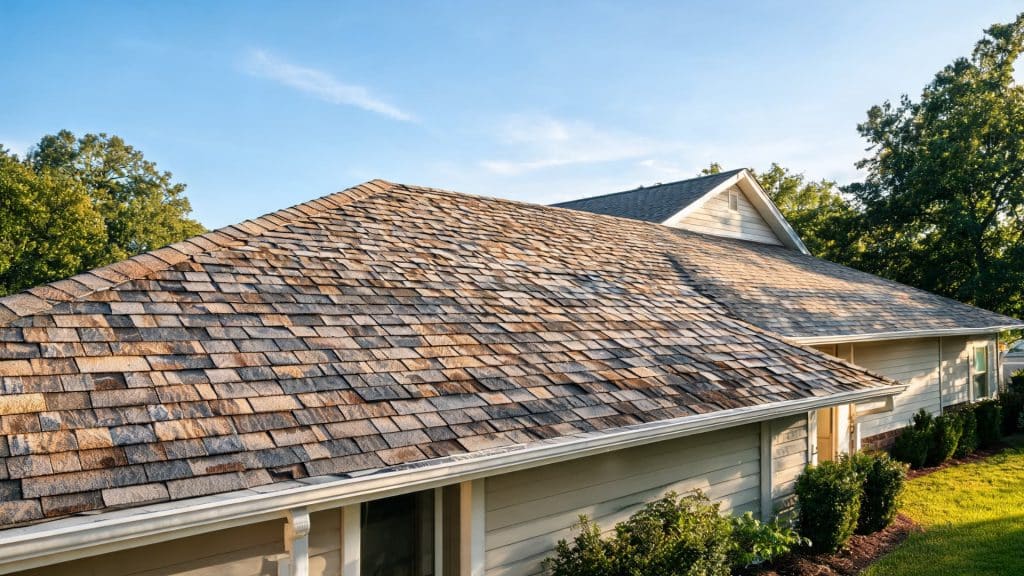


Are you confused by all the roofing options out there? Picking the right shingles can feel overwhelming, especially when you hear terms like What Are Architectural Shingles thrown around.
I’ve seen homeowners struggle to understand what makes them different, how much they cost, and if they’re actually worth it. You don’t need to guess or rely on contractor jargon.
By the end of this post, you’ll know exactly what architectural shingles are, how they compare to other shingles, the materials they’re made of, and what factors affect cost, lifespan, and performance.
You’ll be able to make a confident, informed decision for your roof.
What Are Architectural Shingles?
Architectural shingles are laminated asphalt shingles built from multiple bonded layers, which makes them thicker, heavier, and more durable than standard 3-tab shingles.
If you are comparing roofing options and trying to figure out whether architectural shingles are worth the cost, that layered construction is the whole story. It is what drives the price difference, the longer lifespan, and the dimensional look that makes a roof stand out from the street.
Most residential roofs installed in the US today use architectural shingles. They have largely replaced 3-tab shingles as the default option because the performance gap is real, and the cost premium over 3-tab is smaller than most homeowners expect.
| Cost Note: Figures in this blog are estimates based on national averages. Actual costs vary significantly by region, contractor, materials, and project scope. Always get at least three quotes before committing to any project above $1,000. |
How Architectural Shingles Are Made
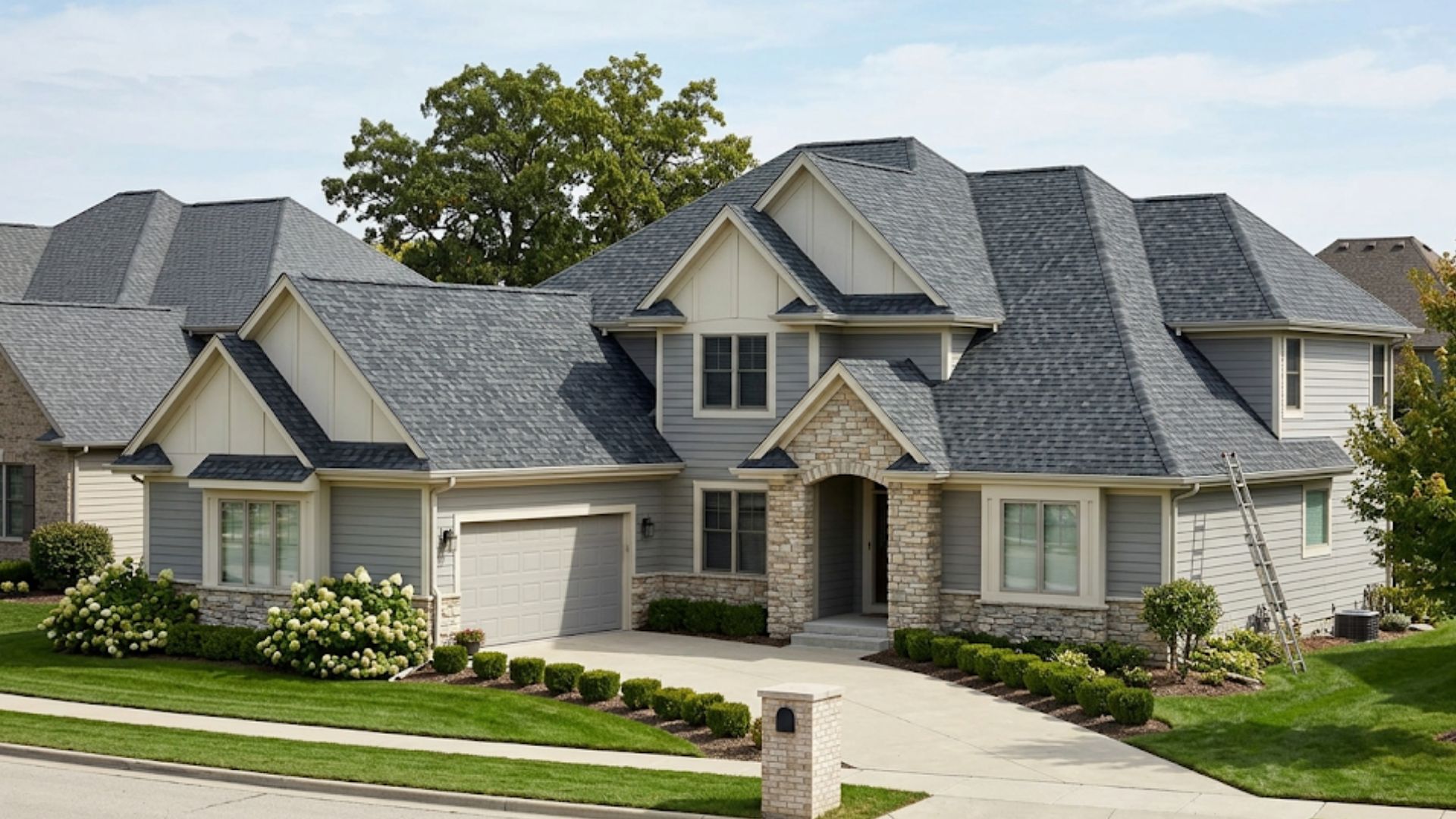
The performance difference between architectural and 3-tab shingles starts at the material level.
Architectural shingles use more of everything: more asphalt, thicker fiberglass matting, denser mineral granules, and stronger adhesive strips. That additional mass, roughly 50 percent more material per square than a 3-tab shingle, is what gives them better wind resistance and a longer useful life.
Here is what the layers actually do:
- Fiberglass base mat: Provides structural strength and fire resistance. Thicker than the mat used in 3-tab shingles.
- Multiple asphalt layers: Bonded together for flexibility and waterproofing. The laminated structure is what creates the dimensional appearance.
- Mineral granules: Protect against UV degradation and add color. Denser coverage on architectural shingles versus 3-tab.
- Waterproof asphalt coating: Seals the shingle against moisture penetration.
- Adhesive sealant strips: Bond adjacent shingles together during installation and help hold them in high-wind conditions.
The combined weight of an architectural shingle runs between 250 and 400 pounds per roofing square, compared to 200 to 250 pounds per square for a 3-tab. That weight is a reasonable proxy for durability.
Architectural Shingles vs. 3-Tab Shingles
The two options look similar in a roofing catalog but perform very differently over a 20-year horizon. The table below covers the categories that actually matter when you are deciding between them.
| Feature | Architectural Shingles | 3-Tab Shingles |
| Structure | Multi-layered laminated build | Single-layer flat design |
| Appearance | Dimensional, textured surface | Flat and uniform |
| Wind resistance | 110 to 130+ mph rated | 60 to 70 mph rated |
| Lifespan | 25 to 30 years (standard); longer for premium lines | 15 to 20 years |
| Cost per square (materials) | $100 to $250 | $80 to $130 |
| Installed cost premium vs. 3-tab | Typically $500 to $1,500 more on a standard roof | Baseline |
| Common use | New construction and replacement on residential homes | Budget replacements, garages, outbuildings |
The cost difference is narrower than most homeowners assume. For a typical 25-square residential roof, architectural shingles add $500 to $1,500 to the installed cost compared to 3-tab shingles. When you account for a lifespan that runs 10 to 15 years longer, the per-year cost of architectural shingles is usually lower.
If you are replacing a roof you plan to live under for more than a decade, 3-tab rarely wins the math. If you are replacing a roof you plan to live under for more than a decade, 3-tab rarely wins the math, and the gap looks even clearer when you factor in roof replacement costs, which apply equally to both options.
Types of Architectural Shingles
Architectural shingles come in four main product categories. The right choice depends on your climate, how long you plan to stay in the home, and what your neighborhood looks like from the street.
1. Standard Dimensional Shingles
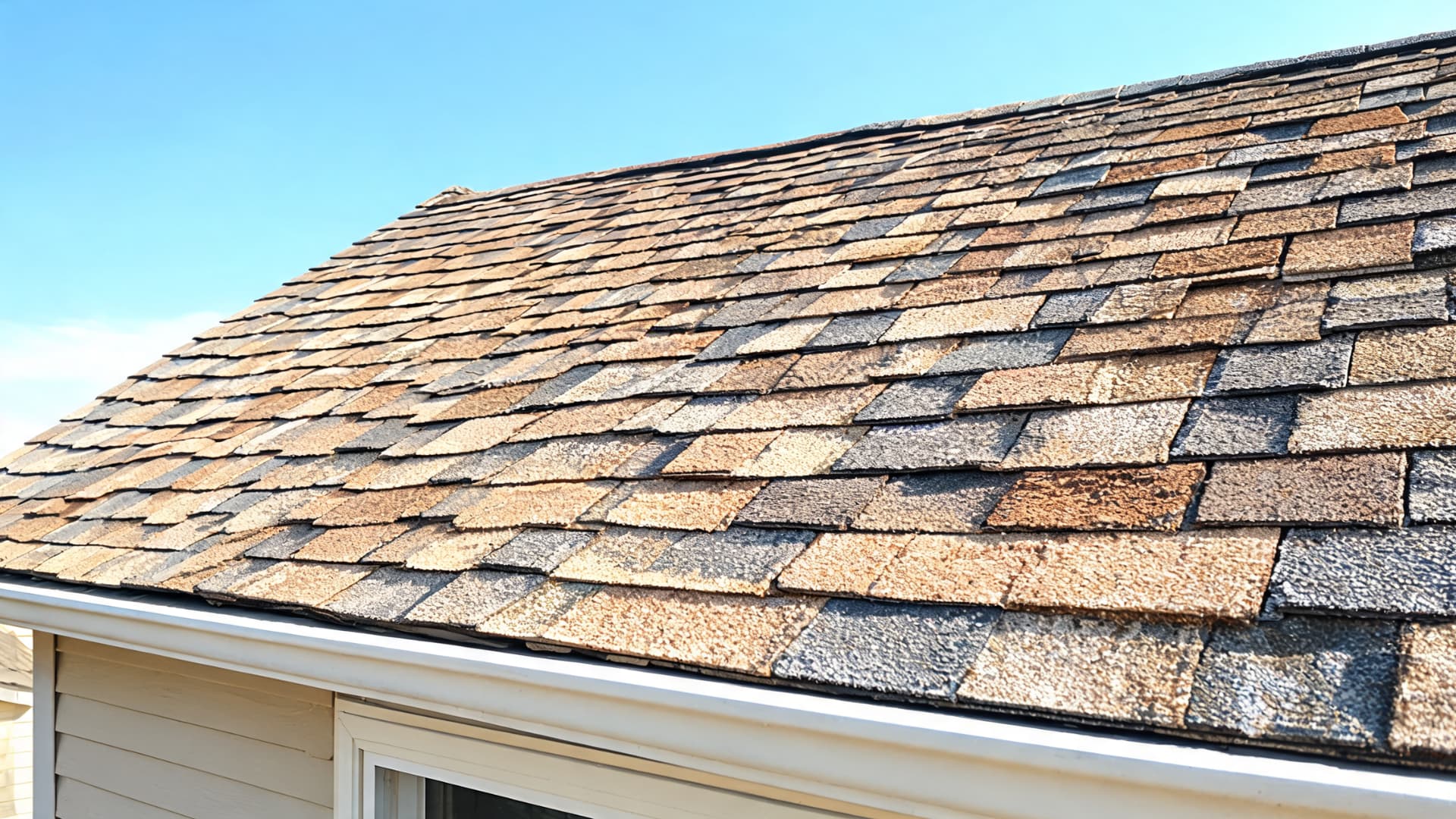
These are the baseline products. A raised, textured surface creates depth without mimicking a specific premium material. Blended colors on each shingle help hide aging and dirt over time.
Standard dimensional shingles are the most common choice for residential replacements because they balance performance, cost, and availability.
Entry-level lines from Owens Corning (Oakridge) and GAF (Timberline HDZ) typically run $100 to $130 per square for materials.
2. Shake-Style Shingles
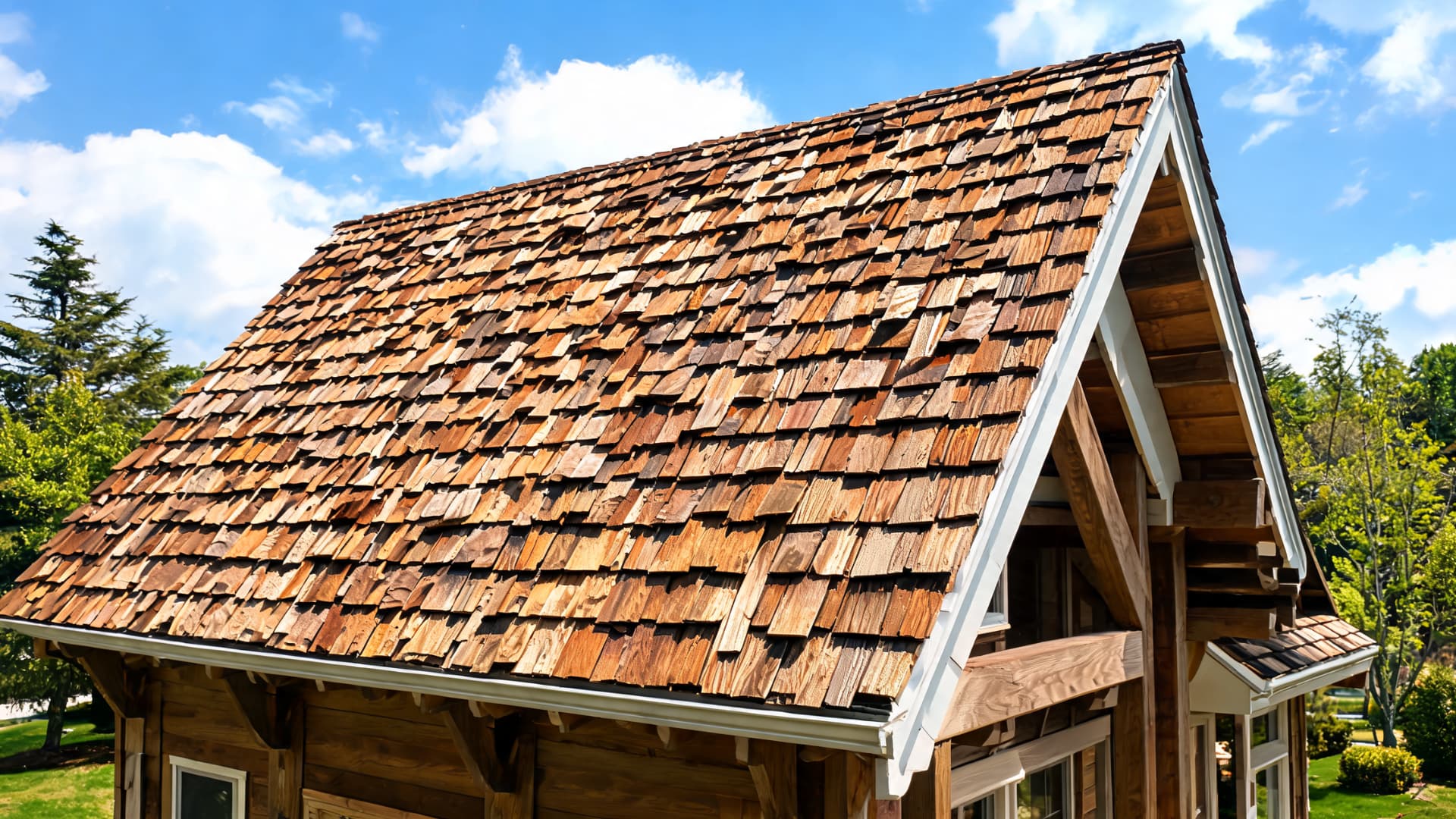
Shake-style shingles replicate the look of cedar shakes using laminated asphalt construction. The irregular cut patterns and shadow lines give a handcrafted, rustic appearance without the maintenance demands of real wood.
They suit craftsman, colonial, and traditional home styles. Wind and moisture resistance are better than actual cedar shakes because the fiberglass base does not split or absorb water.
3. Slate-Style Shingles
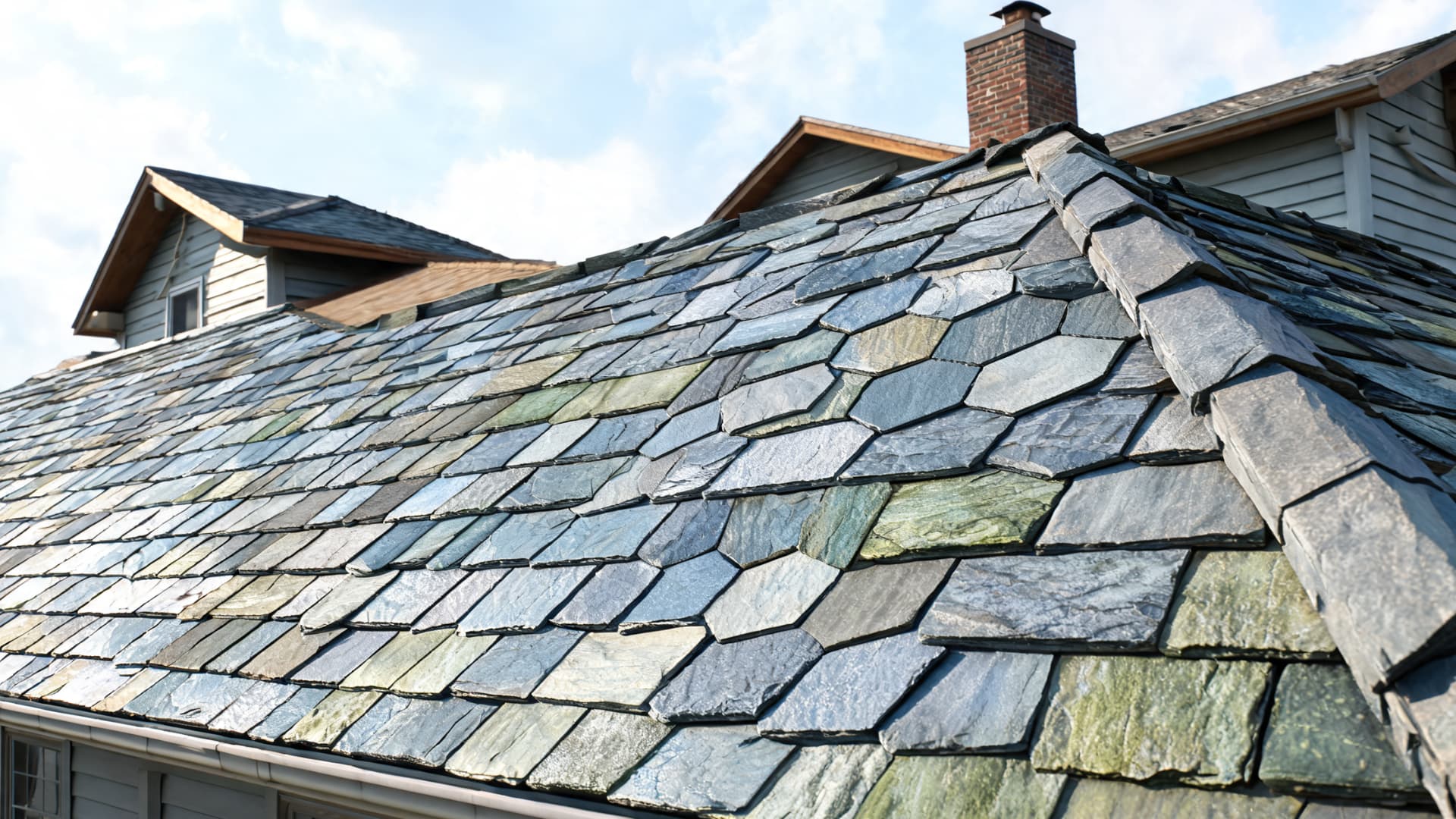
Slate-style shingles are cut in rectangular or hexagonal patterns and colored in muted, natural tones to replicate natural slate. They weigh a fraction of real slate and cost significantly less, while delivering a high-end curb appearance.
Premium lines often include algae resistance and enhanced weatherproofing. These work particularly well on steeply pitched roofs, including hip roof designs, where the visual effect of the tile pattern reads clearly from the street.
How Much Do Architectural Shingles Cost?
Most homeowners pay between $7,000 and $16,000 for a full architectural shingle roof replacement on a standard single-family home. That range moves based on roof size, pitch, shingle tier, tear-off requirements, and local labor rates. Here is what the major cost components look like in practice.
| Line Item | Low End | High End | What Drives Variation |
| Shingle materials (per square) | $100 | $250 | Product tier, brand, wind rating |
| Installation labor (per square) | $300 | $350 | Pitch, complexity, region |
| Old roof tear-off | $1 per sq ft | $3 per sq ft | Number of layers, disposal fees |
| Underlayment | $0.10 per sq ft | $0.80 per sq ft | Felt vs. synthetic; ice barrier requirements |
| Decking repairs | $0 | $2,000+ | Rot and water damage were found after the tear-off |
| Permits | $150 | $500 | Local jurisdiction requirements |
| Full project total | $7,000 | $16,000+ | All factors combined |
Labor accounts for roughly 60 percent of the total project cost on most architectural shingle replacements. That proportion does not change much with shingle tier because the installation process is the same regardless of whether you choose an entry-level or premium product.
Where you can move the number is in the shingle selection, and whether decking repair turns out to be needed. Roofing contractors cannot tell you about decking condition until after tear-off, so budget a contingency of $500 to $1,500 for that line item on older homes.
Regional cost variation is significant. California homeowners pay around $21,500 for a full architectural shingle installation; Texas homeowners pay closer to $13,700 for a comparable roof.
Labor market conditions, local permitting requirements, and climate-driven material choices all affect where your project falls within the range. To understand where roofing fits within a new-build budget, the cost of building a house’s roof is relative to other major line items.
Where Budgets Go Wrong on Architectural Shingle Projects
A quote that looks clean on paper can grow by several thousand dollars once the project starts. These are the line items that routinely surprise homeowners.
- Decking damage found after tear-off: Rot and water-damaged sheathing are invisible until old shingles come off. If a roofer finds damaged decking, it has to be replaced before new shingles go on. Decking repairs run $2 to $5 per square foot. On a 2,000-square-foot roof, even a modest amount of damage can add $1,000 to $3,000 to the final invoice.
- Multiple shingle layers requiring full tear-off: Installing over existing shingles saves money on a single layer. Two existing layers typically require full removal, which adds labor time, dumpster weight, and disposal fees. Some jurisdictions prohibit adding a third overlay by code, making removal mandatory regardless of cost.
- Steep pitch surcharges: Roofs steeper than 7:12 require additional safety equipment and slow down installation considerably. Always ask the contractor to break out the pitch factor in their per-square labor rate so you can compare quotes accurately.
- System components omitted from the initial quote: Underlayment, starter strips, ridge caps, drip edge, flashing, and ice-and-water barrier are part of a complete roofing system. Some contractors price shingles and labor only, leaving system components as add-ons. A quote that does not include these items is not a complete project price.
- Ventilation upgrades: If attic ventilation is inadequate, new shingles will not perform to their rated lifespan. Ventilation upgrades run $1,500 to $4,000 and should be assessed before installation, not after.
How Long Do Architectural Shingles Last?
Standard architectural shingles carry 25 to 30-year warranties. Premium and performance lines extend to 50 years or a lifetime warranty, depending on brand and installation requirements. Actual lifespan depends on four factors that warranties do not fully control.
Correct installation is the biggest variable. Improper nailing, inadequate ventilation, or skipped system components shorten shingle life regardless of the product quality.
Climate is the second factor: sustained heat, freeze-thaw cycling, and heavy hail all accelerate wear. Attic ventilation affects both. An under-ventilated attic traps heat against the underside of the shingles, degrading them from below.
And maintenance matters: regular gutter clearing, debris removal, and prompt repair of damaged or missing shingles prevent small problems from turning into larger ones.
A roof showing water stains on ceilings is often the first visible sign that shingles, flashing, or underlayment have failed somewhere in the system.
Questions to Ask a Roofer Before Choosing Architectural Shingles
Before approving any roofing quote, these questions separate contractors who know the system from those who are pricing shingles only.
- Product tier: Is this entry-level, mid-range, or a premium performance shingle? What is the specific product name and model?
- Wind rating: What is the shingle’s rated wind resistance, and how does that compare to your area’s common storm conditions?
- Full system scope: Does the quote include starter strips, ridge caps, underlayment, drip edge, and flashing replacement?
- Ventilation assessment: Will attic ventilation be inspected before installation? If ventilation is inadequate, will that be flagged and quoted separately?
- Tear-off plan: Will old shingles be removed? How many layers are currently on the roof?
- Workmanship warranty: What does the contractor warrant on their own labor, separate from the manufacturer’s material warranty?
- Decking contingency: How will decking damage be handled if found during tear-off? Will you be notified before additional work proceeds?
Frequently Asked Questions
Are architectural shingles worth the extra cost over 3-tab?
For most homes, yes. The installed cost premium is typically $500 to $1,500. Architectural shingles last 10 to 15 years longer than 3-tab shingles, which means fewer replacements over the life of the home. The per-year cost usually favors architectural shingles on any home you plan to own for more than 10 years.
What is the difference between architectural shingles and dimensional shingles?
They are the same product. “Dimensional,” “laminated,” and “architectural” are all industry terms for the same multi-layer asphalt shingle category. The terminology varies by contractor and brand, not by product type.
How much do architectural shingles cost to install on an average home?
Most homeowners pay between $7,000 and $16,000 installed for a standard residential replacement. Larger roofs, steep pitches, premium shingle tiers, and significant decking damage all push costs toward the upper end. Get three itemized quotes before committing.
Can architectural shingles be installed over existing shingles?
Sometimes, but only if one layer of shingles is currently on the roof and the decking is sound. Overlays skip tear-off costs but prevent inspection of the decking and underlayment beneath. Most roofers recommend full tear-off to check for hidden damage before new shingles go on.
How do I know when architectural shingles need to be replaced?
Look for curling or cupping at the shingle edges, missing granules (visible as bare patches or granule buildup in gutters), cracked or missing shingles, and any interior water stains. At 20 to 25 years old, an architectural shingle roof warrants a professional inspection even without visible symptoms.
Do architectural shingles perform better in hot climates?
Standard architectural shingles absorb heat, which can reduce attic comfort in hot climates. Performance and cool-roof-rated shingles use reflective granules to reduce heat absorption. In hot climates, ventilation also matters as much as the shingle itself.
What wind rating should I look for in architectural shingles?
Standard architectural shingles are rated to 110 mph. Performance lines reach 130 mph or higher. In storm-prone regions, match the shingle wind rating to local historical gust speeds and check whether your homeowner’s insurance provides discounts for higher-rated products.
Conclusion
Choosing the right roof doesn’t have to feel confusing. Understanding What Are Architectural Shingles gives you a clear picture of what they are, how they differ from 3-tab or other asphalt shingles, and what affects their lifespan, cost, and performance.
You now know the materials used, the styles available, and the pros and cons to consider. I hope this helps you feel more confident when reviewing quotes or talking to a roofer.
With this knowledge, you can make a decision that protects your home and adds value over time. Take a look at your roof, ask the right questions, and choose the shingles that fit your needs best