

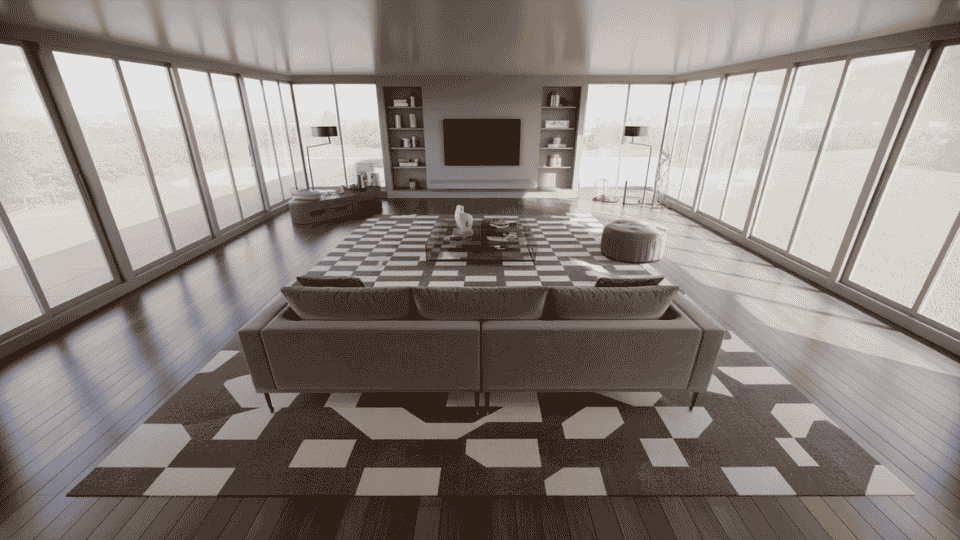


I hate empty living rooms. Hate when all the furniture is squeezed in one place, and the rest of the living room looks like I have upcoming renovations. Hated when people asked me, “oh are you renovating?” when I had just finished renovations.
The problem is that the narrow proportions create unique design puzzles that require thoughtful solutions.
Now, after years of rearranging furniture and helping friends configure their spaces, I’ve learned that the key lies in balancing function with visual appeal.
The right arrangement turns an awkward room into a welcoming retreat where you actually want to spend time.
These practical ideas will help you create a comfortable space that works for both relaxation and entertainment without sacrificing style or functionality.
The Challenge of Rectangular Living Spaces
Long rectangular living rooms present specific obstacles that standard square rooms don’t face. The narrow width often creates a bowling-alley effect, making the space feel cramped despite its ample square footage.
Those extended walls can leave awkward gaps that are too small for furniture but too large to ignore. When you add a TV setup to the equation, the complexity increases; you need proper viewing angles, an adequate seating distance, and balanced proportions.
Without a strategic approach, furniture ends up pushed against walls, creating a disjointed feel that wastes the room’s potential.
Ideas for a Long Rectangular Living Room with a TV Setup
1. Place the TV on the Short Wall
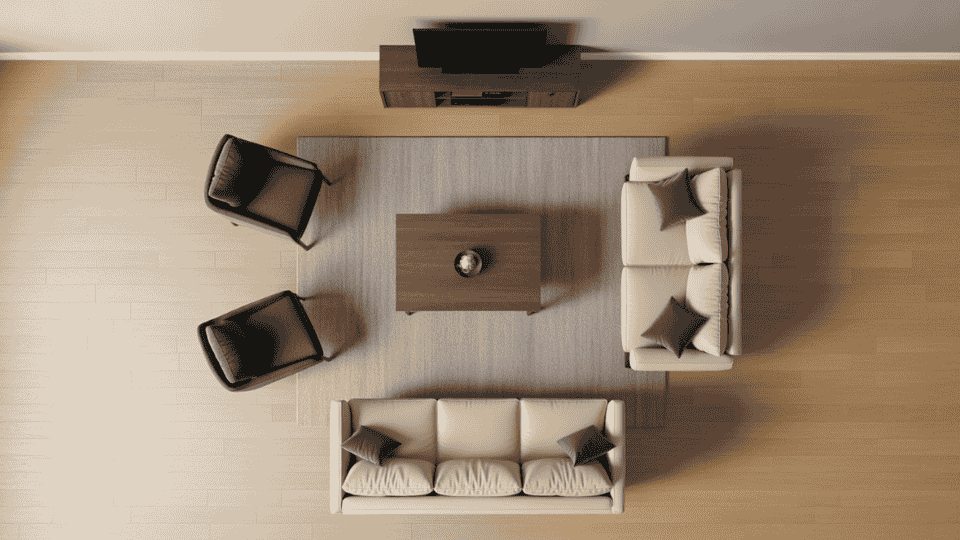
Mounting your television on the short wall remains one of the most effective solutions for rectangular spaces. This strategic placement naturally counteracts the bowling alley effect by creating width rather than emphasizing length.
The sofa sits comfortably across from the screen without being pushed too far back, maintaining that sweet spot for viewing. This configuration encourages furniture groupings that feel cohesive rather than scattered.
You’ll notice how this simple change makes the entire room feel more square and inviting, perfect for both movie nights and casual conversation.
2. Create a Defined Conversation Area
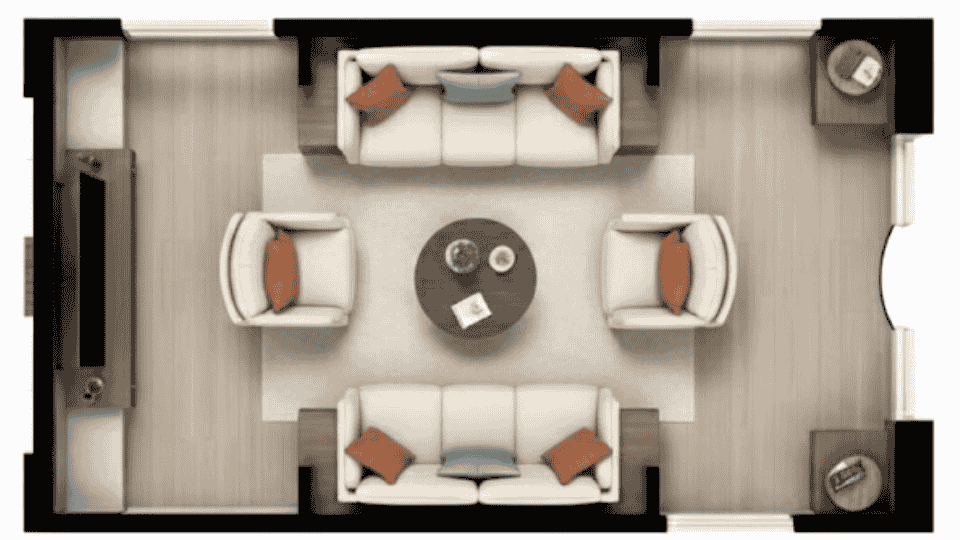
Arranging seating to face inward creates a conversation-first layout that prioritizes connection over screen time. Position chairs and sofas to form a loose circle or square, with the TV visible but not dominating every sightline.
This inward-facing arrangement works beautifully for families who value face-to-face interaction during gatherings. The coffee table becomes the anchor point, drawing people together naturally.
You can still watch TV when you want, but the furniture placement doesn’t force everyone to stare at the screen constantly, offering flexibility for other activities.
3. Opt for a Corner TV Setup
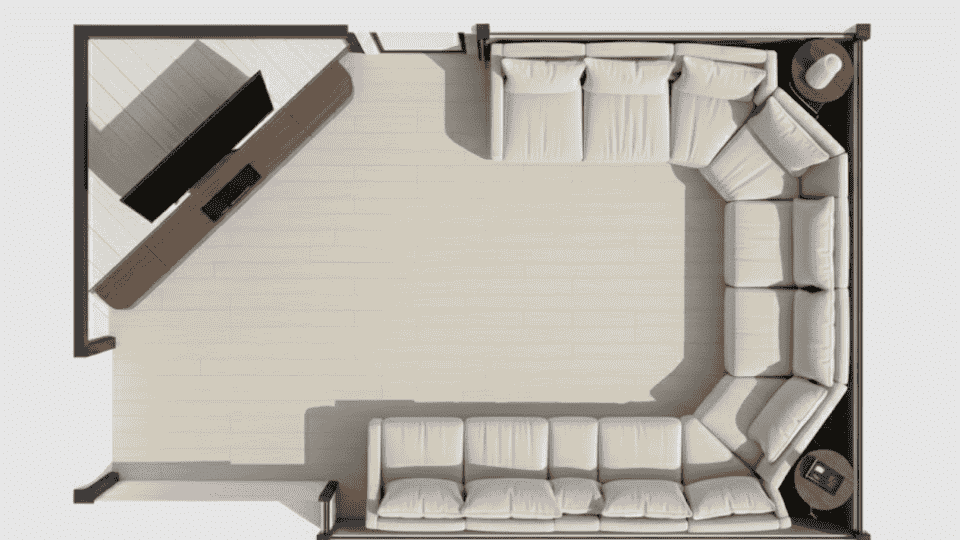
Placing your TV in the corner opens up surprising possibilities for furniture arrangement in tight rectangular spaces. This diagonal positioning frees the main walls for other purposes while creating a cozy media nook.
Use a corner stand or swivel mount to ensure optimal viewing angles from various seating positions. The arrangement naturally draws seating into an L-shape or gentle curve that faces the corner.
This works especially well when you want to maximize floor space in the center of the room for kids’ play areas or yoga practice.
4. Use Area Rugs to Define Zones
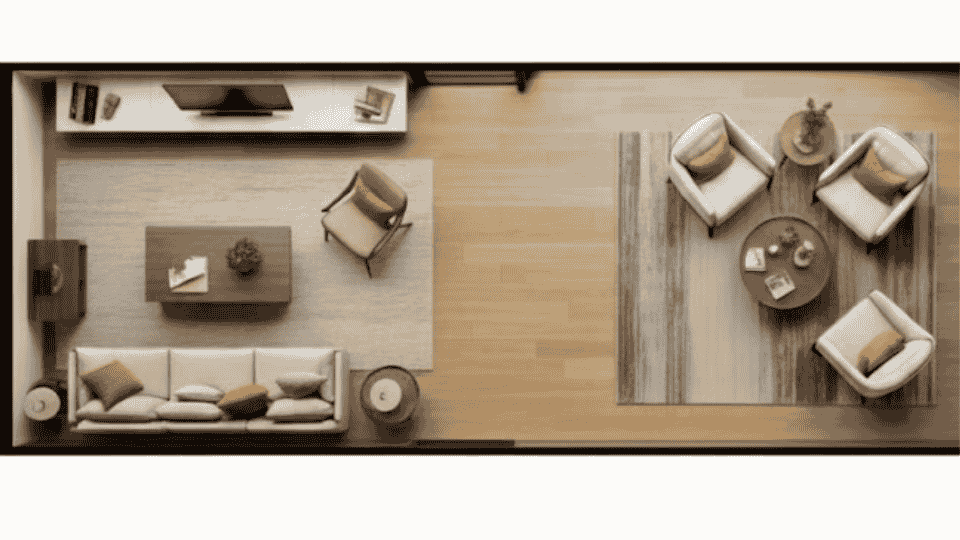
Area rugs act as invisible walls, dividing your long space into distinct functional zones without physical barriers. Place one rug under your TV viewing area to anchor the sofa and chairs, then position another at the opposite end for a reading spot or home office setup.
Choose rugs that share a color family but differ in pattern or texture to maintain a visual connection while defining separate purposes. This approach gives you essentially two rooms in one, making the most of that extended length while avoiding the empty, echoey feeling.
5. Install a Console Behind the Sofa
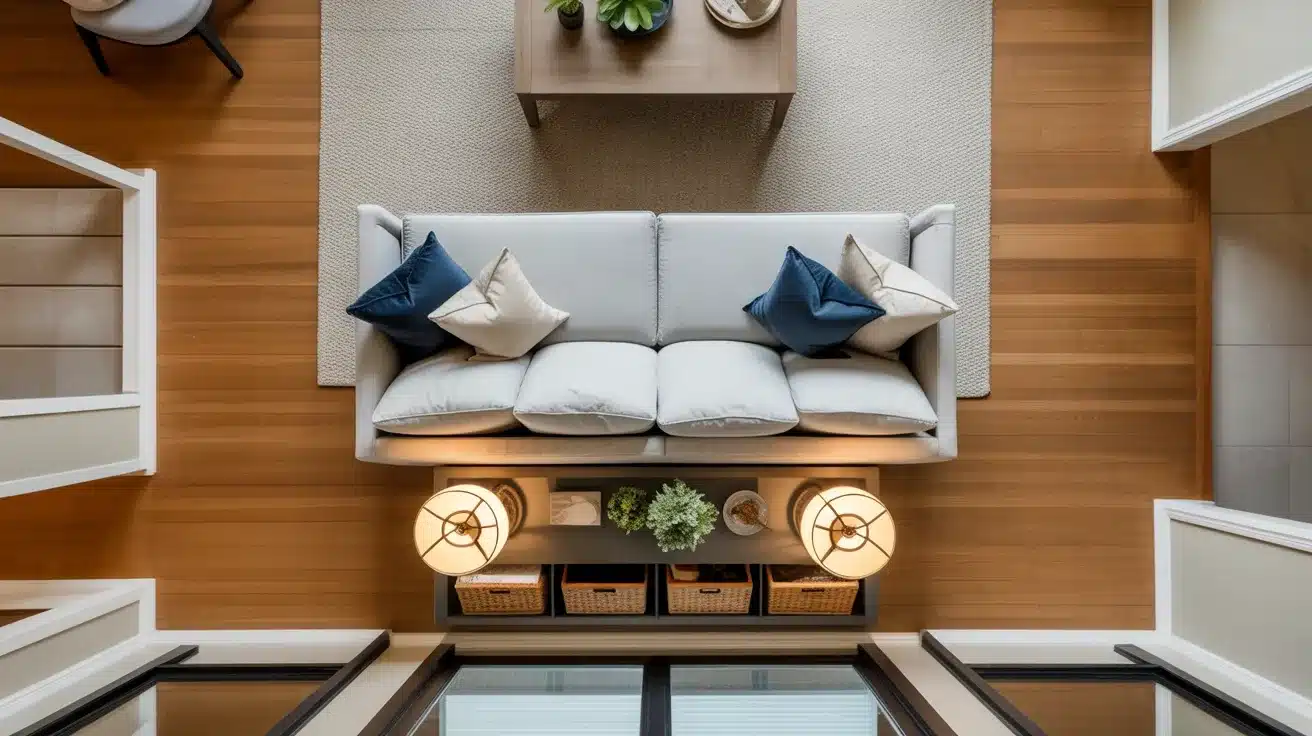
A console table behind your sofa provides both practical storage and a visual divider that naturally segments the room. This narrow piece doesn’t take up much space but offers significant functionality, with surfaces for lamps, plants, and everyday items.
The console creates a psychological boundary between your seating area and whatever lies beyond, whether that’s a dining space or hallway. Style it with pairs of matching elements for balance, and use the lower shelf for baskets that hide remotes, magazines, and other living room necessities.
6. Add a Gallery Wall Behind the TV
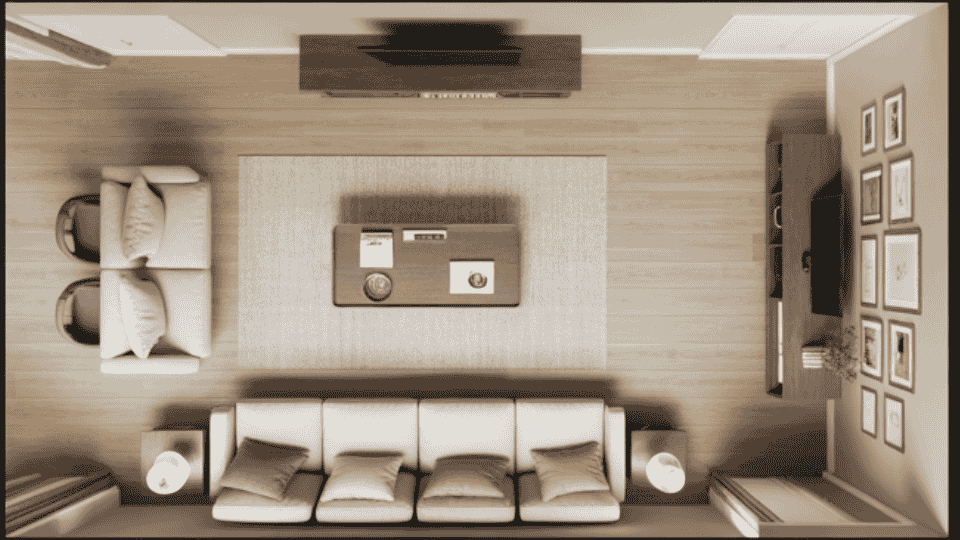
Change that long wall behind your TV into a personal gallery that tells your family’s story through photos and artwork. This vertical design element fills the space beautifully without requiring floor area, making it ideal for narrow rooms.
Mix frame sizes and orientations while maintaining consistent frame colors or matting for cohesion. The gallery draws eyes upward and creates a focal point that competes with the rest of the furniture, giving the room multiple centers of interest.
You’ll appreciate how this brings warmth and personality to what might otherwise be a blank expanse.
7. Incorporate Modular Furniture for Flexibility
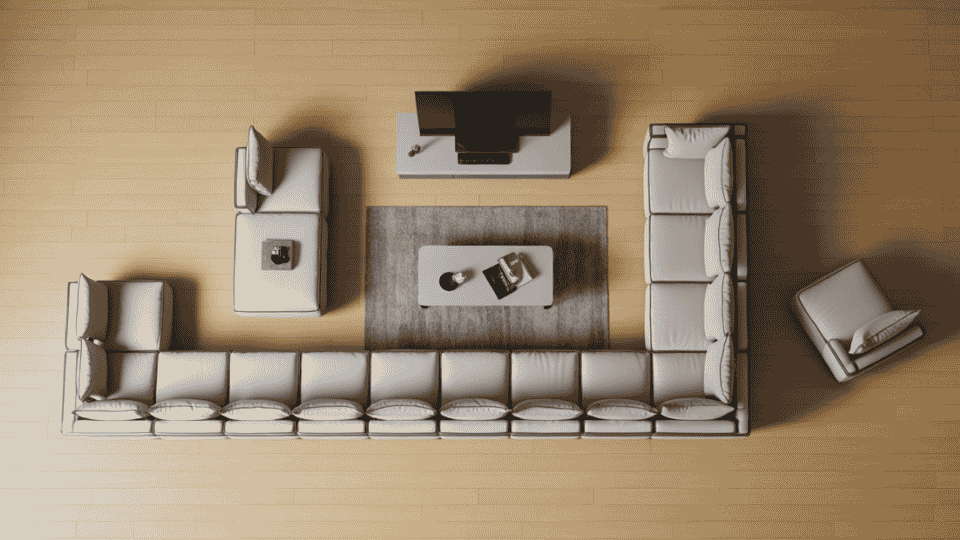
Modular furniture adapts to your changing needs rather than locking you into one permanent arrangement. Individual sections connect to form custom configurations that fit your rectangular room’s proportions perfectly today and rearrange when your needs shift tomorrow.
Hosting a party? Separate the pieces into individual seats scattered throughout the space.
Movie night? Push them together into a large sectional. This flexibility proves invaluable when you move or when kids grow up, and the room functions change. Look for quality connectors that hold pieces securely without complicated hardware.
8. Split the Room with Multiple Seating Areas
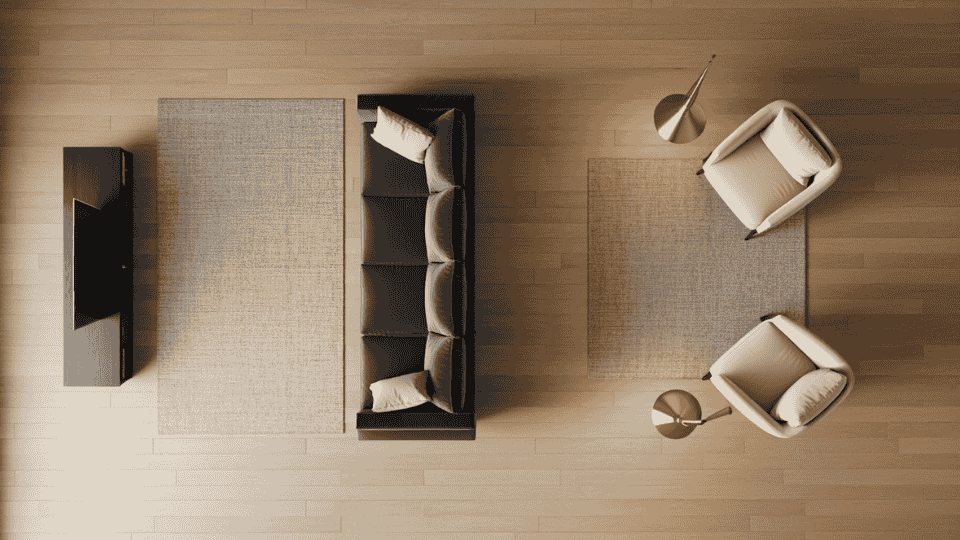
Creating two separate seating areas makes your long room feel intentionally designed rather than awkwardly stretched.
Position your primary TV zone at one end with the sofa and media console, then establish a completely different function at the opposite end, perhaps a reading corner with a pair of chairs and a bookshelf, or a workspace with a desk.
This dual-zone approach works particularly well when household members have different activity preferences at the same time. Use lighting and rugs to distinguish each area while keeping colors consistent throughout.
9. Use Multi-Functional Furniture
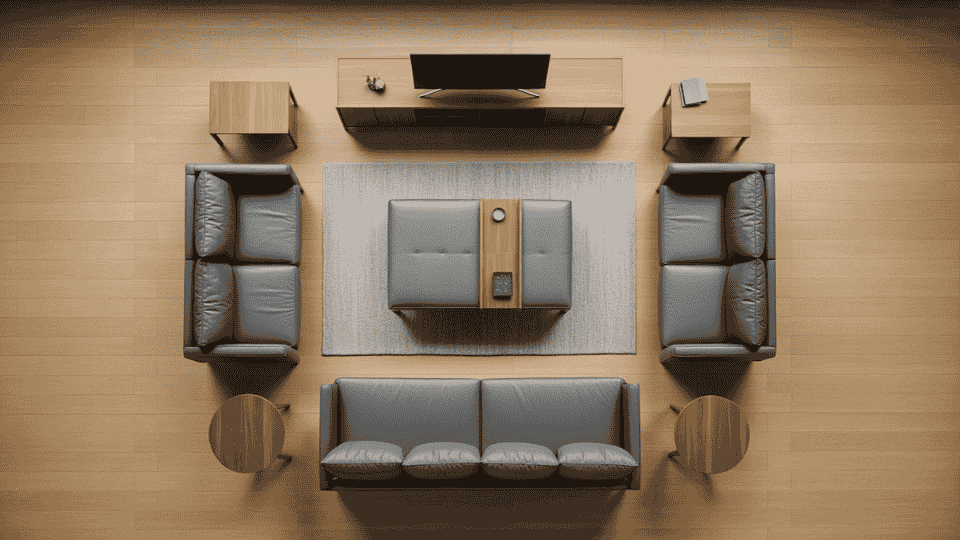
Dual-purpose furniture maximizes every square foot of your rectangular living room by serving multiple needs. Choose a storage ottoman that functions as a coffee table, extra seating, and hidden storage for throws and board games.
Select a TV stand with substantial drawer and cabinet space rather than just a simple shelf. Even your sofa might offer hidden storage under the seat cushions.
These pieces reduce clutter by giving everything a home while maintaining the clean lines necessary in narrow spaces where visual simplicity prevents overwhelm.
10. Install Floating Shelves for Extra Storage
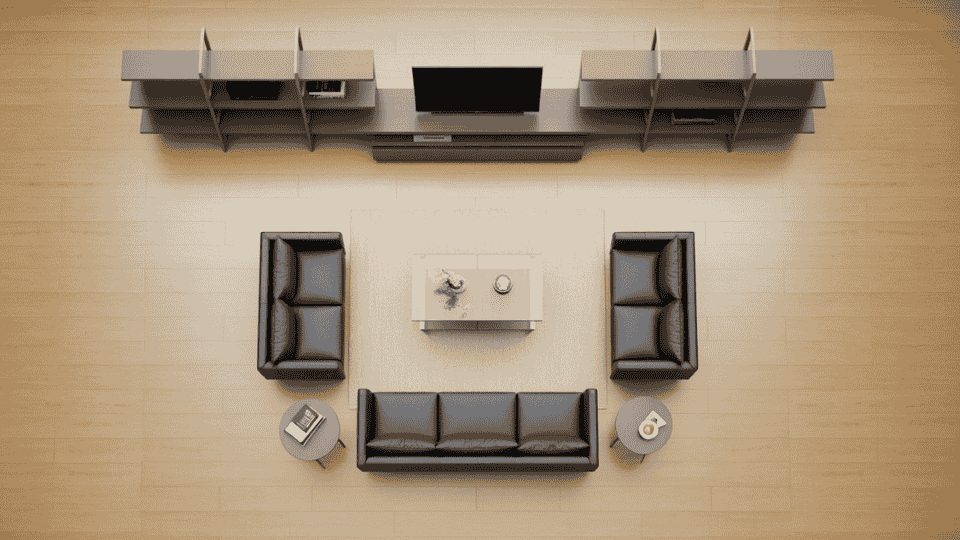
Floating shelves mounted directly to walls provide substantial storage capacity without consuming precious floor space in your narrow room. Install them flanking your TV to create a built-in media center look on a budget, or line them along a long wall to display books and collectibles.
The open design keeps things feeling airy rather than heavy, which matters in tight spaces where bulky cabinets would close things in. You can adjust shelf heights during installation to accommodate items of different sizes, creating custom storage tailored to your specific needs.
11. Position Your TV at the Right Eye Level
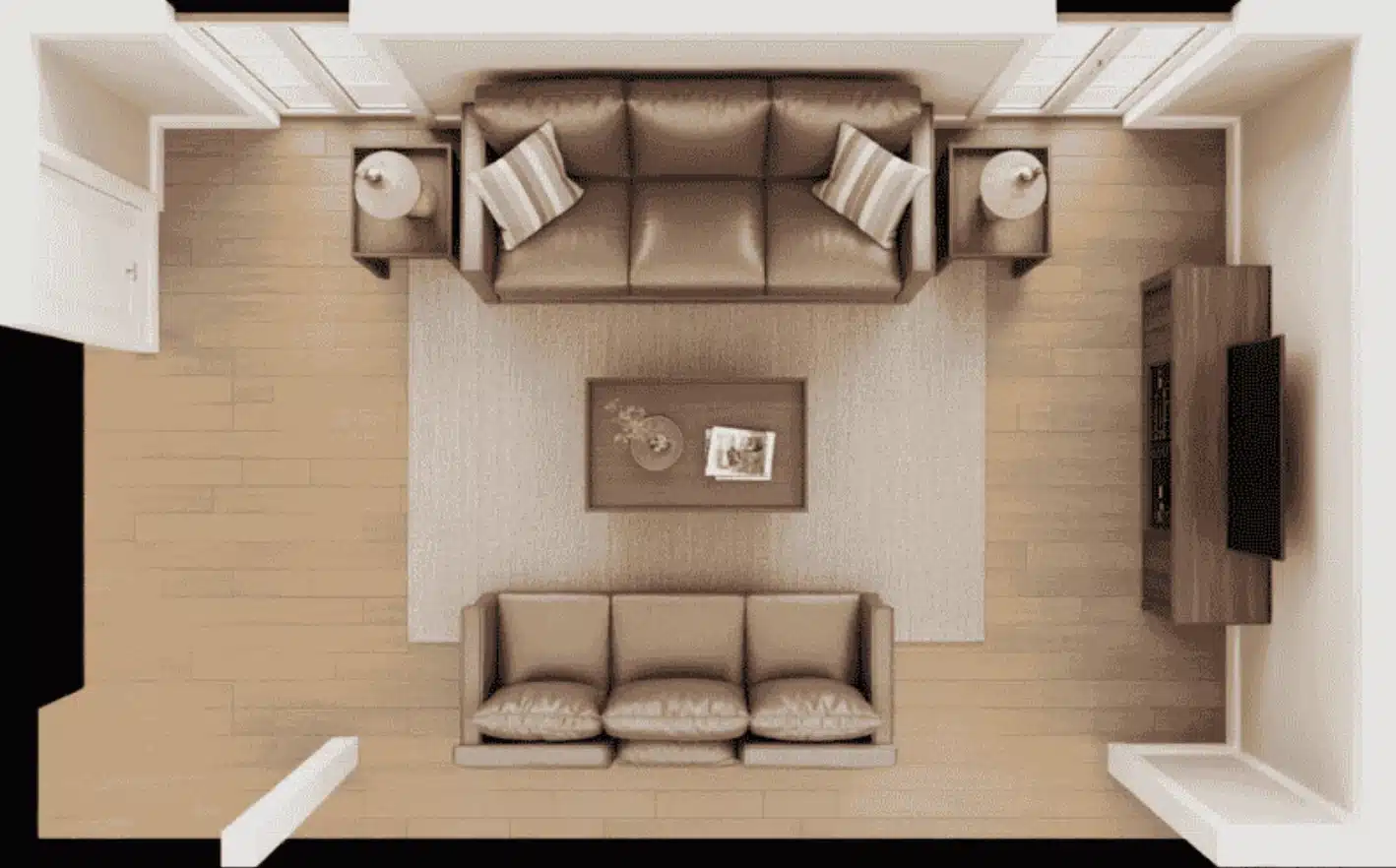
Getting your TV height correct matters more than most people realize, both for comfort and for room proportion.
The center of the screen should sit at eye level when you’re seated, typically 42 to 48 inches from the floor, depending on your furniture height. Mounting too high forces you to crane your neck during long viewing sessions, while positioning too low makes the screen feel like an afterthought.
Measure your sofa seat height, add your eye height while seated, and mount accordingly. This attention to ergonomics improves both daily comfort and the overall visual balance.
12. Use Furniture to Balance the Space
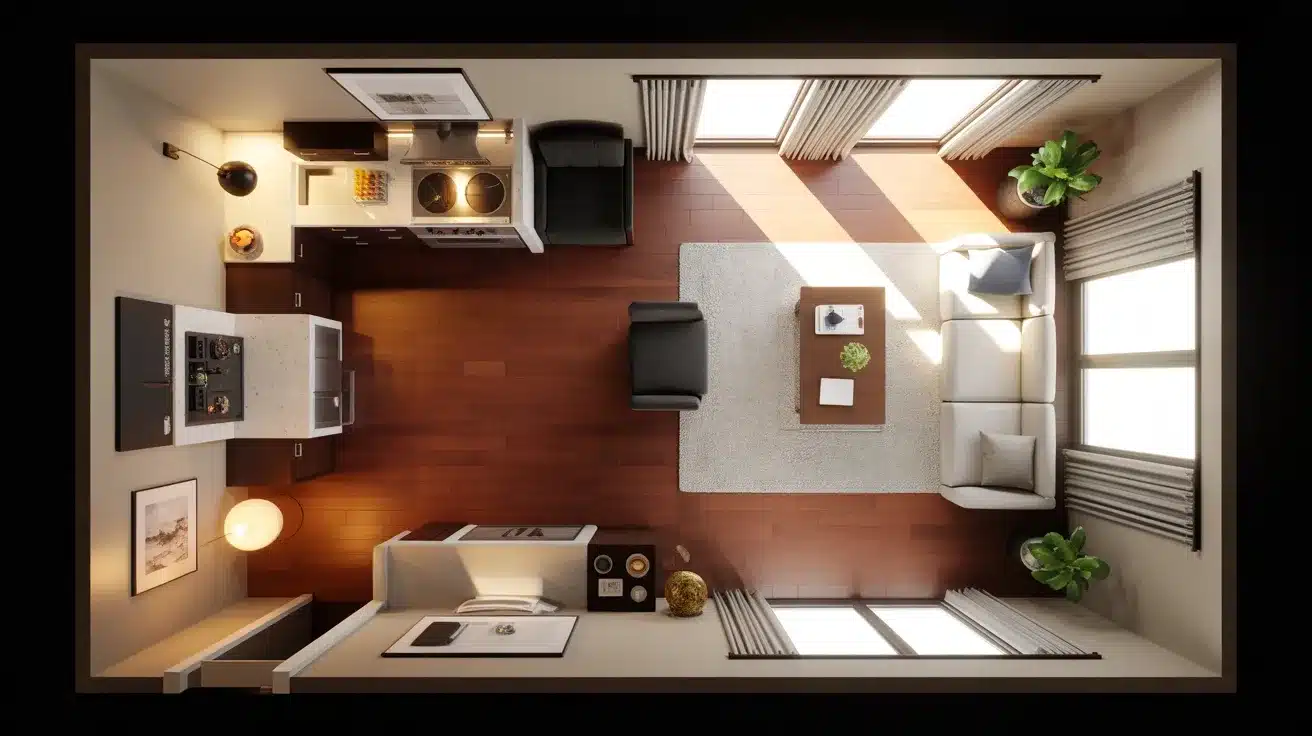
Symmetrical furniture placement creates visual calm in long rectangular rooms that might otherwise feel chaotic or unbalanced. Position matching table lamps on identical end tables flanking your sofa, or place coordinating bookcases on both sides of the TV.
This mirrored arrangement provides a sense of order and intentionality, making the space feel professionally designed. You don’t need exact duplicates, just pieces with similar visual weight and height.
The resulting balance helps your eyes rest comfortably rather than getting pulled around the room by competing elements.
13. Create Easy Pathways for Movement
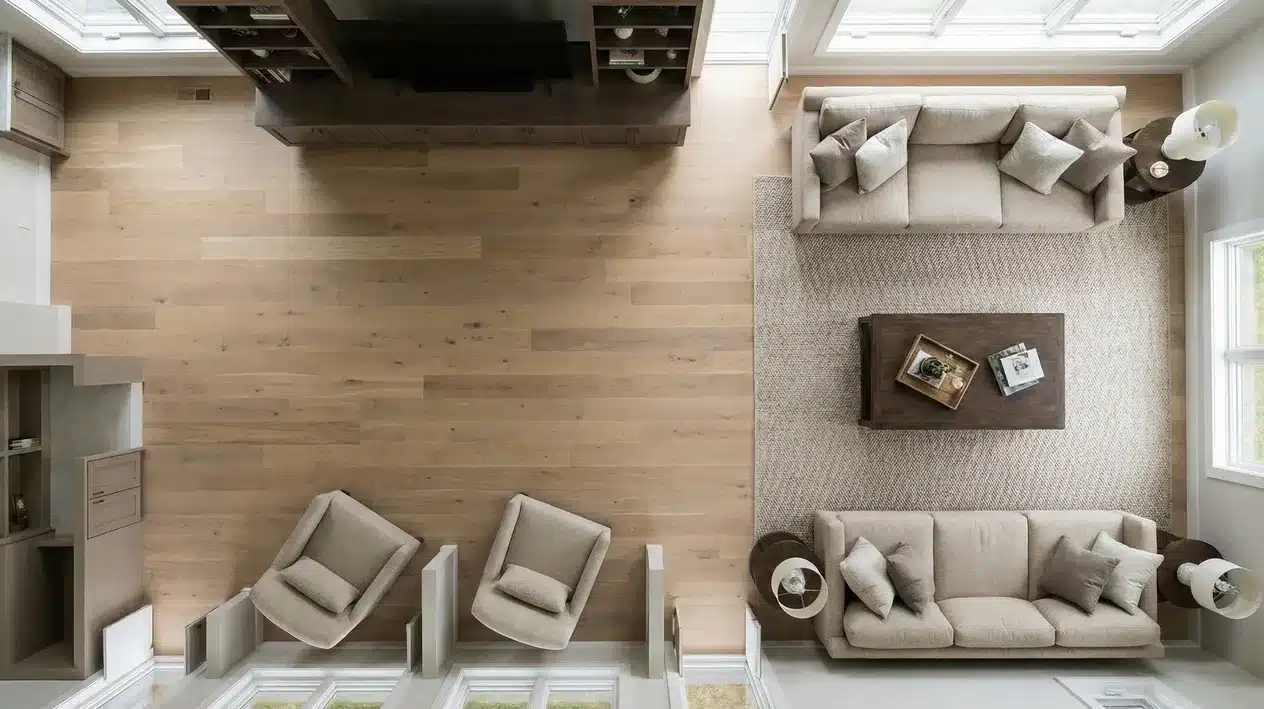
Traffic flow determines whether your room functions smoothly or creates daily frustration when people constantly bump into furniture. Maintain at least 30 inches of clearance between your coffee table and sofa for comfortable leg room and passage.
Position furniture so pathways don’t force people to walk directly in front of the TV screen during shows. Consider how people enter and exit the space, and arrange pieces to accommodate natural movement patterns.
This thoughtful planning makes your rectangular room feel spacious and welcoming rather than cramped and obstacle-filled.
Creative Storage and Design Solutions
Adding smart storage and decorative elements helps your rectangular living room function better while looking more finished. These solutions address both practical needs and visual appeal:
- Hidden storage ottomans provide seating, footrests, and concealed space for blankets, remotes, and magazines without adding visual clutter to the room
- Wall-mounted cabinets above or beside the TV keep media equipment and accessories organized while maintaining clean floor lines in narrow spaces
- Decorative storage baskets on shelves or under consoles offer texture and style while corralling smaller items that otherwise scatter across surfaces
- Gallery walls on long empty walls create focal points and visual interest, breaking up the expanse without requiring floor space
- Tall bookshelves at room ends use vertical space efficiently, providing abundant storage while serving as room dividers or architectural anchors
- Mirrored surfaces strategically placed reflect light and create the illusion of width, making the narrow room feel more spacious and open
These storage solutions work together to keep your long rectangular room organized and functional. The key is choosing pieces that serve multiple purposes rather than single-function items that consume valuable space without earning their footprint.
Current Living Room Trends
Trends right now are all about making your space feel personal and comfortable, rather than just perfect for a photo. Accounts like @mcgeeandco on Instagram show how breaking strict symmetry creates a lived-in feel, letting mismatched chairs and varied side tables add warmth and character.
Pinterest designers are posting curved sofas, rounded coffee tables, and arched shelves because softer shapes make long rooms feel friendlier and less boxy. TikTok clips tagged #LivingRoomLayoutTrend highlight zoned arrangements, such as reading nooks beside a TV area, that help rectangular spaces feel like several distinct areas while flowing well together.
Color schemes trending across platforms mix earthy tones, rich jewel accents, and layered textures with natural materials like wood and stone, keeping rooms grounded and inviting. These ideas resonate because they make a room work hard for everyday life, not just look stylish for a brief moment.
Smart Tips for Rectangular Room Success
Understanding a few key principles makes arranging furniture in long, narrow spaces significantly easier. These guidelines apply across different design styles and room sizes:
- Low-profile furniture with exposed legs maintains sightlines and prevents cramped feelings in narrow rectangular rooms.
- Proportional furniture sizing ensures pieces fit the room, avoiding oversized sofas or tiny chairs that look misplaced.
- Layered lighting combines overhead fixtures, table lamps, and floor lamps to eliminate dark corners throughout the length.
- Properly sized rugs anchor zones by extending under furniture legs, visually connecting pieces within designated areas.
- Vertical space utilization, such as tall plants, floor-to-ceiling curtains, or stacked storage, draws the eye upward.
- Use minimal, meaningful accessories to prevent clutter, and curate decorative pieces carefully rather than filling every available surface unnecessarily.
These practical strategies help you make the most of your room’s unique dimensions while avoiding common layout mistakes. The goal is to create an intentional, comfortable space rather than forcing furniture into awkward arrangements.
Final Thoughts
Mastering your long rectangular living room layout with TV requires balancing practical needs with visual appeal. The ideas I shared here offer options for rooms of various sizes and lifestyle needs.
Your rectangular room has potential beyond its challenging proportions; the right furniture placement reveals that possibility. Don’t settle for a layout that fights your space when these strategies can work with it.
Starting with TV placement on the short wall, then building outward with floating furniture and defined zones, creates the foundation for success.
With these strategies, your long living room becomes a functional, inviting space you’ll actually want to spend time in. Share your living room arrangement ideas and drop a comment below.