




I’ve noticed how Harvard and Dark Academia often show up together online, almost like they belong to the same world. You see old libraries, quiet halls, and people reading classic books, and it all feels calm and meaningful.
It’s easy to get pulled into that image, similar to how people view Light Academia style . But if you look closer, it’s not really about Harvard itself. It’s about how we imagine it.
I’ll help you understand where that image comes from and why it feels so powerful. You’ll see how history, stories, and style all mix together to create something that feels real, even when it’s not.
Understanding Dark Academia and Its Connection to Harvard
Actually, a way of imagining intellectual life. Harvard plays a key role because it represents elite education, prestige, and deep knowledge.
Instead of focusing on the real university, the aesthetic turns Harvard into an ideal symbol of academic excellence. This creates a version of learning that feels meaningful and dramatic rather than ordinary.
- Harvard acts as a symbol , not the actual focus
- The aesthetic turns reality into an ideal academic world
- Emphasis is on prestige and intellectual identity
- Focus often shifts to appearance over real learning
- It creates a romanticized version of knowledge
Dark Academia is less about real academic life and more about how people imagine it. It reflects a desire to see learning as something beautiful and meaningful, even if that image is not entirely true to reality.
Harvard’s Historical Roots Behind Dark Academia
Dark Academia draws inspiration from Harvard’s long academic history, but what it presents is not the full reality; it is a filtered version shaped by aesthetic preferences and cultural storytelling.
Harvard in Reality:
- Founded in 1636 with strong ties to elite education
- Historically shaped by restricted access and hierarchy
- Focused on classical studies but within rigid systems
Harvard in Dark Academia:
- Seen as an intellectual haven
- Emphasizes literature, philosophy, and tradition
- Removes social and historical complexities
Literature plays a major role in bridging these two versions. Works like The Secret History reimagine elite academic environments, making them feel both intellectually intense and emotionally compelling.
As a result, Harvard’s complex past becomes simplified into a powerful but incomplete aesthetic narrative.
Why Harvard Became the Core Symbol of Dark Academia
Harvard’s role in Dark Academia is not accidental; it is structural. The aesthetic depends on a powerful symbol that instantly conveys prestige, tradition, and intellectual depth , and Harvard fulfills this better than almost any institution.
Its constant presence in media, literature, and global discourse reinforces its image as the pinnacle of academic achievement.
Through repetition, images of historic campuses, elite student life, and intellectual legacy, Harvard is transformed from a real university into an archetype of “ideal academia.”
Architecturally and culturally, it aligns with the aesthetic’s visual language, making it feel timeless and universal.
Ultimately, Harvard functions less as a place and more as a symbol of intellectual aspiration and exclusivity , representing a broader world of elite academic tradition rather than itself alone.
How is Harvard transformed into an Atmosphere?

Dark Academia does not replicate Harvard; it reinterprets it through a system of visual and behavioral elements, turning a real institution into a symbolic experience.
1. Visual and Environmental Translation
Harvard’s libraries and architecture are simplified into dim lighting, antique furniture, and towering bookshelves; elements that signal depth and timelessness.
Through abstraction, real spaces become portable environments that feel intellectual but are detached from reality. This breaks down when the space becomes purely decorative without real engagement.
Key Points:
- Focus on dim lighting, vintage interiors, and bookshelves
- Signals history and intellectual depth
- Uses abstraction to recreate Harvard anywhere
- Becomes an atmosphere, not a real place
- Fails when reduced to decoration without meaning
2. Fashion as Institutional Identity
Dark Academia fashion mirrors traditional academic dress, using tweed, cardigans, and muted tones to reflect Harvard’s scholarly image.
Through mimicry, it creates a visible sense of belonging, but remains limited to appearance rather than real intellectual depth.
Key Points:
- Inspired by traditional academic clothing
- Acts as an identity and belonging signal
- Reflects intellectual culture visually
- Creates an appearance of scholarship
- Limited without real intellectual substance
3. Curated Intellectual Behavior
The aesthetic highlights activities like reading classics and studying philosophy, reflecting Harvard’s historical focus.
This selective approach creates a refined but narrow version of intellectual life, often excluding modern and diverse perspectives.
Key Points:
- Focus on classics and philosophy
- Highlights select forms of knowledge
- Creates a stylized intellectual lifestyle
- Ignores modern disciplines
- Limits broader intellectual exploration
The Myth vs Reality of Harvard in Dark Academia
Dark Academia presents Harvard through a romanticized lens that contrasts sharply with its real-world complexity.
| Aspect | Myth | Reality |
|---|---|---|
| Image | Beautiful, intense, intellectual | Complex, modern institution |
| Knowledge | Transformative, poetic | Structured, demanding |
| Students | Introspective, meaningful lives | Competitive, high-pressure |
| Access | Open and universal | Historically restricted |
| System | Timeless sanctuary | Bureaucratic, evolving |
| Intellectualism | Aesthetic performance | Genuine engagement |
| Outcome | Emotional, idealized narrative | Nuanced, imperfect reality |
This comparison highlights how Dark Academia reshapes Harvard into a symbolic ideal, emphasizing meaning and beauty while overlooking the realities that define it.
Why Harvard-Focused Dark Academia Resonates Today?
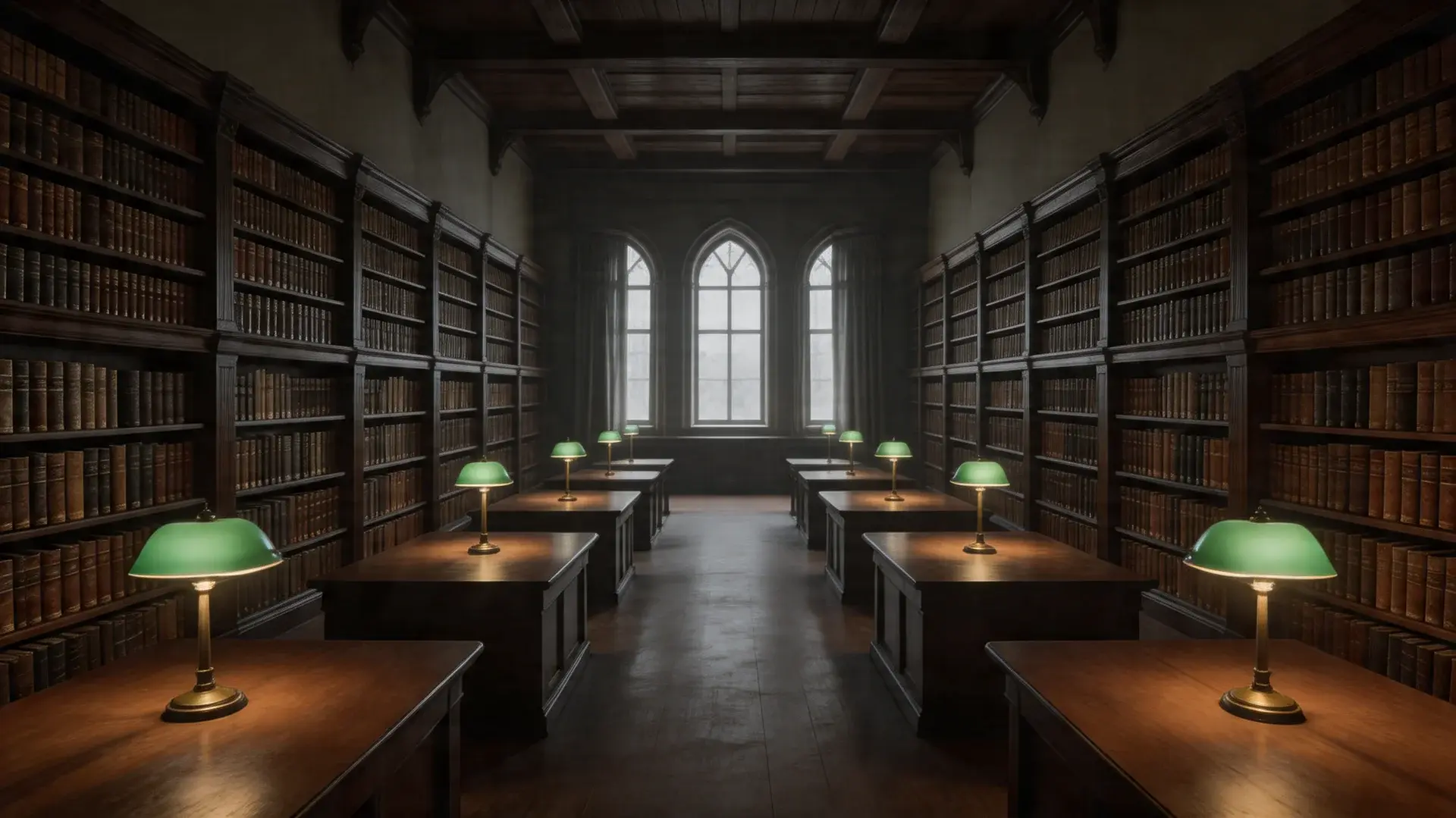
Harvard-focused Dark Academia resonates today because it reflects a response to digital overload, fast-paced education, and a lack of depth in modern life.
As a symbol, Harvard offers an imagined world of slow, meaningful, and intellectually rich learning . This effect intensified during COVID-19, when empty campuses became objects of nostalgia and idealization .
As a result, Harvard represents permanence, focus, and depth ; qualities many feel are missing today, though this appeal can fade if it remains only an aesthetic escape.
Harvard and Dark Academia as a Cultural Construct
The relationship between Harvard and Dark Academia is best understood as a layered system where a real institution is transformed into a cultural idea.
Harvard provides the historical base, but it does not remain unchanged; it is reshaped, simplified, and reinterpreted through narrative and aesthetic expression.
- History: real traditions, architecture, and intellectual legacy
- Myth: selective romanticization of certain elements
- Aesthetic: visual and behavioral expression of that myth
- Mechanism: feedback loop between culture, perception, and imagery
- Outcome: Harvard becomes a symbolic idea, not just an institution
Over time, this process creates a self-sustaining cultural construct. Harvard exists not only as a university but as an imagined ideal, blending reality, myth, and aesthetic into a single, powerful narrative.
Final Thoughts
When you look at it closely, the version of Harvard in Dark Academia isn’t something you can visit; it’s something people create in their minds.
That’s what makes it so appealing. It gives you a way to slow down and connect learning with meaning, even if real life doesn’t always feel that way.
Understanding Harvard and Dark Academia helps you see the difference between what looks good and what actually matters.
You can still enjoy the mood and inspiration, but you don’t have to get stuck in the illusion. Real learning can be messy, and that’s okay.
If you’re curious about ideas like this, you can always check out my more posts for simple insights and fresh perspectives.