


Ever wonder why that expensive coffee table warped after just one winter? Most furniture failures aren’t about poor craftsmanship.
They just happen when the wrong types of wood for furniture end up in the wrong environment. It is incredibly frustrating to watch a beautiful piece degrade simply because of a humidity shift.
Over my two decades in carpentry, I have seen exactly which species hold up and which ones fail. This guide breaks down the 15 most common woods, how they behave over time, and where they actually belong.
By the end, you will know exactly how to match the right timber to your space so your investment lasts for generations
Wood Categories at a Glance
Before getting into individual species, it helps to understand the three structural categories. Your choice of wood type determines cost, durability, and how a piece behaves over years of use, not just how it looks on day one.
| Category | Source | Key Traits | Common Types | Best Uses |
| Hardwoods | Slow-growing deciduous trees | Strong, dense, durable, distinctive grain | Oak, walnut, maple, cherry | Tables, dressers, cabinets, heirloom pieces |
| Softwoods | Fast-growing evergreen trees | Lighter, easier to shape, dents more readily | Pine, cedar, redwood | Casual furniture, shelving, children’s items, outdoor builds |
| Engineered Woods | Man-made from wood fibers, chips, or layers | Affordable, dimensionally stable, moisture-sensitive | Plywood, MDF, particleboard | Budget furniture, painted cabinetry, structural carcasses |
One thing worth knowing before you move to the species breakdown: “hardwood” and “softwood” describe the tree type, not the actual hardness of the board.
Balsa is technically a hardwood. Some pines are harder than certain oak species. What matters in practice is Janka rating, grain structure, and how the wood responds to finish and moisture over time.
The 15 Most Common Types of Wood for Furniture
1. Oak
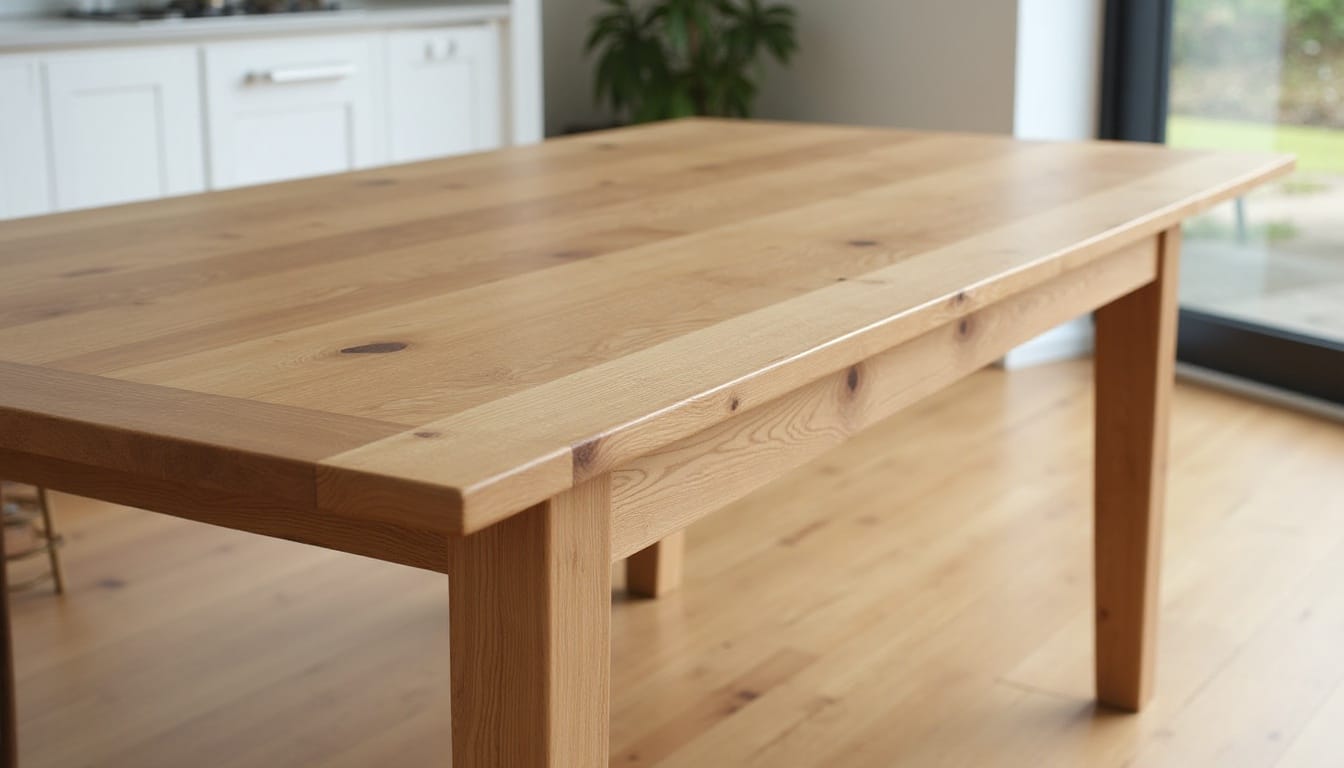
Oak is one of the most requested species I work with. White oak sits at 1,360 lbf on the Janka scale; red oak comes in around 1,290 lbf. Both have a pronounced open grain and warm brown tone, which is what gives oak furniture its character, and it’s also what makes it harder to get a smooth painted finish. If you’re staining, oak takes it well. If you’re painting, maple will serve you better.
The two types matter more than most buyers realize. White oak is denser and more moisture-resistant — it’s what goes into whiskey barrels and boat frames. For a dining table in a kitchen with humidity swings, white oak is the smarter pick.
Best Uses: Dining tables, cabinets, flooring, chairs, anything that sees daily use and needs to be around in 30 years.
How to Maintain This Wood: Wipe with a damp cloth, skip harsh cleaners, and apply oil polish every few months to keep the finish from drying out.
| Pro Tip: Choosing between oak and walnut? The two species sit at opposite ends of the color spectrum and serve different aesthetic purposes. See the full oak vs. walnut comparison before committing to either. |
2. Maple
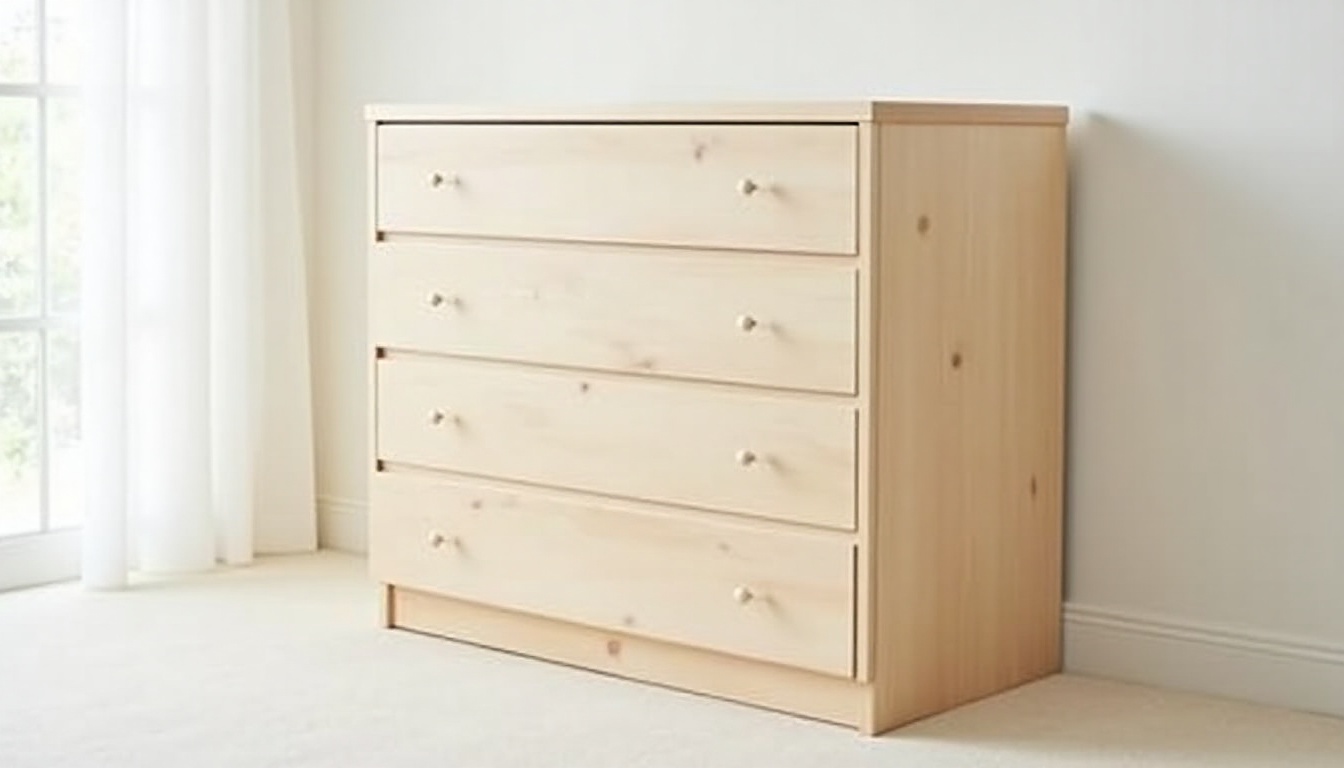
Hard maple is the species I reach for when someone needs a countertop or work surface that will actually last. At 1,450 lbf Janka, it’s one of the hardest domestic hardwoods available, harder than oak or walnut.
The trade-off is that maple is notoriously difficult to stain evenly; it tends to blotch badly if you don’t condition the wood first. For a natural or clear finish, maple is excellent. For a rich stain color, either prep carefully or choose a different species.
The light, creamy color and smooth, closed grain make maple ideal for modern and painted cabinetry; it gives a flawless surface that solid oak simply can’t match.
Best Uses: Kitchen cabinets, countertops, butcher blocks, dressers, and any surface that needs to handle frequent impact without showing it.
How to Maintain This Wood: Dust often, keep away from prolonged moisture, and clean with a soft dry cloth. Avoid oil finishes, they can yellow maple’s light surface.
3. Cherry
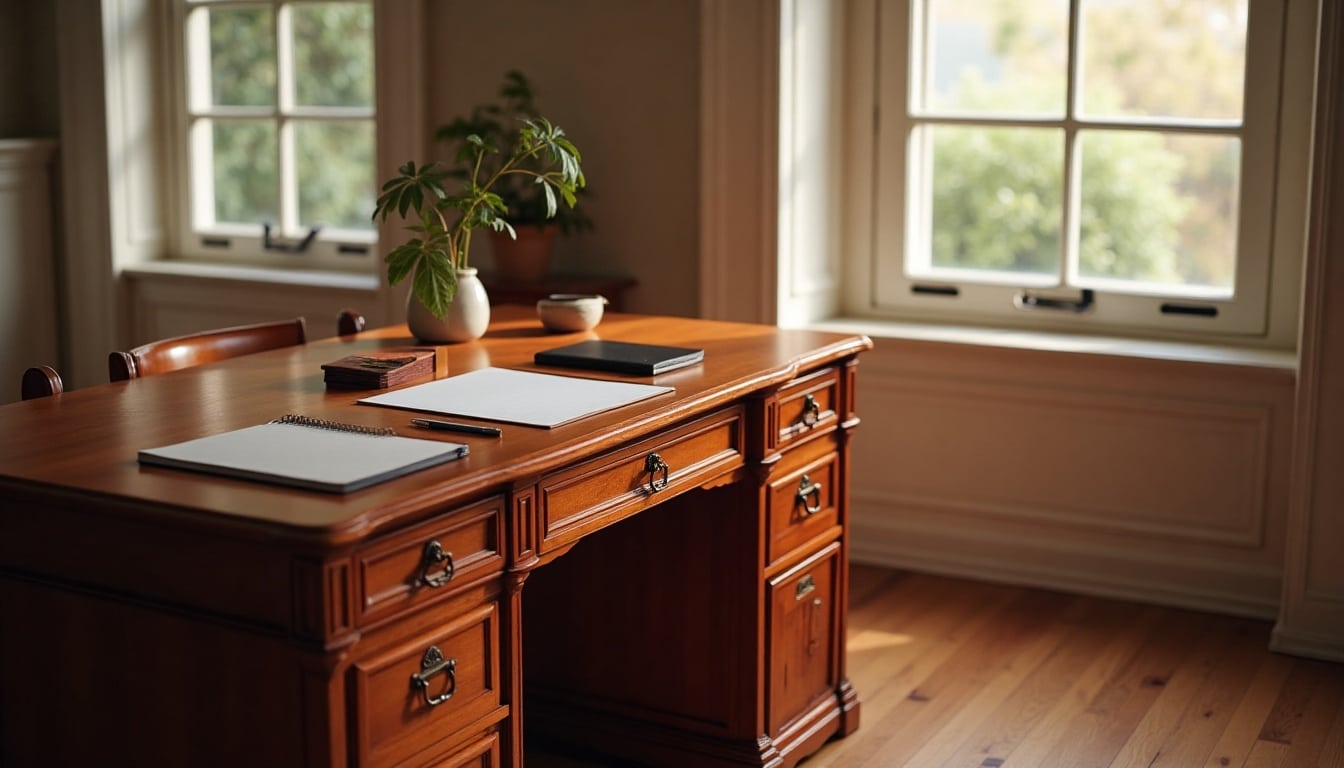
Cherry is one of the few domestic hardwoods that improves in appearance over time. Freshly milled, it’s a pale pinkish tone that some clients initially don’t love.
Give it six months of light exposure, and it deepens into a rich reddish-brown that’s impossible to replicate with a stain. I’ve built pieces where clients came back to tell me they look better at 10 years than when they first picked them up.
That aging process is real, but it’s also a reason to keep cherry out of direct, prolonged sunlight. Uneven exposure causes uneven patina, and you’ll end up with a piece that looks like two different colors depending on which side faces the window.
Best Uses: Dining tables, desks, headboards, and formal room furniture where the long-term color payoff justifies the initial cost.
How to Maintain This Wood: Rotate or reposition pieces occasionally to ensure even patina development. Clean gently, use wax polish occasionally, and keep out of direct sunlight.
4. Walnut
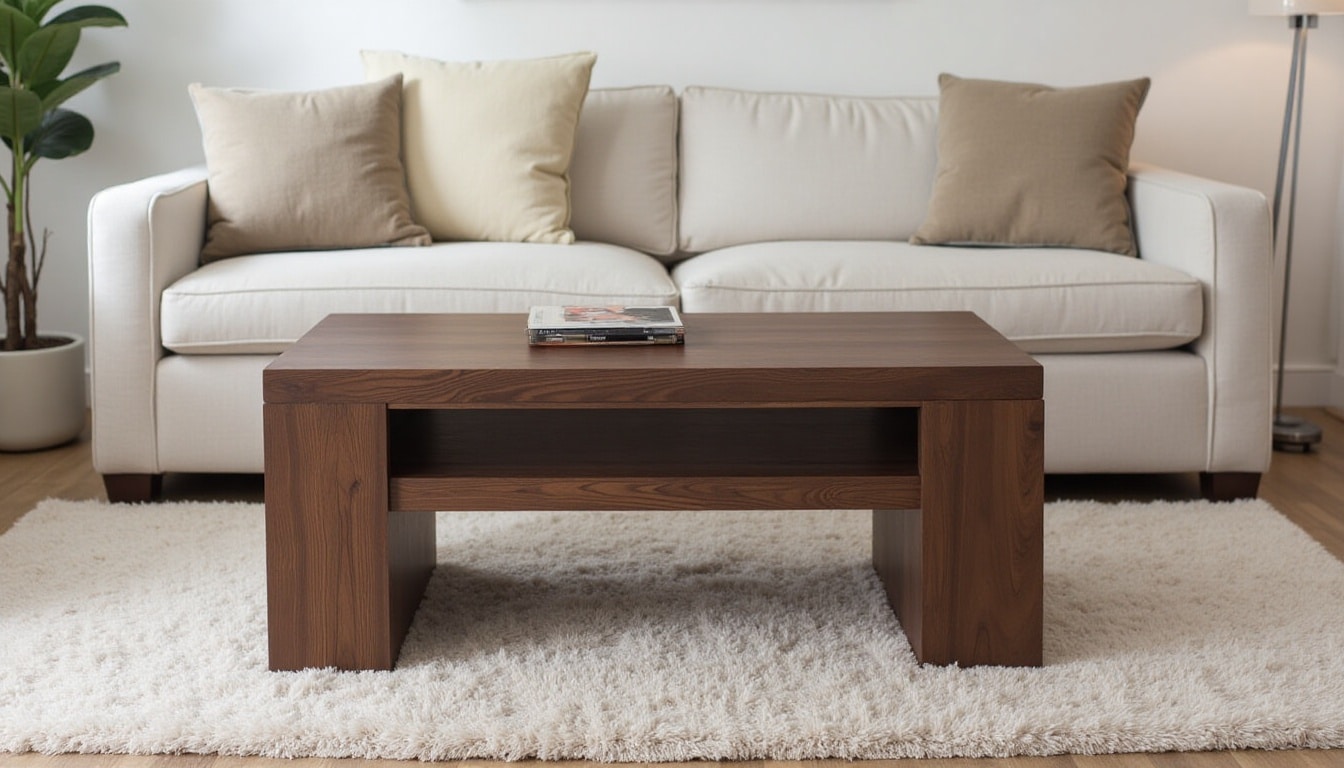
Walnut is the species designers ask for most, and the price reflects that demand, typically $8 to $15 per board foot for quality material. What you get is a chocolate-brown heartwood with a bold, open grain that doesn’t need a stain to look good. Walnut machines cleanly and takes an oil finish beautifully.
One thing most buyers don’t know: unlike cherry, walnut lightens slightly with UV exposure over time rather than darkening. If you’re mixing old and new walnut pieces in the same room, the color drift will become visible. Factor that in before buying.
Best Uses: Desks, bookcases, coffee tables, headboards, and any statement piece where the dark tone is the point.
How to Maintain This Wood: Dust regularly, apply furniture oil once or twice a year to keep the wood hydrated and the grain looking rich.
5. Mahogany
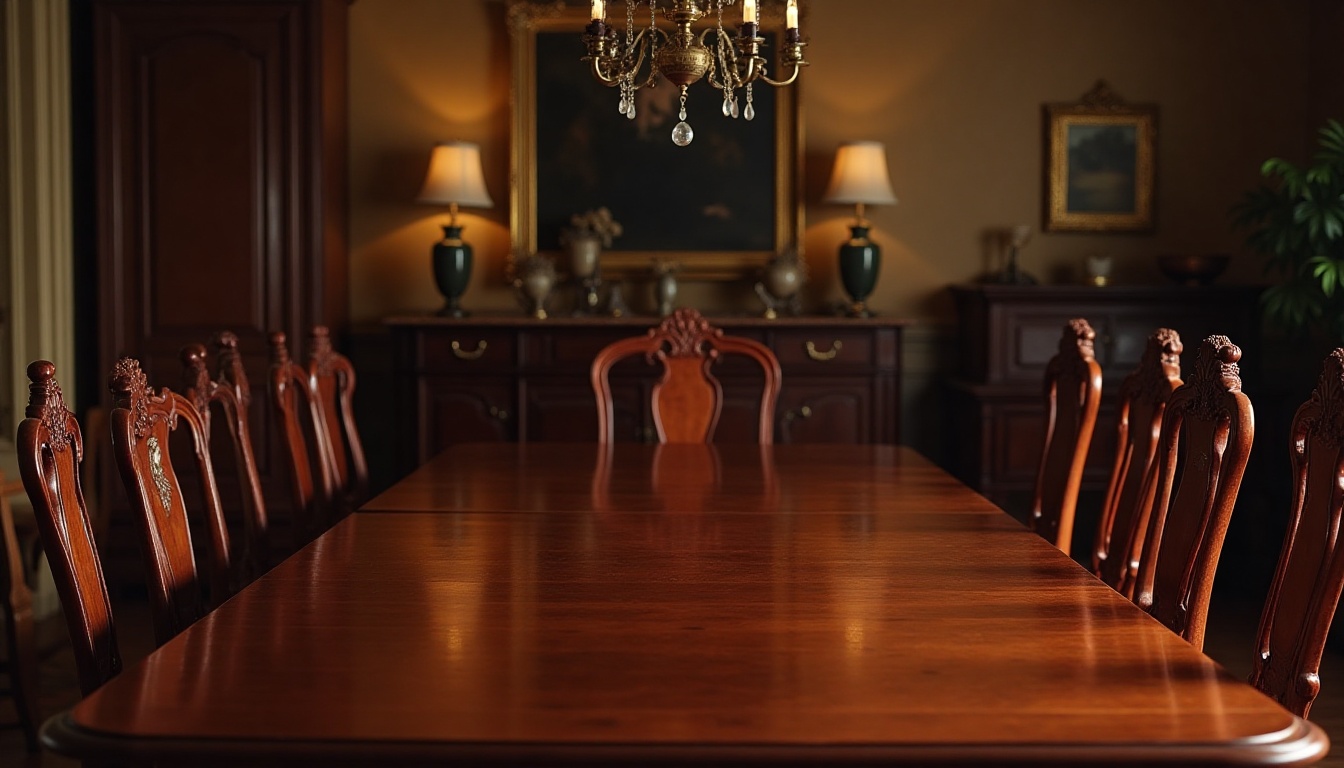
Mahogany has a deep reddish-brown color, fine grain, and genuine resistance to warping. Historically, it was the go-to species for high-end furniture and boat building.
The species question matters today: most “mahogany” sold in the US is African mahogany (Khaya species), not the original Honduran mahogany (Swietenia macrophylla) that built the wood’s reputation. African mahogany is a solid material, but it’s softer and less dimensionally stable than genuine Honduran. Ask your supplier specifically which species you’re getting before budgeting for a high-end piece.
Best Uses: Wardrobes, sideboards, formal dining sets, and antique-reproduction furniture where the reddish warmth is part of the design.
How to Maintain This Wood: Avoid hot items directly on the surface, clean with a soft cloth, and polish occasionally to maintain the sheen.
6. Birch
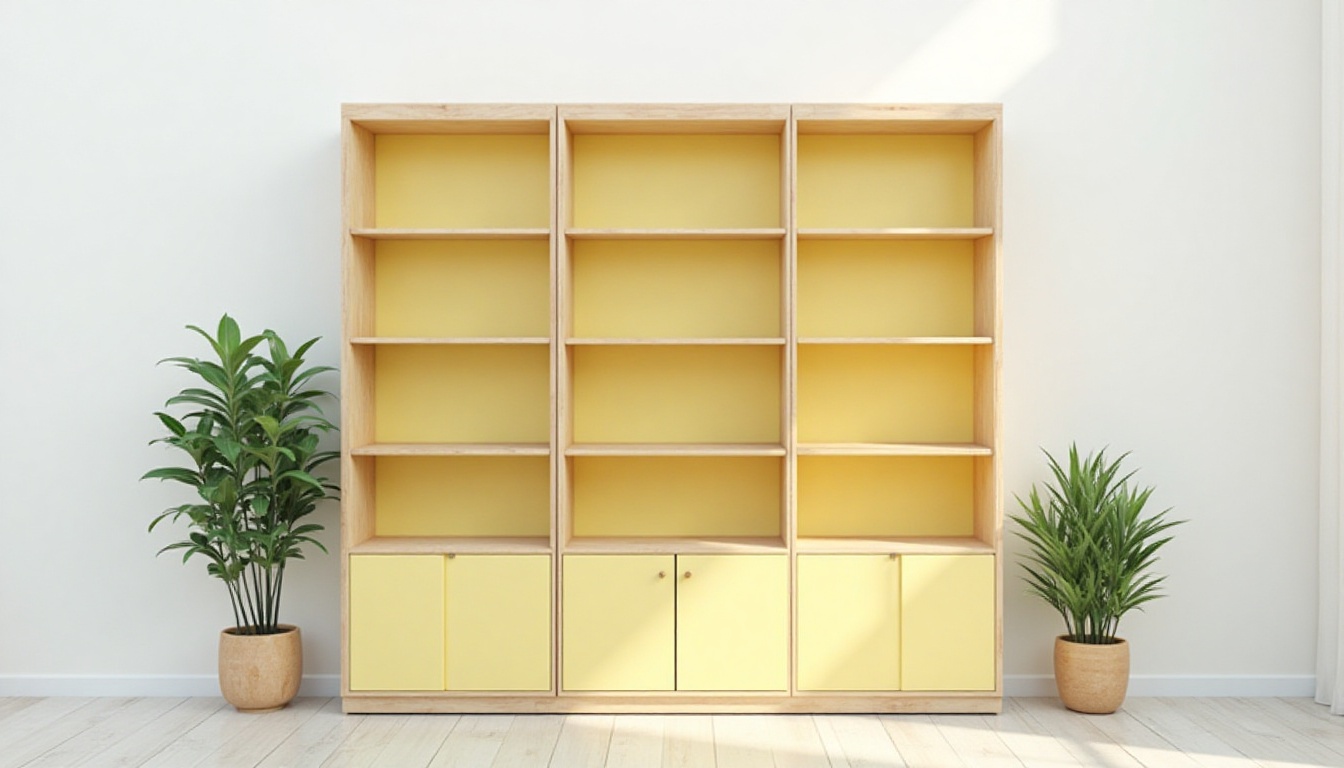
Birch is a light-colored hardwood with a yellowish tone and even, relatively flat grain. It’s strong and shock-resistant, and it takes paint and stain without much fuss. The more important distinction is between solid birch and birch plywood, they’re used differently.
Birch plywood is one of the best structural materials in furniture making: dimensionally stable, holds screws well, and resists warping. Solid birch is fine for secondary parts like drawer boxes, but its flat grain makes it a weaker choice for show surfaces where you want visual character.
Best Uses: Cabinets, cabinet carcasses, doors, and painted furniture where a smooth, stable substrate matters more than visible grain.
How to Maintain This Wood: Dust regularly, protect from direct sunlight, apply polish monthly on finished pieces.
7. Teak
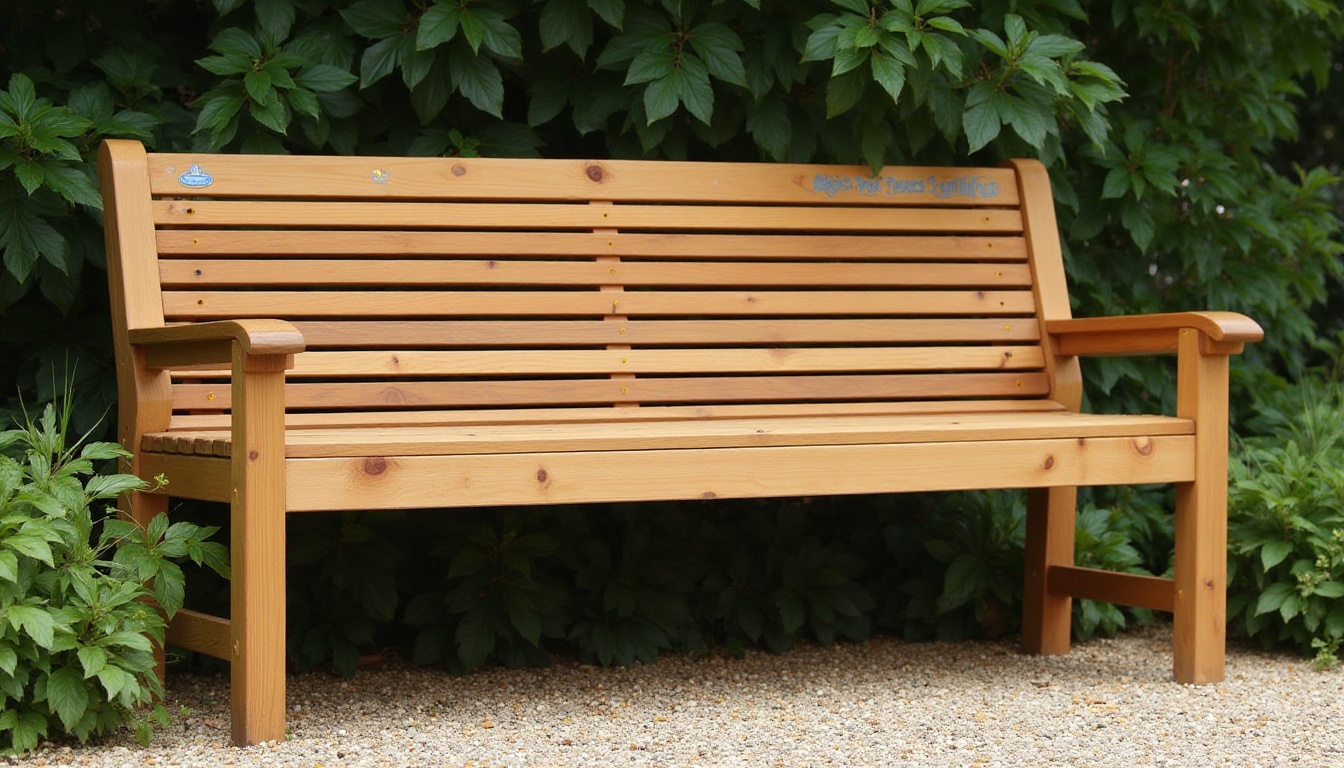
Teak is the only species I recommend without reservation for outdoor furniture. That’s not enthusiasm, it’s the high silica and natural oil content that makes it genuinely weatherproof. I’ve seen teak garden benches left untreated for 15 years that cleaned up and looked nearly new after a light sand. No other common outdoor species does that.
The trade-off: silica content dulls cutting tools faster than other species, which is one reason teak milling and custom fabrication costs more. Budget for it. At $20 to $35 per board foot, teak isn’t the wood you reach for when you want a cheap patio set, it’s the wood you buy once and stop thinking about.
Best Uses: Outdoor furniture, garden benches, boat decks, and any exterior application exposed to changing weather. For a full comparison of outdoor wood species, see the best wood for outdoor furniture guide.
How to Maintain This Wood: Clean with mild soap and water, apply teak oil to maintain golden color (or let it grey naturally, both are valid), never power wash.
8. Acacia
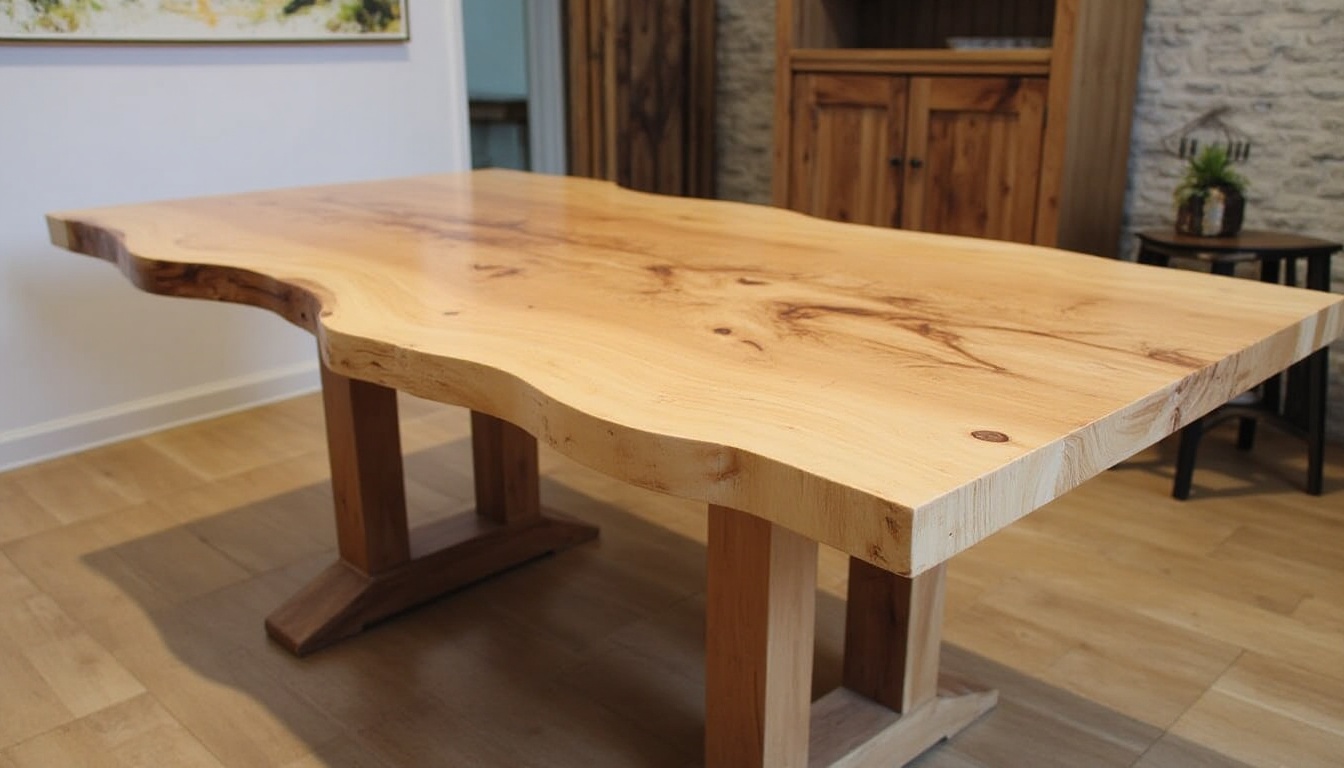
Acacia is a dense hardwood with warm brown tones and a dramatic, wavy grain. It’s durable and water-resistant enough for dining tables, benches, and indoor-to-covered-outdoor furniture. The catch is that “acacia” covers hundreds of species, so Janka ratings vary wildly, from around 1,100 lbf to over 2,300 lbf depending on the specific species.
Most budget acacia furniture is fast-grown plantation acacia at the lower end of that range. It’s a decent buy at the price, but don’t assume all acacia pieces are equally hard just because they share a genus name.
Best Uses: Dining tables, benches, and rustic furniture, where the striking grain variation is a feature, not a flaw.
How to Maintain This Wood: Clean with mild soap and a damp cloth, apply wood oil periodically to preserve the color. Avoid prolonged water exposure on untreated surfaces.
9. Pine
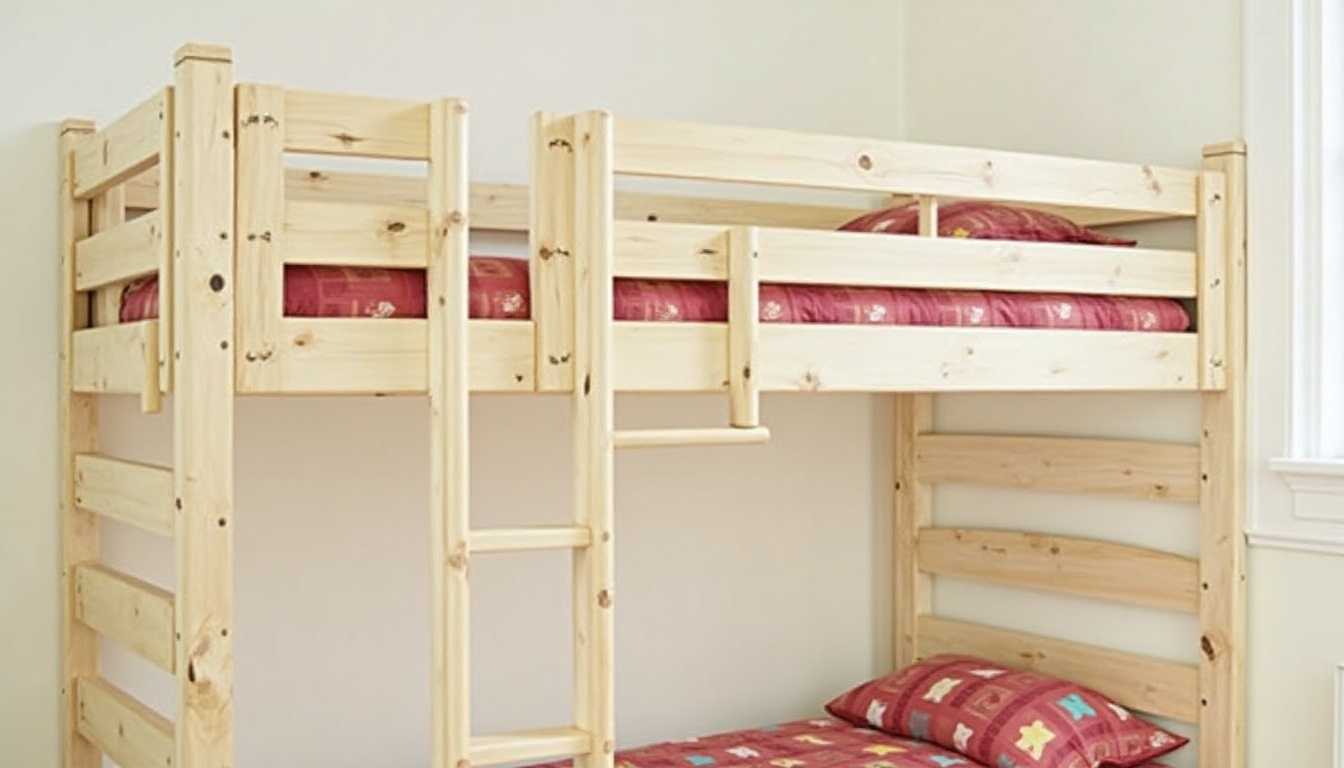
Pine is a softwood with a pale yellow color and visible knots. At around 380 lbf Janka (white pine), it dents easily; that’s just the physics of a softwood. But in the right context, that’s not a problem; it’s a feature. A pine farmhouse table that picks up dents and marks over the years develops a character that harder woods don’t. Clients fall in love with beaten-up pine for exactly that reason.
Be realistic about placement: pine on a main dining table in a family home is fine. Pine on a high-traffic entryway bench where bags and boots land daily is asking for frustration. Know what environment you’re buying for before you commit.
Best Uses: Children’s furniture, bookshelves, casual dining pieces, and farmhouse-style furniture where character patina is acceptable, even desirable.
How to Maintain This Wood: Dust regularly, apply furniture wax occasionally, keep out of high-traffic or high-impact areas.
10. Cedar
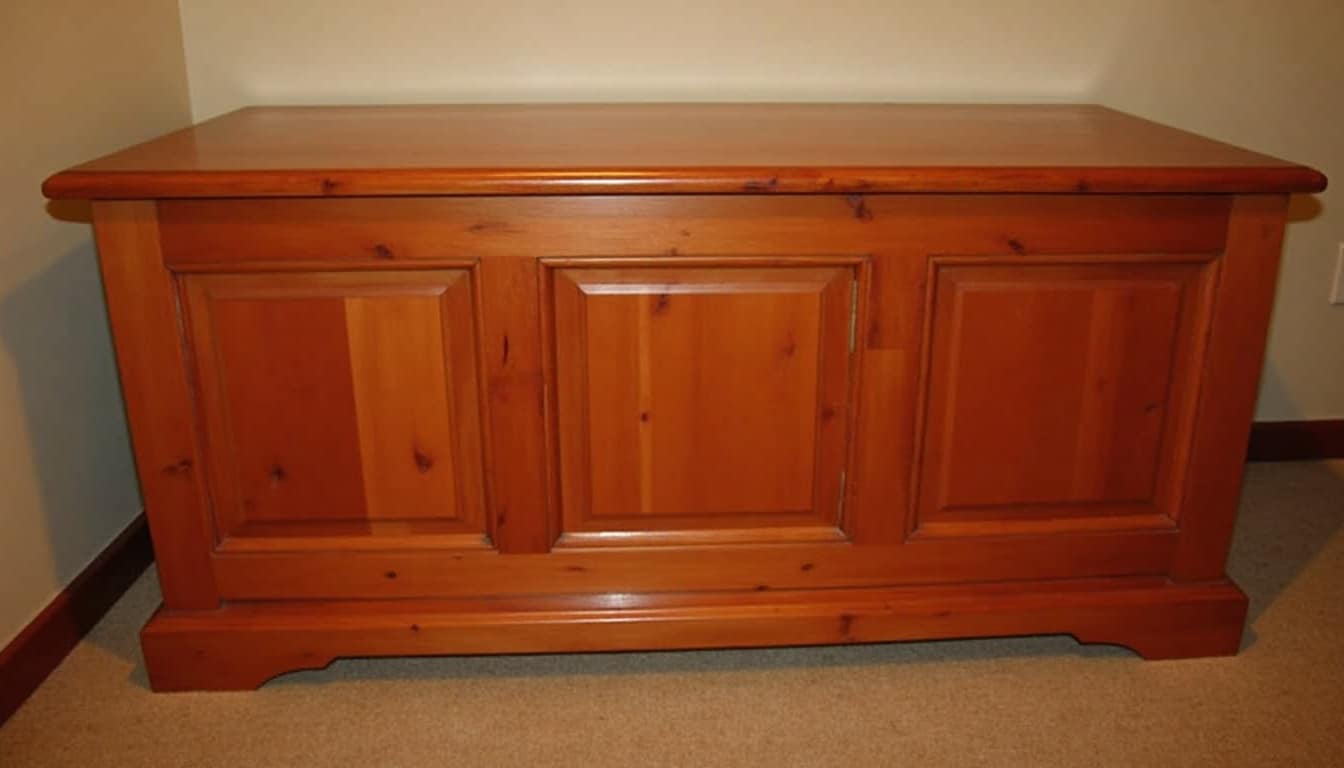
Cedar has a reddish tone, a distinctive natural scent, and genuine insect-repelling properties. The scent is the key selling point for clothing storage; cedar chests work. What most people don’t know: the aromatic oils that repel insects evaporate over time.
Lightly sanding the interior of a cedar chest every few years refreshes the scent and reactivates the protective effect. As structural outdoor furniture, cedar is softer than teak or redwood and will need more regular maintenance to hold up.
Best Uses: Closet lining, storage chests, and outdoor furniture in covered or semi-protected spaces.
How to Maintain This Wood: Apply cedar oil periodically, sand lightly every few years to refresh the scent, keep away from prolonged moisture exposure.
11. Redwood
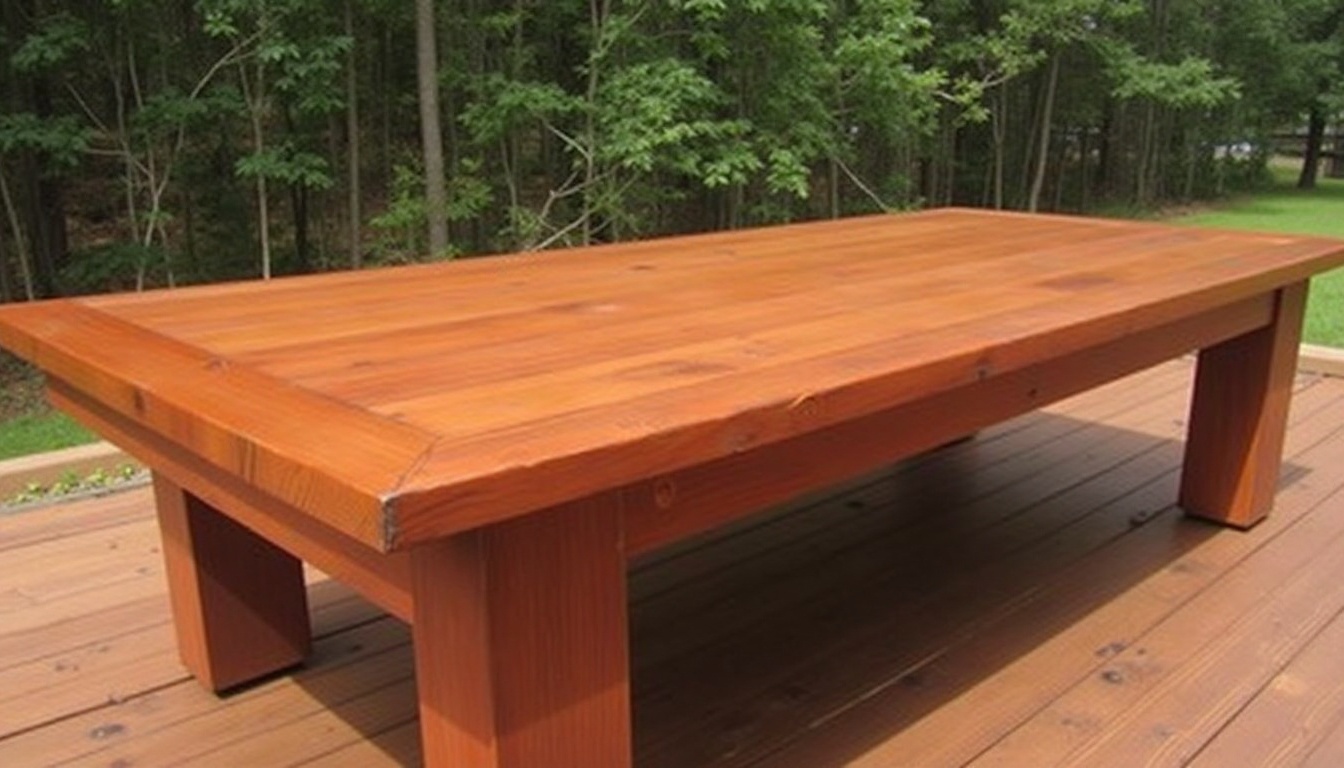
Redwood resists insects and decay naturally, and its straight grain makes it easy to work with. The important distinction here is old-growth vs. second-growth. Old-growth redwood is genuinely exceptional for outdoor durability.
Most redwood sold today is second-growth, which performs meaningfully less well. If you’re comparing redwood to teak for outdoor furniture, teak wins on durability. Redwood’s advantage is availability on the West Coast and a lower price per board foot, usually $5 to $12, depending on grade.
Best Uses: Garden furniture, planters, siding, and outdoor pieces in West Coast climates where redwood is locally available and priced competitively.
How to Maintain This Wood: Seal outdoor redwood annually, clean with mild soap and water, and avoid dragging furniture across hard surfaces to protect the end grain.
12. Plywood
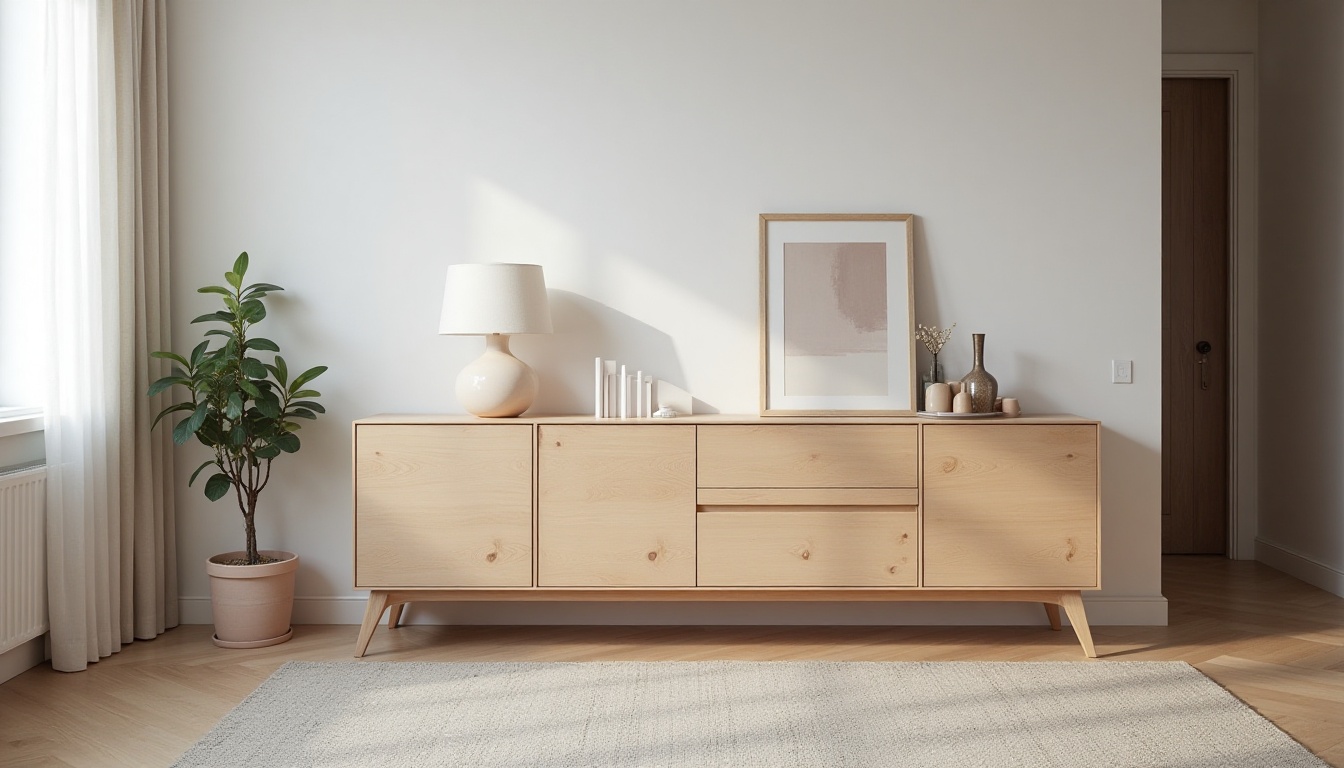
Plywood is one of the most underrated materials in furniture making, and the stigma around it comes from confusing low-grade particleboard with structural plywood; they’re not the same thing.
Baltic birch plywood is dimensionally stable in ways that solid wood isn’t: it doesn’t expand and contract with humidity changes the way solid planks do. I use it for cabinet carcasses constantly. The veneer face gives you a wood-grain show surface; the cross-laminated core gives you structural integrity that outperforms solid wood in many applications.
Best Uses: Cabinet carcasses, drawer bottoms, underlayers, and hidden structural parts, anywhere strength and stability matter more than the grain being visible on all sides.
How to Maintain This Wood: Keep dry and sealed, protect exposed edges from moisture (banding or edge tape prevents swelling), avoid humid spaces without proper sealing.
13. MDF (Medium Density Fiberboard)
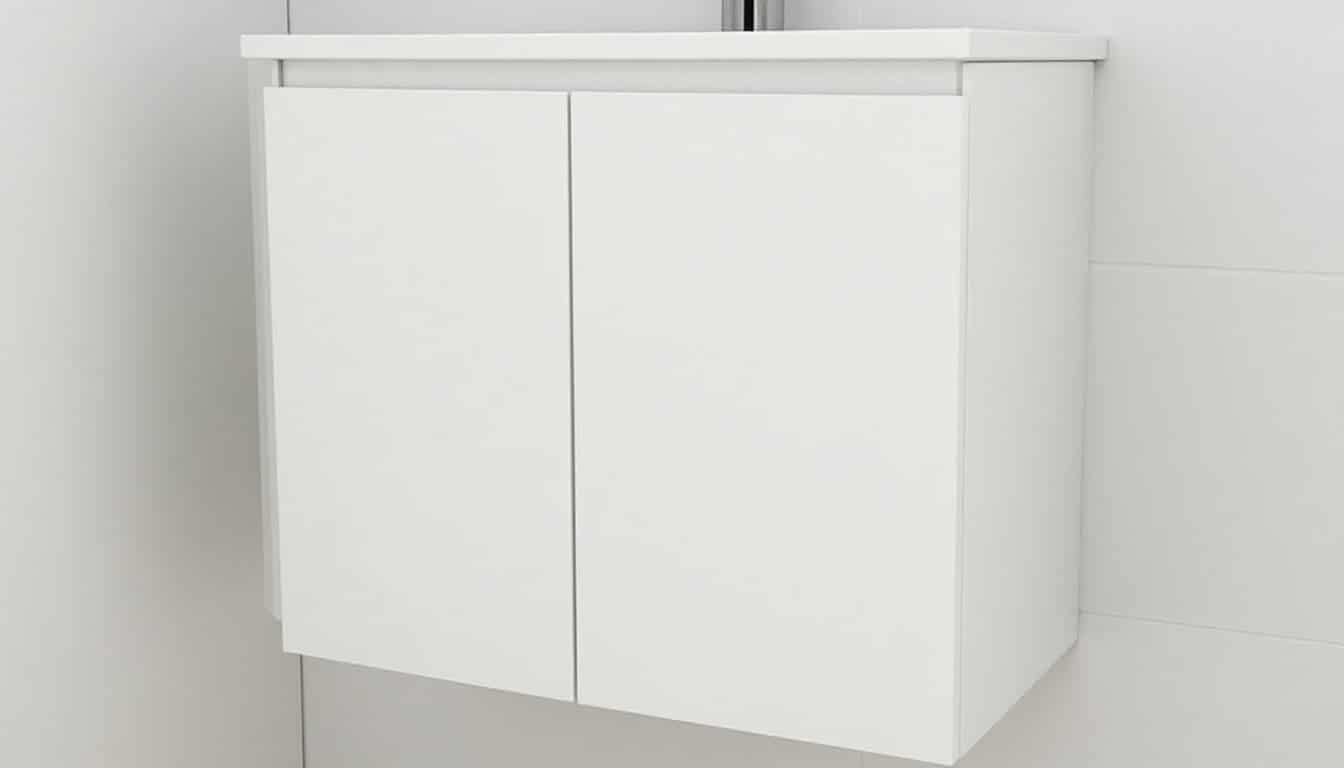
MDF is the right material for painted cabinetry. Its surface is smoother than any solid wood, and it won’t show grain ghosting through paint the way even well-prepared oak or maple can.
The weaknesses are weight and moisture sensitivity. MDF is heavy; a full sheet of 3/4″ MDF weighs around 97 lbs. More critically, if the edges or base get wet, it swells and doesn’t recover. Use it for interior painted pieces, keep it dry, and don’t span it over long unsupported runs where it will sag under load.
Best Uses: Painted cabinetry, interior shelving, and furniture where a flawless paint surface is the priority and moisture isn’t a concern.
How to Maintain This Wood: Dust with a soft cloth, never allow water contact, and avoid heavy, sustained loads on unsupported spans.
| Note: When buying MDF or particleboard furniture, look specifically for “formaldehyde-free” or “CARB Phase 2 compliant” labeling. Standard engineered woods use urea-formaldehyde resins that off-gas into indoor air. CARB Phase 2 is the California Air Resources Board standard widely adopted as the US benchmark for low-VOC engineered wood products. |
14. Particleboard
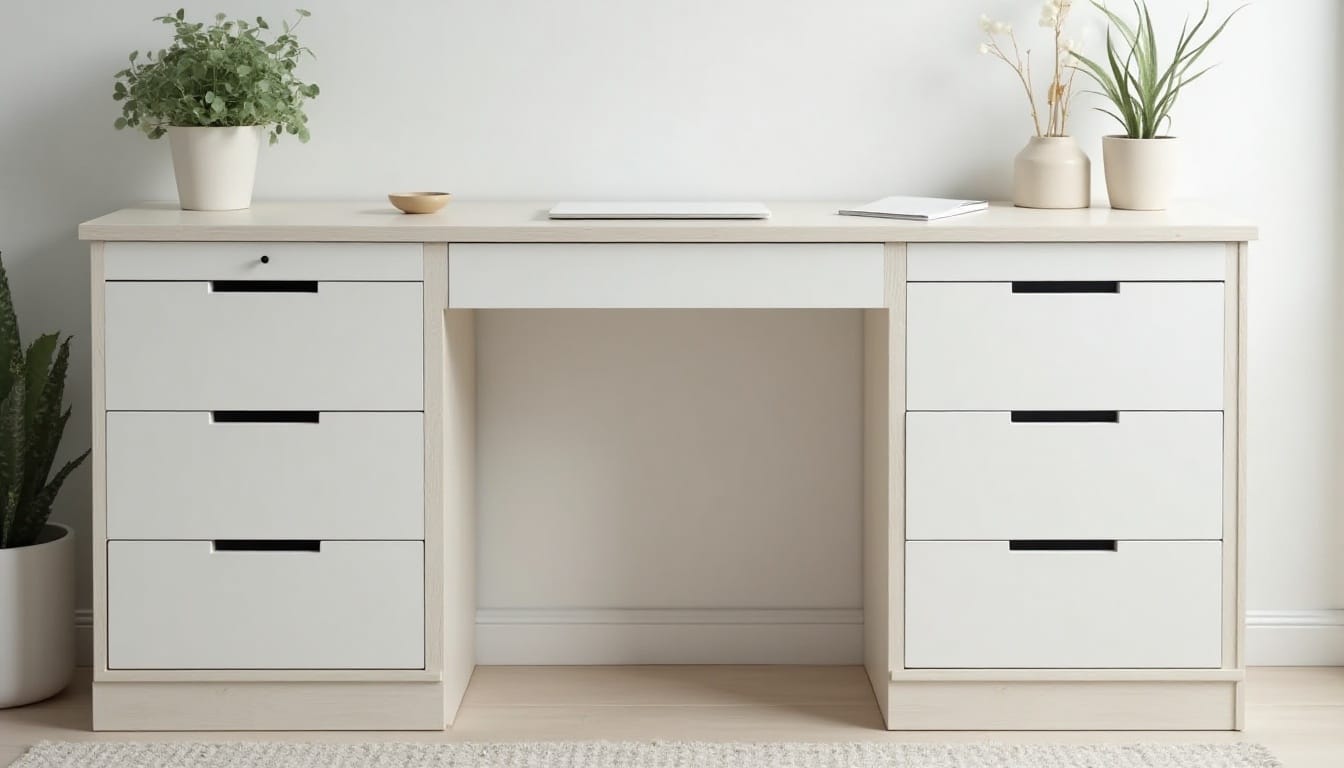
Most flat-pack furniture from large retail chains is particleboard with a melamine or veneer surface. It works adequately for items that don’t bear heavy loads and stay dry. The failure point is almost always the same: water damage at the base or edges, or stripped screw holes from repeated assembly and disassembly.
If you’re buying particleboard furniture, plan for a 5 to 10 year life cycle. It’s not a generational piece, and it’s not designed to be. Buy it for what it is: affordable, functional, and replaceable.
Best Uses: Budget desks, bookshelves, and storage units where cost is the primary constraint and longevity is secondary.
How to Maintain This Wood: Keep away from water at all costs, don’t drag it while moving, avoid concentrated heavy loads on shelves.
15. Rubberwood
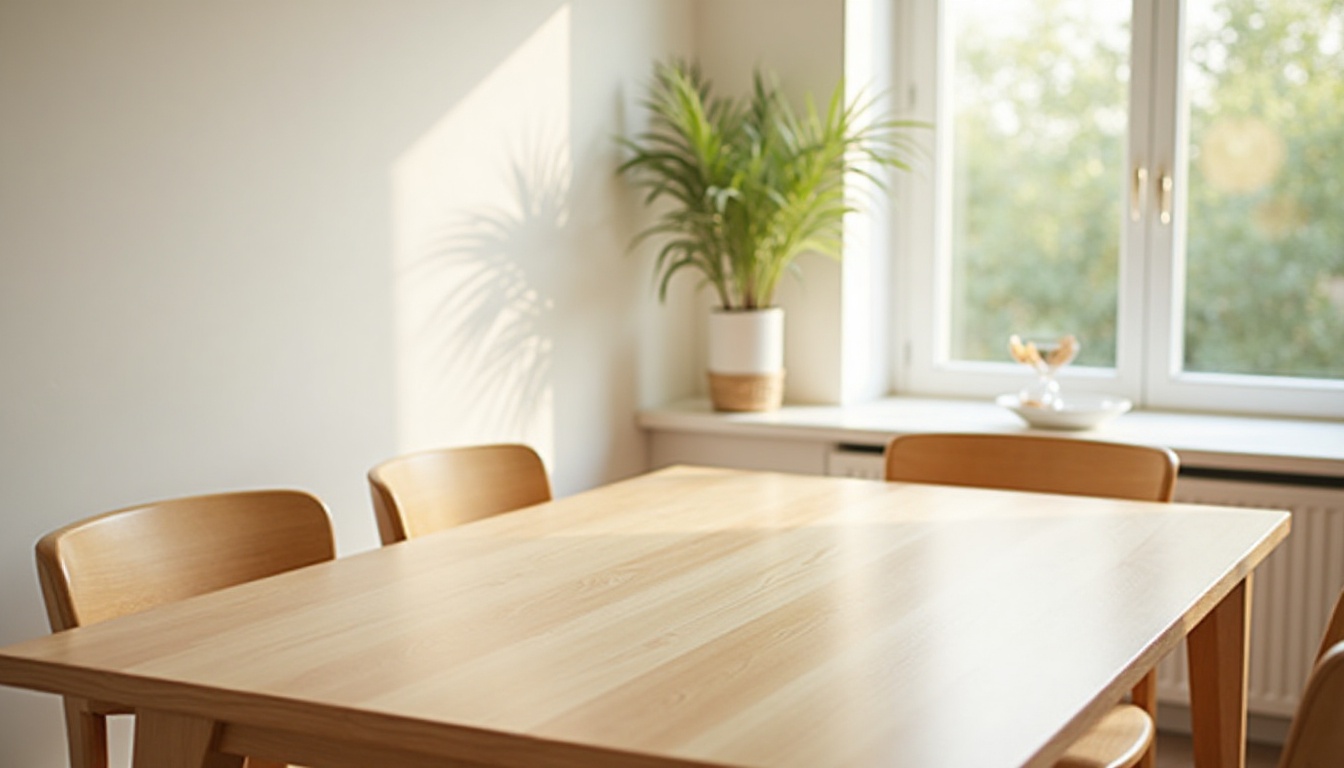
Rubberwood is one of the better value options in the under-$5-per-board-foot range. At around 960 lbf Janka, it’s a legitimate hardwood, not a marketing name for something low-quality. It’s also genuinely sustainable: harvested from rubber trees at the end of their latex-producing life, so no additional trees are cut for the lumber.
The mild, even grain takes paint well, making it useful for painted modern furniture. The main limitation is dimensional stability: rubberwood can be prone to warping if exposed to significant humidity shifts, more so than oak or maple.
Best Uses: Tabletops, painted furniture, and modern pieces where budget matters and a stable everyday performance is enough.
How to Maintain This Wood: Clean with a damp cloth, keep away from heat sources and humidity extremes, and protect with a finish to reduce the warping risk.
Indoor vs. Outdoor Wood: Which Species Go Where
The biggest money-wasting mistake I see clients make is using indoor wood species in outdoor applications, or buying outdoor-grade wood at a premium for a piece that never leaves the living room. The environments demand fundamentally different properties.
| Factor | Indoor Furniture Wood | Outdoor Furniture Wood |
| Main Need | Appearance, durability under daily use, and finish compatibility | Weather resistance, moisture protection, insect resistance |
| Best Species | Oak, maple, cherry, walnut, birch, MDF, plywood | Teak, cedar, redwood, acacia, treated pine |
| Moisture Resistance | Needs protection from spills and humidity swings | Must resist standing water, rot, and repeated wet/dry cycles |
| Typical Applications | Tables, cabinets, shelves, beds, dressers | Benches, patio dining sets, garden tables, planters |
| Maintenance | Dusting, polishing, protection from heat and moisture | Seasonal sealing, oiling, and regular cleaning |
If you’re building or buying for a covered porch or semi-exposed space, teak, sealed acacia, or cedar are the species that won’t disappoint you two winters from now. For a detailed breakdown of how outdoor species compare in terms of lifespan and maintenance, the outdoor furniture wood guide covers the full picture.
How to Identify Wood Type by Look and Feel
You don’t need a lab to identify furniture wood. These five checks work in a showroom or a second-hand shop:
- Check the end grain first. This is the most reliable shortcut. Solid wood shows growth rings on any cut edge. Engineered materials, plywood, MDF, particleboard, show layers, compressed fibers, or wood chip texture. Once you know what to look for, identification takes seconds.
- Read the face grain. Oak has a wide, open grain with distinctive ray flecks. Cherry has a fine, smooth grain that looks almost glassy. Maple is pale and nearly featureless. Walnut is dark with a bold, slightly irregular pattern. Pine shows tight growth rings and visible knots.
- Feel the weight. Lift a drawer or door if you can. Hardwoods are noticeably denser. Engineered woods, especially particleboard, are heavy but in a different way: dense without the warmth of solid wood.
- Tap the surface. Solid wood gives a dull, resonant sound. Hollow-core or veneered particleboard sounds more like tapping a cardboard box.
- Try a fingernail scratch on a hidden spot. Leaves a mark easily? Softwood or low-density engineered material. Barely registers? You’re dealing with maple, hard oak, or teak.
Sustainability: What the Labels Actually Mean
Sustainable sourcing matters, but the marketing language around it can be misleading. Here’s what to actually look for.
FSC and PEFC Certification
FSC (Forest Stewardship Council) and PEFC (Program for the Endorsement of Forest Certification) are the two internationally recognized standards for responsibly harvested wood. FSC certification requires verifiable chain-of-custody documentation from forest to retailer; it’s the more rigorous of the two.
PEFC covers more regional and smaller-scale forestry operations. Either label on a piece of furniture means the wood came from a forest subject to replanting, biodiversity, and harvesting limits. Look for these on product tags or packaging, not just in marketing copy.
Most Sustainable Species on This List
Rubberwood is the standout. Harvested at the end of a rubber tree’s latex-producing life, it uses material that would otherwise be waste, no additional trees are cut. Acacia grows quickly and is abundant in plantation forestry across Southeast Asia.
Bamboo-based plywood (when available) regenerates faster than any tree species on this list. For engineered woods, look specifically for CARB Phase 2 compliant products, which limit formaldehyde off-gassing from the resin binders.
Reclaimed Wood
Reclaimed wood salvaged from old barns, industrial buildings, or demolished structures is as sustainable as furniture gets, no new trees required, and the material has already dried and stabilized over decades.
The caveats: check the treatment history (older lumber sometimes contains lead paint or chemical preservatives), verify the structural stability before using it load-bearing, and factor in that cutting and milling reclaimed material costs more in labor than new lumber. The results, done right, are exceptional, and every piece has a provenance that mass-market furniture can’t replicate.
Common Myths About Wood Furniture
A few misconceptions circulate constantly in furniture buying, and they lead to real money wasted on the wrong material for the wrong job.
“Hardwood always means high quality.” Hardwood describes the tree type, not the wood’s actual hardness or suitability. Poplar is a hardwood with a Janka rating of around 540 lbf — softer than many softwoods. Always check species and application, not just the category name.
“Softwood is cheap and weak.” Cedar and redwood resist rot naturally. Old-growth pine floors in 19th-century homes are still in service. The word “softwood” describes the tree, not the quality of the finished piece.
“Engineered wood isn’t real furniture.” Baltic birch plywood outperforms solid wood in structural stability for cabinet carcasses. MDF gives a smoother base for painted furniture than solid oak. These materials have specific strengths — the mistake is using them in the wrong application, not using them at all.
Mixing wood species in the same room is another area where myths create unnecessary hesitation. If you’re unsure how to combine walnut, oak, and maple without visual chaos, the guide on wood tones that work together walks through the rules for making it look intentional.
Frequently Asked Questions
What is the most durable wood for furniture?
For indoor use, hard maple (1,450 lbf) and white oak (1,360 lbf) are the most durable domestic hardwoods. For outdoor furniture, teak wins, its natural silica and oil content resist moisture, insects, and decay without requiring constant maintenance.
What wood is best for a dining table?
Oak and walnut are the two most practical choices. Oak is harder and less expensive; walnut hides minor scratches better because the dark color is more forgiving. Both hold up to daily family use. For a deeper side-by-side, see the oak vs. walnut comparison.
What is the cheapest wood for furniture that still holds up?
Birch and rubberwood offer the best combination of affordability and real-world durability. Pine is cheaper but dents under daily use. Particleboard is the least expensive and should be treated as a 5 to 10 year solution, not a permanent piece.
What wood is safe for children’s furniture?
Solid hardwoods finished with non-toxic, water-based finishes are the safest choice. Pine and maple are common picks, affordable, solid, and they accept non-toxic finishes well. Avoid MDF or particleboard with standard formaldehyde-based resins unless the piece is CARB Phase 2 certified.
Does solid wood furniture warp over time?
All solid wood moves with humidity changes. Hardwoods like oak and maple are more stable than rubberwood or pine, but no solid species is immune. Proper kiln-drying, quality joinery, and keeping furniture away from heating vents or exterior walls dramatically reduces warp risk.
What wood holds screws best for flat-pack or DIY furniture?
Solid hardwood and Baltic birch plywood hold screws well. Particleboard strips out quickly with repeated disassembly. If a piece needs to be moved or reassembled frequently, the substrate matters more than the face finish.
Is acacia wood good for dining tables?
Yes, with a caveat on species. Higher-grade acacia (1,700+ lbf) is excellent for dining tables, tough, water-resistant, and distinctive in appearance. Budget acacia furniture is often plantation-grown at a lower density and softer than the Janka number on the label suggests.
Final Verdict
Choosing the right lumber comes down to matching the species to your home’s unique environment. No single timber works for every room, but understanding how grain, hardness, and moisture resistance interact prevents costly mistakes.
I have covered how hardwoods like oak endure daily abuse, why engineered options excel in cabinetry, and why teak remains the gold standard outdoors.
Armed with these insights, you can confidently select the best types of wood for furniture without relying on showroom guesswork. Your pieces should outlast the trends, not warp before next season.
What project are you planning next? Drop a comment below to share your thoughts, or check out my guide on mixing wood tones to perfect your space.
Sources:
Forest Stewardship Council, “What is FSC certification?” https://fsc.org/en/what-is-fsc-certification
National Hardwood Lumber Association (NHLA), Official Grading Rules for Hardwood Lumber. https://www.nhla.com
California Air Resources Board, “Airborne Toxic Control Measure for Composite Wood Products (CARB Phase 2).” https://ww2.arb.ca.gov/our-work/programs/composite-wood-products-program