

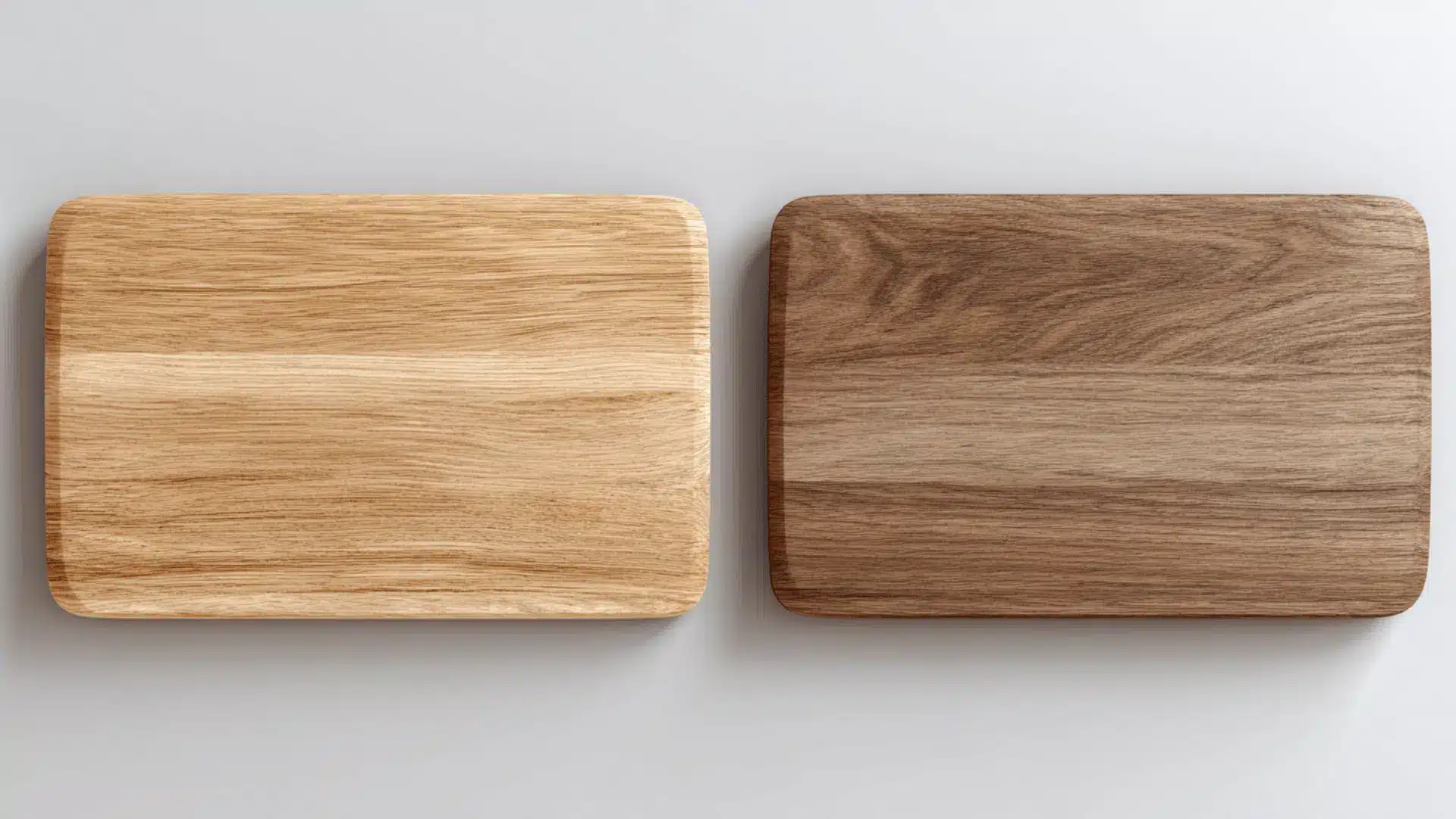


When I was choosing wood for my home, oak and walnut came up a lot. Both are beautiful and long-lasting, but they offer very different looks, prices, and uses.
If you’re picking out furniture, planning new floors, or starting a DIY project, it helps to know the pros and cons.
In this blog, I’ll share what I learned about appearance, strength, cost, and sustainability. You’ll find clear, side-by-side comparisons to help you figure out which one fits your home and style best without getting overwhelmed by all the options out there.
Let’s take a closer look at how these two woods stack up and where each one truly shines.
Oak is harder and more durable than walnut, with a Janka rating of 1,290–1,360 lbf compared to walnut’s 1,010 lbf. Walnut is more expensive but offers a darker, richer look, while oak is more affordable and better suited for high-traffic use.
What Makes Oak and Walnut Top Hardwood Choices
Oak and walnut are two of the most popular hardwoods used in homes today.
They both look great and last a long time, which is why people often compare them before making a choice.
Both woods offer a mix of beauty and strength.
Here’s why they’re so well-liked:
- They’re durable. Oak is harder, but walnut still holds up well.
- They look good. Oak has a light, classic look. Walnut has a rich, dark tone.
- They work for many styles. Modern, rustic, or traditional, both woods can fit in.
- They’re widely used. You’ll see them in flooring, furniture, cabinets, and more.
If you’re picking wood for a project, it usually comes down to these two, but you may also compare walnut vs cherry wood for similar use cases.
Oak vs. Walnut: Key Differences
Oak and walnut differ in more than just color. They vary in strength, price, grain, and how they’re used in the home. These core differences can help you decide which wood works better for your project.
| Feature | Oak | Walnut |
|---|---|---|
| Color | Light to medium brown | Rich, dark brown |
| Grain | Open and bold | Smooth and varied |
| Hardness | Higher (more durable) | Softer (easier to work with) |
| Price Range | $3.50–$16.00 per board foot | $7.50–$22.00+ per board foot |
| Workability | Tougher to cut and shape | Easier for fine or custom details |
| Common Use | Flooring, cabinetry, and high-use furniture | Accent pieces, custom furniture |
| Look & Feel | Classic, rustic | Modern, refined |
| Sustainability | Renewable and widely available | Less abundant and slower to grow |
Appearance and Grain Patterns
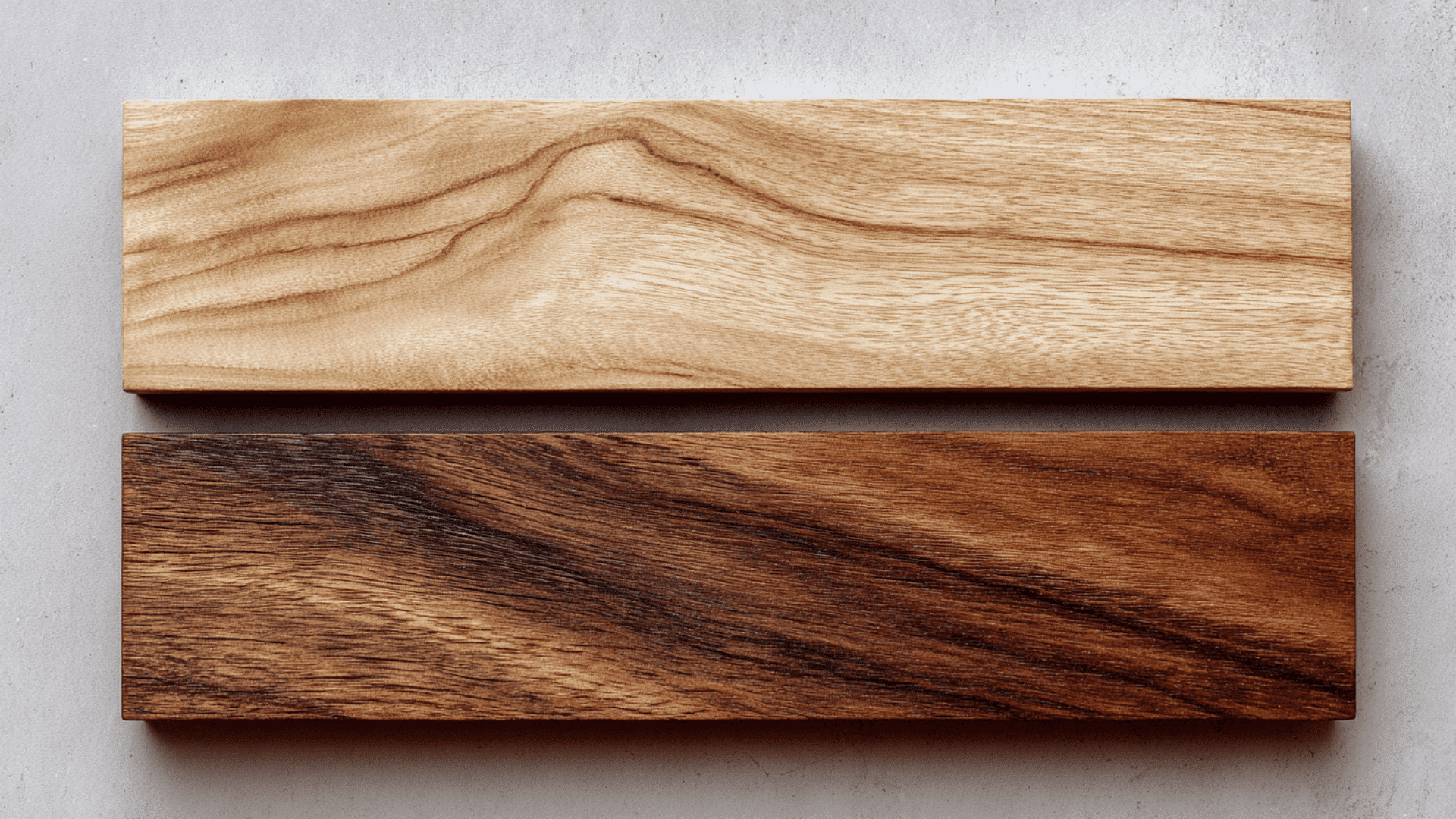
Oak and walnut look very different. That’s why your choice often depends on the style you want.
Color Differences
Oak has a lighter and more neutral tone. White oak usually shows pale beige or soft gray shades. Red oak leans warmer, with pink or reddish tones. Oak also takes stain well, so you can adjust the color to fit your space.
Walnut has a darker, richer color. It ranges from deep brown to almost purplish-black. The center of the wood is dark, while the outer sapwood is pale yellow. Over time, walnut naturally darkens, especially when exposed to sunlight.
Grain Patterns
Oak has a bold, open grain. The lines often appear wavy or uneven, giving it a more rustic or textured look. White oak can show ray-like marks and flecks that stand out more than red oak.
Walnut’s grain is smoother and more refined. It can be straight, curly, or gently wavy. The texture feels softer and less busy than oak, which makes walnut a better fit for sleek or high-end designs.
Oak looks classic and strong, while walnut feels rich and modern. Each one gives a different look, depending on the room and lighting, especially when considering mixing wood tones in a room.
How Oak and Walnut Take Stain
Oak absorbs stain very well because of its open grain, making it easy to customize color from light to dark finishes. This makes oak a flexible option for matching different interior styles.
Walnut is usually not stained because of its naturally rich color. Instead, it is often finished with oil or clear coats to highlight its natural tone. Staining walnut can sometimes mute its depth.
Oak vs. Walnut: Durability and Strength
This is where the real difference shows. Oak and walnut are both strong, but not in the same way.
Janka Hardness Comparison
| Wood Type | Janka Hardness (lbf) |
|---|---|
| White Oak | 1,360 |
| Red Oak | 1,290 |
| Walnut | 1,010 |
Oak is harder than walnut, with a Janka rating of 1,290–1,360 lbf compared to walnut’s 1,010 lbf, as seen in the strongest wood types by hardness.
On the Janka scale, red oak scores around 1,290, while white oak is about 1,360. Walnut ranks lower, around 1,010. That means oak handles scratches, dents, and heavy traffic better.
Still, walnut is no weak wood. It’s used in furniture that lasts for years. But if you’re putting wood in a high-use area like a hallway or kitchen, oak gives you better resistance.
Best for Heavy Use
If you have kids, pets, or heavy furniture, oak is a safer bet. It handles wear and tear without showing damage easily.
Walnut works well in areas with less foot traffic or for decorative pieces that won’t get bumped or scratched as much.
Scratch and Dent Resistance
Oak’s grain helps hide scratches. Even if it gets a dent, it blends into the texture.
Walnut’s smoother surface shows marks more easily. But because it’s softer, it’s also easier to repair with sanding and oiling.
If you need something tough, oak wins on durability. But walnut still holds up well in the right setting.
Workability and Maintenance
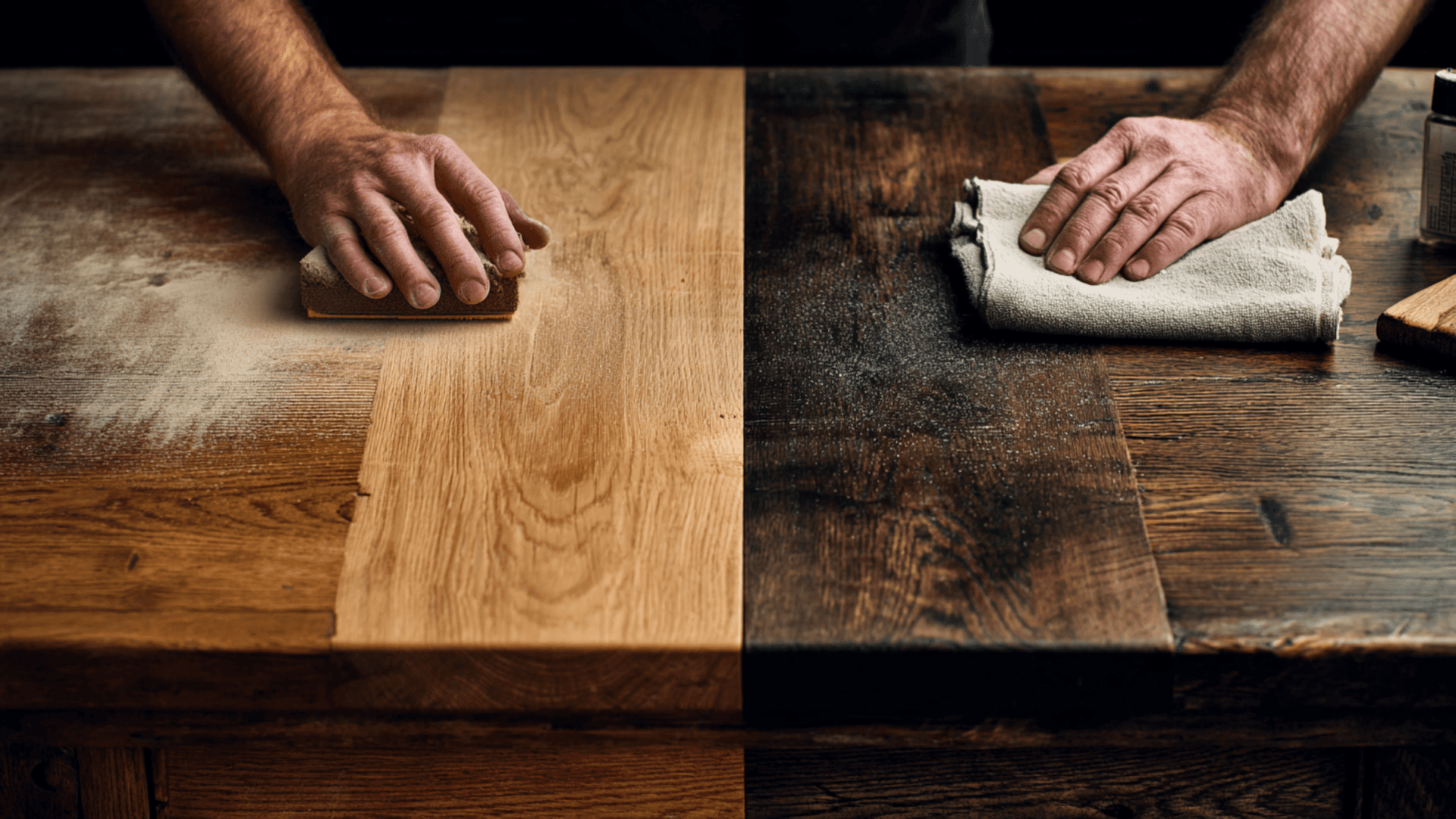
When choosing wood, it’s important to know how easy it is to work with and take care of. Here’s how oak and walnut compare:
| Feature | Oak | Walnut |
|---|---|---|
| Ease of Cutting | Harder to cut; tough on tools | Softer and easier to shape |
| Splintering Risk | More likely to splinter along the grain | Low risk of splintering |
| Chipping | Can chip if the tools aren’t sharp | Rarely chips during cuts |
| Staining | Takes stain well for custom looks | Often left natural due to rich color |
| Sanding | Requires effort due to hardness | Sands smoothly with minimal effort |
| Maintenance | Resists wear and hides scratches | Needs touch-ups; scratches are more visible |
| Finish Needs | Holds up well over time with simple care | May need oiling or polishing occasionally |
If you want something easy to work with and refinish, walnut is user-friendly. For strength and long-term wear, oak is more rugged and lasting.
Oak vs. Walnut: Cost and Availability
The price and availability of each wood can make a big difference in your decision.
Oak is more affordable and widely available. Red oak typically costs between $3.50 and $7.50 per board foot, while white oak ranges from $6.00 to $16.00 per board foot, depending on grade and thickness. It’s easy to source across the U.S., making it ideal for large projects like flooring, cabinets, and trim.
Walnut is a premium hardwood with higher pricing. Most black walnut falls between $7.50 and $18.00 per board foot, though rare or figured cuts can go up to $22.00 or more per board foot. Walnut is less common than oak, especially in large quantities, which drives up the cost.
Furniture made with oak is usually more budget-friendly. Walnut is often reserved for high-end, custom, or decorative work.
If you want something strong and cost-effective, oak is a practical choice. If you’re aiming for a rich, premium look, walnut brings that extra style at a higher price.
Note: Prices can vary based on location, lumber supplier, and market demand. Always check with local vendors before purchasing.
Best Use Cases for Each Wood
Oak and walnut each serve different purposes depending on your needs. Here’s a quick look at how each wood matches different uses:
| Project Type | Best with Oak | Best with Walnut |
|---|---|---|
| Flooring | High-traffic areas like hallways and living rooms | Low-traffic, formal rooms like studies or bedrooms |
| Cabinetry | Kitchens and laundry rooms for daily use | Offices or high-end kitchens for a sleek look |
| Furniture | Dining tables, shelving, and sturdy storage pieces | Accent tables, desks, or custom designs |
| Decorative Use | Rustic or traditional interiors with bold texture | Modern or minimalist spaces needing a rich contrast |
| Long-Term Use | Built-ins and everyday furniture built to last | Heirloom-quality pieces meant to stand out |
If your priority is strength and everyday function, oak is a reliable choice. For bold, refined style in lower-use areas, walnut brings a richer look.
Sustainability and Environmental Impact
If you care about where your wood comes from, this section helps you understand how oak and walnut compare in terms of environmental impact.
Oak
Oak is generally a sustainable choice, especially when sourced from managed forests. It grows widely in the U.S., making it easier to harvest locally. This reduces the need for long-distance shipping, which helps lower the carbon footprint.
Because oak trees grow at a moderate pace and are replanted often, the wood is considered renewable. Look for FSC-certified oak (wood approved by the Forest Stewardship Council for meeting responsible forestry standards) if you want to be sure it’s responsibly harvested.
Walnut
Walnut grows more slowly and is less common than oak, which makes it less renewable in comparison. It also tends to come from fewer regions, which can increase shipping distances and impact its environmental footprint.
Still, many walnut suppliers follow responsible harvesting practices. Buying from certified sources helps reduce the impact on native forests.
What to Look For
- Choose wood that is FSC or PEFC certified
- Look for local suppliers to cut down on transportation
- Avoid rare or exotic walnut varieties if sustainability is a concern
If you’re looking for a more eco-friendly option, oak tends to have a smaller impact. But with smart sourcing, walnut can still be a responsible choice.
Conclusion
When I compared oak vs. walnut, I realized it’s not just about price or appearance; it’s about what fits your space and lifestyle.
Oak has a strong, familiar look I’ve always liked, while walnut adds bold contrast and warmth that might work better for you. Both can last for years if you take care of them.
If you’re unsure, think about what matters most: style, function, or lasting appeal. I found it helpful to see how each wood matched my existing decor.
You can check out other blogs I’ve written on wood types, design tips, and room-by-room styling. They might give you the clarity you’re looking for.
Frequently Asked Questions
Is oak or walnut harder?
Oak is harder than walnut, with oak ranging from 1,290–1,360 lbf and walnut around 1,010 lbf on the Janka scale.
Which is more expensive, oak or walnut?
Walnut is more expensive, typically costing $7.50–$22 per board foot, while oak ranges from $3.50–$16.
Does a walnut scratch easily?
Walnut is softer than oak, so it can show scratches more easily, but it is also easier to repair.
Is oak or walnut better for flooring?
Oak is better for flooring because it is harder and more resistant to dents and wear.
Which is better for furniture?
Both work well, but oak is better for durability, while walnut is preferred for premium, decorative furniture.