

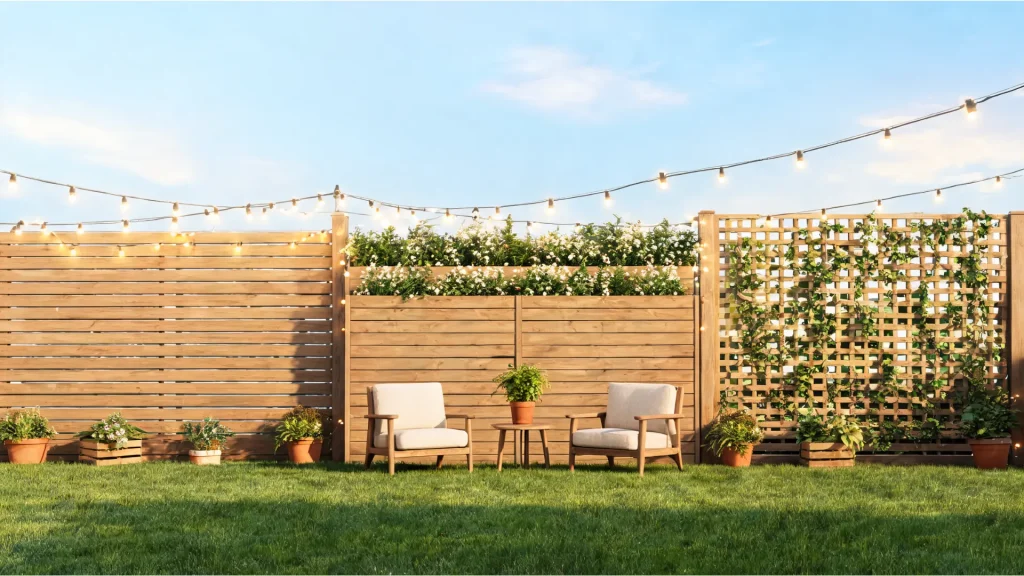


A plain fence can make even a nice yard feel unfinished. You may want more privacy, but you may also want the space to feel warm, open, and useful. I get why choosing a fence can feel tricky because it is not only a boundary. It affects how the whole outdoor area feels, from the patio and garden to the windows and the street.
That is where the right DIY fence ideas can help. A fence should do more than mark a boundary. It should fit your yard size, budget, weather, skill level, and the amount of privacy you actually need.
I like starting with the main problem first, then narrowing the choice by material, upkeep, and how the fence will look from inside the home.
This list focuses on real fence, screen, wall, and boundary ideas instead of small styling tips passed off as full projects. You will find options for modern yards, small patios, garden corners, renters, privacy screens, low-cost builds, and mixed-material designs.
Best Wood Types for DIY Fence Projects
The right wood depends on your budget, weather, finish, and how much maintenance you want. Here is a simple comparison before you choose boards for your DIY fence.
| Wood Type | Best For | Pros | Keep in Mind |
|---|---|---|---|
| Pressure-treated pine | Budget privacy fences, basic backyard fences, and slat fences | Affordable, easy to find, and useful for many DIY builds | Needs sealing or staining to reduce rot, warping, and cracking |
| Cedar | Patios, garden fences, privacy screens, and modern slat fences | Naturally handles outdoor use better than basic lumber and has a warm look | Costs more than pine and still needs care to protect the color |
| Redwood | Visible backyard areas, privacy fences, and outdoor living spaces | Rich color, durable feel, and a higher-end finish | More expensive, so it may not suit large low-budget fences |
| Pallet wood | Low-cost garden fences, rustic fences, and casual backyard zones | Very affordable if sourced safely and useful for rustic projects | Must be checked for safety, nails, damage, rough edges, and chemical treatment |
| Reclaimed wood | Rustic fences, eco-friendly builds, and mixed-board designs | Adds character and can lower material costs | Board quality varies, so weak or rotting pieces should be removed |
Choose wood that matches the fence style, not just the lowest price. For wet yards, avoid wood touching soil. For sunny yards, use stain or sealer to slow fading. For windy spots, strong posts and proper fasteners matter as much as the boards.
Wood DIY Fence Ideas
These wood fences work best when you want privacy, warmth, and a buildable material that can be cut, stained, or sealed. The same outdoor wood choices that matter for furniture also matter here: rot resistance, fastener strength, and finish upkeep.
1. Horizontal Wood Slat Fence
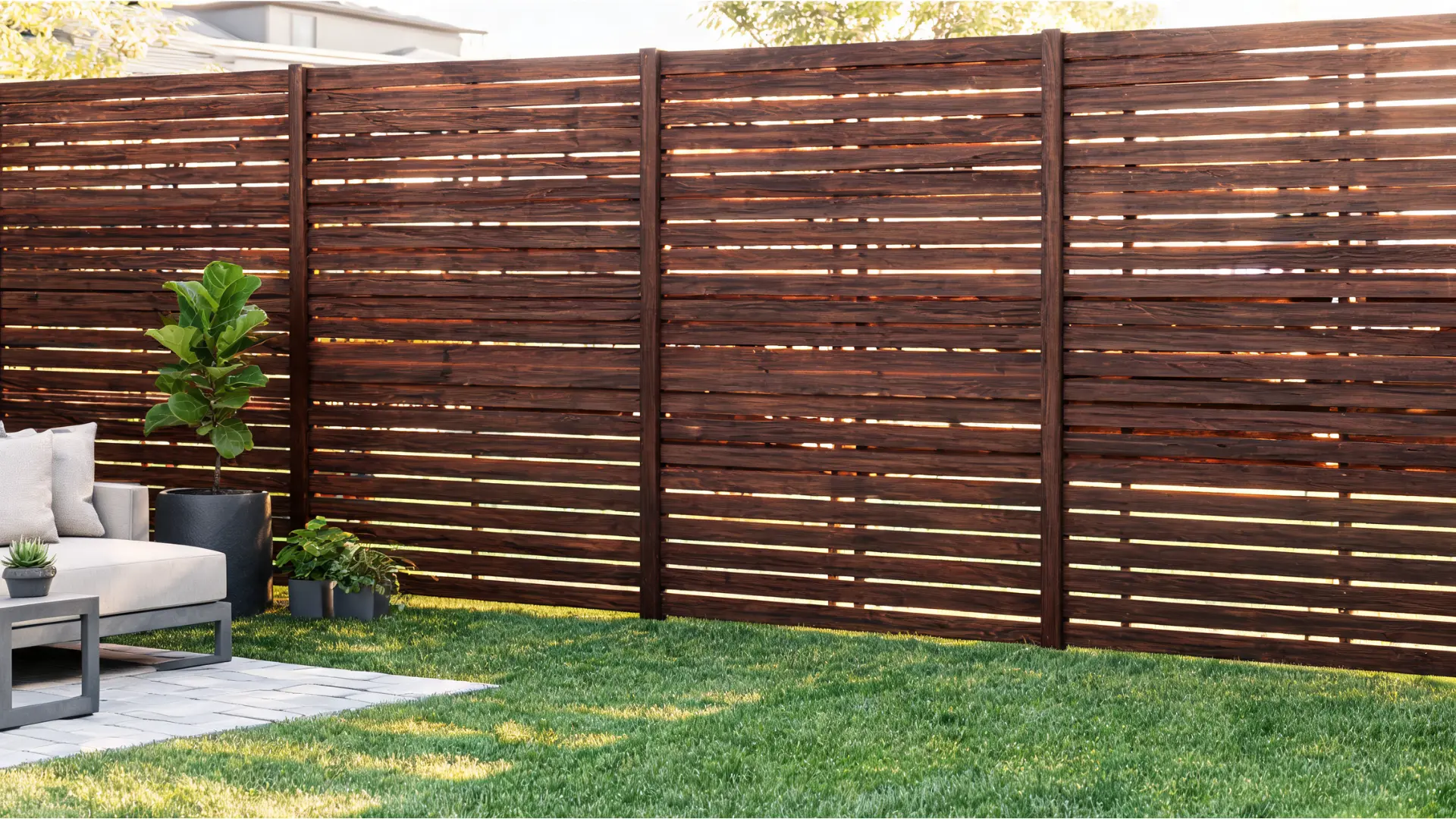
A horizontal wood slat fence suits modern yards, patios, pool areas, and side spaces. The clean lines feel updated, while the board gaps let you control privacy, airflow, and light.
I would choose the gap size before buying boards, because even a small change in spacing can make the fence feel either private or too exposed.
Best For: Modern yards, patios, pool areas, and side yards
DIY Difficulty: Moderate
Privacy Level: Medium to high
Approx. Material Cost: $8-$20 per linear ft
2. Classic Vertical Wood Privacy Fence
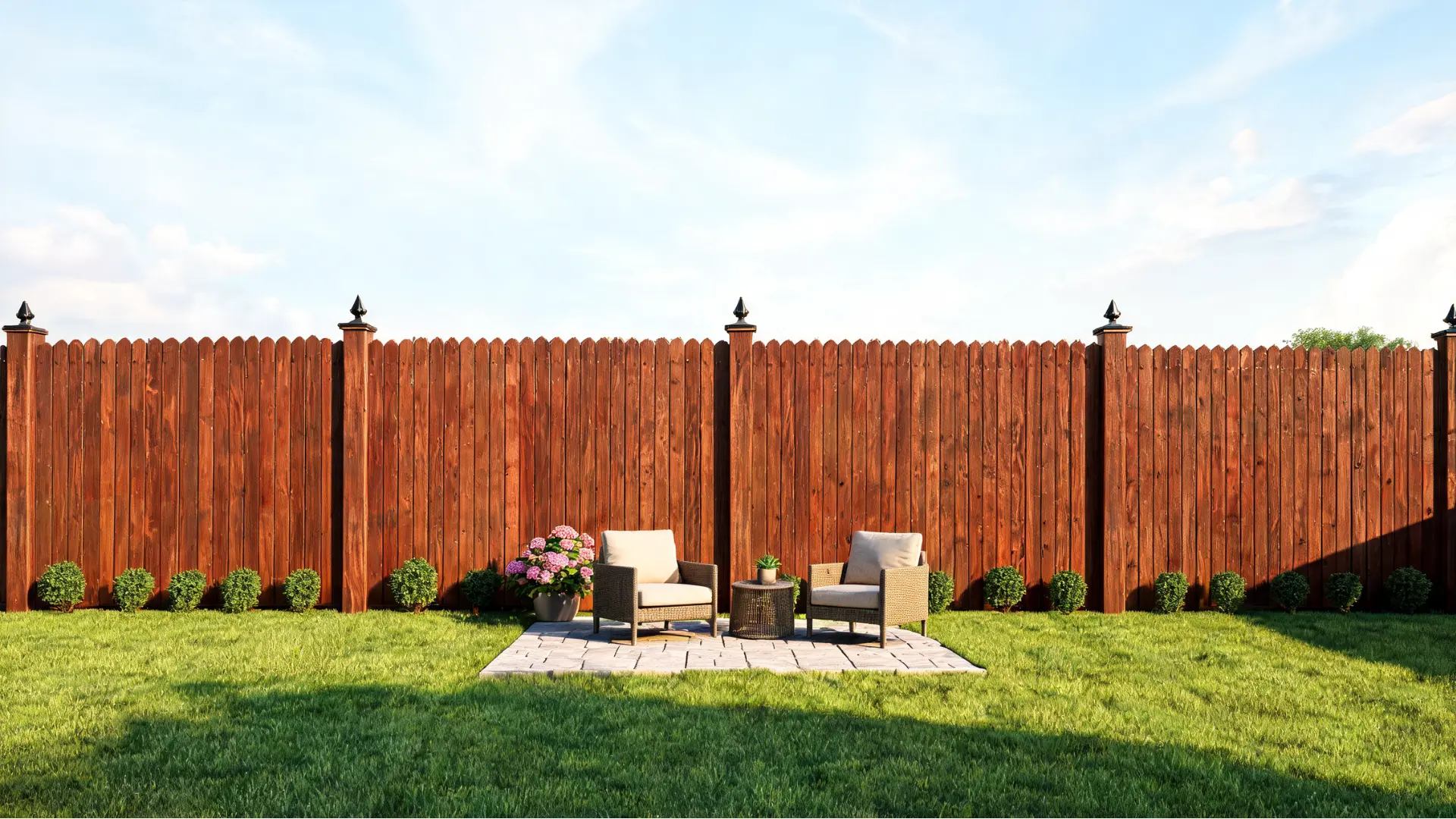
A classic vertical wood privacy fence is a strong choice when you want full backyard coverage. Close board spacing blocks direct views, making it useful for family yards, patios, and shared boundaries. Treated lumber, cedar, and redwood can all work, but the posts and rails matter just as much as the boards.
Best For: Backyards, shared boundaries, and high-privacy areas
DIY Difficulty: Moderate
Privacy Level: High
Approx. Material Cost: $10-$30 per linear ft
3. Wood Overlay Fence
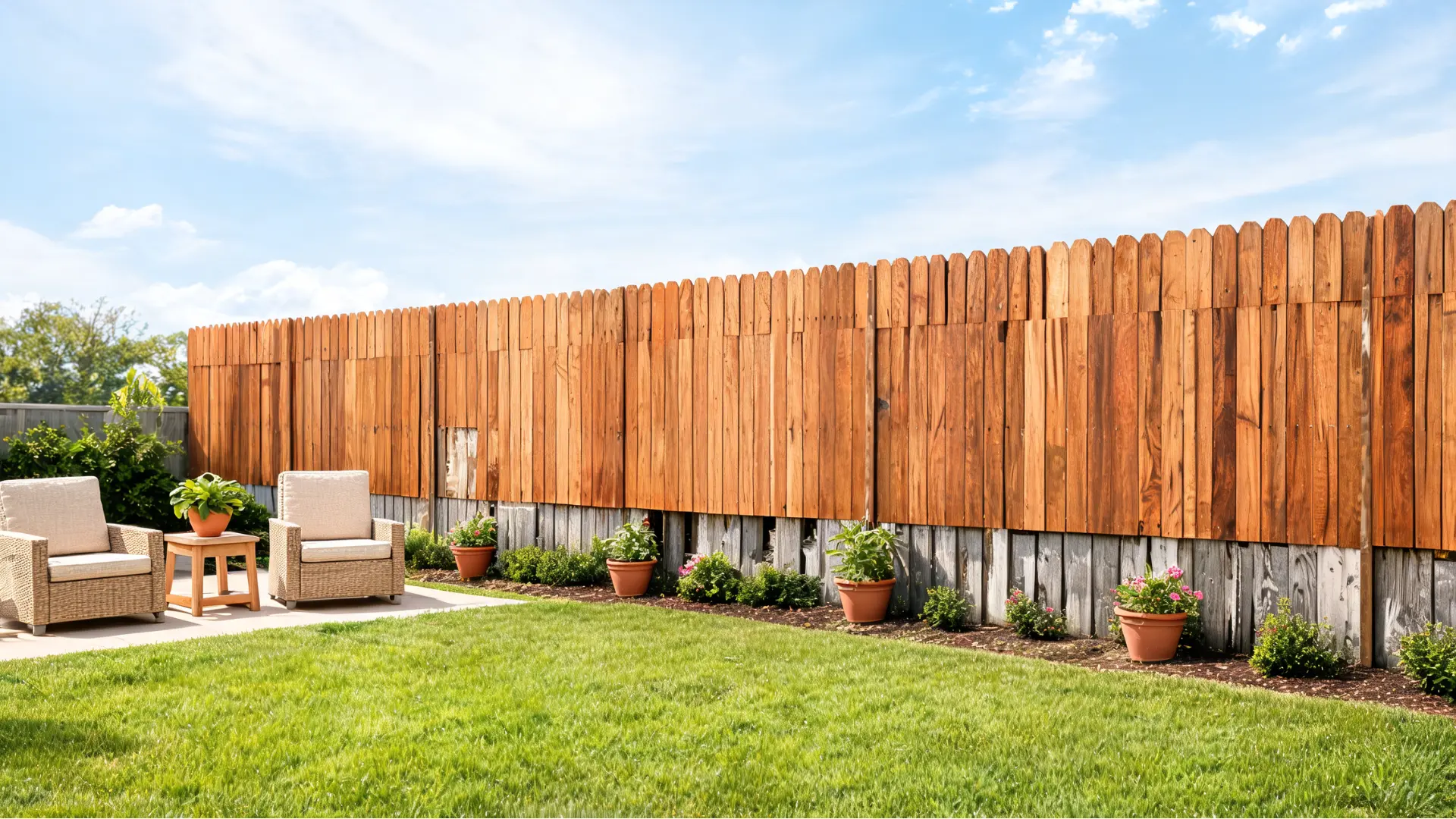
A wood overlay fence works when an existing fence is sturdy but looks worn, uneven, or too open. New boards can add privacy and create a cleaner face without full replacement. I would only use this idea if the old posts and rails are still sound, because fresh boards can add more weight than expected.
Best For: Updating an old but sturdy fence
DIY Difficulty: Moderate
Privacy Level: Medium to high
Approx. Material Cost: $6-$15 per linear ft
4. DIY Wood Slat Privacy Screen
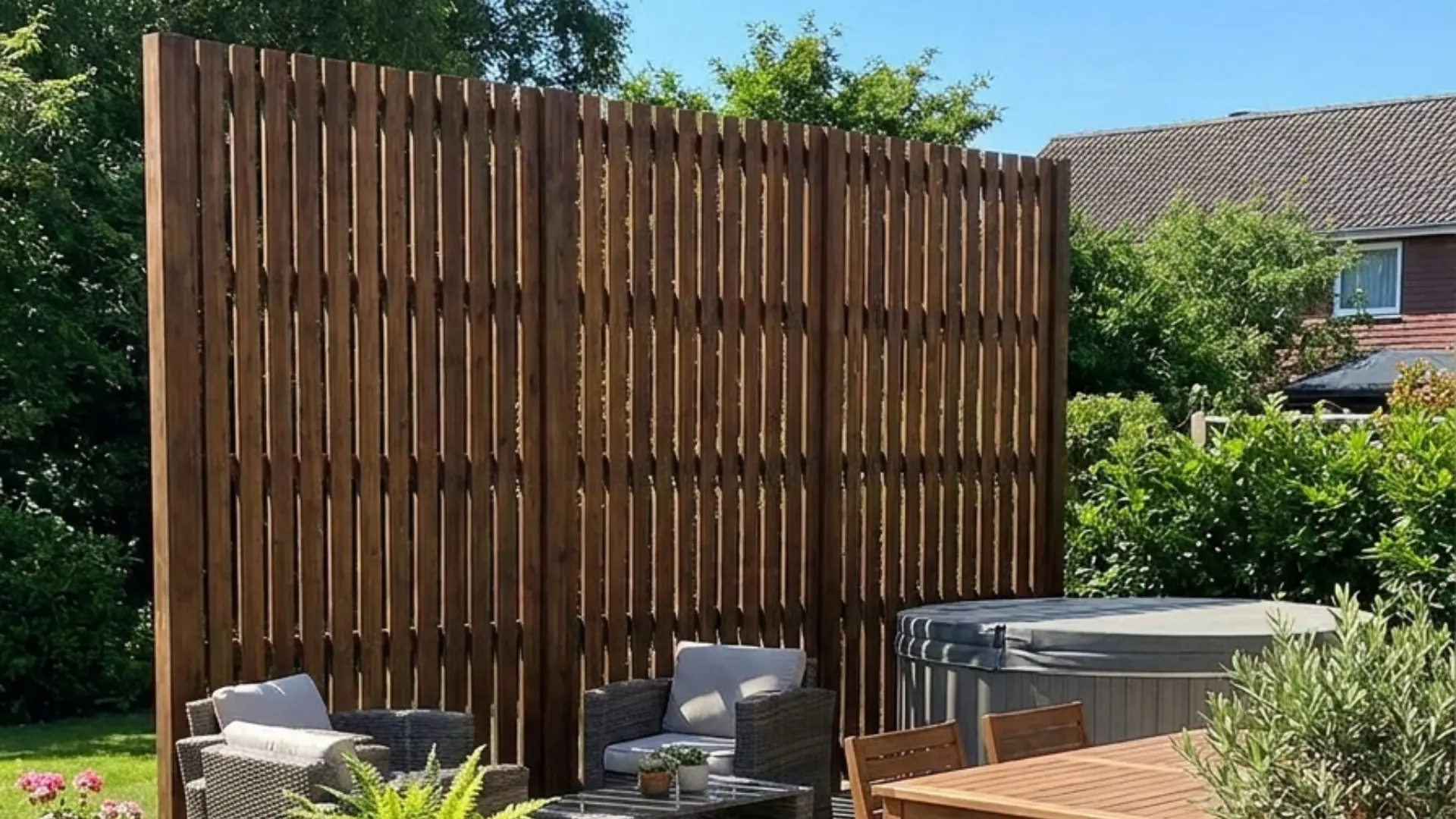
A DIY wood slat privacy screen is useful when you only need coverage in one spot, such as beside a dining area, deck, hot tub, or seating corner. It uses fewer materials than a full fence and keeps the yard open. For small patios, I usually prefer this over closing every side because it solves the view problem without boxing in the space.
Best For: Patios, decks, seating areas, and hot tubs
DIY Difficulty: Easy to moderate
Privacy Level: Medium to high
Approx. Material Cost: $10-$25 per linear ft
5. Redwood or Cedar Privacy Fence
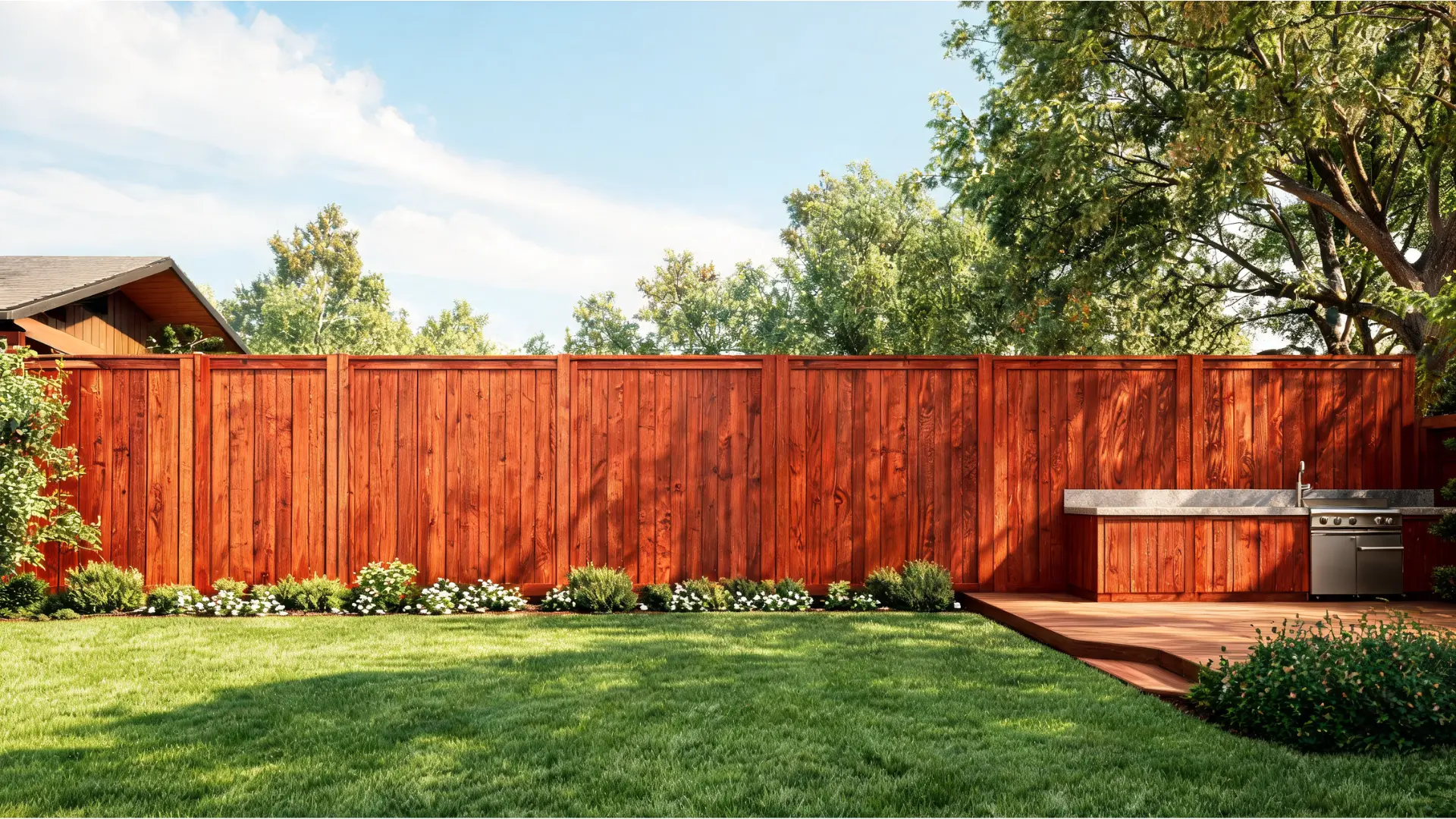
A redwood or cedar privacy fence gives a warmer, higher-quality look than basic lumber. It works well near decks, patios, outdoor kitchens, and yards with natural landscaping. These woods are often chosen for outdoor use, but I would still seal cut ends and keep the finish consistent so the fence ages evenly.
Best For: Visible backyard areas, decks, and patios
DIY Difficulty: Moderate
Privacy Level: High
Approx. Material Cost: $18-$45 per linear ft
6. Semi-Open Wood Slat Fence
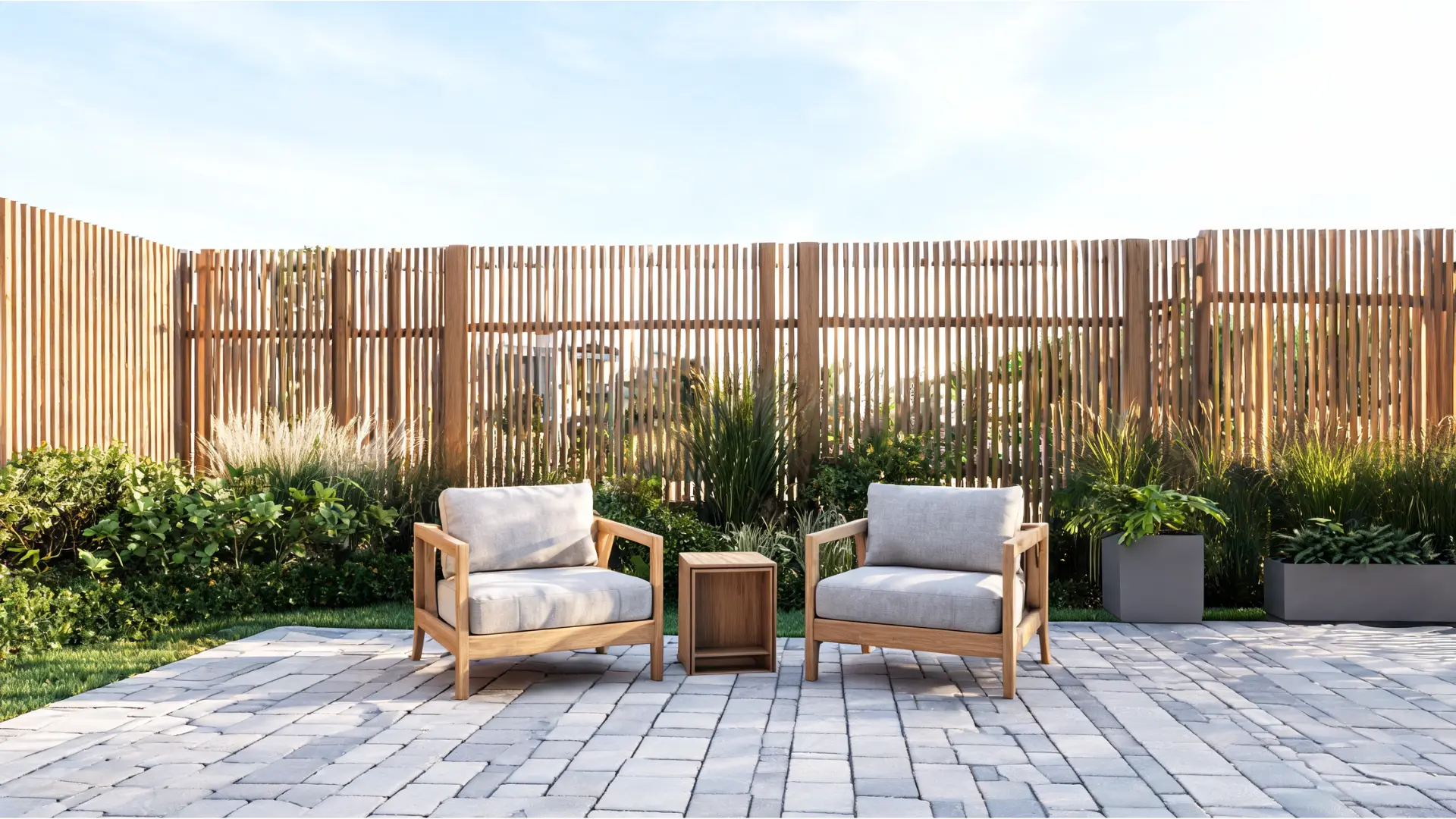
A semi-open wood-slat fence provides privacy without making the yard feel fully closed in. The gaps break sightlines while allowing light and airflow, which helps small patios, warm climates, and side yards feel more comfortable. It is a good middle choice when a solid privacy fence feels too heavy for the yard.
Best For: Small yards, warm climates, patios, and side yards
DIY Difficulty: Moderate
Privacy Level: Medium
Approx. Material Cost: $8-$22 per linear ft
7. Board-and-Batten Fence Wall
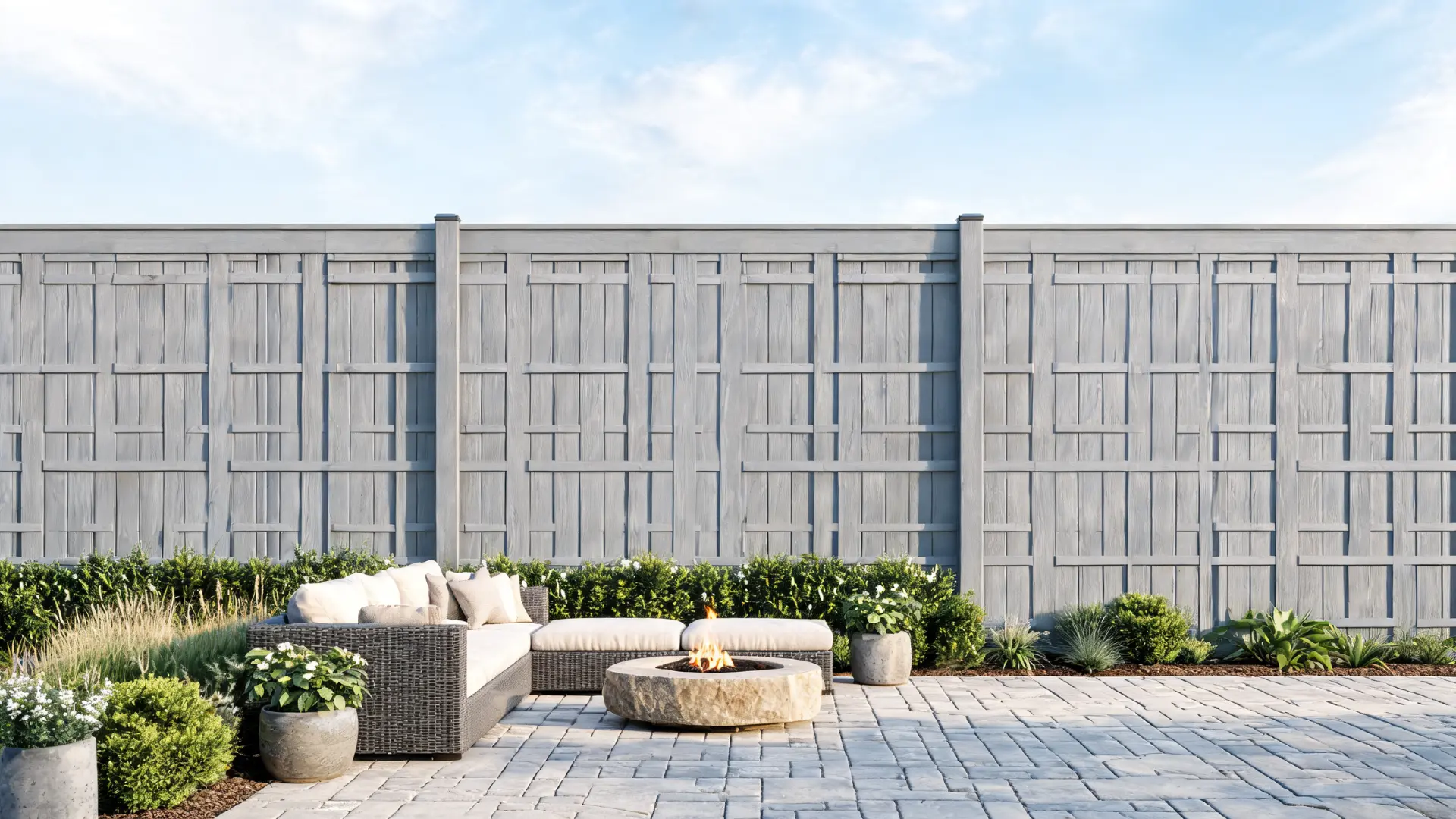
A board-and-batten fence wall uses wide vertical boards with narrow battens over the seams, creating a solid and finished surface. It works best for patios, fire pits, and outdoor living areas where privacy matters more than airflow. I like it best when the yard already has simple lines, because the flat face can look intentional rather than busy.
Best For: Outdoor living areas, patios, and fire pits
DIY Difficulty: Moderate to hard
Privacy Level: High
Approx. Material Cost: $15-$40 per linear ft
Budget and Reclaimed Fence Ideas
These options help reduce material costs while still providing a real boundary, privacy screen, or rustic fence. The main tradeoff is prep time: cheaper materials usually need more sorting, sanding, sealing, and checking before they look finished.
8. Simple Pallet Fence
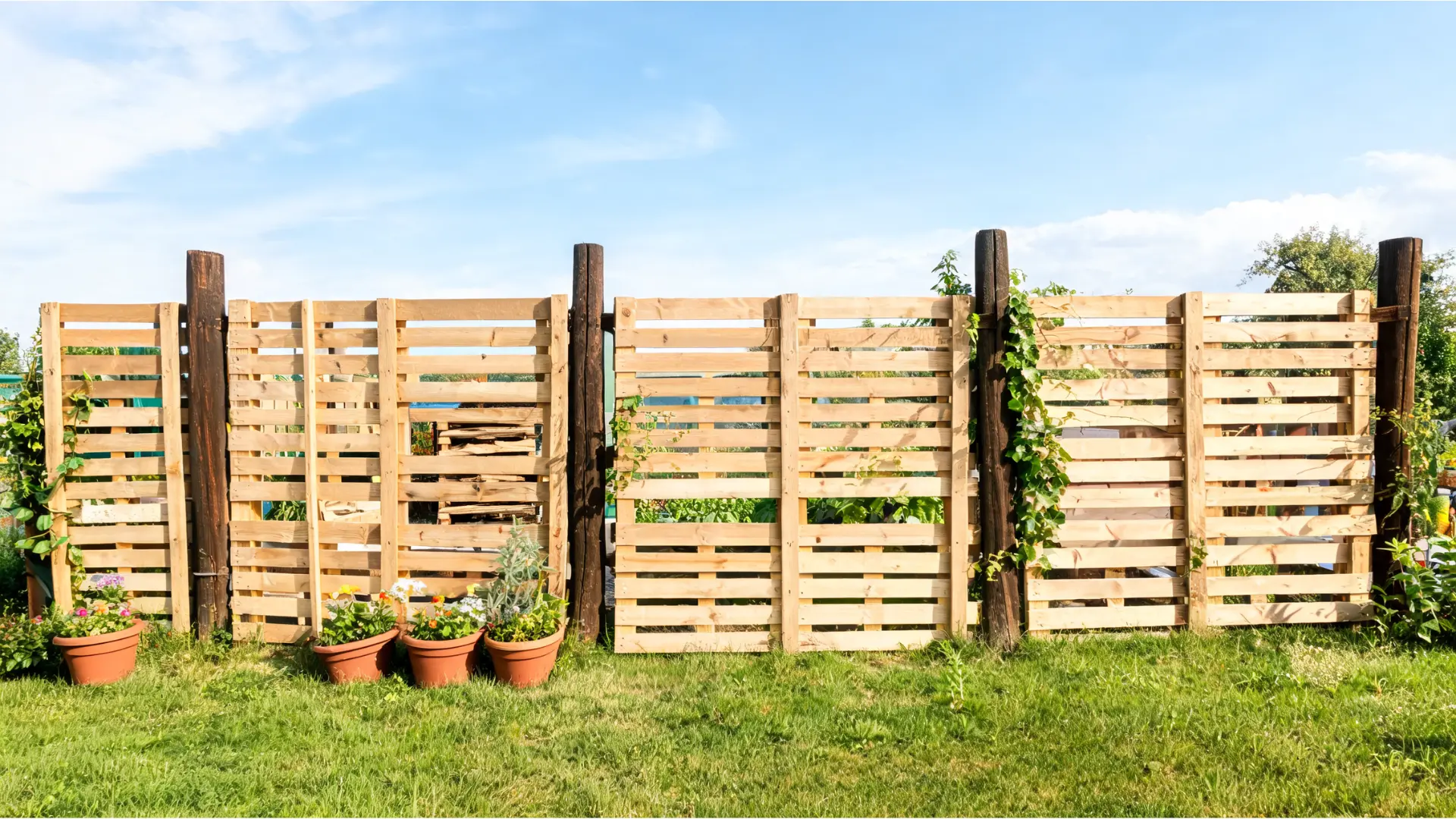
A simple pallet fence is one of the cheapest options when you can find clean, safe pallets. Whole pallets can be fastened between posts or connected for a casual garden boundary. I would keep this for gardens, compost areas, or informal zones rather than a main front-facing fence.
Best For: Gardens, compost areas, and casual backyard zones
DIY Difficulty: Easy
Privacy Level: Medium
Approx. Material Cost: $1-$4 per linear ft
9. Deconstructed Pallet Wood Fence
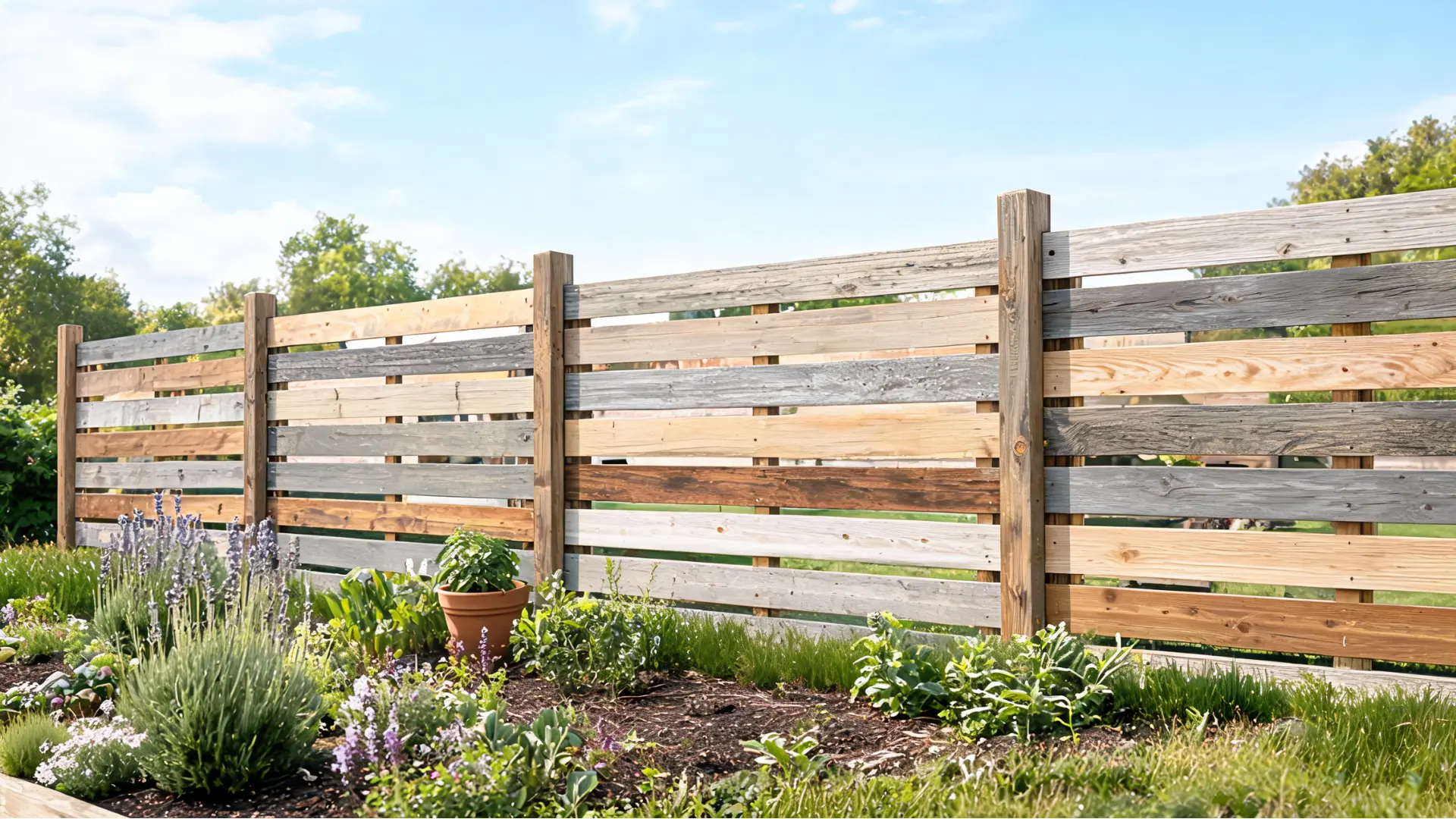
A deconstructed pallet-wood fence looks cleaner than a full-pallet fence while still keeping costs low. Take the pallets apart, remove nails, sort boards by size, and reuse the slats vertically or horizontally. The extra prep is worth it if you want a budget fence that feels designed rather than temporary.
Best For: Low-cost custom wood fences
DIY Difficulty: Moderate
Privacy Level: Medium to high
Approx. Material Cost: $2-$8 per linear ft
10. Reclaimed Wood Fence
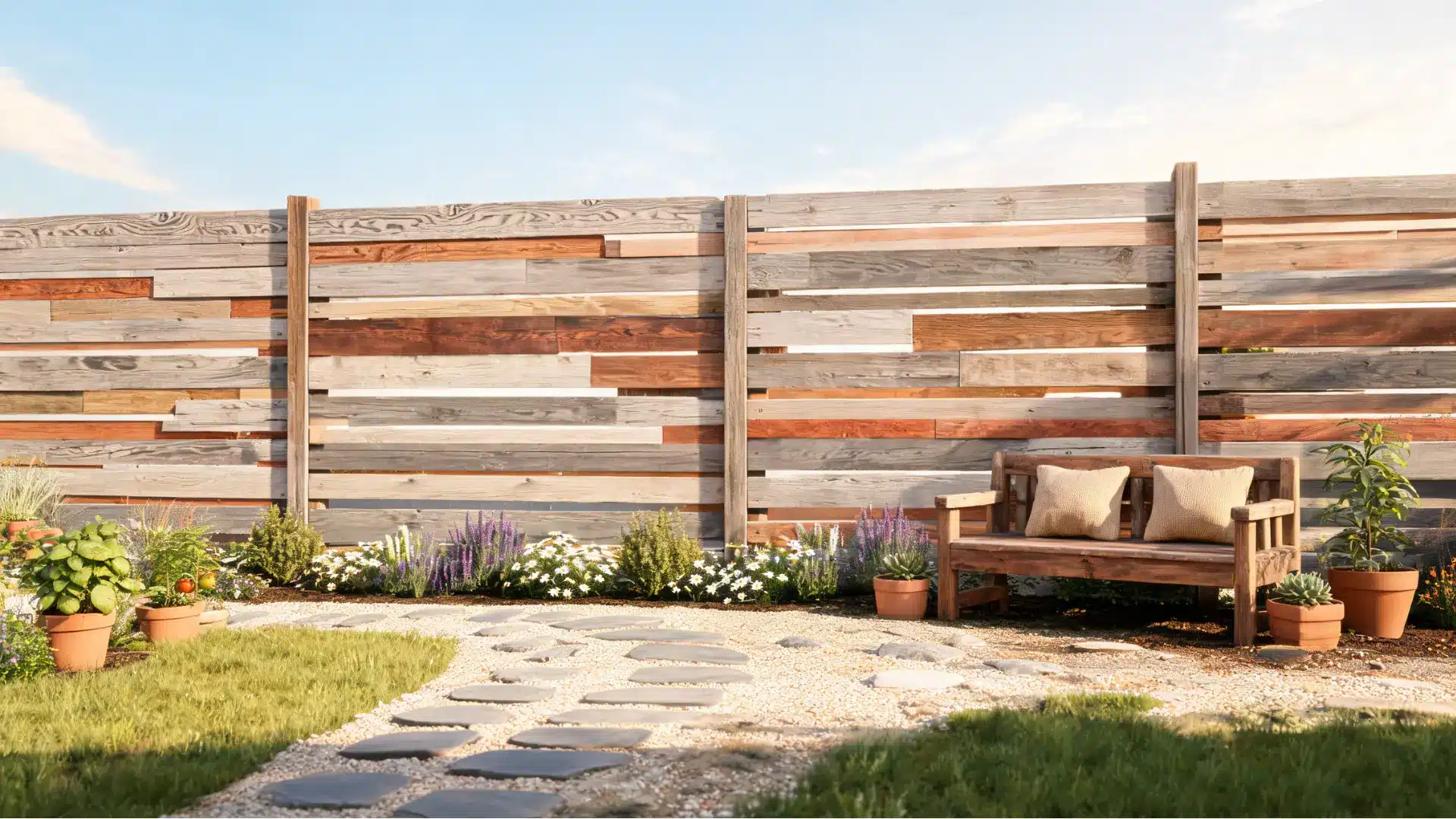
A reclaimed wood fence uses salvaged boards, leftover lumber, old fencing, or weathered planks to create a rustic boundary. Keep the layout intentional with repeated direction, spacing, or color so it does not look random. Remove nails, reject weak boards, sand rough spots, and seal the wood before it goes outside.
Best For: Rustic yards, eco-friendly builds, and low-cost projects
DIY Difficulty: Moderate
Privacy Level: Medium to high
Approx. Material Cost: $3-$12 per linear ft
11. Bamboo Roll Fence
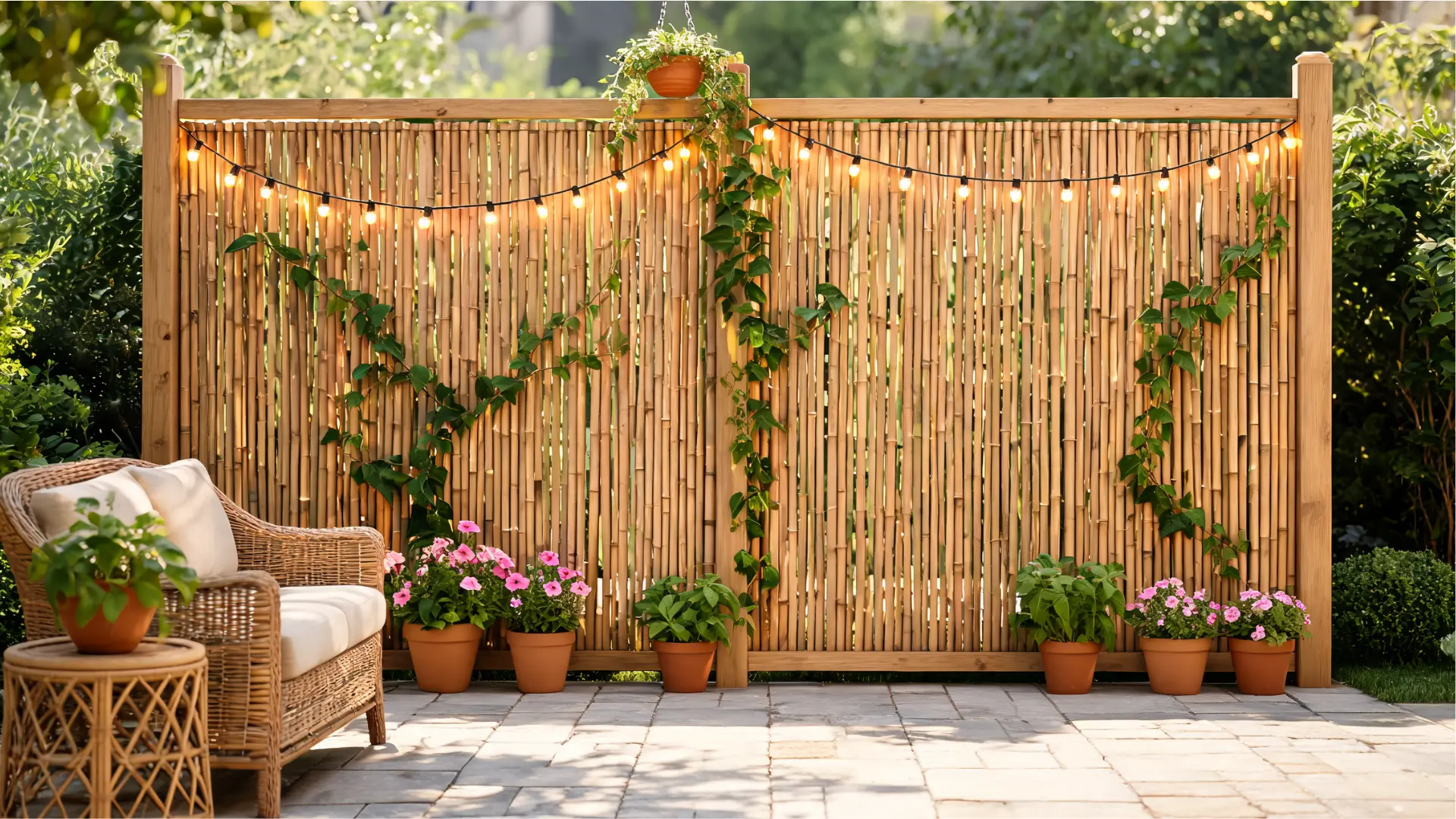
A bamboo roll fence is quick, lightweight, and useful for patios, balconies, rental spaces, and garden corners. It gives soft screening instead of heavy security, so it works best where you want privacy without a major build. I would treat it as a screen, not a permanent structural fence, especially in harsh sun, rain, or wind.
Best For: Patios, balconies, rentals, and garden corners
DIY Difficulty: Easy
Privacy Level: Medium
Approx. Material Cost: $4-$8 per linear ft
12. Wattle, Brush, Split Rail, or Dry Stone Natural Fence
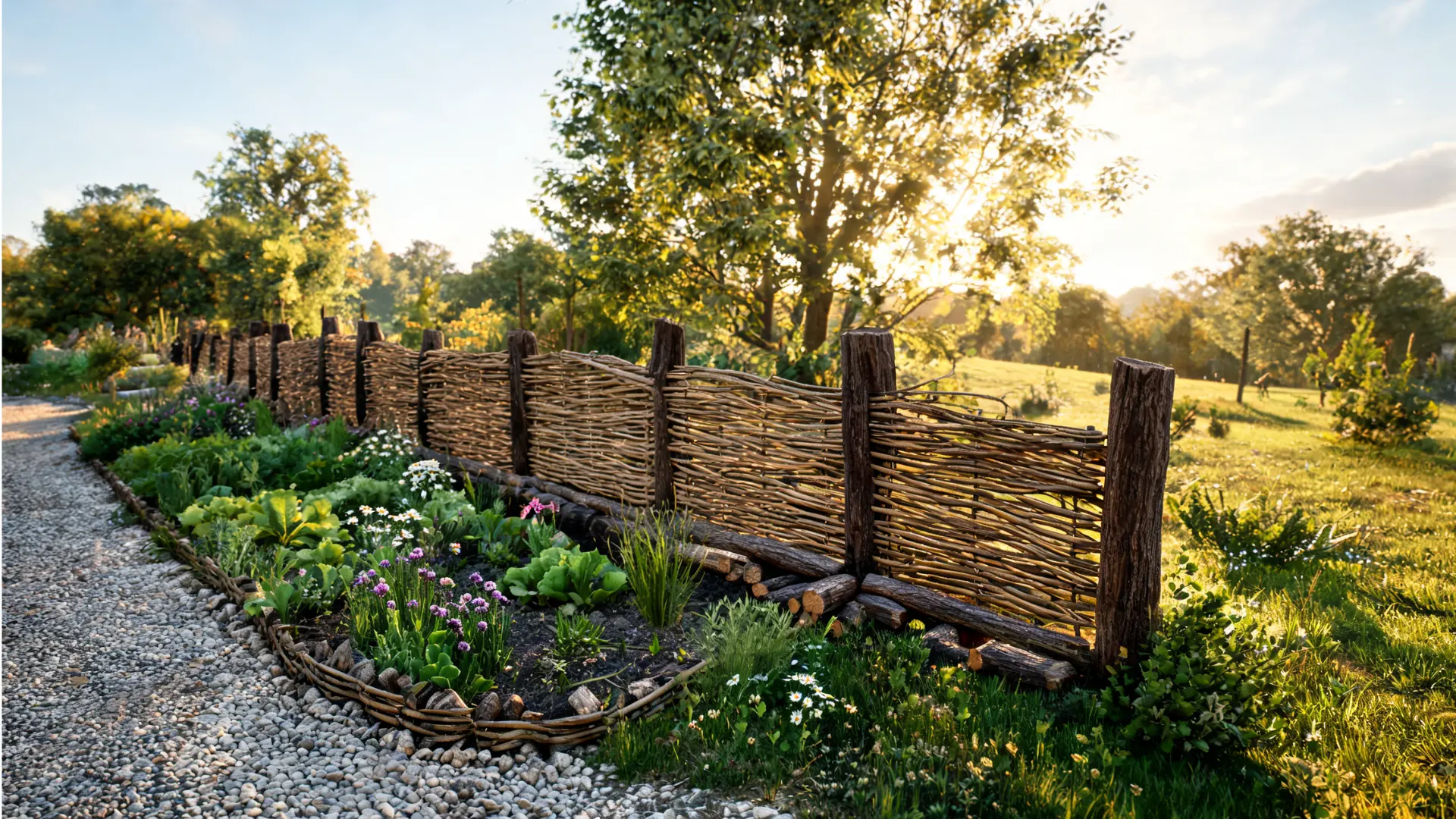
Natural fence styles work well for rustic gardens, homesteads, rural yards, and low-cost builds. Wattle uses flexible branches woven between posts, brush fences stack trimmed branches, split rail creates an open boundary, and dry stone uses stacked stone. These make the most sense when the material already belongs in the landscape.
Best For: Rustic gardens, homesteads, and rural yards
DIY Difficulty: Moderate to hard
Privacy Level: Low to medium
Approx. Material Cost: $2-$25+ per linear ft
Low-Maintenance and Mixed-Material Fence Ideas
These fence ideas suit yards where durability, cleaner upkeep, and stronger materials matter more than a basic wood build. They can look more polished, but they usually need better planning before installation.
13. Vinyl Picket Fence
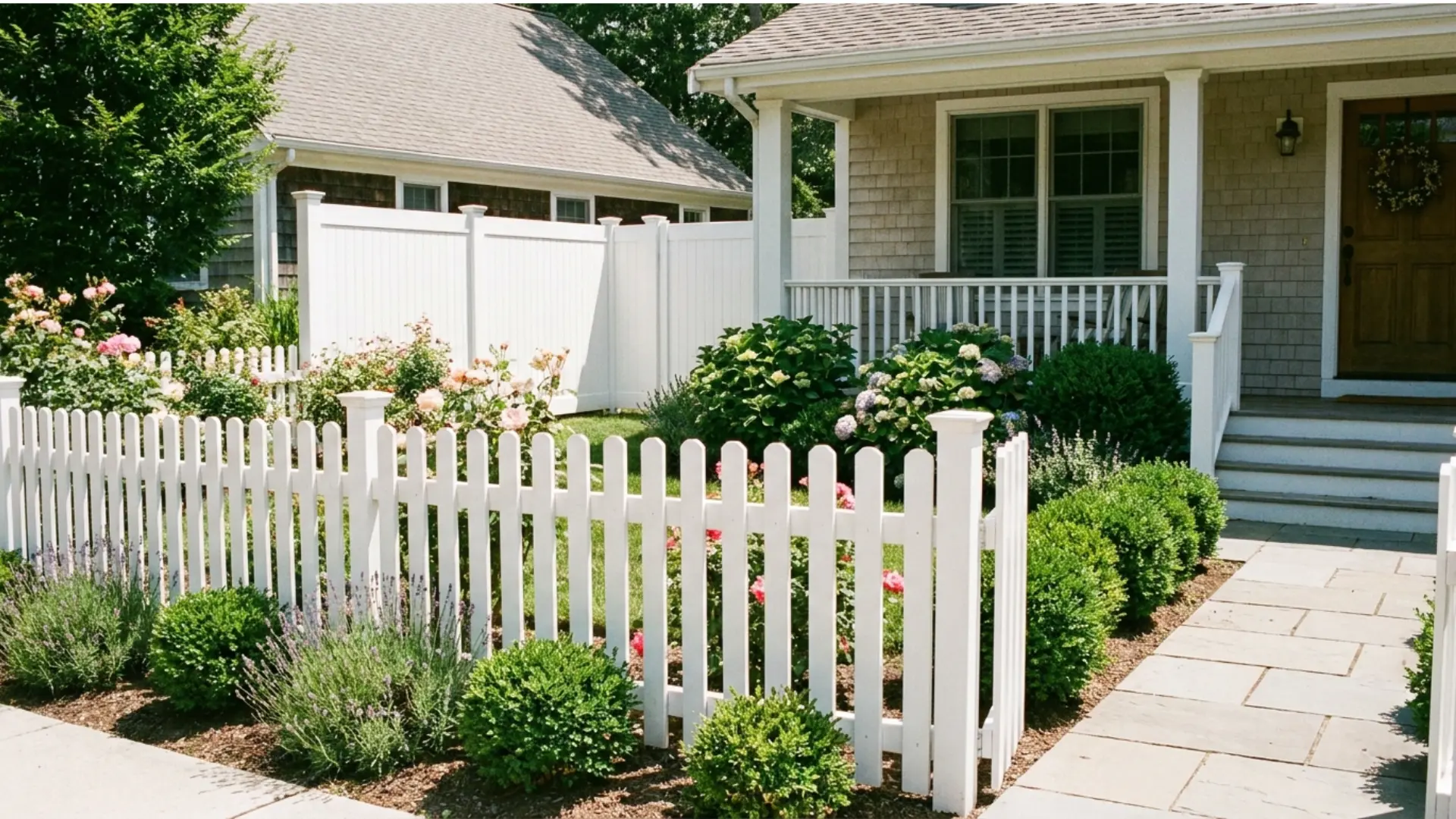
A vinyl picket fence gives a clean front-yard or garden boundary with less maintenance than painted wood. It allows plenty of light and airflow, so it is better for separation than full privacy. It works best when the home already has a neat, simple exterior because the bright white finish can stand out.
Best For: Front yards, garden borders, and cottage-style homes
DIY Difficulty: Easy to moderate
Privacy Level: Low to medium
Approx. Material Cost: $15-$35 per linear ft
14. Black Metal Privacy Fence
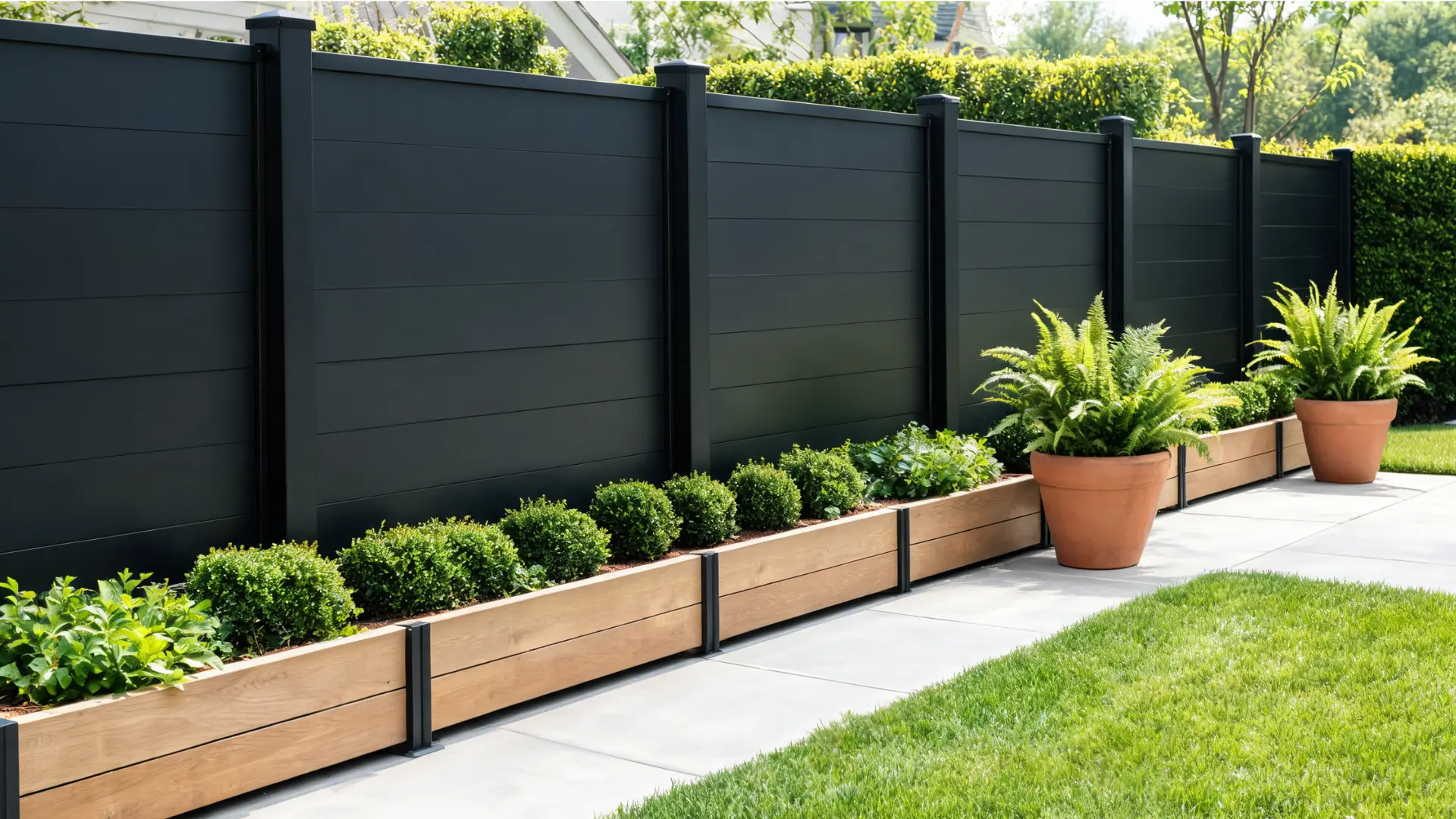
A black metal privacy fence works for patios, pools, side yards, and contemporary homes that need a sleek boundary.
Solid panels give stronger screening, while perforated panels allow more light and airflow. Metal can feel sharp visually, so I would soften it with planting, gravel, wood accents, or warm outdoor furniture.
Best For: Modern patios, pools, and side yards
DIY Difficulty: Moderate to hard
Privacy Level: Medium to high
Approx. Material Cost: $20-$50 per linear ft
15. Modern Wood and Concrete Fence
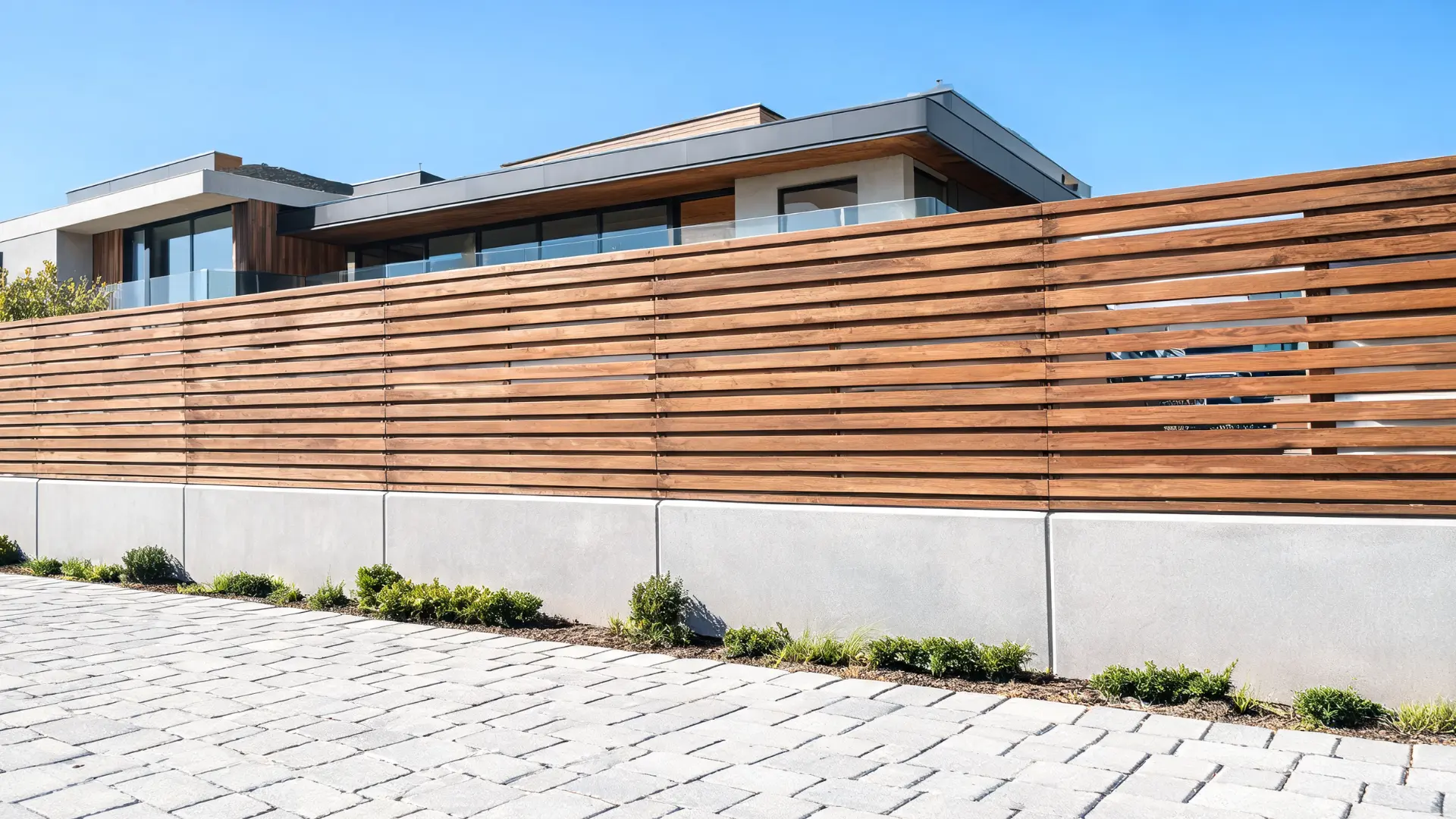
A modern wood-and-concrete fence combines a strong base with warmer wood details. Concrete, stucco, or block adds visual weight, while wood slats keep the design from feeling too cold. This style works for modern homes, pool areas, and street-facing yards where the fence is part of the architecture, not just the boundary.
Best For: Modern homes, pools, and street-facing yards
DIY Difficulty: Hard
Privacy Level: High
Approx. Material Cost: $25-$60+ per linear ft
16. Cinder Block and Wood Fence
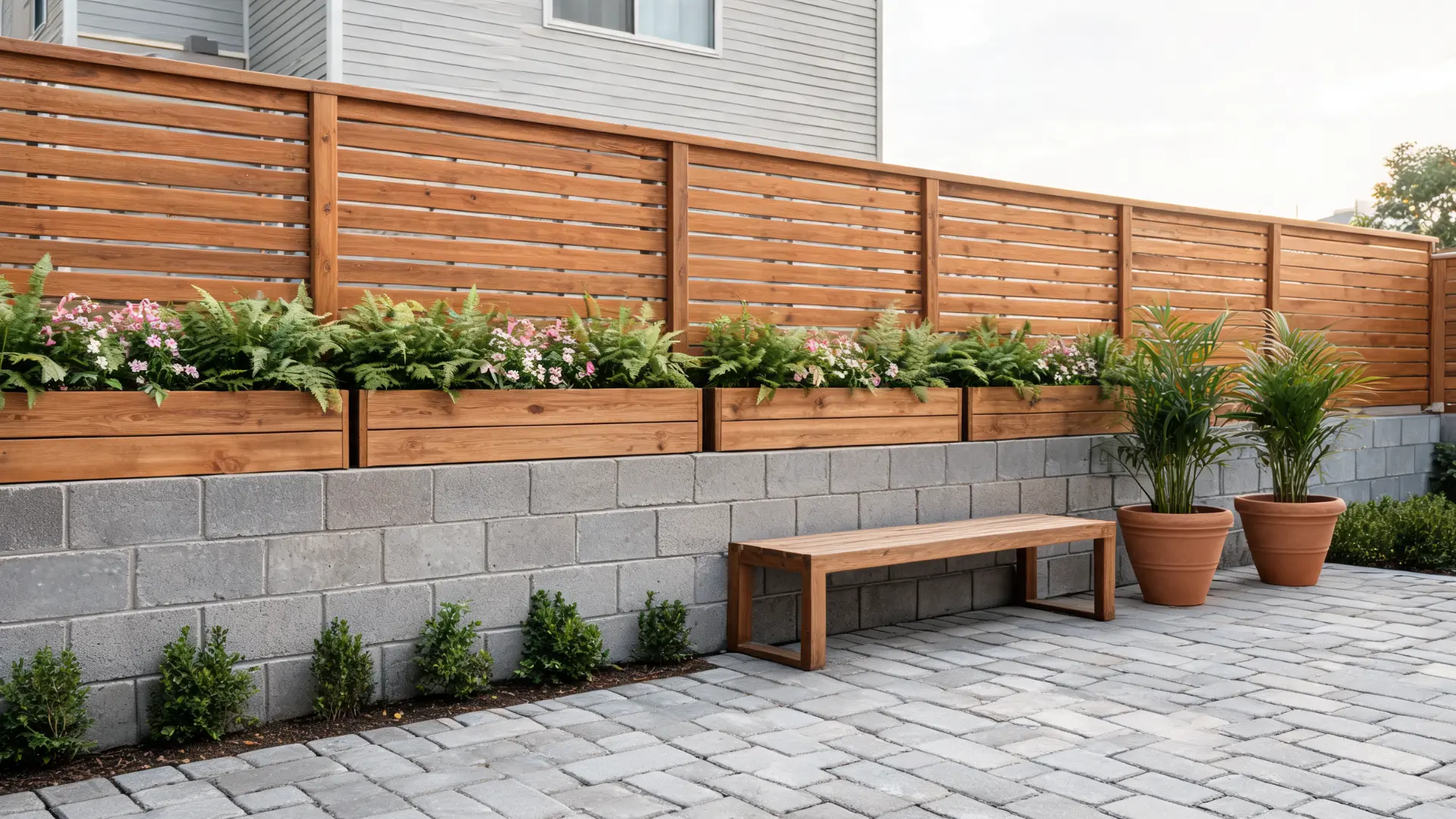
A cinder block and wood fence works when you already have a masonry base but need more height, warmth, or privacy. The block adds strength, while wood slats or panels create a softer upper section. Before adding anything to an existing wall, I would confirm that it is stable enough for the extra load.
Best For: Urban backyards, patios, pools, and masonry bases
DIY Difficulty: Hard
Privacy Level: High
Approx. Material Cost: $20-$55 per linear ft
Garden, Green, and Small-Space Fence Ideas
These ideas add privacy without making compact patios, garden corners, balconies, or narrow side yards feel too closed in. They work best when the planting, screening, and furniture layout are planned together.
17. Square Trellis Panel Fence
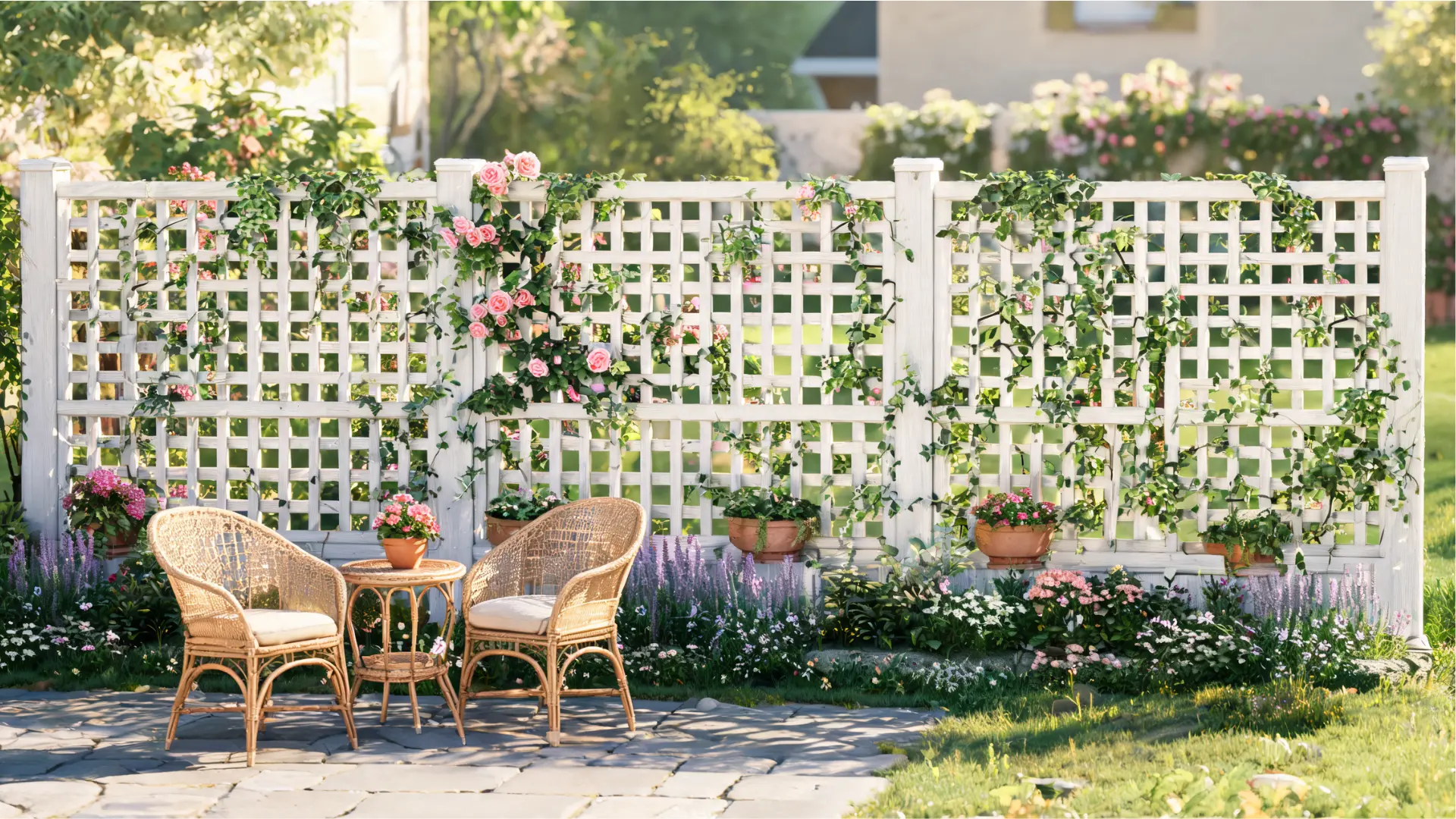
A square trellis panel fence is light, airy, and useful for patios, balconies, cottage gardens, and narrow spaces. It gives low privacy at first, then more coverage as vines grow in. Choose the climbing plant carefully because the wrong vine can become heavier and harder to control than the trellis itself.
Best For: Gardens, patios, balconies, and narrow spaces
DIY Difficulty: Easy to moderate
Privacy Level: Low to medium
Approx. Material Cost: $8-$20 per linear ft
18. Raised Planter Fence Wall
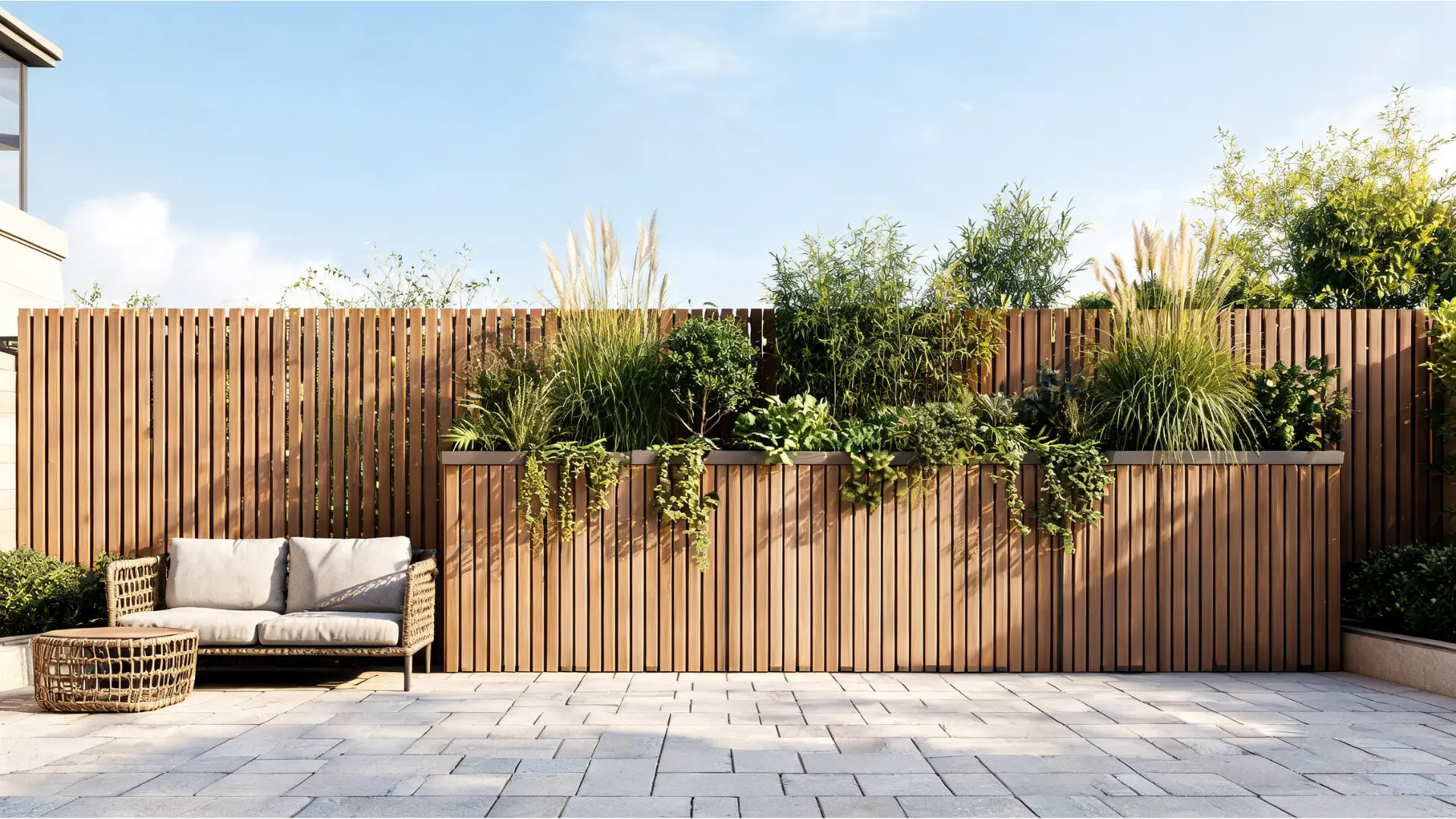
A raised planter fence wall combines planting and privacy in one structure. Planter boxes with tall boards, trellis, or screens behind them work well for patios, balconies, small yards, and garden corners. A sturdy DIY planter box approach helps because soil, water, and mature plants add more weight than many people expect.
Best For: Small yards, patios, balconies, and garden corners
DIY Difficulty: Moderate
Privacy Level: Medium to high
Approx. Material Cost: $20-$60 per linear ft
19. Tall Fence With Hedges
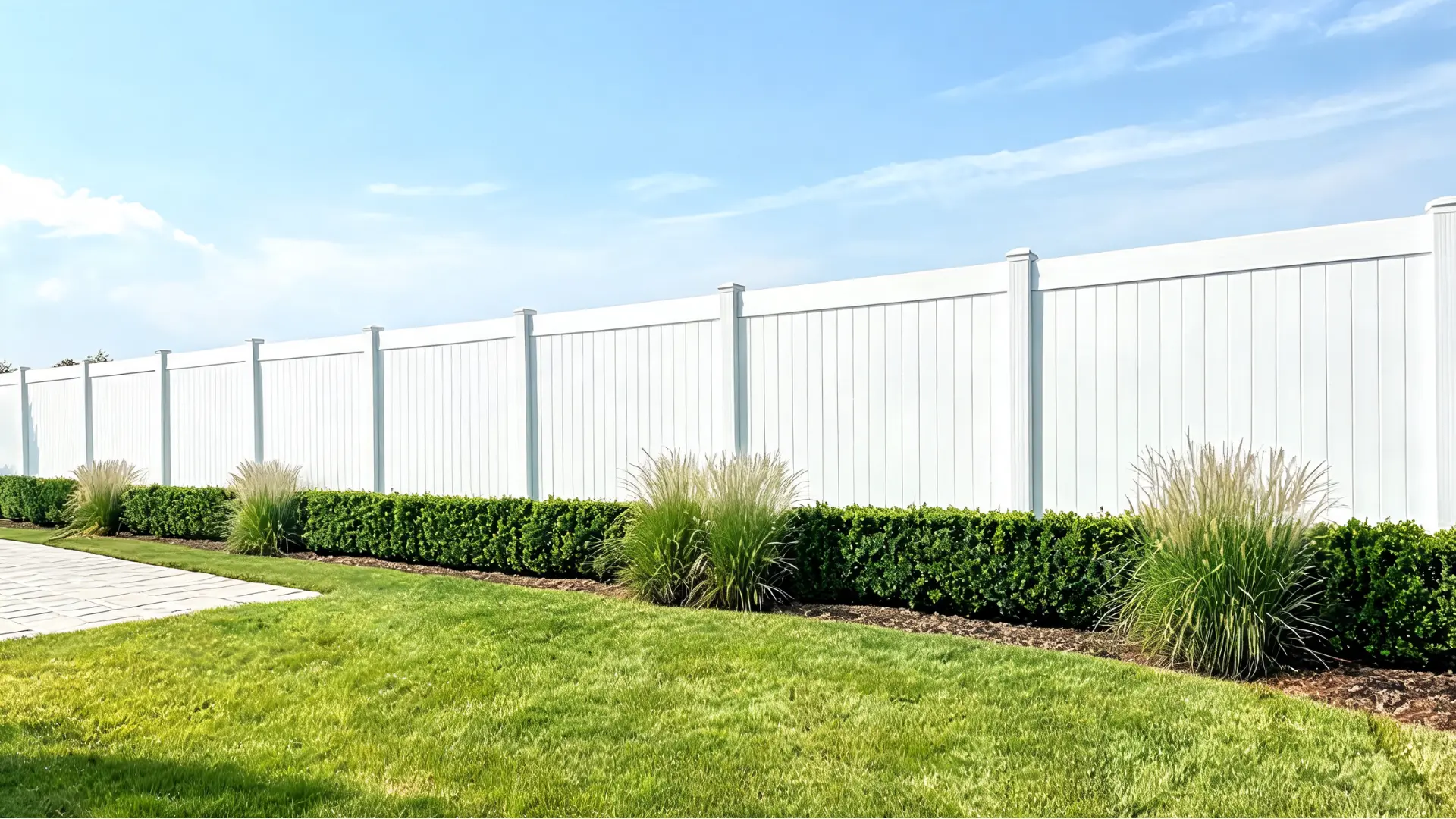
A tall fence with hedges creates a clean boundary while adding softer greenery. The fence gives structure right away, while shrubs, grasses, or hedges add texture and privacy as they fill in. This is one of my favorite approaches for outdoor rooms because the hard fence line feels less flat once the planting matures.
Best For: Pools, hot tubs, side yards, and family backyards
DIY Difficulty: Moderate
Privacy Level: Medium to high
Approx. Material Cost: $20-$50 per linear ft
20. Living Hedge Fence
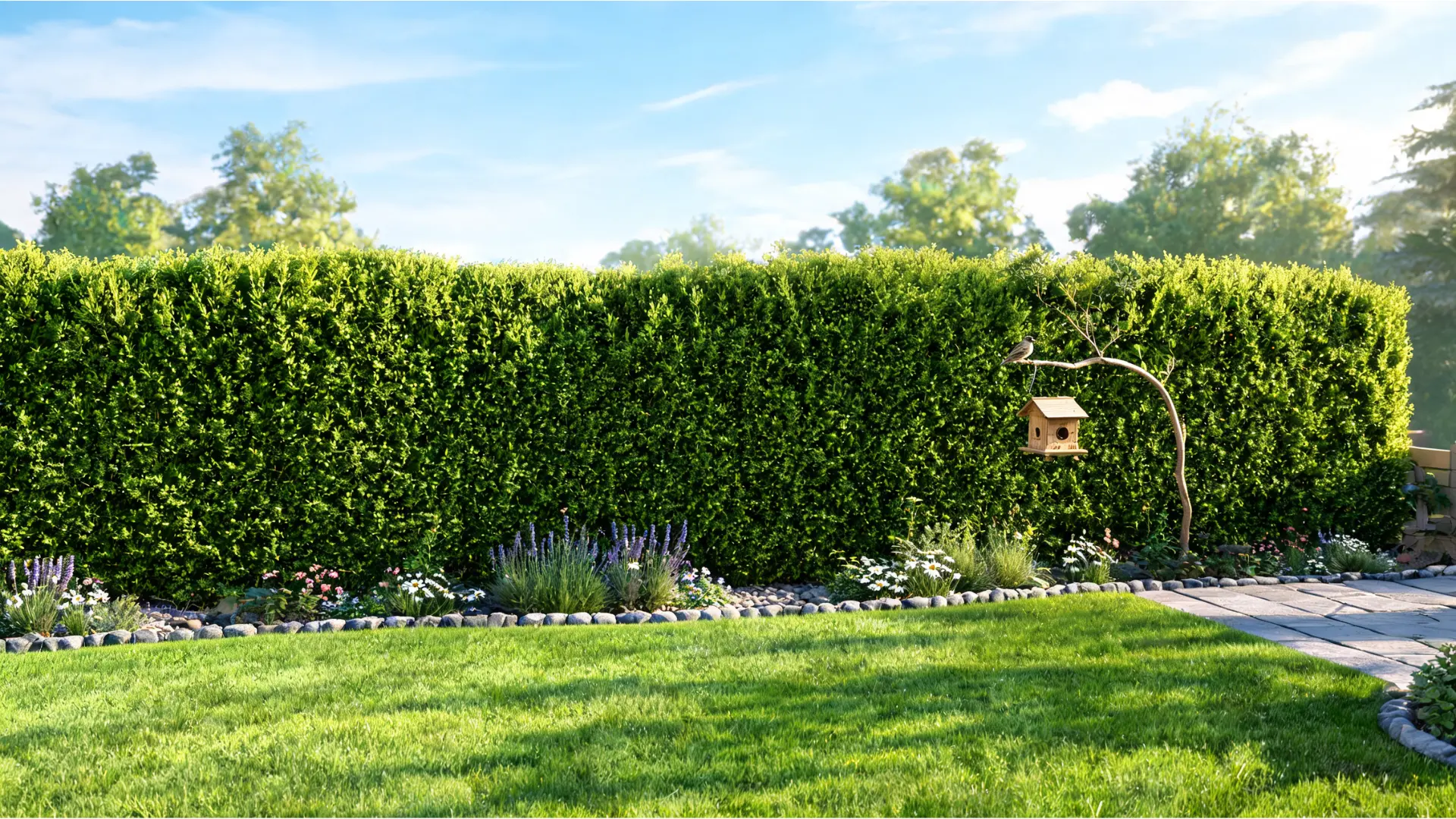
A living hedge fence uses shrubs or small trees to create a natural privacy boundary. It can block views, soften wind, and support birds or beneficial insects over time. The main thing to remember is time: a hedge can look thin at first, so it may need a temporary screen while it fills in.
Best For: Natural privacy, garden-heavy yards, and softer boundaries
DIY Difficulty: Easy to moderate
Privacy Level: Medium to high over time
Approx. Material Cost: $10-$30 per linear ft
21. Pergola and Fence Combination
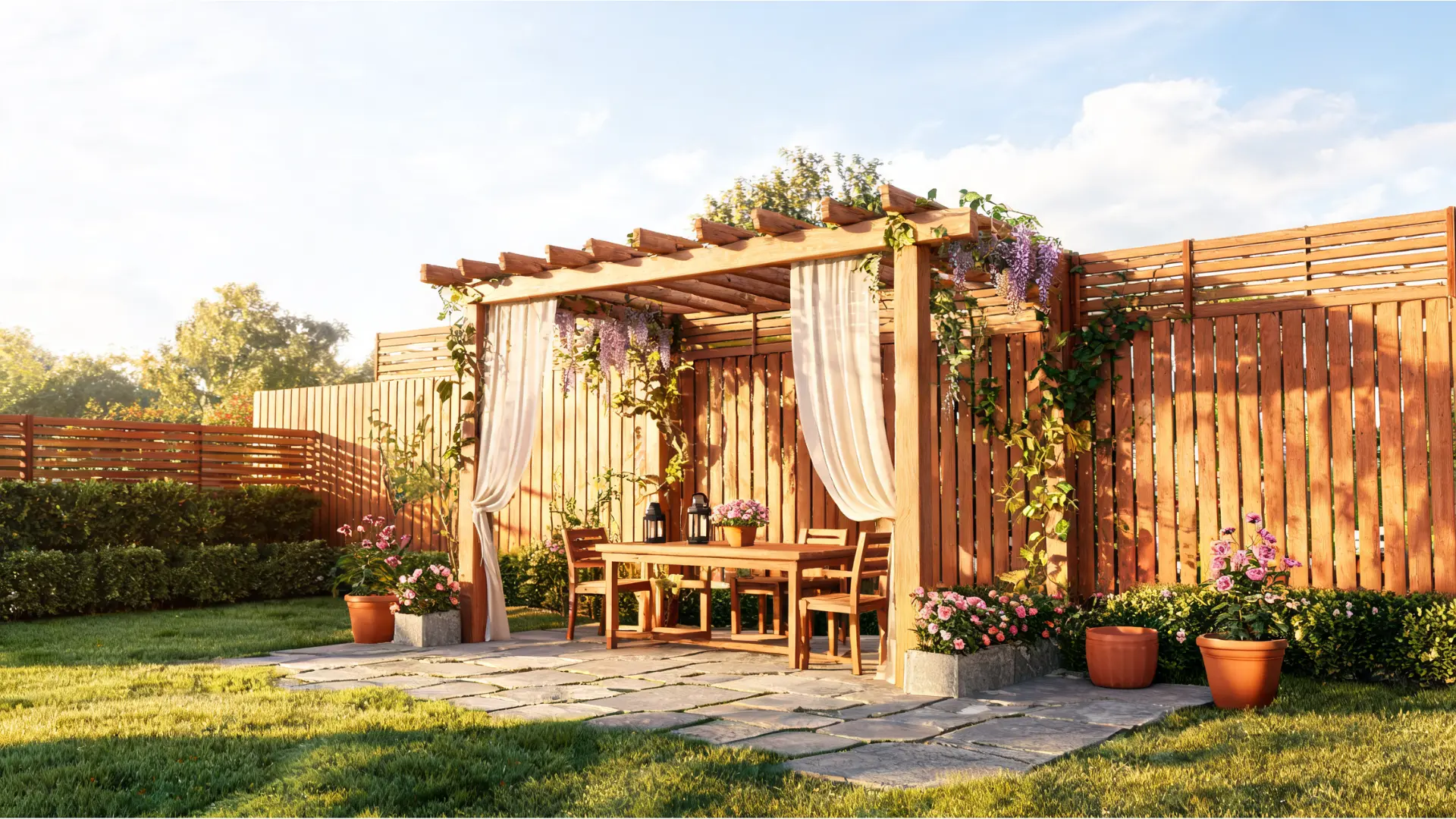
A pergola-and-fence combination creates a more defined outdoor room with shade, structure, and privacy. Place a pergola against a fence or wall, then add side panels, climbing plants, or matching wood details. A simple pergola plan can also keep the posts, proportions, and roof structure from looking like an afterthought.
Best For: Patios, dining areas, lounges, and fire pits
DIY Difficulty: Hard
Privacy Level: Medium to high
Approx. Material Cost: $35-$100+ per linear ft
Front Yard and Special Yard Fence Ideas
These fence styles work for visible areas, sloped lots, and yard layouts that need more careful planning than standard backyard fencing. Since these fences affect the curb appeal, I would keep the design quieter and more consistent with the home’s exterior.
22. Scalloped Picket Fence
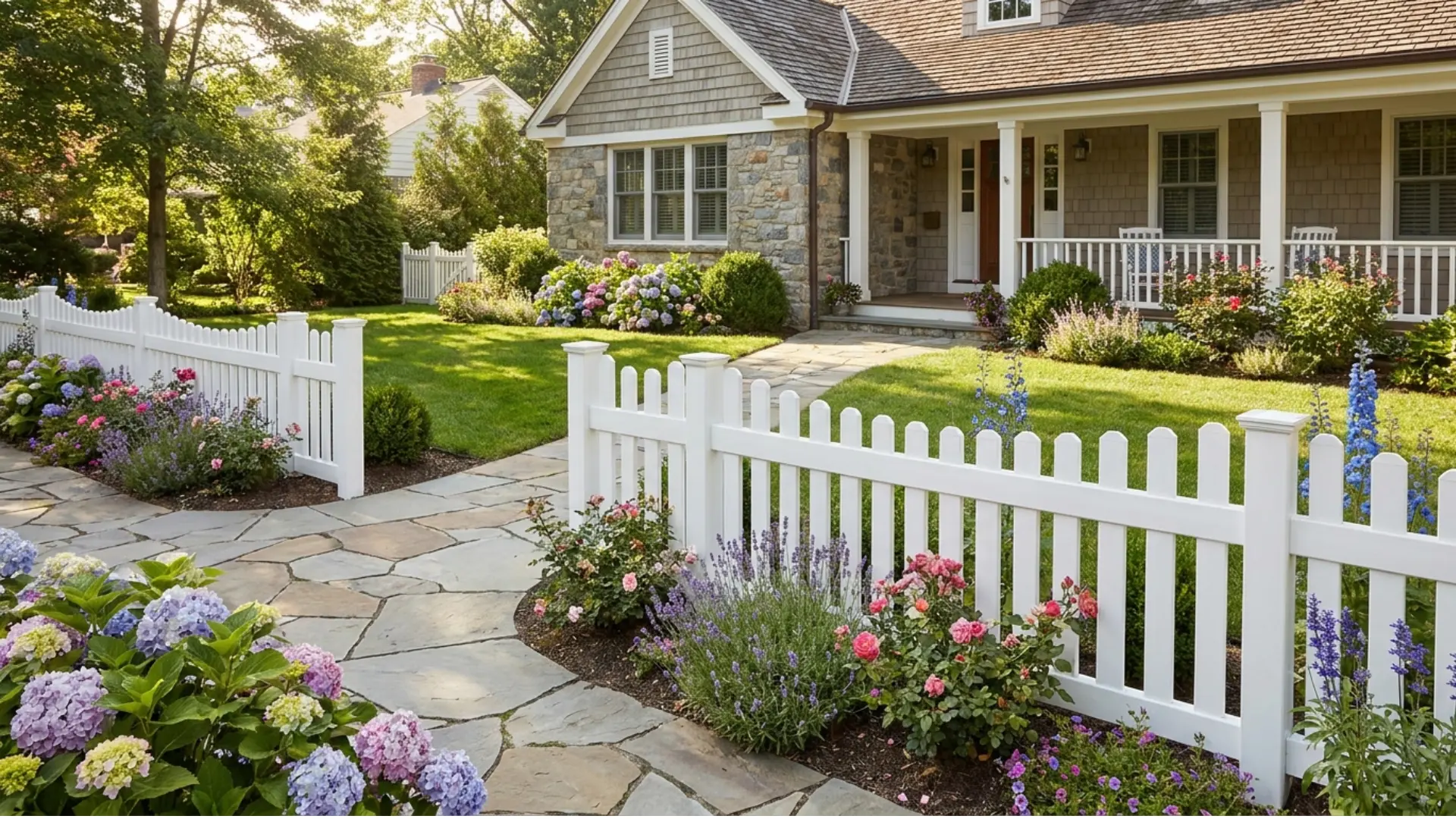
A scalloped picket fence creates a decorative front-yard or garden boundary without blocking too much light. The curved top works well along walkways, flower beds, and cottage-style spaces. It is better for marking an edge than adding security, so use it where charm and definition matter more than privacy.
Best For: Front yards, walkways, flower beds, and gardens
DIY Difficulty: Easy to moderate
Privacy Level: Low
Approx. Material Cost: $12-$30 per linear ft
23. Front Yard Privacy Wall
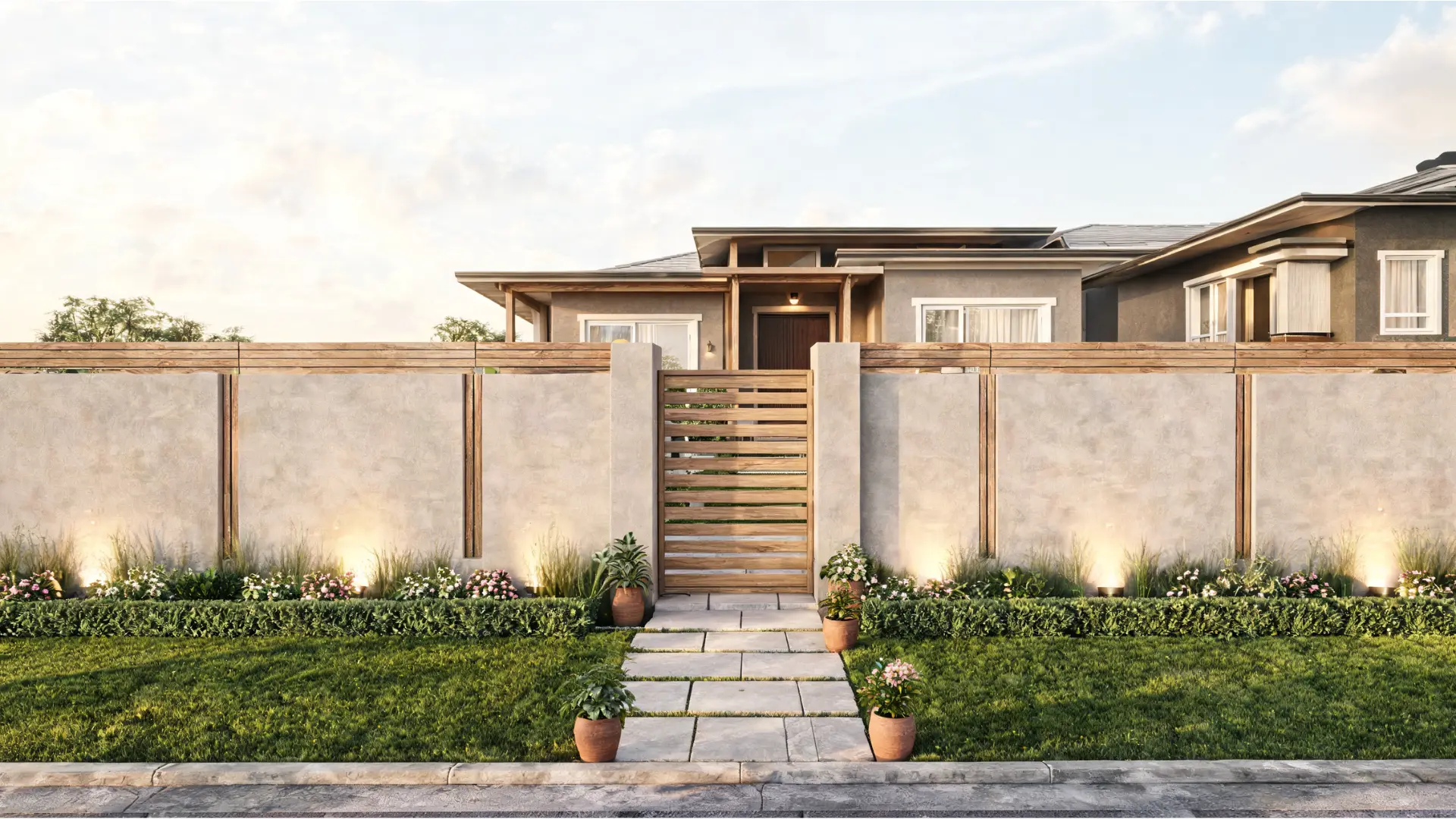
A front yard privacy wall helps homes facing streets, sidewalks, or close neighbors feel more protected. It can be made from stucco, concrete, masonry-style panels, wood, or mixed materials. I would keep the gate, house color, planting, and wall finish cohesive so the wall feels like part of the entrance rather than a barrier.
Best For: Street-facing homes and exposed front yards
DIY Difficulty: Hard
Privacy Level: High
Approx. Material Cost: $30-$80+ per linear ft
24. Mixed-Height or Stepped Fence
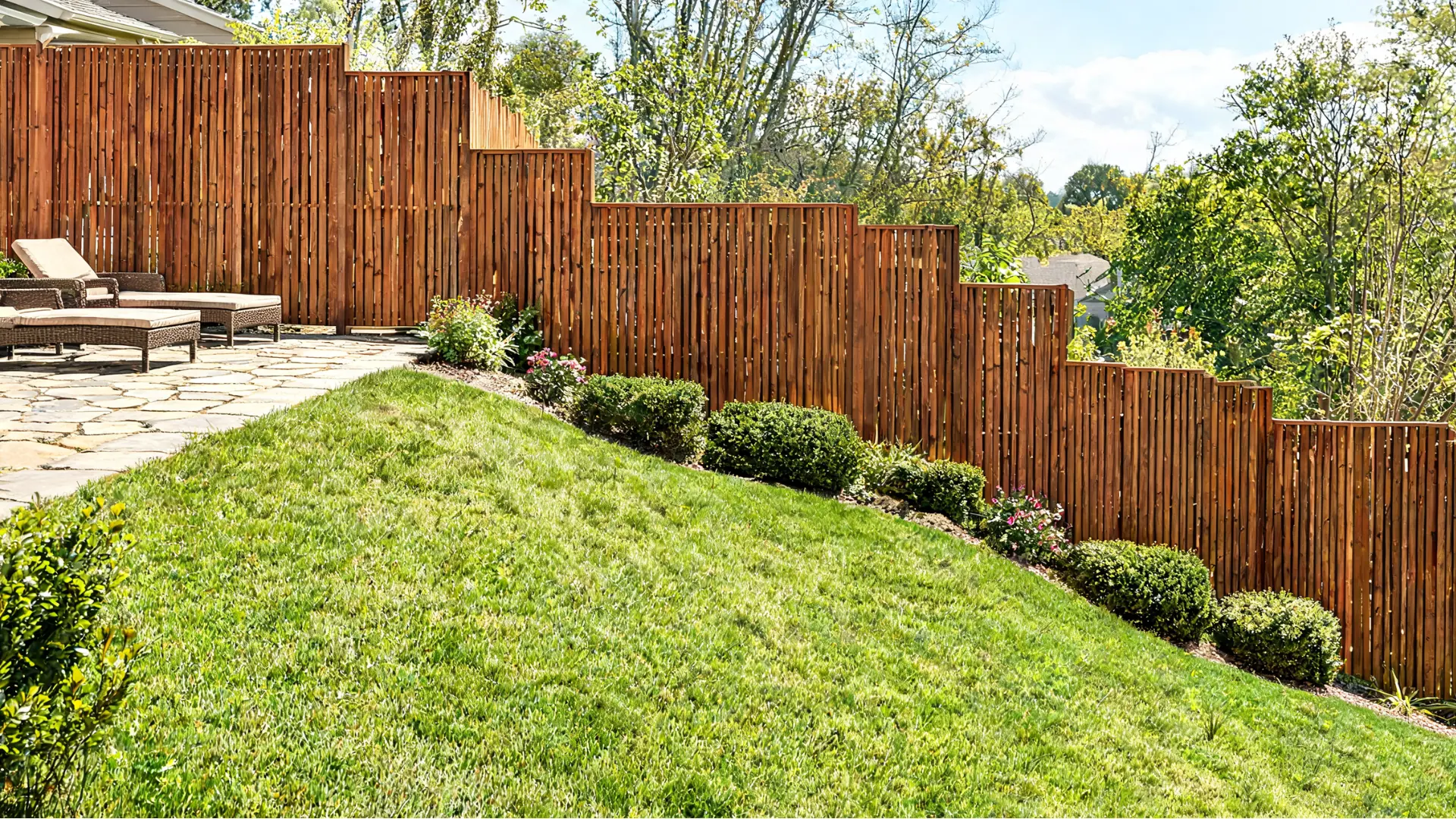
A mixed-height or stepped fence works for slopes, uneven lots, and yards with changing privacy needs. Taller sections can block views near patios, while lower sections keep the rest of the yard open. This design looks best when the height changes feel intentional, not like the fence was patched together after a mistake.
Best For: Sloped yards and changing privacy needs
DIY Difficulty: Moderate to hard
Privacy Level: Varies by section
Approx. Material Cost: $12-$35 per linear ft
DIY Fence Tips for a Better-Looking, Longer-Lasting Fence
Small details can make a DIY fence look cleaner and last longer. Focus on spacing, finish, drainage, and the order of decisions so the fence feels planned instead of patched together.
- Plan Board Spacing: Narrow gaps give more privacy, while wider gaps allow better airflow and light. For small yards, semi-open spacing can keep the fence from feeling too heavy.
- Use One Finish: A single paint or stain color can make budget wood, mixed boards, or older fence sections look more intentional.
- Seal Cut Ends: Freshly cut wood absorbs moisture faster than the board surface. Sealing those ends helps reduce swelling, cracking, and rot.
- Keep Soil Away: Mulch, wet leaves, and soil pressed against wood can shorten the fence’s life. Leave space near the bottom so the boards can dry properly.
- Plan Gates Early: Decide the gate width, swing direction, latch height, and walkway clearance before setting posts. This helps avoid sagging, awkward access, or blocked paths.
- Add Details Last: Plants, lighting, toppers, hooks, shelves, and wall art can improve the look, but they should come after the main fence is strong, level, and secure.
These small choices help a simple fence feel more finished without turning paint, decor, or small add-ons into full fence ideas.
What to Check Before Building a DIY Fence
Before building a DIY fence, check the details that affect placement, safety, cost, and durability. Confirm the property line using a survey, plat map, deed, or local records instead of guessing from an old fence, hedge, or neighbor’s layout.
Review local rules, permits, HOA guidelines, height limits, front-yard visibility rules, and pool barrier codes if needed. Call your local utility marking service before digging so you do not hit gas, water, electric, cable, drainage, or irrigation lines.
Also, consider the weather and the yard’s shape. Windy yards may need deeper posts, wet soil needs better drainage, and slopes may need stepped sections. Plan the gate width, swing direction, latch height, and walkway clearance before installing posts.
Before You Dig: Confirm your property line, check local fence rules, and contact your utility marking service before setting posts.
Frequently Asked Questions
What side of the fence should face my neighbor?
Many areas expect the finished side of a fence to face outward or toward the neighbor, but rules vary by city, HOA, and shared boundary agreements. Check local requirements before ordering materials so the rails, posts, and finished face are planned correctly.
Can I build a DIY fence in sections over time?
Yes, you can build a fence in sections if the layout is planned from the start. Set the post spacing, height, finish, and gate locations first so that later sections match rather than look like separate projects.
What fence color works best for a small backyard?
Soft wood tones, muted browns, warm grays, and dark stains often work well in small backyards because they sit quietly behind plants and furniture. Very bright colors can make the fence feel closer and more noticeable.
How do I make a fence match my patio or deck?
Repeat one or two details from the patio or deck, such as the wood tone, metal finish, board direction, planter style, or lighting. Matching everything can look flat, but repeated details make the outdoor area feel connected.
Conclusion
A good fence should make your yard feel more private, useful, and complete without adding stress. With the right DIY fence ideas, you can choose a design that fits your space, budget, climate, and skill level.
I like starting with the main goal first, then narrowing the choice by material, privacy, airflow, cost, and maintenance. That is the same design lens I use for outdoor projects: solve the function first, then make the fence feel like it belongs with the patio, planting, and house exterior.
Start with the area where you need the most privacy, choose one design that fits your skill level, and build from there. A simple fence can still look thoughtful when the material, spacing, finish, and placement all work together.