

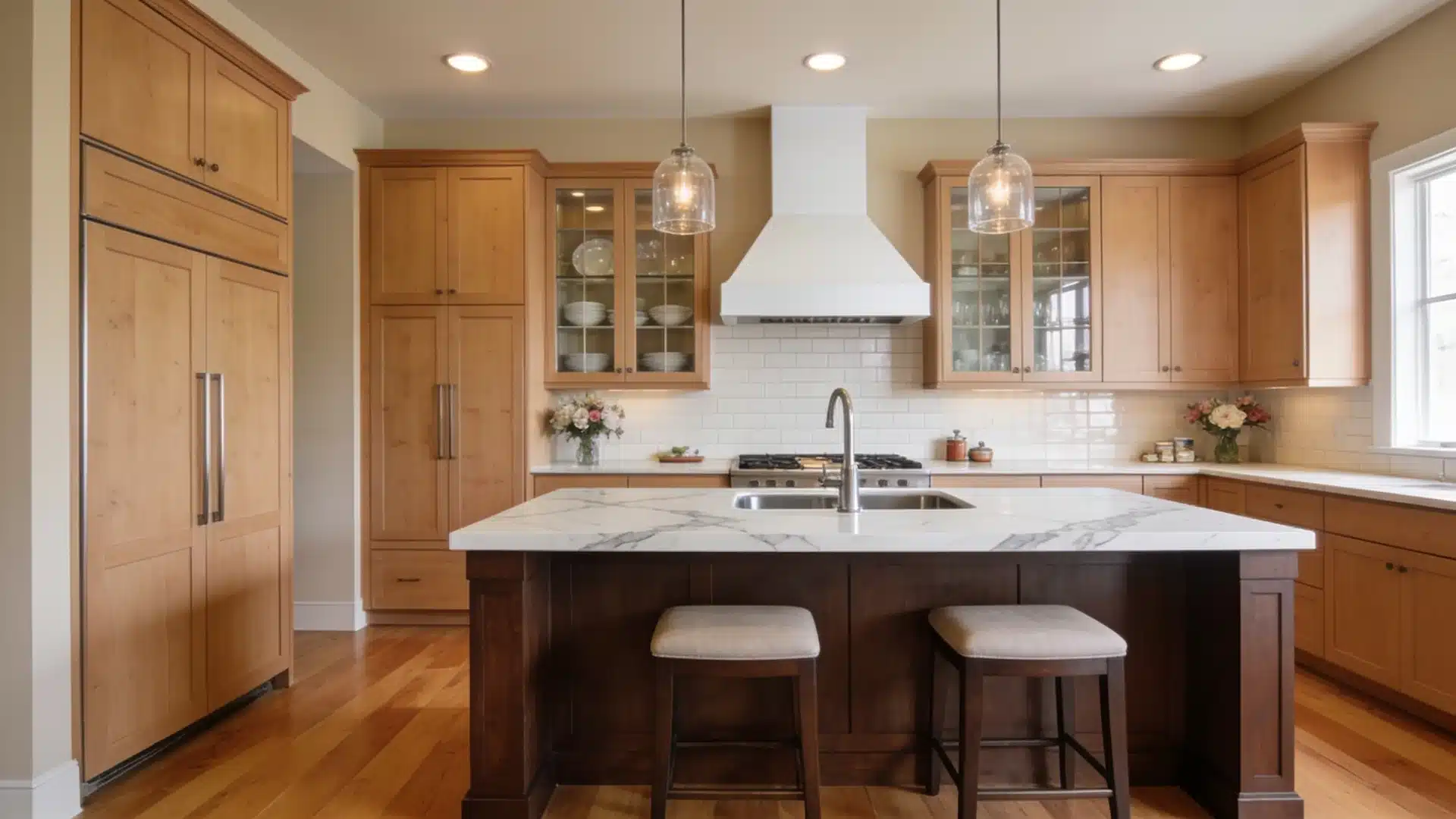


Kitchen remodel prices can feel hard to pin down, especially when every quote seems to tell a different story.
If you are asking how much a 10×10 kitchen remodel should cost, the answer depends on the level of finishes, layout changes, and labor involved in your project.
I know that number can still feel broad, but it becomes easier once the budget is broken into cabinets, countertops, labor, flooring, appliances, and surprise costs.
A 10×10 kitchen may be compact, yet small choices can quickly change the final price. The goal here is to help you read estimates with more confidence and spot where the money really goes before the project begins.
| Cost Note: Figures in this article are estimates based on national averages and current 2026 tariff data. Actual costs vary by region, contractor, and material sourcing. Always get at least three quotes before committing to any project above $1,000. |
What a 10×10 Kitchen Really Means
A 10×10 kitchen is about 10 feet by 10 feet, or roughly 100 square feet. In remodeling, it’s less a real room shape and more a shared measuring stick. Contractors and cabinet brands use it to estimate cabinet packages, material needs, and labor because it holds still long enough to compare quotes fairly.
A typical 10×10 estimate assumes about 20 linear feet of combined cabinet, base, and wall space, so your actual number will vary depending on whether your kitchen needs more or less. A 10×10 kitchen remodel usually includes:
- Cabinets and hardware
- Countertops
- Sink and faucet
- Appliances
- Flooring
- Backsplash
- Lighting
- Labor
- Demo and cleanup
That’s the skeleton. What determines whether your total lands near $15,000 or near $55,000 is everything layered on top of it.
How Much Should a 10×10 Kitchen Remodel Cost
Cabinets, labor, countertops, appliances, and finish details are what actually move the number on your quote. Think of this the way you’d think of a beauty routine: a few items do most of the heavy lifting, and the rest is where you either save or splurge.
1. Cabinets and Hardware
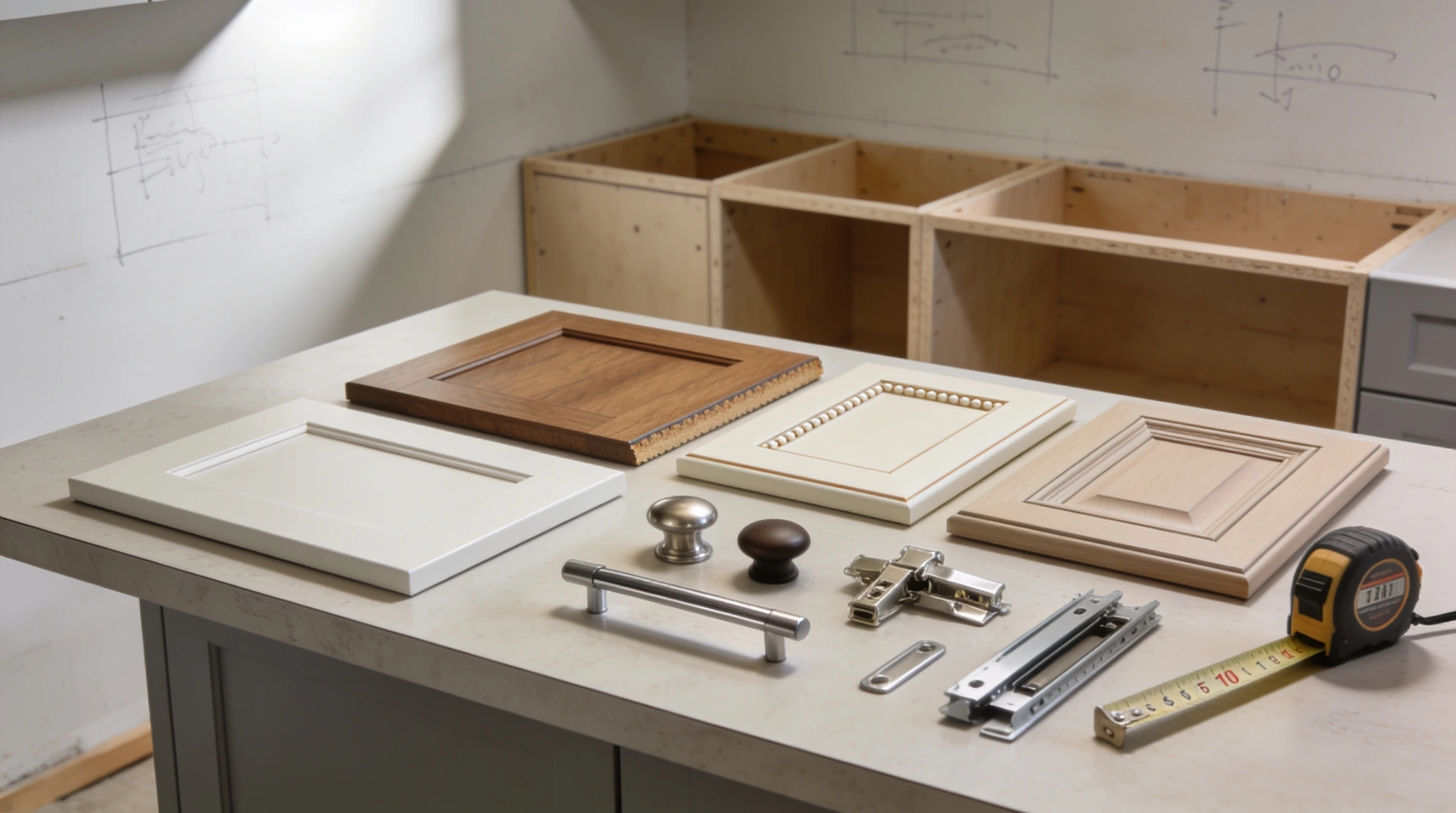
Cabinets are almost always the highest single cost in a kitchen remodel, the same way a great coat anchors an outfit and everything else gets built around it.
Your price depends on whether you keep the existing boxes, buy stock cabinets, go semi-custom, or go fully custom.
If clean lines and hidden hardware appeal to you, leaning into a minimalist cabinet style can actually narrow down this decision rather than complicate it.
Hardware matters too. Pulls, knobs, soft-close hinges, and drawer systems add up fast once you start picking finishes.
| Cabinet Type | Estimated Cost |
| Refacing or refinishing | $400 to $1,800 |
| Stock cabinets | $2,000 to $8,000 |
| Semi-custom cabinets | $4,000 to $14,000 |
| Custom cabinets | $10,000 to $30,000+ |
If the boxes underneath are still solid, refacing is the equivalent of a good tailor instead of a whole new wardrobe. If the layout genuinely doesn’t work for how you cook, the replacement earns its price.
2. Countertops
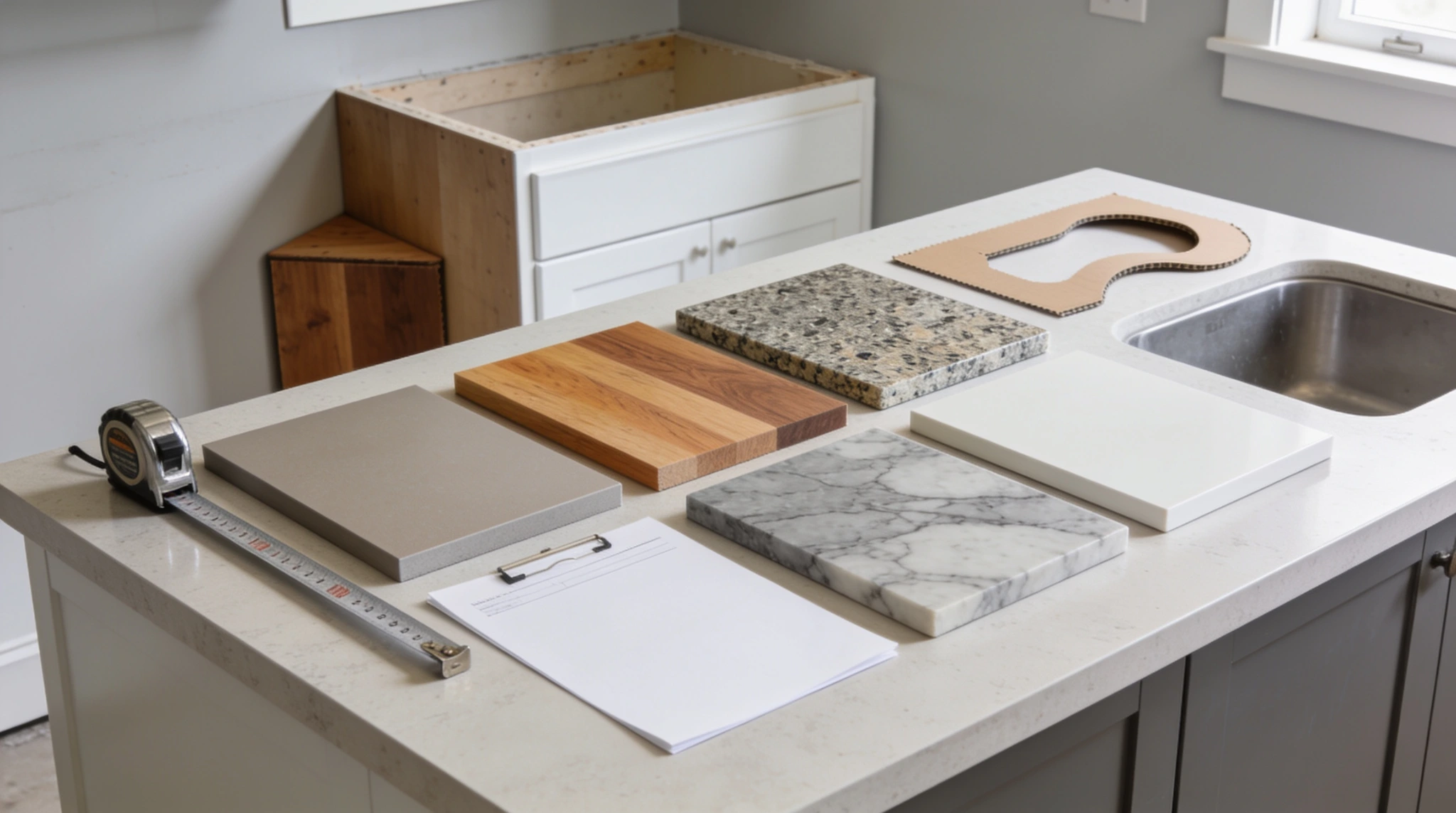
Countertop cost depends on material, edge profile choice, thickness, and square footage. A 10×10 kitchen doesn’t need much counter space, but material choice still swings the budget hard.
| Countertop Material | Estimated Cost |
| Laminate | $1,000 to $2,500 |
| Butcher block | $2,000 to $5,000 |
| Granite or quartz | $2,500 to $5,000 |
| Marble, quartzite, or porcelain | $3,500 to $7,500+ |
Quartz and granite tend to be the sweet spot: durable, timeless, and not the thing that blows your budget the way a full marble slab can. If the look still calls to you, a faux marble finish gets you close for a fraction of the price.
3. Appliances
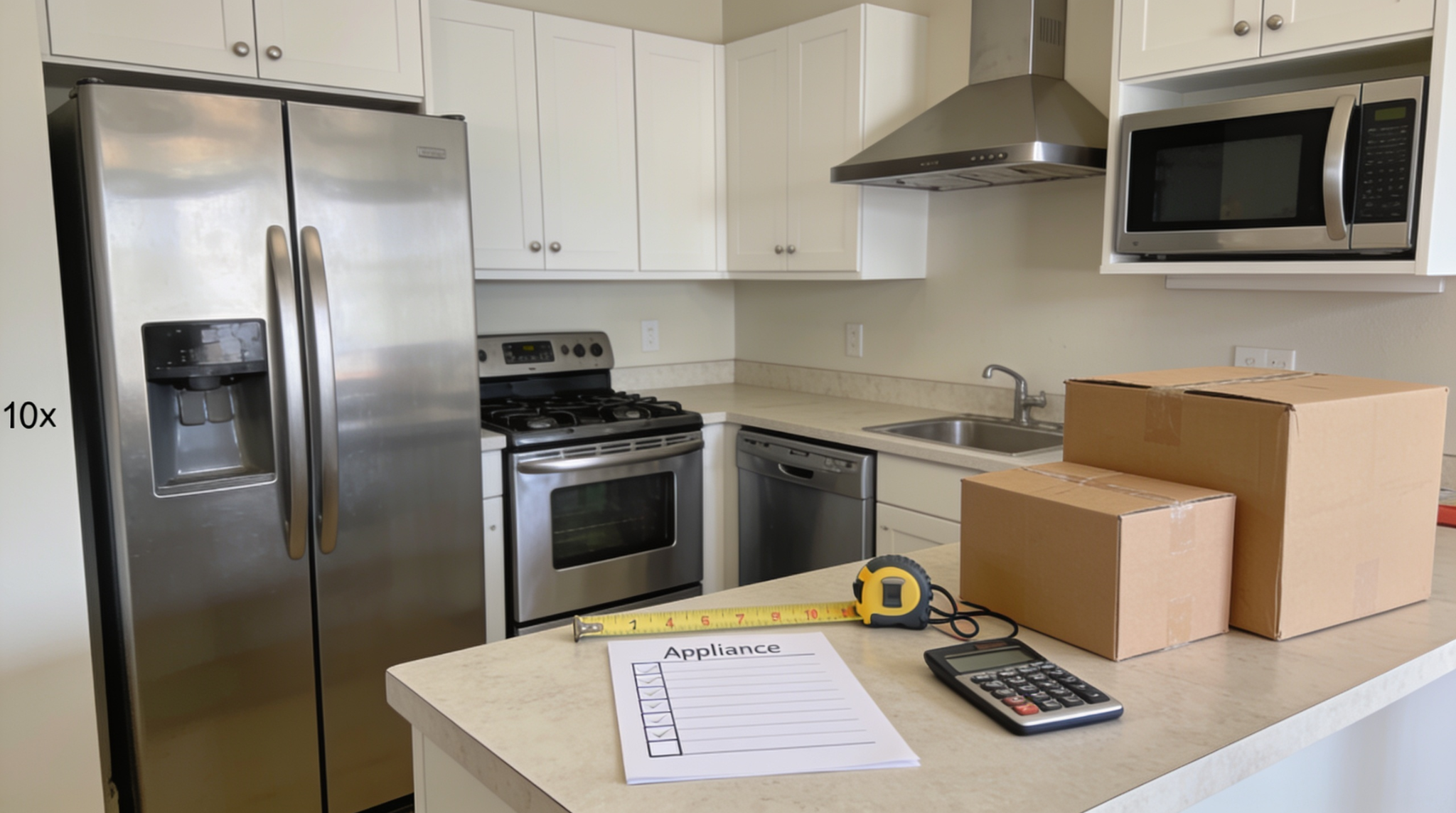
A full appliance package (fridge, range, dishwasher, microwave, hood) can eat a large share of the budget fast, especially if you’re replacing everything at once.
| Appliance Package | Estimated Cost |
| Basic package | $3,000 to $5,000 |
| Mid-range package | $5,000 to $10,000 |
| Premium package | $10,000 to $15,000+ |
Before you buy, confirm whether delivery, installation, haul-away, and hookups are included in the sticker price. That’s usually where the “wait, why is this $400 more” moment happens.
4. Flooring, Backsplash, Lighting, and Fixtures
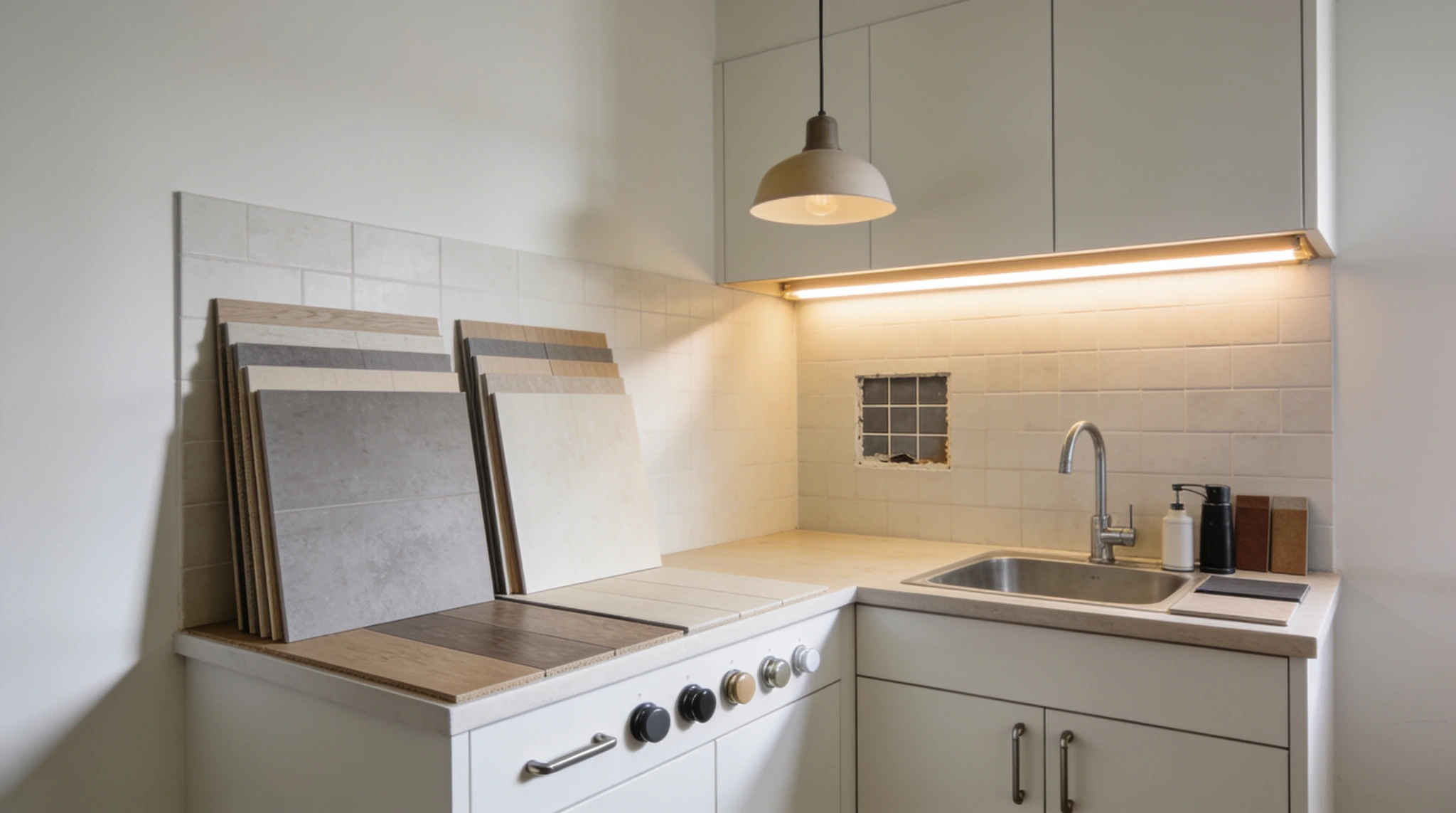
These feel like the accessories of the kitchen, small on paper, but they’re what makes the whole thing look finished instead of half-done. A tile backsplash or a better faucet does for a kitchen what the right lip color does for a whole face: it pulls everything together.
| Finish Category | Estimated Cost |
| Flooring | $400 to $2,500+ |
| Backsplash | $500 to $3,000+ |
| Lighting and electrical fixtures | $1,000 to $5,000 |
| Sink and faucet | $500 to $2,500+ |
This is a good place to control spending without the kitchen feeling unfinished. Pick practical finishes first, then spend more only where the upgrade earns its keep daily.
Main Factors That Change the Final Cost
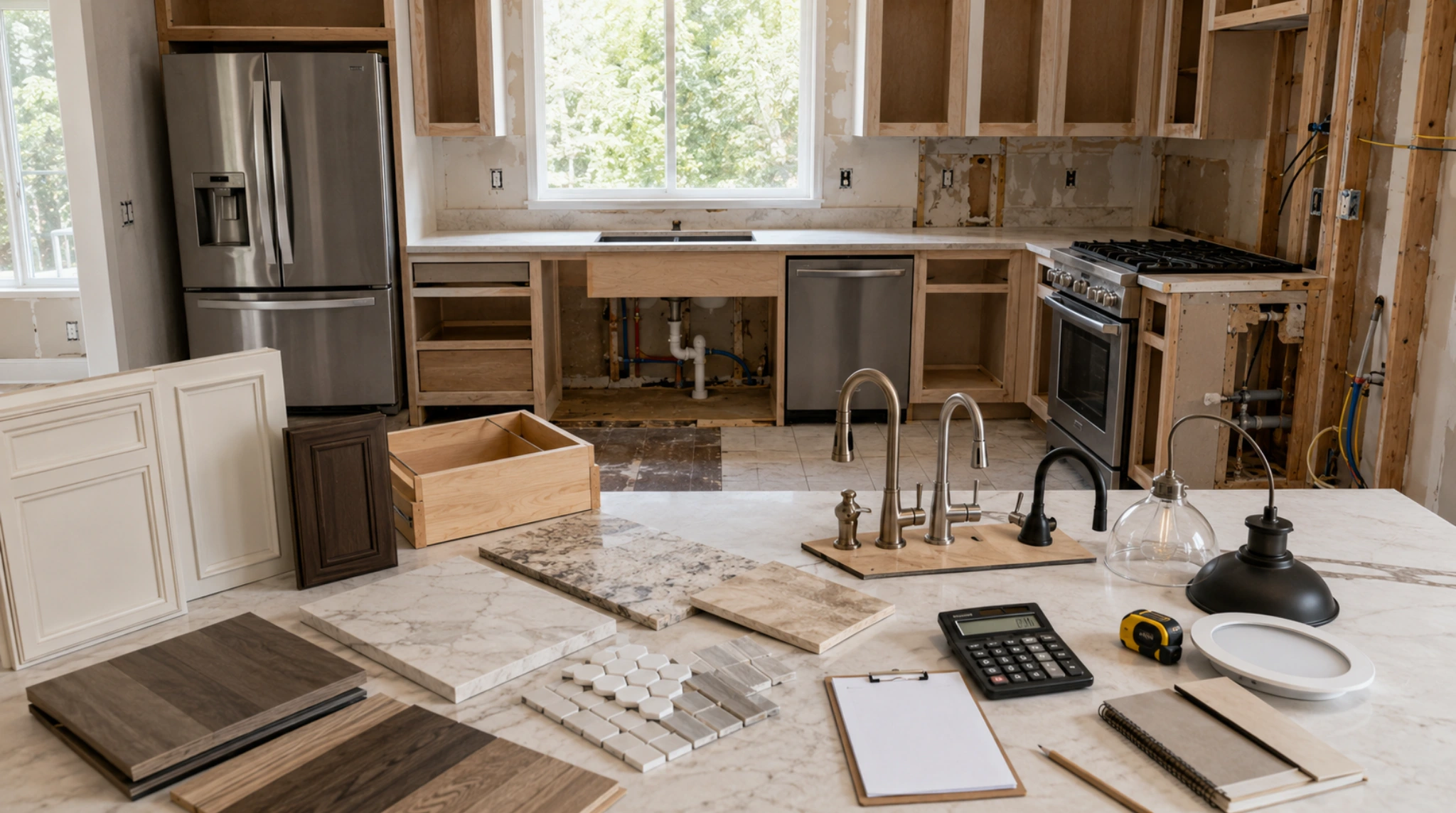
Two kitchens with identical square footage can land on very different totals, because what’s happening behind the walls, the material quality, and the local labor market all pull in different directions.
1. Layout Changes
Keeping the same layout is the single easiest lever for controlling cost. When the sink, stove, fridge, and dishwasher stay in place, the project requires less plumbing, electrical, and structural work.
Move a sink, shift a gas line, or open the kitchen into another room, and you’re bringing in more trades, more labor hours, and often permits.
If the layout opens up enough to fit an island, getting the counter height right matters just as much as the square footage. If your layout already works, better storage and finishes usually beat a full rebuild.
2. Material Quality
Material choices can quickly turn a remodel from budget-friendly to expensive. Stock cabinets, laminate counters, basic tile, and standard fixtures keep costs down while still looking fresh. Semi-custom cabinets, quartz counters, and better lighting put you in the mid-range.
Custom cabinets, premium stone, and designer fixtures raise the number much faster. Spend where it improves daily use, and keep it simple where the upgrade is mostly visual.
3. Labor and Location
Labor costs depend heavily on where you live, how busy local contractors are, and how much repair work the kitchen needs beneath the surface.
| Labor Cost | Estimated Range |
| Demo and cleanup | $500 to $2,500 |
| Cabinet installation | $1,500 to $4,000 |
| Plumbing | $1,000 to $4,000 |
| Electrical | $1,000 to $5,000 |
| Flooring install | $800 to $3,000 |
| Backsplash install | $500 to $2,500 |
| Painting and finishing | $500 to $2,000 |
| Contractor fee | 10% to 20% of the project |
Older homes tend to reveal their secrets mid-project.
Wiring, plumbing, subfloors, and drywall can all need attention beyond the original quote, so budget for surprises the way you’d budget for the fact that your closet always has more clutter than you remember.
If the project snowballs into a full-house repaint, the per-room numbers above shift considerably once hallways and bedrooms are added.
How Tariffs Can Raise Your Remodel Quote
Tariffs are one reason 2026 kitchen remodel prices read higher than older cost guides, and it’s not a small footnote anymore. If suppliers pass those import costs down, your quote rises even if you haven’t changed a single design decision.
Cabinet and Wood Product Tariffs
Cabinets matter most here because they’re often the biggest line item in a 10×10 kitchen budget. As of 2026, imported wooden kitchen cabinets are subject to a 25% tariff.
A planned jump to 50% was delayed and is now scheduled for January 1, 2027, so the 25% rate is what’s actually in effect through the rest of this year.
Country-specific rates can run even higher, with cabinets sourced from Vietnam facing a 46% rate, while imported softwood lumber carries a separate 10% tariff.
A cabinet package that once cost $3,000 can end up closer to $4,000 once tariffs, freight, and supplier markups are added.
Appliance, Steel, and Aluminum Tariffs
Appliances can also be affected, since many refrigerators, dishwashers, ranges, and range hoods contain steel or aluminum.
A 50% tariff on the steel and aluminum content of several household appliance categories took effect in mid-2025 and has remained a live cost factor since.
The exact mechanics of how these duties get calculated have continued to shift through 2026, so ask your retailer directly whether current pricing already reflects the latest tariff structure before you assume a quote is locked in.
Before buying, ask whether the appliances are imported, whether the price is locked in, and whether delivery, installation, and hookups are included.
Domestic cabinets and appliances can reduce some of this exposure, but compare quality, warranty, and lead time too, not just the tariff line.
Permit Costs You Should Plan For
Permit and inspection costs depend on your city, the scope of the project, and whether plumbing, electrical, gas, or layout changes are involved. A cosmetic refresh may need almost nothing here. A full remodel usually needs several.
| Permit or Inspection Item | Estimated Cost |
| Basic building permit | $100 to $500 |
| Electrical permit | $50 to $300 |
| Plumbing permit | $50 to $300 |
| Gas line permit | $100 to $500 |
| Structural or layout-change permit | $500 to $2,000+ |
| Final inspection fees | $50 to $250 |
| Total common range | $200 to $2,500+ |
These fees rarely show up in the first quote, so ask before work begins. They protect you later at resale, at inspection, and if you ever file an insurance claim tied to the kitchen.
Smart Ways to Lower Your Remodel Cost
You can save money without the kitchen feeling cheap. The trick is spending on what affects safety and daily use, and keeping the rest simple:
- Keep the existing layout to avoid extra plumbing, gas, and electrical work
- Reface cabinets if the boxes are strong and the layout still works
- Compare at least three quotes to catch pricing that’s high or unclear
- Ask for line-item pricing so every cost is easy to review
- Choose in-stock materials to avoid delays and rush fees
- Compare domestic and imported cabinets, since tariffs and shipping affect the total
- Avoid last-minute changes, since they add labor, materials, and delays
- DIY only the safe tasks, like painting or swapping hardware
Don’t cut corners on electrical, plumbing, gas, permits, structural work, or complex cabinet installation. Those are the categories where a cheap fix now becomes an expensive fix later.
Hidden Costs Homeowners Often Miss
A kitchen remodel looks simple on paper until demo starts and the walls start talking back.
| Cost | Why It Matters |
| Delivery fees | May apply to cabinets, counters, appliances, tile, and fixtures |
| Waste disposal | Demo debris may need a dumpster or haul-away service |
| Demo surprises | Old walls, floors, or cabinets can reveal hidden damage |
| Mold or water damage | Leaks can raise repair costs fast |
| Old wiring | May need updates for new outlets, lights, or appliances |
| Uneven floors | Can make cabinet and flooring installation harder |
| Drywall or subfloor repair | Often needed after demo or electrical and plumbing work |
| Temporary kitchen setup | A small fridge, microwave, or prep area may add cost |
| 10% to 20% buffer | Protects the project if hidden issues appear |
None of these are avoidable in every case, but they’re much easier to handle when you’ve already set money aside for them.
Is a Kitchen Remodel Even Worth the Cost?
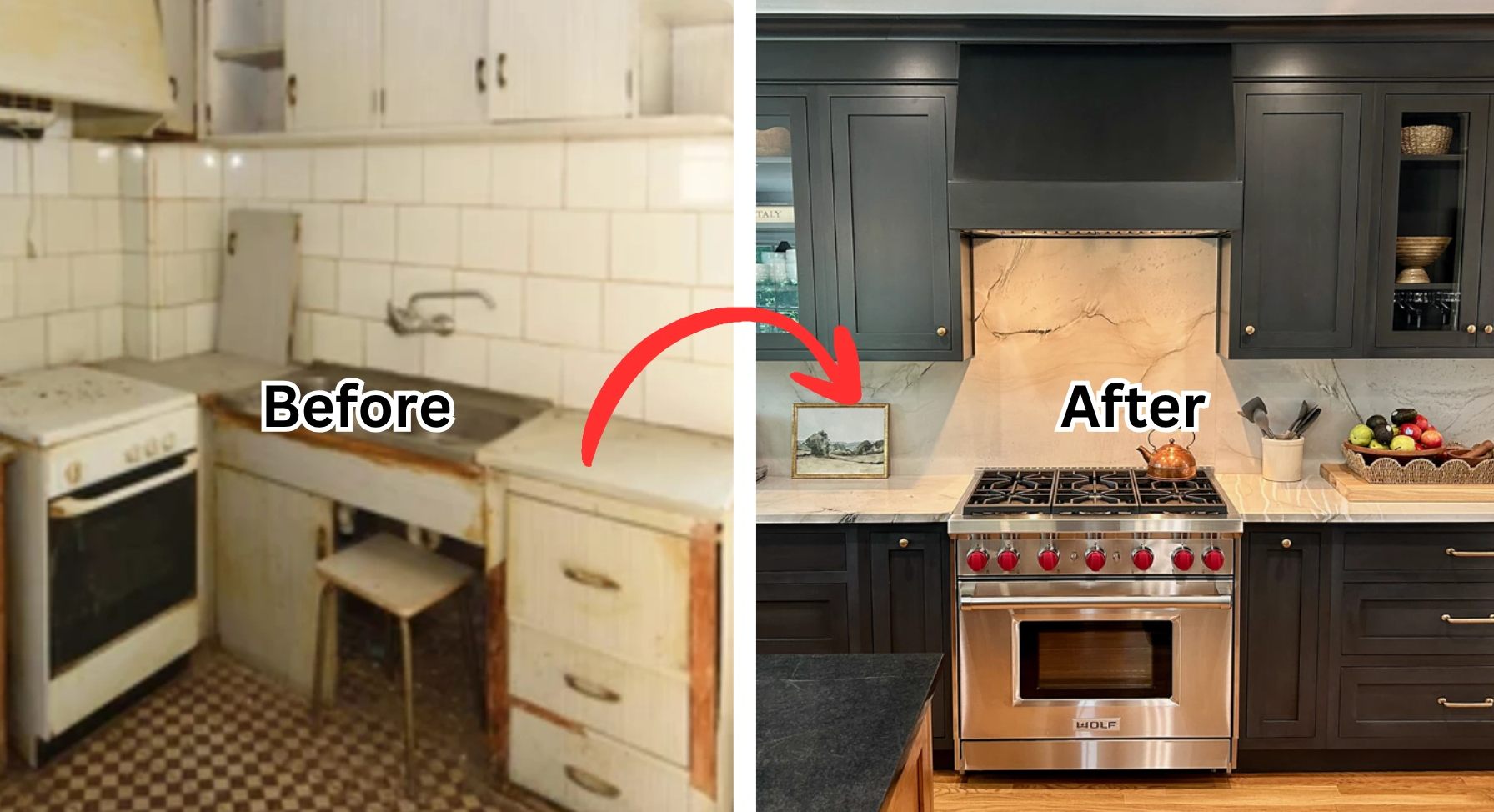
Yes, when it improves both resale value and how you actually use the space day to day. Buyers notice the kitchen first, the same way people notice a well-organized closet the second they open it.
Updated cabinets, counters, appliances, and lighting can make a home feel move-in ready.
Minor and mid-range remodels tend to make more financial sense than luxury upgrades, since they cost less and appeal to a wider range of buyers.
For daily use, better storage, safer wiring, and newer appliances make cooking and cleaning genuinely easier. Just don’t spend more than your home or neighborhood can support.
Sample Budgets for a 10×10 Kitchen Remodel
| Budget Level | What It Can Cover | Best Fit |
| $15,000 | Same layout, painted or refaced cabinets, basic counters, simple fixtures, light DIY | A light refresh when the layout still works |
| $35,000 | Stock or semi-custom cabinets, quartz or granite, new appliances, lighting, backsplash, sink, and faucet | A mid-range remodel with better function and finishes |
| $60,000+ | Custom cabinets, premium counters, upgraded appliances, better storage, possible layout changes | Long-term homes or higher-value properties |
Treat these as a starting point, then compare against a detailed contractor quote so you can see what’s included, what’s missing, and where the number might move.
Questions to Ask Your Contractor
A kitchen remodel quote can look clear at first, but small details may be missing. Before signing anything, ask direct questions so you know what the price covers and what may cost extra later.
Ask these questions before signing so your quote is clear from the start:
- What is included in the price?
- Are the cabinets stock, semi-custom, or custom, and where are they made?
- Does the quote already account for current tariffs?
- Are delivery, installation, and permits included?
- How will hidden damage be priced if it turns up mid-project?
- What is the payment schedule, and what warranty is included?
Frequently Asked Questions
Does a 10×10 kitchen remodel cost more or less than a full kitchen renovation?
A 10×10 remodel is a pricing benchmark, not a smaller project by default. Cost still depends on cabinet grade, materials, and whether the layout changes, not the label itself.
What percentage of a 10×10 kitchen budget should go to cabinets?
Cabinets typically take up 30% to 40% of the total budget in a 10×10 kitchen, more if you go custom. It’s usually the single largest line item on any quote.
Can you write off home remodeling on your taxes?
Most remodeling costs aren’t deductible right away for a personal home. Some energy upgrades may qualify for credits, and improvements can affect your cost basis when you sell. Ask a tax professional before claiming anything.
What cabinet color is outdated right now?
Cool gray, high-gloss white, and heavy espresso can read dated next to older counters. That doesn’t mean avoid them entirely; balanced color, clean hardware, and good lighting matter more than any single trend.
Should I remodel now or wait for tariffs to change?
Waiting for tariffs to drop is a gamble, since the scheduled 50% cabinet increase is only delayed, not canceled. If your kitchen already needs work, locking in a quote at the current 25% rate is usually the safer move.
Final Takeaway
A 10×10 kitchen may be small, but the budget can shift quickly once materials, labor, and layout choices come into play. I’d treat the first estimate as a starting point, not the final answer.
You’ll get a clearer number when you separate the cost of cabinets, countertops, flooring, appliances, permits, and hidden repairs.
Knowing how much a 10×10 kitchen remodel should cost helps you compare quotes, avoid weak budgets, and make smarter choices before work starts.
The right plan can keep the project useful, clean, and easier to manage. Try the budgeting tips before getting quotes, and share your remodel questions or plans in the comments.