

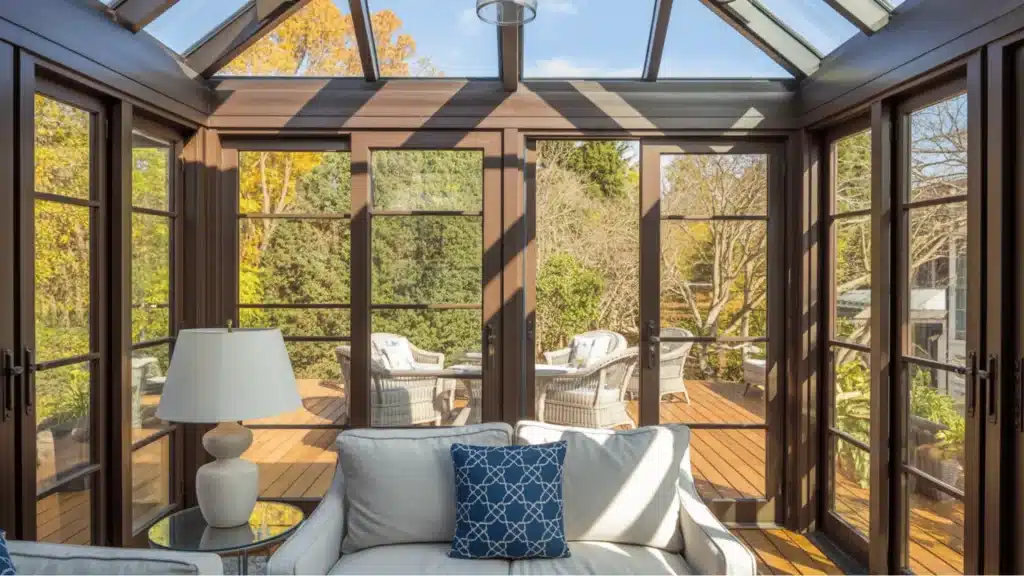


A sunroom addition costs between $22,000 and $75,000 for most US homeowners, with a national average around $47,000 as of 2026. That range sounds reassuring until you realize both a 120 sq ft prefab screen room and a 400 sq ft fully insulated four-season room sit somewhere inside it.
Where your project lands depends on four things: the type of room you’re building, the foundation situation you’re starting from, what climate control it needs, and who’s doing the work.
I’ve seen enough sunroom projects go sideways at the budget stage to know that the number contractors quote first and the number homeowners pay at the end are rarely the same.
A pattern that shows up across most major home projects, including exterior house painting costs, where the final invoice routinely surprises homeowners.
Here, I’ll break down everything you need to know about sunroom addition costs, the factors that drive prices up or down, and whether this upgrade truly delivers value for your money.
|
Cost Note: Figures in this article are estimates based on national averages. Actual costs vary significantly by region, contractor, materials, and project scope. Always get at least three quotes before committing to any project above $1,000. |
What Is a Sunroom Addition?
A sunroom addition is a glass-enclosed living space designed to maximize natural light while protecting from the elements.
Through my research, I’ve learned that sunrooms come in two primary varieties: three-season and four-season rooms.
Three-season sunrooms are typically used during spring, summer, and fall, featuring basic insulation and ventilation but lacking the robust climate control needed for harsh winters.
Four-season sunrooms, on the other hand, are fully insulated with heating and cooling systems, making them comfortable year-round.
The key features that define these spaces include expansive windows or glass walls, varying levels of insulation depending on the season rating, integrated HVAC systems for four-season models, and proper flooring that can withstand temperature fluctuations and sunlight exposure.
What Kind of Sunroom Are You Actually Building?
The type of sunroom you choose sets the cost ceiling before any other factor comes into play. There are four distinct categories, and they’re not interchangeable.
1. Screen Rooms and Sun Porches
These are the most affordable options, typically $5,000 to $30,000, depending on size. They offer insect protection and some weather shielding, but no real climate control.
If you’re weighing a screen room against a broader outdoor upgrade, understanding backyard remodel cost helps put both investments in perspective. Buyers often discount them at resale because of the limited usability.
2. Three-Season Sunrooms
Designed for spring through fall use, these rooms use single or double-pane glass, minimal insulation, and no dedicated HVAC.
A 150 to 250 sq ft three-season room typically costs $10,000 to $35,000. In colder states, expect them to sit empty from November through March, which limits both daily value and resale appeal.
3. Four-Season Sunrooms
Fully insulated with heating and cooling, these rooms function as additional living space year-round.
They require insulated glass panels, proper wall and ceiling insulation meeting local energy codes, and either extended ductwork or a dedicated mini-split system.
Cost range: $40,000 to $80,000 for most projects, with premium builds running past $100,000. Four-season rooms are the only type that typically adds to your home’s appraised square footage.
4. Full Addition Sunrooms
Architecturally integrated into the home’s footprint, with load-bearing walls, matched rooflines, and interior finishes continuous with the rest of the house.
These cost $80,000 to $150,000 or more but carry the best resale return because appraisers count them as living space.
If you’re in a market where price per square foot matters, this is the version worth pricing seriously.
Factors That Affect the Cost of a Sunroom Addition
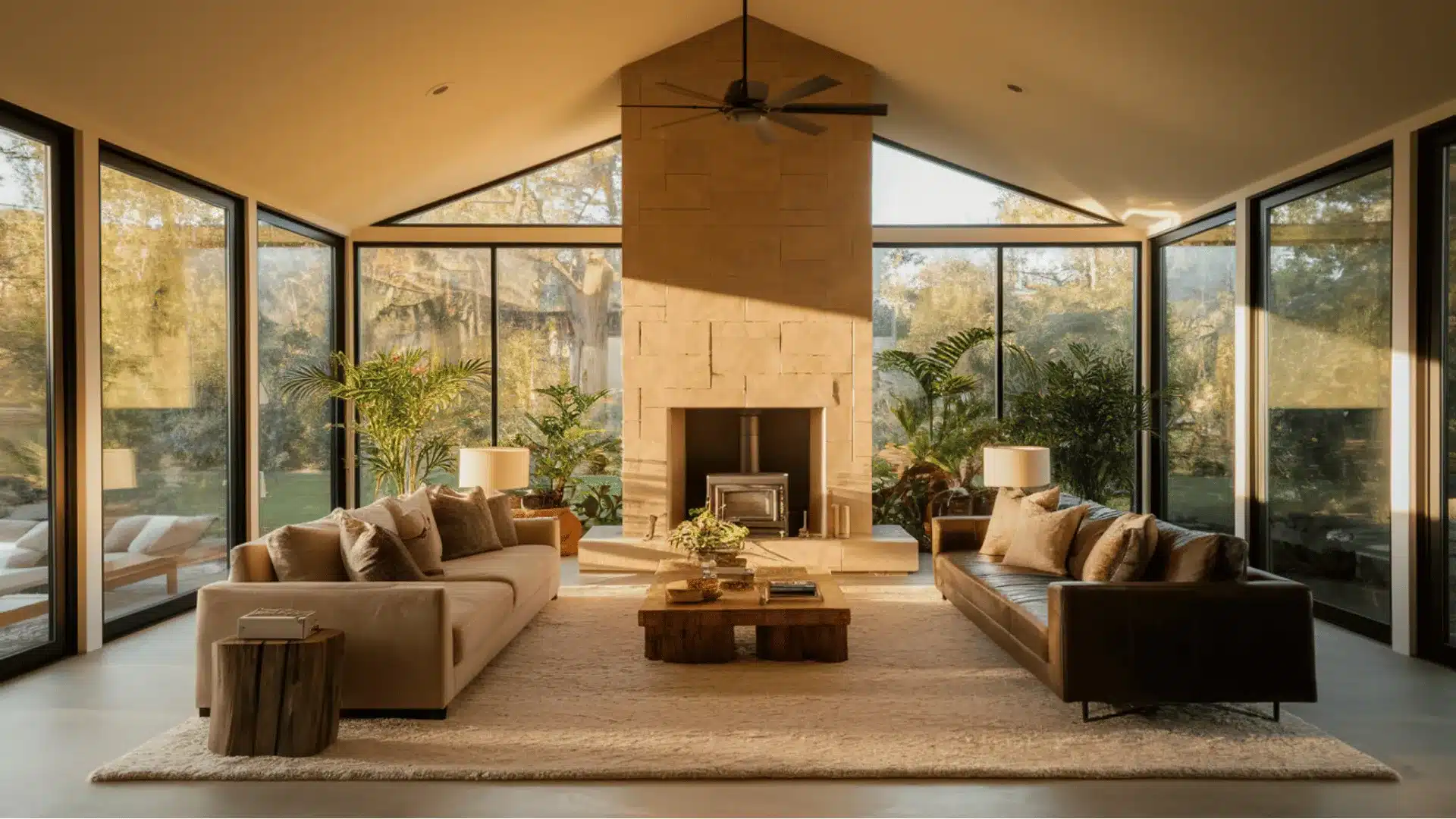
The cost of adding a sunroom varies dramatically based on several key factors.
I’ve found that understanding these elements upfront helps you budget realistically and avoid unexpected expenses down the line.
1. Size and Layout
Size is the most obvious cost driver; larger sunrooms require more materials, labor, and time to complete. However, layout complexity matters just as much; a simple rectangular design will cost significantly less than an elaborate multi-angled structure with custom architectural details.
I understood that even adding curves, multiple roof levels, or integrated structural columns can push costs up by 20-30% compared to basic designs.
2. Type of Materials Used
Material selection dramatically impacts both upfront costs and long-term durability. Here’s a breakdown of your options:
| Material | Cost Level | Insulation | Maintenance | Best For |
|---|---|---|---|---|
| Vinyl Frames | Budget-friendly (30–40% less than premium) | Decent | Low | Cost-conscious homeowners |
| Aluminum Frames | Mid-range | Poor in extremes | Low | Modern aesthetics |
| Wood Frames | Premium | Excellent | High | Traditional style |
| Composite Materials | High-end | Excellent | Low | Best of both worlds |
Each material brings its own trade-offs between initial cost and upkeep. Your climate, budget, and style preferences should guide your choice.
3. Location and Site Preparation
Where you build your sunroom significantly affects the bottom line. I found that ground-level additions on existing concrete patios are far more affordable than second-story installations or builds requiring extensive foundation work.
Site conditions like sloped terrain, poor drainage, underground utilities, or the need to remove existing structures can add thousands to your project before construction even begins.
4. Additional Features and Upgrades
Beyond the basic structure, customization options can quickly elevate your sunroom from simple to spectacular. Consider these popular upgrades:
- Custom or oversized windows: Large windows with UV protection and energy-efficient glass
- Skylights and roof windows: Extra natural light from above for an open, airy feel
- Premium flooring: Heated tile, hardwood, or vinyl that handles temperature changes and sunlight
- Integrated electrical and lighting: Ceiling fans, lights, outlets, and smart home controls
- Built-in furnishings: Window seats, storage benches, or shelving for extra space
These features can add a few hundred to several thousand dollars each. I recommend choosing upgrades based on how you’ll actually use the space rather than adding everything available.
Sunroom Addition Cost Breakdown: The Line Items That Move Your Budget
Most estimates you’ll see online bury the variables that actually control your final number. Here’s what the real cost structure looks like.
| Line Item | Cost Range | Key Driver |
|---|---|---|
| Foundation/Slab | $0 – $8,000 | Existing patio vs new slab |
| Framing/Structure | $4,000 – $25,000 | Prefab vs custom build |
| Windows/Glazing | $2,000 – $15,000 | Glass type and panel count |
| Roofing | $3,000 – $15,000 | Standard vs glass panels |
| HVAC (4-season) | $1,500 – $10,000 | Duct extension vs mini-split |
| Electrical | $800 – $3,000 | Basic vs upgraded fixtures |
| Flooring | $1,500 – $6,000 | Vinyl vs tile/hardwood |
| Permits | $250 – $2,000 | Local rules and scope |
| Site Prep | $500 – $5,000 | Flat vs complex lot |
| Labor | $8,000 – $30,000 | Location + project size |
Labor still makes up a big chunk of the total, often 40% to 60%, so it’s usually the biggest factor behind final cost changes.
A breakdown that looks similar to the cost to build small structures like tiny houses, where labor and materials follow the same proportional weight.
Regional Pricing: Where You Live Changes Your Budget Significantly
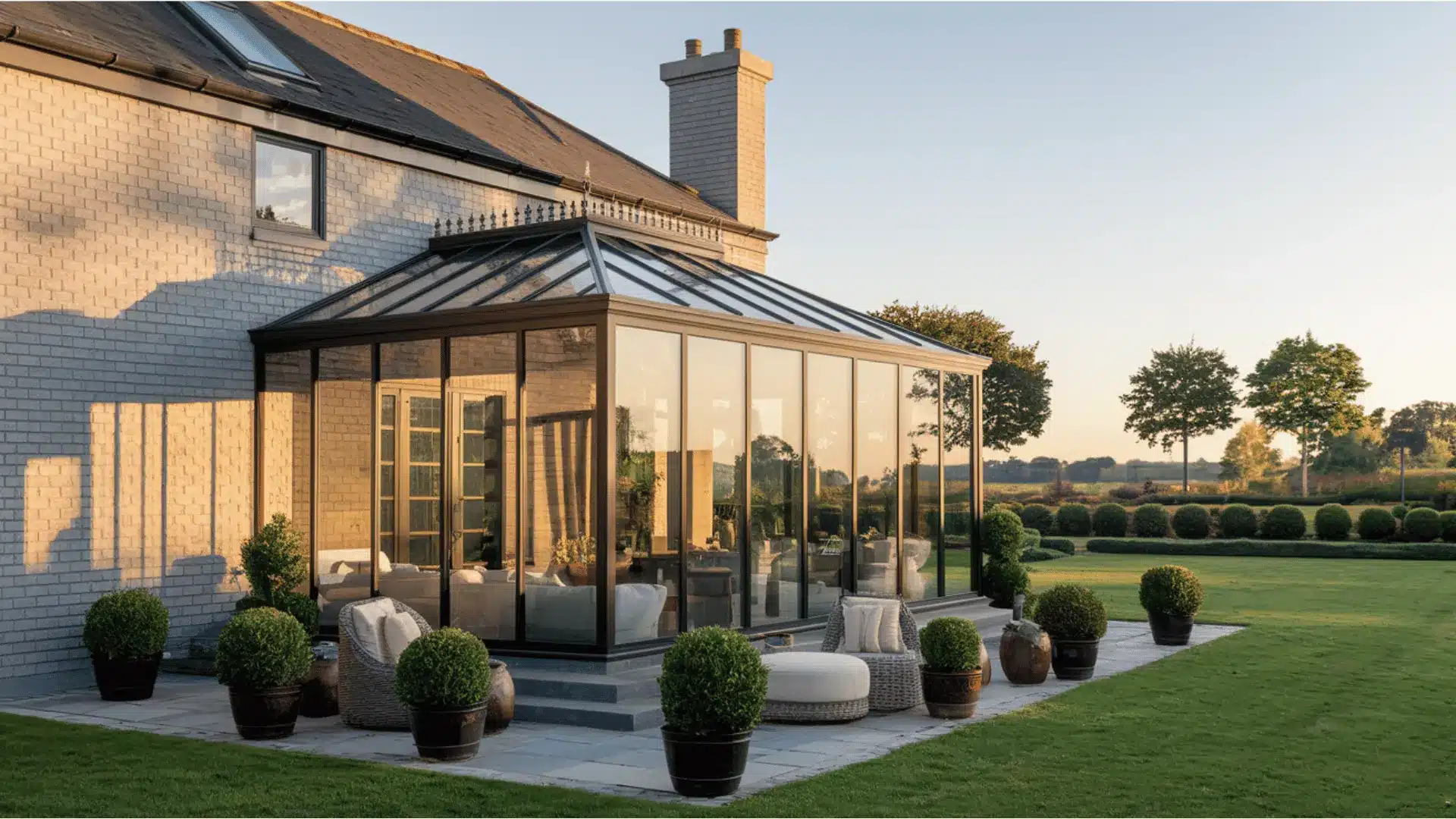
National averages are a starting point, not a contract. Labor markets and permitting requirements create real, measurable price differences by region.
| Region | 3-Season Room (200 sq ft) | 4-Season Room (300 sq ft) | Key Cost Drivers |
| Northeast / West Coast | $20,000–$45,000 | $65,000–$110,000 | High labor rates, strict permitting, and energy code compliance |
| Southeast | $14,000–$32,000 | $45,000–$75,000 | Moderate labor costs; humidity-driven HVAC needs push 4-season costs up |
| Midwest | $12,000–$28,000 | $38,000–$65,000 | Lower labor rates; insulation requirements add cost in colder states |
| Southwest / Mountain | $15,000–$35,000 | $50,000–$80,000 | UV-rated glazing required; cooling loads drive HVAC sizing up |
Coastal and metro labor markets run 30% to 50% higher than rural equivalents. That gap compounds across every line item: your framing contractor, your electrician, and your HVAC installer all reflect local market rates.
If you’re building in a high-cost area, budget accordingly and don’t rely on national averages to set your expectations.
How to Reduce Your Sunroom Addition Cost Without Compromising the Structure
There are legitimate ways to save money on a sunroom project, and there are ways that feel like savings now and show up as problems later. Here’s what actually works.
- Building on an existing concrete patio saves $4,000 to $8,000 in foundation work. Verify it’s structurally sound first.
- A prefab three-season kit with professional installation can run 30%–40% less than a custom stick-built room of the same size.
- Choosing a mini-split over ductwork extension is often cheaper when your existing HVAC system is near capacity, and it avoids the cost of system upgrades.
- Pulling your own permits, where your municipality allows it, removes the markup contractors add to permitting fees. This requires time and follow-up but saves $300 to $800 in most markets.
- Building a three-season room now and designing it for future four-season conversion saves $10,000 to $20,000 upfront. This only works if your contractor designs the structure to support the upgrade from the start.
Pro Tip: Building in fall or winter typically saves 15%–25% on labor costs. Sunroom contractors are less busy, and you’ll have more scheduling flexibility.
The main constraint is weather-dependent foundation work, so confirm your contractor’s cold-weather pour policy before booking.
The True Value of a Sunroom Addition
Based on my research into real estate data, sunrooms typically recoup 50-70% of their cost at resale, which is decent compared to other major renovations, as shown below:
- Screen rooms/sun porches cost $5,000–$30,000 and offer the lowest ROI of 20–40%, as limited seasonal use reduces buyer appeal.
- Three-season sunrooms cost $8,000–$50,000 and offer a 30–50% ROI. Affordable, but no insulation or heating means lower resale value in colder climates.
- Four-season sunrooms cost $20,000–$80,000 and deliver a stronger 50–60% ROI thanks to year-round usability and full HVAC integration.
- Full addition sunrooms are the priciest but offer the best return at 50–70% ROI. Since they add to the official square footage, they have the greatest impact on the appraised value.
The more you invest in year-round functionality and seamless design, the better your financial return and your daily enjoyment will be.
User Stories: Is a Sunroom Addition Worth It?
I’ve spent hours reading real homeowner experiences and comparing sunrooms to other popular home additions. The consensus from threads, home improvement blogs, and forums is overwhelmingly positive.
Most homeowners absolutely love their sunrooms and use them daily for morning coffee, reading, or family gatherings.
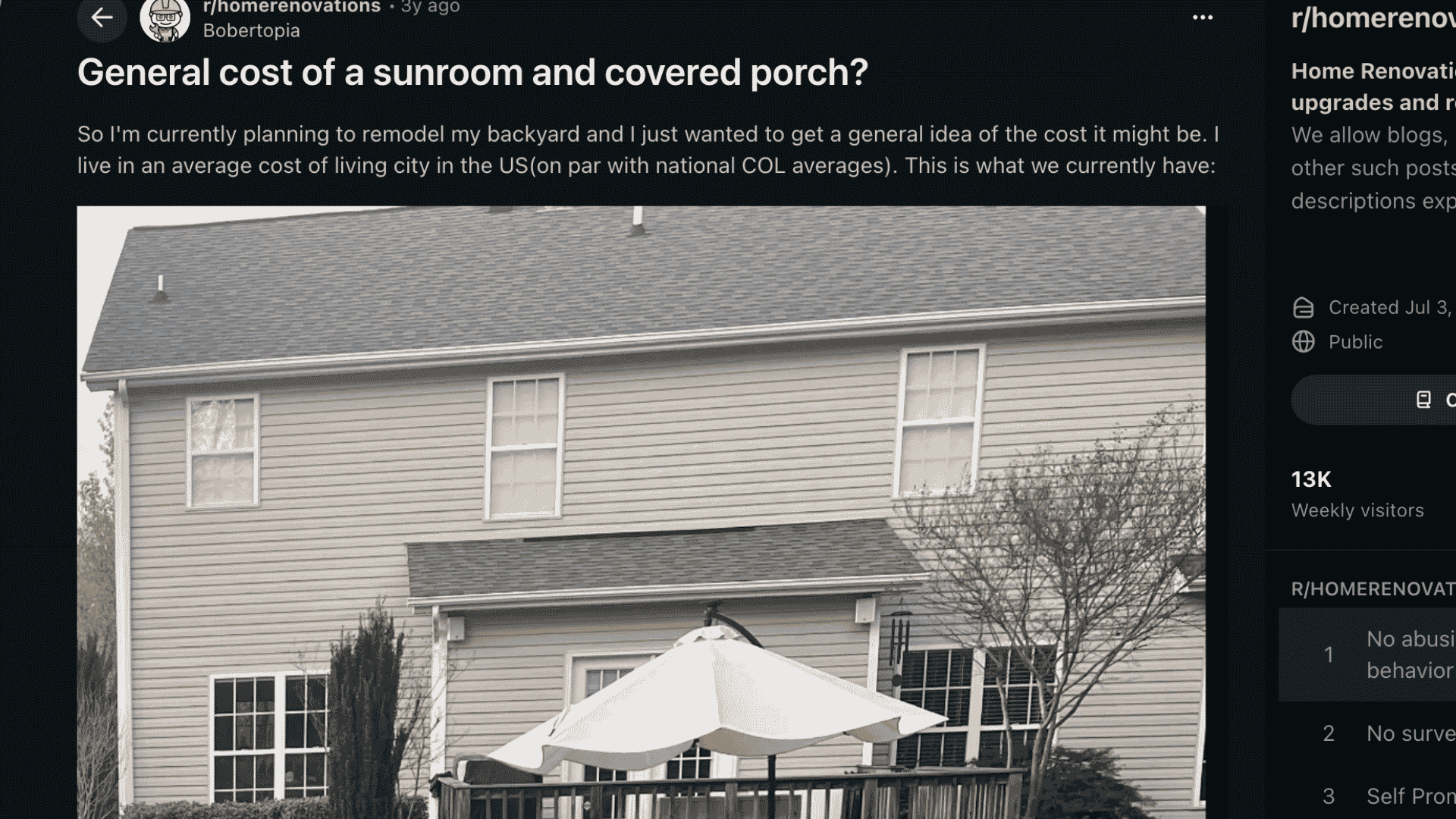
However, many wish they’d invested in four-season options from the start or budgeted more for quality HVAC systems. Here is a “Reddit” post of “General cost of a sunroom and covered porch?” that can help you understand better.
Questions to Ask Your Contractor Before Signing Anything
The contractor conversation is where projects succeed or fail before construction even begins. These are the questions that surface the information you actually need.
- Does this project require separate electrical, HVAC, or zoning permits beyond the building permit, and will you pull all of them? The answer should be yes to both.
- What’s the realistic processing timeline for permits in this municipality? If they say “a few weeks,” ask for the actual average from their last five local projects.
- Is my existing HVAC system capable of handling this addition, or will I need a separate system? Get this answered before finalizing the scope.
- What’s your process if you encounter unexpected foundation or site issues during the build? You want a clear change-order process, not a verbal assurance.
- Do you carry general liability insurance and workers’ compensation coverage for this project? Request certificates of insurance, not just confirmation.
Final Thoughts
Sunroom addition costs, materials, and real homeowner experiences, one thing is clear: this investment is worth it if you’re looking to add natural light and a functional living space without the expense of a full home addition.
Start by collecting quotes from at least three licensed contractors who specialize in sunrooms specifically. Be transparent about your budget, desired features, and timeline from the start. Ask for references, review past projects, and confirm they manage permits and inspections on your behalf.
The most successful sunroom projects share a common thread: clear communication and realistic expectations around both cost and timeline.
If you’re in the planning stages, drop a comment below, share your approach, and help others who are just getting started.
Frequently Asked Questions
How much does a small sunroom addition cost?
A small sunroom addition in the 100 to 150 sq ft range typically costs $10,000 to $30,000 for a three-season build, or $20,000 to $45,000 for a four-season room.
Building on an existing patio rather than pouring a new foundation is the single biggest cost lever at this size.
Does a sunroom add to square footage for appraisal purposes?
Only four-season rooms that meet your state’s building code requirements for livable space, including minimum insulation ratings, HVAC connectivity, and electrical standards, are counted as square footage in appraisals.
Three-season rooms and screen rooms are not. Confirm with your appraiser and permit office before assuming your addition qualifies.
Do you need a permit for a sunroom addition?
Yes, in virtually every US municipality. Sunrooms are permanent structures that require building permits at a minimum.
Four-season rooms often require additional HVAC and electrical permits. Building without permits creates liability issues, complicates resale, and can invalidate homeowner’s insurance claims related to the addition.
How much does a four-season sunroom cost compared to a three-season room?
A comparable-sized four-season room typically costs 60% to 100% more than a three-season build. The difference comes from insulated framing, higher-performance glazing, HVAC integration, and the additional permits and inspections that climate-controlled additions require.
For a 200 sq ft room, expect to pay $25,000 to $40,000 for a three-season versus $45,000 to $70,000 for a four-season in most US markets.
Can I finance a sunroom addition?
Home equity loans and HELOCs are the most common financing options for sunroom additions, as they typically carry lower interest rates than personal loans, and the interest may be tax-deductible depending on your situation.
Some sunroom specialty contractors offer financing programs directly. Consult a tax professional or financial advisor before assuming deductibility on your specific project.
How long does a sunroom addition take to build?
From permit approval to completion, a typical sunroom addition takes four to twelve weeks. Prefab three-season kits can go up in one to three days once permits clear.
Custom four-season rooms take longer due to foundation work, framing inspections, and HVAC and electrical rough-in sequences.
Permit approval timelines, which can run from two weeks to several months depending on your municipality, are not included in most contractor timeline estimates.
Is a sunroom addition worth the cost?
For homeowners who will use the space daily and plan to stay in the home at least five years, the lifestyle value combined with a 50% to 55% average resale return makes a four-season sunroom a reasonable investment.
Three-season rooms make sense for moderate-climate markets or homeowners whose primary goal is seasonal use, not appraisal value. Screen rooms are worth it where the upfront cost is low, and the climate permits year-round use.