

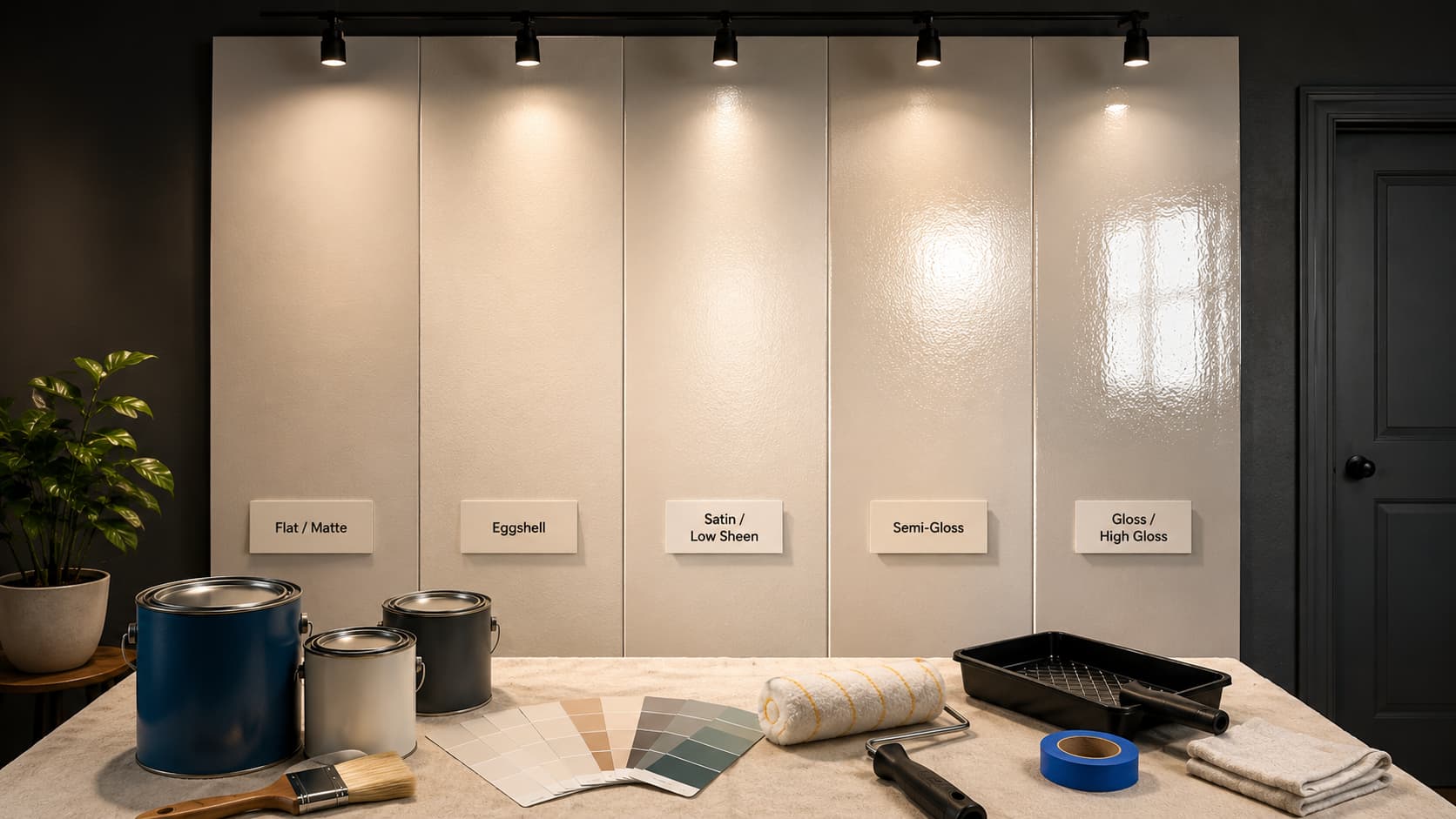


Choosing the right paint color is just one part of making a space look complete. Paint sheen is what gives walls, trim, and cabinets their personality, influencing how light reflects, how easy surfaces are to clean, and how long the finish lasts.
Understanding paint sheens helps you decide which finish works best for each room, from bedrooms and living areas to kitchens, bathrooms, and exterior surfaces.
Learning about the differences in sheen helps you choose finishes that make spaces feel comfortable, durable, and visually appealing without second-guessing your choice.
What Paint Sheens Are?
Paint sheen is the measure of how much light a dried paint surface reflects at you.
Sheen is determined by the ratio of binder to pigment in the paint formula. More binder creates a denser, more reflective film. More pigment creates a porous surface that absorbs rather than reflects light.
This ratio also affects durability; higher-sheen paints are harder, easier to wipe, and more resistant to moisture and scuffing. Lower-sheen paints are more forgiving of surface flaws but less resilient under daily use.
That trade-off, surface forgiveness versus durability, is the real framework for choosing between finishes. It has nothing to do with personal taste and everything to do with the room you’re painting.
| Note: The same paint color can look different at different sheen levels. A higher-gloss finish reflects more light, making colors appear brighter and more saturated. A matte finish absorbs light, making colors feel deeper and slightly muted. Always test samples at your chosen sheen level before committing. |
Every Paint Sheen Type: Explained Simply
Paint sheens become easier to choose when each finish is tied to real rooms, daily use, cleaning needs, and the kind of surface being painted.
1. Flat / Matte
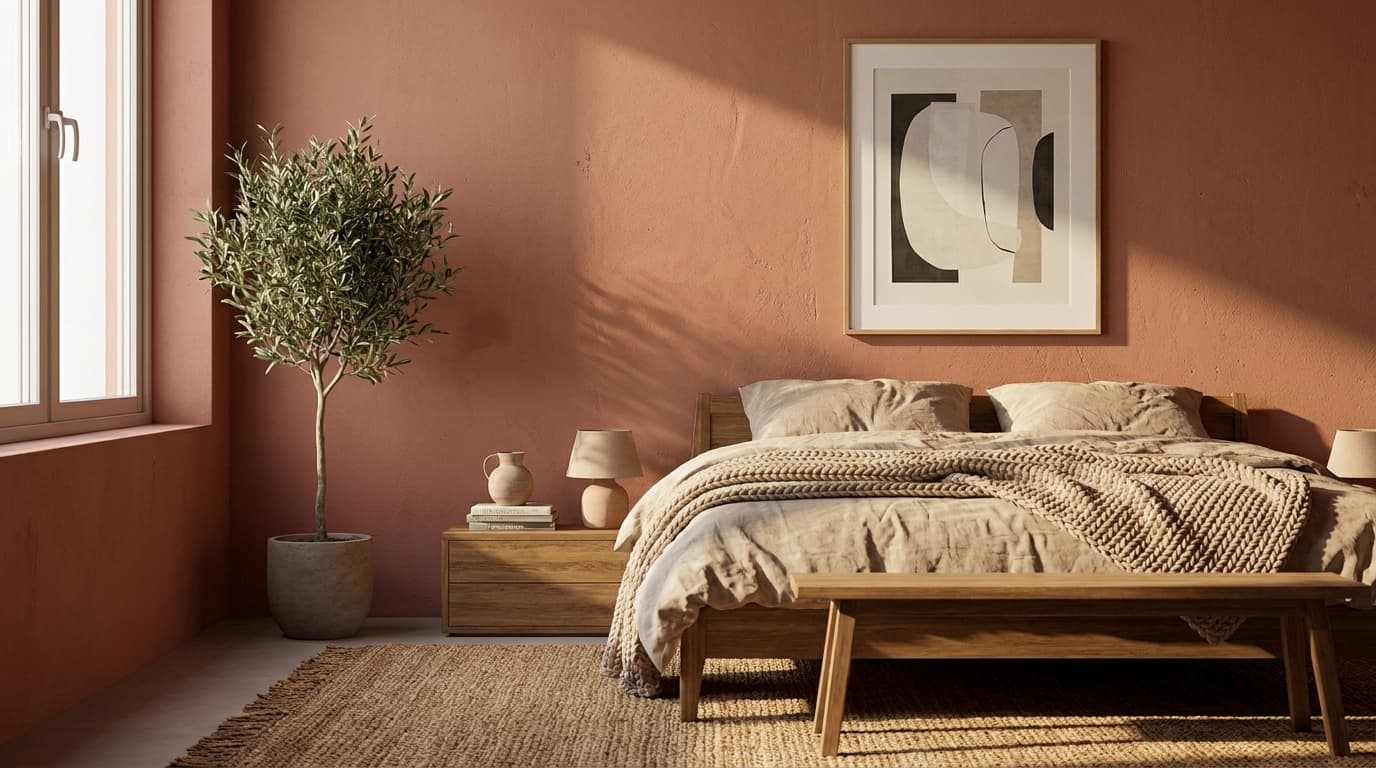
Flat and matte paints reflect almost no light, making them useful as they absorb light, so imperfections on walls appear less visible. They are ideal for ceilings with old seams or walls with repairs, as they hide flaws well. However, their porous surface makes them difficult to clean, as scrubbing can remove paint.
Use flat and matte finishes primarily in adult bedrooms, on ceilings, and in low-traffic areas where walls aren’t frequently touched.
Modern washable matte formulas from brands like Benjamin Moore (Aura Matte) have improved cleanability significantly, making them worth specifying if you want the flat look in a busier room. On textured walls, the gap between matte and flat paint behavior becomes more pronounced than the sheen scale suggests.
2. Eggshell
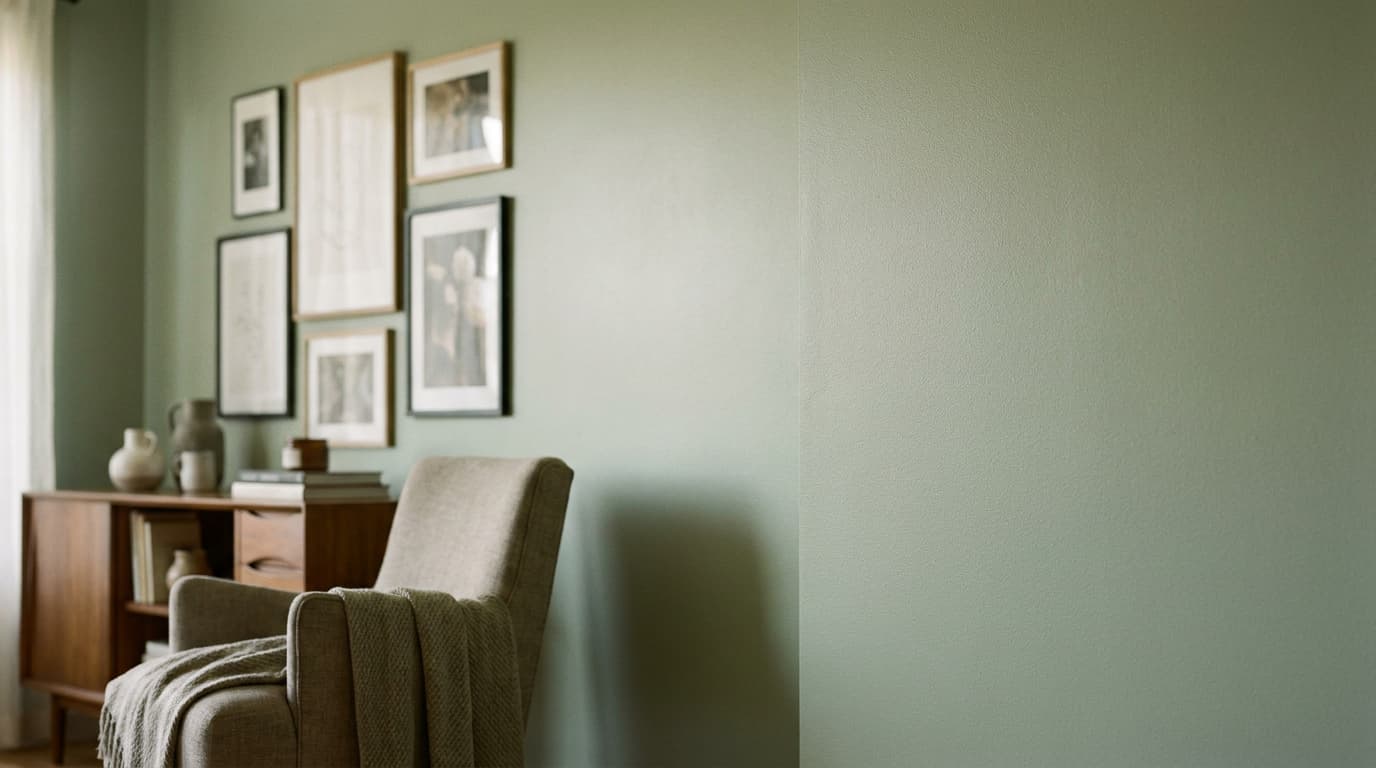
Eggshell sits just above flat on the sheen scale, with enough glow to give walls a soft, clean look, not enough to create noticeable reflections. The name refers to the faint sheen on an actual eggshell, a useful visual reference: present but subtle.
This is the finish I recommend for most living rooms, dining rooms, and adult bedrooms that require occasional light cleaning. It handles a damp cloth well without the scrub-sensitivity of flat paint, and it doesn’t pick up highlights from windows or lamps the way satin does.
If you’re uncertain which finish to choose for a standard interior wall, eggshell is the safe, practical default.
3. Satin / Low Sheen
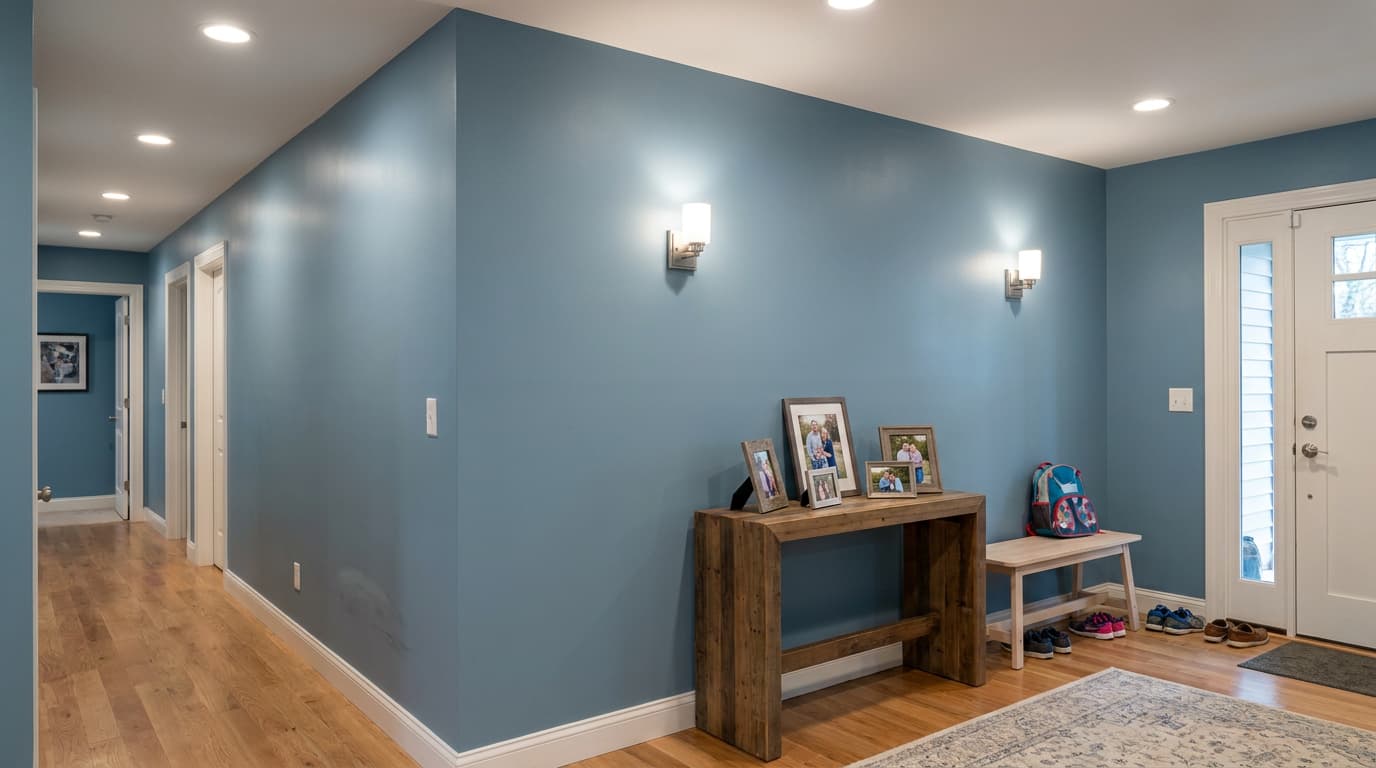
Satin has a visible, pearl-like glow that reads as polished without crossing into obvious shine. It’s noticeably more durable than eggshell; the denser paint film resists moisture, holds up to repeated wiping, and maintains its surface longer in high-contact areas.
This is the right finish for hallways, kids’ rooms, and any wall that gets regular hand contact. It also works well as a softer option for trim when semi-gloss feels too shiny for the aesthetic.
One caveat: satin picks up application marks more readily than eggshell, so rolling technique matters. Uneven coverage and visible roller lines are clearly visible in angled light. Take your time with the application, satin on walls with regular moisture exposure rewards careful rolling far more than eggshell does.
4. Semi-Gloss
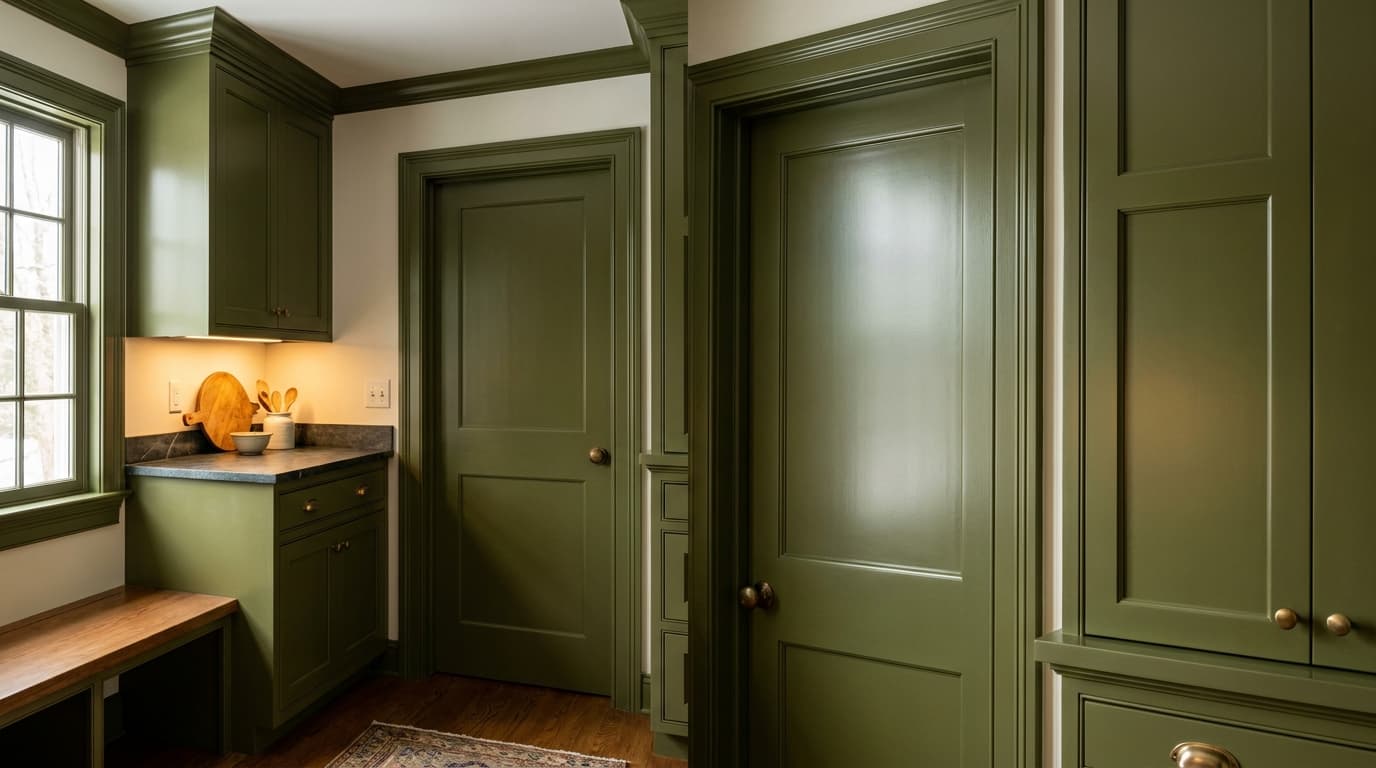
Semi-gloss is a workhorse finish. It reflects significantly more light than satin, creates a tight, hard paint film, and wipes clean easily, including grease, moisture, and repeated fingerprint contact.
That combination makes it the standard choice for trim, doors, window frames, cabinets, bathrooms, and kitchens.
Because semi-gloss reflects light so effectively, it also shows every surface irregularity. Any wall patch, brush mark, or uneven roller stroke becomes visible at certain angles of light.
Good prep, filling, sanding, and priming are not optional with this finish. On properly prepared surfaces, semi-gloss looks crisp and intentional. On unprepared walls, it looks worse than flat paint would have.
5. Gloss / High Gloss
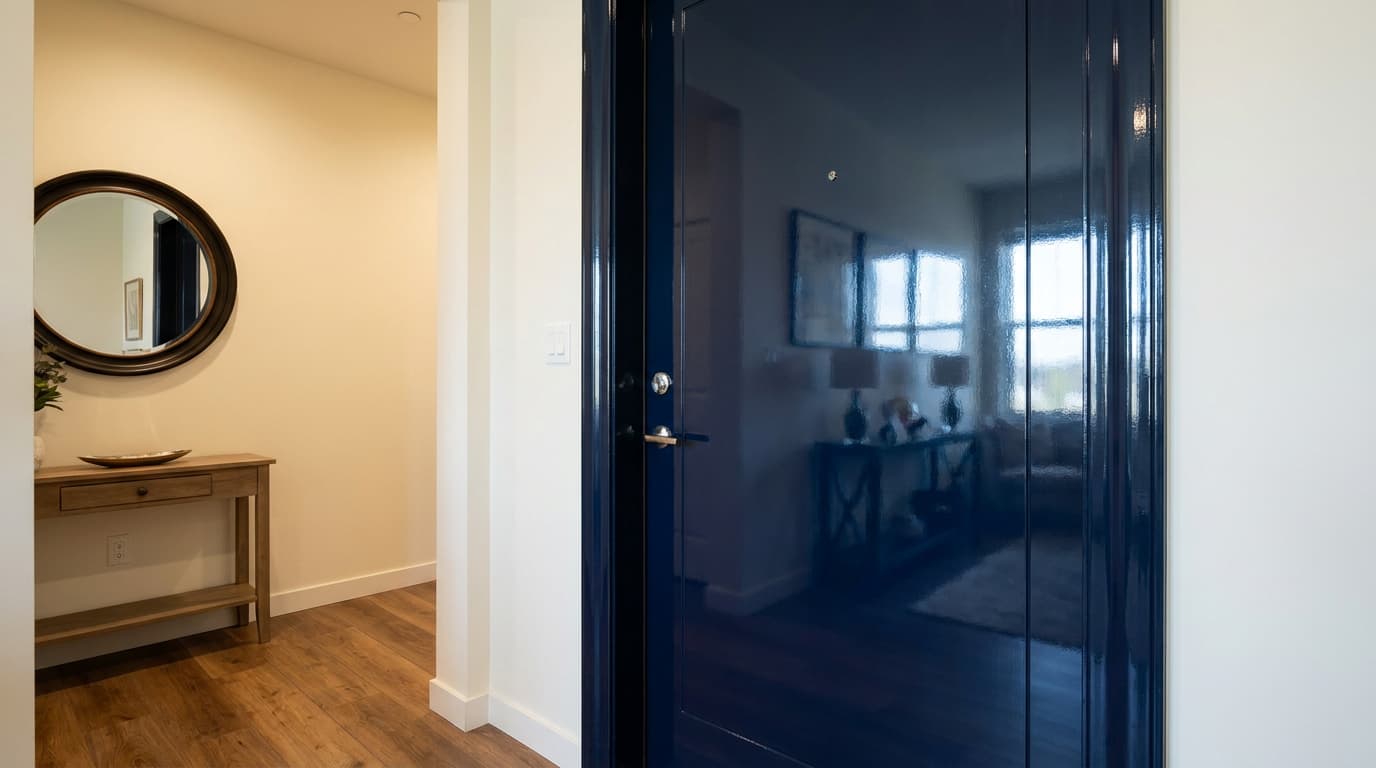
High-gloss is the hardest, most reflective finish available. The dried surface is essentially glass-like, which means it cleans with minimal effort, resists moisture and staining effectively, and creates bold visual contrast when used on doors, shutters, or cabinetry against matte walls.
Use it only on smooth, well-prepared surfaces. High-gloss shows every flaw, every brushstroke, every small dent, every imperfect patch in sharp relief.
Sanding the surface to a bare smoothness and applying a quality primer are the baseline prep requirements. In interiors, high-gloss walls read as extreme and can feel uncomfortable to live with. On exterior doors, trim, and furniture, it looks clean and purposeful.
How Paint Sheen Behaves in Different Light Conditions
Sheen doesn’t behave the same way in every room, and the direction of light is the variable that changes it most.
- In a north-facing room, natural light is cool and indirect. Higher-sheen finishes in north-facing spaces can look slightly gray or cold because the light they reflect lacks warmth. A satin or eggshell finish in these rooms reads truer to the color on the chip. Semi-gloss on walls in a north-facing room often looks streaky and cold.
- In a south-facing room, direct sun floods the space for most of the day. Lower-sheen finishes look their best here, rich, soft, and consistent. Higher-sheen finishes in south-facing rooms can feel overwhelming at midday when sunlight hits the wall directly and bounces back into the room.
- Artificial lighting has its own effect. Warm incandescent and warm LED bulbs soften the appearance of sheen; a satin wall reads closer to eggshell under warm light. Cool-white LEDs intensify sheen, making a satin finish look almost semi-gloss under bright overhead lighting. If you’re painting a room with cool-white downlights, step down one sheen level from what you’d normally choose.
| Pro Tip: Test your paint sample at the sheen you plan to use, on the actual wall, and observe it at three different times: morning light, midday, and after 7 pm with your lights on. Sheen’s behavior changes significantly across those three conditions. The 7 pm reading is often the most revealing. |
Choosing the Right Sheen for Different Rooms and Surfaces
Each room requires a different paint sheen, so it should match traffic, moisture, light, and the frequency of surface touch or cleaning in daily use.
1. Bedrooms and Living Rooms
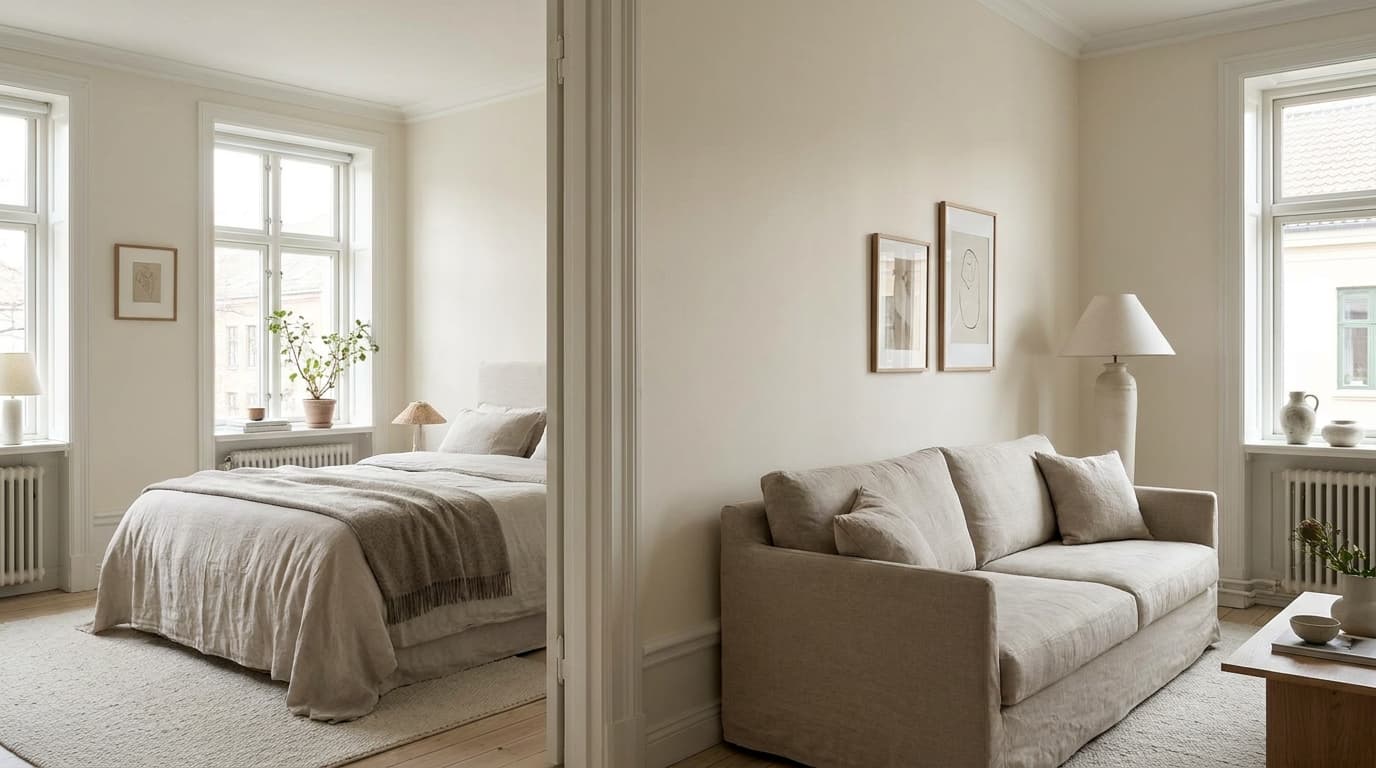
Bedrooms and living rooms usually need a finish that feels easy on the eyes. Eggshell and satin work well because they give walls a soft look without too much shine. Eggshell hides small marks better, while satin adds a little more strength. These finishes suit spaces where comfort matters, but light cleaning is still needed.
If color choice is still open, the paint colors that make bedrooms feel calm are worth pairing with an eggshell finish for the softest possible result.
2. Kitchens and Bathrooms
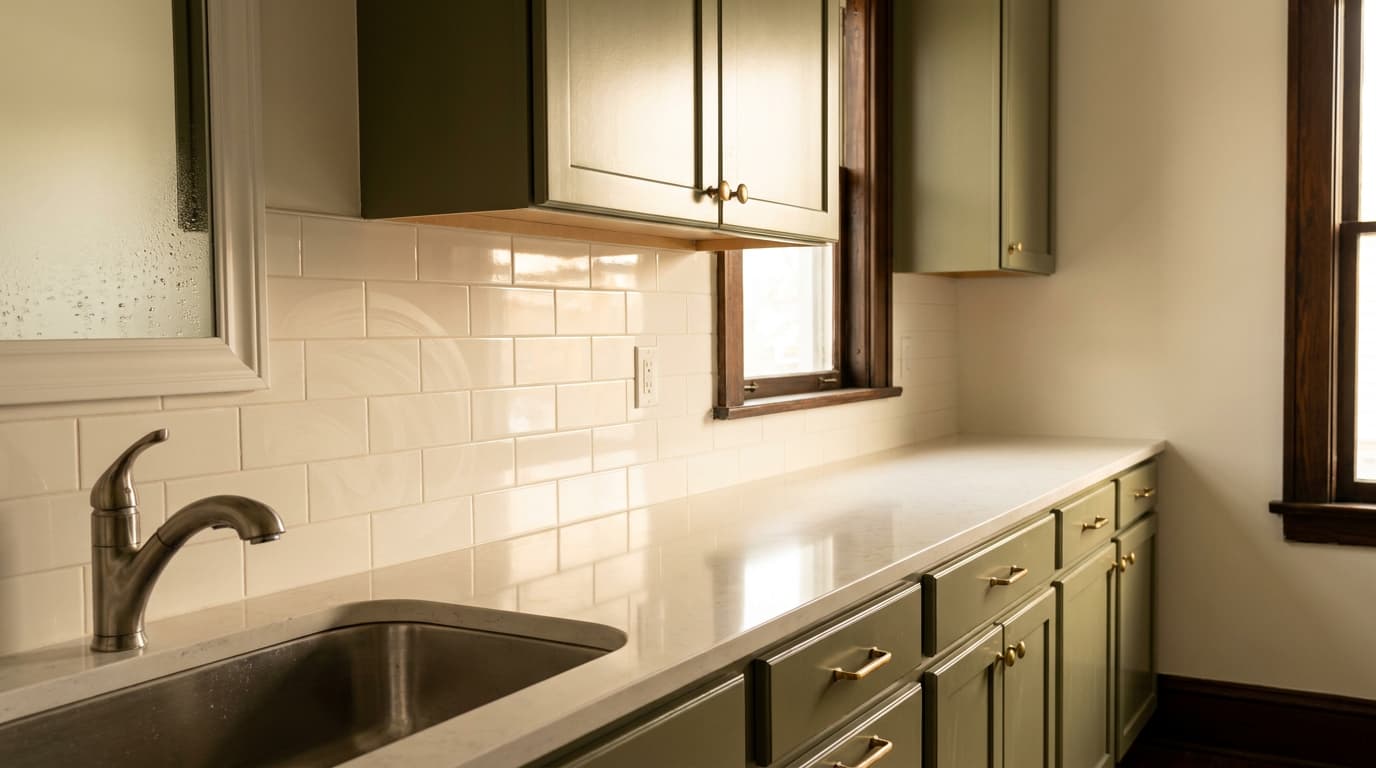
Kitchens and bathrooms deal with moisture, splashes, grease, and regular wiping. Satin is a smart pick for walls because it cleans well without looking too glossy. Semi-gloss works better near trim, doors, or areas that get more moisture.
These finishes help painted surfaces stay cleaner in rooms that work hard every day. Before finalizing wall and trim sheens, wall and trim color pairings can shift the decision about which finish works best in a room.
3. Hallways and Children’s Rooms
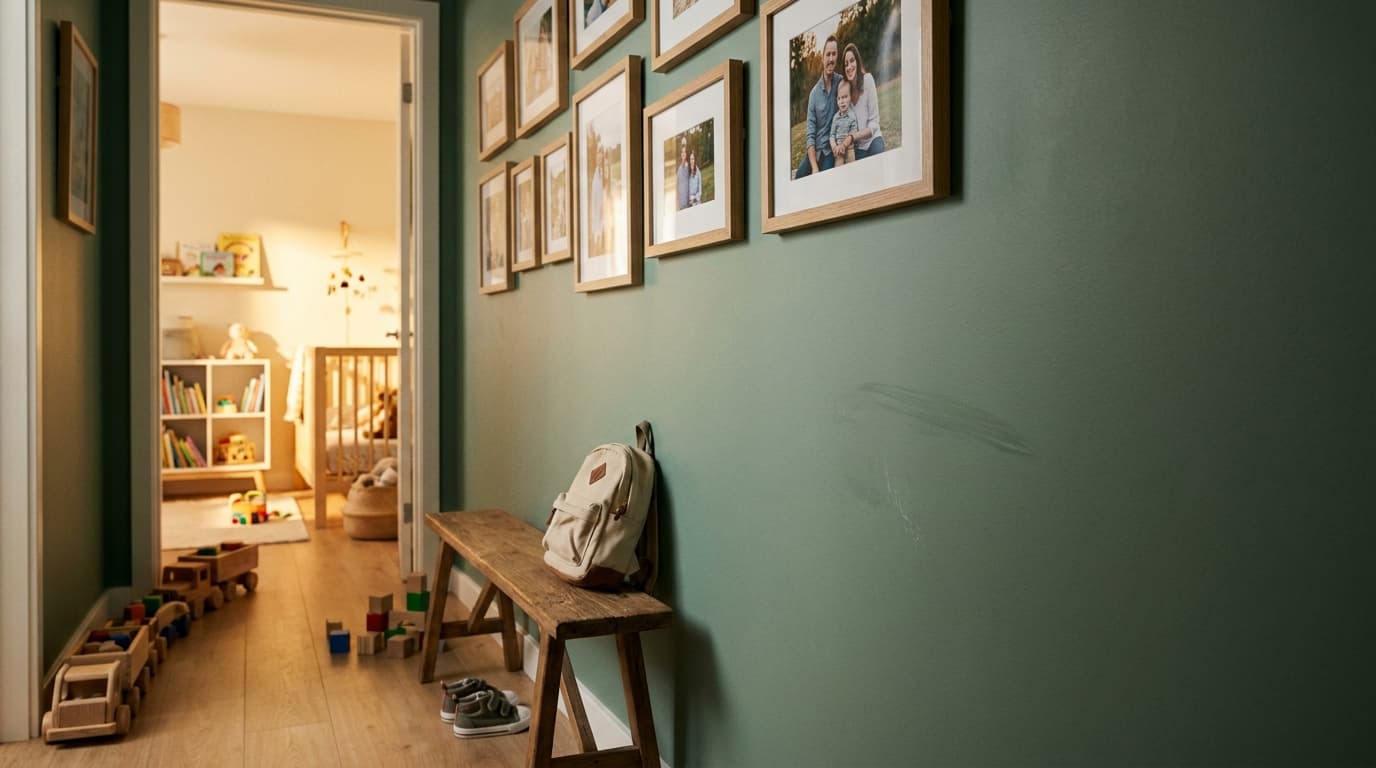
Hallways and children’s rooms need paint that can handle fingerprints, scuffs, and frequent movement. Low-sheen paint or satin is usually the best choice because it gives enough durability while keeping shine under control. Flat paint may mark too easily here, and high gloss can make walls look too reflective.
4. Ceilings
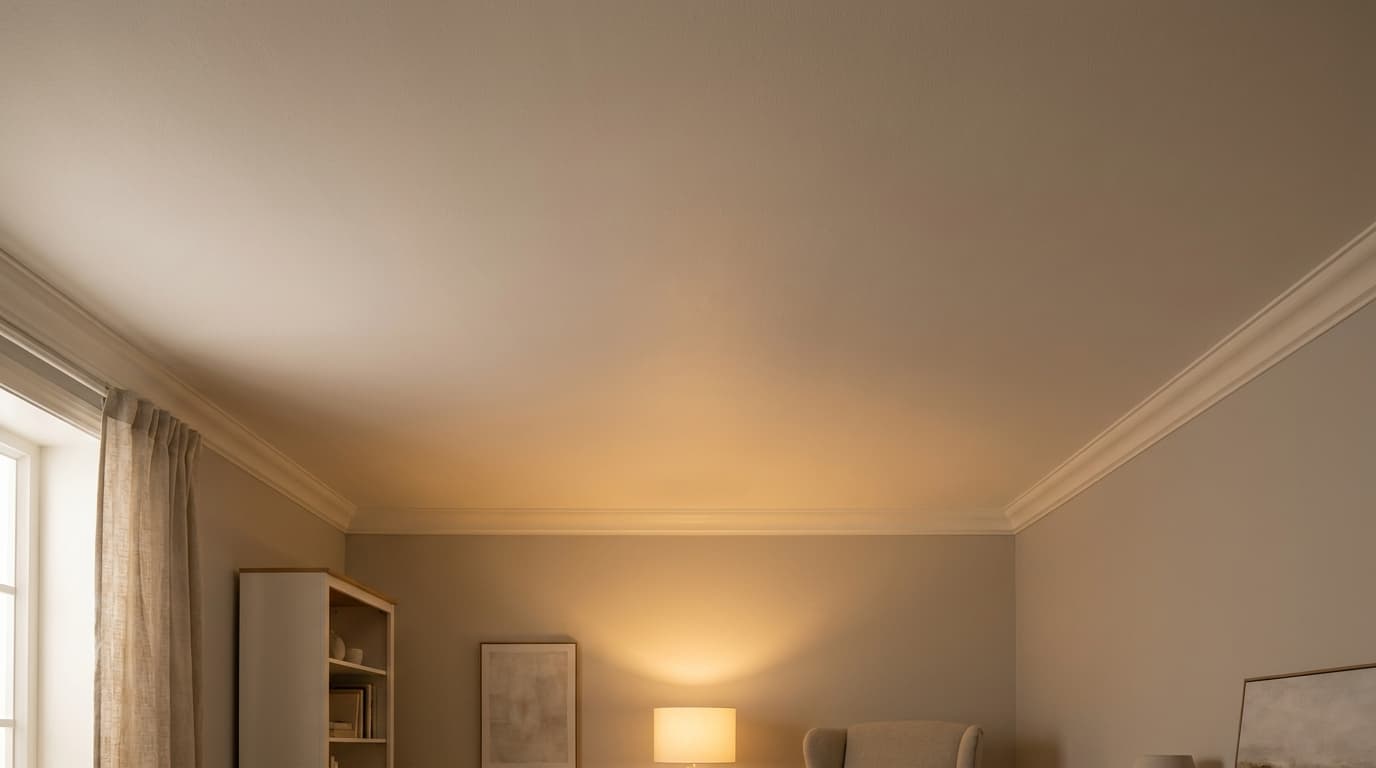
Ceilings usually look best with flat or matte paint. These finishes reduce glare from lights and windows, which keeps the ceiling looking smooth. Flat paint also hides small ceiling flaws better than shiny paint. Since ceilings are not touched often, cleanability is less important than a soft, even finish.
5. Trim, Doors, and Cabinets
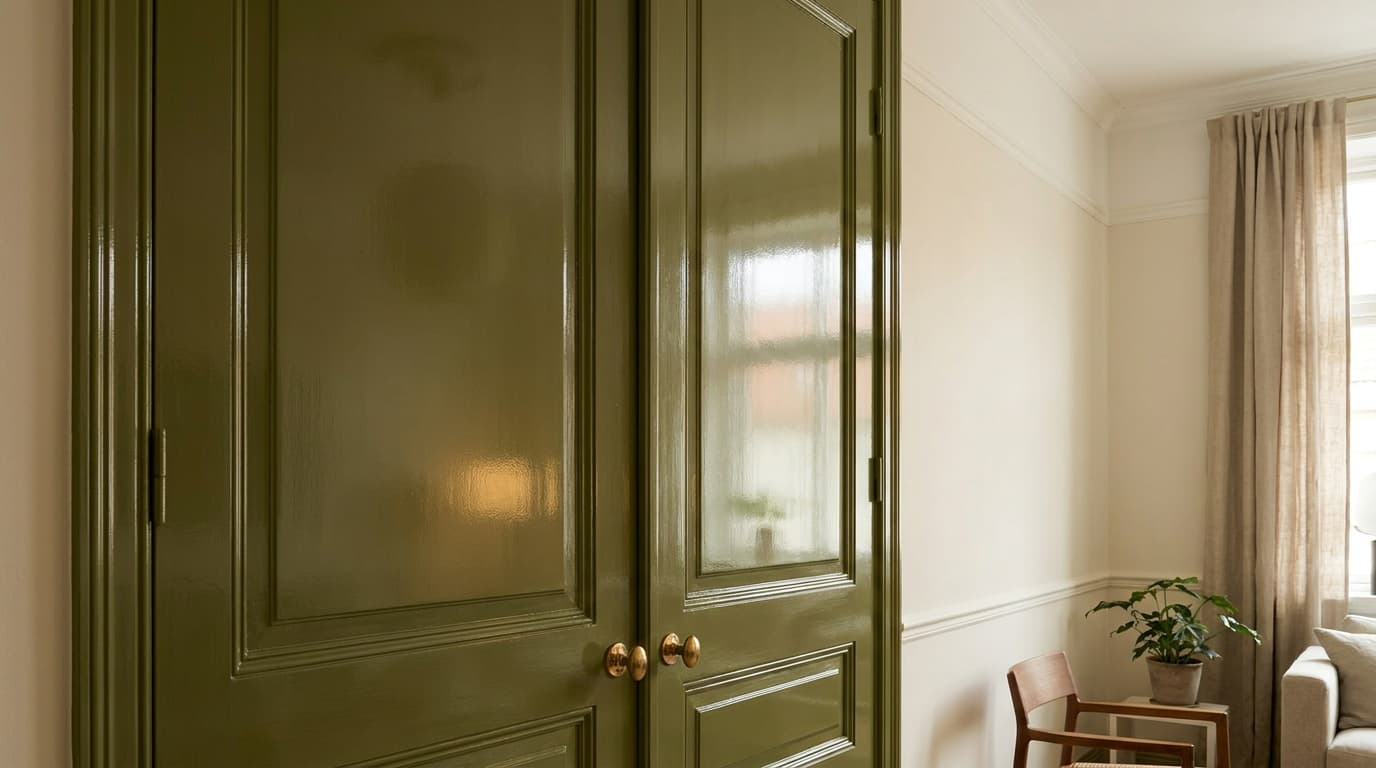
Trim, doors, and cabinets get touched more than walls, so they need stronger finishes. Semi-gloss is a reliable choice because it wipes clean and gives edges a neat look. High gloss works when the surface is very smooth and more shine is wanted. Good prep matters because shiny paint shows flaws.
What Sheen for Exterior Paint? Here’s What Actually Works
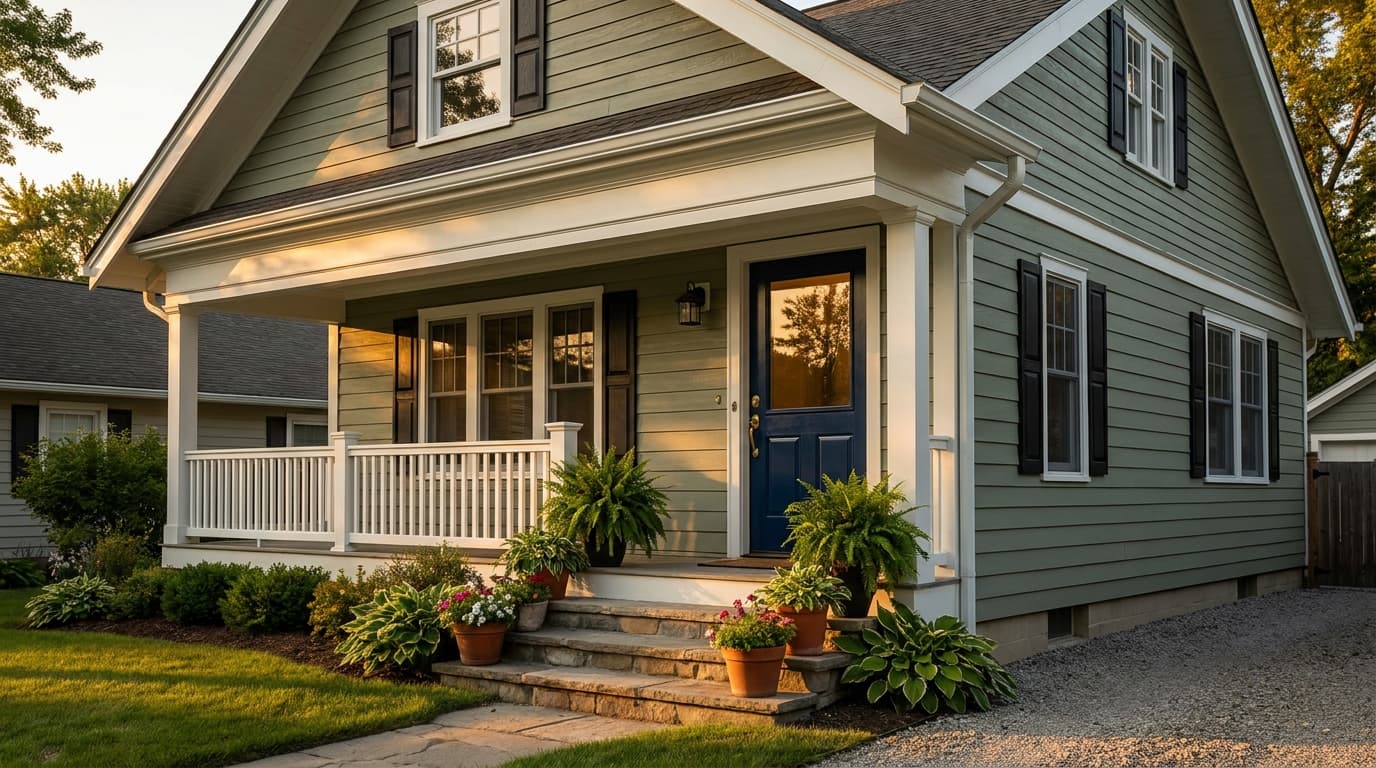
The right exterior sheen depends on the surface type, sunlight exposure, cleaning needs, and weather exposure. Use this table to match each outdoor area with a practical finish.
| Exterior Surface | Best Sheen | Why It Works |
|---|---|---|
| Exterior siding | Low sheen or satin | Hides small flaws, reduces glare, and gives enough strength for outdoor use. |
| Front doors | Semi-gloss or gloss | Handles touch, dirt, and fingerprints while giving a crisp, clean look. |
| Trim and window frames | Semi-gloss | Helps edges stand out and adds protection against moisture and wear. |
| Shutters | Satin, semi-gloss, or gloss | Works well for accents and makes cleaning easier. |
| Porches and railings | Satin or semi-gloss | Handles touch, dirt, and weather better than flatter finishes. |
| Garage doors | Satin or semi-gloss | Keeps the surface smooth while allowing easier washing when needed. |
| Masonry or stucco | Flat, low sheen, or satin | Hides rough texture, cracks, and patch marks better than glossy paint. |
| Outdoor furniture | Semi-gloss or gloss | Holds up to wiping and helps smooth painted pieces look cleaner. |
For most homes, keep large exterior walls softer and use more shine on touch points. This balance helps the paint look clean and last longer when exposed to the elements.
Common Paint Sheen Mistakes to Avoid
These are the errors worth knowing before you open the tin; each one is far easier to avoid than to fix after the paint dries.
- Using flat paint in bathrooms. Flat absorbs moisture, promotes mold behind the surface, and peels within a year of regular use. Satin or semi-gloss only in any room with regular steam or splashing.
- Applying high-gloss to unprepped walls. High-gloss reflects every dent, patch, and brush mark in sharp relief. Fill, sand, and prime thoroughly before any finish above satin.
- Painting cabinets in eggshell. Too soft for the contact cabinets to absorb daily, eggshell absorbs grease and stains, and fails to clean properly. Semi-gloss is the minimum for any painted cabinet surface.
- Using a single sheen throughout the entire house. High-traffic rooms wear out faster with a soft finish; low-traffic rooms look overworked with a hard one. Match sheen to traffic, moisture, and surface condition per room.
- Applying semi-gloss on rough or textured walls. Higher sheen amplifies surface texture; every bump and irregularity becomes the focal point rather than fading into the wall. Use flat or eggshell on textured surfaces.
- Skipping primer when switching sheen levels. Jumping from a lower sheen to a higher one without priming causes uneven adhesion, inconsistent reflectivity, and a patchy final surface. Prime first.
- Using interior paint on exterior surfaces. Interior formulas carry no UV resistance; they fade, chalk, and peel quickly outdoors. Always use exterior-grade paint on any outdoor surface, regardless of sheen.
The most consequential mistake on that list is flat paint in a bathroom. It’s the one that creates real structural damage rather than just a cosmetic problem. Moisture works behind the paint film, and mold develops inside the wall cavity, not just on the surface.
Frequently Asked Questions
What paint sheen should I use for kitchen cabinet doors specifically?
Semi-gloss at minimum. Cabinet doors take daily finger contact, grease, and repeated wiping; any finish softer than semi-gloss absorbs cooking residue, discolors, and stops cleaning properly within months. High-gloss is worth considering if the doors are very smooth and you want the extra durability.
Does the sheen level change how long paint takes to cure?
Yes. Higher-sheen paints contain more binder, which means the surface dries sooner but takes longer to cure and harden fully. Semi-gloss and gloss finishes typically need 2–4 weeks to reach full hardness. Avoid scrubbing or mounting hardware during that window, even if the paint feels dry to the touch.
Can you mix sheens on adjacent walls in the same room?
Technically, yes, but it rarely looks intentional. Adjacent walls with different sheens reflect light differently, which makes the same paint color appear as two slightly different colors depending on the angle. If you want contrast, use it between walls and trim, not between two walls of identical color.
Which paint sheen holds up best on exterior siding?
Satin or low-sheen. Large exterior field surfaces in high gloss reflect UV light aggressively, which accelerates paint degradation on wide, flat expanses. Satin provides enough durability to handle weather and washing without the UV drawback. Save semi-gloss and gloss for exterior trim, doors, and shutters where durability at contact points matters more than UV stability.
Is a higher sheen always more durable indoors?
More durable at the film level, yes, but not always the right durability for the surface. Semi-gloss on a heavily textured wall is technically hard but practically fails because every scrub catches the surface peaks and drags the finish away. Match the sheen’s durability to a surface smooth enough to handle it. On rough walls, a washable matte formula outperforms semi-gloss in real-world use.
Final Verdict
Choosing the right finish is really about matching paint to the way you live in each space. I would not pick sheen by shine alone. Think about traffic, moisture, wall flaws, cleaning, and light before you open the can.
Soft finishes help walls look smooth, while stronger finishes protect doors, trim, cabinets, bathrooms, and outdoor surfaces. Paint sheens matter because they affect how color looks and how well the surface holds up over time.
When you test samples, prep properly, and save your paint details, touch-ups become easier too. Try these tips on your next project, then share what worked best for you in the comments or read more paint care tips.