

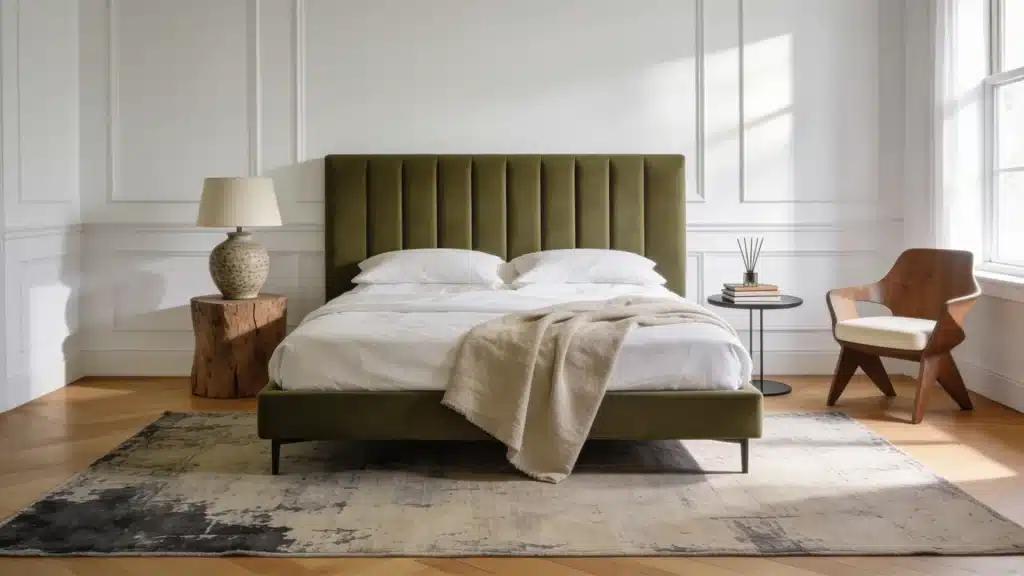


Ever stepped out of bed onto a floor that felt more like sandpaper than a cozy sanctuary? Finding the best carpet for bedrooms involves much more than just picking the softest sample in the showroom.
You need something that handles bare feet, resists stains, and won’t flatten out in a year.
I have broken down exactly how to match carpet construction and fibers to your actual daily routine. You will find how to evaluate pile heights, choose the right padding, and avoid costly installation mistakes.
By the end, you can confidently select a durable, comfortable floor that fits your budget perfectly.
Key Qualities of a Bedroom Carpet
If you are shopping for the best carpet for bedrooms, softness is the starting point, not the finish line. The bedroom is a low-traffic room, which gives you flexibility that hallways and living rooms don’t. But low traffic doesn’t mean no demand.
You still need a carpet that holds up to bare feet every morning, resists allergen buildup, and looks presentable years from now without a full replacement.
| Room Type | Primary bedroom, guest room, kids’ room, or shared space |
| Key Priorities | Softness, noise reduction, easy cleaning, durability |
| Best Fiber | Nylon (durability), triexta (stain resistance + softness), polyester (budget), wool (premium) |
| Pile Height | Medium (most rooms); low (allergies, easy clean); high (primary bedroom comfort) |
| Recommended Padding | 7/16-inch rebond or 8 lb density for best support and feel |
Once you know how your bedroom is actually used, who sleeps there, whether pets come in, and how often you vacuum, the choice between carpet types becomes much more straightforward. Here’s how to match what you need to what the market offers.
What to Know Before Comparing Carpet Types for Bedrooms
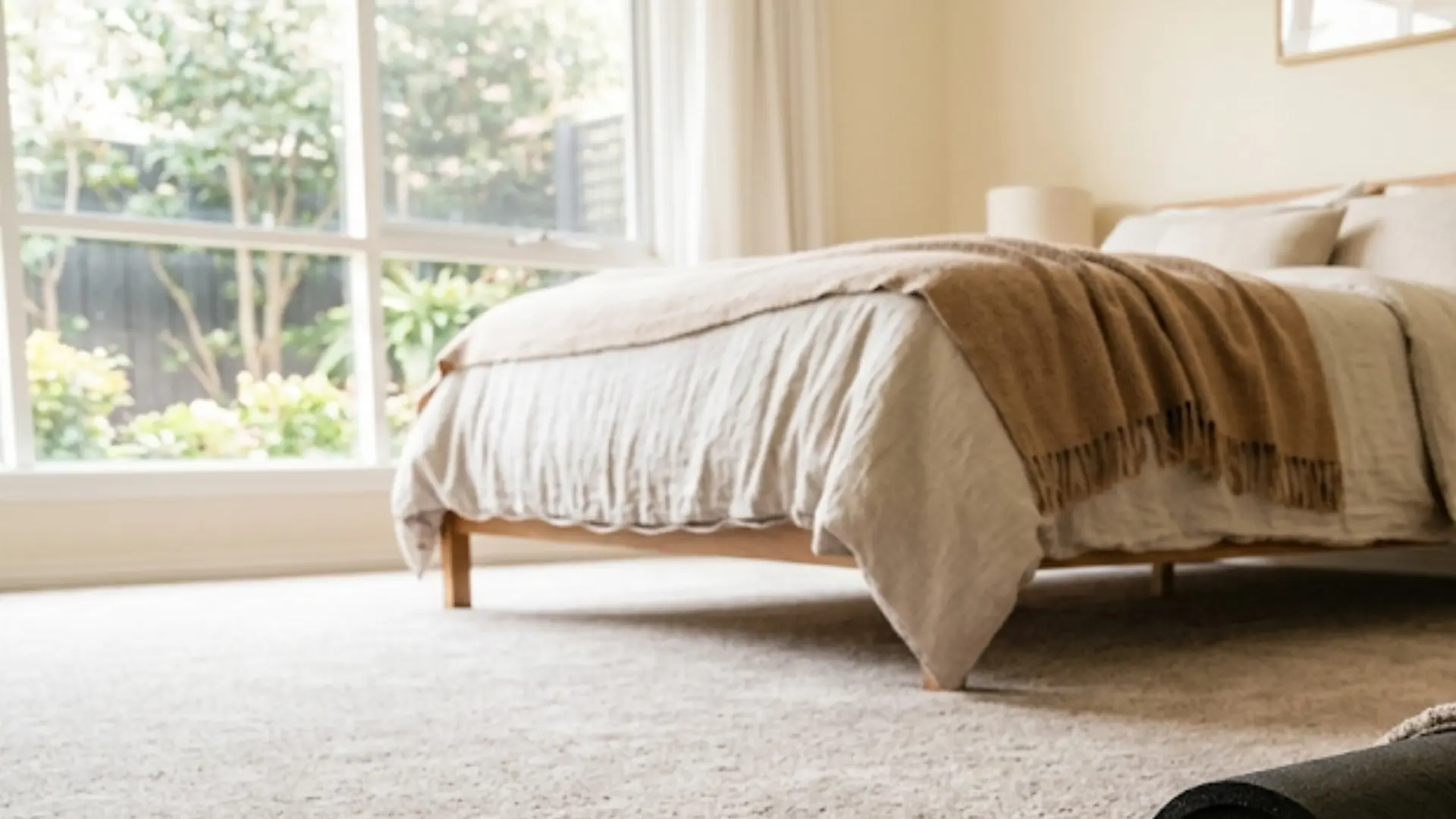
Before comparing plush against textured or nylon against triexta, think about how the bedroom functions day-to-day.
A quiet primary bedroom tolerates a softer, thicker pile that would flatten quickly in a high-traffic hallway. A kids’ room, guest room, or bedroom that doubles as a workspace needs something that can withstand more use and clean faster.
Also, consider pets, allergies, the direction the room faces, furniture weight, and how often you actually vacuum in your house. Carpet padding matters more than most buyers realize; the right pad changes how a carpet feels underfoot and directly affects how long it lasts.
Budget the full picture: carpet material, pad, removal of the old floor, and installation. Skipping any of those line items leads to surprises at the end of the project.
Best Carpet Types for Bedrooms
Choosing the right bedroom carpet involves more than how a sample feels in the showroom. The carpet type, meaning the construction style, fiber, and pile height, determines what the floor feels like after two years of daily use, not just the day it’s installed.
Here’s what each option actually gives you.
1. Plush Carpet

Material: Nylon, polyester, or wool
Plush carpet has a smooth, dense surface that gets cut to an even height across the whole floor. The result is a velvety feel that works well in traditional, modern, and more formal bedroom designs.
The fibers create a warm, cushioned surface that makes getting out of bed more bearable on cold mornings. It performs best in primary and master bedrooms where foot traffic stays light, and comfort is the main job.
The trade-off is visibility; plush carpet shows footprints and vacuum lines more readily than textured styles, which bothers some people and doesn’t bother others.
Homeowners who want a consistently soft, finished-looking floor and don’t mind a weekly vacuum pass to keep it neat tend to stay happy with plush long-term.
2. Saxony Carpet
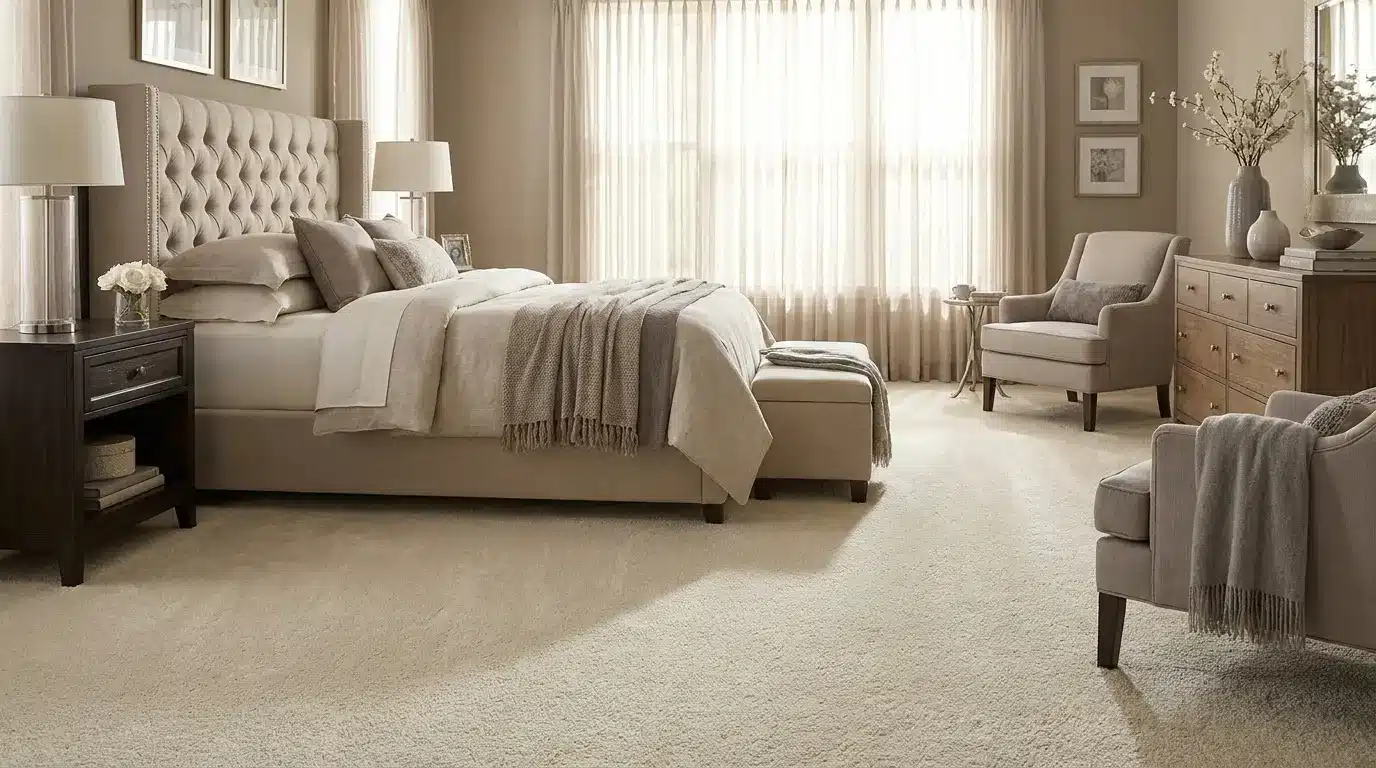
Material: Nylon, polyester, or wool blends
Saxony carpet features upright, dense fibers that give the floor a polished, formal look. It’s a step above plush in refinement and suits guest bedrooms and primary suites where style matters alongside comfort.
The thick pile creates a soft, cushioned surface that genuinely feels different underfoot than a mid-grade option. It adds warmth and absorbs sound well, which matters more in bedrooms directly above living spaces.
Like plush, the upright fibers will show footprints, but many people appreciate the freshly vacuumed look that it creates. For a bedroom designed to feel welcoming and visually composed, Saxony reliably delivers both.
3. Frieze Carpet
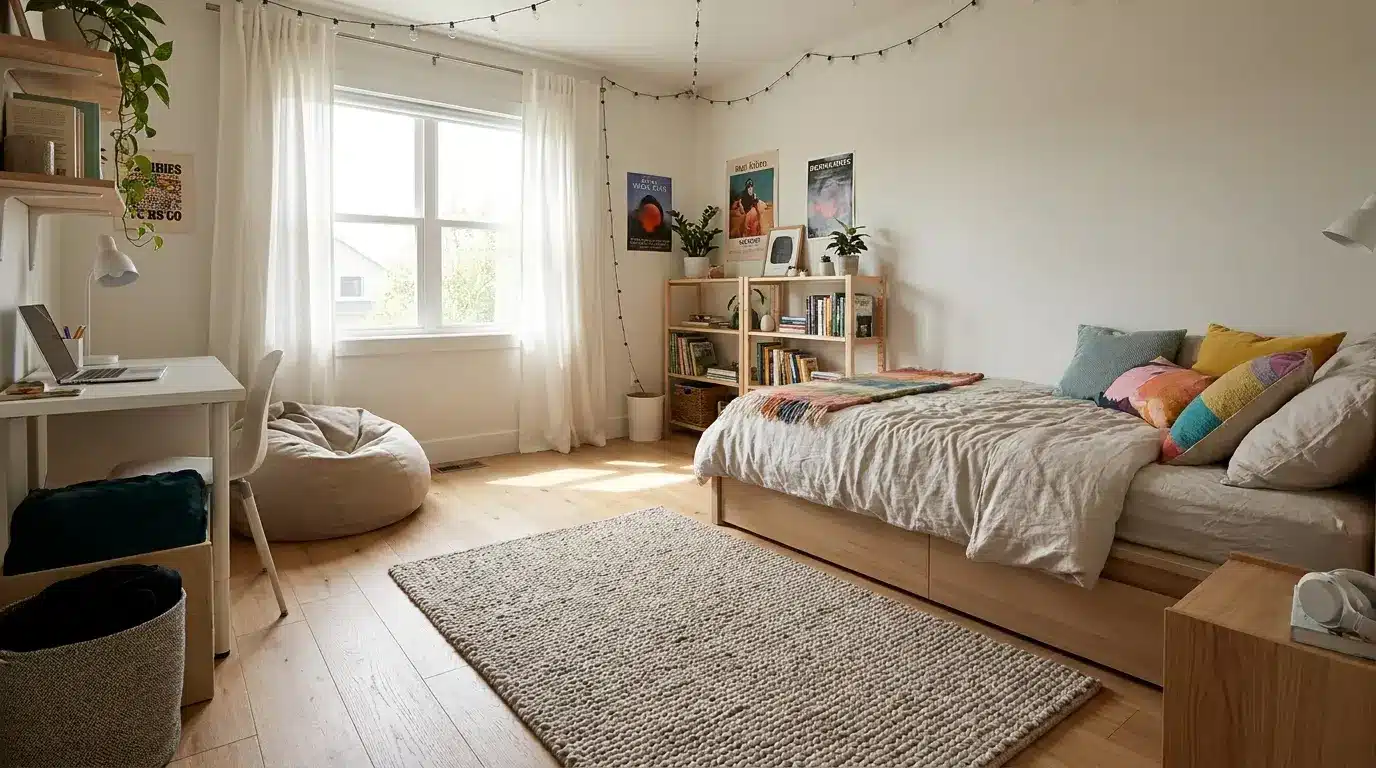
Material: Nylon, polyester, or triexta
Frieze carpet uses tightly twisted fibers that curl at the tips rather than standing straight up. That curl is what makes it practical, footprints don’t register the way they do on plush, and everyday dirt and wear get hidden in the texture.
This makes frieze a strong choice for kids’ bedrooms, teen rooms, and any space that gets more foot traffic than a typical primary bedroom. It still feels soft underfoot, but it holds its appearance longer than looser pile styles under real daily use.
For homeowners who want comfort without the visual maintenance that plush requires, frieze tends to be the better long-term call.
4. Textured Carpet
Material: Nylon, polyester, or triexta
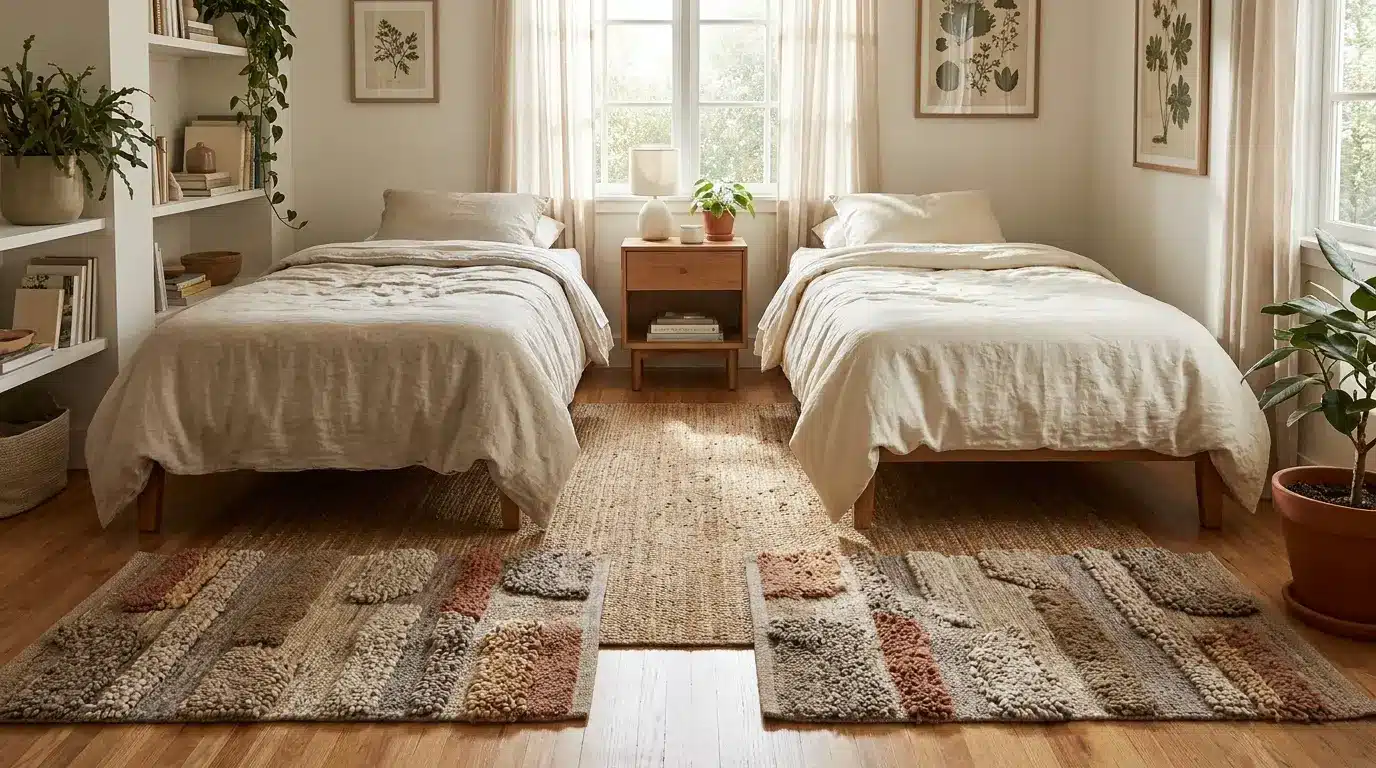
Textured carpet uses fibers cut at slightly different heights, which creates a multi-directional surface that resists showing marks. It’s the most versatile option in the lineup, comfortable enough for a primary bedroom, durable enough for a shared space, and visually flexible enough to work with most bedroom decor.
Footprints, vacuum lines, and minor wear don’t register the way they do on plush or Saxony. That practical advantage makes textured carpet a reliable default for family bedrooms, shared kids’ rooms, or any space where appearance needs to stay consistent without constant maintenance.
If you can only choose one style that works across multiple bedroom types in your home, textured carpet is the most defensible pick.
5. Low-Pile Carpet
Material: Nylon, polyester, wool, or olefin
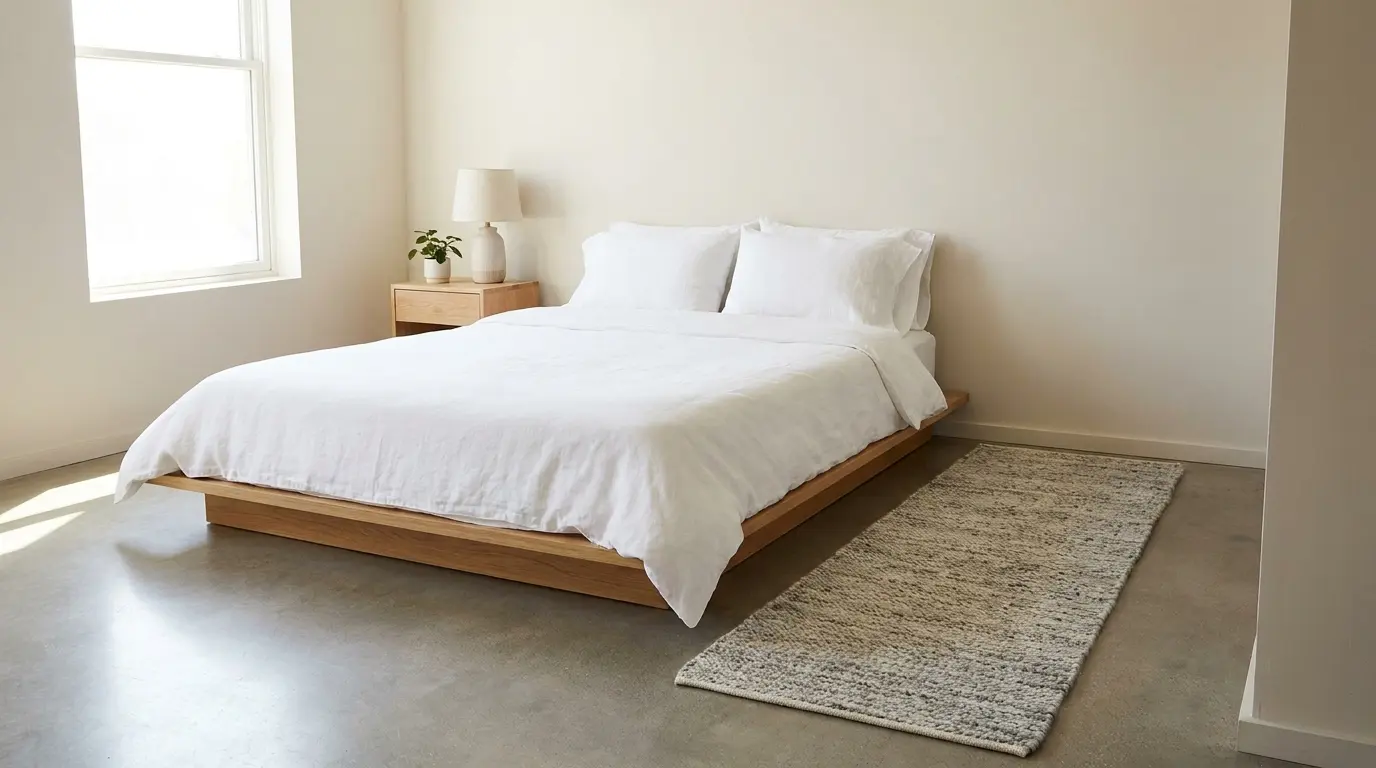
Low-pile carpet has shorter fibers, typically under half an inch, that sit close to the backing. It’s not as cushioned as plush or Saxony, but it’s considerably easier to clean and less likely to trap dust, pet hair, and allergens deep in the pile.
That cleaning advantage is the reason allergy-conscious households and pet owners often reach for low-pile first. It’s also a good fit in smaller bedrooms where a thicker carpet would make the room feel heavier and more closed in.
The look is clean and understated, which works particularly well with modern and minimalist bedroom layouts. If easy maintenance matters more than maximum softness, low-pile gives you a floor that earns its place practically.
With the five main carpet types covered, the next step is matching the right one to how your specific bedroom is actually used.
How to Choose the Best Carpet for Bedrooms in Your Home
Choosing bedroom carpet gets easier when you match it to the room’s real conditions rather than the softest sample on the rack. Here’s what actually drives the decision.
- Room Use: Choose softer, thicker carpet for quiet primary bedrooms. Use more durable options for kids’ rooms, guest rooms, or bedrooms that double as workspaces.
- Fiber Type: Nylon holds up best under wear. Triexta handles stains with built-in resistance and feels soft without requiring a high pile. Polyester works well on a tighter budget. Wool is the premium natural option with real long-term durability.
- Pile Height: Plush and Saxony maximize comfort. Textured and frieze handle daily use without showing wear. Low-pile keeps cleaning simple.
- Carpet Padding: Quality padding changes everything; it affects how soft the floor feels, how much sound it absorbs, and how long the carpet lasts. A 7/16-inch rebond pad at 8 lb density is a reliable starting point for most bedrooms.
- Color Choice: Warm neutrals, greige, taupe, beige, soft brown, hold up across changing decor and don’t show daily wear the way pale or very dark colors do. If you’re still working out the room’s palette, bedroom colors that feel cozy are worth settling before you commit to carpet.
Common Mistakes to Avoid When Choosing Bedroom Carpet
These are the decisions that look fine in the store and cause regret six months later.
| Mistake | Why It Causes Problems | Better Choice |
|---|---|---|
| Choosing only by softness | Soft carpet flattens quickly when the fiber quality is poor, regardless of how new it feels. | Balance softness with fiber density and face weight. |
| Skipping quality padding | Poor padding makes even good carpet feel thin and shortens its lifespan significantly. | Budget for supportive 8 lb rebond padding. |
| Picking very light colors | Pale carpet shows stains, dust, and daily marks much faster than medium tones. | Use soft neutrals or medium warm tones. |
| Choosing a high pile for messy rooms | Thick fibers trap dust, crumbs, and pet hair in ways that short vacuuming passes can’t clear. | Use textured, frieze, or low-pile carpet in active rooms. |
| Skipping home samples | Showroom lighting changes how carpet color reads, significantly. | Test samples in your bedroom under its actual light. |
| Forgetting cleaning needs | Some carpets need more frequent vacuuming and spot cleaning than the buyer planned for. | Match carpet type to your actual cleaning routine. |
Avoiding these six mistakes is often the difference between a floor that still looks right five years in and one that needs replacing before it should.
These are the questions that come up most often once someone has a sample on the floor and a decision to make.
Frequently Asked Questions
Will ultra-soft carpets require a special vacuum cleaner?
Yes. High-end, ultra-soft carpets (often made with specialized micro-fibers like Caress or Tactesse) are packed so densely that standard heavy vacuums create a tight suction seal against the floor. This makes the vacuum incredibly hard to push and can actually tear out the fine fibers. If you choose an ultra-soft pile, you will need a vacuum with adjustable height settings and vented hulls that allow airflow to bypass the seal.
How do I minimize visible seams in a large primary bedroom?
Carpet rolls standardly come in 12-foot and 15-foot widths. If your bedroom is larger than these dimensions, seams are inevitable. To keep them hidden:
- Ensure the installation crew runs the seams parallel to the natural light entering from your primary windows rather than perpendicular to it.
- Avoid placing seams right at the foot of the bed or directly in the center of high-visibility walking paths.
What is “carpet off-gassing,” and how do I prevent it in a sleeping environment?
New carpets and paddings can release volatile organic compounds (VOCs) for the first 24 to 72 hours after installation, often causing that distinct “new carpet smell.” If you have respiratory sensitivities, look for carpets tested and labeled with the Carpet and Rug Institute’s Green Label Plus certification. To stay comfortable, plan to ventilate the bedroom with open windows and a fan for at least 48 hours before sleeping in the room.
Can I install thick bedroom carpet over radiant floor heating systems?
You can, but you have to check the R-value (thermal resistance). Thicker carpets combined with heavy rebond foam padding act as an insulator, blocking the heat from rising into your room efficiently. For radiant heating, keep the combined R-value of your carpet and padding under 2.5. This typically means choosing a low-to-medium pile cut with a thin, dense rubber or felt pad instead of thick foam.
Why do some bedroom carpets split or fray right at the doorway?
Fraying at the threshold usually happens when installers skip a proper transition strip. The transition between your bedroom carpet and the hallway floor (hardwood, tile, or another carpet) takes the brunt of daily pivoting feet. Ensure your installer uses a solid metal binder bar, Z-bar, or a hidden tack strip transition rather than just cutting the edges flush and tucking them down.
Final Thoughts
Your bedroom floor should be a comfortable, lasting investment rather than a source of future maintenance regret.
I want to ensure you remember that balancing plush softness with the right fiber density, correct pile height, and thick padding makes all the difference over time.
Matching your material choices to your actual cleaning habits, family pets, and specific room traffic prevents premature wear and costly early replacements.
Armed with these practical insights, you are fully ready to select the best carpet for bedrooms without falling for deceptive showroom tricks.
Which carpet style do you think will work best for your home layout? Share your thoughts in the comments below, or check out my related flooring blogs today.