

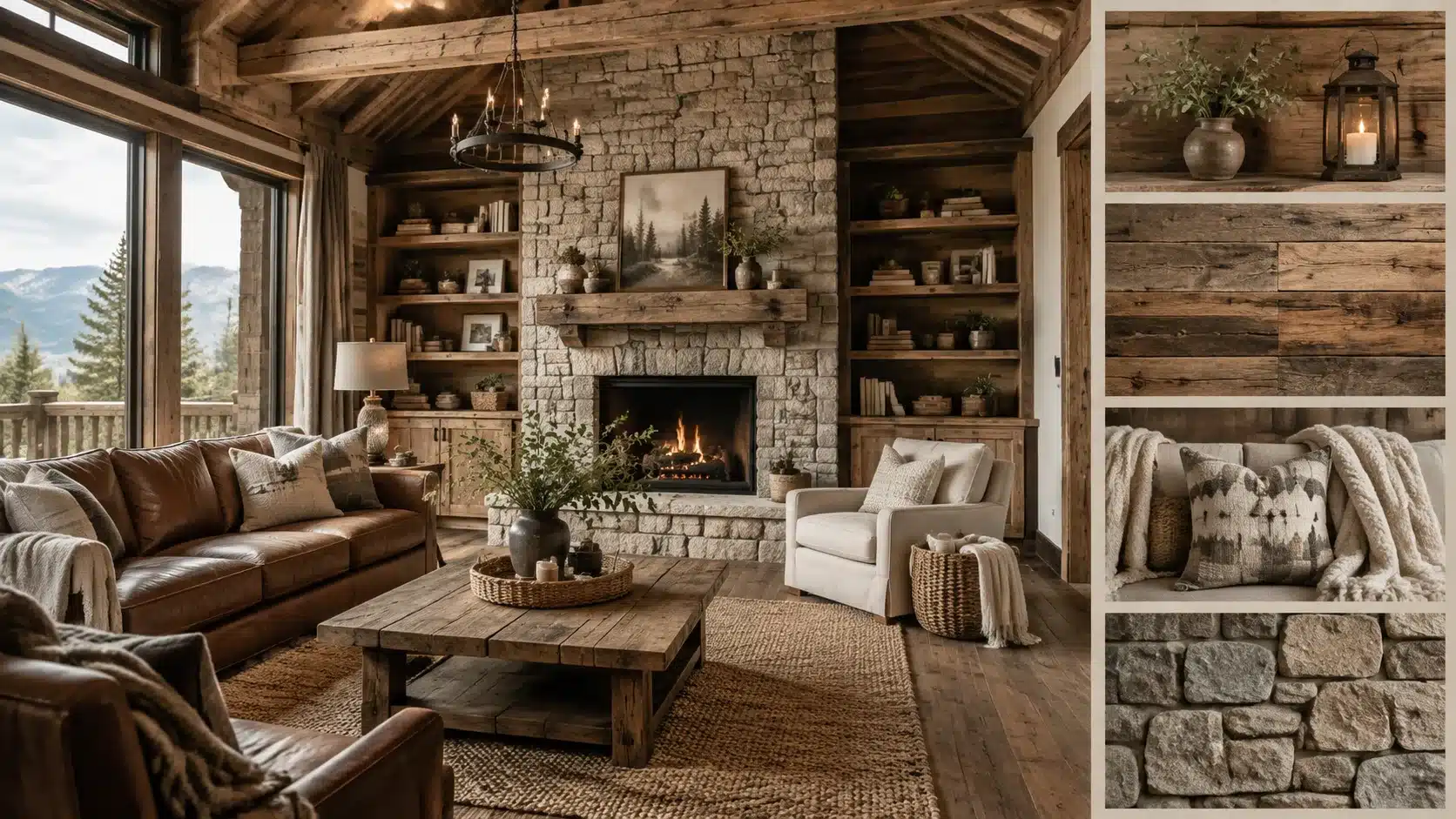


Some homes create an instant sense of comfort the moment you step inside. They feel warm, relaxed, and connected to nature. That is the charm of rustic interior design.
While once associated mainly with cabins and rural homes, this style now works beautifully in apartments, modern houses, and urban spaces.
Rustic interiors combine natural wood, stone finishes, cozy fabrics, and thoughtful details to create a balanced look.
This blog explains the essential elements, color choices, and furniture styles that define rustic design. It also includes room-by-room ideas and tips for blending rustic features with other interior styles.
What is Rustic Interior Design?
Rustic interior design blends natural materials, earthy tones, and cozy textures to create a warm, welcoming home.
Inspired by nature, it brings the outdoors inside through materials like reclaimed wood, stone, leather, and metal. Unlike polished modern styles, rustic design has raw finishes, imperfections, and handcrafted details.
Exposed beams, vintage furniture, handmade ceramics, and textured fabrics add character and make each space feel unique.
Comfort is a defining part of the style, with cozy blankets, linen fabrics, woven accents, and layered textures creating a relaxed atmosphere.
Rustic interiors focus less on perfection and more on creating a practical, personal, and welcoming space that feels connected to nature.
Core Elements of Rustic Interior Design
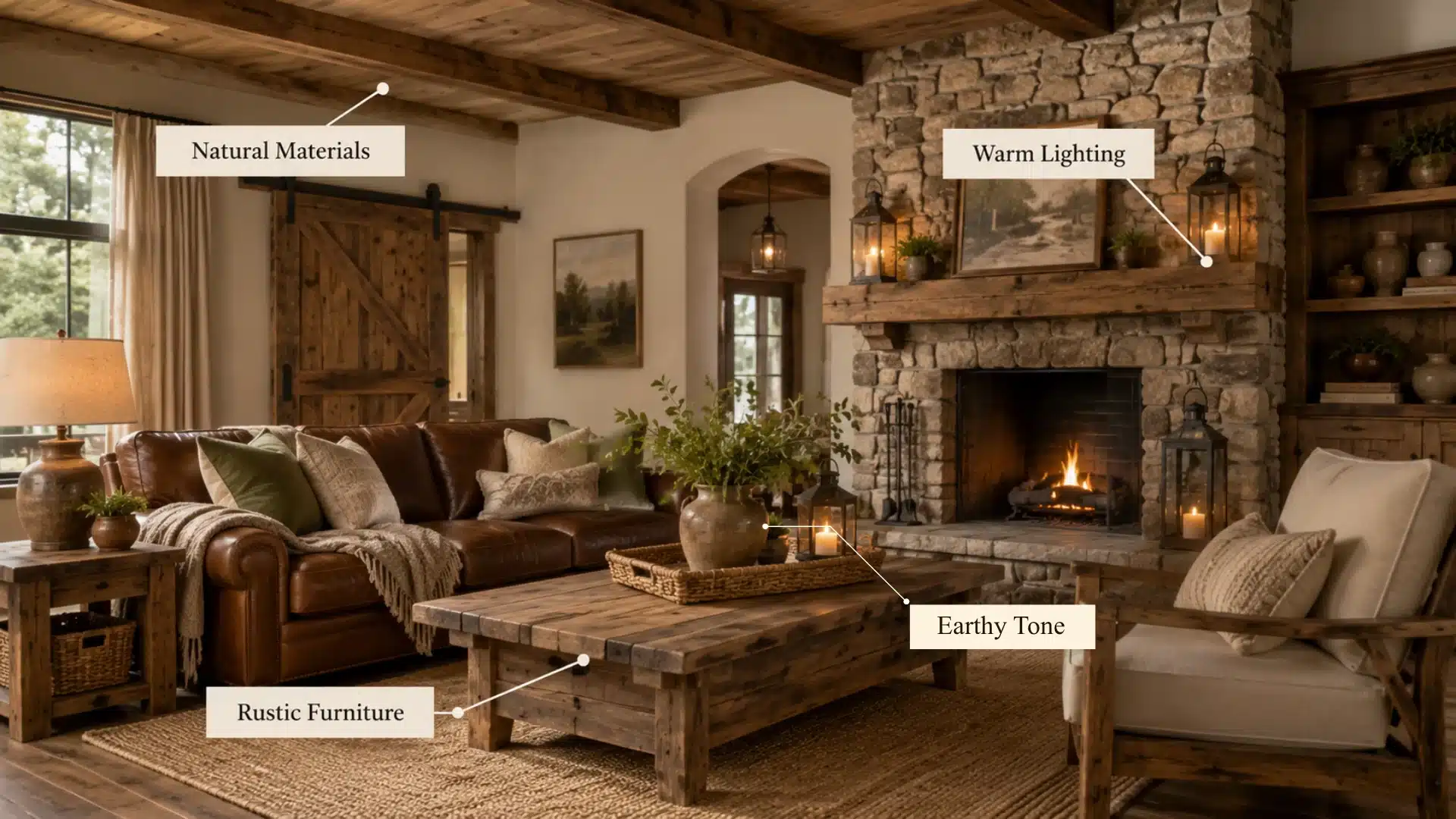
Rustic interiors balance natural beauty with everyday comfort. These key elements help shape a space that feels warm, personal, and connected to nature.
1. Natural Materials: Rustic interiors use materials like reclaimed wood, stone, leather, and woven fabrics to bring texture and a natural feel indoors.
2. Earthy Colors: Warm browns, beige, cream, terracotta, and muted greens create a calm, nature-inspired atmosphere.
3. Rustic Furniture: Wooden furniture with visible grain, handcrafted details, and distressed finishes adds character and timeless appeal.
4. Warm Lighting: Soft lighting, wooden fixtures, lanterns, and fireplaces create a cozy and welcoming rustic mood.
Rustic Interior Design For Every Room
Rustic style can be adapted to different areas of the home by combining natural materials, warm colors, and comfortable textures.
Each room can highlight rustic elements while keeping the space functional and inviting.
1. Rustic Living Room with Wood Features
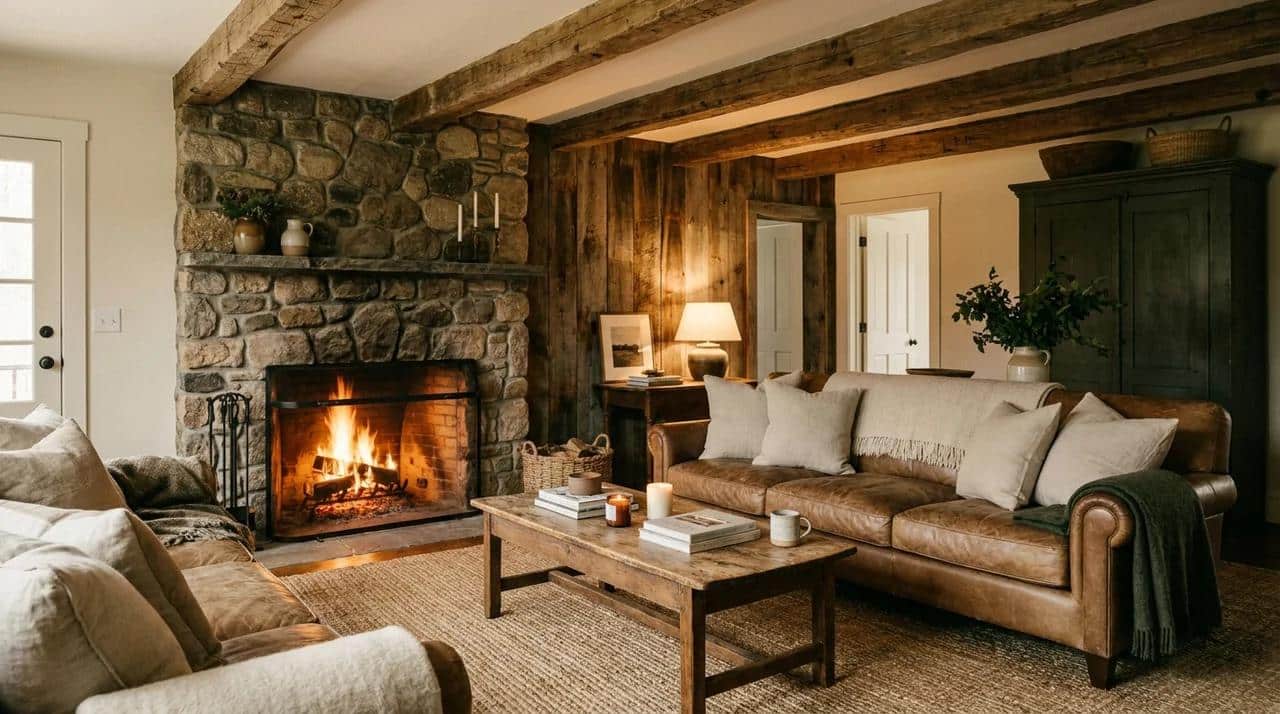
A rustic living room brings together natural materials like reclaimed wood, exposed beams, stone fireplaces, and comfortable furniture to create a warm gathering space.
Wooden textures add character, while stone elements provide contrast and a grounded feel.
Layer the room with linen fabrics, woven rugs, leather seating, and warm lighting to balance the heavier materials. Keeping the décor simple allows the natural textures to become the main feature of the space.
2. Rustic Kitchen with Farmhouse-Inspired Idea
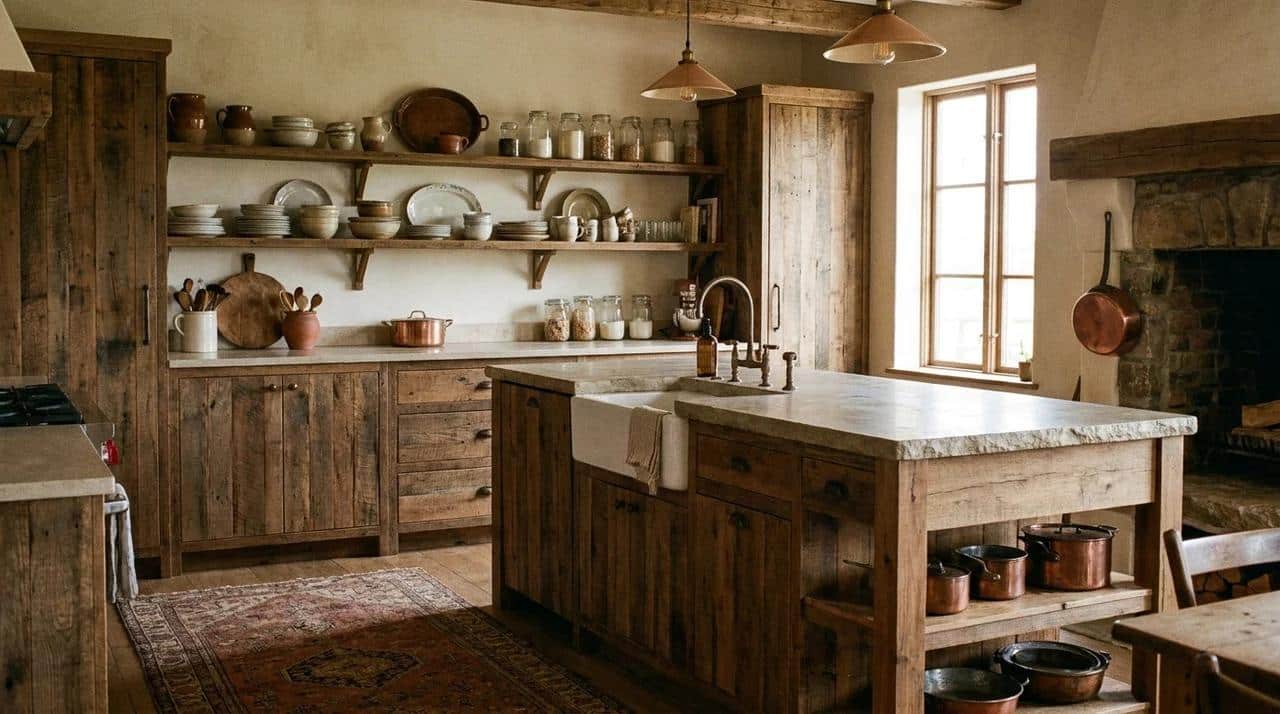
A rustic kitchen combines practical design with natural materials. Wooden cabinets, stone countertops, open shelving, farmhouse-style sinks, and rustic kitchen islands create a functional, welcoming space.
Use simple ceramics, glass containers, and handcrafted details to add personality without making the kitchen feel cluttered. The focus should remain on durable materials and a comfortable layout.
3. Rustic Bedroom with Layered Natural Textures
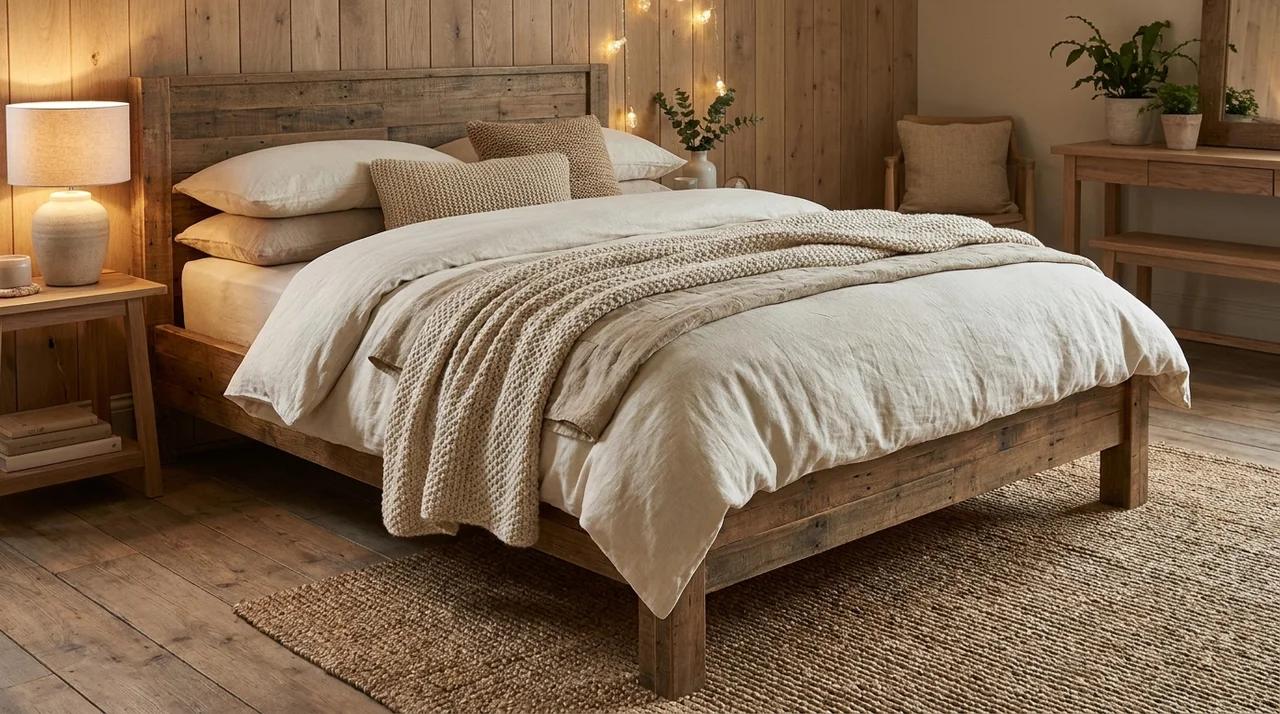
A rustic bedroom creates a comfortable retreat through natural materials and soft textures. Wooden bed frames, linen bedding, wool blankets, woven rugs, and warm lighting work together to create a relaxed atmosphere.
Neutral colors help highlight the beauty of wood and fabric textures while keeping the room calm. Simple furniture and minimal décor allow each material to stand out.
4. Rustic Bathroom With Stone Materials
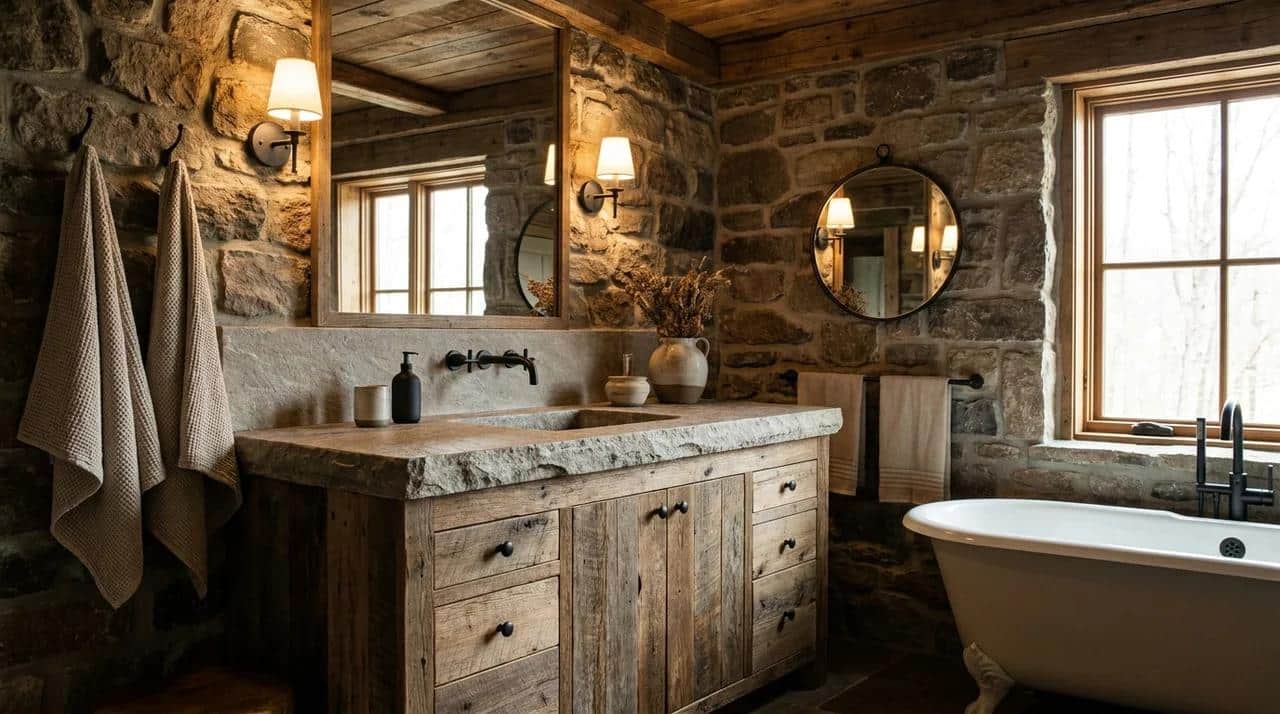
Rustic bathrooms use natural finishes to create a warm and grounded look. Stone walls or countertops, wooden vanities, matte fixtures, and earthy colors add texture without making the space feel outdated.
Soft lighting and simple textiles help balance the roughness of stone and wood, creating a bathroom that feels comfortable and connected to nature.
5. Rustic Dining Room With a Statement Wooden Table
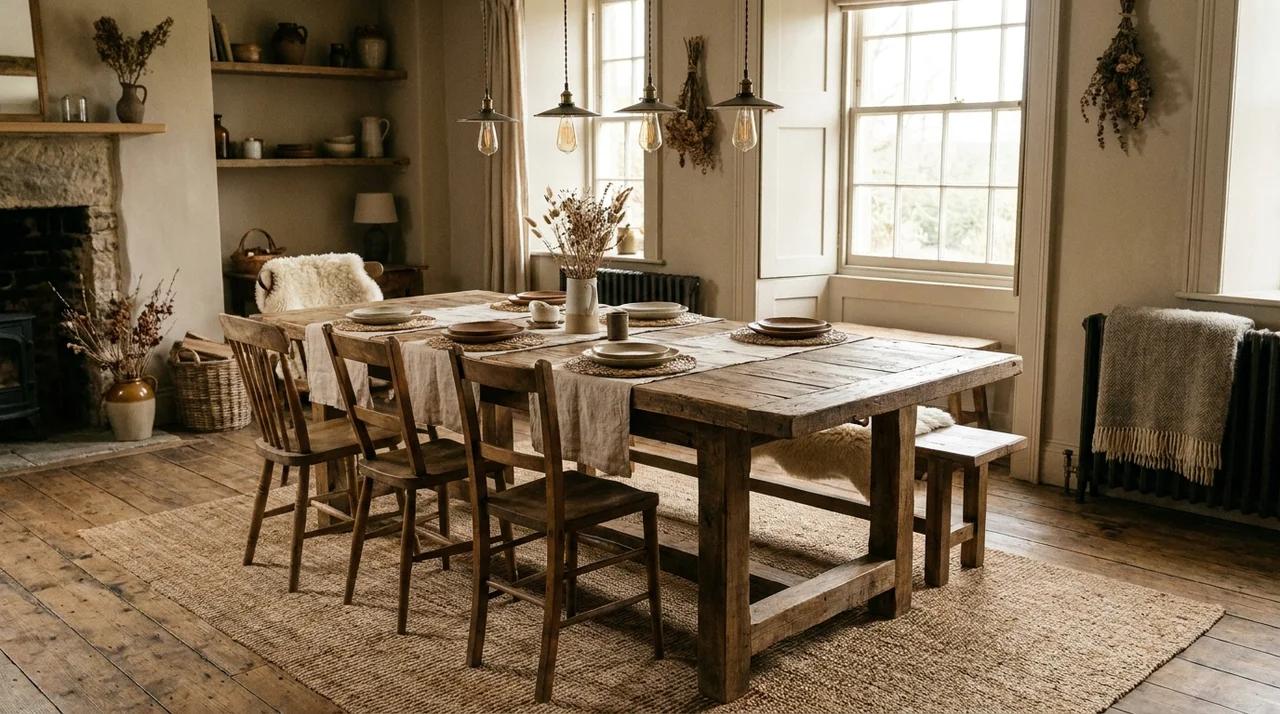
A solid wood dining table often becomes the centerpiece of a rustic dining room. Its natural grain and imperfect details add character while creating a welcoming place for everyday meals and gatherings.
Pair the table with simple chairs, pendant lighting, and subtle natural décor to keep the look balanced. The goal is a space that feels comfortable rather than overly decorated.
6. Rustic Entryway With Functional Storage
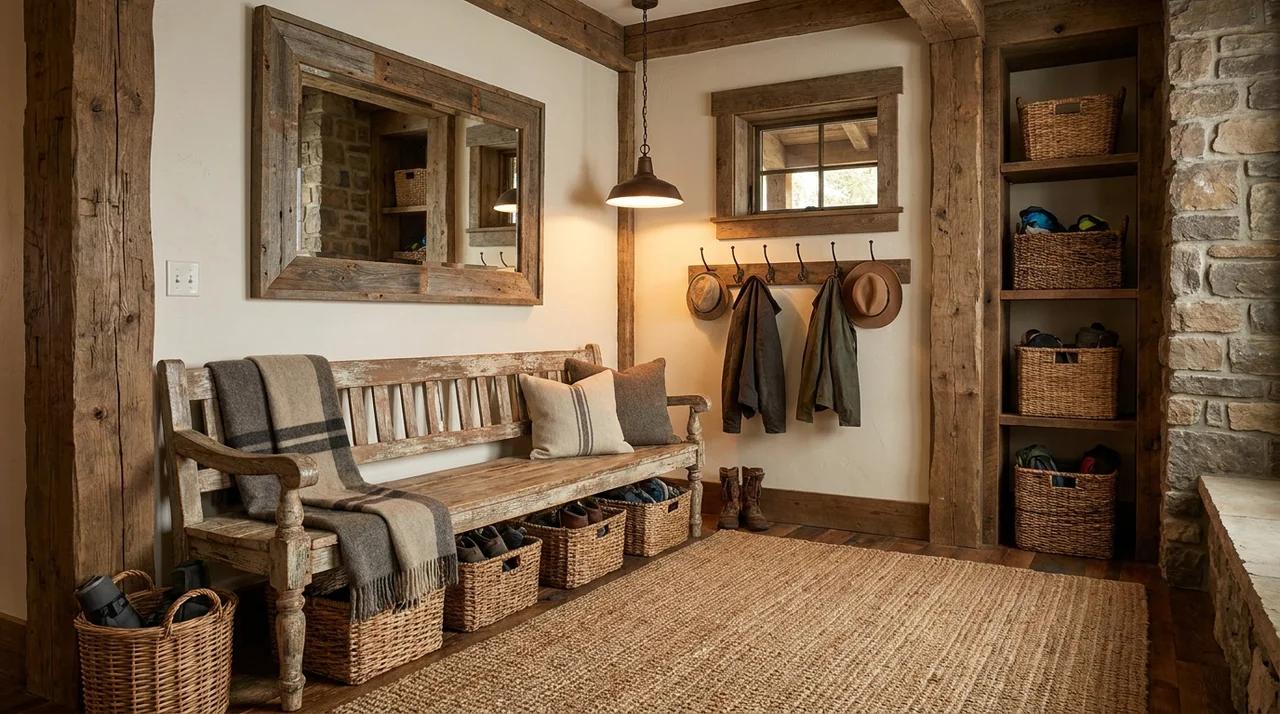
A rustic entryway combines style with everyday function. Wooden benches, wall hooks, woven baskets, vintage mirrors, and natural rugs help organize daily items while adding warmth to the entrance.
Practical storage pieces with natural finishes create a welcoming first impression without taking up unnecessary space.
7. Rustic Home Office with Warm Elements
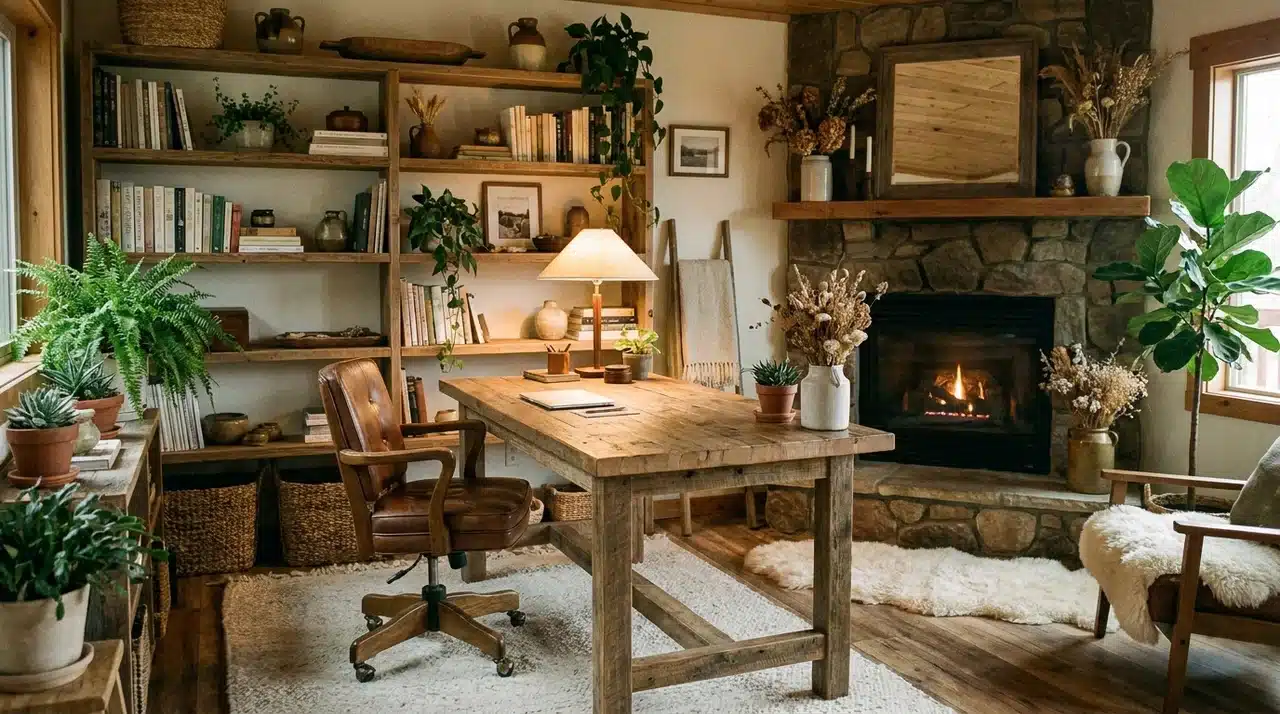
A rustic home office combines a productive workspace with natural warmth. Wooden desks, leather chairs, open shelves, and soft lighting create a comfortable, less formal environment.
Adding plants and simple accessories can soften the space while keeping the focus on functionality and organization.
8. Rustic Beverage Station with Earthy Touch
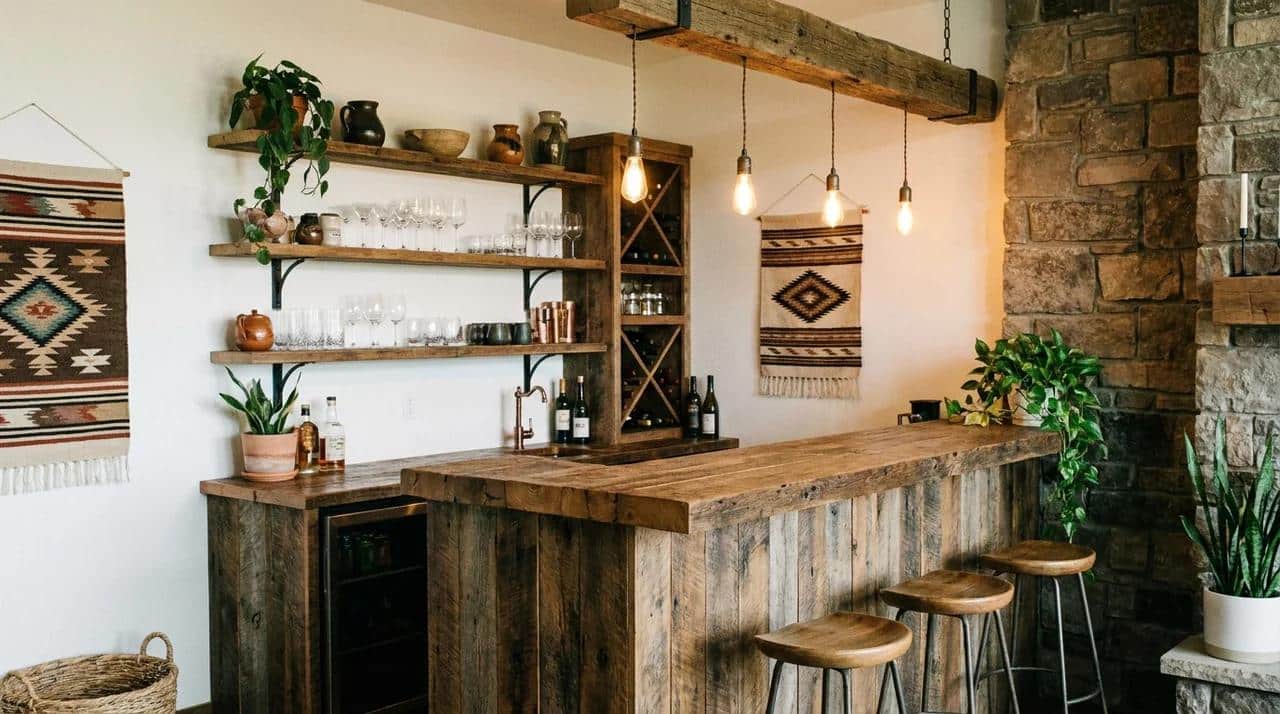
A rustic beverage station adds a practical entertaining area while maintaining the style’s warmth. Wooden counters, open shelves, glassware, and natural finishes create a dedicated corner without taking up much space.
Warm lighting and simple accessories help the area blend naturally with the rest of the home.
Traditional Rustic vs Modern Rustic Design
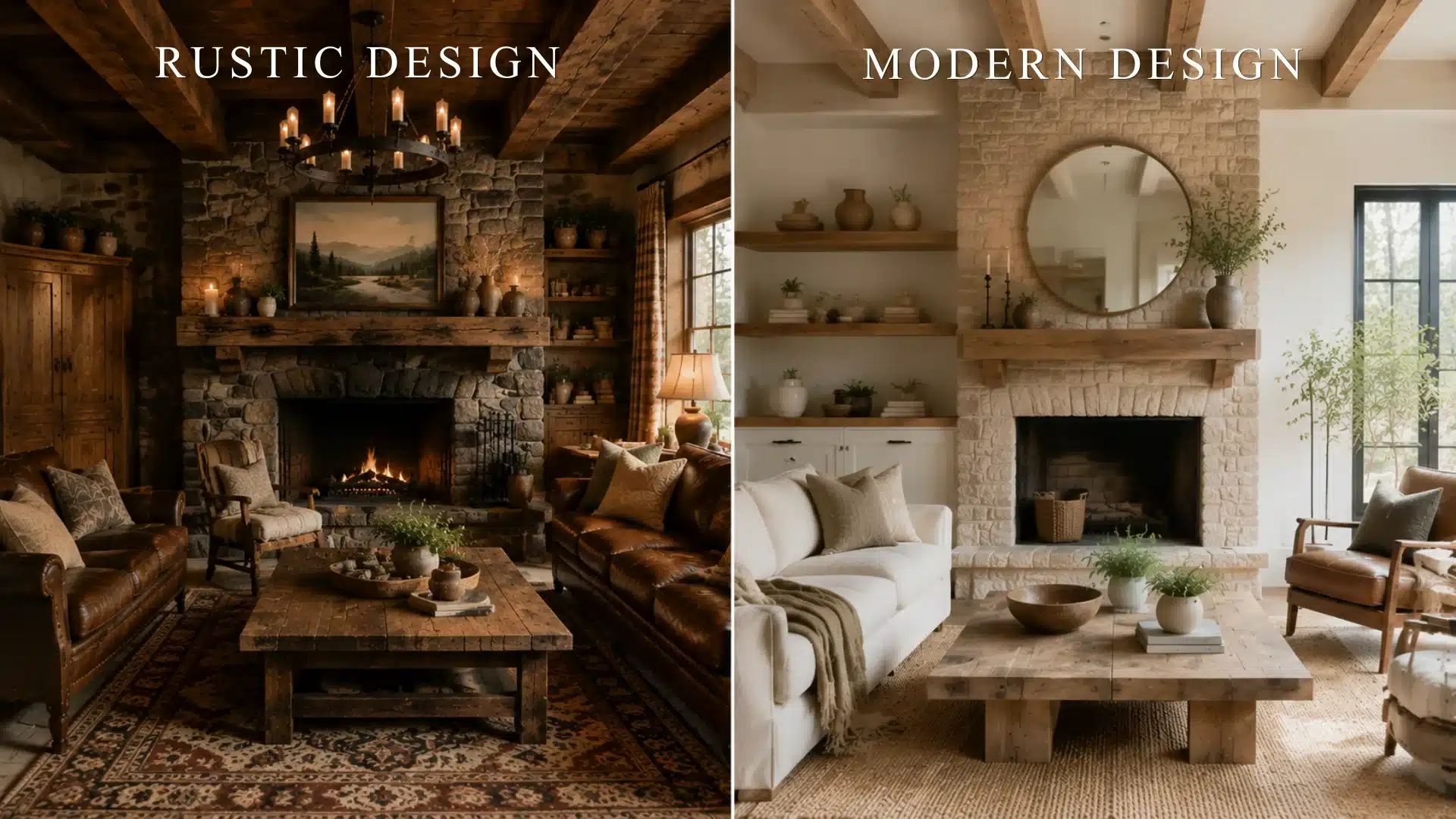
Modern rustic design retains the warmth of traditional rustic style while giving it a cleaner, lighter appearance. Instead of filling a room with heavy wood finishes, it uses natural materials more sparingly.
The color palette often includes soft neutrals, warm whites, and earthy shades that create an open feel. Furniture tends to have simpler shapes, with pieces like linen sofas or streamlined chairs replacing oversized designs.
The style combines aged materials with modern forms. Rustic details provide texture, while contemporary elements keep the room fresh and practical.
| Traditional Rustic | Modern Rustic |
|---|---|
| Dark wood throughout | Balanced wood accents |
| Large, heavy furniture | Custom furnitures |
| Decorative approach | Simple and purposeful details |
Modern rustic design creates a comfortable space that feels natural without looking outdated.
Blending Rustic Style with Modern Aesthetics
Rustic design works well with many interior styles because natural materials create a flexible foundation.
Wood, stone, leather, and woven textures can take on a different character depending on the elements paired with them. Here are some popular combinations and how they work.
1. Rustic Modern Design
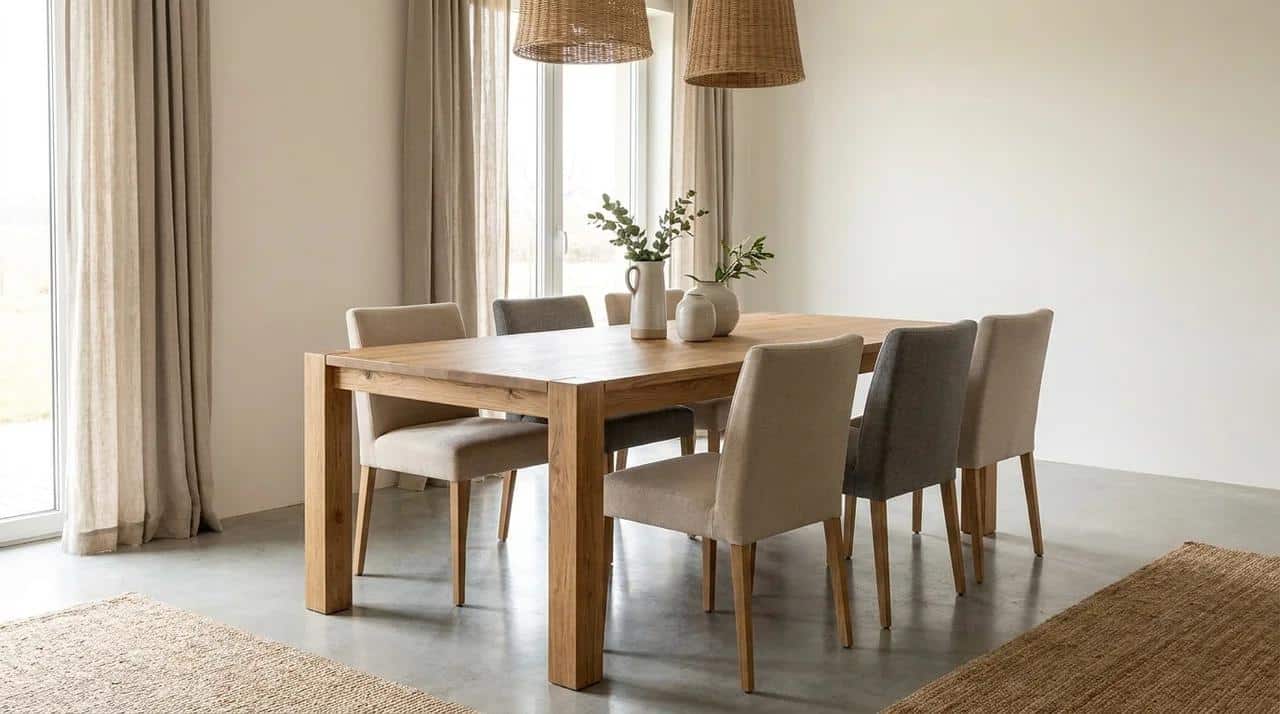
A wooden dining table paired with clean-lined chairs creates a balanced look, where the wood adds warmth and the chairs keep the space refined.
Soft neutrals such as warm white, beige, and gray help connect both styles. Concrete surfaces, linen fabrics, and minimal accessories support the look without taking attention away from the natural materials.
2. Rustic Farmhouse Design
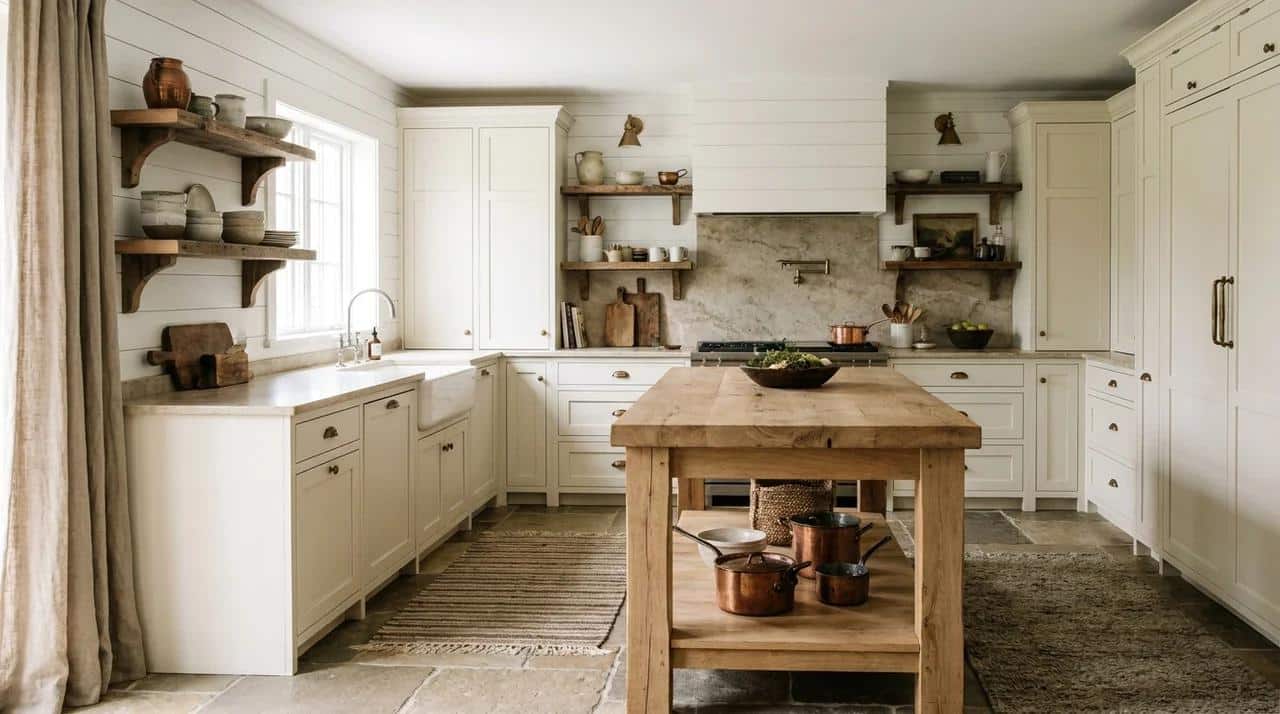
Rustic and farmhouse styles share many similarities, including wood finishes, neutral colors, and a focus on comfort.
The main difference is that farmhouse design draws more inspiration from practical rural living, while rustic style has a broader connection to nature, with open shelving, apron sinks, and shiplap walls.
3. Rustic Industrial Design
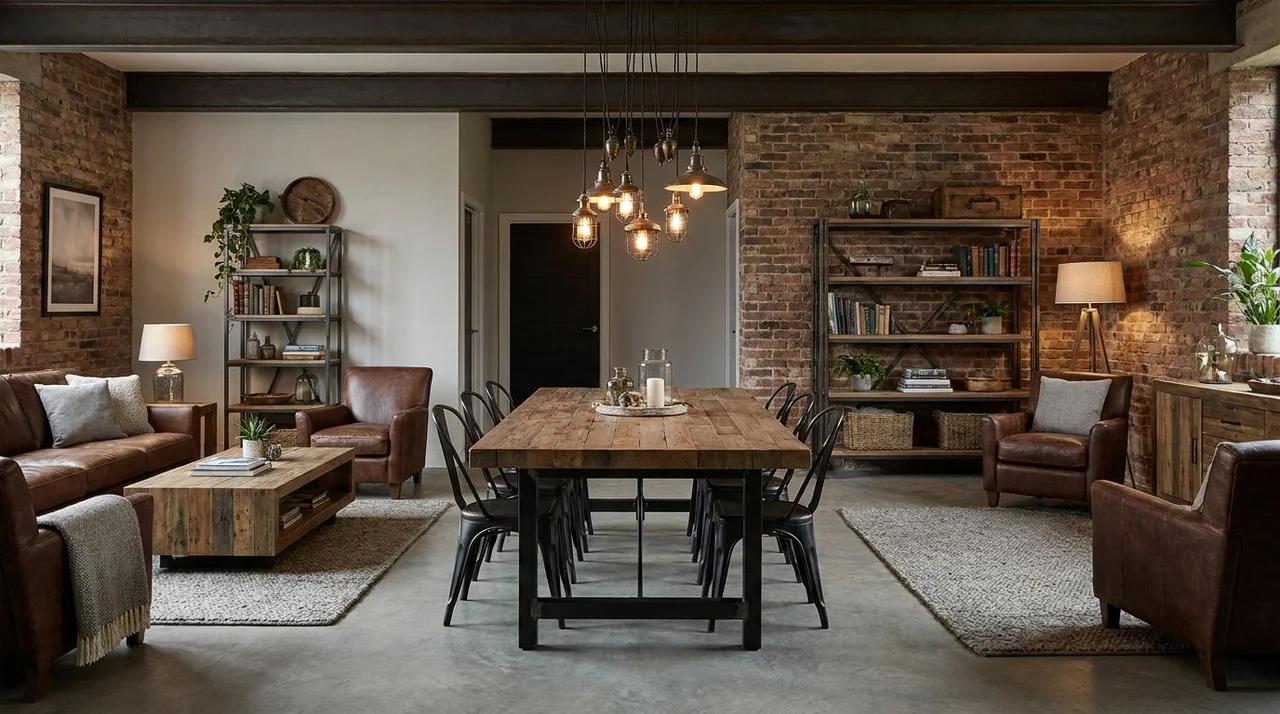
Rustic industrial style creates contrast by combining warm materials with stronger structural elements. Reclaimed wood works well with metal, exposed brick, concrete, and iron details.
The balance between materials is important. Warm wood tones help soften the harder look of industrial features, while metal accents add structure and depth.
4. Rustic Scandinavian Design
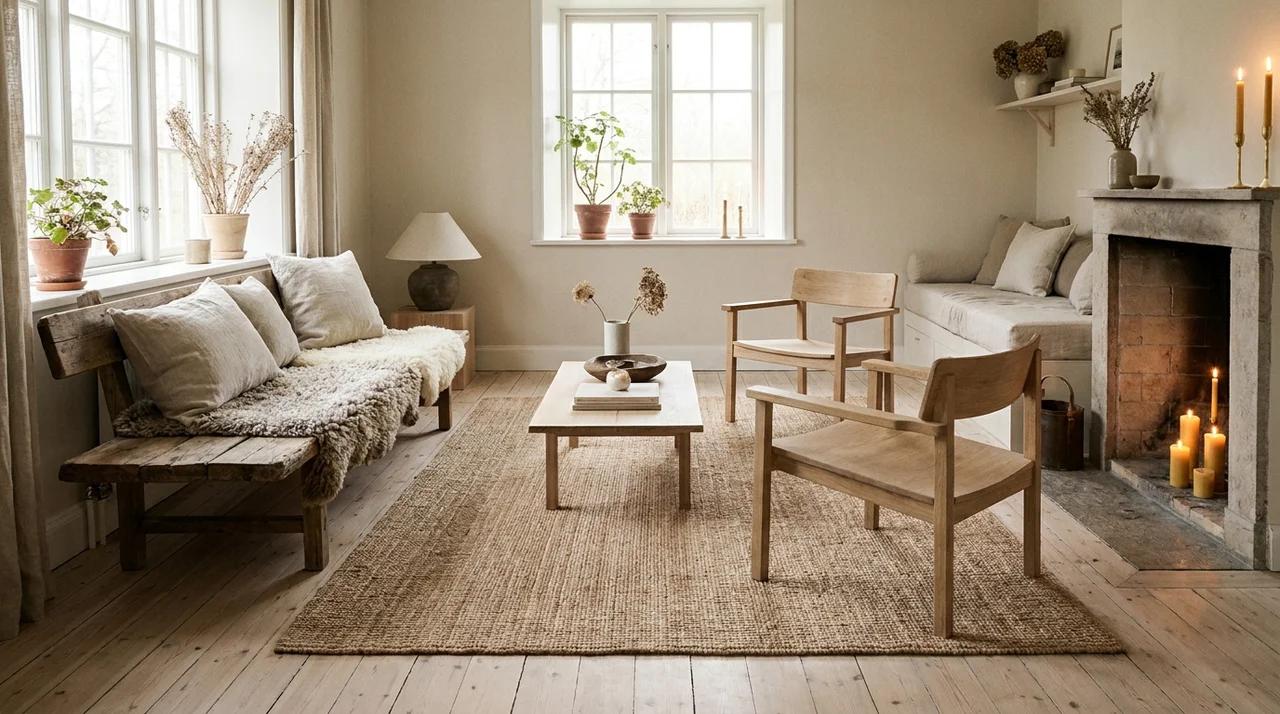
A Scandinavian design blends natural materials with simple, functional styling. Both styles value wood, wool, and comfortable textures, but Scandinavian interiors usually use lighter colors and cleaner forms.
Birch and ash woods often replace darker timber, creating a brighter appearance. Simple furniture, soft fabrics, and subtle decor keep the space calm.
Mistakes That Can Ruin a Rustic Interior Design Style
Rustic interiors depend on balance. Too many heavy materials, decorations, or dark tones can make the space feel crowded instead of comfortable.
- Using too much wood: Too much wood can make a room feel dark and heavy. Balance it with lighter colors and fabrics.
- Adding too many vintage pieces: Too many old pieces can create clutter. Use a few statement items for character.
- Choosing harsh lighting: Cool lighting can make rustic spaces feel cold. Use warm lights for a cozy feel.
- Creating a flat color scheme: Only using dark tones can make the room feel dull. Add lighter shades for balance.
- Filling every surface with décor: Too much décor can make the space feel crowded. Keep only meaningful pieces.
- Ignoring furniture size: The wrong-sized furniture can affect comfort and flow. Choose pieces that fit the room.
How to Add Rustic Style on a Budget?
Rustic interiors do not always require major renovations or expensive materials.
You can achieve a rustic style without expensive renovations. Small upgrades, secondhand finds, and simple DIY projects can add natural textures, warmth, and character while keeping costs low.
| Rustic Update | How it adds rustic style | Average cost |
|---|---|---|
| Reclaimed wood accents | Adds natural texture through shelves, wall panels, or small décor pieces | $20–$150 |
| Thrifted furniture | Brings aged character and a lived-in feel to the space | $50–$300 |
| Furniture refinishing | Creates a rustic finish by highlighting natural wood grain | $30–$100 |
| Natural fabric décor | Adds warmth with linen curtains, woven rugs, and cozy throws | $25–$200 |
| Vintage accessories | Adds personality through baskets, pottery, and antique-style pieces | $10–$100 |
| Warm lighting upgrades | Creates a cozy atmosphere with softer, rustic-inspired lighting | $20–$150 |
Start with a few meaningful changes instead of replacing everything. Rustic interiors feel best when they combine natural materials, comfort, and personal touches.
Frequently Asked Questions
Is modern rustic still in style?
Yes, modern rustic remains popular because it combines natural materials, cozy textures, and clean designs for a comfortable yet contemporary look.
How do I make my house look more rustic?
Use reclaimed wood, stone, textured metals, earthy colors, vintage accents, and warm lighting to bring a rustic feel into your home.
What colors make a rustic look?
Rustic interiors often use cream, beige, brown, gray, muted greens, and other earthy tones to create a warm and relaxed atmosphere.
What stain works best for a rustic look?
Dark walnut, classic gray, and aged barrel stains create a weathered wood appearance that adds rustic character to furniture and surfaces.
Can rustic design work in a small home?
Yes, rustic design works well in small spaces by using simple furniture, natural textures, and warm colors.
What stain works best for a rustic look?
Dark walnut, weathered gray, and aged oak stains create a rustic finish with a natural, reclaimed wood appearance.
Bringing Nature’s Warmth into Your Home
Rustic interior design is more than a decorating style, it is a way of creating spaces that feel warm, personal, and connected to nature.
By combining natural materials, earthy colors, handcrafted details, and comfortable textures, rustic interiors create a relaxed, timeless atmosphere.
Whether you add a few rustic touches or embrace the style throughout your home, the focus remains on simplicity, comfort, and authenticity.
The beauty of rustic design comes from celebrating imperfections and creating a space that feels lived-in, welcoming, and uniquely yours.