




Ever bought a beautiful piece of furniture, only to realize it is too big, too small, or just not right for your space? That is exactly why custom furniture exists.
I see it as furniture made around a real room, a real lifestyle, and a clear purpose. Standard store-bought pieces can make a room feel complete, but they do not always fit or function the way you need.
Custom furniture gives you more control over size, style, comfort, storage, and materials, so you do not have to settle for “close enough.”
Here, you will learn what it means, how it differs from ready-made options, its main types, and why it can be a smarter choice.
What is Custom Furniture?
Custom Furniture is the furniture designed, built, or modified to match your size, style, material, comfort, and functional needs.
It may also be called custom-made furniture, bespoke furniture, or made-to-order furniture, depending on how much control you have over the final design. Furniture can make a room feel finished, but standard store-bought pieces do not always fit the way you need them to.
That is where custom furniture becomes useful. When I think about custom furniture, I think of pieces made around a real space, a real lifestyle, and a clear purpose.
The Four Types of Custom Furniture
Not every custom furniture piece is made the same way. The differences matter, especially when it comes to cost, lead time, and how much control you actually get. Here’s how they break down:
1. Fully Custom Furniture
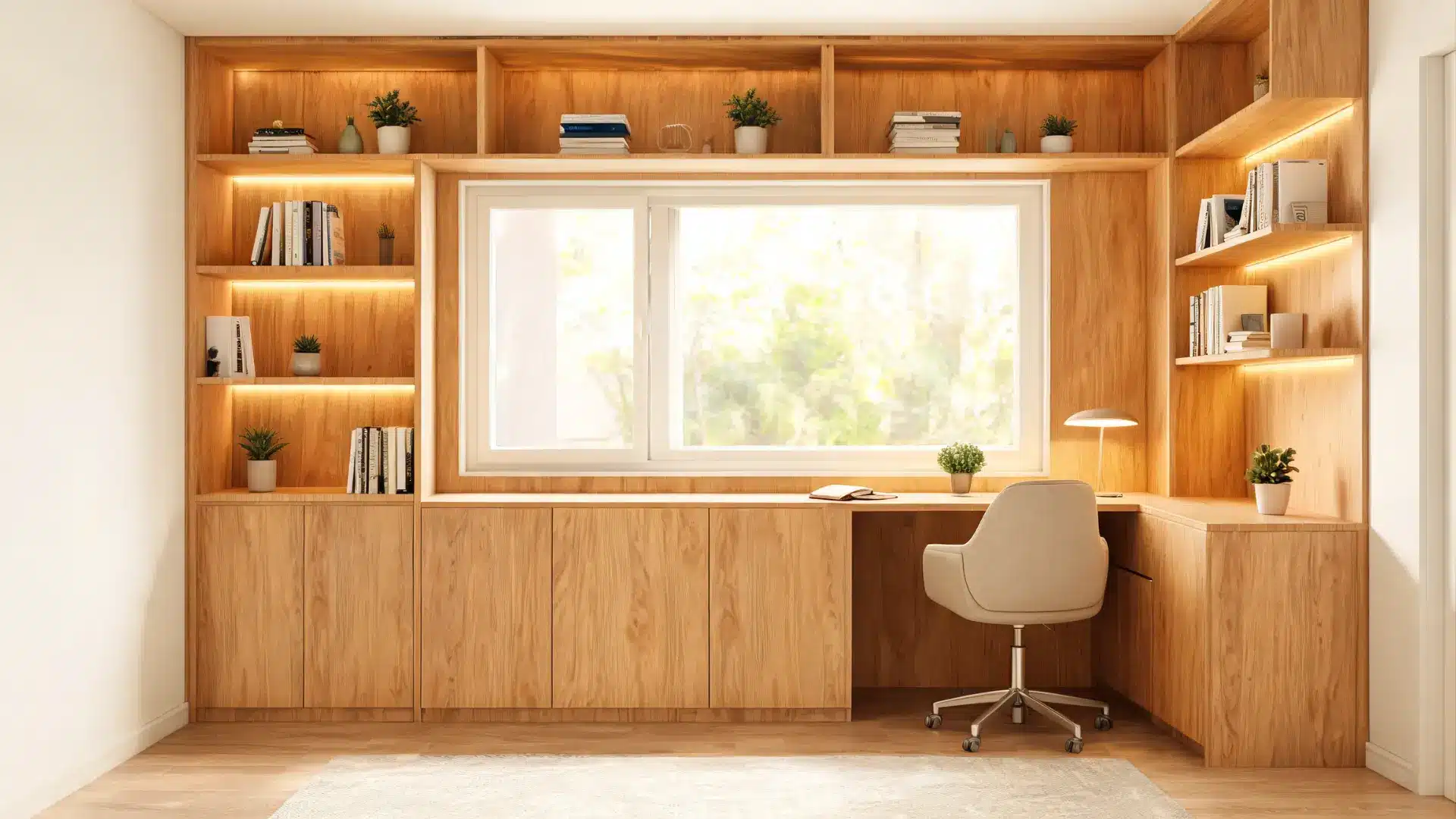
Fully custom furniture starts from a blank slate. You bring a room problem or a specific need, and a designer or furniture maker builds something new around it.
The process typically includes a consultation, exact measurements, design sketches or 3D drawings, material selection, and a final approval before anything gets cut.
This is the option for people with genuinely unusual spaces: a wall-to-wall bookshelf that works around an existing window, a dining table scaled to a narrow galley-style room, a bed built to use every inch of a small bedroom. Lead times are longest here, and so is the cost. But you walk away with something that exists nowhere else.
2. Customized Furniture
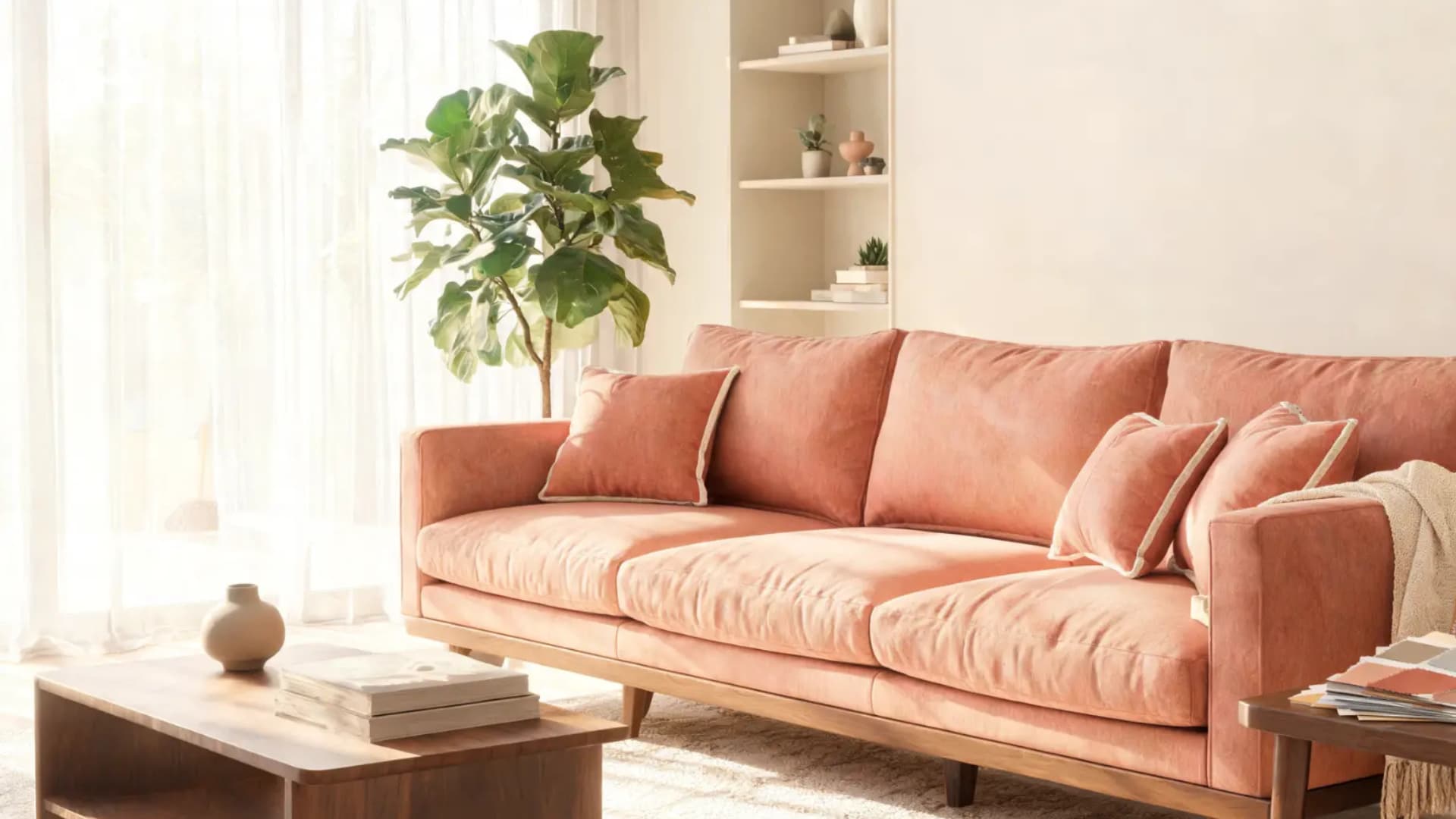
Customized furniture starts with an existing design but lets you change specific details, fabric, leg finish, cushion firmness, and dimensions. You’re not building from scratch, but you’re not stuck with what’s on the floor either.
A sofa you can specify in 12 fabrics and three depth options is customized furniture, not fully custom. It’s a reasonable middle ground for most homeowners who want something that fits their space better than the standard version.
3. Made-to-Order Furniture
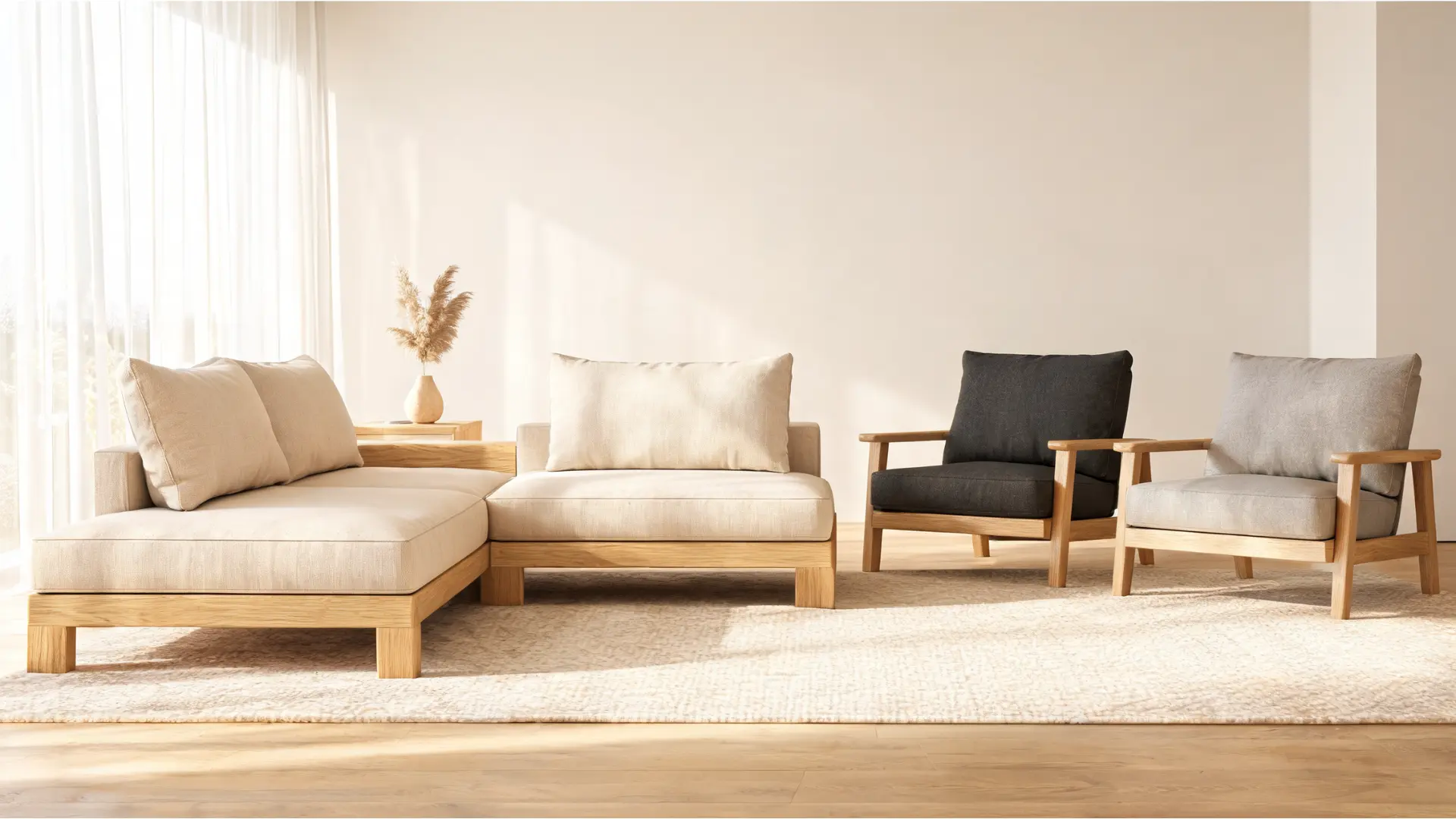
Made-to-order furniture is built only after you place your order. The design template is fixed, but you choose from available options, fabric, finish, and size tier.
Think of it as a step above ready-made: more choice than walking into a store, less freedom than specifying a piece from the ground up. Production begins after you commit, which means longer delivery times than stock furniture but usually shorter than fully custom work.
4. Bespoke Furniture
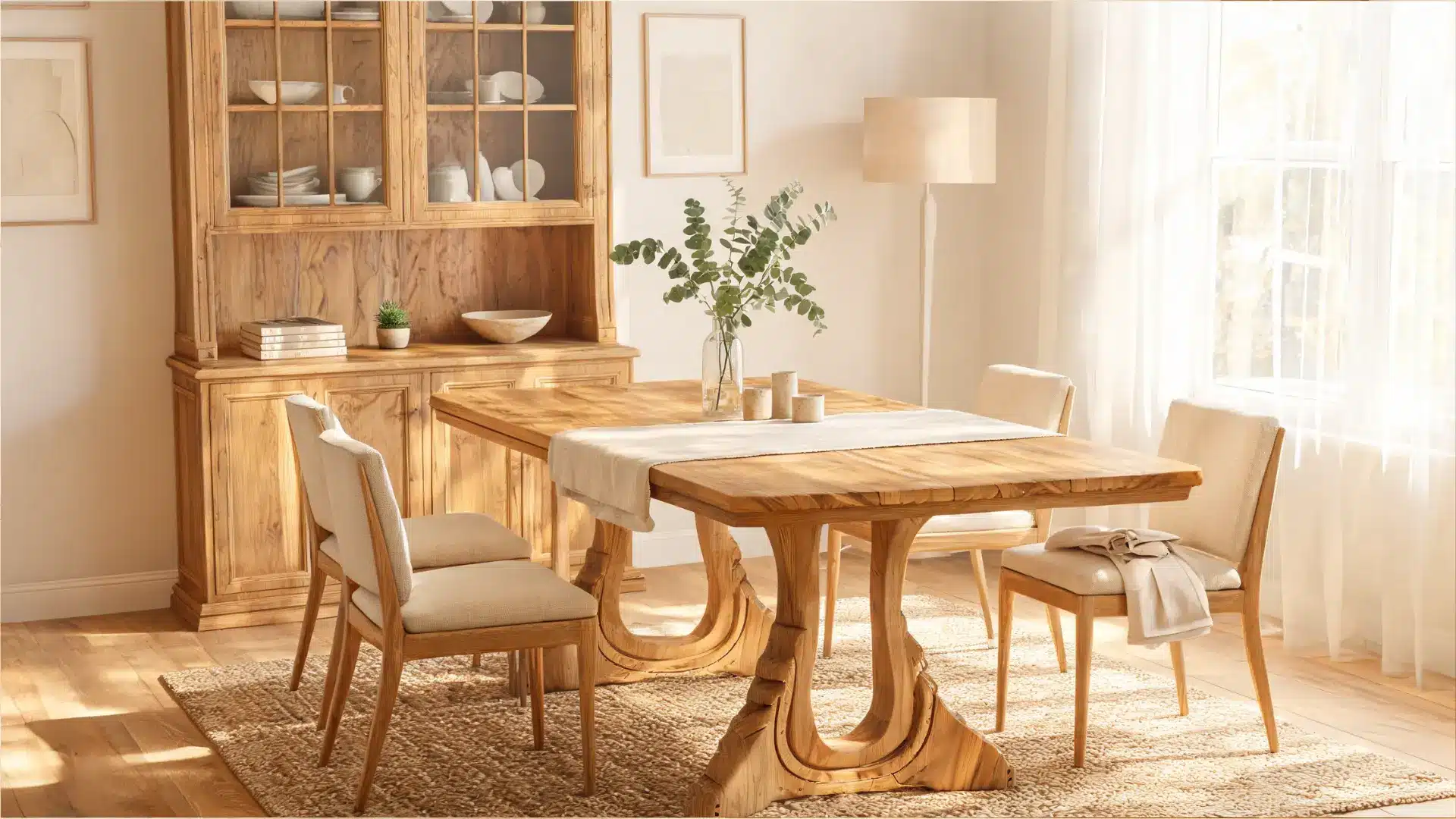
Bespoke is often used interchangeably with “fully custom,” but in practice, it tends to signal handcrafted construction and a stronger emphasis on premium materials.
A bespoke piece is made for one client. It reflects their room, their use case, and usually their taste for craftsmanship over convenience. If you’re comparing options, the word “bespoke” usually means the maker is working in solid wood with traditional joinery rather than flat-pack components.
Understanding which category a piece falls into helps you evaluate the quote you’re getting. A “customized” piece priced like a fully custom one is worth questioning.
Custom vs. Ready-Made: Where the Real Differences Are
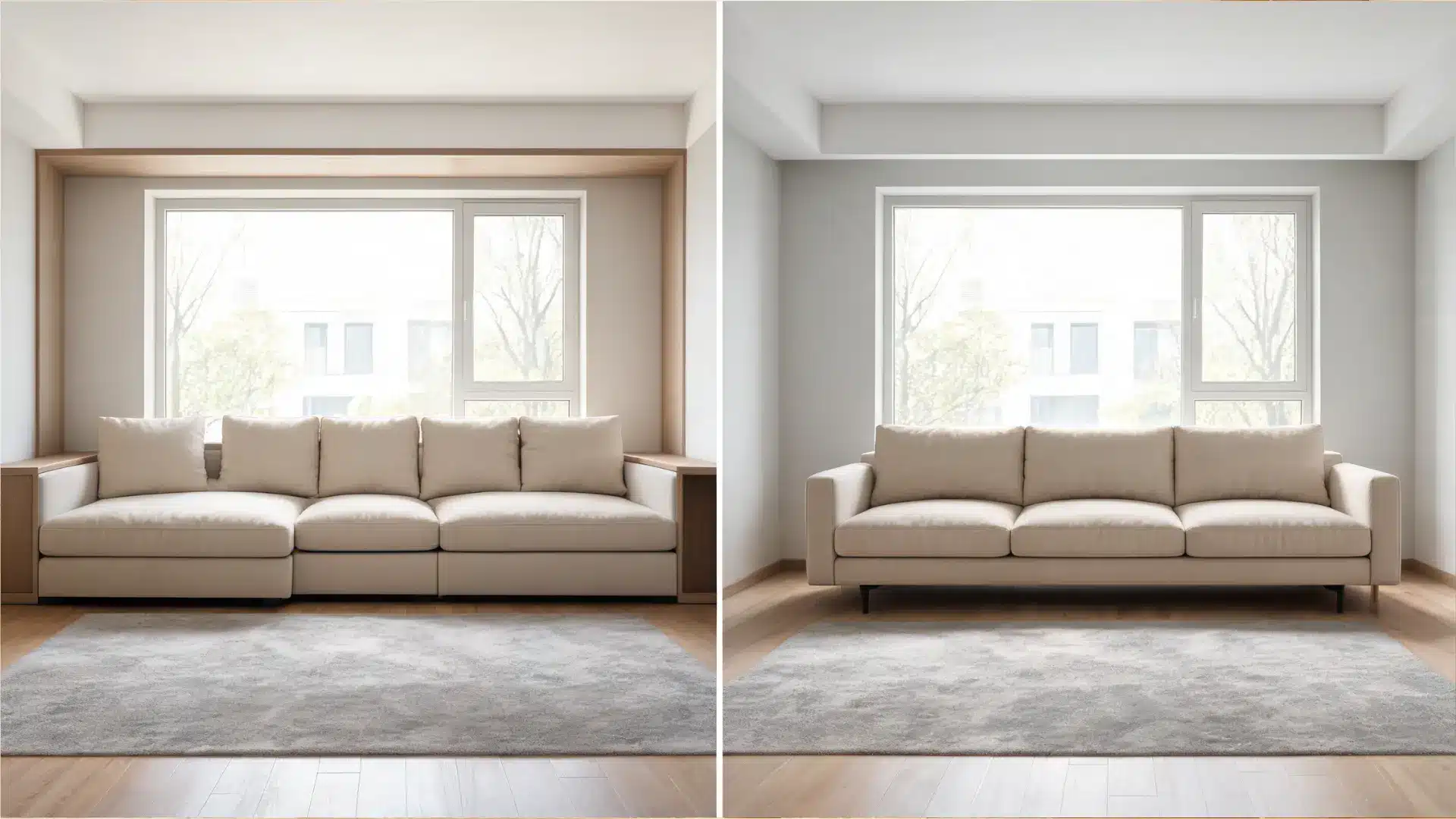
Ready-made furniture is mass-produced to standard sizes. You pick it, pay for it, and have it in days or weeks. That speed and accessibility is a real advantage when it matters. Custom furniture inverts the process: you define what you need, and the piece gets built around that. The trade-off is time and upfront cost.
| Feature | Custom Furniture | Ready-Made Furniture |
| Design | Built or modified for your needs | Pre-designed to standard templates |
| Size | Exact measurements of your room | Fixed standard sizes |
| Materials | Chosen by you, often solid wood | Pre-selected, often engineered wood |
| Timeline | 4–16 weeks, depending on complexity | Days to a few weeks |
| Cost | Higher upfront | Lower upfront |
| Durability | Usually solid construction, longer lifespan | Varies widely by price point |
| Returns | Usually not possible after approval | Easier to return within policy windows |
The honest read on this: ready-made furniture is the right call when you need something quickly, have a tight budget, or are furnishing a space you won’t be in long. Custom furniture earns its cost when you’re staying put, the room has a layout that standard pieces can’t solve, or you want something that still looks right in 20 years.
How Custom Furniture Actually Behaves Over Time
This is where most buying guides stop short. Knowing what custom furniture looks like, new is the easy part — what matters more is how it performs after years of daily use.
Solid wood custom pieces age in ways that engineered wood doesn’t. Oak and walnut develop a patina that typically improves their appearance over time. A well-joined solid wood frame won’t rack or sag the way particleboard does under sustained load.
Dovetail drawer boxes outlast drawer slides on budget pieces by decades. That said, solid wood species like oak move with humidity; a custom oak dining table will expand and contract slightly with the seasons. A good maker accounts for this in how the top is attached to the base. A bad one doesn’t, and you find out when the top splits three years later.
For upholstered custom pieces, the frame matters more than the fabric. An 8-way hand-tied spring construction in a custom sofa will outlast a sinuous spring frame regardless of how good the fabric looks on day one. If you’re specifying a custom sofa, ask about the frame and spring system before you discuss fabric.
The other long-term consideration is repair and refinishing. A solid wood custom piece can be sanded, refinished, and reupholstered. Most ready-made furniture, once worn, gets replaced. Over a 20-year horizon, the economics of custom often look better than the upfront price suggests.
Materials Used in Custom Furniture
Material choice is where custom furniture decisions get made or wasted. Here’s how the most common options compare for furniture use:
| Species / Material | Janka Rating (lbf) | Best Furniture Use | Typical Cost (board ft) | Durability |
| White Oak | 1,360 | Tables, cabinets, bed frames | $6–$12 | Excellent |
| Walnut | 1,010 | Dining tables, desks, shelving | $10–$20 | Very Good |
| Hard Maple | 1,450 | Workbenches, chairs, drawers | $5–$10 | Excellent |
| Cherry | 950 | Cabinets, dressers, bed frames | $7–$14 | Good |
| Teak | 1,155 | Outdoor furniture, indoor tables | $20–$40 | Excellent (moisture-resistant) |
| Pine (soft) | 870 | Shelving, casual pieces, kids’ furniture | $3–$6 | Fair (dents easily) |
Teak is listed here because it’s also one of the more durable woods for outdoor furniture, where moisture resistance matters as much as hardness.
Beyond wood, custom furniture regularly uses metal for frames and legs (especially in modern and industrial designs), glass for tabletops and cabinet faces, and upholstery materials including cotton, linen, velvet, leather, and performance fabrics for seating.
Finishes, oil, lacquer, stain, paint, wax, protect the wood and determine the final visual character of the piece.
Finish Interaction: What Works and What Doesn’t
The finish choice depends on the species and the intended use. This is something many buyers overlook until it’s too late to change.
Oil finishes (like Rubio Monocoat or Osmo) penetrate the wood surface and let it breathe. They’re ideal for walnut and oak; they deepen the grain without a plastic sheen, but they require periodic reapplication, typically every 1–3 years on a dining table.
Lacquer and conversion varnish create a hard surface film. They’re more durable against water and daily wear, but can yellow over time on lighter species and are harder to spot-repair. Wax is fine for display pieces or low-wear surfaces, but has no place on a kitchen table or a desk that sees daily coffee cups.
Hard wax oil gives you a middle ground on species with open grain like ash or oak, good durability with a more natural look than lacquer.
One thing to check before approving a custom order: ask the maker what finish they’re applying and why. A maker who can’t explain their finish choice in relation to your specific species and use case is a concern.
The finish you choose also affects how a piece reads in a room. Walnut with an oil finish and walnut under lacquer look noticeably different, the oil version reads darker and richer, the lacquer version brighter and slightly more uniform. If you’re combining a custom piece with existing furniture, matching wood tones across pieces depends as much on finish type as it does on species.
The Budget Reality Check on Custom Furniture
Custom furniture costs more than ready-made. That’s not the question. The question is where the cost is justified and where it isn’t.
The price premium on fully custom furniture is real — a custom solid oak dining table might run $2,000–$5,000, where a comparable ready-made piece costs $600–$1,200. Most of that gap is labor: design time, joinery, hand-finishing. You’re also paying for made-to-measure fit and material quality you can verify before you sign off.
Where people overpay: choosing custom for pieces where standard sizes work fine. A 72-inch dining table is a standard size for a reason, if it fits your room, a well-made, ready-made piece in solid wood can do the job at a fraction of the price.
Where custom earns its cost: built-ins and room-specific pieces. A wall-to-wall storage unit or a desk built into an alcove can’t be replicated by a standard piece. The fit is functional, not cosmetic, and the price reflects work that simply can’t be done any other way. The same logic applies to awkward rooms — low ceilings, sloped walls, or unusually narrow spaces where standard furniture wastes significant floor area.
The other honest caveat: “custom” doesn’t always mean better construction. Some custom shops use engineered wood cores with solid wood faces and charge full custom prices. Ask specifically: is the carcass solid wood or veneered MDF? For painted pieces, that distinction matters less. For stained or oiled natural wood, it matters a lot.
Is Custom Furniture Worth It?
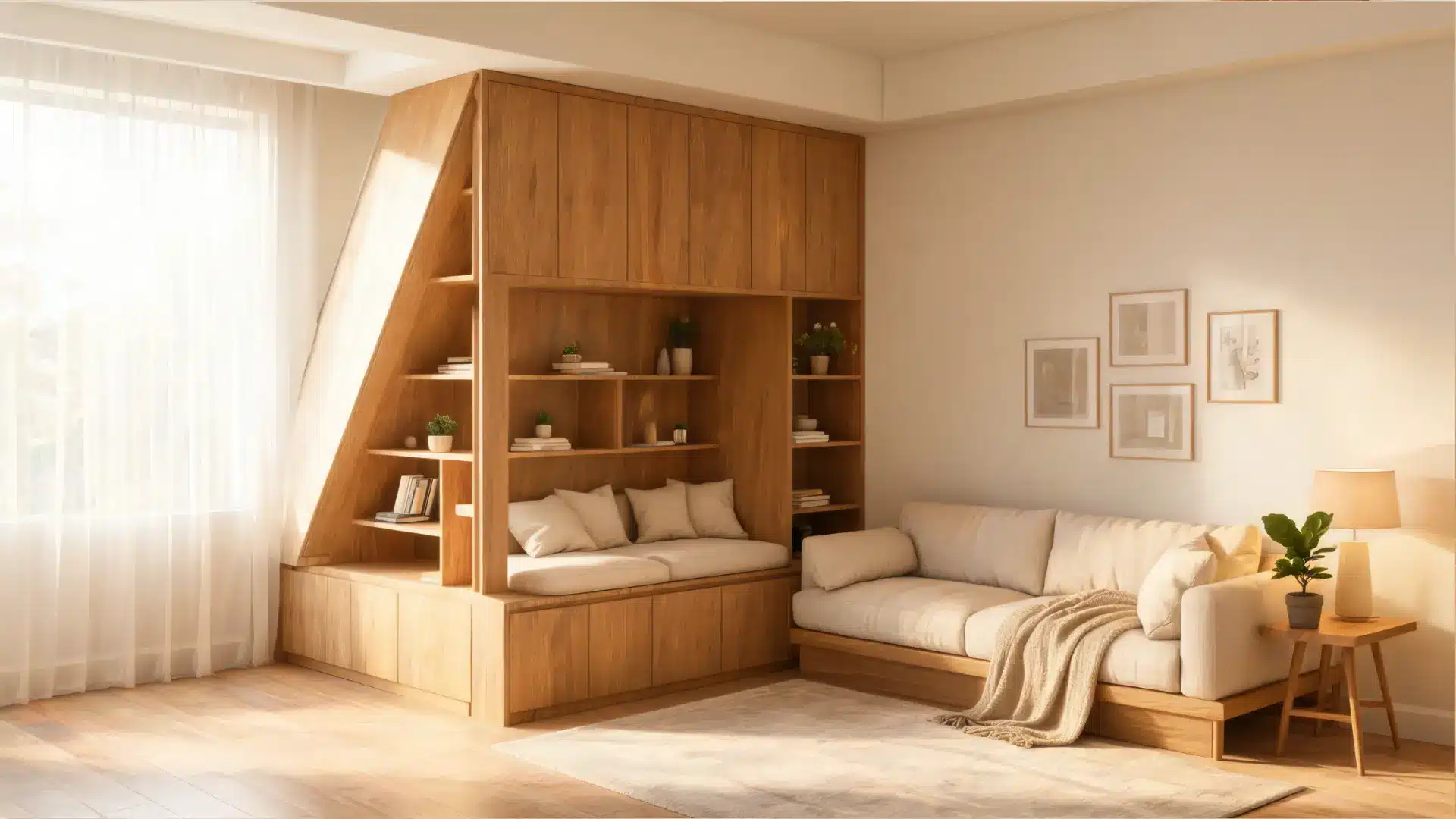
Here’s my actual position on this: custom furniture is worth it for three situations, and borderline in most others.
First, built-ins and room-specific pieces. If the piece needs to fit a specific wall, alcove, or layout, custom is the only option that makes the space work properly.
Second, long-term anchor pieces in rooms you’re staying in. A solid wood dining table you’ll use for 25 years is a different financial calculation than a sofa you’ll replace in seven.
Third, when you have an unusual comfort or functional need that standard options don’t address, specific ergonomic requirements, specific storage configurations, or accessibility needs.
Where custom furniture is harder to justify: pieces that see light use, rooms you’re furnishing temporarily, or situations where a well-made, ready-made piece in solid wood (not particleboard) does the job.
There are good, ready-made options in solid oak and walnut that perform well over time. Custom for its own sake, when a standard piece actually fits, is an expensive way to prove a point.
How the Custom Furniture Process Works
The process varies by maker, but most custom furniture projects follow the same sequence. Knowing it in advance helps you ask better questions and avoid delays.
Consultation: You describe the space, the need, and your preferences. A good maker asks about room dimensions, how the piece will be used, who uses it (kids? pets? heavy daily use?), and what materials you’re drawn to or want to avoid.
Measurements and planning: The space gets measured carefully: wall dimensions, ceiling height, door clearances, and traffic paths. For built-ins especially, this stage determines everything that follows.
Design concept: Sketches, technical drawings, or 3D renders, depending on the complexity of the piece. This is the stage to push back; changes after approval are expensive.
Material and finish selection: You choose species, finish type, upholstery if applicable, and hardware. Samples matter here; seeing a finish on the actual wood you’re ordering is different from seeing it on a generic sample board.
Approval and production: Once you sign off, production begins. Lead times for custom furniture in the US typically run 6–14 weeks for smaller pieces, longer for complex built-ins or high-demand makers.
Delivery and installation: Inspect the piece carefully at delivery: fit, finish quality, drawer function, joint alignment. Issues flagged at delivery are easier to resolve than issues raised three months later.
Custom Furniture vs. Customized Furniture: The Practical Difference
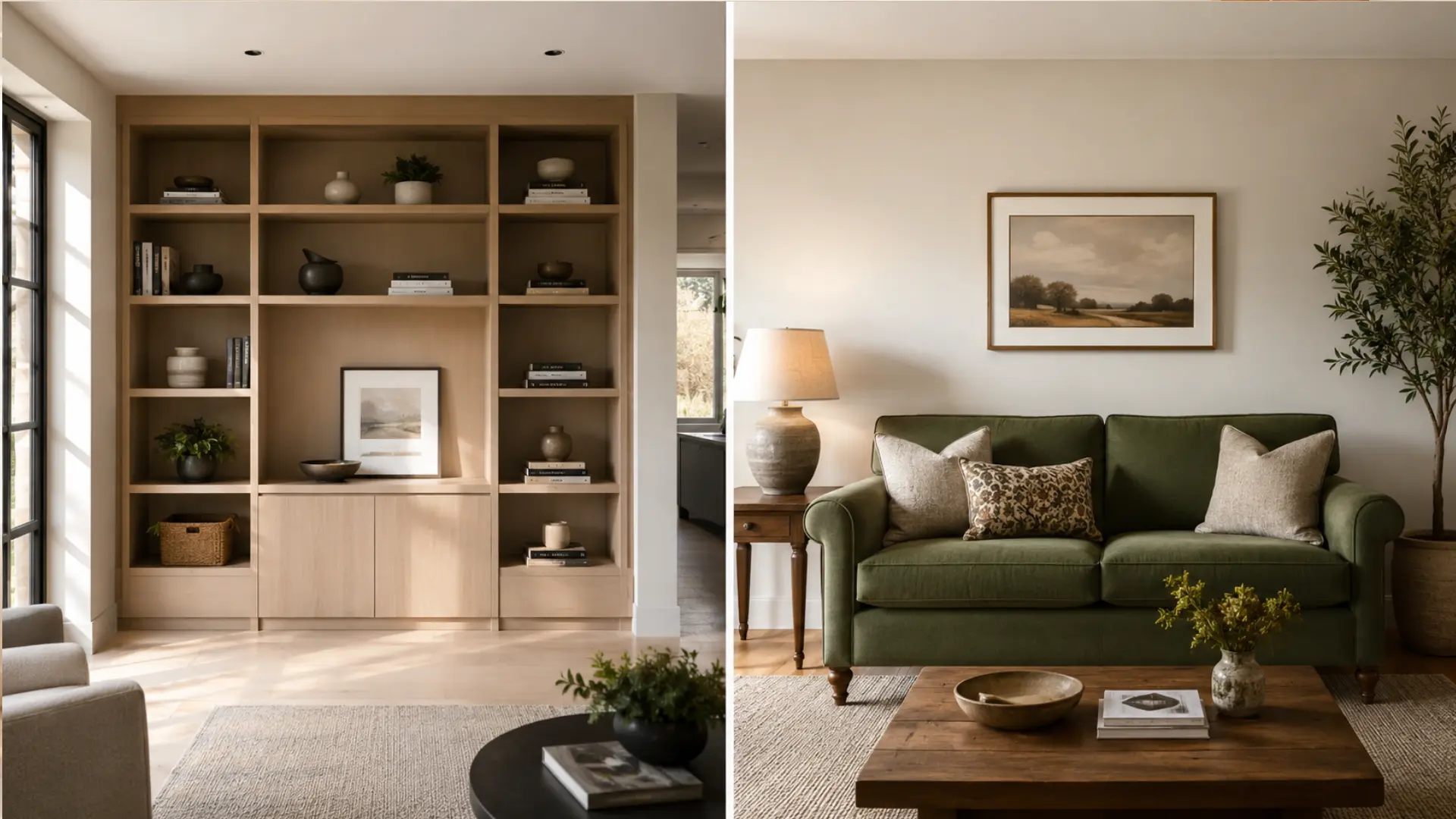
Custom furniture starts from nothing. Customized furniture starts from an existing design with adjustable parameters. In practice, the choice between them usually comes down to what you actually need changed.
| Point of Difference | Custom (fully) | Customized |
| Starting point | New concept based on your needs | Existing design with adjustable options |
| Design control | Full: shape, size, material, joinery, finish | Limited: color, fabric, size tier, finish |
| Best for | Unusual spaces, built-ins, specific functional requirements | Standard layouts where stock sizes almost fit |
| Timeline | Longer — design, approval, and production | Faster — base design already exists |
| Cost | Higher — design labor is a real cost | More affordable than fully custom |
| Example | Wall-to-wall shelving unit built around an existing window | Standard bookshelf in a different color or slightly taller |
If you’re trying to change color, fabric, or add 4 inches to a standard shelf height, customized furniture is likely the right move. If you need something that doesn’t exist in any catalog, that’s a fully custom project.
Common Examples of Custom Furniture in Real Rooms
Custom furniture appears in residential spaces most often, where standard pieces create layout problems.
Common projects include sectional sofas sized for open-plan rooms, storage beds for bedrooms without closet space, built-in desks for home offices with specific wall configurations, wardrobes fitted to sloped ceilings or awkward alcoves, and media units designed to manage specific AV equipment.
In minimalist bedroom layouts, a custom bed frame with integrated drawer storage is often the cleanest solution to the storage problem in rooms where adding a dresser breaks the sightlines.
Commercial spaces use custom furniture heavily because branded consistency and heavy use both require pieces that standard catalogs don’t cover, hotel room furniture built to specific dimensions, restaurant banquettes fitted to irregular floor plans, and reception desks that match brand materials.
Questions to Ask Before You Order
Before committing to any custom furniture order, work through these questions. They clarify the brief and help the maker give you an accurate quote:
- What specific problem does this piece need to solve — fit, storage, function, or all three?
- What are the exact measurements the piece must work within?
- Is the carcass solid wood or veneered engineered wood?
- What finish are you applying, and why that finish for this species?
- How does the piece account for wood movement (expansion/contraction)?
- What is the joint construction on drawers and frames?
- What drawings, samples, or renders will I see before approval?
- What’s the lead time, and what causes it to change?
- Can this piece be refinished or reupholstered in the future?
- What’s included in delivery — will the piece be installed, or just dropped?
A maker who can answer all of these without hesitation is worth the premium. One who deflects on the joinery or finish questions is a reason to pause.
Frequently Asked Questions About Custom Furniture
These are the questions I hear most from people who’ve already measured their space and are trying to decide whether custom is the right move.
How long does custom furniture take to make?
Most custom furniture takes 6–14 weeks from deposit to delivery. Complex built-ins or high-demand makers run 16–20 weeks. If a shop quotes you under 4 weeks on a fully custom piece, ask what’s actually custom about it.
Is custom furniture more expensive than ready-made?
Yes, almost always. A custom solid oak dining table runs $2,000–$5,000. A comparable ready-made piece in solid wood typically costs $600–$1,500. You’re paying for design labor, exact fit, and material specification — all legitimate costs when the piece needs to be right.
What is the difference between custom and bespoke furniture?
In practice, bespoke usually signals handcrafted and premium materials; custom is the broader category. Both are made to your specifications. Bespoke tends to imply a higher level of joinery and maker craftsmanship than the word “custom” alone conveys.
Can custom furniture be made from sustainable wood?
Yes. FSC-certified wood is widely available through US custom furniture makers. Ask for it specifically; it won’t be offered automatically. Some makers also work with reclaimed timber, which carries its own structural considerations around stability and drying.
What wood is best for custom furniture?
For tables and structural pieces, white oak and hard maple are the most reliable choices — good Janka hardness, widely available, and they take oil and stain finishes well. Walnut is the premium option for visible grain character. For pieces with heavy daily wear, avoid cherry and pine as primary structural wood.
How do I find a reliable custom furniture maker?
Ask for examples of finished pieces in the specific species and finish you want — not portfolio photos of other styles. Visit the shop if you can. And get a written specification document before you pay a deposit: species, grade, finish type, joint construction, and timeline should all be in writing.
Does custom furniture hold its value?
Solid wood custom pieces in oak or walnut hold value reasonably well compared to flat-pack furniture, which depreciates to near-zero. A well-made custom dining table in solid walnut has real resale value. The same is not true for MDF-core pieces, regardless of what they cost new.
Final Verdict
Investing in your home means choosing pieces that actually serve your daily life rather than forcing your lifestyle to fit standard showroom dimensions.
I believe the true value of custom furniture comes down to solving real layout problems, securing long-term durability, and gaining total material control.
From choosing the ideal hard maple or white oak to selecting the right resilient finish, you now have the exact blueprint to evaluate quotes and collaborate confidently with makers.
Think about your own home’s most challenging layout or awkward alcove.
Which specific room problem are you ready to solve with a tailored piece? Drop your thoughts in the comments below, or check out our related guides to start planning your project.
Sources
- Janka hardness values: Wood Database (thewooddatabase.com), verified species entries
- FSC certification standards: Forest Stewardship Council (fsc.org)
- NHLA grading rules for hardwood lumber: National Hardwood Lumber Association (nhla.com)
- Cost ranges based on US market data, 2024–2025