

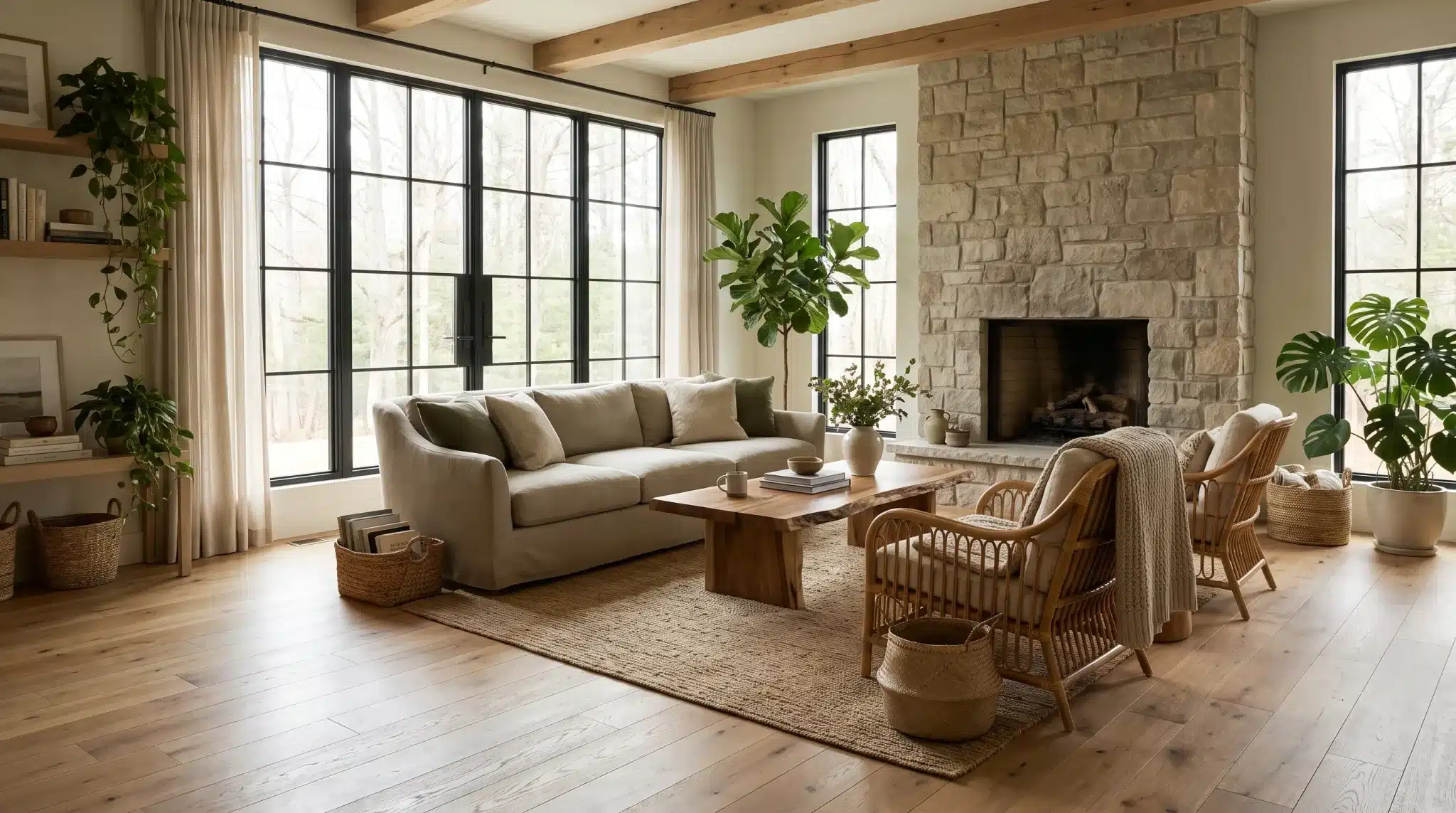


While building my home, I knew I did not want it to feel like a space made only of concrete, glass, and polished surfaces.
I wanted it to have a sense of life, warmth, and connection, something that changed with the light, the seasons, and everyday moments.
I imagined rooms filled with natural sunlight, the softness of wood and stone, the movement of plants, the calmness of water, and colors that echoed the outdoors.
That feeling is what drew me toward biophilic interior design. By bringing together natural elements, organic textures, earthy tones, and sensory details, I made my home more than a place to live.
It became a space that felt grounded, personal, and connected to the world outside.
11 Ways to Bring Biophilic Design Into Your Home
Biophilic design does not mean turning your home into a greenhouse or copying a picture-perfect space. It is about adding small touches that create a stronger connection with nature.
From natural textures and calming colors to plants, light, and organic shapes, these ideas can help you create rooms that feel warmer, more personal, and full of life.
1. Create a Living Green Corner with Indoor Plants
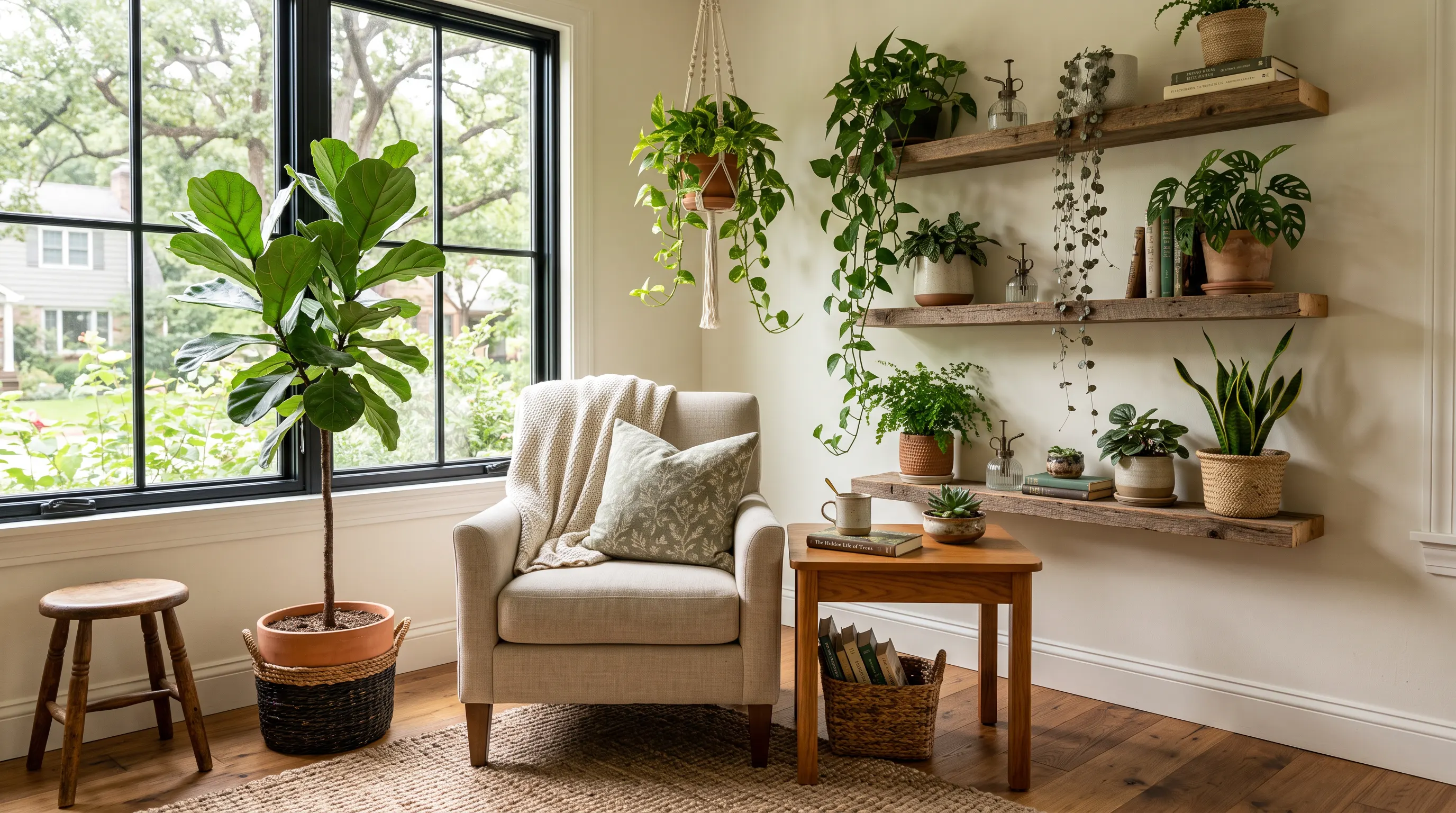
Plants are the fastest way to connect a room to nature. Group a few small plants on a shelf. Hang trailing vines near a window, or place one large tree in an empty corner.
Choose plants based on the light in the room, not the ones you saw online. A plant that dies within a month teaches you nothing except frustration.
Plants also change over time, unlike most furniture. A fern grows new leaves. A vine climbs a wall.
I think of plant corners as cozy reading nooks from an old film. Imperfect, a little wild, and completely alive.
2. Use Natural Light as a Design Element
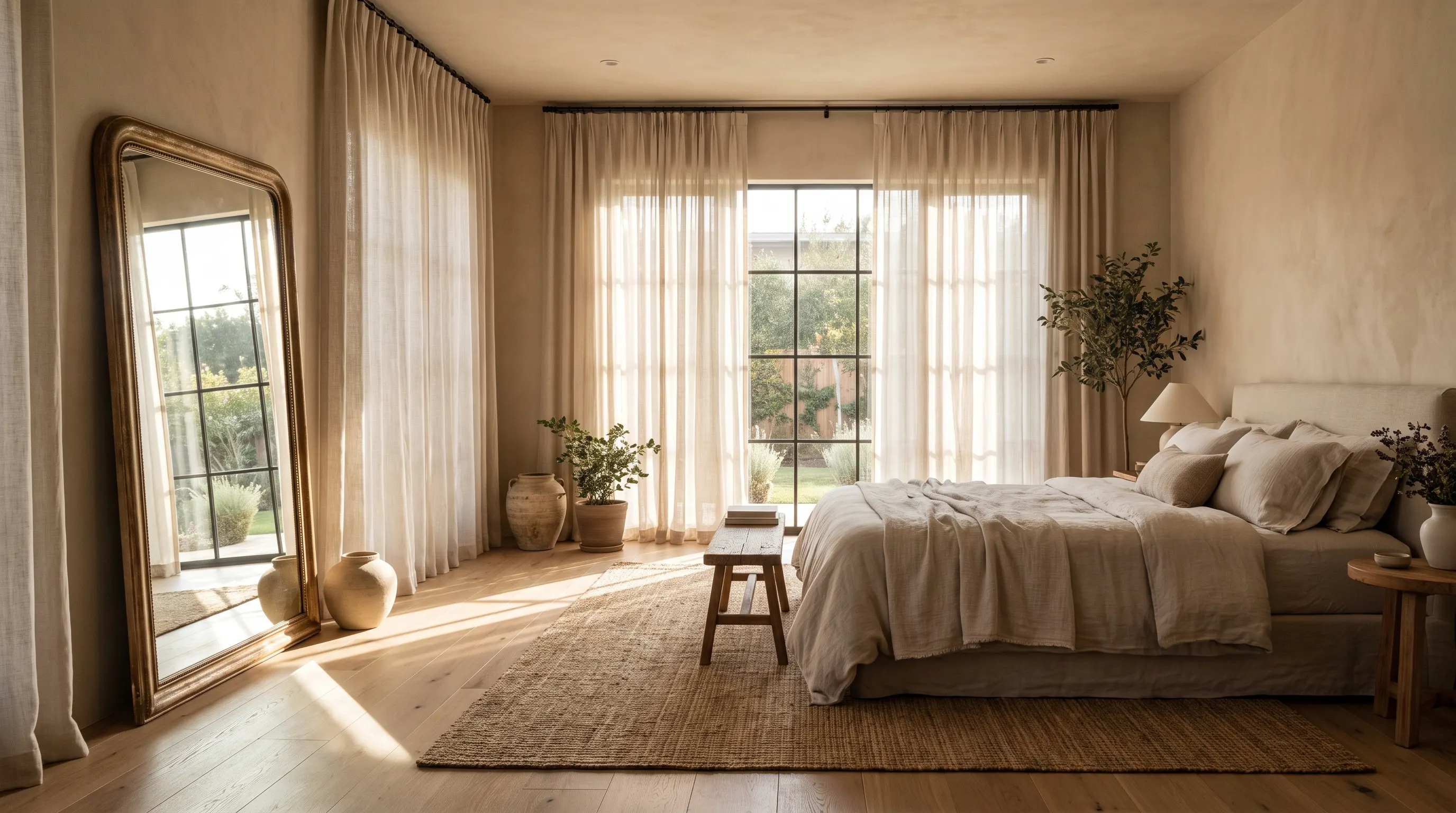
Daylight is free, and it does more work than most lighting fixtures. Sheer curtains let light in without losing privacy.
Mirrors placed across from windows bounce light deeper into a room. Light colored walls and floors help a small space feel brighter without adding a single lamp.
Morning light in a breakfast nook feels different from the golden light of a late-afternoon living room. Once you notice how light shifts throughout the day, you start designing around it rather than against it.
3. Bring in Natural Materials and Organic Textures
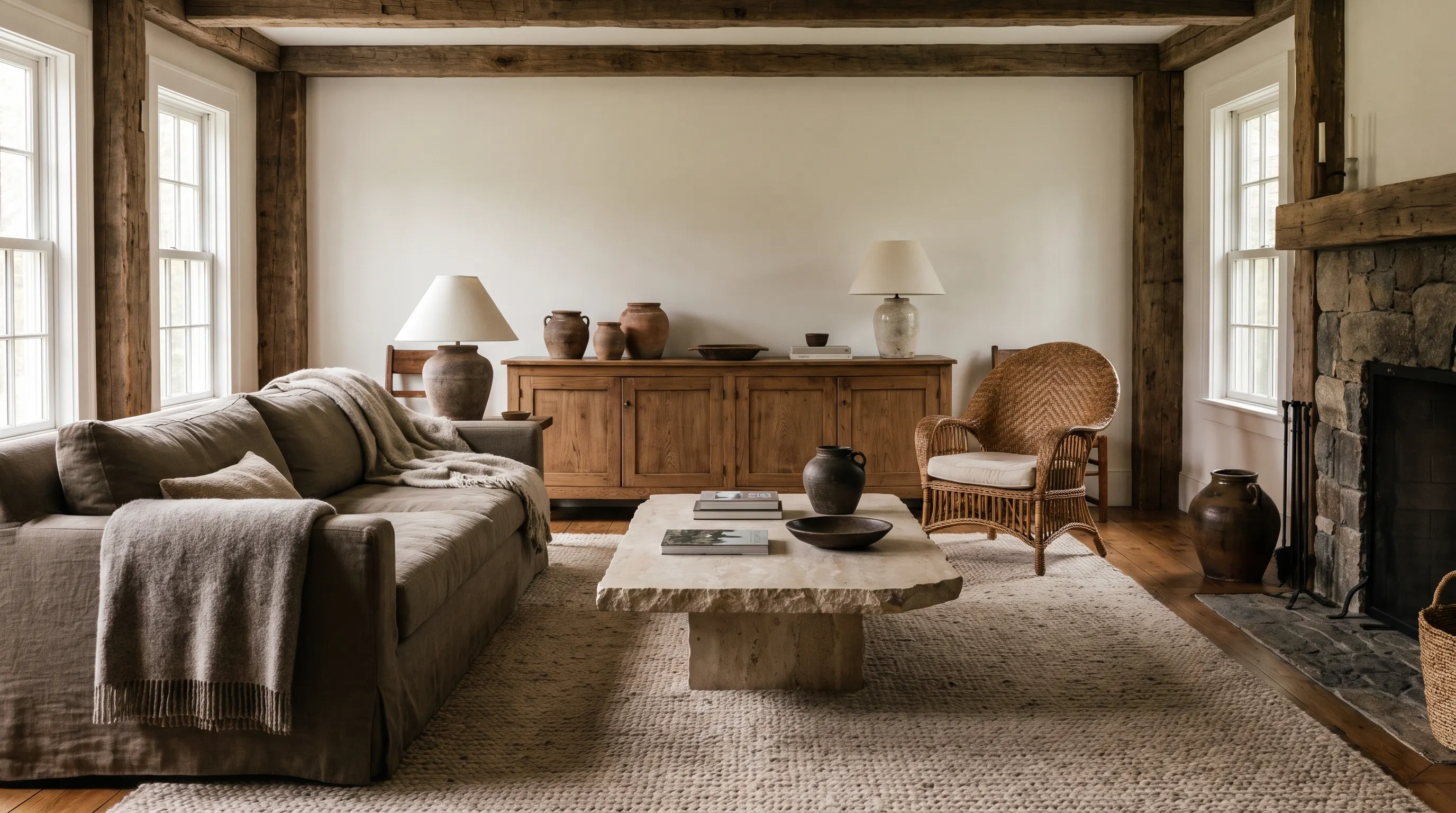
Wood, stone, bamboo, rattan, linen, and clay all carry small imperfections that machines cannot fake. A wood grain that runs slightly off gives a room texture.
So does a hand-thrown ceramic bowl with a rough edge. These materials also age well, which matters more than most trend pieces.
Modern earthy homes lean into this fully. Rustic home interiors use it in smaller doses, such as a linen throw or a rattan chair. Either way, texture gives your hand something to notice, not just your eyes.
4. Choose Organic Shapes for Furniture and Decor
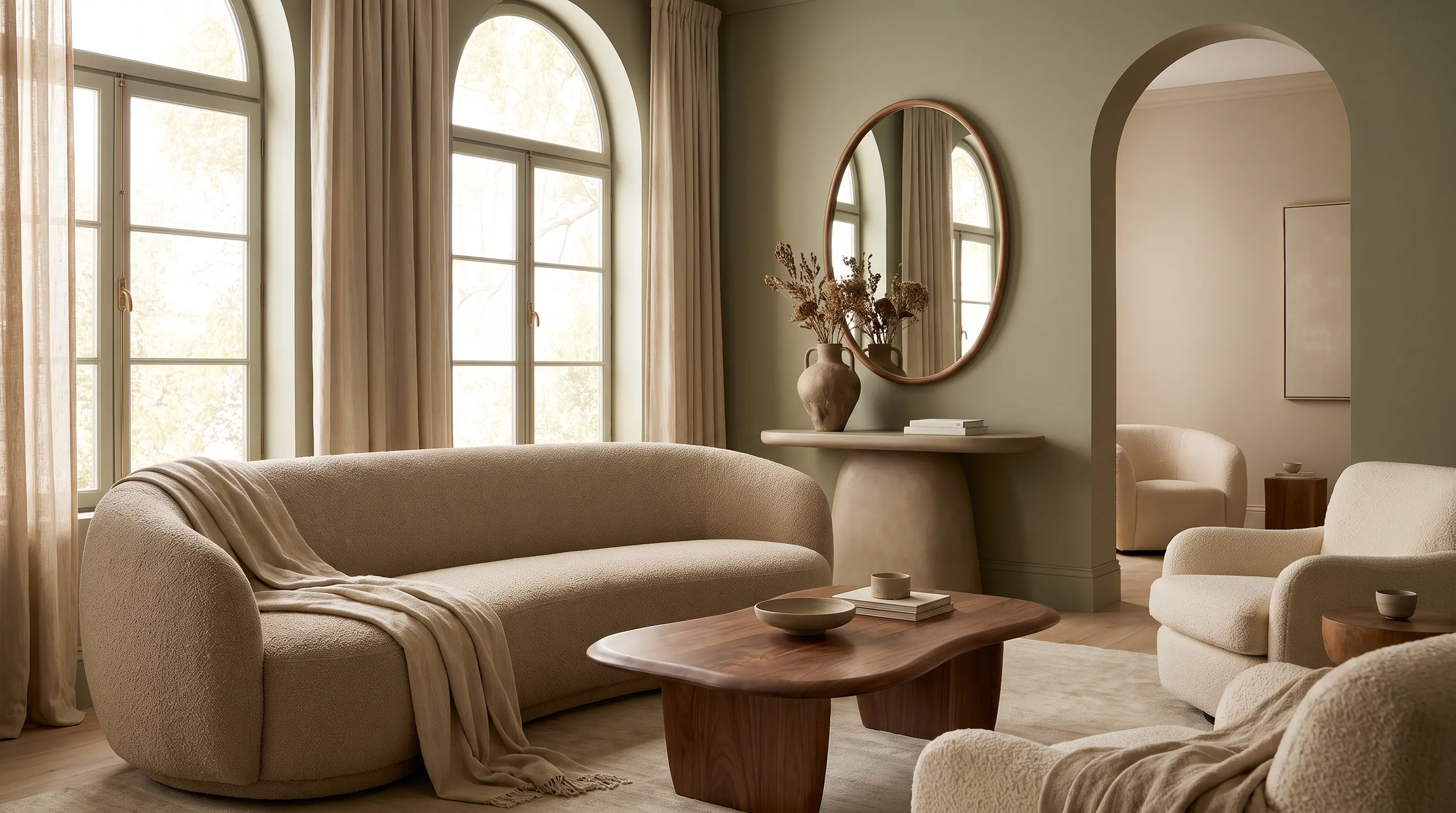
Nature rarely produces a straight line. A rounded sofa, a curved mirror, or an arched doorway softens a room in a way that hard angles cannot.
Sculptural decor pieces do the same job on a smaller scale. Think of a carved wood bowl or an organically shaped vase.
Curved furniture has become more common in modern architecture lately. It is not only a style choice. Rooms with soft shapes tend to feel calmer to move through.
5. Build a Nature-Inspired Color Palette
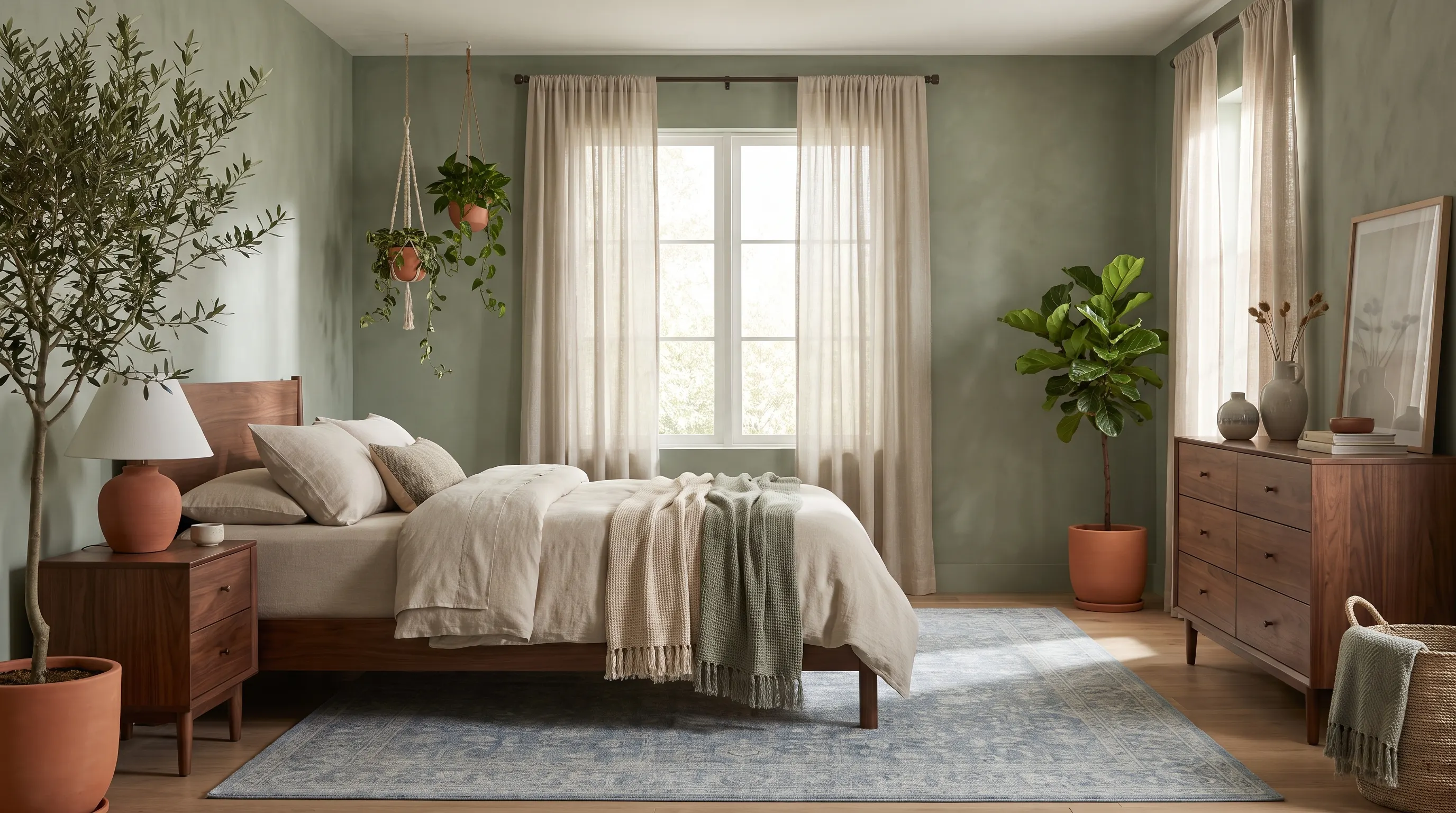
Forest green, sage, sand, terracotta, and soft blue all pull from the outdoors. None of them turns a room into a theme park.
The trick is balance. One earthy accent wall paired with neutral furniture reads as intentional. Four different greens in one small room read as chaotic.
A botanical bedroom might feature sage-colored walls with warm wood furniture. A calm home office might lean on sand and soft blue instead. Pick two or three tones and let them repeat quietly through the room.
6. Introduce Water Elements for Calm and Movement
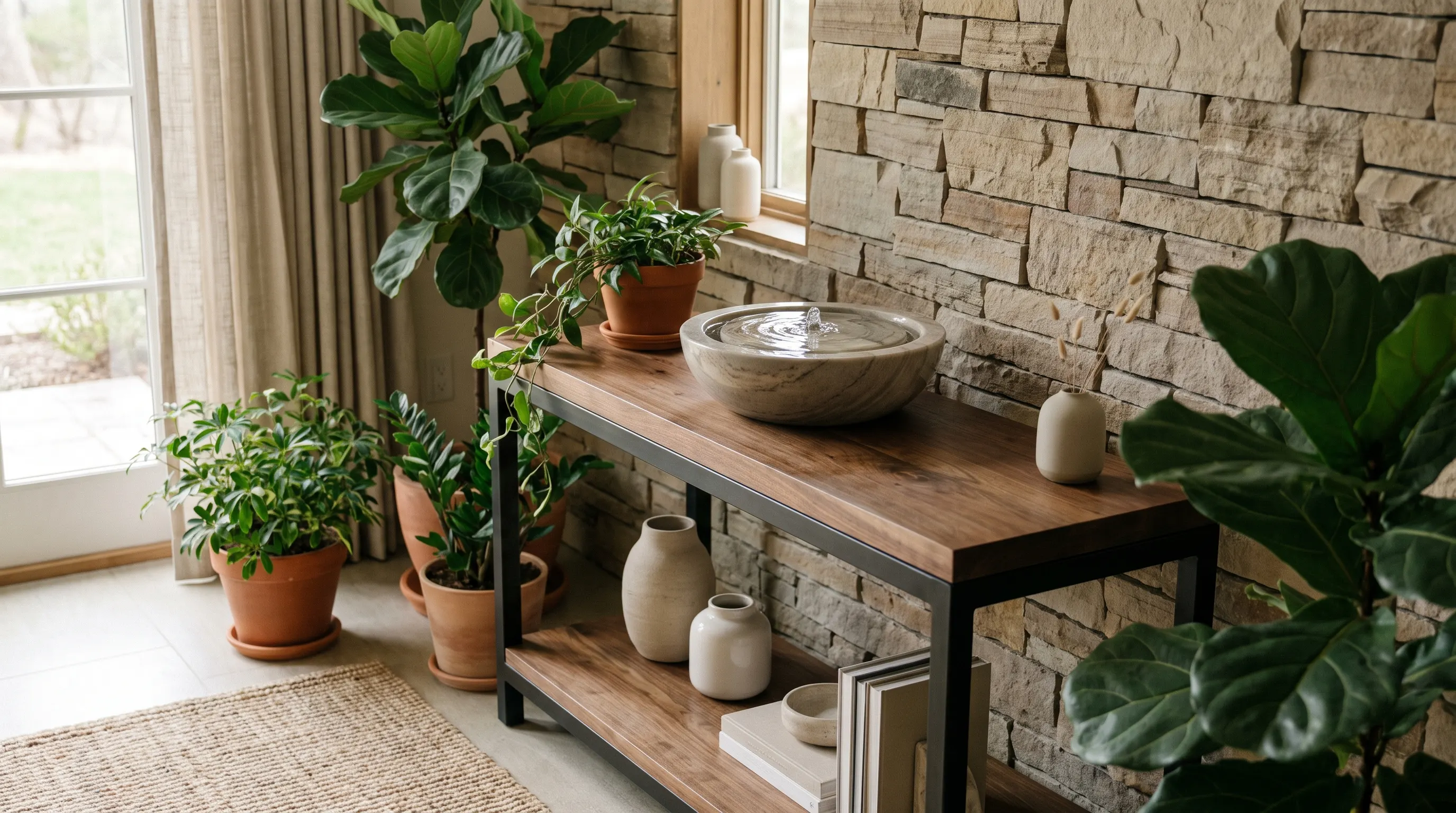
Water brings sound and motion into a space, qualities that plants and materials cannot provide on their own. A small tabletop fountain or a reflective glass surface can add this quality.
Artwork featuring water works too, without any renovation. Spa interiors and nature resorts use this constantly. The sound gives your mind something steady to settle on.
You do not need an indoor pond to get the benefit. A single fountain on a console table can shift how a whole room feels.
7. Blur the Boundary Between Indoors and Outdoors
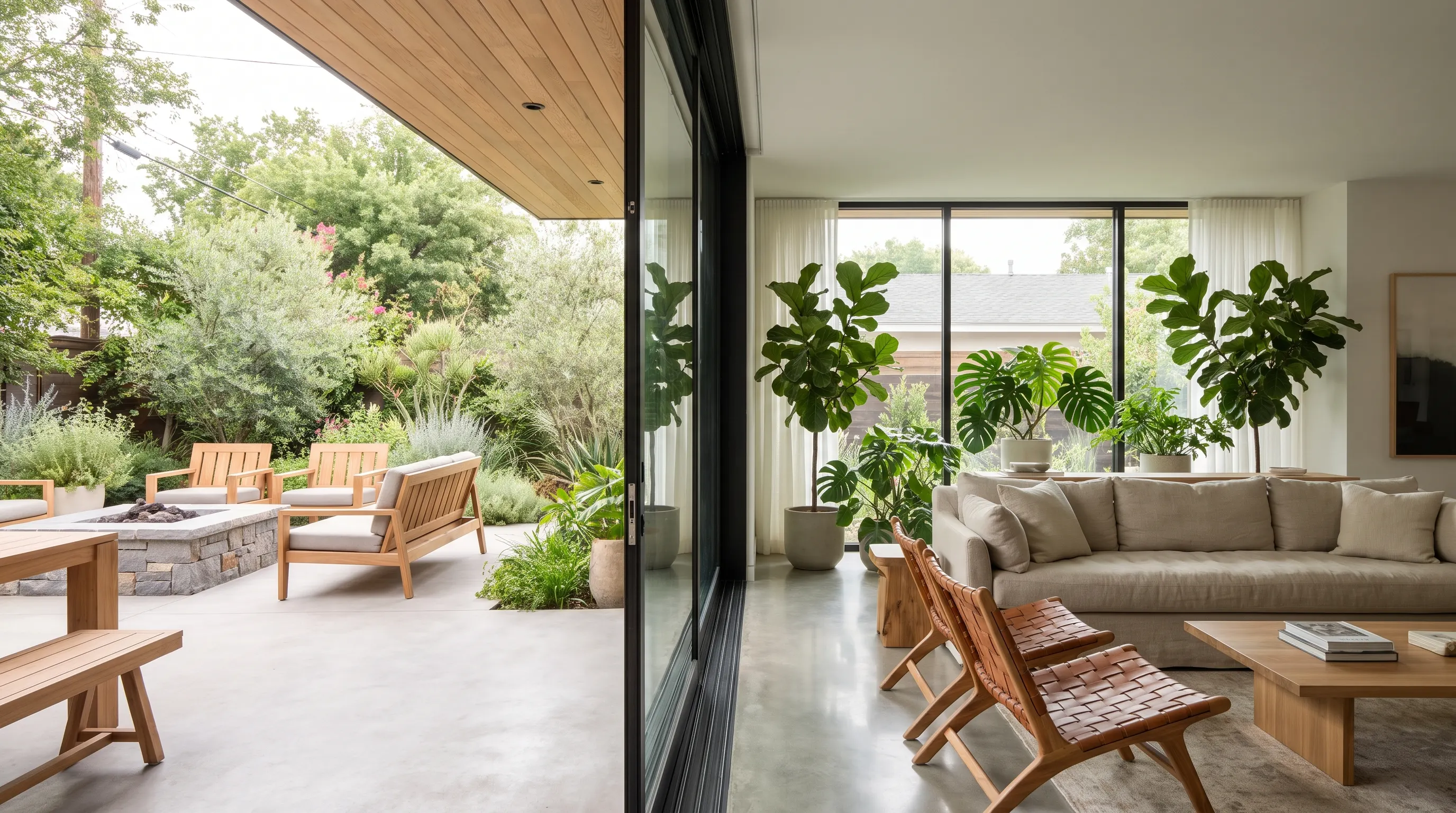
Large windows, glass doors, and a clear view of a garden or balcony all pull the outside in. If your apartment does not have much of a view, do not worry.
A small balcony garden or window box can do surprising work. Outdoor-style seating placed near a big window also helps a room feel less boxed in.
Resort-style homes have leaned into this for years. Smaller homes are catching up with clever glass and layout choices.
8. Design for All Five Senses
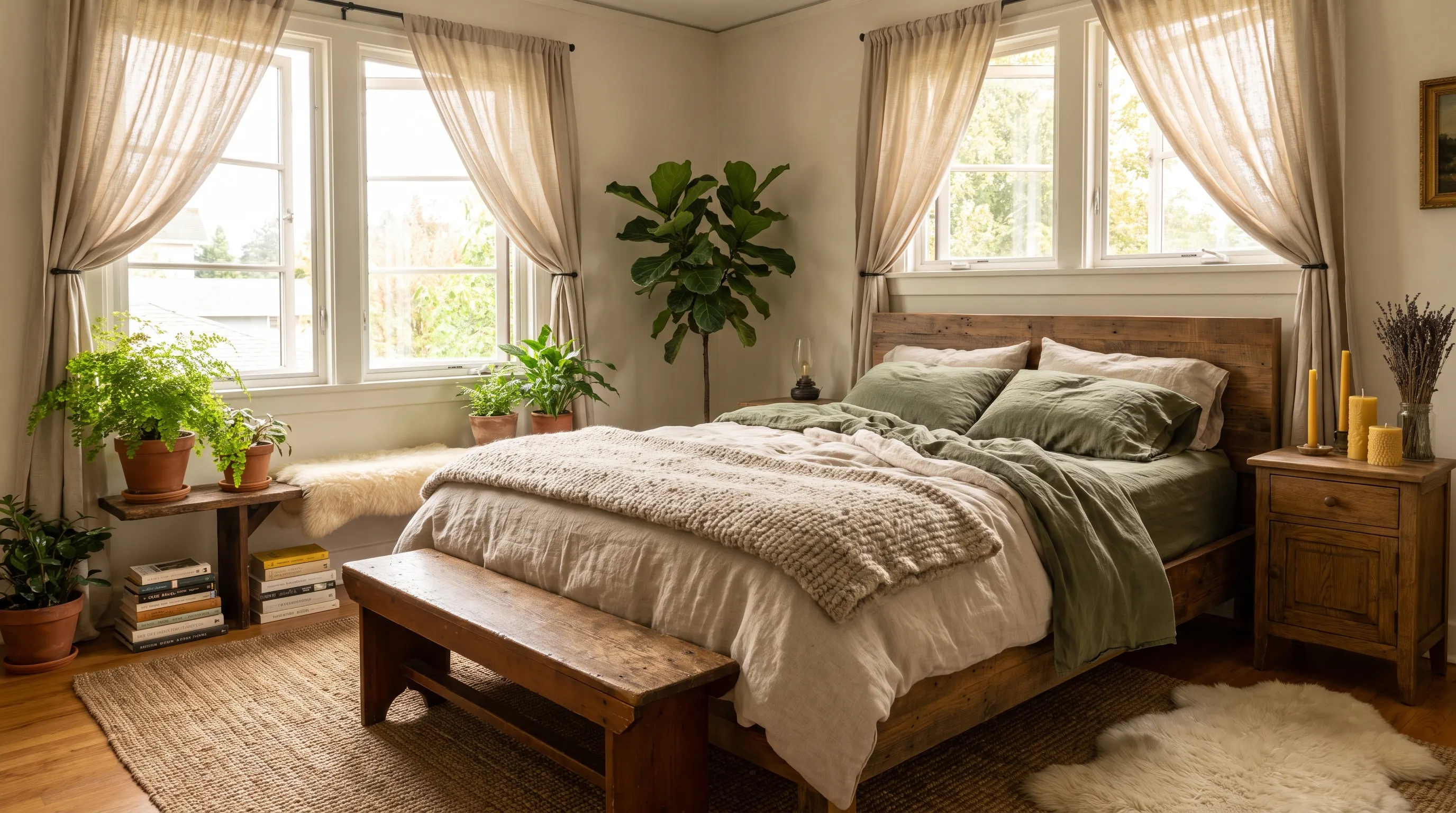
Biophilic design isn’t just something you see. Natural scents like cedar or citrus shape how a room feels. So do soft fabrics, a breeze through an open window, and fresh air.
A bedroom with linen sheets, quiet sounds, and fresh air from a cracked window feels restful. A room that only looks good in photos doesn’t feel good.
Think about what a room smells like and sounds like, not just what it looks like in a listing photo.
9. Create a Biophilic Home Office
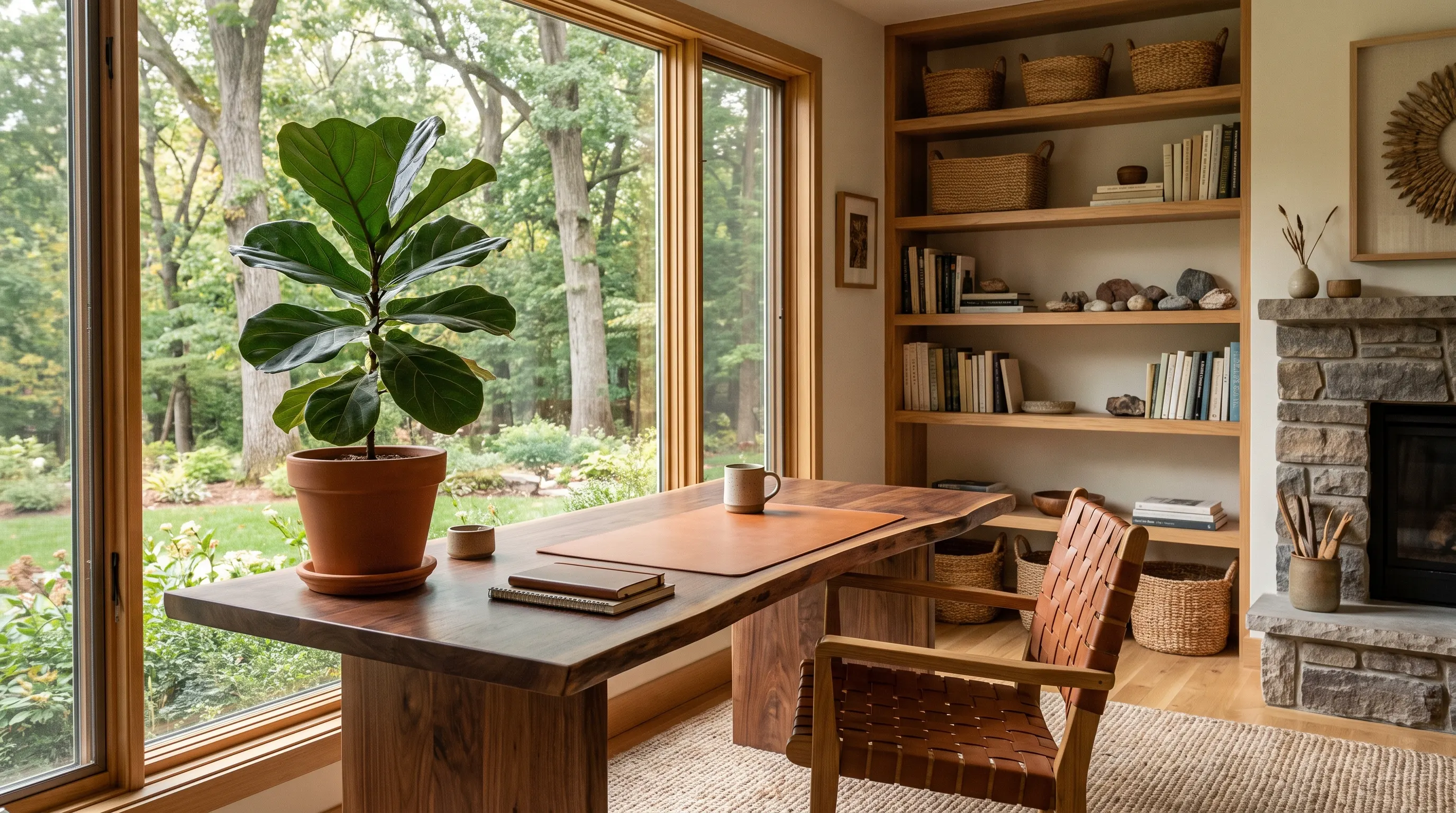
Home offices benefit the most from small nature-focused changes. A desk near a window, a plant within reach, and wood furniture instead of laminate all help.
Even a view of a tree from your desk chair can make a long workday feel shorter.
Creative studios shown in films often mix nature with function. Plants on the desk, natural light, a comfortable chair.
It is a small setup, but it works because it removes the sterile feeling most offices default to.
10. Mix Vintage Pieces with Natural Elements
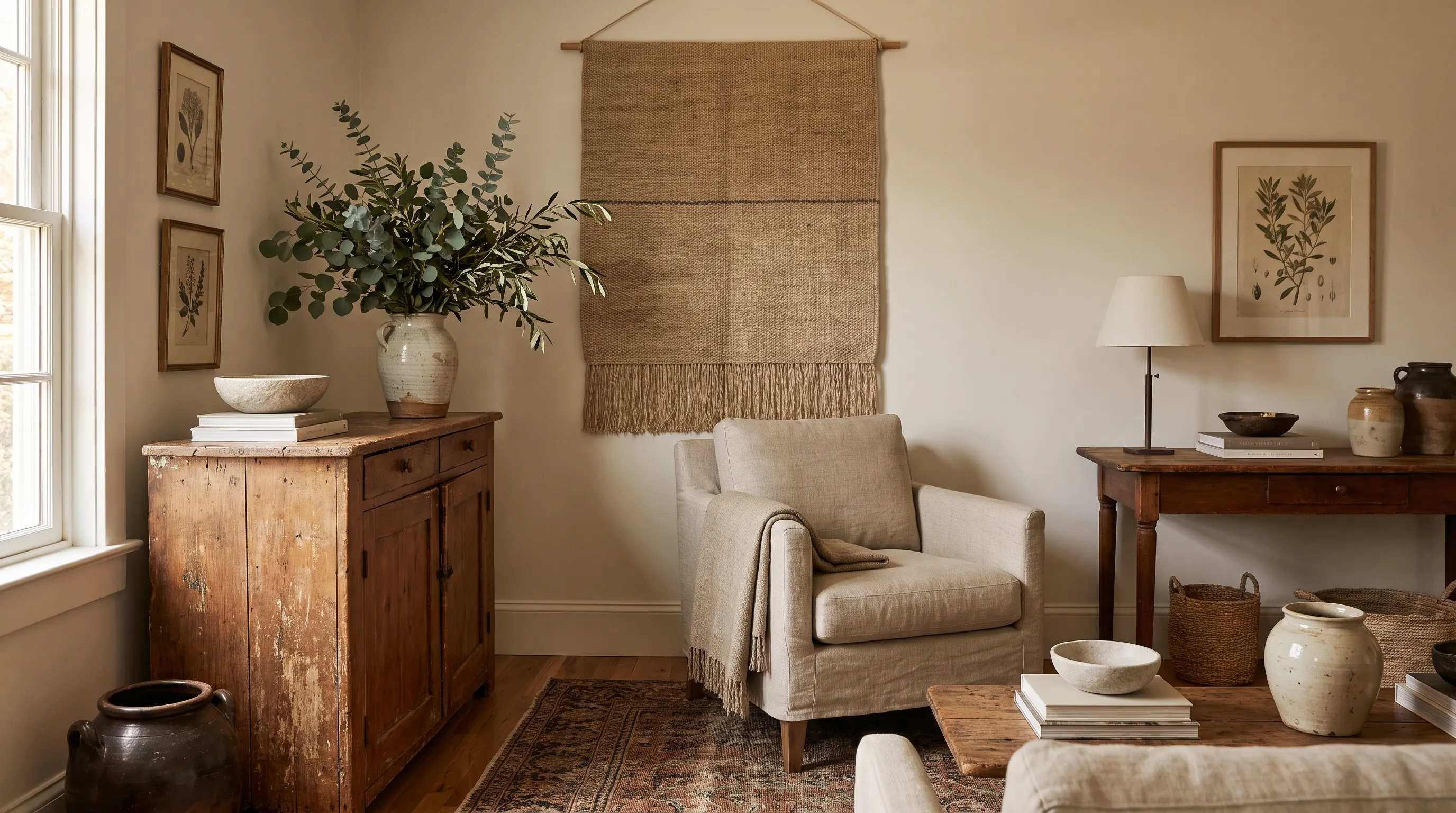
A vintage wooden cabinet or a handmade ceramic vase adds a layer of new furniture that cannot be replicated. So does a woven textile passed down from a relative.
These pieces carry history, and history makes a room feel personal instead of staged. Pairing an old wooden dresser with a new linen chair does not clash. It tells a story.
Rooms built entirely from new furniture can feel like a catalog page. Rooms with a few collected pieces feel like someone actually lives there.
11. Add Botanical Artwork and Nature-Inspired Decor
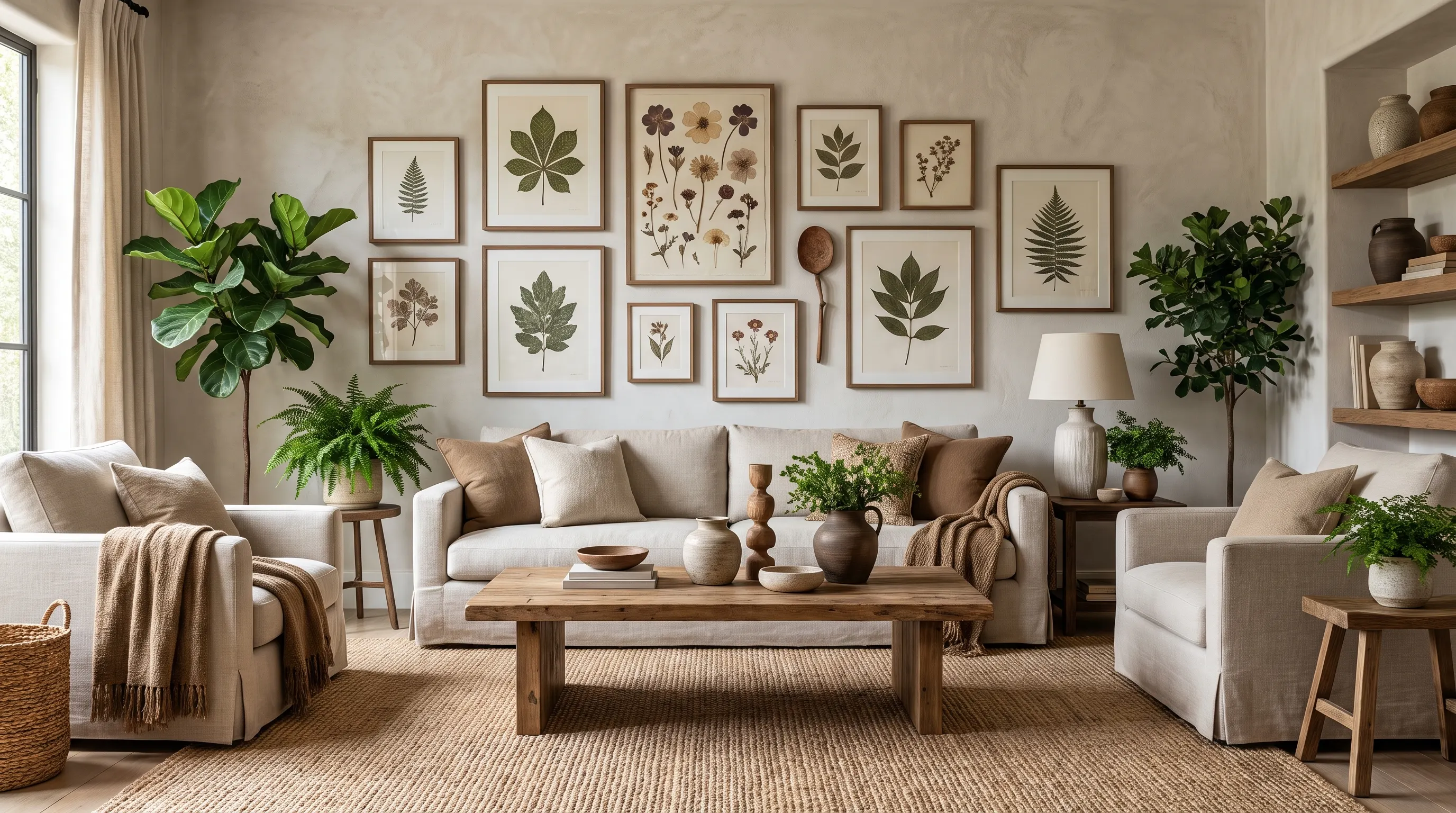
Botanical artwork brings the feeling of the outdoors into rooms where adding real plants is not always practical.
A framed leaf print, pressed-flower artwork, landscape painting, or nature-inspired sculpture can create a visual connection to the outside world.
Choosing pieces that feel organic rather than overly decorative helps create a balanced look. A handmade ceramic vase, a wooden sculpture, or artwork with earthy tones can add personality without making the room feel themed.
Why You Need Biophilic Interior Design
A home built around natural light, texture, and greenery tends to feel more relaxing to live in. Several studies in environmental psychology link time spent near natural elements to better focus and lower stress levels.
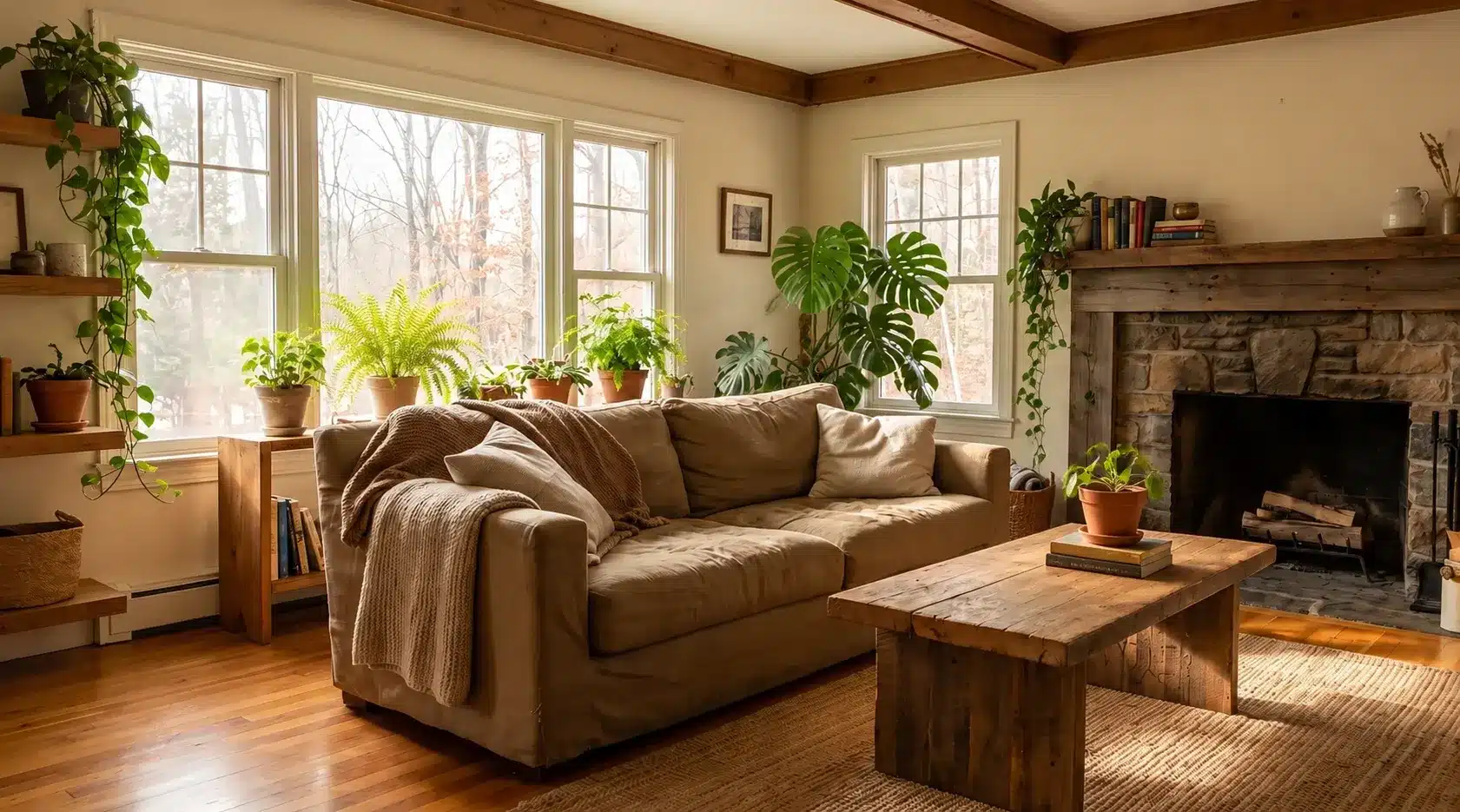
1. Better Sleep: A bedroom with natural materials, calm colors, and soft light tends to make winding down easier. Harsh overhead lighting, synthetic fabrics, and sterile surfaces pull your body in the wrong direction at the end of the day. Swapping those out for linen bedding, a warmer bulb, or a small plant on the nightstand is a small change that adds up over weeks of better rest.
2. Lower Stress Levels: There is a reason you feel calmer after a walk outside than after sitting in a windowless room. Natural elements, whether real or evoked through texture, color, and material, carry that same quality indoors. A room that includes wood grain, soft green, and a plant in the corner gives your nervous system something gentler to settle on. Over time, that quieter baseline changes how a home feels to return to.
3. Sharper Focus During the Day: Working or studying near a window with a view, even a partial one, tends to reduce mental fatigue. The same effect occurs in plants. A desk positioned near natural light, with a single plant nearby, reduces some of the sensory flatness that comes with enclosed indoor environments. The brain responds to natural variation in light, color, and living things in ways that artificial settings do not replicate.
4. A Stronger Sense of Personal Connection: Homes built with natural materials and collected pieces tend to feel more personal than those filled entirely with new, polished furniture. Wood weathers and changes over time. A handmade clay pot carries marks no machine can reproduce. Living with those things builds a relationship between you and your space that purely aesthetic design does not create. That sense of connection is quieter than most design benefits, but it tends to last longer.
Biophilic Design Ideas for Every Room
Biophilic design works best when it feels natural to your everyday routine.
Instead of adding random nature-inspired elements, think about how each room is used and choose details that bring warmth, texture, light, and a stronger connection to the outdoors.
| Room | Biophilic Design Ideas |
|---|---|
| Living Room | Add plants near seating areas, choose wood or rattan furniture, and layer natural fabrics like linen or wool to create a warm, inviting atmosphere. |
| Bedroom | Use calming colors, soft natural fabrics, and gentle lighting. Choose simple materials and avoid harsh overhead lights to create a peaceful resting space. |
| Kitchen | Place herbs on a windowsill, keep wooden cutting boards visible, and use stone surfaces or natural finishes to add texture to this functional area. |
| Bathroom | Add humidity-loving plants, natural stone accents, and soft towels to create a relaxing space that feels more like a spa retreat. |
| Home Office | Position your desk near a window, add a nearby plant, and choose natural materials like wood to make the workspace feel calmer and more inspiring. |
Small changes can make each area of your home feel more connected to nature without requiring a complete redesign.
Biophilic design can work in any space, with simple choices that reflect your personal style and bring a more natural feel into everyday living.
5 Biophilic Interior Design Mistakes to Avoid
Adding nature-inspired elements can transform a home, but balance matters. Biophilic design works best when it feels natural and personal, not forced.
Avoid these common mistakes when creating a nature-connected space:
- Buying plants without considering your home conditions
A room full of plants looks beautiful in photos, but choosing greenery without considering sunlight, humidity, and the time you have for care can cause plants to struggle or die. - Turning your home into a greenhouse
Plants are an important part of biophilic design, but too much greenery can overwhelm a room. Leave space for furniture, movement, and other natural elements like wood, stone, and textiles. - Choosing fake natural materials over authentic textures
Plastic finishes that imitate wood, stone, or plants often feel disconnected up close. Real materials bring warmth, texture, and natural variation that artificial alternatives cannot replace. - Ignoring your room’s natural light
Every room interacts differently with sunlight. A north-facing room may need different plants and colors than a bright south-facing space, so design around the light you actually have. - Copying inspiration photos without adapting them
A room from Pinterest or a magazine may have different lighting, dimensions, and architecture than your home. Use ideas as inspiration, but adjust them to suit your own space and lifestyle.
Final Thoughts
Biophilic interior design was never about building a perfect nature-themed room. It is about noticing small things.
Morning light on a wood floor, the smell of a plant after watering, a soft throw under your hands. Those moments add up to more than any single design choice.
Your home will keep changing, and that is fine. Future homes will likely continue to blend nature, smart technology, and personal touches in new ways.
For now, start with one corner, one plant, or one better-placed lamp, and let the rest follow.
Frequently Asked Questions
How Many Plants Should a Biophilic Room Have?
There is no fixed number. Start with one or two plants that match your light and schedule. Add more once you know you can keep them alive.
Can Renters Create a Biophilic Interior Without Renovations?
Yes. Plants, textiles, mirrors, and furniture choices need no permanent changes. They still shift how a rented space feels.
What Furniture Styles Work Best With Biophilic Design?
Wood, rattan, and other natural materials pair well with biophilic design. Curved or organically shaped furniture also fits the style naturally.
Does Biophilic Design Work with Minimalist Interiors?
Yes. A few well-chosen natural materials can bring a minimalist room to life. One or two plants help without adding clutter.