

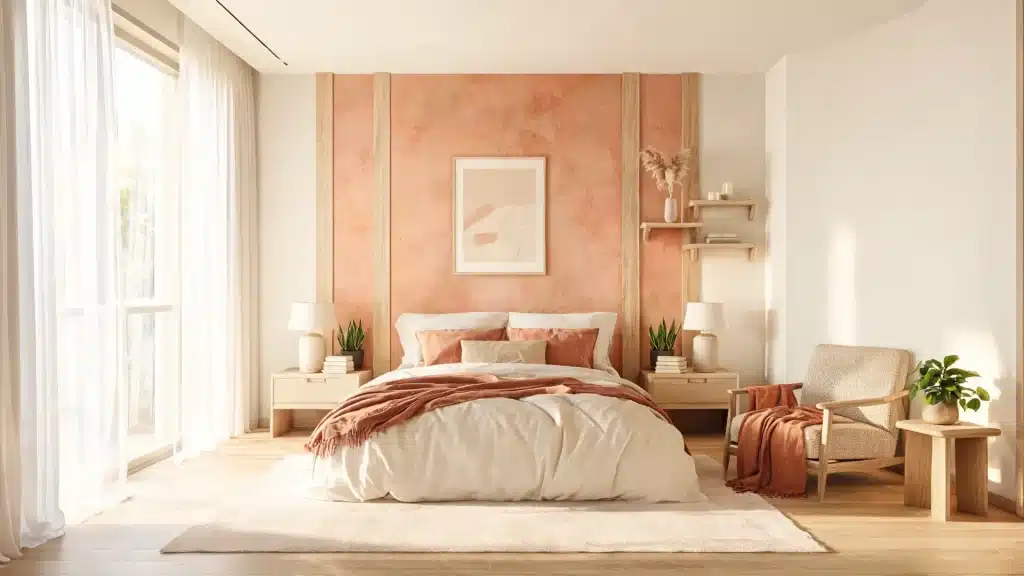


Accent walls can make a room feel stylish or leave it looking tied to an older trend. When I first look at a space, I always think about whether that one wall actually has a purpose or if it’s just filling an empty spot.
If you’re asking whether accent walls are out of style, it usually comes down to wanting clarity before choosing a bold paint color. The idea still works, but only when it fits the room properly.
A random wall, harsh shade, or flat finish can make a space feel unfinished. A better approach is to highlight something meaningful, such as a bed, fireplace, shelving, or dining area, while keeping everything connected to the rest of the room
Are Accent Walls Out of Style?
No, accent walls are not out of style. Basic painted accent walls can feel dated when the color is too harsh, the placement feels random, or the wall does not connect with the rest of the room.
However, a well-planned accent wall can still look current when it highlights a clear focal point and supports the overall design.
A bedroom accent wall, for example, can work well behind the bed because it gives the room structure and helps frame the main furniture piece.
Accent walls also feel more updated when they include texture, soft contrast, trim, wallpaper, or a color already used in the space. The goal is not to create one loud wall, but to make the room feel more balanced, finished, and intentional.
Room-by-Room Guide for Accent Wall Placement
Accent wall placement matters more than the color itself. The right wall should support the way the room is used and help the eye land in a natural place. A random side wall can make the space feel uneven, even if the color is beautiful.
Before choosing a wall, look at the room’s main furniture, lighting, and entry point. Ask what the wall is supposed to frame or improve. In some spaces, the answer is clear, such as the wall behind a bed or a fireplace. In others, a softer update, such as wallpaper, trim, or built-ins, may work better than paint alone.
1. Bedroom
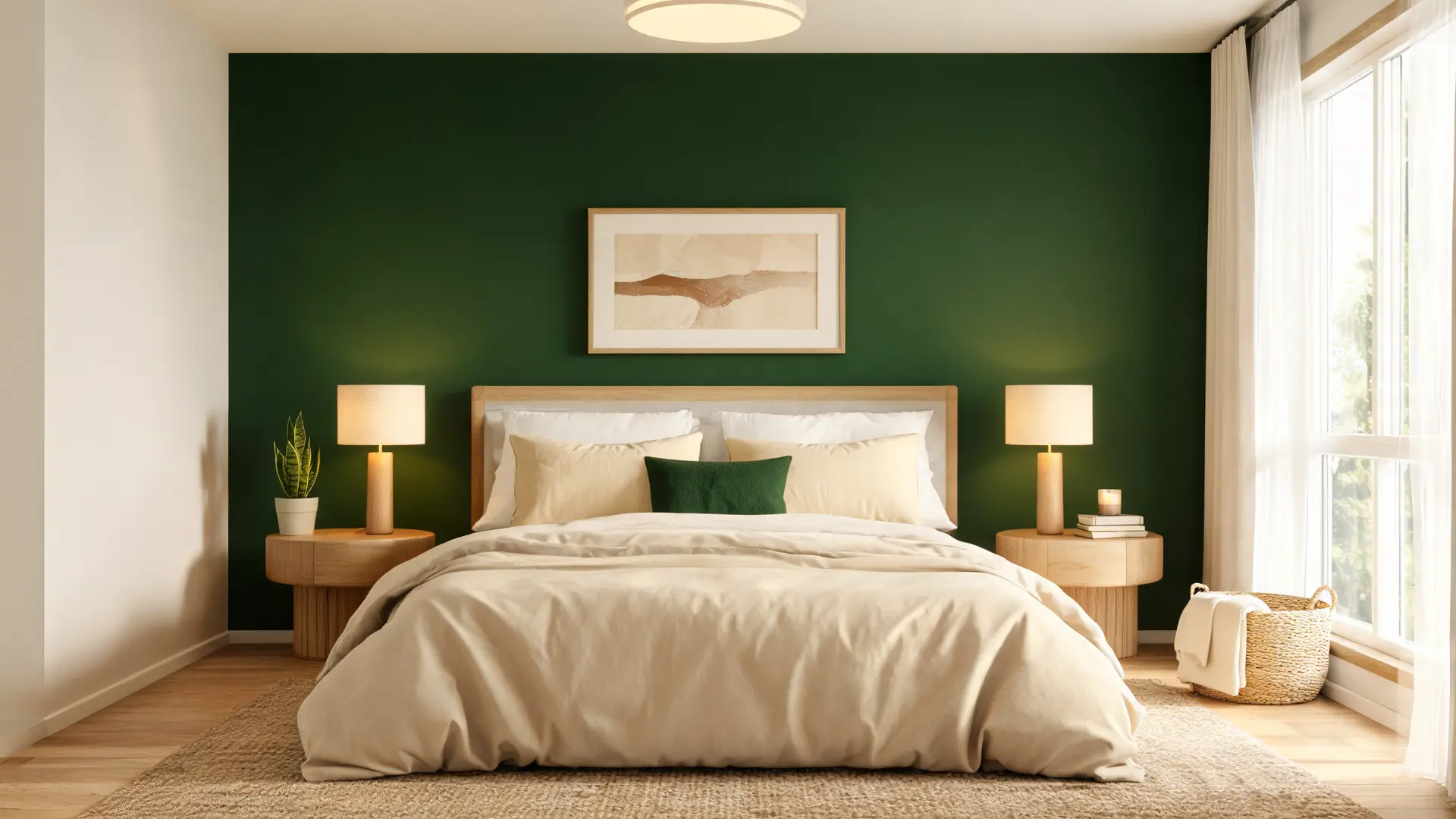
In a bedroom, the best accent wall is usually the wall behind the bed. This placement frames the bed, grounds it, and gives the room a clear focal point. A dark paint color, soft wallpaper, wood trim, or paneling can all work well here.
Avoid choosing a side wall just because it is blank. That can pull attention away from the bed and make the layout feel awkward. Keep bedding, curtains, and decor connected to the wall color. If you’re working through bedroom paint colors that feel cozy, the accent wall choice and the overall palette need to be decided together, not separately.
2. Living Room
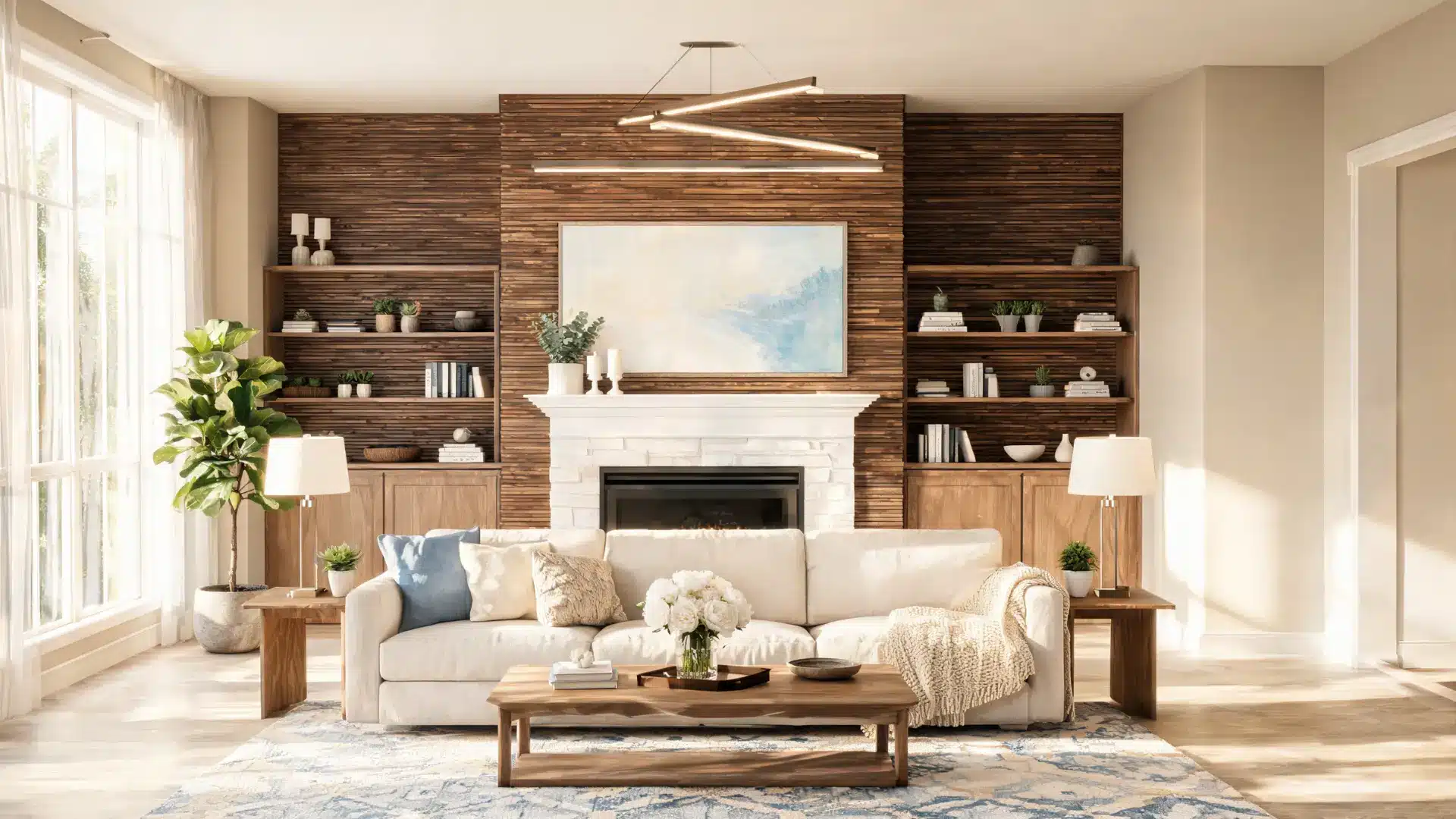
In a living room, the accent wall should support the main seating area. The best choice is often the fireplace wall, media wall, or the wall behind built-in shelves. This helps the room feel centered and makes furniture placement easier.
Avoid painting a random wall behind a sofa if it does not connect to the layout. The color or texture should also work with the rug, sofa, art, and lighting.
A living room accent wall looks best when it feels layered, and if the fireplace is the focal point, fireplace accent wall ideas are worth looking at before you commit to paint alone.
3. Dining Room
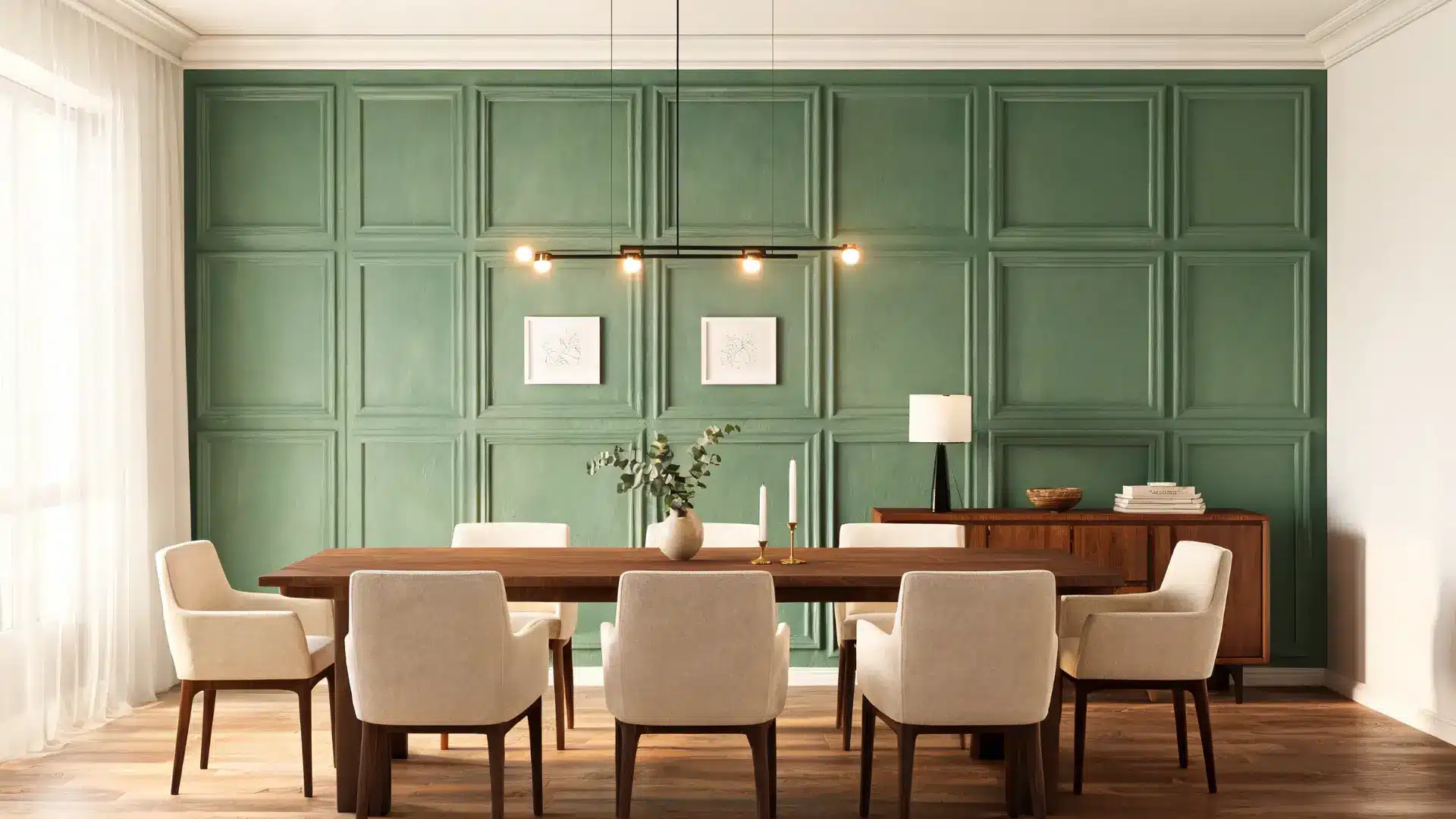
A dining room can handle a stronger accent wall because the space is often used for mood and gathering. The best wall is usually the one behind the dining table, sideboard, or main view from the entry.
Wallpaper, limewash, deep paint, or picture-frame molding can make the room feel more finished. Avoid tiny, busy patterns on a large wall because they can feel cluttered. The accent should make the table area feel more intentional, not distract from it.
4. Entryway
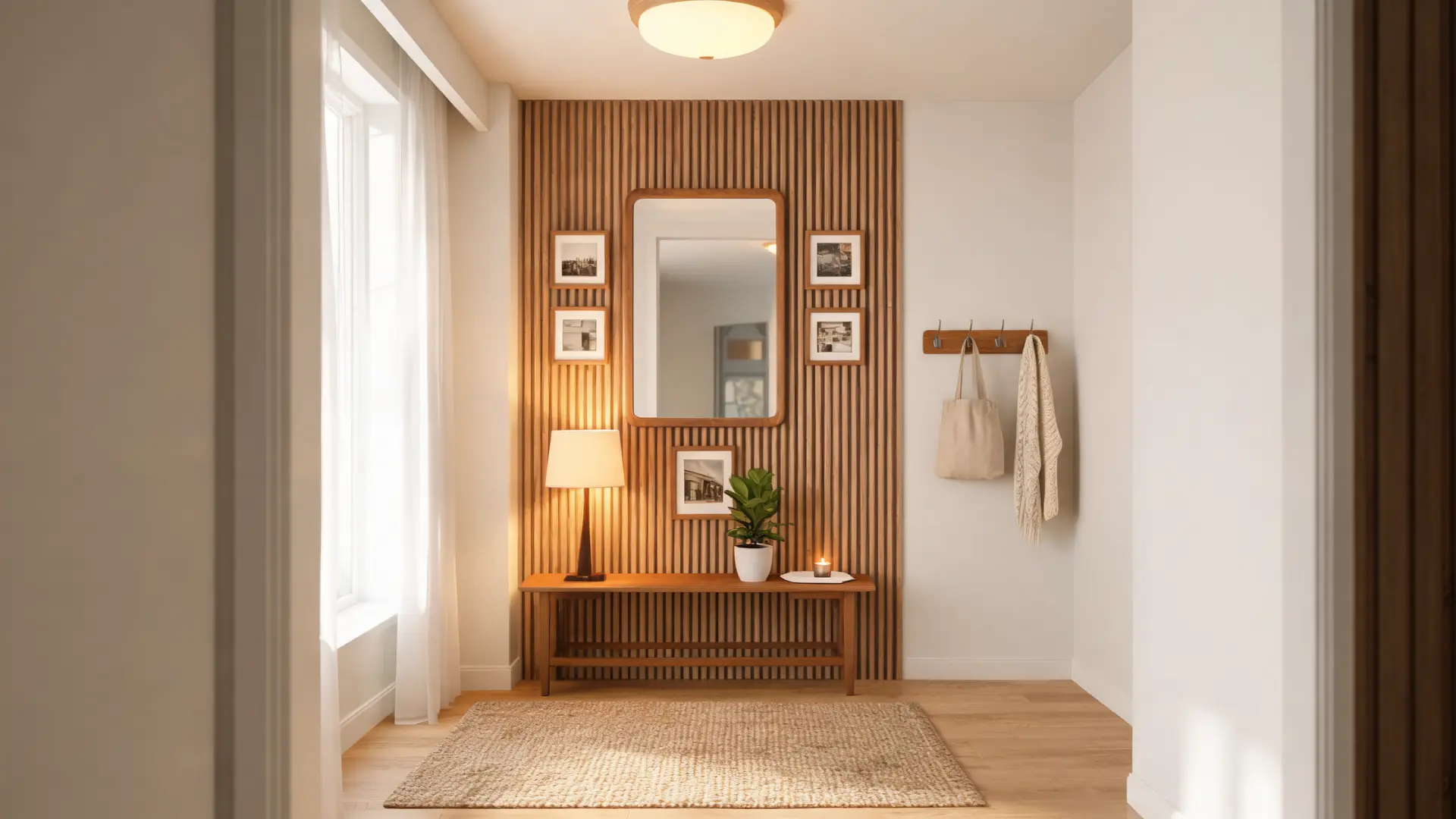
An entryway accent wall should create a strong first impression without making the space feel crowded. The best wall is usually the first one you see when you walk in. Paint, wallpaper, paneling, or a small gallery wall can work well here.
Since entryways are often narrow, avoid very dark colors unless there is enough light. A mirror, console table, hooks, or warm lighting can help the wall feel useful. The goal is to set the tone for the home.
5. Office Or Workspace
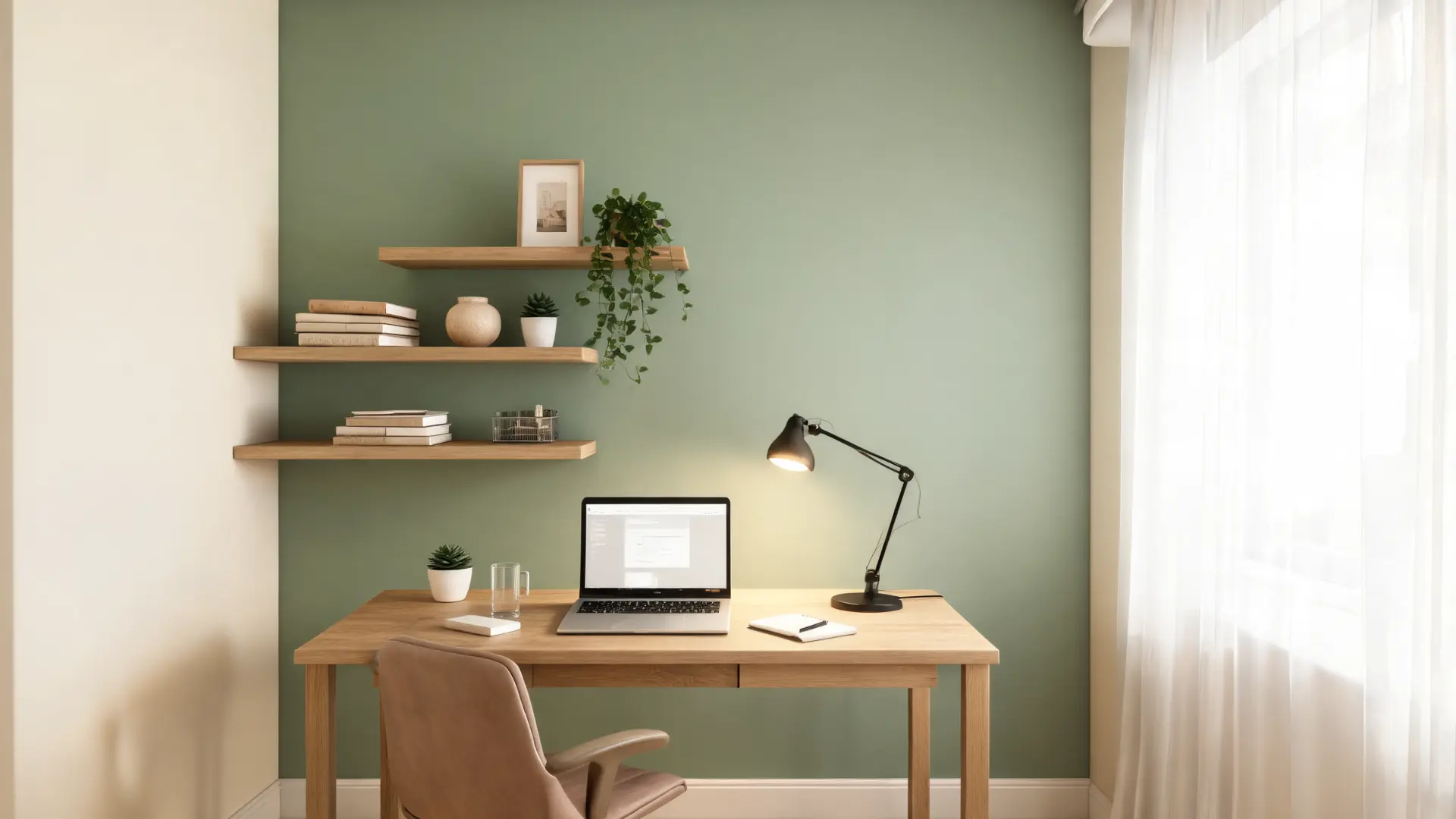
In an office or workspace, an accent wall should help the area feel focused and calm. The best wall may be behind the desk, behind shelves, or in the camera background for video calls. Muted greens, blues, warm neutrals, wallpaper, or painted built-ins can work well.
Avoid colors that feel too loud or distracting during long work hours. If the space is small, color drenching may work better than one sharp accent wall. Keep the design simple, useful, and easy to work around.
Why Some Painted Accent Walls Look Dated
Painted accent walls often look dated when they feel separate from the rest of the room. A strong color can work, but it needs clear placement, visual support, and a real design purpose. The table below covers the most common problems and what to do instead.
| What Looks Dated | Why It Feels Off | What To Do Instead |
|---|---|---|
| Random empty wall | It does not guide the eye toward anything important | Choose a wall that frames a bed, fireplace, shelves, dining table, or artwork |
| A color that feels too harsh | The shade does not connect with furniture, rugs, curtains, or decor | Pick a softer shade or repeat the color in pillows, art, bedding, or accessories |
| Flat paint with no depth | The wall can look plain or unfinished without support | Add lighting, molding, paneling, shelves, wallpaper, or artwork |
| A wall that fights the layout | It pulls attention away from the room’s best feature | Stand at the entrance and choose the wall your eye naturally notices first |
| One bold wall in a very pale room | The contrast can make the space feel chopped up | Use color drenching, softer contrast, or a shade already used in the room |
A dated accent wall usually does not need a full redesign. Most of the time, it needs better placement, softer contrast, or more support from texture, lighting, and decor. The best accent wall should make the room feel more balanced, not more divided.
Why Accent Walls Became Popular in the First Place
Accent walls became popular because they offered fast impact with less commitment. They helped people add color, pattern, and personality without repainting or decorating the entire room. This made them useful for quick updates, tight budgets, and spaces that needed a stronger focal point.
- They Saved Money: One wall costs less to paint, wallpaper, or panel than a full room.
- They Felt Less Risky: Bold colors and patterns were easier to try in smaller amounts.
- They Created Focus: They helped frame beds, fireplaces, sofas, shelves, and dining tables.
- They Defined Open Spaces: They gave open-plan homes clearer zones without adding walls.
- They Were Easy To DIY: Many accent walls could be finished in a weekend.
Accent walls started fading when they were used without purpose. A random painted wall can make a room feel unfinished, especially when the color does not connect to the furniture, lighting, or decor
Is A Bedroom Accent Wall Still A Good Idea?
A bedroom accent wall is still one of the safest ways to use this idea. The bed already creates a focal point, so the wall behind it has a clear purpose.
For a calm bedroom, try a muted green, soft clay, warm taupe, deep blue, or smoky charcoal. These shades feel more current than sharp red, bright teal, or high-gloss black.
Texture can also help. Simple wall molding behind the bed can make the room feel finished without needing a bold color. Wallpaper works well too, especially when bedding and curtains stay simple.
If your bedroom is small, avoid a color that feels too heavy beside pale walls. A mid-tone shade or soft textured finish can add depth without shrinking the room. For a broader look at master bedroom paint ideas, the same placement principles apply regardless of the specific shade you choose.
Better Alternatives To Basic Painted Accent Walls
A flat painted wall can still work, but other options may feel more finished. Use this table to compare which update best fits your room.
| Alternative | Best For | Why It Works |
|---|---|---|
| Color drenching | Bedrooms, offices, powder rooms | Creates a calm, wrapped look with one color family |
| Limewash or textured paint | Bedrooms, living rooms, reading corners | Adds depth and movement without a busy pattern |
| Wood trim or slat walls | Bedrooms, entries, living rooms | Gives a plain wall structure and warmth |
| Wallpaper or murals | Dining rooms, nurseries, offices, bedrooms | Adds pattern, story, and visual interest |
| Painted built-ins | Living rooms, offices, fireplaces | Adds storage, color, and shape at once |
These options are useful when a single painted wall feels too flat. Choose the one that fits your room’s size, mood, and budget.
Easy Ways To Update An Old Accent Wall
An old accent wall does not always need to be removed or fully repainted to feel current again. Small changes can completely shift how the wall fits into the room and how balanced it feels overall.
The goal is to make the wall feel intentional, connected, and less like a leftover design choice. In many cases, the fix is not about starting over, but improving what is already there.
- Soften the paint color if it feels too harsh or heavy.
- Add trim or molding to give the wall structure and depth.
- Repeat the wall color in decor, pillows, rugs, or artwork, to create a connection.
- Improve the lighting so the wall feels highlighted rather than flat or dark.
- Consider wallpaper instead of plain paint for more texture and interest.
- Paint built-ins rather than a blank wall to create a stronger, more functional focal point.
Quick Decision Table: Keep It, Change It, Or Paint The Whole Room?
Use this quick table if you already have an accent wall and cannot decide what to do next. The goal is to judge whether the wall supports the room or makes it feel awkward.
Look at placement, color balance, texture, and how the wall works with your furniture before repainting everything
| Situation | Best Choice | Why |
|---|---|---|
| Wall frames a bed or fireplace | Keep it | It supports the room’s natural focal point |
| Wall feels random | Change it | The placement is likely the real issue |
| Room feels chopped up | Paint the whole room | One color may feel calmer and more finished |
| The wall feels too flat | Add texture | Trim, wallpaper, or limewash can make it feel planned |
A good wall should make the room easier to understand. If it conflicts with the layout, the design needs to change.
Accent Wall Mistakes To Avoid
Accent walls can work really well, but small mistakes can throw off the whole room. Here are the ones to avoid:
- Wrong Wall Choice: Don’t default to the shortest or random wall. Pick one that naturally highlights a bed, fireplace, shelving, or dining table.
- Color Imbalance: Avoid strong contrast colors unless they are repeated in rugs, pillows, art, or decor pieces.
- Paint-Only Approach: Don’t rely on paint alone when the space needs depth—add trim, lighting, shelves, or texture.
- Pattern Overload: Avoid small patterns on large walls, as they can feel busy and visually cluttered from a distance.
- Poor Lighting Setup: Don’t ignore lighting; deep colors and textured finishes often need sconces, lamps, or picture lights.
These simple checks help an accent wall feel intentional, balanced, and well connected to the room.
Frequently Asked Questions
What is replacing accent walls?
Color drenching, textured finishes, wallpaper murals, wood trim, and painted built-ins are the most common replacements. These options add depth throughout the room rather than relying on a single flat wall to carry the entire design.
How do you change an accent wall without repainting everything?
Use wallpaper, trim, limewash, or add shelves and artwork. These updates refresh the wall while keeping existing paint intact, so the space feels updated without a full repaint.
Are accent walls a good option for renters?
Yes, but removable options work best. Temporary wallpaper, peel-and-stick panels, or lightweight decals let renters personalize spaces without permanent paint changes or damaging the original wall surface.
Should an accent wall be darker or lighter?
Either can work, but the shade should relate to the rest of the room. Darker colors add mood and depth, while lighter textured finishes can create visual interest without making a smaller space feel closed in.
Do accent walls hurt resale value?
They rarely do, as long as the color is tasteful and easy to repaint. Very bold shades, poor placement, or heavy custom finishes may limit buyer appeal in a competitive market.
What wall color works best for a bedroom accent wall?
Muted greens, warm taupes, soft clay, deep blue, and smoky charcoal all read well in bedrooms. These feel current without being loud. Avoid very bright or high-gloss finishes behind the bed unless the rest of the room can support that contrast.
Final Thoughts
Accent walls are not gone, but the older approach often needs a rethink. When I look at a room, I still ask the same question you might be thinking-are accent walls out of style, but the answer depends on how the wall works, not the trend.
A good accent wall highlights a natural focal point, connects with the room’s colors, and is supported by texture, lighting, art, or furniture. A dated one feels random, too harsh, or flat. I avoid painting a wall just because it is empty, since that rarely adds purpose.
Instead, I prefer trim, wallpaper, limewash, or a softer shade. If unsure, test one small change and step back to see how the room feels.