

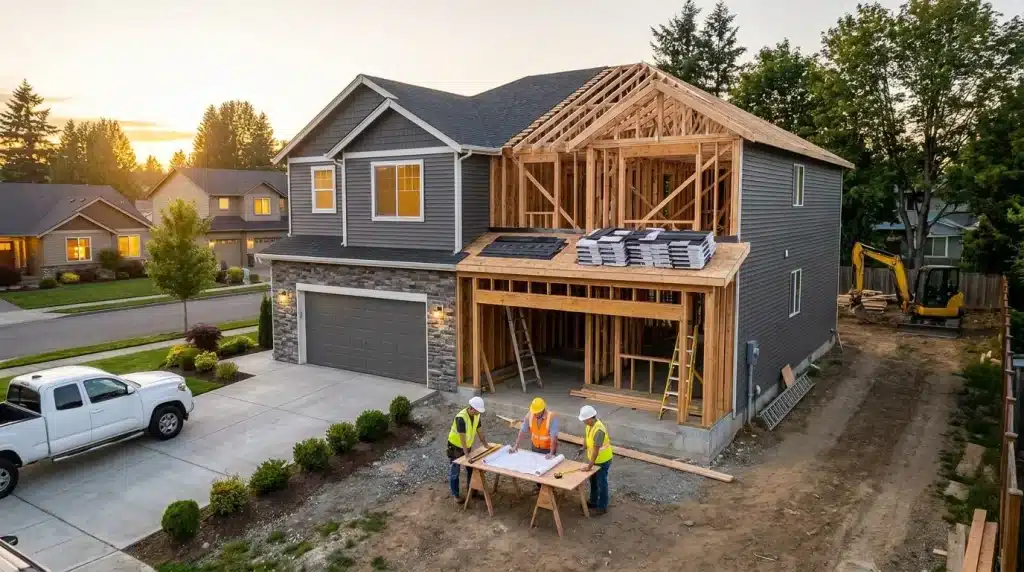


Building a duplex in the USA costs between $180,000 and $1,250,000 depending on size, state, and finish level. Most mid-range builds land between $300,000 and $550,000 for a 2,500 sq ft structure.
If that range feels wide, it is because location and design decisions move the number more than anything else.
I’ve sat through enough contractor conversations to know that the homeowners who get surprised mid-project are almost always the ones who budgeted off a national average without accounting for their specific state, lot conditions, or layout complexity.
This guide breaks down exactly how much does it cost to build a duplex, by construction phase, by state, by floor plan type, and by finish level, so you have what you need before the first contractor quote lands in your inbox.
| Small duplex (1,500 sq ft) | $180,000 (budget) to $450,000 (premium) |
| Mid duplex (2,500 sq ft) | $300,000 (budget) to $750,000 (premium) |
| Large duplex (3,500+ sq ft) | $420,000 (budget) to $1M+ (premium) |
| Cost per sq ft (national range) | $100 (Midwest budget) to $500 (California premium) |
| Typical build time | 4 to 8 months |
| Contingency reserve (recommended) | 15% of the construction budget |
Cost estimates based on national contractor averages and NAHB data, 2025–2026. Verify current pricing with local contractors before budgeting.
Duplex Construction Cost Breakdown by Phase
Most duplex budgets are divided across several construction phases, and each one affects the final number differently.
Understanding what drives cost at each stage is the difference between a project that stays on budget and one that runs 30% over before the roof goes on.
| Line Item | Low End | High End | What Drives Variation |
| Land purchase & site prep | $20,000 | $150,000+ | Urban vs rural lot, soil conditions, grading complexity |
| Foundation & framing | $40,000 | $120,000 | Slab vs basement, single vs multi-story, lumber costs |
| Roofing & exterior | $25,000 | $80,000 | Asphalt vs metal roof, vinyl vs brick siding, roof pitch |
| Plumbing, electrical & HVAC | $35,000 | $100,000 | Separate utility panels per unit, bathroom count, smart upgrades |
| Interior finishes | $30,000 | $120,000+ | Flooring type, kitchen spec, tile work, trim level |
| Permits, inspections & contractor fees | $10,000 | $50,000+ | State regulations, project timeline, contractor experience level |
The single biggest surprise in most duplex budgets I’ve tracked is mechanical systems. Both units need separate plumbing stacks, electrical panels, and HVAC connections. That duplication adds up fast, and it’s the line item most early estimates understate.
Land Purchase and Site Preparation
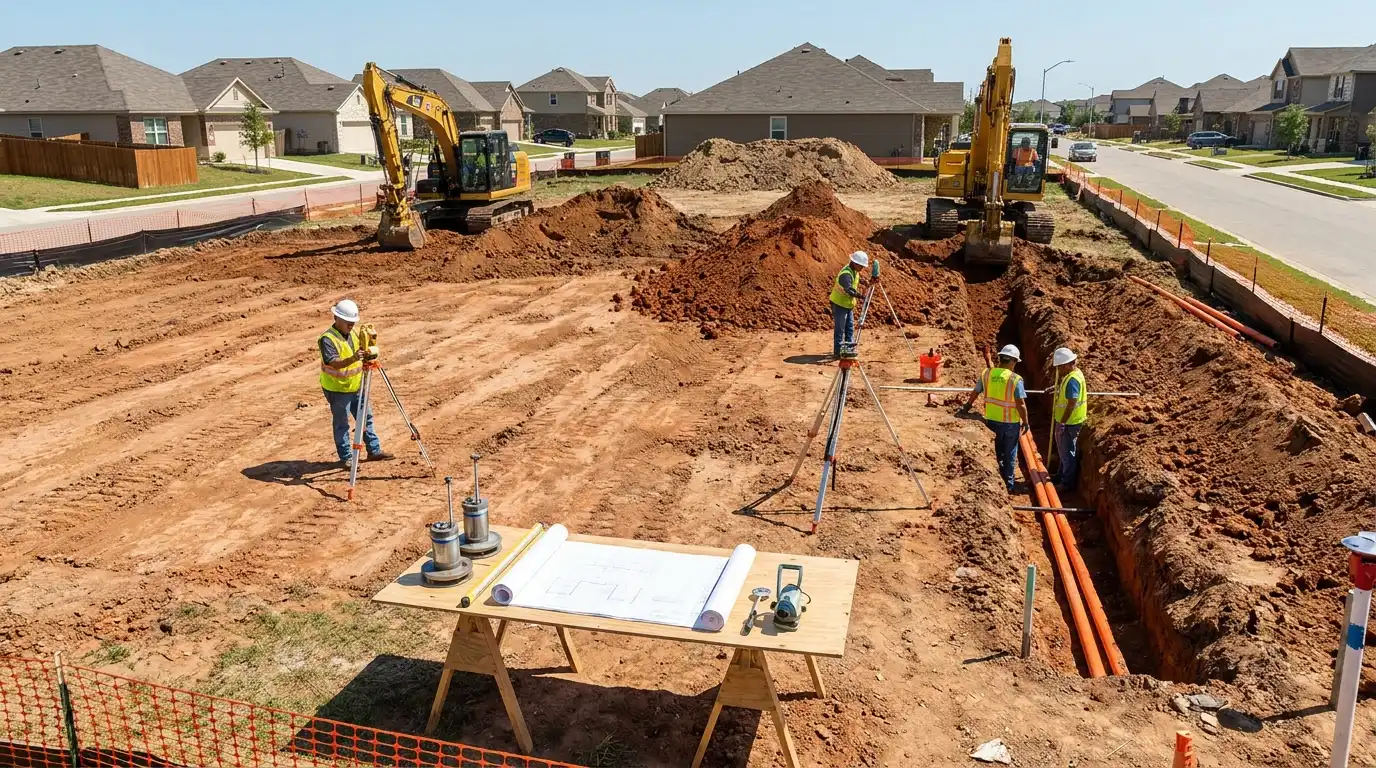
City lots cost more than rural ones, and that gap is significant enough to change your state-level strategy entirely.
Beyond the purchase price, soil testing, grading, excavation, and utility trench work all hit the budget before a single wall goes up.
If the site slopes, expect grading and excavation to run $10,000 to $30,000 on their own.
California builders will tell you this phase alone has derailed more projects than bad contractors.
One Reddit discussion on the topic summed it up directly: grading and excavation are a high-potential cost, and the percentage of construction budgets they consume is underestimated at the planning stage.
Foundation and Structural Framing
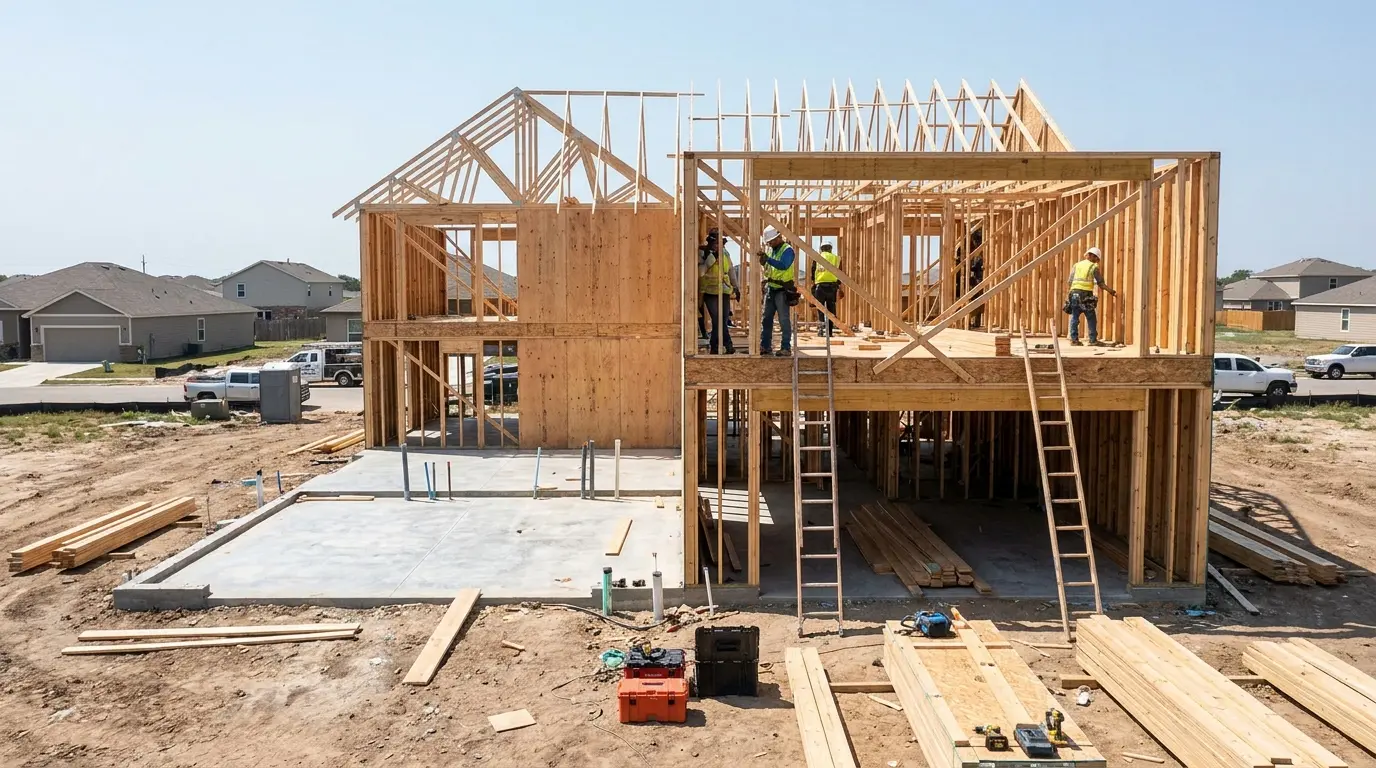
A slab foundation runs significantly cheaper than a basement, and wood framing is less expensive than steel.
Simple rectangular footprints are faster to build than custom shapes. These choices don’t feel dramatic at the design stage, but they determine whether your foundation and framing line item runs $40,000 or $120,000.
For single-story duplexes specifically, simpler structural requirements mean faster plan approvals and fewer engineer-billable hours, a real cost advantage that compounds throughout the project.
Roofing and Exterior Construction
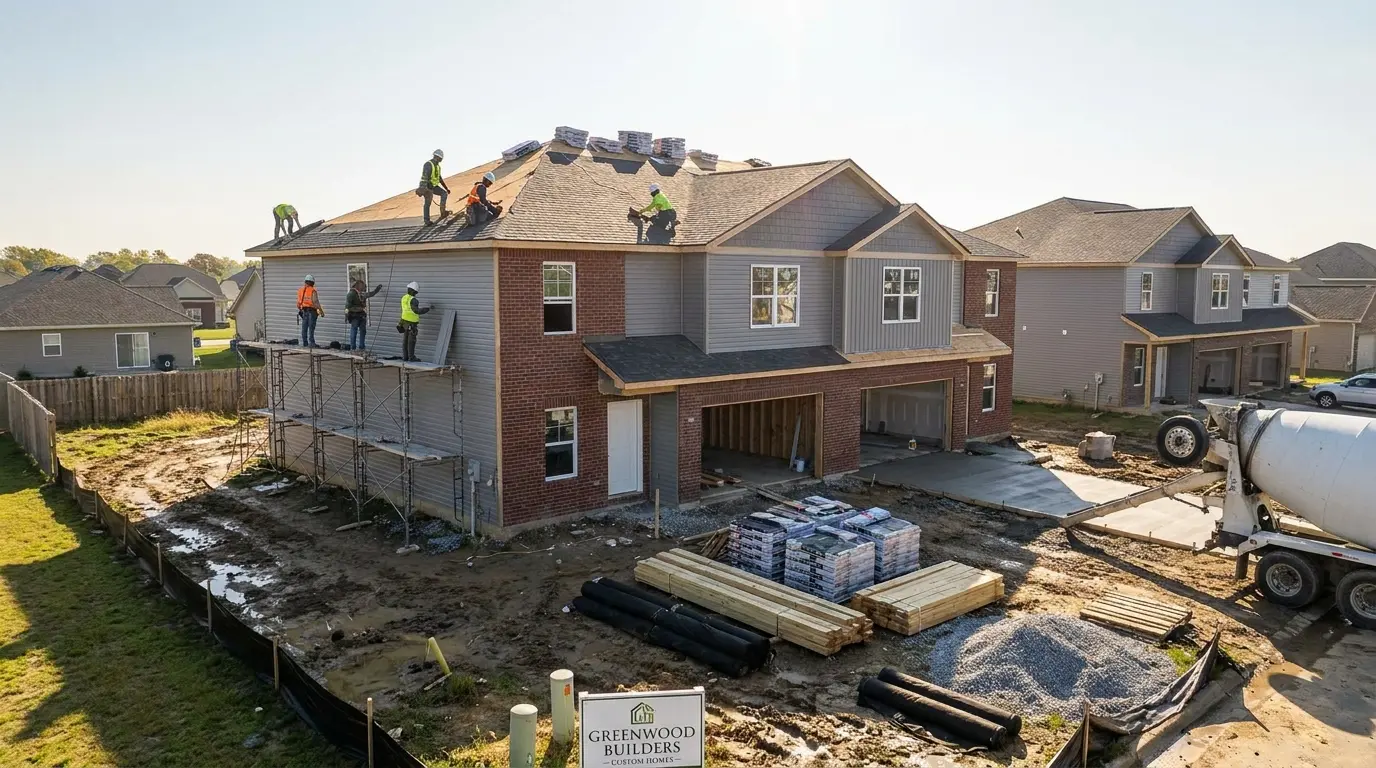
Asphalt shingles cost less than metal or tile roofing, and vinyl siding is the material most Midwest duplex builders rely on to keep rental properties affordable over time.
A Reddit discussion on siding costs put the vinyl figure at $15,000 to $20,000 for a mid-size build, which is why experienced Midwest investors keep choosing it over premium alternatives that add curb appeal but raise both build cost and long-term maintenance expense.
Steep roof pitches also add labor cost regardless of the material you choose, so a simpler roofline is worth designing for early.
Plumbing, Electrical, and HVAC
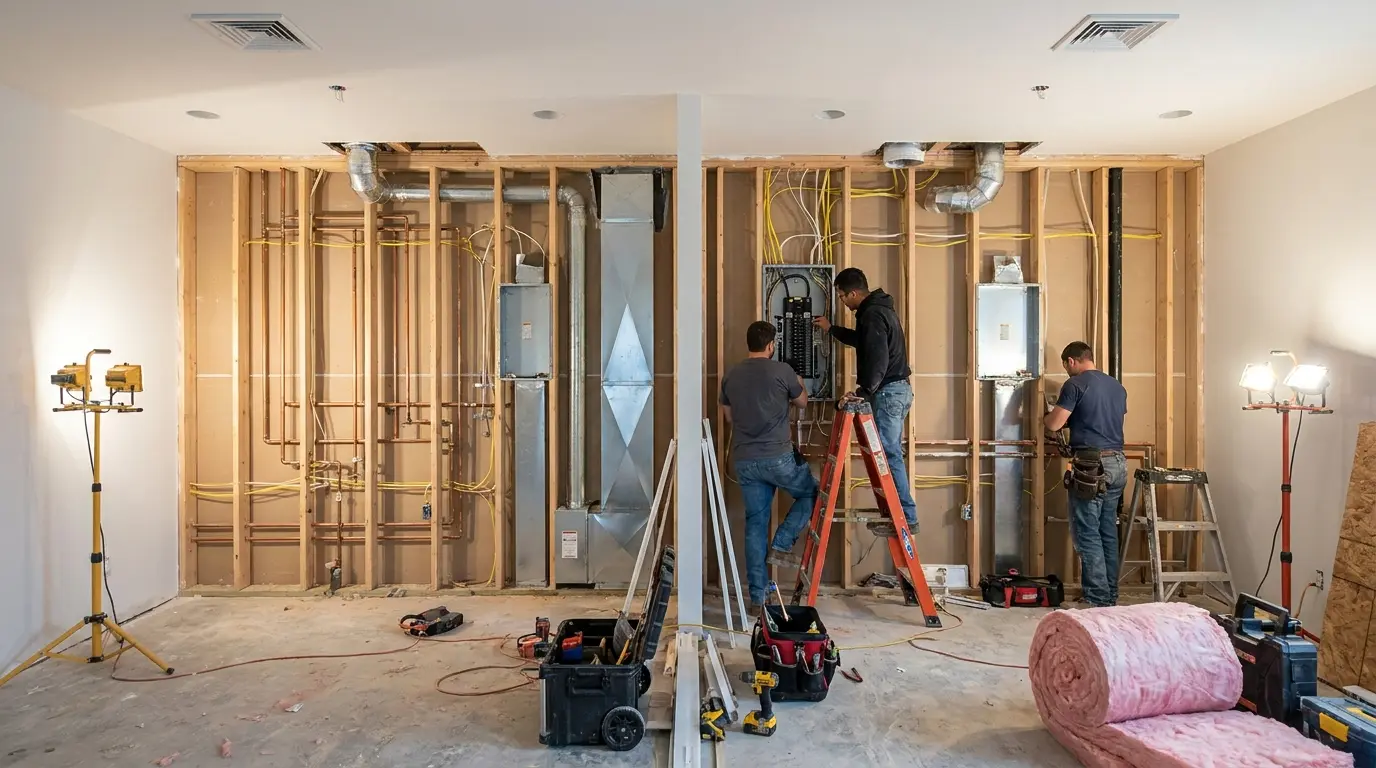
This is where duplex costs structurally diverge from single-family builds. Both units require completely separate plumbing systems, electrical panels, meter connections, and HVAC installs.
The mechanical phase alone typically accounts for 15 to 25 percent of a duplex’s total construction cost. Adding smart home upgrades, extra bathrooms, or a third half-bath per unit pushes this figure higher.
Separate utility meters are non-negotiable for a rental-ready build. Tenants who pay their own bills stay longer and treat the property better.
Interior Finishing Costs
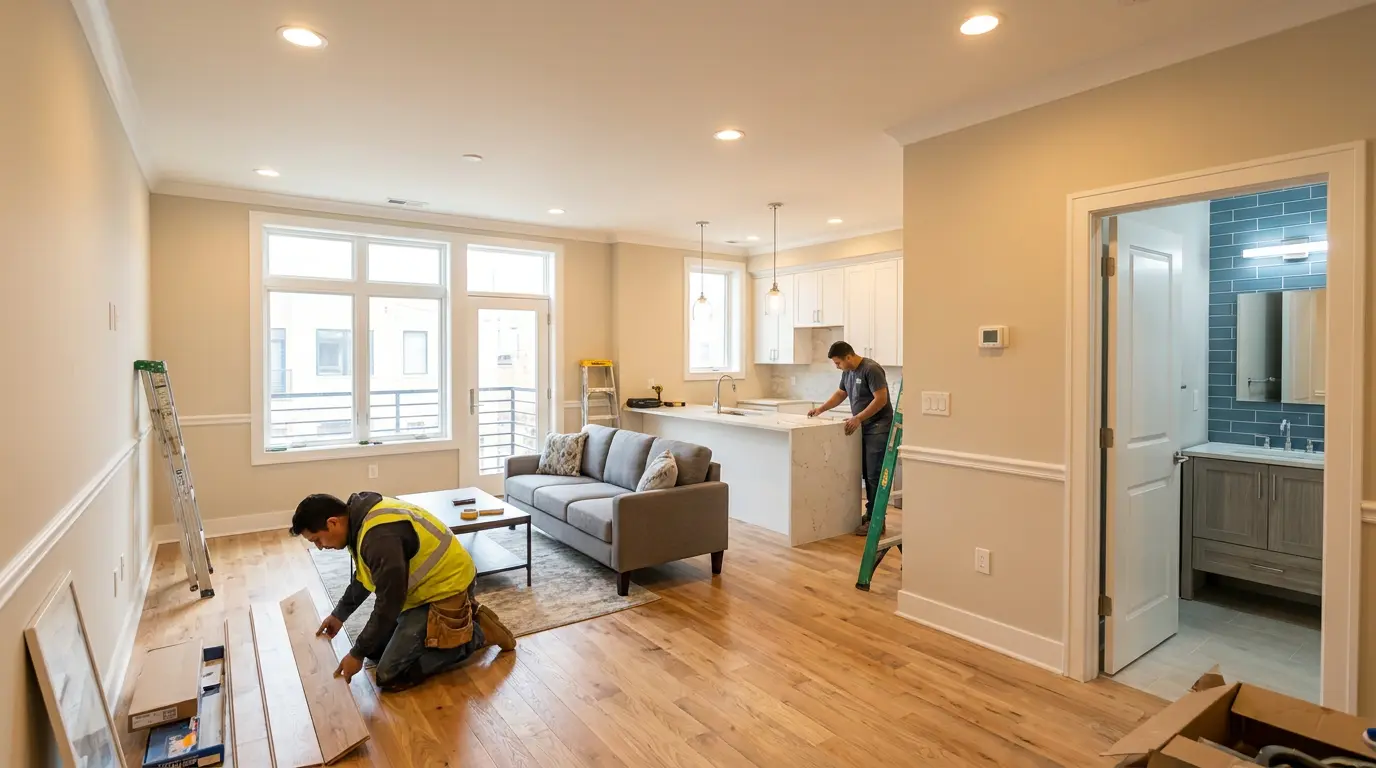
Interior finishes are where most homeowners overspend relative to the return they’ll see in rent.
Hardwood flooring costs more than vinyl plank, upgraded kitchens add $10,000 to $25,000 per unit, and premium trim throughout a whole duplex adds up faster than people expect.
For a rental property, the practical test is whether the finish level justifies a rent increase that covers the extra cost within two to three years. Most of the time, mid-grade finishes clear that bar; premium ones don’t.
Permits, Inspections, and Contractor Fees
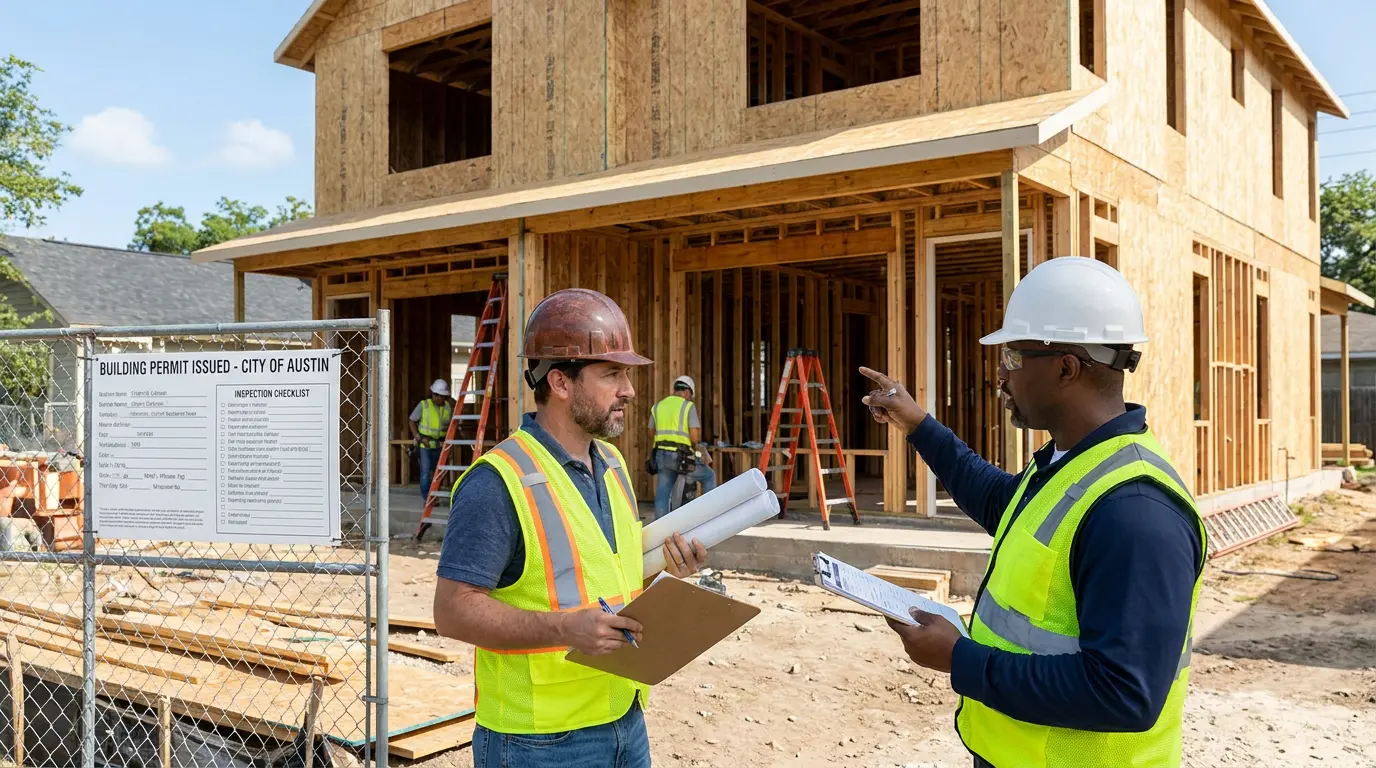
Permit costs vary dramatically by state and municipality. In California, permitting a duplex can run $15,000 to $50,000 and take months.
In Indiana or Ohio, you might clear permits for $3,000 to $8,000 in a few weeks. Contractor fees follow the same pattern; experienced builders in high-cost metros charge more, but they also reduce the risk of costly mid-project corrections.
Delays increase project costs regardless of who’s at fault, so a slower permitting environment means higher carrying costs on your construction loan.
Cost per Square Foot by State
Where you build matters as much as what you build. The table below shows the realistic cost per square foot and estimated total cost for a 2,500 sq ft duplex across ten states, from the most affordable to the most expensive.
A duplex that costs $300,000 in Texas can run $800,000 in California once labor rates, code compliance requirements, and permit timelines are fully accounted for.
| State | Cost per sq ft | Total cost (2,500 sq ft) | Permit difficulty |
|---|---|---|---|
| Indiana | $100–$140 | $250,000–$350,000 | Simple |
| Ohio | $110–$150 | $275,000–$375,000 | Simple |
| Texas | $120–$160 | $300,000–$400,000 | Moderate |
| Florida | $130–$175 | $325,000–$437,000 | Moderate |
| North Carolina | $130–$170 | $325,000–$425,000 | Moderate |
| Illinois | $140–$185 | $350,000–$462,000 | Moderate |
| Colorado | $160–$220 | $400,000–$550,000 | Complex |
| Washington | $180–$250 | $450,000–$625,000 | Complex |
| New York | $200–$300 | $500,000–$750,000 | Very complex |
| California | $220–$500 | $550,000–$1,250,000 | Very complex |
State is not just a location choice; it is a financial one. Indiana and Ohio offer straightforward permitting processes and labor markets that keep a mid-range duplex under $400,000.
California and New York bring high labor costs, strict zoning requirements, and permit timelines that extend your construction loan period and add to the carrying cost before a single tenant moves in.
If you’re comparing states as part of an investment decision, the permit difficulty column matters as much as the per-square-foot figure.
Single Story Duplex Floor Plans
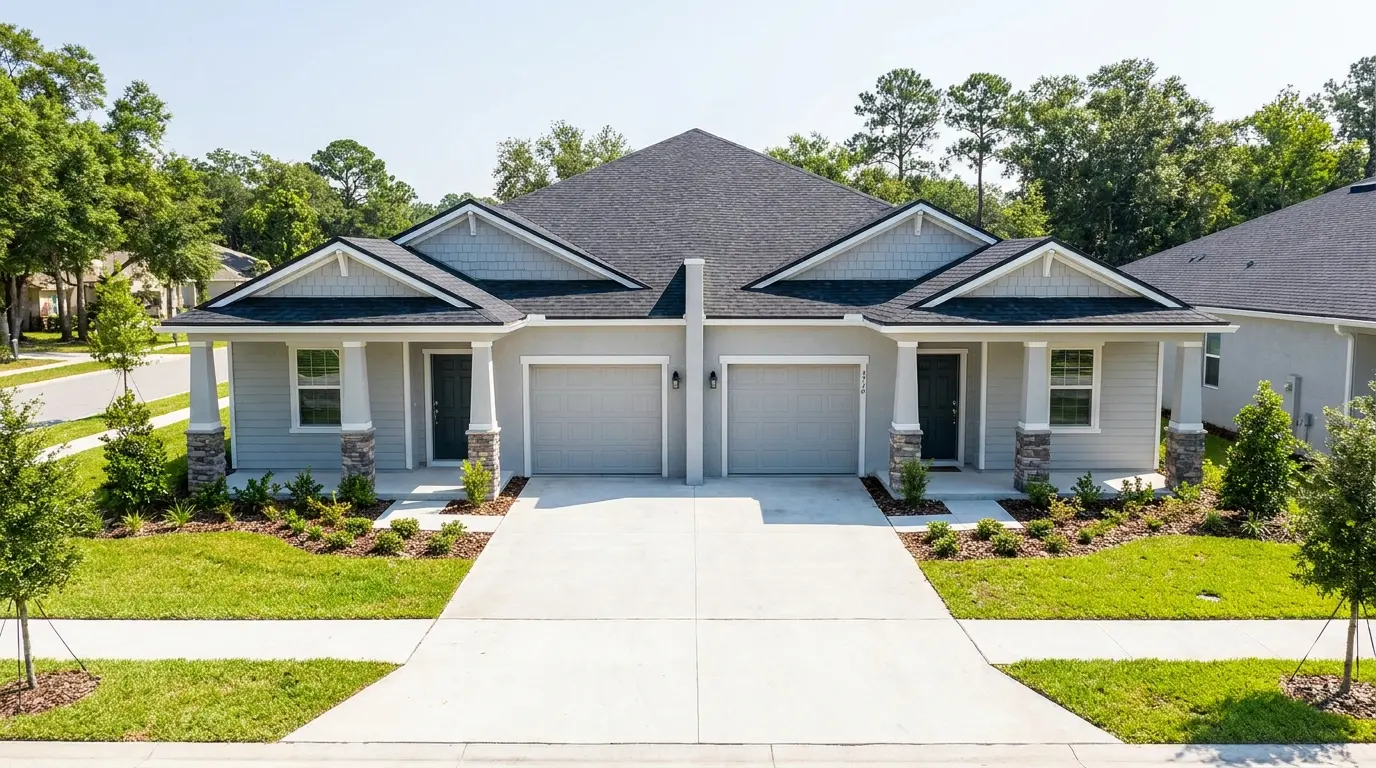
Single story duplex floor plans cost 10 to 25 percent less to build than multi-story designs, and the savings don’t stop at the build date.
No staircase to repair, simpler roof structure, lower long-term maintenance costs, and a layout that works for families and older homeowners without the mobility complications a second floor introduces.
For first-time investors in particular, the single-story design offers the strongest combination of build simplicity, tenant appeal, and long-term cost control.
Side-by-Side Layout
Two mirror-image units sharing one structural wall, each with a separate front entrance facing the street.
This is the most commonly built and most easily rented duplex format in the USA. The shared wall reduces framing and insulation costs without compromising either tenant’s privacy.
Each unit reads like a standalone home from the street, which matters more than most people realize for attracting long-term family tenants over transient ones.
If you’re planning a single-story build on a standard rectangular lot, this is the default layout for a reason.
Front-Back Layout
One unit faces the street, the second sits directly behind it. This layout requires a deeper lot rather than a wide one, which makes it well suited for urban infill plots where lot width is the constraint.
The rear unit typically commands slightly higher rent because it’s quieter and more private, a genuine advantage you can price into the lease from day one.
The practical drawback is access: the front unit is always easier to reach, so factor in whether either tenant has mobility considerations before committing to this layout.
Space Planning Inside Single-Story Units
Room arrangement matters more than total square footage in a single-story duplex.
An open kitchen and living area makes a 1,200 sq ft unit feel significantly larger than a closed floor plan of the same size.
Placing bedrooms on the outer walls, away from the shared partition, keeps noise transfer low and keeps tenants from complaining about each other.
That one placement decision reduces turnover more effectively than any amount of acoustic insulation added after the fact.
Long-Term Cost Advantages of Single-Story Duplexes
Single-story structures have simpler engineering drawings, which means faster plan approval times, lower structural fees, and fewer surprise costs during the build.
After construction, a single-story duplex is easier and cheaper to re-roof, inspect, and repair: no upper-floor waterproofing concerns, no staircase structural work, and any local contractor can handle maintenance without specialist rates.
If you’re planning to hold the property for ten years or more, those long-term savings add up to real money. The outdoor finishing decisions you make around a single-story build also tend to cost less: no upper-level deck work, no second-floor balcony drainage to manage.
3 Bedroom Duplex Floor Plans
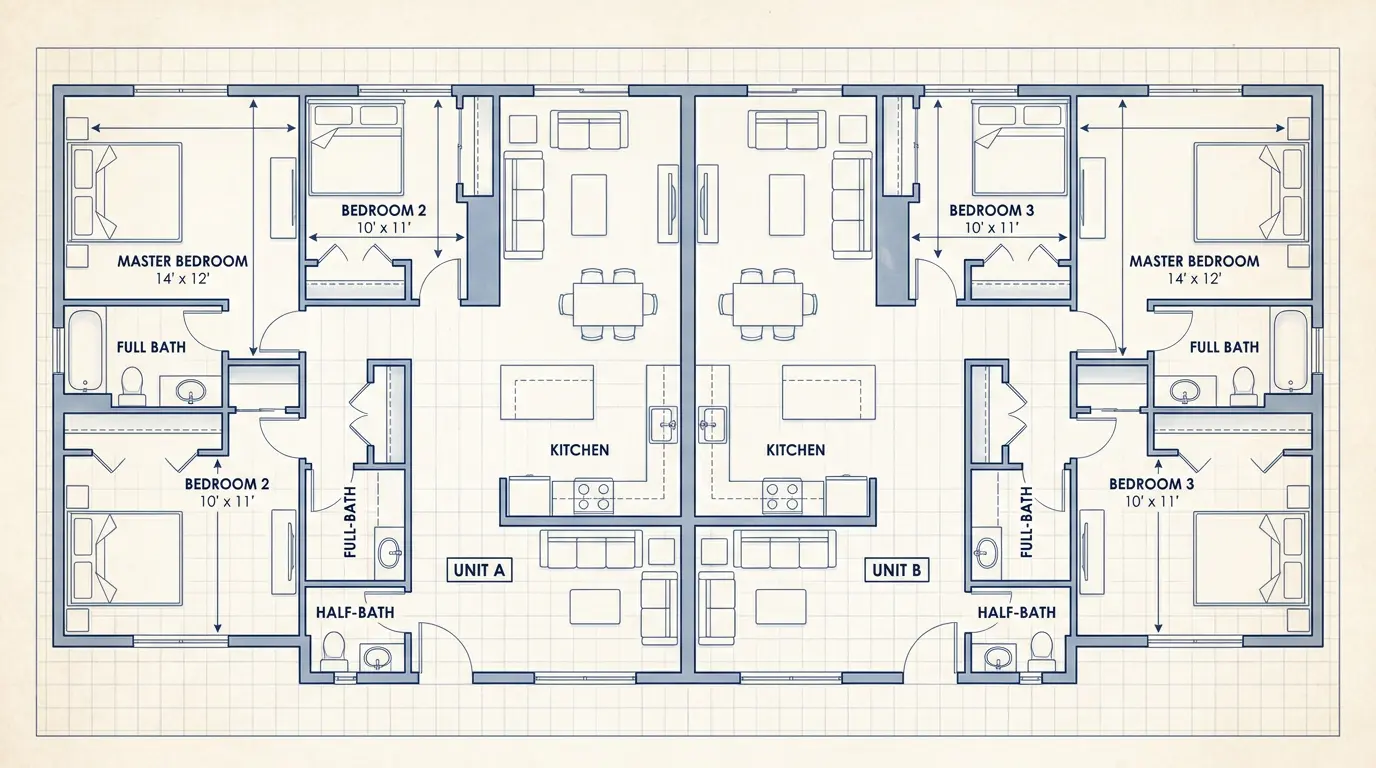
The 3 bedroom duplex is the most rented, most searched, and most commonly built configuration in the USA.
It hits the sweet spot between construction cost and rental income potential: large enough for families, small enough to keep per-unit build cost manageable.
The floor plan you choose determines how well the layout works for real tenants, not just how it looks on paper.
Standard 3-Bedroom Layout
The classic approach puts bedrooms on the outer walls, shared living spaces toward the center, and bathrooms between the two zones.
The master bedroom sits on the outer wall away from the shared partition, where noise isolation matters most.
Secondary bedrooms group together on the same side, which makes them easier to soundproof and better for families with children who want bedrooms in proximity.
One full bath and one half-bath per unit is the standard count that satisfies most family tenants without overbuilding on plumbing costs.
Open-Concept Designs
Removing the wall between the kitchen and the living room makes a smaller unit feel substantially larger, a genuine advantage when you’re trying to rent a 1,100 sq ft space to someone comparing it against 1,300 sq ft options elsewhere.
An island or peninsula kitchen layout defines the cooking zone without closing it off from the living area.
Windows positioned to carry light across the full open space is a detail that consistently shortens the time units sit vacant.
Modern renters expect this layout; closed kitchen floor plans read as dated in the current rental market.
Rental-Focused Layout Decisions
A duplex built for long-term tenants needs privacy, separate utilities, and practical storage built into the plan from day one.
Proper soundproofing in the shared wall (not just standard drywall) makes each unit feel genuinely detached.
Separate utility meters from the start to ensure tenants pay their own bills, which reduces energy waste and improves how carefully they treat the property.
One dedicated parking spot per unit is a hard requirement for family tenants in suburban markets, and in-unit laundry is consistently one of the top reasons tenants choose one rental over another at the same price point.
Outdoor Spaces, Garages, and Extras
A single-car garage per unit adds $15,000 to $30,000 to the build cost and justifies $150 to $300 more in monthly rent, and it pays for itself within five years in most markets.
A private patio or small deck gives each tenant a clearly defined outdoor space rather than a shared yard that creates friction.
A simple fence dividing the backyard is low-cost and high-impact: it delivers genuine privacy without a structural addition.
For a long-term rental property, the landscaping and outdoor hardscaping decisions around a duplex affect perceived value and tenant retention more than many internal finish upgrades do.
Financing a Duplex Build
Financing a duplex construction project works differently from financing a home purchase, and getting the structure wrong costs more than most people expect. Here is what matters before you sign anything.
- Construction loans release funds in stages, not as a lump sum. Your builder hits a milestone, funds are released, and you pay interest only on what has been drawn so far. Understand the draw schedule before you choose a lender.
- FHA financing allows owner-occupants to get in at 3.5% down, compared to 20 to 25 percent for a pure investment property. Projected rental income from the second unit can count toward your loan qualification, a meaningful advantage for first-time duplex buyers.
- Construction loans carry higher interest rates than standard mortgages. Every delay in your build timeline extends your loan period and increases carrying costs. Build that risk into your contingency budget, not your margin.
- Budget a 15% contingency before you break ground. Material prices shift, permits slip, soil conditions surprise you. Something unexpected almost always comes up mid-build; this reserve is what keeps it from derailing the project.
- Your true monthly cost includes more than the mortgage. Landlord insurance, property taxes, and a maintenance reserve all begin the day your first tenant moves in. A detailed look at how these figures stack up against a standard single-family build is worth reviewing as part of your initial planning. The comparison between duplex and single-family home construction costs often changes how people think about their investment structure.
Single-Story vs. Multi-Story Duplex
The choice between a single-story and multi-story duplex comes down to lot size, build budget, maintenance preference, and long-term ownership goals.
| Factor | Single-Story Duplex | Multi-Story Duplex |
|---|---|---|
| Construction cost | Lower: no staircase, simpler framing | Higher: structural support, staircase, multi-level engineering |
| Land requirement | Larger lot needed for horizontal footprint | Smaller lot: vertical design maximizes land efficiency |
| Maintenance complexity | Simpler: one roof level, easier access for repairs | More complex: upper-floor waterproofing, staircase upkeep |
| Best tenant profile | Families, retirees, anyone prioritizing accessibility | Investors maximizing rentable square footage on smaller lots |
| Long-term cost of ownership | Lower: simpler structure ages with fewer costly repairs | Higher: more components to maintain over time |
Single-story wins on cost, accessibility, and long-term simplicity. Multi-story wins on land efficiency and rentable square footage on constrained urban lots. Neither is universally better; the right answer depends on where you’re building and who you’re building for.
Where Duplex Budgets Go Wrong
After reviewing hundreds of real duplex construction projects, the budget overruns almost always trace back to the same handful of decisions made before the build started.
- Underestimating mechanical costs. Separate systems for two units add up faster than any single-line estimate captures. Get a dedicated mechanical quote early, before the general contractor’s bid.
- Ignoring site preparation costs. Grading, excavation, and utility connections are wildly variable by location. Budget these as line items, not as part of a lump-sum estimate.
- Interior finish creep. Every upgrade from standard to premium adds cost across two full units. Flooring alone (switching from vinyl plank to hardwood) adds $10,000 to $20,000 to a mid-size build. Set your finish tier before you meet contractors, not during the design conversation.
- No contingency reserve. A 15% contingency is not pessimism; it is construction reality. Most projects hit unexpected conditions at foundation or framing stage. The ones that don’t use the reserve end up ahead; the ones that need it and don’t have it end up in trouble.
- Underpricing permit timelines. In complex-permit states, waiting three to six months for approvals while carrying a construction loan is a real cost. Build this delay into your financing plan, not your wish list.
What to Ask Your Contractor Before Signing
These five questions separate contractors who will keep your duplex project on budget from those who will cost you significantly more than their initial quote suggested.
- “Is your quote fixed-price or cost-plus?” Fixed-price contracts protect your budget; cost-plus contracts transfer all cost risk to you. Know which one you’re signing.
- “What’s your timeline for the permit approval phase?” A contractor with no clear answer to this has never built in your permit jurisdiction before, or doesn’t track it carefully.
- “What subcontractors do you use for mechanical work, and are they already scheduled?” Subcontractor availability is one of the most common causes of project delays.
- “What does your draw schedule look like, and how does it align with the construction loan milestone requirements?” Misalignment here creates cash flow gaps mid-project.
- “What site conditions would change this quote materially?” Soil surprises, unexpected utility relocation requirements, and drainage issues are the three most common cost increases after signing. A good contractor will tell you the answer before you ask.
| Cost Note: Figures in this article are estimates based on national averages from NAHB Cost of Construction Survey data and 2025–2026 contractor pricing. Actual costs vary significantly by region, contractor, lot conditions, and finish level. Always get at least three quotes before committing to any duplex construction project. |
Frequently Asked Questions
How much does it cost to build a duplex in 2026?
Most duplex construction projects in 2026 cost between $293,000 and $549,000 nationally, with an average near $400,000 for a 2,500 sq ft build. Low-cost states like Indiana run $250,000 to $350,000 for the same size. California and New York projects regularly exceed $750,000 once permit delays and labor rates are factored in.
How much to build a duplex per square foot?
The national range is $100 to $240 per square foot depending on location, finish level, and design. Single-story builds at the simpler end of the design spectrum sit around $110 to $135 per sq ft. Premium multi-story builds in high-cost states run $250 to $500 per sq ft, with California at the top of that range.
How long does it take to build a duplex?
Most duplex construction timelines run 4 to 8 months for the physical build. Add the permit approval phase, which ranges from 2 to 4 weeks in simple-permit states to 3 to 6 months in California and New York. Total project duration from permit application to occupancy typically runs 6 to 14 months depending on state and municipality.
Is it cheaper to build or buy a duplex?
Building gives you control over layout, finish level, and long-term maintenance cost. Buying an existing duplex is typically faster and has lower up-front carrying costs. In most markets, building a new duplex costs 10 to 30 percent more than buying comparable existing stock, but a new build carries lower immediate maintenance expense and can be designed for specific tenant needs.
Can you build a duplex on a single-family lot?
It depends entirely on local zoning. Many municipalities have historically prohibited duplexes on single-family-zoned lots, though this is changing in a growing number of states as housing shortage legislation passes. California, Oregon, and several other states have passed laws requiring cities to permit duplexes on single-family lots. Check your specific municipality’s zoning code before purchasing land for this purpose.
What zoning do you need to build a duplex?
You typically need residential zoning that permits two-family or multi-family construction, often classified as R-2 or MF-1 zoning in most US municipalities. Some areas require a conditional use permit or variance. In states with recent housing reform legislation, duplex construction rights on single-family-zoned lots have expanded significantly. Verify current local requirements with your county planning department before purchasing land.
How much does it cost to build a 2-unit duplex?
A 2-unit duplex (the standard duplex configuration) costs $180,000 to $1,250,000 depending on size, state, and finish level. The national average for a 2,500 sq ft two-unit build is approximately $400,000. Budget and mid-range builds in affordable states run $250,000 to $500,000; premium California builds commonly exceed $800,000.
Can I build a duplex on my land?
Yes, if your land is zoned appropriately and the lot is large enough to meet local setback and footprint requirements. Minimum lot sizes for duplexes vary by municipality. Many require 6,000 to 10,000 sq ft minimum for a side-by-side layout. Have your land’s zoning classification and lot dimensions confirmed before drawing plans or hiring a contractor.
Final Verdict
If you’re choosing between a $400,000 duplex build in Texas and sitting on cash, the numbers are straightforward: rental income from one unit offsets a substantial portion of your monthly mortgage, and you own an appreciating asset with income-producing potential from day one.
If you’re comparing the same duplex build in California at $800,000 to $1,200,000, the return calculus changes significantly, and the permit timeline adds real carrying cost that doesn’t show up in per-square-foot estimates.
The question of how much does it cost to build a duplex is really two questions: what does it cost where you’re building, and what does that cost look like against realistic rental income in that market.
Run that calculation with local contractor quotes and local rental comps before signing anything. That’s the one question worth getting right before a single permit application is filed.