

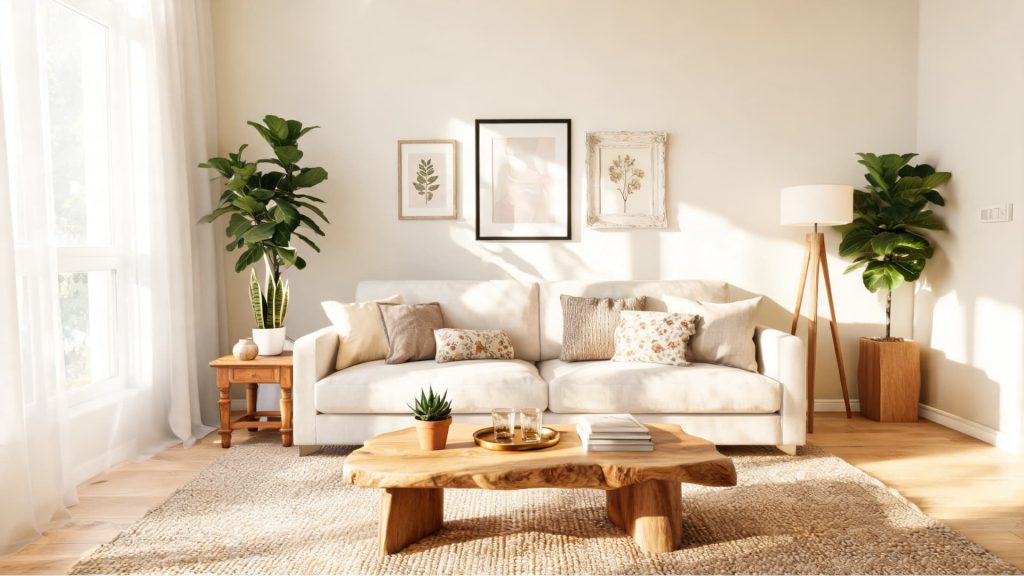


Choosing a design style can feel confusing when you like multiple looks at the same time—modern, cozy, rustic, or bold all pulling you in different directions.
Interior design styles make that decision easier by acting as flexible starting points rather than strict rules. Each style gives you direction on color palettes, furniture choices, materials, textures, and overall mood so your space feels more cohesive and intentional.
In this guide, you will find key interior design styles, what defines each one, where they work best, and how to mix them without losing balance. If you have already completed our interior design style quiz, this is the next step to understand your result in a deeper, more practical way.
Interior Design Styles Explained for Beginners
Interior design styles help you understand how different choices in furniture, color, materials, and layout come together to create a specific mood in a room.
Instead of guessing what looks good, you can use these styles as simple guides to make your space feel more balanced and intentional.
Each style offers its own direction; some focus on minimal and clean spaces, while others bring in texture, warmth, or bold character.
When you understand these basics, it becomes easier to mix elements without making the room feel random or cluttered. This section breaks down interior design styles in a simple way so you can quickly identify what fits your taste, your space, and the way you actually live every day.
Simple and Calm Interior Design Styles
These styles share one thing: less visual noise. They use open layouts, restrained color, and furniture chosen for usefulness as much as appearance. They work for people who want a room that does not feel like it requires constant maintenance to look right.
1. Modern Interior Design Style
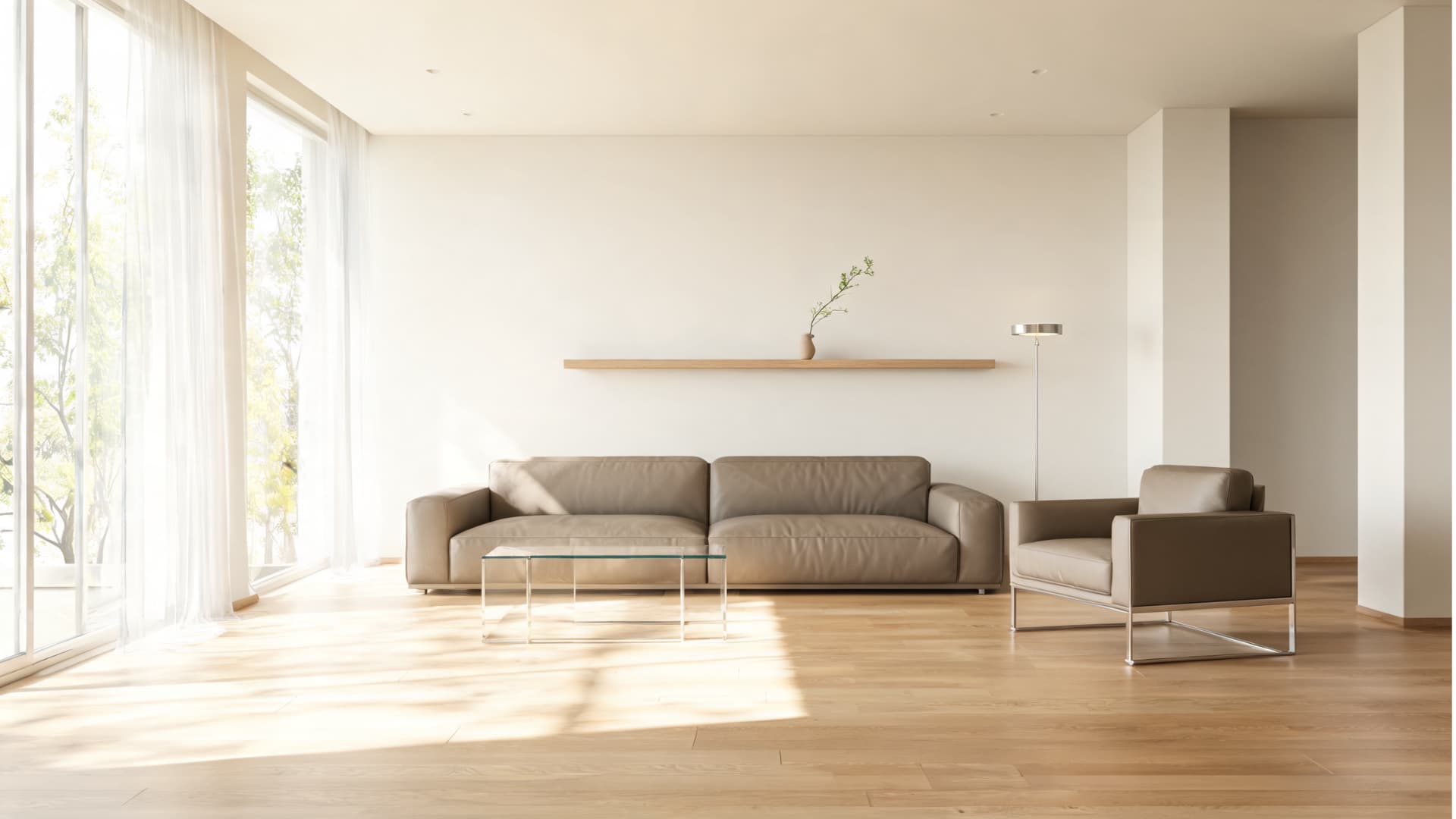
Modern interior design refers to early- to mid-20th-century design, not anything currently trending. The defining features are clean lines, open layouts, smooth surfaces, and very little decorative clutter. Furniture sits close to the floor. Shapes are geometric. Nothing is fussy.
Common materials: neutral paint, wood, glass, metal, leather. If you want to try it without committing, replace any ornate piece with something that has a straight silhouette and no added detail. That is where modern starts.
2. Contemporary Interior Design Style
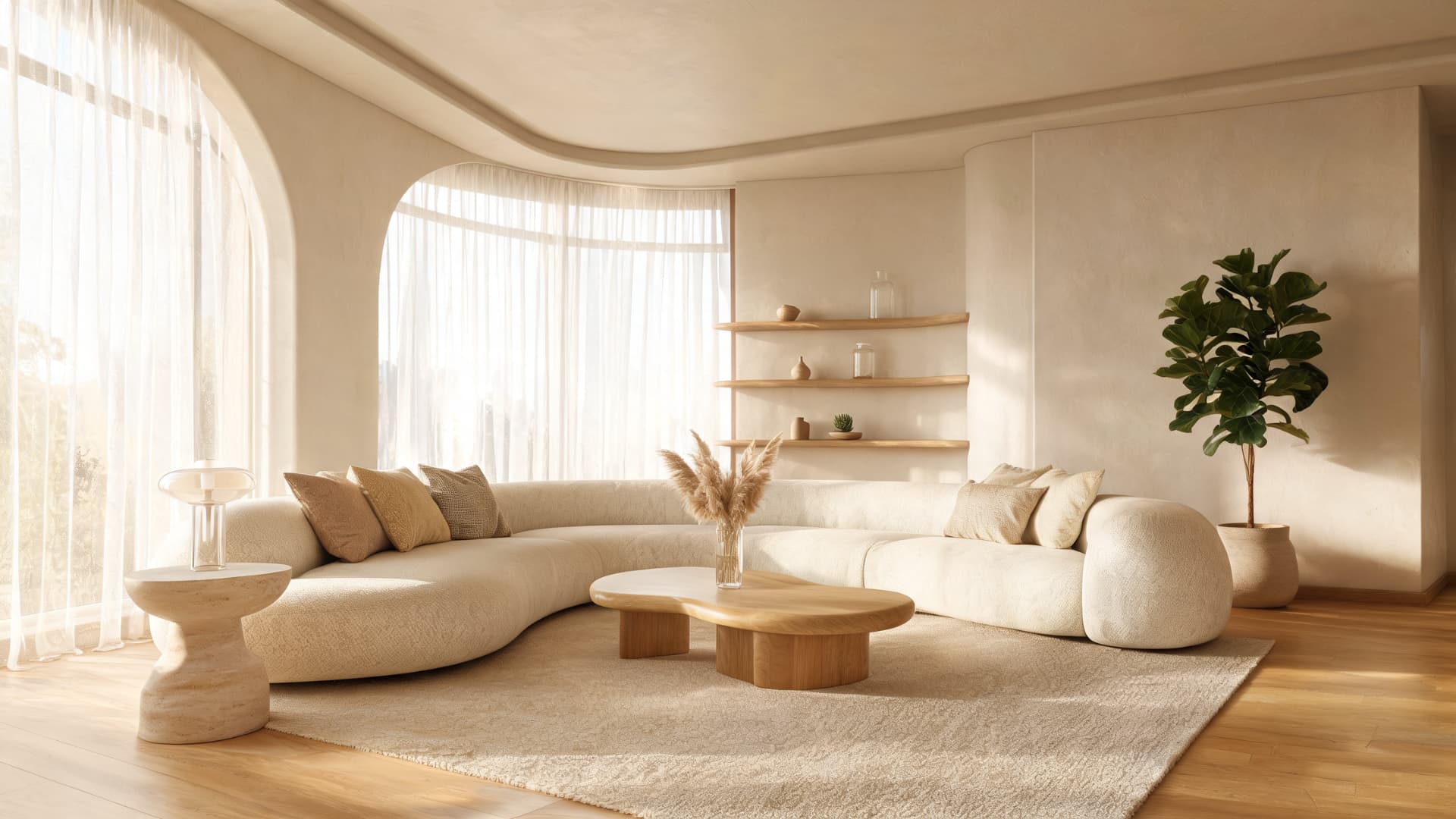
Contemporary design means what is happening right now in design, so it shifts. As of the mid-2020s, that means curved furniture, soft shapes, warm neutrals, and natural textures. It is less rigid than modern and more forgiving when you mix in older pieces.
Common materials: stone, warm wood, glass, textured fabric. One curved chair or a textured rug in a warm oat or clay color is a practical first step.
3. Minimalist Interior Design Style
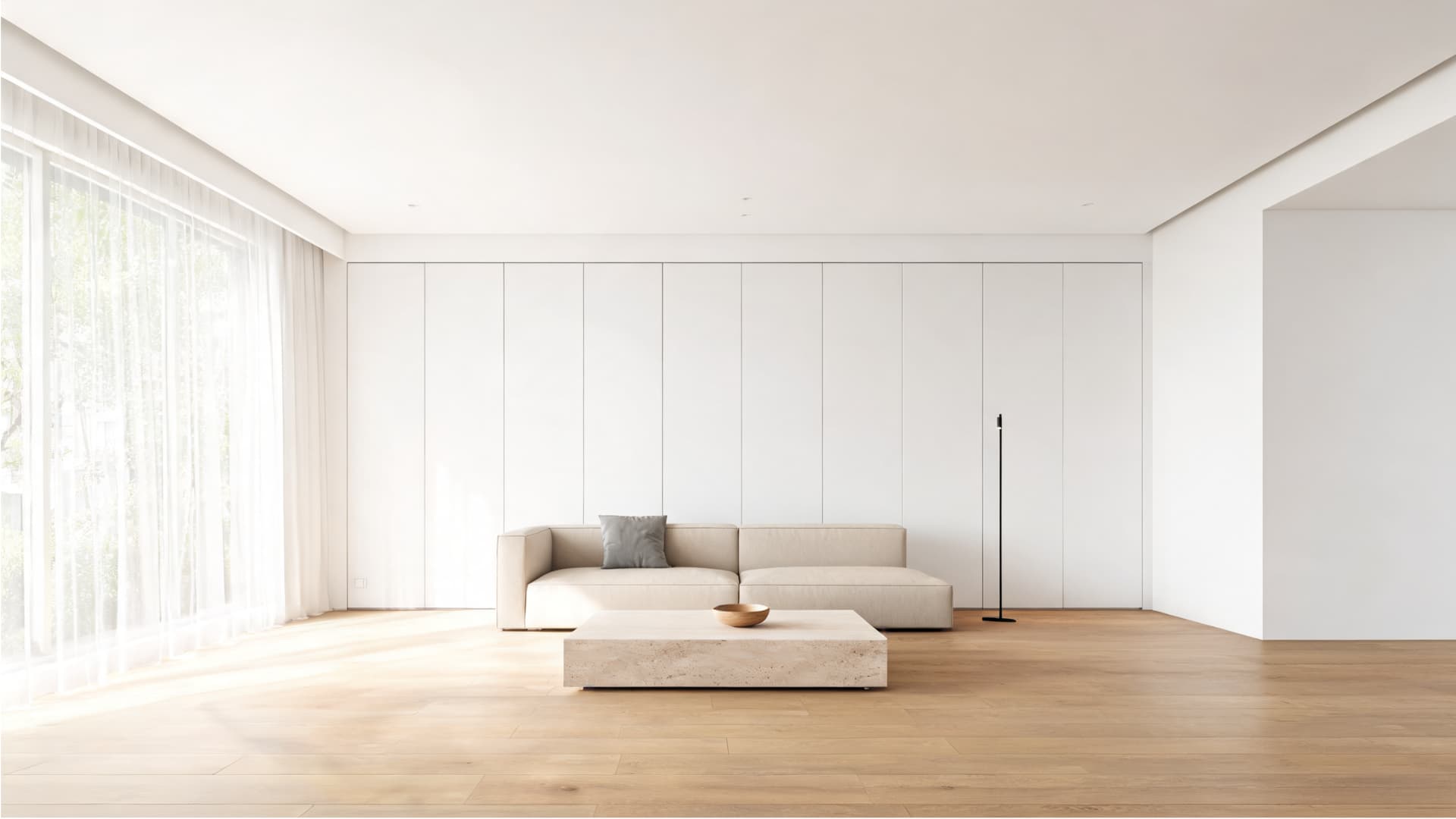
Minimalist design is often misread as empty. The goal is not emptiness — it is intentionality. Every piece should earn its place, which usually means fewer but better-quality items, hidden storage, and surfaces that stay clear by design rather than by effort. The same logic applies in the kitchen: a minimalist kitchen works through handleless cabinets, integrated appliances, and zero counter clutter, not through removing everything useful.
Common palette: white, beige, gray, black, natural wood, stone. The practical starting point is clearing the surfaces you look at most. Do not buy anything until you have done that first.
4. Scandinavian Interior Design Style
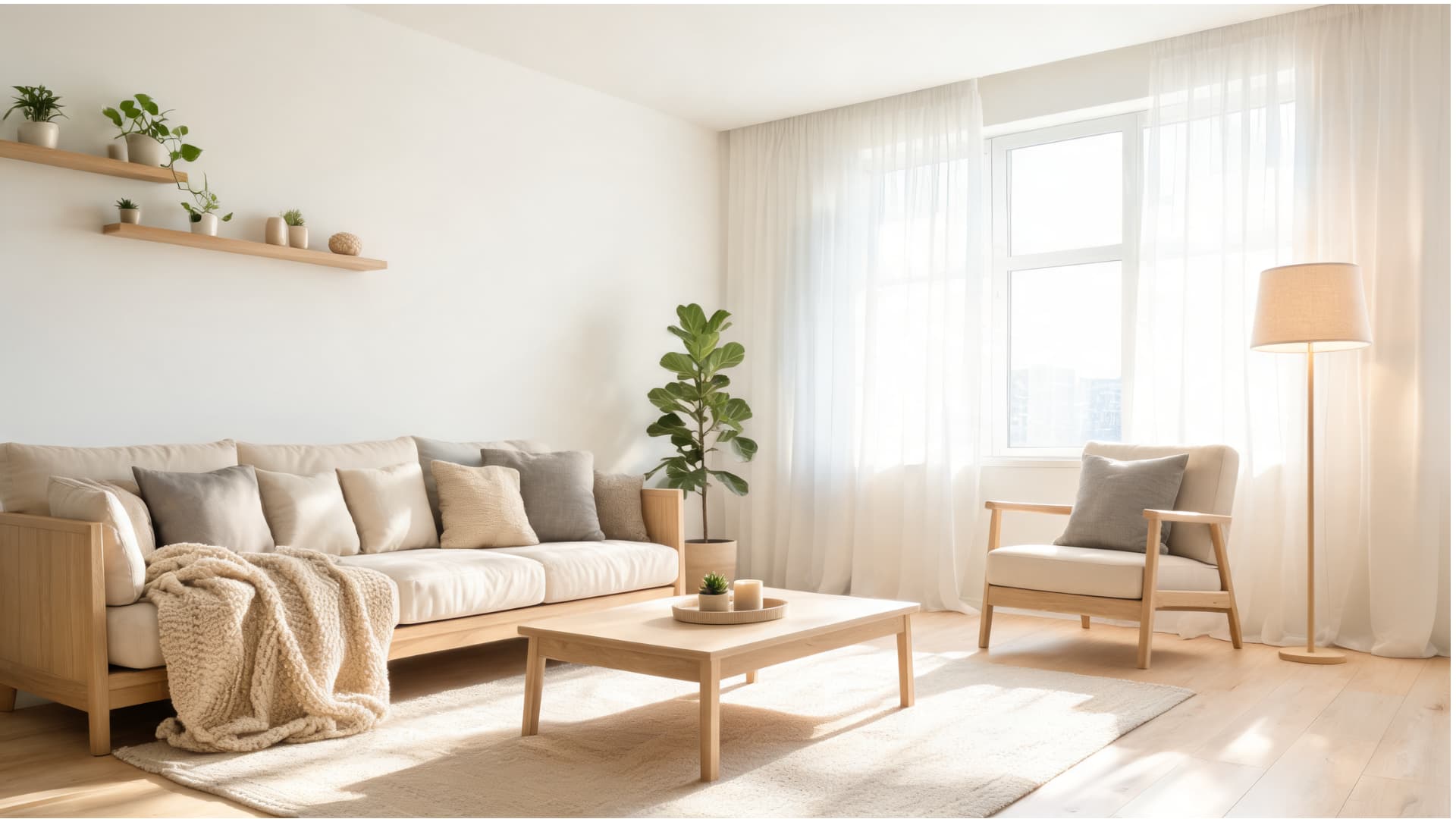
Scandinavian design solves the problem that minimalism sometimes creates: rooms that feel cold. It keeps the simplicity but adds warmth through natural light, pale wood, soft textiles, and a livable sense of comfort.
This is a style that works particularly well in small apartments and rooms with low ceilings, where the light palette and low-profile furniture keep the space from feeling compressed.
Common materials: light wood, wool, linen, cotton, sheer curtains. Start with a pale wood side table, a cozy throw, and let natural light in as much as your windows allow.
5. Japandi Interior Design Style
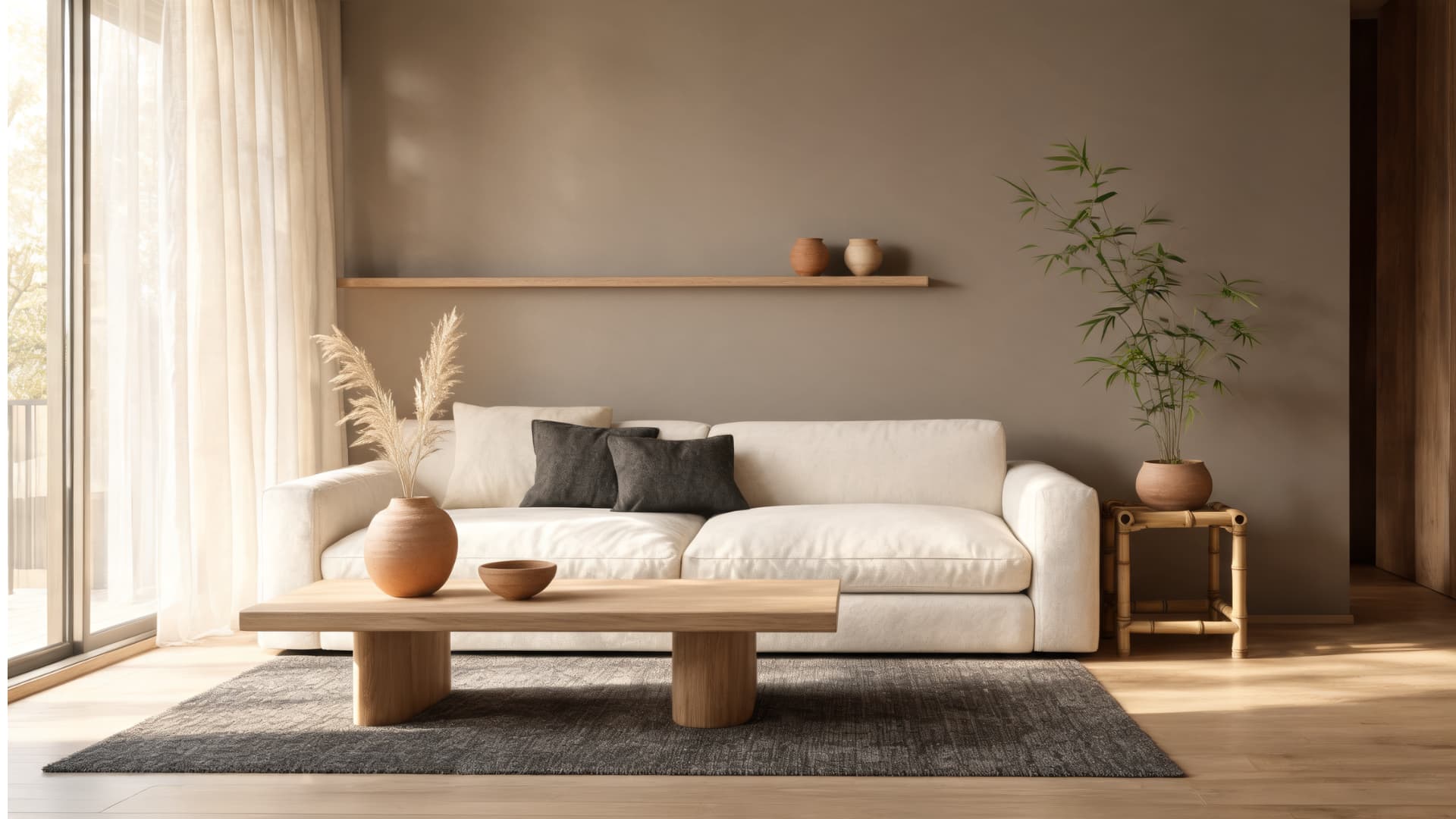
Japandi merges Japanese wabi-sabi principles with Scandinavian warmth. Low-profile furniture, handmade ceramic and clay pieces, and a palette of taupe, cream, and charcoal define the look. The result is calm without being sparse, and grounded without being heavy.
Common materials: bamboo, wood, clay, linen. A low bench or a ceramic vase on a clear surface gets you there faster than redecorating an entire room.
6. Quiet Luxury Interior Design Style
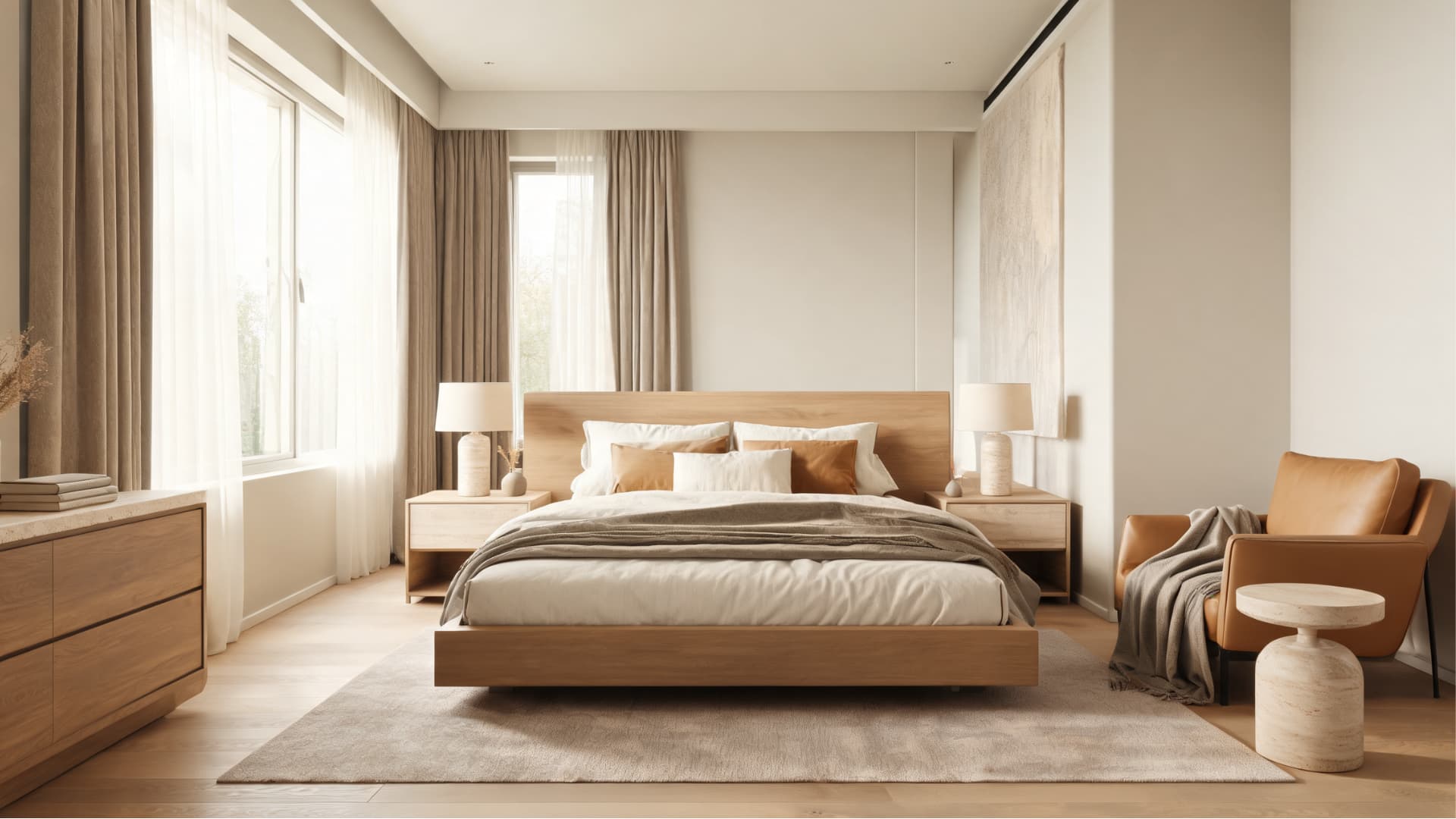
Quiet luxury is polish without announcement. The furniture is well-made and well-proportioned. The palette stays in cream, taupe, camel, and stone. Nothing shouts. What makes it work is material quality and restraint, fewer pieces, better finish, correct scale.
If you are working through the bedroom specifically, the best bedroom colors for this style sit in the mushroom, warm gray, and pale putty range.
Common materials: wool, linen, leather, wood. The shift toward quiet luxury does not require buying everything new. It often means removing what is cluttering a room that already has good bones.
7. Modern Organic Interior Design Style
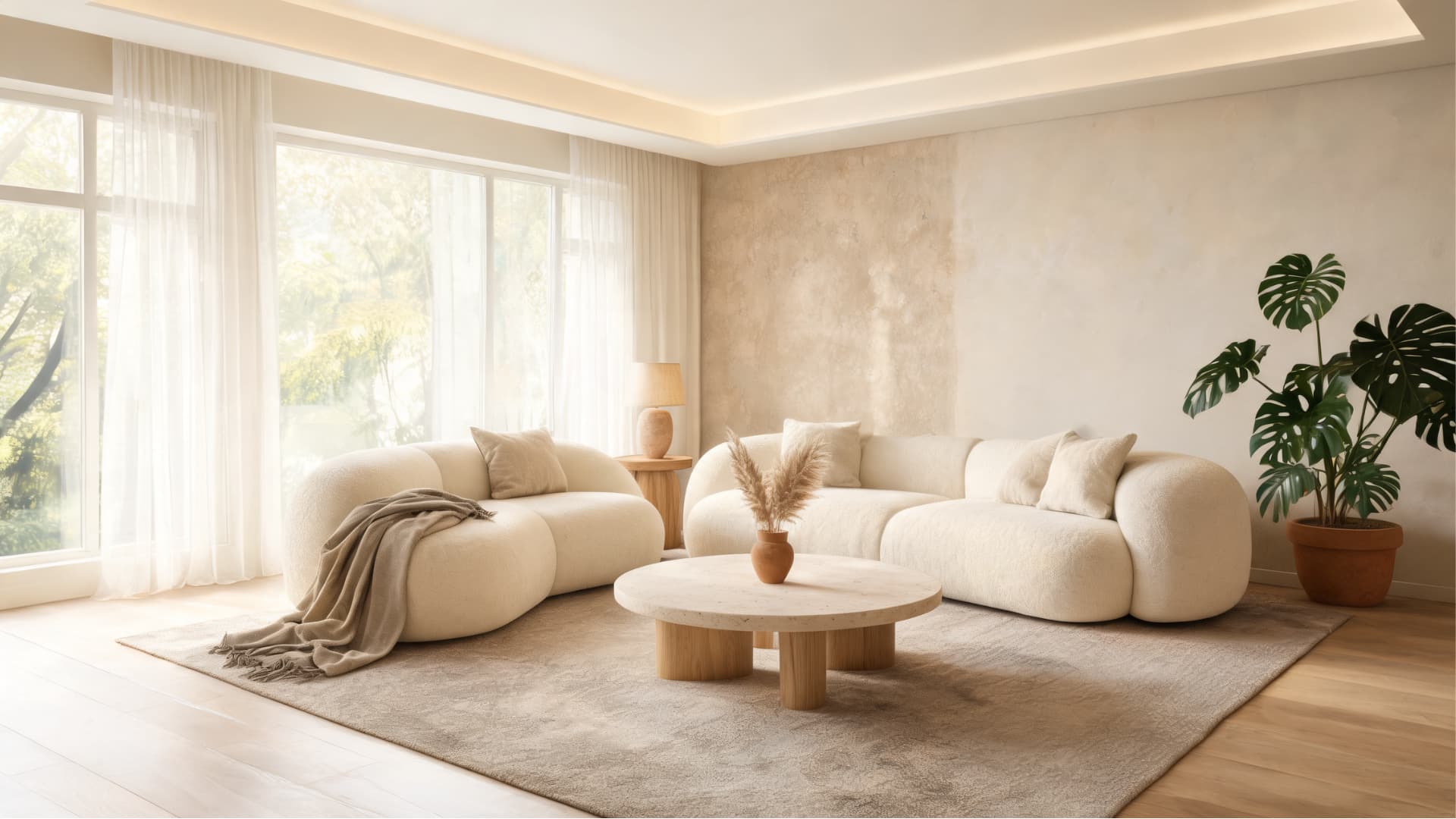
Modern organic is what happens when you want the clean layout of a modern room but cannot stand how cold it feels. Curved furniture softens the geometry. Natural materials, boucle, stone, linen, live-edge wood- add warmth without adding clutter. The palette stays quiet: white, beige, taupe.
One curved upholstered chair or a stone-look coffee table is enough to move an otherwise modern room in this direction without a full redesign.
Classic and Refined Interior Design Styles
These styles bring structure, symmetry, and finish. They tend to use richer materials, more deliberate layouts, and details that make a room feel considered rather than assembled. They take more discipline to execute well, but they age better than most trend-led looks.
8. Traditional Interior Design Style
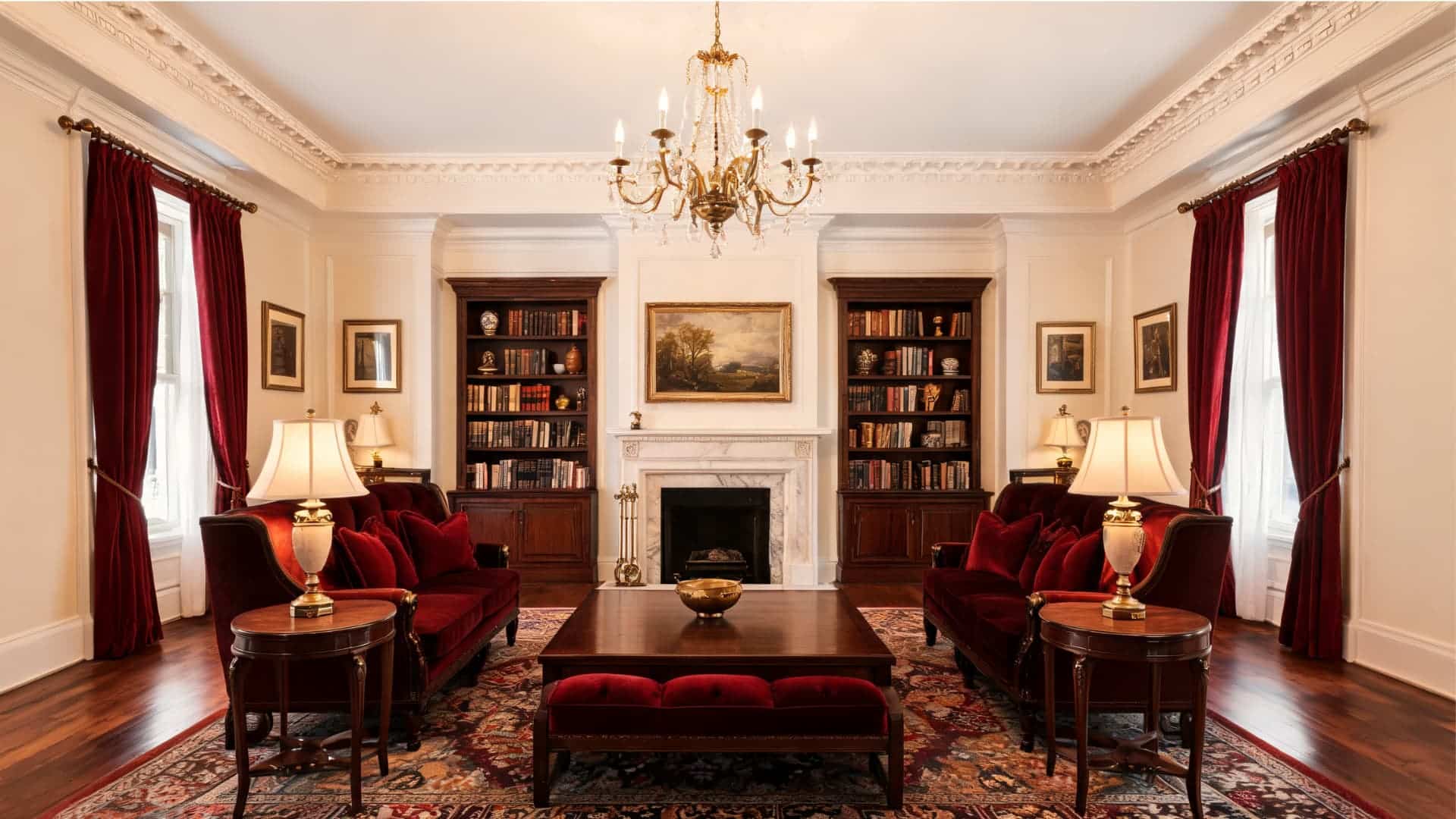
Traditional design is grounded in balance and history. Symmetrical layouts, paired furniture arrangements, crown molding, framed art, and rich fabrics create a room that feels established rather than put together recently. It works best in homes that already have architectural detail to work with.
Common materials: dark wood, velvet, silk, brass. A classic rug with a symmetrical furniture arrangement is the fastest way to test whether this direction works in your space.
9. Transitional Interior Design Style
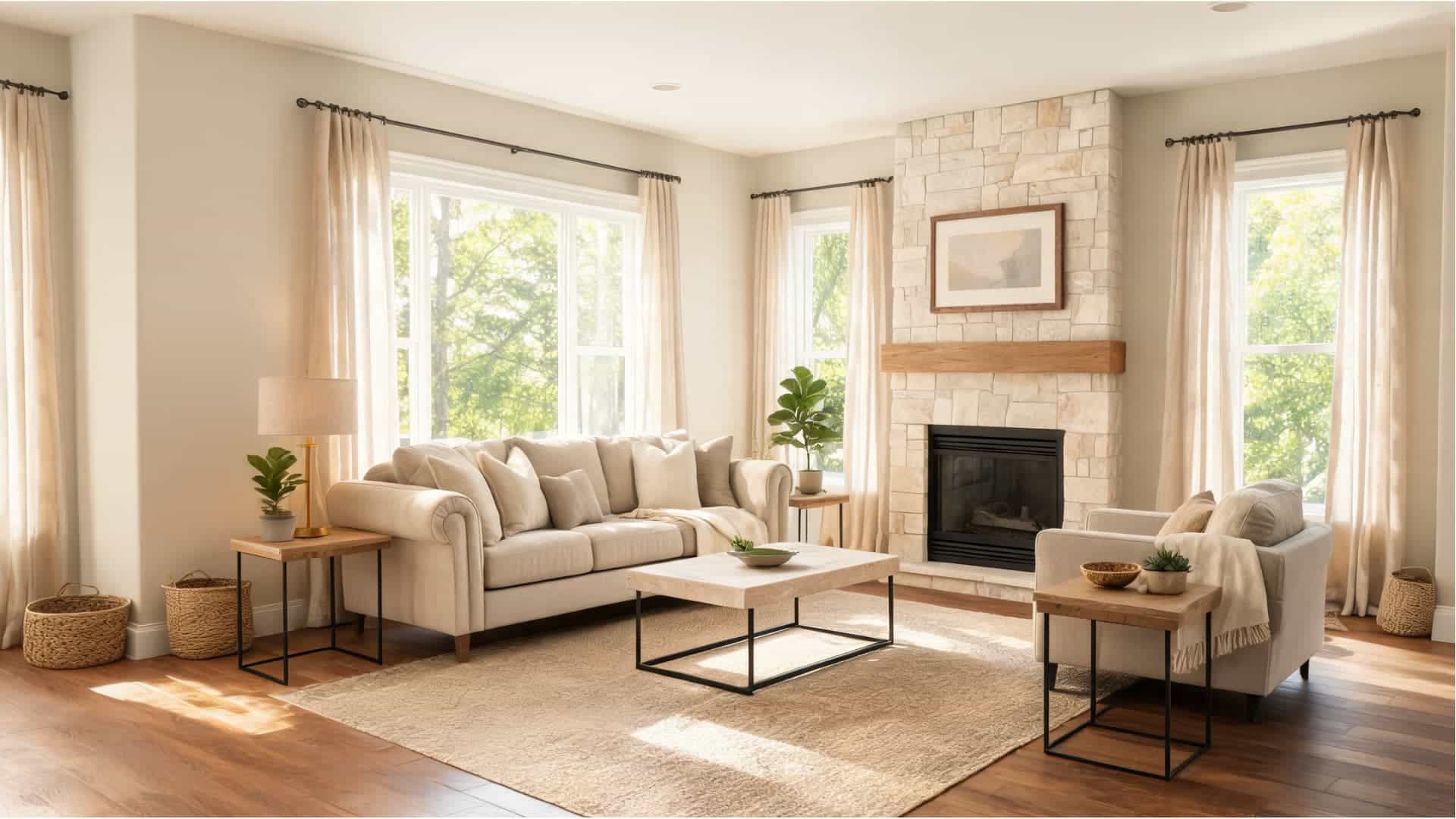
Transitional design strips the formality out of traditional without going fully contemporary. Classic furniture shapes stay, but the heavy details and rich colors get replaced with soft neutrals and cleaner lines. It is the style most likely to work for people who own a mix of old and new pieces and want them to coexist.
Common materials: linen, wood, stone, metal. Try pairing a traditionally shaped sofa with modern pendant lighting — that combination captures transitional exactly.
10. Art Deco Interior Design Style
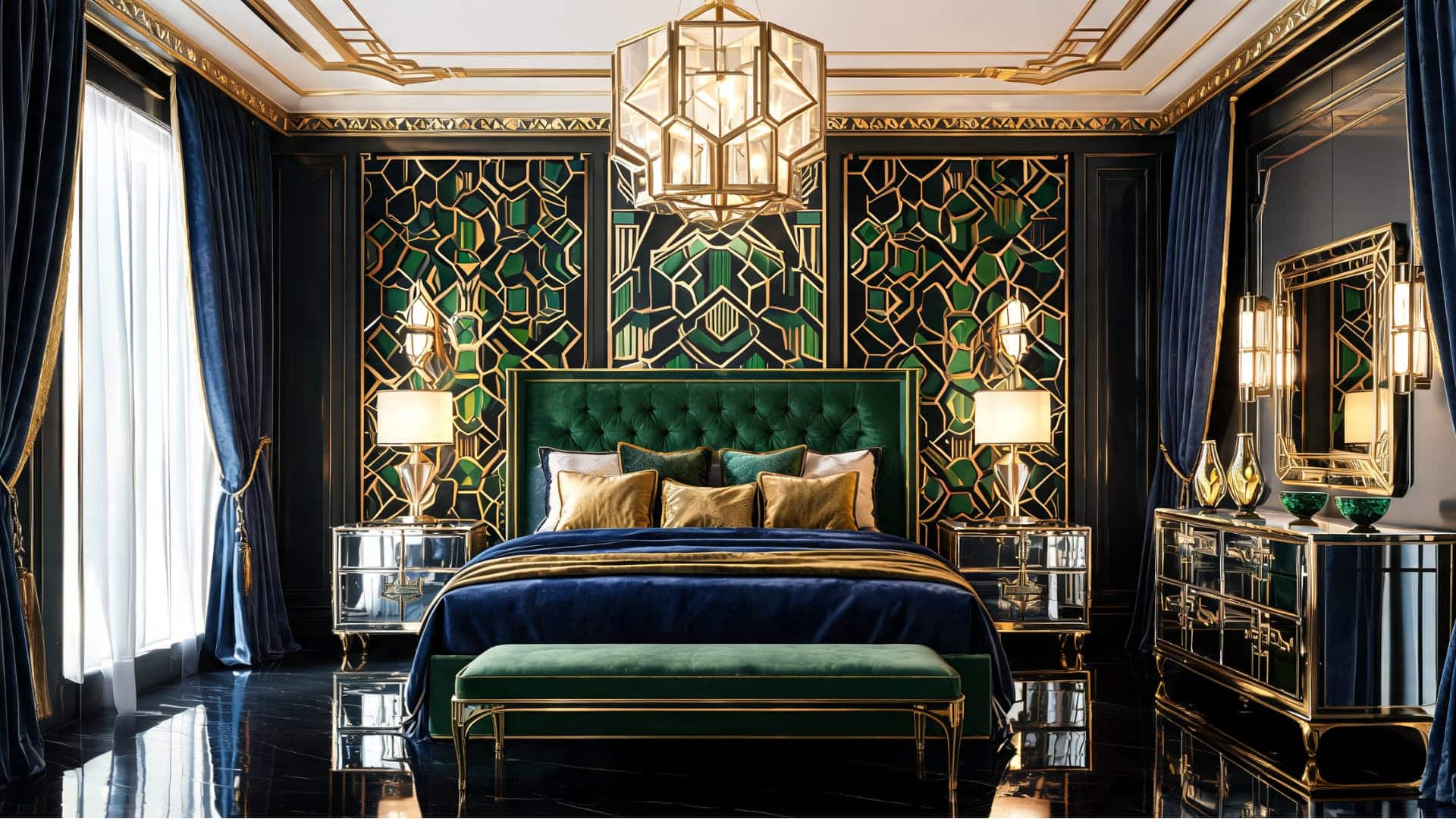
Art Deco is deliberate and structured. It uses strong geometric shapes, shiny surfaces, and rich materials — emerald velvet, black lacquer, mirrored furniture, gold detailing, and navy.
The look requires restraint to avoid tipping into excess. One brass-and-glass lamp or a geometric mirror placed intentionally is enough to bring in the reference without overwhelming a room.
11. Hollywood Regency Interior Design Style
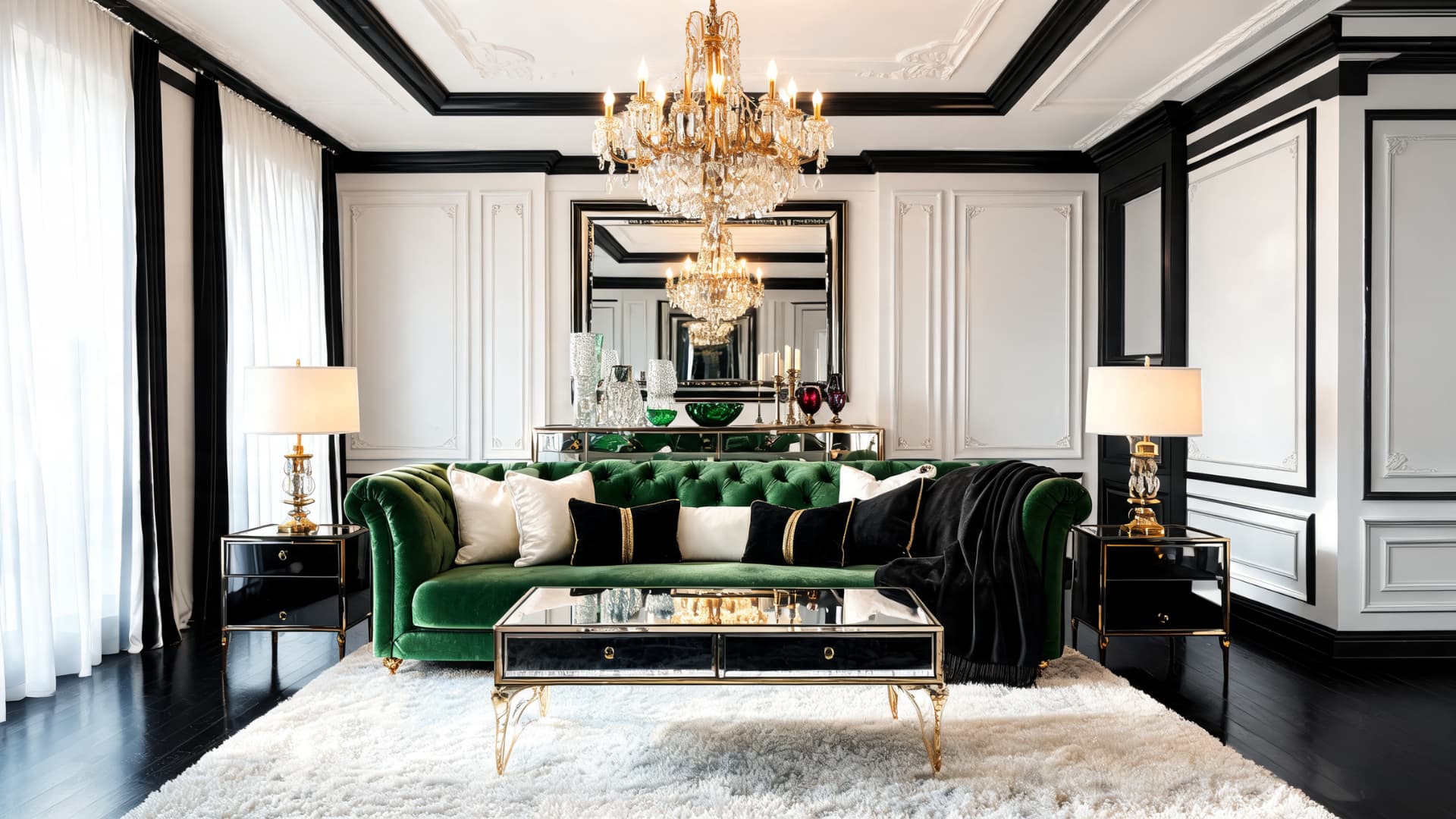
Hollywood Regency borrows from old-Hollywood glamour: high contrast, mirrored surfaces, crystal chandeliers, lacquered furniture, and plush fabrics.
It is harder to execute subtly than most interior design styles, but it works well in rooms that are meant to be dramatic — a formal sitting room, a primary bedroom, a powder room. Used in those smaller doses, it lands better than trying to commit an entire home to the look.
12. Grandmillennial Interior Design Style
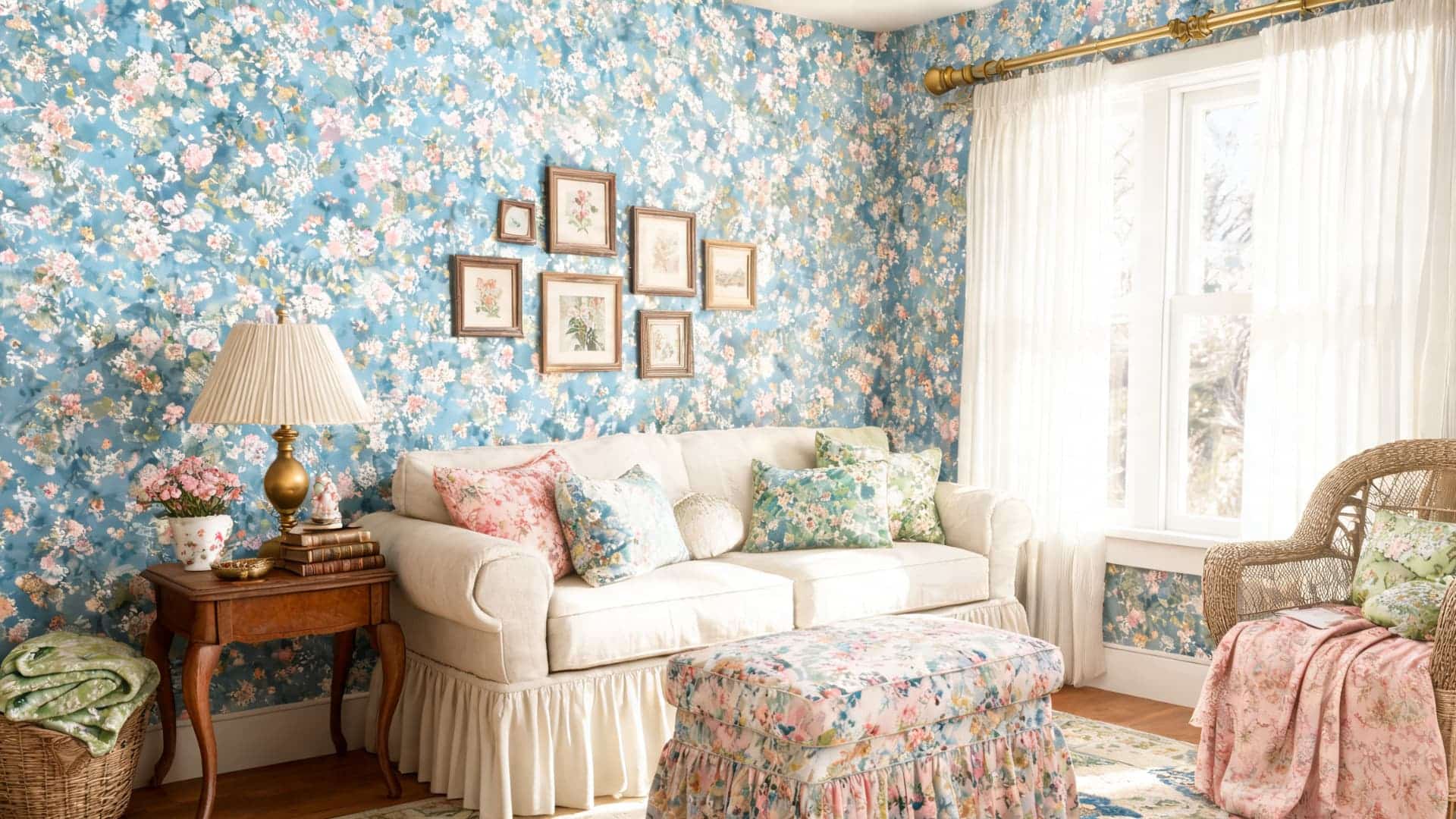
Grandmillennial brings back the details older homes were full of, wallpaper, florals, pleated lampshades, skirted furniture, wicker, and antiques, and presents them as deliberate choices rather than leftovers. The result is classic without being stuffy.
Common materials: chintz, rattan, brass, patterned fabric, blue and green tones. A pleated lampshade or a floral throw pillow is a low-commitment way to test whether this direction fits the room.
Country-Inspired Interior Design Styles
These styles are built around warmth and usefulness. They use natural materials, lived-in textures, and furniture that looks like it has a history. They work well in homes where the priority is comfort over precision.
13. Farmhouse Interior Design Style
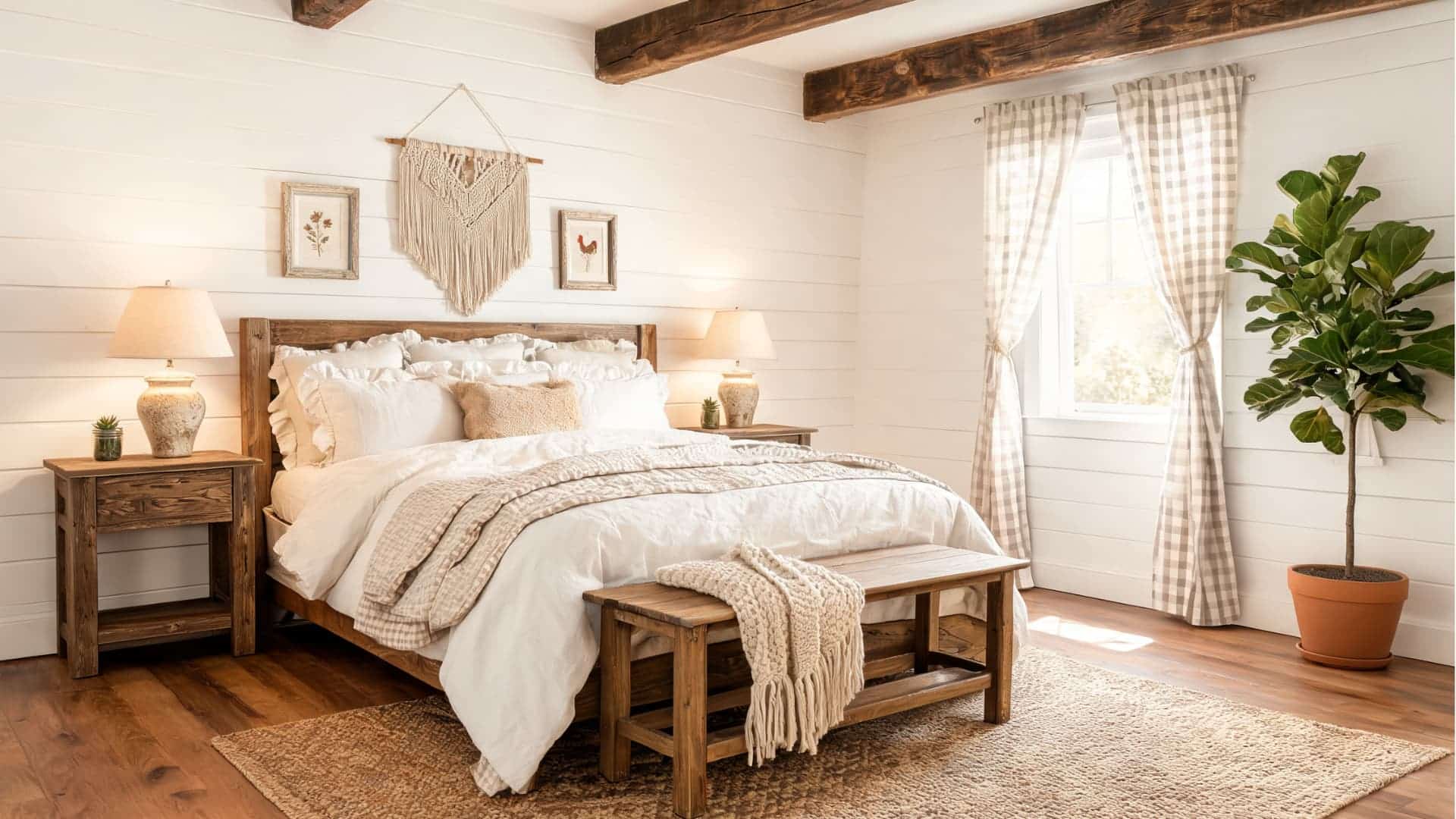
Farmhouse design is practical-first. Classic farmhouse leans vintage — more worn, more layered. Modern farmhouse cleans that up: shiplap, simple open shelving, matte black fixtures, warm whites, and wood accents. Both versions prioritize casual function over formal arrangement.
Common materials: wood, iron, cotton, stone, aged finishes. A wood dining table with metal chairs is one of the fastest ways to establish this direction in a kitchen or dining room.
14. Rustic Interior Design Style
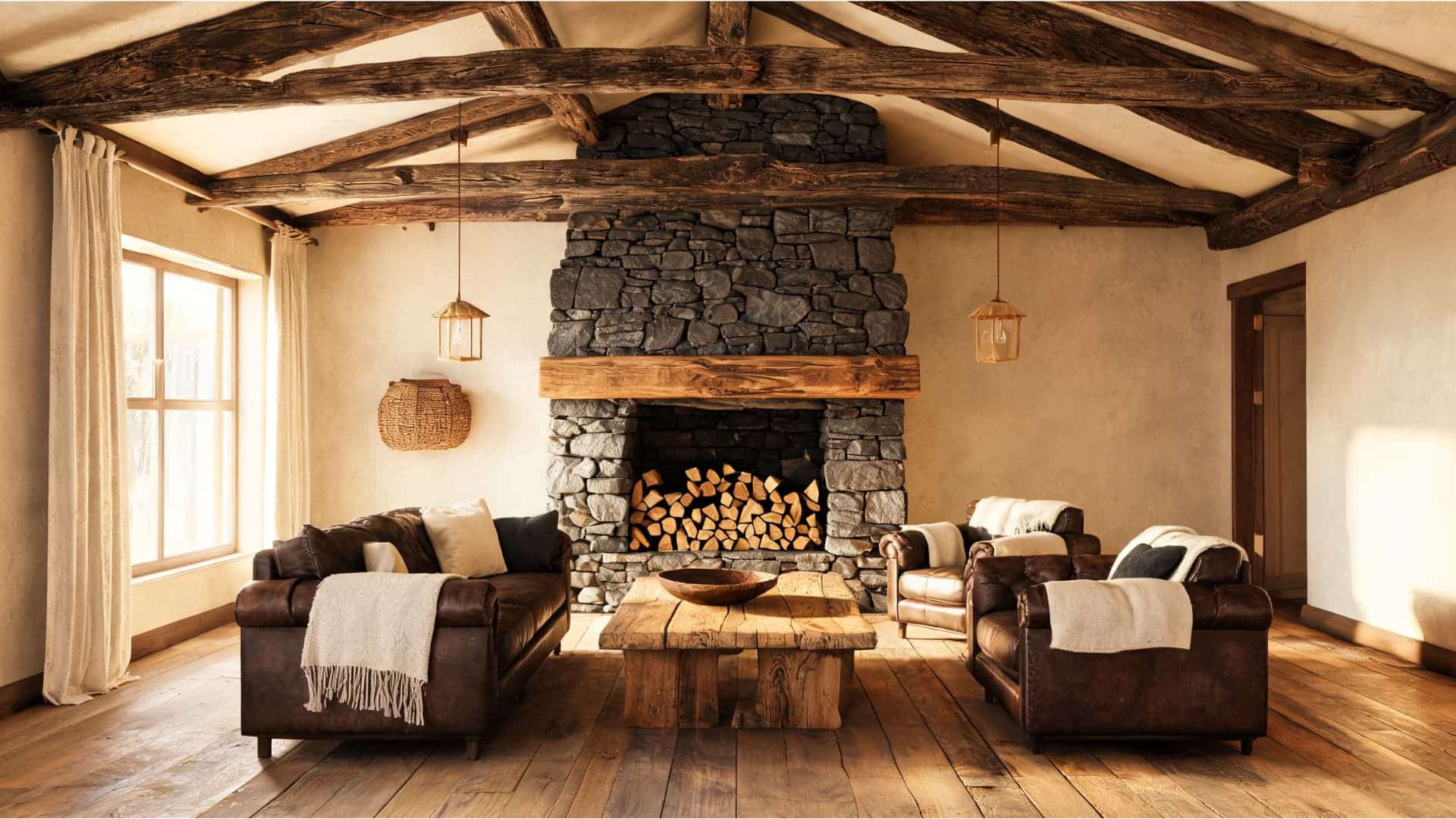
Rustic design is less polished than farmhouse and more grounded in natural materials. Exposed wood beams, stone fireplaces, leather seating, and reclaimed wood planks define the look. It reads as a cabin or lodge rather than a country kitchen.
The palette stays earthy: brown, cream, charcoal, dark wood. If you are choosing a dining table to anchor a rustic room, the wood species you pick matters more here than in most styles, oak and reclaimed pine hold the weathered character far better than maple or cherry.
15. French Country Interior Design Style
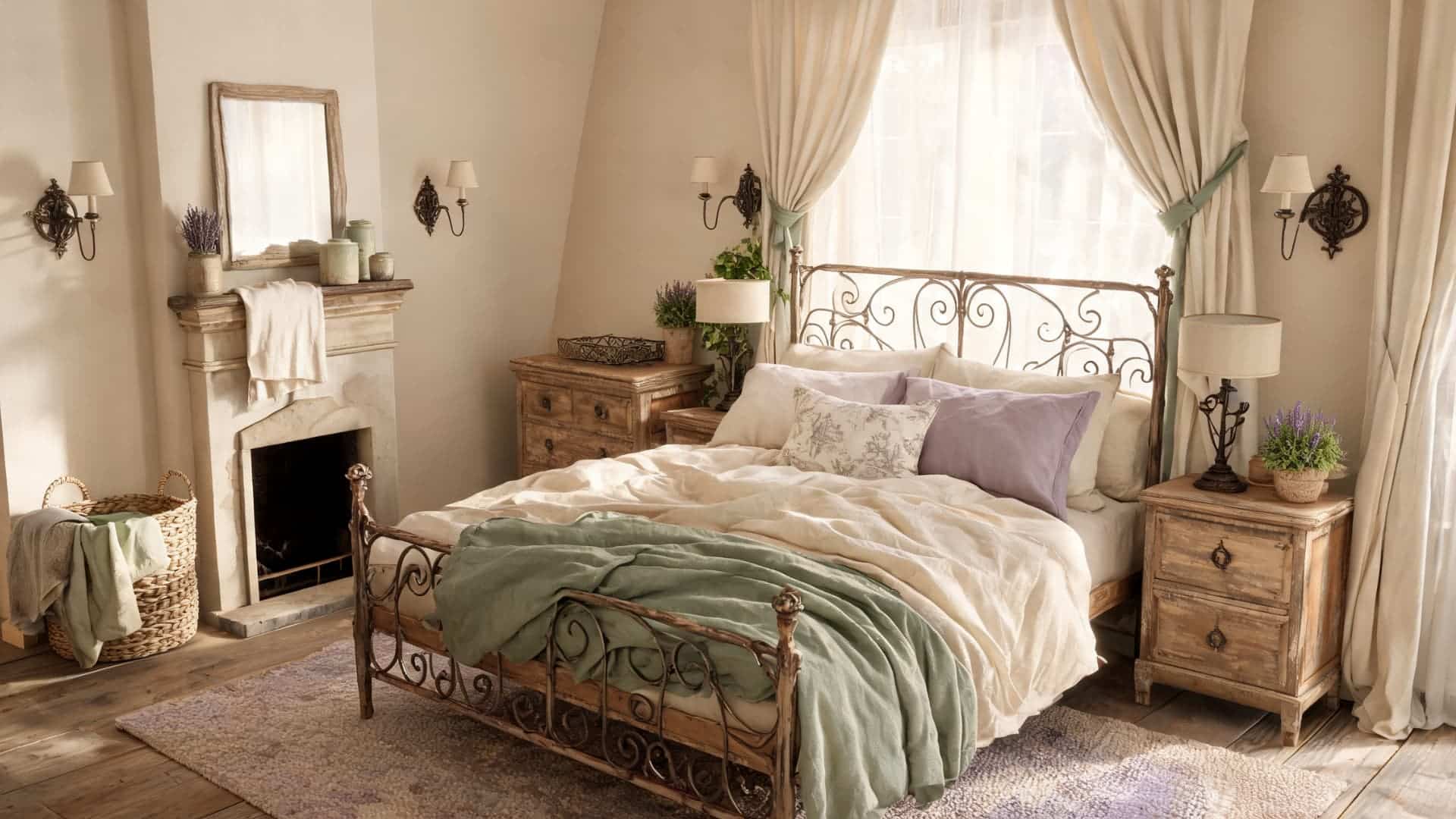
French country sits between rustic and classic, distressed wood and stone alongside antique-style furniture and soft linen. The room feels comfortable rather than perfect.
Cream, sage, and lavender are the colors most associated with it. Wrought iron, toile, and lightly worn finishes round out the materials palette.
16. Cottagecore Interior Design Style
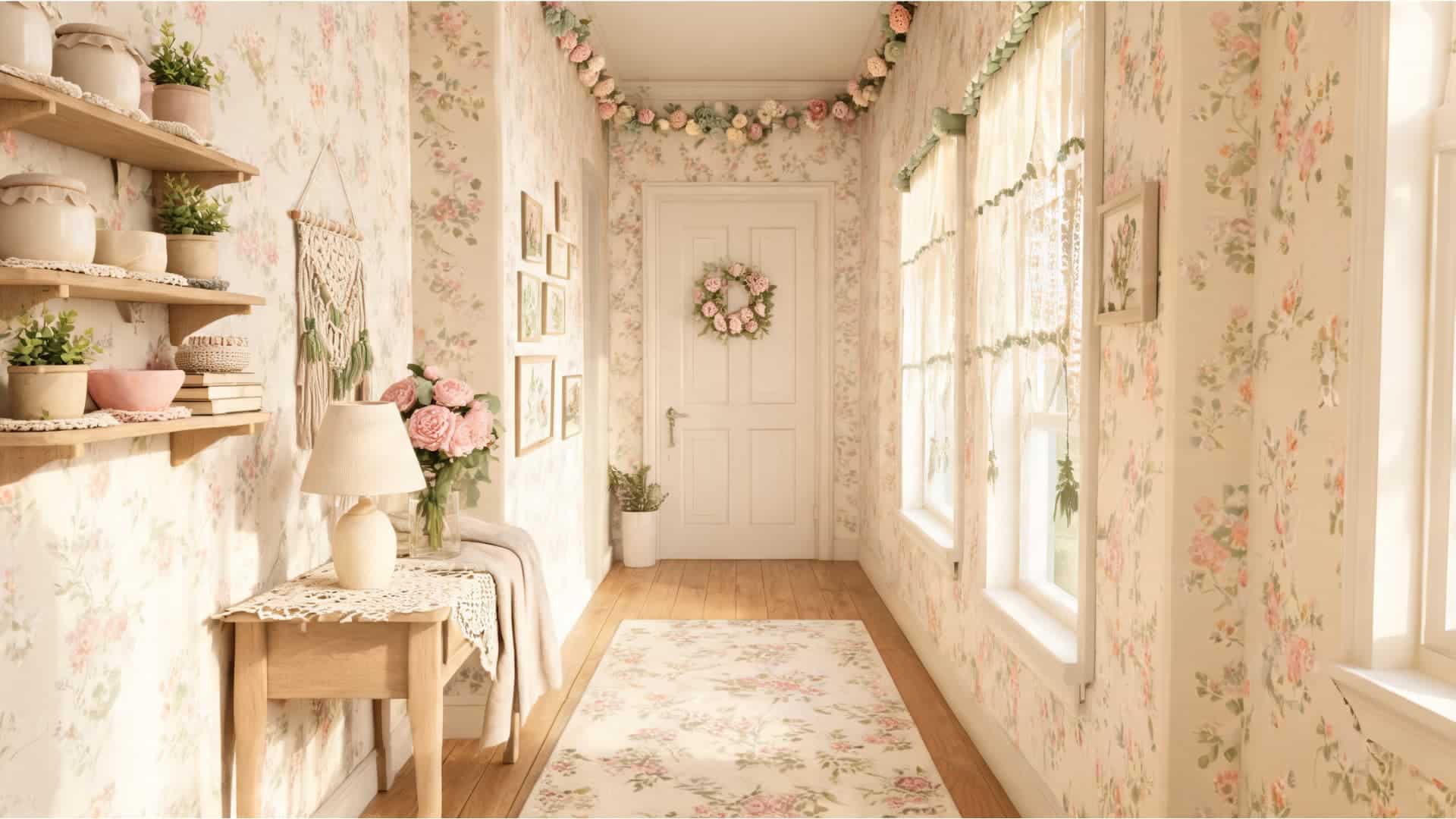
Cottagecore takes its cues from country cottages, old gardens, and handmade objects. It feels deliberately nostalgic — floral wallpaper, lace curtains, vintage dishes on open shelves, ceramic pitchers, and soft dusty pastels.
The materials are humble: cotton, linen, ceramic, and wood. It suits rooms where warmth and personal history matter more than current trends.
Coastal and Nature-Inspired Interior Design Styles
These styles use brightness, natural materials, and outdoor references to make a room feel airy and connected to something beyond the four walls. They differ in how literal that connection needs to be.
17. Coastal Interior Design Style
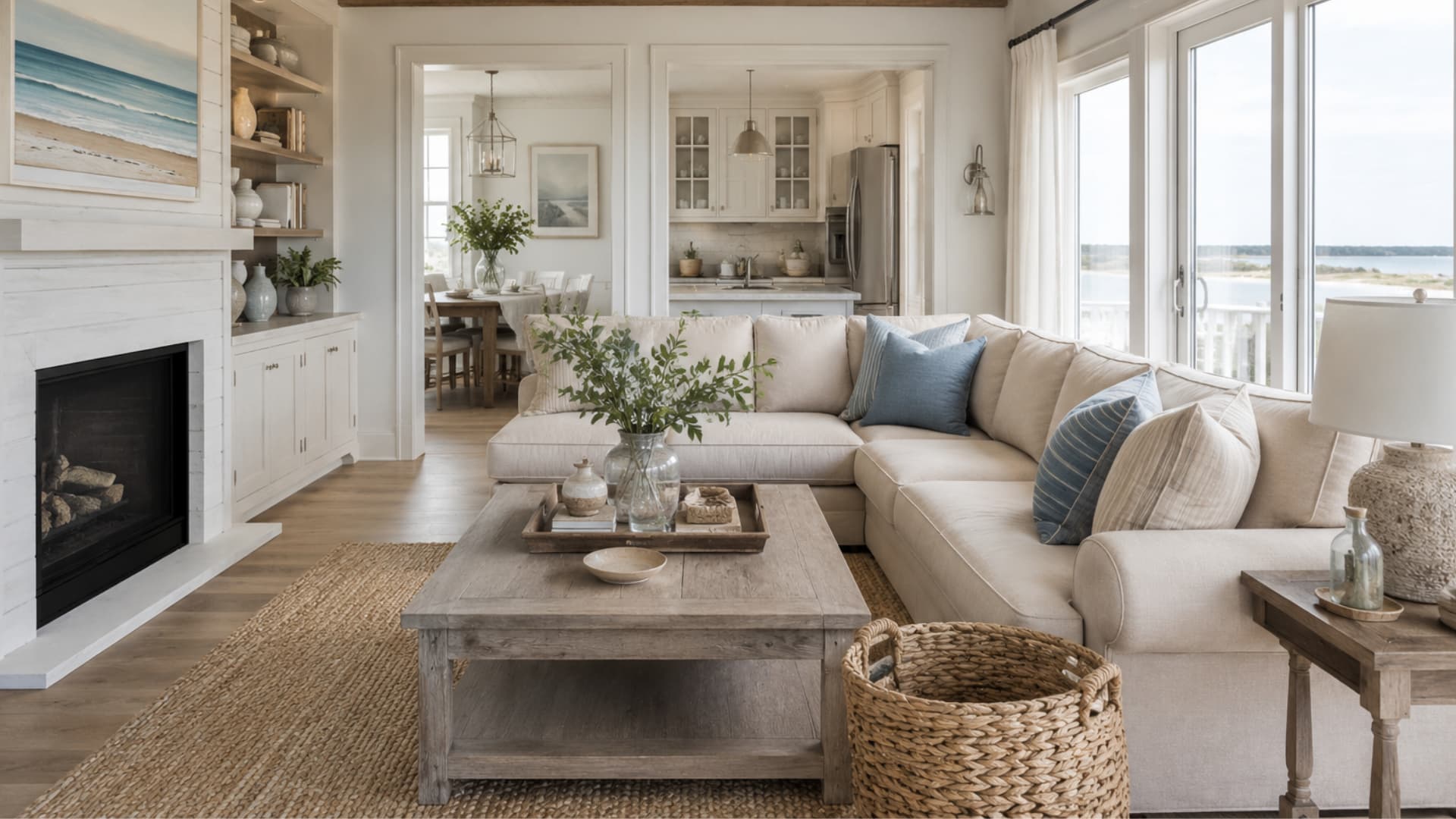
Coastal does not require anchors and rope accents to work. What makes a room feel coastal is lightness — white and beige walls, linen upholstery, woven jute or rattan, and comfortable furniture with a relaxed scale.
The palette is sandy neutrals plus blue or soft green. Keep the clutter out and the natural texture in.
18. California Coastal Interior Design Style
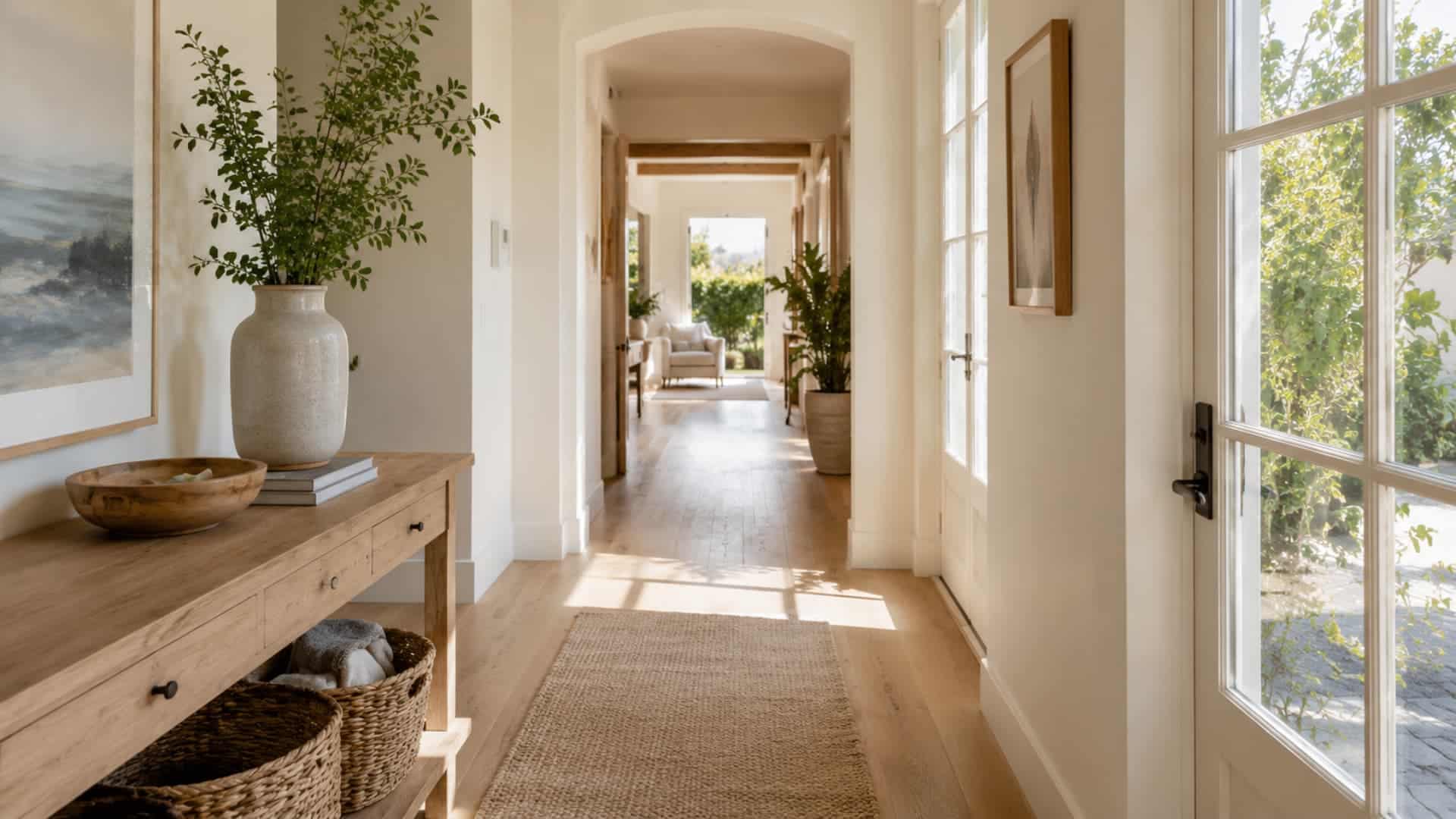
California coastal is warmer and more pulled-together than standard coastal. Light oak furniture, linen upholstery, leather accents, and indoor-outdoor flow define the look. It is beach-adjacent without leaning on beach decor.
The palette stays in cream, tan, and soft white. This works well in homes with large windows or direct garden access.
19. Mediterranean Interior Design Style
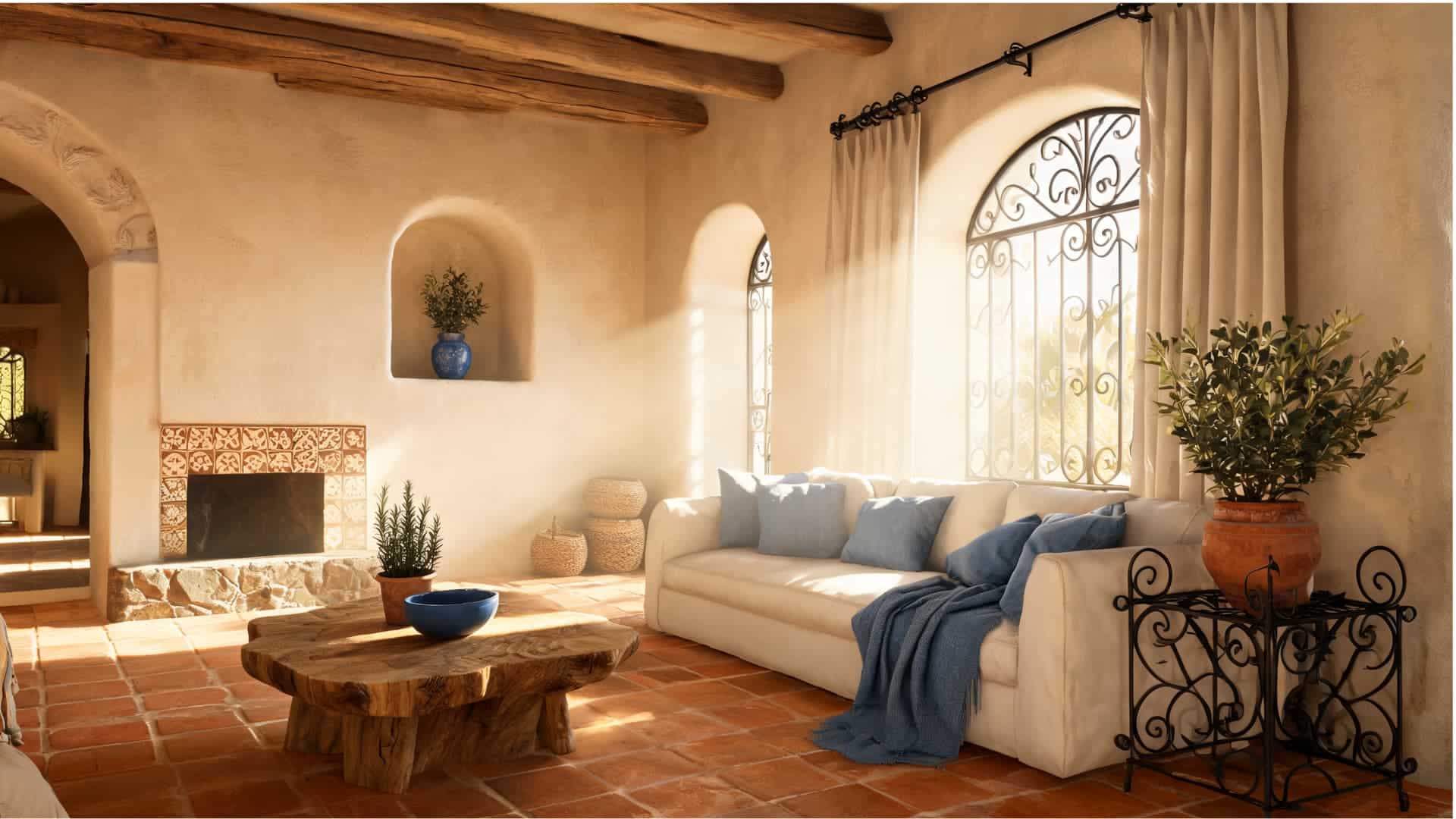
Mediterranean design draws on homes in southern Europe, Spain, Italy, and Greece, and looks best in rooms with high ceilings, arched doorways, or tile floors to work with.
Plaster walls, terracotta, hand-painted tile, wrought iron, and cream and cobalt blue are the signature materials. Without some existing architectural texture to anchor it, Mediterranean details can feel applied rather than integrated.
20. Biophilic Interior Design Style
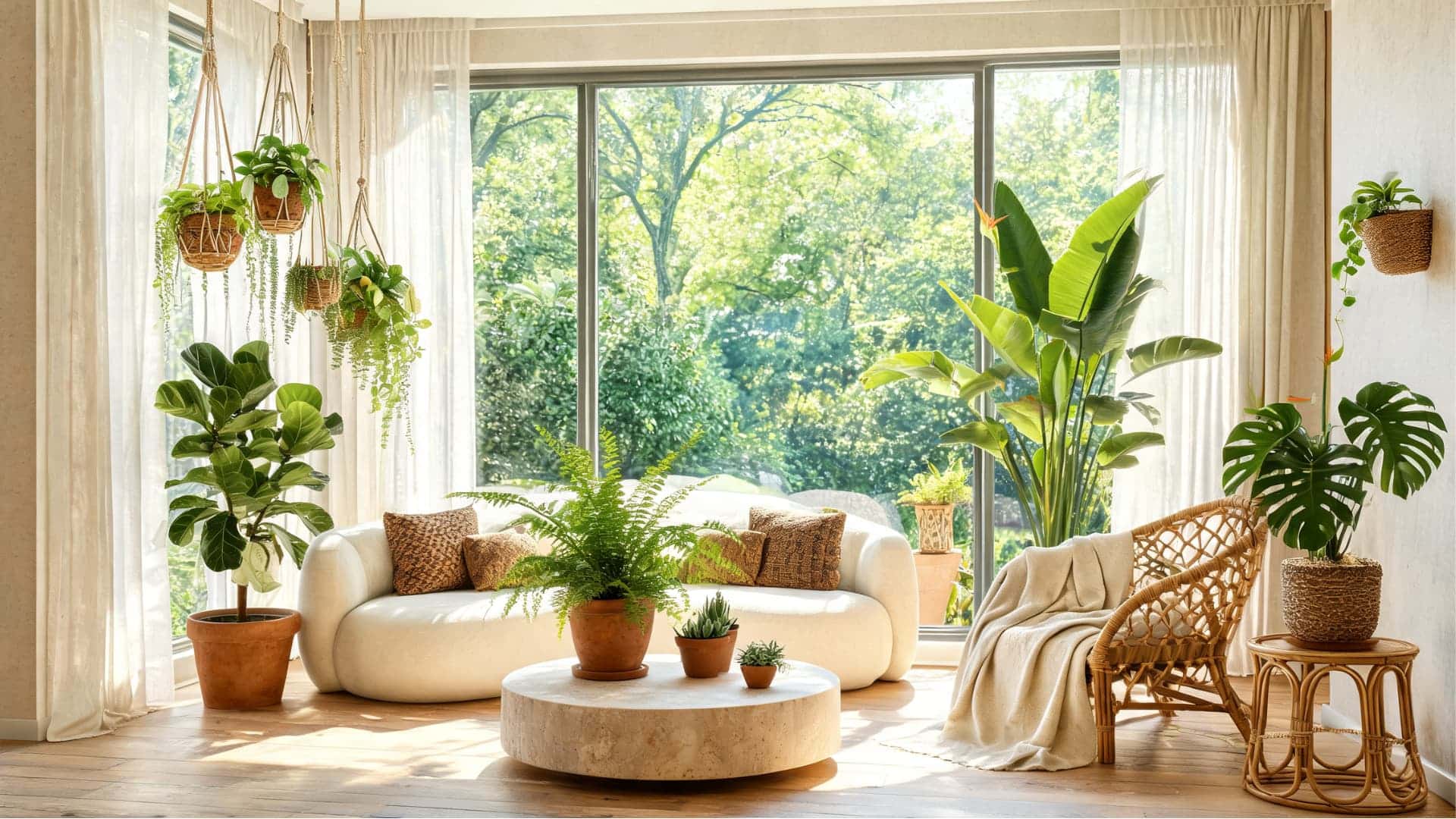
Biophilic design goes beyond adding a few plants. It builds a deliberate connection between the interior and the natural world through daylight, natural ventilation, organic shapes, and materials like wood, stone, clay, and bamboo.
The color palette follows nature: greens, browns, warm creams. Maximizing natural light is where this starts, plants and natural materials layered after.
Bold and Collected Interior Design Styles
These styles prioritize personal expression over visual consistency. They tend to reward people who have accumulated meaningful pieces over time and want the room to reflect that accumulation rather than override it.
21. Bohemian Interior Design Style
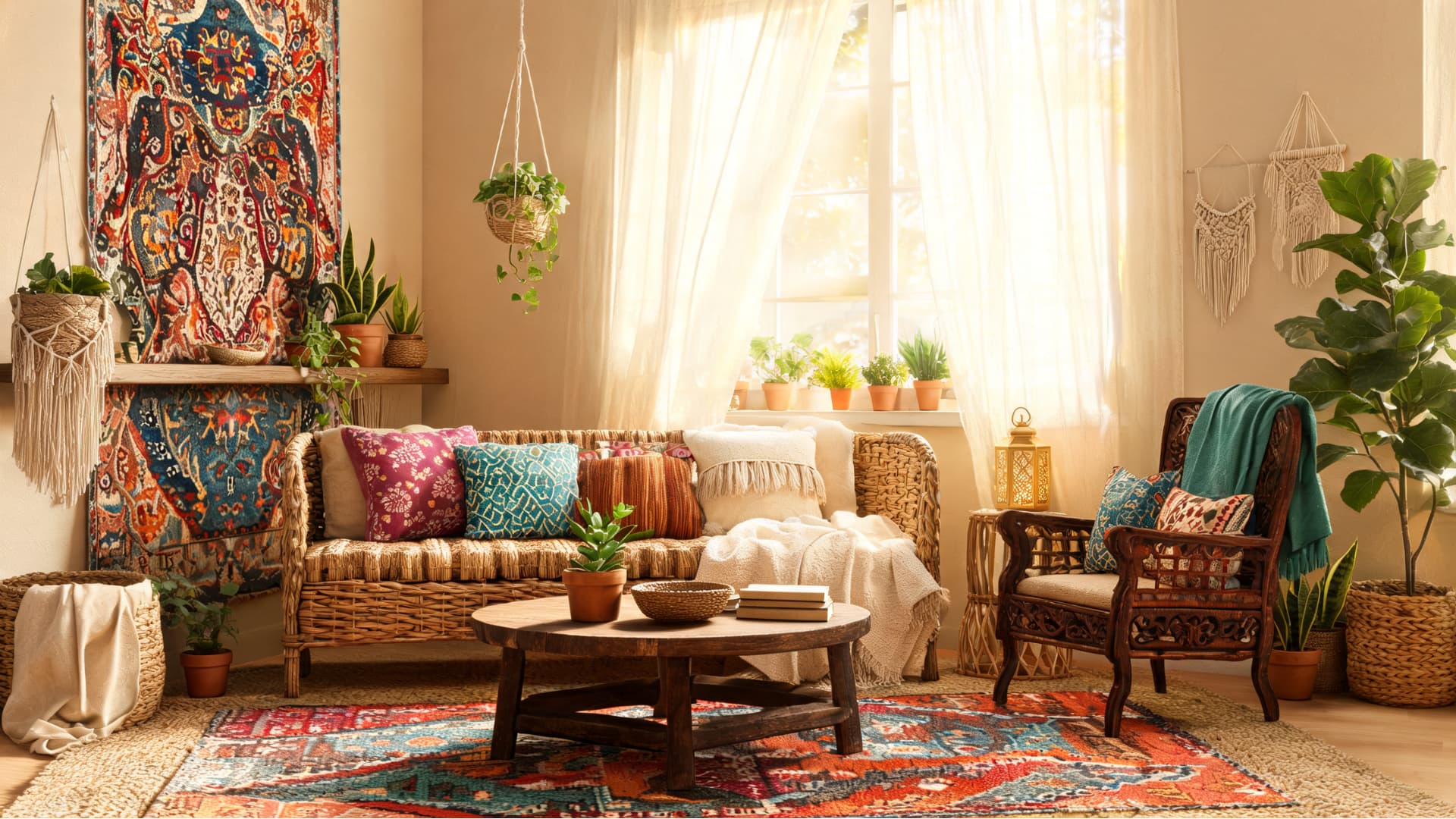
Bohemian rooms look collected rather than purchased. Layered rugs, mixed textiles, plants, woven pieces, and art in warm and jewel tones all coexist without a strict organizing principle.
The materials are natural: rattan, wood, cotton, macrame. The only real rule is that everything should feel chosen rather than just filled in. Start with one layered rug situation and let the room build outward from there.
22. Eclectic Interior Design Style
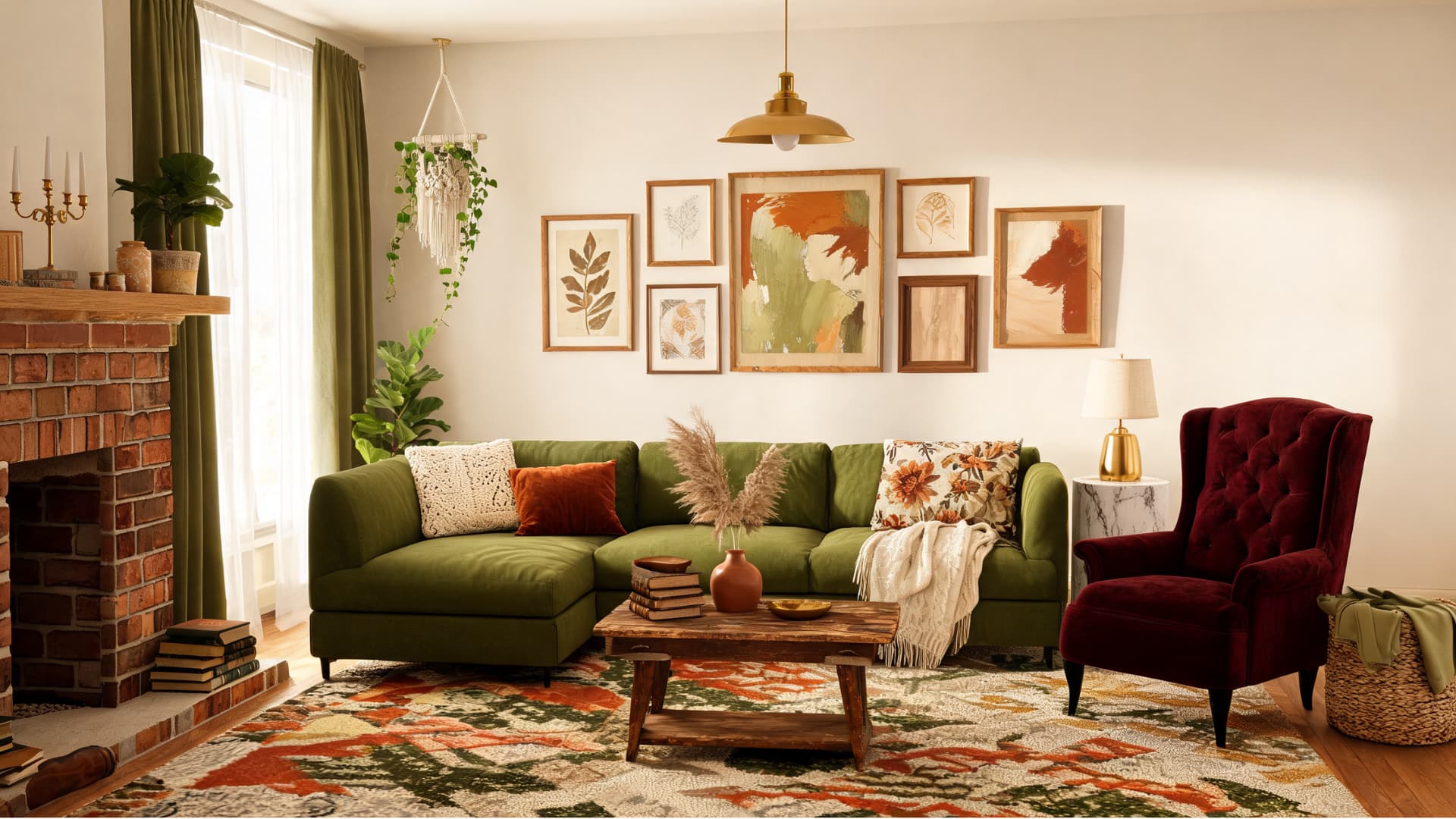
Eclectic design is a thoughtful mixing of different time periods, materials, and styles, brought together by a consistent thread.
That thread is usually color or scale: a repeated color or a consistent furniture height range helps a mixed room feel less random. Without that connecting element, eclectic slides into clutter. With it, the room reads as personal and curated.
23. Maximalist Interior Design Style
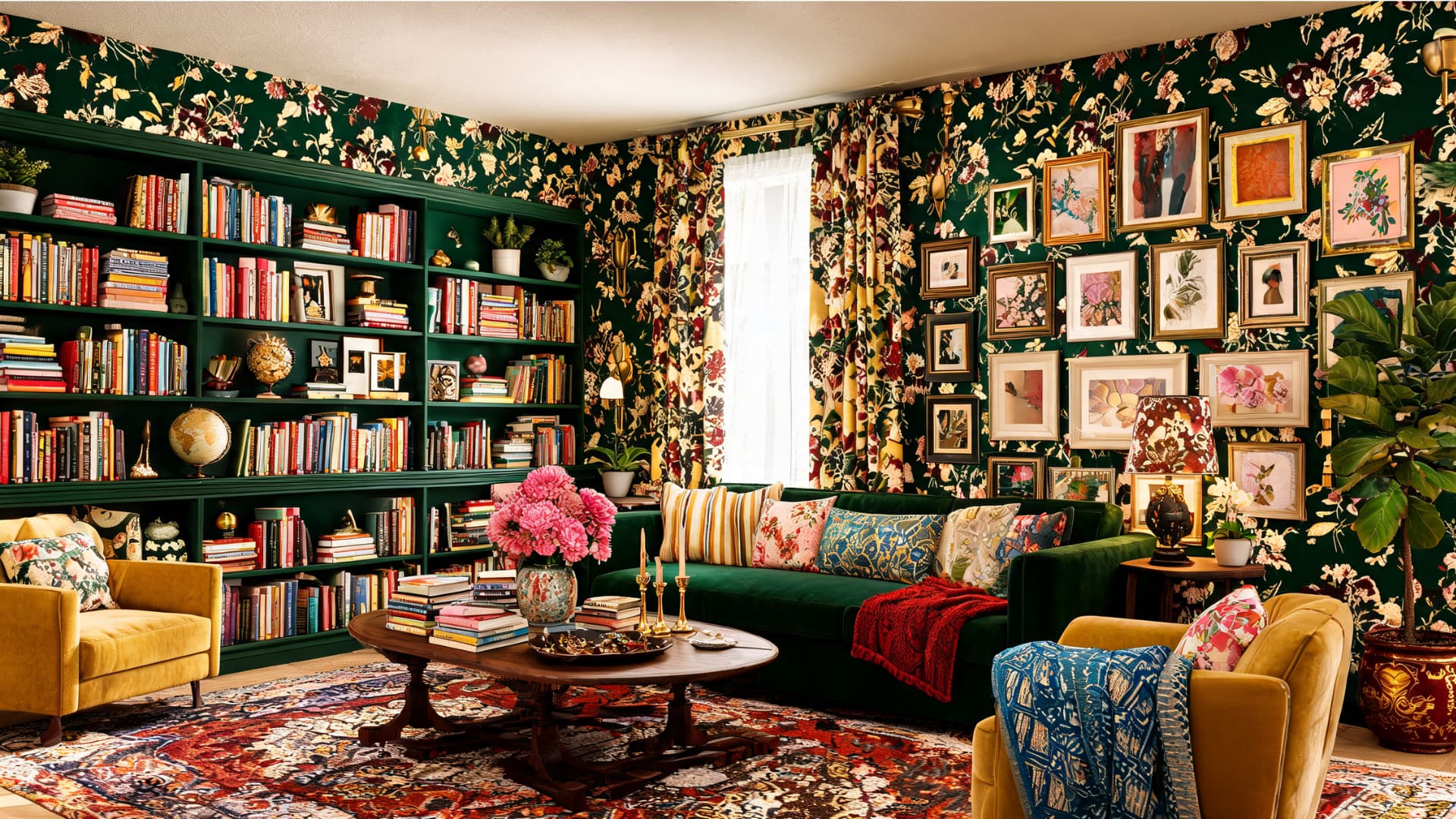
Maximalism is full, wallpaper, gallery walls, bookshelves, patterned furniture, bold colors, but it still needs a plan. The difference between maximalism and chaos is intention.
A repeated color family, a dominant pattern, or a consistent material scale keeps the room readable even when it is dense. Start with one wallpapered wall and a gallery of related art before filling the rest of the room.
Urban and Structure-Led Interior Design Styles
These two styles have the strongest material signatures of any on this list. They are defined less by what is decorative and more by what the room is made of.
24. Mid-Century Modern Interior Design Style
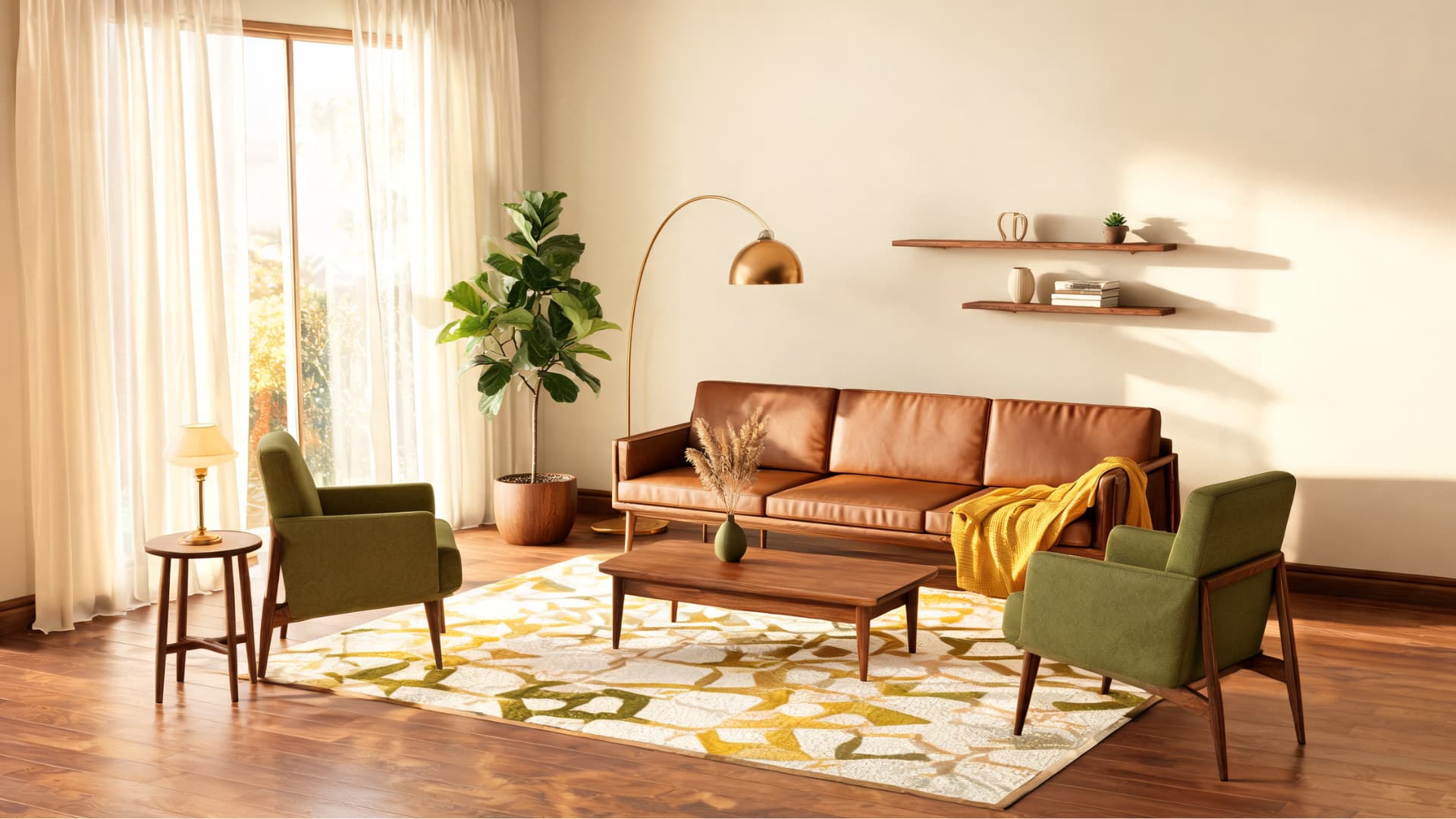
Mid-century modern comes from the 1940s through the 1960s and is defined by tapered legs, clean silhouettes, warm walnut or teak wood, and an open-plan sensibility.
The palette leans toward mustard, olive, cream, and leather. It holds up well alongside contemporary furniture because the lines are simple enough to be compatible with a lot of different pieces.
25. Industrial Interior Design Style
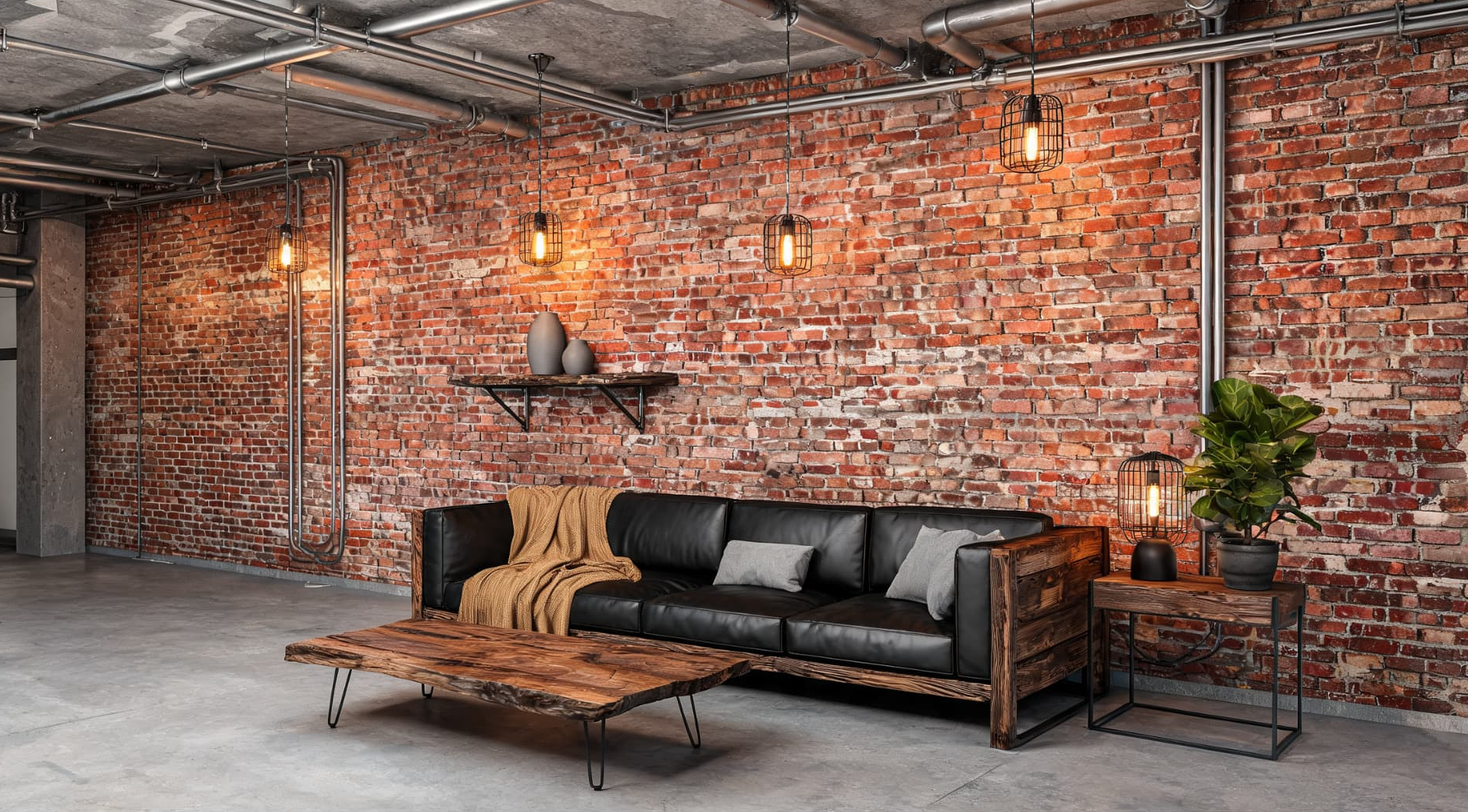
Industrial design takes inspiration from warehouses and lofts and highlights structure rather than hiding it. Exposed brick, concrete ceilings, metal pipes, open ductwork, and reclaimed wood are the raw materials.
The palette is black, gray, brown, and steel. This style works well in spaces that already have those structural elements. Without them, it tends to look like a costume rather than a design choice.
How to Choose the Right Interior Design Style for Your Home
The most common mistake people make here is starting with the aesthetic rather than the room. Before you land on a style, these are the questions that matter more than which Pinterest boards you have saved.
- Start with the Mood the Room Needs: Write down three words that describe how the room should feel: calm, energetic, cozy, formal, bright, grounded. Those words will eliminate half the style list immediately. A room that needs to feel calm does not benefit from maximalist layering, no matter how well-executed it is.
- Read What Your Room Already Has: Ceiling height, window size, trim detail, flooring type, and built-in features all push toward certain styles. A room with 9-foot ceilings and original crown molding works with traditional or transitional. A room with concrete floors and exposed ductwork is already doing some of the industrial work for you. Fighting the architecture is expensive and rarely works. Once you know the direction, choosing paint colors that reinforce the style — rather than conflict with it — is where the room either comes together or falls apart.
- Think Through How the Room Gets Used: Kids, pets, a partner who reads on the sofa, guests who stay for a week- these daily realities change what a style needs to deliver. A minimalist room only stays minimal if the storage is genuinely working. A cottagecore aesthetic with open shelving requires someone who enjoys maintaining it.
- Set a Realistic Budget Before You Commit: Some interior design styles, such as Scandinavian, bohemian, and farmhouse, work with secondhand furniture, painted pieces, and affordable textiles. Others, quiet luxury, Art Deco, and Hollywood Regency depend on material quality and statement pieces to land. The style that fits your budget is always the right starting point.
- Use Reference Images to Find the Pattern: Save 10 to 15 rooms that genuinely appeal to you without filtering by style label. Then look for what they have in common: the palette, the furniture scale, the texture density, the lighting. That pattern is your actual preference, and it will likely point clearly toward one or two of the styles on this list.
Interior Design Styles That Are Easy to Mix
Some pairings work because the styles share underlying logic, a similar color range, a compatible material palette, or a matching mood. The general approach: choose one dominant style for the large furniture and architecture, then let the second style come in through lighting, rugs, art, and accessories.
| Style Mix | Why It Works |
| Modern + Organic | Clean lines feel warmer with wood, stone, and soft textures layered in. |
| Traditional + Contemporary | Classic furniture shapes read fresher when paired with modern lighting and art. |
| Scandinavian + Japandi | Both are minimal, warm, calm, and practical — the overlap is almost total. |
| Coastal + Farmhouse | Natural texture, relaxed furniture scale, and warm neutrals connect the two. |
| Industrial + Rustic | Raw wood, metal, stone, and aged finishes share the same material logic. |
| Bohemian + Mid-Century Modern | Tapered-leg vintage shapes pair well with layered rugs and textured textiles. |
The table above is a starting point, not a complete list. Any two styles that share at least two of the following — color range, material palette, furniture scale, mood — can usually coexist in the same room.
Interior Design Styles People Often Confuse
Several interior design styles look similar at first because they share materials or furniture shapes. The differences are in emphasis, not in the presence of the same elements.
- Modern vs Contemporary: Modern refers to a specific design period (mid-20th century). Contemporary means current — it changes over time.
- Minimalist vs Scandinavian: Minimalist strips the room back further. Scandinavian adds cozy texture and warmth that strict minimalism avoids.
- Bohemian vs Eclectic: Bohemian is relaxed and layered by nature. Eclectic is more deliberately curated — the mixing is intentional, not accumulative.
- Rustic vs Farmhouse: Rustic is rougher and closer to nature. Farmhouse is warmer and more domestic — practical without being raw.
- Coastal vs Nautical: Coastal is light, textured, and airy. Nautical uses literal sea motifs — anchors, rope, navy stripes.
- Traditional vs Transitional: Traditional is formal and symmetrical. Transitional softens that with lighter materials and cleaner lines.
Best Interior Design Styles by Room
Different rooms have different functional demands. A bedroom needs to support sleep; a kitchen needs to support use. The style choices that work well in one room do not always translate directly to another.
| Room | Interior Design Styles That Work Well |
| Living Room | Transitional, contemporary, Scandinavian, coastal, modern organic, eclectic |
| Bedroom | Japandi, Scandinavian, minimalist, coastal, quiet luxury, traditional |
| Kitchen | Modern, farmhouse, Mediterranean, Scandinavian, industrial, contemporary |
| Bathroom | Minimalist, biophilic, Art Deco, coastal, modern organic |
The room-by-room breakdown above reflects functional fit — smaller spaces need styles that rely on open layouts and hidden storage; high-use rooms need styles that tolerate real wear. Treat it as a narrowing tool, not a restriction.
Common Mistakes When Choosing an Interior Design Style
Most rooms that feel off have one of these problems, not a taste problem.
- Copying one photo exactly: A single room image does not account for your layout, ceiling height, natural light, or budget. Use it as a reference for details, not a template for the whole room.
- Ignoring how the room actually functions: Storage, seating count, clearance paths, and traffic flow are not style decisions — they are room decisions that the style has to work around, not replace.
- Buying accessories before the anchor pieces: Cushions and art do not fix a room where the sofa is the wrong size or the wrong style direction. Get the large pieces right first.
- Mixing more than two strong styles: Two styles with a connecting thread work. Five competing directions do not. Narrow down before you start buying.
- Ignoring the light: A color or material that looks right in a showroom or in a photo taken under studio light may not behave the same way in your north-facing living room at 4 pm. Test materials in context before committing.
- Building entirely around trends: Trend-driven choices date quickly. Classic materials, functional furniture, and a handful of personal pieces will look more considered in five years than a room assembled entirely from last year’s most-pinned images.
Frequently Asked Questions About Interior Design Styles
What interior design style is easiest to achieve on a budget?
Bohemian, farmhouse, eclectic, and Scandinavian work well on limited budgets. All four tolerate secondhand furniture, painted pieces, and DIY updates better than styles that depend on material quality and custom scale.
Which interior design styles work best in small spaces?
Scandinavian, Japandi, minimalist, and contemporary are the most practical in small rooms. All rely on open floor area, light color palettes, and furniture chosen for usefulness — which is exactly what a small space needs.
Which interior design style has the best resale value?
Transitional, contemporary, and modern organic tend to be the safest choices for resale. They are current without being polarizing, which means more buyers can picture their own furniture in the space.
Can you mix more than two interior design styles in one room?
One dominant style and one supporting style is usually the limit. A third style can appear through small accents, but any more than that and the room loses a coherent visual logic. The connective thread — shared color, material, or scale — has to be legible.
What is the difference between an interior design style and a decor theme?
A style guide decides about furniture, layout, materials, color, and overall mood. A theme is usually a surface layer — a motif, subject, or seasonal reference applied over an existing design foundation.
Can renters use interior design styles without permanent changes?
Yes. Rugs, curtains, removable wallpaper, furniture, lighting, art, cushions, and bedding can shift a room significantly without touching the walls or flooring. Most rental-appropriate style direction happens through those elements anyway.
How do I know which interior design style actually fits my personality?
Save 10 to 15 rooms you genuinely like, then look for patterns in color, material, furniture scale, and clutter level. The repeated elements are the style. The interior design style quiz on this site can also help you identify your direction more quickly.
What is the most popular interior design style right now?
Contemporary, modern organic, and quiet luxury are the most searched interior design styles in the US currently. Japandi and Scandinavian remain consistently strong. These styles share a preference for warm neutrals and natural materials over bold color or heavy pattern.
Final Thoughts
Choosing from different interior design styles becomes easier once you understand how each one shapes color, furniture, and overall mood.
Instead of feeling overwhelmed by options, you can now see how styles like modern, Scandinavian, rustic, or eclectic guide your decisions in a practical way.
I focus on how each style helps you build a space that matches how you actually live, not just how it looks in photos. You can now identify what fits your home, mix styles with balance, and avoid common design mistakes.
I encourage you to revisit your favorite sections, try small changes first, and share which interior design style feels most like your own space and personality.