



|
Quick Answer: Ceiling mold returns if the moisture source isn’t fixed first. Identify whether humidity, a leak, or poor ventilation is the cause, treat the growth with hydrogen peroxide or white vinegar, and dry the surface completely before repainting. Patches under 10 square feet are DIY. Anything larger or recurring needs a professional. |
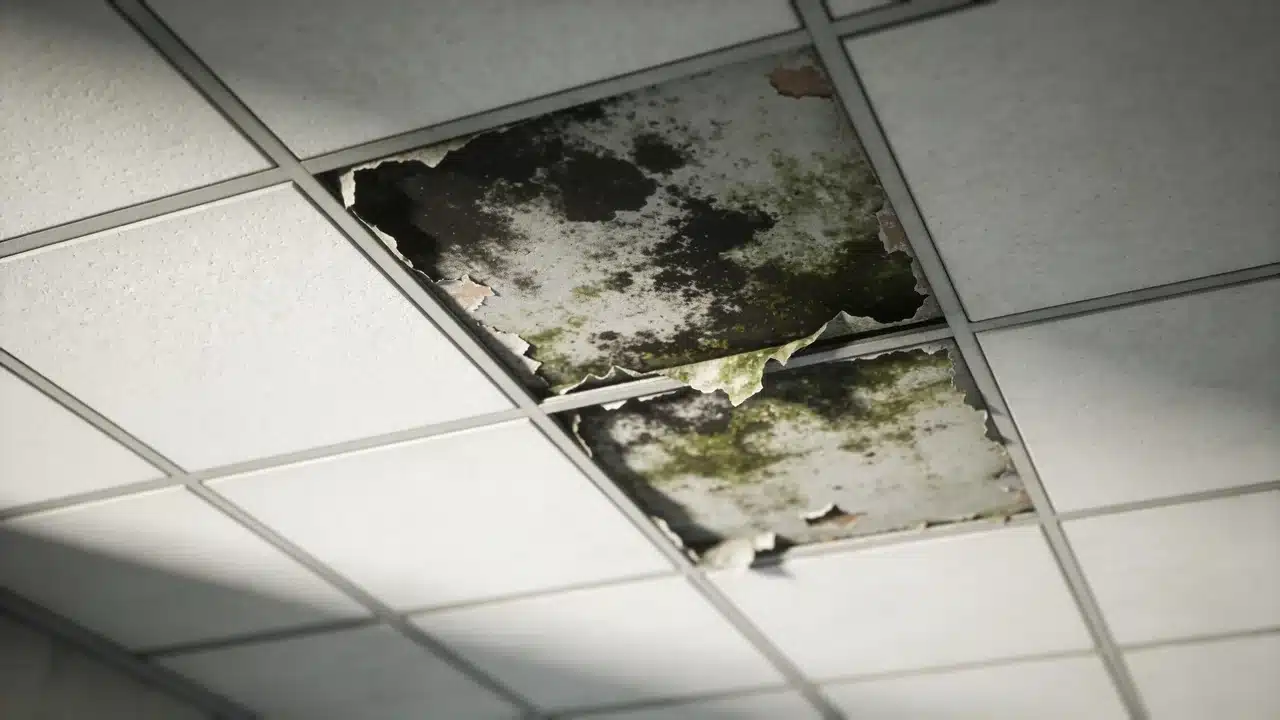
If you’ve spotted black, green, gray, or white patches on your ceiling, you’re likely dealing with mold caused by trapped moisture from humidity, a leak, plumbing, or poor ventilation.
Black mold on the ceiling tends to worry you most, but color alone won’t tell you how serious it is.
What matters more is where it started, how far it has spread, and whether you’ve addressed the moisture behind it.
I’ll walk you through how to identify what’s on your ceiling, remove it safely, and stop it from coming back, so you’re not cleaning the same spot again next season.
What is Mold?
Mold is a fungus that grows where moisture, warmth, and a food source meet. On a ceiling, paint, drywall, and popcorn texture all provide that food source. Mold and mildew look similar but behave very differently.
A patch that wipes clean in one pass and stays gone was probably mildew. A patch with texture, or one that returns, should be treated as mold.
| Feature | Mildew | Mold |
| Appearance | Flat, powdery | Raised, fuzzy |
| Color | White or gray | Black, green, or brown |
| Depth | Sits on the surface | Can grow into the material underneath |
| Removal | Usually wipes away easily | Often needs repeated cleaning and moisture correction |
Signs of Mold Growth on a Ceiling
Ceiling mold shows up in different forms depending on the moisture source and surface type. Color, shape, and location can tell you a lot before you start cleaning.
- Black mold on the ceiling: dark, sometimes greasy-looking patches that often start small and spread outward in an irregular shape.
- White mold: a powdery or thread-like coating, easy to mistake for dust or efflorescence on drywall.
- Green or gray mold: speckled patches, frequently found near vents, corners, or areas with steady condensation.
- Early-stage growth: faint yellow or brown discoloration, sometimes mistaken for a ceiling water stain before it develops texture, knowing the difference changes both the urgency and the fix.
What Causes Mold on the Ceiling?
Ceiling mold needs two things to grow: a moisture source and something to feed on, both of which paint, drywall, and popcorn texture provide.
Tracking down where the moisture is coming from is the real first step before any cleaning happens.
1. High Humidity and Condensation
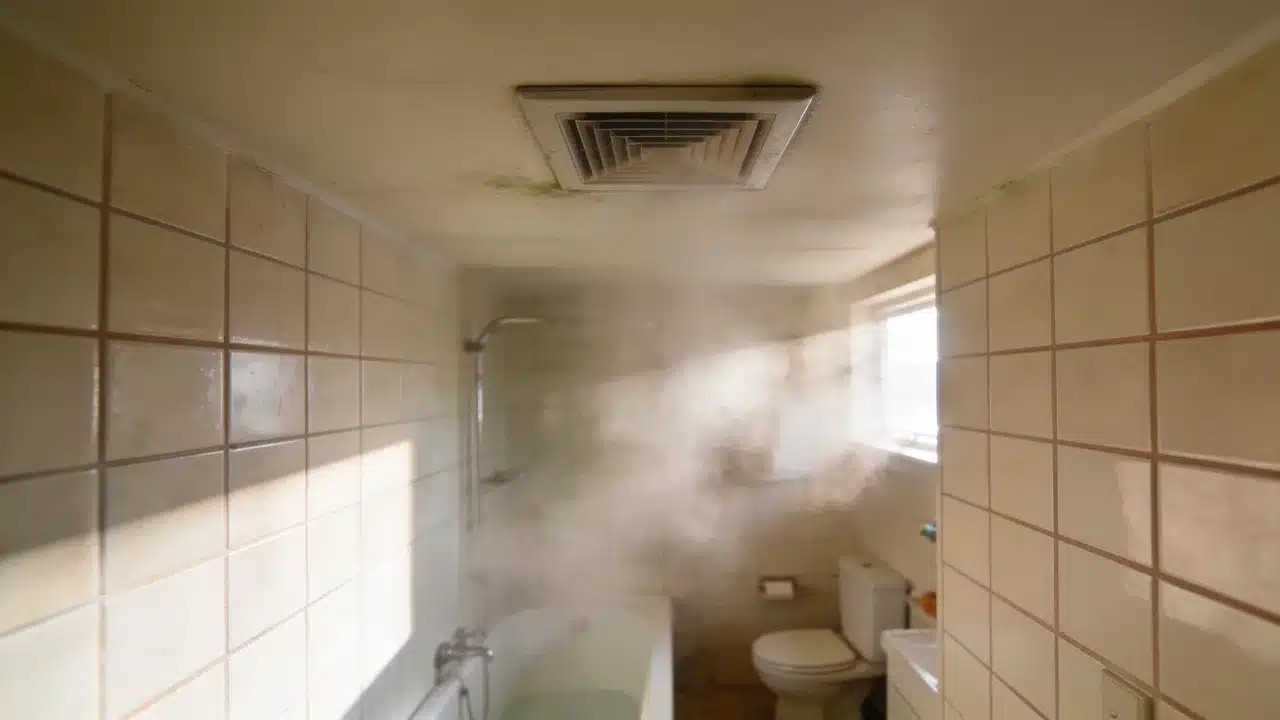
Your bathroom and kitchen are the most common spots for this. Steam from a shower or stovetop settles on a ceiling that never fully dries, especially without a strong exhaust fan.
If that moisture has already built up, the mold on shower walls and grout needs the same attention as the ceiling above it.
Over time, that repeated moisture builds a film that mold can grow on, even without a single visible leak.
2. Roof or Plumbing Leaks
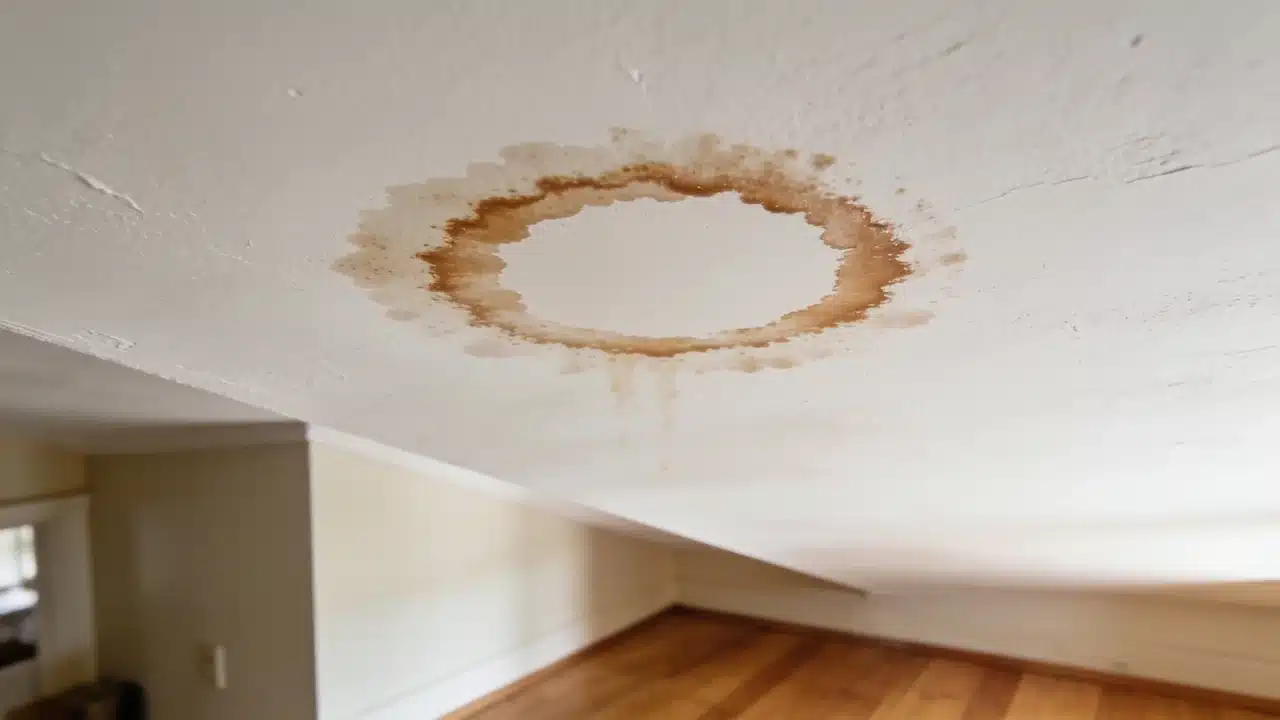
A leak leaves a different signature than humidity. Look for brown or yellow staining, a ring-shaped pattern spreading outward from one point, or drywall that feels soft or slightly sagging.
These signs mean water has been sitting behind the surface, not just settling on top of it.
3. Poor Attic Ventilation
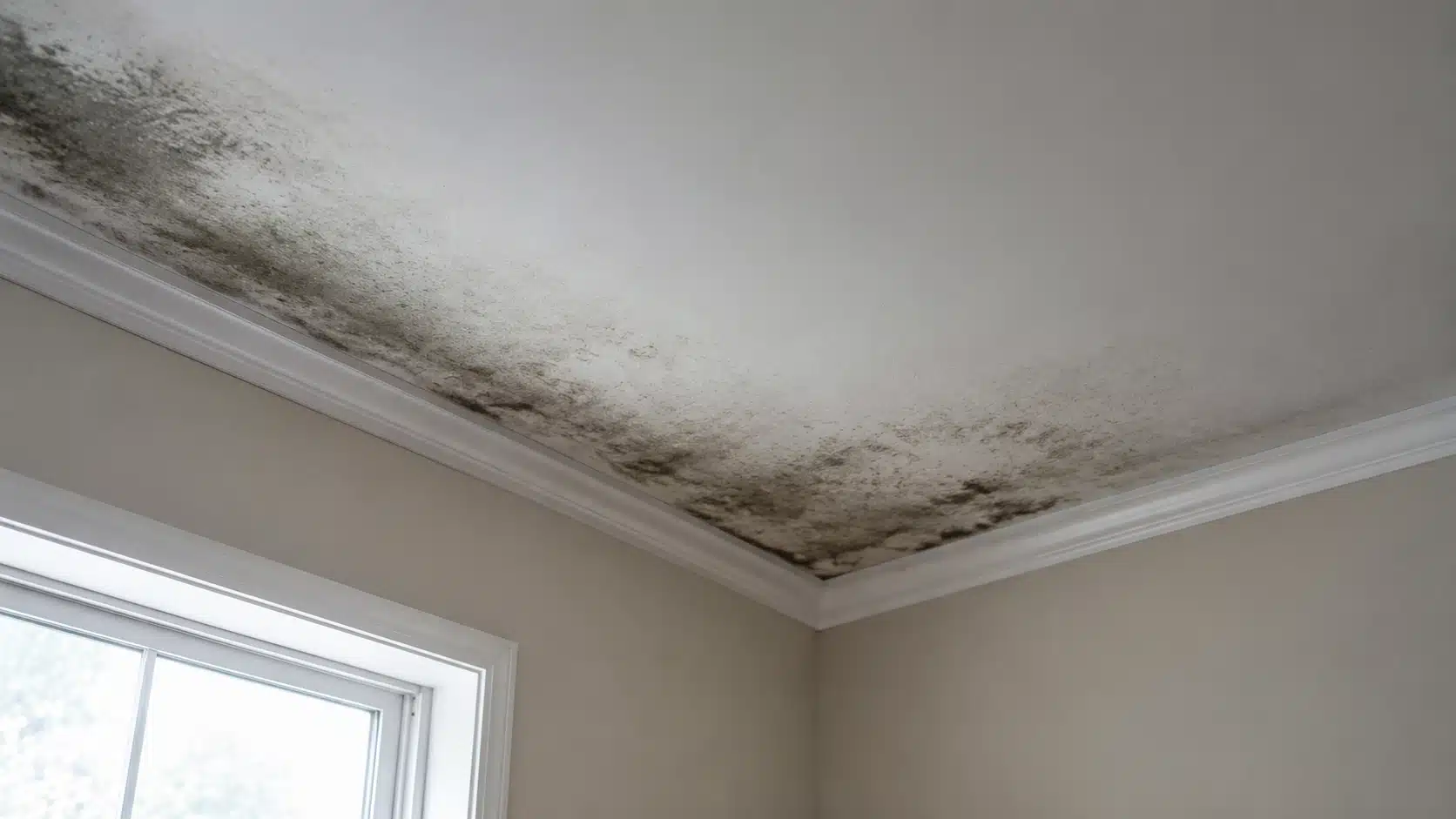
When your attic can’t breathe properly, warm indoor air meets cold roof sheathing and condenses, even without an obvious source. Poor insulation makes it worse.
You’ll often notice this along the edges of a top-floor ceiling, where insulation tends to be thinnest, especially near corners.
How to Get Rid of Mold on a Ceiling
These steps cover small ceiling mold patches, typically under 10 square feet, that haven’t penetrated deeply into the drywall.
Supplies needed before starting:
- N95 respirator
- Disposable gloves
- Safety goggles
- Plastic sheeting
- Soft-bristle brush
- Hydrogen peroxide (undiluted) or white vinegar
- Clean cloths or disposable paper towels
Step 1: Find and Fix the Moisture Source
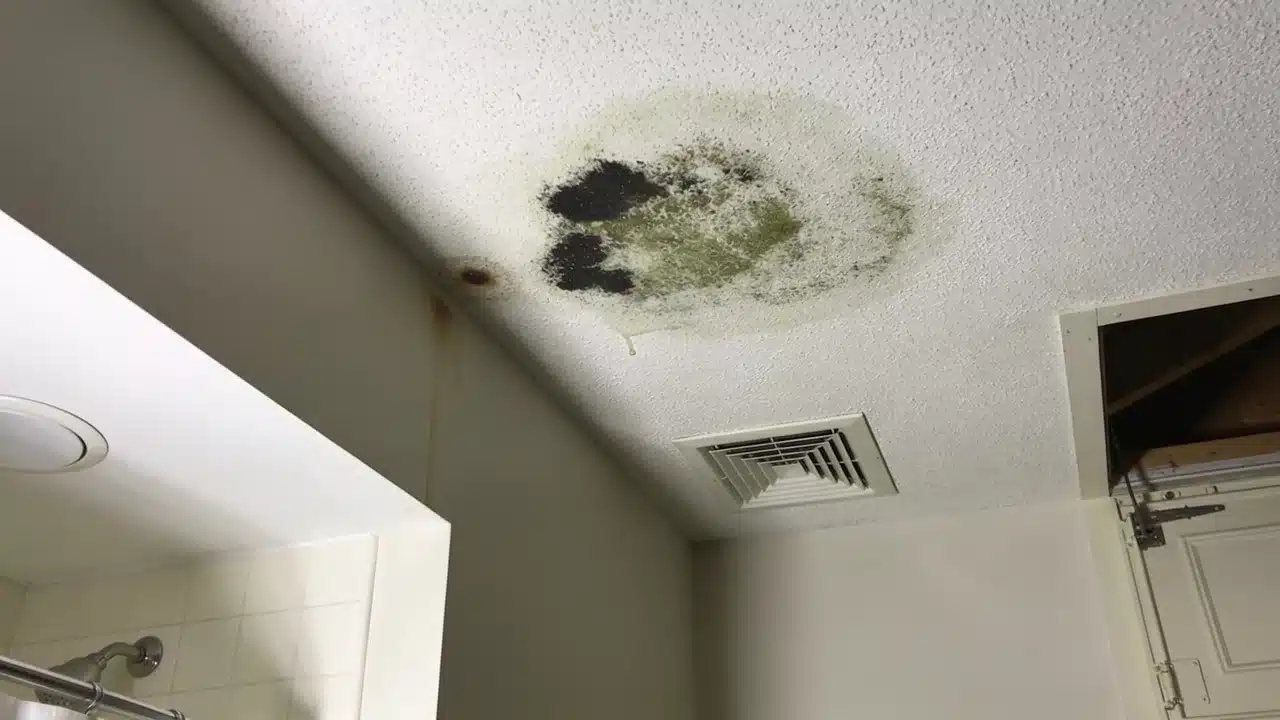
Cleaning visible mold without addressing moisture is a short-term fix. Check the bathroom ventilation fan, roof condition, nearby plumbing, and attic insulation before starting.
Repairing or correcting the ventilation before cleaning ensures a lasting result.
Step 2: Wear Protective Equipment
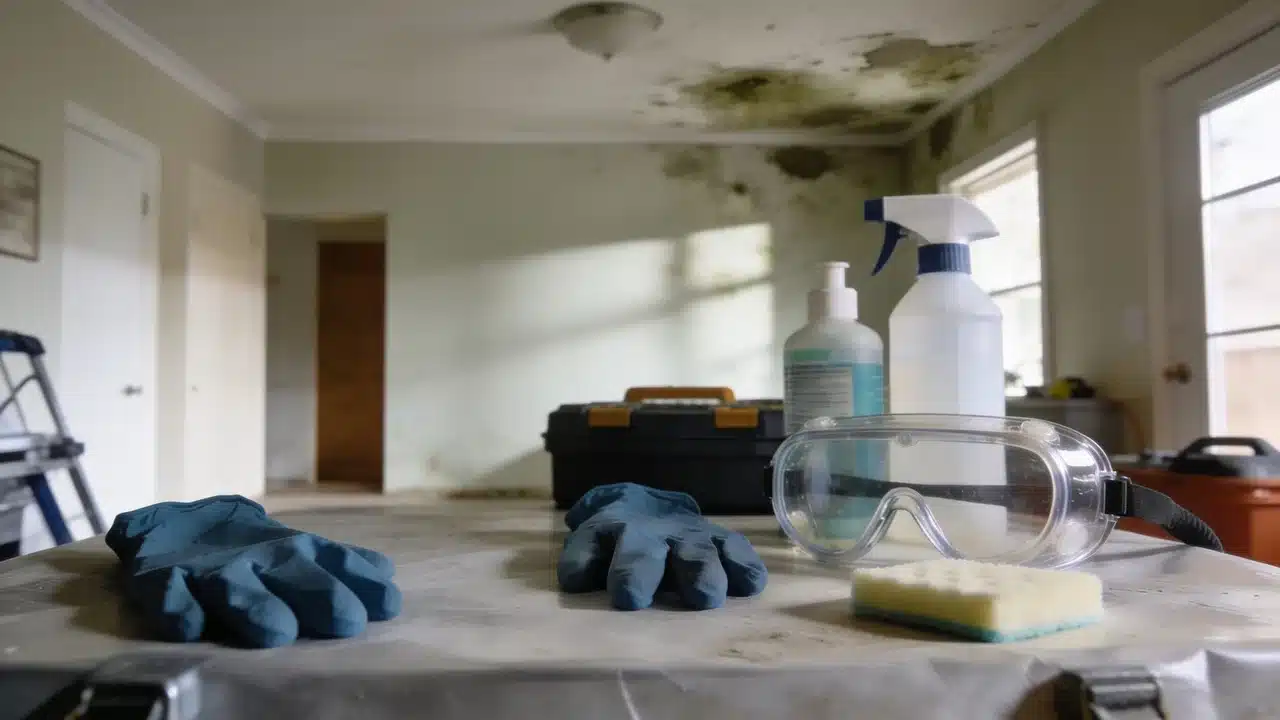
Ceiling mold releases spores when disturbed, and working overhead increases the risk of exposure.
Put on the N95 respirator, gloves, and safety goggles before entering the room. Old clothing that can be washed immediately afterward is also a practical choice.
Step 3: Prepare the Room
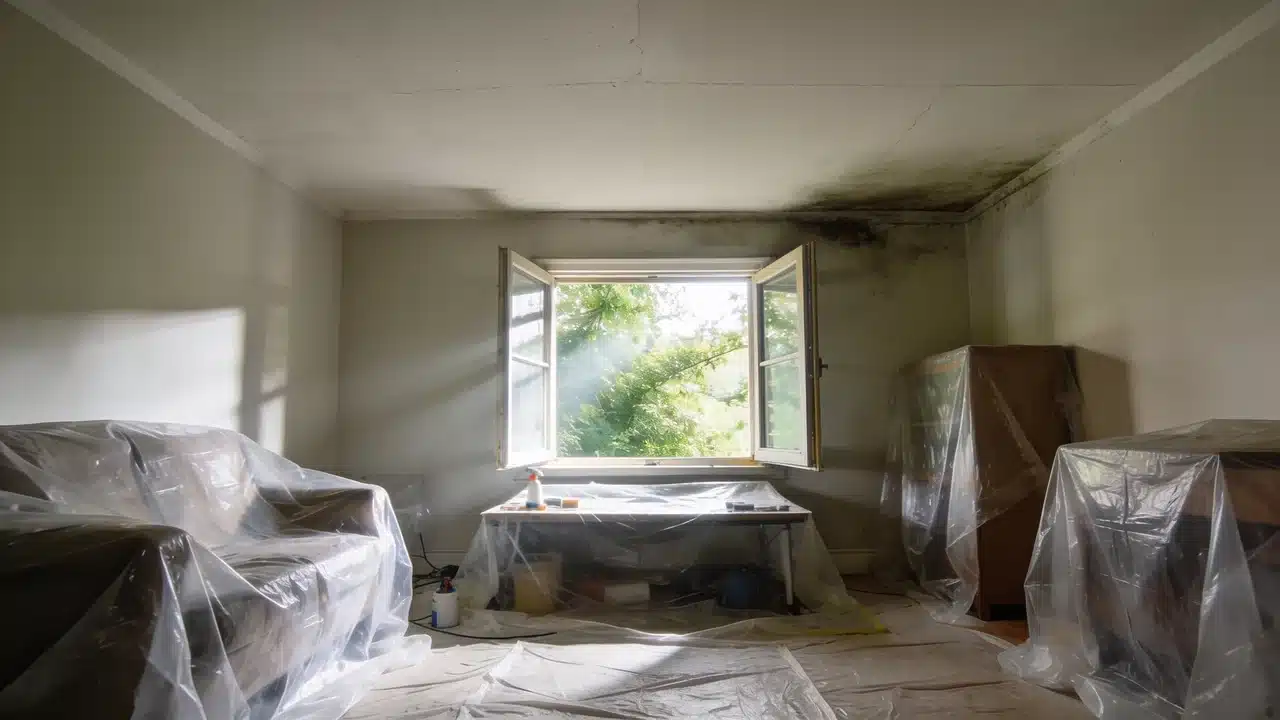
Lay down plastic sheeting to catch drips and protect furniture or flooring. Open a window if possible, and turn off the HVAC system so spores don’t circulate through the rest of the house while you work.
Step 4: Apply a Mold Cleaning Solution
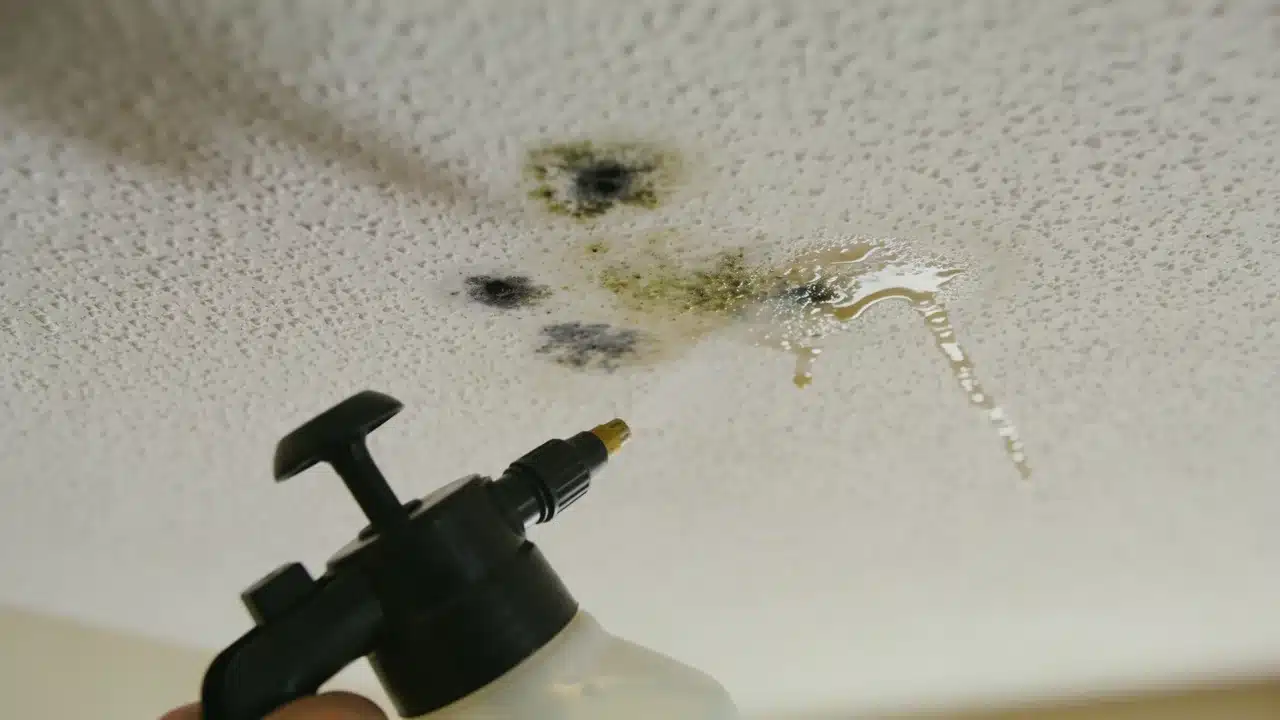
Spray the affected area with hydrogen peroxide, a vinegar solution, or a commercial mold cleaner. Let it sit for several minutes so it has time to work into the surface rather than just sitting on top.
Step 5: Scrub and Remove Residue
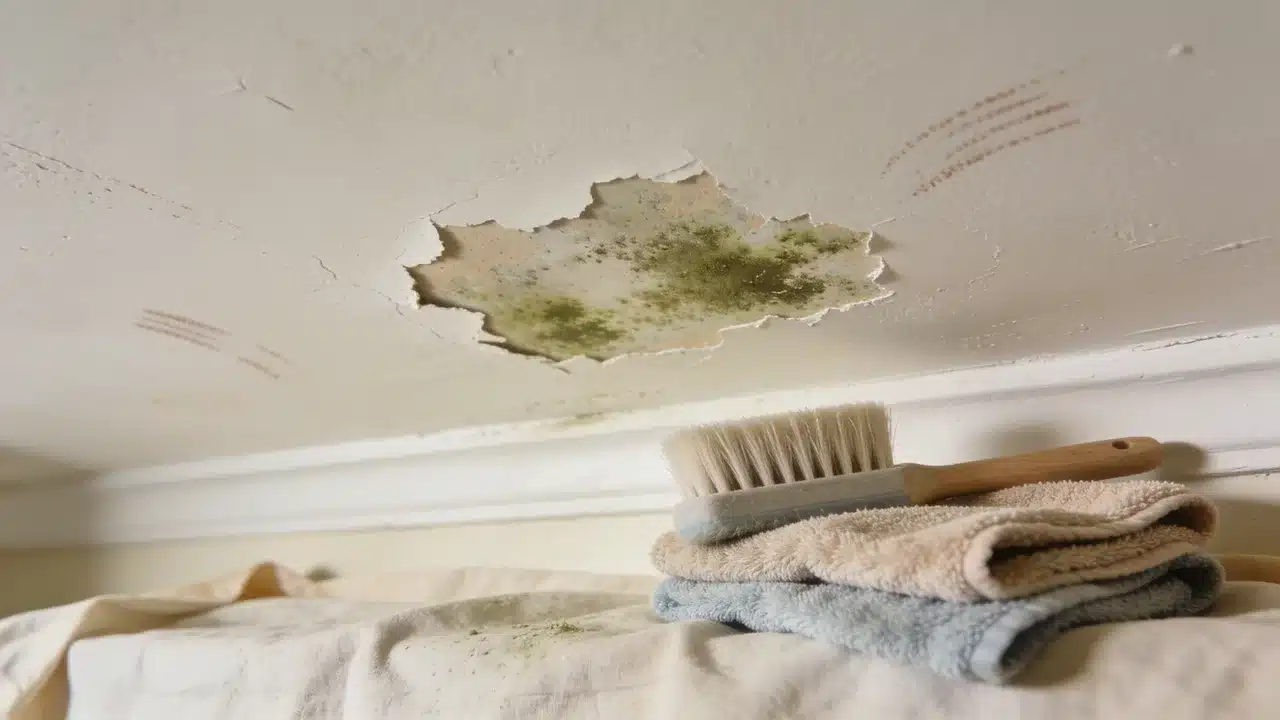
Use a soft brush to loosen the mold, working gently so you don’t damage paint or texture. Wipe away the residue with a clean cloth, rinsing and switching cloths as needed to avoid spreading spores to a clean section.
Step 6: Dry the Ceiling Completely
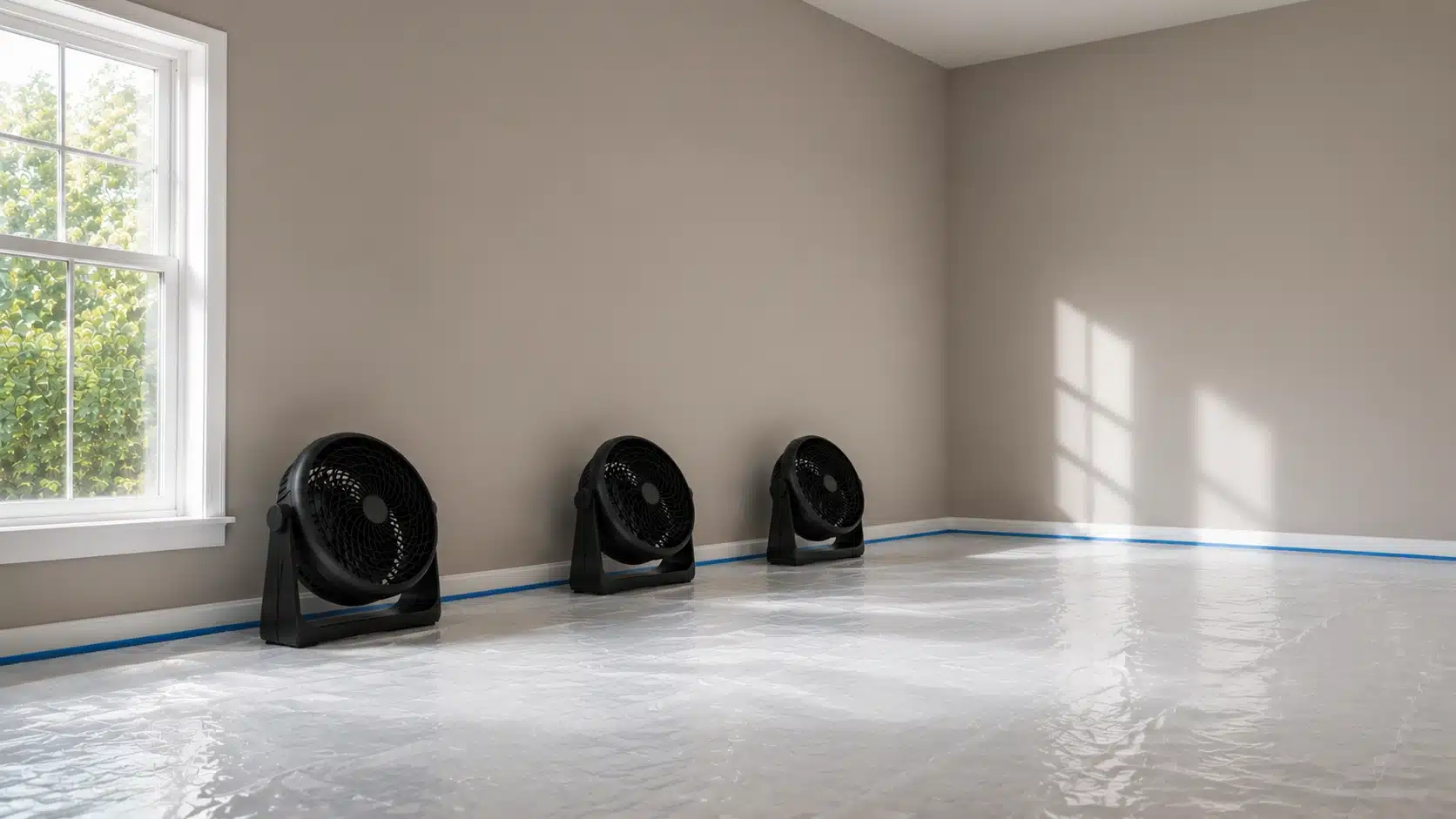
Mold regrows quickly on damp surfaces. Use a fan or dehumidifier to dry the treated area fully before applying any paint or sealant. Repainting before the surface is completely dry and the moisture source is fixed will not hold.
Note: Cleaning has limits, and pushing past them just delays a bigger repair. Replacement is usually the better call when the drywall is saturated or soft to the touch, the material is crumbling or visibly warped, or there are signs mold has spread behind the ceiling into insulation you can’t see or reach.
If the drywall feels soft or crumbles, replacement is the more lasting fix. The same applies if mold has spread into the insulation behind the ceiling.
| Solution | Best For | Notes |
| Hydrogen peroxide | Small surface patches | A gentle oxidizer that works well on painted drywall |
| Vinegar | Light, early-stage growth | An affordable option you probably already have |
| Commercial mold cleaners | Larger or repeated growth | Follow label instructions for dwell time and ventilation |
| Bleach | Limited, non-porous surfaces | Often disappoints on drywall since it can’t reach mold growing beneath the surface |
How to Remove Mold Based on Your Ceiling Type
The right approach changes depending on what the ceiling is made of.
- Painted ceilings are usually the easiest to clean, since the surface is smooth and non-porous. Repainting should wait until the moisture problem is fully resolved, or the new coat of paint will just cover the same issue.
- Drywall ceilings are porous, so mold can work its way below the surface. Light surface growth can often be cleaned, but if the drywall feels soft or crumbly, or if it has visibly stained through, replacing that section is usually the more reliable fix.
- Popcorn ceilings trap moisture in their texture, making them prone to mold. Scrubbing can also strip or damage the texture, so a gentler approach with more dwell time and less scrubbing works better here.
- Ceiling tiles tend to absorb moisture quickly and rarely clean up well once mold sets in. Replacement is usually faster and more effective than trying to salvage a stained tile.
How Can You Prevent Mold From Returning
A clean ceiling only stays that way if the conditions that caused the mold change too.
Indoor humidity is the first thing to get under control. Keep it between 30% and 50%. A hygrometer gives you an accurate reading if you’re not sure where yours currently sits. Run the bathroom exhaust fan during every shower and for at least 20 minutes after, since most bathroom moisture problems come down to ventilation that stops too soon.
Attic ventilation and insulation are worth checking too, particularly on a top-floor ceiling where condensation tends to build along edges and corners when insulation is thin. Repair any roof or plumbing leak as soon as it appears rather than leaving it for later, since even a slow drip provides mold with the exact conditions it needs to return.
For rooms that are naturally humid, use mold-resistant paint on walls and ceilings so the surfaces are less hospitable to regrowth. Beyond that, dry up any spill or wet spot the same day it happens. Small moisture events feel minor in the moment but add up quickly on porous surfaces like drywall and ceiling texture.
When repainting after the moisture problem is fixed, choose bathroom paint suited to humid conditions, and let the ceiling dry completely before applying it.
When to Call a Professional for Mold Removal
Most small, surface-level patches are manageable as a DIY project. Bring in a professional in a few situations. The affected area is larger than roughly 10 square feet.
The ceiling feels soft, spongy, or damaged. Mold keeps coming back after you’ve cleaned it more than once. The mold followed a flood or a bad roof leak. Or you suspect it has spread into the insulation or the space behind the drywall.
Any of these points to a moisture problem bigger than a surface cleaning can fix. A repeat patch is usually the clearest signal.
If the same spot needs cleaning every few weeks, the moisture source is still active somewhere you can’t see.
A professional with moisture-detection tools can find it faster than repeated guesswork
Wrapping Up
After more than a decade spent working through moisture and layout problems in real homes, I keep seeing the same thing: what you’re wiping off the ceiling is a symptom, not the source.
Fix the humidity, the leak, or the ventilation gap first, and your cleaning will hold. Skip that step, and even black mold on the ceiling comes back within weeks, no matter how carefully you scrub.
Work through the steps in order, starting with the moisture behind the stain rather than the stain itself. Then check the spot again in a month. If it’s still clear, you’ve solved it for good.
Frequently Asked Questions
Is Mold on the Ceiling Harmful?
Mold on the ceiling can cause health concerns, especially for people with allergies, asthma, or weakened immune systems. Exposure may trigger irritation.
What Causes Mold on Ceilings?
Ceiling mold grows when moisture combines with materials like drywall or paint. Common causes include humidity, leaks, condensation, and poor ventilation.
What Permanently Kills Mold?
Permanently controlling mold starts with removing moisture sources. Cleaning solutions help remove growth, but fixing leaks and humidity prevents recurrence.
Is it Safe to Sleep in a Room with Mold?
Sleeping near visible mold on the ceiling may increase exposure, especially for people with sensitivities. Address the source of the mold and remove the growth before continued use.