
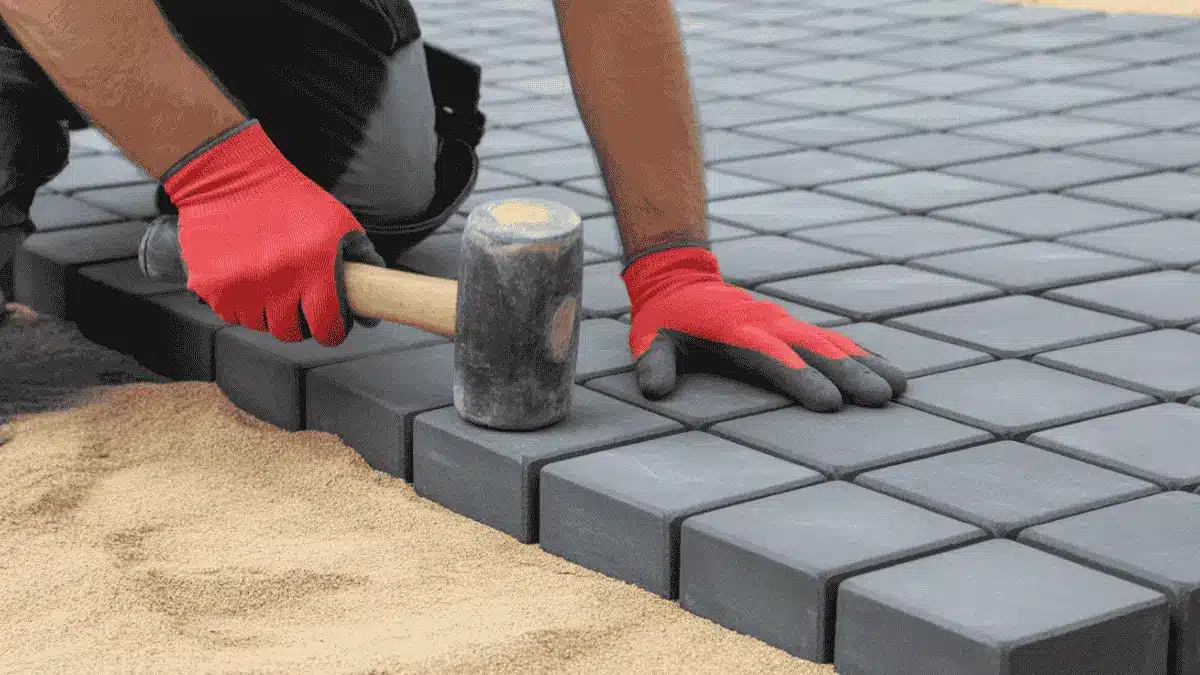


When I first started designing outdoor spaces for clients, paver pricing was the question I was asked most often.
I’ve planned and overseen dozens of patio and driveway installations over the years, and honestly, even with experience, every quote can feel confusing without a clear framework to read it.
I quickly realized that the total cost depends on several factors, including the size of the space, the type of pavers, and the amount of prep work required.
I’ll break everything down in simple terms. You’ll learn the average cost per square foot, how much patios and driveways usually cost, what affects labor prices, and how to estimate your own project.
All costs are estimated US averages. Your actual numbers will vary by location, project size, materials, and contractor.
Where are Pavers Commonly Installed?
Pavers are installed in many outdoor areas because they are durable, versatile, and visually appealing. Most homeowners use pavers for patios, driveways, and walkways.
Patios create comfortable outdoor living spaces, while driveways require a strong base to support vehicle weight.
Pavers are also popular for pool decks, garden paths, courtyards, and entryways. Some homeowners install them around fire pits or outdoor kitchens to create a finished look.
Because pavers come in different styles and materials, they work well in both modern and traditional designs, making them a flexible choice for many landscaping projects.
What Goes Into the Cost of Paver Installation?
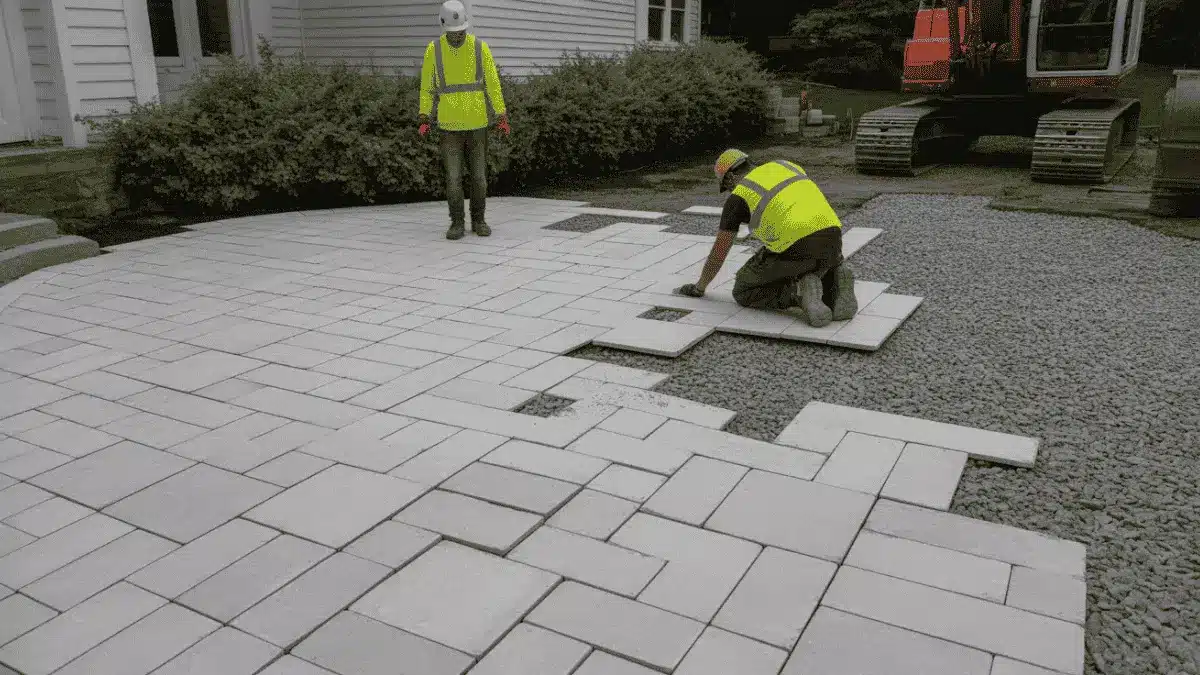
The cost of paver installation includes materials and labor, with labor usually the largest expense at 50-70% due to the need for specialized equipment, skills, and time for proper base preparation.
The excavation process alone takes 1-2 days, depending on soil conditions and site accessibility, followed by precise grading, multiple compaction layers, and careful leveling to create a stable, long-lasting foundation.
Contractors typically charge $50 to $80 per hour for labor, or $4 to $11 per square foot, and a standard 300 sq. ft. patio averages 35 to 40 labor hours to complete professionally.
The materials component includes the pavers themselves, ranging from $4 to $30+ per square foot by type and quality, plus essential base materials such as gravel, bedding sand, edge restraints, and joint sand.
Additional expenses like drainage, removing old concrete, or soil stabilization add $500 to $5,000+ to your project. Knowing these costs helps you estimate budgets and compare quotes effectively.
1. Average Paver Installation Cost
Most homeowners spend $10 to $30 per square foot, similar to broader construction cost-per-square-foot estimates used across home projects. The national average for standard patio projects typically ranges from $12 to $25 per square foot.
Here’s how that breaks down:
- Low-end projects: $8 to $12 per sq. ft. (basic concrete pavers, simple layout)
- Mid-range projects: $15 to $25 per sq. ft. (better materials, standard patterns)
- High-end projects: $25 to $40+ per sq. ft. (natural stone, detailed designs)
Understanding these average paver installation costs helps you set realistic expectations, compare contractor quotes confidently, and plan your patio or driveway project without surprise expenses.
2. Project Size Examples
Here are real-world project size examples to help you understand how square footage directly affects total installation cost and overall budget expectations.
Here’s what homeowners typically spend:
- Small patio (10×10 – 100 sq. ft.): $1,000 to $2,500+
- Medium patio (20×20 – 400 sq. ft.): $4,000 to $12,000+
- Driveway (around 1,000 sq. ft.): $10,000 to $30,000+
- Pool deck (600–800 sq. ft.): $9,000 to $24,000+
- Walkway (150–250 sq. ft.): $1,500 to $6,000+
- Outdoor living area with fire pit (200–300 sq. ft.): $3,000 to $9,000+
As project size increases, total cost rises significantly, similar to how the cost of adding a roomscales with square footage and complexity.
3. Material Cost Per Square Foot
Material choice plays a major role in determining your total installation cost, as different paver types vary widely in price and appearance.
- Concrete pavers: $4 to $10 per sq. ft. (materials only)
- Brick pavers: $5 to $15 per sq. ft.
- Natural stone or flagstone: $10 to $30+ per sq. ft.
- Porcelain pavers: $12 to $25+ per sq. ft., a growing choice for modern outdoor spaces.
Porcelain is highly resistant to stains, UV fading, and moisture, which makes it popular for pool decks and contemporary patios. The tradeoff is that it requires more precise cutting and handling during installation, which raises labor time.
I’ve started recommending porcelain more often for clients in wetter climates, it doesn’t absorb water the way natural stone does, which means it holds up significantly better through freeze-thaw cycles. The material cost is higher, but the long-term maintenance savings are real.
Factors That Affect The Installation Cost
Several important factors influence the cost of installation, and understanding these variables helps you estimate your project budget more accurately and avoid unexpected expenses.
- Size of the Area: More square footage means more materials and labor. A small patio costs less overall than a large driveway, but the per-foot rate may stay similar.
- Site Preparation: If your yard needs grading, drainage correction, or removal of old concrete, costs increase. Base preparation is one of the most important parts of the job.
- Design Complexity: Simple grid patterns cost less than detailed layouts, such as herringbone or custom inlays. Borders and decorative edges also add labor time.
- Type of Pavers: Concrete is affordable. Natural stone costs significantly more due to the material price and installation time.
- Local Labor Rates: Contractor rates vary by region. Urban areas with higher living costs usually charge more than rural areas.
Reviewing these cost factors carefully helps plan more effectively, make smarter material choices, and set more realistic expectations before starting any patio, driveway, or walkway installation project.
Professional vs. DIY Installation Costs
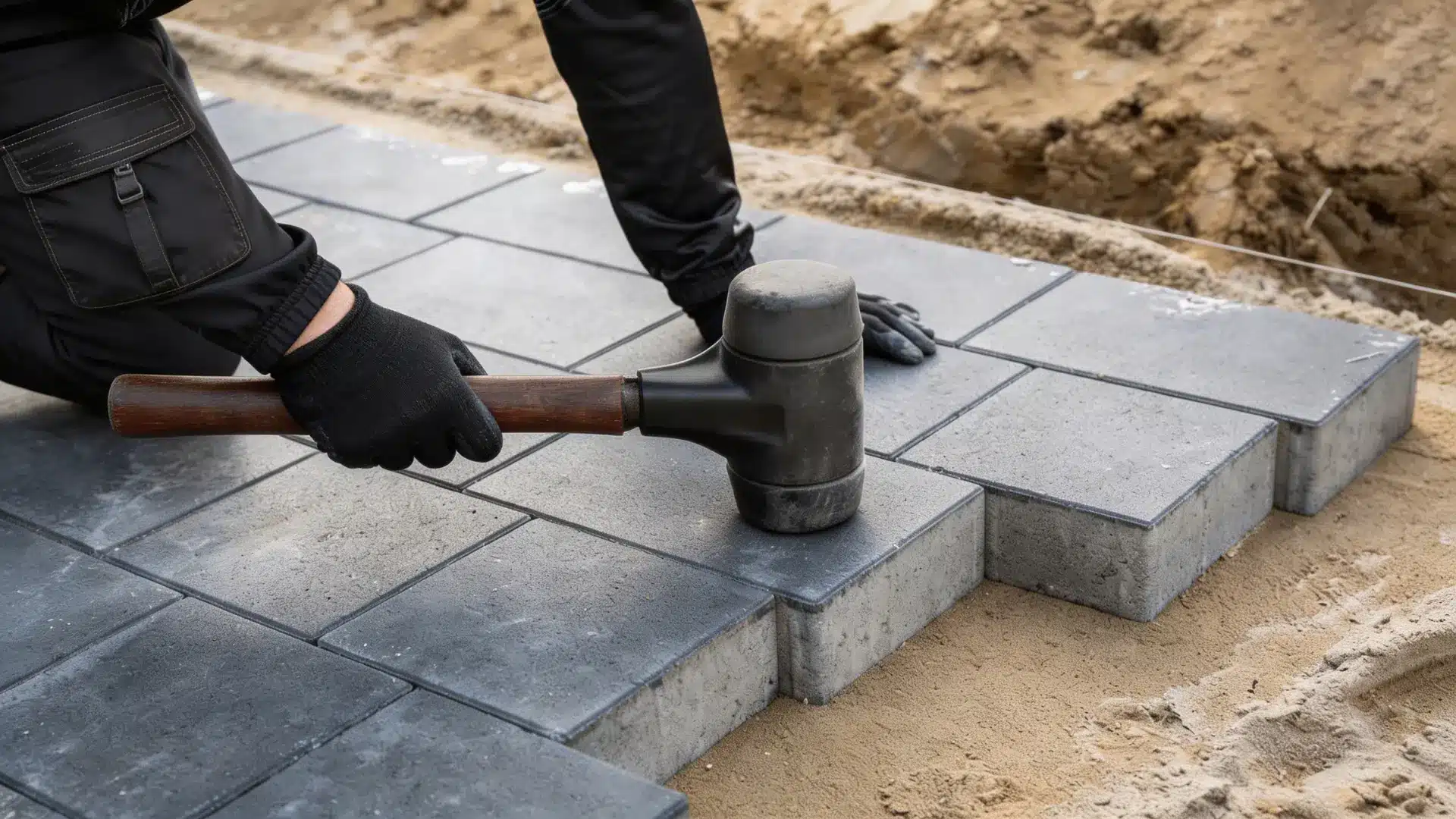
I know many homeowners consider installing pavers themselves to save money. Here’s how the numbers compare.
Cost to Install Pavers Professionally
Professional installation includes excavation, materials, equipment, and labor.
| Category | Price (USA) | Details |
|---|---|---|
| Total Installed Cost | $10 to $30 per sq. ft. | Full job from prep to finish |
| Labor Portion | $4 to $15 per sq. ft. | Excavation, base, laying |
| Materials | $4 to $20+ per sq. ft. | Depends on paver type |
| Equipment | Included | Compactors, saws, tools |
| Warranty | Often included | Coverage varies by contractor |
Hiring professionals means less stress and better long-term durability. Proper base work prevents sinking and shifting later.
DIY Installation Cost Breakdown
DIY looks cheaper because you skip labor, but you still pay for materials and tools.
| Category | Price (USA) | Details |
|---|---|---|
| Pavers | $4 to $15 per sq. ft. | Based on type |
| Base & Sand | $1 to $3 per sq. ft. | Gravel and bedding |
| Tool Rental | $100 to $400 | Compactor and saw |
| Total DIY Range | $3 to $8 per sq. ft. (materials only) | Excludes your time |
| Extra Costs | Varies | Mistakes or rework |
DIY can save thousands in labor, but it requires physical work, careful measuring, and proper compaction.
Is Installing Pavers Worth the Cost?
Compared to plain concrete slabs, pavers usually cost more upfront. However, they last longer and are easier to repair. If one section cracks, you can replace individual pavers instead of redoing the whole surface.
Pavers also boost curb appeal and can increase property value. Research from the landscaping and remodeling industry suggests that a well-installed paver patio can recoup 50–75% of its cost in added home resale value, a meaningful return compared to most other outdoor upgrades.
Natural stone and high-end finishes tend to push toward the higher end of that range. Many homeowners choose them because they look better and handle freeze-thaw cycles well.
If your yard or driveway needs an upgrade, pavers often deliver strong long-term value.
Tips to Save Money on Paver Installation
Saving money on paver installation is absolutely possible with careful planning, smart material choices, and a few strategic decisions before construction even begins.
- Choose standard concrete pavers instead of premium stone.
- Keep the design simple to reduce labor time.
- Get 3–5 contractor quotes to compare pricing.
- Prep the site yourself if possible, such as by clearing grass or debris.
- Order roughly 10% more pavers than your square footage calculation, cutting waste and breakage are real, and buying a second batch later can mean a color or texture mismatch.
- Install during the off-season (late fall through early spring in most of the US) when contractor demand drops, I’ve seen clients save 10–15% on labor costs simply by scheduling a November or February install instead of peak summer.
By planning ahead and focusing on long-term durability instead of shortcuts, you can lower upfront costs while protecting your investment for years to come.
That’s a Wrap
Now you have a clear understanding of what paver installation costs and what influences those numbers.
After years of designing outdoor spaces, I’ve found the biggest mistake isn’t choosing the wrong material; it’s skipping proper base prep to save money, only to pay more later for repairs.
Whether it’s a small patio or a large driveway, use this guide to set a realistic budget, ask the right questions, and compare quotes confidently.
A properly installed paver surface can last for decades and transform your outdoor space. Start by measuring your area and getting a few local quotes. If this guide helped, check out other cost breakdowns for smarter planning and spending.