

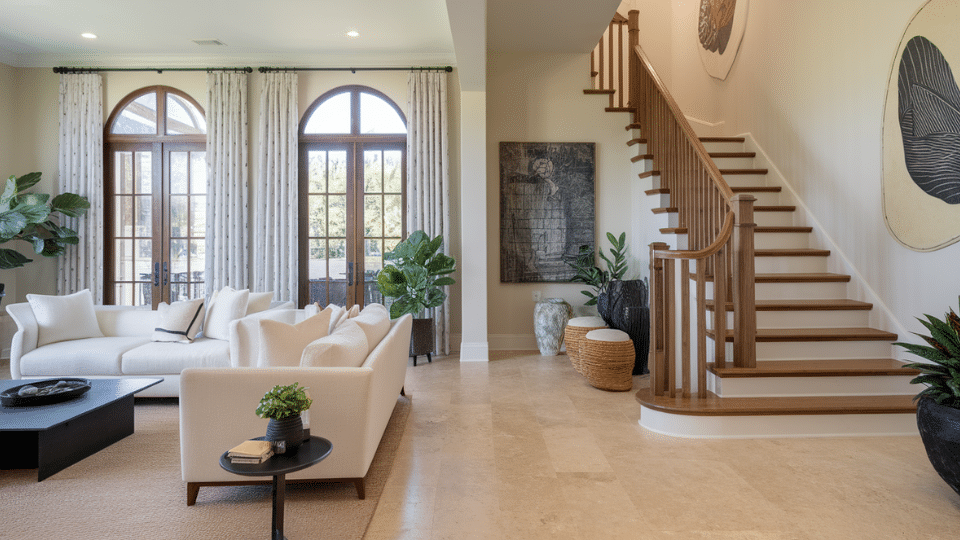


Scrolling through residential interior design ideas online feels like drowning in a sea of perfection. Every pin-worthy room looks beautiful, yet translating those images into livable spaces often leads to disappointment.
As someone who has spent years helping homeowners work through space planning challenges, from studio apartments that felt perpetually cramped to large open-plan homes that somehow still felt wrong.
I’ve learned that great design isn’t about copying trends, it’s about making intentional choices that fit real life.
I’ll walk you through how to think about design before choosing ideas, share practical concepts that balance beauty and function, and highlight mistakes most sources won’t mention.
By the end, you’ll be able to make confident decisions that actually improve daily living.
Key Considerations When Choosing Your Ideal Design Style
Selecting the right design style goes beyond aesthetics. It’s about creating a space that works functionally and practically for your lifestyle. Consider these key factors before making your decision:
- Functionality Over Aesthetics: Choose a style that suits how you live, not just what looks good.
- Consider Layout Needs: Ensure the style works with your space layout, whether open-plan or divided zones.
- Storage and Organization: Make sure the style offers enough storage and keeps your space clutter-free.
- Lighting Requirements: Different styles require specific lighting setups; ensure yours complements the design.
- Complement Your Lifestyle: From family homes to single apartments, choose a style that fits your daily routine.
These factors ensure your design is both practical and beautiful.
High-Impact Residential Interior Design Ideas
These ideas target the structural decisions, layout, light, scale, and visual hierarchy that determine whether a space feels right before a single decorative choice is made. According to my experience, fixing these elements first consistently produces results that no amount of styling can replicate.
1. Zone Open-Plan Spaces without Walls
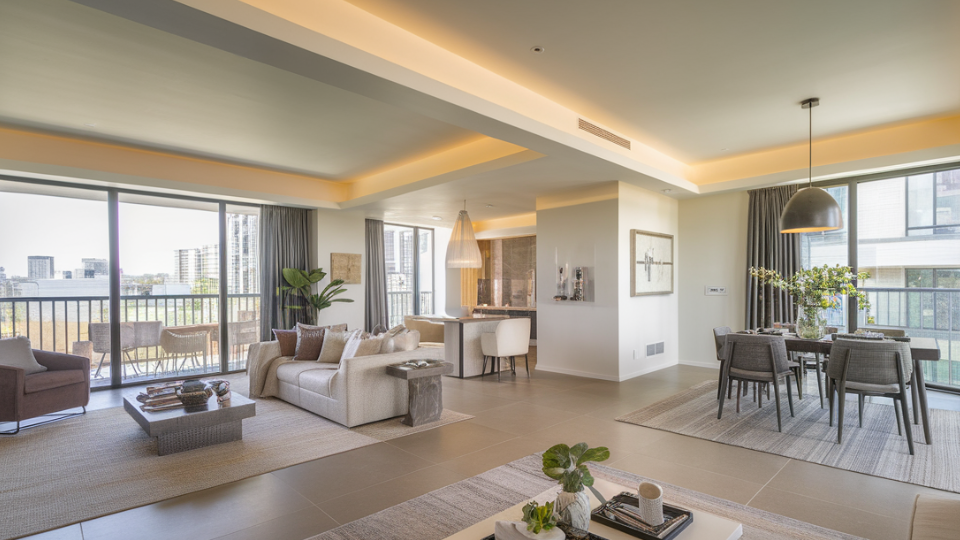
Anchor the seating area with a large rug, hang a pendant above the dining table, and place a console table behind the sofa to mark boundaries. These three moves create clear zones without any structural change. If the layout still feels unclear, add one defining element per zone until it reads naturally.
This is one of the most common space planning problems I encounter. I worked with a couple in Portland whose open-plan ground floor was all one room, and they hated it. Not for lack of furniture, but because nothing told the eye where one zone ended and another began.
A 9×12 rug in the living area, a rattan pendant over the dining table, and a low-profile console behind the sofa transformed it in a single afternoon. No walls, no budget for renovation, just deliberate placement
2. Layer Lighting to Control Mood
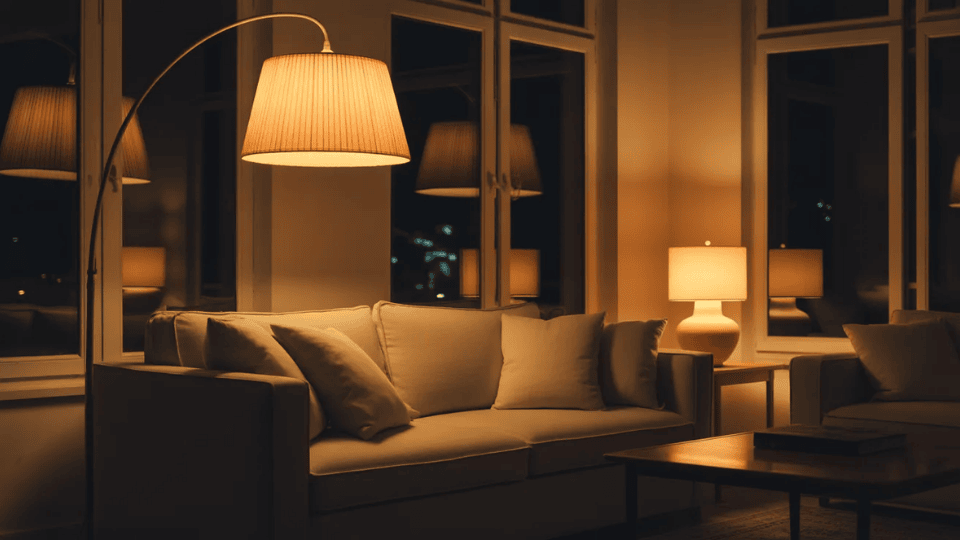
One ceiling light flattens a room and strips out warmth. Replace it with three sources at different heights, ambient, task, and accent.
Add dimmer switches to at least two of them. This gives you real control over how the space feels, shifting from functional during the day to warm and inviting by evening.
A good rule: if your lighting setup can’t change with your mood, it’s not finished yet.
3. Use One Flooring Throughout
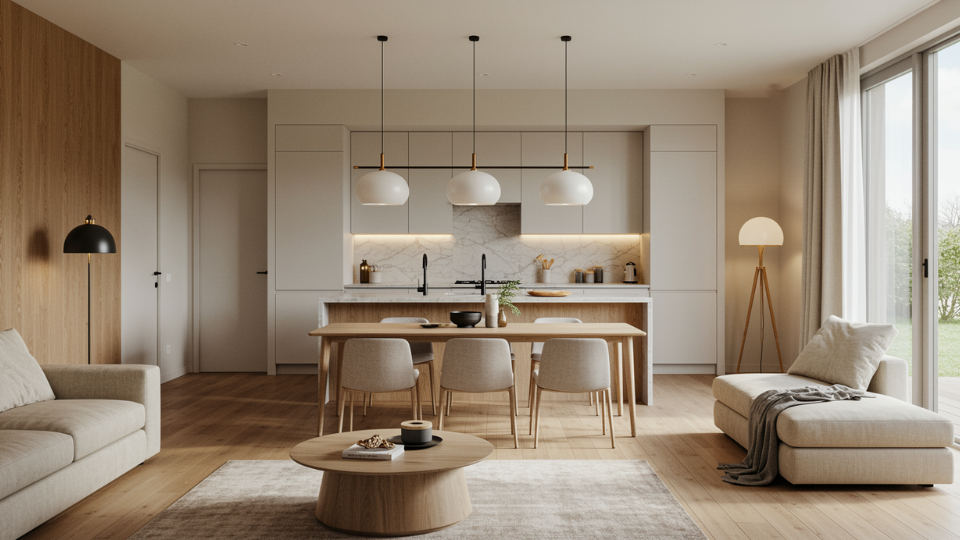
Visual breaks between flooring materials make connected spaces feel smaller and disjointed. Carrying one floor finish across the living, dining, and kitchen zones removes friction. If you are currently calculating your kitchen remodel cost, remember that unified flooring is one of the highest-impact investments you can make.
If a full re-floor isn’t viable right now, start by eliminating the single most jarring transition in your home; the difference will be noticeable straight away.
4. Scale Furniture to the Room
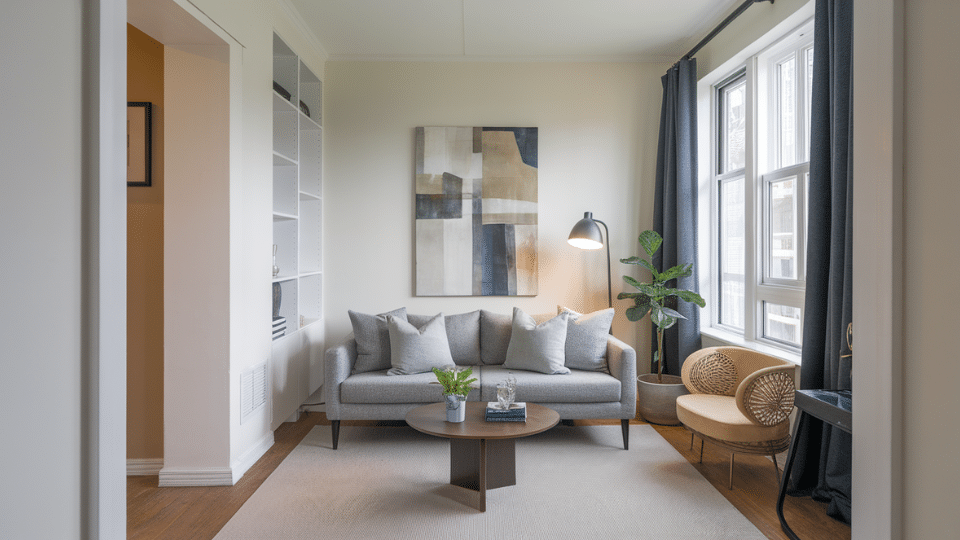
Walk the most-used path through your room. If you’re adjusting your route or brushing past anything, something is oversized.
Swapping one large piece for a correctly proportioned alternative frees up circulation and changes how the room feels every day. In compact apartments, especially, furniture scale matters more than almost any styling decision.
A practical test I give clients: you should be able to walk from any entry point to any exit point without turning sideways. If you can’t, scale is your problem, not décor.
5. Build Storage Into the Walls
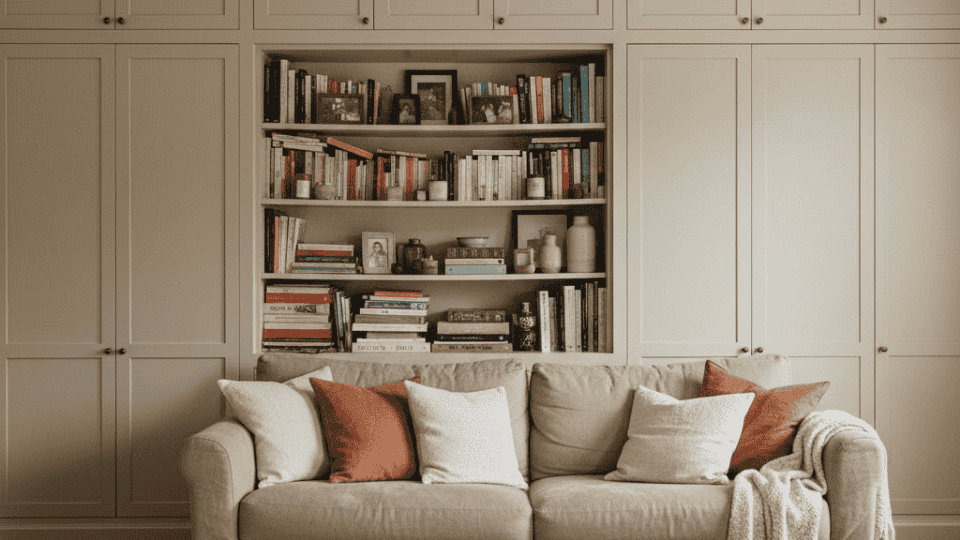
Built-in shelving and cabinetry keep clutter out of sight without sacrificing storage capacity. Bedrooms, corridors, and living rooms all benefit in different ways.
It sits at the higher end of the budget, but for long-term homeowners, it fundamentally reshapes how a space feels to live in every single day.
6. Draw the Eye Up in Low-Ceilinged Rooms
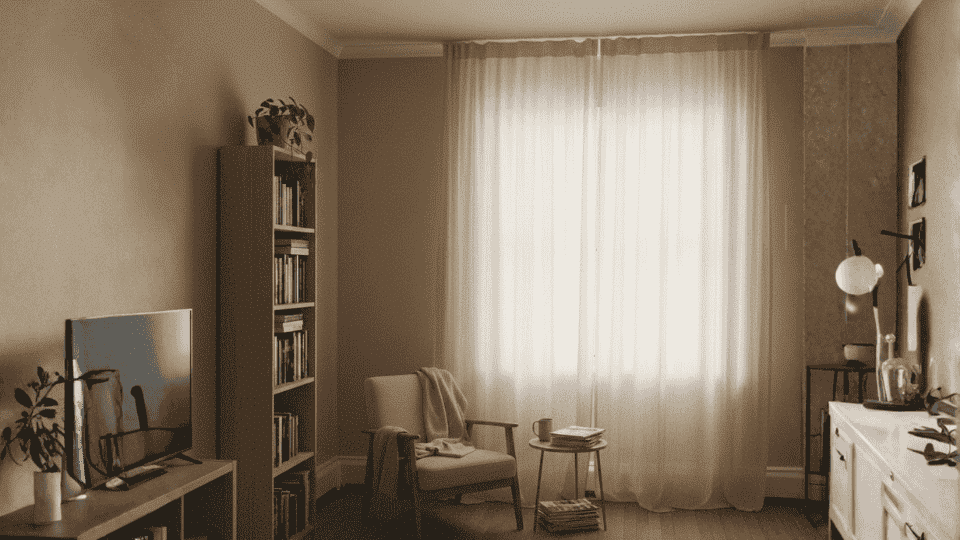
Floor-to-ceiling curtains and tall shelving pull the eye upward, making low-ceilinged apartments feel significantly less compressed.
Hang curtain rods as close to the ceiling as possible, even if the window sits lower. It costs relatively little, adds genuine airiness, and works without touching any part of the room’s structure.
7. Leave Space Empty to Reduce Clutter
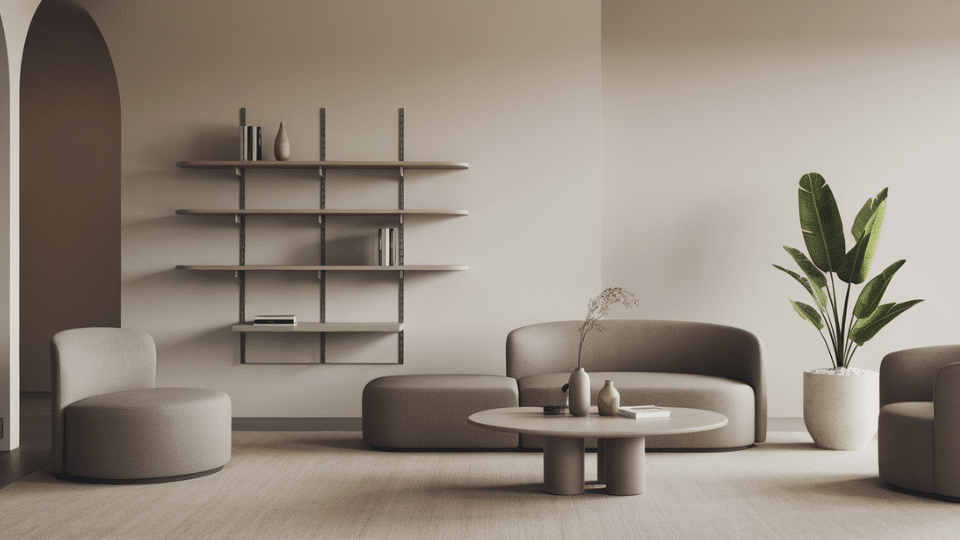
A bare wall, a clear corner, a surface with nothing on it, these are design choices, not oversights.
If your home feels cluttered but you can’t identify why, the fix is usually removal rather than addition. Deliberately leaving space empty brings an immediate sense of calm to any room.
8. Anchor Every Room Around One Focal Point
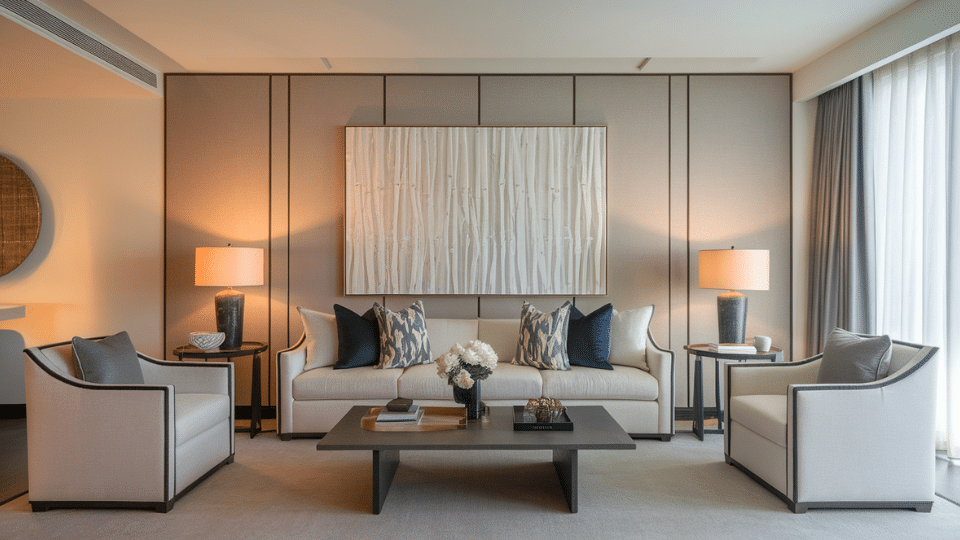
A fireplace, a large artwork, or a striking chair gives the eye somewhere natural to land. Without one, rooms feel visually noisy and directionless.
Choose a single bold element and arrange everything else around it. Most rooms only need one strong focal point to feel considered, complete, and worth walking into.
9. Arrange Furniture Around Natural Paths
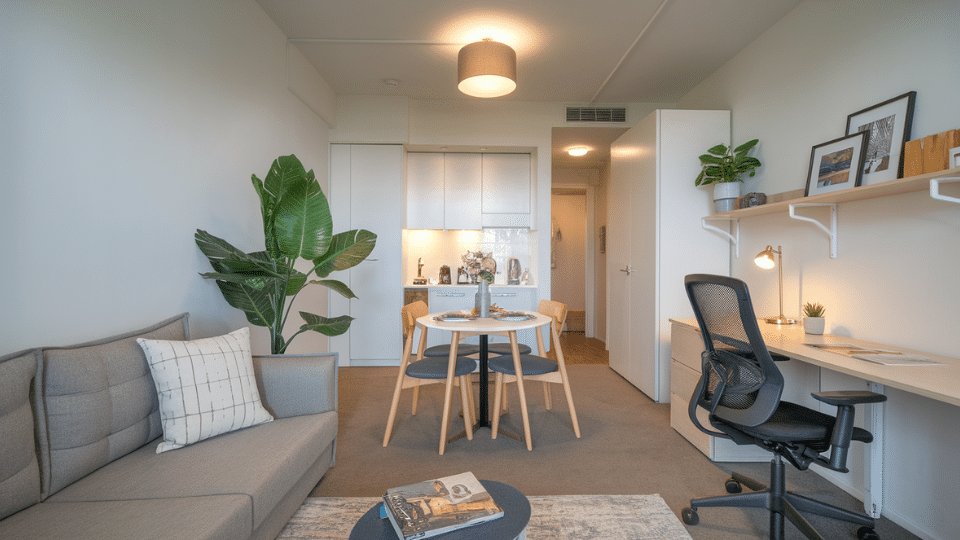
Walk through your room and note where movement feels blocked or awkward. Rearranging furniture to allow clear, natural paths removes that constant low-level friction that makes smaller shared spaces feel frustrating to live in.
It costs nothing, takes an afternoon, and the impact on how the home feels daily is immediate.
Functional Residential Interior Design Ideas Tailored to Everyday Lifestyles
Find out practical residential interior design ideas that align with real routines, prioritizing durability and usability over looks alone.
These strategies ensure homes support busy lives, from remote work to family demands, with lasting functionality.
10. Design Around Your Daily Routines
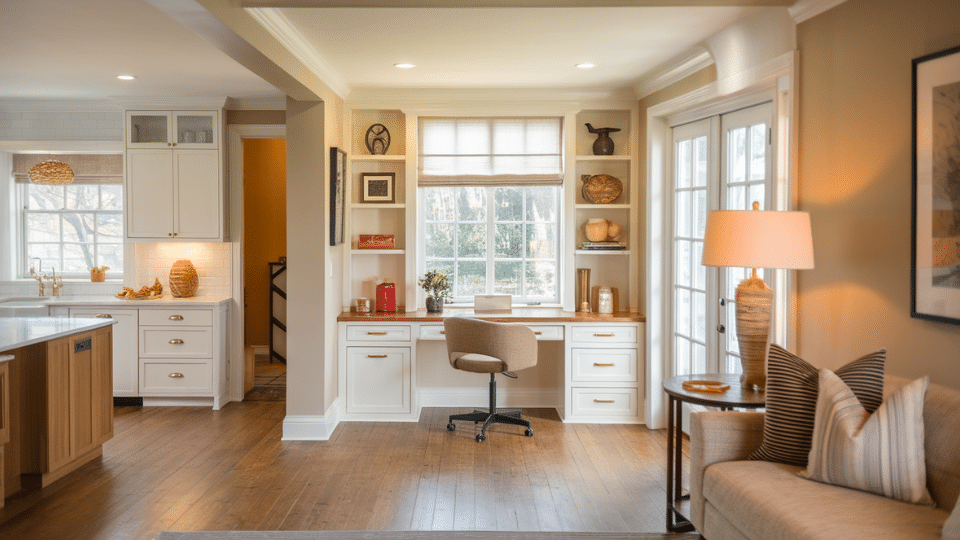
A home that works against your habits creates friction you stop noticing but never stop feeling.
Place frequently used items within natural reach, position seating toward natural light, and arrange spaces around how you actually move through the day.
Small layout shifts like these cost very little but make routines noticeably smoother.
11. Decorating with Durability in Mind
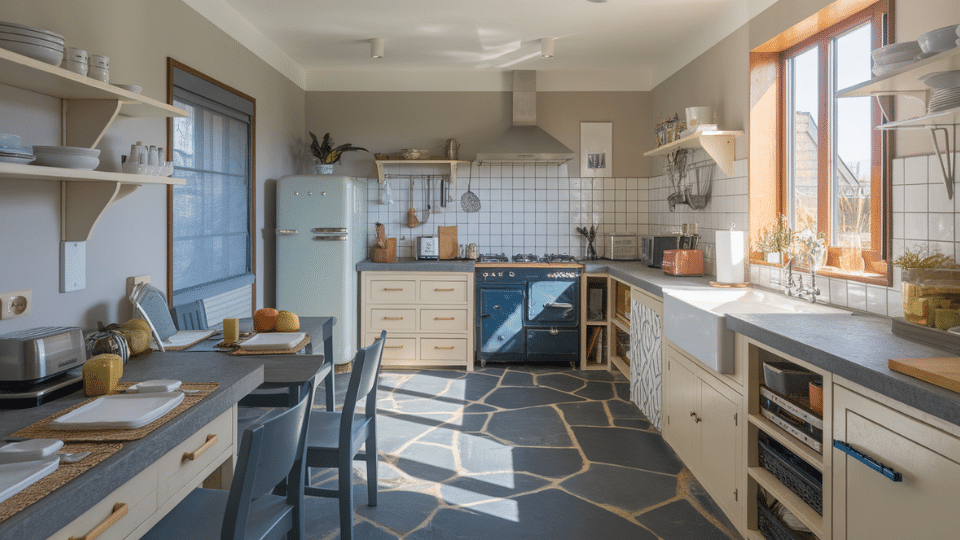
Floors, kitchens, and bathrooms absorb the most daily punishment, particularly in homes with children or pets. Choosing durable fabrics and resilient surfaces from the start reduces the cost and frustration of frequent replacements.
Investing here isn’t about looks alone; it’s about choosing things that continue performing well years after the initial decision.
12. Define a Workspace to Separate Work From Home
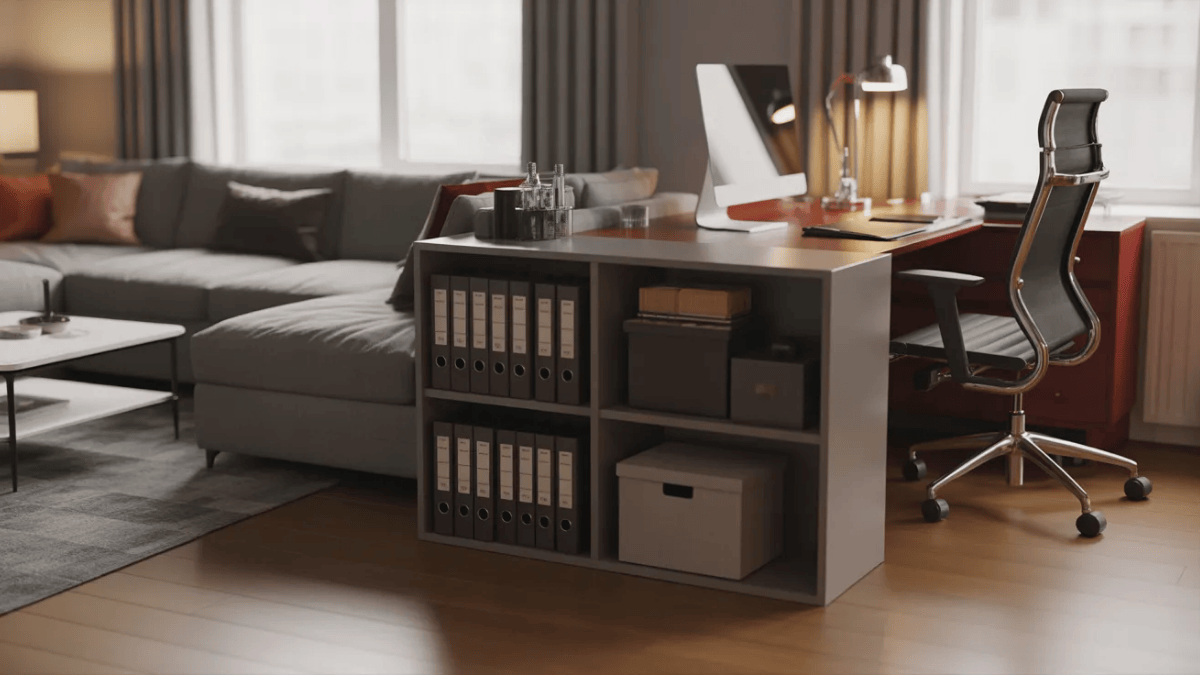
Without a dedicated zone, remote workers find that both productivity and relaxation suffer because neither mode ever feels fully separate.
A rug, a partition, or consistent furniture placement is enough to create a real boundary. Living rooms and spare bedrooms both work well once the space is clearly and consistently defined.
13. Pick Finishes that Handle Real Daily Use
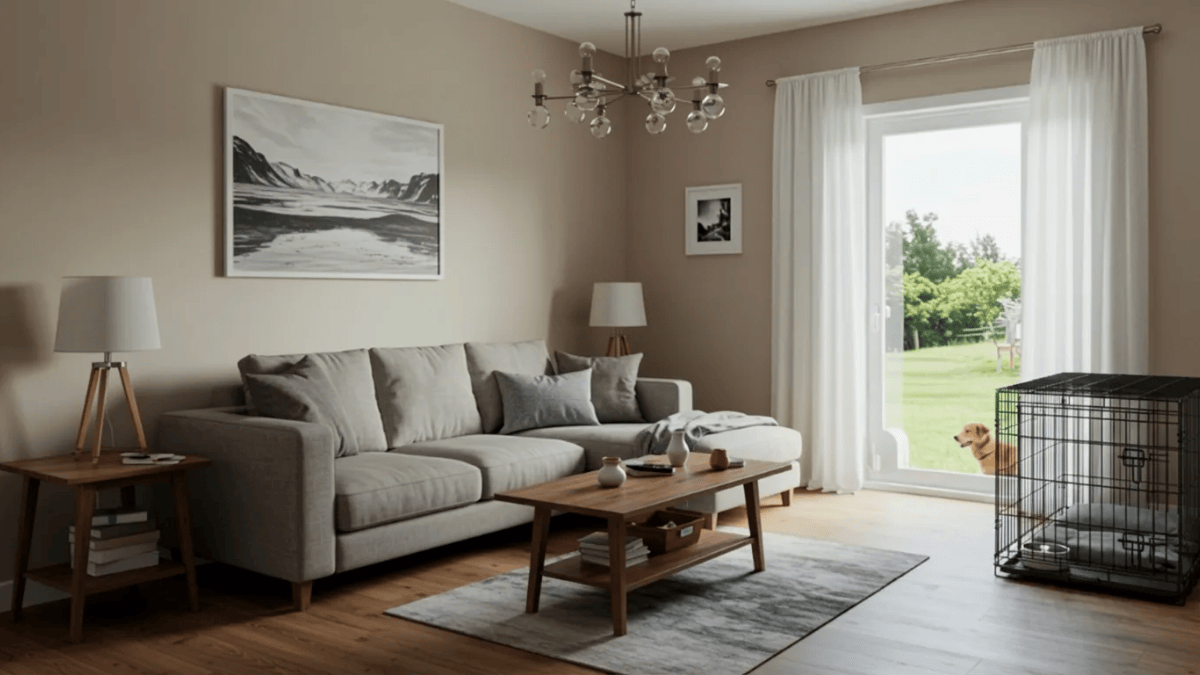
Stain-resistant upholstery, sealed surfaces, and hard-wearing floor finishes keep a home looking decent amid active daily use. For households with children or pets, these choices matter far more than visual trends.
Selecting practical finishes upfront prevents the slow, frustrating feeling of watching a home deteriorate faster than expected through entirely normal, unavoidable wear.
I’ve had clients who swore the problem was their home’s size. After carving out a defined work corner, same chair, same desk lamp, same position every day, their evenings felt genuinely different. The brain picks up on spatial cues faster than we expect.
14. Choose Multi-Functional Furniture Selectively
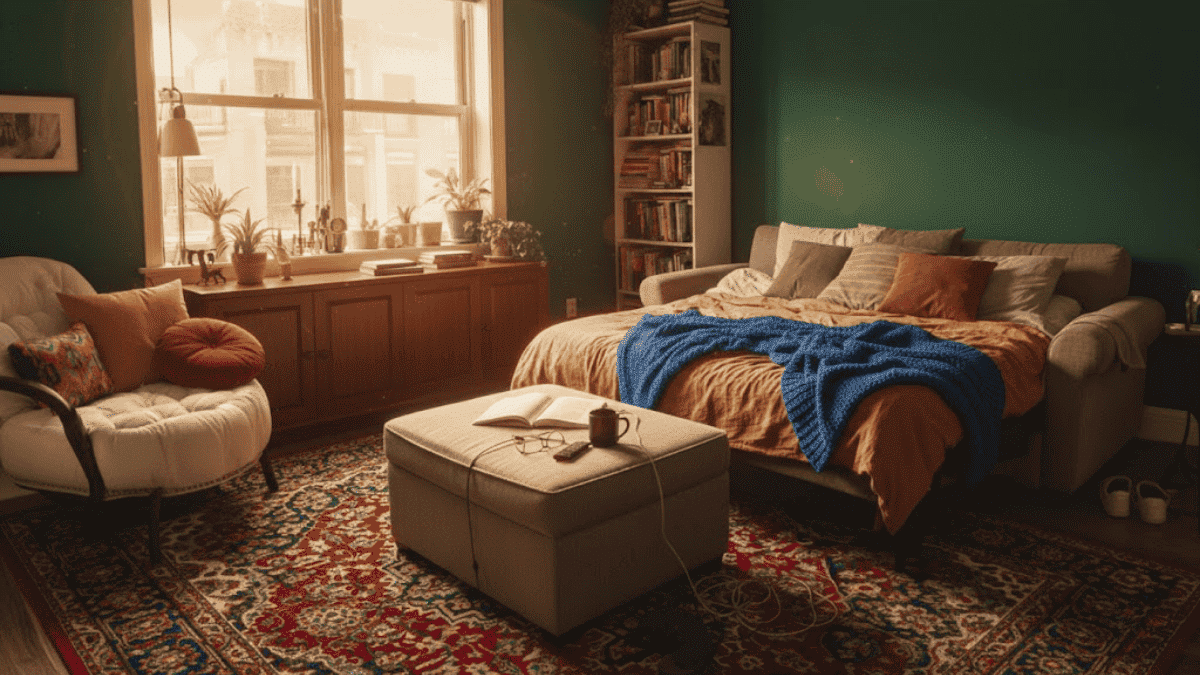
In compact homes, a storage ottoman, a fold-down desk, or a sofa bed can make a genuine difference to how spacious a space feels.
The key is selectivity; only choose pieces that solve a real, specific problem. Poorly chosen multi-functional furniture creates exactly the clutter and visual noise you were trying to avoid.
15. Put Storage Where You Actually Use Things
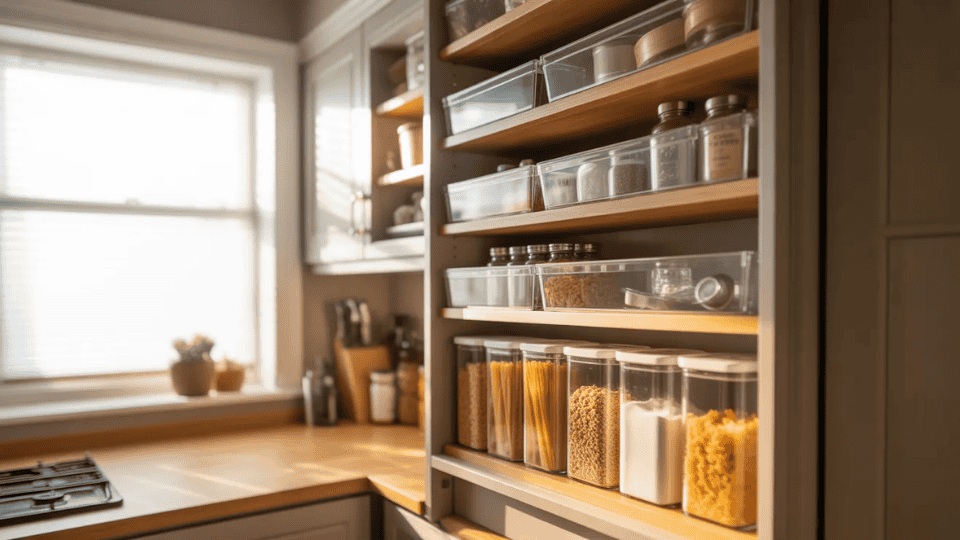
Hooks near the door, shelving beside the desk, organizers inside kitchen cabinets, storage works best when it’s placed exactly where things are naturally used.
Things get put away more consistently when doing so requires almost no effort. It’s a low-cost change that stops everyday mess from migrating across the entire home.
16. Add Textiles to Reduce Noise and Echo
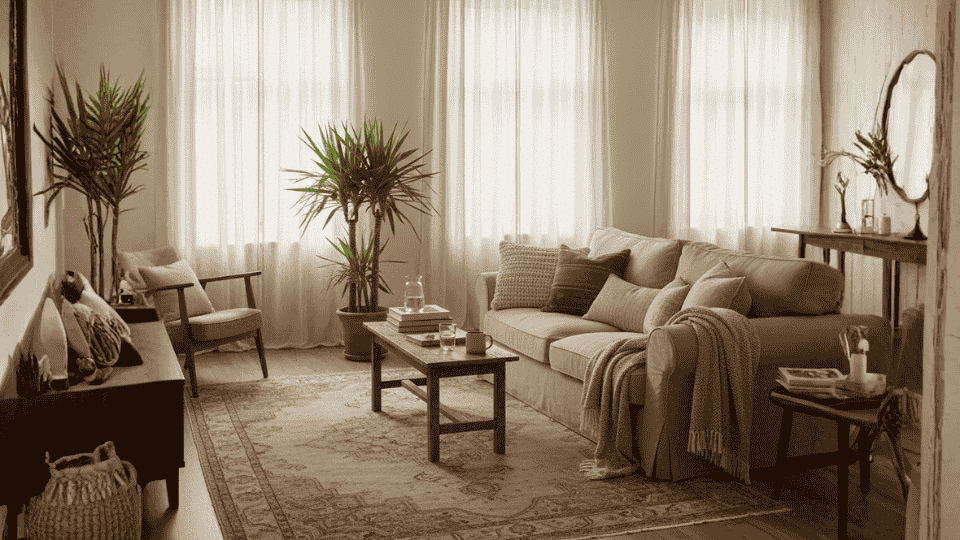
Rugs, curtains, and upholstered furniture absorb sound in ways hard surfaces simply cannot. Open-plan apartments and homes with tiled or wooden floors often suffer from persistent echo that makes spaces feel less comfortable than they should.
Adding textile even a single large wool or jute rug in a hard-floored open-plan space layers costs relatively little but noticeably reduces noise fatigue and makes rooms feel warmer and more pleasant.
17. Add Task Lighting Where You Actually Need It
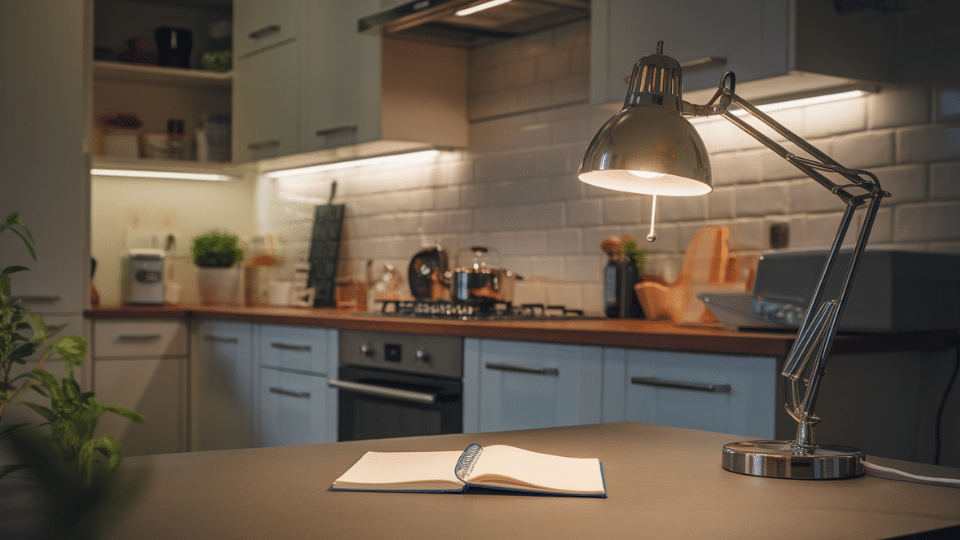
General overhead lighting rarely provides enough focused visibility for cooking, reading, or detailed work.
Under-cabinet strips in kitchens, a proper desk lamp, and a well-placed bathroom mirror light make these activities noticeably easier and less straining. It’s a modest upgrade that improves daily functionality far more than its relatively low cost would suggest.
18. Give Your Entryway a Job to Do
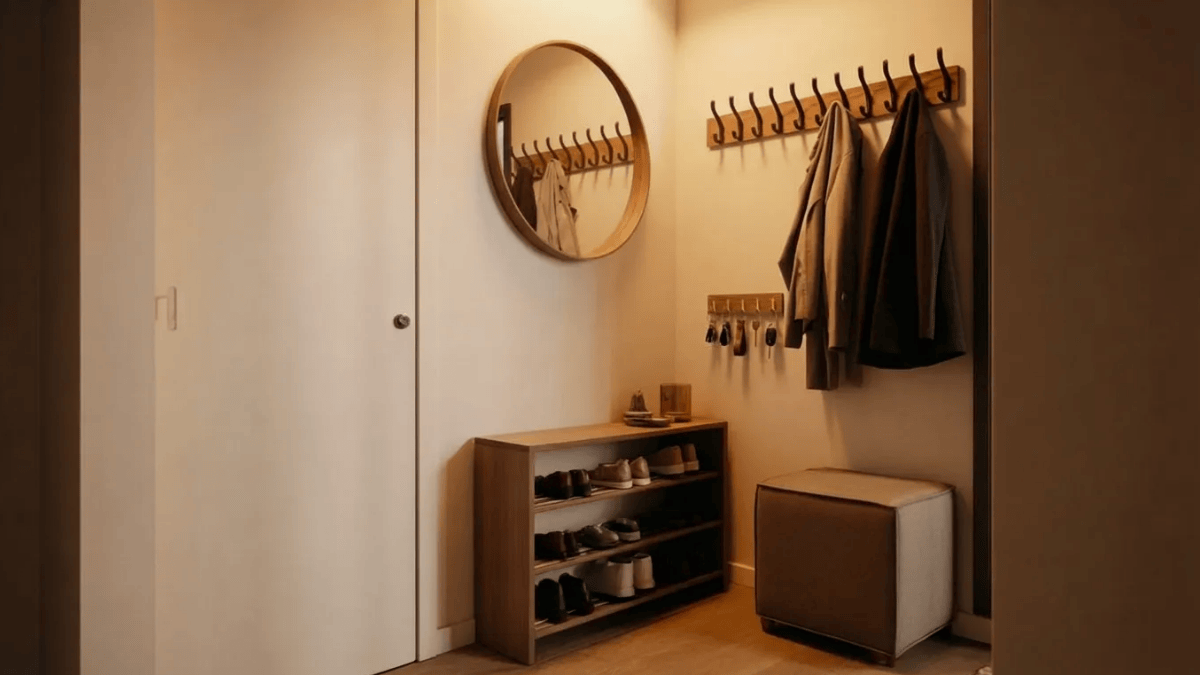
A few hooks, a narrow bench, and a small basket near the front door intercept bags, shoes, keys, and coats before they spread further into the home.
It’s one of the lowest-cost changes available, yet it consistently has an outsized effect on how tidy and composed the rest of the living space feels.
If space is genuinely tight, a wall-mounted rail with three to four hooks and a single shelf above it can achieve the same result with as little as 30 cm of wall depth.
Personalization in Residential Interior Design
Your home should feel like you, not like a showroom. The ideas here are about adding personality without losing the calm you’ve worked to create. Small, restrained details do this better than bold statements. They accumulate quietly into something that feels genuinely yours rather than assembled from a catalog.
19. Display Art Selectively Rather Than Filling Every Wall
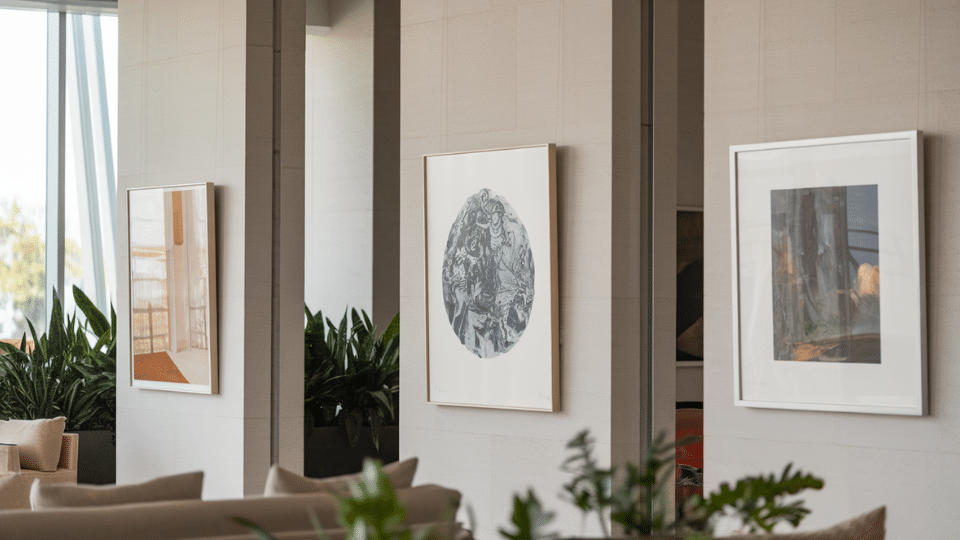
A small, carefully chosen selection of artworks adds genuine personality without tipping into clutter. Quality and placement matter far more than quantity here.
One well-positioned piece creates more impact and says more about the people who live there than a crowded arrangement of loosely related images ever could, regardless of how individually interesting each piece might be.
20. Repeat One Material Across Rooms for Cohesion
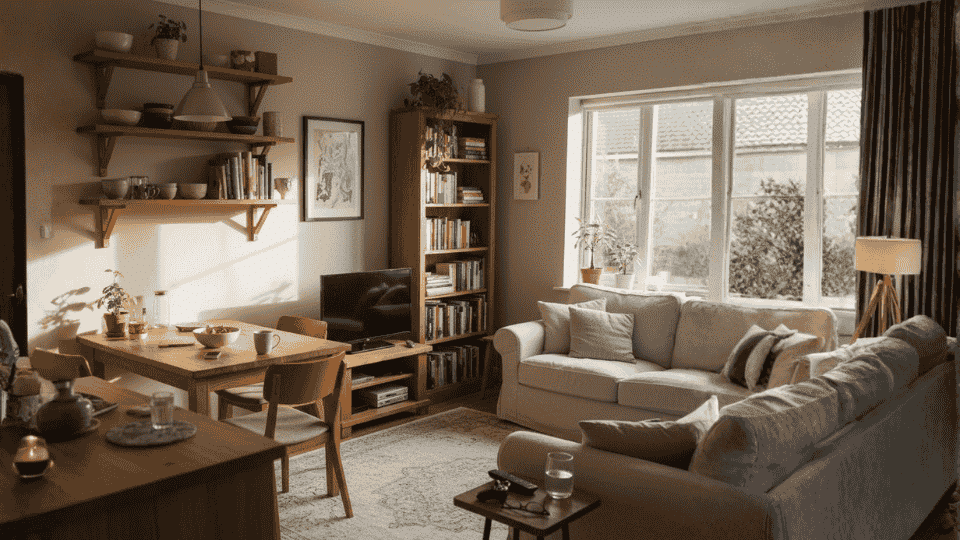
Repeating the same wood tone, fabric weave, or metal finish across different rooms creates a sense of flow that feels deliberate rather than accidental.
It doesn’t require matching everything precisely, just enough quiet repetition to make the whole home feel considered as one thing. Open-plan homes benefit most from this approach applied consistently throughout.
21. Paint One Wall to Add Depth Without Commitment
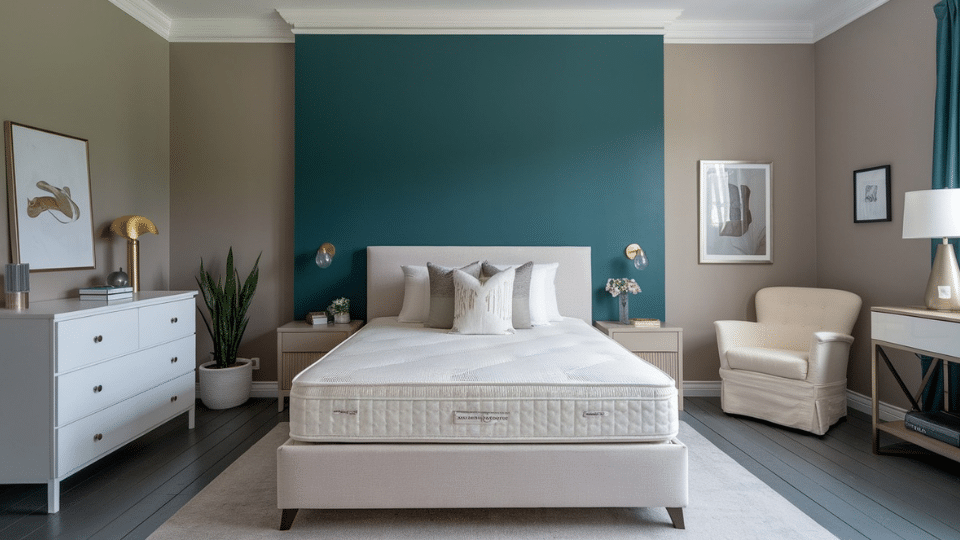
A single painted accent wall adds depth and visual interest to a flat, unremarkable room without the cost or commitment of redecorating entirely.
Bedrooms and living rooms respond well to this. The key is intention; choose a wall that already holds architectural significance rather than picking one at random and hoping the impact lands correctly.
22. Layer Texture Over a Neutral Base for Warmth
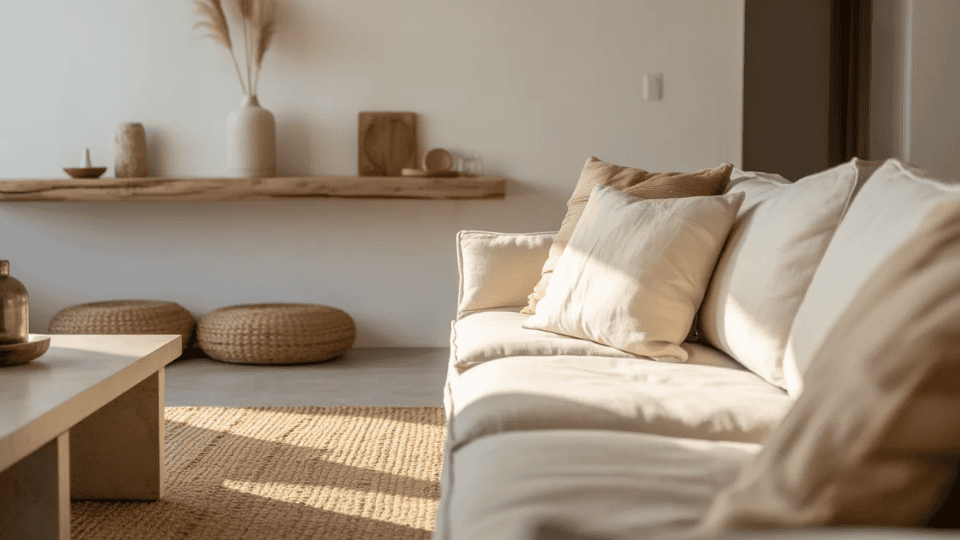
Layering different weaves, grains, and finishes over a neutral base adds richness without introducing competing colors.
Linen cushions, a jute rug, and a timber shelf against a white wall create quiet warmth that feels considered and calm. This approach is the foundation of a successful organic modern living room, where texture stops a room from feeling bare or unfinished.
23. Invest in One Light Fitting That Stands Out
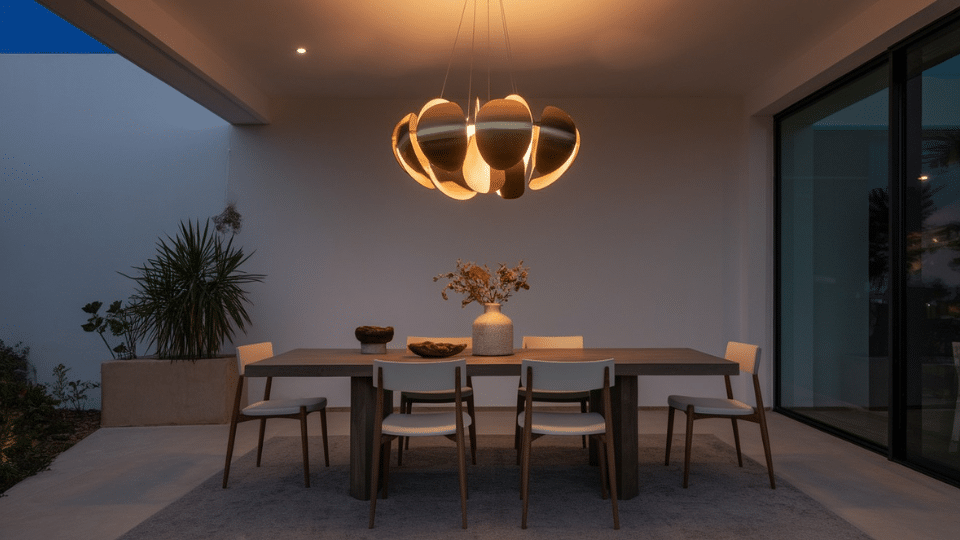
Rather than installing several average fixtures, investing in one genuinely well-designed pendant or chandelier does more for a room’s character and atmosphere than almost any other single purchase at a similar price point.
Dining spaces and living rooms benefit most. One strong fitting gives the room a clear visual hierarchy without requiring much else around it.
24. Use Built-Ins to Fit Awkward Spaces Perfectly
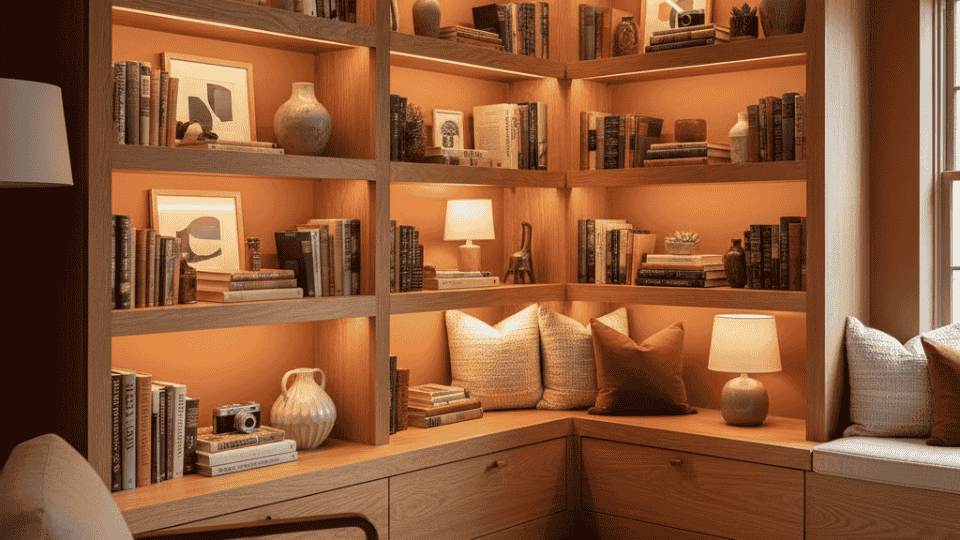
Custom shelving, cabinetry, or paneling designed around the specific angles and dimensions of a room eliminates dead space and gives a home a finished quality that off-the-shelf furniture rarely achieves.
Corridors, alcoves, and awkward corners benefit most from this approach. It sits at the higher end of the budget, but the result feels genuinely seamless throughout.
25. Add Personal Touches That Feel Genuine, Not Styled
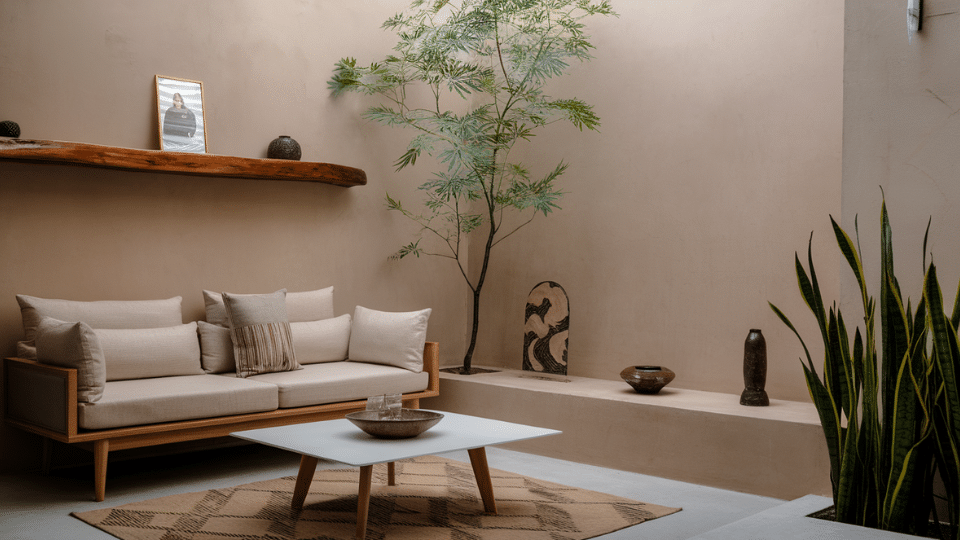
An inherited textile, a meaningful motif, an object collected over time, these details give a home warmth that purely styled spaces often lack.
They don’t need to be prominent or expensive to be effective. Used with restraint across living areas, they accumulate quietly into something that feels genuinely personal rather than assembled directly from a catalog.
26. Build a Cozy Reading Nook Into Your Bedroom
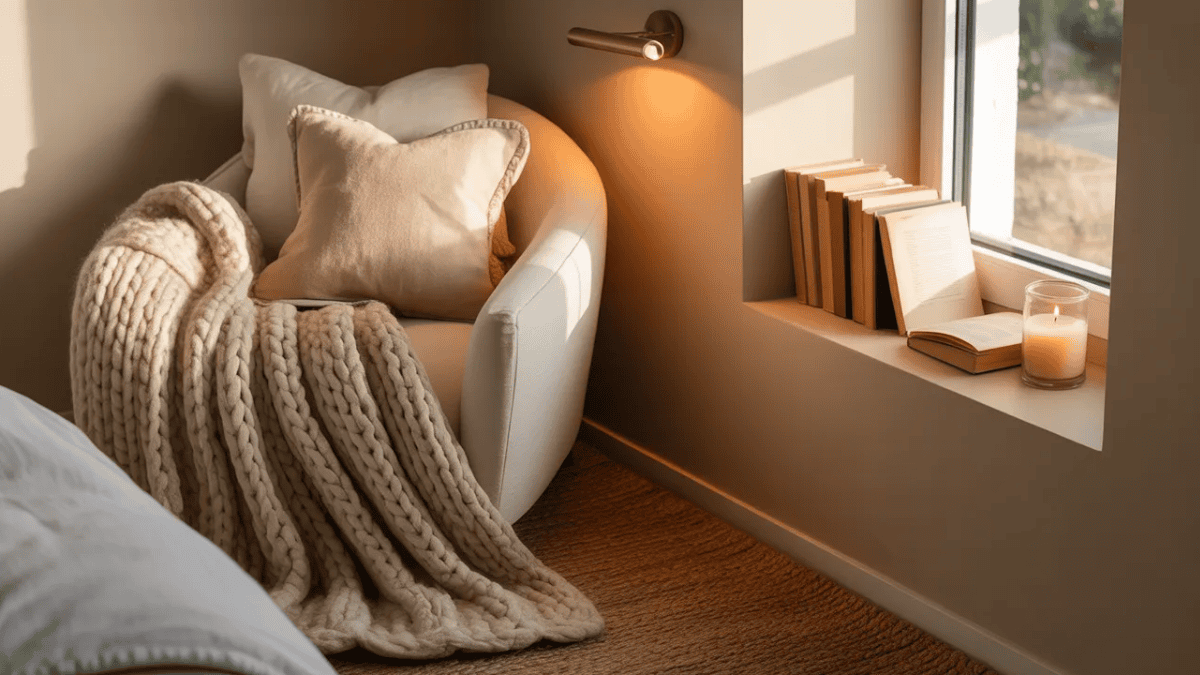
A reading nook tucked into a bedroom corner is one of the simplest upgrades in interior design; a small armchair or floor cushion, a wall-mounted light, and a narrow shelf for books are all it takes. The rest of the room stays untouched while this little corner becomes the most-used spot in the house. It works in small and large bedrooms alike and costs very little to put together.
Residential Interior Design Styles: A Quick Comparison
A key gap in most design content is a clear, honest breakdown of the most popular styles and what each actually requires in practice, not just aesthetically, but functionally. Here’s a grounded comparison to help you choose a direction before making purchases.
| Style | Core Principle | Best Suited To |
|---|---|---|
| Minimalist | Only what’s necessary stays | Small apartments, low-clutter households |
| Scandinavian | Warmth through natural materials and a muted palette | Family homes, northern light conditions |
| Mid-Century Modern | Clean lines, organic shapes, honest materials | Homes with architectural bones from 1950–1975 |
| Industrial | Exposed structure, raw surfaces, dark palette | High-ceiling lofts, converted spaces |
| Transitional | Classic structure with contemporary finishes | Most mainstream homes, resale value focus |
| Japandi | Japanese simplicity + Scandinavian warmth | Calmer, slower-paced households |
No style is inherently better than another. The right one is the one that matches how you actually live, not how you imagine you’ll live once the room is finished.
Common Residential Interior Design Mistakes
Most design content showcases success stories but rarely addresses what goes wrong in real homes. In my experience, the same mistakes appear across projects of very different budgets and sizes, and they’re almost always more costly to fix later than to avoid from the start.
- Designing room by room rather than holistically: treating each space as isolated creates disjointed flow and a choppy visual throughout the home.
- Copying luxury interiors without matching scale or budget: High-end looks require proportional investment; cheaper versions often feel like obvious imitations.
- Ignoring lighting during initial planning: Relying on afterthought fixtures means spaces never achieve the right ambiance or functionality.
- Over-accessorizing before understanding needs: Adding decor too early creates clutter before figuring out what the space actually requires daily.
- Choosing trends before solving storage and layout: Pretty surfaces can’t hide dysfunctional fundamentals like inadequate storage or awkward traffic patterns.
These errors waste money and create spaces that photograph well but live poorly in reality.
The Bottom Line
Good residential interior design ideas aren’t about collecting inspiration; they’re about making deliberate choices that solve real problems.
I’ve covered how to think strategically before selecting design concepts, shared principles that balance looks with daily function, and exposed mistakes that derail most projects.
The takeaway? Start small. Pick two or three ideas that address actual pain points, not just visual wishes. Build from there with intention rather than impulse. Great spaces evolve through thoughtful editing, not instant makeover.
Ready to rethink your approach? Drop a comment sharing which concept resonates most, or read through again with your specific space in mind.