

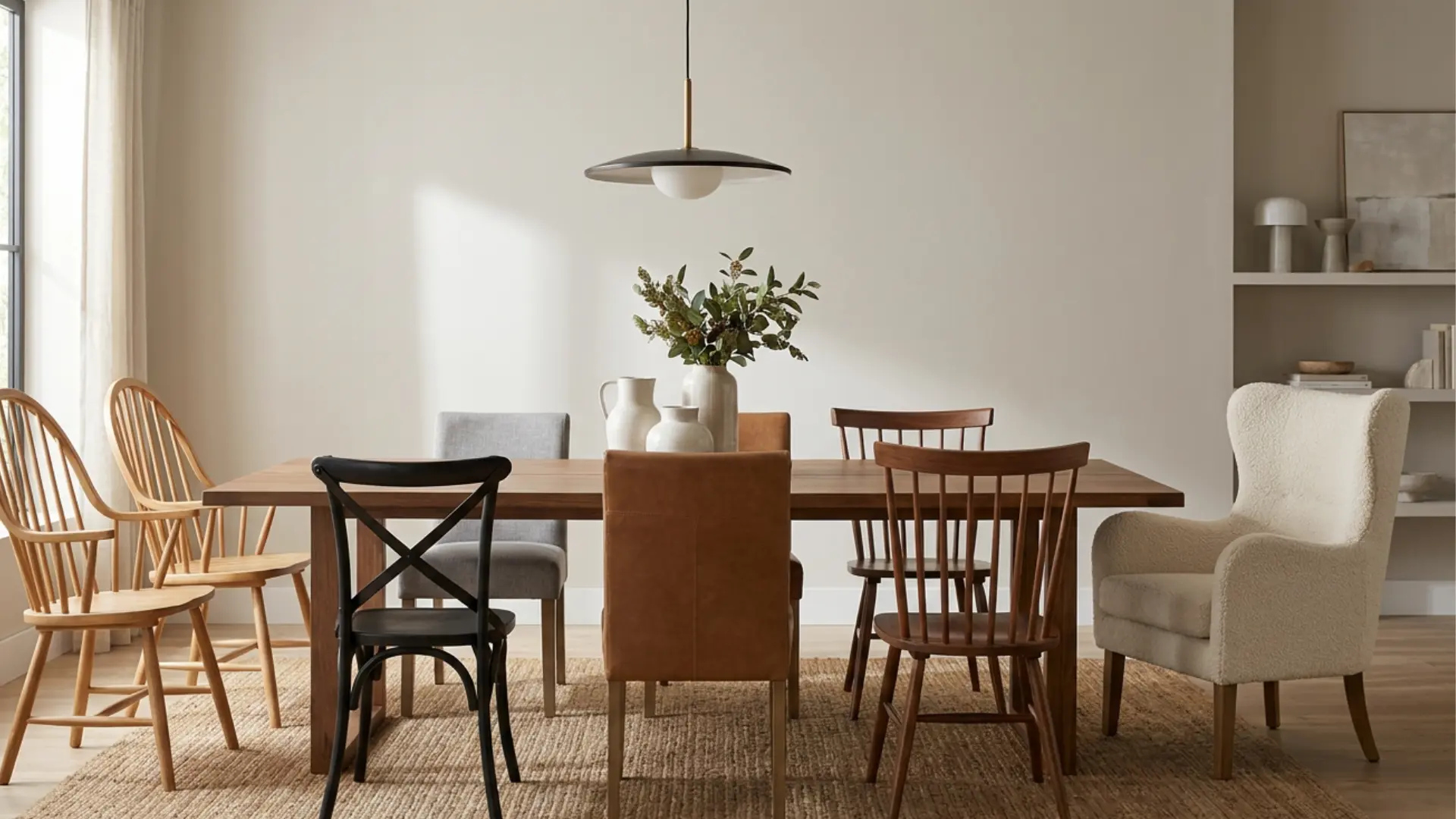


Choosing the wrong dining chair is an expensive mistake, and one that’s surprisingly easy to make.
Many chairs may look great in photos, but once they’re around your table, they can feel uncomfortable, clash with your décor, or simply not fit the space the way you expected.
With so many types of dining chairs available, it’s not always obvious which styles work best for different dining rooms, tables, and lifestyles.
I know how confusing the options can be when everything starts to blend together. The good news is that a few key differences separate the styles, and understanding them can save you time, money, and frustration.
By the end, you’ll know the most popular dining chair types, what makes each one unique, and how to choose a style that looks right, feels comfortable, and works beautifully in your dining space for years to come.
Wood Comparison: Species Commonly Used in Dining Chair Frames
Before looking at individual dining chair styles, it’s worth knowing what’s actually inside the frame. Retailers rarely specify species; they say “solid wood” and stop there. Here’s what that typically means, and what each species does over time.
| Species | Janka Rating (lbf) | Common Use in Dining Chairs | Cost Range | Durability Over Time |
| White Oak | 1,360 | Windsor, ladder-back, Scandinavian styles | $8–$15 per board ft | Excellent: resists joint movement and humidity swing |
| Hard Maple | 1,450 | Mid-century, cross-back, slat-back | $7–$13 per board ft | Excellent: very dense, holds screws and dowels well |
| Beech | 1,300 | European and Scandinavian styles, Eames-type | $6–$11 per board ft |
Very good: standard in quality production furniture |
| Walnut | 1,010 | Mid-century, modern, upscale farmhouse | $12–$22 per board ft | Good: softer than maple but ages well with a proper finish |
| Ash | 1,320 | Windsor, bow-back, Shaker-inspired | $6–$10 per board ft | Good: flexible grain resists splitting at spindles |
| Rubberwood | 960 | Budget versions of most styles | $3–$6 per board ft | Fair: technically solid wood, but softer and more prone to joint loosening over time |
| Pine | 870 | Farmhouse, rustic, country styles | $2–$5 per board ft | Fair: dents easily, joints loosen faster under daily use |
Rubberwood and pine are both technically “solid wood”, which is why that phrase on a tag tells you almost nothing useful. A chair built from oak or hard maple with a Janka rating of 1,300+ will hold its joints and resist surface wear far longer than one built from a species with a rating below 1,000. If a retailer can’t tell you the species, ask. If they don’t know, that itself is information.
| CAUTION: Board-foot prices reflect rough lumber averages and vary by region, supplier, and grade. Finished chair frames carry a significant markup over the cost of raw lumber. |
The Most Common Dining Chair Styles Explained
Dining chairs come in a wide range of designs, but a few styles remain the most popular because of their versatility and appeal.
Armchairs offer extra support and a formal look, while side chairs are compact and easy to fit around most tables. Parsons chairs feature clean lines and upholstery, making them a favorite for modern and transitional spaces.
Windsor chairs bring timeless character with their spindle backs, while cross-back and ladder-back chairs are commonly found in farmhouse-inspired interiors.
Slat back chairs provide a classic, versatile look that suits many décor styles. For added elegance and comfort, wingback, barrel, and upholstered chairs are popular choices.
Each chair type varies in style, comfort, and functionality, making certain designs better suited for formal dining rooms, casual family spaces, or everyday use.
Understanding Popular Dining Chair Styles
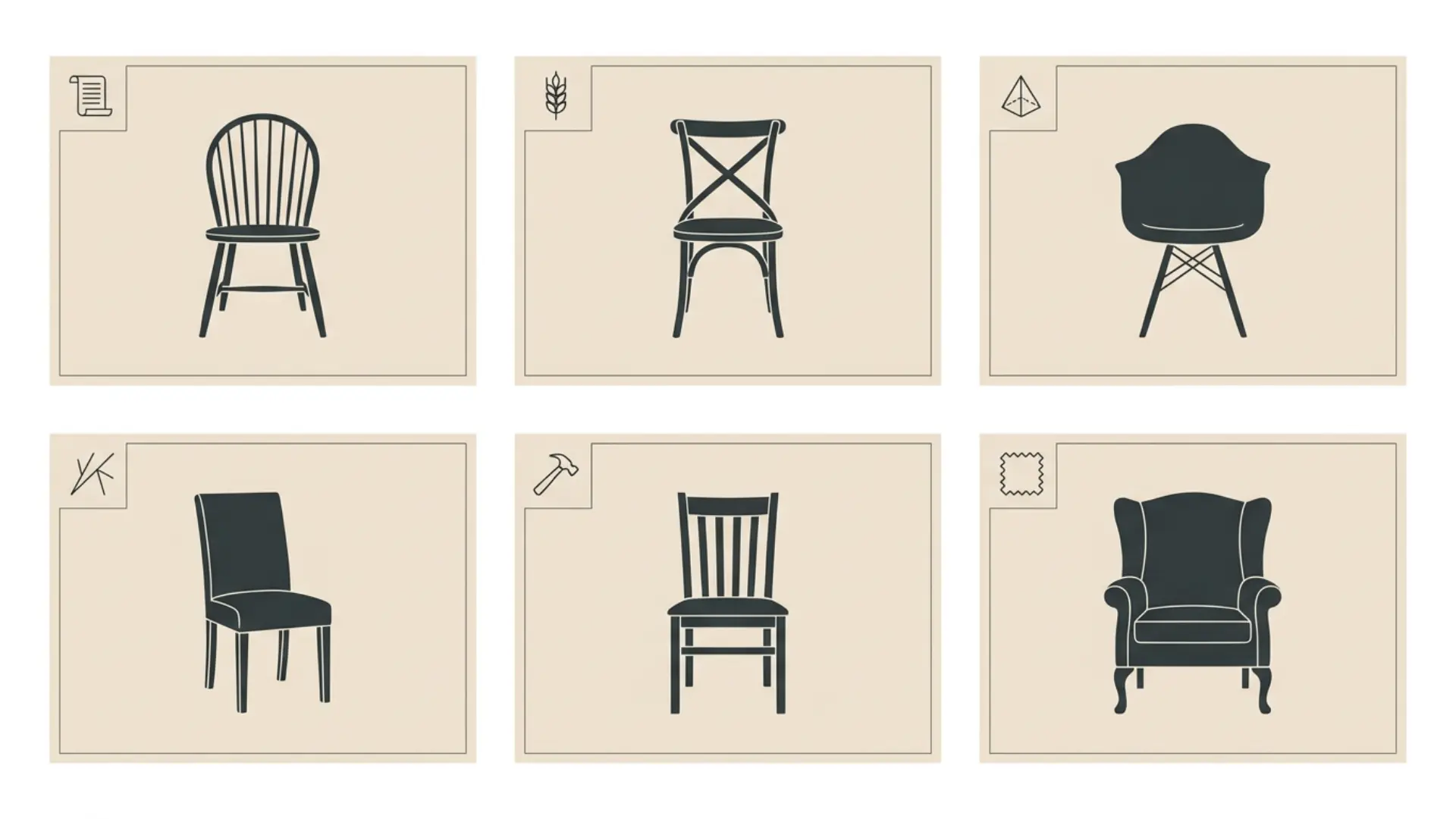
Dining chairs can be grouped into several style categories, each with its own design characteristics and aesthetic appeal.
This quick overview helps you compare the main styles before exploring individual chair types in detail.
| Dining Chair Style Category | Chair Styles Included |
|---|---|
| Traditional Dining Chair Types | Windsor Chair, Bow Back Chair, Queen Anne Chair, King Louis Chair, Pressback Chair, Sheaf Back Chair, Splat Back Chair |
| Farmhouse and Rustic Dining Chair Types | Cross Back Chair, Ladder Back Chair, Live Edge Chair, Turnbuckle Chair, Reclaimed Wood Chair |
| Modern and Contemporary Dining Chair Types | Parsons Chair, Keyhole Back Chair, Open Back Chair, Floating Arm Chair, Wraparound Chair, Tub Chair, Barrel Chair |
| Mid-Century and Scandinavian Dining Chair Types | Wishbone Chair, Eames Chair, Spindle Back Chair, Cantilever Chair |
| Mission and Craftsman Dining Chair Types | Slat Back Chair, Lattice Back Chair, Cut-Out Back Chair |
| Upholstered and Formal Dining Chair Types | Upholstered Dining Chair, Tufted Dining Chair, Wingback Chair, Accent Dining Chair |
From classic traditional designs to sleek modern silhouettes, each style category offers something unique.
Understanding these groups makes it easier to identify the dining chair styles that best complement your space and décor.
Traditional Dining Chair Types
Traditional dining chairs are rooted in classic furniture design and have remained popular for generations. These styles are known for their craftsmanship, elegant details, and timeless appeal.
They work particularly well in traditional, farmhouse, and formal dining rooms, offering a balance of comfort, durability, and visual character.
1. Windsor Chair
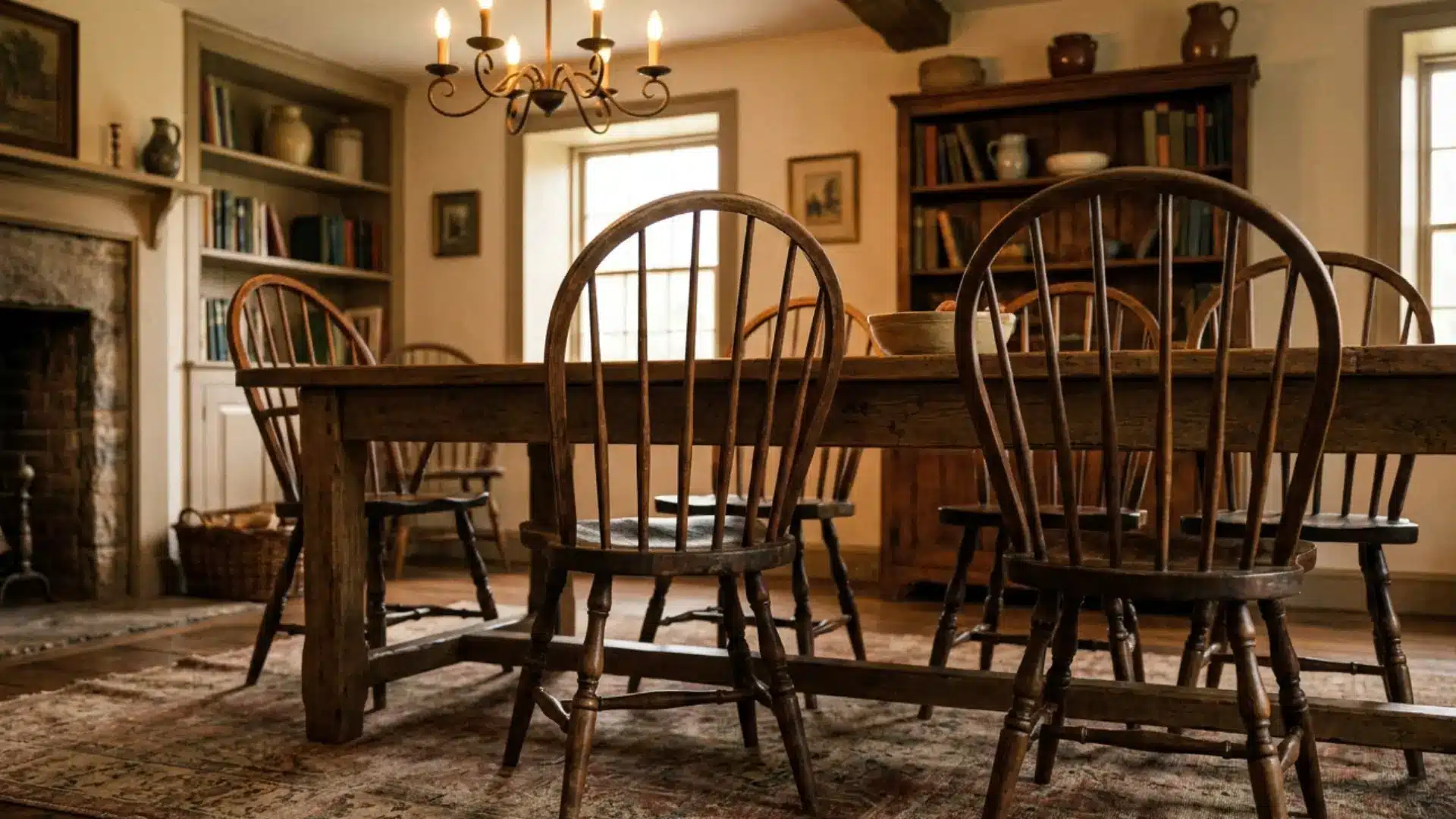
The Windsor chair is one of the most recognizable dining chair styles. It features a solid wooden seat, angled legs, and a spindle back that creates a light and airy appearance.
Originating in 18th-century England, Windsor chairs are valued for their durability and timeless design. They fit naturally into traditional, farmhouse, and cottage-style interiors.
Their simple construction and comfortable support make them suitable for both everyday dining and formal gatherings while adding classic charm to the dining space.
- Size: Typically 18–20 inches wide and 34–40 inches high.
- Best for: Families, farmhouse homes, and traditional dining rooms.
2. Bow Back Chair
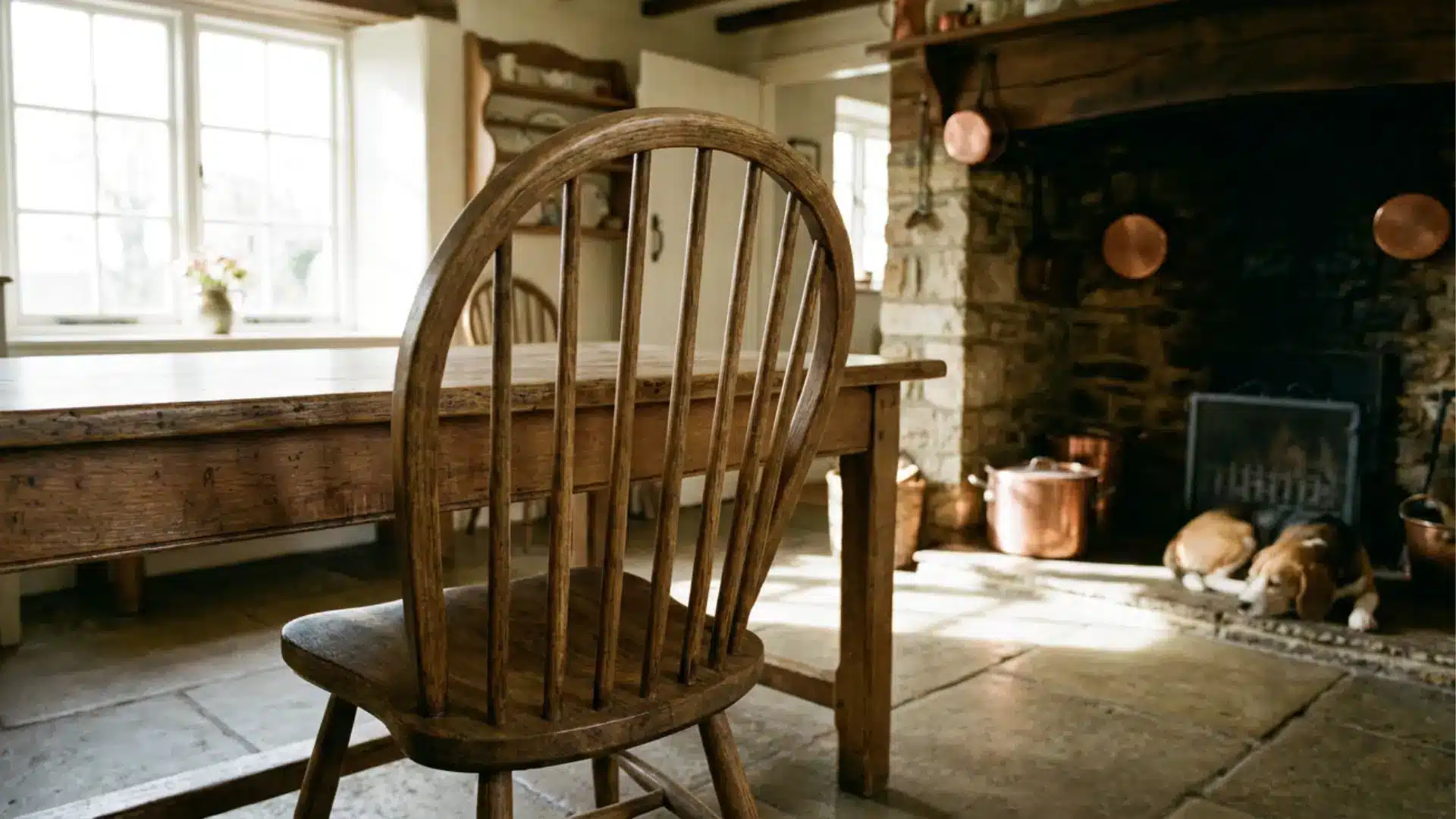
A bow-back chair is a variation of the Windsor design, distinguished by its curved wooden rail that forms a continuous bow around the backrest. Vertical spindles connect the seat to this curved frame, providing support and visual interest.
The gentle curve enhances comfort while maintaining a classic appearance. Bow-back chairs are commonly used in traditional and farmhouse interiors for their handcrafted look and timeless appeal.
Their elegant silhouette makes them a versatile choice for a variety of dining room styles.
- Size: Usually 18–20 inches wide and 35–40 inches high.
- Best for: Farmhouse homes, cottage-style interiors, and everyday dining.
3. Queen Anne Chair
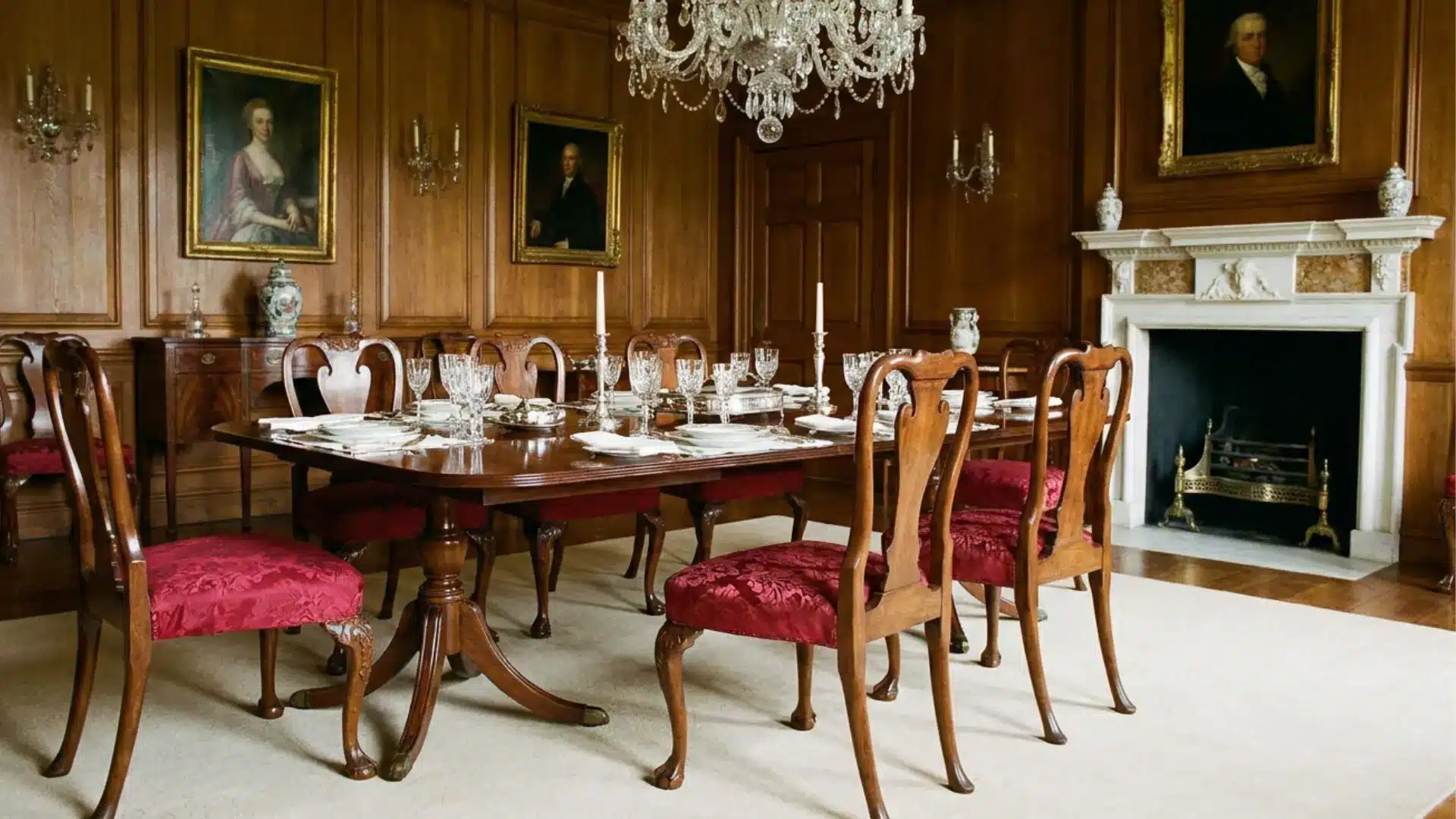
Queen Anne chairs are known for their graceful curves and refined appearance. Common features include cabriole legs, shaped backrests, and upholstered seats that add comfort and sophistication.
Inspired by early 18th-century furniture design, these chairs bring grace to formal dining spaces. Their decorative details create a more upscale look than many other traditional styles.
Queen Anne chairs pair particularly well with rich-wood dining tables and classic décor, making them a popular choice for homeowners seeking a timeless, polished dining room.
- Size: Generally 19–22 inches wide and 38–44 inches high.
- Best for: Formal dining rooms, traditional homes, and elegant interiors.
4. King Louis Chair
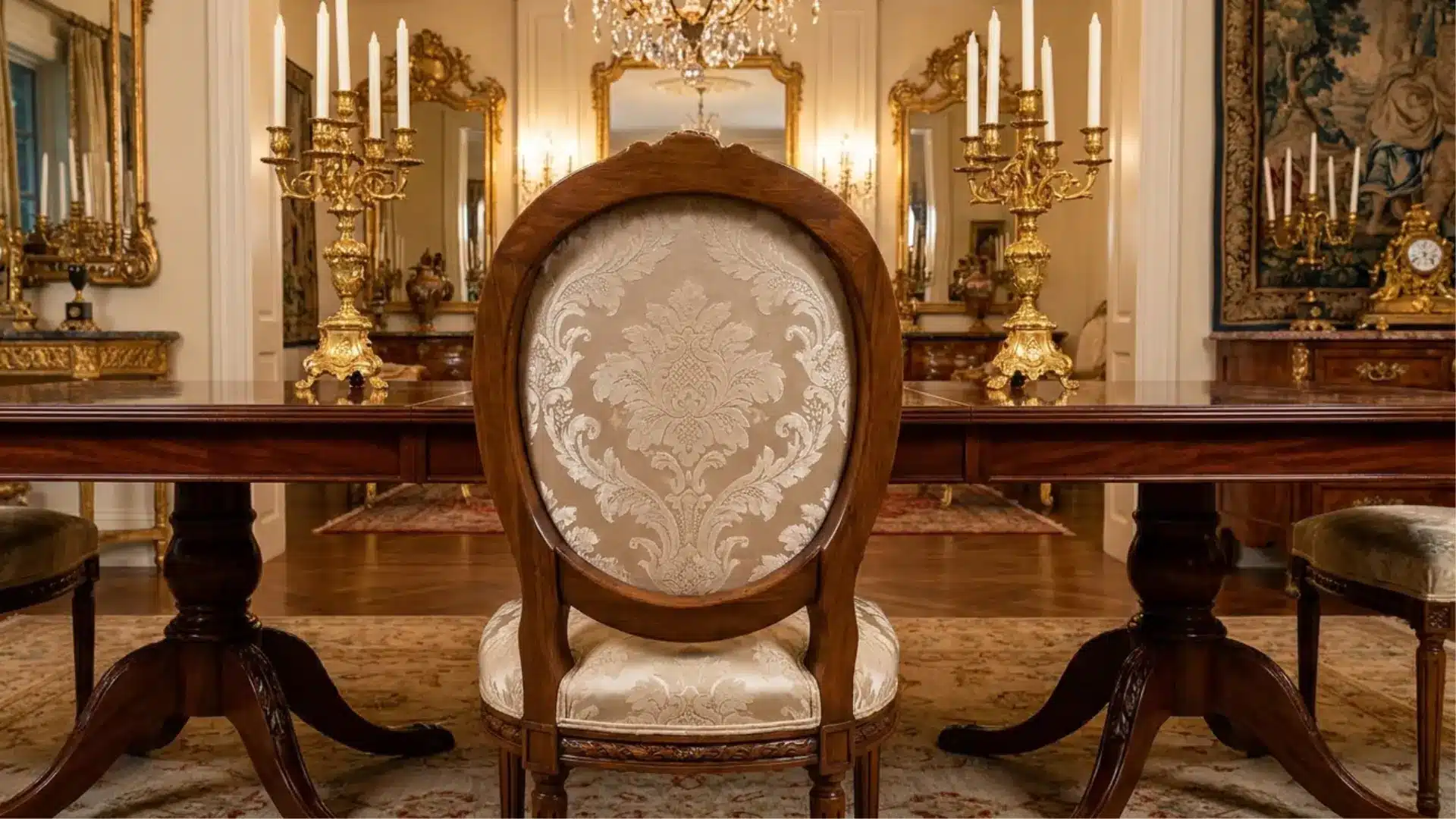
The King Louis chair is a classic French-inspired design recognized for its oval-shaped backrest and elegant proportions. Upholstered seats and backs are often included to enhance comfort and luxury.
Decorative carvings and refined details contribute to its formal appearance, making it a favorite for a high class dining rooms. Although rooted in historical furniture design, modern versions often feature cleaner lines for transitional interiors.
The King Louis chair remains a popular option for homeowners who want a blend of comfort, elegance, and timeless European style.
- Size: Commonly 20–24 inches wide and 38–45 inches high.
- Best for: Formal dining rooms, luxury interiors, and comfort-focused seating.
5. Pressback Chair
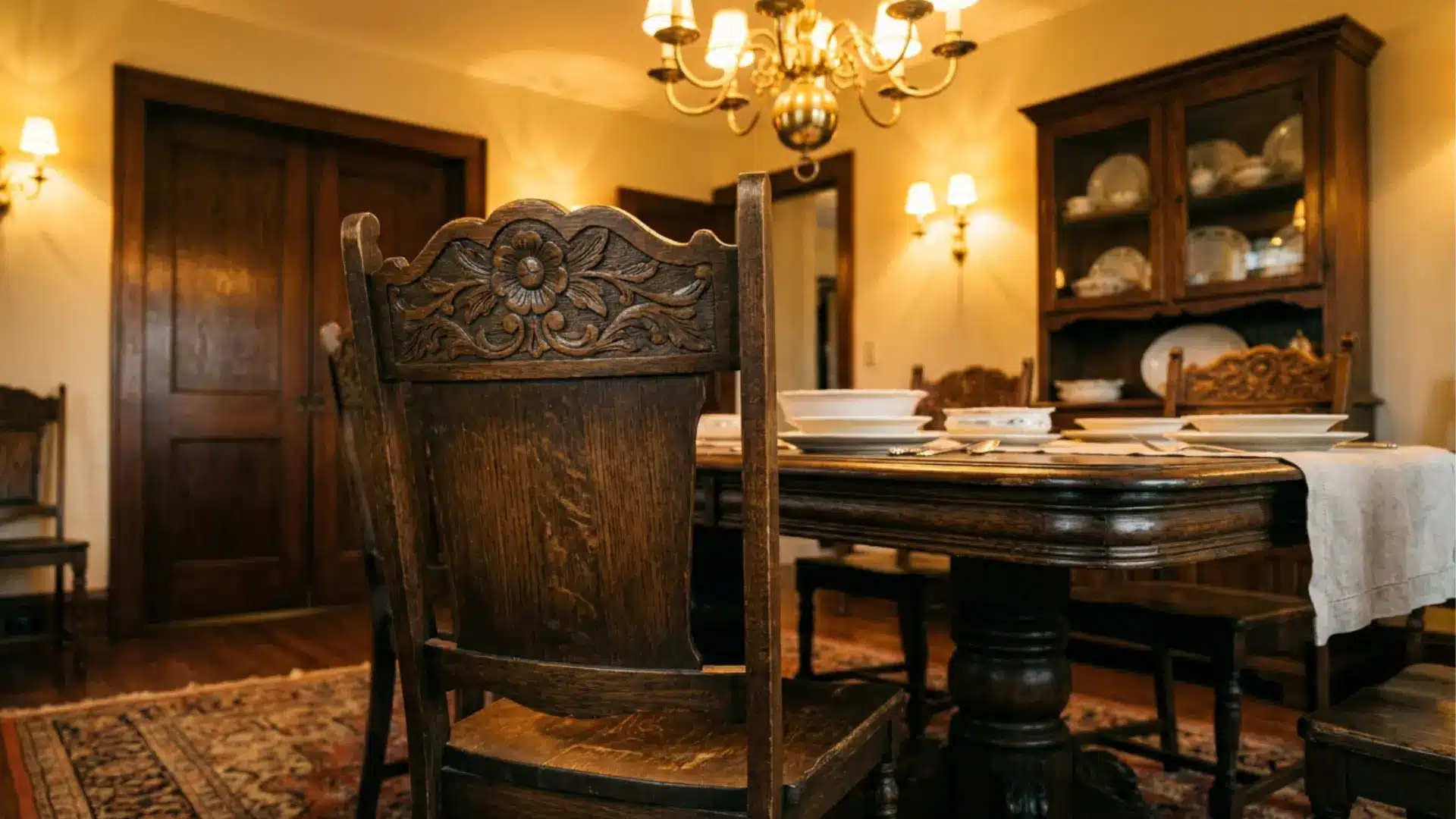
Pressback chairs stand out because of the decorative patterns embossed or carved into their wooden backrests. Popular motifs include floral designs, scrollwork, and geometric shapes that showcase detailed craftsmanship.
Originally popular during the Victorian era, these chairs combine function with decorative appeal. Their sturdy wooden construction makes them durable enough for everyday use, while the intricate back designs add visual character.
Pressback chairs are well-suited to traditional, vintage-inspired, and country-style dining rooms that emphasize classic furniture details.
- Size: Typically 18–20 inches wide and 36–42 inches high.
- Best for: Vintage-inspired homes, traditional dining rooms, and decorative interiors.
6. Sheaf Back Chair
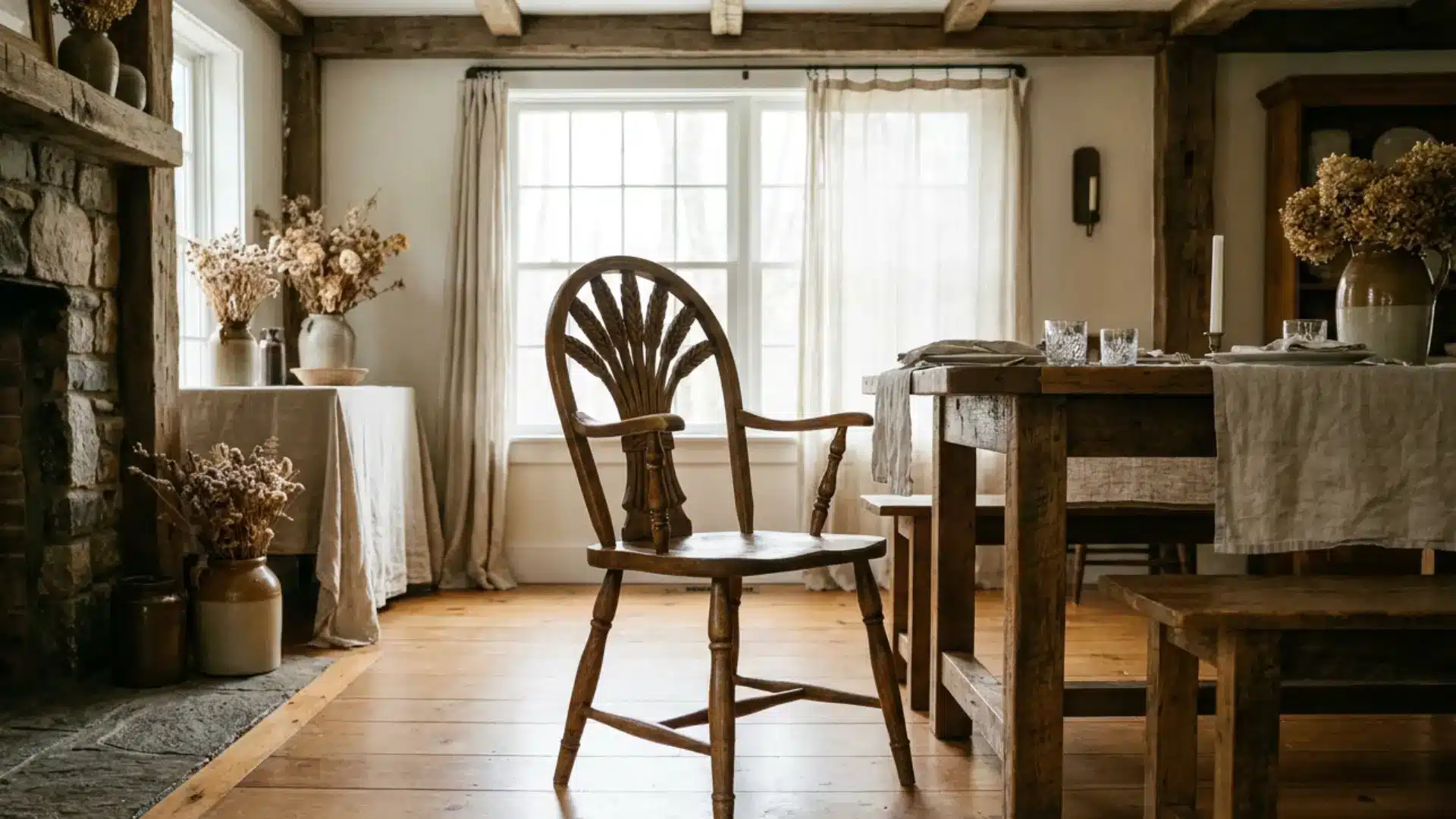
The sheaf-back chair takes inspiration from bundled wheat stalks, reflected in the arrangement of its decorative back spindles.
This distinctive design symbolizes craftsmanship and abundance while maintaining the traditional characteristics of classic wooden seating.
Often considered a variation of the Windsor chair, it features a curved back and turned legs, creating an elegant appearance.
Sheaf-back chairs work particularly well in traditional and farmhouse dining rooms, where natural materials and handcrafted furniture play an important role in the overall design.
- Size: Usually 18–21 inches wide and 36–42 inches high.
- Best for: Farmhouse homes, rustic dining spaces, and traditional interiors.
7. Splat Back Chair
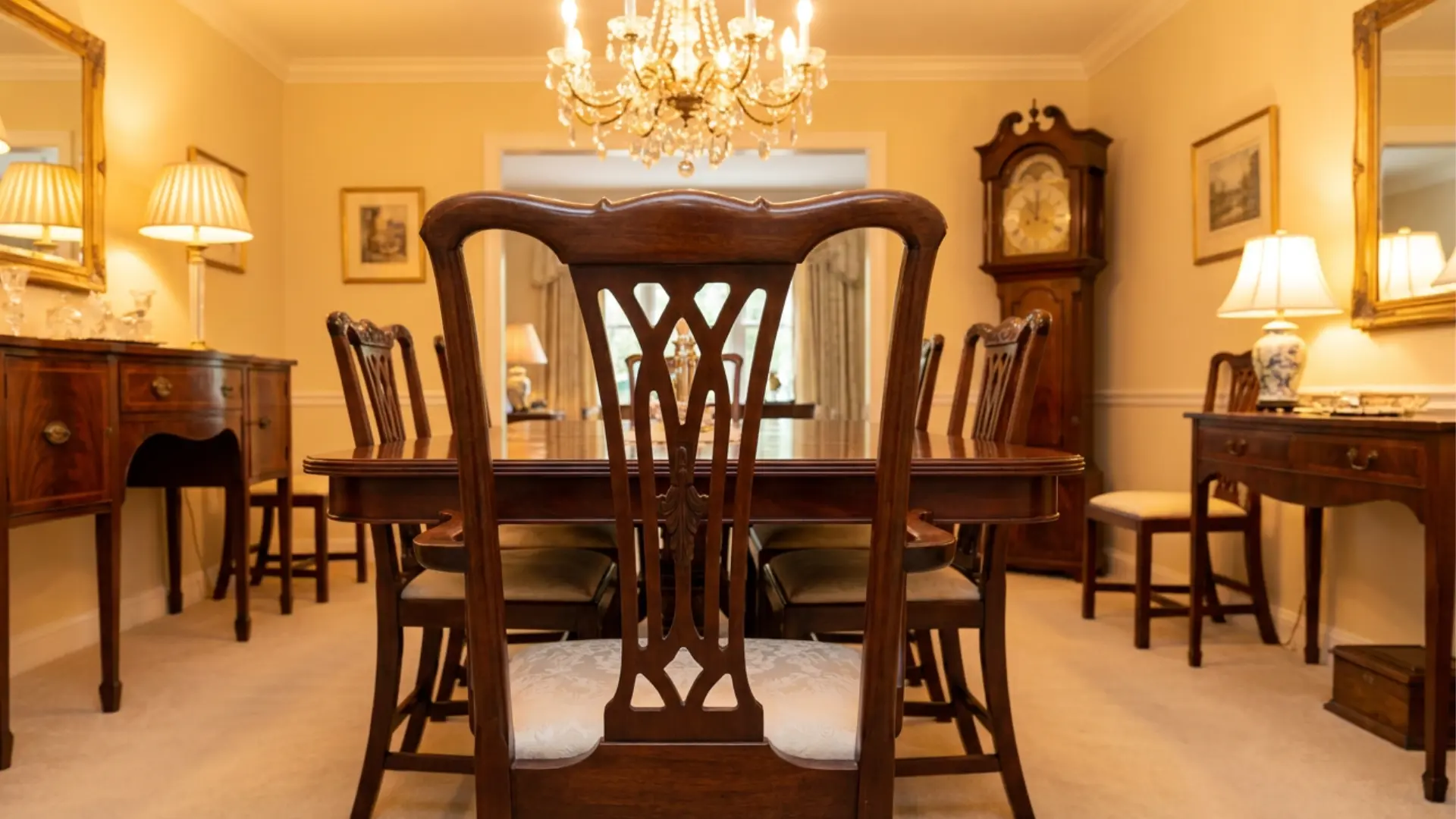
A splat-back chair features a decorative vertical panel positioned in the center of the chair back. Known as the splat, this element can range from simple and understated to highly detailed and ornate.
Spatially back designs have appeared in many furniture styles throughout history, including the Colonial, Georgian, and Victorian periods.
Their versatility allows them to fit both formal and casual dining rooms. The decorative center panel adds character while providing structural support, making splat-back chairs both functional and visually appealing.
- Size: Commonly 18–22 inches wide and 36–44 inches high.
- Best for: Traditional homes, formal dining rooms, and classic furniture styles.
Farmhouse and Rustic Dining Chair Types
Farmhouse and rustic dining chairs focus on natural materials, simple craftsmanship, and a welcoming feel.
These styles often highlight wood grain, distressed finishes, and practical designs that create warmth and character. They are ideal for casual dining spaces that prioritize comfort and timeless appeal.
| Pro Tip: Flip any farmhouse-style chair before buying. Look at the underside of the seat; quality chairs show clean mortise-and-tenon or dowel joints at the leg-to-seat connection. Staples or visible glue blobs alone mean the joint will loosen under daily load. |
8. Cross Back Chair
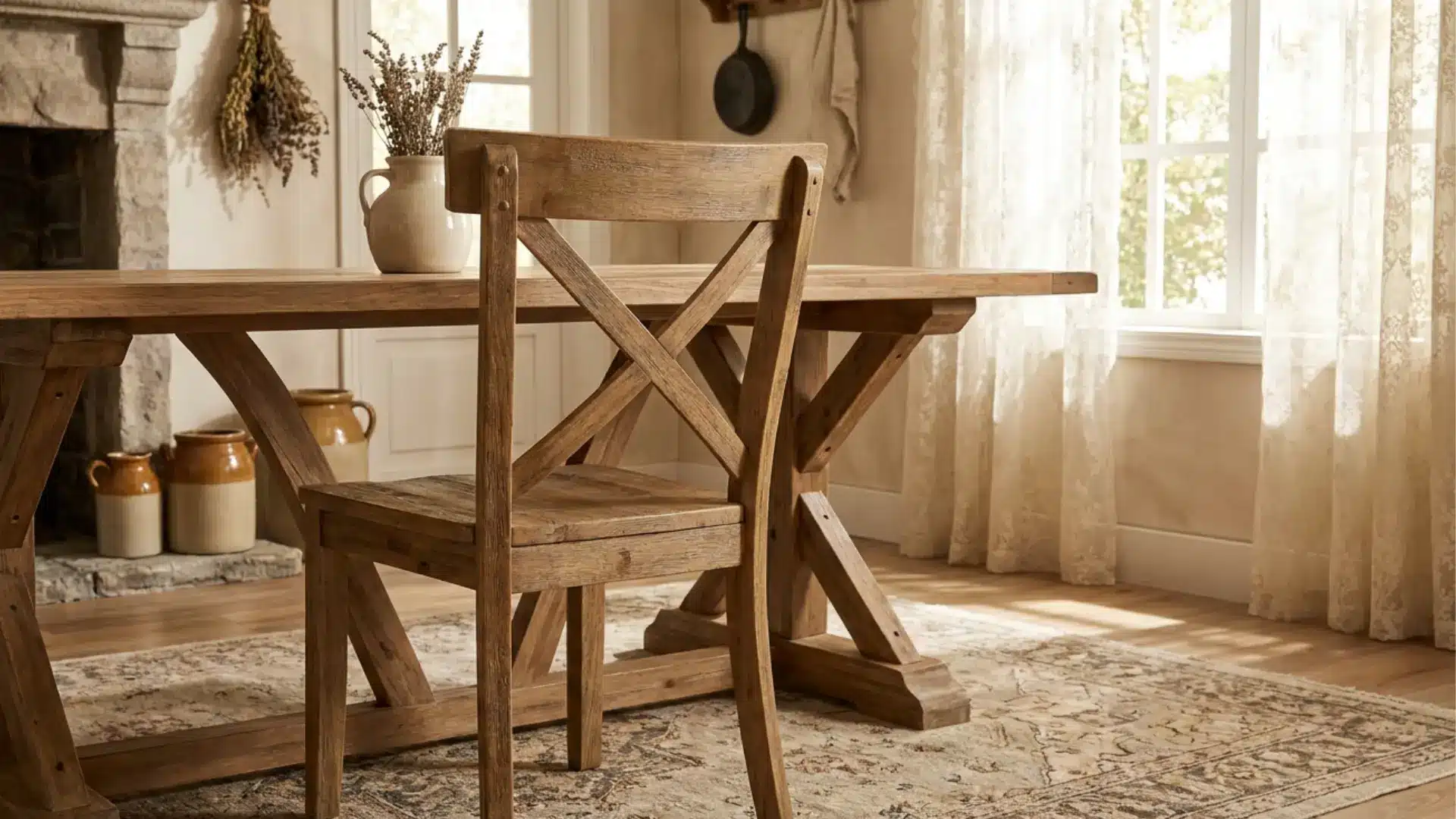
Cross-back chairs feature an X-shaped backrest that adds both support and visual interest. Inspired by classic French country furniture, they bring a relaxed and inviting feel to dining spaces.
Their combination of rustic charm and simple elegance makes them a popular choice for farmhouse interiors. Typically crafted from wood with natural or distressed finishes, these chairs complement rustic tables and warm color palettes.
Their sturdy construction, timeless silhouette, and comfortable support make them suitable for both everyday family meals and casual entertaining.
- Size: Typically 17–20 inches wide, 18–19 inches deep, and 34–38 inches high.
- Best for: Farmhouse homes, French country décor, and casual dining rooms.
9. Ladder Back Chair
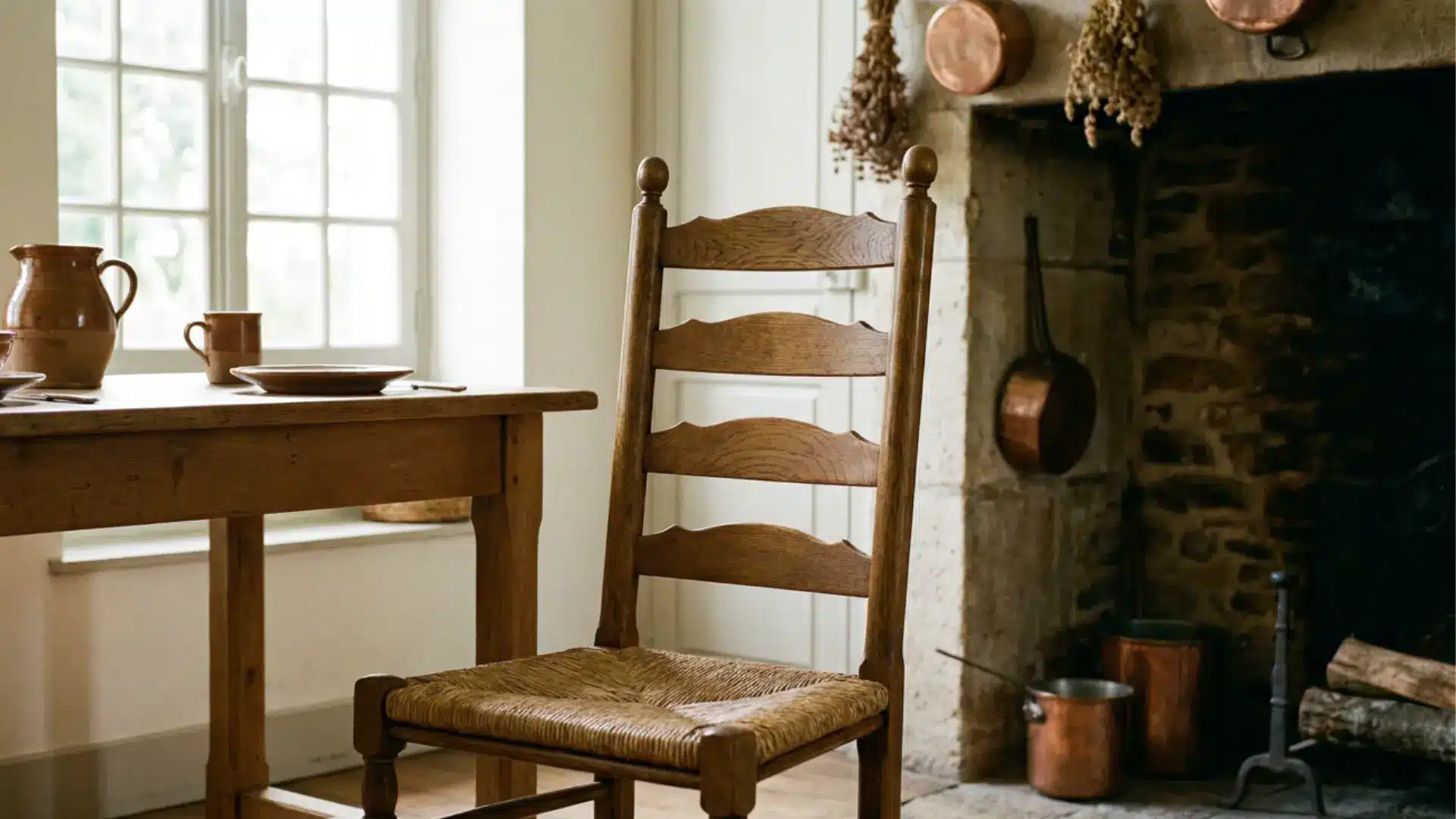
Ladder-back chairs are characterized by horizontal slats resembling the rungs of a ladder. This timeless design has been used for centuries because of its durability, simplicity, and practicality. The open back creates a light appearance while providing reliable support for everyday dining.
Often made from solid wood, ladder-back chairs blend easily with farmhouse, country, and rustic interiors. Their straightforward design allows them to work with a variety of table styles while maintaining a comfortable and welcoming feel in the dining room.
- Size: Typically 17–19 inches wide, 17–18 inches deep, and 36–42 inches high.
- Best for: Farmhouse kitchens, rustic dining rooms, and family dining spaces.
10. Live Edge Chair
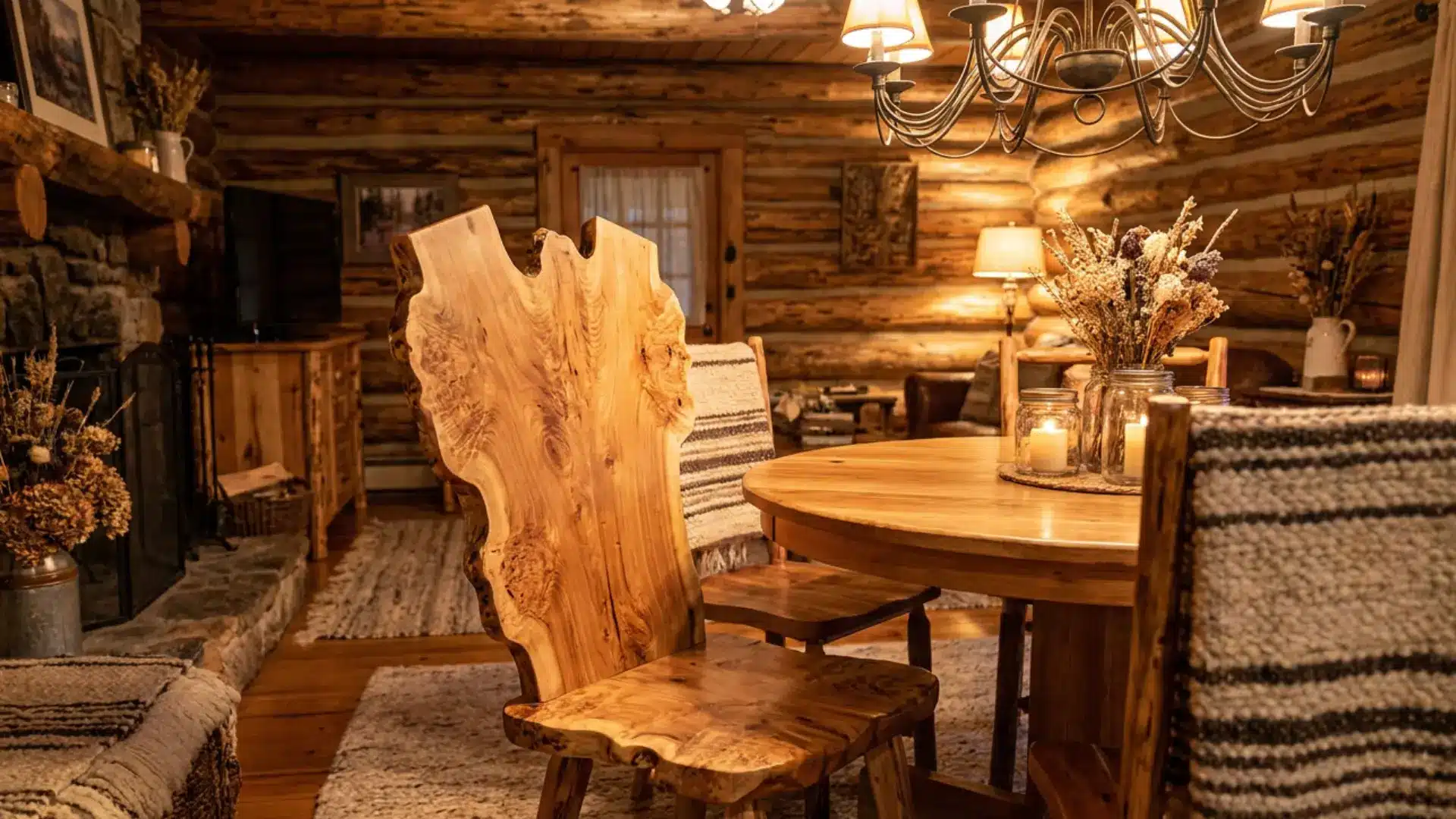
Live-edge chairs preserve the natural contours of the wood, showcasing unique grain patterns, knots, and organic shapes.
Each piece has a distinctive appearance that highlights craftsmanship and the beauty of natural materials. Unlike mass-produced furniture, no two live-edge chairs are exactly alike.
These chairs add texture, warmth, and visual character while creating a strong connection to nature. Their handcrafted appeal makes them a striking addition to rustic, cabin-inspired, lodge-style, and nature-focused dining rooms where authenticity is a key design element.
- Size: Typically 18–22 inches wide, 18–20 inches deep, and 34–40 inches high.
- Best for: Rustic homes, cabin-style interiors, and nature-inspired spaces.
11. Turnbuckle Chair
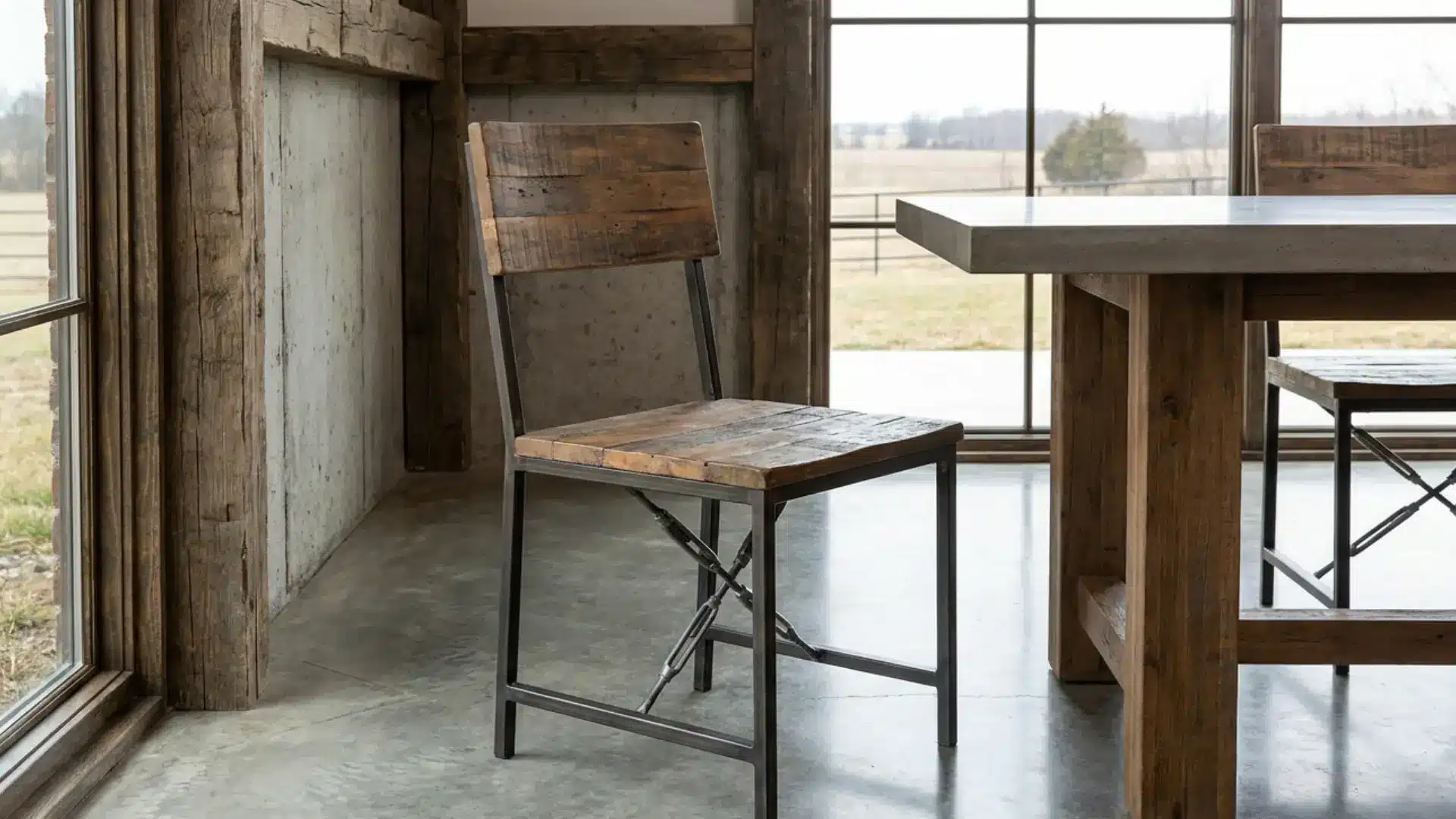
Turnbuckle chairs combine solid wood construction with metal turnbuckle accents, providing structural support and an industrial appeal.
The combination of wood and metal creates a rugged yet refined appearance that stands out in modern rustic interiors. Originally inspired by industrial furniture designs, these chairs are valued for both durability and visual character.
Their distinctive details add depth without overwhelming the space. Strong materials, functional construction, and a unique aesthetic make turnbuckle chairs a practical choice for high-traffic dining areas.
- Size: Typically 18–20 inches wide, 18–19 inches deep, and 34–38 inches high.
- Best for: Industrial dining rooms, farmhouse homes, and mixed-material interiors.
12. Reclaimed Wood Chair
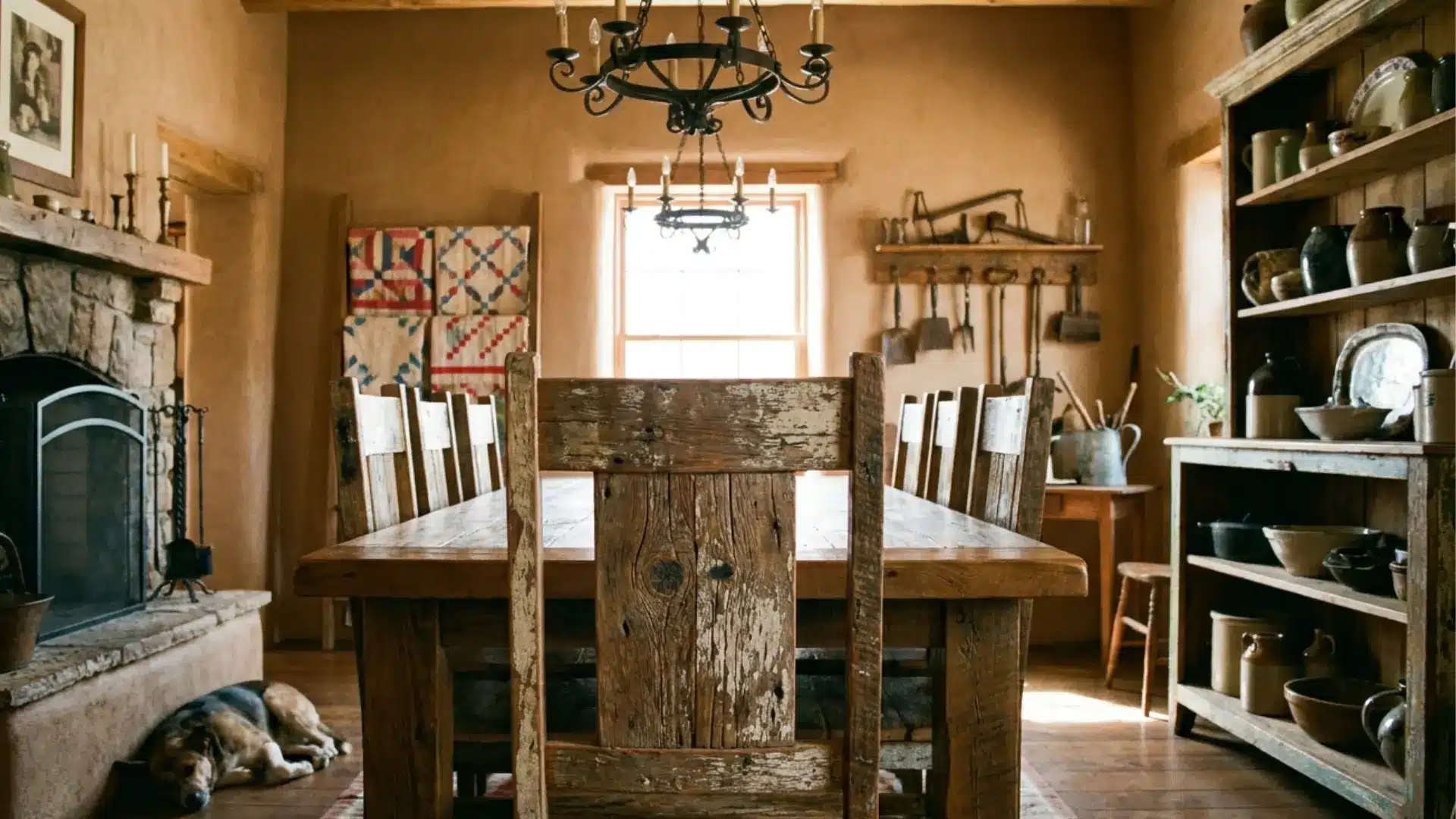
Reclaimed wood chairs are crafted from salvaged timber, giving old materials a new purpose while preserving their natural character and history. Weathered textures, visible grain patterns, nail marks, and unique imperfections make every chair slightly different.
These chairs support sustainable design by reducing waste while adding authenticity and warmth to a dining room. Their rustic appearance pairs beautifully with farmhouse, industrial, and country-inspired décor.
Durable construction and timeless appeal make reclaimed wood chairs both environmentally responsible and visually distinctive seating options.
- Size: Typically 18–20 inches wide, 18–19 inches deep, and 34–40 inches high.
- Best for: Rustic homes, eco-conscious households, and farmhouse dining spaces.
Modern and Contemporary Dining Chair Types
Modern and contemporary dining chairs emphasize clean lines, simplicity, and functionality.
These designs often use sleek silhouettes, innovative shapes, and minimal ornamentation to create a stylish, uncluttered look.
They work especially well in contemporary, transitional, and minimalist dining spaces.
13. Parsons Chair
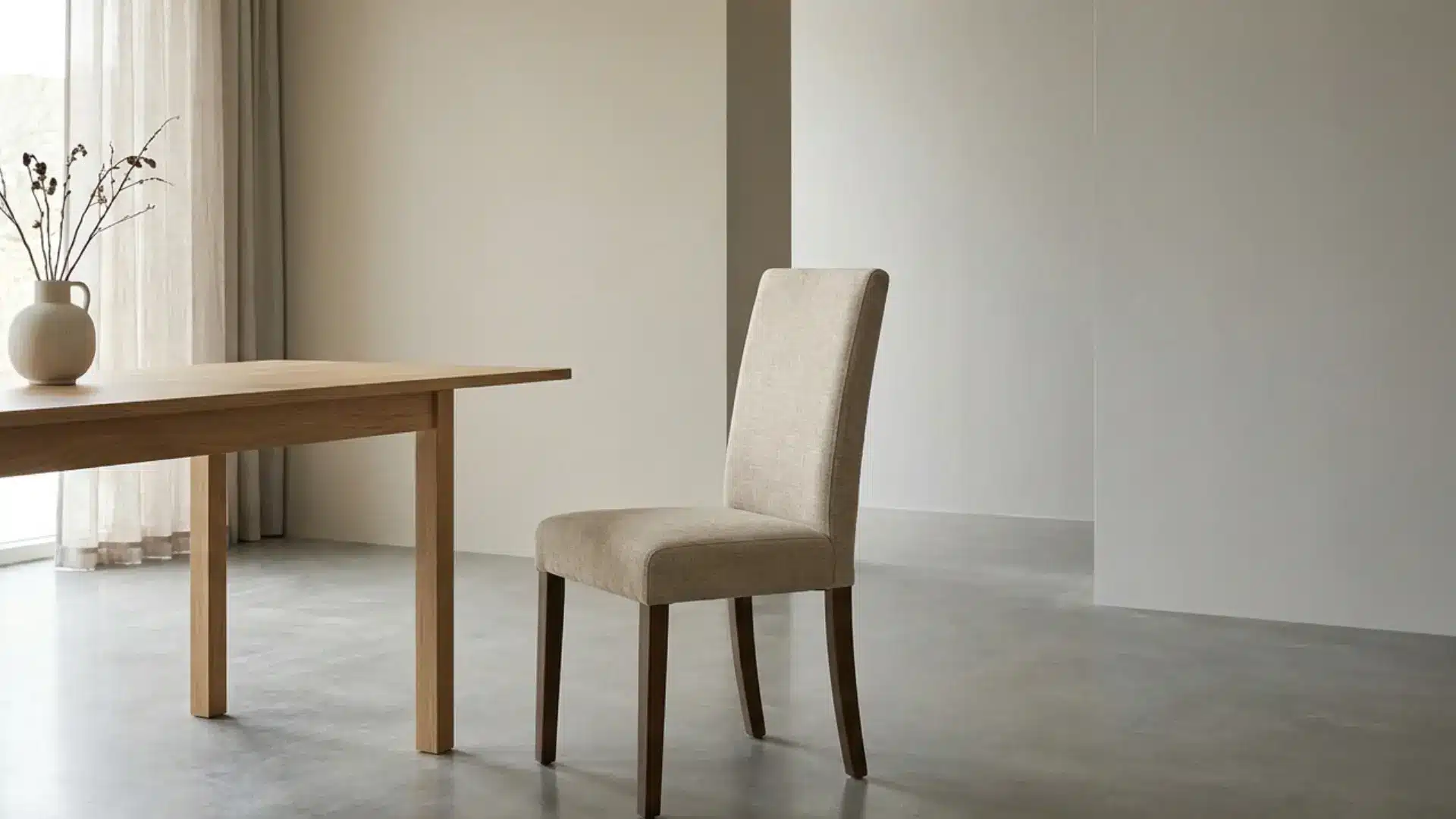
Parsons chairs feature a straight-backed silhouette and a fully upholstered design that prioritizes comfort and versatility. Originally created at the Parsons School of Design, they were intended to showcase simplicity and function.
Their clean lines allow them to blend easily with traditional, transitional, and contemporary dining rooms. Available in a wide range of fabrics, colors, and finishes, Parsons chairs can be customized to suit different décor styles.
Their understated appearance makes them one of the most versatile dining chair options available today.
- Size: Typically 18–21 inches wide, 18–20 inches deep, and 36–42 inches high.
- Best for: Formal dining rooms, small spaces, and transitional homes.
14. Keyhole Back Chair
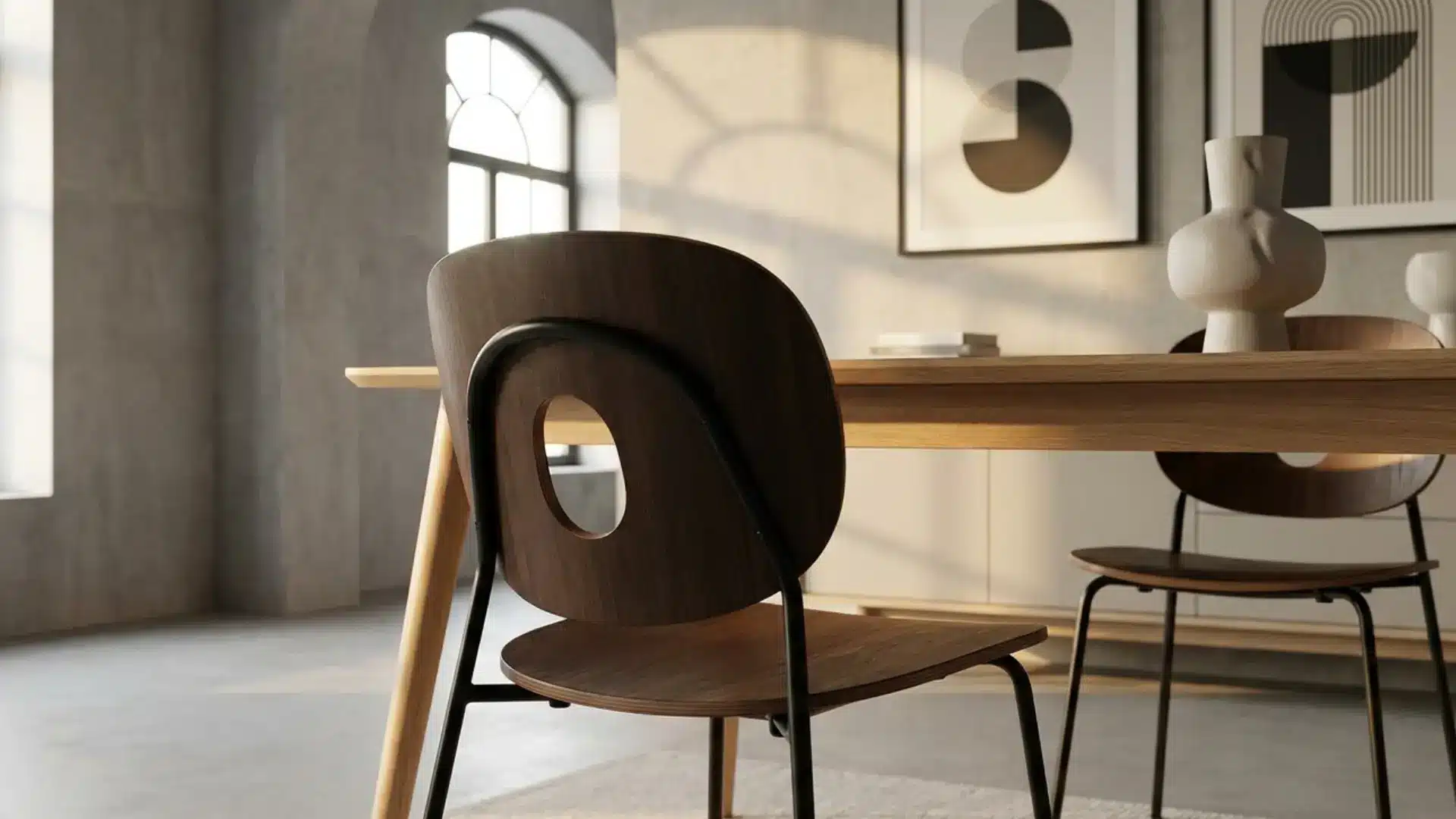
Keyhole-back chairs feature a decorative cutout in the backrest resembling a keyhole. This open design adds visual interest while improving airflow and reducing the chair’s visual weight.
Their clean geometric silhouette gives them a modern appearance without sacrificing comfort or practicality.
The distinctive back detail is a subtle design element that enhances contemporary dining spaces. Keyhole back chairs are often found in transitional and modern interiors where simplicity and style are equally important.
- Size: Typically 18–20 inches wide, 18–19 inches deep, and 34–40 inches high.
- Best for: Modern homes, minimalist interiors, and compact dining spaces.
15. Open Back Chair
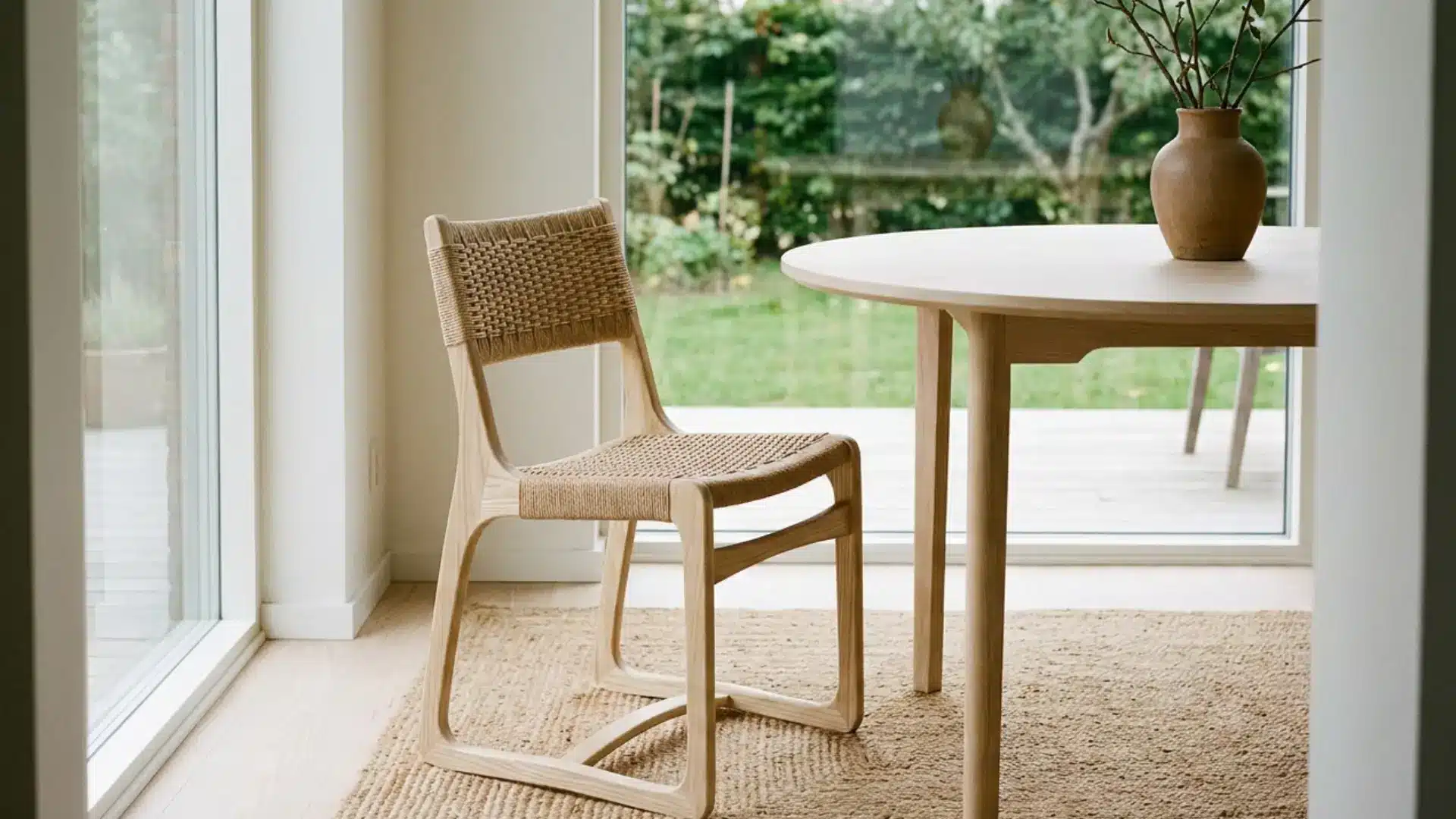
Open-back chairs feature a backrest with intentional open spaces that create a light and airy appearance. By incorporating negative space into the design, these chairs feel less bulky and help smaller dining rooms appear more spacious.
Their streamlined profile works particularly well in contemporary and minimalist interiors. Open-back designs come in a variety of materials, including wood, metal, and upholstered frames, allowing them to suit different décor styles.
Their balance of comfort and visual openness makes them a popular modern choice.
- Size: Typically 18–20 inches wide, 18–19 inches deep, and 32–38 inches high.
- Best for: Small dining rooms, minimalist spaces, and contemporary interiors.
16. Floating Armchair
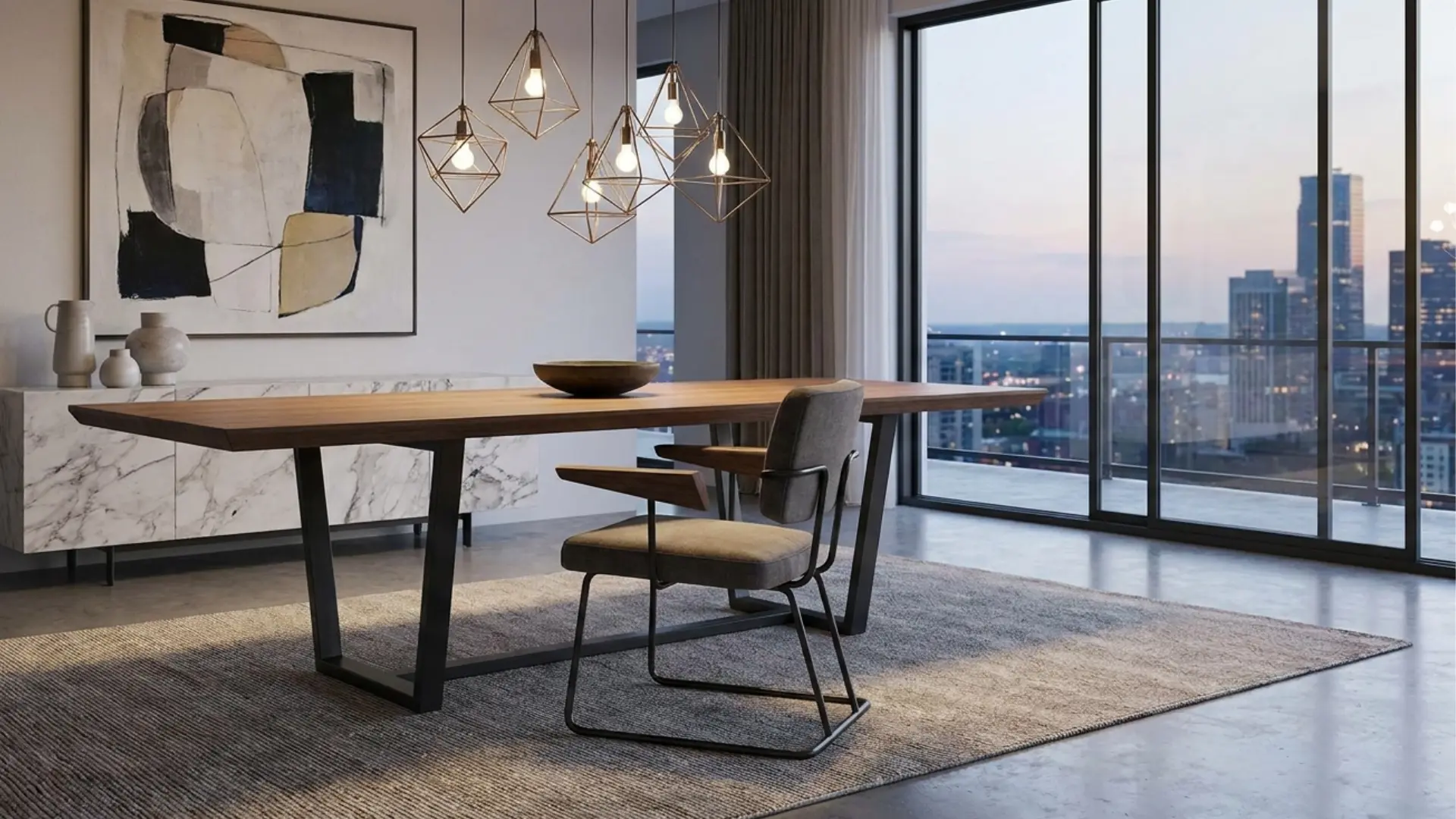
Floating armchairs feature armrests that appear visually separate from the backrest, creating a sleek and sophisticated profile. This distinctive construction adds architectural interest while maintaining comfort and functionality.
The open design prevents the chair from feeling heavy, making it suitable for modern dining spaces. Many floating armchairs combine wood, metal, or upholstered elements to enhance their contemporary appeal.
Their elegant proportions and unique silhouette make them a stylish option for homeowners looking to add designer-inspired seating to a dining room.
- Size: Typically 22–25 inches wide, 20–22 inches deep, and 34–40 inches high.
- Best for: Modern homes, designer-inspired interiors, and statement seating.
17. Wraparound Chair
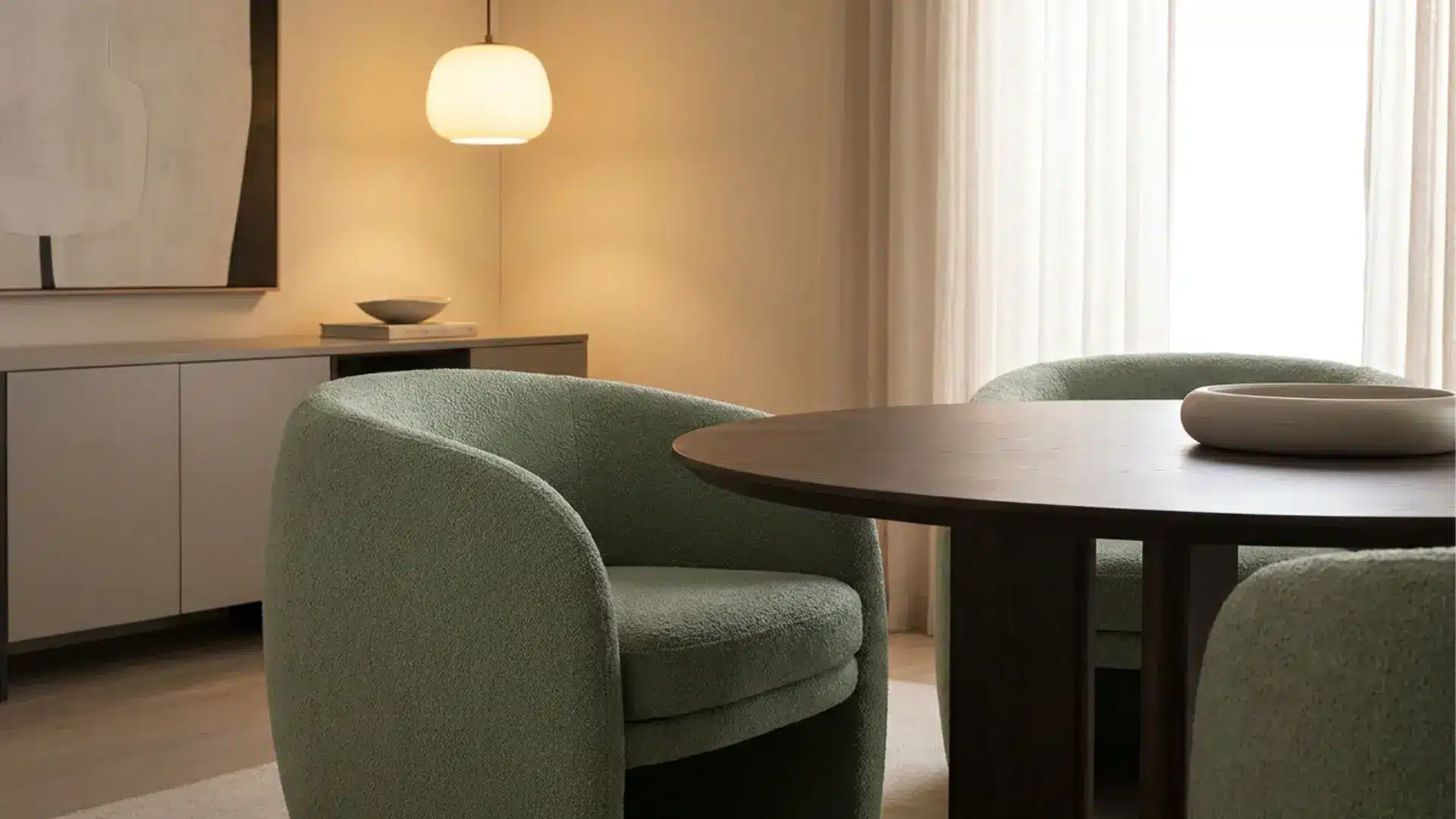
Wraparound chairs are designed with curved sides that gently extend around the sitter, creating a supportive and comfortable seating experience.
Their sculptural shape makes them a standout feature in modern dining rooms while also encouraging relaxed seating during long meals. Many versions include padded seats and upholstered backs for additional comfort.
The curved design helps create a sense of enclosure without feeling restrictive. Wraparound chairs combine style and functionality, making them a popular choice for contemporary homes focused on comfort.
- Size: Typically 22–26 inches wide, 20–24 inches deep, and 32–38 inches high.
- Best for: Comfort, modern dining rooms, and extended gatherings.
18. Tub Chair
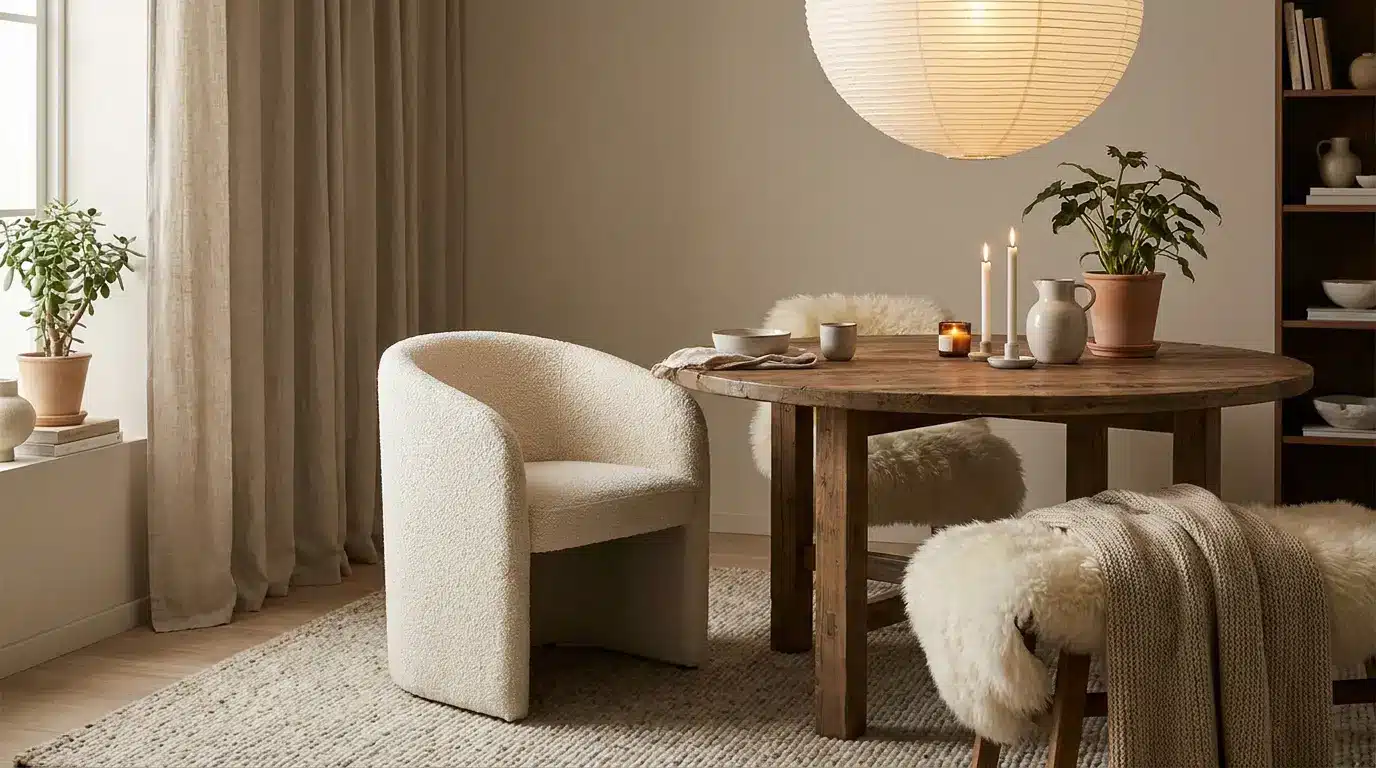
Tub chairs feature a rounded backrest that flows into integrated armrests, creating a cozy and supportive seating environment. Their curved shape provides excellent comfort while maintaining a stylish contemporary appearance.
Originally popular in lounge seating, tub chairs have become increasingly common in dining rooms because of their inviting design. Many models feature upholstered finishes that enhance both comfort and visual appeal.
Their balanced combination of softness, support, and modern styling makes them ideal for everyday dining and entertaining.
- Size: Typically 22–28 inches wide, 20–24 inches deep, and 30–36 inches high.
- Best for: Comfort, family dining rooms, and contemporary interiors.
19. Barrel Chair
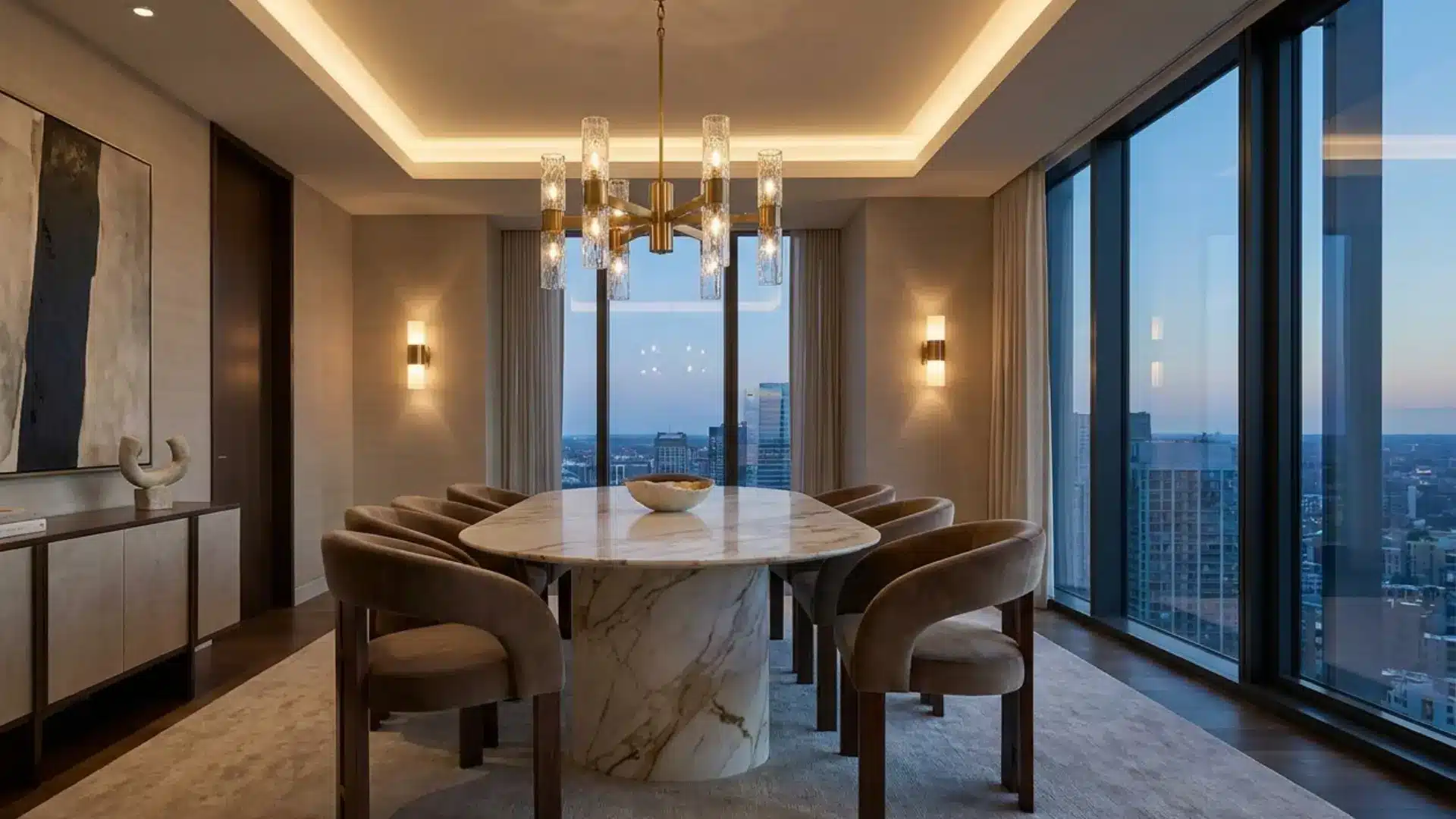
Barrel chairs are distinguished by their curved, barrel-shaped backrest that partially surrounds the seat. This rounded design provides excellent support while creating a luxurious and comfortable seating experience.
Often upholstered in fabric or leather, barrel chairs add softness and sophistication to a dining room. Their sculptural silhouette helps break up straight lines commonly found in dining furniture, creating visual balance.
Because of their generous proportions and premium feel, barrel chairs are frequently used as statement seating in upscale dining spaces.
- Size: Typically 24–30 inches wide, 22–26 inches deep, and 30–38 inches high.
- Best for: Comfort, formal dining rooms, and modern luxury interiors.
Mid-Century and Scandinavian Dining Chair Types
Mid-century and Scandinavian dining chairs focus on simplicity, functionality, and clean design. These styles often feature natural materials, tapered legs, and minimal ornamentation.
Their timeless appearance makes them a popular choice for modern homes that prioritize comfort, practicality, and understated elegance.
20. Wishbone Chair
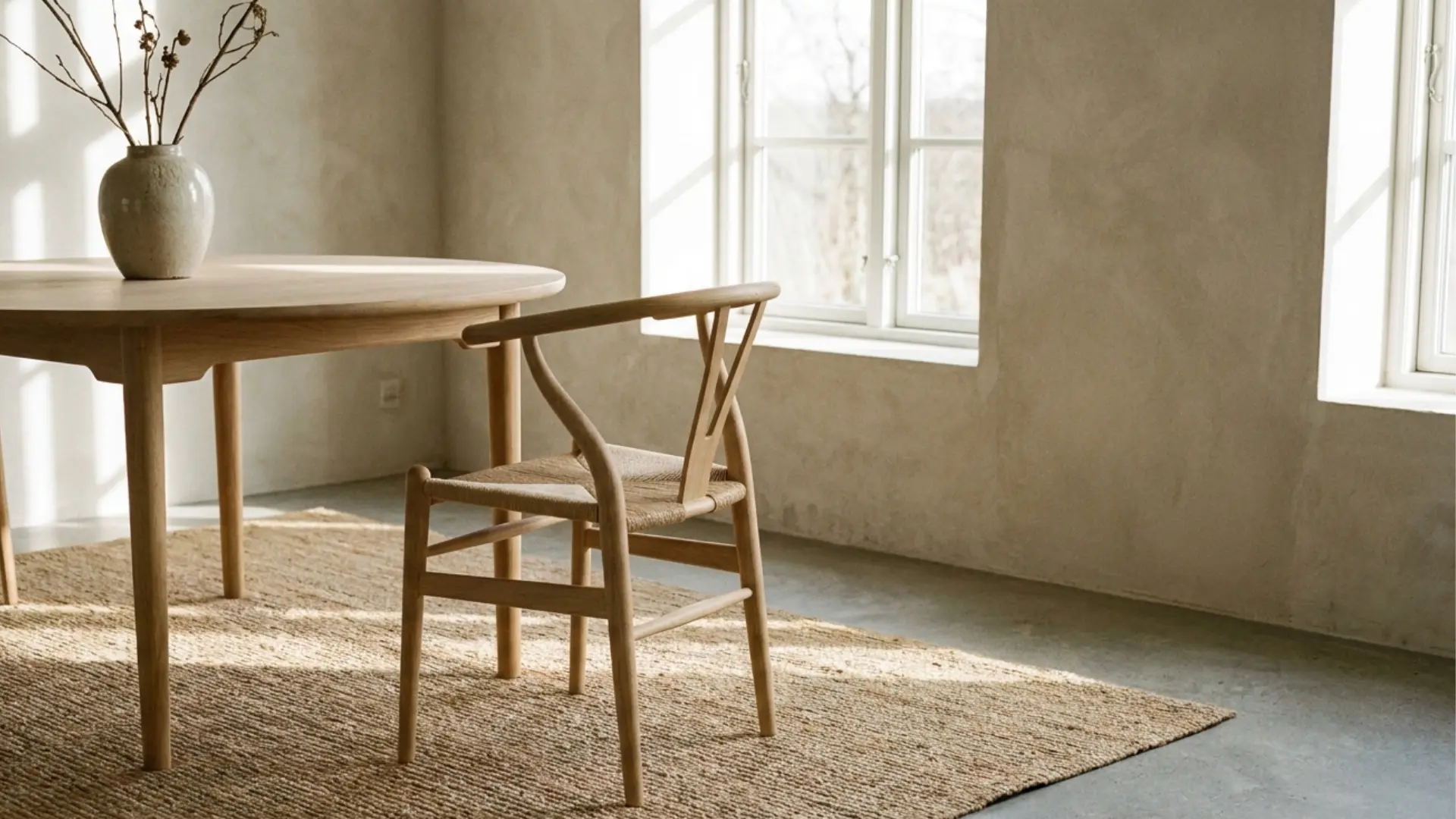
The Wishbone chair is a Scandinavian classic known for its distinctive Y-shaped backrest and handwoven seat. Designed by Hans Wegner, it combines comfort, craftsmanship, and simplicity in a lightweight form.
Its elegant curves and natural wood construction create an airy appearance that suits modern dining spaces. The chair’s organic shape provides excellent support while maintaining a minimalist aesthetic.
Its timeless design has remained popular for decades, making it one of the most recognizable Scandinavian furniture styles.
- Size: Typically 21–22 inches wide, 20–22 inches deep, and 28–30 inches high.
- Best for: Scandinavian homes, minimalist interiors, and modern dining rooms.
21. Eames Chair
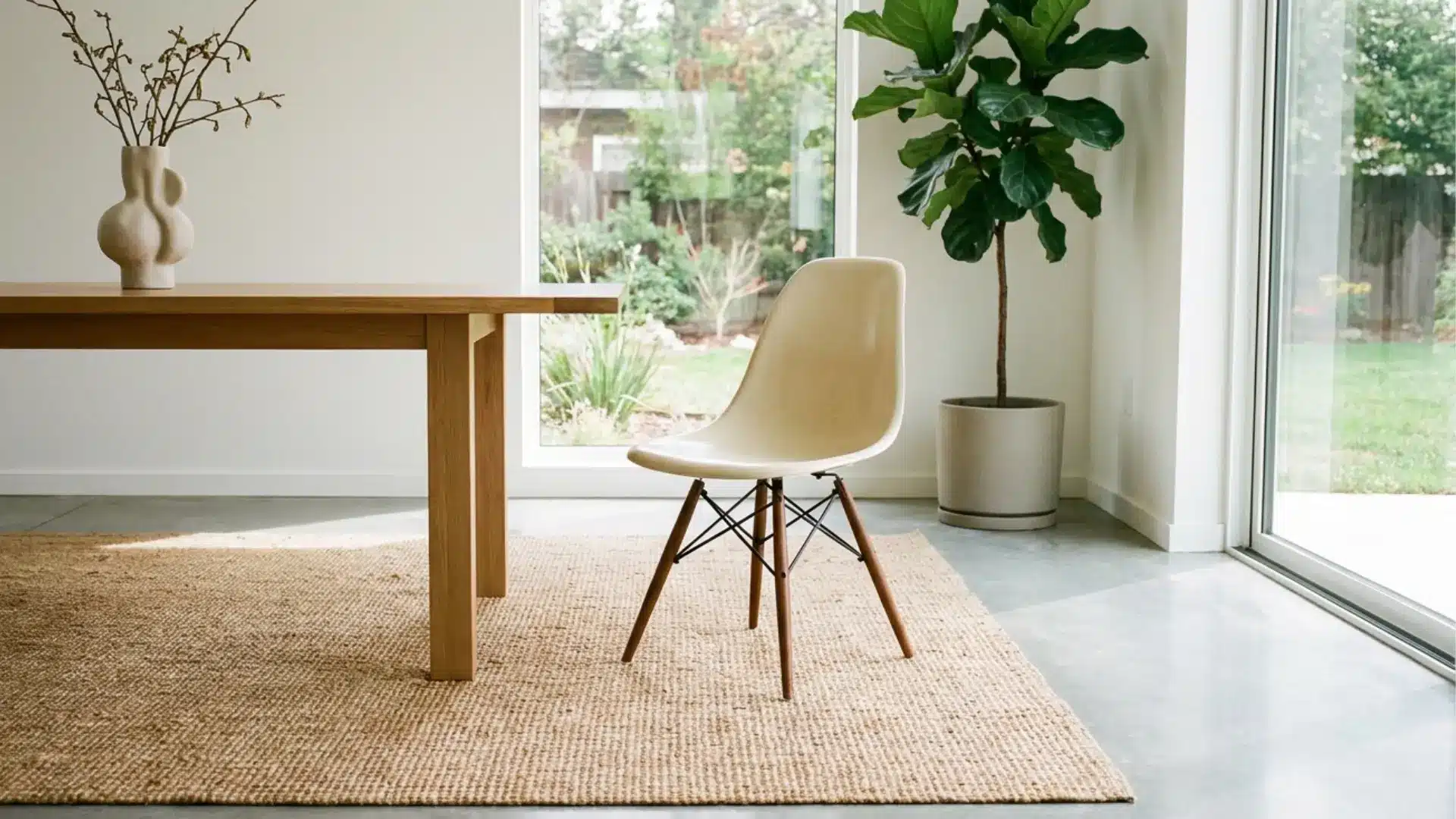
The Eames chair is an iconic mid-century modern design recognized for its molded seat and clean, functional silhouette. Originally developed by Charles and Ray Eames, it was designed to provide stylish seating that was both comfortable and accessible.
Modern versions are available in plastic, fiberglass, wood, and upholstered finishes. Its simple form allows it to blend seamlessly with many interior styles while maintaining a distinctly modern look.
The chair’s durability and versatility continue to make it a popular choice for dining rooms.
- Size: Typically 18–21 inches wide, 20–22 inches deep, and 31–34 inches high.
- Best for: Modern homes, mid-century interiors, and everyday family use.
22. Spindle Back Chair
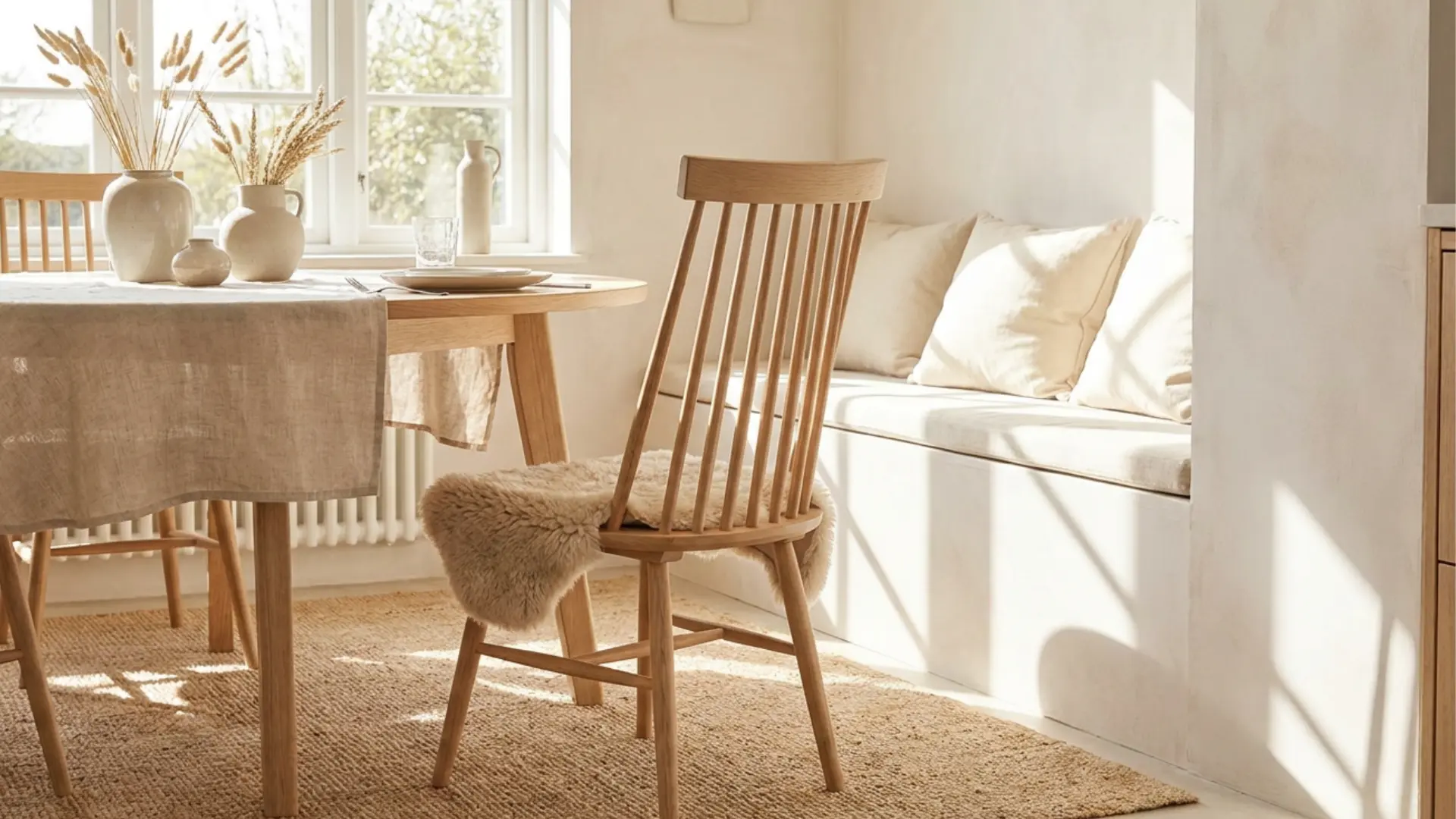
Spindle-back chairs feature multiple slim vertical rods forming the backrest, creating a light and visually balanced design. Their clean lines and understated appearance make them a staple in Scandinavian and mid-century interiors.
Despite their simple construction, spindle-back chairs offer reliable support and long-lasting durability. Many designs highlight natural wood finishes that enhance their timeless appeal.
Their compact footprint makes them especially useful in smaller dining areas where maintaining an open and uncluttered look is important.
- Size: Typically 17–20 inches wide, 18–19 inches deep, and 34–38 inches high.
- Best for: Small spaces, Scandinavian décor, and casual dining areas.
23. Cantilever Chair
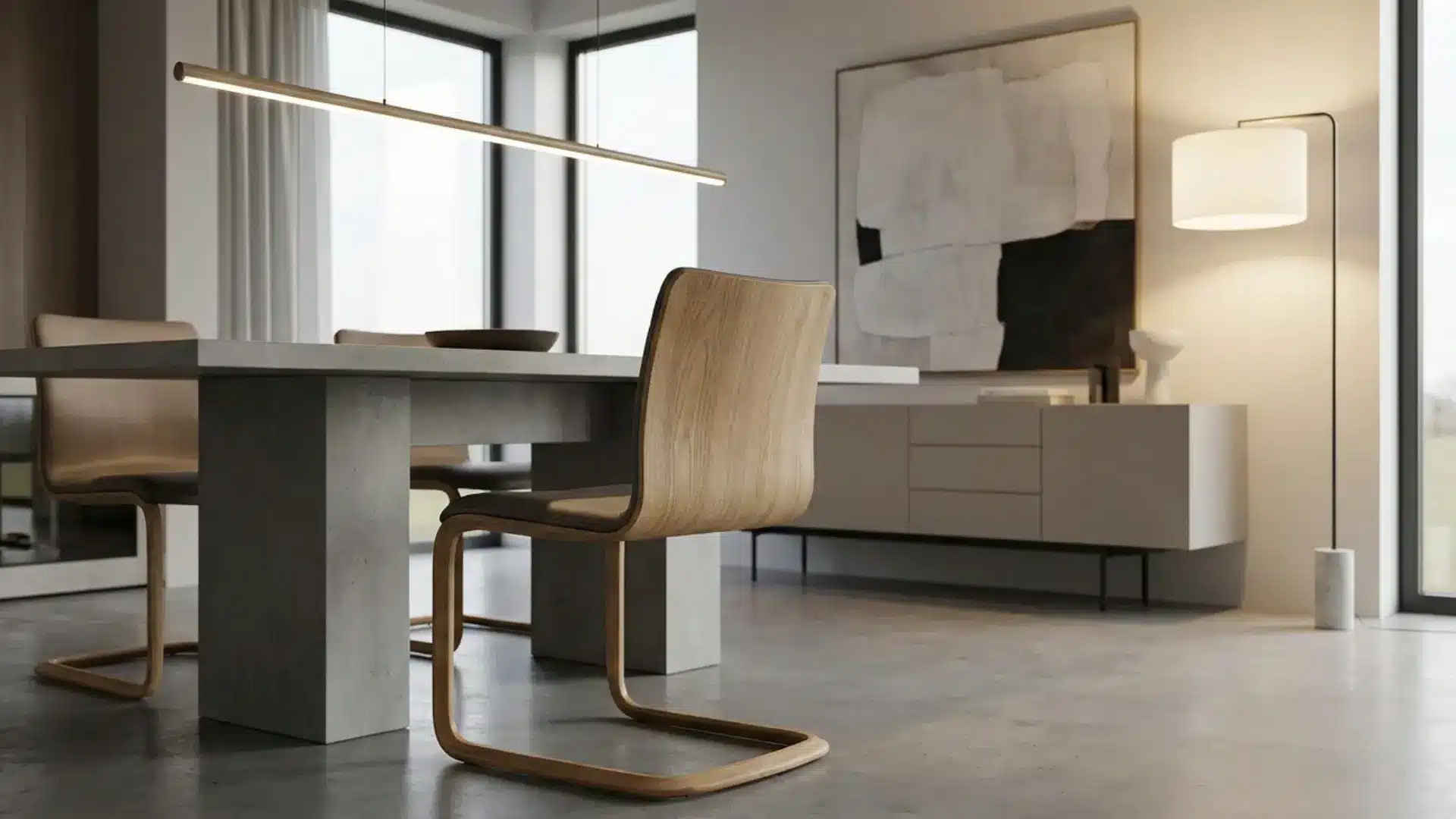
Cantilever chairs stand out because they use a single curved frame instead of four traditional legs. This innovative construction creates a floating appearance while allowing slight flexibility when seated, which can enhance comfort.
Often made from metal, wood, or mixed materials, cantilever chairs reflect the clean, functional principles of modern design. Their streamlined silhouette helps create an open and contemporary feel in dining spaces.
The combination of visual lightness, comfort, and engineering innovation makes them a distinctive seating choice.
- Size: Typically 18–22 inches wide, 20–22 inches deep, and 34–38 inches high.
- Best for: Modern homes, minimalist spaces, and contemporary dining rooms.
Mission and Craftsman Dining Chair Types
Mission and Craftsman dining chairs emphasize simplicity, durability, and skilled woodworking.
These styles showcase clean lines, solid wood construction, and functional design rather than excessive ornamentation.
Their timeless appeal makes them a popular choice for traditional, rustic, and craftsman-inspired interiors.
24. Slat Back Chair
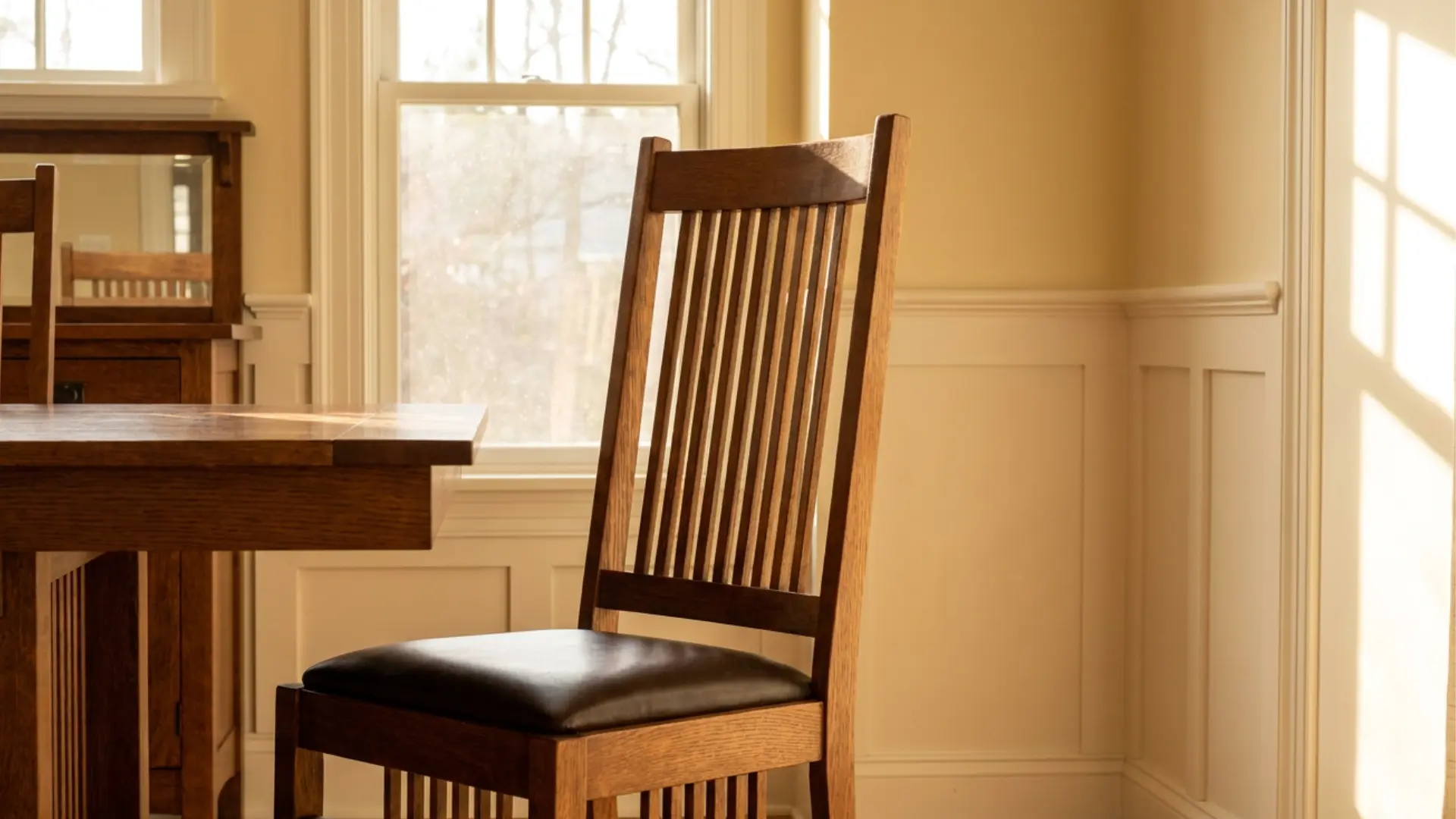
Slat-back chairs feature vertical wooden slats across the backrest, creating a clean, structured appearance that reflects traditional craftsmanship.
This classic design provides reliable support while highlighting the natural beauty of wood grain and simple construction. Their versatile style works equally well in traditional, farmhouse, and craftsman-inspired dining rooms.
Slat-back chairs are valued for their durability, timeless appeal, and ability to blend with various table styles without overwhelming the space. They remain a practical choice for both casual family meals and everyday dining.
- Size: Typically 17–20 inches wide, 18–19 inches deep, and 36–42 inches high.
- Best for: Craftsman homes, traditional dining rooms, and everyday family use.
25. Lattice Back Chair
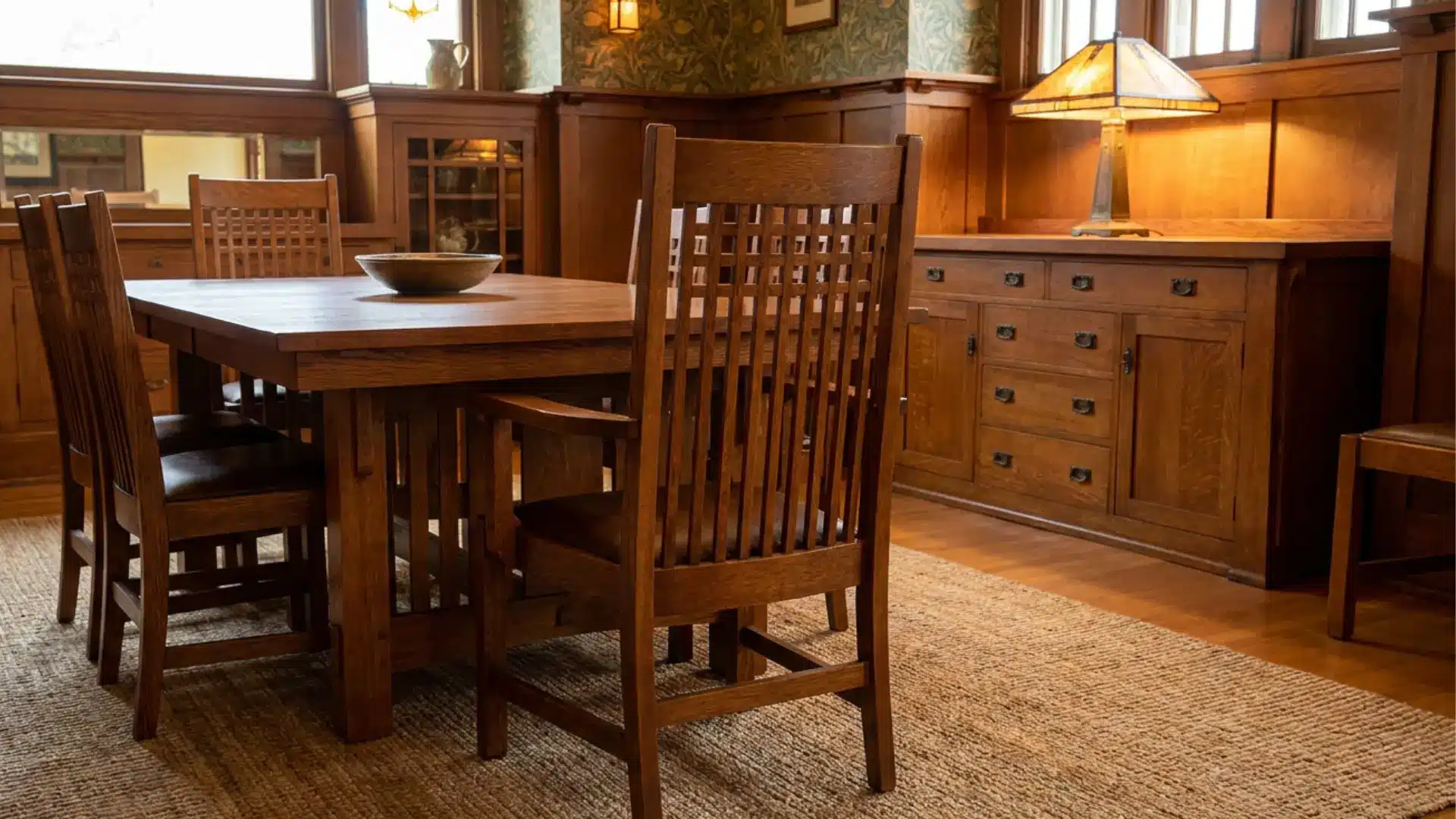
Lattice-back chairs feature an open, grid-like pattern on the backrest that adds decorative interest while maintaining a light, airy appearance. The geometric design reflects skilled woodworking and traditional craftsmanship without appearing overly ornate.
These chairs balance style and functionality, providing comfortable support while serving as a subtle focal point in the dining room.
Their distinctive pattern works well in mission, craftsman, traditional, and transitional interiors, making them a versatile option for homeowners who appreciate detailed yet practical furniture design.
- Size: Typically 18–21 inches wide, 18–20 inches deep, and 36–44 inches high.
- Best for: Mission-style homes, craftsman interiors, and statement seating.
26. Cut-Out Back Chair
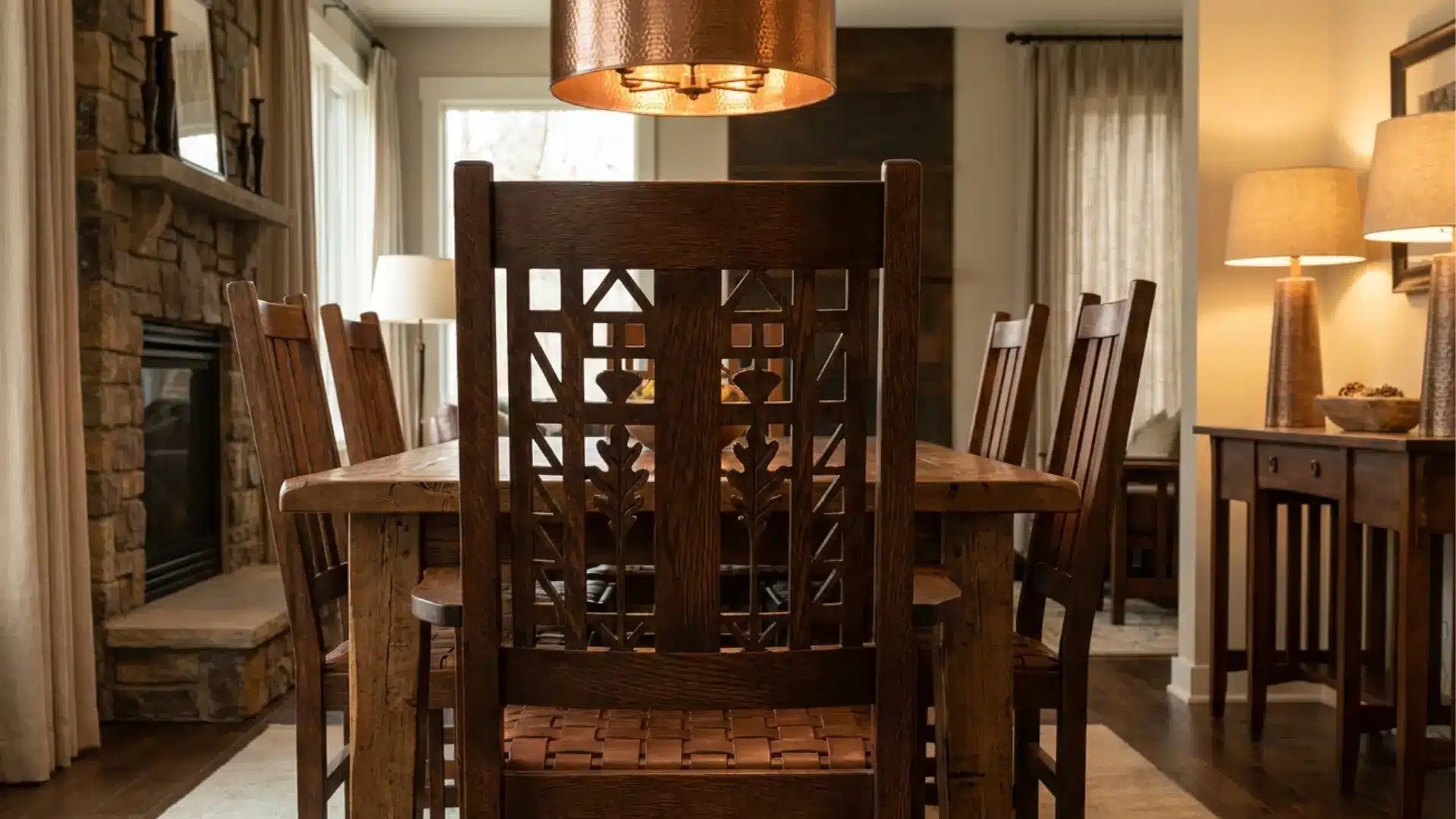
Cut-out back chairs feature decorative openings carved directly into the backrest, often using geometric, floral, or symmetrical patterns. These unique details showcase craftsmanship while adding visual character without requiring excessive ornamentation.
Depending on the specific design, cut-out back chairs can complement traditional, transitional, rustic, or even contemporary interiors.
Their blend of functionality and artistic appeal makes them a popular choice for homeowners seeking distinctive dining furniture. The decorative openings also help create a lighter appearance compared to fully solid chair backs.
- Size: Typically 18–21 inches wide, 18–20 inches deep, and 34–42 inches high.
- Best for: Craftsman décor, transitional homes, and design-focused dining spaces.
Upholstered and Formal Dining Chair Types
Upholstered dining chairs raise a second lifespan question alongside the frame: the fabric or leather surface that comes into daily contact with food, spills, and cleaning products. Frame quality still matters, but the upholstery maintenance plan matters too.
Faux leather at dining tables typically lasts 3–5 years before peeling begins at the seat edges and arm contact zones; genuine leather, properly maintained, can last 10–15 years; performance fabrics rated for high rub counts sit in between. Budget accordingly.
27. Upholstered Dining Chair
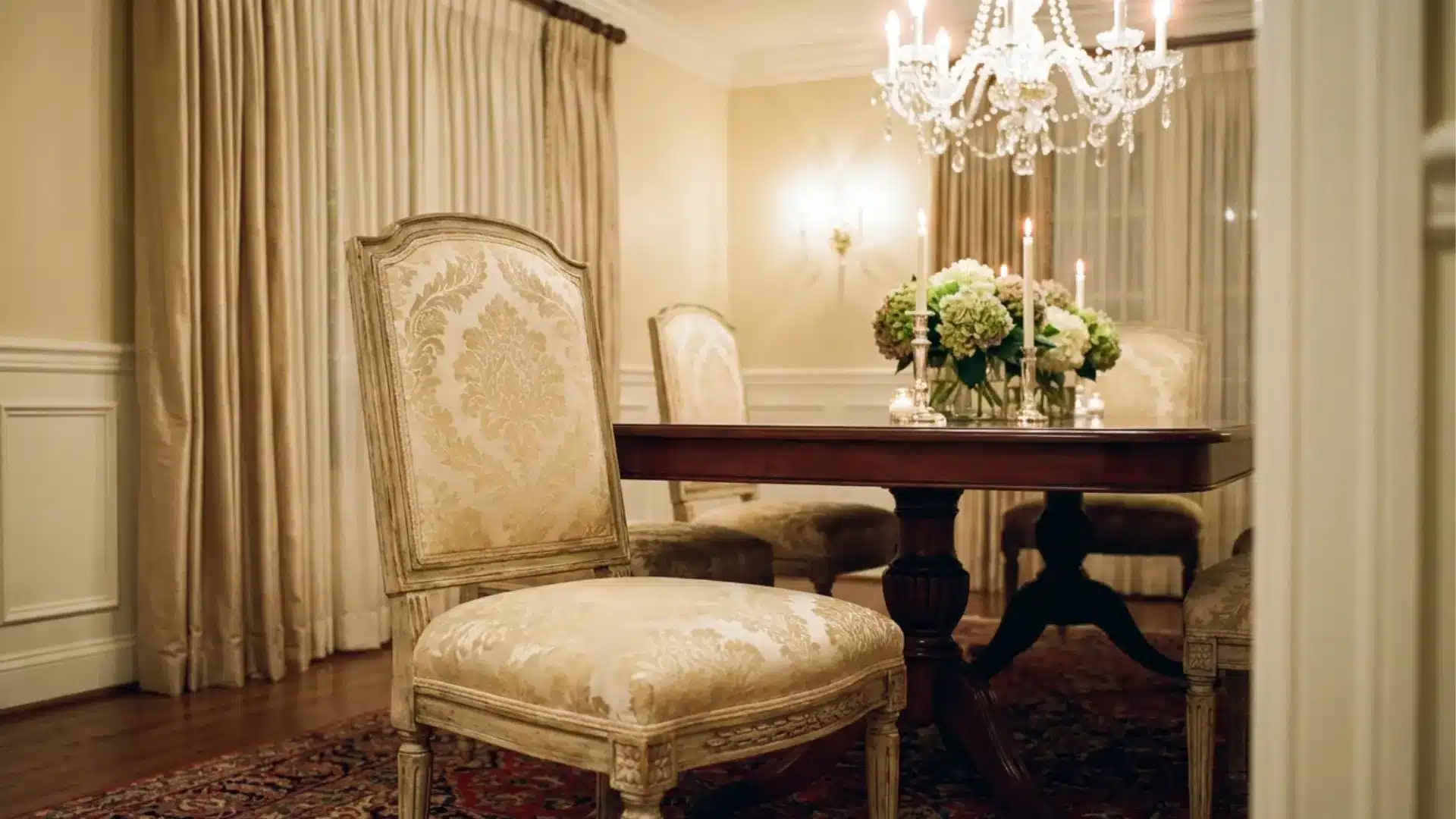
Upholstered dining chairs feature padded seats, backs, or both, covered in fabric, leather, or faux leather for enhanced comfort. The cushioning provides excellent support during long meals, family gatherings, and special occasions.
Available in countless colors, textures, and finishes, these chairs can easily complement traditional, transitional, or modern décor.
Their soft appearance adds warmth and sophistication to dining spaces while creating a more comfortable seating experience. Many homeowners choose upholstered chairs to balance style, comfort, and versatility.
- Size: Typically 18–22 inches wide, 20–24 inches deep, and 34–42 inches high.
- Best for: Comfort, formal dining rooms, and extended dining sessions.
28. Tufted Dining Chair
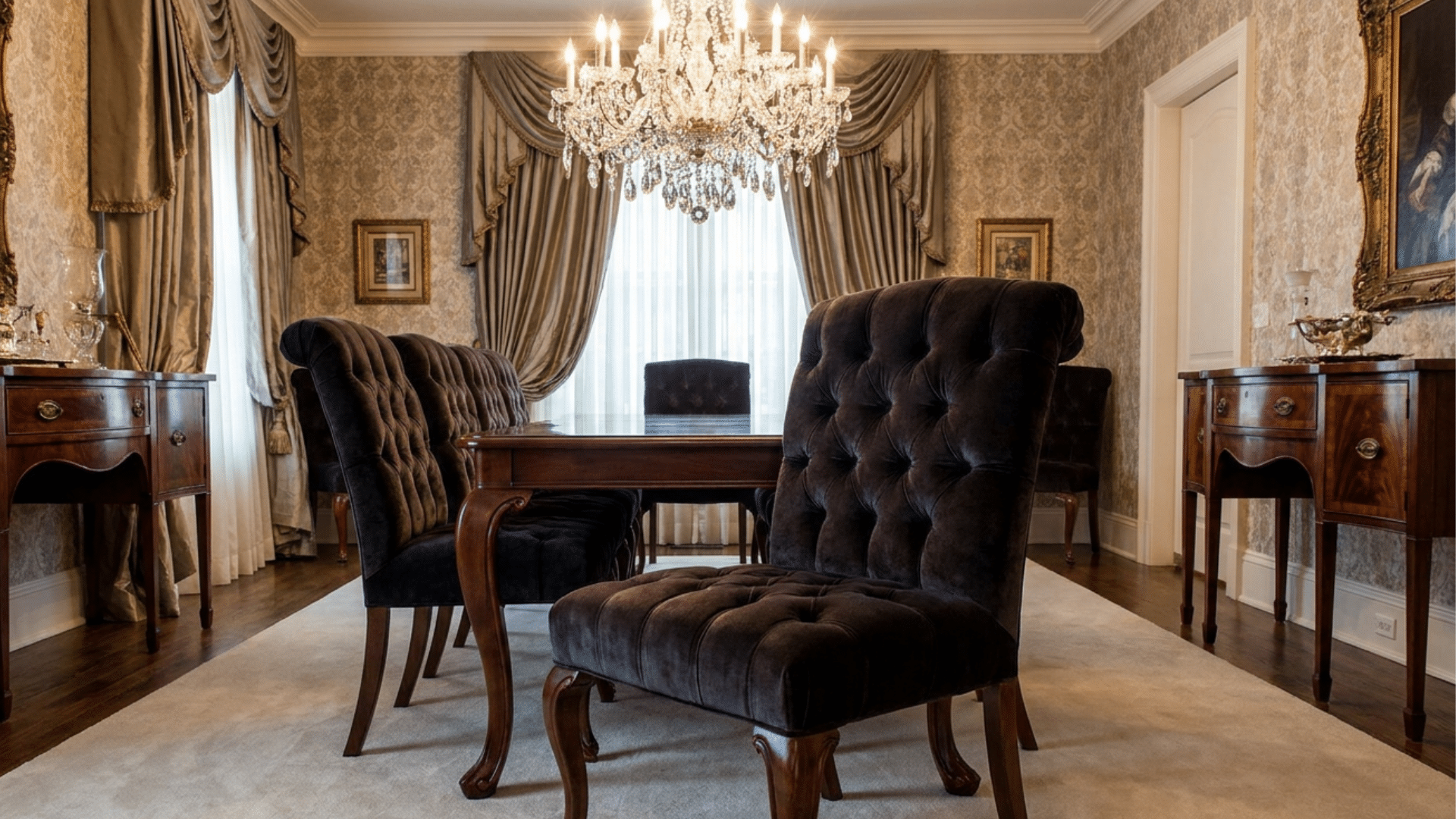
Tufted dining chairs feature decorative buttons stitched into the upholstery, creating a textured and luxurious appearance. This classic detail adds depth, visual interest, and a sense of elegance that suits formal dining spaces.
Beyond aesthetics, the padded upholstery provides excellent comfort and support for longer gatherings. Tufted chairs are commonly found in traditional and luxury interiors, though simplified versions also complement transitional styles.
Their combination of comfort, sophistication, and timeless appeal makes them a favorite for upscale dining rooms.
- Size: Typically 19–23 inches wide, 20–25 inches deep, and 38–46 inches high.
- Best for: Formal dining rooms, luxury interiors, and elegant entertaining spaces.
29. Wingback Chair
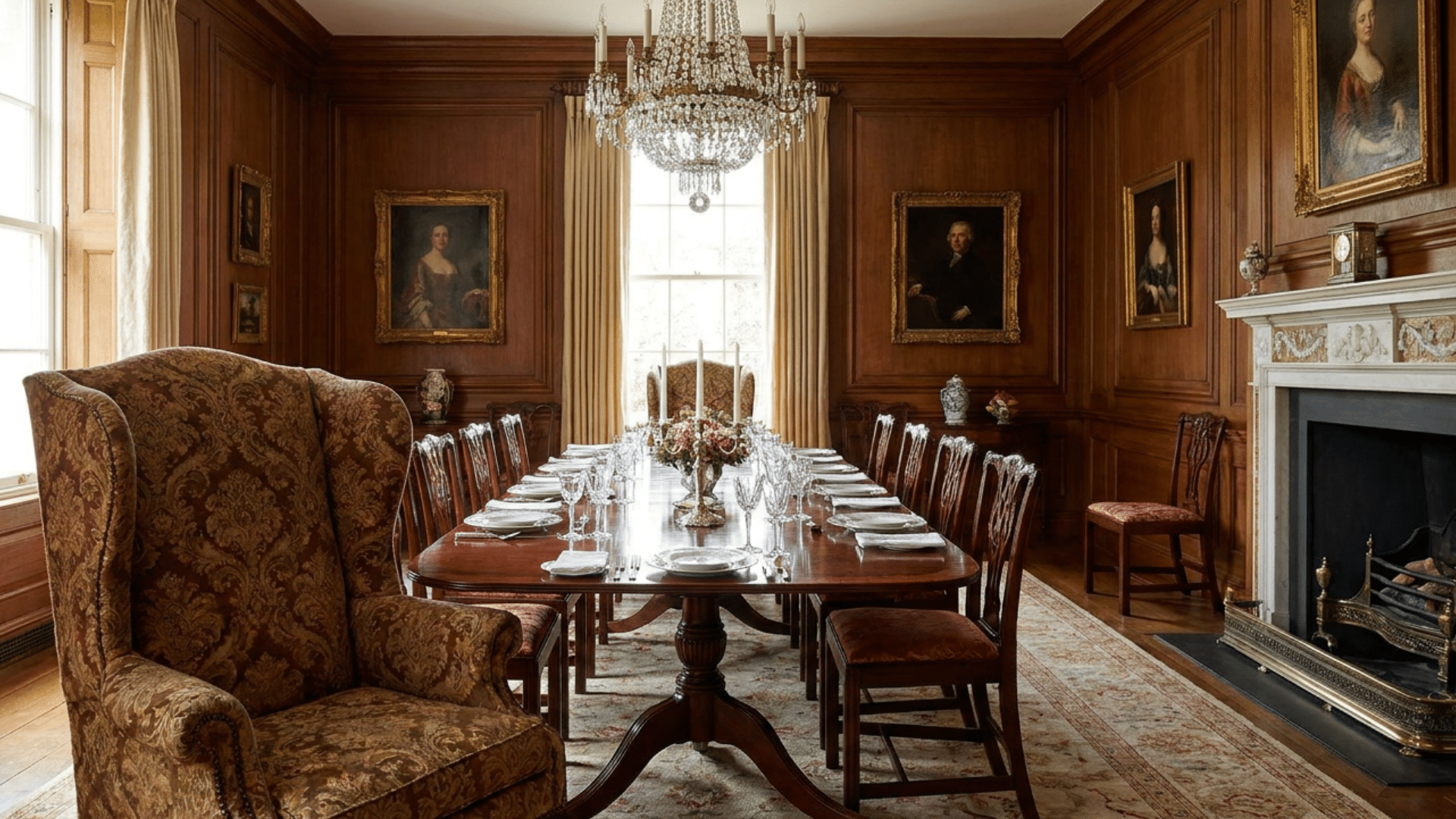
The tall backrest and extended side wings were engineered for warmth, to block drafts from open fireplaces. At a dining table, those same wings create a narrow access profile, making it harder to slide the chair in and out without catching the table edge.
Wingback chairs work best at the heads of a table, where they have lateral clearance, rather than along the sides, where they compete with adjacent chairs for space.
The taller back-and-seat height combination requires an exact match to your standard dining table height; confirm clearance before ordering. Size: 22–30 inches wide, 42–50 inches high.
- Size: Typically 22–30 inches wide, 22–28 inches deep, and 42–50 inches high.
- Best for: Formal dining rooms, comfort-focused seating, and head-of-table placement.
How to Choose the Right Dining Chair
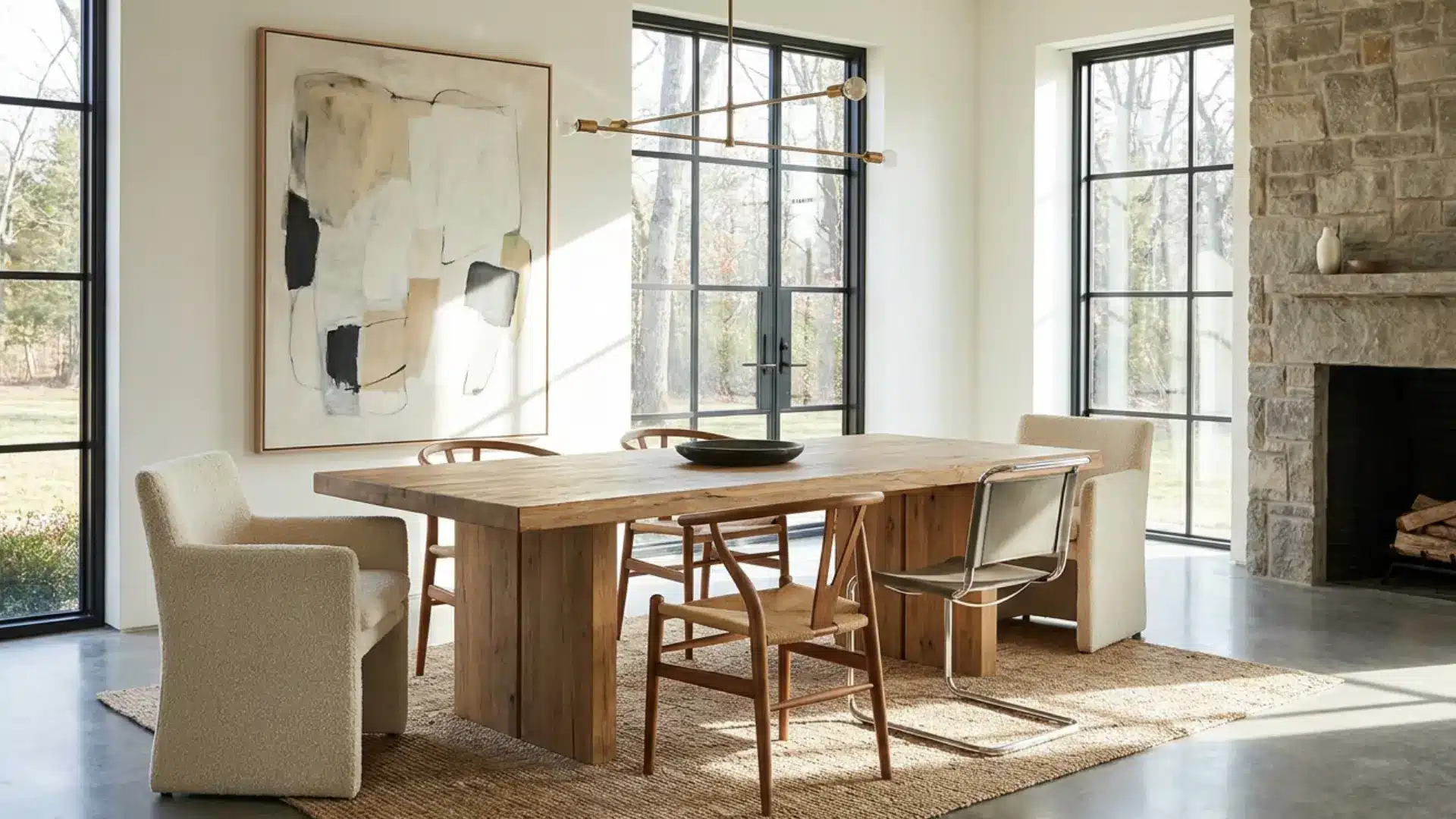
The best dining chair should complement your table, fit your room style, and provide the right balance of comfort and practicality.
Keeping these factors in mind will help you choose chairs that look great and work well for everyday dining.
- Match the chair to your dining table: Choose chairs that suit the table’s size, height, shape, and overall design. Leave enough clearance between the seat and the tabletop for comfortable seating.
- Consider your room style: Traditional rooms suit Windsor and Queen Anne chairs, farmhouse spaces work well with Cross Back and Ladder Back designs, while modern interiors pair better with Parsons, Eames, and Cantilever chairs.
- Choose between armchairs and side chairs: Armchairs offer extra comfort and a more formal look, while side chairs save space and allow for greater seating flexibility.
- Decide between upholstered and wooden chairs: Upholstered chairs provide added comfort and softness, while wooden chairs are durable, easier to clean, and often require less maintenance.
- Think about comfort and daily use: Consider seat cushioning, back support, chair width, and how frequently the chairs will be used for meals or gatherings.
- Select the right material: Solid wood offers durability, upholstery adds comfort, metal creates a modern feel, and reclaimed wood brings rustic character and sustainability.
Common Materials Used in Dining Chairs
The material of a dining chair affects its appearance, comfort, durability, and maintenance requirements. Some materials offer a classic, timeless look, while others prioritize comfort, modern styling, or easy upkeep.
Understanding the most common options can help you choose dining chairs that suit both your lifestyle and interior design preferences.
| Material | Realistic Lifespan (daily use) | What Fails First | Maintenance Reality |
| Solid hardwood (oak, maple, beech) | 15–25+ years | Finish surface; joints if poorly glued | Re-glue joints every 10–15 years if needed; refinish surface |
| Solid softwood (pine, rubberwood) | 5–10 years | Joint loosening; surface denting | Higher joint maintenance; difficult to refinish cleanly |
| Performance fabric upholstery | 8–15 years | Seam wear at seat edges | Spot clean; professional clean every 2–3 years |
| Genuine leather | 10–20 years | Cracking at flex points without conditioning | Condition 2x per year; avoid direct sunlight |
| Faux leather (PU) | 3–5 years | Peeling at edges and seat contact zones | Cannot be repaired; must be replaced |
| Tubular steel (welded) | 20+ years if the welds are sound | Weld failure at stress points; surface rust without coating | Inspect welds annually; touch up paint or powder coat if scratched |
| Polypropylene shell | 10–15 years | UV yellowing; crack at mounting points | Keep out of direct sunlight; check mount hardware annually |
Choosing the right dining chair material ultimately comes down to your priorities. Solid wood offers lasting durability, upholstery maximizes comfort, metal delivers a modern edge, and reclaimed wood provides rustic character with sustainability benefits.
By understanding the strengths of each material, you can select dining chairs that not only complement your décor but also perform well in everyday dining.
Frequently Asked Questions
Why do dining chairs get wobbly, and can they be fixed?
Wobble almost always comes from one of two places: a dried-out glue joint that has lost its bond, or a leg that has worn unevenly on a hard floor.
Dried glue joints are fixable; disassemble, clean out the old adhesive, reglue with fresh PVA or hide glue, and clamp overnight.
Uneven leg wear gets a furniture leveler glued to the short leg. What can’t be fixed is a frame built with misaligned legs from the start. That wobble is structural and permanent.
Is there a meaningful difference between chair weight and quality?
Generally yes. A solid hardwood chair in oak or maple typically runs 6–10 lbs, and that weight reflects actual material density.
A chair that feels lightweight for its size often has a hollow frame, soft wood, or more composites than listed. Exceptions include engineered chairs like Eames shells or aluminum cantilevers. For traditional wood chairs, if it feels insubstantial, it likely is.
What seat depth actually affects comfort at a dining table?
Seat depth, the front-to-back measurement of the seat pan, should match your upper leg length, typically 16–18 inches.
Deeper than 18 inches causes shorter people to sit forward without support or slouch, while shallower than 16 inches causes the front edge to cut into the thigh during long seated periods. Though seldom listed, this measurement affects comfort more than cushion thickness.
Can outdoor dining chairs be used indoors permanently?
Structurally, yes, but there are real trade-offs. Outdoor chairs are built for moisture and UV exposure, so they use teak, powder-coated aluminum, or all-weather resin rather than the hardwood and upholstery you’d choose for an indoor room.
They run heavier, the finishes read as utilitarian, and seat comfort is usually secondary to weather resistance. For a casual dining space, they work fine. For a formal dining room, they’ll look out of place regardless of how good the chair itself is.
To Wrap it Up
Finding the right dining chair is about more than choosing something that looks good. The best option balances comfort, function, and style while fitting naturally into your dining space.
As you’ve seen, different types of dining chairs offer unique features, from traditional Windsor and Queen Anne designs to modern Parsons, Eames, and barrel chairs.
Room size, table style, materials, and everyday use all play an important role in making the right choice.
Understanding the various types of dining chairs helps you narrow down options with confidence and create a dining area that feels both practical and inviting.
I hope this guide makes your decision easier. Have a favorite chair style? Share your thoughts below or explore our related dining room guides for more inspiration.