

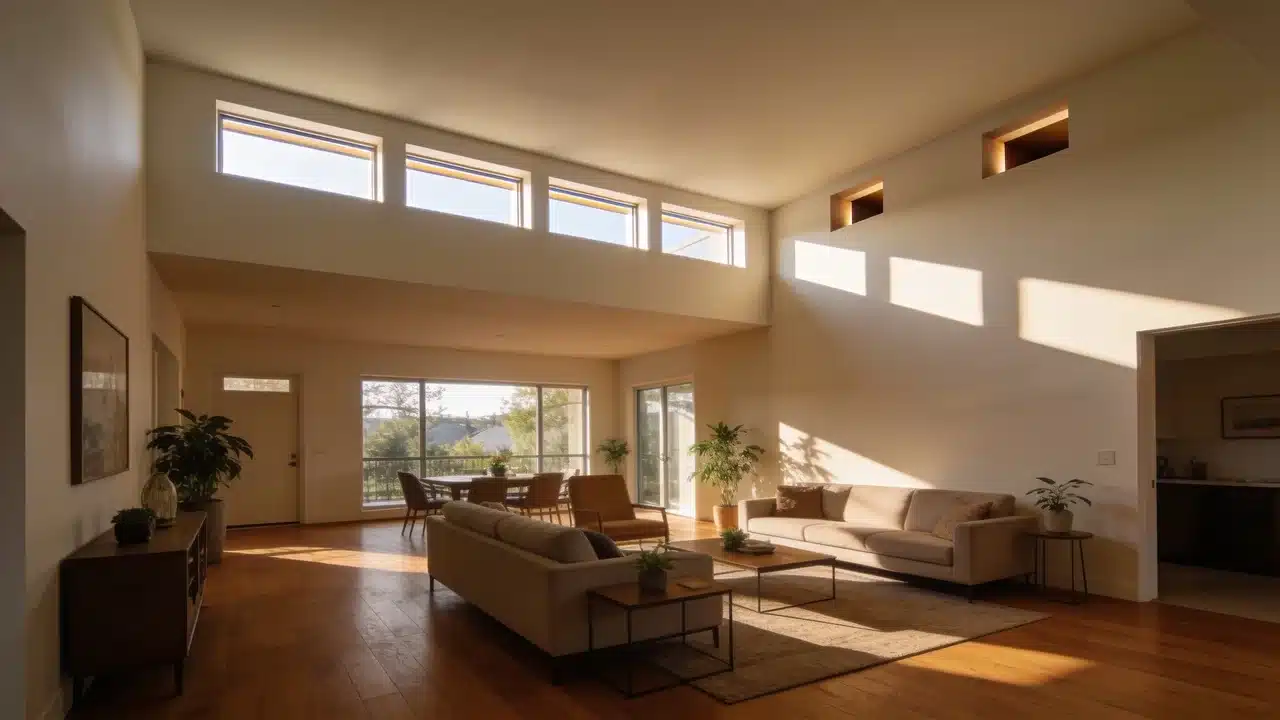


| Quick Answer: A clerestory window is a high-set wall window, typically positioned near the roofline, designed to admit daylight and ventilation into a space without using lower wall area. |
Some windows do more than let in light. They change how a room feels, functions, and breathes.
I’ve spent 12 years working through layout problems in real homes, and clerestory windows keep coming up as one of the most practical design decisions you can make.
They solve problems that standard Windows simply cannot, a nd yet most people overlook them completely.
In this piece, I’ll walk you through the full history and architectural role of clerestory windows, how they work, the types available, the benefits they bring to your home, where to place them, and what to check before installation.
What is a Clerestory Window?
A clerestory window is a window placed high on a wall, close to the ceiling or roofline. It takes its name from the clerestory, the strip of wall that sits above eye level.
Sitting above the standard sight line, it keeps your lower walls free while still pulling daylight deep into the room.
The idea is old. Ancient Egyptian temples used raised wall sections with openings to bring light into deep stone interiors, and Roman basilicas and Gothic cathedrals later used tall clerestory bands to fill vast spaces with daylight long before electric lighting existed.
The core idea hasn’t changed much; only the materials and methods have evolved.
Today, the same approach shows up in passive home design, where placement and orientation do the work artificial lighting used to handle.
Standard windows trade wall space for daylight. Place one higher up instead, and sunlight will travel farther into the room, especially in longer or open-plan spaces.
How Do Clerestory Windows Work?
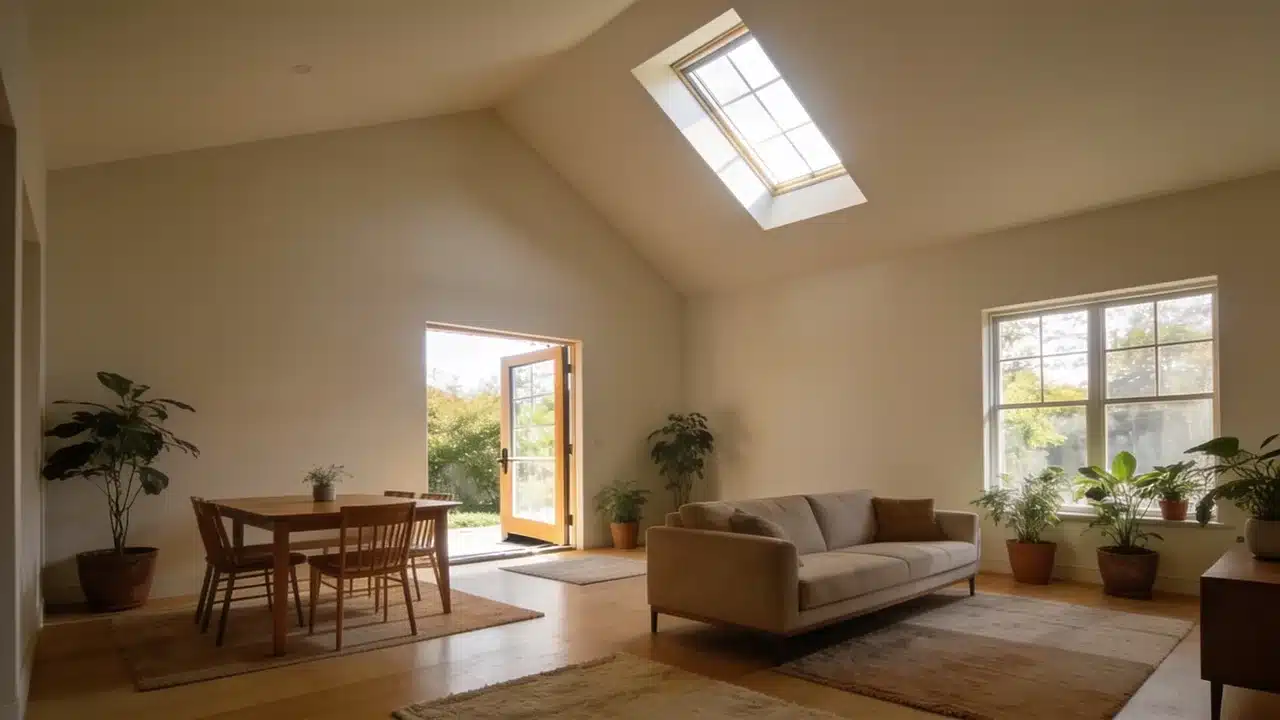
Placement is everything with clerestory windows. Because the glass sits high on the wall, sunlight enters at a steeper angle and reaches further into the room than a standard window at eye level ever could.
In open-plan spaces, you notice the depth of light immediately. When the windows are operable, they also improve airflow through the stack effect.
Warm air rises and exits through the upper opening, pulling cooler air in from below.
Glazing choice, compass orientation, and external shading all affect how well this works in practice. Getting those three right is where most of the real performance comes from.
What are the Types of Clerestory Windows
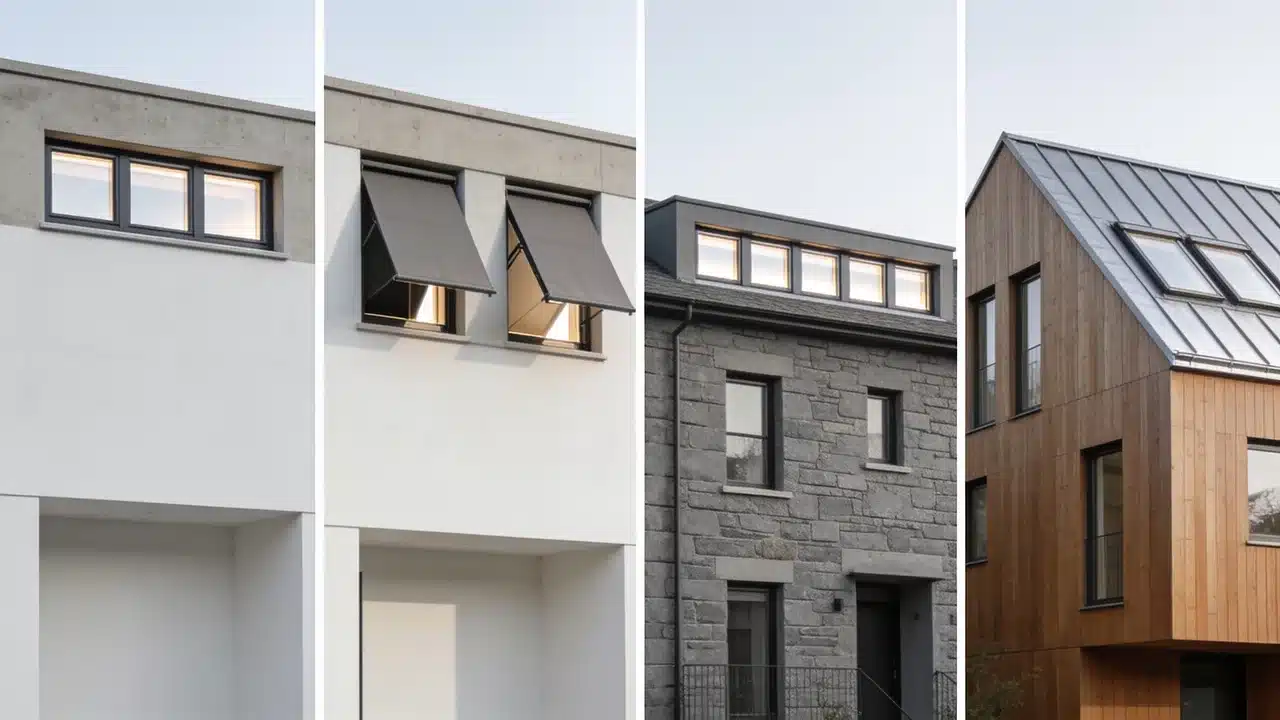
Not every clerestory window works the same way. The type you choose affects the light, airflow, and the overall feel of the space.
1. Fixed Clerestory Windows
Designed purely for daylight, fixed clerestory windows do not open. You’ll find them in most modern homes because they are simple to install and need little upkeep.
They also cost less upfront since there’s no hardware involved. If ventilation isn’t a priority, this is usually the most practical starting point.
2. Operable Clerestory Windows
These can be opened to let warm air out, making them useful in warmer climates or in rooms that heat up quickly. You get more control over indoor comfort without relying on air conditioning.
Some models include automated controls, so you can manage airflow without manually reaching the window.
3. Continuous Clerestory Windows
These run as long horizontal bands across the upper wall rather than sitting as individual units. This unbroken line of glass creates a strong visual statement in rooms with minimal detailing elsewhere.
You’ll often see them in contemporary architecture because they distribute light evenly across a wide space.
4. Roofline Clerestory Windows
These follow the angle of your ceiling or roofline rather than sitting in a flat wall section. Because they track the sun above you, they receive more direct sunlight during specific hours, making timing and orientation important.
They work well with a pitched or vaulted ceiling
The right type depends on your room layout, climate, and how much you want the windows to do beyond bringing in light.
Why You Need Clerestory Windows in Your Home
In my experience, homeowners come to clerestory windows trying to solve one problem and end up fixing several at once.
The most immediate gain is daylight. Because the glass sits high on the wall, sunlight penetrates farther into the room than a standard window at eye level ever does. That depth of light reduces the amount of artificial lighting a room needs during the day, which matters most in longer layouts or open-plan spaces.
Privacy is the second reason, and for many people, it is the deciding one. A clerestory window keeps the room bright while cutting direct sightlines from the street, a neighboring property, or a shared outdoor space. You get the light without the exposure.
Because the glass sits above eye level, the lower walls remain completely free for shelving, storage, artwork, and furniture, without having to plan around window placement.
In operable configurations, warm air rises and exits through the upper opening, pulling cooler air in from below. In rooms that heat up quickly, natural ventilation reduces the load on air conditioning without any mechanical system involved.
Positioned and glazed correctly, they also support passive solar performance, retaining warmth in winter and managing heat gain in summer when combined with overhangs or external shading. High glazing also draws the eye upward, making a room read as taller and more open than its dimensions suggest.
Best Rooms for Clerestory Windows
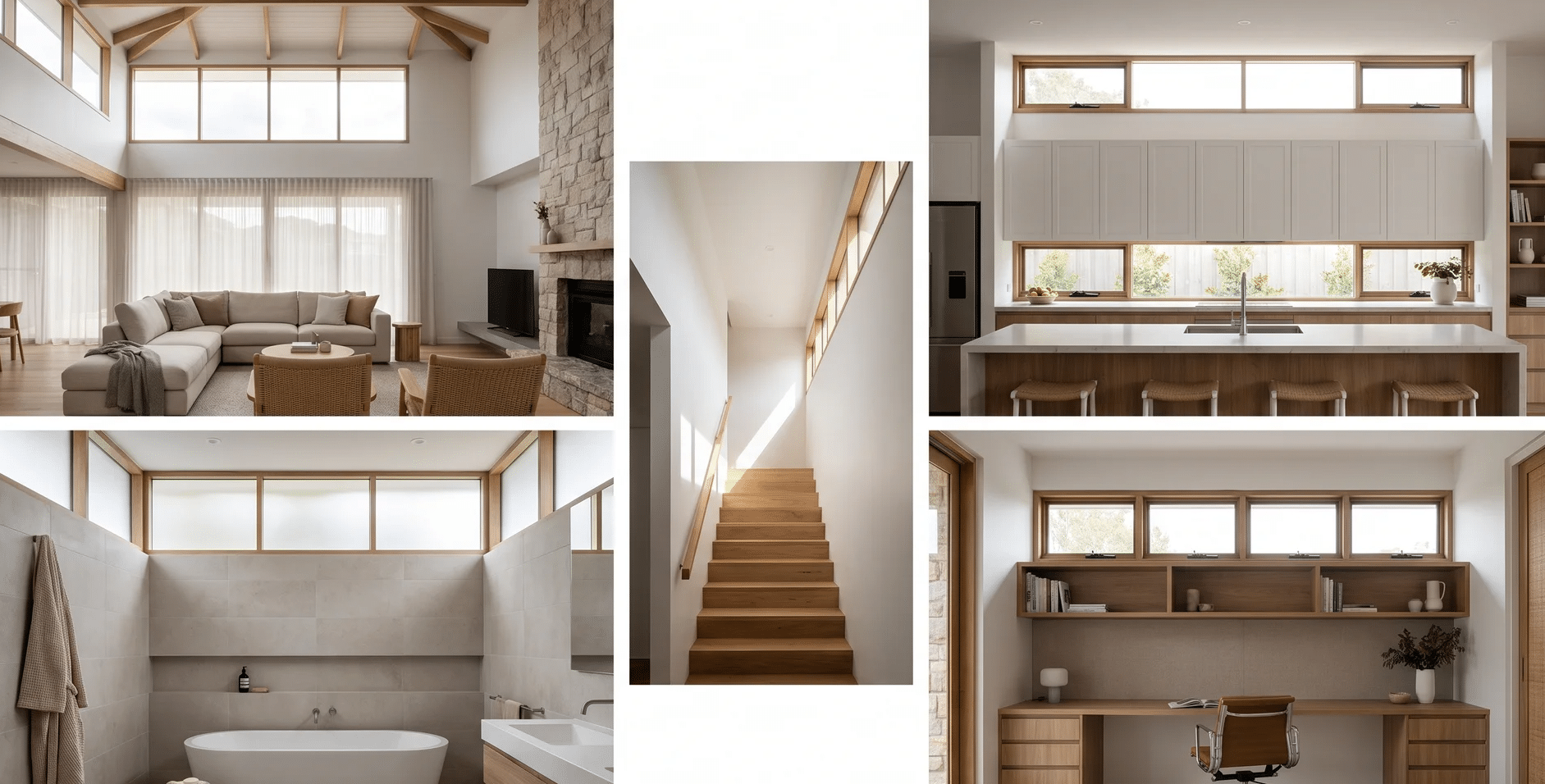
Clerestory windows fit well in most rooms, but some spaces benefit more than others. Here is where they tend to work best.
1. Living Rooms: A natural fit, especially with vaulted ceilings. You get strong daylight throughout the space without sacrificing eye-level privacy. Since the glass sits well above furniture and seating areas, you can also arrange the room however you like without worrying that window placement will get in the way of a sofa or bookshelf.
2. Kitchens: Placed above cabinets and counters, they bring in light where task lighting often falls short. This works especially well in galley or U-shaped kitchens, where wall space is already occupied by cabinetry and appliances, leaving few options for standard counter-height windows.
3. Bathrooms: One of the most practical applications. You get daylight without compromising privacy, which matters most in bathrooms that face the street, a neighbor’s window, or a shared courtyard. It also reduces the damp, closed-in feel of windowless bathrooms, without the need for frosted glass or blinds.
4. Bedrooms: Clerestory windows provide light without direct exterior views, making them worth considering in street-facing rooms. They let you wake up to natural light each morning while keeping curtains or blinds unnecessary during the day, which is a small but noticeable change for anyone sensitive to overly dark rooms.
5. Home Offices: Natural light from above reduces screen glare and keeps the room feeling open without visual distractions from outside. For anyone working long hours at a desk, this steadier, indirect light is easier on the eyes than a standard window positioned right behind or beside a monitor.
6. Hallways and Staircases: These are often the hardest spaces to light well. A clerestory window can brighten areas with no exterior walls or other places to install glass.
A dim, windowless corridor can turn into a space that feels connected to the rest of the home. Every room has different requirements. In my experience, the spaces that gain the most are those where privacy and daylight feel like competing needs.
How Clerestory Windows Compare to Skylights
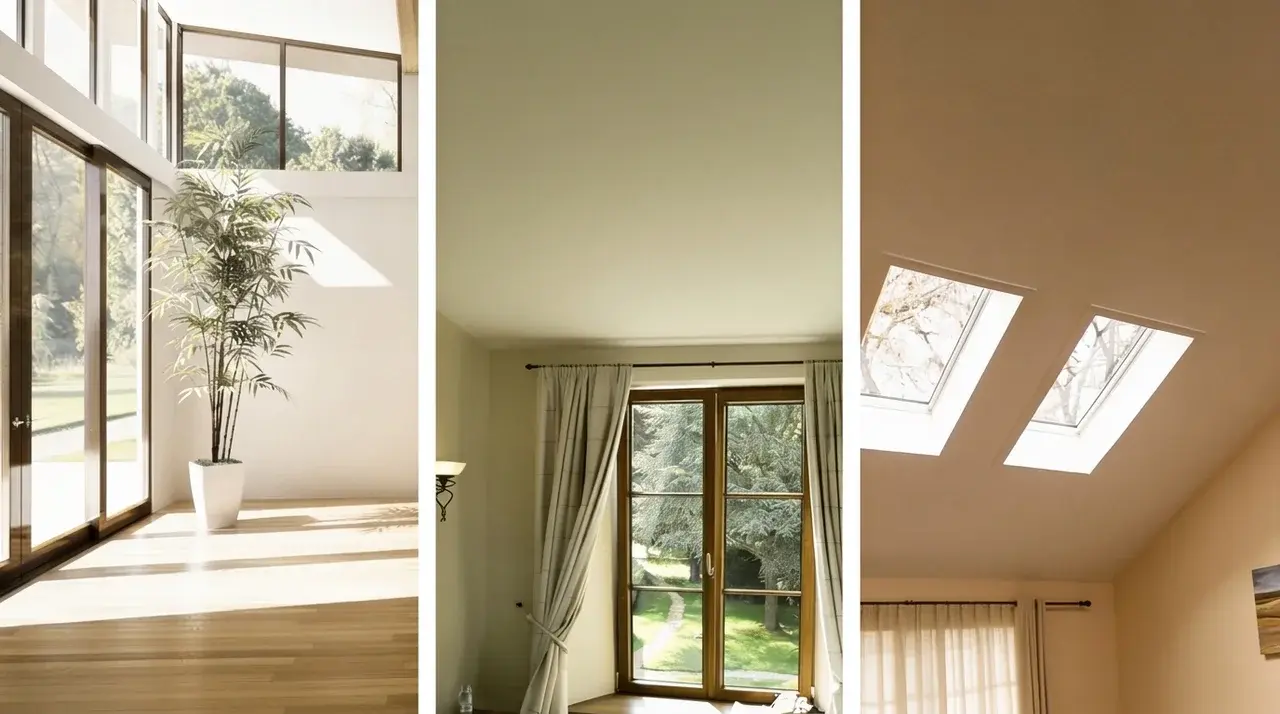
All three bring extra light into a space, but they work differently and suit different situations. Knowing the distinction saves you from choosing the wrong option for your room.
| Feature | Clerestory Windows | Skylights | Transom Windows |
| Location | High wall near ceiling | Roof surface | Above doors or windows |
| Main Purpose | Daylight and privacy | Overhead lighting | Supplemental light |
| Ventilation | Available in operable models | Available in some models | Usually limited |
| Privacy | High | Depends on placement | Depends on location |
| Common Use | Homes, offices, commercial buildings | Dark rooms, upper floors | Entryways and interiors |
In my experience, the choice usually comes down to one clear priority. If privacy matters most, clerestory windows are the stronger option.
If you need overhead light in a room with no usable wall space, a skylight makes more sense. Transom windows work best as a decorative addition rather than a primary light source.
Factors You Must Know for Installing a Clerestory Window
Getting clerestory windows right takes more planning than you might expect. These are the factors worth thinking through before you commit.
- Room orientation and climate: South-facing windows bring more heat and light. In warmer climates, exterior shading or overhangs help manage direct sun.
- Glass type and energy performance: Low-E glazing reduces heat gain and improves overall efficiency.
- Accessibility and maintenance: High placement affects how you clean and operate the windows. Fixed units need a clear maintenance plan.
- Fixed vs operable and costs: Operable units cost more and need more upkeep. Structural changes for high-level glazing also add to the overall budget.
Final Thoughts
Not every home needs them. But if you are working with an open layout, high ceilings, a modern design, or a space where privacy and daylight feel like a trade-off, clerestory windows are worth serious consideration.
If you have already noticed the problem of a room that never feels quite right, light that does not reach far enough, or walls too crowded for another standard window, this is likely the solution you have been looking for.
Get the orientation, glazing, and ventilation balance right, and the results speak for themselves. If alternatives suit your space better, a skylight or transom may be the smarter call.
Have you considered clerestory windows for your home? Drop your thoughts in the comments below.
Frequently Asked Questions
How much does it cost to install clerestory windows?
Costs vary depending on size, glazing type, and whether structural changes are needed. Operable models and custom shapes typically cost more than standard fixed units.
Do clerestory windows need planning permission?
In many cases, yes. Any structural wall changes or additions to an existing home may require planning approval. Check with your local authority before starting work.
Can clerestory windows be added to an existing home?
Yes, but it requires structural work. A builder or structural engineer should assess the wall before any openings are cut.
What is the best glazing for clerestory windows in hot climates?
Low-E double glazing with a low solar heat gain coefficient works best. It limits heat entry while still allowing good light transmission.
Do clerestory windows affect home insulation?
They can if the wrong glazing is used. Well-specified double or triple glazing maintains thermal performance without sacrificing the daylight benefits.